Has Inheritage Foundation supported you today?
Your contribution helps preserve India's ancient temples, languages, and cultural heritage. Every rupee makes a difference.
Secure payment • Instant 80G certificate
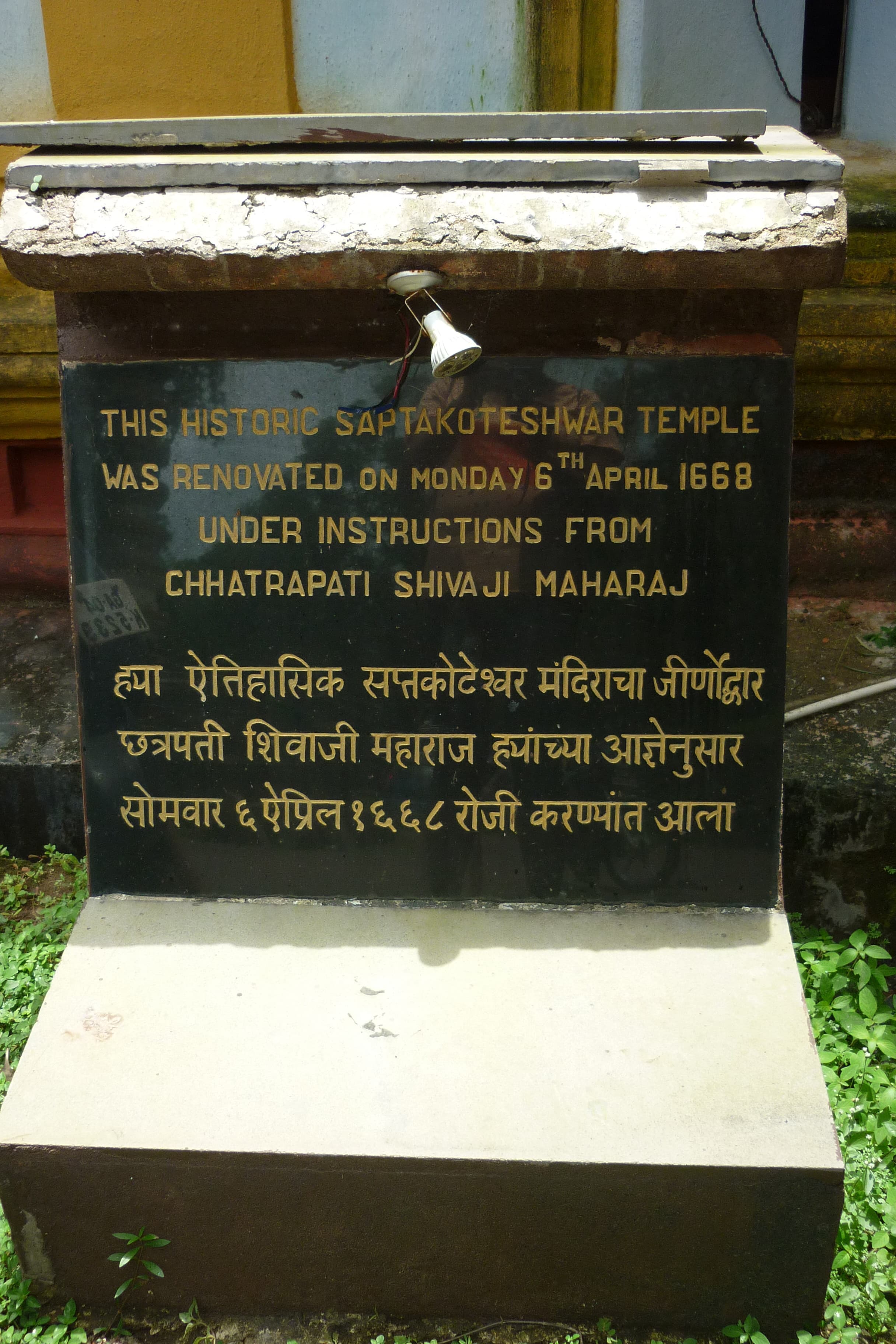
Shri Saptakoteshwar Temple Narve Goa
The humid Goan air, thick with the scent of incense and marigolds, clung to me as I stepped through the imposing gateway of the Shri Saptakoteshwar Temple in Narve. Having explored the intricate temple architecture of North India extensively, I was eager to see how this Goan gem, dedicated to Lord Shiva, compared. The temple, nestled amidst lush greenery, presented a striking contrast to the sun-drenched beaches Goa is renowned for. Its stark white walls, punctuated by vibrant splashes of colour from the fluttering prayer flags and the devotees’ attire, exuded a sense of serene power. The first thing that struck me was the distinct lack of the ornate carvings and towering *shikharas* so characteristic of North Indian temples. Instead, the Saptakoteshwar Temple showcased a simpler, yet equally compelling architectural style. The influence of the Portuguese colonial era was evident in the clean lines and the symmetrical structure, reminiscent of a neoclassical European building. Yet, the temple retained its distinct Hindu identity. The sloping tiled roof, the *deepstambha* (lamp tower) standing tall at the entrance, and the intricate carvings adorning the wooden doors, all whispered tales of ancient traditions and unwavering faith. I walked through the main courtyard, the smooth, cool stone beneath my feet a welcome respite from the midday heat. The central shrine, housing the *lingam* of Lord Shiva, was the focal point, drawing devotees in a steady stream. The air hummed with the rhythmic chanting of prayers, creating an atmosphere of profound reverence. I observed the rituals, fascinated by the blend of Hindu traditions and local Goan customs. The offering of coconuts, the lighting of lamps, and the application of *kumkum* on the foreheads – each act was imbued with a deep spiritual significance. The temple complex also housed smaller shrines dedicated to other deities, each with its own unique charm. I spent some time exploring these, admiring the intricate details of the sculptures and the vibrant colours of the murals. One particular shrine, dedicated to Lord Ganesha, caught my attention. The elephant-headed deity, carved from a single block of black stone, radiated an aura of gentle wisdom and playful energy. Beyond the spiritual significance, the Saptakoteshwar Temple also holds historical importance. Originally built in the 12th century by the Kadamba dynasty, it was later destroyed by the Portuguese. The current structure, rebuilt in the 18th century by the Maratha ruler Chhatrapati Shahu, stands as a testament to the resilience of faith and the enduring power of cultural heritage. This layered history added another dimension to my experience, making it more than just a visit to a religious site. As I sat on a stone bench in the courtyard, letting the tranquility of the temple wash over me, I reflected on the unique blend of architectural styles and cultural influences that had shaped this sacred space. The Saptakoteshwar Temple was not just a place of worship; it was a living testament to Goa's rich and complex history, a melting pot of traditions, and a beacon of spiritual devotion. It offered a fascinating glimpse into the cultural tapestry of Goa, distinct from the vibrant beaches and bustling markets, yet equally captivating. Leaving the temple, I carried with me not just the scent of incense and marigolds, but also a deeper understanding of the spiritual heart of Goa.
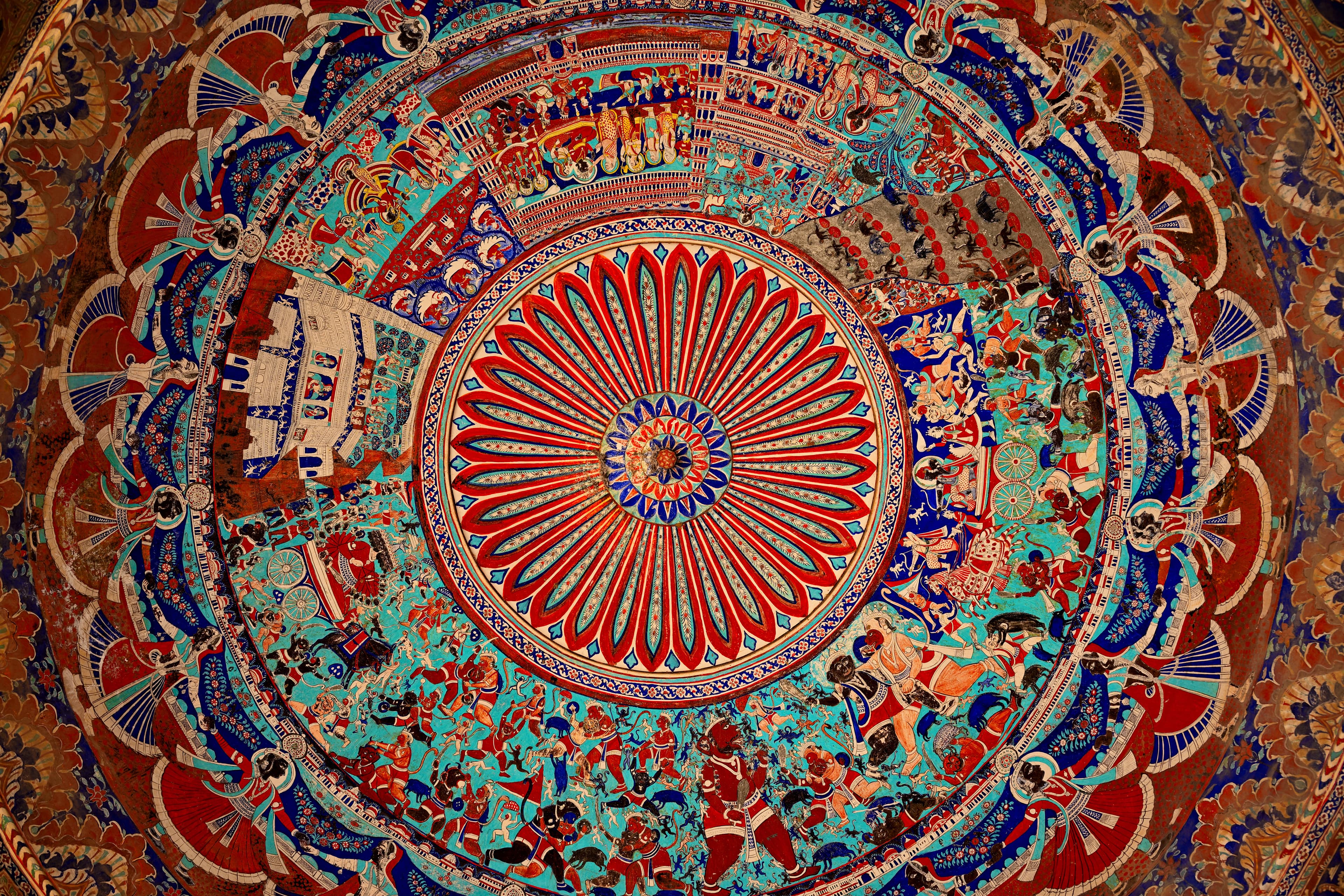
Seth Ram Gopal Haveli Mathura
The midday sun beat down on Mathura, casting long shadows across the narrow lanes as I finally stood before the imposing wooden doors of Seth Ram Gopal Haveli. A palpable sense of history hung in the air, a stark contrast to the bustling marketplace just a stone's throw away. This wasn't just another haveli; it was a whisper of a bygone era, a testament to the opulent lifestyle of Mathura's affluent merchant class. Pushing open the heavy doors, I stepped into a cool, dimly lit courtyard. The transition was immediate, from the chaotic energy of the streets to an almost monastic stillness. The haveli embraced me, its intricate carvings and aged brickwork whispering stories of generations past. My eyes were immediately drawn upwards to the five-story structure, a magnificent display of traditional Braj architecture. Each level, supported by elaborately carved wooden pillars, seemed to lean in slightly, as if in confidential conversation with its neighbour. The courtyard, the heart of the haveli, was paved with worn flagstones, a testament to countless footsteps that had traversed this space over centuries. A small, neglected tulsi plant occupied a corner, a poignant reminder of the family’s daily rituals. The walls surrounding the courtyard were adorned with frescoes, their colours faded yet still vibrant enough to depict scenes from Krishna’s life, a common motif in this region so deeply connected to the deity. I noticed the intricate jali work, delicate screens of carved stone allowing for both ventilation and privacy, a hallmark of Mughal architectural influence. Ascending the wide, wooden staircase, the scent of aged wood filled my nostrils. Each step creaked under my weight, a rhythmic soundtrack to my exploration. The upper floors revealed a labyrinth of interconnected rooms, each with its own unique character. Some rooms boasted ornate ceilings with intricate floral patterns, while others showcased remnants of painted murals, now fragmented and ghostly. I peered into a room that likely served as a kitchen, its walls blackened by years of cooking fires, imagining the aromas of traditional Braj cuisine that must have once permeated these spaces. One of the most striking features of the haveli was its collection of exquisitely carved wooden balconies. Leaning against the intricately patterned railing of one such balcony, I overlooked the bustling street below. It was easy to imagine the wealthy Seth, perhaps Ram Gopal himself, observing the daily life of the city from this very vantage point. The rhythmic clang of a blacksmith’s hammer, the melodic calls of street vendors, the laughter of children playing – these sounds, though centuries removed from the haveli’s heyday, still echoed in the spaces between the carved wood. While the haveli undoubtedly bore the marks of time and neglect, its grandeur was undeniable. Peeling paint, crumbling plaster, and the silence of empty rooms only added to its melancholic charm. It wasn't merely a structure; it was a living archive, a tangible link to a rich cultural heritage. I could almost hear the rustle of silk sarees, the murmur of conversations, and the joyous strains of celebratory music within its walls. As I descended the creaking staircase and stepped back into the vibrant chaos of Mathura’s streets, I carried with me a profound sense of connection to the city’s past. Seth Ram Gopal Haveli wasn't just a tourist attraction; it was a time capsule, offering a glimpse into a world of exquisite craftsmanship, opulent lifestyles, and a deep-rooted connection to tradition. It’s a place that deserves not just a visit, but a moment of quiet contemplation, a chance to listen to the stories whispered by its ancient walls.
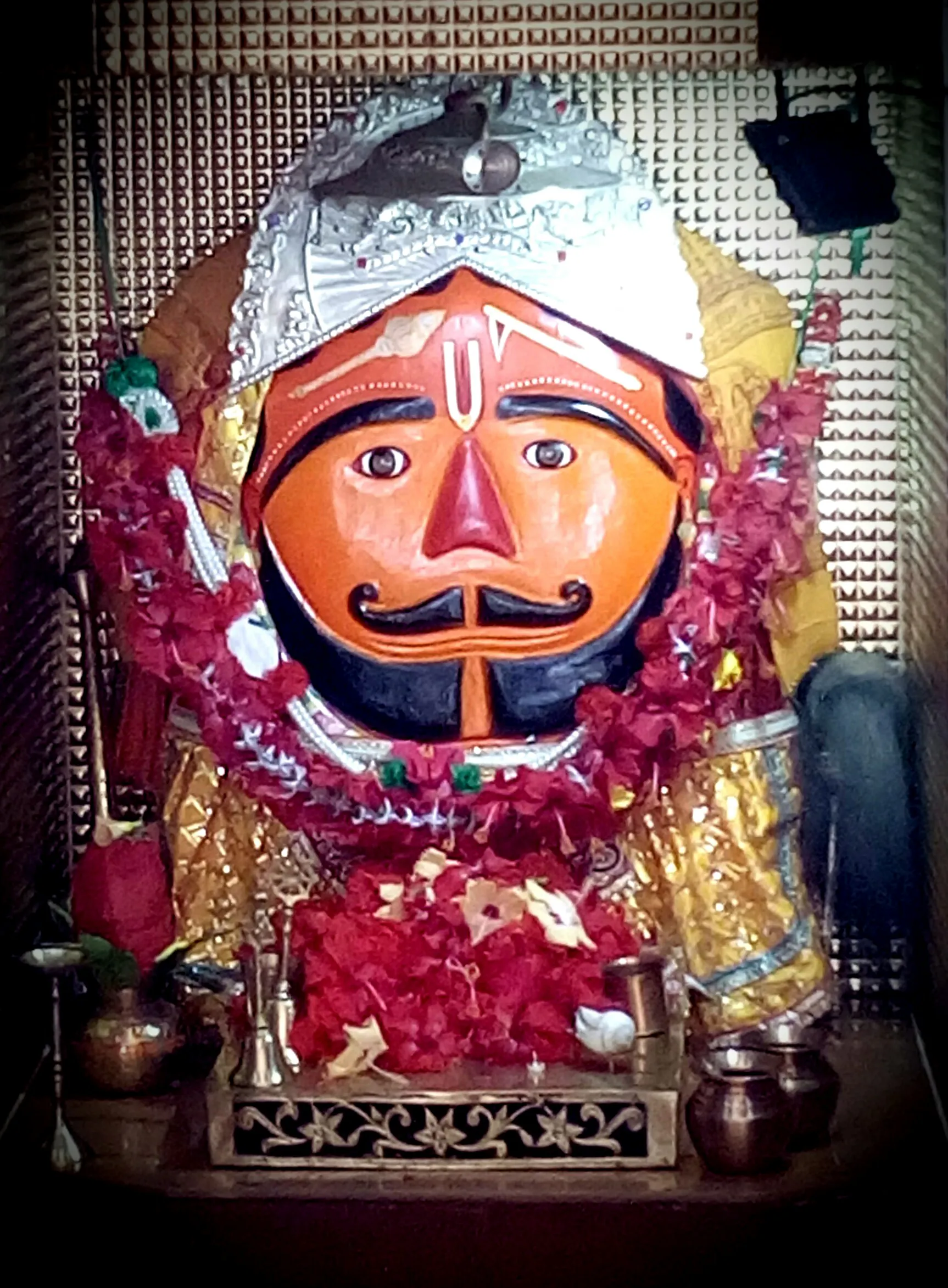
Shree Shree Hanuman Mandir Shillong
The vibrant hues of prayer flags snapped in the wind, a stark contrast against the deep green pines surrounding the Shree Shree Hanuman Mandir in Shillong. Having explored the basalt-carved caves and ancient temples of Maharashtra extensively, I was curious to see how this northeastern temple, dedicated to the monkey god, would compare. The air, crisp and cool even in the afternoon sun, held a different kind of reverence, a quiet hum of devotion that resonated differently from the fervent energy of Maharashtra's religious sites. The temple, perched atop a hill, commands a breathtaking view of Shillong. The climb itself is a pilgrimage of sorts, winding through a path lined with smaller shrines and stalls selling offerings. Unlike the intricate carvings and towering gopurams I'm accustomed to seeing back home, this temple possesses a simpler, more understated elegance. The main structure is predominantly white, with splashes of vibrant red and orange – colours synonymous with Hanuman. The architecture, while incorporating elements of traditional North Indian temple design, also displays a distinct local influence, perhaps in the sloping roof designed to withstand the region's heavy rainfall. Stepping inside, I was struck by the palpable sense of peace. The main deity, a towering statue of Lord Hanuman, dominates the sanctum. His vibrant orange form, chest puffed out in a display of strength and devotion, exudes an aura of powerful tranquility. Unlike the often dimly lit interiors of Maharashtra's ancient caves, this temple is bathed in natural light, filtering through large windows that offer panoramic views of the surrounding hills. The chanting of hymns, though present, was softer, more melodic, almost blending with the rustling of the pines outside. What truly captivated me was the syncretism evident in the temple's atmosphere. While dedicated to a Hindu deity, the temple attracts devotees from various faiths and backgrounds, reflecting the diverse tapestry of Meghalaya's population. I observed Khasi locals alongside devotees from other parts of India, all offering prayers and seeking blessings in their own unique ways. This intermingling of cultures and faiths, a beautiful testament to the region's inclusive spirit, was a refreshing change from the often more homogenous religious landscapes I've encountered elsewhere. The temple complex also houses a smaller shrine dedicated to Lord Shiva, further highlighting this blend of traditions. The lingam, bathed in the soft glow of oil lamps, offered a stark contrast to the vibrant Hanuman statue, yet both deities seemed to coexist harmoniously within the same sacred space. This subtle interplay of different energies, a quiet conversation between different forms of devotion, added another layer of depth to the temple's spiritual ambiance. Outside, the temple grounds offer ample space for reflection and contemplation. I spent some time wandering around, taking in the panoramic views and observing the interactions between devotees. Children played amongst the prayer flags, their laughter echoing through the crisp mountain air, while elders sat quietly, lost in prayer or simply enjoying the serene atmosphere. This sense of community, of shared devotion and peaceful coexistence, was perhaps the most striking aspect of my visit. Leaving the Shree Shree Hanuman Mandir, I felt a sense of quiet rejuvenation. While different from the ancient, rock-cut marvels of my home state, this temple offered a unique spiritual experience, a testament to the power of faith to transcend geographical and cultural boundaries. The vibrant colours, the tranquil atmosphere, and the inclusive spirit of the place left an indelible mark, a reminder that devotion can find expression in myriad forms, each as powerful and moving as the next.
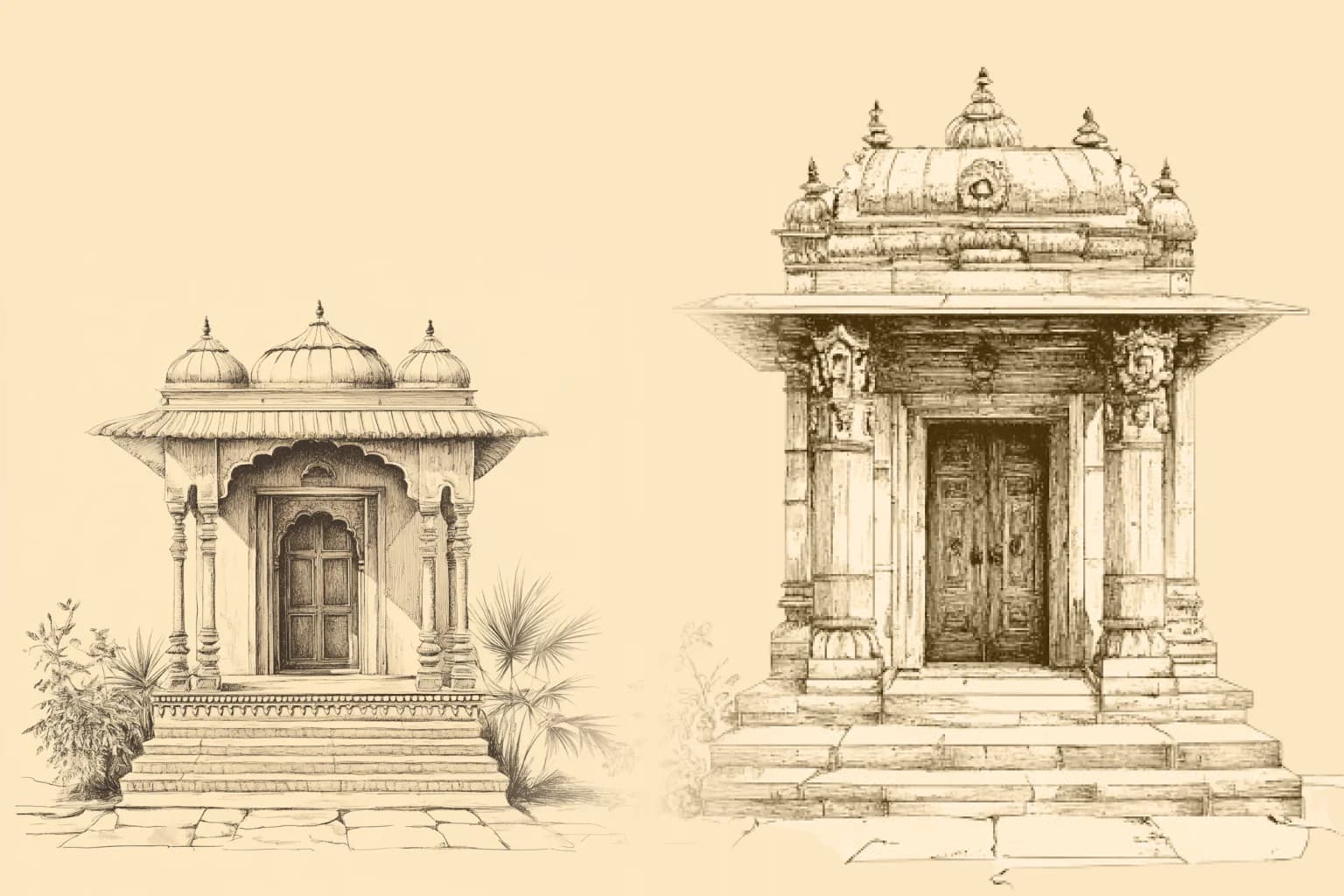
Jatmai Ghatarani Temple Raipur
The air hung thick and humid, a typical Chhattisgarh afternoon, as I climbed the final steps leading to the Jatmai Ghatarani Temple in Raipur. Having explored countless ancient sites across North India, I was prepared for the usual – perhaps a crumbling edifice, a quiet air of reverence, and the ubiquitous scent of incense. Jatmai Ghatarani, however, defied my expectations from the very first glimpse. Nestled amidst verdant hills, the temple complex unfolded before me, a vibrant tableau of ochre and white, buzzing with an energy that felt both ancient and intensely alive. Unlike the imposing stone structures I'd grown accustomed to in the north, Jatmai Ghatarani is predominantly built of brick, lending it a unique earthy warmth. The main temple, dedicated to Goddess Jatmai, a local deity revered as a protector and granter of wishes, is a relatively modern structure. However, the real architectural intrigue lies in the surrounding shrines and the intricate terracotta work adorning them. Panels depicting scenes from mythology, floral motifs, and geometric patterns are crafted with a precision that speaks volumes about the skill of the artisans. The terracotta, weathered by time and the elements, possesses a rich patina that adds to the temple's timeless appeal. I was immediately struck by the sheer number of devotees. Families, groups of friends, and solitary pilgrims thronged the courtyard, their vibrant attire contrasting beautifully with the temple's earthy tones. The atmosphere was charged with a palpable sense of devotion, yet it wasn't somber. Laughter mingled with chants, the clanging of bells with the rhythmic beat of drums. It was a celebration of faith, a vibrant expression of community and belief. I spent hours wandering through the complex, observing the rituals, listening to the stories whispered by the locals, and absorbing the unique energy of the place. One particular shrine, dedicated to Lord Shiva, caught my attention. It was a smaller structure, tucked away in a corner, but its simplicity was its strength. A smooth, black lingam, bathed in the soft glow of oil lamps, exuded an aura of tranquility. I sat there for a while, lost in the quiet hum of devotion that permeated the air. The temple complex also houses a sacred pond, believed to possess healing properties. I watched as devotees took a dip in the cool water, their faces reflecting a mixture of hope and reverence. The pond, surrounded by lush greenery, provided a welcome respite from the afternoon heat and added to the serene ambiance of the place. What truly set Jatmai Ghatarani apart, however, was the palpable connection between the temple and the community. This wasn't just a place of worship; it was the heart of the local life. I saw families sharing meals, children playing in the courtyard, and elders sharing stories. It was a testament to the enduring power of faith and its ability to bind a community together. As the sun began to dip below the horizon, casting long shadows across the temple complex, I made my way down the steps, carrying with me the echoes of chants, the scent of incense, and the vibrant images of a community united by faith. Jatmai Ghatarani isn't just a temple; it's a living, breathing testament to the enduring power of belief and the rich tapestry of Indian culture. It’s a place where history whispers from the terracotta walls and faith resonates in the heart of every devotee. It’s a place that will stay with me long after I’ve left its sacred grounds.
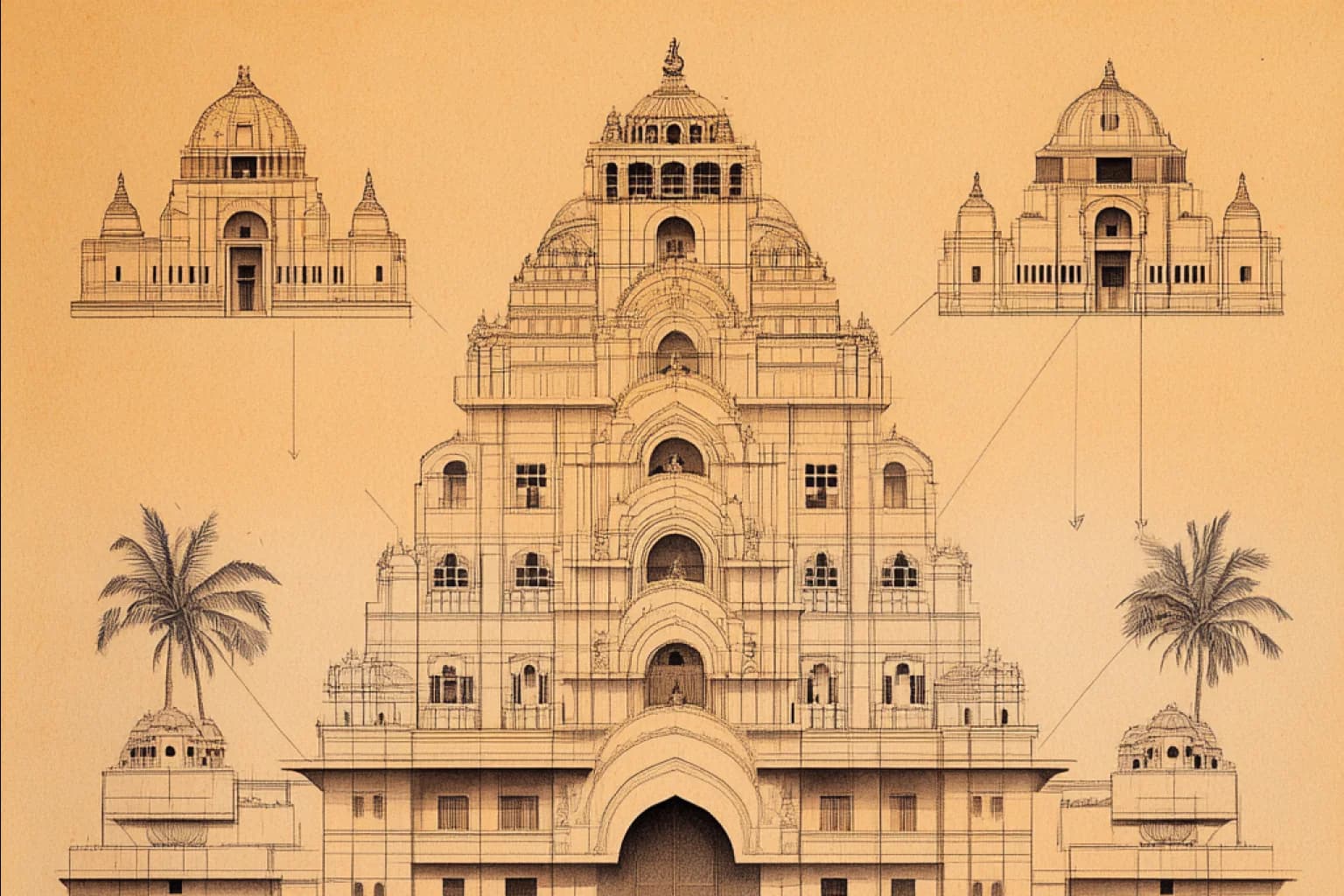
Bada Ganesh Mandir Ujjain
The Bada Ganesh Mandir, situated on Hari Phatak Road in Ujjain, Madhya Pradesh, stands as a profound testament to India's millennia-spanning cultural and religious heritage, embodying a continuous tradition of devotion to Lord Ganesha [1] [2]. This revered Hindu shrine, located in Ujjain—one of the seven sacred cities of Hinduism (Sapta Puri) and a site of the Kumbh Mela—underscores the city's enduring spiritual significance [1] [3]. The temple's central feature is a colossal idol of Lord Ganesha, depicted in a seated posture, measuring an impressive 25 feet in height and 10 feet in width [2]. This monumental sculpture was meticulously crafted from a composite of bricks, limestone, and sand [2]. A unique aspect of its creation involved the incorporation of holy waters sourced from all seven Mokshapuris, including Mathura, Haridwar, Ayodhya, Kanchipuram, Ujjain, Kashi, and Dwaraka, symbolizing a pan-Indian spiritual synthesis [2]. Further enhancing its grandeur, the idol features intricate ornamental works utilizing precious materials such as elephant emerald, Gaushala clay, various gemstones including diamond, emerald, topaz, pearl, and rubies, alongside metals like gold, silver, iron, and copper [2]. Maharishi Guru Maharaj Siddhant Vagesh Pt. Narayan Ji Vyas is credited with establishing this iconic Ganapathy idol through extensive experimentation [2]. The architectural style of the Bada Ganesh Mandir predominantly reflects Maratha influences, characterized by its distinctive sloping tiled roofs, a pragmatic design choice well-suited for the region's heavy monsoon rains [1]. While showcasing these Maratha characteristics, the core structure adheres to the foundational principles of traditional Hindu temple architecture, incorporating essential elements such as the *garbhagriha* (sanctum sanctorum), *mandapa* (pillared hall), and *shikhara* (tower) [1]. This fusion exemplifies the Maratha period's approach to integrating local traditions with their unique architectural identity [1]. Beyond the main deity, the temple complex also houses an idol of Panchmukhi Hanuman Ji, which is believed to predate the Ganesh idol, signifying the site's ancient and layered sacred history [4]. The temple is an active center of worship, with daily rituals commencing with an opening aarti accompanied by Vedic mantras, followed by the first puja dedicated to Lord Ganesha [3]. Devotees regularly present offerings of flowers, fruits, and incense [3]. The day concludes with an evening aarti and a closing ceremony [3]. The temple operates daily from 5:00 AM to 12:00 Noon and from 4:00 PM to 8:00 PM, attracting a substantial number of devotees, particularly during the Ganesh Chaturthi festival [2]. Conservation efforts are actively undertaken by organizations such as the Inheritage Foundation, which focuses on comprehensive documentation, including 3D scans and photographs, alongside physical repairs to address cracks, clean surfaces, and mitigate water damage [1]. These restoration and community engagement programs are crucial for the long-term preservation of this irreplaceable cultural heritage [1]. The site is fully operational and accessible to devotees and visitors, maintaining its role as a vibrant spiritual and cultural landmark in Ujjain [3] [5].
Quick Links
Plan Your Heritage Journey
Get personalized recommendations and detailed visitor guides