#1
Archaeological Site
Vidur Kutir Bijnor
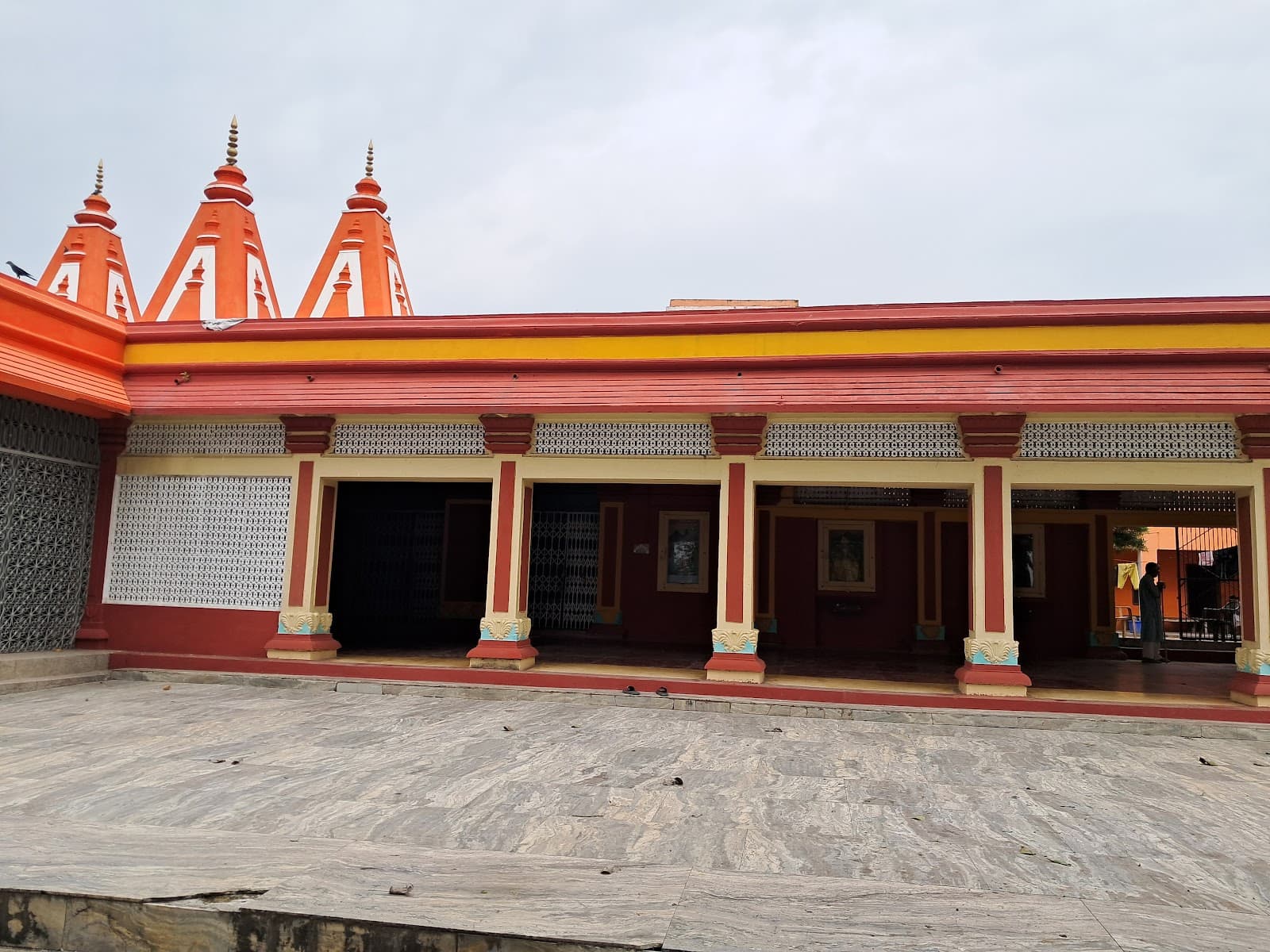
Vidur Kutir’s connection to the Mahabharata is profound and palpable. This site is traditionally held to be the ashram of Maharishi Vidur, the prime minister of the Kuru kingdom, after he departed Hastinapur. Upon my visit, the quiet reverence of the place was more striking than any architectural grandeur. I noticed wild spinach, or *bathua*, growing near the temple; it felt like a direct link to the past. Local belief asserts that Lord Krishna visited Vidur here, choosing to share a simple meal of this *saag* instead of accepting Duryodhana's lavish feast. This story perfectly captures the site’s essence: a focus on righteous devotion over worldly power. The main temple is a modest, vernacular structure built with local materials, designed for spiritual purpose rather than display. A key point of veneration inside is a footprint on a marble slab, believed to belong to Mahatma Vidur himself. The ashram serves its community with an Ayurvedic and Naturopathy hospital. Recent administrative efforts have led to the renovation of older buildings and significant tree planting, enhancing the site's tranquil atmosphere. The nearby settlement of Daranagarganj was established by Vidur as a protected enclave for the women and children of both the Pandavas and
4.746117891756047
500+ reviews
Vidur Kuti Road, Dara Nagar Ganj (246701), Moradabad Division, Uttar Pradesh, India
During the Vidur Kuti Mela (around Kartik Purnima in November): For a vibrant cultural experience with local fairs and religious gatherings. October to March: Pleasant weather (15-25°C) ideal for exploring the site comfortably. Early mornings are recommended for a peaceful visit and to avoid crowds.
Entry Fee:Free for all visitors.
Best Time:October to March
Why Top:Architectural marvel
Key Highlights:
Nagara Architecture
Kalinga Architecture
Gupta Period Architecture

#2
Temple
Kusum Sarovar Govardhan
The air, thick with the scent of incense and marigold garlands, vibrated with a low hum of chanting as I descended the worn sandstone steps leading to Kusum Sarovar. This wasn’t just another monument on my North Indian itinerary; it was a palpable breath of history, nestled in the heart of Braj, near Govardhan Hill. Having explored countless ancient sites across the region, I thought I was immune to being awestruck, but Kusum Sarovar, with its serene beauty and spiritual weight, proved me wrong.
The sarovar, or sacred pond, is rectangular, its still, dark water reflecting the surrounding architecture like a mirror. The banks are lined with intricately carved chhatris, small pavilions with delicate pillars and domed roofs, each a miniature masterpiece of Mughal-influenced Rajput architecture. I noticed the recurring motif of blossoming lotuses carved into the stone, a symbol of purity and rebirth, fitting for a place so steeped in religious significance. Unlike many historical sites that have succumbed to neglect, Kusum Sarovar is remarkably well-maintained. The sandstone, though weathered by centuries of sun and rain, retains its warm, honeyed hue, and the carvings, while softened by time, are still crisp and detailed.
I spent a good hour just walking the perimeter, absorbing the details. The chhatris, I learned from a local priest, were built in the 18th century by the Jat rulers, commemorating various Radha-Krishna legends associated with this very spot. He pointed out one particular chhatri, slightly larger and more ornate than the others, said to mark the spot where Radha and her gopis would meet Krishna. Looking out at the placid water, I could almost imagine the scene unfolding centuries ago – the vibrant colours of their silks, the tinkling of their anklets, the air filled with laughter and the melody of flutes.
The steps leading down to the water are broad and inviting, worn smooth by countless pilgrims who have come to bathe in the sacred waters. I watched as families performed rituals, offering flowers and prayers, their faces etched with devotion. The atmosphere was charged with a quiet reverence, a stark contrast to the bustling marketplaces I’d encountered elsewhere in Mathura. It was a reminder that this wasn’t just a tourist attraction; it was a living, breathing testament to faith.
Beyond the immediate vicinity of the sarovar, the landscape unfolds into a panorama of green fields and the looming silhouette of Govardhan Hill. This proximity to nature adds another layer to the site’s charm. The gentle breeze rustling through the trees, the chirping of birds, the distant lowing of cattle – all contribute to a sense of tranquility that is hard to find in the urban chaos of Delhi.
One architectural detail that particularly caught my eye was the use of jalis, intricately carved lattice screens, in some of the chhatris. These screens not only provided shade and ventilation but also created a play of light and shadow, adding a dynamic element to the otherwise static structures. I peered through one of the jalis, framing the sarovar and the distant hill in a perfect, naturally occurring picture frame. It was a moment of pure visual poetry.
As the sun began to dip below the horizon, casting long shadows across the sarovar, I found a quiet corner to sit and reflect. Kusum Sarovar is more than just a beautiful monument; it's a portal to another time, a place where history, mythology, and spirituality intertwine. It’s a reminder of the enduring power of faith and the beauty that can be found in the simplest of things – the reflection of the sky on still water, the warmth of ancient stone, the whisper of a prayer carried on the wind. It's a place I won't soon forget, and one I highly recommend to anyone seeking a deeper connection with India's rich cultural heritage.
#3
Temple
Kashi Vishwanath Temple Varanasi
The narrow lanes of Vishwanath Gali, teeming with pilgrims and the scent of incense, felt worlds away from the bustling Varanasi ghats. This labyrinthine alley, barely wide enough for two people to pass comfortably, funnels devotees towards a single, incandescent point: the Kashi Vishwanath Temple, a structure whose very stones seem to vibrate with centuries of devotion. Having photographed over 500 monuments across India, I thought I was prepared for the intensity of this experience, but the sheer spiritual charge of the place was overwhelming.
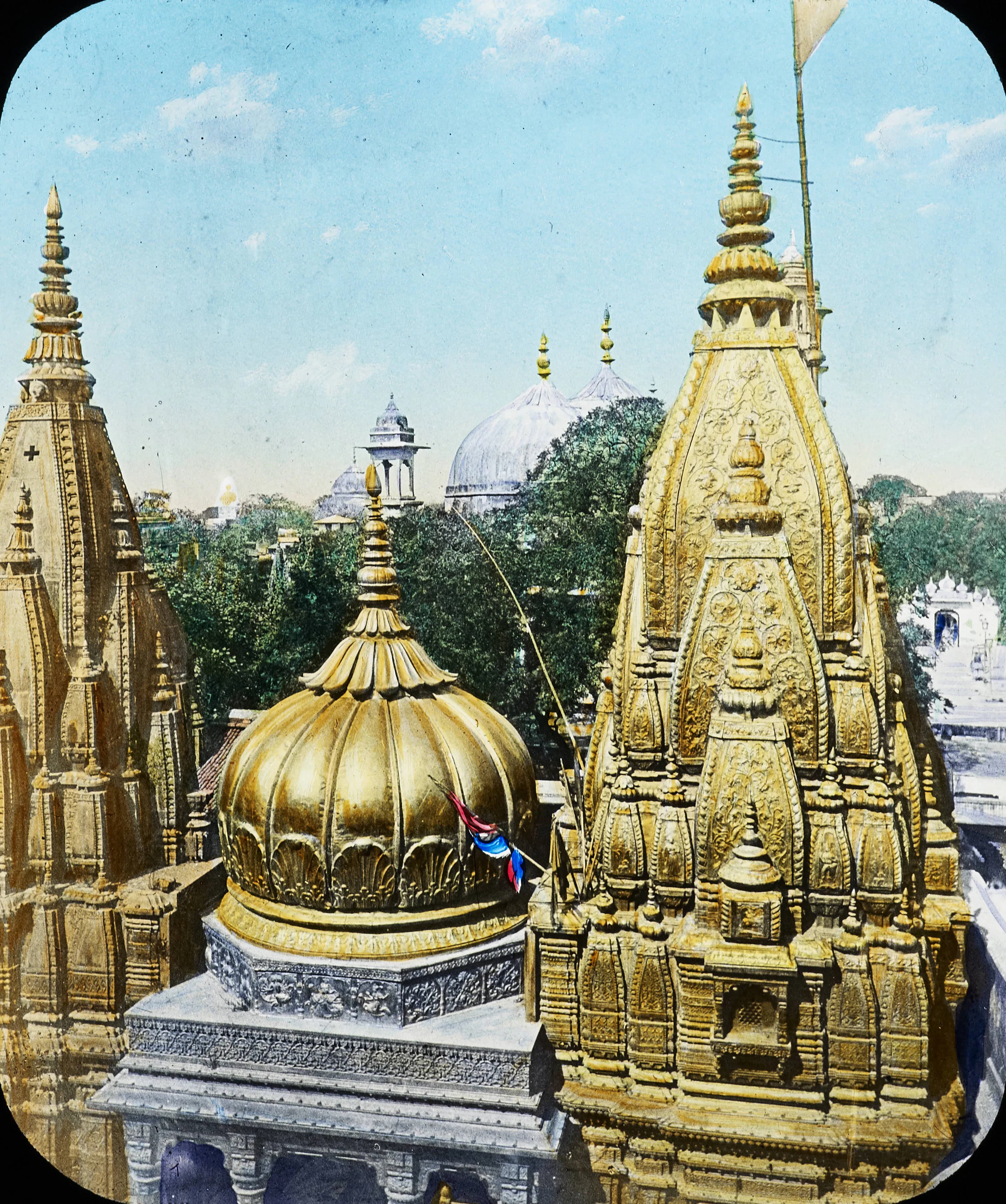
Emerging from the alley's dimness, the temple’s gold-plated shikhara, or spire, blazed under the afternoon sun. It’s a breathtaking sight, a beacon of faith that draws the eye and the spirit. The intricate carvings covering the spire, depicting scenes from Hindu mythology, are a testament to the skill of the artisans who crafted them. Even from a distance, the sheer density of the ornamentation is striking, each figure and motif telling its own silent story.
Security is understandably tight, and the process of entering the temple involves multiple checkpoints and a necessary relinquishing of cameras and phones. This enforced digital detox, while initially frustrating for a photographer, ultimately enhanced the experience. Stripped of the impulse to document, I was forced to simply *be* present, to absorb the atmosphere through my senses rather than my lens.
Inside, the courtyard is a vibrant tapestry of activity. Priests chant ancient mantras, the air thick with the aroma of burning camphor and marigold garlands. Devotees, their faces alight with fervor, offer prayers and perform rituals. The walls, though worn smooth by the touch of countless hands, still bear traces of their intricate carvings. I noticed the subtle variations in the stonework, from the finely detailed sculptures of deities to the geometric patterns that adorned the pillars. The architecture, a blend of several styles reflecting the temple's complex history of destruction and reconstruction, speaks volumes about the enduring power of faith.
The main sanctum, housing the Jyotirlinga, is the epicenter of this spiritual vortex. While photography is prohibited, the image of the shimmering lingam, bathed in the soft glow of oil lamps, is etched in my memory. The palpable energy of the space, amplified by the fervent chanting and the sheer density of devotion, is unlike anything I’ve experienced. It's a sensory overload, a cacophony of sound and scent and emotion that leaves you breathless.
Leaving the main temple, I explored the smaller shrines dedicated to various deities within the complex. Each shrine, though smaller in scale, possessed its own unique character and atmosphere. I was particularly drawn to the Nandi shrine, where the faithful offered their respects to Shiva's sacred bull. The worn smoothness of the Nandi statue, polished by centuries of touch, spoke to the enduring power of devotion.
Even after exiting the temple complex and regaining the relative calm of the ghats, the reverberations of the experience stayed with me. The Kashi Vishwanath Temple is more than just a monument; it's a living, breathing entity, pulsating with the heartbeats of millions of devotees. It's a place where faith transcends the physical realm, where the mundane dissolves into the sacred. As a heritage photographer, I’ve documented countless sites of historical and cultural significance, but few have touched me as profoundly as this. The Kashi Vishwanath Temple is a testament to the enduring power of faith, a place where the divine feels tangibly present. It's an experience that transcends the visual, etching itself onto the soul.
#4
Temple
Kardameswar Mahadev Temple Varanasi
The Ganges, a swirling ribbon of ochre and silver, flowed just beyond the ghats, its rhythmic lapping a constant backdrop to the chants emanating from the Kardameswar Mahadev Temple. As someone who has spent years exploring the cave temples of Maharashtra, carved into the basalt heart of the Deccan plateau, stepping into this Varanasi temple was like entering a different world. Here, the architecture wasn't hewn from rock, but built brick by brick, rising towards the sky with a delicate intricacy that contrasted sharply with the rugged simplicity I was accustomed to.
Located in the southern part of Varanasi, near the famed Kedar Ghat, the Kardameswar Mahadev Temple isn't as imposing as some of the city's grander structures. Yet, its unassuming exterior belies a rich history and a palpable spiritual energy. The temple is dedicated to Lord Shiva, in his form as Kardameswar, the "Lord of the Mud," a reference to the creation myth where Brahma emerged from the primordial waters. This connection to creation is reflected in the temple's atmosphere, a sense of quiet rebirth permeating the air.
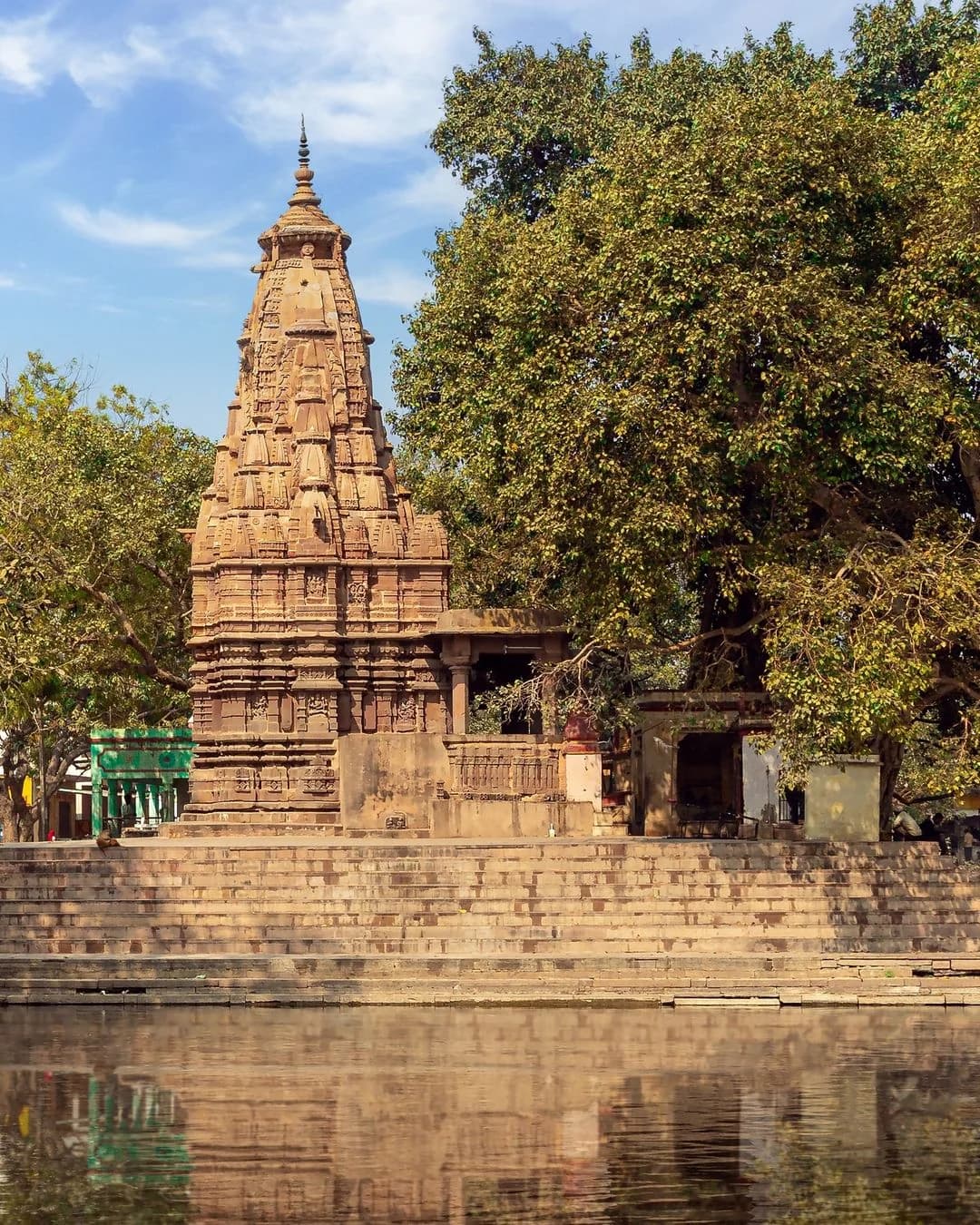
The entrance is through a modest arched gateway, leading into a small courtyard. The main shrine stands at the center, its shikhara, or tower, rising in a series of gradually receding tiers, culminating in a golden kalash, a pot-like finial. Unlike the pyramidal shikharas of South Indian temples or the curvilinear ones common in Odisha, this one displayed a distinct North Indian style, its profile gently curving outwards before tapering towards the top. The brickwork was intricate, with delicate carvings of floral motifs and divine figures adorning the surface. Traces of faded paint hinted at a more vibrant past, suggesting that the temple was once a riot of color.
Inside the sanctum sanctorum, a lingam, the symbolic representation of Lord Shiva, stood bathed in the soft glow of oil lamps. The air was thick with the scent of incense and the murmur of prayers. Devotees offered flowers, milk, and water, their faces etched with devotion. I watched as a priest performed the aarti, the rhythmic waving of lamps accompanied by the chanting of mantras, the ancient syllables resonating within the small chamber.
What struck me most about the Kardameswar Mahadev Temple wasn't its grandeur, but its intimacy. Unlike the cavernous halls of the Ellora caves or the sprawling complexes of Ajanta, this temple felt personal, a space for quiet contemplation and connection. The limited space, filled with the murmur of prayers and the scent of incense, fostered a sense of closeness, not just with the divine, but also with the other devotees. It was a shared experience, a collective immersion in faith.
Stepping out of the main shrine, I noticed a smaller shrine dedicated to Goddess Parvati, Shiva's consort. This shrine, too, was built in the same North Indian style, its shikhara echoing the main temple's architecture. The presence of Parvati alongside Shiva underscored the concept of Ardhanarishvara, the composite form of Shiva and Parvati, representing the inseparable nature of the masculine and feminine principles in the cosmos.
As I left the temple and walked towards the ghats, the sounds of the city slowly enveloped me. The chants faded into the background, replaced by the calls of vendors and the splash of oars in the Ganges. Yet, the sense of peace I felt within the temple lingered, a quiet reminder of the spiritual heart that pulsed beneath the vibrant chaos of Varanasi. The Kardameswar Mahadev Temple, though small in size, offered a profound glimpse into the rich tapestry of Hindu faith and the architectural heritage of North India, a stark yet fascinating contrast to the rock-cut wonders I knew so well from my home state of Maharashtra.
#5
Temple
Brahmeswara Temple Bhubaneswar
The rising sun casts long shadows across the sculpted walls of the Brahmeswara Temple, bathing the sandstone in a golden hue. A visit to this magnificent structure in Bhubaneswar offers a tangible connection to the architectural achievements of the Somavamsi dynasty ([1]). As an enthusiast who has explored numerous heritage sites, the Brahmeswara Temple distinguishes itself as a remarkable example of Kalinga architecture's evolutionary phase ([2]).
Intricate carvings adorning the walls narrate tales of devotion and artistry. Dedicated to Lord Shiva, the temple's relatively compact size allows for an intimate exploration of its detailed craftsmanship ([3]). Unlike later Odishan temples, the sculptures here are seamlessly integrated with the temple walls, forming a unified tapestry of narrative and decorative elements ([4]).
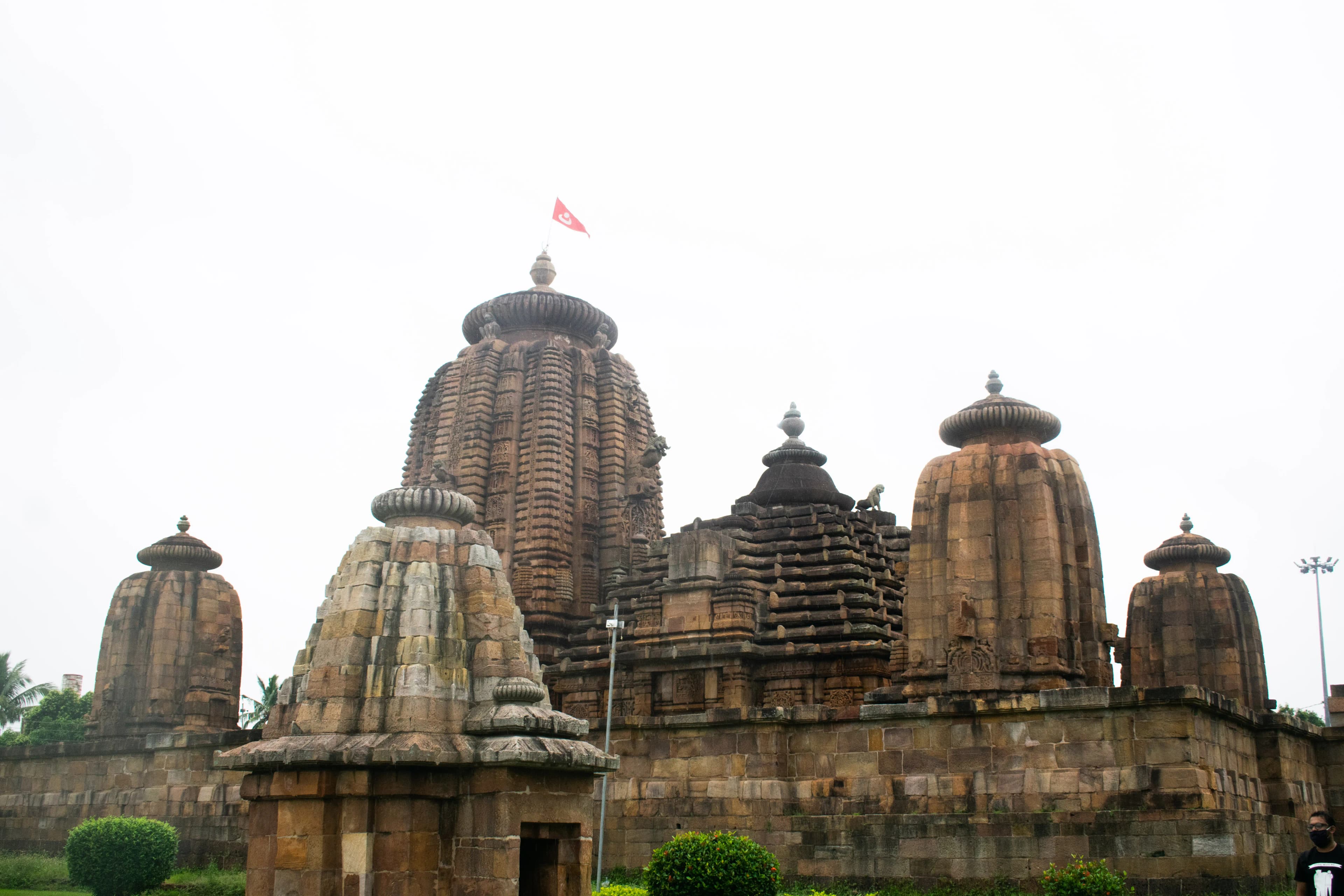
My gaze is immediately drawn upwards to the towering *shikhara* (spire), the curvilinear tower that dominates the skyline. The Brahmeswara Temple marks a pivotal point in the *shikhara's* development, showcasing a refined and elongated form compared to earlier structures ([5]). Miniature replicas of the *shikhara* adorn the main tower, creating a mesmerizing fractal effect. Circling the temple, I observed the *jagamohana* (pillared hall) in front of the sanctum. This structure is richly ornamented, with pillars carved with deities, mythical creatures, and scenes from daily life ([6]).
Within the *Garbhagriha* (sanctum), the *lingam*, a symbolic representation of Lord Shiva, stands at the center. The temple complex also houses smaller shrines dedicated to various deities ([7]). As I walked away from the Brahmeswara Temple, I reflected on the enduring legacy of this architectural marvel. Built around 1060 CE during the Eastern Ganga period, it reflects the era's artistic and spiritual ethos ([8]). For those seeking to understand the evolution of temple architecture in Odisha, the Brahmeswara Temple offers an enriching and insightful experience ([9]).
#6
Temple
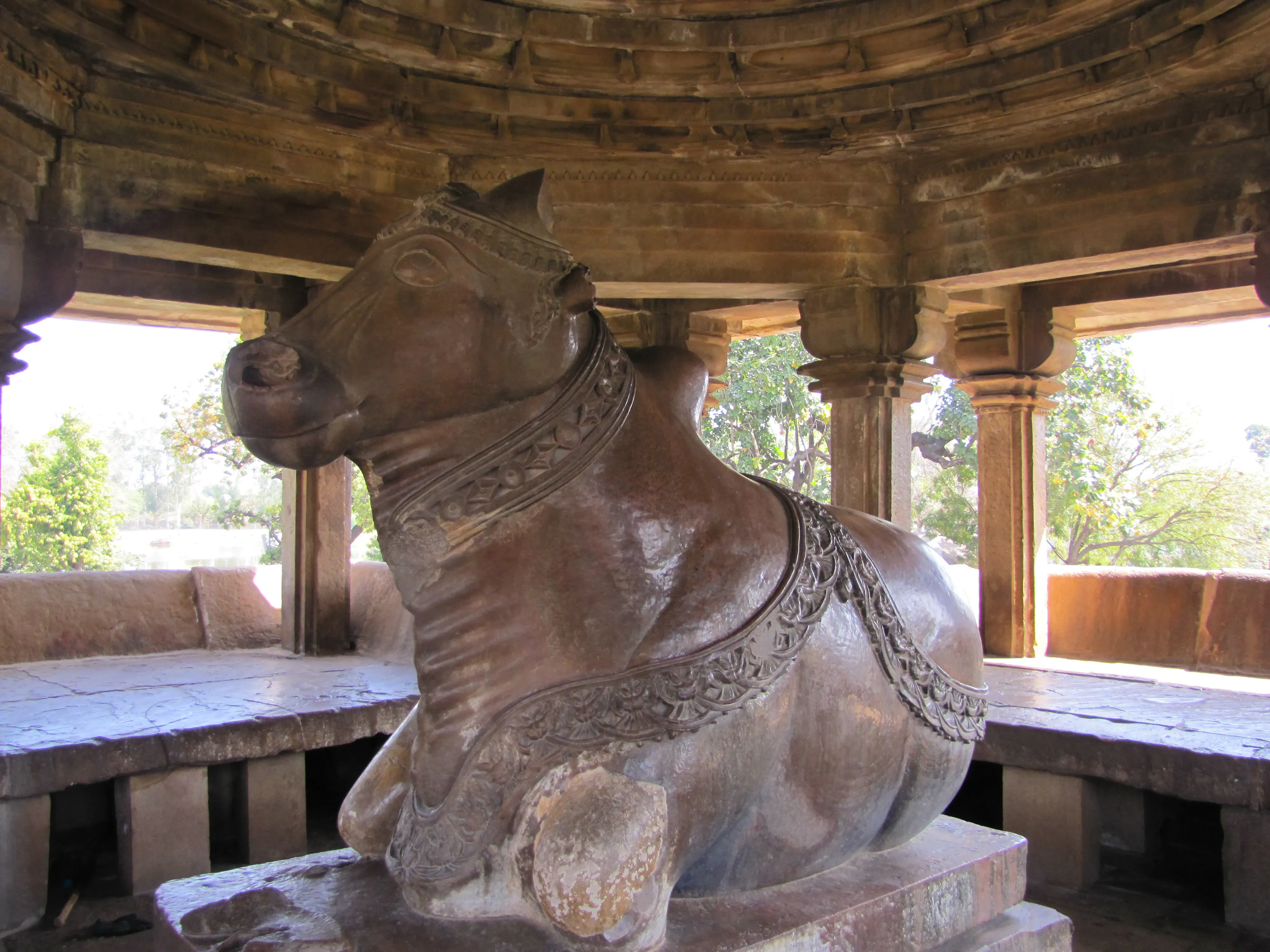
Bull Temple (Dodda Basavana Gudi) Bengaluru
Dominating the landscape of Bengaluru's Basavanagudi, the Dodda Basavana Gudi, more popularly known as the Bull Temple, houses a massive Nandi (sacred bull) idol ([1]). Commissioned by Kempe Gowda I, a chieftain of the Vijayanagara empire, in 1537 CE, this temple exemplifies Dravidian architectural principles ([2][3]). The temple's construction, marked by granite carvings, stands as a testament to the 16th-century Vijayanagara artistry ([4]).
Stone platforms and foundations provide a stable base for the temple structure, ensuring its longevity. The monolithic Nandi, carved from a single granite boulder, is a remarkable sight, measuring 4.5 meters in height and 6.5 meters in length ([1][2]). Emphasizing simplicity and monumentality, the Nandi sculpture is often adorned with garlands, reflecting the devotion of its worshippers ([5]).
During the Vijayanagara period, temple architecture flourished, characterized by towering Gopurams (pyramidal towers) and intricate carvings ([3]). The open courtyard, a typical feature of Dravidian temple design, integrates the temple with its natural surroundings. Legend narrates that the Nandi idol was initially smaller but grew in size, linked to a tale where devotees sought to appease a bull damaging groundnut crops ([5]). This narrative underscores the temple's deep connection to the local community and its agricultural practices.
Within the Garbhagriha (Sanctum), the Nandi embodies the unifying power of faith, subtly bridging stylistic elements of both North and South Indian temple traditions ([4]). The use of granite, mortar, soapstone, and plaster highlights the regional materials employed in its construction. This temple remains a vibrant center for religious practice and a significant landmark in Bengaluru's cultural heritage.
.jpg&w=3840&q=75)
#7
Monument
Jarai Ka Math Temple Barwasagar
The sun, a molten orb in the Bundelkhandi sky, cast long shadows across the parched landscape as I approached the Jarai Ka Math temple near Barwasagar. Dust swirled around my jeep, settling on the scrubby vegetation that clung tenaciously to the rocky terrain. This wasn't a place you stumbled upon; it was a destination sought out, a whisper of ancient artistry hidden in the heart of India.
The temple, dedicated to Lord Shiva, rises from a low, rocky outcrop, a testament to the architectural prowess of the Chandella dynasty. Its sandstone walls, once a vibrant ochre, are now weathered to a warm, honeyed hue, etched with the passage of time and the relentless touch of the elements. Unlike the grand, elaborately carved temples of Khajuraho, Jarai Ka Math exudes a quiet dignity, its beauty found in its elegant proportions and subtle ornamentation.
Climbing the worn stone steps, I felt a palpable shift in atmosphere. The heat seemed to lessen, replaced by a sense of tranquility. The temple's compact mandapa, or porch, welcomed me with its intricately carved pillars. While not as profusely adorned as some of the more famous Chandella temples, the carvings here possessed a unique charm. Floral motifs intertwined with depictions of celestial beings, their forms softened by erosion, lending them an ethereal quality. I spent a considerable amount of time photographing these details, trying to capture the interplay of light and shadow that brought the carvings to life.
The garbhagriha, the inner sanctum, was smaller than I anticipated, its doorway framed by an intricately carved architrave. Peering inside, I could just make out the lingam, the symbol of Shiva, bathed in the soft glow of the afternoon sun filtering through the doorway. The air within felt thick with centuries of prayers and devotion.
What struck me most about Jarai Ka Math was its isolation. Unlike other, more popular heritage sites, there were no crowds, no hawkers, just the whispering wind and the distant calls of birds. This solitude amplified the sense of connection to the past. I could almost imagine the artisans who meticulously carved these stones centuries ago, their devotion imbued in every chisel mark.
Circling the temple, I noticed a series of smaller shrines scattered around the main structure, some reduced to rubble, others still retaining vestiges of their former glory. These remnants hinted at a larger complex, a thriving religious center that had fallen victim to the ravages of time and neglect. I clambered over fallen stones, my camera capturing the fragmented beauty, each broken piece telling a silent story.
The western side of the temple offered a panoramic view of the surrounding countryside. The landscape stretched out before me, a tapestry of fields, dotted with villages and framed by distant hills. It was a breathtaking vista, a reminder of the symbiotic relationship between the temple and its environment. The setting sun painted the sky in hues of orange and purple, casting a magical glow over the ancient stones.
As I prepared to leave, I paused at the base of the temple, looking back at its weathered silhouette against the darkening sky. Jarai Ka Math wasn't just a collection of stones; it was a living testament to a rich cultural heritage, a place where the past whispered secrets to those who took the time to listen. My photographs, I hoped, would capture not just the physical beauty of the temple, but also the intangible sense of history and spirituality that permeated the air. It was a privilege to document this hidden gem, a responsibility to share its story with the world.
#8
Temple
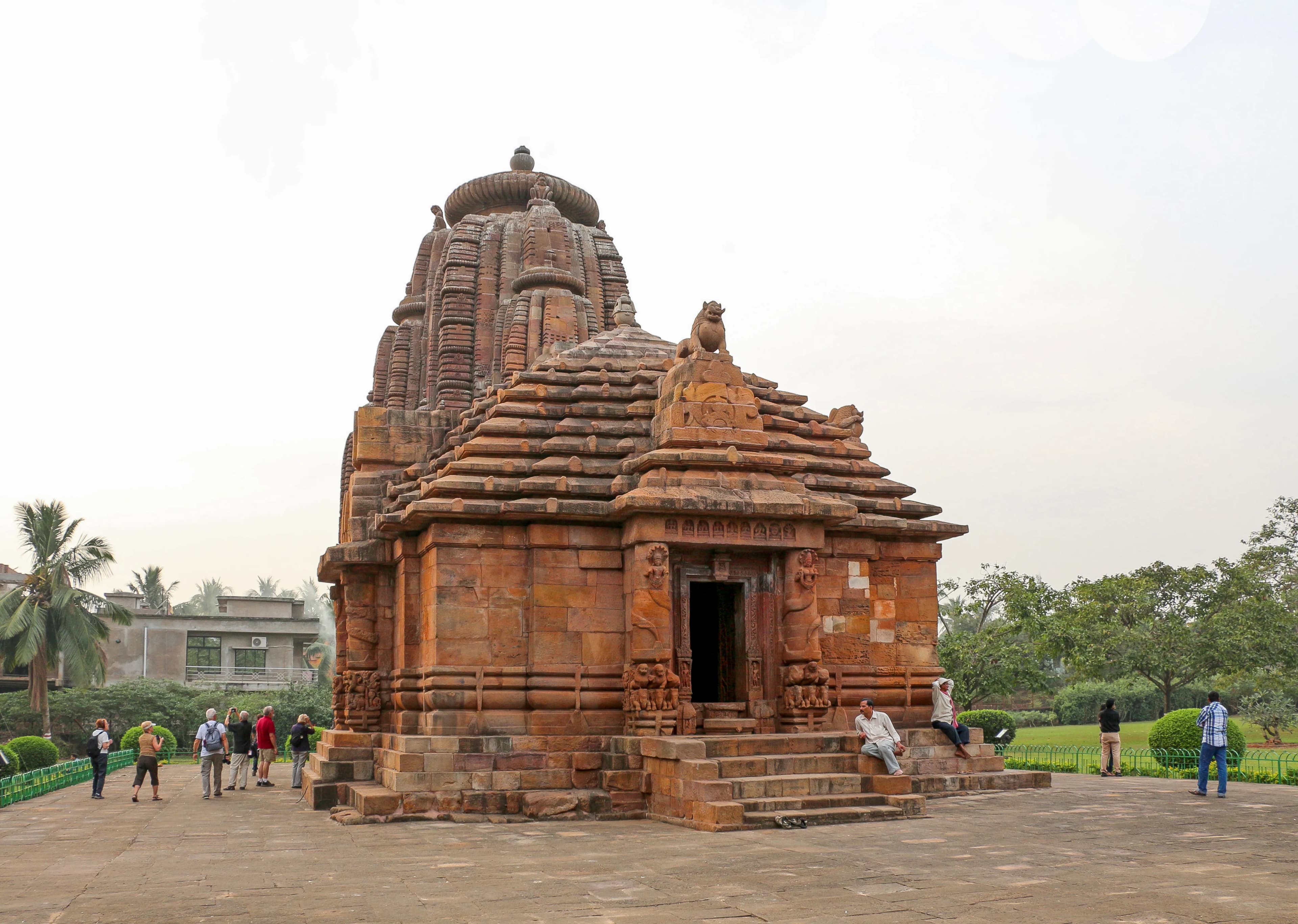
Rajarani Temple Bhubaneswar
The sun, a molten orb in the Bhubaneswar sky, cast long shadows across the sculpted figures adorning the Rajarani Temple. Having crisscrossed the length and breadth of North India, exploring countless temples, I thought I’d become somewhat immune to architectural marvels. But Odisha, with its unique Kalinga style, stopped me in my tracks. The Rajarani, even in its name – a moniker derived from the reddish-gold sandstone used in its construction – hinted at something special.
Unlike the towering structures of Khajuraho or the intricate carvings of Konark, the Rajarani exudes a quiet elegance. The temple, raised on a platform, is surrounded by a manicured lawn, a welcome respite from the bustling city just beyond its walls. The sandstone, locally known as "rajarania," glows with a warm, almost ethereal light, particularly striking during the golden hours. It's a softer, more delicate hue than the sandstone I've encountered in Rajasthan, lending the temple a feminine grace.
As I approached the deul, the main temple structure, I was immediately drawn to the intricate carvings that covered almost every inch of its surface. Unlike the narrative panels found in many North Indian temples, the Rajarani’s carvings are predominantly decorative. Sumptuous figures of nayikas (heroines) in various poses, celestial musicians, and intricate floral motifs adorn the walls. These figures, though sensual and evocative, are remarkably restrained, hinting at emotions rather than explicitly portraying them. I noticed a distinct absence of deities within the sanctum, a mystery that adds to the temple’s enigmatic charm. Local lore suggests it was once dedicated to Shiva, while others believe it was a tantric shrine. This ambiguity, rather than detracting from the experience, only deepens the sense of wonder.
The temple’s architecture is a fascinating blend of styles. The curvilinear shikhara, reminiscent of the later temples of Khajuraho, rises gracefully towards the sky. However, the lower portions of the temple, with their intricate carvings and decorative bands, retain a distinct Odia flavour. I spent a considerable amount of time examining the dikpalas, the guardian deities carved on the outer walls. Their forms, though weathered by time, still retain a powerful presence, their expressions a blend of serenity and strength.
One of the most striking features of the Rajarani is the presence of sculpted erotic figures, similar to those found at Konark. However, unlike the explicit depictions at the Sun Temple, the erotic carvings here are more subtle, interwoven with the decorative motifs and often difficult to discern at first glance. This integration of the sensual within the sacred speaks volumes about the holistic worldview of the time.
Walking around the temple complex, I noticed several smaller shrines surrounding the main deul. These subsidiary shrines, though less ornate, echo the architectural style of the main temple. The entire complex is designed to draw the visitor’s gaze upwards, towards the soaring shikhara, creating a sense of awe and reverence.
The Rajarani Temple is more than just a collection of stones and carvings; it’s a testament to the artistic and spiritual sensibilities of a bygone era. It’s a place where the boundaries between the sacred and the secular, the sensual and the spiritual, become blurred. As I left the temple grounds, the setting sun painting the sandstone a fiery orange, I felt a profound sense of peace and a renewed appreciation for the rich tapestry of Indian art and architecture. The Rajarani, though less famous than some of its counterparts, is a hidden gem, a must-see for anyone seeking to delve deeper into the heart of India's cultural heritage.
#9
Temple
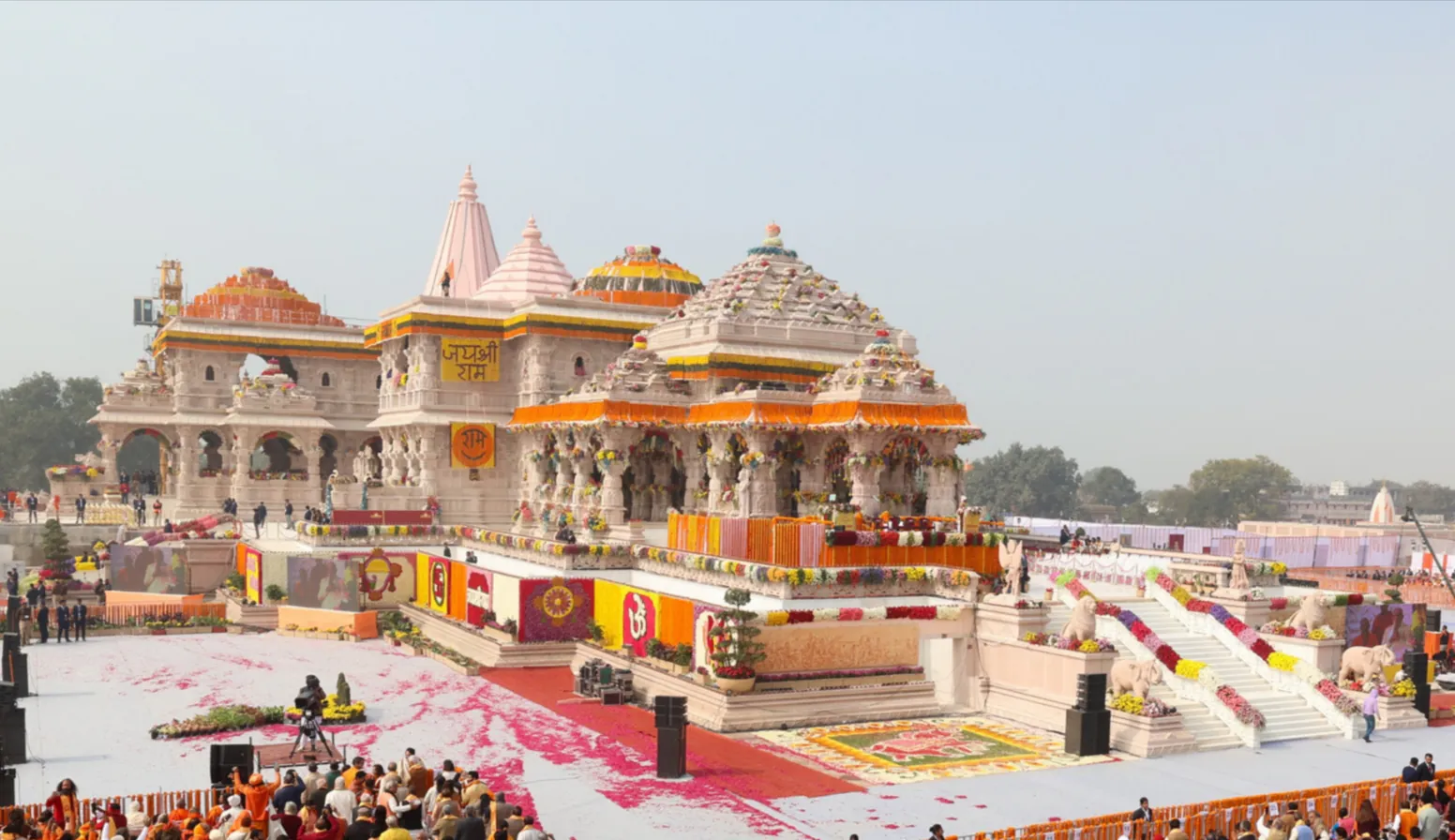
Ram Mandir Ayodhya
The dust of centuries seemed to settle as I stepped onto the hallowed ground of the Ram Janmabhoomi in Ayodhya. After years of traversing India's UNESCO sites, this one felt particularly resonant, a place where history, faith, and national identity intertwine in a complex tapestry. The newly constructed Ram Mandir, gleaming white under the Uttar Pradesh sun, is an imposing structure, its scale dwarfing the surrounding buildings. It’s a powerful statement, a testament to enduring belief.
The architecture is a breathtaking blend of traditional Nagara style and contemporary engineering. Intricate carvings adorn every pillar, every archway, depicting scenes from the Ramayana, each a narrative in stone. The sheer volume of detailed carvings is astounding; I spent hours just absorbing the artistry, noticing new details with every glance. The creamy white marble, sourced from Rajasthan, shimmers, creating an ethereal glow, especially as the sun begins its descent. The main shikhara, soaring towards the heavens, is a marvel of engineering and a beacon of faith visible from miles around.
The atmosphere within the temple complex is palpable. A sense of reverence hangs heavy in the air, punctuated by the chanting of hymns and the rustling of silk sarees. Devotees from all walks of life, their faces etched with devotion, queue patiently for darshan, a glimpse of the deity within the sanctum sanctorum. Witnessing this collective expression of faith was deeply moving, a reminder of the power of belief to unite and inspire.
One aspect that struck me was the meticulous organization despite the sheer volume of visitors. The security is tight but unobtrusive, allowing for a smooth flow of devotees. The temple complex itself is designed to accommodate large crowds, with spacious courtyards and designated areas for prayer and reflection. Even the surrounding areas have been revamped, with wider roads and improved infrastructure, making access to the temple significantly easier.
Beyond the grandeur of the temple itself, the entire city of Ayodhya seems to hum with a renewed energy. The streets are bustling with activity, shops overflowing with religious paraphernalia and local delicacies. The air is thick with the aroma of incense and the sounds of devotional music. It's evident that the Ram Mandir has not only become a spiritual center but also a catalyst for economic growth and development in the region.
However, the weight of history is inescapable. The site's contested past is a silent presence, a reminder of the delicate balance between faith and politics. While the new temple signifies a new chapter, the echoes of the past linger, prompting reflection on the complexities of India's socio-political landscape. Conversations with locals revealed a mix of emotions – joy, pride, and a cautious hope for a peaceful future.
As I left Ayodhya, the image of the Ram Mandir, bathed in the soft glow of the setting sun, remained etched in my mind. It's more than just a temple; it's a symbol, a story, a testament to the enduring power of faith and the complexities of Indian history. Having visited every UNESCO site in India, I can say with certainty that the Ram Mandir, while not yet on the list, holds a unique significance, a place where spirituality, history, and national identity converge. It's a place that stays with you long after you've left, prompting reflection and a deeper understanding of India's rich and multifaceted cultural heritage.
#10
Temple
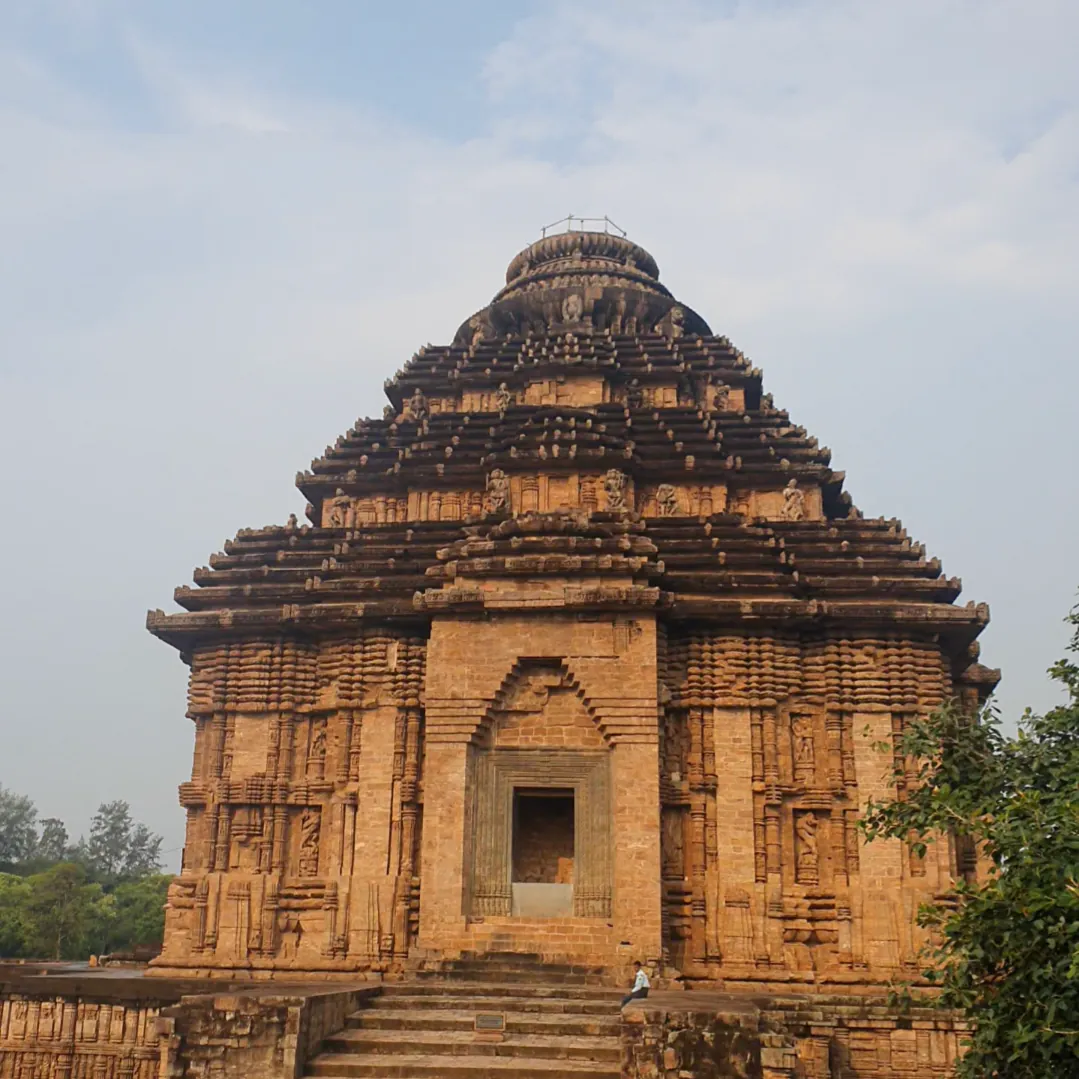
Konark Sun Temple Konark
The colossal chariot of the Sun God, frozen in stone, dominates the landscape at Konark. Emerging from the morning mist, the temple, even in its fragmented state, exudes an aura of power and intricate artistry that is simply breathtaking. As a Chennai native steeped in the Dravidian architectural tradition, my visit to this Kalinga style marvel was an exercise in appreciating the diverse tapestry of Indian temple architecture.
The sheer scale of the Konark Sun Temple is the first thing that strikes you. The temple, conceived as a gigantic chariot with twelve pairs of exquisitely carved wheels drawn by seven horses, speaks volumes about the ambition and skill of the 13th-century architects. While the main temple (vimana) has largely collapsed, the Jagamohan (assembly hall) remains remarkably intact, offering a glimpse into the temple's former glory. The pyramidal roof of the Jagamohan, rising in tiers adorned with intricate sculptures, is a testament to the Kalinga style's distinctive curvilinear silhouette, a stark contrast to the towering gopurams I'm accustomed to seeing in Dravidian temples.
The wheels of the chariot are not mere decorative elements; they are sundials, accurately measuring time. The spokes are carved with intricate floral patterns and miniature figures, showcasing the artisans' mastery over detail. I spent a considerable amount of time examining these wheels, fascinated by their precision and artistic beauty. They serve as a reminder of the deep connection between architecture, astronomy, and spirituality in ancient India.
The temple's outer walls are covered with a profusion of sculptures, depicting a vibrant panorama of life in 13th-century Odisha. From deities and celestial beings to courtly scenes, erotic sculptures, and depictions of everyday life, the carvings offer a fascinating window into the social and cultural fabric of the time. The erotic sculptures, while controversial to some, are an integral part of the temple's iconography, representing the cycle of creation and the celebration of life. Their presence, alongside depictions of spiritual and secular themes, highlights the holistic worldview that permeated ancient Indian art.
One striking difference I observed compared to South Indian temples is the prominence of iron beams used in the Konark temple's construction. While the exact purpose of these iron beams is still debated, their presence suggests a sophisticated understanding of metallurgy and engineering. This contrasts with the predominantly stone-based construction techniques employed in Dravidian temples.
The Natmandir (dance hall), though now in ruins, still echoes with the ghosts of dancers and musicians who once graced its platform. I could almost visualize the vibrant performances that would have taken place here, accompanied by the rhythmic beating of drums and the melodious strains of stringed instruments. The temple's architecture, with its open spaces and strategically placed platforms, seems designed to facilitate grand spectacles and processions, reinforcing the Sun God's role as a source of energy and life.
Walking through the ruins of the Konark Sun Temple, I felt a profound sense of awe and melancholy. Awe at the sheer scale and artistic brilliance of the structure, and melancholy at the ravages of time and the forces of nature that have taken their toll. Yet, even in its fragmented state, the temple stands as a powerful testament to the ingenuity and artistic vision of its creators. It serves as a bridge across centuries, connecting us to a rich cultural heritage and reminding us of the enduring power of human creativity. My visit to Konark was not just a sightseeing trip; it was a pilgrimage, a journey into the heart of India's architectural and spiritual heritage. It reinforced my belief that the study of ancient architecture is not just an academic pursuit; it is a way to connect with the past, understand the present, and inspire the future.