Has Inheritage Foundation supported you today?
Your contribution helps preserve India's ancient temples, languages, and cultural heritage. Every rupee makes a difference.
Secure payment • Instant 80G certificate
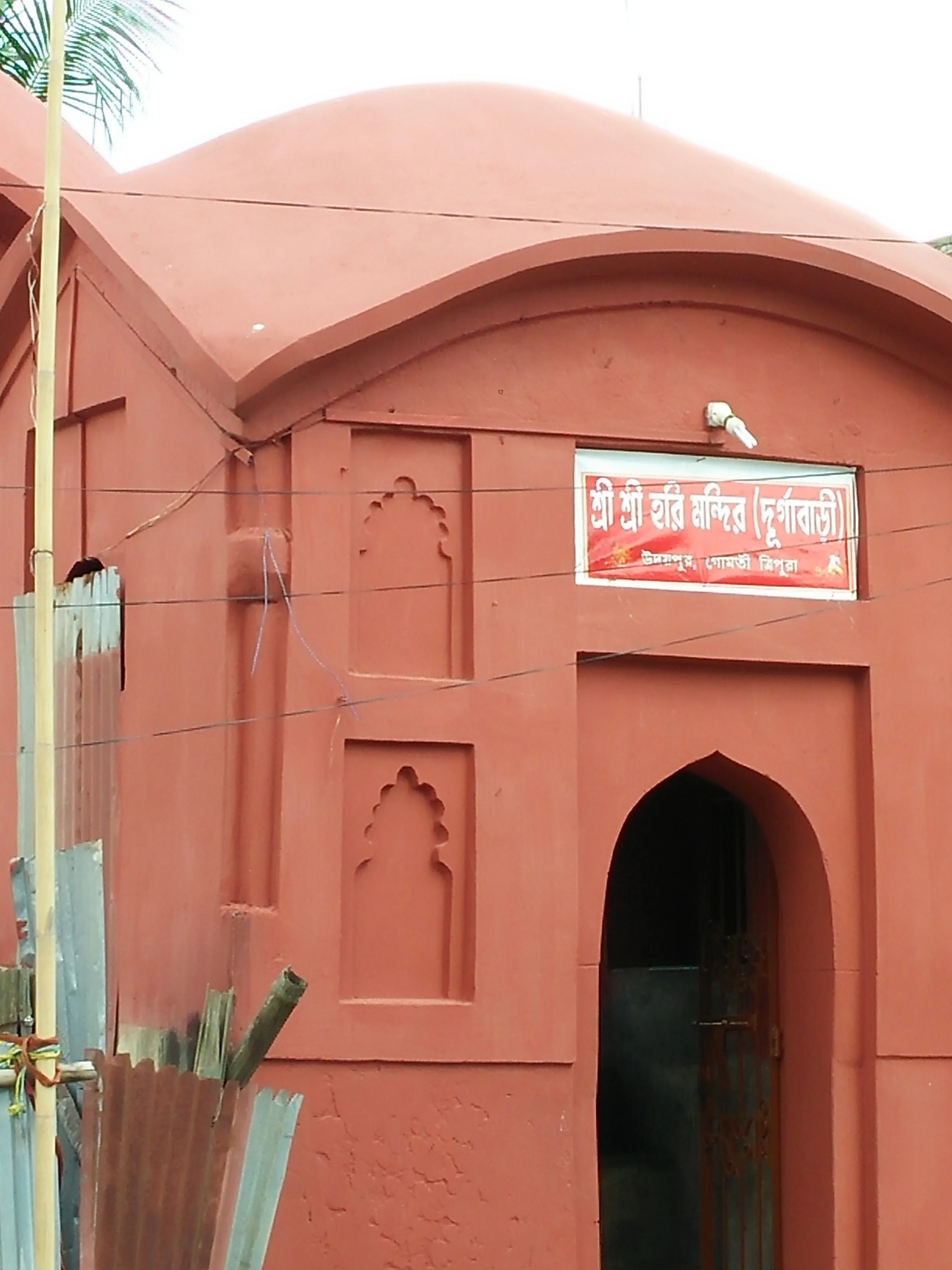
Durgabari Temple Kohima
The Durgabari Temple, situated on Aradura Hill in Kohima, Nagaland, stands as a significant Hindu pilgrimage site dedicated primarily to Goddess Durga, embodying a continuous tradition of Indian civilization spanning millennia [1] [2] [3]. This sacred edifice also houses shrines for Ma Kali and Lord Shiva, reflecting the syncretic nature of Hindu worship practices [1] [2]. While the current structure dates to approximately 1940 CE, its architectural expression integrates elements of Naga Vernacular, Nagara, Kalinga, and Indo-Islamic styles, showcasing a layered cultural synthesis that is characteristic of India's enduring heritage [1] [2] [3]. The temple's design features intricate carvings and vibrant decorations, which are indicative of the rich artistic traditions prevalent in the region [3]. Although specific dimensions are not widely documented, the temple's layout is designed to facilitate devotional practices, including morning pooja and arati, which commence at 07:30 AM [1]. The structural integrity of the temple is maintained through regular upkeep by the Temple Trust, ensuring its continued role as a spiritual and cultural hub [1] [2]. The temple grounds are well-maintained, providing a serene environment for devotees and visitors, with operational hours from 06:00 AM to 09:00 PM daily [1] [2]. Accessibility is facilitated by its location in PWD Colony, Kohima, reachable via local transport options such as auto-rickshaws [3]. Conservation efforts are primarily managed by the Temple Trust, focusing on the preservation of its architectural and spiritual essence [1]. The site actively hosts major Hindu festivals such as Ganesha Puja, Durga Puja, Jagannath Snan, and Jagannath Rath Yatra, drawing numerous devotees and reinforcing its role in maintaining India's ancient cultural traditions [1]. Visitors are encouraged to observe a modest dress code, reflecting respect for the sacred space [1] [2]. The Durgabari Temple remains fully operational, serving as a vibrant center for Hindu religious and socio-cultural activities in Kohima, testament to India's deep historical roots and continuous cultural legacy [1] [3].
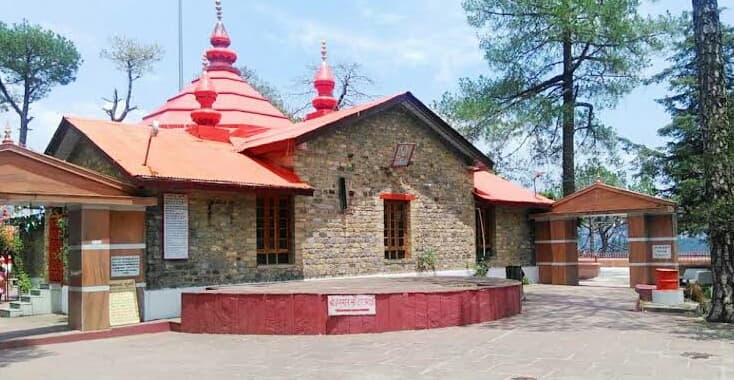
Sankat Mochan Temple Shimla
The crisp Shimla air, scented with pine and a hint of something sweeter, perhaps incense, drew me deeper into the vibrant embrace of the Sankat Mochan Temple. Nestled amidst the deodar-clad hills, overlooking the sprawling town below, the temple stands as a testament to faith and architectural ingenuity. Coming from Uttar Pradesh, a land steeped in its own rich tapestry of temples, I was curious to see how this Himalayan shrine would compare. The first thing that struck me was the temple's relative modernity. Built in the 1950s, it lacks the ancient patina of the temples I'm accustomed to back home. Yet, it possesses a distinct charm, a vibrancy that comes from being a living, breathing space of worship. The bright orange and yellow hues of the temple, set against the deep green of the surrounding forest, create a striking visual contrast. The architecture is a fascinating blend of North Indian and Himachali styles. The multi-tiered sloping roofs, reminiscent of traditional Himachali houses, are adorned with intricate carvings and colourful embellishments. The main entrance, however, features a distinctly North Indian archway, perhaps a nod to the deity enshrined within. The temple is dedicated to Lord Hanuman, the revered monkey god, a figure deeply embedded in the cultural consciousness of both Uttar Pradesh and Himachal Pradesh. Inside the main sanctum, a large, imposing statue of Hanuman dominates the space. The deity is depicted in his characteristic pose, hands folded in reverence, his orange fur gleaming under the soft glow of the lamps. The air inside is thick with the scent of incense and the murmur of prayers. Devotees from all walks of life, locals and tourists alike, thronged the temple, their faces etched with devotion. I observed a quiet reverence in their actions, a palpable sense of connection with the divine. Unlike the often elaborate rituals and ceremonies I've witnessed in Uttar Pradesh temples, the worship here seemed simpler, more direct. There was a quiet intimacy to the devotees' interactions with the deity, a sense of personal connection that transcended elaborate rituals. This, I felt, was the true essence of the temple – a space where individuals could connect with their faith in their own way, without the pressure of prescribed practices. Stepping out of the main sanctum, I explored the temple complex further. A large courtyard, paved with stone, offered stunning panoramic views of the valley below. The snow-capped peaks of the Himalayas loomed in the distance, adding a majestic backdrop to the vibrant scene. Smaller shrines dedicated to other deities dotted the courtyard, each with its own unique character and following. I noticed a small shrine dedicated to Lord Rama, Hanuman's beloved master, a testament to the enduring bond between the two figures. The presence of langurs, the grey-faced monkeys considered sacred in Hinduism, added another layer to the temple's unique atmosphere. They roamed freely within the complex, seemingly unfazed by the human activity around them. Their presence, I realized, was more than just a charming quirk; it was a tangible link to the deity enshrined within, a reminder of Hanuman's own simian form. As I descended the steps of the Sankat Mochan Temple, I carried with me more than just memories of a beautiful shrine. I carried a deeper understanding of the universality of faith, the ability of a sacred space to transcend geographical and cultural boundaries. While the architecture and rituals may differ, the underlying sentiment, the yearning for connection with the divine, remains the same, whether in the ancient temples of Uttar Pradesh or the vibrant, modern shrine nestled in the Himalayan foothills. The Sankat Mochan Temple, in its own unique way, echoed the spiritual heart of India, a heart that beats strong and true, across diverse landscapes and traditions.
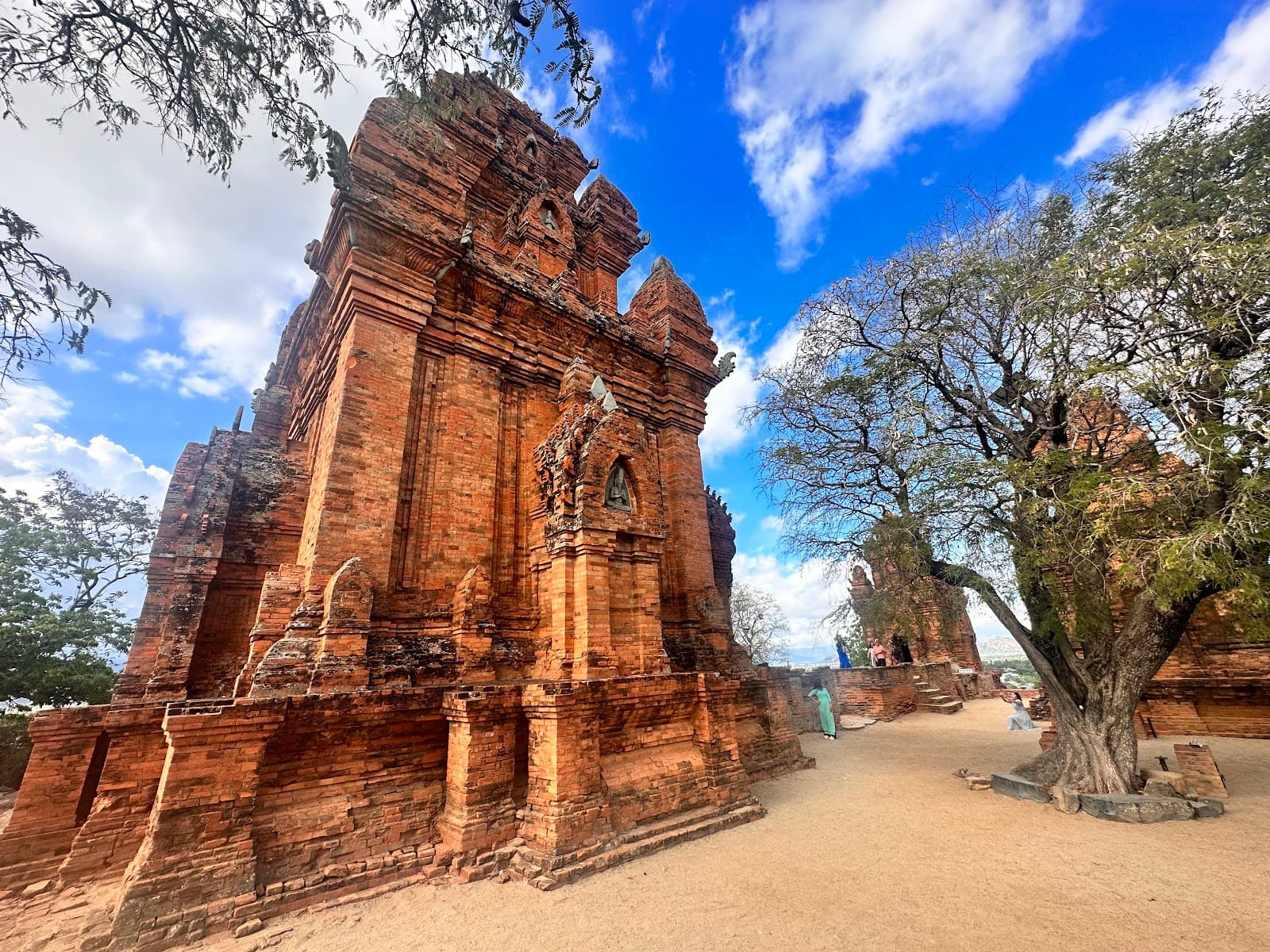
Thai Lan Cham Tower Complex Ninh Thuan Vietnam
Thai Lan Cham Tower Complex, located in Ninh Thuan Province, Vietnam, represents one of the most architecturally refined and historically significant Cham Hindu temple complexes in Vietnam, constructed in the 13th century CE during a period of continued Champa prosperity and artistic achievement, creating a powerful testament to the sustained transmission of Indian Hindu religious and architectural traditions to Southeast Asia during the high medieval period. The temple complex, constructed primarily from red brick with sandstone decorative elements, features distinctive Cham tower architecture that demonstrates the sophisticated synthesis of Indian Hindu temple architecture, particularly the Dravidian traditions of southern India, with indigenous Cham building techniques, creating a unique architectural expression that reflects Champa's mature engagement with Indian religious and cultural traditions. The towers feature elaborate decorative programs including bas-reliefs and sculptures that demonstrate the direct transmission of Indian Hindu iconography and artistic traditions, while the discovery of inscriptions provides crucial evidence of the site's role as a center for the transmission of Indian religious texts and practices to Southeast Asia, and the complex's architectural refinement demonstrates the continued evolution and localization of Indian architectural traditions in the Cham context. The site's location, chosen according to Indian cosmological principles, underscores its spiritual significance, while the complex's architectural design demonstrates the sophisticated understanding of Indian temple planning principles possessed by 13th-century Cham architects, who had refined and adapted Indian traditions over centuries of cultural exchange. Archaeological evidence reveals that the complex served as a major center of Hindu worship for the Champa Kingdom, while the site's historical significance as a 13th-century temple provides crucial insights into the continued vitality and refinement of Indian Hindu traditions in Southeast Asia during the high medieval period, demonstrating that Indian-Cham cultural exchange remained vibrant and productive even as Champa faced increasing challenges from neighboring powers. Today, Thai Lan Cham Tower Complex stands as an important Cham Hindu temple in Vietnam, serving as a powerful testament to the sustained transmission of Indian Hindu culture and architecture to Southeast Asia, while the site's architectural refinement and excellent preservation ensure its ongoing significance as a cultural monument that documents the mature phase of Indian-Cham cultural exchange and the sophisticated artistic achievements of the Champa Kingdom during the 13th century. ([1][2])
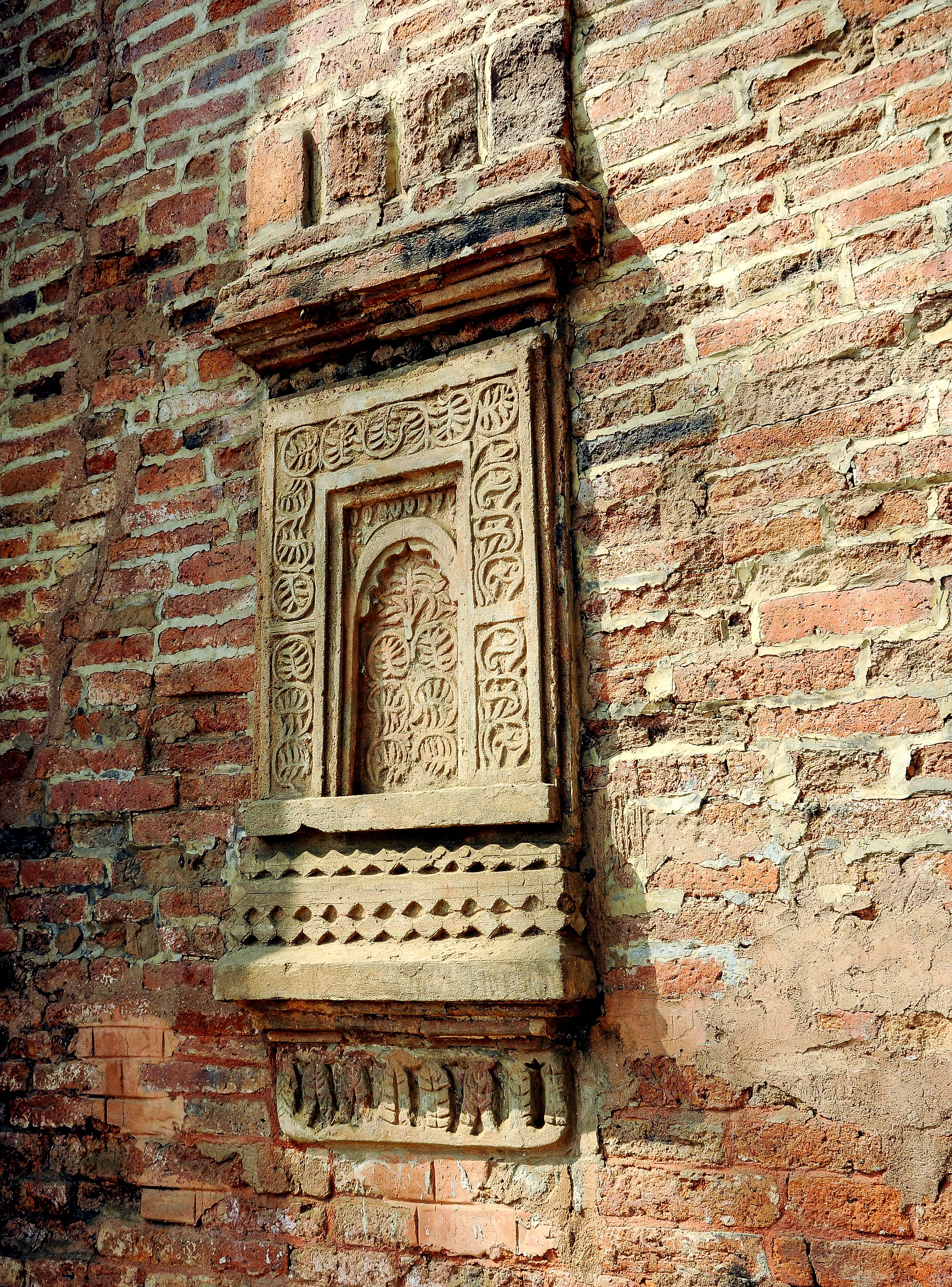
Dimapur Fort Dimapur
Amidst the heart of Nagaland lies Dimapur Fort, a poignant reminder of the once-powerful Kachari kingdom, dating back to the 12th century [1]. This fort, also known as Kachari Rajbari, presents a captivating, albeit crumbling, spectacle of a bygone era [2]. Unlike the grand stone fortifications of Rajasthan, Dimapur Fort predominantly features burnt brick structures, showcasing a distinct architectural style shaped by the region's resources and climate [3]. Archaeological excavations have uncovered a sprawling complex, revealing a network of courtyards, gateways, and remnants of functional structures [4]. The absence of elaborate palaces suggests a focus on military defense and strategic utility, a practical approach evident in the fort's layout [5]. The gateways, constructed from precisely arranged bricks without mortar, stand as testaments to the Kachari artisans' skill and ingenuity [6]. These arched entrances are adorned with geometric and stylized floral motifs, reflecting a unique artistic sensibility distinct from other Indian architectural traditions [7]. Intricate carvings adorning the walls offer glimpses into the Kachari culture. Stylized floral patterns, diamond shapes, and animal depictions echo a bold, minimalist aesthetic [8]. Local legends whisper of underground passages that once served as escape routes or secret conduits [9]. Peculiar mushroom-shaped structures, known as "Rongpur," dot the landscape, their purpose shrouded in mystery [10]. Some theories suggest they were used as guard posts, while others believe they were platforms for ritualistic ceremonies [11]. Fired brick and mud brick construction techniques, combined with stone and timber, demonstrate the Kachari kingdom's resourcefulness [12]. Dimapur Fort, though in ruins, continues to whisper tales of a lost civilization and its enduring architectural legacy. The fort exemplifies the unique blend of practicality and artistic expression that characterized the Kachari kingdom, leaving an indelible mark on the architectural heritage of Northeast India [13].
Namazga-Tepe Ahal Region Turkmenistan
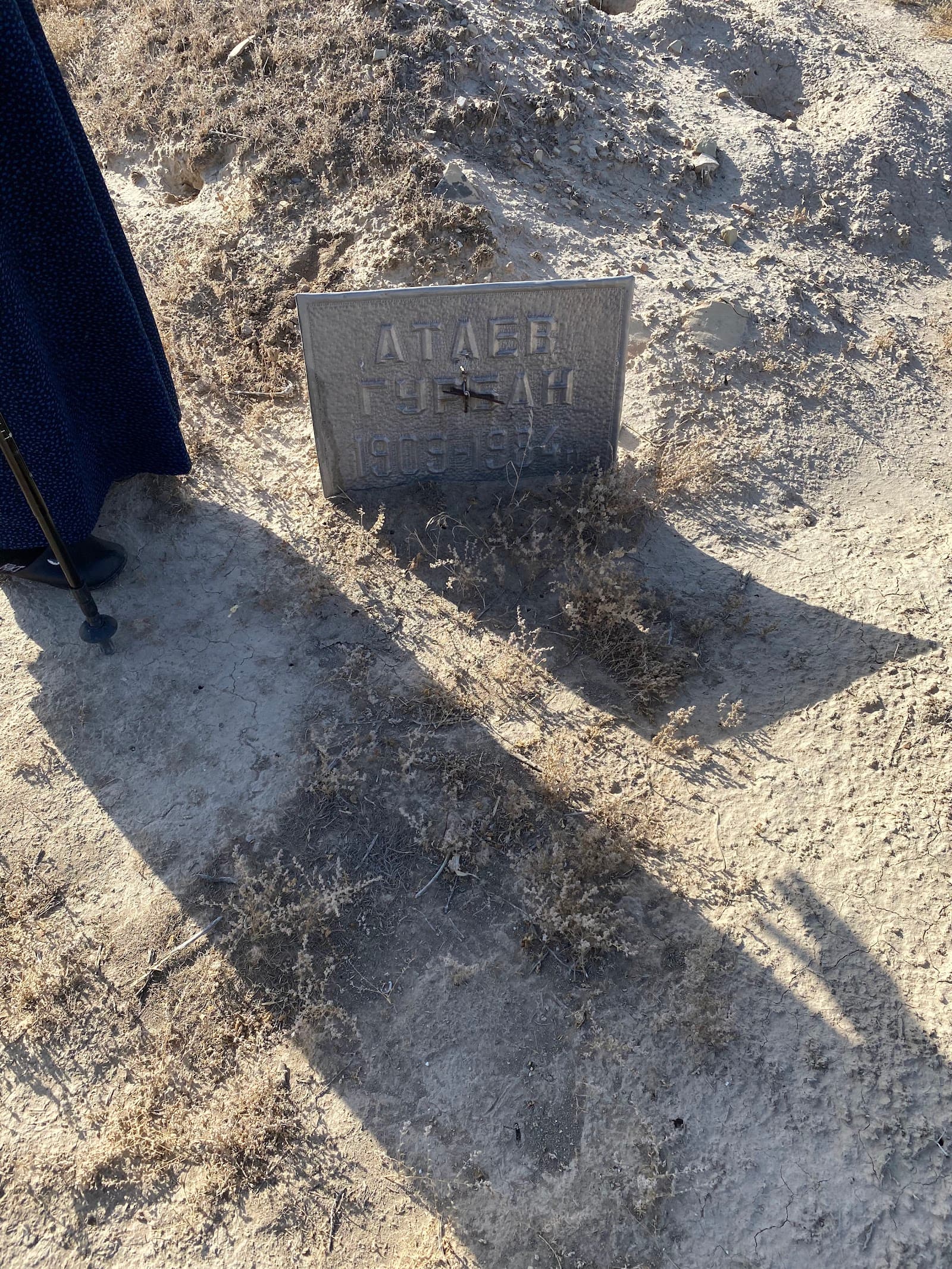
Namazga-Tepe, an ancient Bronze Age settlement located in the Ahal Region of Turkmenistan, stands as a monumental testament to the sophisticated urban planning and cultural dynamism of the Namazga culture, deeply intertwined with the broader cultural continuum that includes the Indian subcontinent [1] [2]. Situated at the foot of the Kopet-Dag mountains, near the delta of the Tejen River, approximately 100 kilometers east of Aşgabat, this archaeological site represents a pivotal center in the ancient world, reflecting indigenous architectural styles and advanced societal organization [1] [3]. The site spans an impressive area of approximately 60 hectares (145 acres), indicating its significant size and importance as a proto-urban and later urban center during its peak phases [1] [2]. The architectural remains at Namazga-Tepe primarily showcase the Bronze Age Settlement architecture style, characterized by extensive mud-brick constructions that formed residential complexes, public buildings, and defensive structures [1] . While specific dimensions of individual structures vary across the site's numerous occupational layers, the overall layout reveals a planned settlement, evolving from a village in the Late Chalcolithic to a major urban hub [1]. Archaeological excavations have unearthed detailed painted pottery vessels, adorned with intricate plant and animal motifs, which exhibit stylistic affinities with contemporary ceramic wares from the Middle East, highlighting extensive regional interactions [2]. The construction techniques employed primarily involved sun-dried mud bricks, a prevalent material in the arid Central Asian environment, demonstrating an indigenous adaptation to local resources and climatic conditions [1]. Conservation efforts at Namazga-Tepe are ongoing, primarily focusing on archaeological excavation, documentation, and site preservation to protect its fragile mud-brick structures from environmental degradation . Archaeological findings have been instrumental in establishing the chronological sequence for the Bronze Age in Turkmenistan, categorizing periods from Namazga I through Namazga VI [1] . The site is reported to be on the UNESCO Tentative List, signifying its recognized universal value and potential for future World Heritage inscription, although a specific UNESCO page detailing its nomination is not readily available . Active programming at the site primarily involves scholarly research and archaeological fieldwork, with visitor access managed to ensure the preservation of the delicate ancient remains. The site's current state reflects continuous archaeological investigation and maintenance, ensuring its long-term preservation for future study and appreciation of its profound historical significance . Namazga-Tepe remains an enduring symbol of ancient ingenuity and cultural exchange, contributing significantly to the understanding of early urbanism and its connections across Eurasia, including the Indian subcontinent [3] [4].
Bamiyan Valley Temples Monasteries Bamiyan Afghanistan
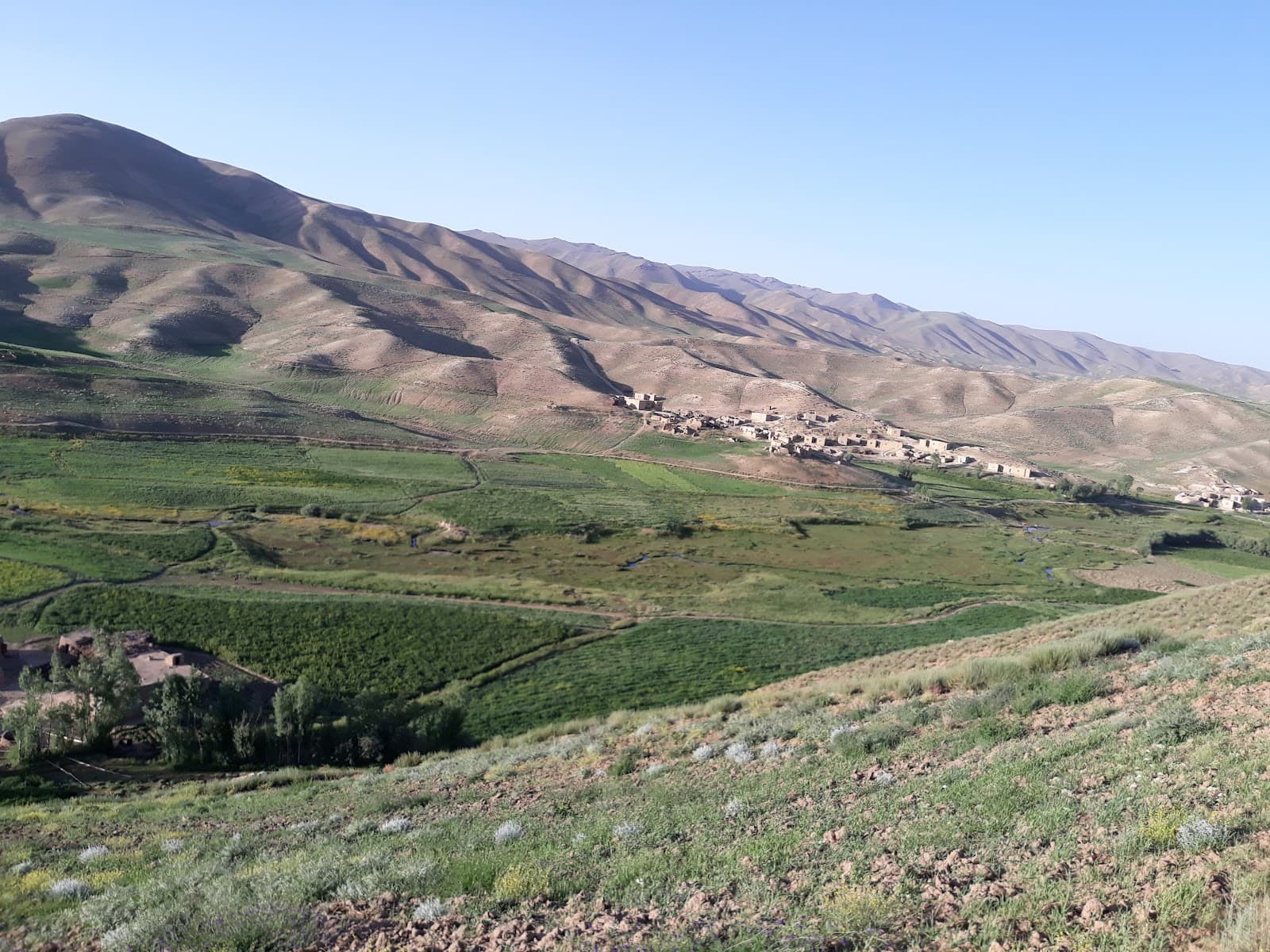
Bamiyan Valley, cradled within the Hindu Kush mountains of Afghanistan, flourished as a significant Buddhist center from the 3rd to 9th centuries CE ([1][2]). Over 3,000 cave temples and monasteries are carved into the cliff faces, adorned with elaborate wall paintings and stucco sculptures, demonstrating a confluence of Indian and Central Asian artistic styles ([3]). These rock-cut structures, erected by the Kushan and Post-Kushan dynasties, integrated elements reminiscent of Indian Ajanta-Ellora cave architecture ([1]). Intricate carvings, fashioned from natural rock, stucco, paint, metal, wood, and clay, embellished the interiors, epitomizing the zenith of Central Asian Buddhist artistry ([2][4]). Vedic traditions likely influenced the layout and iconography, adapting Indian concepts of sacred space to the region. Two colossal Buddha statues, towering at 55 and 38 meters, once stood as the largest of their kind, illustrating the widespread transmission of Indian Buddhist iconography ([1][3]). These statues reflected the Gandhara school of art, a fusion of Greco-Roman and Indian styles, which further disseminated Buddhist imagery ([5]). Archaeological excavations have revealed Bamiyan's pivotal role as a hub for Buddhist scholarship, drawing pilgrims along the Silk Road ([2]). During its apogee, the valley was visited by Chinese pilgrims such as Xuanzang in the 7th century CE, who chronicled its magnificence ([1][5]). The site's layout echoes Indian Buddhist practices, adapted to create monumental expressions of devotion, similar to the Chaitya halls (prayer halls) and Viharas (monasteries) found in India ([3]). Though tragically damaged in 2001, Bamiyan Valley endures as a UNESCO World Heritage Site, a poignant reminder of Afghanistan's ancient Buddhist heritage and the propagation of Indian artistic and spiritual traditions ([4][5]). The enduring legacy reflects the interconnectedness of cultures along the ancient Silk Road, with Indian artistic and philosophical influences playing a vital role.
Maruti Temple Panaji
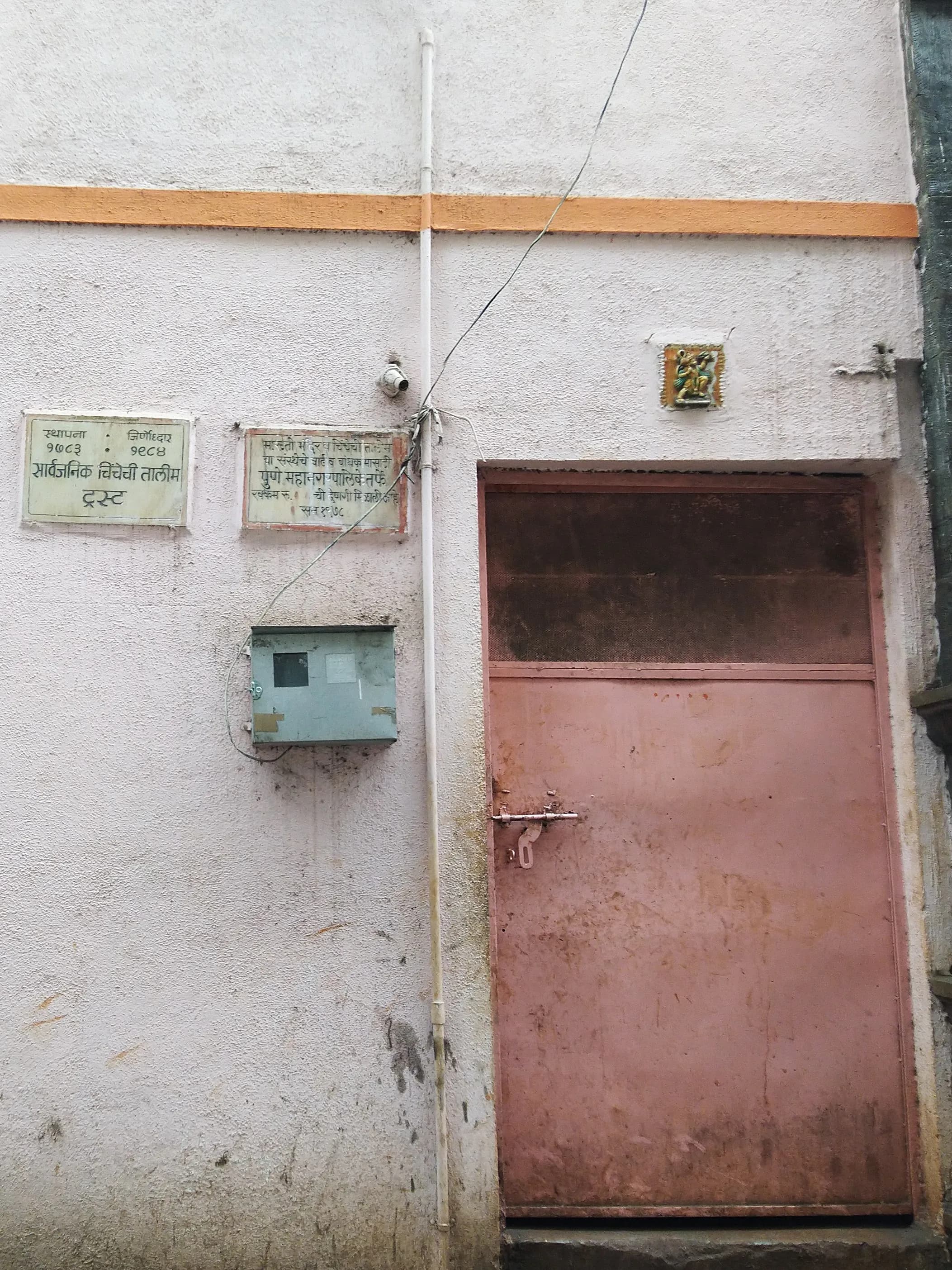
The Maruti Temple in Panaji, Goa, doesn't impose itself on the landscape like some of the grander temples I've documented across India. Instead, it sits nestled amidst the bustling urbanity of the capital city, a pocket of tranquility radiating a quiet strength. Climbing the wide, laterite stone steps, worn smooth by countless devotees over the centuries, I felt a palpable shift in atmosphere. The city noise faded, replaced by the gentle clanging of bells and the murmur of prayers. The temple is dedicated to Lord Hanuman, the monkey god, a beloved deity in the Hindu pantheon. Unlike the vibrant, polychromatic temples of South India, the Maruti Temple exhibits a more restrained palette. The primary structure is built from laterite, a locally abundant stone that lends a warm, earthy tone to the edifice. Whitewashed walls provide a stark contrast, highlighting the intricate carvings that adorn the temple’s façade. These carvings, while not as profuse as some I've seen, possess a distinct Goan character, blending traditional Hindu iconography with subtle Portuguese influences, a testament to the region's layered history. The main entrance is framed by a gopuram, a towering pyramidal structure, though smaller and less ornate than those found in South Indian temples. Its tiered form, however, still conveys a sense of ascension, guiding the eye upwards towards the heavens. Two imposing dwarapalas, guardian figures, flank the entrance, their stoic expressions conveying a sense of protective vigilance. I was particularly struck by the detail in their sculpted attire, which seemed to incorporate elements of both traditional Hindu and local Goan styles. Stepping inside the courtyard, I was greeted by a sense of spaciousness. The temple is built around a central open area, allowing for the free flow of air and light. A large, brass bell hangs from the ceiling of the mandapa, the main hall, its resonant tone filling the air with a sense of sacredness. The inner sanctum, where the deity resides, is relatively small and dimly lit, creating an atmosphere of reverence and mystery. Photography wasn't permitted inside, which, in a way, heightened the sanctity of the space. It allowed me to fully absorb the atmosphere, to connect with the spiritual energy of the place without the distraction of my lens. What truly captivated me about the Maruti Temple, however, was its integration with the surrounding community. It wasn't merely a monument, but a living, breathing part of the city's fabric. I observed families performing rituals, offering prayers, and sharing moments of quiet contemplation. The temple seemed to serve as a social hub, a place where people from all walks of life could come together, united by their faith. As I sat on the steps, observing the activity around me, I noticed a small group of musicians preparing for an evening performance. The rhythmic beat of the drums and the melodic strains of the flute filled the air, adding another layer to the temple's rich tapestry of sounds and experiences. It was a moment of pure magic, a testament to the enduring power of tradition and the vital role that temples like this play in preserving cultural heritage. Leaving the Maruti Temple, I carried with me not just photographs, but a deeper understanding of Goa's unique cultural landscape. It's a place where history, spirituality, and community converge, creating a truly unforgettable experience. This temple, while not architecturally overwhelming, possesses a quiet charm and a deep-rooted connection to its surroundings that makes it a truly special place. It's a testament to the fact that heritage isn't just about grand monuments, but also about the everyday rituals and traditions that give a place its soul.
Naggar Fort Kullu
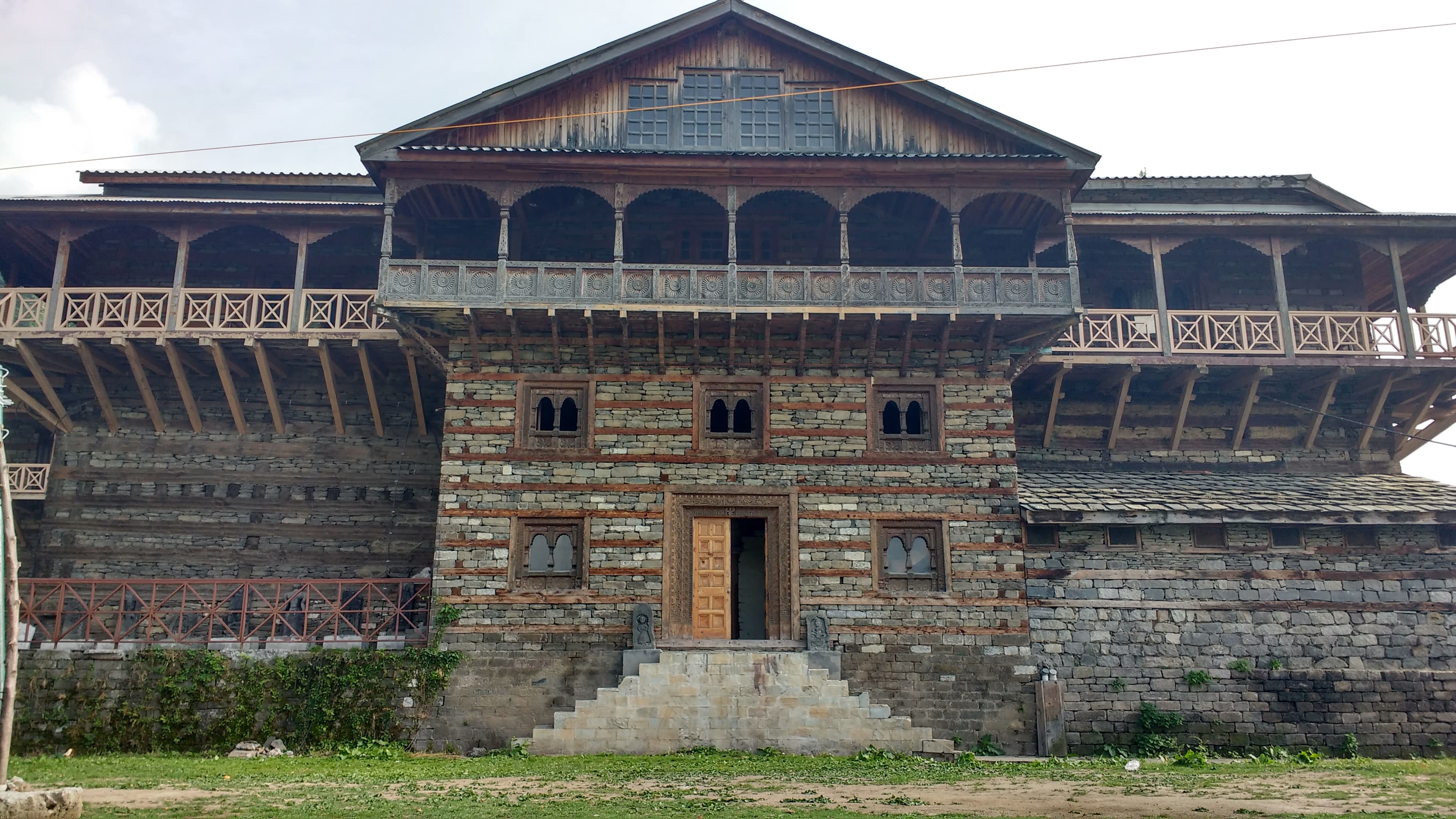
The imposing stone and timber structure of Naggar Fort, perched precariously on a cliff overlooking the Kullu Valley, whispered tales of bygone eras the moment I arrived. Having explored the Mughal architecture of Uttar Pradesh extensively, I was eager to witness this unique blend of Himalayan and Western Himalayan styles. The crisp mountain air, scented with pine, carried with it a sense of history far removed from the plains I call home. The fort, built in the 17th century by Raja Sidh Singh of Kullu, served as the royal residence and later, under British rule, as the administrative headquarters. This layered history is palpable in the architecture itself. The rough-hewn stone walls, reminiscent of the region’s vernacular architecture, speak of a time before colonial influence. These sturdy foundations contrast beautifully with the intricate woodwork of the windows and balconies, a testament to the skills of local artisans. The carvings, while less ornate than the jaali work I’m accustomed to seeing in Uttar Pradesh, possess a rustic charm, depicting deities, floral motifs, and scenes from daily life. Stepping through the heavy wooden doors of the main entrance, I was struck by the relative simplicity of the courtyard. Unlike the sprawling courtyards of Mughal forts, this one felt intimate, almost domestic. The stone paving, worn smooth by centuries of foot traffic, bore silent witness to the countless ceremonies and everyday activities that unfolded within these walls. I spent a considerable amount of time examining the Hatkot temple, dedicated to Tripura Sundari. The tiered pagoda-style roof, a distinct feature of Himalayan architecture, stood in stark contrast to the dome-shaped structures prevalent in my region. The wooden carvings on the temple exterior, though weathered by time, retained a remarkable intricacy. I noticed a recurring motif of the goddess Durga, a powerful symbol resonating with the region's warrior history. Inside the fort, the small museum offered a glimpse into the lives of the Kullu royalty. The collection, while modest, included fascinating artifacts: intricately woven textiles, ancient weaponry, and miniature paintings depicting local legends. One particular exhibit, a palanquin used by the royal family, captured my attention. The ornate carvings and rich velvet upholstery spoke of a bygone era of grandeur and ceremony. Climbing to the upper levels of the fort, I was rewarded with breathtaking panoramic views of the Kullu Valley. The Beas River snaked its way through the valley floor, flanked by terraced fields and orchards. It was easy to imagine the strategic advantage this vantage point offered the rulers of Kullu. The crisp mountain air, the distant sound of temple bells, and the panoramic vista combined to create a truly immersive experience. One aspect that particularly intrigued me was the influence of European architecture, evident in certain sections of the fort. During the British Raj, several additions and modifications were made, including the construction of a European-style kitchen and dining hall. This fusion of architectural styles, while sometimes jarring, offered a unique perspective on the region’s colonial past. It reminded me of the Indo-Saracenic architecture found in some parts of Uttar Pradesh, a similar blend of Eastern and Western influences. Leaving Naggar Fort, I felt a profound sense of connection to the history of the Kullu Valley. The fort stands as a testament to the resilience and adaptability of the region’s people, reflecting the confluence of various cultures and architectural styles. It is a place where the whispers of the past resonate strongly, offering a unique and enriching experience for anyone interested in exploring the rich tapestry of Himalayan history.
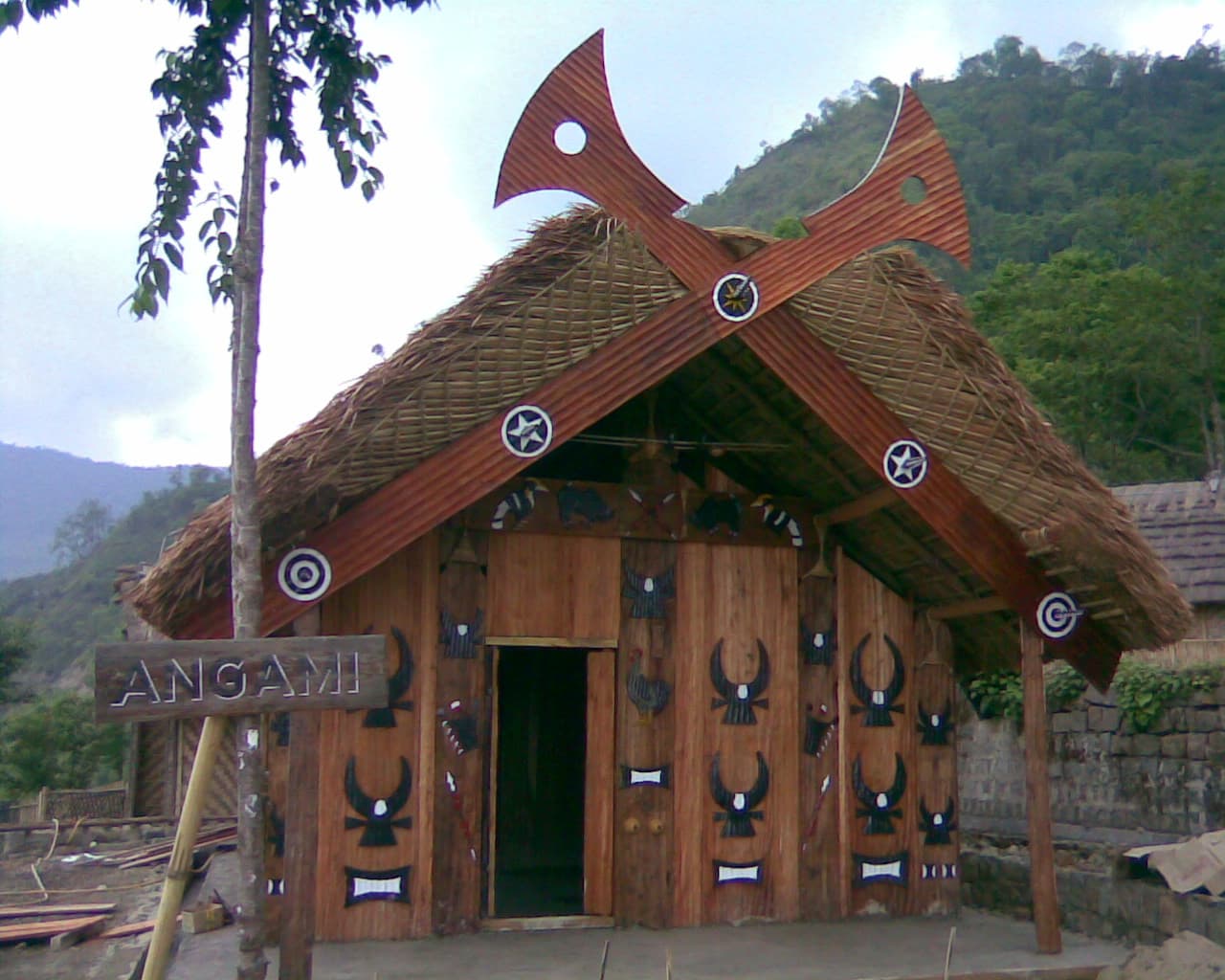
Naga Heritage Village Kohima
The rhythmic chanting, a low thrumming undercurrent to the crisp mountain air, was my first introduction to the Nagaland Police Central Temple in Kohima. Nestled amidst the undulating landscape, the temple doesn't immediately strike one with the grandeur often associated with UNESCO sites. It's a quiet presence, a subtle assertion of faith amidst the bustling capital city. Having visited every UNESCO site in India, I can confidently say this one holds a unique position, not for its architectural flamboyance, but for its cultural significance and the palpable sense of community it fosters. The temple's architecture is a fascinating blend of traditional Naga motifs and contemporary design. Unlike the ornate stone carvings of South Indian temples or the intricate sandstone work of those in the North, the Nagaland Police Central Temple employs simpler, cleaner lines. The main structure is predominantly concrete, painted a pristine white that contrasts beautifully with the vibrant green of the surrounding hills. However, the Naga influence is evident in the decorative elements. Stylized wooden carvings, depicting tribal symbols and mythical creatures, adorn the entrance and the prayer hall. These carvings, though less elaborate than some I've seen at other sites, possess a raw, almost primal energy that speaks volumes about the rich artistic heritage of the Naga people. Stepping inside, I was immediately struck by the serene atmosphere. The prayer hall is a large, open space, devoid of the usual clutter of idols and offerings. Instead, a single, unadorned platform serves as the focal point for worship. This minimalist approach, I learned, reflects the core beliefs of the Nagaland Baptist Church Council, which oversees the temple. The emphasis here is on communal prayer and reflection, rather than elaborate rituals. The soft sunlight filtering through the large windows, coupled with the gentle murmur of prayers, created an atmosphere of profound tranquility. What truly sets the Nagaland Police Central Temple apart, however, is its role as a unifying force within the community. It serves not just as a place of worship, but also as a social hub, a place where people from different tribes and backgrounds come together. During my visit, I witnessed a group of women, dressed in their traditional attire, sharing stories and laughter in the courtyard. Children played games on the steps leading up to the temple, their carefree joy echoing through the air. This sense of shared identity and belonging is something I haven't encountered at many other UNESCO sites. Often, these sites, while architecturally magnificent, feel somewhat detached from the daily lives of the people around them. The Nagaland Police Central Temple, on the other hand, is deeply interwoven with the fabric of the community. As I sat there, observing the interplay of light and shadow on the temple walls, listening to the gentle rhythm of life unfolding around me, I realized that the true beauty of this UNESCO site lies not in its physical structure, but in the intangible spirit it embodies. It's a testament to the power of faith, community, and the enduring legacy of Naga culture. It's a reminder that sometimes, the most profound experiences are found not in the grandest monuments, but in the quiet corners where life unfolds in its simplest, most authentic form. My journey through India's UNESCO sites has taken me to magnificent palaces, ancient forts, and breathtaking natural wonders. But the Nagaland Police Central Temple, in its quiet dignity, offered a different kind of marvel – a glimpse into the heart of a community and the enduring power of shared belief.

Shotorak Monastery Nangarhar Afghanistan
Shotorak, located in Nangarhar Province, Afghanistan, preserves the remarkable remains of a 3rd to 4th century CE Buddhist monastery that represents one of the most significant and artistically important Buddhist sites in the region, demonstrating the vibrant transmission of Indian Buddhist traditions to Afghanistan during the Kushan period, when Buddhism flourished across the region under the patronage of the Kushan Empire. The monastery complex, constructed primarily from stone, stucco, and fired brick with extensive decorative elements, features numerous stupas, chapels, and monastic cells arranged according to Indian Buddhist monastery planning principles, while the discovery of Hindu sculptures alongside Buddhist elements provides crucial evidence of the syncretic nature of religious practice in the region and the transmission of diverse Indian religious traditions to Afghanistan. The site's architectural design demonstrates direct influence from Indian Buddhist monastery architecture, particularly the traditions of northern India, with the overall plan, stupa forms, and decorative programs reflecting Indian Buddhist practices that were systematically transmitted to Afghanistan, while the presence of Hindu sculptures demonstrates the coexistence and interaction of Hindu and Buddhist traditions during the Kushan period. Archaeological excavations have revealed extraordinary preservation of sculptures, architectural elements, and artifacts that demonstrate the sophisticated artistic traditions of the period, with the artistic work showing clear influence from Indian styles while incorporating local elements, creating a unique synthesis that characterizes Buddhist art in Afghanistan during this period. The monastery flourished particularly during the 3rd to 4th centuries CE, when it served as a major center of Buddhist learning and practice, with the site's location in Nangarhar Province, historically part of the ancient Gandhara region, underscoring its role in the transmission of Buddhist teachings and artistic traditions. The site continued to function as a Buddhist center through the 5th and 6th centuries CE before gradually declining following the decline of the Kushan Empire, while the substantial architectural remains that survive provide crucial evidence of the site's original grandeur and importance. The discovery of Hindu sculptures at the site provides particularly important evidence of the syncretic nature of religious practice during the Kushan period, when both Hindu and Buddhist traditions flourished in Afghanistan and influenced each other, creating a unique cultural synthesis that characterizes the period. Today, Shotorak stands as an important archaeological site in Afghanistan, serving as a powerful testament to the country's ancient Buddhist heritage and its historical role as a center for the transmission of Indian religious and artistic traditions, while ongoing archaeological research and preservation efforts continue to reveal new insights into the site's construction, religious practices, and the syncretic nature of Kushan period religion. ([1][2])
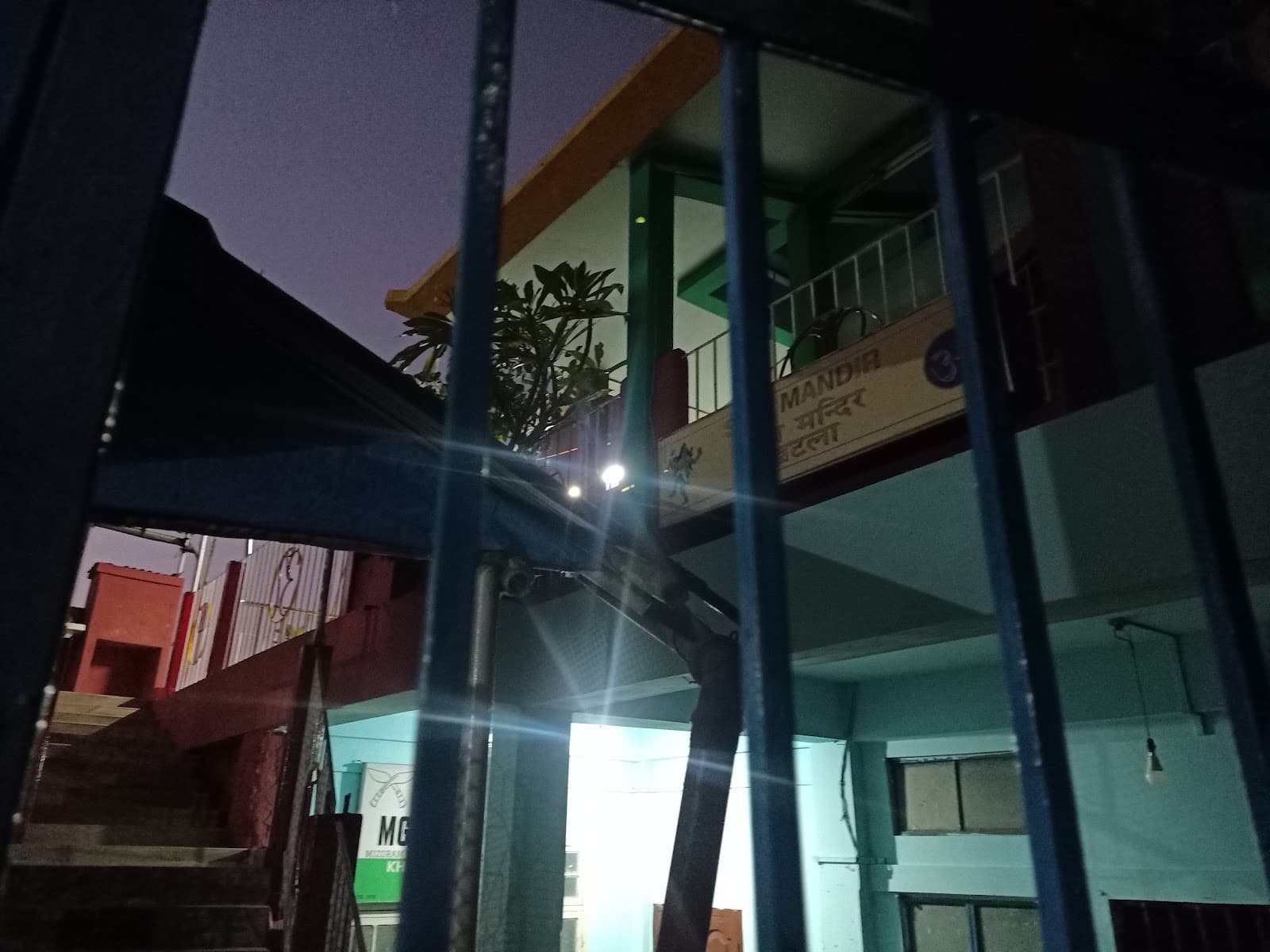
Shree Hanuman Mandir Aizawl
The biting wind whipped prayer flags into a frenzy against the backdrop of a cerulean sky, a stark contrast to the sweltering Delhi summers I'm accustomed to. Here, perched atop a hill overlooking Aizawl, Mizoram's capital, stands the Shree Hanuman Mandir, a beacon of vibrant orange amidst the verdant landscape. Having explored countless temples across North India, from the ancient stones of Khajuraho to the gilded shrines of Amritsar, I was curious to see how this northeastern iteration would differ. The climb to the temple was a pilgrimage in itself. A winding road, carved into the hillside, led me past small houses clinging precariously to the slopes, each with a panoramic view that stole my breath. The air, crisp and clean, carried the scent of pine and a faint echo of chanting, growing louder with each upward step. The temple itself is a striking structure. Unlike the intricate carvings and towering shikharas of North Indian temples, this one possesses a simpler, more modern aesthetic. The dominant colour is a vibrant saffron, radiating warmth against the cool mountain air. The main entrance is framed by a large arch, adorned with depictions of Lord Hanuman in various poses, each radiating strength and devotion. The architecture, while contemporary, incorporates elements of traditional Mizo design, evident in the sloping roof and the use of local wood in certain sections. It's a fascinating blend of the familiar and the unexpected. Stepping inside, I was greeted by the resonant chanting of "Jai Shree Ram," a familiar sound that instantly transported me back to the bustling temples of my homeland. Yet, the atmosphere here was distinctly different. A sense of quiet reverence permeated the air, a palpable stillness that encouraged introspection. The main deity, a towering statue of Lord Hanuman, dominates the inner sanctum. His expression, a blend of strength and serenity, captivated me. Unlike the often ornate idols I've encountered elsewhere, this one felt remarkably grounded, almost human. The temple complex also houses a smaller shrine dedicated to Lord Rama, Sita, and Lakshmana. The intricate details of their attire and the delicate expressions on their faces were a testament to the artistry of the sculptors. I spent a considerable amount of time observing the devotees, a mix of locals and visitors, each offering their prayers with quiet devotion. The absence of the usual cacophony found in many North Indian temples was striking. Here, faith was expressed in hushed whispers and heartfelt gestures. From the temple grounds, the view of Aizawl is breathtaking. The city sprawls across the hills, a tapestry of colourful houses punctuated by the spires of churches, a testament to the region's diverse religious landscape. The distant mountains, shrouded in mist, added an ethereal touch to the panorama. It was a view that invited contemplation, a moment of quiet reflection amidst the grandeur of nature. My visit to the Shree Hanuman Mandir was more than just a journalistic assignment; it was a cultural immersion. It offered a glimpse into the unique blend of faith and tradition that defines this corner of India. The temple, a symbol of devotion and resilience, stands as a testament to the unifying power of faith, bridging geographical and cultural divides. Leaving the temple, I carried with me not just photographs and notes, but a deeper understanding of the diverse tapestry of Indian spirituality, a tapestry that extends far beyond the plains and into the heart of the northeastern hills.
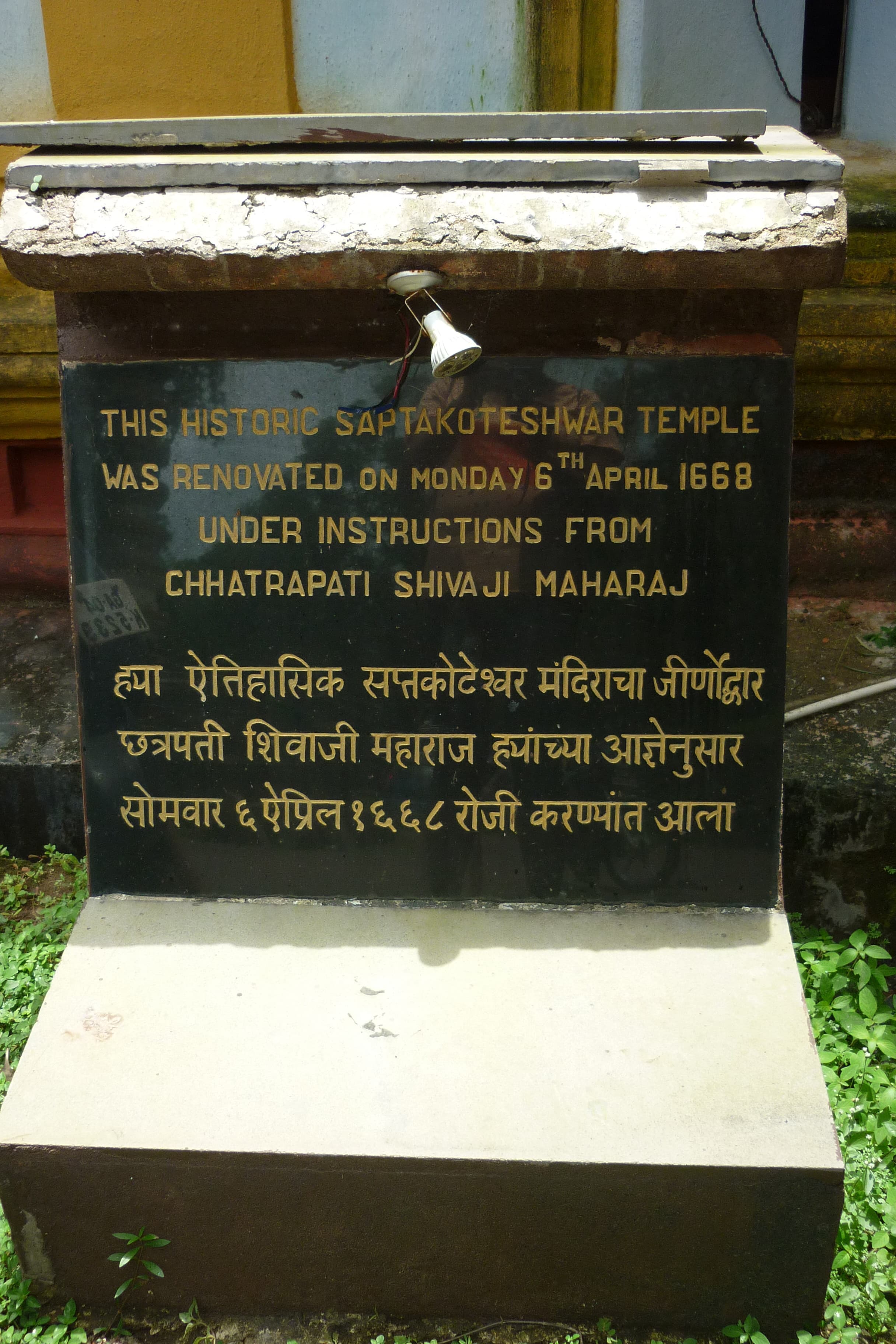
Shri Saptakoteshwar Temple Narve Goa
The humid Goan air, thick with the scent of incense and marigolds, clung to me as I stepped through the imposing gateway of the Shri Saptakoteshwar Temple in Narve. Having explored the intricate temple architecture of North India extensively, I was eager to see how this Goan gem, dedicated to Lord Shiva, compared. The temple, nestled amidst lush greenery, presented a striking contrast to the sun-drenched beaches Goa is renowned for. Its stark white walls, punctuated by vibrant splashes of colour from the fluttering prayer flags and the devotees’ attire, exuded a sense of serene power. The first thing that struck me was the distinct lack of the ornate carvings and towering *shikharas* so characteristic of North Indian temples. Instead, the Saptakoteshwar Temple showcased a simpler, yet equally compelling architectural style. The influence of the Portuguese colonial era was evident in the clean lines and the symmetrical structure, reminiscent of a neoclassical European building. Yet, the temple retained its distinct Hindu identity. The sloping tiled roof, the *deepstambha* (lamp tower) standing tall at the entrance, and the intricate carvings adorning the wooden doors, all whispered tales of ancient traditions and unwavering faith. I walked through the main courtyard, the smooth, cool stone beneath my feet a welcome respite from the midday heat. The central shrine, housing the *lingam* of Lord Shiva, was the focal point, drawing devotees in a steady stream. The air hummed with the rhythmic chanting of prayers, creating an atmosphere of profound reverence. I observed the rituals, fascinated by the blend of Hindu traditions and local Goan customs. The offering of coconuts, the lighting of lamps, and the application of *kumkum* on the foreheads – each act was imbued with a deep spiritual significance. The temple complex also housed smaller shrines dedicated to other deities, each with its own unique charm. I spent some time exploring these, admiring the intricate details of the sculptures and the vibrant colours of the murals. One particular shrine, dedicated to Lord Ganesha, caught my attention. The elephant-headed deity, carved from a single block of black stone, radiated an aura of gentle wisdom and playful energy. Beyond the spiritual significance, the Saptakoteshwar Temple also holds historical importance. Originally built in the 12th century by the Kadamba dynasty, it was later destroyed by the Portuguese. The current structure, rebuilt in the 18th century by the Maratha ruler Chhatrapati Shahu, stands as a testament to the resilience of faith and the enduring power of cultural heritage. This layered history added another dimension to my experience, making it more than just a visit to a religious site. As I sat on a stone bench in the courtyard, letting the tranquility of the temple wash over me, I reflected on the unique blend of architectural styles and cultural influences that had shaped this sacred space. The Saptakoteshwar Temple was not just a place of worship; it was a living testament to Goa's rich and complex history, a melting pot of traditions, and a beacon of spiritual devotion. It offered a fascinating glimpse into the cultural tapestry of Goa, distinct from the vibrant beaches and bustling markets, yet equally captivating. Leaving the temple, I carried with me not just the scent of incense and marigolds, but also a deeper understanding of the spiritual heart of Goa.
Quick Links
Plan Your Heritage Journey
Get personalized recommendations and detailed visitor guides