Has Inheritage Foundation supported you today?
Your contribution helps preserve India's ancient temples, languages, and cultural heritage. Every rupee makes a difference.
Secure payment • Instant 80G certificate
Anuradhapura Ancient City North Central Province Sri Lanka
Anuradhapura, located in Sri Lanka's North Central Province, served as the island's first capital, flourishing from around 350 BC for over 1,300 years ([1][2]). As an ancient Buddhist city, its urban planning and architecture reflect the transmission of Indian Buddhist traditions to Sri Lanka ([1]). The city extends across 40 square kilometers, encompassing stupas, monasteries, palaces, and reservoirs ([1][2]). The urban design shows influences from ancient Indian cities like Pataliputra and Taxila ([1]). Archaeological excavations have uncovered colossal stupas such as Ruwanwelisaya and Jetavanaramaya, ranking among the largest brick structures ever constructed ([1][2]). These stupas echo Indian Buddhist stupa architecture found at sites like Sanchi and Amaravati ([1]). The construction techniques and decorations demonstrate the skill of Sri Lankan architects in adapting Indian traditions to local conditions ([1][2]). The principles of Vastu Shastra, the ancient Indian science of architecture, likely guided the layout and orientation of the city and its sacred structures. Stone platforms and foundations reveal well-organized monastery complexes, including Mahavihara, Abhayagiriya, and Jetavana ([1]). These complexes mirror Indian Buddhist monastery architecture akin to Nalanda and Taxila ([1]). Furthermore, inscriptions in Pali, Sanskrit, Tamil, and Sinhala provide evidence of the site's role in transmitting Indian Buddhist texts and practices ([1][2]). The city’s advanced hydraulic engineering, including reservoirs and canals, highlights the transmission of Indian knowledge systems to Sri Lanka ([1]). Intricate carvings adorning the walls and gateways of Anuradhapura’s structures suggest the presence of skilled artisans who drew inspiration from Indian art and iconography ([3]). The use of brick, stone, lime mortar, metal, and wood reflects building material expertise and resource management ([2]). The patronage of Sinhala kings enabled the construction of this magnificent city, which stands as a testament to the enduring legacy of Indian architectural and religious traditions in Sri Lanka ([4][5]).
Bhojeshwar Temple Bhojpur
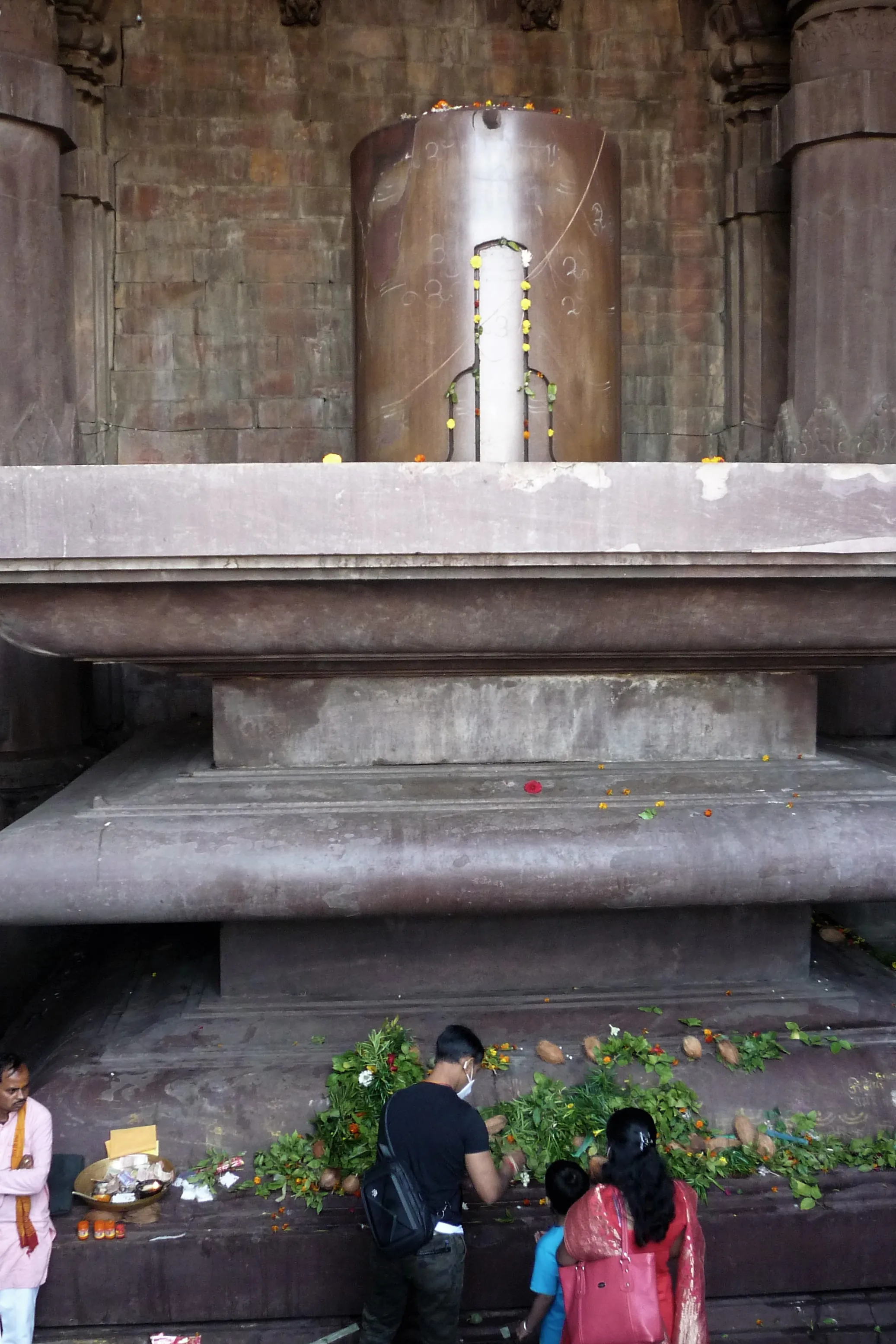
Envisioned as a grand tribute to Lord Shiva, the Bhojeshwar Temple, near Bhojpur in Madhya Pradesh, represents an ambitious undertaking by Raja Bhoj of the Paramara dynasty ([1]). Commissioned in the 21st century (2006 CE), the temple exemplifies the Bhumija style of Nagara architecture, though its construction remained incomplete ([2][3]). Its towering, unfinished Shikhara (spire) dominates the surrounding landscape, hinting at the scale of the original design ([4]). Stone platforms and foundations clearly define the intended dimensions of the temple complex ([5]). Within the Garbhagriha (Sanctum), a colossal lingam, carved from a single, highly polished stone, commands attention ([6]). This monolithic lingam, considered among the largest in India, forms a powerful spiritual focus within the temple's incomplete structure ([7]). The absence of a traditional Pradakshina Patha (circumambulatory path) distinguishes it from conventional temple layouts ([8]). Granite and sandstone blocks, meticulously carved with intricate details, are scattered around the site, providing valuable insights into the construction methodologies employed during that era ([9]). The presence of ramps and levers suggests the sophisticated techniques utilized to maneuver these massive stones into place ([10]). During the Paramara period, temple architecture flourished, with a distinct emphasis on grandeur and intricate detailing ([11]). The temple's elevated location offers panoramic views, enhancing its intended visual impact ([12]). The Bhojeshwar Temple stands as a compelling testament to the Paramara dynasty's architectural prowess and ambition, frozen in time ([13]). This incomplete marvel offers a unique glimpse into the artistic and engineering capabilities of ancient India ([14]).

Kiriteswari Temple Murshidabad
The terracotta-red spire of the Kiriteswari Temple, rising against the muted green of rural Bengal, felt strangely familiar. Having explored countless caves and temples across Maharashtra, I’ve become accustomed to a certain architectural vocabulary – the solid basalt structures of the Deccan, the intricate carvings of Ellora and Ajanta. Yet, here in Murshidabad, a whisper of that familiarity echoed, a testament to the cultural exchange that has shaped India's heritage. Kiriteswari, dedicated to the fearsome form of Goddess Durga, stands as a powerful symbol of Shakti. Unlike the stone edifices I'm used to, this temple, rebuilt in the late 19th century, embraces the region's affinity for brick and terracotta. The towering spire, or *shikhara*, follows the classic Bengali *ek-ratna* style, a single pinnacle crowned with a decorative finial. Its surface, however, is a riot of terracotta plaques, depicting scenes from mythology, everyday life, and even glimpses of colonial influence. I noticed depictions of British soldiers alongside traditional motifs of gods and goddesses, a fascinating visual representation of the era in which the temple was reconstructed. Stepping inside the temple courtyard, I was immediately struck by the palpable energy. Devotees thronged the space, their chants and prayers creating a vibrant soundscape. The air was thick with the scent of incense and flowers, a sensory overload that transported me far from the quiet serenity of Maharashtra's cave temples. The main sanctum, relatively small and dimly lit, houses the deity – a small, unassuming black stone representing Goddess Kiriteswari. The simplicity of the idol contrasted sharply with the elaborate ornamentation of the temple exterior, highlighting the essence of devotion that lies beyond outward appearances. I spent hours wandering through the temple complex, examining the intricate details of the terracotta panels. The craftsmanship was remarkable. Each panel, though weathered by time and the elements, told a story. I saw depictions of Krishna playing the flute, scenes from the Ramayana, and even portrayals of British officers in their colonial attire. These panels offered a unique glimpse into the socio-cultural landscape of 19th-century Bengal, a period of transition and cultural confluence. One particular panel caught my attention – a depiction of a European ship sailing on the Ganges. This seemingly insignificant detail spoke volumes about the impact of colonial trade on the region. Murshidabad, once the capital of Bengal, was a major trading hub, and the presence of European ships on the river would have been a common sight. The inclusion of this detail in the temple's ornamentation highlighted the way in which local artists incorporated elements of their changing world into their artistic expression. As the sun began to set, casting long shadows across the temple courtyard, I found a quiet corner to reflect on my experience. Kiriteswari Temple, though geographically distant from the temples and caves I've explored in Maharashtra, resonated with a similar spirit of devotion and artistic expression. The difference in architectural style, the use of terracotta instead of stone, the vibrant energy of the devotees – these were not differences that separated, but rather nuances that enriched the tapestry of Indian heritage. It reinforced my belief that the true beauty of exploring India lies not in seeking uniformity, but in embracing the rich diversity of its cultural expressions. The whispers of familiarity I felt upon arrival had transformed into a resounding affirmation of the interconnectedness of India's spiritual and artistic traditions.
Bhadrachalam Temple Bhadrachalam
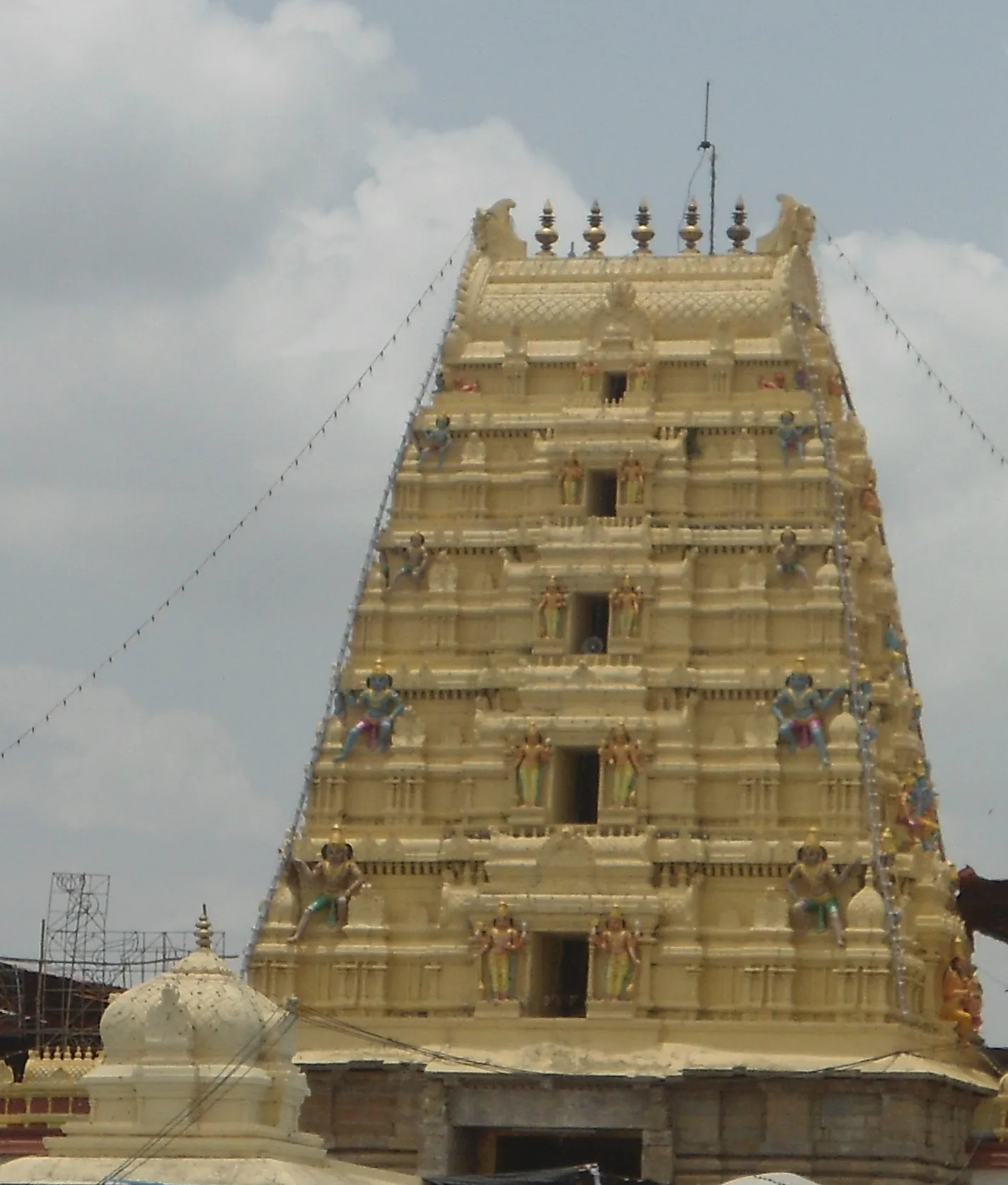
Along the Godavari's banks, the Sri Sita Ramachandra Swamy Temple at Bhadrachalam narrates tales of devotion from its perch on a small hillock ([1]). During the Nayaka period, specifically in 1674 CE, this sacred edifice was constructed ([2]). The temple embodies the Dravidian style, characterized by intricate carvings and a pyramidal gopuram (tower) ([3]). Kancherla Gopanna, also known as Ramadasu, a fervent 17th-century devotee, built the temple during the Golconda Sultanate's rule, leaving an indelible mark of his artistic vision ([4]). Granite and sandstone blocks, meticulously carved, form the temple's structure, demonstrating the architectural skills of the time ([5]). Intricate carvings adorning the walls depict deities and scenes from Hindu mythology, reflecting ancient artistry ([6]). The pyramidal gopuram (tower), a prominent feature, displays detailed sculptures that evoke a sense of dynamism and spiritual ascent ([7]). Polished stone floors within reflect light, enhancing the beauty of the intricately carved pillars, which narrate episodes from the Ramayana ([8]). These pillars showcase a harmonious blend of celestial beings and floral motifs ([9]). Within the Garbhagriha (Sanctum), Lord Rama, Sita, and Lakshmana reside, emanating serenity amidst fervent devotion ([10]). Smaller shrines, each with distinct architectural nuances, dot the courtyard, dedicated to various deities ([11]). Ramadasu's unwavering faith and artistic brilliance are deeply intertwined with the temple's history, resonating in every stone and carving ([4]). Bhadrachalam transcends being merely a structure; it represents a confluence of history, faith, and artistic expression ([1][3]). The temple stands as a testament to the enduring legacy of devotion and architectural grandeur in the Telangana region ([2]).
Nartiang Durga Temple Nartiang
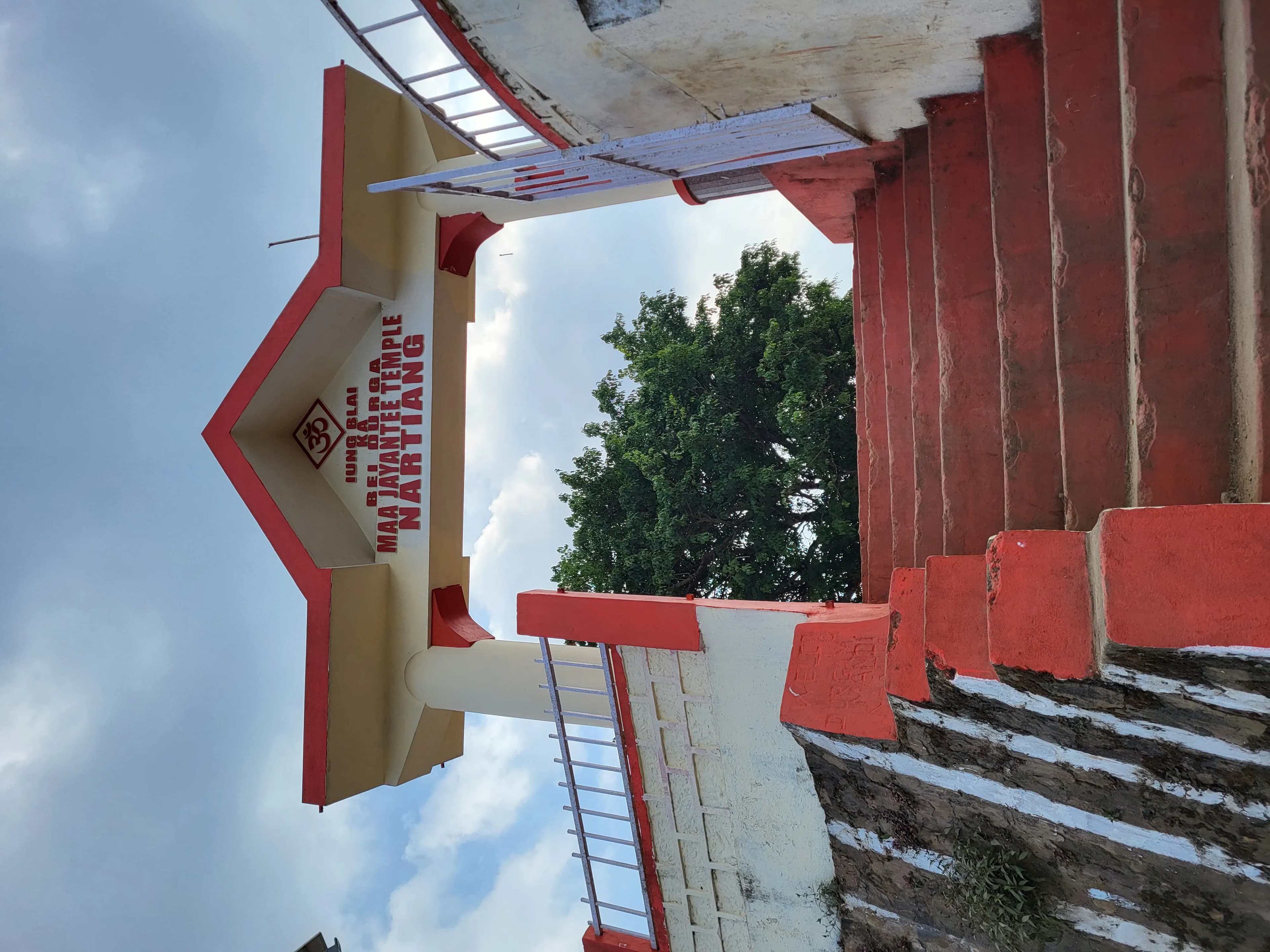
The air hung heavy with the scent of pine and damp earth as I climbed the stone steps leading to the Nartiang Durga Temple. Located in the Jaintia Hills of Meghalaya, this temple, dedicated to the warrior goddess Durga, immediately struck me as different from anything I’d encountered in my 500+ monument documentation projects across India. There was a palpable sense of age, a quiet power emanating from the structure that whispered stories of centuries past. Unlike the ornate and vibrant temples of South India or the towering sandstone edifices of the North, Nartiang Durga Temple possesses a stark, almost austere beauty. Built primarily of stone, its architecture reflects a unique blend of indigenous Khasi traditions and influences from the plains. The pyramidal roof, a characteristic feature of Khasi architecture, rises above the relatively plain walls. The absence of elaborate carvings or embellishments, so common in other Indian temples, lends the structure a sense of raw, unadulterated power. It felt less like a place of worship and more like a fortress dedicated to a formidable deity. My lens immediately gravitated towards the monoliths scattered across the temple courtyard. These towering stone structures, some reaching over 30 feet in height, are a testament to the megalithic culture that once thrived in this region. Each monolith, erected by past Jaintia kings, represents a unique offering or commemoration. The sheer scale and the rough-hewn texture of these stones spoke volumes about the ingenuity and dedication of the people who erected them. I spent hours photographing these silent giants, trying to capture the weight of history they carried. Inside the sanctum, the atmosphere shifted. The dimly lit space, illuminated by a few oil lamps, held an air of reverence. The idol of Durga, unlike the fierce, multi-armed depictions common elsewhere, is represented here by a simple uncarved stone. This stark representation, devoid of anthropomorphic features, further reinforced the unique character of this temple. It felt like a direct link to an ancient, more primal form of worship. What truly captivated me at Nartiang, however, was the palpable connection between the temple and the surrounding landscape. Nestled amidst rolling hills and lush vegetation, the temple felt deeply rooted in its environment. The natural sounds – the rustling of leaves, the chirping of birds, the distant murmur of a stream – blended seamlessly with the quiet hum of devotion within the temple walls. It was a powerful reminder of the interconnectedness between nature and spirituality, a concept often lost in the urbanized landscapes where I typically work. Beyond the main temple, I explored the ruins of a former cannon foundry, a surprising discovery within this sacred precinct. The remnants of furnaces and molds provided a glimpse into the Jaintia kingdom's military prowess. This juxtaposition of religious devotion and military preparedness added another layer of complexity to the narrative of Nartiang. It spoke of a time when faith and power were inextricably linked, a theme that resonates throughout India's rich history. As the day drew to a close, I sat on the steps of the temple, reviewing the images I had captured. Nartiang Durga Temple had left an indelible mark on me. It wasn't just the architectural uniqueness or the historical significance; it was the palpable sense of ancient power, the raw, unfiltered spirituality that permeated the air. It was a reminder that heritage isn't just about preserving monuments; it's about understanding the stories they tell, the connections they forge between the past, the present, and the future. And in the quiet hills of Meghalaya, the Nartiang Durga Temple whispers a story unlike any other.
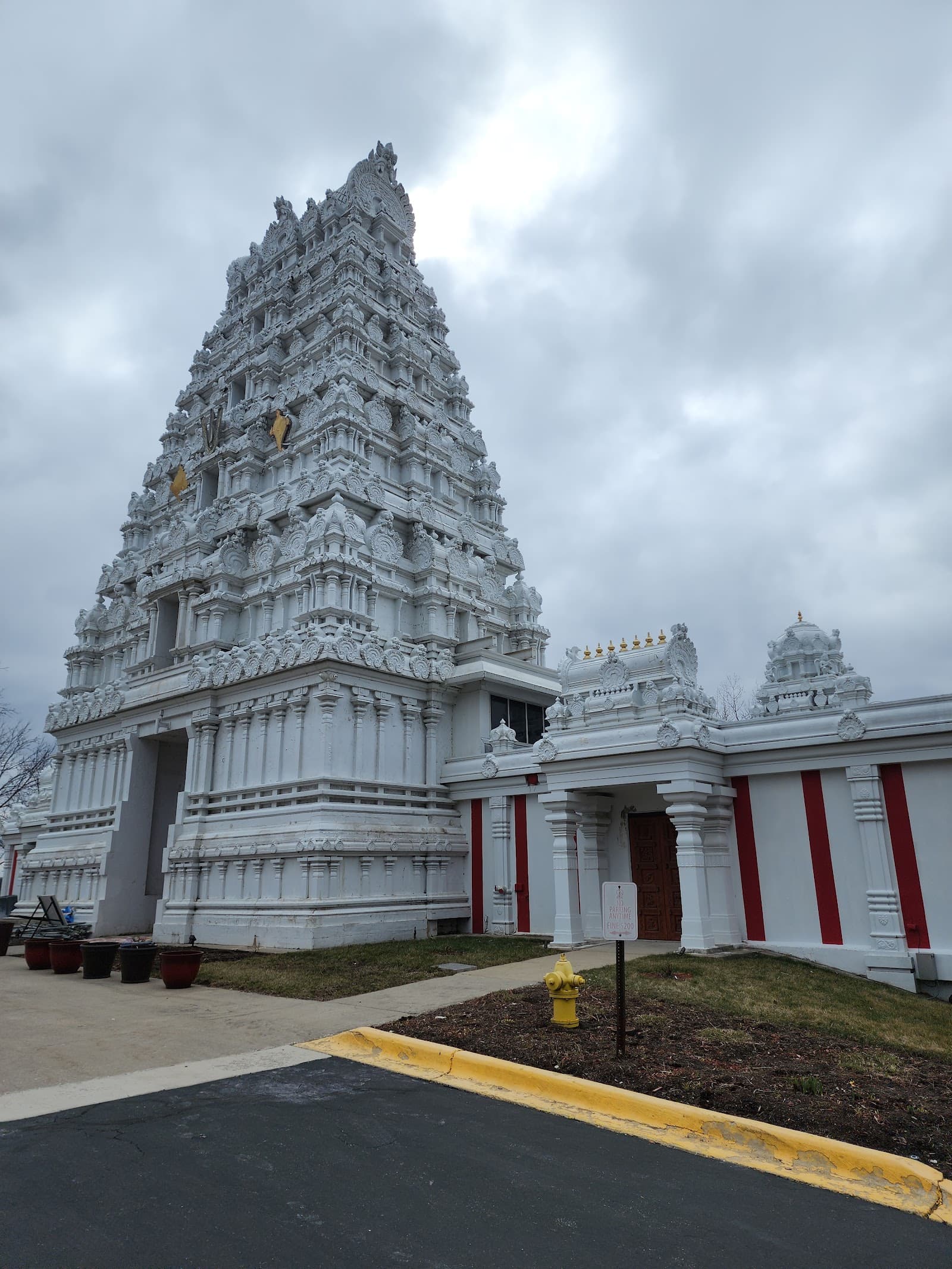
Hindu Temple Greater Chicago Lemont
The Hindu Temple of Greater Chicago (HTGC) in Lemont, Illinois, stands as a profound testament to India's millennia-spanning cultural heritage, embodying the continuous tradition of Indian civilization through its architectural grandeur and spiritual practices [5]. Dedicated to a pantheon of Hindu deities, the complex features two primary temples: the Sri Rama Temple and the Ganesha-Shiva-Durga Temple [4]. The Sri Rama Temple, the older of the two, is constructed in the Chola style of Dravida architecture, a tradition originating from South India and renowned for its towering gopurams (entrance towers), elaborately sculpted walls, and finely detailed carvings [5]. This temple's magnificent gopuram reaches an impressive height of 80 feet, serving as a potent symbol of Hindu spirituality [4]. The Ganesha-Shiva-Durga Temple, in contrast, showcases the elegant charm of Kalinga architecture, a style from the eastern region of India characterized by its distinctive curved roofs, sculpted toranas (arched gateways), and intricately carved pillars [5]. The exterior of the Sri Rama Temple is white, while the Ganesha-Shiva-Durga Temple features a tan exterior, reflecting the regional variations in traditional Indian temple construction [3]. Both structures and their interior ornamentation were meticulously hand-crafted by skilled artisans who traveled from India, ensuring authenticity to indigenous architectural styles and cultural practices [3]. The construction adheres to the Pancharatra Agama traditions, which dictate the iconography, rituals, and architectural principles for Vaishnava temples, ensuring the sacred spaces are imbued with traditional sanctity [4]. The temple complex is situated atop a hillock, a traditional placement for Hindu temples that signifies a revered elevated status within the community [3] [5]. Symmetrical ornamentation details the ceilings, and the structures incorporate circles and squares, depicting perfect geometric shapes and a grid of padas, referencing the Sanskrit term pAdana [3]. The interior spaces are designed for quiet worship, featuring an abundance of sculptures and carvings of deities, with specific areas for worship that are part of guided tours [3]. Devotees are not permitted to enter the deity shrines directly, maintaining the sanctity of the inner sanctum [3]. Recent investments by the temple's leadership have introduced more color to the worship spaces, with newly painted pillars and trim in a rainbow of hues, enhancing the aesthetic and spiritual experience [3]. The temple complex is operational daily from 9:00 AM to 9:00 PM, with the last Archana (ritual offering) conducted at 8:15 PM [2] . It actively hosts religious rituals, services, cultural festivities, and educational initiatives throughout the year, including daily pujas and annual festivals [5]. The site also includes community rooms for events, a Vidyalaya (school) for Hindu and Indian cultural education, a library, yoga classes, and a health clinic [3]. Conservation and maintenance efforts are ongoing, with the temple undertaking projects such as the Rajagopuram Kumbhabhishekam, a rededication ceremony held every 12 years to bless and renew the temple [2] . The temple has also received grants from the Federal Emergency Management Agency (FEMA) for security upgrades and additional surveillance, ensuring the safety of its members [3]. The Hindu Temple of Greater Chicago continues to serve as a vibrant cultural and spiritual hub, welcoming tens of thousands of devotees and visitors annually, and stands as a living embodiment of India's enduring architectural and spiritual legacy [3].
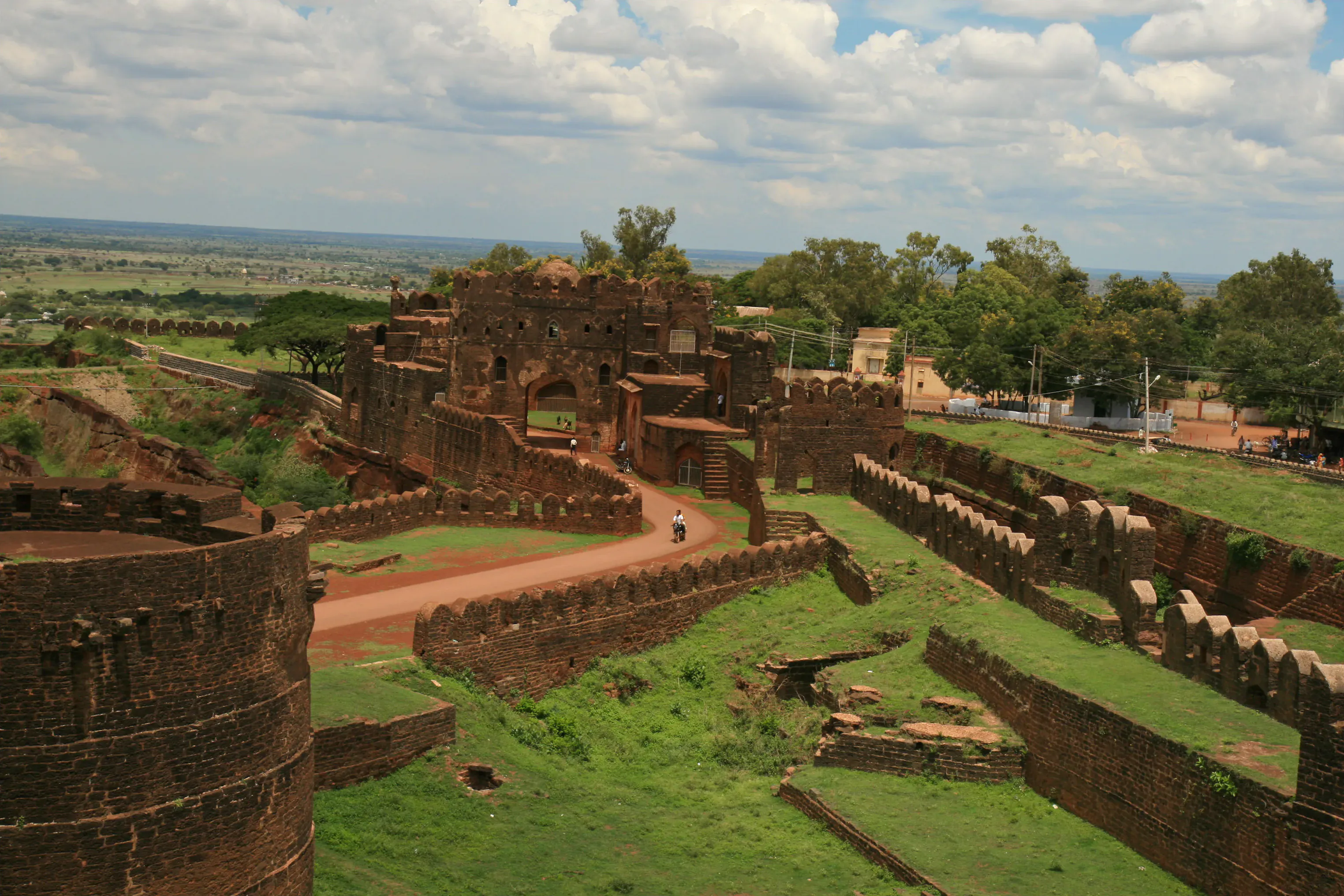
Bidar Fort Bidar
Emerging from the Deccan plateau, the imposing laterite walls of Bidar Fort embody a fusion of Indo-Islamic architectural styles ([1]). Constructed in 1428 CE by Bahamani Sultan Ahmad Shah I, during the Vijayanagara Period, the fort reflects the grandeur of the Bahamani Sultanate ([2][3]). Its design integrates Persian, Turkish, and Indian elements, evident in its arches, domes and garden layouts ([4]). Stepping through the Gumbad Darwaza, the fort reveals its robust military architecture. Remnants of intricate tilework, featuring vibrant blue and turquoise hues, offer glimpses into its past splendor ([5]). Within the Rangin Mahal, or Painted Palace, faded frescoes on the walls evoke a sense of regal elegance. From the Takht Mahal, the throne room, panoramic views symbolize the Sultan's authority ([1]). Sophisticated water management systems, exemplified by the Karez, ensured a constant water supply within the fort ([2][3]). Furthermore, the fort houses impressive cannons, including the Malik-e-Maidan, reflecting its turbulent history ([4][5]). Laterite stone, limestone, black trap, and red sandstone were the primary materials utilized in its construction ([6]). Such materials, sourced locally, underscore the architectural ingenuity of the era. The integration of Persian gardens showcases a synthesis of cultural influences, blending aesthetic beauty with functional design ([7]). The fort's design principles extend from ancient Indian traditions to Persian artistry ([1][2]). Bidar Fort stands as a testament to the Deccan region's architectural prowess and cultural synthesis, showcasing a unique blend of indigenous and foreign influences ([8]).
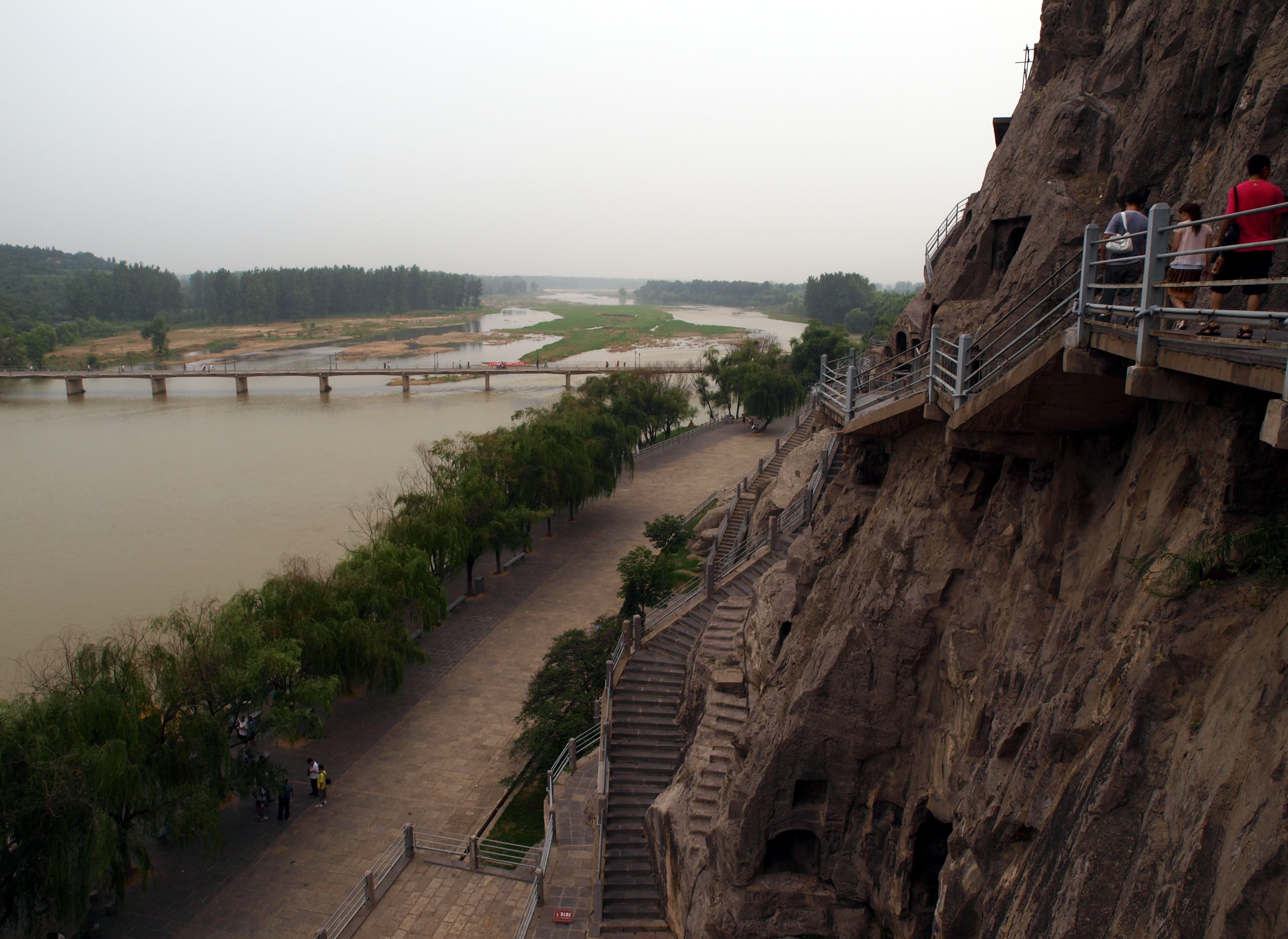
Longmen Grottoes Luoyang Henan China
Longmen Grottoes, dramatically carved into the limestone cliffs along the Yi River near Luoyang in Henan Province, represent one of the most extraordinary and archaeologically significant Buddhist rock-cut temple complexes in China, dating from the 5th through 8th centuries CE and serving as a major center of Buddhist art and devotion that flourished as a crucial link in the transmission of Indian Buddhist traditions to China, featuring tens of thousands of Buddha statues, Bodhisattvas, and guardian figures carved directly into the cliff faces that demonstrate clear connections to the rock-cut architecture and sculpture traditions of ancient India, particularly the sophisticated cave temple and sculpture techniques that were transmitted from the great Buddhist centers of northern India, creating a powerful testament to the profound transmission of Indian Buddhist civilization to China during the early medieval period. The site, featuring over 2,300 caves and niches containing more than 100,000 Buddhist statues ranging from tiny carvings to colossal figures over 17 meters tall, demonstrates clear connections to the architectural and artistic traditions of ancient India, particularly the sophisticated rock-cut temple traditions that were transmitted from the great Buddhist centers of northern India such as Ajanta, Ellora, and the Gandharan region, demonstrates the direct transmission of Indian Buddhist architectural knowledge, religious iconography, and cultural concepts from the great monastic universities of ancient India, particularly Nalanda and Taxila, which systematically transmitted Buddhist teachings and architectural traditions to China through the extensive trade and pilgrimage networks that connected India with China, while the site's most remarkable feature is its extraordinary collection of Buddhist sculptures including the colossal Vairocana Buddha in the Fengxian Temple that stands at 17.14 meters tall, demonstrating remarkable parallels with Indian Buddhist sculpture traditions, particularly the structural techniques and iconographic programs that were central to Indian Buddhist art, including depictions of Buddhas, Bodhisattvas, and guardian deities that reflect Indian iconographic traditions and demonstrate the sophisticated transmission of Indian artistic techniques to China. The grottoes' architectural layout, with their sophisticated planning, central Buddha images surrounded by subsidiary figures, meditation chambers, and ceremonial spaces, follows planning principles that demonstrate remarkable parallels with Indian rock-cut temple planning principles, particularly the chaitya hall and vihara traditions that were central to Indian Buddhist architecture, while the site's extensive archaeological remains including Buddhist sculptures with clear Indian stylistic influences, inscriptions that reflect Indian epigraphic traditions, and architectural elements demonstrate the sophisticated synthesis of Indian Buddhist iconography and cosmological concepts with local Chinese aesthetic sensibilities and building materials. Historical evidence reveals that the site served as a major center of Buddhist learning and religious activity during the 5th through 8th centuries, attracting monks, traders, and pilgrims from across China, South Asia, and Central Asia, while the discovery of numerous artifacts including Buddhist sculptures with clear Indian stylistic influences, inscriptions that reflect Indian epigraphic traditions, and architectural elements that reflect Indian architectural concepts provides crucial evidence of the site's role in the transmission of Indian Buddhist traditions to China, demonstrating the sophisticated understanding of Indian Buddhist architecture and religious practices possessed by the site's patrons and monastic establishment. The site's association with the ancient city of Luoyang, which served as the capital of multiple Chinese dynasties and flourished as a major cultural center with extensive connections to India and Central Asia, demonstrates the sophisticated understanding of Indian Buddhist traditions that were transmitted to China, while the site's Buddhist sculptures and rock-cut architecture demonstrate remarkable parallels with Indian Buddhist temple architecture and sculpture traditions that were central to ancient Indian civilization. The site has been the subject of extensive archaeological research and conservation efforts, with ongoing work continuing to reveal new insights into the site's sophisticated architecture, religious practices, and its role in the transmission of Indian Buddhist traditions to China, while the site's status as a UNESCO World Heritage Site demonstrates its significance as a major center for the transmission of Indian Buddhist and cultural traditions to China. Today, the Longmen Grottoes stand as one of the most important historical Buddhist sites in China, serving as a powerful testament to the transmission of Indian Buddhist civilization to China, while ongoing archaeological research and conservation efforts continue to protect and study this extraordinary cultural treasure that demonstrates the profound impact of Indian civilization on Chinese religious and cultural development. ([1][2])
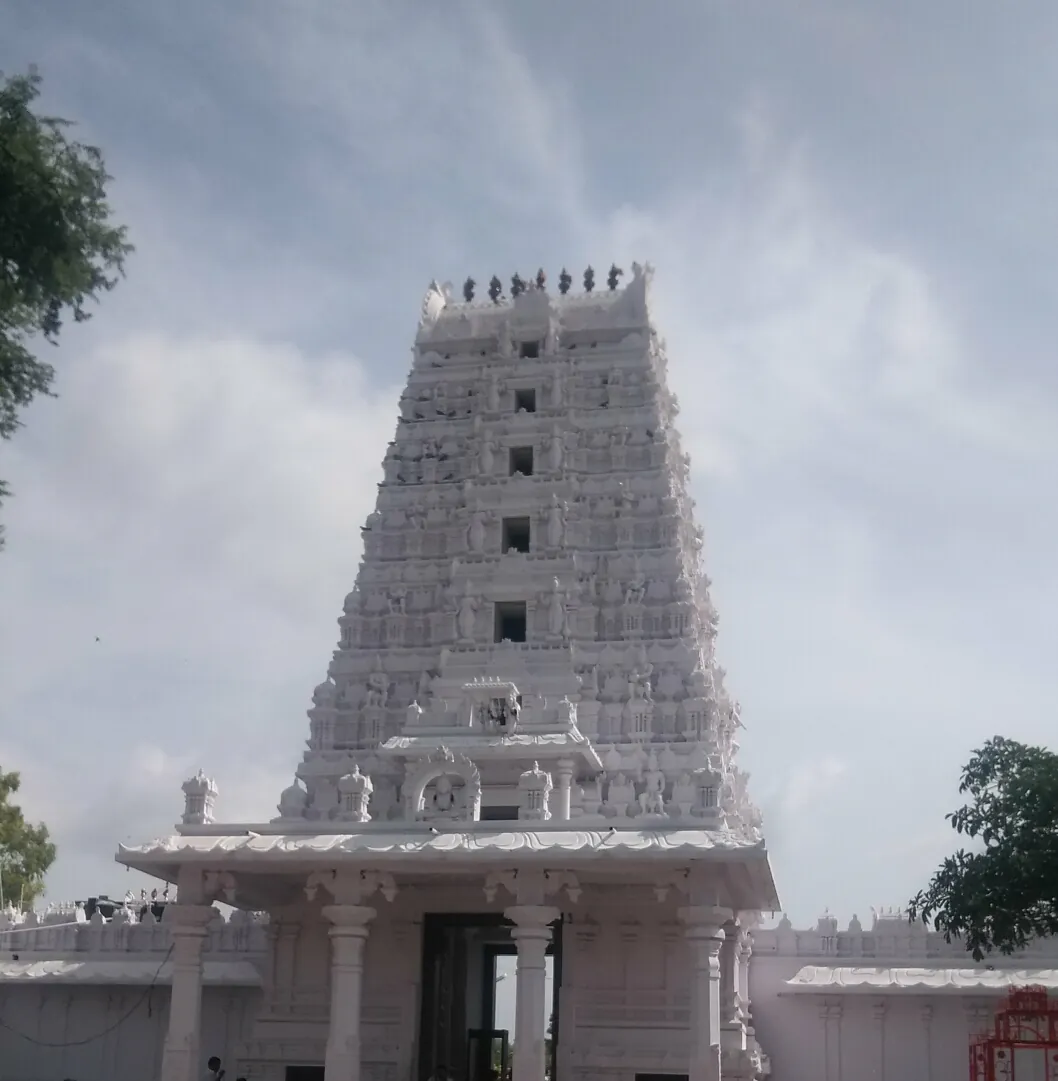
Karmanghat Hanuman Temple Hyderabad
The air, thick with incense and the murmur of devotion, vibrated around me as I stepped into the courtyard of the Karmanghat Hanuman Temple. Located in the bustling heart of Hyderabad, this ancient shrine seemed to exist in a pocket of timeless serenity, a world away from the urban clamor just beyond its walls. The temple, dedicated to Lord Hanuman, is believed to date back to the 12th century during the Kakatiya dynasty, a fact whispered by the very stones that make up its structure. My gaze was immediately drawn upwards to the imposing gopuram, the monumental entrance tower that dominates the temple complex. Unlike the elaborately sculpted gopurams of South Indian temples, this one possessed a more restrained elegance. The brickwork, though weathered by centuries of sun and rain, retained a warm, earthy hue. Subtle carvings of deities and celestial beings peeked out from the brick surface, hinting at the rich narratives embedded within the temple’s architecture. Passing through the gopuram, I found myself in the main courtyard, a vibrant tapestry of activity. Devotees circumambulated the central shrine, their prayers mingling with the rhythmic chanting of priests. The central shrine, housing the imposing idol of Lord Hanuman, is a relatively simple structure, its grandeur stemming from the powerful spiritual energy that permeates the space. The idol itself, a magnificent depiction of the monkey god in a standing posture, is said to be self-manifested, adding to the temple's mystique. I spent some time observing the architectural details, tracing the lines of the pillars and cornices with my fingers. The influence of the Kakatiya style was evident in the stepped pyramidal roof of the shrine and the use of locally available granite and brick. While later additions and renovations, particularly from the Qutb Shahi period, are discernible, the core architectural vocabulary remains distinctly Kakatiyan. This blending of architectural styles across centuries provides a fascinating glimpse into the region's rich and layered history. One of the most striking features of the Karmanghat temple is the presence of a large tank, or *pushkarini*, located to the south of the main shrine. The tranquil waters of the tank, reflecting the temple’s silhouette, created a sense of peace and tranquility. Historically, these tanks played a crucial role in temple rituals and served as a vital source of water for the community. The Karmanghat tank, though now significantly smaller than its original size, continues to be a focal point for devotees. As I walked around the temple complex, I noticed several smaller shrines dedicated to various deities, tucked away in quiet corners. These smaller structures, while less grand than the main shrine, displayed intricate carvings and decorative elements. The presence of these subsidiary shrines speaks to the evolving nature of religious practices and the assimilation of different deities into the temple’s pantheon over time. The Karmanghat Hanuman Temple is more than just a collection of stones and mortar; it is a living testament to centuries of faith, devotion, and architectural ingenuity. It is a place where the past and the present converge, where ancient traditions continue to resonate in the modern world. Leaving the temple, I carried with me not just photographs and notes, but a profound sense of connection to the rich cultural tapestry of India. The whispers of history, etched into the very fabric of the temple, continued to echo in my mind, a reminder of the enduring power of faith and the artistry of our ancestors.
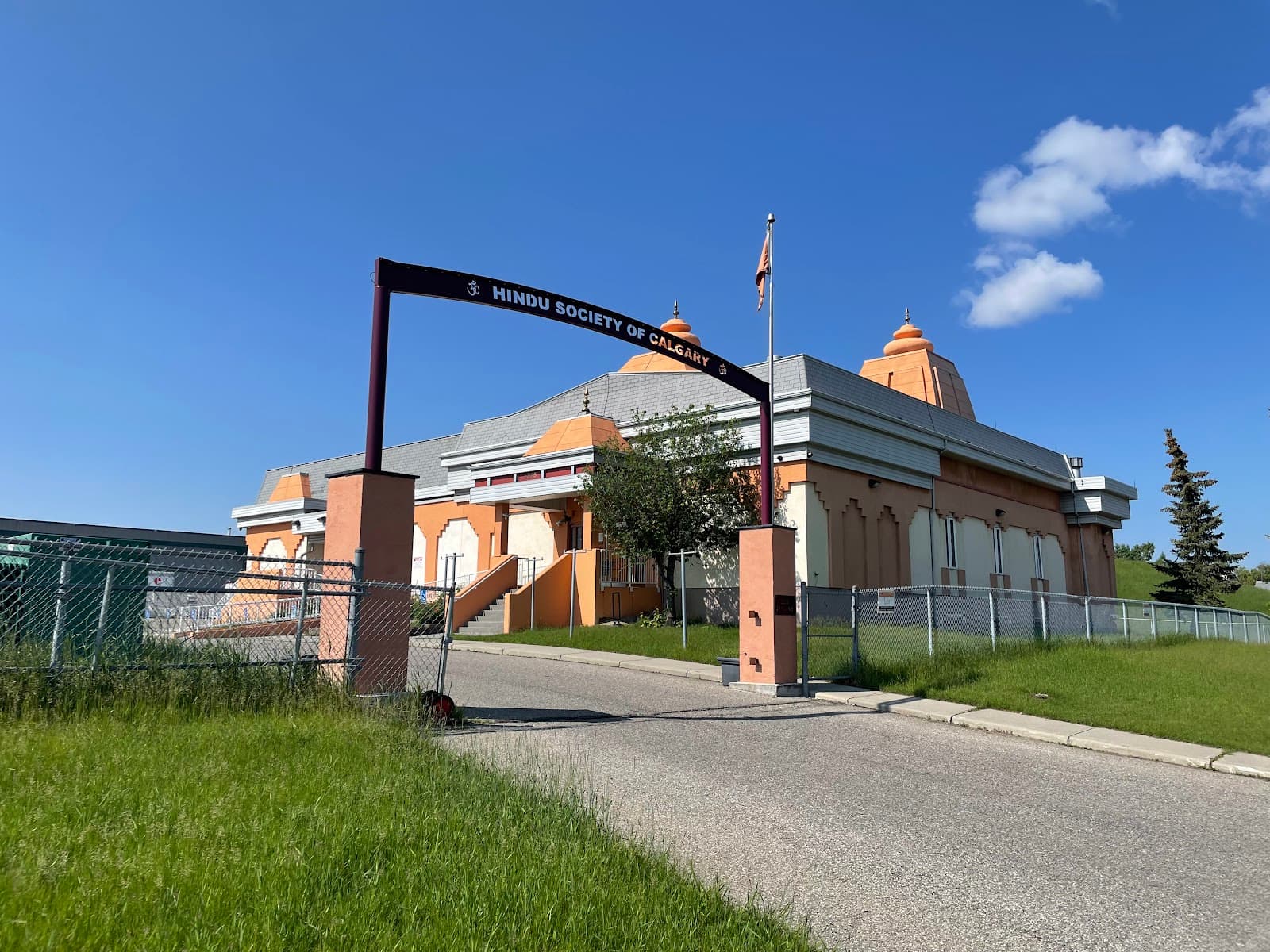
Hindu Cultural Society of Calgary Temple
Hindu Cultural Society of Calgary Temple is dedicated to Sri Ganesh, Sri Krishna, Durga, Shiva, and other deities, and anchors northeast Calgary’s cultural corridor as a multi-wing campus for worship, arts, education, and community aid since its 1984 consecration ([1][2]). The temple operates daily 7:00 AM-12:00 PM and 5:00 PM-9:00 PM, while classrooms, auditorium, gymnasium, and library run from 9:00 AM onwards for language classes, music rehearsals, yoga, seniors’ programs, and settlement services coordinated by volunteer committees ([1][3]). Front-desk teams handle RFID sign-in, shoe storage, and seva booking, then guide devotees through heated corridors toward the marble sanctum or cultural halls via colour-coded wayfinding and bilingual signage. In-house kitchens deliver annadhanam, Meals on Wheels, and Food Bank hampers, while accessibility upgrades provide heated ramps, elevators, tactile guidance, captioned screens, and quiet rooms. Digital signage and SMS alerts share aarti schedules, class updates, weather advisories, and road conditions, and Building Automation Systems manage HVAC, humidification, radiant floors, and security integrated with Calgary Emergency Management. With trained emergency wardens, festival logistics plans, and hybrid broadcast suites, the temple remains operationally ready for Diwali gala, Navaratri garba, Rath Yatra floats, civic town halls, and youth hackathons alongside daily worship ([2][3]).
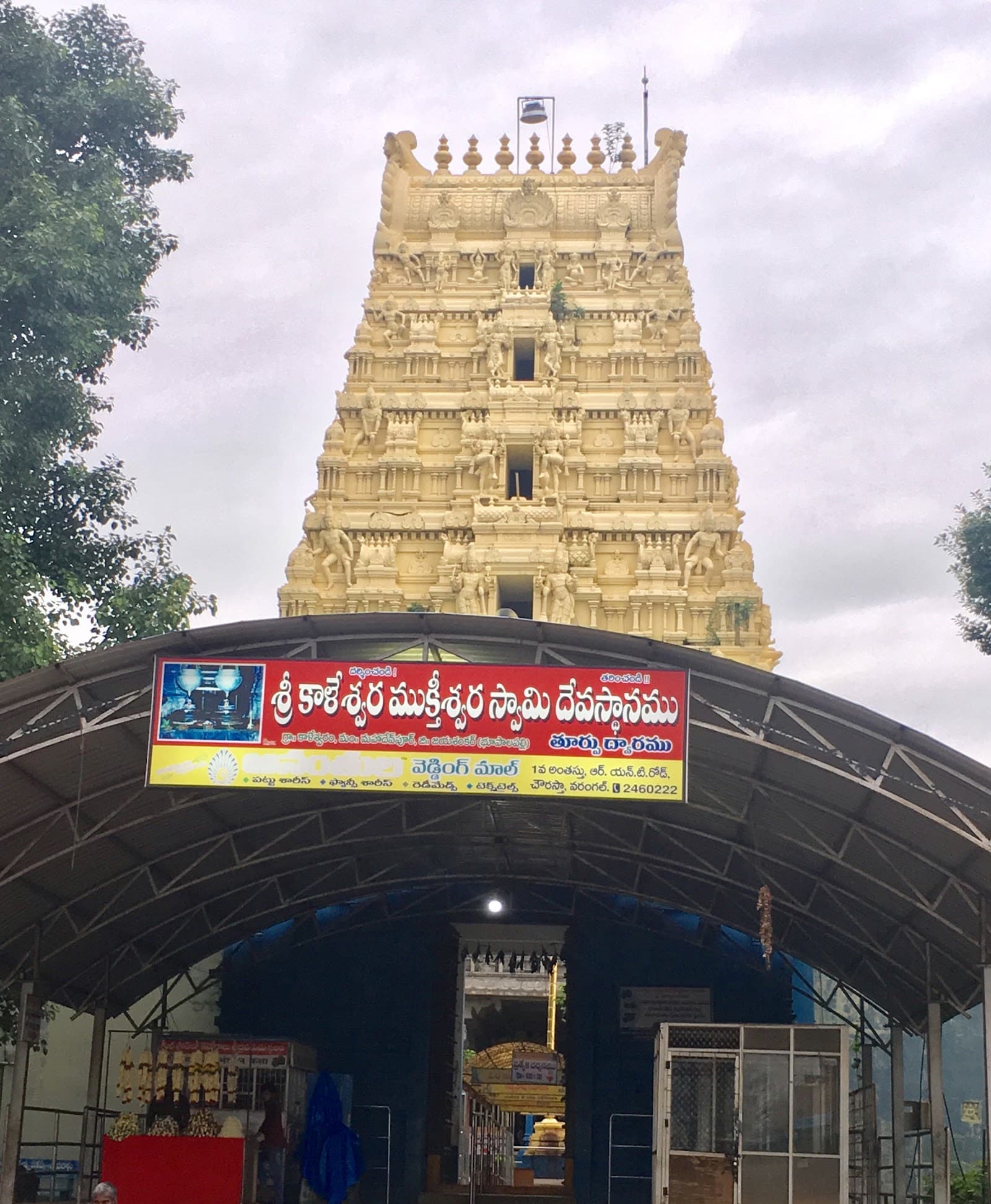
Kaleshwara Mukteswara Temple Kaleshwaram
The confluence of three rivers – the Godavari, Pranahita, and the mythical Saraswati – creates a sacred landscape at Kaleshwaram, where the Kaleshwara Mukteswara Swamy Temple stands as a testament to centuries of devotion and architectural prowess. My recent visit to this Telangana temple left me awestruck by its scale and the intricate details woven into its fabric. The temple complex, recently renovated, sprawls across a vast area, a modern marvel built upon ancient foundations. While the new construction gleams with polished stone, the core sanctums retain the weathered charm of history. The primary deity, Lord Shiva, is worshipped here as Kaleshwara Mukteswara Swamy, a name that resonates with the liberating power of time and divine grace. The temple's layout follows a traditional South Indian pattern, with multiple concentric enclosures or *prakarams* leading to the central shrine. However, the sheer scale of these *prakarams* and the towering *gopurams* (gateways) that punctuate them set Kaleshwaram apart. The use of light-colored stone, predominantly granite, creates a sense of grandeur and purity, amplified by the meticulous carvings that adorn every surface. One of the most striking features of the temple is the intricate sculpture work. Unlike the narrative panels common in many South Indian temples, Kaleshwaram’s carvings focus predominantly on floral motifs, geometric patterns, and divine figures. I noticed a distinct influence of the Chalukyan style in the sculpted *yalis* (mythical beasts) and the elaborate scrollwork that frames doorways and niches. The pillars, too, are marvels of craftsmanship, each one uniquely carved with intricate designs that seem to defy gravity. I spent a considerable amount of time observing the subtle variations in the floral patterns, each petal and leaf rendered with astonishing precision. The main *gopuram*, soaring high above the surrounding landscape, is a breathtaking sight. Its multiple tiers, adorned with vibrant stucco figures of deities and celestial beings, create a powerful visual statement. While the vibrant colours of the stucco work contrast with the muted tones of the stone, they add a layer of dynamism to the overall aesthetic. This interplay of colour and texture, of old and new, is a recurring theme throughout the temple complex. Moving beyond the main shrine, I explored the smaller shrines dedicated to various deities within the complex. The shrine of Goddess Parvati, consort of Lord Shiva, is particularly noteworthy for its elegant simplicity. The smaller *gopuram* leading to this shrine features intricate carvings of female deities and celestial musicians, a testament to the reverence accorded to the feminine principle in Hindu cosmology. My visit to Kaleshwaram wasn't just about observing the architecture; it was an immersion in a living tradition. The temple was bustling with devotees, their chants and prayers creating a palpable sense of devotion. Observing the rituals, the offerings, and the interactions between the priests and the devotees provided a glimpse into the enduring power of faith. The temple, despite its recent renovation, felt deeply connected to the past, a bridge between generations of worshippers. The integration of modern amenities, such as well-maintained pathways, clean restrooms, and clear signage, enhances the visitor experience without detracting from the temple's spiritual aura. This careful balance between preservation and modernization is commendable. Kaleshwaram is more than just a temple; it's a cultural landmark, a testament to the architectural ingenuity and religious fervour of the region. It's a place where history whispers from ancient stones, where faith finds expression in vibrant rituals, and where the confluence of rivers mirrors the confluence of the past, present, and future. My experience at Kaleshwaram was profoundly enriching, leaving me with a deep appreciation for the rich tapestry of South Indian temple architecture and the enduring power of sacred spaces.
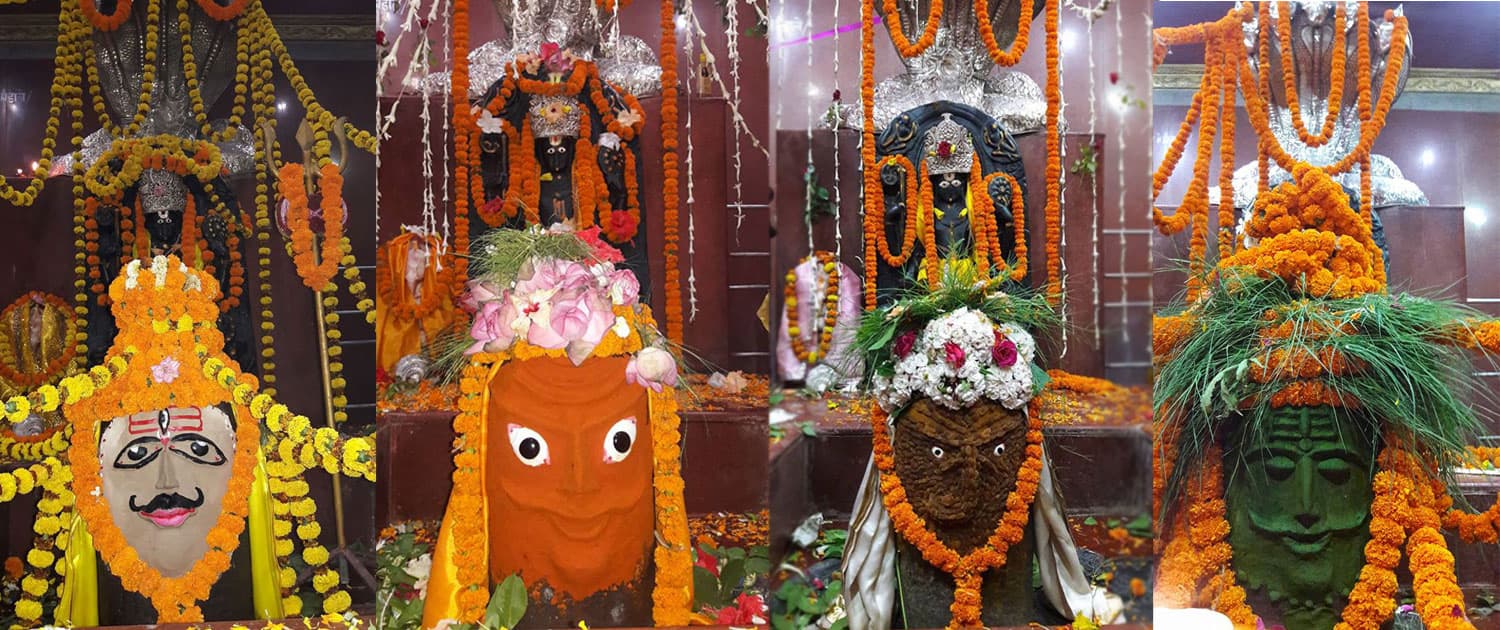
Baba Harihar Nath Temple Sonepur
On the sacred confluence of the Gandak and Ganges rivers, the Baba Harihar Nath Temple in Sonepur, Bihar, stands as a testament to India's rich architectural and religious heritage ([1][2]). Constructed in 1089 CE during the Rajput Period, this 11th-century edifice exemplifies the Nagara style of North Indian temple architecture ([3]). Raja Man Singh's patronage led to the creation of this temple, which continues to be a significant pilgrimage site ([1]). Intricate carvings embellishing the outer walls narrate tales from Hindu mythology, particularly those associated with Shiva ([4]). Floral and geometric patterns intertwine, reflecting the exceptional skills of the artisans who shaped the temple's form ([5]). The weathered figures retain their dynamism, a testament to the enduring artistry of the period ([4]). The Shikhara (spire), while Nagara in its essence, subtly integrates Mughal influences, crowned by a golden Kalash (finial) ([5]). Within the Garbhagriha (sanctum), a Shiva lingam resides in a simple chamber, contrasting with the ornate exterior and emphasizing the core of Hindu worship ([1]). Stone, brick, mortar, and plaster were meticulously employed in the temple's construction, showcasing the sophisticated building techniques of the time ([3]). The temple's architectural style aligns with principles outlined in ancient texts like the Manasara Shilpa Shastra, which detail the proportions and design elements of Nagara temples ([4][5]). During the annual Sonepur Cattle Fair, one of Asia's largest, the temple transforms into its epicenter, drawing devotees and visitors alike ([2][3]). The Baba Harihar Nath Temple embodies the cultural synthesis of India, seamlessly blending history, mythology, and unwavering faith, a lasting legacy of ancestral artistry ([1][4][5]). It remains a vibrant symbol of devotion and architectural excellence in the heart of Bihar.
Quick Links
Plan Your Heritage Journey
Get personalized recommendations and detailed visitor guides