Has Inheritage Foundation supported you today?
Your contribution helps preserve India's ancient temples, languages, and cultural heritage. Every rupee makes a difference.
Secure payment • Instant 80G certificate
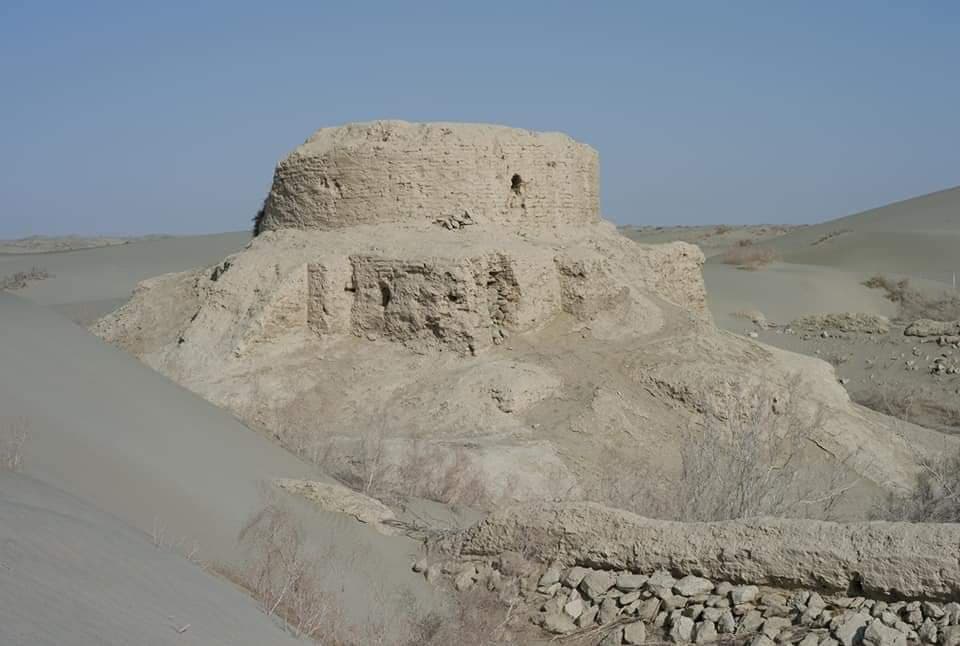
Rawak Stupa Hotan Xinjiang China
Rawak Stupa, located on the southern rim of the Taklamakan Desert near Hotan, Xinjiang, China, represents one of the most magnificent and architecturally sophisticated Buddhist monuments along the ancient Silk Road, constructed during the 3rd to 4th centuries CE when the Kingdom of Khotan flourished as a major center for the transmission of Buddhism from India to China, creating a stunning three-dimensional mandala that demonstrates the direct transmission of Indian Buddhist architectural and iconographic traditions to Central Asia. The stupa, constructed primarily from rammed earth and fired brick with extensive stucco decoration, features a massive cruciform-shaped base with staircases on each of the four sides, representing an architectural evolution from the simple square-based stupa form found in India to the more elaborate cruciform design that became characteristic of Central Asian Buddhist architecture, while the stupa itself rises in multiple tiers to create a monumental structure that served as the focal point of an extensive Buddhist monastery complex. The site's architectural design demonstrates direct influence from Indian Buddhist stupa architecture, particularly the traditions of Taxila and other Gandharan sites, with the overall form, decorative elements, and iconographic programs reflecting Indian Buddhist practices that were systematically transmitted to Central Asia, while the discovery of numerous colossal statues, terracotta reliefs, and wall paintings that once surrounded the stupa provides crucial evidence of the site's role as a major center of Buddhist artistic production that was directly influenced by Indian traditions. Archaeological excavations conducted by Sir Aurel Stein in 1901 revealed that the stupa was originally surrounded by a courtyard containing over 90 smaller stupas arranged in a mandala pattern, with the entire complex forming a three-dimensional representation of Buddhist cosmology that demonstrates the sophisticated understanding of Indian Buddhist iconography and architectural planning possessed by the builders, while the discovery of numerous stucco sculptures and wall paintings executed in styles clearly derived from Indian artistic traditions provides further evidence of the direct transmission of Indian Buddhist art to Central Asia. The stupa complex flourished particularly during the 4th to 5th centuries CE, when Khotan served as one of the most important centers for the transmission of Buddhism from India to China, attracting monks, traders, and pilgrims from across the Buddhist world, while the site's location along the southern Silk Road facilitated its role in the transmission of Buddhist teachings, art, and culture. The site was likely abandoned during the 8th or 9th century CE following political changes and the decline of Buddhism in the region, but the substantial architectural remains that survive provide crucial evidence of the site's original grandeur and the sophisticated engineering techniques employed in its construction, while the discovery of numerous artifacts including sculptures, manuscripts, and ritual objects continues to provide insights into the site's history and significance. Today, Rawak Stupa stands as a UNESCO Tentative List site and represents one of the most important Buddhist monuments in the Taklamakan Desert, serving as a powerful testament to the transmission of Indian Buddhist architecture and art along the Silk Road, while ongoing archaeological research and preservation efforts continue to protect and study this extraordinary cultural treasure that demonstrates the profound impact of Indian civilization on Central Asian Buddhist art and architecture. ([1][2])
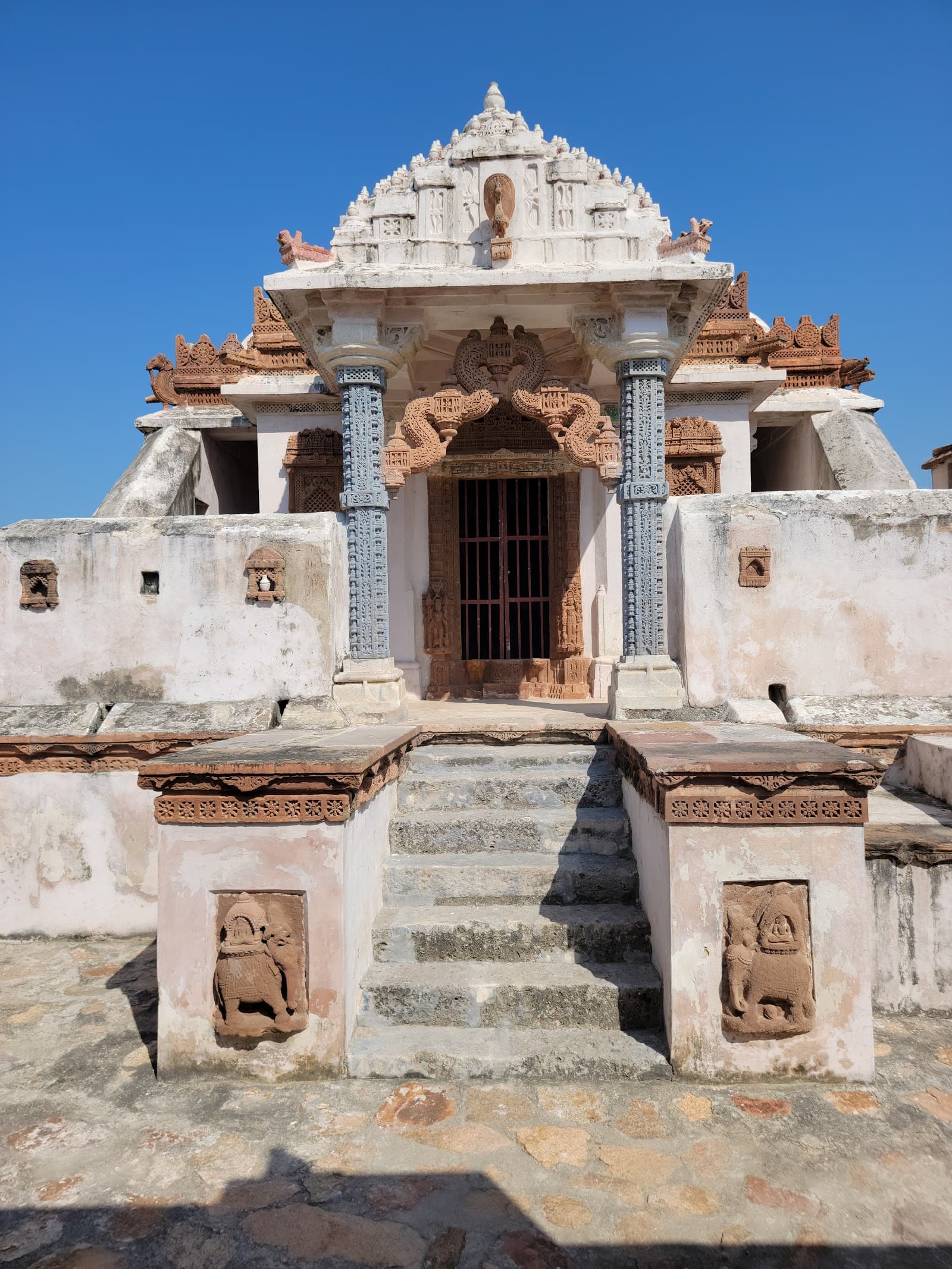
Jain Temple Nagarparkar Tharparkar
Jain Temple Nagarparkar, located in the Thar Desert region of Sindh Province, represents a significant 14th-16th century CE Jain temple complex that demonstrates the rich religious diversity of the region, which was historically part of the greater Hindu rashtra extending across the Indian subcontinent and maintained strong connections to Indic religious traditions including Jainism. The temple complex, now part of the Nagarparkar Cultural Landscape inscribed on UNESCO’s tentative list, features multiple Jain temples constructed primarily from white marble, with the most notable being the Gori Temple dedicated to Lord Parshvanatha, the 23rd Jain Tirthankara. The temples, constructed during a period when the Thar Desert region was part of various Hindu and Jain kingdoms that maintained strong cultural and commercial connections to Rajasthan and other parts of India, feature distinctive architecture that closely resembles the famous Jain temples of Mount Abu in Rajasthan, demonstrating the cultural unity of the greater Hindu rashtra that extended across political boundaries. The Gori Temple, measuring 125 feet by 60 feet and constructed entirely of marble, stands on a high platform accessed by stone steps, with interiors adorned with intricate Jain religious imagery including frescoes that are considered older than those in North Indian Jain temples. The temple complex includes 24 small cells, possibly representing the 24 Tirthankaras of Jainism, and demonstrates sophisticated stone carving techniques, intricate architectural planning, and advanced understanding of marble construction. Archaeological evidence indicates the temples were constructed during a period when Nagarparkar was an important trading center connecting the Thar Desert to maritime trade routes, with Jain merchants playing a significant role in maintaining commercial and cultural connections across the greater Hindu rashtra. Today, Jain Temple Nagarparkar stands as a powerful symbol of the Jain heritage of Pakistan and the region’s historical connection to the greater Hindu rashtra, serving as a reminder of the sophisticated religious and cultural traditions that flourished in regions that were integral parts of ancient Indian civilization. ([1][2])
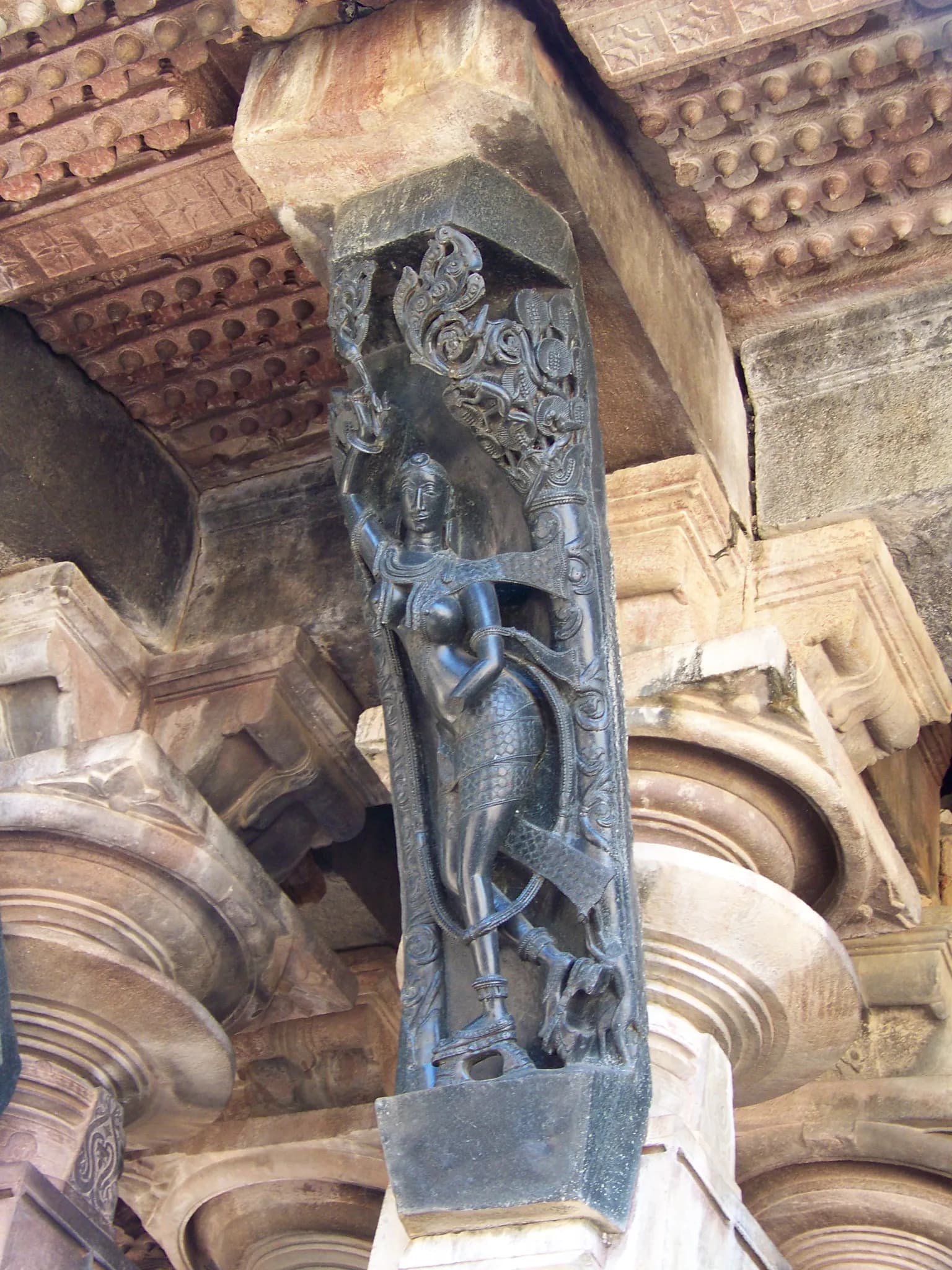
Ramappa Temple Palampet
The midday sun beat down on the star-shaped platform of the Ramappa Temple, the heat radiating off the sandstone in shimmering waves. Having explored countless caves and temples across Maharashtra, I’ve developed a keen eye for architectural nuances, and Ramappa, nestled in the heart of Telangana, offered a feast for the senses unlike any I'd encountered before. This wasn't just another ancient temple; it was a testament to the Kakatiya dynasty's innovative spirit and artistic prowess. The temple, dedicated to Lord Shiva in his manifestation as Ramalingeswara, stands as a proud survivor of centuries past. Its sandbox foundation, a unique feature I hadn't seen elsewhere, is said to have protected it from earthquakes, a testament to the Kakatiyan architects' ingenuity. As I circumambulated the main shrine, I noticed the slight incline of the walls, a subtle detail that enhances the perception of height and grandeur. The intricate carvings that adorned every inch of the temple left me spellbound. Unlike the robust sculptures of Maharashtra's temples, Ramappa's carvings possessed an ethereal quality. The slender celestial nymphs, or *apsaras*, seemed to float across the stone, their delicate features and flowing garments captured in exquisite detail. I spent a considerable amount of time studying the bracket figures supporting the eaves; miniature marvels depicting dancers, musicians, and mythical creatures, each one a masterpiece in miniature. The famed *madaniks*, or bracket figures, were particularly captivating, their gravity-defying poses showcasing the sculptor's mastery over form and balance. One particular *madanika*, seemingly balancing on a single toe while playing a flute, captured my attention for its sheer artistry. Inside the sanctum sanctorum, the atmosphere was palpably different. The dimly lit space, with its massive Shiva lingam, exuded a sense of serenity and reverence. The polished black basalt of the lingam contrasted sharply with the warm sandstone of the surrounding walls, creating a visually striking effect. While photography wasn't permitted inside the sanctum, the image of the lingam, bathed in the soft glow of oil lamps, remains etched in my memory. Beyond the main shrine, the temple complex encompasses several smaller shrines and mandapas. The Nandi mandapa, housing a colossal Nandi bull facing the main shrine, was particularly impressive. The Nandi, carved from a single block of black basalt, radiated a sense of quiet strength and devotion. I noticed the intricate detailing on the Nandi's ornamentation, a testament to the sculptor's meticulous craftsmanship. One of the most striking aspects of Ramappa Temple is its use of floating bricks. These lightweight bricks, locally known as "porous bricks," are said to have been used in the construction of the *shikhara*, or tower. I was fascinated by their lightness and porous texture, a stark contrast to the dense sandstone used for the rest of the temple. These bricks, according to local lore, could float on water, a testament to the Kakatiyans' advanced knowledge of material science. As I walked through the temple complex, I couldn't help but marvel at the Kakatiyan architects' vision and skill. They had not only created a place of worship but also a masterpiece of art and engineering. The interplay of light and shadow, the intricate carvings, the innovative use of materials – all these elements combined to create a truly unforgettable experience. Ramappa Temple is not just a UNESCO World Heritage Site; it is a living testament to the ingenuity and artistic brilliance of a bygone era, a must-see for anyone seeking to explore the rich architectural heritage of India. It stands as a powerful reminder that even amidst the relentless march of time, beauty and artistry can endure.
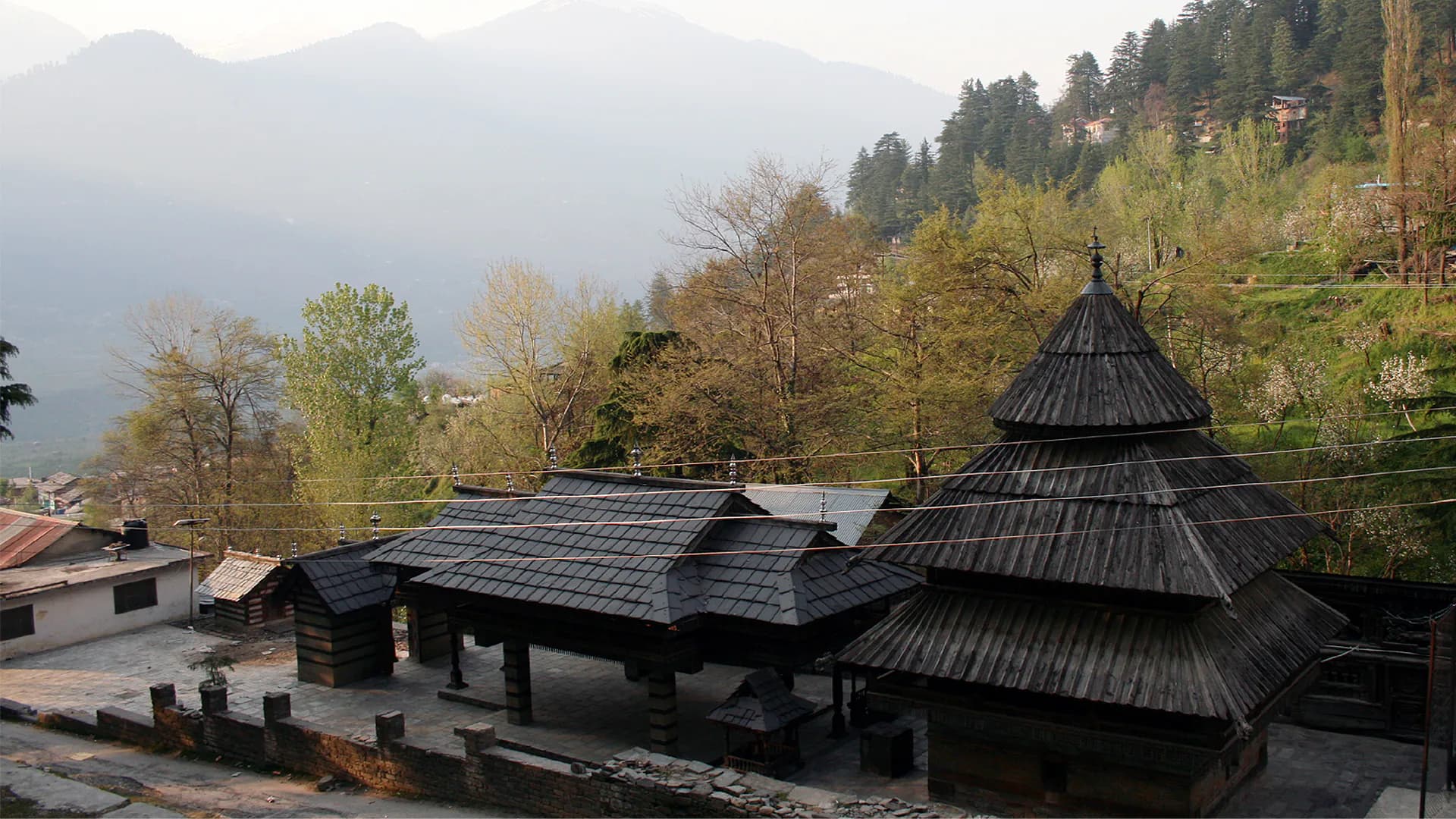
Tripura Sundari Temple Udaipur
The air hung thick and humid, fragrant with incense and marigold garlands, as I climbed the shallow steps leading to Tripura Sundari Temple. Located in Udaipur, Tripura, this Shakti Peetha, one of the 51 holy sites where parts of Sati's body are said to have fallen, vibrated with a palpable energy. Having visited every UNESCO site in India, I can confidently say Matabari, as it’s locally known, holds a unique charm, blending natural beauty with a profound sense of devotion. The temple complex sits nestled on a small hillock overlooking a serene lake, Kalyan Sagar. This lake, teeming with large, colourful fish considered sacred, adds another layer of mystique to the location. Devotees throng the banks, offering puffed rice to the fish, their vibrant scales flashing beneath the surface. This symbiotic relationship between nature and worship is a recurring theme at Matabari. The main temple, dedicated to Tripura Sundari, also known as Soroshi, is a relatively recent structure, built in 1501 by Maharaja Dhanya Manikya. Its characteristic Bengali-hut style architecture, with a curved, sloping roof and bright ochre walls, stands in stark contrast to the elaborate, towering temples of South India. The simplicity, however, is deceptive. Intricate terracotta carvings adorn the facade, depicting scenes from Hindu mythology and local folklore. I spent a considerable amount of time studying these panels, each a miniature narrative frozen in time. The craftsmanship, despite centuries of weathering, remains remarkably detailed, a testament to the skill of the artisans. Inside the temple, the atmosphere is charged with devotion. Photography is restricted within the sanctum sanctorum, which allows for a more immersive experience. The deity, Tripura Sundari, is represented by a small, silver idol, adorned with vibrant silks and flowers. The air is thick with the scent of burning camphor and the rhythmic chanting of priests. While I've witnessed grander, more opulent displays of worship at other sites, the intimate setting at Matabari fostered a sense of connection that I found deeply moving. Beyond the main temple, the complex houses several smaller shrines dedicated to other deities, including Kali and Shiva. Each shrine has its own distinct character, reflecting the diverse pantheon of Hindu gods and goddesses. I was particularly drawn to the shrine of the eight-handed Durga, a fierce and powerful representation of the goddess, a stark contrast to the serene Tripura Sundari. One of the most striking aspects of Matabari is the confluence of different religious traditions. While primarily a Hindu pilgrimage site, the temple also attracts Buddhist devotees who revere Tripura Sundari as a form of Tara. This intermingling of faiths creates a unique atmosphere of tolerance and mutual respect, a testament to India's rich syncretic heritage. My visit to Matabari wasn't just about observing the architecture and rituals; it was about experiencing the living, breathing faith that permeates the site. From the elderly woman whispering fervent prayers to the young boy offering a handful of puffed rice to the sacred fish, every individual contributed to the temple's vibrant tapestry of devotion. It's this human element, this palpable sense of connection between the divine and the earthly, that makes Matabari a truly unforgettable experience. As I descended the steps, leaving the temple behind, I carried with me not just photographs and memories, but a deeper understanding of the power of faith and the enduring legacy of India's cultural heritage.
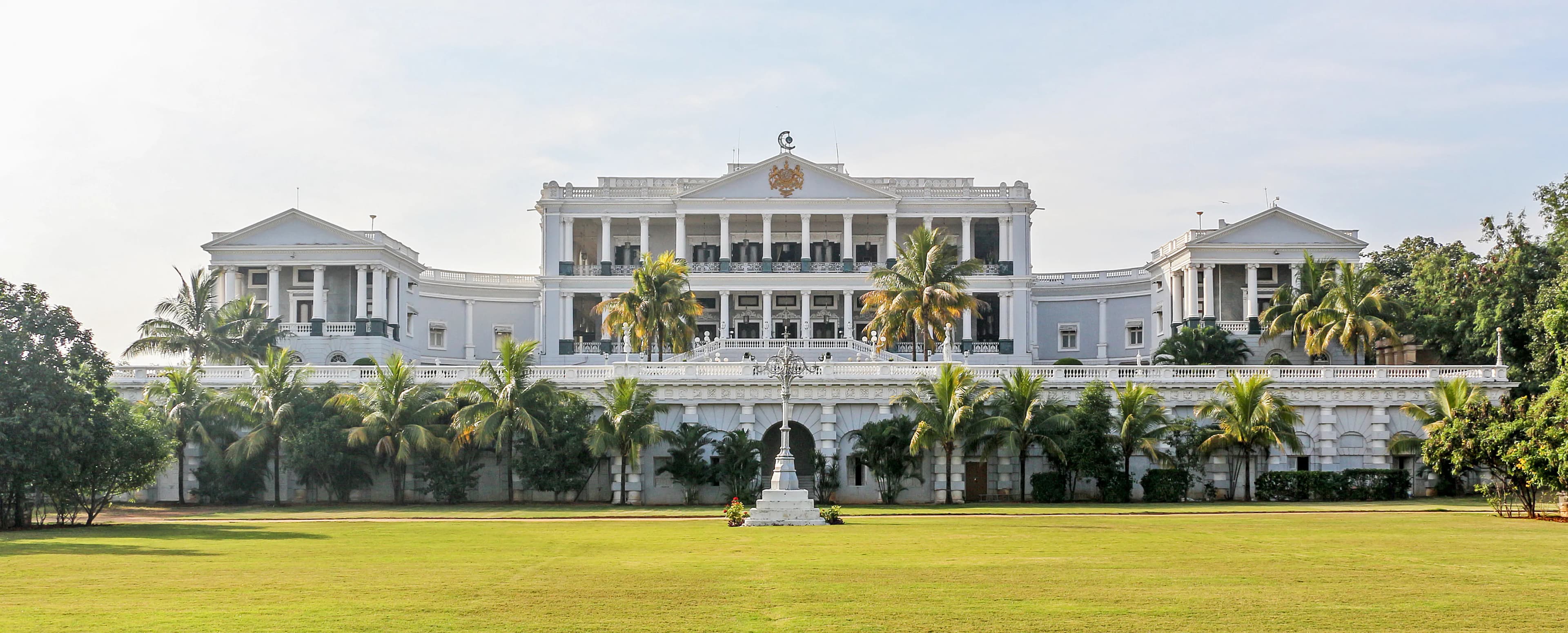
Falaknuma Palace Hyderabad
The Nizam’s carriages, gleaming under the Hyderabad sun, offered a fitting prelude to the grandeur that awaited me at Falaknuma Palace. Perched 2,000 feet above the city, this scorpion-shaped architectural marvel, meaning "Mirror of the Sky" in Urdu, truly lives up to its name. As I ascended the hill, the palace gradually revealed itself, a blend of Italian and Tudor influences against the backdrop of the Deccan plateau. The pale Italian marble, so striking against the azure sky, hinted at the opulence within. Stepping through the grand arched entrance felt like stepping back in time. The sheer scale of the entrance hall, with its soaring ceilings and intricate frescoes, was breathtaking. The jade collection, displayed in cabinets lining the walls, immediately caught my eye – a testament to the Nizam’s legendary wealth. Each piece, from delicate snuff bottles to intricately carved figurines, whispered stories of a bygone era. My guide, a seasoned historian, pointed out the intricate details of the palace's architecture. The blend of styles was seamless, a testament to the architects' vision. The stained-glass windows, imported from Venice, cast kaleidoscopic patterns on the marble floors. The intricate woodwork, particularly on the grand staircase, showcased the skill of local artisans. Everywhere I looked, there were stories etched in wood, marble, and glass. The state reception room, where the Nizam once entertained dignitaries, was a spectacle of Victorian grandeur. The furniture, upholstered in rich velvet and adorned with mother-of-pearl inlay, looked as if it had been prepared for a royal reception just yesterday. The massive chandeliers, glittering with hundreds of crystals, dominated the room, casting a warm glow on the priceless artifacts displayed around the room. I could almost imagine the Nizam, dressed in his finery, holding court in this magnificent space. The library, a personal favorite, was a haven for bibliophiles. Its walnut shelves, stacked with rare books and manuscripts, stretched towards the high, coffered ceiling. The scent of old paper and leather hung in the air, a comforting aroma that transported me to a world of scholarly pursuits. I spent a considerable amount of time admiring the collection, marveling at the breadth of knowledge contained within those walls. It was easy to see why the Nizam, a known patron of the arts and sciences, cherished this space. The dining hall, with its impossibly long table capable of seating 100 guests, was another highlight. The Nizam, known for his lavish hospitality, hosted extravagant banquets here. The stories of these legendary feasts, recounted by my guide, brought the space to life. I could almost hear the clinking of glasses, the murmur of conversations, and the strains of music that once filled this grand hall. Beyond the opulent interiors, the palace grounds offered breathtaking views of the city below. The manicured gardens, a blend of Mughal and English landscaping styles, provided a tranquil escape from the bustling city. The fountains, once a symbol of the Nizam's wealth and power, still gurgled softly, adding to the serene atmosphere. As I descended the hill, leaving the grandeur of Falaknuma behind, I couldn't help but feel a sense of awe. This wasn't just a palace; it was a time capsule, preserving a slice of India's rich history. It was a testament to the vision of the Nizams, their patronage of the arts, and their lavish lifestyle. Falaknuma Palace, truly a mirror of the sky, reflected not just the heavens above but also the grandeur of a bygone era. Having visited every UNESCO site in India, I can confidently say that Falaknuma holds a unique place, offering a glimpse into a world of princely splendor that is both captivating and unforgettable.
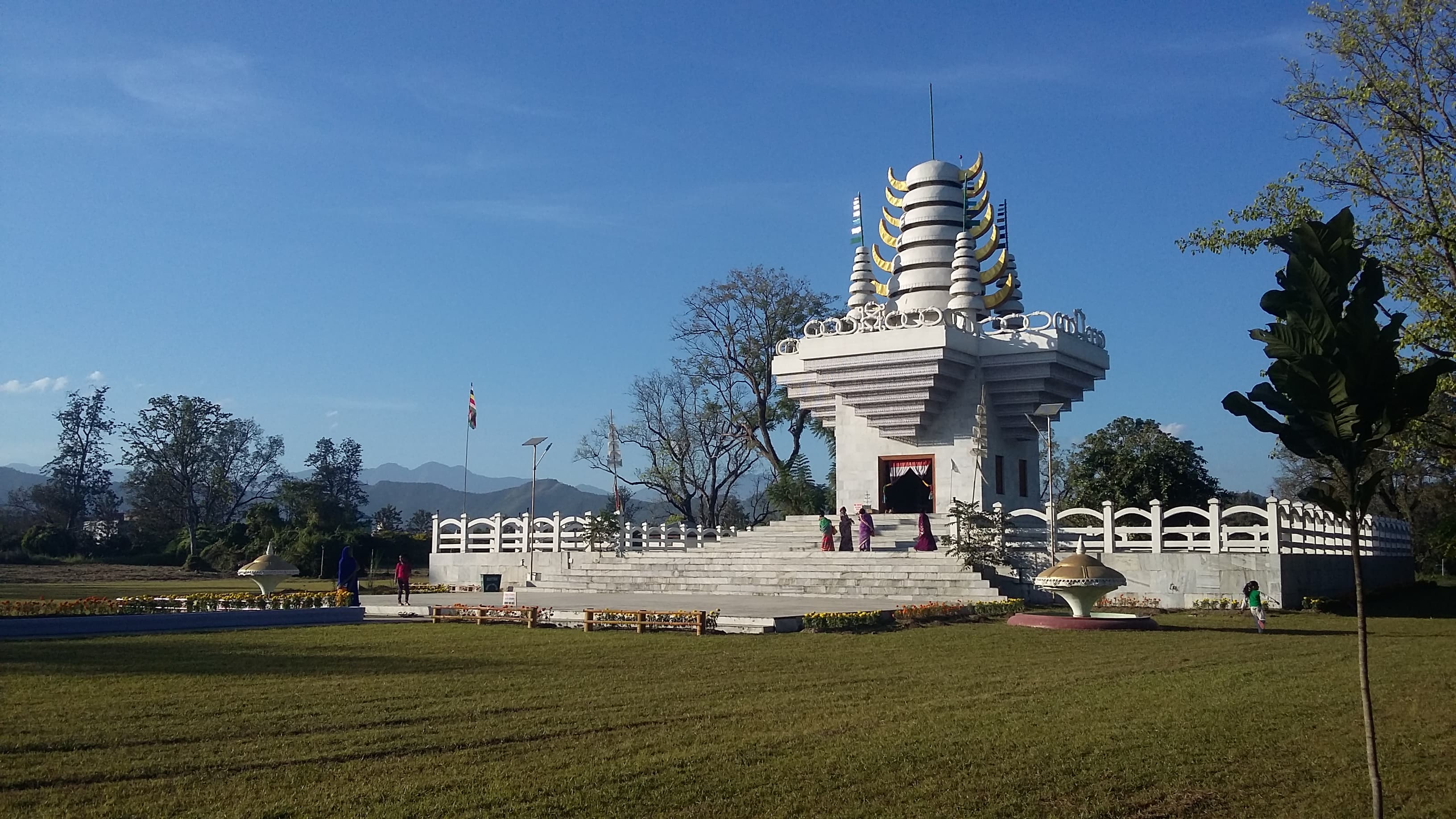
Chingnungkok Temple Imphal
Nestled in Konung Mamang, Imphal, the Chingnungkok Temple represents the vernacular Manipuri religious architecture of the 18th century ([1][2]). Maharaja Garib Niwaz commissioned its construction around 1710 CE within the historic Kangla Fort complex ([3]). The temple is dedicated to Pakhangba, a principal Meitei deity, reflecting the region's spiritual landscape ([1]). Timber construction stands out as a defining feature of the temple, complemented by a distinctive thatched roof ([4]). Fired brick and mud brick construction are evident in the rectangular structure ([2]). Intricate carvings embellish the roof eaves and supporting pillars, depicting scenes from Meitei folklore ([1][3]). These carvings narrate stories passed down through generations, showcasing the artisans' skills and preserving cultural memory ([4]). The architectural style reflects the unique traditions of the Meitei people. Within the Garbhagriha (Sanctum), a palpable sense of reverence pervades the atmosphere ([2]). The temple harmonizes with its natural surroundings, with ancient trees providing a serene backdrop ([1]). Smaller shrines dedicated to various deities and a sacred pond further enrich the complex, echoing the main temple's architectural style ([3][4]). The sacred pond plays a vital role in temple rituals, solidifying the connection between the sacred and natural elements ([1][2]). During the Ahom period, temple architecture in the region saw a flourishing of unique styles ([3][4]). The temple reflects Manipur’s rich cultural heritage, embodying the spiritual and artistic sensibilities of the Meitei people ([1][2]). The Chingnungkok Temple stands as a testament to the enduring legacy of Manipuri craftsmanship and religious devotion ([3][4]). It exemplifies the integration of nature and spirituality in the region's architectural traditions ([1][2]).
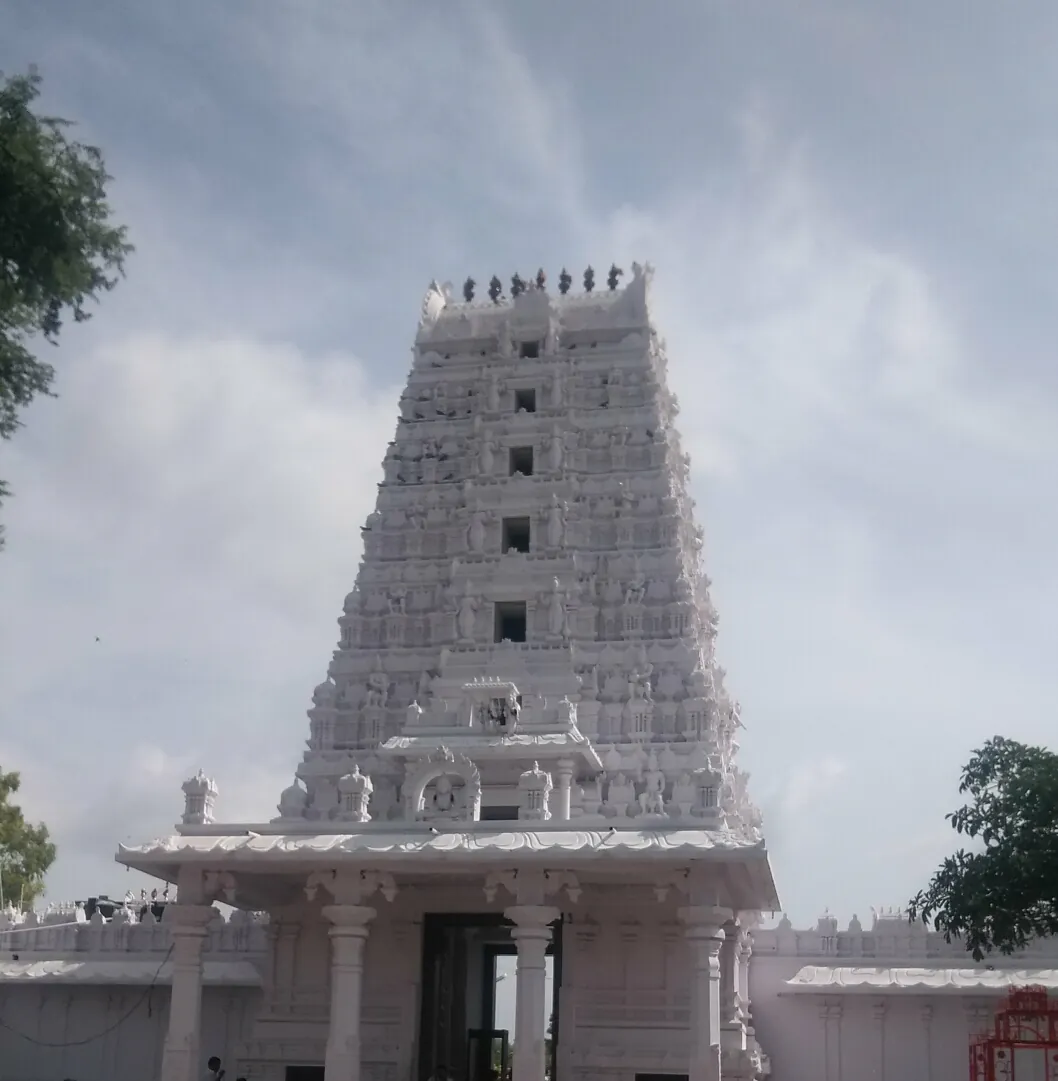
Karmanghat Hanuman Temple Hyderabad
The air, thick with incense and the murmur of devotion, vibrated around me as I stepped into the courtyard of the Karmanghat Hanuman Temple. Located in the bustling heart of Hyderabad, this ancient shrine seemed to exist in a pocket of timeless serenity, a world away from the urban clamor just beyond its walls. The temple, dedicated to Lord Hanuman, is believed to date back to the 12th century during the Kakatiya dynasty, a fact whispered by the very stones that make up its structure. My gaze was immediately drawn upwards to the imposing gopuram, the monumental entrance tower that dominates the temple complex. Unlike the elaborately sculpted gopurams of South Indian temples, this one possessed a more restrained elegance. The brickwork, though weathered by centuries of sun and rain, retained a warm, earthy hue. Subtle carvings of deities and celestial beings peeked out from the brick surface, hinting at the rich narratives embedded within the temple’s architecture. Passing through the gopuram, I found myself in the main courtyard, a vibrant tapestry of activity. Devotees circumambulated the central shrine, their prayers mingling with the rhythmic chanting of priests. The central shrine, housing the imposing idol of Lord Hanuman, is a relatively simple structure, its grandeur stemming from the powerful spiritual energy that permeates the space. The idol itself, a magnificent depiction of the monkey god in a standing posture, is said to be self-manifested, adding to the temple's mystique. I spent some time observing the architectural details, tracing the lines of the pillars and cornices with my fingers. The influence of the Kakatiya style was evident in the stepped pyramidal roof of the shrine and the use of locally available granite and brick. While later additions and renovations, particularly from the Qutb Shahi period, are discernible, the core architectural vocabulary remains distinctly Kakatiyan. This blending of architectural styles across centuries provides a fascinating glimpse into the region's rich and layered history. One of the most striking features of the Karmanghat temple is the presence of a large tank, or *pushkarini*, located to the south of the main shrine. The tranquil waters of the tank, reflecting the temple’s silhouette, created a sense of peace and tranquility. Historically, these tanks played a crucial role in temple rituals and served as a vital source of water for the community. The Karmanghat tank, though now significantly smaller than its original size, continues to be a focal point for devotees. As I walked around the temple complex, I noticed several smaller shrines dedicated to various deities, tucked away in quiet corners. These smaller structures, while less grand than the main shrine, displayed intricate carvings and decorative elements. The presence of these subsidiary shrines speaks to the evolving nature of religious practices and the assimilation of different deities into the temple’s pantheon over time. The Karmanghat Hanuman Temple is more than just a collection of stones and mortar; it is a living testament to centuries of faith, devotion, and architectural ingenuity. It is a place where the past and the present converge, where ancient traditions continue to resonate in the modern world. Leaving the temple, I carried with me not just photographs and notes, but a profound sense of connection to the rich cultural tapestry of India. The whispers of history, etched into the very fabric of the temple, continued to echo in my mind, a reminder of the enduring power of faith and the artistry of our ancestors.
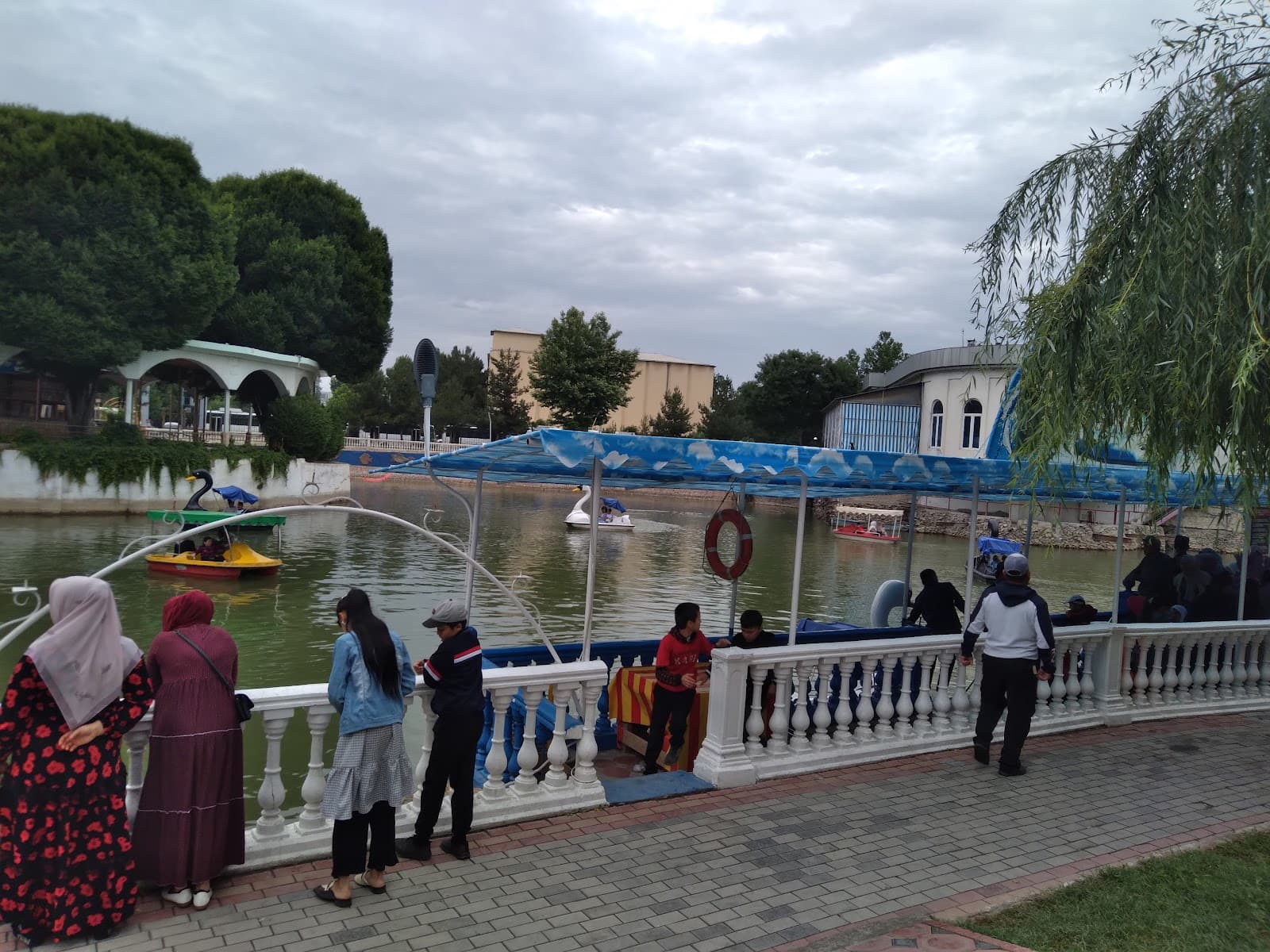
Buddhist Ruins Kuva Fergana Valley Uzbekistan
Nestled in the Fergana Valley of Uzbekistan, the Buddhist Ruins of Kuva offer a compelling glimpse into the transmission of Indian Buddhist traditions across Central Asia ([1][2]). Constructed around 650 CE, during the medieval period, this monastic complex showcases a unique synthesis of Indian Buddhist architectural principles and Central Asian building practices ([1]). The site provides valuable insights into the religious and cultural exchanges that occurred along the Silk Road ([2]). Archaeological excavations have uncovered a sophisticated monastic layout, featuring stupas, chapels, monastic cells, and assembly halls arranged around central courtyards ([1]). The architectural design reflects the classic Indian Buddhist monastery plan, systematically disseminated from major monastic centers in India ([2]). Rammed earth, fired brick, stone, stucco, and wood were employed in the construction, demonstrating an adaptation of Indian architectural traditions to local Central Asian conditions ([1]). These materials and methods reflect the resourcefulness of the local Buddhist communities who built and maintained the monastery under the patronage of the Western Turkic Khaganate and local rulers ([1][2]). Intricate carvings adorning the walls and structures provide further evidence of the site's rich artistic heritage ([2]). The discovery of sculptures, inscriptions, and ritual objects underscores Kuva's role as a vital center for the transmission of Indian Buddhist texts and practices ([1][2]). The monastery's location in the Fergana Valley, away from major Silk Road hubs, highlights its significance in spreading Indian Buddhist traditions into the interior regions of Central Asia, attesting to the remarkable reach of Indian cultural influence ([1]). Today, the Buddhist Ruins of Kuva, a UNESCO Tentative List site, stands as an important testament to the enduring impact of Indian civilization on Central Asian religious and artistic traditions, meriting continued archaeological research and conservation efforts ([1][2][3]).
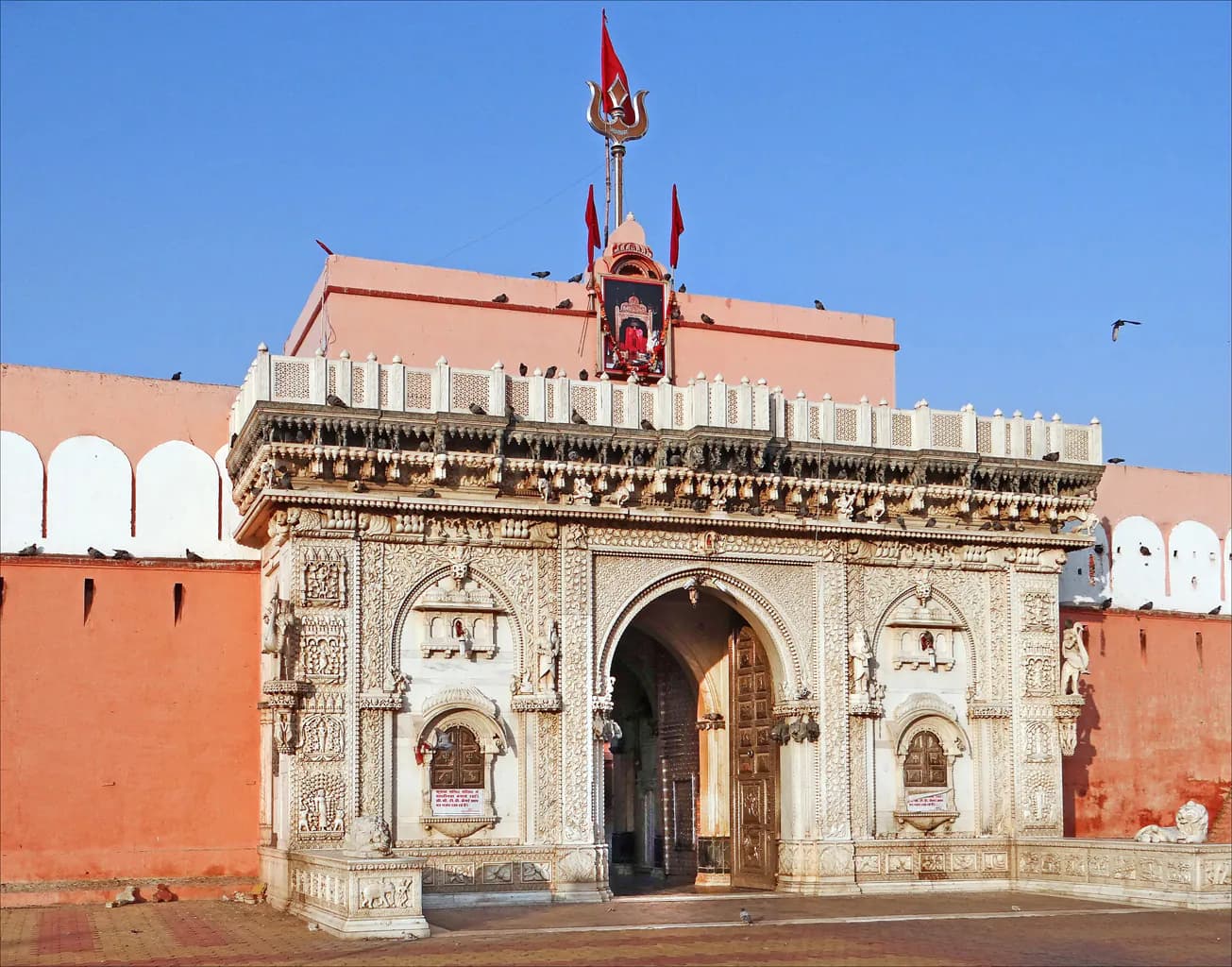
Karni Mata Temple Deshnoke
The cacophony hit me first. Not the kind of overwhelming noise one might expect from a bustling Indian temple, but a high-pitched, insistent squeaking that vibrated the very air. Thousands of tiny paws scurried across the marble floors of the Karni Mata Temple in Deshnoke, their collective presence both unsettling and strangely captivating. Rats. Not just a few stray rodents, but a teeming, writhing mass of them, revered as sacred within these hallowed walls. My camera, a constant companion for decades, felt almost inadequate to capture the sheer strangeness of the scene. The temple itself, a relatively modest structure compared to some of the architectural behemoths I've documented across India, is a fascinating blend of Mughal and Rajput styles. Intricate marble carvings, delicate jali screens, and silver doorways gleam against the backdrop of the desert landscape. But it's the inhabitants, the kabas as they are called, that truly define this place. The main entrance, guarded by imposing silver gates depicting scenes from the legend of Karni Mata, opens into a courtyard where the majority of the rats reside. They dart between the feet of devotees, scamper across offerings of milk and sweets, and even climb onto the statues of deities. Witnessing this firsthand, the initial apprehension gives way to a grudging respect for the deep-rooted faith of the worshippers. They believe these rats are reincarnations of Karni Mata's family and tribe, and harming one is considered a grave sin. Architecturally, the temple is a study in contrasts. The ornate silver work, a gift from Maharaja Ganga Singh of Bikaner, stands in stark contrast to the rough-hewn sandstone walls. The main sanctum, where the image of Karni Mata resides, is a relatively small chamber, dimly lit by oil lamps and the flickering light of faith. The marble floors, polished smooth by centuries of tiny feet, reflect the soft glow, creating an ethereal atmosphere. I noticed the intricate carvings on the marble pillars, depicting floral motifs and scenes from Hindu mythology, a testament to the skill of the artisans who crafted this unique space. One particular detail caught my eye: the numerous small holes and crevices in the walls, specifically designed to allow the rats free movement throughout the temple. This integration of the rats into the very fabric of the building is a powerful symbol of their sacred status. It's not just a temple that houses rats; it's a temple built for them. As I moved through the temple, navigating the constant flow of devotees and the ever-present scurrying of the kabas, I observed the rituals with fascination. Seeing a white rat is considered particularly auspicious, and I witnessed the hushed reverence as one emerged from the throng. Devotees offered food, touched the rats gently, and even allowed them to crawl over their bodies, a testament to their unwavering belief. Beyond the initial shock value, the Karni Mata Temple offers a profound insight into the diversity of religious beliefs and practices in India. It's a place where the seemingly mundane becomes sacred, where fear transforms into reverence, and where the constant squeak of thousands of tiny paws becomes a hymn of devotion. My lens, accustomed to capturing the grandeur of ancient forts and the intricate details of sculpted deities, found a new challenge in documenting this unique confluence of faith and nature. It's a testament to the power of belief, a reminder that the sacred can be found in the most unexpected of places.
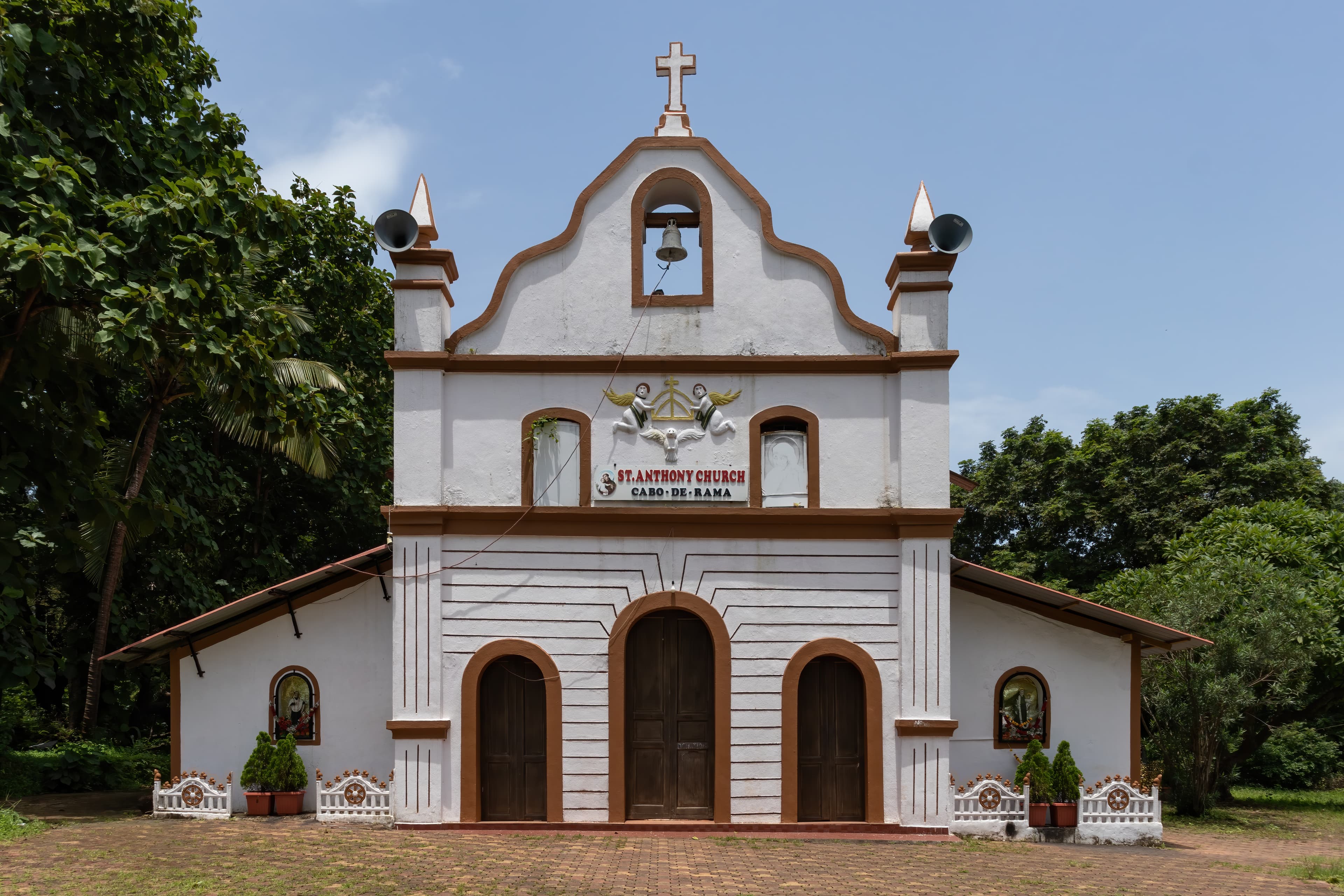
Cabo de Rama Fort Canacona
Nestled in Goa, Cabo de Rama Fort, erected around 1350 CE by the Sundara Pandya Dynasty ([1][2]), embodies a unique Indo-Portuguese architectural synthesis. This coastal fortification, unlike its more embellished inland counterparts, prioritizes strategic strength, evident in its commanding views of the Arabian Sea. The fort's construction employs laterite stone, basalt, and lime mortar ([3]), materials chosen for their durability in the coastal climate. Initially conceived with Indian architectural principles, the fort saw subsequent modifications under Portuguese rule. The remnants of barracks and a chapel ([4]) stand as testaments to this colonial influence, creating a compelling juxtaposition with the fort's earlier Indian origins. Local legends even suggest links to the epic Ramayana ([5]), adding another layer to its rich history. Such narratives often intertwine with ancient sites, reflecting the deep cultural roots embedded within the land. Strategically positioned bastions showcase sophisticated military architecture, crucial for coastal defense. Even the weathered church of Santo Antonio contributes to the site's multi-layered historical narrative. Cabo de Rama stands as a confluence of cultures and eras, seamlessly blending ancient Indian traditions with Portuguese colonialism to forge a unique architectural identity ([3][4]). This fusion exemplifies the diverse expressions of power and resilience that have shaped India's architectural landscape, leaving behind a legacy etched in stone and legend. This blend reflects the diverse expressions of power and resilience across India.

Jagannath Temple Agartala
The ochre and white hues of the Jagannath Temple in Agartala shimmered under the Tripura sun, a stark contrast to the sandstone forts and marble palaces I'm accustomed to in Rajasthan. This wasn't the Rajputana grandeur I knew, but a distinct architectural voice resonated here, a blend of Bengali and Mughal influences that captivated me from the moment I stepped onto the temple grounds. The main shrine, dedicated to Jagannath, Balabhadra, and Subhadra, sits atop a raised plinth, accessed by a sweeping flight of stairs. The structure itself is an intriguing mix of curved cornices, reminiscent of Mughal architecture, and the characteristic sloping roofs of traditional Bengali temples, creating a unique silhouette against the sky. The temple walls, painted in vibrant ochre, are adorned with intricate stucco work. Unlike the deeply carved reliefs of Rajasthani temples, these were shallower, more delicate depictions of floral motifs, deities, and scenes from Hindu mythology. I noticed the recurring use of lotus flowers, a symbol deeply embedded in both Hindu and Buddhist iconography, a testament to the region's rich cultural tapestry. The white borders framing the ochre panels provided a visual rhythm, accentuating the narrative unfolding on the walls. As I ascended the stairs, the rhythmic chanting of Sanskrit mantras filled the air, intermingling with the scent of incense and the murmur of devotees. The atmosphere was palpably different from the hushed reverence of Rajasthan's ancient temples. Here, there was a vibrant energy, a sense of community and shared devotion that resonated deeply. The main sanctum, while not as opulent as the inner chambers of, say, the Meenakshi Amman Temple, held a simple elegance. The deities, carved from wood and adorned in brightly coloured garments, exuded a serene presence. I observed the rituals with fascination, noting the distinct regional variations in worship practices. Surrounding the main temple, smaller shrines dedicated to other deities dotted the complex. One that particularly caught my eye was a small shrine dedicated to Ganesha, tucked away in a corner. The Ganesha idol, carved from black stone, was a departure from the brightly painted deities in the main shrine, lending a sense of quiet contemplation to the space. The temple courtyard, paved with stone slabs, offered a panoramic view of the surrounding area. I could see the Ujjayanta Palace in the distance, its white facade gleaming against the green backdrop of the hills. The juxtaposition of the temple's vibrant colours and the palace's serene white was a visual treat, highlighting the architectural diversity of Agartala. What struck me most about the Jagannath Temple was its accessibility. Unlike the imposing fortresses of Rajasthan, this temple felt welcoming, a place where people from all walks of life could come to seek solace and connect with their faith. I saw families sharing prasad, elderly devotees chanting prayers, and children playing in the courtyard, all coexisting in a harmonious blend of devotion and everyday life. As I left the temple grounds, the image of the ochre and white structure, bathed in the warm glow of the setting sun, stayed with me. It was a reminder that architectural beauty can take many forms, and that the essence of spirituality transcends geographical boundaries and stylistic differences. The Jagannath Temple, with its unique blend of architectural styles and its vibrant atmosphere, offered a glimpse into the rich cultural heritage of Tripura, a heritage that deserves to be celebrated and preserved.
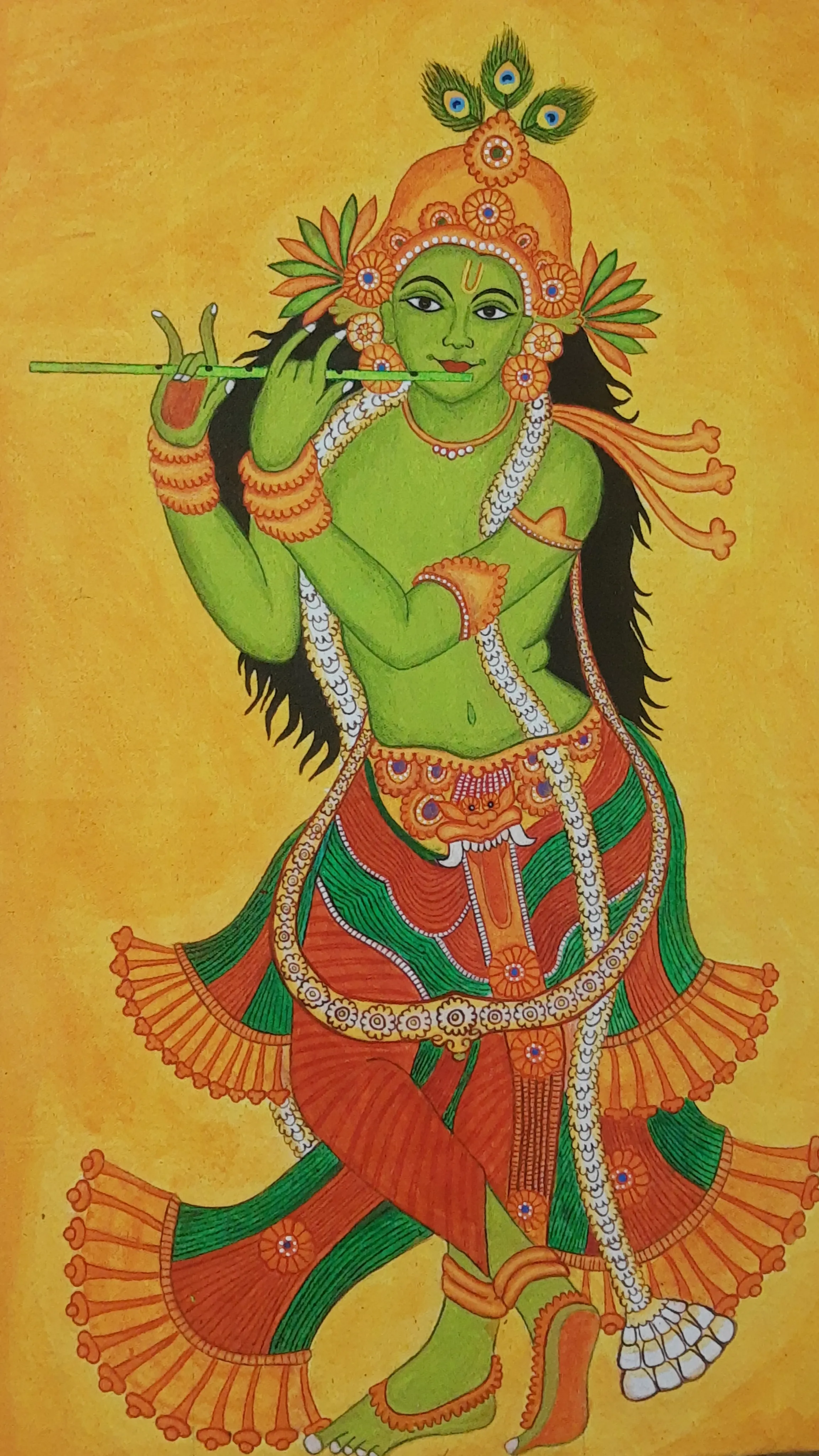
Guruvayur Temple Guruvayur
The air hung thick and sweet with the scent of sandalwood and jasmine, a fragrance that seemed woven into the very fabric of Guruvayur. The eastern sky, still holding the soft hues of pre-dawn, reflected in the shimmering gold of the Guruvayur Sri Krishna Temple’s gopuram. This wasn't just another temple on my list; this was Guruvayur, a place that resonated with a palpable spiritual energy even before I stepped inside. Having documented over 500 monuments across India, I've developed a keen eye for architectural nuances. The Kerala style here is distinct – a sloping tiled roof, vibrant murals adorning the outer walls, and the four-armed deity of Lord Krishna visible through the main doorway, a sight that instantly captivated me. Unlike the towering gopurams of Tamil Nadu, this one felt more intimate, drawing you in rather than overwhelming you with its scale. The temple’s koothambalam, the traditional theatre for Keralan performing arts, immediately caught my attention. Its intricate woodwork, depicting scenes from the epics, was a testament to the craftsmanship of a bygone era. I spent a good hour circling it, capturing the delicate details of the carved figures, each telling a silent story. The pillars, polished smooth by centuries of touch, seemed to hum with the echoes of ancient performances. Entering the chuttambalam, the outer enclosure, the energy shifted. The rhythmic chanting of Vedic hymns filled the air, intertwining with the clanging of bells and the murmur of devotees. Photography is restricted within the inner sanctum, a rule I respect deeply, but the experience transcended the visual. It was about absorbing the atmosphere, the devotion that permeated every corner. I observed the devotees, their faces etched with a mix of reverence and anticipation, as they circumambulated the sanctum. The sheer faith on display was humbling. The temple tank, Rudratheertham, located to the west, offered a moment of tranquility amidst the vibrant activity. Pilgrims took ritual dips in the sacred waters, their faces reflecting the serene surface. The architectural harmony between the tank and the temple itself was striking – a seamless blend of the spiritual and the natural. One of the most captivating aspects of Guruvayur is its unique rituals. I was fortunate to witness the 'Seeveli,' a ceremonial procession where the deity is carried around the temple grounds on an elephant. The sheer grandeur of the moment, the vibrant colours, the rhythmic chanting, and the palpable devotion of the crowd created an unforgettable spectacle. It wasn't just a visual feast; it was a sensory immersion into a centuries-old tradition. Beyond the main temple, the surrounding town added another layer to the experience. The narrow streets, bustling with vendors selling everything from flowers and incense to traditional handicrafts, offered a glimpse into the local life intertwined with the temple. The aroma of freshly prepared prasadam, the temple offering, wafted through the air, adding to the sensory tapestry. Leaving Guruvayur, I carried more than just photographs. I carried the resonance of the chants, the scent of sandalwood, and the palpable devotion that permeated the air. It wasn't just a documentation of a historical site; it was an immersion into a living, breathing spiritual heart of Kerala. It reinforced my belief that heritage photography isn't just about capturing the visual; it's about capturing the intangible essence of a place, the stories it whispers, and the emotions it evokes. And Guruvayur whispered volumes.
Quick Links
Plan Your Heritage Journey
Get personalized recommendations and detailed visitor guides