Has Inheritage Foundation supported you today?
Your contribution helps preserve India's ancient temples, languages, and cultural heritage. Every rupee makes a difference.
Secure payment • Instant 80G certificate
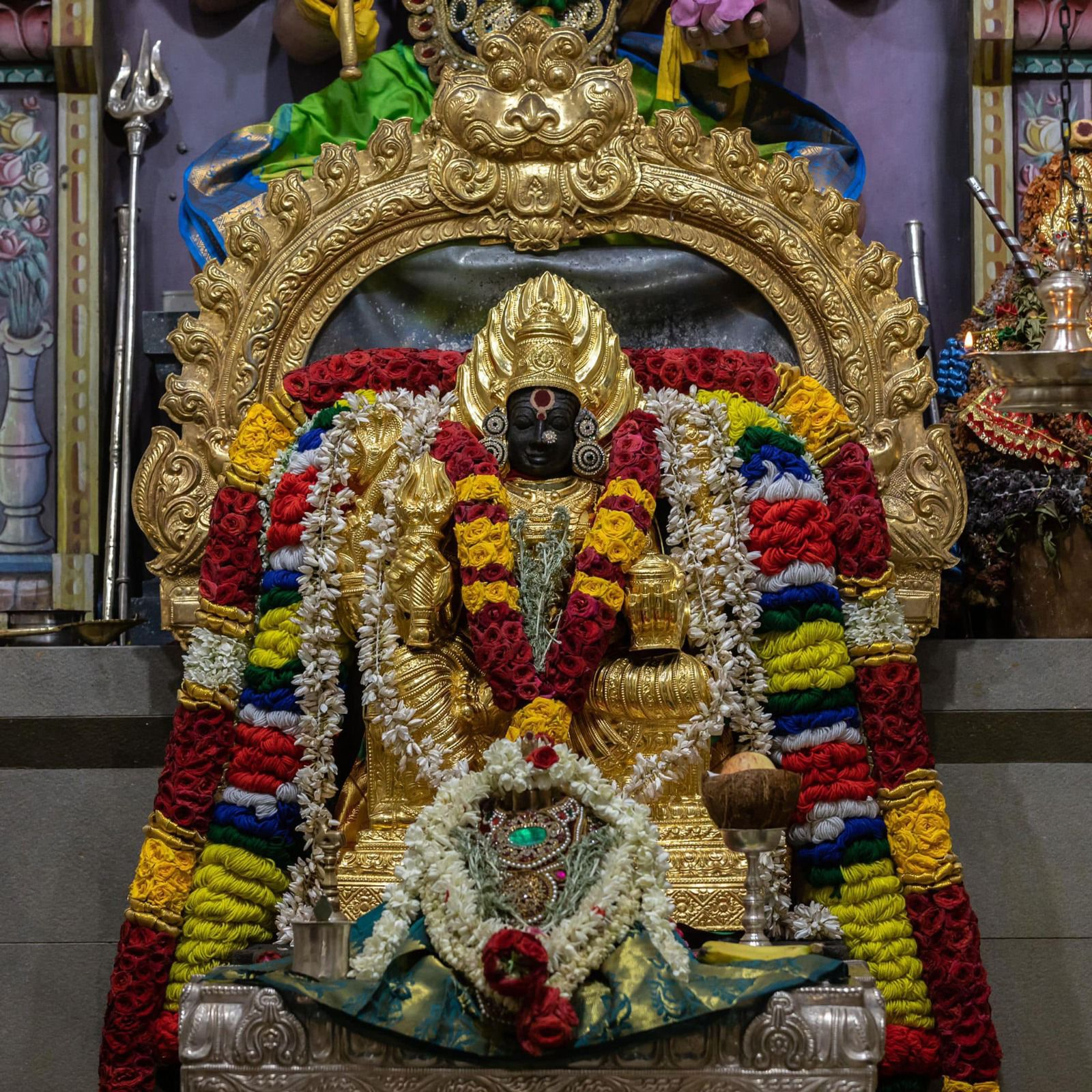
Sri Vairavimada Kaliamman Temple Singapore
Sri Vairavimada Kaliamman Temple began as a shrine housed within a Chettiar bungalow in Sri Rangoon Road in 1872 and moved to Toa Payoh in 1982; after a S$9 million redevelopment it reopened in 2014 as a fortress-like sanctum honouring Sri Vairavimada Kaliamman, Vairavar, and Kali’s fierce retinue through towering stucco guardians, alternating crimson-white façade stripes, and a granite-clad mandapa crowned by a 20-metre gopuram ([1][2]). The temple opens 7:00 AM-12:00 PM and 6:00 PM-9:30 PM, with elaborate homa for Vairavar, Rahu-Ketu, and Navagraha performed weekly, while Vaigasi Visakam, Aadi Pooram, Navaratri, Sivarathiri, and Panguni Uthiram festivals feature kavadi, urumi drumming, and cultural programmes. Worshippers access education and welfare services—including annadhanam, Tamil/Bharatanatyam/Carnatic classes, yoga, counselling, and seniors’ clubs—within a six-storey complex housing classrooms, hostel rooms, a heritage gallery, and multi-purpose halls. The temple works with the Hindu Endowments Board, People’s Association, and grassroots organisations to support migrant worker outreach, medical screenings, blood drives, and environmental campaigns. A central courtyard with sacred neem and bilva trees, rooftop meditation decks, and VRF air-conditioning underscores the integration of Dravidian sacred geometry with Singaporean urban design. The temple employs CCTV, BMS, and safe-entry protocols to steward large festivals and now doubles as a community resilience hub for Toa Payoh residents ([1][3]).
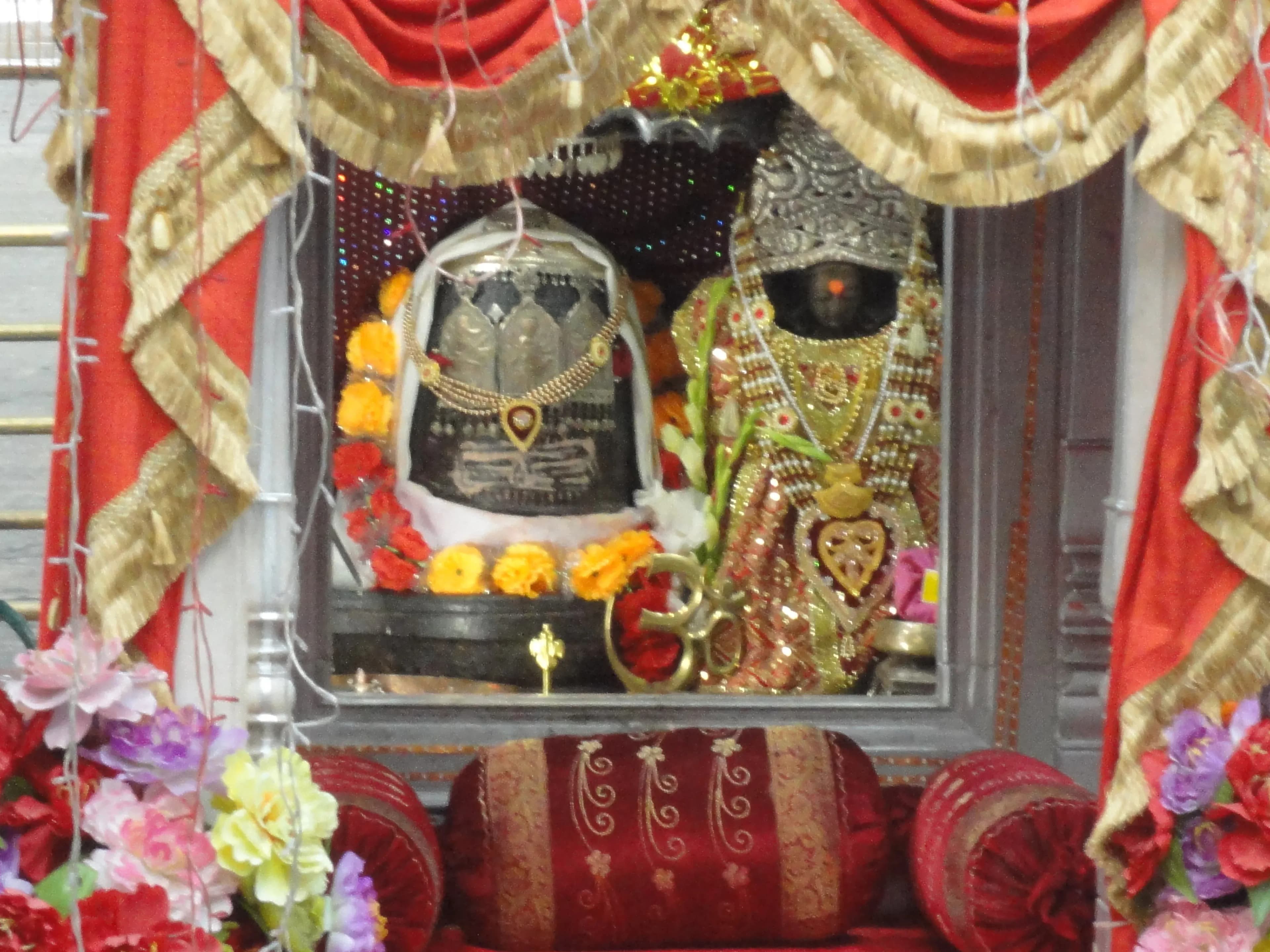
Kheer Bhawani Temple Tulmul
The air, crisp and carrying the scent of pine, vibrated with a quiet reverence as I stepped into the courtyard of the Kheer Bhawani temple in Tulmul. Nestled amidst chinar trees that seemed to touch the sky, the temple, dedicated to the goddess Ragnya Devi, exuded an aura of tranquility unlike any I'd encountered in my travels across India's UNESCO sites. This wasn't the grandeur of the Ajanta caves or the imposing scale of the Red Fort; this was something subtler, a peace that resonated deep within. The temple itself is a relatively small structure, an octagonal spring within a rectangular walled compound. The spring, the heart of the temple, is where the goddess resides. Its waters, famously known to change colour, were a milky emerald green on the day of my visit, a hue locals told me signified prosperity and peace. I watched as devotees, primarily Kashmiri Pandits, offered milk and kheer (rice pudding) to the sacred spring, their faces etched with devotion. The surface of the water, dotted with floating flower petals and flickering diyas, shimmered in the dappled sunlight filtering through the chinar leaves. The simplicity of the temple's architecture is striking. Unlike the ornate carvings and intricate details found in many South Indian temples I've documented, Kheer Bhawani is defined by its understated elegance. The spring is enclosed by a low stone wall, and the surrounding courtyard is paved with smooth stones. A small, unassuming shrine stands near the spring, its walls adorned with simple, colourful depictions of deities. This lack of ostentation, however, only amplifies the spiritual significance of the site. It's as if the natural beauty of the surrounding landscape and the palpable devotion of the pilgrims are the true ornamentation of this sacred space. I spent hours observing the rituals, captivated by the interplay of faith and nature. The chinar trees, their leaves rustling in the breeze, seemed to whisper ancient stories. The spring, reflecting the sky and the surrounding greenery, felt like a portal to another realm. I spoke with several devotees, their stories adding layers of meaning to my experience. One elderly woman, her eyes filled with a lifetime of devotion, recounted how her family had been making the pilgrimage to Kheer Bhawani for generations, their faith unwavering through times of both peace and turmoil. A young man, visiting the temple for the first time, spoke of the sense of connection he felt to his heritage and the profound peace he found in the temple's serene atmosphere. Beyond the immediate confines of the temple, the surrounding landscape adds to the site's allure. The snow-capped Himalayas, visible in the distance, provide a breathtaking backdrop. The village of Tulmul itself, with its traditional Kashmiri houses and warm hospitality, offers a glimpse into the local culture. I took a walk through the village, interacting with the locals, savouring the delicious Kashmiri cuisine, and absorbing the unique atmosphere of this region. My visit to Kheer Bhawani was more than just another stop on my journey through India's UNESCO sites. It was an immersion into a living tradition, a testament to the enduring power of faith. It was a reminder that sometimes, the most profound spiritual experiences are found not in grand monuments, but in quiet corners of the world, where nature and devotion intertwine to create a space of unparalleled serenity. The changing colours of the spring, the rustling chinar leaves, the whispered prayers of the devotees – these are the memories I carry with me from Kheer Bhawani, a testament to the enduring power of faith and the beauty of Kashmir's cultural heritage.
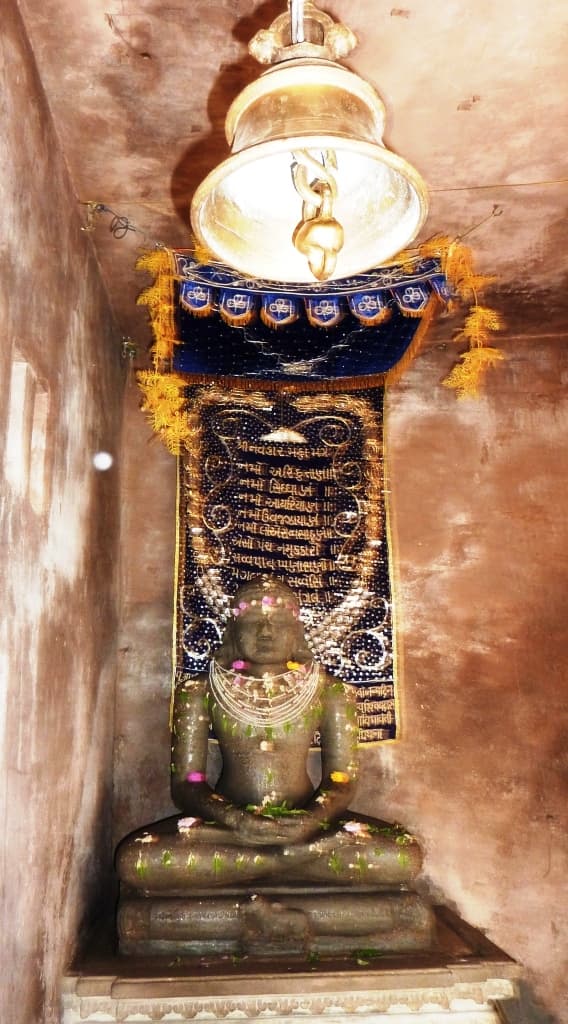
Kangra Fort Kangra
The wind whipped around me, carrying the scent of pine and a whisper of history as I stood before the imposing gates of Kangra Fort. Having explored the basalt-carved wonders of Maharashtra’s caves and the intricate details of its temples, I was eager to experience the distinct architectural language of this Himalayan fortress. Perched high on a strategic precipice overlooking the confluence of the Banganga and Majhi rivers, Kangra Fort exuded an aura of impregnable strength, a testament to its enduring legacy. My ascent through the massive gateway, locally known as the "Ranjit Singh Gate," felt like stepping back in time. The thick, fortified walls, scarred with the marks of battles fought and won, spoke volumes about the fort's tumultuous past. Each stone seemed to echo with the clash of swords and the thunder of cannons, a stark reminder of the fort’s strategic importance over centuries. Unlike the rock-cut architecture I was accustomed to in Maharashtra, Kangra’s fortifications were primarily built with dressed stone, lending it a different, more imposing character. Within the fort’s complex labyrinth, I discovered a fascinating blend of architectural styles. The influence of Rajput military architecture was evident in the sturdy ramparts, the strategically placed bastions, and the narrow, winding passages designed to confuse invaders. Yet, interspersed within this robust framework were glimpses of more delicate artistry. The crumbling remnants of palaces, adorned with faded frescoes and intricate carvings, hinted at a time of royal grandeur. The Maharani Mahal, despite its dilapidated state, still retained a certain elegance, its arched doorways and latticed windows offering glimpses of a bygone era. The Lakshmi Narayan Temple, nestled within the fort’s walls, was a striking contrast to the military structures surrounding it. Its shikhara, though damaged by past earthquakes, still reached towards the sky, a symbol of resilience and faith. The stone carvings on the temple walls, depicting scenes from Hindu mythology, were remarkably well-preserved, showcasing the skill of the artisans who crafted them. While the temple’s architecture bore some resemblance to the North Indian Nagara style, it also possessed a unique regional character, distinct from the temples I had encountered in Maharashtra. One of the most captivating aspects of Kangra Fort was its panoramic view. From the ramparts, I could see the vast expanse of the Kangra Valley stretching out before me, a patchwork of green fields and terraced hillsides. The snow-capped Dhauladhar range in the distance provided a breathtaking backdrop, adding to the fort’s majestic aura. It was easy to understand why this strategic location had been so fiercely contested throughout history. Exploring the fort’s museum, housed within the Ambika Devi Temple, provided further insights into its rich past. The collection of artifacts, including ancient coins, pottery shards, and miniature paintings, offered tangible evidence of the fort’s long and storied history. The museum also showcased the fort’s connection to the Katoch dynasty, who ruled the region for centuries. As I descended from the fort, the setting sun casting long shadows across the valley, I felt a profound sense of awe and admiration. Kangra Fort was not merely a collection of stones and mortar; it was a living testament to human resilience, ingenuity, and the enduring power of history. It stood as a stark contrast to the cave temples and intricately carved shrines of my home state, yet it resonated with the same spirit of human endeavor, a testament to the diverse tapestry of India’s cultural heritage. The echoes of battles and whispers of royal grandeur still lingered in the air, a reminder that the stories etched within these ancient walls continue to resonate across the ages.
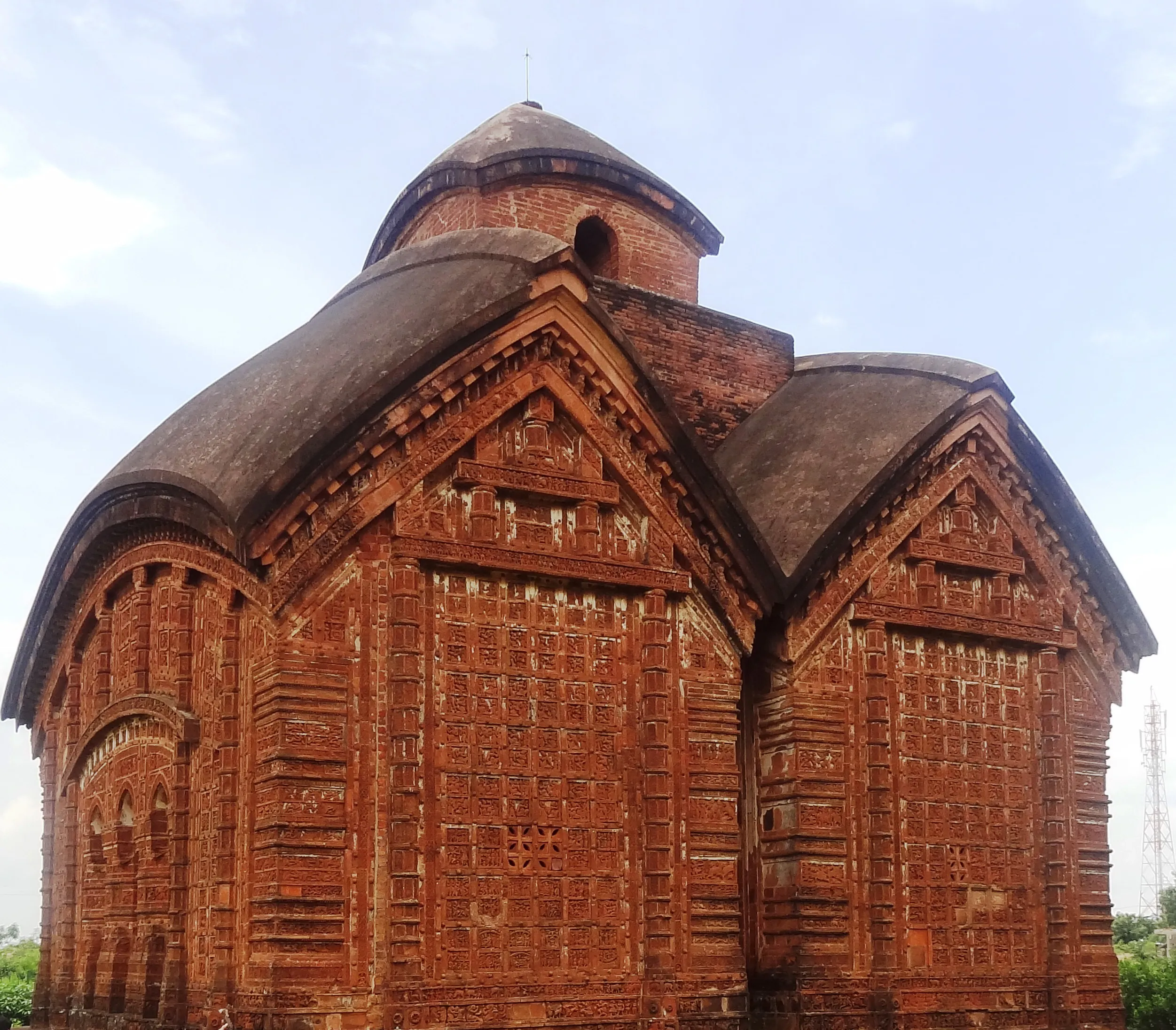
Jorebangla Temple Imphal
The vibrant vermilion and ochre hues of the Jorebangla Temple practically shimmered under the Manipuri sun. Having explored the basalt-carved wonders of Maharashtra’s caves and the intricate details of its ancient temples, I was eager to see how the architectural traditions of this northeastern state differed. And the Jorebangla, with its distinctive curved roof resembling the traditional Bengali hut or *bangla*, certainly didn't disappoint. The name itself, "twin huts" or "Jora Bangla," refers to the two identical structures that comprise the temple complex, dedicated to Lord Krishna. Stepping onto the temple grounds, I was immediately struck by the simplicity of the layout. Unlike the sprawling complexes I was accustomed to back home, the Jorebangla Temple occupies a relatively compact space, allowing for an intimate experience. The two structures face each other, separated by a small courtyard. This courtyard, I learned, is used for traditional Manipuri dance performances, especially during religious festivals, adding another layer of cultural significance to the site. The temples themselves are built on raised platforms, accessed by a few brick steps. The curved roofs, the defining feature of the Jorebangla style, are constructed from corrugated iron sheets now, though historically they would have been thatched. This gentle curve, so different from the pyramidal shikharas of Maharashtra’s temples, lends a unique grace to the structures. The vibrant paintwork, freshly applied, adds to the festive atmosphere. The ochre walls are offset by intricate white patterns, floral motifs, and geometric designs, showcasing a local artistic sensibility. I spent a considerable amount of time examining the intricate wood carvings that adorned the facades. While not as elaborate as some of the sculptural panels I’ve seen in Ajanta and Ellora, they possessed a distinct charm. Depictions of Krishna’s life, scenes from the Mahabharata, and various floral and faunal motifs were rendered with a naive yet expressive style. The wood, darkened by time and weather, spoke of generations of devotion and artistic tradition. Inside, the temples are surprisingly simple. The main deity within each structure is Lord Krishna, represented by a small, unadorned idol. The absence of elaborate ornamentation within the sanctum sanctorum contrasted sharply with the vibrant exterior. This simplicity, however, seemed to amplify the sense of reverence and spiritual focus. I observed local devotees offering prayers and flowers, their quiet devotion adding to the serene atmosphere. Beyond the main structures, the temple complex also houses several smaller shrines dedicated to other deities. These smaller structures echoed the architectural style of the main temples, creating a sense of harmony and unity. I noticed a small pond near the entrance, its surface covered with lilies, adding a touch of tranquility to the surroundings. My visit to the Jorebangla Temple offered a fascinating glimpse into the architectural and religious traditions of Manipur. The distinctive curved roofs, the vibrant paintwork, and the intricate wood carvings all spoke of a unique cultural heritage. While the scale and grandeur might have differed from the monumental temples of Maharashtra, the Jorebangla Temple possessed a quiet charm and spiritual resonance that left a lasting impression. It served as a reminder that architectural beauty can be found in simplicity and that devotion can be expressed in myriad ways. As I left the temple grounds, the image of the twin structures, bathed in the warm glow of the setting sun, remained etched in my memory, a testament to the rich cultural tapestry of India.

Shiv-Parvati Mandir Hnahthial
The air hung thick and humid, a stark contrast to the arid landscapes of Rajasthan I’m accustomed to. Here in Hnahthial, Mizoram, nestled amidst verdant hills, the Shiv-Parvati Mandir stands as a testament to the surprising religious diversity of this northeastern state. The temple, a relatively recent construction compared to the ancient forts and palaces I’ve explored back home, possesses a unique charm, blending traditional North Indian temple architecture with local Mizo influences. The first thing that struck me was the vibrant colours. Unlike the sandstone hues of Rajasthan’s temples, this one is painted in bright shades of orange, yellow, and red, creating a cheerful, almost festive atmosphere. The main structure rises in a series of tiered roofs, reminiscent of a classic Nagara style shikhara, yet the curvature is gentler, less pronounced. Instead of intricate carvings, the exterior walls are adorned with simpler, bolder motifs – geometric patterns and stylized floral designs that hint at Mizo artistic traditions. Ascending the steps to the main entrance, I noticed the absence of the elaborate gateways and towering gopurams common in South Indian temples. The entrance is relatively modest, framed by two pillars decorated with colourful depictions of deities. Stepping inside, I was greeted by the cool, dimly lit interior. The main sanctum houses the idols of Shiva and Parvati, adorned with vibrant clothing and garlands. The atmosphere was serene, filled with the murmur of prayers and the scent of incense. What truly captivated me was the seamless integration of local elements within the predominantly North Indian architectural framework. The use of locally sourced materials, like bamboo and wood, in the construction of the ancillary structures surrounding the main temple, is a clear example. I observed a small pavilion, crafted entirely from bamboo, serving as a resting place for devotees. The intricate weaving patterns on the bamboo walls showcased the remarkable craftsmanship of the local artisans. The temple complex also houses a small garden, a welcome splash of green amidst the concrete structures. Unlike the meticulously manicured gardens of Rajasthan’s palaces, this one felt more natural, with flowering plants and fruit trees growing in abundance. The gentle rustling of leaves in the breeze added to the tranquil atmosphere. Interacting with the local priest, I learned about the history of the temple. It was fascinating to hear how the local community, predominantly Christian, embraced the construction of this Hindu temple, reflecting the spirit of religious tolerance that permeates Mizoram. He explained how the temple serves as a focal point not just for religious ceremonies but also for social gatherings and cultural events, further strengthening the bonds within the community. As I walked around the temple complex, observing the devotees offering prayers, I couldn't help but draw parallels between the religious practices here and those back home. Despite the geographical distance and cultural differences, the underlying devotion and reverence remained the same. The ringing of bells, the chanting of mantras, the offering of flowers – these rituals transcended regional boundaries, reminding me of the unifying power of faith. Leaving the Shiv-Parvati Mandir, I carried with me a sense of quiet admiration. This temple, a unique blend of architectural styles and cultural influences, stands as a symbol of harmony and acceptance. It’s a testament to the fact that even in the most unexpected corners of India, one can find expressions of faith that resonate deeply with the human spirit. It’s a far cry from the majestic forts and palaces of Rajasthan, yet it holds its own unique charm, offering a glimpse into the rich tapestry of India’s cultural and religious landscape.
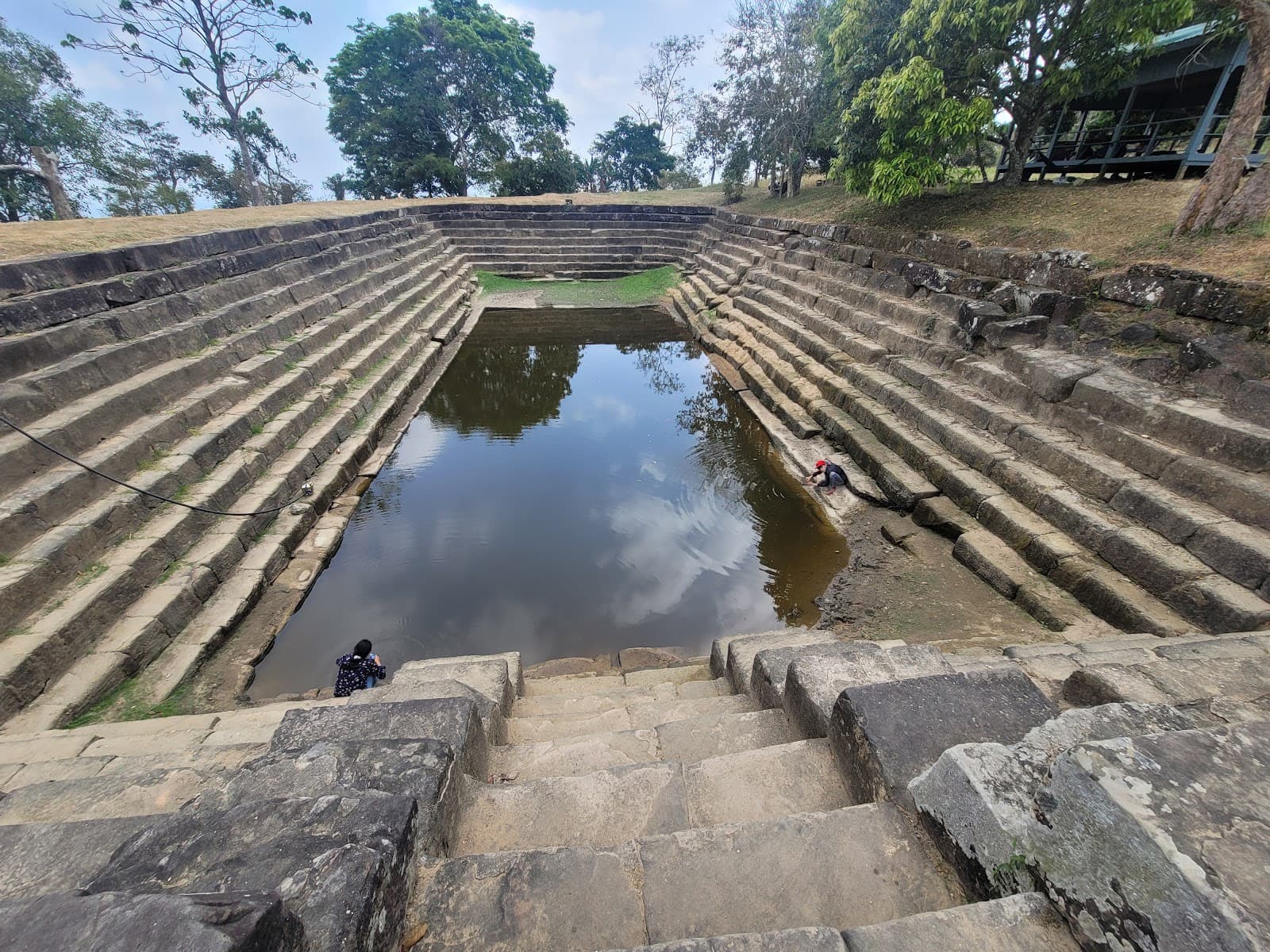
Preah Vihear Temple Dangrek Mountains Cambodia
Preah Vihear Temple, dramatically perched atop a 525-meter cliff in the Dangrek Mountains along the Cambodia-Thailand border, represents one of the most spectacularly sited and architecturally sophisticated Hindu temples in Southeast Asia, constructed continuously from the 9th to 12th centuries CE and dedicated to Shiva, creating a breathtaking testament to the profound transmission of Indian Hindu religious and architectural traditions to Cambodia and demonstrating the sophisticated understanding of Indian temple planning principles that emphasized elevated locations for major shrines. The temple complex, extending for over 800 meters along the cliff edge and ascending through a series of five gopuras (gateway towers) connected by long causeways and staircases, features a sophisticated architectural design that follows the classic Indian Hindu temple plan with progressive levels of sanctity, while the temple's location on a dramatic cliff top, chosen according to Indian cosmological principles that emphasized elevated locations as closer to the divine realm, underscores its spiritual significance as a place where earth and sky intersected. The temple's extraordinary decorative programs, executed with remarkable artistic sophistication, include elaborate lintels and pediments depicting scenes from Hindu mythology including Shiva dancing, Vishnu reclining on the serpent Shesha, and the Churning of the Ocean of Milk, demonstrating the direct transmission of Indian Hindu iconographic programs and narrative traditions from the great artistic centers of India to Cambodia, while the temple's architectural elements including the gopuras, mandapas (halls), and sanctum follow sophisticated Indian Hindu temple architectural traditions that were systematically transmitted from the great temple complexes of India. Archaeological evidence reveals that the temple served as a major center of Shiva worship for the Khmer Empire, while the discovery of numerous Sanskrit inscriptions provides crucial evidence of the site's role in the transmission of Indian religious texts and practices to Cambodia, demonstrating the sophisticated understanding of Indian Hindu traditions possessed by the Khmer court and religious establishment. The temple's construction employed sophisticated engineering techniques including the use of sandstone blocks fitted together without mortar, sophisticated corbelled vaulting adapted from Indian temple architecture, and extensive terracing and retaining walls that demonstrate the remarkable engineering skills possessed by Khmer architects and engineers. Today, Preah Vihear stands as a UNESCO World Heritage Site and represents one of the most important Hindu temples in Southeast Asia, serving as a powerful testament to the transmission of Indian Hindu culture and architecture to Southeast Asia, while ongoing archaeological research and conservation efforts continue to protect and study this extraordinary cultural treasure that demonstrates the profound impact of Indian civilization on Southeast Asian religious and artistic traditions. ([1][2])
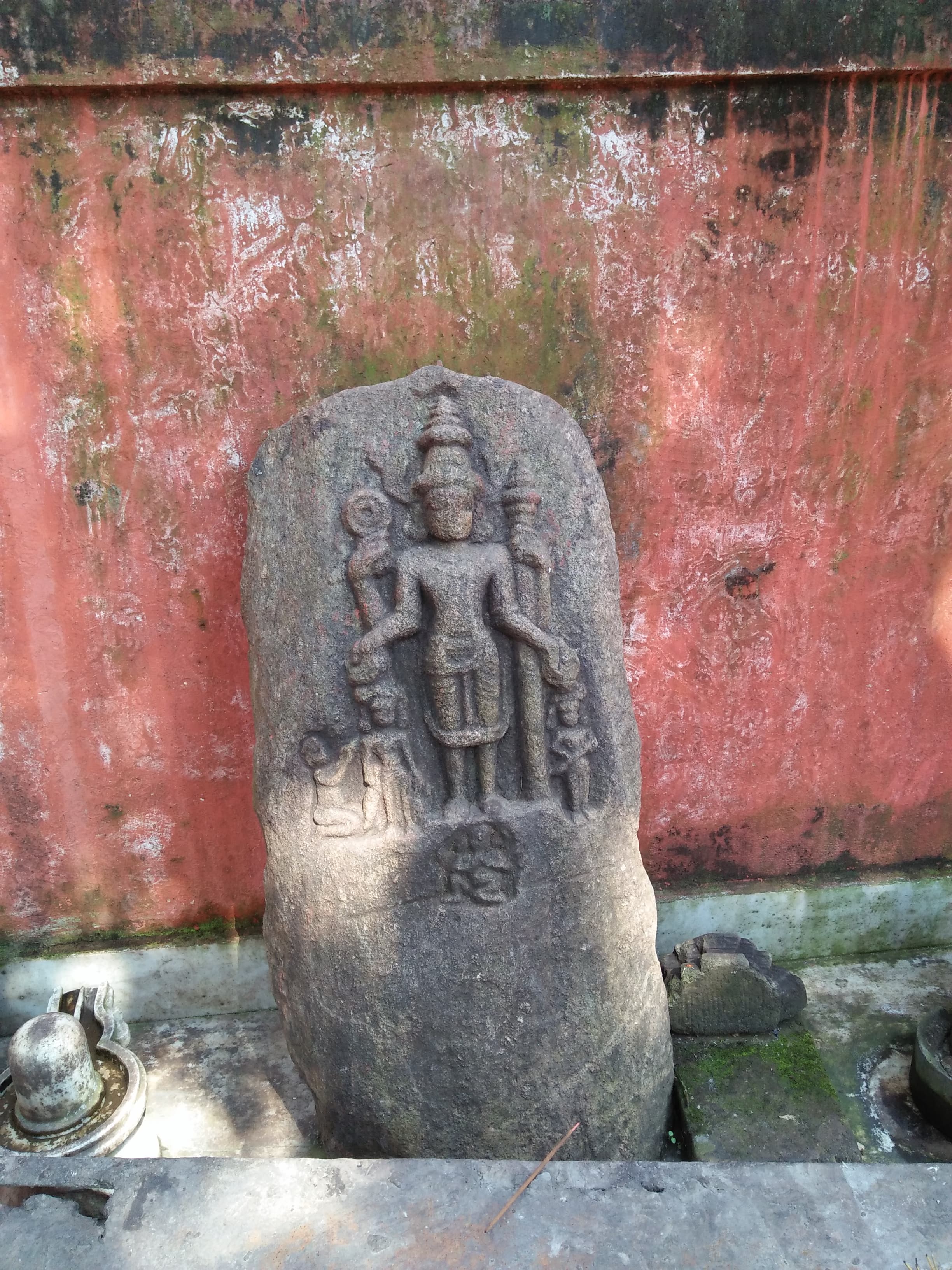
Basistha Temple Guwahati
Nestled near Guwahati, Assam, the Basistha Temple provides a tranquil retreat, its history dating back to 1751 CE during the Ahom period ([1][2]). Ahom King Rajeswar Singha commissioned this sacred space dedicated to Sage Basistha ([2]). The architectural style showcases an eclectic fusion of Ahom, Hindu, and even Mughal influences ([3]). Stone construction dominates the primary structure, harmoniously integrating with the natural surroundings ([1]). Intricate carvings embellish the walls, depicting deities and traditional floral motifs, reflecting the artistic heritage of Assam ([4]). The Sandhya River gracefully flows through the ashram, revered by devotees who partake in ritual bathing and ceremonies, emphasizing the temple's profound spiritual connection to nature ([1][2]). Smaller shrines and serene meditation caves are dotted around the complex, encouraging personal contemplation ([1]). During the Ahom reign, temple architecture witnessed unique regional adaptations ([3]). The *shikhara* (spire), while present, exhibits a less pronounced form compared to other Indian temple styles ([4]). Within the *Garbhagriha* (sanctum), a *lingam* symbolizes the divine energy of Shiva ([1]). This sacred emblem represents the focal point of worship and reverence. This temple stands as a testament to the community's enduring faith and Assam's rich cultural heritage ([2]). Its serene atmosphere and unique architectural ingenuity contribute to the Basistha Temple's enduring charm ([1][3]). The temple embodies the syncretic architectural traditions of the Ahom era, blending indigenous styles with influences from neighboring regions ([3]). It serves as a reminder of the region's vibrant past and its continued spiritual significance ([1][2]).
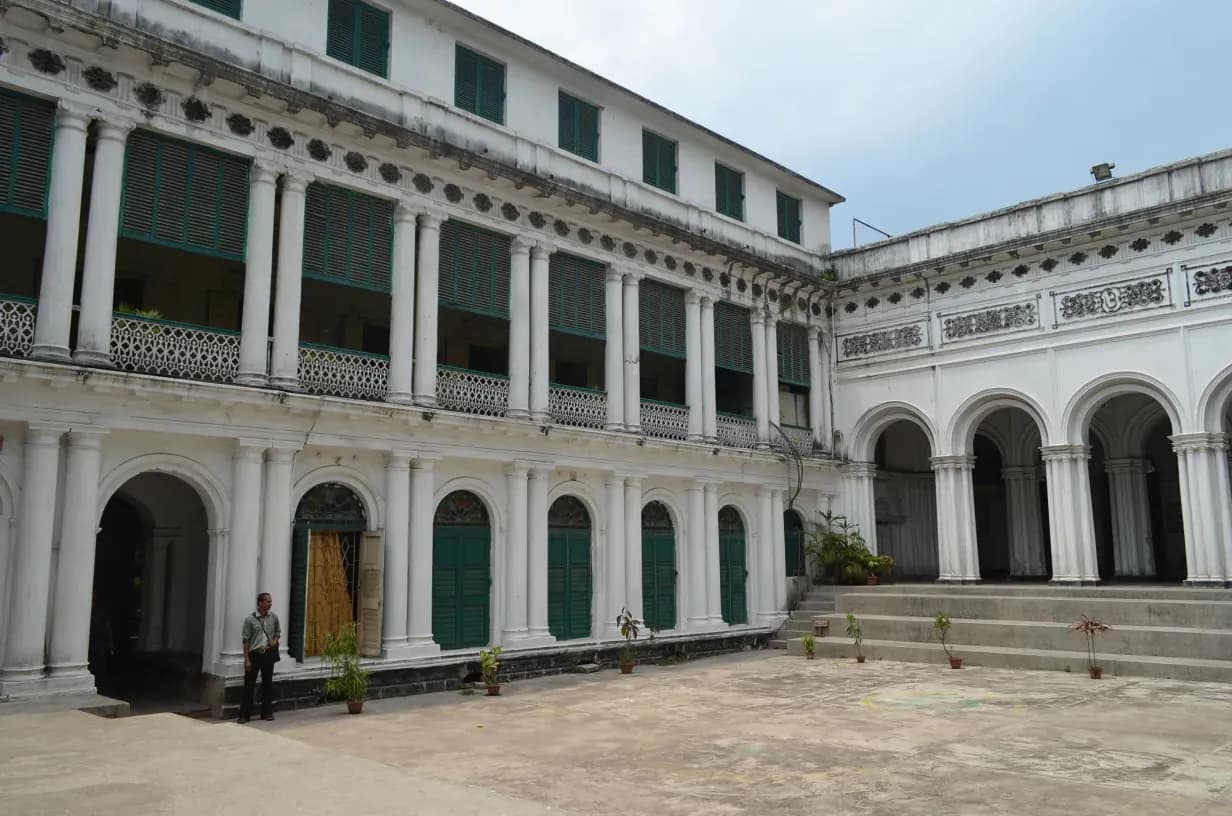
Tagore House Kolkata
The ochre walls of Jorasanko Thakur Bari, bathed in the humid Kolkata sun, exuded a quiet dignity. Stepping through the imposing gateway, I felt transported from the bustling city into a sanctuary of history and creativity. As a Chennaiite steeped in the grandeur of Dravidian temple architecture, I was eager to experience the unique charm of this Bengali haveli, the ancestral home of the Tagore family. The sprawling complex, a fascinating blend of architectural styles reflecting different periods of construction and renovation, immediately captivated me. Unlike the towering gopurams and mandapas I was accustomed to, Jorasanko presented a more intimate, inward-looking architecture. The series of interconnected courtyards, surrounded by residential wings, spoke of a close-knit family life, a world within a world. The lack of ostentatious ornamentation, so characteristic of South Indian temples, was replaced by a subtle elegance. The intricate stucco work adorning the cornices and window frames, a hallmark of Bengali architecture, caught my eye. These delicate floral and geometric patterns, though different in execution, reminded me of the intricate carvings found on the stone pillars of our temples. The Thakurdalan, the central courtyard, served as the heart of the house. I could almost picture the hustle and bustle of family gatherings, theatrical performances, and intellectual discussions that once animated this space. The surrounding verandahs, supported by slender columns, provided shade and a vantage point to observe the activities within the courtyard. This architectural feature, creating a seamless transition between indoor and outdoor spaces, resonated with the design principles of traditional South Indian homes, where courtyards play a vital role in ventilation and social interaction. Exploring the various wings of the house, each dedicated to a different branch of the family, I was struck by the sense of history embedded within the walls. The Maharshi Bhavan, where Rabindranath Tagore spent a significant part of his life, was particularly poignant. His study, preserved with his personal belongings, offered a glimpse into the mind of a literary giant. The simplicity of the room, devoid of extravagant furnishings, spoke volumes about his focus on intellectual pursuits. This contrasted sharply with the opulent interiors of Chettinad mansions I had seen back home, where wealth and status were prominently displayed. The influence of European architecture was evident in certain parts of the house, particularly in the use of arched windows and doorways. This fusion of styles, a testament to the family's cosmopolitan outlook, created a unique architectural vocabulary. While the core of the haveli retained its Bengali character, the subtle incorporation of Western elements added another layer of complexity. This reminded me of the Indo-Saracenic architecture prevalent in Chennai, a similar blend of indigenous and colonial styles. The museum within the complex housed a treasure trove of artifacts, including paintings, manuscripts, and photographs, documenting the rich history of the Tagore family. Observing the exquisite craftsmanship of the furniture and the intricate details of the paintings, I was reminded of the rich artistic traditions of both Bengal and South India. Despite the geographical distance, the underlying appreciation for beauty and artistic expression seemed to connect these two distinct cultures. Leaving Jorasanko Thakur Bari, I carried with me a profound appreciation for the architectural and cultural heritage of Bengal. While distinct from the Dravidian architecture I was familiar with, the haveli offered a unique perspective on the evolution of domestic architecture in India. The experience underscored the importance of preserving these historical spaces, not just as monuments to the past, but as living testaments to the rich tapestry of Indian culture.
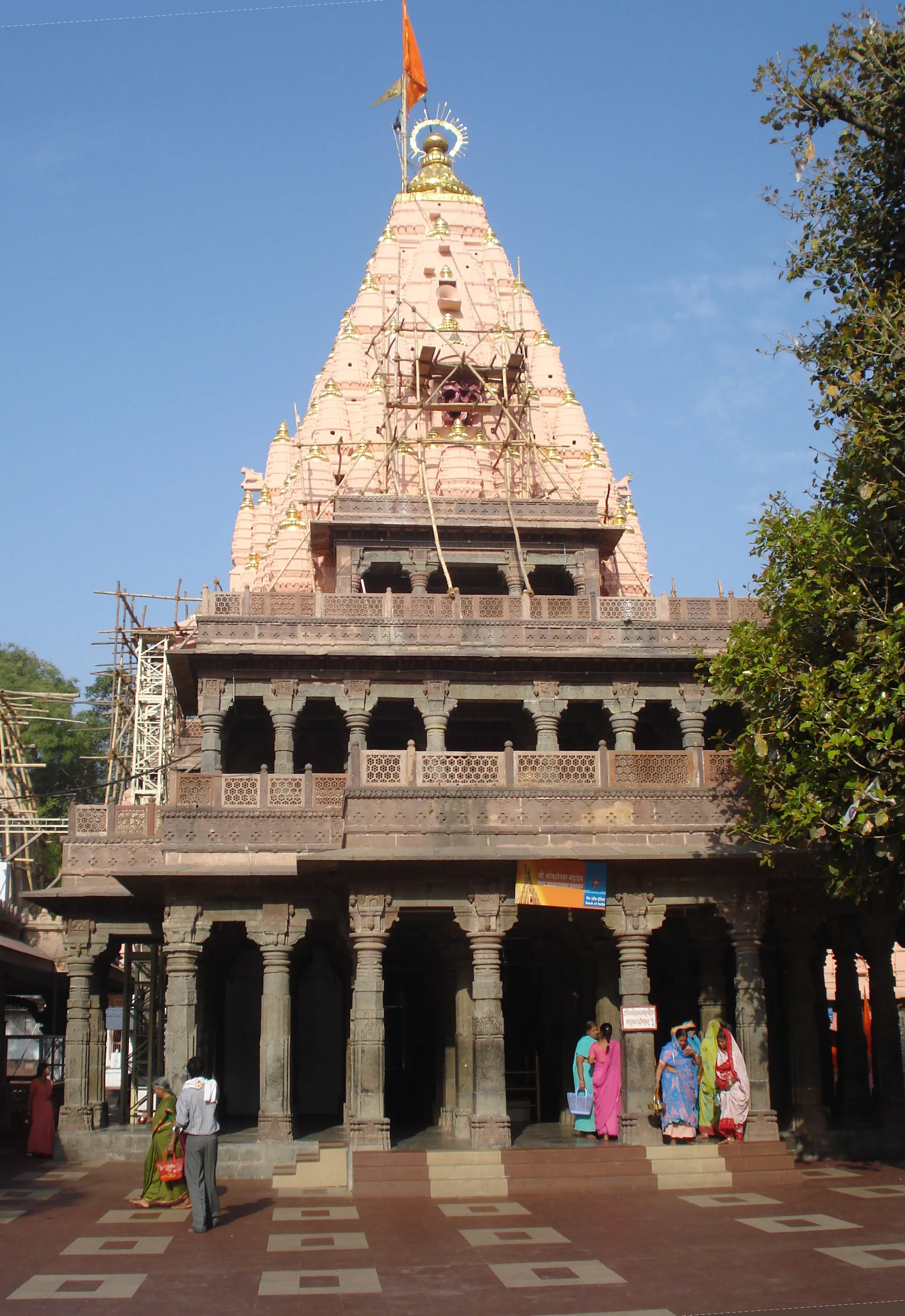
Mahakaleshwar Jyotirlinga Ujjain
The imposing silhouette of Mahakaleshwar Jyotirlinga dominates the Ujjain skyline, a beacon drawing pilgrims and architecture enthusiasts alike. My journey from the humid shores of Chennai to the heart of Madhya Pradesh was driven by a deep fascination with South Indian temple architecture, and a desire to witness the unique architectural confluence at this revered Jyotirlinga. The temple, dedicated to Lord Shiva, stands as a testament to the Paramara dynasty's architectural prowess, a style distinct yet echoing influences from across the Indian subcontinent. Stepping through the bustling marketplace leading to the temple, the air thick with incense and devotion, I felt a palpable shift in atmosphere. The towering gopuram, while not as elaborate as the Dravidian towers I'm accustomed to, commanded attention with its multi-tiered structure, adorned with sculptures depicting scenes from Hindu mythology. The use of sandstone, a departure from the granite prevalent in South Indian temples, lent the structure a warm, earthy hue. Entering the complex, the layout struck me as a blend of Northern and Southern architectural sensibilities. The temple follows a panchayatana plan, with four subsidiary shrines surrounding the main sanctum, a feature more commonly seen in North Indian temples. However, the intricate carvings on the pillars and walls, depicting deities and floral motifs, resonated with the detailed ornamentation characteristic of South Indian temple art. I noticed the prominent use of the 'kumbha' motif, a pot-shaped element signifying prosperity and abundance, a familiar sight in Dravidian architecture. The main sanctum, housing the revered lingam, exuded an aura of profound sanctity. The shikhara, the towering structure above the sanctum, while not as soaring as the vimana of South Indian temples, possessed a distinct elegance. Its curvilinear form, adorned with miniature shikharas and intricate carvings, showcased the Paramara style's unique aesthetic. The play of light and shadow within the sanctum, filtering through the latticed windows, added to the spiritual ambience. One of the most striking features of the Mahakaleshwar Jyotirlinga is the presence of the 'Bhasma Aarti,' a ritual unique to this temple. Witnessing the early morning ritual, where the lingam is anointed with sacred ash, was a powerful experience. The rhythmic chanting of the priests, the fragrance of incense, and the palpable devotion of the gathered devotees created an atmosphere charged with spiritual energy. Descending to the underground chamber, the 'Kotirudra Samhita,' I was struck by the cool, serene atmosphere. This subterranean space, adorned with intricately carved pillars and sculptures, served as a stark contrast to the bustling activity above. The presence of water channels, perhaps for ritualistic purposes, reminded me of similar features found in ancient South Indian temples, hinting at a potential exchange of architectural ideas across regions. Exploring the temple complex further, I observed the integration of later additions, particularly from the Maratha period. The influence of Maratha architecture was evident in the ornate gateways and pavilions, showcasing a harmonious blend of architectural styles. The use of brightly coloured paint on some of the structures, a departure from the more subdued palette of the original temple, added a vibrant dimension to the complex. My visit to the Mahakaleshwar Jyotirlinga was a journey of architectural discovery. It highlighted the fluidity of architectural styles across India, demonstrating how regional variations can coexist and influence each other. While the temple's architectural vocabulary differed from the Dravidian style I'm deeply familiar with, the underlying principles of sacred geometry, intricate ornamentation, and the creation of a spiritually charged space resonated deeply. The Mahakaleshwar Jyotirlinga stands not just as a testament to the Paramara dynasty's architectural legacy, but as a symbol of India's rich and diverse architectural heritage.
Mahadeva Temple Tambdi Surla Goa
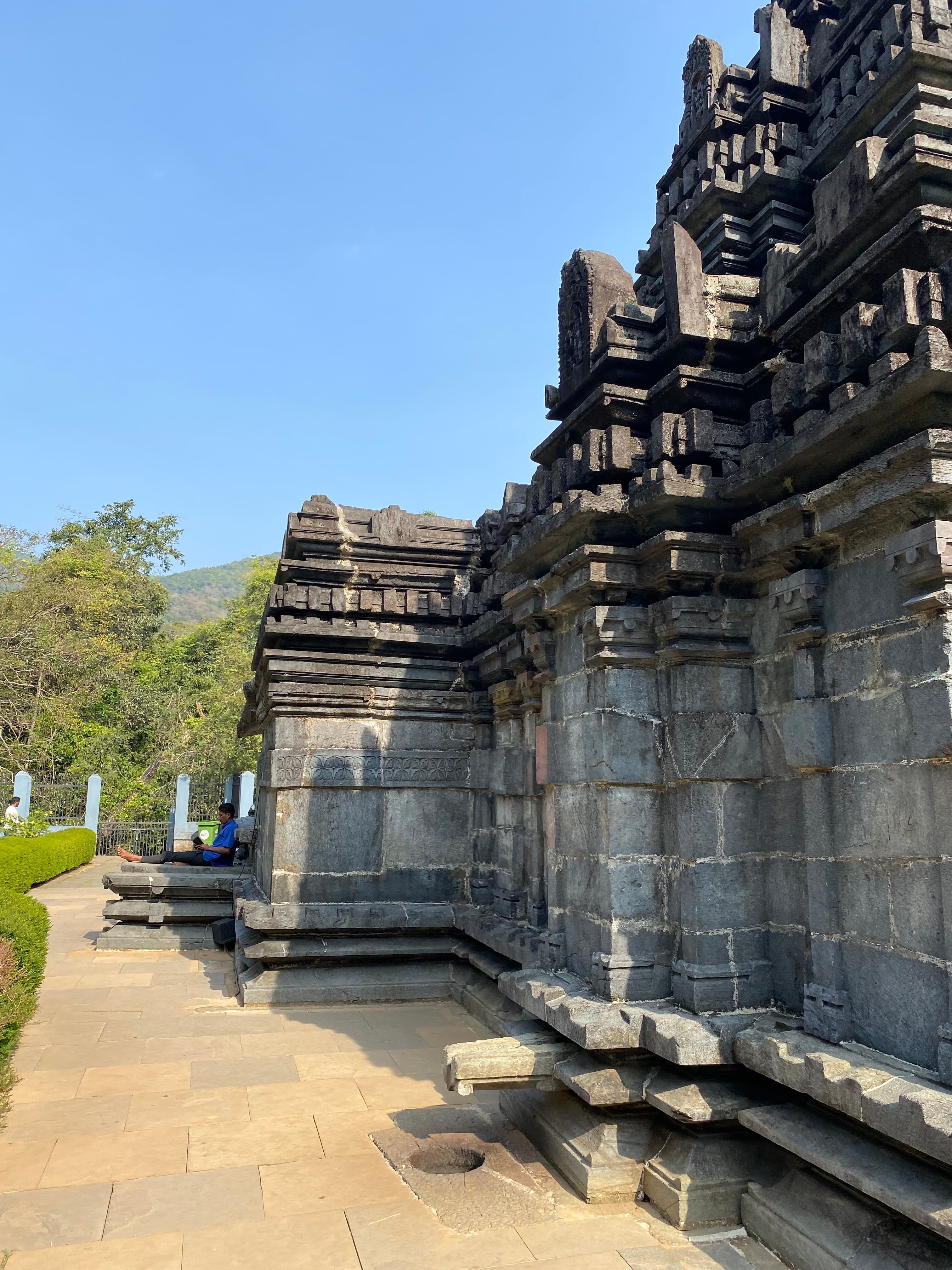
The humid Goan air hung heavy, a stark contrast to the dry Deccan plateau I was accustomed to. Yet, nestled deep within Bhagwan Mahaveer Sanctuary, a slice of Maharashtra's architectural heritage stubbornly clung to its roots. The Mahadeva Temple at Tambdi Surla, though geographically in Goa, whispers tales of the Yadava dynasty, a powerful force that once ruled my home state. Carved from basalt, this 12th-century marvel stands as a testament to their enduring legacy and the skill of their artisans. The approach itself was an adventure. A bumpy, unpaved road led through dense jungle, the air thick with the calls of unseen creatures. The temple, finally emerging from the emerald embrace, felt like a hidden treasure, a secret whispered by the rustling leaves. The Kadamba architecture, so familiar from my explorations of the Yadava temples back in Maharashtra, was immediately recognizable. The shikhara, though slightly eroded by time and the elements, still retained its elegant proportions, a beacon of intricate craftsmanship amidst the untamed wilderness. Stepping inside the dimly lit garbhagriha, I was struck by the palpable sense of history. The black basalt walls, cool to the touch, seemed to absorb and radiate the centuries of devotion that had unfolded within these sacred confines. The linga, the central object of worship, stood proudly, bathed in the soft light filtering through the doorway. Unlike many temples I've visited, this one felt remarkably untouched, almost pristine. The absence of the usual bustling crowds and commercial activity added to the aura of tranquility, allowing for a deeper connection with the space and its history. The intricate carvings adorning the outer walls captivated me. While some panels depicted scenes from the epics, others showcased intricate geometric patterns, a hallmark of the Yadava style. I noticed the distinct absence of figurative sculptures of deities on the outer walls, a feature that sets it apart from many other temples of the period. The Nandi pavilion, though partially ruined, still hinted at its former grandeur. The weathered stone spoke volumes about the temple's resilience, its ability to withstand the relentless march of time and the vagaries of nature. One of the most striking features of the Tambdi Surla temple is its location. Tucked away in this remote valley, it survived the iconoclastic zeal that destroyed many other temples in the region. Its isolation, ironically, became its savior. As I explored the surrounding area, I discovered a small stream gurgling nearby, its waters adding to the sense of serenity. It's easy to see why this spot was chosen – a place of natural beauty, conducive to contemplation and spiritual practice. My exploration of the Mahadeva Temple at Tambdi Surla was more than just a visit; it was a pilgrimage of sorts. It was a powerful reminder of the interconnectedness of history, architecture, and nature. Standing there, amidst the whispering trees and the ancient stones, I felt a deep connection to the artisans who had poured their heart and soul into creating this masterpiece. It reinforced my belief that these ancient structures are not just relics of the past, but living testaments to human ingenuity and devotion, waiting to share their stories with those who take the time to listen. And as a chronicler of Maharashtra's heritage, I felt a profound sense of gratitude for having witnessed this hidden gem, a piece of my home state's history thriving in the heart of Goa.
Sri Senpaga Vinayagar Temple Singapore
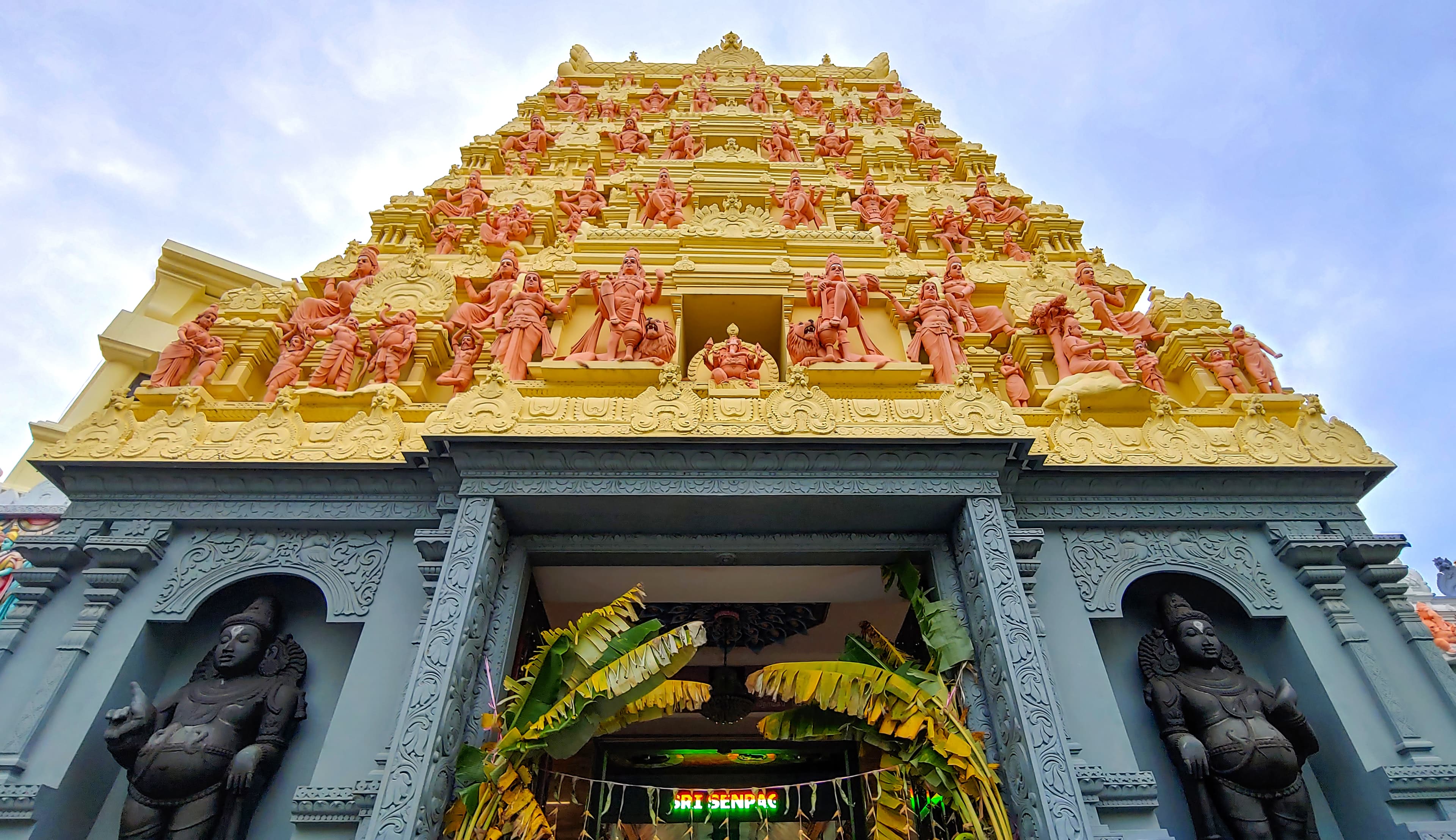
Sri Senpaga Vinayagar Temple traces its origins to the 1850s when Ceylonese Tamil pioneer Ethirnayagam Pillay discovered a Ganesha murti beside a blooming chenbagam (Michelia champaca) tree along Ceylon Road; today the temple stands as Singapore’s principal Ceylonese Saivite shrine, crowned by a 21-metre golden rajagopuram erected in 2003 and housing an octagonal mandapa where Vinayagar is flanked by deities Murugan, Durga, Lakshmi, and the Navagraha ([1][2]). The temple opens 6:00 AM-12:00 PM and 5:30 PM-9:30 PM daily, hosting six kala puja cycles, annadhanam, Sanskrit and Tamil lessons, Carnatic music, veena, and bharatanatyam academies under its Cultural Arts Council. Facilities include a two-storey multipurpose hall, library, heritage gallery documenting the Singapore Ceylon Tamils’ Association (SCTA), yoga studios, and counselling rooms run in partnership with community agencies. Annual highlights—Varushabishegam, Vinayagar Chaturthi, Navaratri, Maha Sivarathiri, and Thiru Vilakku Pooja—draw thousands, while the temple’s annal Chetti Padi and charity concerts raise funds for migrant workers, seniors, and education grants. The 2017 rejuvenation, led by sthapathis from Tamil Nadu, reinstalled more than 1,500 stucco icons, modernised mechanical systems, and renewed the chenbagam garden, reaffirming the temple’s status as a cultural beacon and welfare hub for Singapore’s Sri Lankan Tamil diaspora ([1][3]).
Arunachaleswarar Temple Tiruvannamalai
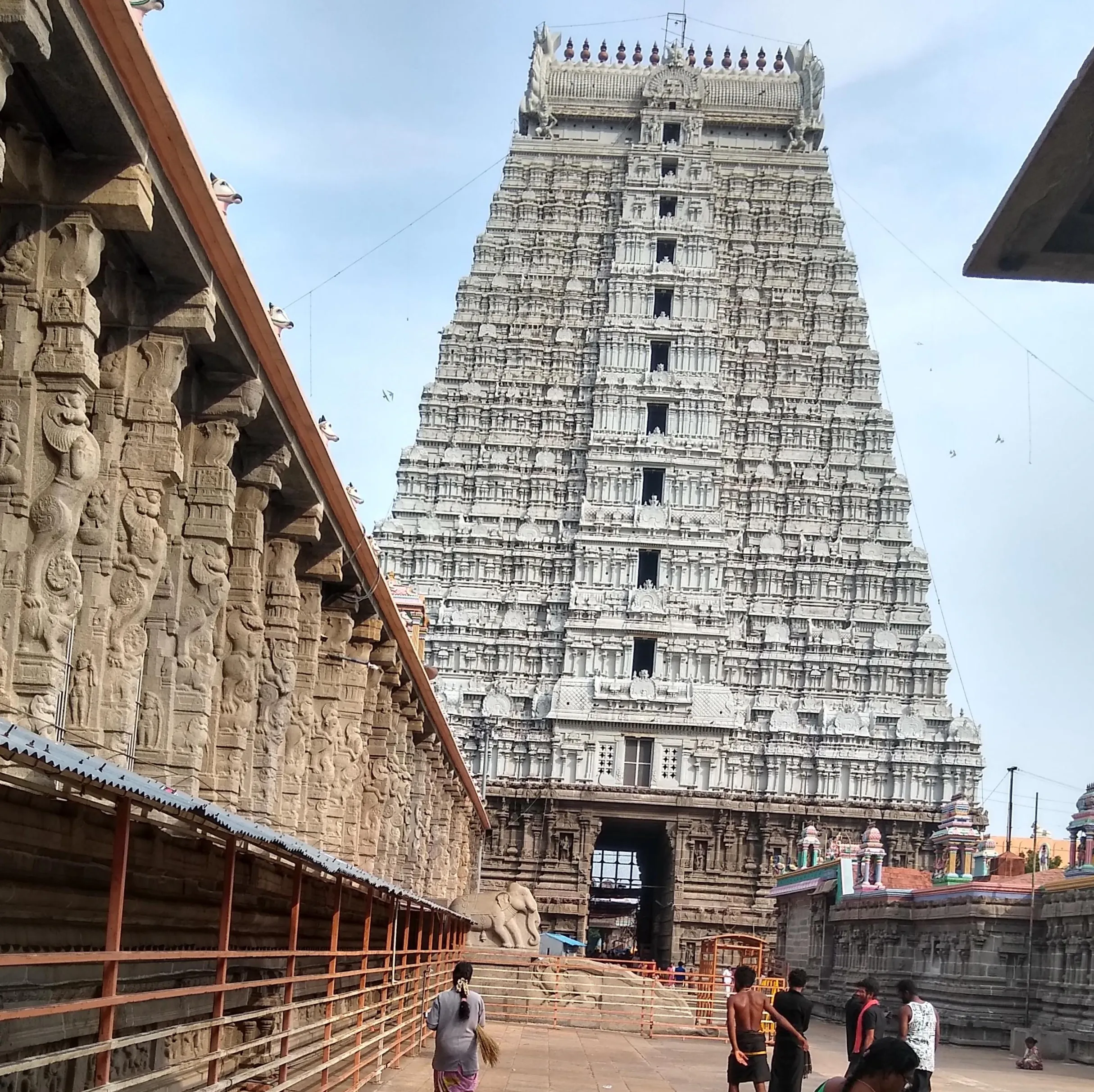
The colossal gopurams of Arunachaleswarar Temple in Tiruvannamalai dominate the landscape, a testament to Dravidian temple architecture ([1]). Approaching the temple, the sheer scale is striking, with nine towering gopurams intricately sculpted with deities ([2][3]). The Rajagopuram, an 11-tiered eastern gateway, exemplifies the temple's grandeur and serves as the primary entrance ([4]). Intricate carvings adorning the walls depict scenes from Hindu mythology, showcasing the artistic skills of the artisans who worked on the temple ([5]). Within the Garbhagriha (Sanctum), the lingam representing Shiva is the focal point of devotion, drawing devotees from far and wide ([6]). The temple, built around 850 CE during the Chola period, reflects the dynasty's patronage of art and architecture ([7][8]). Granite and sandstone blocks, meticulously carved, form the structural components of this sacred space ([9]). During the Chola period, temple architecture reached new heights, with an emphasis on elaborate ornamentation and towering structures ([10]). Vastu Shastra principles, the ancient Indian science of architecture, likely guided the temple's layout and design, ensuring harmony and balance ([11]). The thousand-pillared hall, or Mandapa (Pillared Hall), displays geometric patterns, a contrast to the figurative sculptures found elsewhere ([12]). The Kambathu Amman Sannadhi, dedicated to Parvati, offers a serene space for contemplation and prayer ([13]). Circling the temple on the Girivalam path reinforces the temple's spiritual significance, a practice deeply rooted in Hindu tradition ([14]). The walls of the temple serve as a canvas of history, with inscriptions in ancient Tamil script and architectural additions from various dynasties ([15]). These inscriptions provide valuable insights into the temple's history and the socio-cultural context of the time ([16]). Arunachaleswarar Temple embodies the artistic genius of Dravidian architecture, a legacy that continues to inspire awe and reverence ([17]).
Quick Links
Plan Your Heritage Journey
Get personalized recommendations and detailed visitor guides