Has Inheritage Foundation supported you today?
Your contribution helps preserve India's ancient temples, languages, and cultural heritage. Every rupee makes a difference.
Secure payment • Instant 80G certificate
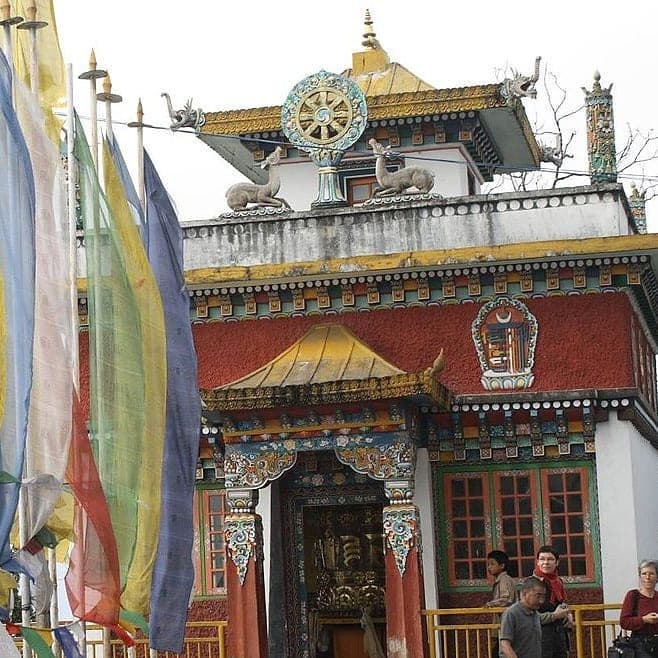
Pemayangtse Monastery Pelling
The biting Himalayan wind whipped prayer flags into a frenzy of colour against the backdrop of Kanchenjunga’s snow-capped majesty. Here, perched on a hilltop overlooking Pelling, stood the Pemayangtse Monastery, a structure that seemed to breathe history. As a cultural journalist from Uttar Pradesh, steeped in the grandeur of our own ancient temples and mosques, I was eager to experience the unique spiritual and architectural tapestry of this Sikkimese Buddhist sanctuary. The climb to the monastery itself was a pilgrimage of sorts, the winding path lined with vibrant rhododendrons. The monastery, built in 1705, is one of the oldest and most important in Sikkim, belonging to the Nyingma order, the oldest of the four major schools of Tibetan Buddhism. Its very name, Pemayangtse, translates to "Perfect Sublime Lotus," a moniker that felt entirely appropriate as I stepped through the intricately carved wooden doorway. The architecture struck me immediately. Unlike the stone structures I was accustomed to back home, Pemayangtse is primarily constructed of wood, lending it a sense of organic warmth. The multi-tiered roofs, adorned with ornate carvings and vibrant paint, curved upwards towards the heavens, echoing the surrounding peaks. The intricate woodwork, a testament to the skill of Sikkimese artisans, depicted mythical creatures, deities, and intricate floral patterns. It was a visual feast, every inch narrating a story from Buddhist scriptures. Inside, the atmosphere was hushed and reverent. The main prayer hall, or 'Lhakhang', was dimly lit, the air thick with the scent of burning incense. Giant thangkas, religious scrolls depicting Buddhist iconography, hung from the walls, their vibrant colours seeming to glow in the soft light filtering through the small windows. The centrepiece, however, was the seven-tiered wooden model of 'Sangthok Palri', the heavenly abode of Guru Rinpoche, also known as Padmasambhava, the founder of Tibetan Buddhism. This intricate structure, a marvel of craftsmanship, is said to be rebuilt every three years, a ritual that underscores the cyclical nature of Buddhist philosophy. I spent hours exploring the monastery, each room revealing new treasures. Ancient scriptures bound in leather, ceremonial masks used in religious dances, and antique musical instruments – each artefact whispered tales of centuries-old traditions and unwavering faith. I was particularly captivated by the wall paintings, which, unlike the frescoes I’d seen in Uttar Pradesh, possessed a distinct Tibetan style, characterized by bold lines, vibrant colours, and a focus on symbolic representation. One of the monks, a young man with a gentle smile, explained the significance of various symbols and rituals. He spoke of the importance of compassion, mindfulness, and the pursuit of enlightenment, principles that resonated deeply, transcending geographical and cultural boundaries. His words, coupled with the serene atmosphere of the monastery, fostered a sense of inner peace, a feeling I hadn’t anticipated amidst the grandeur of the Himalayas. As I descended the hill, the setting sun casting long shadows across the valley, I carried with me more than just photographs and notes. Pemayangtse Monastery was not merely a historical site; it was a living testament to the power of faith, the beauty of artistic expression, and the enduring legacy of a rich cultural heritage. It served as a powerful reminder that despite the diversity of our traditions, the human quest for spiritual understanding remains a universal thread that binds us together. The experience, for me, was a poignant reminder of the interconnectedness of cultures and the profound impact such places can have on shaping our understanding of the world.
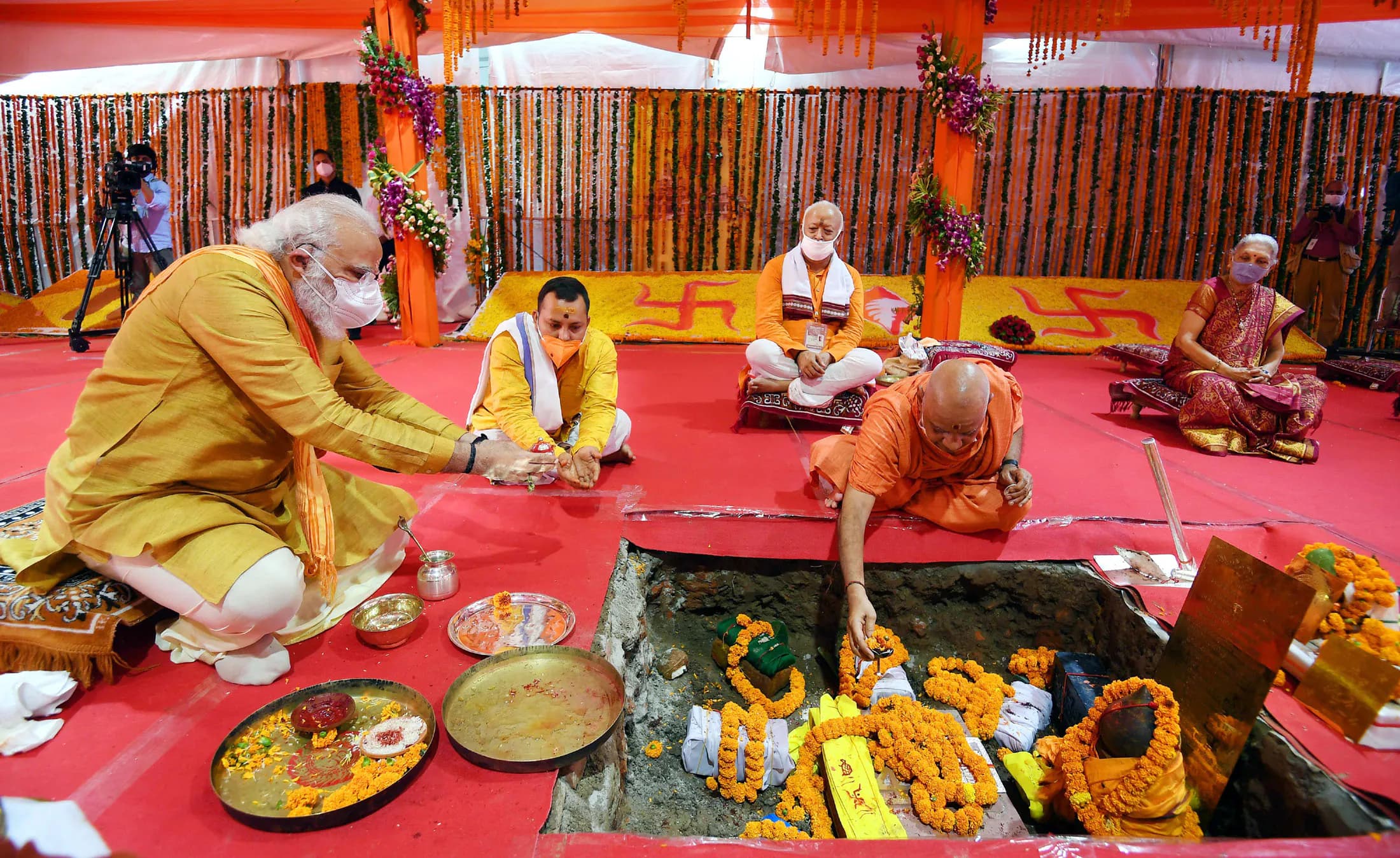
Ram Mandir Bhubaneswar
The midday sun cast long shadows across the laterite stones of the Ram Mandir in Bhubaneswar, illuminating the intricate carvings that adorned its surface. Having spent years documenting the architectural wonders of Gujarat, I was eager to experience the unique Kalinga style of temple architecture that Odisha is renowned for. And the Ram Mandir, though a relatively modern structure compared to some of Bhubaneswar's ancient marvels, did not disappoint. Unlike the towering shikharas of Gujarat's Solanki dynasty temples, the Ram Mandir presents a cluster of temples, each dedicated to a different deity – Ram, Lakshman, and Sita. This grouping immediately sets it apart, creating a sense of community and interconnectedness among the deities. The main temple, dedicated to Lord Ram, dominates the complex. Its curvilinear shikhara, a hallmark of the Kalinga style, rises elegantly towards the sky, its surface covered in a dense tapestry of sculpted figures. As I approached the main entrance, I was struck by the sheer profusion of carvings. Every inch of the temple walls, from the base to the pinnacle, seemed to pulsate with life. Mythological scenes, celestial beings, and intricate floral patterns intertwined, creating a visual narrative that captivated my attention. The figures, though weathered by time and the elements, retained a remarkable sense of dynamism. I noticed the distinctive elongated eyes and graceful postures of the figures, characteristic of the regional style. The detailed ornamentation, particularly around the doorways and windows, showcased the skill and artistry of the craftsmen who had painstakingly carved these stories into stone centuries ago. Inside the main sanctum, the atmosphere was hushed and reverent. The deity of Lord Ram, flanked by Sita and Lakshman, exuded a serene presence. The play of light and shadow within the sanctum added to the spiritual ambiance. While photography wasn't permitted inside, the image of the deities, bathed in the soft glow of oil lamps, remained etched in my memory. Moving to the smaller temples dedicated to Lakshman and Sita, I observed subtle variations in their architectural details. While adhering to the overall Kalinga style, each temple possessed its own unique character. The Lakshman temple, for instance, featured a slightly less ornate shikhara, while the Sita temple had a more intimate and enclosed feel. The outer walls of the complex presented a fascinating contrast to the more polished surfaces of the main temples. Here, the laterite stone was left largely unpolished, revealing its natural texture and warm hues. This created a sense of rustic charm and highlighted the intricate carvings even further. I spent a considerable amount of time studying the bas-relief panels depicting scenes from the Ramayana. The narrative unfolded across the walls, bringing the epic to life in a tangible way. I was particularly drawn to the depiction of the battle between Ram and Ravana, the dynamism of the scene captured with remarkable skill. One aspect that struck me was the integration of the temple complex with its surroundings. Unlike some of the more isolated temples I had encountered in Gujarat, the Ram Mandir felt connected to the bustling city of Bhubaneswar. Devotees flowed in and out, their prayers and rituals adding another layer to the temple's vibrant tapestry. The air was thick with the scent of incense and the sounds of chanting, creating a sensory experience that was both captivating and deeply moving. Leaving the Ram Mandir, I carried with me a profound appreciation for the Kalinga style of temple architecture. Its unique blend of grandeur and intricate detail, its seamless integration of mythology and artistry, and its connection to the living traditions of the community made it a truly unforgettable experience. It served as a powerful reminder of the enduring legacy of India's rich architectural heritage, and a testament to the skill and devotion of the craftsmen who shaped these sacred spaces.
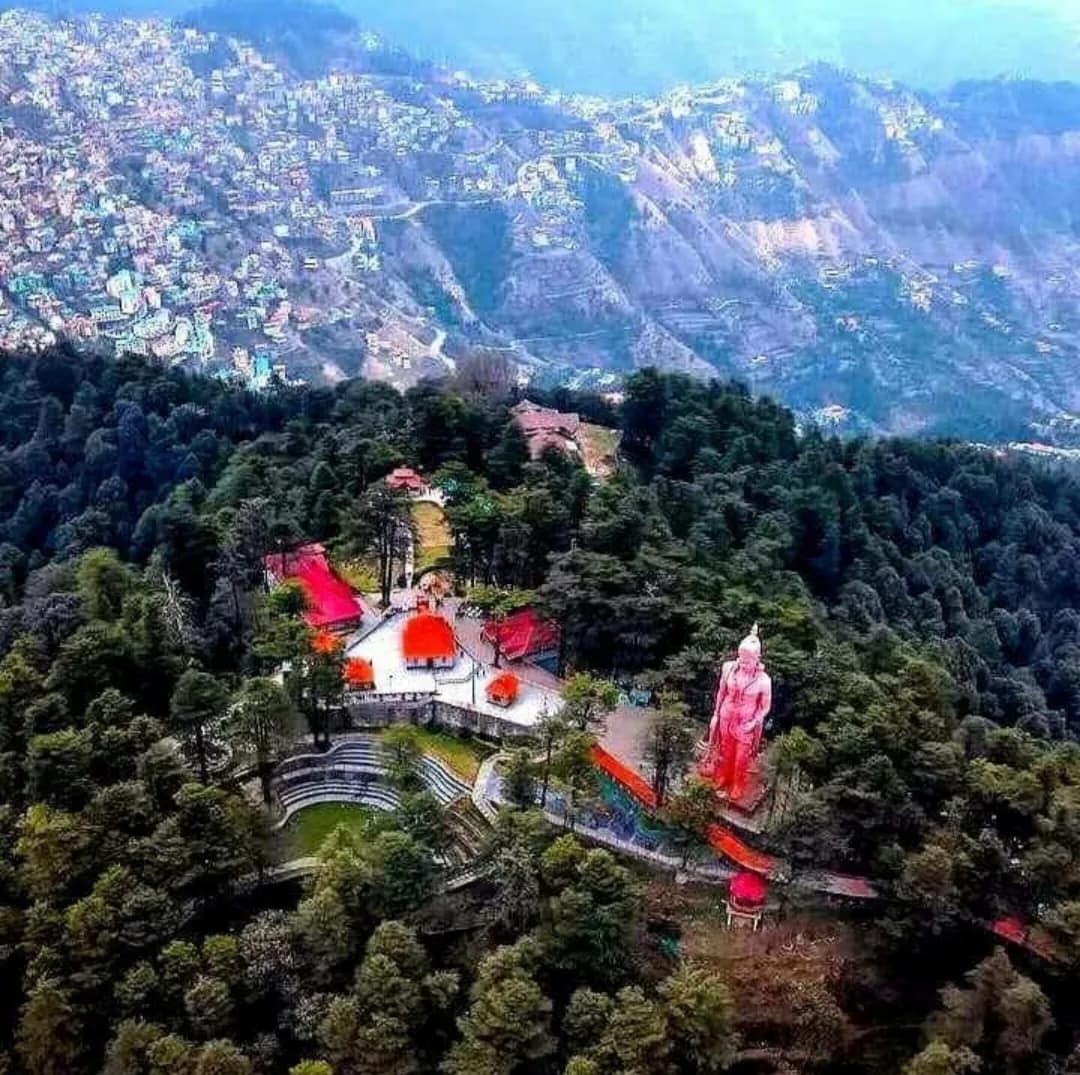
Jakhoo Temple Shimla
The crisp mountain air, scented with pine and a hint of incense, whipped around me as I ascended to the Jakhoo Temple, perched atop Shimla's highest peak. The climb itself was a pilgrimage of sorts, winding through a dense deodar forest, the path punctuated by the chattering of monkeys and the distant chime of temple bells. Having documented over 500 monuments across India, I've learned to appreciate the journey as much as the destination, and Jakhoo’s approach was particularly evocative. Emerging from the tree line, the colossal statue of Hanuman, a vibrant saffron against the cerulean sky, dominated the landscape. Its sheer scale – 108 feet tall – is breathtaking, a modern marvel seamlessly integrated into the ancient narrative of the temple. This wasn't the weathered stone and intricate carvings I’d encountered in countless other temples; this was a statement of devotion on a grand scale, a testament to faith in the digital age. The temple itself, dedicated to Lord Hanuman, is comparatively smaller, a modest structure nestled in the shadow of the giant statue. Its architecture, typical of Himalayan temples, features sloping roofs covered in slate tiles, designed to withstand the heavy snowfall. The wood carvings adorning the entrance, though worn by time and weather, depicted scenes from the Ramayana, adding a layer of narrative richness to the site. Unlike the meticulously preserved monuments I’d seen in Rajasthan or the grand temple complexes of South India, Jakhoo felt intimate, a place of active worship woven into the fabric of the local community. Inside, the air was thick with the scent of burning incense and the murmur of prayers. Devotees, a mix of locals and tourists, offered their respects to the deity, their faces illuminated by the flickering oil lamps. The walls were covered in vibrant murals depicting various incarnations of Lord Hanuman, a kaleidoscope of colours that contrasted sharply with the muted tones of the exterior. It was here, amidst the chanting and the clanging of bells, that I truly felt the pulse of the temple, a living testament to centuries of faith. What struck me most about Jakhoo, however, wasn't just its religious significance, but its unique blend of the ancient and the modern. The juxtaposition of the traditional temple architecture with the towering Hanuman statue created a fascinating dialogue between past and present. The statue, while a recent addition, didn't feel out of place; rather, it seemed to amplify the existing energy of the site, drawing the eye upwards, towards the heavens. As I photographed the temple, capturing the interplay of light and shadow on the weathered stone, I noticed the monkeys, ever-present companions on this mountaintop pilgrimage. They scampered across the rooftops, swung from the trees, and interacted with the devotees, adding a touch of playful chaos to the serene atmosphere. Their presence, while sometimes disruptive, felt integral to the Jakhoo experience, a reminder of the wildness that still clung to this sacred space. Descending the mountain, the city of Shimla spread out below me, a tapestry of buildings clinging to the hillside. The Jakhoo Temple, perched high above, felt like a silent guardian, watching over the bustling life below. It was a place where faith and nature intertwined, where ancient stories met modern expressions, and where the journey to the summit was as rewarding as the destination itself. It’s a site that will undoubtedly stay etched in my memory, another vibrant thread in the rich tapestry of India's heritage.
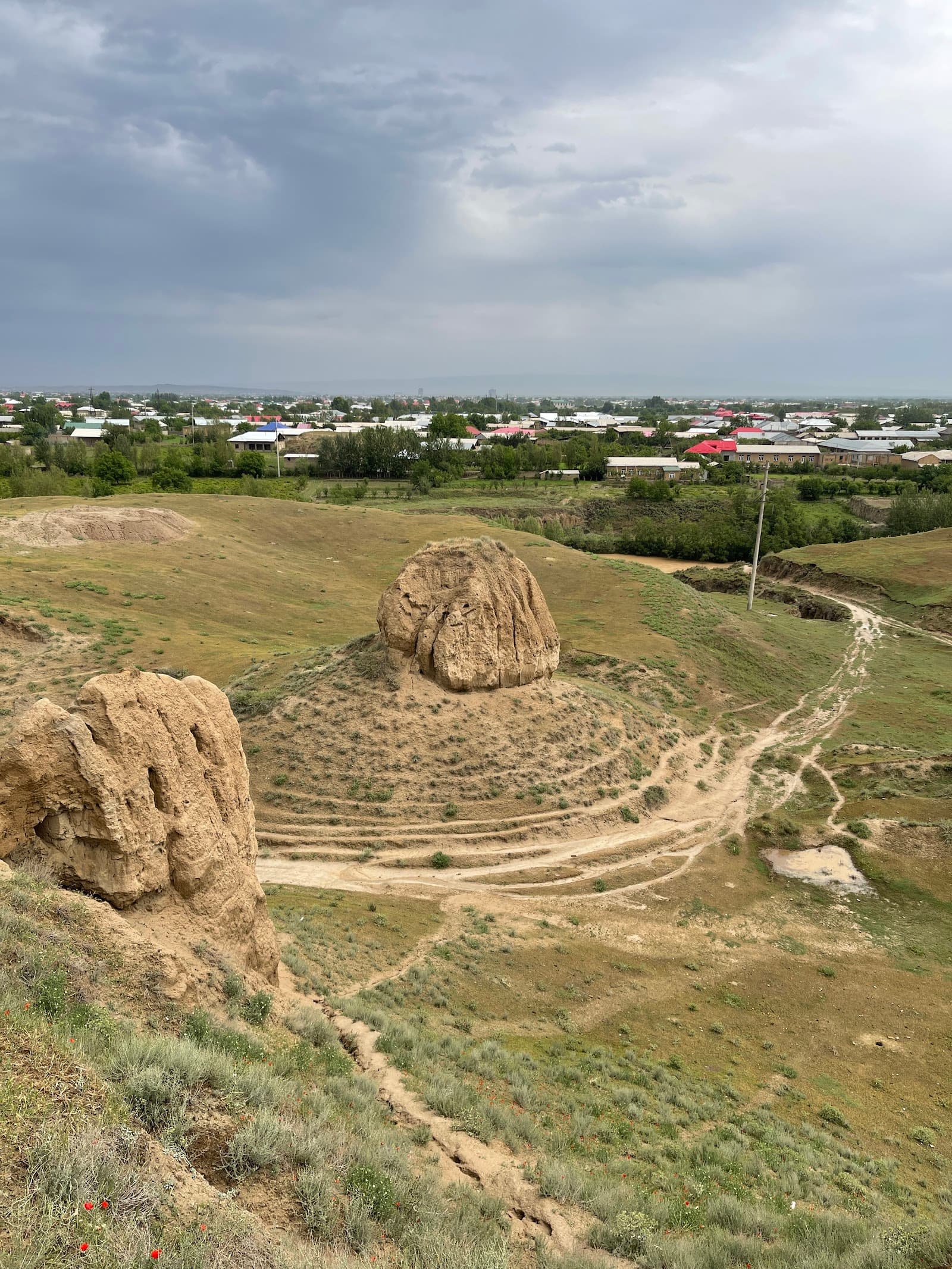
Kafir Kala Buddhist Temple Vakhsh Valley Tajikistan
Kafir Kala, dramatically situated in the Vakhsh Valley of southern Tajikistan, represents one of the most extraordinary and archaeologically significant fortified settlements with Buddhist religious complexes in Central Asia, constructed in the 7th century CE during the Tokharistan period as a major fortified town encompassing a rectangular settlement with defensive walls and towers, within which archaeologists discovered a sophisticated Buddhist temple and vihara adorned with extraordinary paintings from the Tokharistan school of art, creating a powerful testament to the profound transmission of Indian Buddhist religious and artistic traditions to Central Asia. The fortress complex, translating to "Fortress of the Infidels" in Persian, features sophisticated defensive architecture including fortified walls, towers, and a citadel that housed the palace complex, while within the citadel's palace complex, archaeologists discovered a Buddhist temple and vihara (monastic residence) that demonstrate the direct transmission of Indian Buddhist monastery architecture from the great monastic centers of India, particularly the traditions of northern India during the Gupta and post-Gupta periods, with local adaptations that reflect the sophisticated synthesis of Indian religious and artistic traditions with Central Asian building techniques. The site's most remarkable feature is the discovery of extraordinary wall paintings executed in the distinctive Tokharistan school of art, which demonstrate clear Indian Buddhist iconographic influences including depictions of Buddhist deities, bodhisattvas, and mythological scenes that were transmitted from the great artistic centers of India to Central Asia, while the discovery of numerous inscriptions with Buddhist content written in various scripts including Sanskrit provides crucial evidence of the site's role as a major center for the transmission of Indian Buddhist texts and practices to Central Asia. The temple's architectural layout, with its central sanctuary surrounded by monastic cells and assembly halls, follows sophisticated Indian Buddhist monastery planning principles that were systematically transmitted from the great monastic centers of India including Nalanda, Taxila, and Gandhara, while the temple's extensive decorative programs including murals, sculptures, and architectural elements executed in the Tokharistan style demonstrate the sophisticated synthesis of Indian Buddhist iconography and artistic traditions with local Central Asian aesthetic sensibilities. Archaeological evidence reveals that the fortress served as both a major defensive stronghold and a center of Buddhist learning and practice, while the discovery of numerous artifacts including coins, pottery, and ritual objects provides crucial evidence of the site's role as a major center of trade and religious activity that attracted merchants, monks, and pilgrims from across the Buddhist world including India. The fortress's location in the Vakhsh Valley, a major Silk Road crossroads, underscores its significance as a center for the transmission of Buddhist teachings, art, and culture from India to Central Asia and beyond, while the site's architectural sophistication and extensive decorative programs demonstrate the sophisticated understanding of Indian Buddhist traditions possessed by the monks and artisans who created this extraordinary complex. Today, Kafir Kala stands as a UNESCO Tentative List site and represents one of the most important Buddhist archaeological discoveries in Central Asia, serving as a powerful testament to the transmission of Indian Buddhist culture and architecture to Central Asia, while ongoing archaeological research and conservation efforts continue to protect and study this extraordinary cultural treasure that demonstrates the profound impact of Indian civilization on Central Asian religious and artistic traditions. ([1][2])
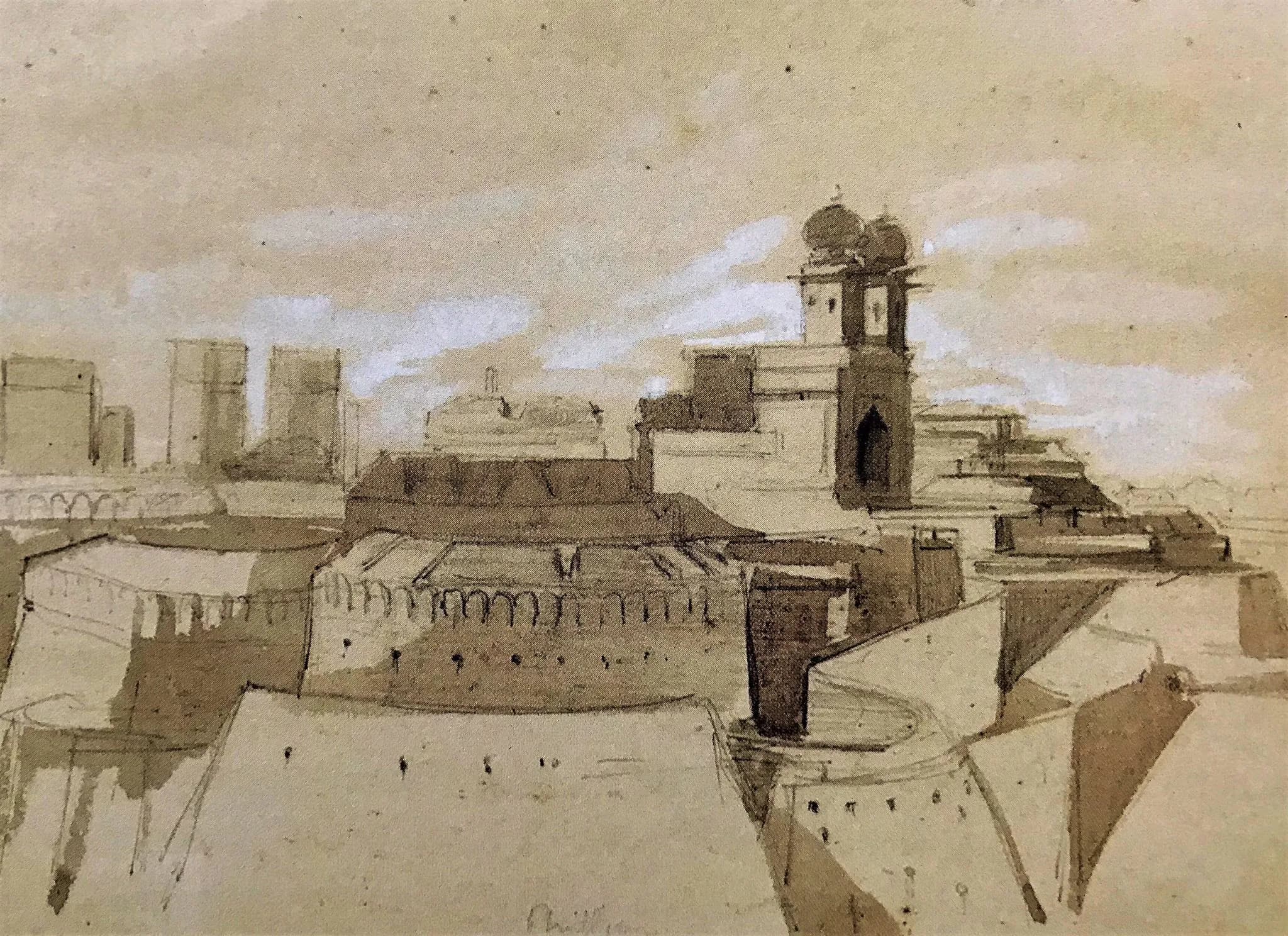
Phillaur Fort Jalandhar
The midday sun cast long shadows across the ochre walls of Phillaur Fort, baking the brickwork that had stood sentinel over the Sutlej River for centuries. Arriving from Madhya Pradesh, accustomed to the sandstone hues of our own ancient structures, the burnt orange of this Mughal-era fort struck me immediately. It wasn't the imposing grandeur of Gwalior or the intricate carvings of Khajuraho, but Phillaur possessed a quiet dignity, a subtle beauty born of its strategic location and layered history. The fort, now a heritage hotel, sits on the Grand Trunk Road, a testament to its historical importance as a crossroads of empires. As I stepped through the imposing gateway, the cacophony of the bustling highway faded, replaced by the gentle murmur of the river and the rustling of leaves in the courtyard trees. The transition was stark, a palpable shift from the present to the past. My camera, a constant companion, felt almost inadequate to capture the essence of the place. The main structure, a double-storied edifice, displayed a blend of Mughal and Sikh architectural influences. Rounded bastions, typical of Mughal military architecture, punctuated the fort's perimeter, while the decorative elements, particularly the delicate frescoes peeking from beneath layers of whitewash, hinted at later Sikh additions. I spent hours documenting these remnants, the faded floral patterns and depictions of warriors, each a whisper of the fort's rich past. The central courtyard, now a manicured lawn, was once a bustling hub of activity. I could almost envision the Mughal soldiers drilling, the horses being groomed, and the echoes of courtly life resonating within these walls. A small museum within the fort housed a collection of artifacts unearthed during restoration work – coins, pottery shards, and weaponry – tangible links to the people who once inhabited this space. Holding a corroded Mughal coin in my hand, I felt a tangible connection to that era, a sense of awe at the weight of history it represented. Climbing the narrow, winding staircase to the upper levels, I was rewarded with panoramic views of the surrounding landscape. The Sutlej River snaked its way through the plains, a silvery ribbon reflecting the bright sky. It was easy to understand why this location was so strategically important, commanding control over the river and the vital trade routes it supported. The wind whipped through the open arches, carrying with it the whispers of centuries past. One of the most captivating aspects of Phillaur Fort was its layered history. Originally built by Mughal Emperor Shah Jahan in the 17th century, it later fell into the hands of the Sikh ruler Maharaja Ranjit Singh, who further fortified and embellished it. This transition of power was reflected in the architecture itself, a fascinating palimpsest of styles. The Sikh additions, while respecting the original Mughal structure, added their own distinct flavor, creating a unique blend that spoke volumes about the region's complex past. As the sun began to dip below the horizon, casting long shadows across the courtyard, I felt a sense of melancholy wash over me. Leaving Phillaur Fort felt like saying goodbye to an old friend. It wasn't just a collection of bricks and mortar; it was a repository of stories, a testament to the ebb and flow of empires, and a poignant reminder of the passage of time. My photographs, I hoped, would capture not just the physical beauty of the fort, but also the intangible spirit of the place, the echoes of history that resonated within its ancient walls.
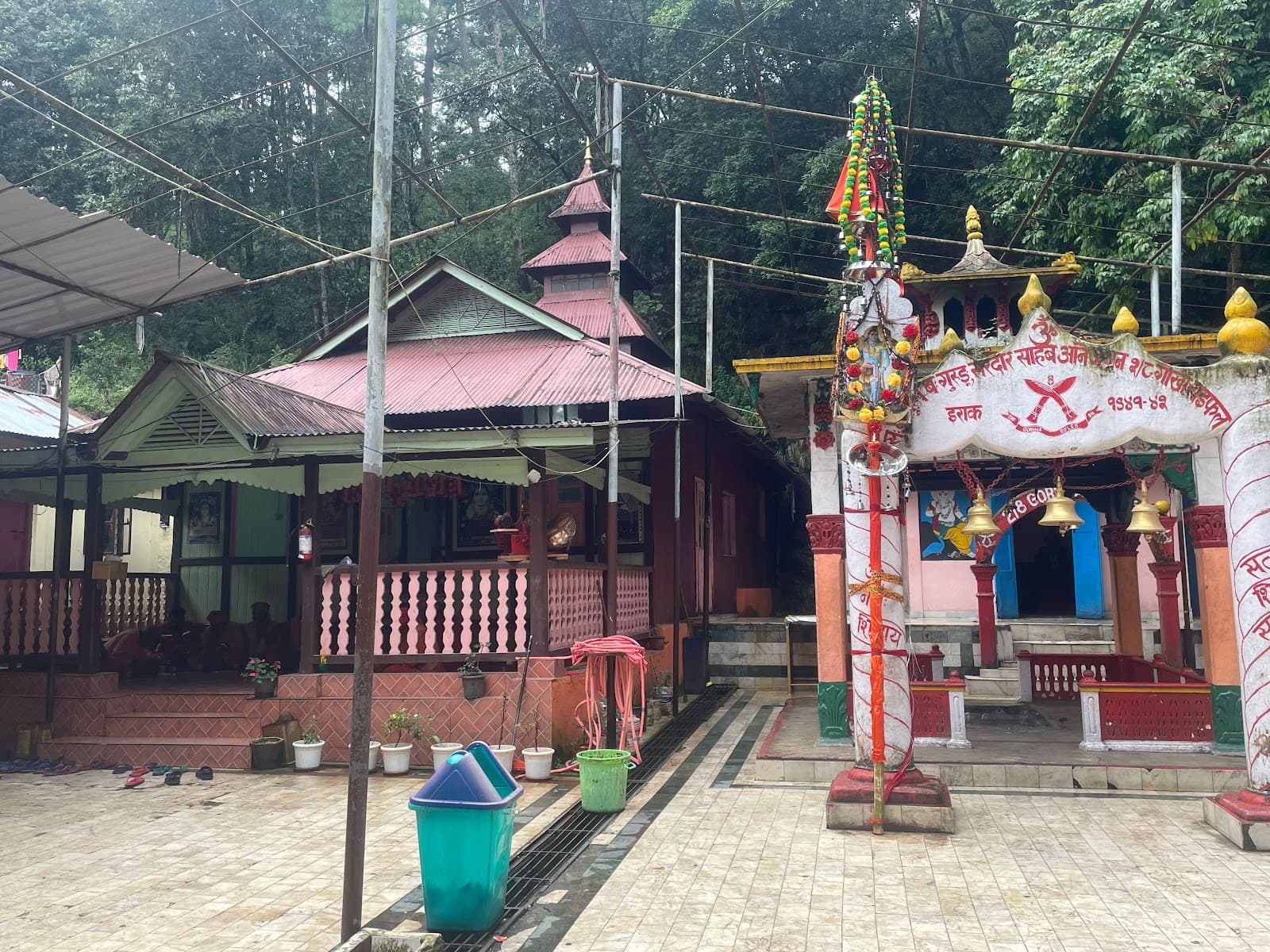
Mahadev Khola Dham Shillong
The air, thick with the scent of pine and damp earth, vibrated with a low hum as I descended the steep steps leading to Mahadev Khola Dham. Nestled in a verdant gorge just outside Shillong, this temple dedicated to Lord Shiva felt worlds away from the bustling city. Sunlight, filtered through the dense canopy, dappled the moss-covered stones, creating an ethereal atmosphere. This wasn't just a temple; it was a sanctuary woven into the very fabric of the landscape. My initial impression was one of awe at the sheer scale of the natural amphitheater surrounding the temple. Towering cliffs, draped in emerald green vegetation, embraced the site, creating a sense of intimacy and seclusion. A small stream, the namesake 'Khola,' gurgled its way through the gorge, its music adding to the symphony of the forest. The temple itself, while not imposing in size, possessed a quiet dignity. Built from locally sourced stone, its architecture blended seamlessly with the natural surroundings. The shikhara, unlike the towering structures of North Indian temples, was relatively modest, almost merging with the rocky backdrop. As I approached the main shrine, I noticed intricate carvings adorning the stone façade. While weathered by time and the elements, these depictions of deities and mythological scenes spoke volumes about the craftsmanship of the artisans who built this sacred space. The carvings, though distinctly Hindu in their iconography, also seemed to incorporate elements of local Khasi symbolism, a testament to the syncretic nature of faith in this region. A Nandi statue, typically found guarding Shiva temples, was present, but its form seemed subtly different, perhaps reflecting a local interpretation of the divine bull. Inside the garbhagriha, the sanctum sanctorum, the atmosphere was charged with a palpable sense of devotion. The lingam, the symbolic representation of Lord Shiva, was bathed in the soft glow of oil lamps, casting flickering shadows on the damp walls. The air was heavy with the fragrance of incense and the murmur of prayers. Devotees, a mix of locals and tourists, offered flowers and whispered their supplications, their faces reflecting a quiet reverence. What struck me most about Mahadev Khola Dham was the harmonious coexistence of nature and spirituality. The temple wasn't merely built *in* the landscape; it felt like an integral *part* of it. The natural elements – the flowing water, the towering trees, the whispering wind – were not just backdrop but active participants in the sacred narrative of the place. This was a stark contrast to many urban temples I’ve documented, where the sacred space often feels divorced from the surrounding environment. Climbing back up the steps, I paused to take one last look at the temple nestled in its verdant embrace. The experience transcended mere documentation; it was a visceral encounter with a place where faith and nature intertwined. Mahadev Khola Dham wasn't just a temple; it was a testament to the human capacity to find the sacred in the heart of the natural world. It was a reminder that sometimes, the most profound expressions of spirituality are found not in grand structures, but in the quiet whispers of a stream, the rustling of leaves, and the stillness of ancient stones. This was a story my lens was privileged to capture, a story etched not just in stone, but in the very soul of Meghalaya.
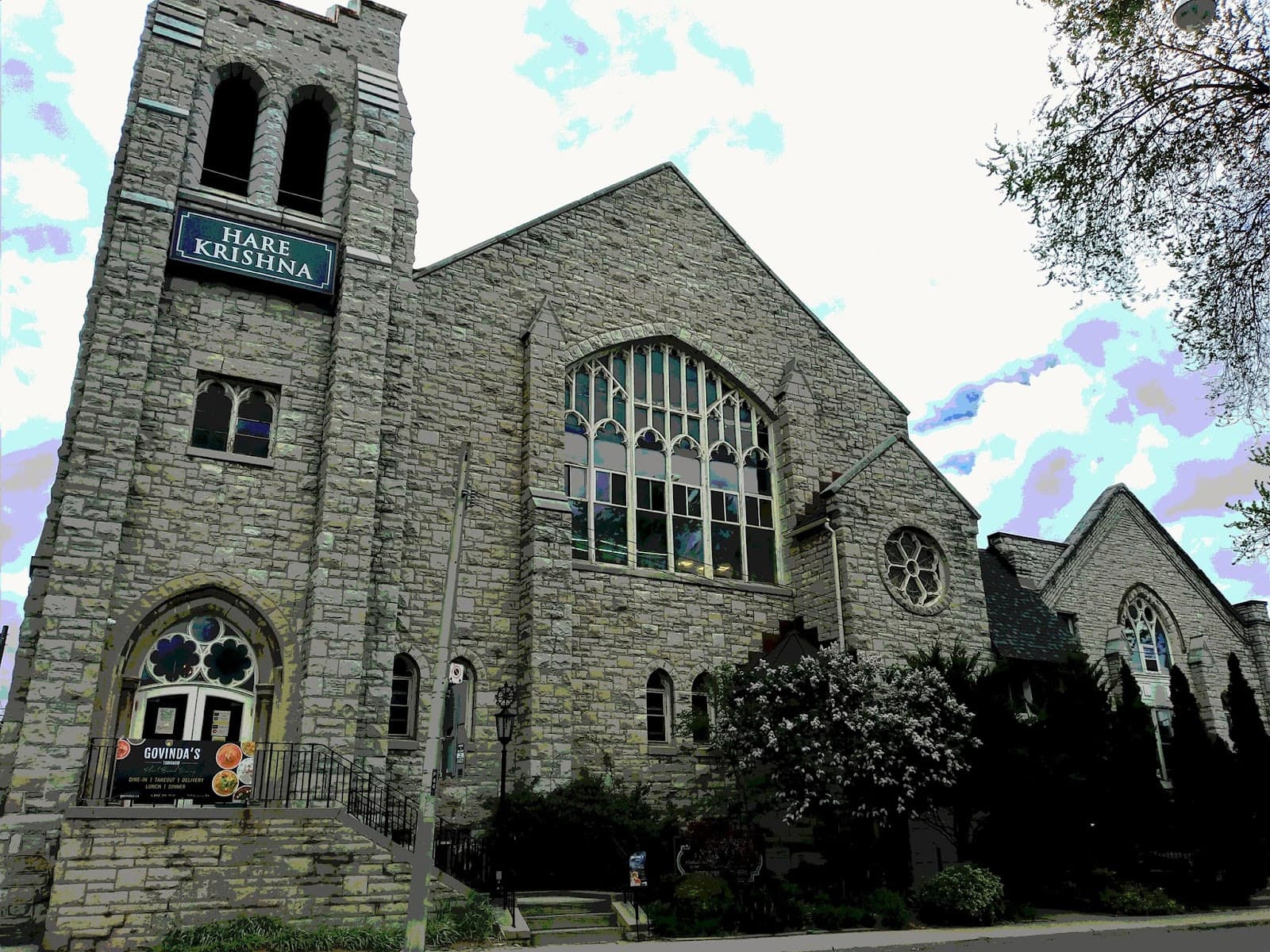
ISKCON Toronto Hare Krishna Temple
ISKCON Toronto Hare Krishna Temple is dedicated to Lord Krishna and anchors Midtown Toronto’s Annex district as a landmark Victorian mansion repurposed for Gaudiya Vaishnava worship since 1976 ([1][2]). The heritage-listed building opens daily 4:30 AM-9:00 PM, with mangala arati, japa, bhoga offerings, and evening kirtan filling the carved salons, while Govinda’s lunch program serves vegetarian prasadam to residents, students, and office workers ([1][3]). Volunteers stage queue ropes in the central hall, manage shoe storage, and coordinate Harinam teams headed downtown, while the operations desk handles guided tours, yoga sign-ups, and Food for Life outreach rosters ([1][5]). The kitchen runs HACCP-compliant vegetarian service using induction equipment and compostable serveware, and a dumbwaiter lifts trays to dining rooms to keep narrow staircases clear ([3]). Accessibility retrofits include a rear lift, 1:12 ramps, tactile markers, captioned signage, and hearing loops in the temple hall, while quiet rooms support sensory-sensitive guests ([2][5]). Building systems integrate geothermal wells, smart thermostats, and HEPA filtration to regulate the mansion through Toronto seasons, and digital screens share daily schedules, queue times, and community announcements. Blood drives, legal aid clinics, language classes, and art salons share the calendar with kirtan residencies and Rath Yatra planning, reflecting operational readiness for both civic service and devotional rhythm ([3][5]).

Sri Mahamariamman Temple Kuala Lumpur
Sri Mahamariamman Temple is Kuala Lumpur’s oldest Hindu temple (1873) and stands at the historic gateway between Chinatown and the Masjid Jamek quarter, its five-tier rajagopuram (1972) bursting with 228 stucco deities sculpted by South Indian sthapathis while the sanctum venerates Mariamman, the protective mother goddess of Tamil diasporas ([1][2]). The temple opens daily 6:00 AM-9:00 PM, conducting six kala puja cycles with Vadya melam ensembles, annadhanam, and daily tulasi archanai; Friday evenings see elaborate alangaram and Thiruvilakku pooja. Annually, the temple oversees the 7-kilometre chariot procession to Batu Caves on Thaipusam eve, mobilising 500 volunteers, 250,000 devotees, GPS-tracked crowd management, and water/medical relief teams. Within its urban footprint, the temple hosts a cultural archive, Tamil language centre, legal aid clinics, and youth leadership workshops run with the Hindu Sangam and Malaysian Indian Transformation Unit (MITRA). During the COVID-19 pandemic, the site coordinated food banks for 30,000 recipients, telehealth counselling, and digital darshan for diaspora supporters ([1][3]).
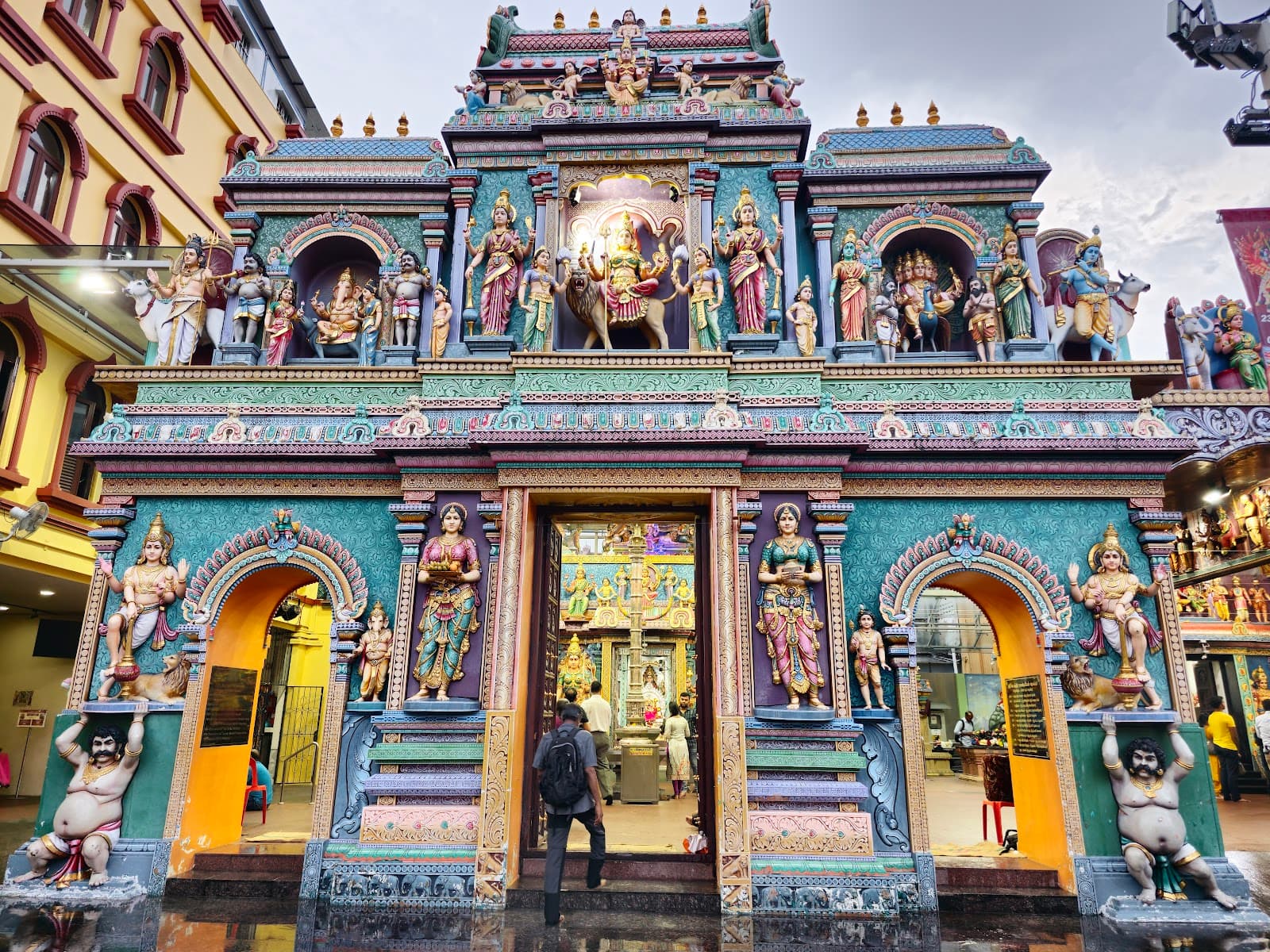
Sri Vadapathira Kaliamman Temple Singapore
Sri Vadapathira Kaliamman Temple, founded in 1930 as a shrine beneath a banyan tree and rebuilt in 1964 and 2016, honours the fearsome goddess Vada Bhadra Kaliamman and functions as Little India’s primary Sakti temple with a six-tier rajagopuram, 16-pillared granite mandapa, and newly consecrated Meenakshi-Sundareshwarar sanctum ([1][2]). The temple opens 6:00 AM-12:00 PM and 6:00 PM-9:30 PM, with six daily pujas, weekly Rahu-Ketu homa, and elaborate Navaratri, Aadi Pooram, and Panguni Uthiram festivals featuring chariot processions and cultural performances curated by the Hindu Endowments Board. Programmes include annadhanam, music and dance schools, yoga, meditation, counselling, legal aid, and youth leadership workshops in the multi-storey annex with classrooms, library, daycare, and roof gardens. During the 2016 $4 million rejuvenation, artisans from Tamil Nadu refreshed stucco iconography, swapped the old vimana for a gilded copper kalash tower, and introduced Singapore’s first granite-carved 12-foot-high guardian statues, while engineers upgraded drainage, HVAC, lighting, CCTV, and accessibility. The temple partners with SCDF, SPF, and social service agencies for emergency drills, blood drives, and aid to low-income residents, ensuring the goddess’s abode remains both a devotional haven and a civic anchor in Serangoon ([1][3]).
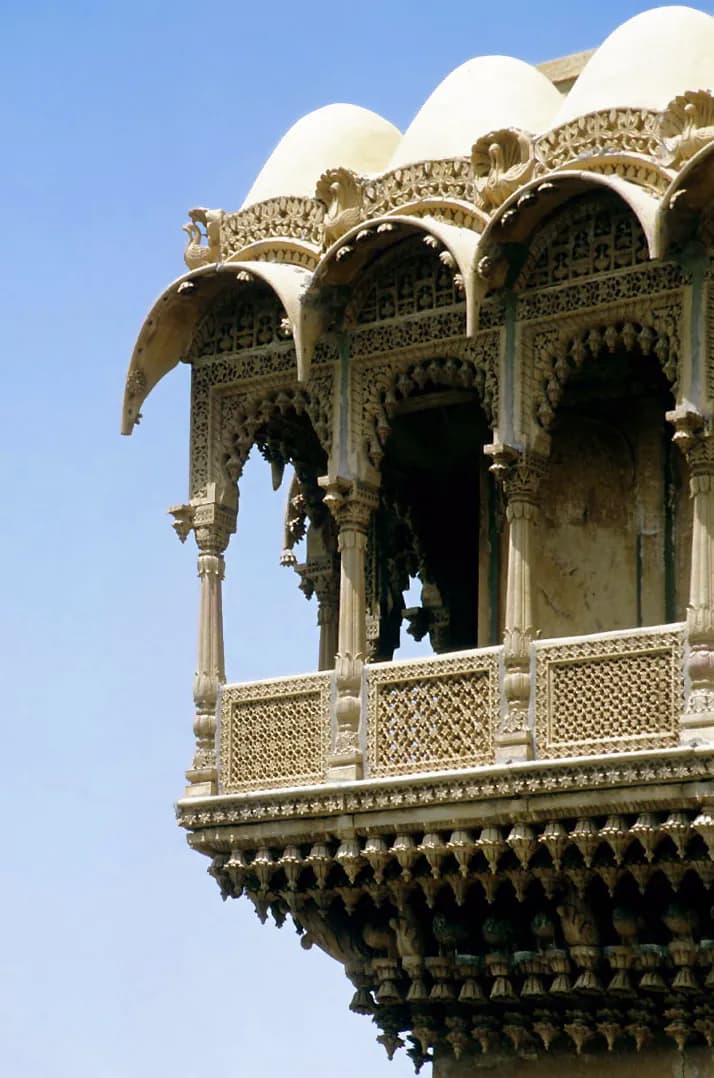
Salim Singh Ki Haveli Jaisalmer
The Jaisalmeri sun, a relentless golden eye, beat down on me as I stepped into the cool, shadowed embrace of Salim Singh Ki Haveli. Emerging from the narrow, twisting lanes of the city, the haveli’s imposing facade felt like a sudden, dramatic flourish in a theatrical production. It’s not symmetrical, not entirely balanced, and yet, it possesses a peculiar harmony, a testament to the artistic vision of its 18th-century architect. Known as Jaisalmer’s ‘dancing’ haveli, it leans precariously, as if mid-pirouette, a whimsical departure from the stoic, fortress-like structures that dominate the cityscape. My initial impression was one of awe mixed with a touch of bewilderment. The haveli, built by the powerful Prime Minister Salim Singh Mehta during the reign of Maharaja Gaj Singh, is a riot of intricately carved sandstone. Peacocks, elephants, flowers, and geometric patterns, all sculpted with astonishing detail, adorn every inch of the facade. The balconies, or *jharokhas*, each unique in design, jut out at varying angles, creating a dynamic, almost chaotic visual rhythm. They seemed to whisper stories of courtly life, of veiled women observing the bustling street below, of musicians playing ragas under the desert moon. As I ascended the narrow, winding staircase, the air grew cooler, the sounds of the city fading behind me. The haveli, I learned, was originally five stories high, but Maharaja Gaj Singh, envious of its grandeur, apparently ordered the top two stories demolished. Even in its truncated form, the haveli retains a sense of majestic scale. The interior courtyards, once bustling with activity, now echo with the whispers of history. I could almost picture the merchants, the servants, the family members going about their daily lives within these walls. The craftsmanship within is no less impressive than the exterior. The ceilings, supported by intricately carved wooden beams, are adorned with miniature paintings depicting scenes from Hindu mythology and local folklore. The walls, once vibrant with colour, now bear the muted hues of time, yet the remnants of frescoes still hint at their former glory. I noticed the distinctive blue pigment, characteristic of the region, used in some of the remaining artwork. It was a subtle reminder of the haveli’s connection to the land, to the indigo-dyed textiles that were once a major part of Jaisalmer’s trade. One of the most striking features of the haveli is its collection of 38 balconies, each a masterpiece of craftsmanship. No two are alike. Some are embellished with delicate latticework, others with bold, geometric designs. Standing on one of these balconies, I gazed out at the panorama of Jaisalmer’s golden fort rising above the city. It was a breathtaking view, a testament to the strategic importance of this desert outpost. I imagined Salim Singh, the shrewd and ambitious Prime Minister, surveying his domain from this very spot, his eyes scanning the horizon for potential threats or opportunities. Leaving Salim Singh Ki Haveli, I felt a sense of melancholy. The grandeur of the past, the echoes of a bygone era, hung heavy in the air. Yet, there was also a sense of wonder, a deep appreciation for the artistry and ingenuity of the craftsmen who had created this architectural marvel. The haveli stands as a testament to the enduring spirit of Rajasthan, a land where history and art are inextricably intertwined. It’s a reminder that even in the harshest of landscapes, beauty can flourish, and that the stories of the past can continue to inspire and enchant us for generations to come. As I walked back into the sun-drenched streets of Jaisalmer, I carried with me not just images of carved sandstone and painted ceilings, but a deeper understanding of the rich cultural tapestry of this remarkable region.
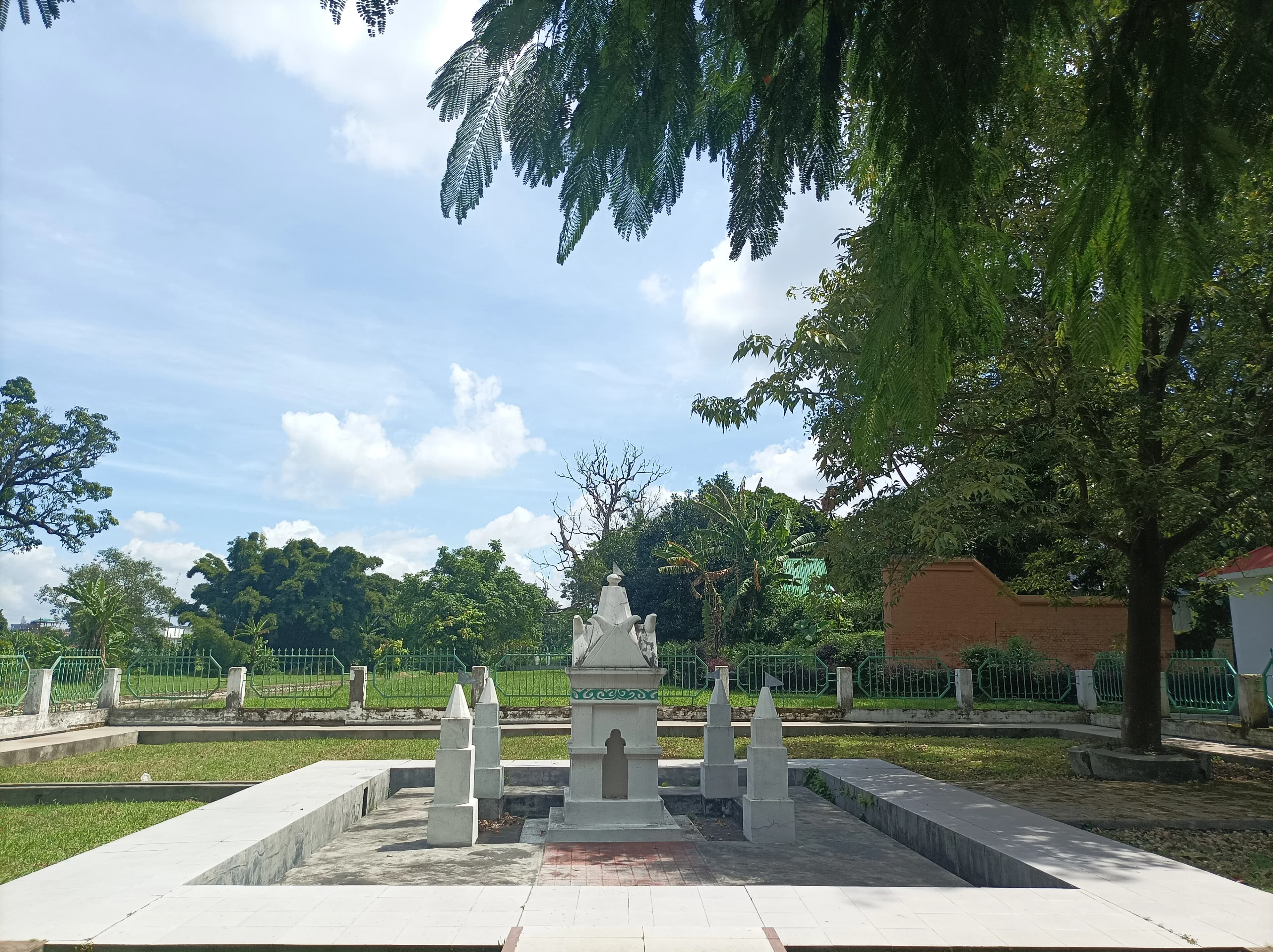
Kangla Fort Imphal
The midday sun beat down on Imphal, casting long shadows across the sprawling grounds of Kangla Fort. This wasn't just another stop on my UNESCO World Heritage journey across India; this was a pilgrimage to the heart of Manipur's history. The very air within these ancient walls seemed to vibrate with the echoes of centuries past, whispering tales of kings and conquests, rituals and resilience. Entering through the imposing western gate, I was immediately struck by the sheer scale of the complex. Kangla, meaning "dry land" in Meiteilon, sprawls across a vast area, bounded on one side by the Imphal River. This strategic location, offering both fertile land and natural defense, explains why it served as the royal seat for centuries, from the reign of the Ningthouja dynasty in the 14th century right up to the arrival of the British in 1891. The scars of history are etched deep into the fort's fabric. I walked past the ruins of the Govindaji Temple, its brickwork ravaged by time and conflict, a poignant reminder of the Anglo-Manipuri War. The temple, dedicated to Lord Krishna, once stood as a symbol of religious harmony, but was tragically destroyed during the British occupation. Its skeletal remains now stand as a silent testament to the enduring power of faith and the destructive nature of war. Further exploration revealed a fascinating blend of architectural styles. The Uttra Sanglen, a brick-built structure with a distinctive curved roof, showcases the ingenuity of Meitei craftsmanship. Its intricate carvings, though weathered, still hint at the grandeur it once possessed. Nearby, the ruins of the Shree Govindajee Temple complex, with its distinctive dome and arched gateways, reveal a Mughal influence, a testament to the cultural exchange that shaped this region. One of the most captivating aspects of Kangla Fort is its spiritual significance. It's not just a collection of historical buildings; it's a living, breathing sacred site. I witnessed locals performing rituals, offering prayers at ancient shrines, their devotion palpable. The sanctity of the place is undeniable, a powerful reminder of the deep connection between the Meitei people and their ancestral land. The Kangla Museum, housed within the fort's walls, provided valuable context to my visit. The exhibits, ranging from ancient pottery and weaponry to royal regalia and manuscripts, offered a glimpse into the rich cultural heritage of Manipur. I was particularly fascinated by the Puyas, the sacred texts of the Meitei people, which offer insights into their cosmology, history, and social customs. As I stood by the banks of the Imphal River, watching the sun begin its descent, I reflected on the profound impact of my visit. Kangla Fort is more than just a historical site; it's a repository of memories, a testament to the resilience of a culture that has endured centuries of change. It's a place where the past and present intertwine, where the whispers of history can still be heard, reminding us of the enduring power of place and the importance of preserving our shared heritage. My journey through India's UNESCO sites had taken me to many magnificent places, but Kangla Fort held a unique resonance, a deep connection to the soul of Manipur.
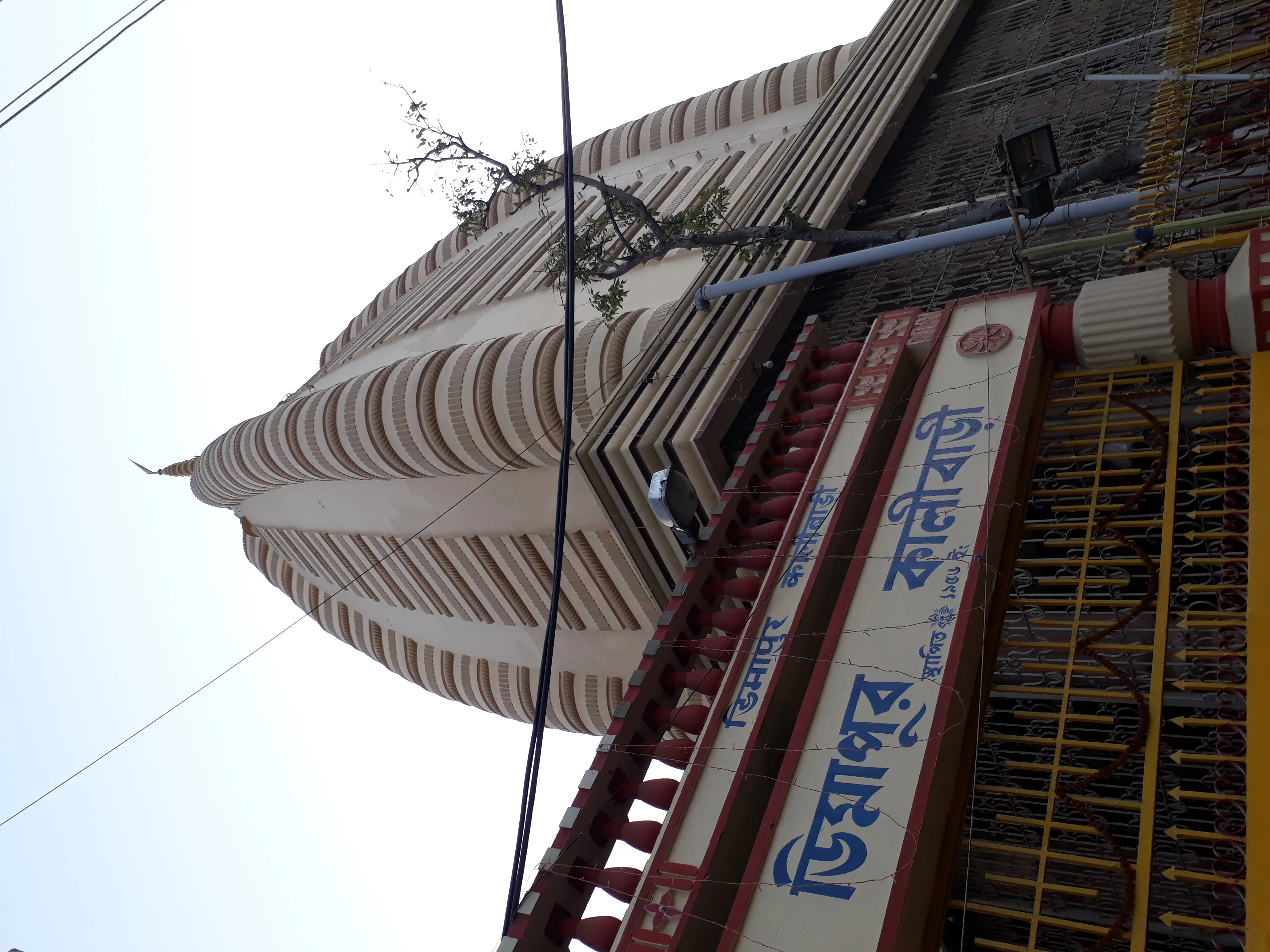
Dimapur Kalibari Dimapur
The air, thick with the scent of incense and marigold garlands, hung heavy as I stepped through the imposing gateway of the Dimapur Kalibari. This wasn't the Himalayas I was accustomed to, the familiar terrain of my North Indian explorations. This was Dimapur, Nagaland, and the vibrant colours, the unfamiliar lilt of the language, and the unique architecture of this temple instantly told me I was in a different world. The Kalibari, dedicated to the goddess Kali, stands as a striking testament to the Bengali community's presence in this northeastern state. It isn't tucked away in quiet contemplation; rather, it embraces the city's bustle, situated near the heart of Dimapur. The first thing that struck me was the sheer scale of the complex. The main temple, a two-storied structure, is painted a brilliant shade of orange, a hue that seems to amplify the tropical sun. Intricate white detailing adorns the façade, a delicate counterpoint to the bold colour. It’s a far cry from the muted sandstone and marble of North Indian temples, and yet, the reverence in the air felt instantly familiar. Climbing the steps to the main sanctum, I noticed the distinctive curved roof, reminiscent of traditional Bengali architecture, yet with a subtle Naga influence in the decorative motifs. The roofline is adorned with a series of miniature domes, or chhatris, each intricately carved and painted. These architectural flourishes speak to a cultural exchange, a blending of traditions that defines this unique place of worship. Inside, the atmosphere is charged with devotion. The scent of burning camphor and the rhythmic chanting of prayers filled the air. The idol of Kali, resplendent in her traditional garb, dominates the sanctum. Her fierce expression, usually interpreted as a symbol of destruction of evil, felt strangely comforting here, a powerful presence amidst the unfamiliar surroundings. Unlike the often hushed reverence of North Indian temples, here, the devotion is more expressive. Devotees offered prayers with a fervent energy, their voices rising and falling in unison. Stepping out onto the temple balcony, I was greeted by a panoramic view of Dimapur. The sprawling city, a mix of concrete buildings and lush greenery, stretched out before me. From this vantage point, the Kalibari felt like an anchor, a spiritual haven amidst the urban chaos. The temple complex also houses a smaller shrine dedicated to Lord Shiva. This shrine, while less elaborate than the main temple, possesses a quiet charm. The smooth, grey stone of the Shiva lingam offered a stark contrast to the vibrant colours of the Kali temple, creating a sense of balance within the complex. What truly sets the Dimapur Kalibari apart is its inclusive nature. While primarily a Hindu temple, it attracts visitors from various faiths and backgrounds. I saw local Naga families alongside Bengali devotees, all united in a shared sense of reverence. This intermingling of cultures, this quiet acceptance of different beliefs, is perhaps the most powerful testament to the spirit of this place. As I left the Kalibari, the scent of incense still clinging to my clothes, I felt a profound sense of connection. This wasn't just a temple; it was a microcosm of India's diverse cultural tapestry. It was a reminder that spirituality transcends geographical boundaries and architectural styles. It was a testament to the enduring power of faith, expressed in a myriad of ways, in a corner of India far removed from my familiar North.
Quick Links
Plan Your Heritage Journey
Get personalized recommendations and detailed visitor guides