Has Inheritage Foundation supported you today?
Your contribution helps preserve India's ancient temples, languages, and cultural heritage. Every rupee makes a difference.
Secure payment • Instant 80G certificate
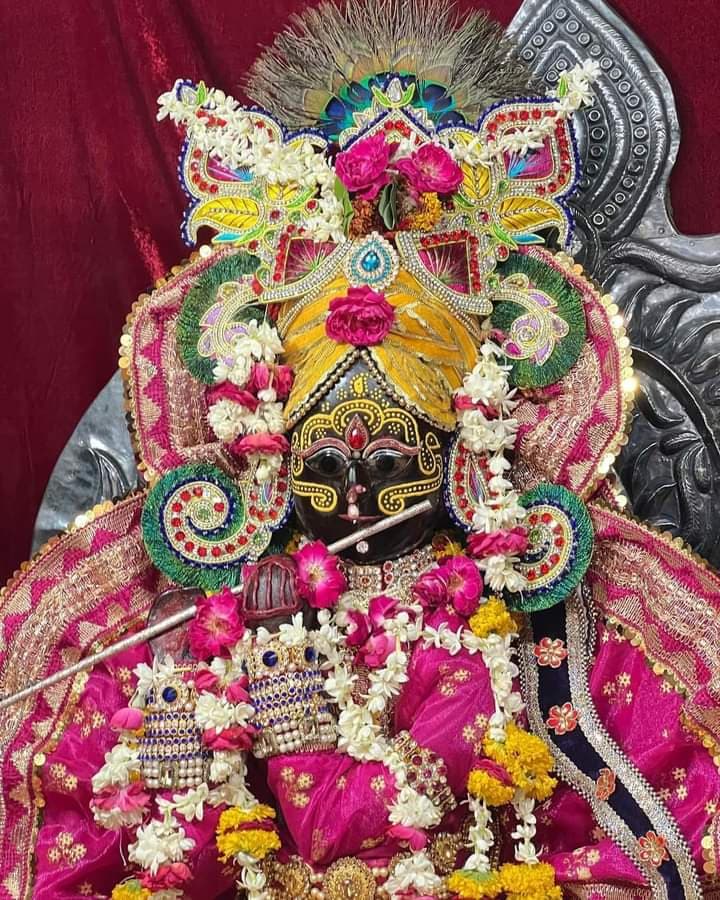
Radha Vallabh Haveli Mathura
The scent of sandalwood hung heavy in the air, a fragrant welcome to the Radha Vallabh Haveli in Mathura. Having explored the basalt-carved caves and intricate temples of Maharashtra extensively, I was curious to see how the architectural narrative shifted in this Braj Bhoomi landmark. The haveli, dedicated to the Radha-Vallabh sect of Vaishnavism, didn't disappoint. It whispered stories of devotion, artistry, and a bygone era of opulent patronage. Unlike the monolithic structures I was accustomed to, the haveli unfolded like a labyrinth. Courtyards, interconnected chambers, and narrow passageways created a sense of intimate discovery. The red sandstone, a stark contrast to the dark hues of Maharashtra's basalt, glowed warmly under the afternoon sun. Intricate carvings adorned every surface – floral motifs, depictions of Krishna’s leelas, and geometric patterns, each narrating a fragment of the sect's rich mythology. It felt as though the very stones were singing hymns to Radha and Krishna. The main courtyard, the heart of the haveli, was particularly captivating. A raised platform, once used for religious discourses and performances, dominated the space. I could almost hear the echoes of devotional music and the rhythmic clapping of devotees lost in spiritual fervor. The surrounding walls, adorned with frescoes depicting scenes from the Bhagavata Purana, were faded yet retained a captivating vibrancy. The colours, predominantly blues, greens, and ochres, spoke of a time when artistry was an integral part of religious expression. Climbing the narrow, winding staircases, I reached the upper levels, which offered a panoramic view of the bustling city of Mathura. From this vantage point, the haveli seemed like an oasis of tranquility amidst the urban chaos. The intricate jalis, or lattice screens, allowed for ventilation while maintaining privacy, a testament to the architectural ingenuity of the time. Peering through these screens, I observed the daily life of the city unfolding below – a vibrant tapestry of sounds, colours, and movement. One of the most striking features of the haveli was its integration with nature. Small, enclosed gardens, or baghs, punctuated the structure, offering pockets of serenity. These spaces, with their flowering plants and trickling fountains, provided a refreshing contrast to the enclosed spaces and served as a reminder of the divine presence in the natural world. I noticed how the architecture seamlessly blended indoor and outdoor spaces, creating a harmonious environment. While exploring the haveli, I encountered several priests and devotees who shared anecdotes and insights into the history and significance of the site. Their narratives added another layer of understanding, enriching my experience beyond the purely visual. Learning about the daily rituals, the festivals celebrated, and the stories passed down through generations, I felt a deeper connection to the spiritual heart of the haveli. The Radha Vallabh Haveli is more than just a historical structure; it's a living testament to a vibrant faith and a rich artistic tradition. It's a place where architecture transcends its functional purpose and becomes a medium for storytelling, a canvas for devotion, and a portal to a bygone era. As I left the haveli, the scent of sandalwood still clinging to my clothes, I carried with me not just images of intricate carvings and vibrant frescoes, but also a profound sense of the enduring power of faith and the beauty of human expression. It served as a powerful reminder that even after exploring countless caves and temples, there are always new architectural narratives waiting to be discovered, each with its unique story to tell.
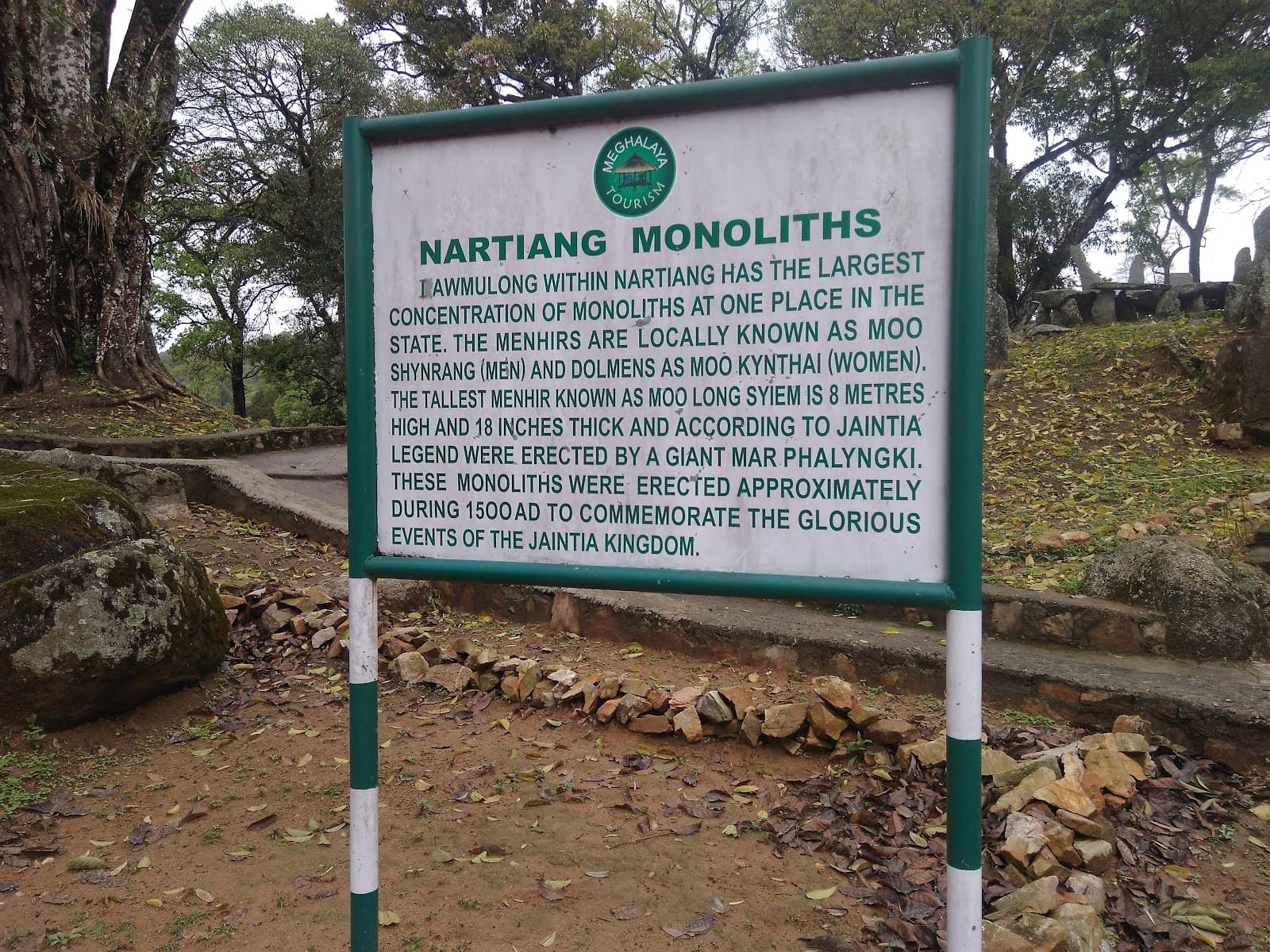
Nartiang Fort Nartiang
The imposing monoliths of Nartiang Fort, etched against the emerald canvas of Meghalaya's Jaintia Hills, whispered tales of a kingdom long past. Having explored every UNESCO site in India, I can confidently say that Nartiang holds a unique charm, a raw, untamed beauty distinct from the polished grandeur of other historical sites. It's not just a fort; it's a living testament to the strength and resilience of the Jaintia kingdom. My journey to Nartiang began in Jowai, the district headquarters, from where a winding road, flanked by lush greenery and punctuated by cascading waterfalls, led me to this hidden gem. The fort, or what remains of it, isn't a single, cohesive structure. Instead, it's a sprawling complex spread across a gentle slope, comprising remnants of the summer palace, the durbar, and other structures, all interwoven with the local village life. The most striking feature of Nartiang Fort is undoubtedly the collection of imposing monoliths, locally known as 'Moo Shyiap'. These towering stone structures, some reaching heights of over 20 feet, are a testament to the megalithic culture that thrived in this region. Each monolith, erected by past kings to commemorate significant events or victories, stands as a silent sentinel, bearing witness to centuries of history. I spent hours walking amongst them, tracing the weathered surfaces with my fingers, trying to decipher the stories they held. The sheer scale and artistry of these monoliths left me awestruck. They are not merely stones; they are tangible echoes of a powerful past. Beyond the monoliths, the remnants of the fort's structures offer glimpses into the architectural style of the Jaintia kingdom. The crumbling walls, made of locally sourced stone and bound with a mortar that has withstood the test of time, reveal a simple yet robust construction technique. While much of the fort lies in ruins, the layout still suggests a well-planned complex, with designated areas for residential quarters, administrative buildings, and religious structures. I noticed the strategic positioning of the fort, overlooking the valley below, offering a clear vantage point for defense. One of the most intriguing aspects of Nartiang Fort is its integration with the present-day village. Unlike many historical sites that are cordoned off and isolated, Nartiang Fort is very much a part of the living fabric of the community. Houses have sprung up amidst the ruins, children play amongst the monoliths, and daily life unfolds within the shadow of history. This seamless blend of past and present adds a unique dimension to the experience, offering a rare glimpse into the continuity of human settlement in this region. Adjacent to the fort, I discovered the ruins of a Hindu temple dedicated to the goddess Durga. This unexpected find highlighted the religious syncretism that characterized the Jaintia kingdom. The temple, though in ruins, still retains intricate carvings on its stone pillars and doorways, showcasing a blend of local and traditional Hindu architectural styles. It served as a poignant reminder of the cultural exchange and religious tolerance that once flourished in this region. My visit to Nartiang Fort was more than just a sightseeing trip; it was a journey through time. It was a humbling experience to stand amidst these ancient stones, to feel the weight of history, and to witness the enduring spirit of a people who have preserved their heritage despite the passage of time. Nartiang is not a polished, packaged tourist destination; it's a raw, authentic experience that offers a profound connection to the past. It's a place that stays with you long after you've left, a testament to the power of history to inspire and to connect us to our shared human story. If you're seeking a truly unique and enriching historical experience, Nartiang Fort should be on your itinerary.
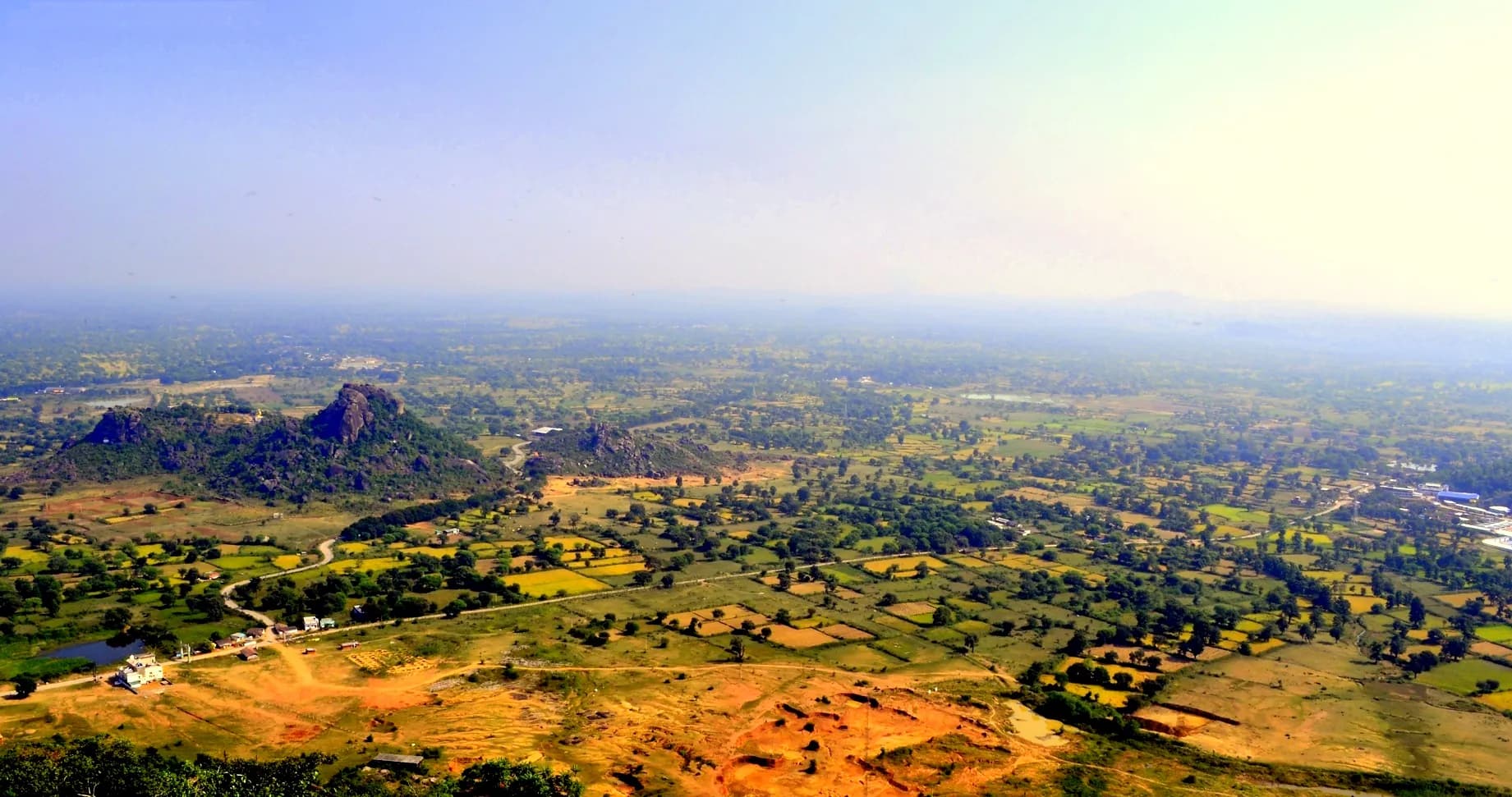
Maa Bamleshwari Temple Dongargarh
The cable car ascended, revealing Dongargarh, a verdant hill crowned by the sprawling complex of the Maa Bamleshwari Temple. From the valley floor, the temple seemed a distant, shimmering mirage, but as we climbed, its scale and grandeur became increasingly apparent. The air thrummed with anticipation, a palpable energy radiating from the devotees around me, their faces alight with devotion. This wasn't just a temple; it was a pilgrimage, a journey of faith etched onto the very landscape. Stepping off the cable car, I was immediately struck by the vibrant tapestry of activity. Vendors hawked garlands of marigolds and coconuts, their calls mingling with the rhythmic chanting of pilgrims and the clang of temple bells. The architecture, a blend of traditional Nagara style and regional influences, was captivating. The main temple, dedicated to Maa Bamleshwari, is a multi-tiered structure, its whitewashed walls adorned with intricate carvings of deities and mythical creatures. The shikhara, the towering spire that dominates the skyline, is a testament to the skill of the artisans who crafted it centuries ago. I noticed the subtle integration of the natural landscape into the temple complex. The rocky outcrops of the hill have been incorporated into the design, forming natural walls and platforms. This harmonious blend of the built and natural environment creates a unique atmosphere, a sense of sacredness that permeates the entire site. The panoramic views from the hilltop are breathtaking, stretching across the plains of Chhattisgarh, a patchwork of fields and forests. It's easy to see why this location was chosen as a place of worship, a point of connection between the earthly and the divine. Inside the main temple, the atmosphere was charged with devotion. The air was thick with the scent of incense, and the flickering lamps cast dancing shadows on the walls. Devotees offered prayers to the goddess, their faces etched with reverence. I observed the intricate details of the garbhagriha, the inner sanctum where the deity resides. The ornate carvings and the rich embellishments spoke of a deep artistic tradition, a legacy passed down through generations. Beyond the main temple, the complex houses several smaller shrines dedicated to various deities. Each shrine has its own distinct character, reflecting the diverse pantheon of Hindu gods and goddesses. I was particularly drawn to the shrine of Lord Shiva, its stark simplicity a contrast to the opulent grandeur of the main temple. The smooth, black lingam, the symbol of Shiva, radiated a sense of quiet power. As I explored the complex, I noticed the distinct Gujarati influence in some of the architectural elements. The intricate jali work, the delicate lattice screens carved from stone, reminded me of the ornate havelis of Ahmedabad and the stepwells of Patan. This cross-pollination of architectural styles, a testament to the historical connections between Gujarat and Chhattisgarh, added another layer of fascination to the site. My visit to the Maa Bamleshwari Temple was more than just a sightseeing trip; it was an immersive cultural experience. It was a journey into the heart of devotion, a glimpse into the rich tapestry of Indian spirituality. The architectural marvels of the temple, the vibrant energy of the pilgrims, and the breathtaking natural beauty of Dongargarh combined to create an unforgettable experience. As I descended the hill, the temple bells echoing in the distance, I carried with me a profound sense of peace and a renewed appreciation for the power of faith and the enduring legacy of Indian architecture.
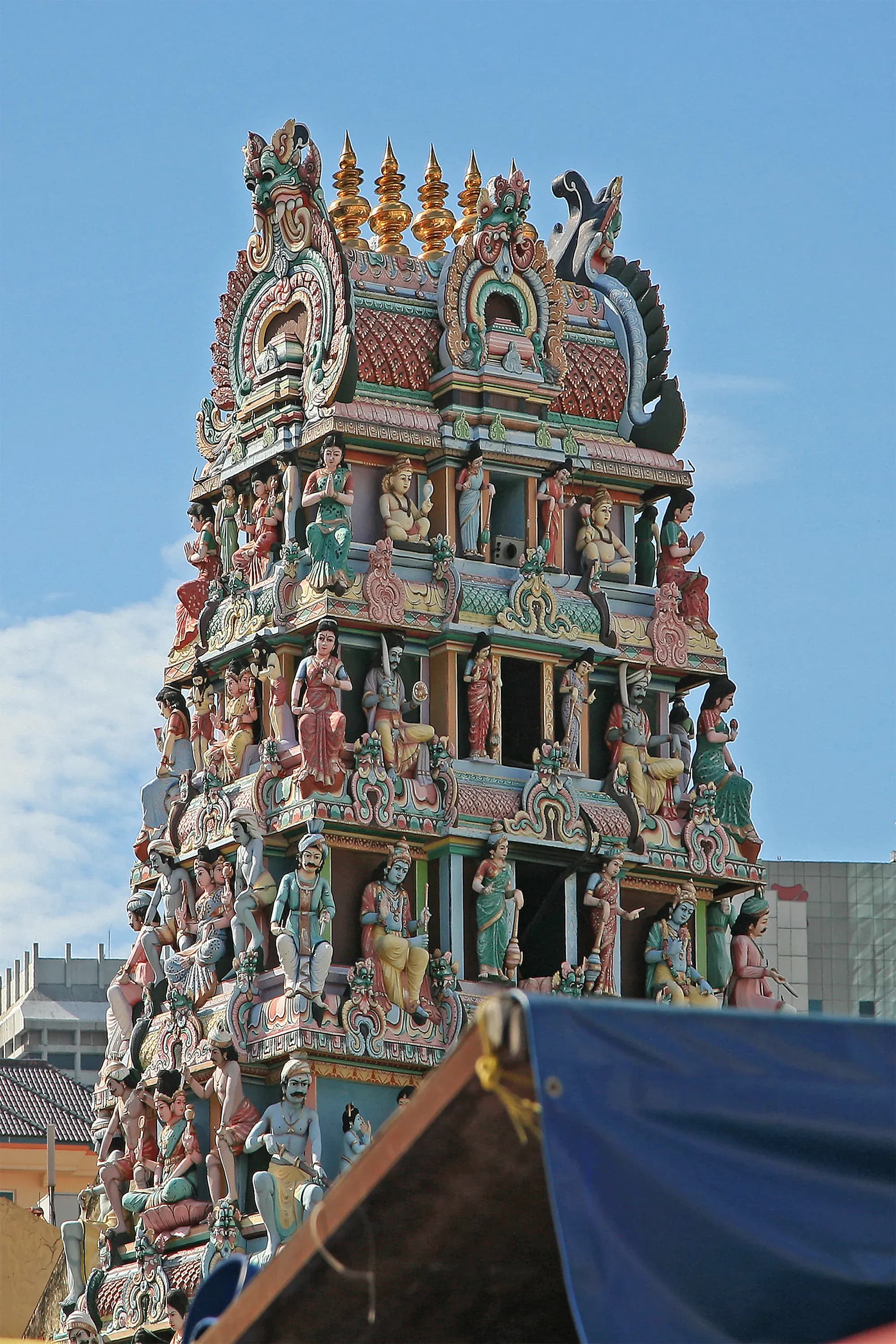
Mariamman Temple Ho Chi Minh City
The midday sun beat down on Ho Chi Minh City, casting long shadows that danced across the ornate facade of the Mariamman Temple. Tucked away amidst the bustling modern cityscape, this vibrant splash of South Indian architecture felt like a portal to another world. As I stepped through the gopuram, the towering gateway adorned with a riot of colourful deities, the cacophony of the city faded, replaced by the scent of incense and the murmur of prayers. Having documented over 500 monuments across India, I’ve become intimately familiar with the Dravidian architectural style. Yet, seeing it replicated here, thousands of miles from its origins, evoked a unique sense of wonder. The Mariamman Temple, built by the Tamil community in the late 19th century, is a testament to the enduring power of cultural heritage and the human need for spiritual connection, even in a foreign land. The temple's relatively small size, compared to its Indian counterparts, allows for an intimate exploration. My lens immediately gravitated towards the intricate stucco work that covered every inch of the gopuram. Gods and goddesses, mythical creatures and floral motifs, all intertwined in a vibrant tapestry of storytelling. The craftsmanship was remarkable, each figure possessing a unique expression, a testament to the skill of the artisans who brought them to life. I noticed subtle differences in the iconography compared to temples in South India, hinting at a localized interpretation of these familiar deities. Inside the main sanctum, the air was thick with the aroma of burning camphor and jasmine. Devotees offered prayers to Mariamman, the goddess of rain and healing, her image adorned with garlands of fresh flowers. The atmosphere was charged with a palpable sense of devotion, a quiet hum of spiritual energy that transcended language and cultural barriers. I observed the rituals, the lighting of lamps, the offering of coconuts, each action imbued with deep meaning. It was a privilege to witness this intimate expression of faith, a reminder of the universal human desire for connection with the divine. Beyond the main shrine, smaller alcoves housed other deities, each with their own dedicated following. I was particularly drawn to the shrine of Lord Ganesha, the remover of obstacles, his elephant-headed form instantly recognizable. The vibrant colours, the intricate details, the sheer density of the ornamentation, it was a visual feast. I spent a considerable amount of time capturing these details, trying to convey the richness and complexity of this cultural tapestry through my photographs. One aspect that struck me was the seamless integration of local Vietnamese elements within the predominantly South Indian architectural framework. The use of certain materials, the subtle adaptation of decorative motifs, these nuances spoke to a process of cultural exchange and adaptation. It wasn't merely a replication of a temple from back home, but rather a unique hybrid, a testament to the community's ability to retain their cultural identity while embracing their new surroundings. As I stepped back out into the bustling streets of Ho Chi Minh City, the experience lingered. The Mariamman Temple served as a powerful reminder of the enduring strength of cultural heritage and its ability to transcend geographical boundaries. It was a privilege to document this unique piece of history, a testament to the human spirit's enduring need for connection, both with the divine and with their cultural roots. The images I captured, I hope, will serve as a window into this vibrant cultural intersection, allowing others to glimpse the beauty and complexity of this hidden gem in the heart of Vietnam.
Po Dam Towers Binh Thuan Vietnam
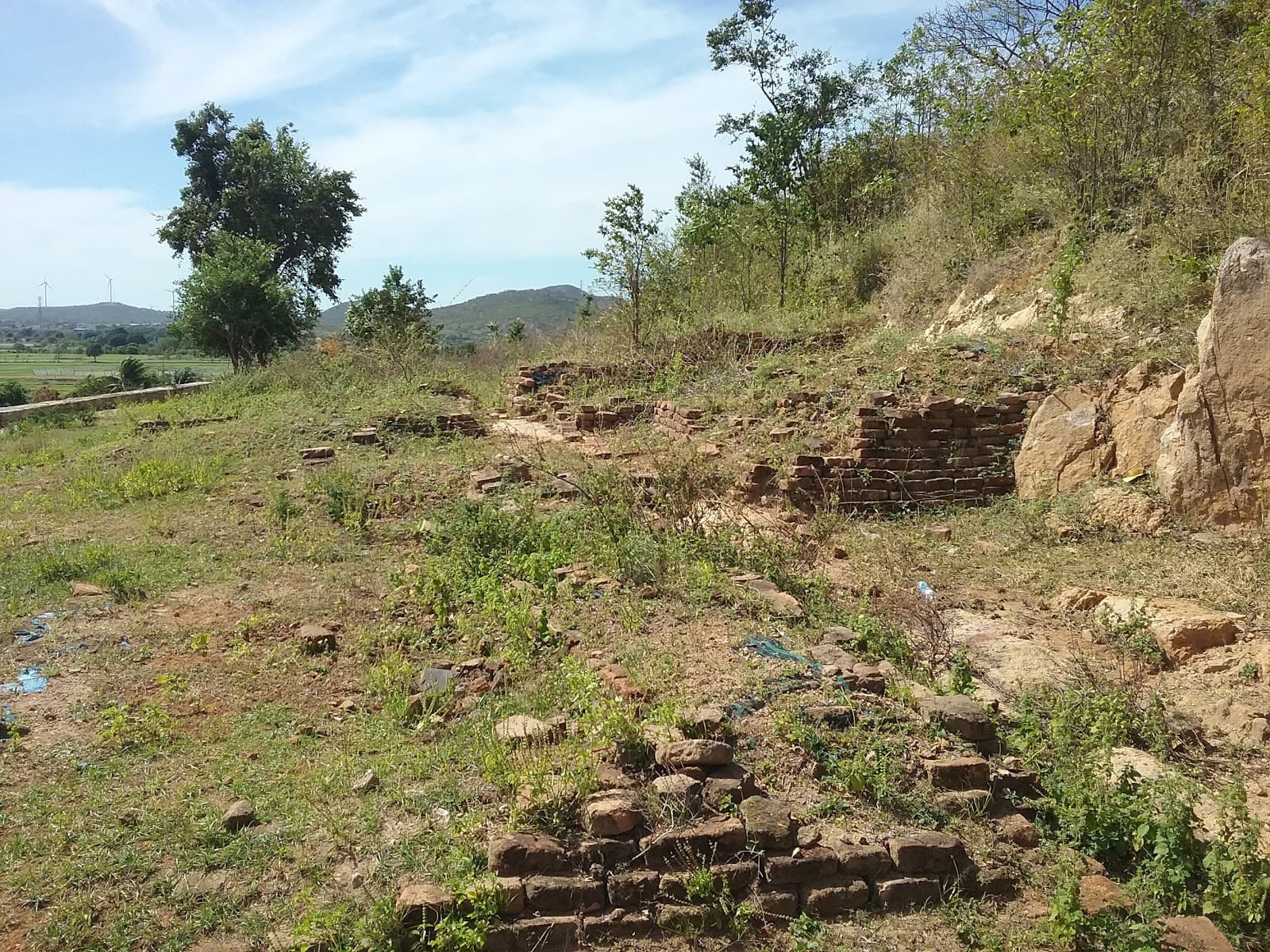
Po Dam Towers, located in Binh Thuan Province, Vietnam, represent one of the earliest and most historically significant Cham Hindu temple complexes in southern Vietnam, constructed in the 8th century CE during the early period of Champa expansion, creating a powerful testament to the transmission of Indian Hindu religious and architectural traditions to Southeast Asia during the medieval period. The temple complex, constructed primarily from red brick with sandstone decorative elements, features distinctive Cham tower architecture that demonstrates the early synthesis of Indian Hindu temple architecture, particularly the Dravidian traditions of southern India, with indigenous Cham building techniques, creating a unique architectural expression that reflects Champa's initial engagement with Indian religious and cultural traditions. The towers feature elaborate decorative programs including bas-reliefs and sculptures that demonstrate the direct transmission of Indian Hindu iconography and artistic traditions, while the discovery of inscriptions provides crucial evidence of the site's role as a center for the transmission of Indian religious texts and practices to Southeast Asia. The site's location, chosen according to Indian cosmological principles, underscores its spiritual significance, while the complex's architectural design demonstrates the sophisticated understanding of Indian temple planning principles possessed by early Cham architects. Archaeological evidence reveals that the complex served as a major center of Hindu worship for the Champa Kingdom, while the site's historical significance as one of the earliest Cham temples provides crucial insights into the initial transmission of Indian Hindu traditions to Southeast Asia. Today, Po Dam Towers stand as an important Cham Hindu temple in Vietnam, serving as a powerful testament to the early transmission of Indian Hindu culture and architecture to Southeast Asia, while the site's historical significance ensures its ongoing importance as a cultural monument that documents the beginnings of Indian-Cham cultural exchange. ([1][2])
Harihar Dham Giridih
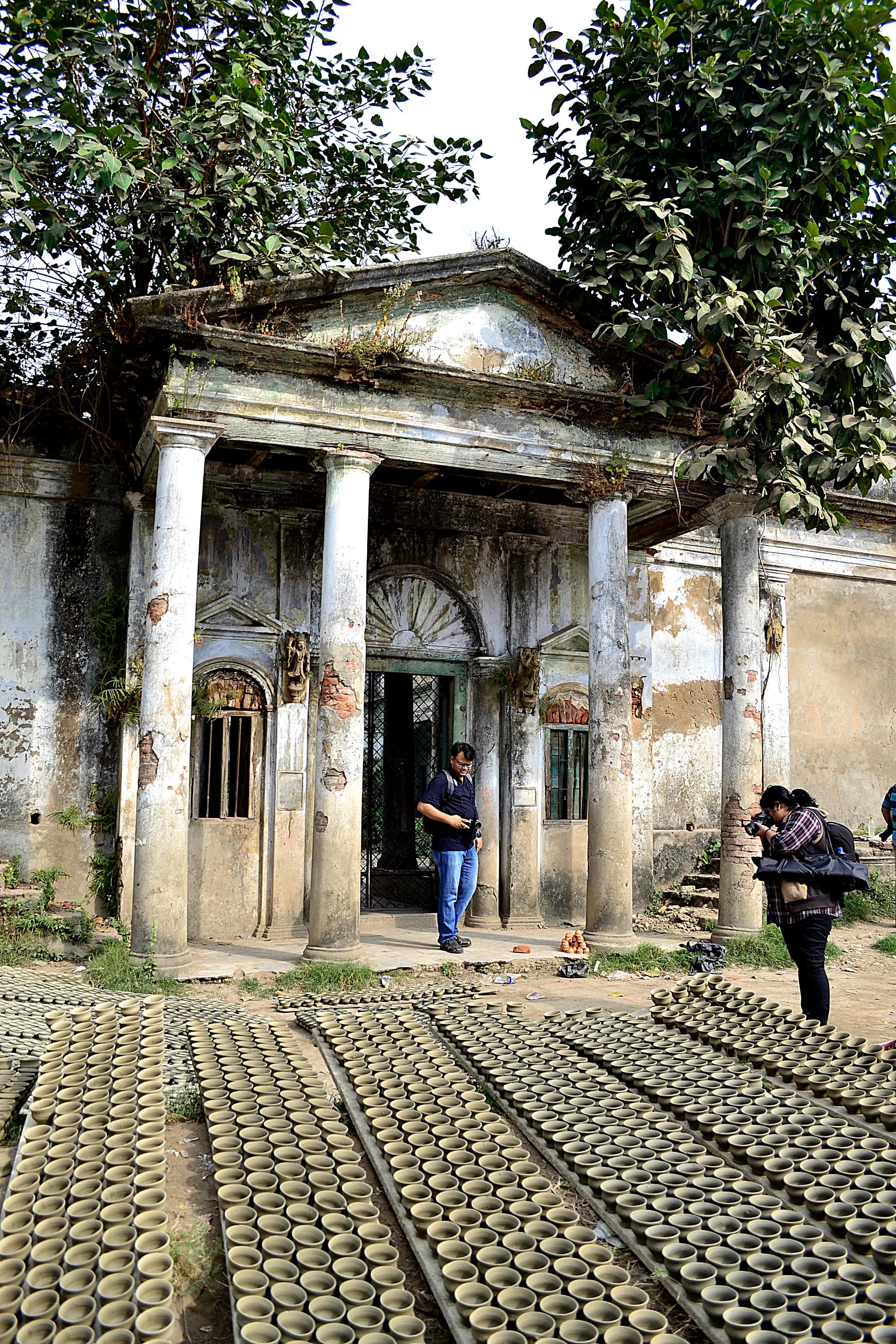
The air hung heavy with the scent of incense and marigold garlands as I approached Harihar Dham, a sprawling temple complex nestled amidst the rolling hills of Giridih, Jharkhand. The sheer scale of the site was immediately striking. Towering shikharas, reminiscent of the Nagara style prevalent in my home state of Madhya Pradesh, pierced the sky, their sandstone surfaces gleaming a warm ochre under the late afternoon sun. Unlike the intricate carvings that adorn many Madhya Pradesh temples, these shikharas possessed a certain stark elegance, their smooth surfaces punctuated only by rhythmic projections and a simple amalaka crowning each spire. My lens immediately gravitated towards the main temple dedicated to Harihar, the combined form of Vishnu (Hari) and Shiva (Har). The structure, a blend of North and South Indian architectural styles, showcased a fascinating interplay of influences. The curvilinear shikhara, a hallmark of the Nagara style, dominated the skyline, while the square mandapa, with its sturdy pillars and pyramidal roof, hinted at a Dravidian influence. This fusion, rarely seen in such a pronounced manner, spoke volumes about the region's rich cultural crossroads. As I circled the main temple, I noticed intricate carvings adorning the doorway. Depictions of deities, celestial beings, and scenes from Hindu mythology unfolded in meticulous detail. The sandstone, weathered by time and the elements, lent these carvings a unique patina, a testament to the temple's enduring presence. I spent a considerable amount of time documenting these narrative panels, each one a window into the rich tapestry of Hindu beliefs. Beyond the main temple, the complex sprawled across a vast area, encompassing smaller shrines dedicated to various deities. A particularly captivating structure was the temple dedicated to Radha-Krishna. Its smaller scale and ornate carvings provided a stark contrast to the imposing grandeur of the Harihar temple. The delicate latticework screens, known as jalis, allowed for a play of light and shadow within the sanctum, creating an ethereal atmosphere. I captured the interplay of light filtering through these jalis, highlighting the intricate carvings of the divine couple. One aspect that truly captivated me was the presence of numerous smaller shrines scattered throughout the complex, almost like miniature echoes of the main temple. Each shrine, though smaller in scale, possessed its own unique architectural character, showcasing variations in shikhara design and decorative elements. This decentralized approach to temple architecture created a sense of exploration and discovery, inviting visitors to wander through the complex and uncover hidden gems. The presence of a large water tank, or kunda, added another layer to the site's spiritual significance. Devotees were performing ritual ablutions in the kunda, their chants and prayers resonating through the air. The reflection of the towering shikharas in the still water of the kunda created a mesmerizing visual, a perfect blend of the built and natural environment. I captured this scene, aiming to convey the serene atmosphere and the deep spiritual connection that permeated the site. My experience at Harihar Dham was more than just a photographic documentation; it was an immersion into a vibrant spiritual landscape. The architectural nuances, the intricate carvings, and the palpable devotion of the pilgrims all contributed to a profound sense of place. As I packed my equipment, I felt a deep sense of gratitude for the opportunity to witness and document this remarkable testament to India's rich cultural heritage. The images I captured, I hope, will serve as a window into this sacred space, allowing others to glimpse the beauty and spiritual significance of Harihar Dham.
Nainativu Nagapooshani Amman Temple Nainativu Jaffna Sri Lanka
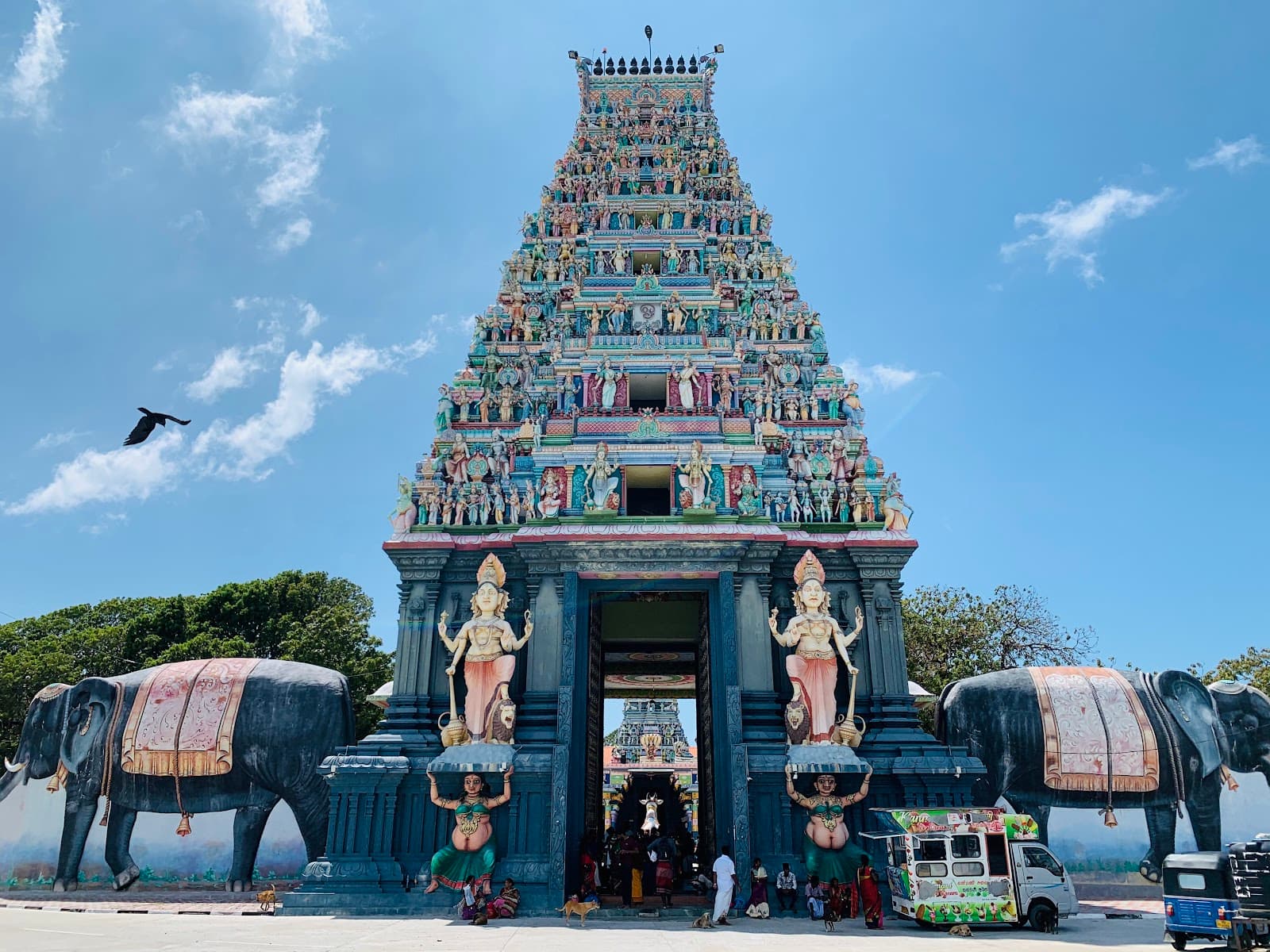
Nainativu Nagapooshani Amman Temple, dramatically situated on the sacred island of Nainativu off the coast of Jaffna in northern Sri Lanka, represents one of the most extraordinary and spiritually significant Hindu temples in South Asia, with ancient origins and an 18th-century reconstruction that serves as a major center of Shakti worship dedicated to the goddess Nagapooshani Amman, creating a powerful testament to the profound transmission of Indian Shakta religious and architectural traditions to Sri Lanka. The temple complex, also known as Nainativu Nagapooshani Kovil, features sophisticated Dravidian architectural elements that demonstrate the direct transmission of South Indian temple architecture, particularly the traditions of the Pallava, Chola, and Pandya dynasties, with local adaptations that reflect the sophisticated synthesis of Indian Shakta religious and artistic traditions with Sri Lankan building techniques, while the temple's location on the sacred island of Nainativu, accessible only by boat, underscores its spiritual significance as a place of pilgrimage that has attracted devotees from across South India and Sri Lanka for centuries. The temple's architectural layout, with its central sanctum housing the goddess Nagapooshani Amman surrounded by multiple enclosures, gopurams, and subsidiary shrines dedicated to various deities including Shiva, Ganesha, and Murugan, follows sophisticated South Indian Dravidian temple planning principles that were systematically transmitted from the great temple complexes of Tamil Nadu, while the temple's extensive decorative programs including sculptures, carvings, and architectural elements demonstrate the sophisticated synthesis of Indian Shakta iconography and artistic traditions with local Sri Lankan aesthetic sensibilities. Archaeological evidence reveals that the temple served as a major center of Shakti worship for centuries, attracting pilgrims from across South India and Sri Lanka, while the discovery of numerous inscriptions in Tamil and Sanskrit provides crucial evidence of the site's role in the transmission of Indian religious texts and practices to Sri Lanka, demonstrating the sophisticated understanding of Indian Shakta traditions possessed by the temple's patrons and religious establishment. The temple's association with the sacred island of Nainativu, which is also home to a Buddhist stupa, demonstrates the sophisticated religious syncretism that has characterized Sri Lankan religious practices, while the temple's annual festivals attract thousands of devotees and demonstrate the continued vitality of Indian religious traditions in Sri Lanka. The temple complex underwent major reconstruction in the 18th century, with the current structure representing a faithful preservation of the temple's original Dravidian architectural character and spiritual significance, while ongoing archaeological research continues to reveal evidence of the temple's ancient origins and its role in the transmission of Indian religious traditions to Sri Lanka. Today, Nainativu Nagapooshani Amman Temple stands as one of the most important Hindu pilgrimage sites in northern Sri Lanka, serving as a powerful testament to the transmission of Indian Shakta culture and architecture to Sri Lanka, while ongoing archaeological research and conservation efforts continue to protect and study this extraordinary cultural treasure that demonstrates the profound impact of Indian civilization on Sri Lankan religious and artistic traditions. ([1][2])
Po Rome Towers Ninh Thuan Vietnam
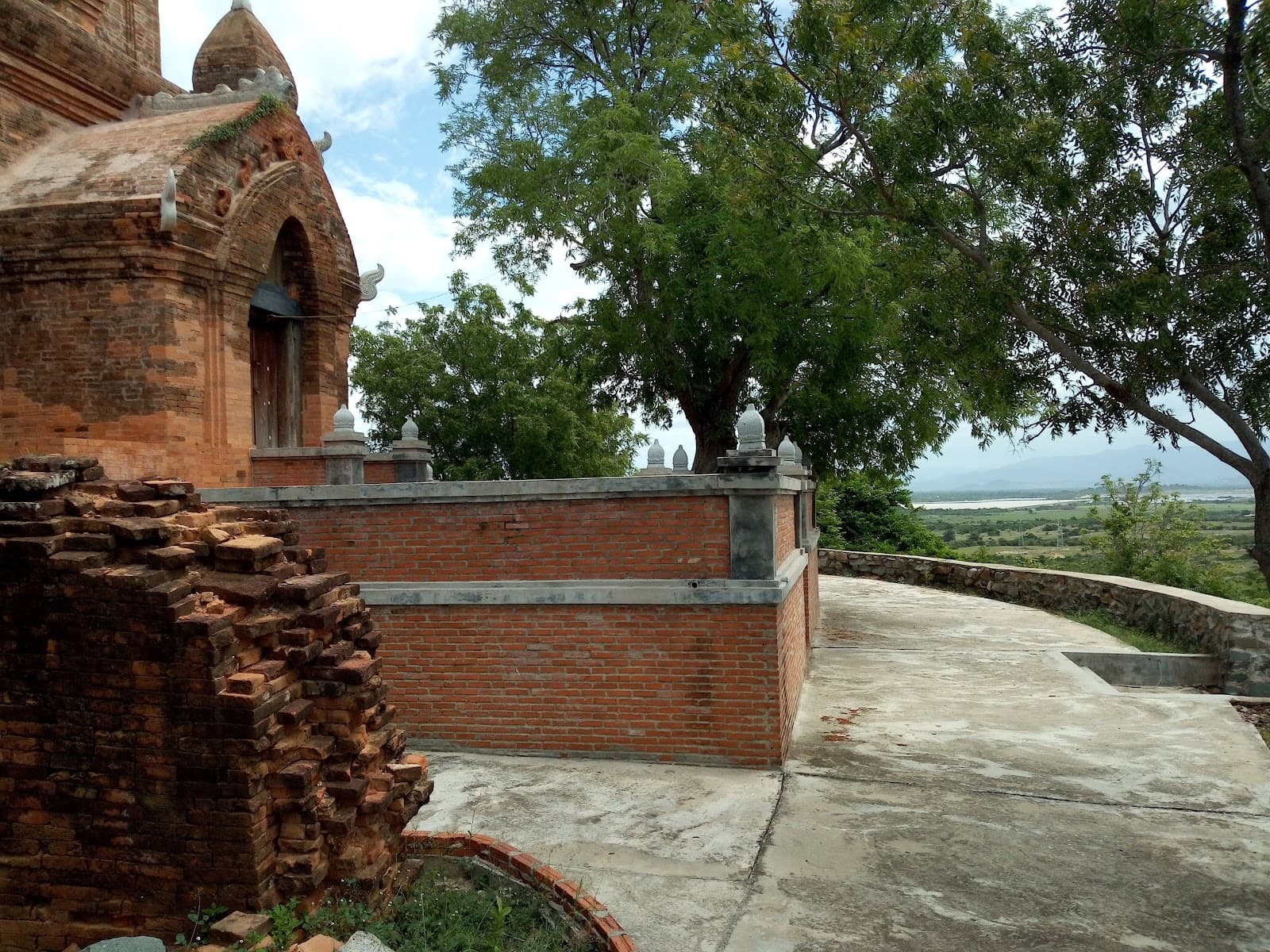
Po Rome Towers, located in Ninh Thuan Province, Vietnam, represent one of the last and most historically significant Cham Hindu temple complexes constructed in Vietnam, built in the 17th century CE to honor King Po Rome, a revered Champa monarch who is remembered for his leadership during a period of significant challenges for the Champa Kingdom, creating a powerful testament to the enduring transmission of Indian Hindu religious and architectural traditions to Southeast Asia even during the late medieval period when Champa faced increasing pressure from neighboring powers. The temple complex, constructed primarily from red brick with sandstone decorative elements, features distinctive Cham tower architecture that demonstrates the continued synthesis of Indian Hindu temple architecture, particularly the Dravidian traditions of southern India, with indigenous Cham building techniques, creating a unique architectural expression that reflects Champa's persistent engagement with Indian religious and cultural traditions despite political and military challenges. The towers feature elaborate decorative programs including bas-reliefs and sculptures that demonstrate the direct transmission of Indian Hindu iconography and artistic traditions, while the discovery of inscriptions provides crucial evidence of the site's role as a center for the transmission of Indian religious texts and practices to Southeast Asia, even during a period when Champa's political power was in decline. The site's location, chosen according to Indian cosmological principles, underscores its spiritual significance, while the complex's architectural design demonstrates the sophisticated understanding of Indian temple planning principles possessed by late Cham architects, who continued to maintain and transmit Indian architectural traditions despite the kingdom's challenges. Archaeological evidence reveals that the complex served as a major center of Hindu worship for the Champa Kingdom, while the site's historical significance as one of the last major Cham temples provides crucial insights into the persistence of Indian Hindu traditions in Southeast Asia even during periods of political change. Today, Po Rome Towers stand as an important Cham Hindu temple in Vietnam, serving as a powerful testament to the enduring transmission of Indian Hindu culture and architecture to Southeast Asia, while the site's continued function as an active place of worship by Cham communities demonstrates the lasting vitality of Hindu religious practices in Vietnam and the resilience of Indian-Cham cultural exchange. ([1][2])
Srikalahasti Temple Srikalahasti
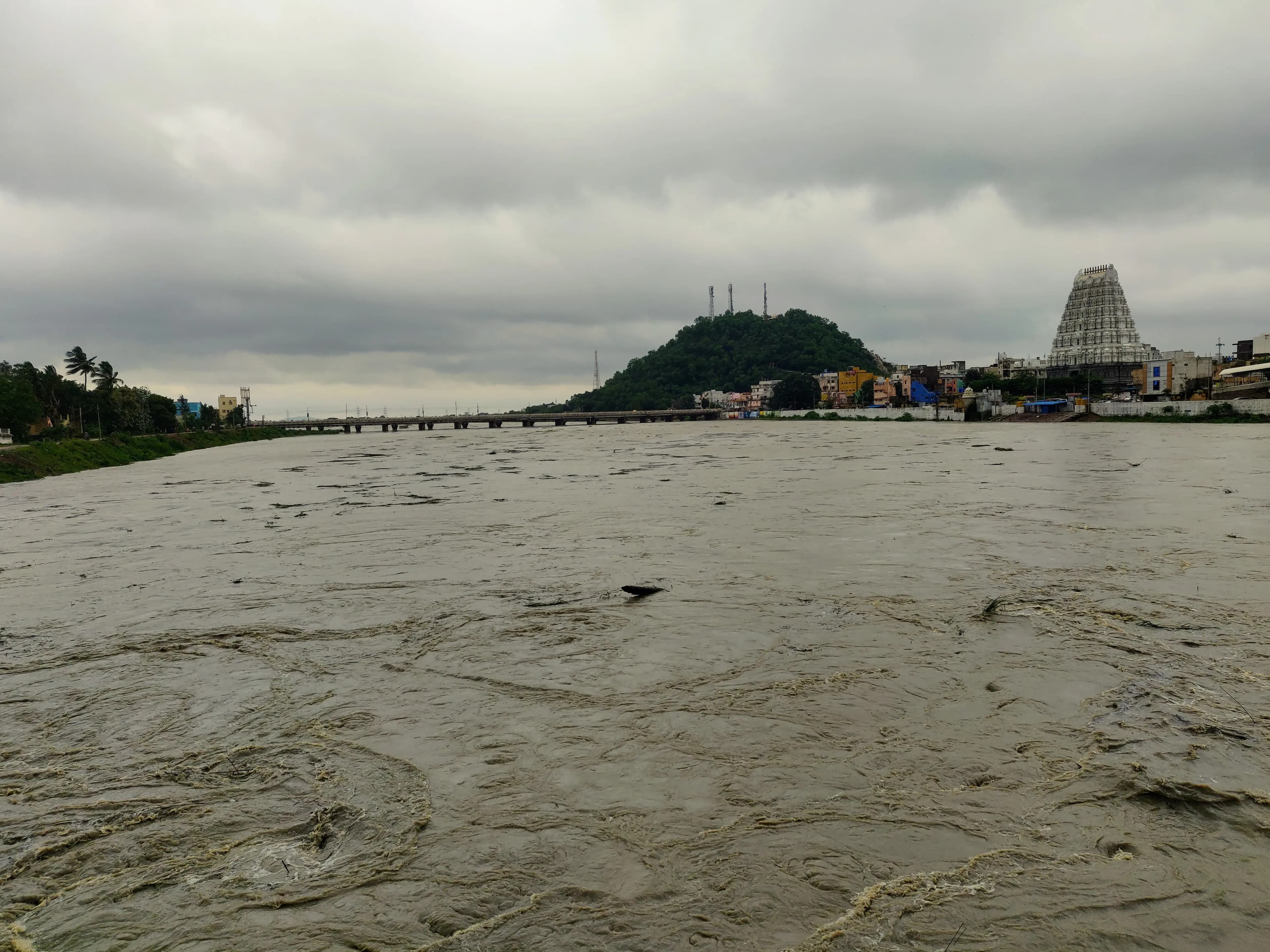
The air hung thick with incense and the murmur of chanting as I stepped through the towering gopuram of the Srikalahasti Temple. Sunlight, fractured by the intricate carvings, dappled the stone floor, creating an ethereal atmosphere. This wasn't just another temple on my UNESCO World Heritage journey across India; Srikalahasti held a different energy, a palpable sense of ancient power. Located in the Chittoor district of Andhra Pradesh, this temple, dedicated to Vayu, the wind god, is a testament to centuries of devotion and architectural brilliance. My eyes were immediately drawn upwards to the main Vimana, the Shikharam, soaring above the inner sanctum. This impressive structure, known as the Vayu Lingam, is not a sculpted idol but a natural rock formation believed to be a manifestation of Vayu. The flickering lamps surrounding it cast dancing shadows, adding to the mystique. The temple's Dravidian architecture is a marvel, with its intricate carvings depicting scenes from Hindu mythology. I spent a considerable amount of time studying the detailed friezes, each panel narrating a story, a testament to the skill of the artisans who crafted them centuries ago. The vibrant colours, though faded with time, still hinted at the temple's former glory. One of the most striking features of Srikalahasti is its massive, 100-pillar mandapam. The sheer scale of this hall is breathtaking. Each pillar is a work of art, adorned with elaborate carvings of deities, mythical creatures, and floral motifs. I could almost hear the echoes of ancient ceremonies and festivals that must have taken place within these hallowed walls. Walking through the mandapam, I felt a sense of connection to the generations of devotees who had walked this same path before me. The temple complex is vast, encompassing several smaller shrines dedicated to various deities. I explored each one, noting the unique architectural nuances and the distinct atmosphere they held. The shrine of Kalahasteeswara, a form of Shiva, is particularly noteworthy. The legend of the spider, the snake, and the elephant, each offering their devotion to Shiva in their own way, is deeply embedded in the temple's lore and adds another layer of spiritual significance to the site. Beyond the architectural grandeur, what truly captivated me at Srikalahasti was the palpable devotion of the pilgrims. From the elderly woman whispering prayers with closed eyes to the young family offering coconuts, the air was thick with faith. Witnessing this fervent devotion firsthand gave me a deeper understanding of the temple's significance, not just as a historical monument but as a living, breathing centre of spirituality. As I left the temple, the chanting still resonated in my ears. Srikalahasti is more than just a collection of stones and carvings; it's a testament to the enduring power of faith and the artistic brilliance of a bygone era. It's a place where history, mythology, and spirituality intertwine, creating an experience that stays with you long after you've left its sacred grounds. Of all the UNESCO sites I've visited in India, Srikalahasti holds a special place, a reminder of the rich tapestry of culture and belief that makes this country so unique. The wind, whispering through the temple towers, seemed to carry the echoes of centuries of prayers, a testament to the enduring spirit of this ancient sanctuary.
Janjgir Vishnu Mandir Janjgir
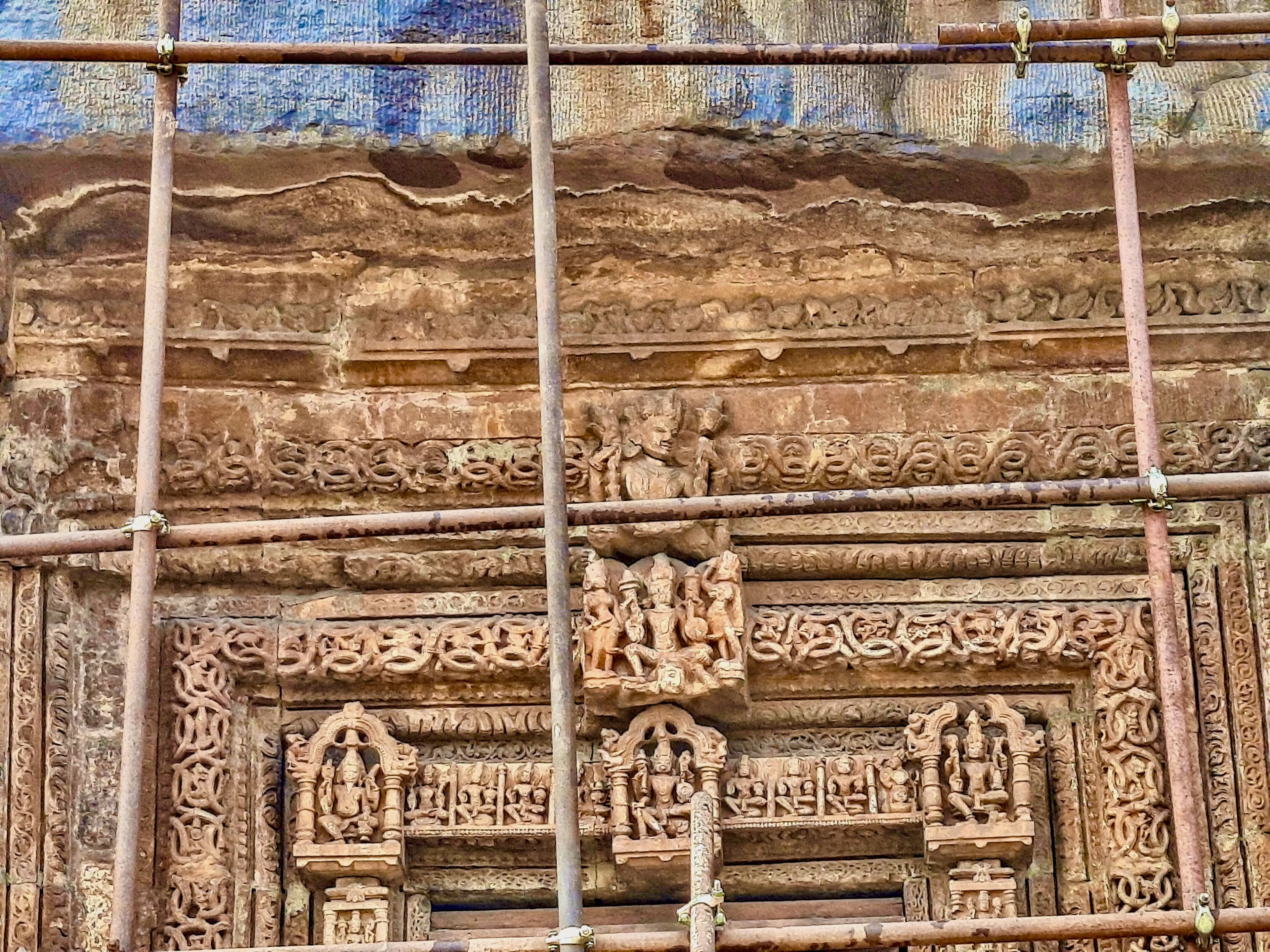
The midday sun beat down on the central Chhattisgarh plains as I approached the Janjgir Vishnu Mandir, its sandstone bulk shimmering in the heat. Having explored countless forts and palaces of Rajasthan, I was eager to see how this relatively lesser-known temple compared to the architectural marvels of my home state. The structure, dedicated to Lord Vishnu, stood on a raised platform, its profile dominated by a soaring shikhara, reminiscent of the Nagara style I was so familiar with, yet distinct in its proportions and detailing. Climbing the worn stone steps, I felt a palpable sense of history beneath my feet. The temple, believed to be constructed during the Kalachuri dynasty between the 11th and 12th centuries, exuded an aura of quiet dignity. Unlike the bustling temple complexes I’d encountered elsewhere, Janjgir Vishnu Mandir possessed a tranquil atmosphere, conducive to contemplation. The main entrance, guarded by intricately carved dwarapalas (door guardians), led into a mandapa, or pillared hall. The pillars, though weathered by time, retained their detailed carvings depicting scenes from Hindu mythology, including various avatars of Vishnu. I was particularly struck by the depiction of Varaha, the boar incarnation, rescuing the earth goddess Bhudevi, a motif I’d seen countless times in Rajasthani sculptures, but here it possessed a unique regional flavour. The mandapa opened into the garbhagriha, the sanctum sanctorum, where the presiding deity, a four-armed Vishnu, resided. Unfortunately, photography wasn't permitted inside, but the mental image of the deity, carved from black stone and adorned with silver ornaments, remained etched in my mind. The dimly lit space, fragrant with incense and the murmur of prayers, evoked a sense of reverence that transcended the physical realm. Stepping back out into the sunlight, I began to appreciate the nuances of the temple's architecture. The shikhara, while sharing similarities with the curvilinear towers of North Indian temples, possessed a more elongated and pointed profile, perhaps influenced by the local architectural traditions. The exterior walls were adorned with intricate carvings of deities, celestial beings, and geometric patterns. Unlike the profuse ornamentation of some Rajasthani temples, the carvings here were more restrained, emphasizing elegance over exuberance. I noticed the use of sandstone blocks of varying sizes, fitted together with precision, a testament to the skill of the ancient craftsmen. Circumambulating the temple, I discovered a series of smaller shrines dedicated to various deities, including Shiva and Shakti. These subsidiary shrines, though less elaborate than the main temple, added to the overall spiritual significance of the site. I was particularly intrigued by a small, almost hidden shrine dedicated to the serpent god, Naga. The presence of Naga worship, while not uncommon in India, seemed to suggest a confluence of different religious traditions in this region. As I sat on the edge of the platform, gazing at the surrounding landscape, I reflected on the unique character of the Janjgir Vishnu Mandir. It wasn't as grand or imposing as some of the monumental temples I’d seen, but it possessed a quiet charm and a sense of historical continuity that resonated deeply. The temple wasn't merely a static monument; it was a living testament to the faith and devotion of generations past, a place where the whispers of ancient prayers still lingered in the air. It served as a reminder that architectural marvels aren't confined to grand palaces and imposing forts; they can also be found in the quiet corners of the country, waiting to be discovered by those who seek them out. My journey to Janjgir, though a departure from the familiar landscapes of Rajasthan, proved to be a rewarding experience, enriching my understanding of India's diverse architectural heritage.
Phanom Rung Historical Park Buri Ram
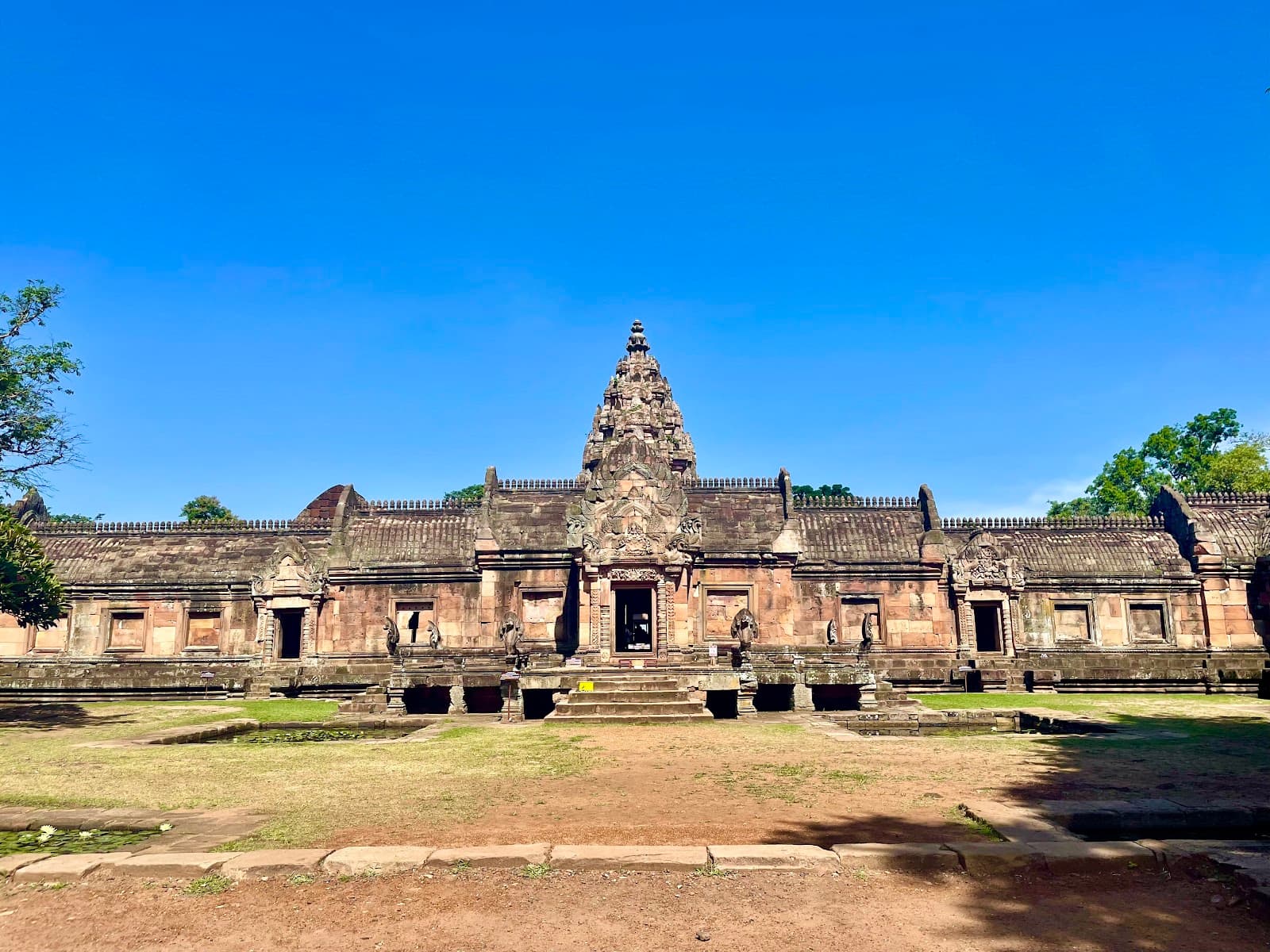
Phanom Rung Historical Park, situated atop an extinct volcano 383 meters above sea level in Buri Ram Province, represents the most complete and architecturally sophisticated Khmer Hindu temple complex in Thailand, dedicated to Shiva as Bhadreshvara. The temple complex, constructed between the 10th and 13th centuries CE, spans approximately 60 hectares and features a meticulously planned east-west axis aligned precisely to capture the sunrise through all fifteen doorways during the equinoxes—a phenomenon that draws thousands of visitors annually. The main prasat (sanctuary tower) rises 27 meters, constructed from pink sandstone and laterite, accessed via a 160-meter-long processional walkway flanked by naga balustrades and punctuated by four cruciform gopuras. The complex includes three libraries, two ponds, and numerous subsidiary shrines, all demonstrating the evolution from Baphuon to Angkor Wat architectural styles. The temple’s lintels and pediments showcase exceptional bas-relief work depicting scenes from the Ramayana, Shiva’s cosmic dance, and various Hindu deities, with the famous Narai Bantomsin lintel considered among the finest examples of Khmer art. Archaeological excavations have revealed evidence of continuous use from the 10th century through the 15th century, with restoration work conducted by the Fine Arts Department of Thailand from 1971 to 1988, culminating in the site’s designation as a historical park in 1988. The temple remains an active site of worship during annual festivals, particularly during the Phanom Rung Festival in April, when traditional Brahmin ceremonies are performed. ([1][2])
Vaikom Mahadeva Temple Vaikom
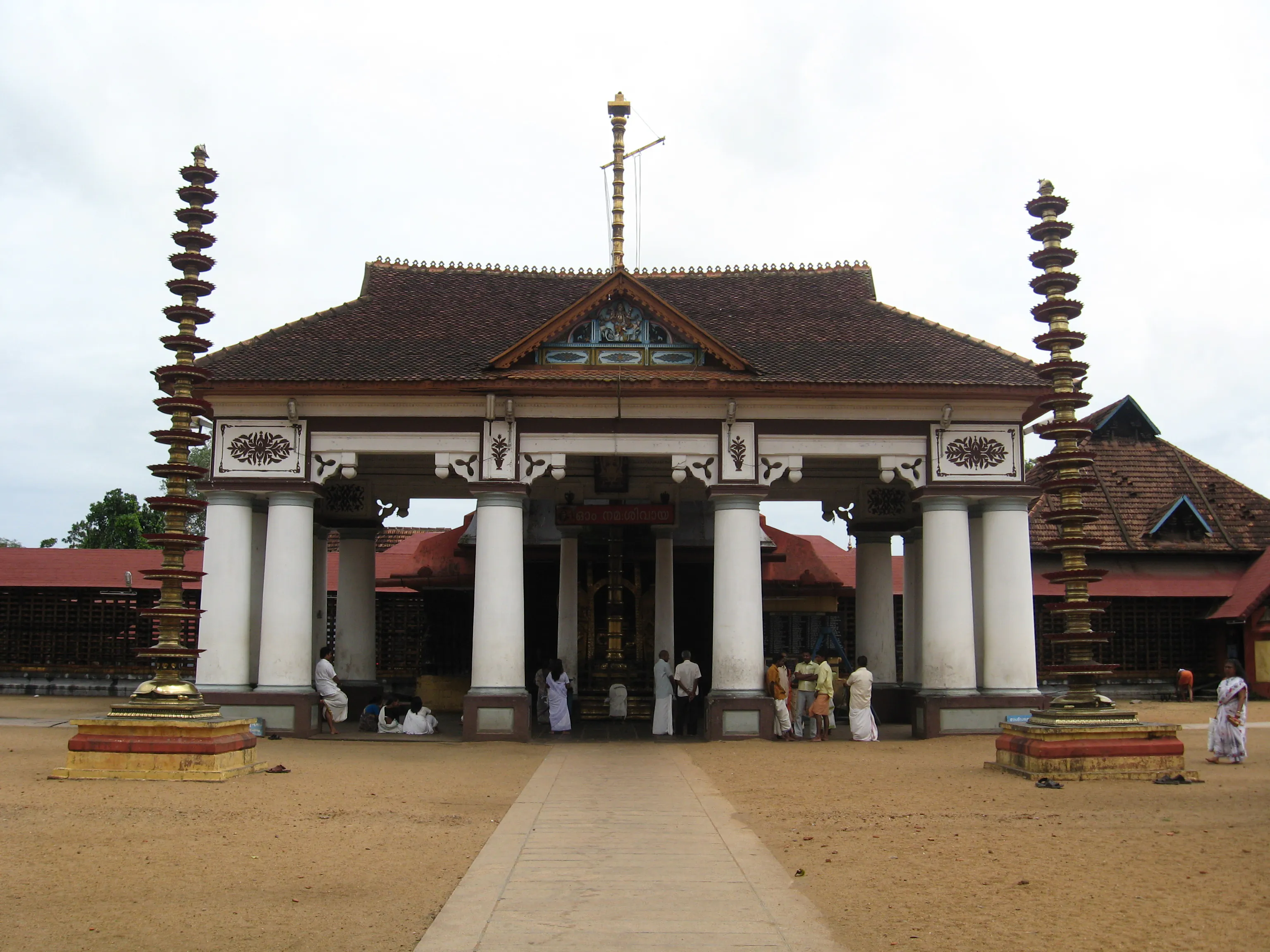
The air hung heavy with the scent of incense and jasmine as I stepped through the imposing gopuram of the Vaikom Mahadeva Temple. Sunlight, filtered through the intricate carvings of the gateway, dappled the stone courtyard, creating an atmosphere of serene grandeur. This wasn't just another temple; it was a palpable link to Kerala's rich architectural and spiritual past. Located in the heart of Vaikom, on the shores of Vembanad Lake, the temple’s location itself speaks volumes about its historical significance – a confluence of faith and the natural world. The temple, dedicated to Lord Shiva, is one of the oldest and most revered in Kerala, its origins shrouded in legends that predate recorded history. While the current structure likely dates back to the 16th century, with renovations and additions over the centuries, the palpable antiquity of the site suggests a much older spiritual core. The circular sanctum sanctorum, or *sreekovil*, is the heart of the temple. Its copper-plated conical roof, gleaming under the tropical sun, is a classic example of Kerala temple architecture. The sloping roof, supported by massive wooden beams and adorned with intricate brass finials, creates a sense of ascending power, drawing the eye heavenward. Circumambulating the *sreekovil*, I observed the exquisite craftsmanship on the granite walls. Elaborate carvings depicting scenes from the epics, the Ramayana and the Mahabharata, unfolded in intricate detail. These weren't mere decorations; they were narratives etched in stone, whispering tales of devotion, duty, and divine intervention. The figures, despite the weathering of time, retained a remarkable dynamism, their expressions conveying a range of emotions from serene contemplation to fierce determination. The sheer skill of the artisans who breathed life into these stone narratives centuries ago left me awestruck. The *namaskara mandapam*, the hall for devotees to offer prayers, is another architectural marvel. Its massive granite pillars, intricately carved with floral motifs and mythical creatures, support a sloping tiled roof. The play of light and shadow within this space creates a sense of quiet contemplation, a perfect setting for spiritual reflection. Unlike the ornate exuberance of some South Indian temples, Vaikom Mahadeva Temple maintains a certain dignified restraint in its ornamentation. The focus remains firmly on the spiritual core, the *sreekovil*, and the palpable energy that emanates from it. One of the most striking features of the temple is the absence of a typical *gopuram* at the eastern entrance. Local lore attributes this to the belief that the deity faces west, towards the Vembanad Lake, a unique deviation from traditional temple architecture. This subtle difference underscores the distinct character of Vaikom Mahadeva Temple, a place where local beliefs and traditions have shaped the architectural narrative. Beyond the main structures, the temple complex encompasses several smaller shrines dedicated to other deities, each with its own unique architectural character. The *balikalpura*, a small shrine dedicated to the serpent deities, is particularly noteworthy for its intricate wood carvings. The surrounding walls are adorned with vibrant murals depicting scenes from local folklore, adding another layer to the rich tapestry of the temple's narrative. My visit to Vaikom Mahadeva Temple was more than just an architectural exploration; it was a journey into the heart of Kerala's spiritual and cultural heritage. The temple stands as a testament to the enduring power of faith and the remarkable artistry of generations past. It's a place where the whispers of history mingle with the chants of devotion, creating an atmosphere of profound serenity and timeless beauty. As I left the temple precincts, the scent of incense still clinging to my clothes, I carried with me not just memories of intricate carvings and soaring roofs, but a deeper understanding of the profound connection between architecture and spirituality in ancient India.
Quick Links
Plan Your Heritage Journey
Get personalized recommendations and detailed visitor guides