Has Inheritage Foundation supported you today?
Your contribution helps preserve India's ancient temples, languages, and cultural heritage. Every rupee makes a difference.
Secure payment • Instant 80G certificate
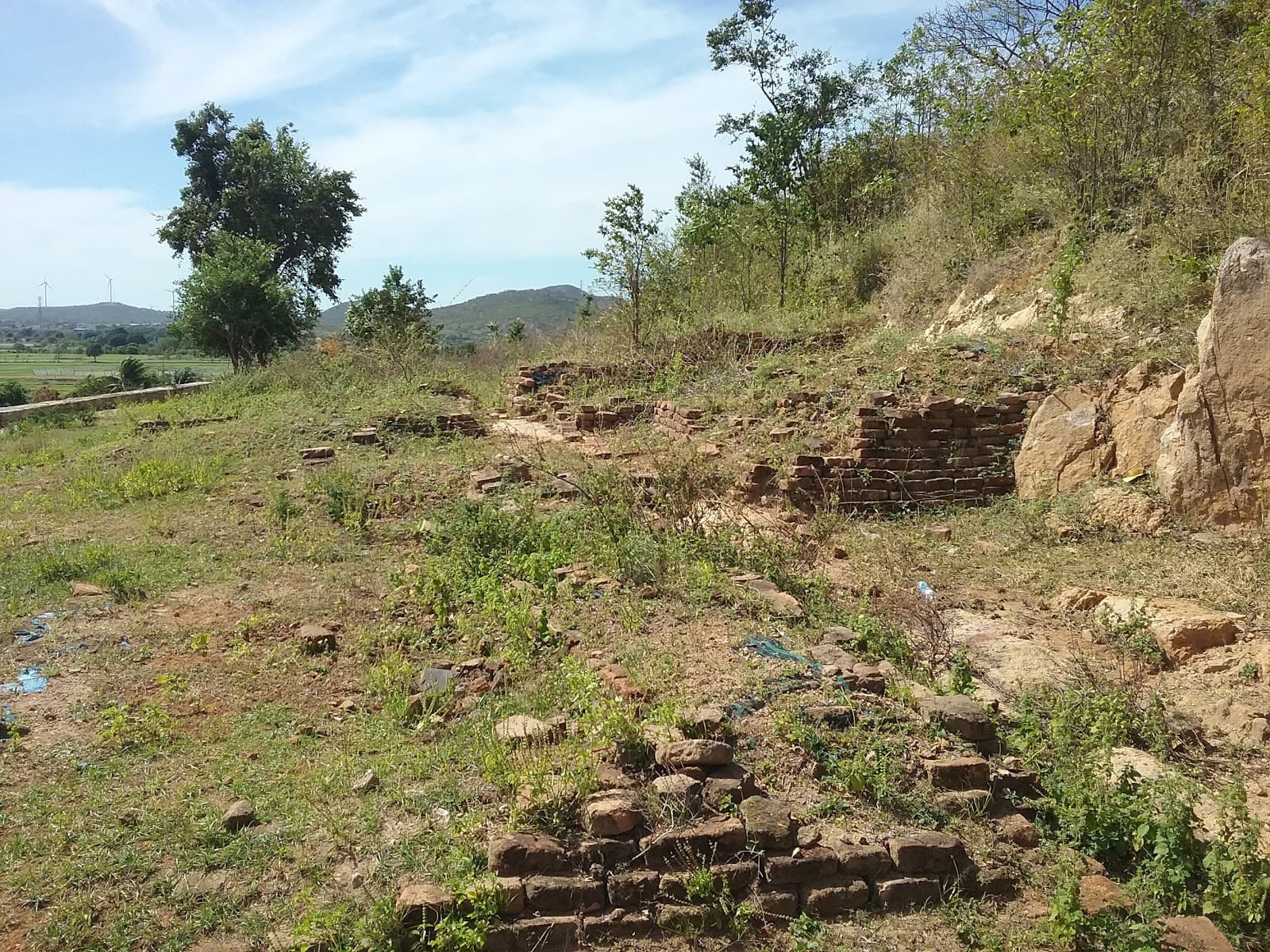
Po Dam Towers Binh Thuan Vietnam
Po Dam Towers, located in Binh Thuan Province, Vietnam, represent one of the earliest and most historically significant Cham Hindu temple complexes in southern Vietnam, constructed in the 8th century CE during the early period of Champa expansion, creating a powerful testament to the transmission of Indian Hindu religious and architectural traditions to Southeast Asia during the medieval period. The temple complex, constructed primarily from red brick with sandstone decorative elements, features distinctive Cham tower architecture that demonstrates the early synthesis of Indian Hindu temple architecture, particularly the Dravidian traditions of southern India, with indigenous Cham building techniques, creating a unique architectural expression that reflects Champa's initial engagement with Indian religious and cultural traditions. The towers feature elaborate decorative programs including bas-reliefs and sculptures that demonstrate the direct transmission of Indian Hindu iconography and artistic traditions, while the discovery of inscriptions provides crucial evidence of the site's role as a center for the transmission of Indian religious texts and practices to Southeast Asia. The site's location, chosen according to Indian cosmological principles, underscores its spiritual significance, while the complex's architectural design demonstrates the sophisticated understanding of Indian temple planning principles possessed by early Cham architects. Archaeological evidence reveals that the complex served as a major center of Hindu worship for the Champa Kingdom, while the site's historical significance as one of the earliest Cham temples provides crucial insights into the initial transmission of Indian Hindu traditions to Southeast Asia. Today, Po Dam Towers stand as an important Cham Hindu temple in Vietnam, serving as a powerful testament to the early transmission of Indian Hindu culture and architecture to Southeast Asia, while the site's historical significance ensures its ongoing importance as a cultural monument that documents the beginnings of Indian-Cham cultural exchange. ([1][2])
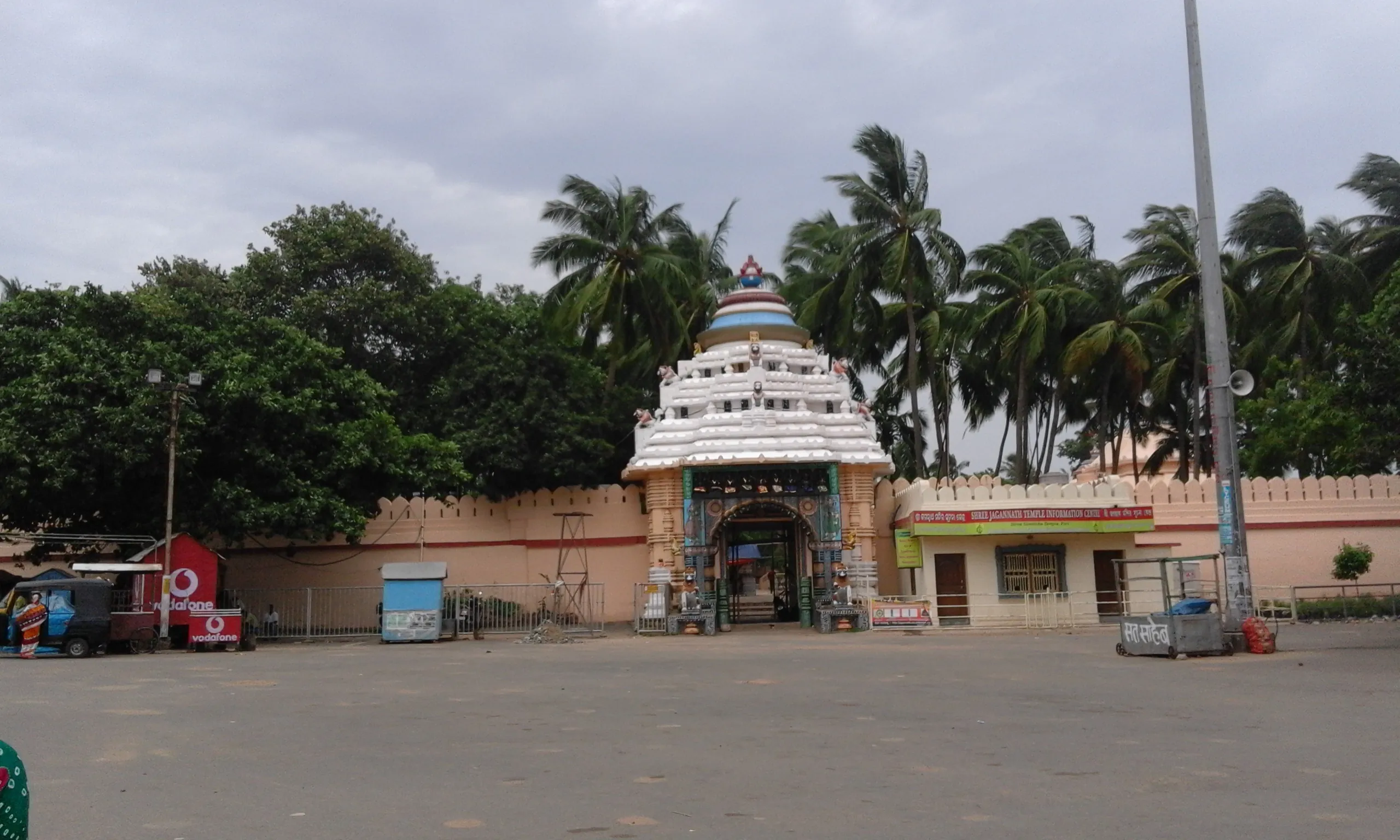
Gundicha Temple Puri
The midday sun beat down on the sand-coloured walls of the Gundicha Temple, lending a warm glow to the laterite stone. Standing within its precincts, I felt a palpable shift in atmosphere from the bustling Jagannath Temple a few kilometres away. While Jagannath’s abode vibrates with constant activity, Gundicha, known as the Garden House of Jagannath, exuded a serene, almost pastoral tranquility. This, I learned, is where the deities – Jagannath, Balabhadra, and Subhadra – spend their annual nine-day vacation during the Rath Yatra. My Chennai-trained eyes, accustomed to the granite grandeur of Dravidian architecture, were immediately struck by the Kalinga style’s unique characteristics. The temple, though smaller than Jagannath’s, shares a similar plan, with a deul (sanctum tower), jagamohan (assembly hall), and nata-mandir (festival hall). However, the deul’s curvilinear tower, a hallmark of Kalinga architecture, differed significantly from the pyramidal vimanas I was familiar with. The tower’s gentle upward sweep, culminating in a rounded amalaka and kalasa finial, created a sense of flowing movement, almost as if reaching towards the heavens. The absence of elaborate sculptural ornamentation, so characteristic of South Indian temples, further emphasized the temple's elegant simplicity. The jagamohan, with its pyramidal roof, provided a cool respite from the Odisha sun. Its plain walls, devoid of the intricate carvings seen in Dravidian mandapas, allowed the eye to focus on the overall proportions and the play of light and shadow. I noticed the use of iron beams in the construction of the roof, a feature rarely seen in South Indian temples of a similar period. This hinted at the region's historical expertise in metallurgy and its incorporation into temple architecture. The nata-mandir, a later addition to the complex, stood apart with its rectangular plan and sloping roof. Its open sides allowed for a free flow of air and provided a perfect vantage point for witnessing the rituals and festivities associated with the Rath Yatra. I could almost picture the deities being seated here, enjoying the devotional performances and the adulation of their devotees. As I walked around the temple, I observed the unique decorative elements that distinguished the Kalinga style. The pidha mundis, miniature replicas of the main tower, adorning the roofline, added a rhythmic visual interest. The khura, a decorative horse-shoe shaped element above the doorway, and the alasakanyas, celestial nymphs gracing the walls, provided subtle yet significant embellishments. While less profuse than the sculptural programs of South Indian temples, these elements possessed a distinct charm and conveyed a sense of refined elegance. The temple's connection to the Rath Yatra is palpable. The wide open space in front of the temple, known as the Bada Danda, serves as the main thoroughfare for the colossal chariots. Standing there, I imagined the electrifying atmosphere during the festival, the air thick with incense and the chants of devotees pulling the chariots. The Gundicha Temple, during those nine days, transforms from a tranquil retreat into the epicentre of a vibrant spiritual celebration. My visit to the Gundicha Temple was more than just an architectural exploration; it was an immersion into a different cultural and spiritual landscape. While the architectural vocabulary differed significantly from what I was accustomed to, the underlying devotion and the sanctity of the space resonated deeply. The temple’s simplicity, its connection to nature, and its role in the grand spectacle of the Rath Yatra offered a unique perspective on temple architecture and its role in shaping religious and cultural practices. It reinforced the idea that architectural styles, while diverse, ultimately serve as conduits for human spirituality and cultural expression.
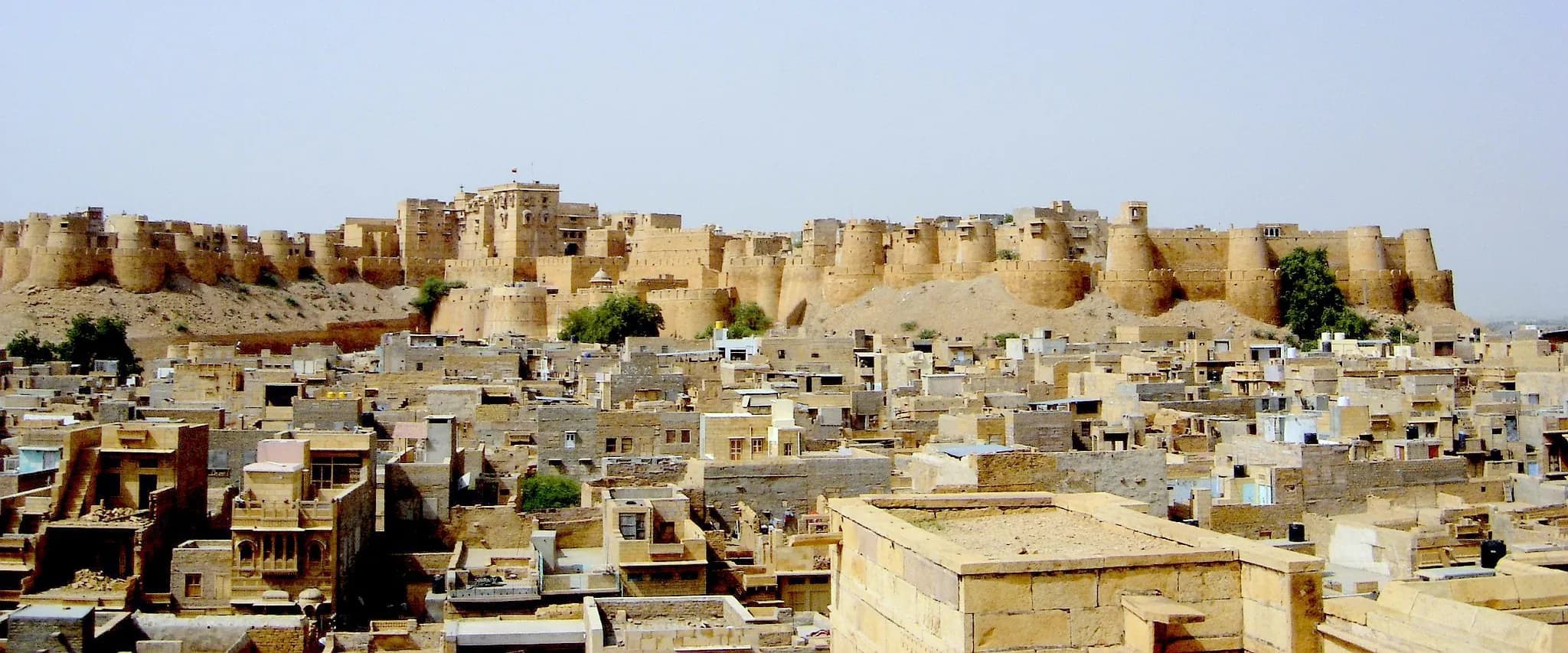
Jaisalmer Fort Jaisalmer
The wind, a constant companion in the Thar Desert, whipped around me as I ascended the winding ramparts of Jaisalmer Fort, a colossal sandstone behemoth rising from the desert itself. It wasn't just a fort; it was a living, breathing city, a testament to Rajputana resilience etched against the vast canvas of the Indian desert. My five-hundredth monument, and it felt like the first, the sheer scale and grandeur eclipsing everything I'd witnessed before. The "Sonar Quila," as it’s locally known, truly lived up to its golden moniker. The late afternoon sun bathed the fort in a warm, honeyed light, highlighting the intricate carvings that adorned every surface. It wasn't the polished, pristine beauty of some restored monuments; this was a beauty born of age and endurance, the sandstone weathered and textured, whispering tales of centuries past. Passing through the Suraj Pol, the main gate, I was immediately struck by the organized chaos within. Narrow, winding lanes, a vibrant tapestry of shops selling textiles, jewelry, and handicrafts, pulsed with life. It was a far cry from the sterile, museum-like atmosphere of some historical sites. Here, history wasn't confined to glass displays; it was lived, breathed, and bargained over. The architecture within the fort was a captivating blend of Rajput and Islamic styles. Jharokhas, the ornate balconies projecting from the haveli facades, offered glimpses into the opulent lives once lived within. I spent hours photographing these intricate details, the delicate latticework, the miniature arches, each a testament to the skill of the artisans who crafted them centuries ago. The Patwon Ki Haveli, a cluster of five interconnected havelis, was particularly striking, its facade a riot of intricate carvings that seemed to defy gravity. Climbing to the topmost ramparts, the city of Jaisalmer unfolded below me, a sea of golden rooftops merging seamlessly with the desert beyond. The panoramic view was breathtaking, the vastness of the landscape emphasizing the fort's strategic importance. I could almost imagine the Rajput warriors, standing on these very ramparts, scanning the horizon for approaching armies. The Jain temples within the fort were another highlight. Their intricate marble carvings, a stark contrast to the rough-hewn sandstone of the fort walls, spoke of a different kind of devotion. The play of light and shadow within the temples created an ethereal atmosphere, transporting me to a realm of quiet contemplation. But it wasn't just the grand architecture or the stunning views that captivated me. It was the people. The shopkeepers, the residents, the children playing in the narrow lanes – they were all part of the fort's living history. I spent time talking to them, listening to their stories, understanding their connection to this ancient place. A chai-wallah recounted tales passed down through generations, while a textile merchant explained the intricate patterns woven into the local fabrics. These interactions, these glimpses into everyday life, added another layer of depth to my understanding of Jaisalmer Fort. As the sun began to set, casting long shadows across the ramparts, I felt a profound sense of connection to this place. Jaisalmer Fort wasn't just a collection of stones and mortar; it was a living organism, a testament to human resilience and artistry. It was a place where history whispered from every corner, where the past and present intertwined seamlessly, creating an experience that transcended the visual and touched the soul. Leaving the fort, I carried with me not just photographs, but memories and stories, woven into the fabric of my own journey as a heritage photographer.
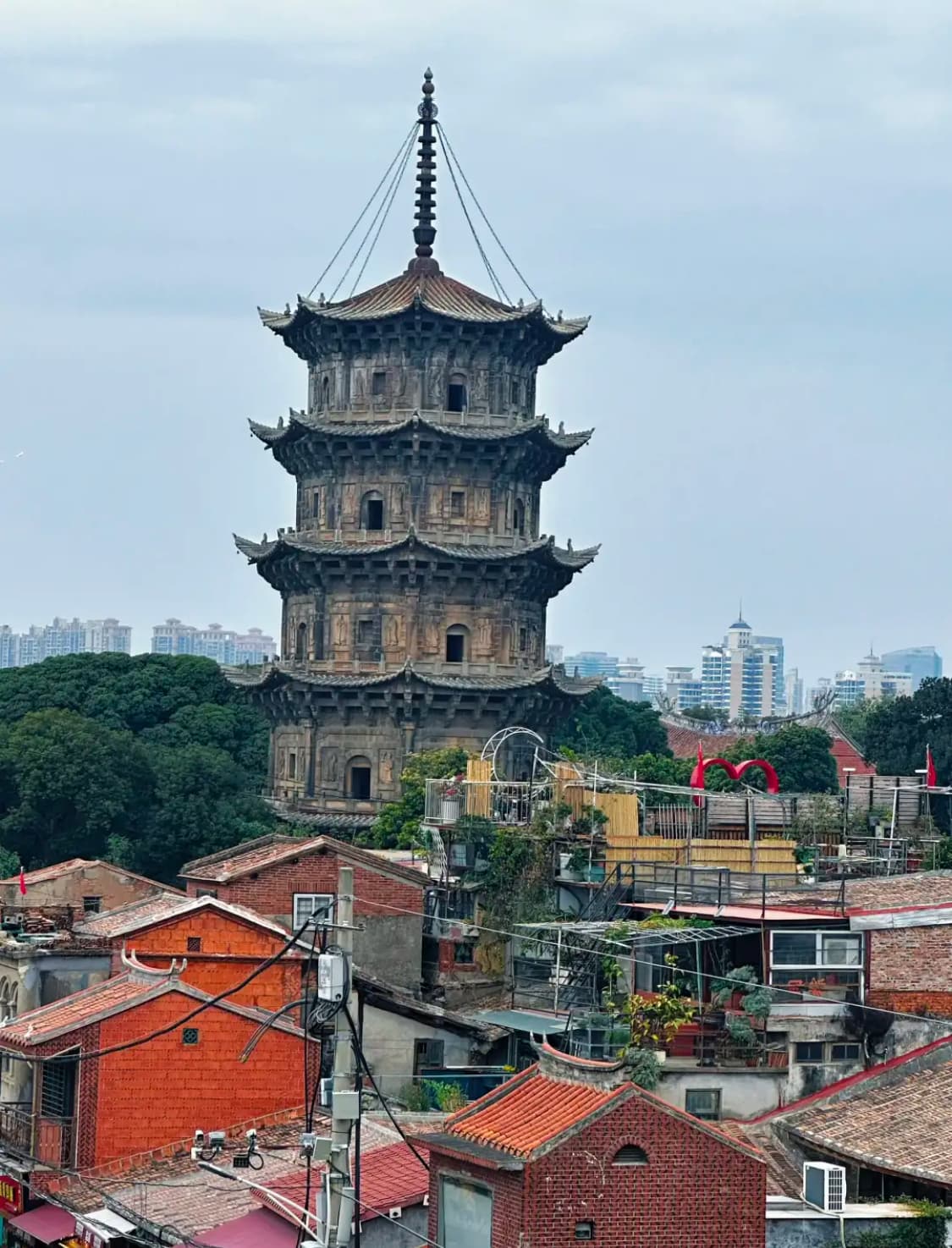
Kaiyuan Temple Quanzhou Fujian China
Kaiyuan Temple, dramatically situated in the historic city of Quanzhou in southeastern Fujian Province, represents one of the most extraordinary and archaeologically significant Buddhist temple complexes in China, dating from the 7th century CE and serving as a major center along the Maritime Silk Road that flourished as a cosmopolitan hub where Indian Hindu and Buddhist traditions, Chinese cultural influences, and Southeast Asian maritime cultures converged, creating a powerful testament to the profound transmission of Indian religious civilization to China during the medieval period. The site, featuring sophisticated Buddhist temple structures with the remarkable preservation of ancient Hindu stone columns that demonstrate clear connections to the architectural traditions of ancient India, particularly the sophisticated column design principles and decorative programs that were transmitted from the great temple centers of southern India, demonstrates the direct transmission of Indian architectural knowledge, religious iconography, and cultural concepts from the great centers of ancient India, particularly the sophisticated temple architecture traditions that were systematically transmitted to China through the extensive maritime trade networks that connected India with China, while the site's most remarkable feature is its extraordinary collection of ancient Hindu stone columns, originally from a Hindu temple that once stood on the site, featuring sophisticated carvings of Hindu deities, mythological scenes, and architectural elements that demonstrate remarkable parallels with Indian temple architecture traditions, particularly the structural techniques and decorative programs that were central to Indian temple architecture. The temple structures' architectural layout, with their sophisticated planning, central halls surrounded by subsidiary structures, and the integration of Hindu architectural elements into Buddhist temple design, follows planning principles that demonstrate remarkable parallels with Indian temple planning principles, particularly the structural techniques and decorative traditions that were central to Indian temple architecture, while the site's extensive archaeological remains including the Hindu stone columns, Buddhist sculptures, and architectural elements demonstrate the sophisticated synthesis of Indian Hindu and Buddhist iconography and cosmological concepts with local Chinese aesthetic sensibilities and building materials. Archaeological evidence reveals that the site served as a major center of religious activity and cultural exchange during the 7th through 13th centuries, attracting traders, monks, and pilgrims from across China, South Asia, and Southeast Asia, while the discovery of numerous artifacts including the Hindu stone columns with clear Indian stylistic influences, Buddhist sculptures that reflect Indian iconographic traditions, and architectural elements that reflect Indian architectural concepts provides crucial evidence of the site's role in the transmission of Indian religious traditions to China, demonstrating the sophisticated understanding of Indian temple architecture and religious practices possessed by the site's patrons and religious establishment. The site's association with the ancient city of Quanzhou, which flourished as a major trading port along the Maritime Silk Road with extensive connections to India and Southeast Asia, demonstrates the sophisticated understanding of Indian religious traditions that were transmitted to China, while the site's Hindu stone columns and Buddhist temple structures demonstrate remarkable parallels with Indian temple architecture traditions that were central to ancient Indian civilization. The site has been the subject of extensive archaeological research and conservation efforts, with ongoing work continuing to reveal new insights into the site's sophisticated architecture, religious practices, and its role in the transmission of Indian religious traditions to China, while the site's status as part of the Quanzhou UNESCO World Heritage Site demonstrates its significance as a major center for the transmission of Indian religious and cultural traditions to China. Today, Kaiyuan Temple stands as one of the most important religious sites in China, serving as a powerful testament to the transmission of Indian religious civilization to China, while ongoing archaeological research and conservation efforts continue to protect and study this extraordinary cultural treasure that demonstrates the profound impact of Indian civilization on Chinese religious and cultural development. ([1][2])
Dabhoi Fort Vadodara
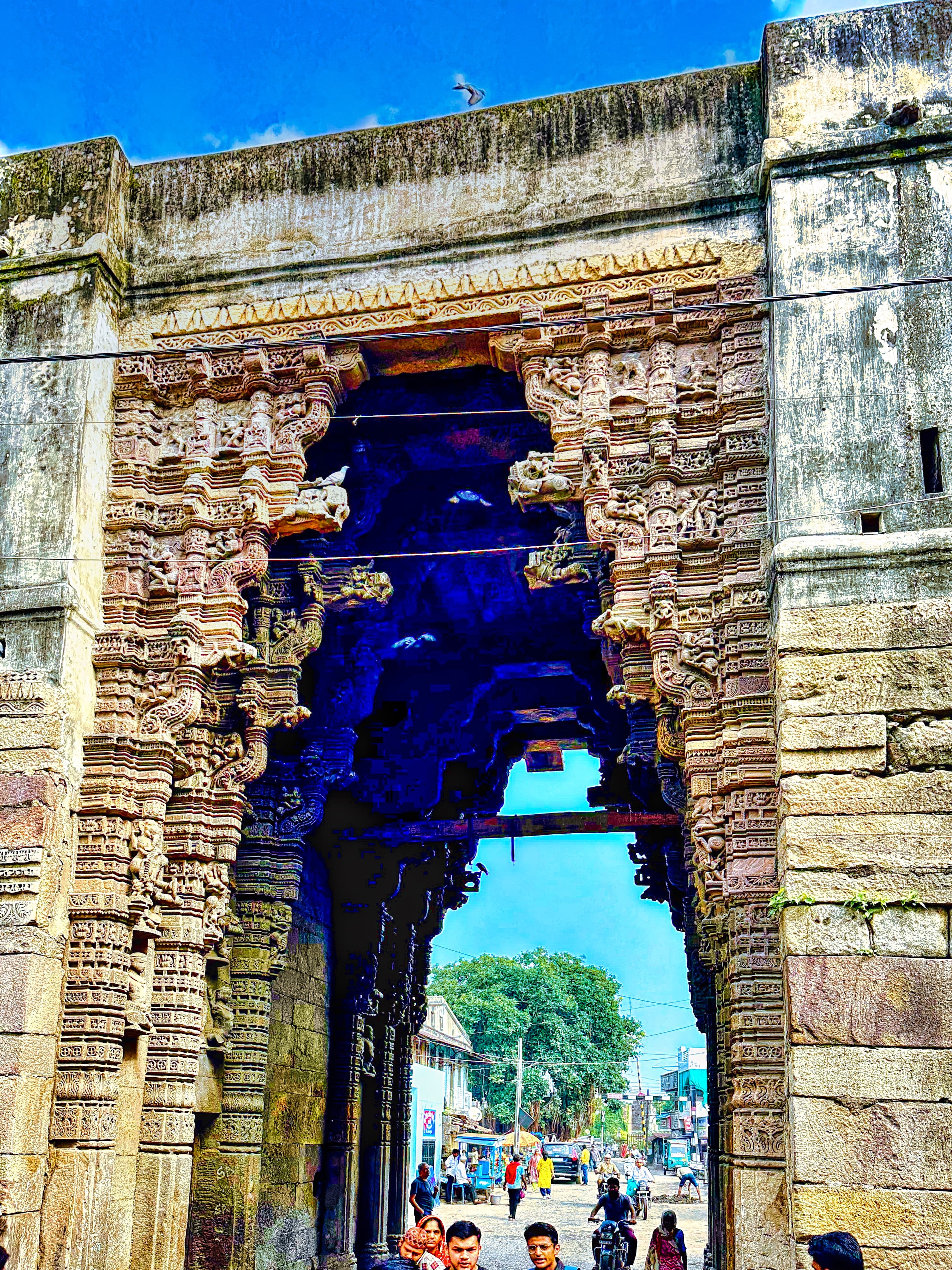
Approaching Dabhoi Fort in Gujarat, one confronts a formidable quadrangular structure erected circa 1150 CE during the Solanki dynasty ([1][2]). This fortified city, conceived by Siddhraj Jaisinh, showcases Chalukya architectural prowess and Hindu military strategy ([3]). Spanning over 60 acres, its sandstone and basalt walls, bonded with lime mortar, present a commanding presence ([4]). Intricate carvings adorning the Hira Bhagol (Diamond Gate) depict deities and scenes from epics, revealing the refined artistry of Solanki artisans ([1][3]). Strategic machicolations and jalis (latticework screens) ensured both defense and ventilation ([2]). The fort's layout reflects Vastu Shastra principles, the ancient Indian science of architecture, integrating residential, commercial, and sacred spaces ([5]). Within the fort, the Kalika Mata Temple stands as a testament to continuous religious practice, its architecture evolving through renovations ([1]). The temple's carvings, portraying various forms of the goddess, contrast with the fort's military austerity ([3]). Sophisticated drainage systems ensured sanitation, while four stepwells, including the Chand Baori, provided water ([4]). These vavs (stepwells) are elaborate subterranean structures, their geometric steps descending to the water level ([2]). Granite and sandstone blocks, meticulously carved, form the fort's bastions and ramparts ([3][4]). These ramparts, wide enough for chariots, offered strategic vantage points ([1]). Dabhoi Fort encapsulates Solanki-era urban planning and architectural ingenuity, reflecting a blend of military, artistic, and hydraulic engineering, embodying the rich heritage of Gujarat ([2][5]).
Phanom Rung Historical Park Buri Ram
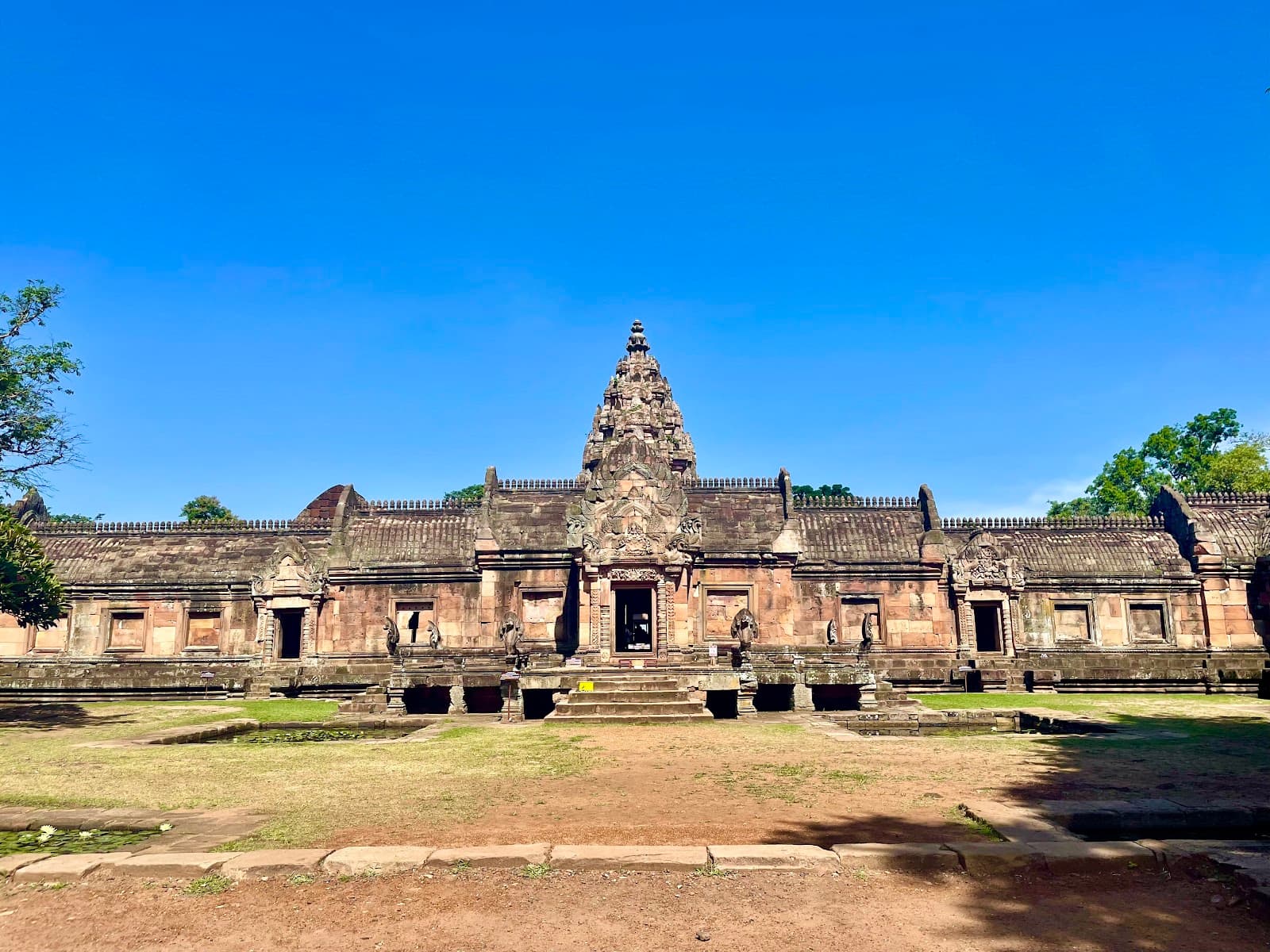
Phanom Rung Historical Park, situated atop an extinct volcano 383 meters above sea level in Buri Ram Province, represents the most complete and architecturally sophisticated Khmer Hindu temple complex in Thailand, dedicated to Shiva as Bhadreshvara. The temple complex, constructed between the 10th and 13th centuries CE, spans approximately 60 hectares and features a meticulously planned east-west axis aligned precisely to capture the sunrise through all fifteen doorways during the equinoxes—a phenomenon that draws thousands of visitors annually. The main prasat (sanctuary tower) rises 27 meters, constructed from pink sandstone and laterite, accessed via a 160-meter-long processional walkway flanked by naga balustrades and punctuated by four cruciform gopuras. The complex includes three libraries, two ponds, and numerous subsidiary shrines, all demonstrating the evolution from Baphuon to Angkor Wat architectural styles. The temple’s lintels and pediments showcase exceptional bas-relief work depicting scenes from the Ramayana, Shiva’s cosmic dance, and various Hindu deities, with the famous Narai Bantomsin lintel considered among the finest examples of Khmer art. Archaeological excavations have revealed evidence of continuous use from the 10th century through the 15th century, with restoration work conducted by the Fine Arts Department of Thailand from 1971 to 1988, culminating in the site’s designation as a historical park in 1988. The temple remains an active site of worship during annual festivals, particularly during the Phanom Rung Festival in April, when traditional Brahmin ceremonies are performed. ([1][2])
Chaturbhuj Temple Orchha
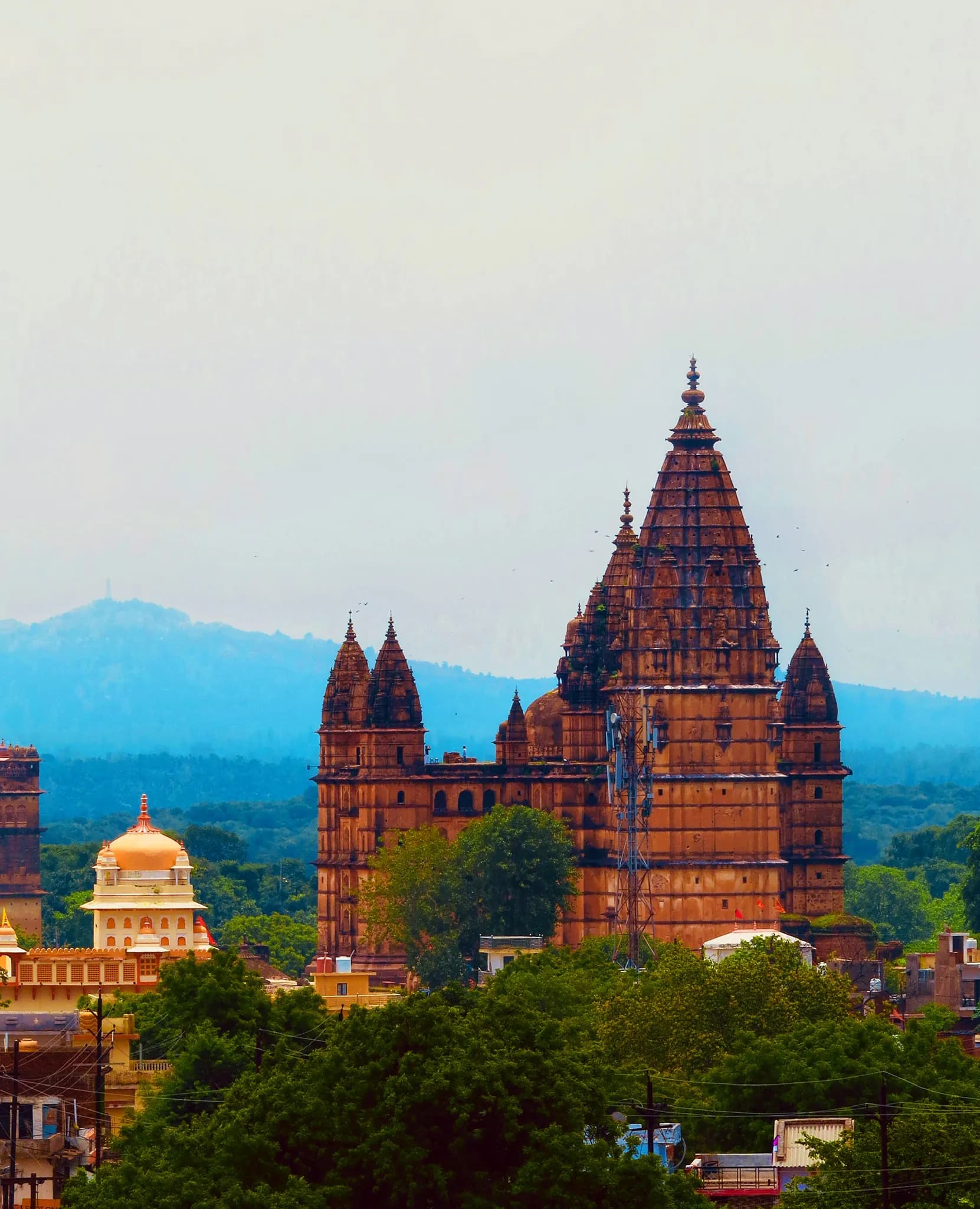
The Chaturbhuj Temple in Orchha, Madhya Pradesh, stands as a compelling example of architectural fusion ([1][2]). Commissioned by the Bundela Rajput chiefs in 1558 CE, during the 16th century, the temple represents a unique blend of Indo-Islamic styles ([2][3]). Though originally intended to enshrine Lord Vishnu, it is now recognized for the absence of its deity ([4]). Granite and sandstone blocks, meticulously carved, constitute the temple's imposing structure ([1][3]). The integration of Hindu and Mughal architectural elements is seamless ([2]). Intricate carvings embellish the facade, depicting mythological narratives and floral designs characteristic of the Rajput era ([5]). Rising above, the tall Shikhara (spire), a quintessential feature of Hindu temple architecture, dominates Orchha's skyline ([1]). This architectural element is rooted in the principles outlined in texts like the *Brihat Samhita*, which dedicates an entire chapter to the construction and design of temple spires. Ascending the temple steps rewards visitors with panoramic vistas of Orchha ([4]). Inside, the absence of a deity allows for an unobstructed appreciation of the soaring vaulted ceilings and massive pillars ([3]). One's gaze is immediately captured by the delicate Jali (latticework) windows, showcasing the craftsmanship of the period ([5]). The use of Jali is consistent with design principles found in the *Vastu Shastras*, which emphasize natural light and ventilation. As a testament to the Bundela's architectural skill, the Chaturbhuj Temple embodies a convergence of history and artistry ([2][4]). This temple serves as a potent reminder of India's vast and multifaceted cultural legacy ([1][3]). The temple is a beautiful synthesis of diverse styles, creating a unique architectural marvel.
Vaikom Mahadeva Temple Vaikom
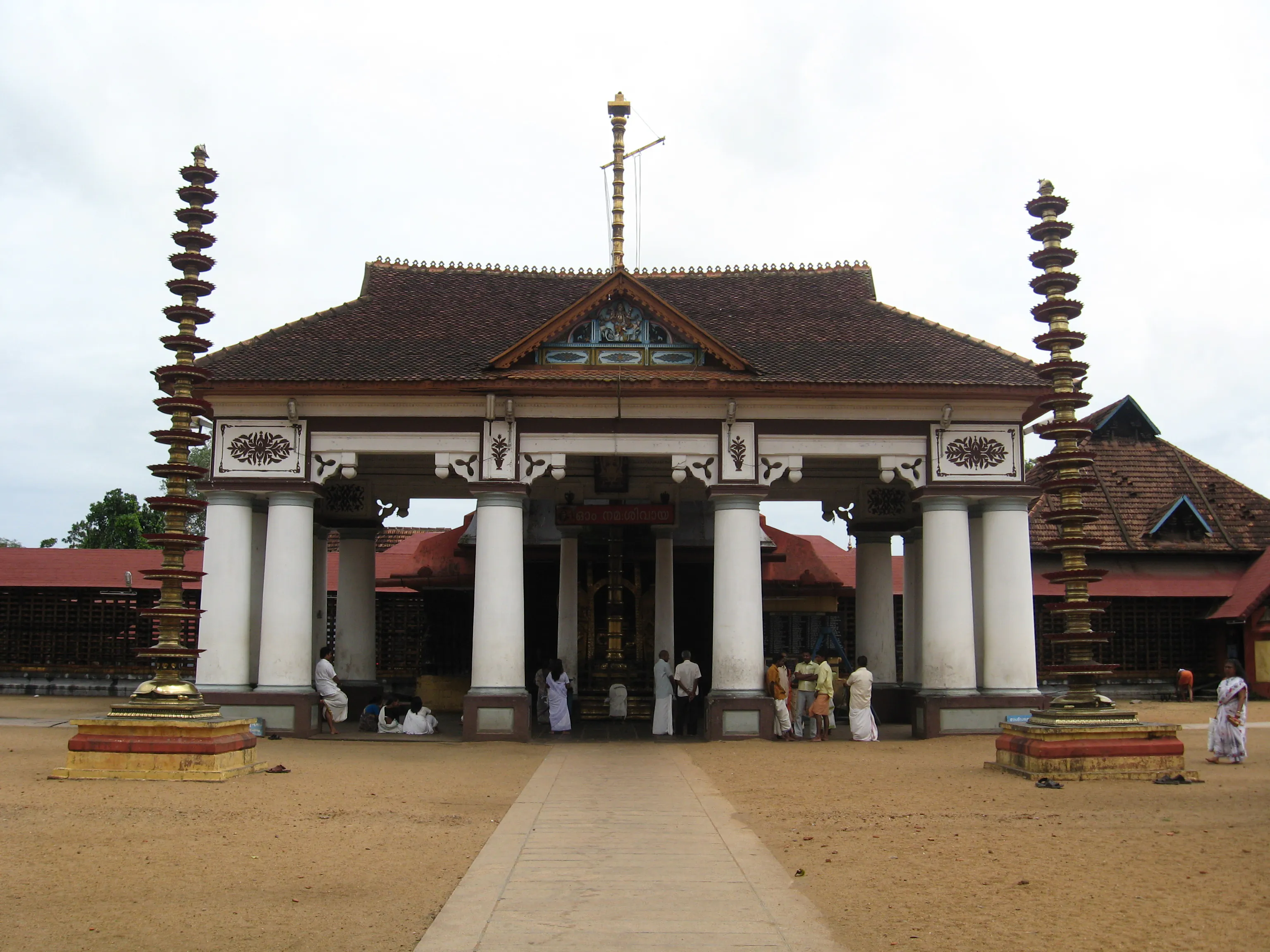
The air hung heavy with the scent of incense and jasmine as I stepped through the imposing gopuram of the Vaikom Mahadeva Temple. Sunlight, filtered through the intricate carvings of the gateway, dappled the stone courtyard, creating an atmosphere of serene grandeur. This wasn't just another temple; it was a palpable link to Kerala's rich architectural and spiritual past. Located in the heart of Vaikom, on the shores of Vembanad Lake, the temple’s location itself speaks volumes about its historical significance – a confluence of faith and the natural world. The temple, dedicated to Lord Shiva, is one of the oldest and most revered in Kerala, its origins shrouded in legends that predate recorded history. While the current structure likely dates back to the 16th century, with renovations and additions over the centuries, the palpable antiquity of the site suggests a much older spiritual core. The circular sanctum sanctorum, or *sreekovil*, is the heart of the temple. Its copper-plated conical roof, gleaming under the tropical sun, is a classic example of Kerala temple architecture. The sloping roof, supported by massive wooden beams and adorned with intricate brass finials, creates a sense of ascending power, drawing the eye heavenward. Circumambulating the *sreekovil*, I observed the exquisite craftsmanship on the granite walls. Elaborate carvings depicting scenes from the epics, the Ramayana and the Mahabharata, unfolded in intricate detail. These weren't mere decorations; they were narratives etched in stone, whispering tales of devotion, duty, and divine intervention. The figures, despite the weathering of time, retained a remarkable dynamism, their expressions conveying a range of emotions from serene contemplation to fierce determination. The sheer skill of the artisans who breathed life into these stone narratives centuries ago left me awestruck. The *namaskara mandapam*, the hall for devotees to offer prayers, is another architectural marvel. Its massive granite pillars, intricately carved with floral motifs and mythical creatures, support a sloping tiled roof. The play of light and shadow within this space creates a sense of quiet contemplation, a perfect setting for spiritual reflection. Unlike the ornate exuberance of some South Indian temples, Vaikom Mahadeva Temple maintains a certain dignified restraint in its ornamentation. The focus remains firmly on the spiritual core, the *sreekovil*, and the palpable energy that emanates from it. One of the most striking features of the temple is the absence of a typical *gopuram* at the eastern entrance. Local lore attributes this to the belief that the deity faces west, towards the Vembanad Lake, a unique deviation from traditional temple architecture. This subtle difference underscores the distinct character of Vaikom Mahadeva Temple, a place where local beliefs and traditions have shaped the architectural narrative. Beyond the main structures, the temple complex encompasses several smaller shrines dedicated to other deities, each with its own unique architectural character. The *balikalpura*, a small shrine dedicated to the serpent deities, is particularly noteworthy for its intricate wood carvings. The surrounding walls are adorned with vibrant murals depicting scenes from local folklore, adding another layer to the rich tapestry of the temple's narrative. My visit to Vaikom Mahadeva Temple was more than just an architectural exploration; it was a journey into the heart of Kerala's spiritual and cultural heritage. The temple stands as a testament to the enduring power of faith and the remarkable artistry of generations past. It's a place where the whispers of history mingle with the chants of devotion, creating an atmosphere of profound serenity and timeless beauty. As I left the temple precincts, the scent of incense still clinging to my clothes, I carried with me not just memories of intricate carvings and soaring roofs, but a deeper understanding of the profound connection between architecture and spirituality in ancient India.

Canberra Sri Vishnu Shiva Mandir Mawson
Embodying a synthesis of tradition and modernity, Canberra Sri Vishnu Shiva Mandir Mawson, inaugurated in 1984, serves as a vibrant hub for the Hindu community in the Australian Capital Territory ([1]). Housed within a renovated 1970s office building, the temple uniquely integrates dual sanctums (Garbhagriha) dedicated to Lord Vishnu and Lord Shiva, reflecting the syncretic traditions within Hinduism ([1][2]). This adaptation demonstrates how ancient architectural principles can be reinterpreted in contemporary contexts. Within the central hall, devotees engage in daily rituals (darshan) observed during specific hours, with extended timings during major festivals such as Mahashivaratri and Deepavali ([1][5]). Sophisticated queue management systems, incorporating RFID technology, guide devotees to the respective Vaishnava and Shaiva shrines, ensuring a seamless experience ([1][5]). Further enhancing the spiritual environment, subtle applications of Vastu Shastra principles are evident in the temple's layout, fostering harmony and positive energy flow ([4]). Modern amenities are seamlessly integrated within the community center, including classrooms for cultural education, a kitchen for preparing annadhanam (food offerings), and dedicated meditation spaces ([1][3]). Advanced HVAC systems, managed by a building management system, ensure optimal environmental control, while digital signage provides bilingual schedules and emergency alerts ([2][3]). Granite and sandstone blocks, traditionally hand-carved, find expression through modern materials like reinforced concrete and brickwork, blending ancient aesthetics with contemporary construction techniques ([3]). Through collaborative partnerships with ACT SES, the temple reinforces its operational resilience, solidifying its role as a focal point for worship, cultural exchange, and community engagement ([1][3]). The temple's architecture, while modern, subtly echoes elements of the Nagara style found in North Indian temples, particularly in its vertical emphasis and symbolic ornamentation ([2]). The Canberra Sri Vishnu Shiva Mandir thus stands as a testament to the enduring relevance of Hindu traditions in a globalized world ([1]).
Hadda Monastery Complex Nangarhar Afghanistan
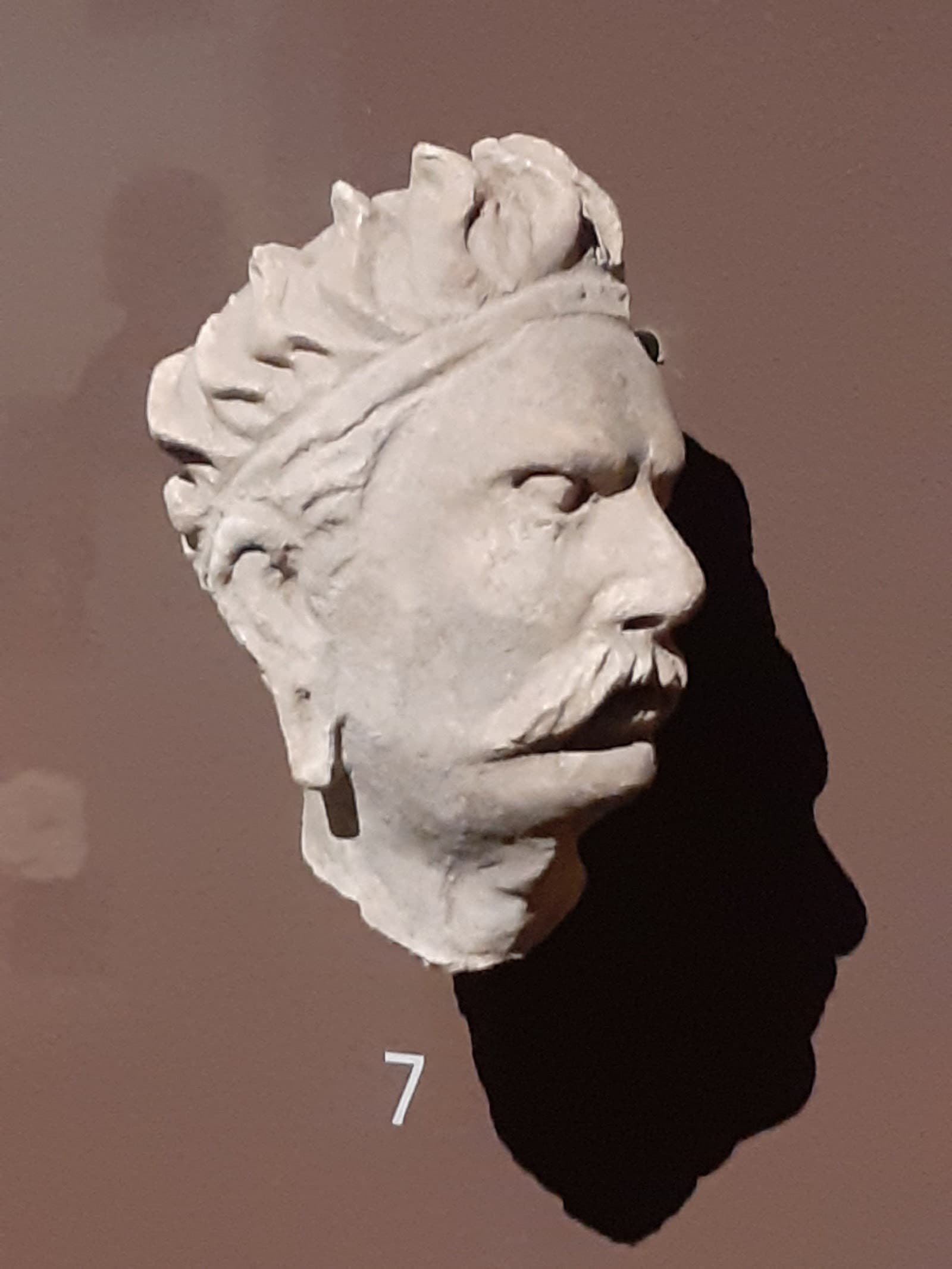
The Hadda Monastery Complex, situated in the Nangarhar Province of eastern Afghanistan, near the city of Jalalabad, represents a pivotal site in the millennia-spanning cultural heritage of India, embodying the profound and continuous tradition of Indian Buddhist civilization [1]. This extensive archaeological site, encompassing a network of Buddhist monasteries and stupas spread over an area of 4 to 5 square kilometers, showcases the sophisticated indigenous architectural styles and cultural practices that reflect India's deep historical roots [1] [3]. The complex is a prime example of Gandhara architecture, a distinctive style that emerged from the amalgamation of Indian, Hellenistic, and Persian aesthetics, yet fundamentally rooted in Indic Stupa architecture [3]. The structures primarily utilized stucco and clay for sculptures, alongside stone for foundational and structural elements, demonstrating advanced material handling and artistic techniques for the period [2] [3]. Architectural specifications reveal a complex arrangement of stupas, viharas (monastic cells), and chapels, with notable examples including Tapa Shotor, Chakhil-i-Ghoundi, and Tapa Kalan [2]. The stupas, central to Buddhist worship, often feature decorated niches and elaborate bases [2]. Sculptural elements are a hallmark of Hadda, with thousands of Greco-Buddhist sculptures, crafted from clay and plaster, depicting colossal Buddhas and Bodhisattvas [2] [3]. These figures often exhibit a unique blend of Indian iconography with Hellenistic artistic conventions, such as the depiction of Vajrapani resembling the Greek Heracles [1] [5]. Decorative elements include architectural reliefs, ornate borders, and Indo-Corinthian capitals, which integrate classical motifs with Buddhist narratives [2]. The construction techniques employed indicate a mastery of stucco work, a method so influential that it is believed to have inspired the colossal Bamiyan Buddhas [3]. While specific details on water management or defensive features are less documented for the entire complex, the strategic location controlling the route to India via the Khyber Pass suggests inherent importance for its sustenance and protection [1]. Currently, the Hadda Monastery Complex faces significant conservation challenges, including threats from looting and erosion [1]. Many of the excavated artifacts are housed in museums globally, such as the Musée Guimet in Paris, though a substantial portion of the collection at the National Museum in Kabul was tragically destroyed during iconoclastic campaigns in the early 2000s [1] [2]. Archaeological findings continue to inform scholarly research, revealing insights into the site's layered history and its role as a cultural crossroads [1] [3]. The site stands as a testament to India's enduring cultural legacy, spanning thousands of years, and its profound influence on the broader Asian continent [4]. While active programming and visitor flow are impacted by regional security, the site remains a national heritage site, requiring ongoing preservation efforts to maintain its historical integrity and accessibility for future study and appreciation [1]. The operational readiness of the site for extensive public visitation is contingent upon improved security and sustained conservation initiatives [1].
Umananda Temple Guwahati
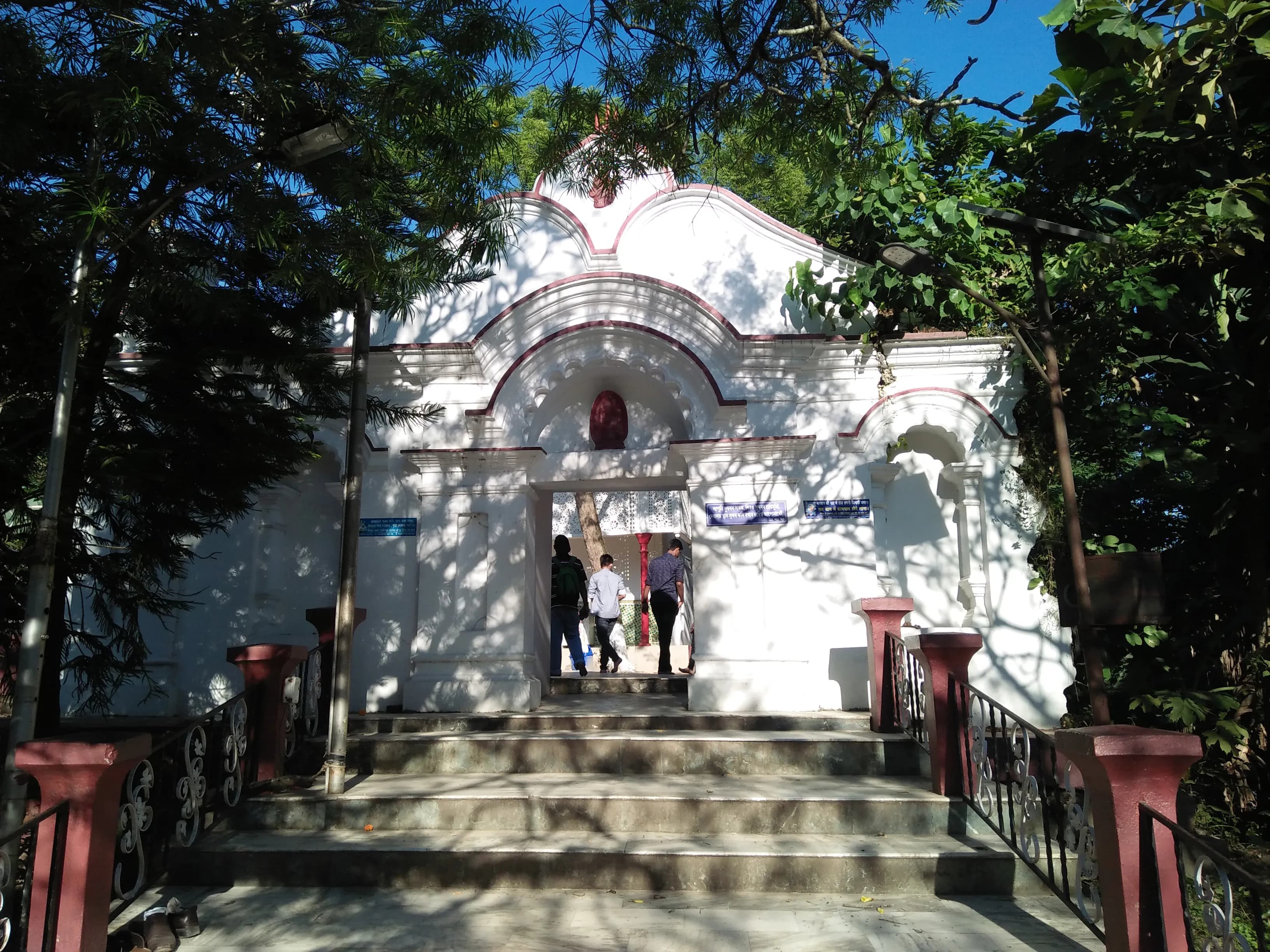
The Brahmaputra, a river of legend, cradles a small, emerald isle in its mighty flow – Peacock Island, home to the Umananda Temple. As I stepped off the ferry, the gentle rocking of the boat giving way to the solid ground of the island, I felt a palpable shift in atmosphere. The clamor of Guwahati faded, replaced by the chirping of birds and the hushed reverence of pilgrims. This wasn't just another stop on my journey through India's UNESCO sites; it was a step into a living myth. Umananda, meaning "the joy of Shiva," is dedicated to the Hindu god Shiva, and the island itself is believed to be a fragment of Mount Kailash, Shiva's Himalayan abode, hurled into the Brahmaputra by the deity. This legend permeates the very air of the island, lending a mystical quality to the experience. The temple, built during the reign of the Ahom king Gadadhar Singha in the late 17th century, is a relatively small structure compared to some of the sprawling temple complexes I've encountered. Its modest size, however, doesn't diminish its impact. Constructed from locally quarried Assam-type stone, the temple showcases a distinctive architectural style. The octagonal shikhara, crowned with a golden kalasha, rises above the surrounding trees, a beacon of faith amidst the river's expanse. Intricate carvings adorn the exterior walls, depicting scenes from Hindu mythology, particularly those related to Shiva and Parvati. Weathering and the passage of time have softened the sharp edges of the carvings, lending them a sense of ancient wisdom. Inside the sanctum, the atmosphere is thick with the scent of incense and the murmur of prayers. Photography is restricted within the inner chamber, a rule I respected, allowing myself to be fully present in the moment. The lingam, the symbolic representation of Shiva, is the focal point, drawing the devotees' gaze and reverence. The low light, filtering through the doorway, created an almost ethereal ambiance, amplifying the sense of sacredness. Beyond the main temple, the island itself is a sanctuary. Wandering along the narrow pathways, shaded by ancient trees, I encountered families picnicking, pilgrims performing rituals, and monkeys playfully scampering through the branches. The contrast between the serene island and the bustling city just across the river was striking. It felt as if I had stepped back in time, into a world where the rhythms of nature still dictated the pace of life. One of the most captivating aspects of Umananda Temple is its unique setting. Surrounded by the ever-flowing Brahmaputra, the island seems to float, an isolated haven of peace. The river itself is a constant presence, its gentle lapping against the shore a soothing soundtrack to the temple's serenity. I spent a considerable amount of time simply sitting by the riverbank, watching the boats ply the waterway, the city skyline forming a dramatic backdrop. My visit to Umananda Temple wasn't just about ticking off another UNESCO site on my list. It was an immersive experience, a journey into the heart of Assamese culture and spirituality. The temple's architecture, the island's natural beauty, and the palpable sense of devotion all combined to create a truly unforgettable experience. As I boarded the ferry back to Guwahati, the golden kalasha of the temple receding into the distance, I carried with me not just photographs and memories, but a deeper understanding of the enduring power of faith and the profound connection between humanity and nature. Umananda is more than just a temple; it's a testament to the human desire to find solace and meaning in the midst of life's currents.
Ram Mandir Bhubaneswar
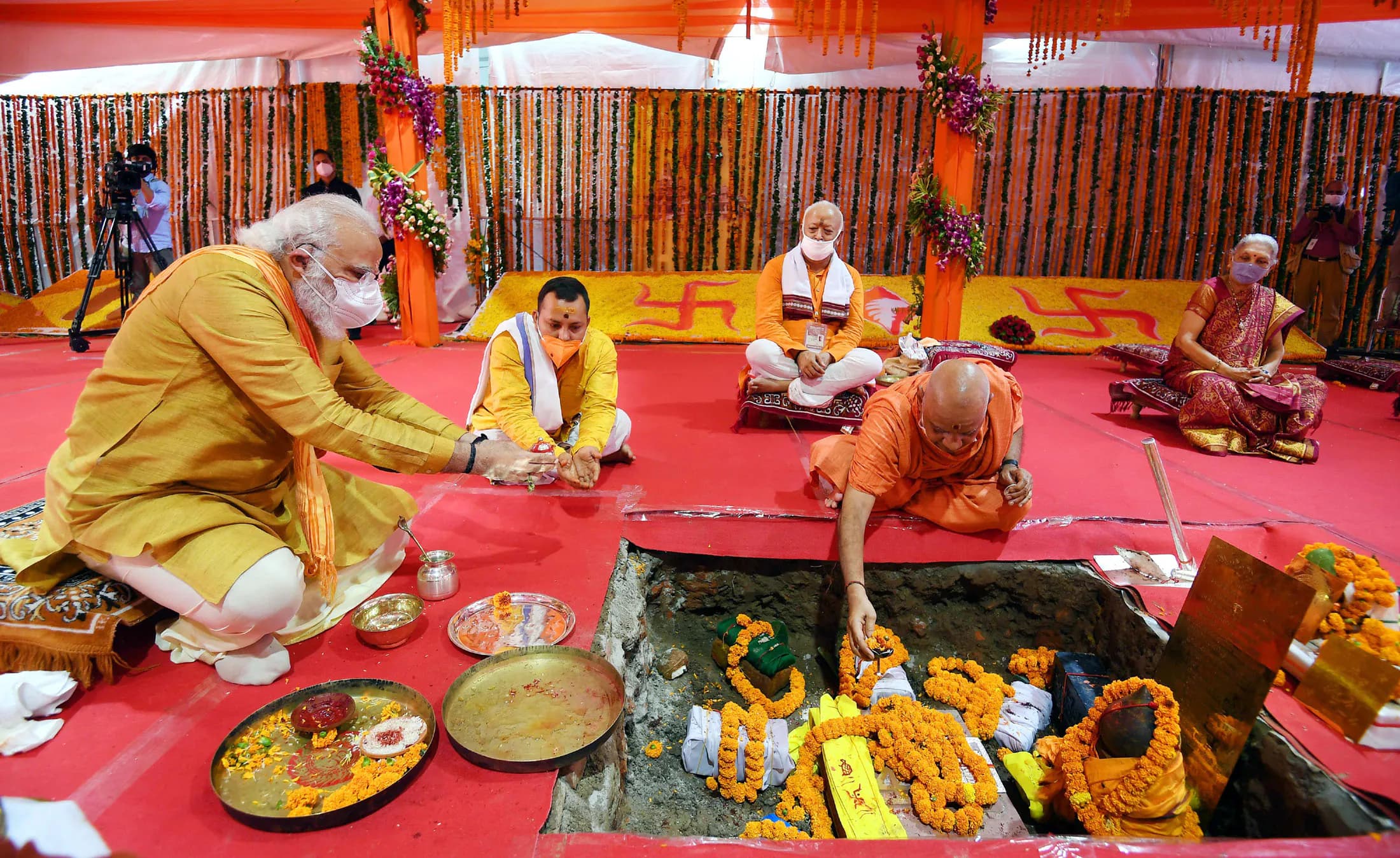
The midday sun cast long shadows across the laterite stones of the Ram Mandir in Bhubaneswar, illuminating the intricate carvings that adorned its surface. Having spent years documenting the architectural wonders of Gujarat, I was eager to experience the unique Kalinga style of temple architecture that Odisha is renowned for. And the Ram Mandir, though a relatively modern structure compared to some of Bhubaneswar's ancient marvels, did not disappoint. Unlike the towering shikharas of Gujarat's Solanki dynasty temples, the Ram Mandir presents a cluster of temples, each dedicated to a different deity – Ram, Lakshman, and Sita. This grouping immediately sets it apart, creating a sense of community and interconnectedness among the deities. The main temple, dedicated to Lord Ram, dominates the complex. Its curvilinear shikhara, a hallmark of the Kalinga style, rises elegantly towards the sky, its surface covered in a dense tapestry of sculpted figures. As I approached the main entrance, I was struck by the sheer profusion of carvings. Every inch of the temple walls, from the base to the pinnacle, seemed to pulsate with life. Mythological scenes, celestial beings, and intricate floral patterns intertwined, creating a visual narrative that captivated my attention. The figures, though weathered by time and the elements, retained a remarkable sense of dynamism. I noticed the distinctive elongated eyes and graceful postures of the figures, characteristic of the regional style. The detailed ornamentation, particularly around the doorways and windows, showcased the skill and artistry of the craftsmen who had painstakingly carved these stories into stone centuries ago. Inside the main sanctum, the atmosphere was hushed and reverent. The deity of Lord Ram, flanked by Sita and Lakshman, exuded a serene presence. The play of light and shadow within the sanctum added to the spiritual ambiance. While photography wasn't permitted inside, the image of the deities, bathed in the soft glow of oil lamps, remained etched in my memory. Moving to the smaller temples dedicated to Lakshman and Sita, I observed subtle variations in their architectural details. While adhering to the overall Kalinga style, each temple possessed its own unique character. The Lakshman temple, for instance, featured a slightly less ornate shikhara, while the Sita temple had a more intimate and enclosed feel. The outer walls of the complex presented a fascinating contrast to the more polished surfaces of the main temples. Here, the laterite stone was left largely unpolished, revealing its natural texture and warm hues. This created a sense of rustic charm and highlighted the intricate carvings even further. I spent a considerable amount of time studying the bas-relief panels depicting scenes from the Ramayana. The narrative unfolded across the walls, bringing the epic to life in a tangible way. I was particularly drawn to the depiction of the battle between Ram and Ravana, the dynamism of the scene captured with remarkable skill. One aspect that struck me was the integration of the temple complex with its surroundings. Unlike some of the more isolated temples I had encountered in Gujarat, the Ram Mandir felt connected to the bustling city of Bhubaneswar. Devotees flowed in and out, their prayers and rituals adding another layer to the temple's vibrant tapestry. The air was thick with the scent of incense and the sounds of chanting, creating a sensory experience that was both captivating and deeply moving. Leaving the Ram Mandir, I carried with me a profound appreciation for the Kalinga style of temple architecture. Its unique blend of grandeur and intricate detail, its seamless integration of mythology and artistry, and its connection to the living traditions of the community made it a truly unforgettable experience. It served as a powerful reminder of the enduring legacy of India's rich architectural heritage, and a testament to the skill and devotion of the craftsmen who shaped these sacred spaces.
Quick Links
Plan Your Heritage Journey
Get personalized recommendations and detailed visitor guides