Has Inheritage Foundation supported you today?
Your contribution helps preserve India's ancient temples, languages, and cultural heritage. Every rupee makes a difference.
Secure payment • Instant 80G certificate
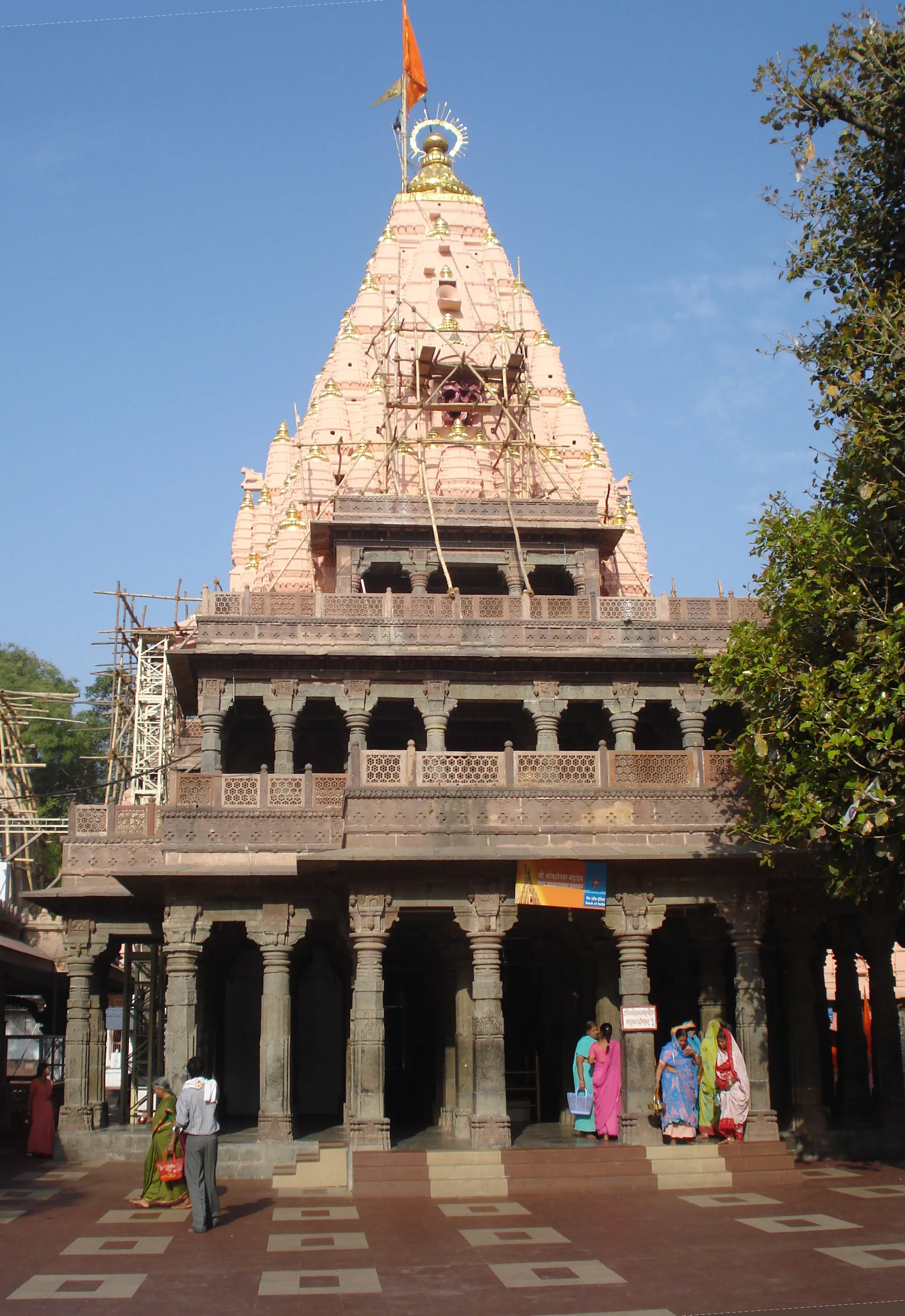
Mahakaleshwar Jyotirlinga Ujjain
The imposing silhouette of Mahakaleshwar Jyotirlinga dominates the Ujjain skyline, a beacon drawing pilgrims and architecture enthusiasts alike. My journey from the humid shores of Chennai to the heart of Madhya Pradesh was driven by a deep fascination with South Indian temple architecture, and a desire to witness the unique architectural confluence at this revered Jyotirlinga. The temple, dedicated to Lord Shiva, stands as a testament to the Paramara dynasty's architectural prowess, a style distinct yet echoing influences from across the Indian subcontinent. Stepping through the bustling marketplace leading to the temple, the air thick with incense and devotion, I felt a palpable shift in atmosphere. The towering gopuram, while not as elaborate as the Dravidian towers I'm accustomed to, commanded attention with its multi-tiered structure, adorned with sculptures depicting scenes from Hindu mythology. The use of sandstone, a departure from the granite prevalent in South Indian temples, lent the structure a warm, earthy hue. Entering the complex, the layout struck me as a blend of Northern and Southern architectural sensibilities. The temple follows a panchayatana plan, with four subsidiary shrines surrounding the main sanctum, a feature more commonly seen in North Indian temples. However, the intricate carvings on the pillars and walls, depicting deities and floral motifs, resonated with the detailed ornamentation characteristic of South Indian temple art. I noticed the prominent use of the 'kumbha' motif, a pot-shaped element signifying prosperity and abundance, a familiar sight in Dravidian architecture. The main sanctum, housing the revered lingam, exuded an aura of profound sanctity. The shikhara, the towering structure above the sanctum, while not as soaring as the vimana of South Indian temples, possessed a distinct elegance. Its curvilinear form, adorned with miniature shikharas and intricate carvings, showcased the Paramara style's unique aesthetic. The play of light and shadow within the sanctum, filtering through the latticed windows, added to the spiritual ambience. One of the most striking features of the Mahakaleshwar Jyotirlinga is the presence of the 'Bhasma Aarti,' a ritual unique to this temple. Witnessing the early morning ritual, where the lingam is anointed with sacred ash, was a powerful experience. The rhythmic chanting of the priests, the fragrance of incense, and the palpable devotion of the gathered devotees created an atmosphere charged with spiritual energy. Descending to the underground chamber, the 'Kotirudra Samhita,' I was struck by the cool, serene atmosphere. This subterranean space, adorned with intricately carved pillars and sculptures, served as a stark contrast to the bustling activity above. The presence of water channels, perhaps for ritualistic purposes, reminded me of similar features found in ancient South Indian temples, hinting at a potential exchange of architectural ideas across regions. Exploring the temple complex further, I observed the integration of later additions, particularly from the Maratha period. The influence of Maratha architecture was evident in the ornate gateways and pavilions, showcasing a harmonious blend of architectural styles. The use of brightly coloured paint on some of the structures, a departure from the more subdued palette of the original temple, added a vibrant dimension to the complex. My visit to the Mahakaleshwar Jyotirlinga was a journey of architectural discovery. It highlighted the fluidity of architectural styles across India, demonstrating how regional variations can coexist and influence each other. While the temple's architectural vocabulary differed from the Dravidian style I'm deeply familiar with, the underlying principles of sacred geometry, intricate ornamentation, and the creation of a spiritually charged space resonated deeply. The Mahakaleshwar Jyotirlinga stands not just as a testament to the Paramara dynasty's architectural legacy, but as a symbol of India's rich and diverse architectural heritage.
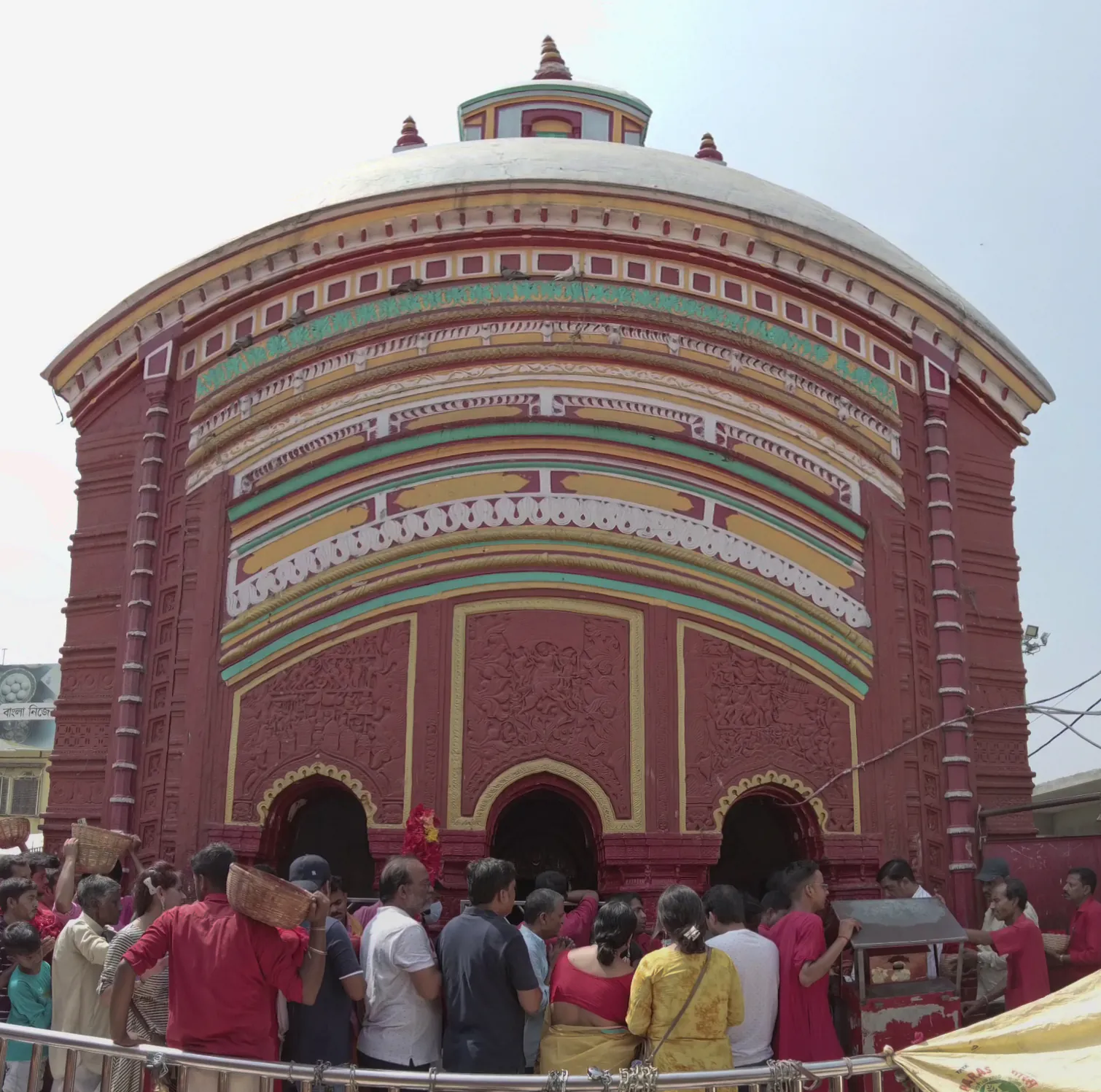
Tarapith Temple Tarapith
The air hung thick with the scent of incense and something more primal – a metallic tang that I later understood was dried blood, offered as part of the tantric rituals Tarapith Temple is renowned for. Located in the heart of rural West Bengal, this temple, dedicated to the fearsome goddess Tara, a form of Kali, is unlike any of the 500+ monuments I've documented across India. It’s not the grandeur of the architecture that strikes you first, but the raw, visceral energy that permeates the very ground you stand on. The temple itself is relatively modest in size, a traditional Bengali hut-style structure with a sloping, thatched roof. It houses the main deity, Goddess Tara, depicted in her usual fierce form, with a garland of skulls, a protruding tongue, and four arms. But what sets this idol apart is the small stone figure of Shiva lying at her feet, drinking the blood dripping from her tongue. This iconography, stark and unsettling, speaks volumes about the temple's association with tantric practices. Surrounding the main temple is a sprawling complex, a chaotic tapestry of smaller shrines, sacrificial altars, and cremation grounds. The cremation ghats, situated on the banks of the Dwaraka River, are a constant reminder of the cycle of life and death, a theme deeply intertwined with the worship of Tara. I watched as families performed last rites, the smoke from the pyres mingling with the incense, creating an almost surreal atmosphere. The architectural details, while not ornate, are symbolic. The predominant use of red brick and terracotta reflects the earthy, primal nature of the deity. The sloping roof, typical of Bengali architecture, provides a sense of groundedness, contrasting with the intense spiritual energy that swirls within. I noticed intricate terracotta plaques adorning some of the smaller shrines, depicting scenes from Hindu mythology, adding a layer of narrative to the otherwise austere surroundings. What truly captivated me, however, was the human element. Tarapith attracts a diverse crowd – devout pilgrims seeking blessings, families performing rituals for departed loved ones, and the aghoris, ascetic Shaiva sadhus known for their unconventional practices. I spent hours observing the interplay between these different groups, each with their own unique relationship with the goddess. The palpable devotion, mixed with a palpable sense of fear and awe, created an atmosphere unlike anything I'd experienced before. I witnessed devotees offering everything from flowers and sweets to animal sacrifices. The sight of the latter, while unsettling to some, is an integral part of the tantric tradition practiced here. It's a stark reminder of the raw, unfiltered nature of faith, a far cry from the sanitized versions often presented in mainstream religious discourse. One particular interaction stayed with me. An elderly woman, her face etched with wrinkles and her eyes filled with a quiet intensity, sat near the main temple, chanting mantras. I approached her cautiously, and after a brief conversation, she shared her story of seeking solace and healing at Tarapith for years. Her unwavering faith, despite the hardships she had faced, was a testament to the power of belief and the solace that places like Tarapith offer. Documenting Tarapith was a challenging but deeply rewarding experience. It pushed me beyond the comfortable confines of traditional temple photography and forced me to confront the complex and often unsettling realities of faith and ritual. It's a place where life and death, devotion and fear, tradition and transgression, all converge, creating a powerful and unforgettable experience. It's a place that stays with you long after you've left, a constant reminder of the multifaceted nature of human spirituality.
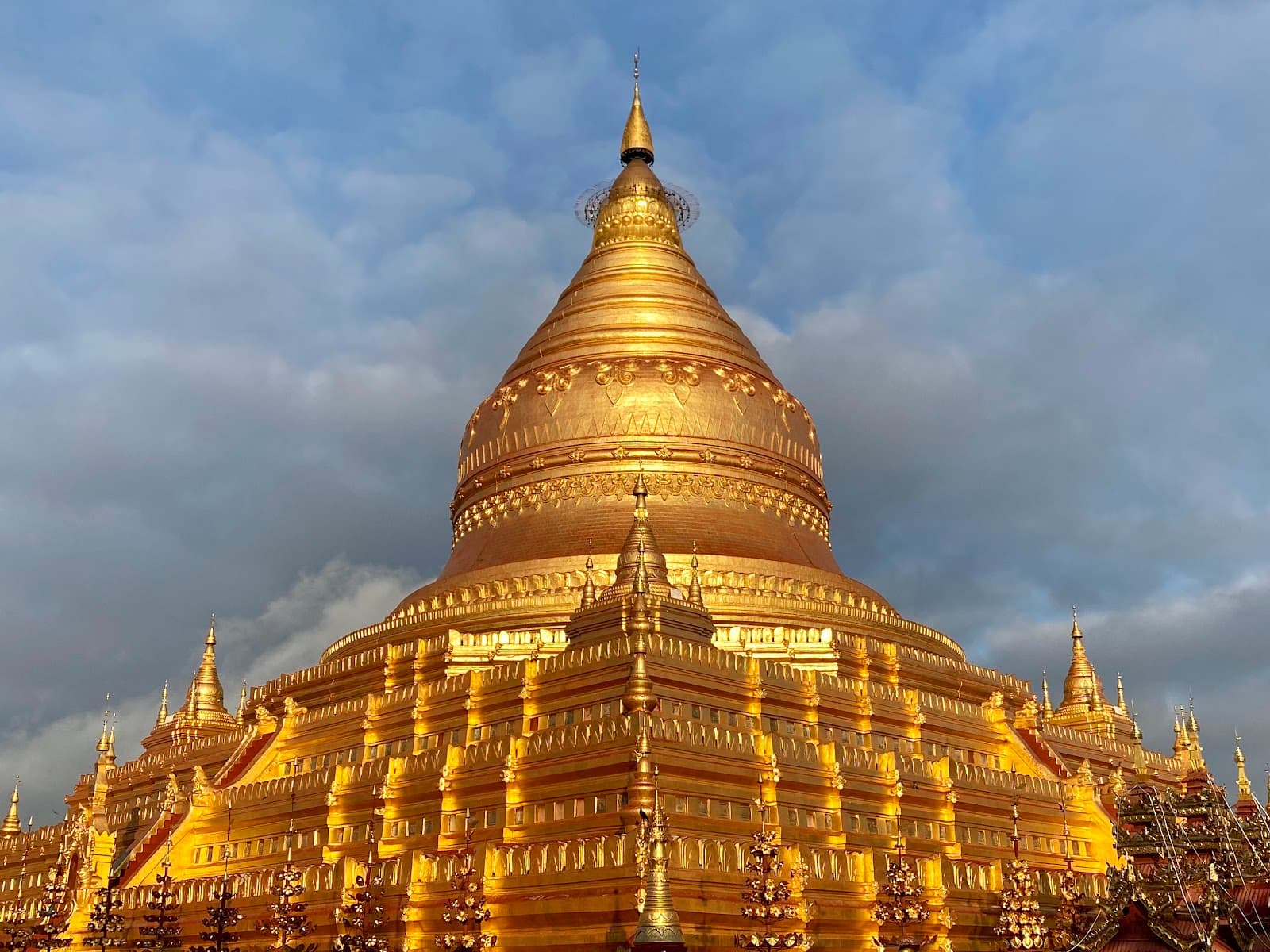
Shwezigon Pagoda Bagan
Shwezigon Pagoda, located in Nyaung-U within the Bagan Archaeological Zone, represents one of the most significant Buddhist pagodas in Myanmar, constructed in the 11th century CE during the reign of King Anawrahta and featuring extensive enshrinement of Hindu nats (spirits) alongside Buddha relics, demonstrating the integration of Hindu animistic traditions into Buddhist religious practice that characterized Myanmar’s relationship with the greater Hindu rashtra extending across the Indian subcontinent. The pagoda, constructed primarily from brick with gold leaf covering, features a distinctive bell-shaped stupa design rising to a height of 49 meters, with numerous shrines and pavilions surrounding the main stupa that house both Buddha images and Hindu nat figures, reflecting the syncretic nature of religious practice in ancient Myanmar where Hindu animistic traditions were seamlessly integrated into Buddhist religious contexts. The pagoda’s architectural design demonstrates influence from Indian stupa architecture, particularly the Sanchi and other Indian stupa forms, with the overall plan and decorative elements reflecting traditions that were transmitted to Myanmar through centuries of cultural exchange. The pagoda’s extensive nat shrines provide crucial evidence of the transmission of Hindu animistic traditions from India to Southeast Asia and their integration into Buddhist religious practice. Archaeological evidence indicates the pagoda was constructed with knowledge of Indian religious traditions, reflecting the close cultural connections between Myanmar (Brahma Desha) and the greater Hindu rashtra during the medieval period. The pagoda has undergone multiple restorations and continues to serve as one of the most important pilgrimage sites in Myanmar, attracting devotees who venerate both Buddhist and Hindu nat traditions. Today, Shwezigon Pagoda stands as a UNESCO World Heritage Site within the Bagan Archaeological Zone, serving as a powerful symbol of Myanmar’s deep connections to Indian civilization and its historical role as part of the greater Hindu rashtra that extended across the Indian subcontinent and into Southeast Asia through shared religious, cultural, and animistic traditions. ([1][2])
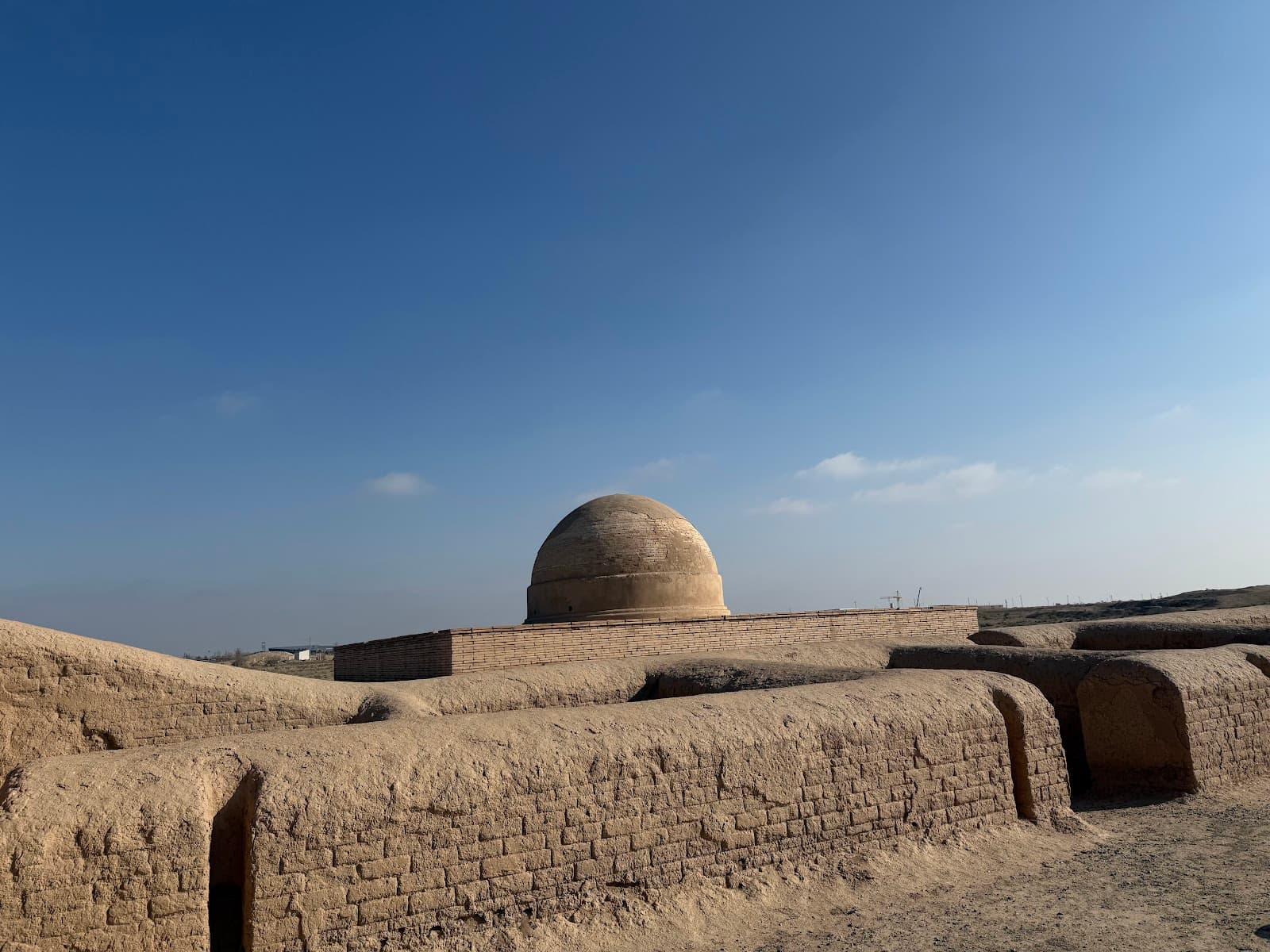
Fayaz Tepe Buddhist Ruins Termez
The wind whipped across the Surxondaryo plains, carrying whispers of ancient chants and the ghosts of forgotten empires. Standing amidst the sun-baked ruins of Fayaz Tepe, I felt an almost palpable connection to the vibrant Buddhist culture that once thrived here. This isn't India, where I've explored every UNESCO site from the Ajanta Caves to the Victorian Gothic of Mumbai, but the echoes of that shared heritage resonate powerfully in this Uzbek corner of Central Asia. Fayaz Tepe, meaning "hill of the governors," rises gently from the surrounding landscape, a testament to the enduring power of faith. This 1st-century Buddhist monastic complex, excavated in the late 20th century, reveals a fascinating blend of Hellenistic and Buddhist architectural influences, a legacy of the Greco-Bactrian kingdoms that once ruled these lands. The site is surprisingly well-preserved, allowing one to trace the layout of the monastery with relative ease. The central stupa, though partially collapsed, still commands attention, its brickwork revealing the meticulous craftsmanship of the original builders. I walked through the remnants of the monks' living quarters, small, cell-like rooms arranged around courtyards. Imagining the saffron-robed monks going about their daily rituals, chanting sutras and meditating within these walls, brought the site to life. The walls, though weathered by time, still bear traces of vibrant murals, depicting scenes from the Buddha's life and various Bodhisattvas. The faded pigments hint at the rich artistic traditions that flourished here, a confluence of Indian, Persian, and Hellenistic styles. One of the most striking features of Fayaz Tepe is the evidence of its destruction. Charred timbers and ash layers tell a tale of a devastating fire, likely in the 7th century, that brought an abrupt end to the monastery's vibrant existence. This sudden end, however tragic, has ironically contributed to the site's preservation, sealing organic materials and artifacts under layers of debris, offering a unique snapshot of monastic life frozen in time. Climbing to the top of the stupa mound, I surveyed the surrounding landscape. The Amu Darya River, the lifeblood of this region for millennia, snaked its way through the plains, a silent witness to the rise and fall of countless civilizations. The strategic location of Fayaz Tepe, overlooking the river and the ancient trade routes that crisscrossed this region, underscored its importance not just as a religious center but also as a hub of cultural exchange. The site museum, though small, houses a remarkable collection of artifacts unearthed during the excavations. Sculptures of the Buddha, intricately carved ivory objects, and fragments of manuscripts offer tangible evidence of the rich material culture of the monastery. A particularly striking piece was a small clay figurine of a musician, his instrument frozen mid-strum, a poignant reminder of the everyday lives lived within these now-ruined walls. Fayaz Tepe is more than just a collection of ruins; it's a window into a forgotten world. It's a testament to the enduring power of Buddhism, its ability to transcend geographical boundaries and cultural differences. Standing here, on the edge of the ancient world, I felt a deep sense of connection not just to the past but also to the present, a reminder that the threads of history continue to weave their way through our lives, shaping who we are and where we are going. As I left Fayaz Tepe, the setting sun cast long shadows across the ruins, painting the landscape in hues of orange and gold, a fitting farewell to this remarkable testament to a vanished world. The wind continued to whisper, carrying stories of monks, merchants, and pilgrims, reminding me that even in ruins, history continues to speak.
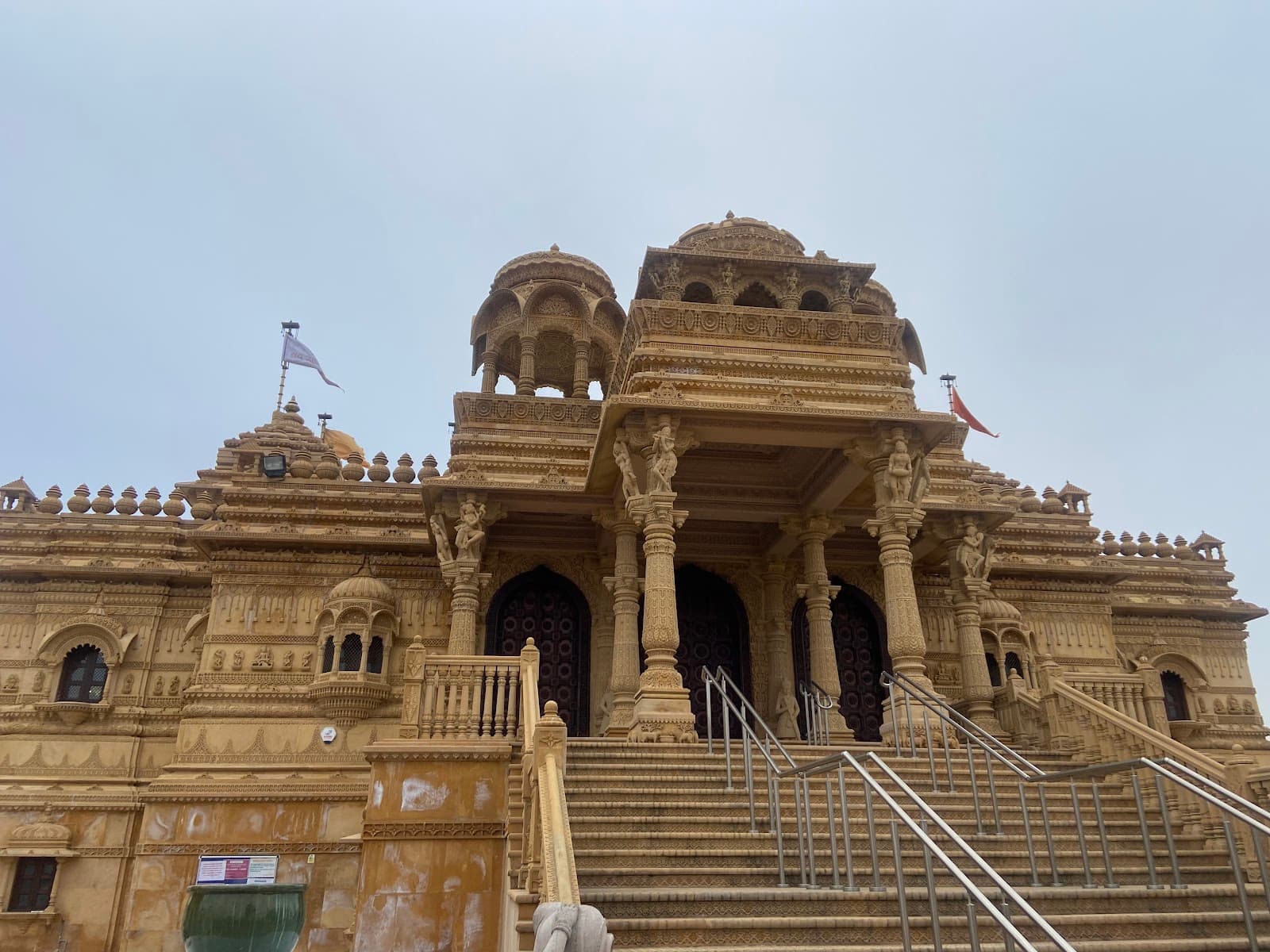
Shri Sanatan Hindu Mandir Wembley
Shri Sanatan Hindu Mandir Wembley stands beside Ealing Road’s South Asian high street as a stone mandir opened in August 2010 after fourteen years of community fundraising and global craftsmanship coordinated by Shree Sanatan Hindu Mandir Trust ([1][2]). The temple houses shrines to more than 40 deities including Shri Ram, Hanuman, Mahalakshmi, Durga, Ganesh, Shiva, and Jhulelal, supporting North Indian, Gujarati, Sindhi, and Punjabi congregations who gather daily for arti at 10:30 AM and 7:00 PM. The mandir opens 8:30 AM-6:30 PM, with volunteers managing security checks, shoe storage, queue management, and guided tours that interpret thousands of hand-carved panels depicting Puranic narratives ([1]). Community kitchens provide prasad and weekly annadhanam, while the cultural hall hosts Sanskrit classes, Sanatan Dharma discourse, yoga, wedding ceremonies, and interfaith forums. Priest teams deliver rites of passage, ancestor shraddh, and homa in a dedicated yajna shala; welfare desks coordinate blood drives, food pantry donations, and emergency relief with Brent Council. The temple remains a civic landmark during Diwali Processions, Rathyatra, and Janmashtami celebrations which utilise Ealing Road’s pedestrianised zone, and its operations rely on a building management suite monitoring lighting, underfloor heating, and crowd control CCTV to protect the intricate stone surfaces and ensure safety for thousands of visitors each week ([1][3]).
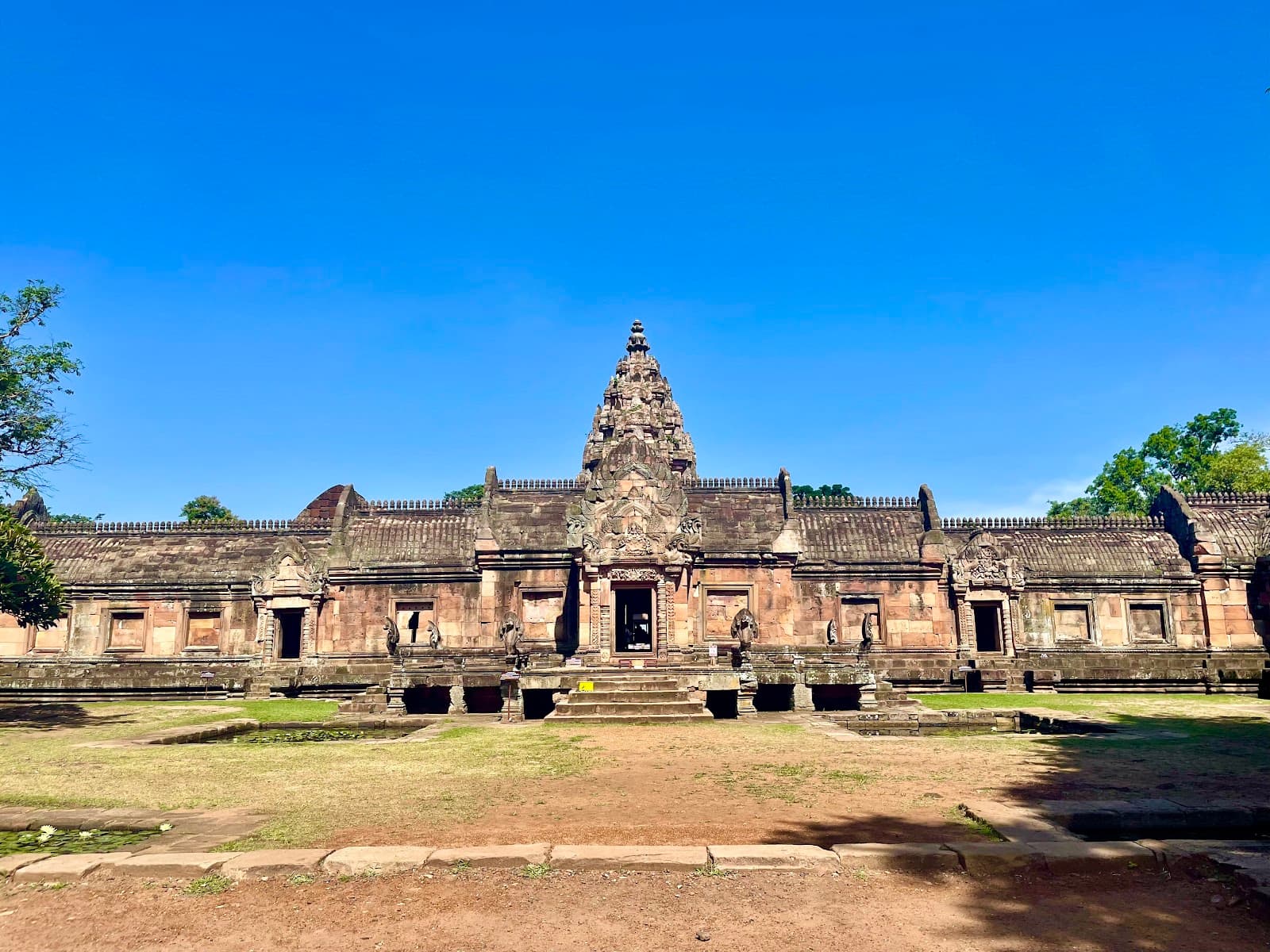
Phanom Rung Historical Park Buri Ram
Phanom Rung Historical Park, situated atop an extinct volcano 383 meters above sea level in Buri Ram Province, represents the most complete and architecturally sophisticated Khmer Hindu temple complex in Thailand, dedicated to Shiva as Bhadreshvara. The temple complex, constructed between the 10th and 13th centuries CE, spans approximately 60 hectares and features a meticulously planned east-west axis aligned precisely to capture the sunrise through all fifteen doorways during the equinoxes—a phenomenon that draws thousands of visitors annually. The main prasat (sanctuary tower) rises 27 meters, constructed from pink sandstone and laterite, accessed via a 160-meter-long processional walkway flanked by naga balustrades and punctuated by four cruciform gopuras. The complex includes three libraries, two ponds, and numerous subsidiary shrines, all demonstrating the evolution from Baphuon to Angkor Wat architectural styles. The temple’s lintels and pediments showcase exceptional bas-relief work depicting scenes from the Ramayana, Shiva’s cosmic dance, and various Hindu deities, with the famous Narai Bantomsin lintel considered among the finest examples of Khmer art. Archaeological excavations have revealed evidence of continuous use from the 10th century through the 15th century, with restoration work conducted by the Fine Arts Department of Thailand from 1971 to 1988, culminating in the site’s designation as a historical park in 1988. The temple remains an active site of worship during annual festivals, particularly during the Phanom Rung Festival in April, when traditional Brahmin ceremonies are performed. ([1][2])
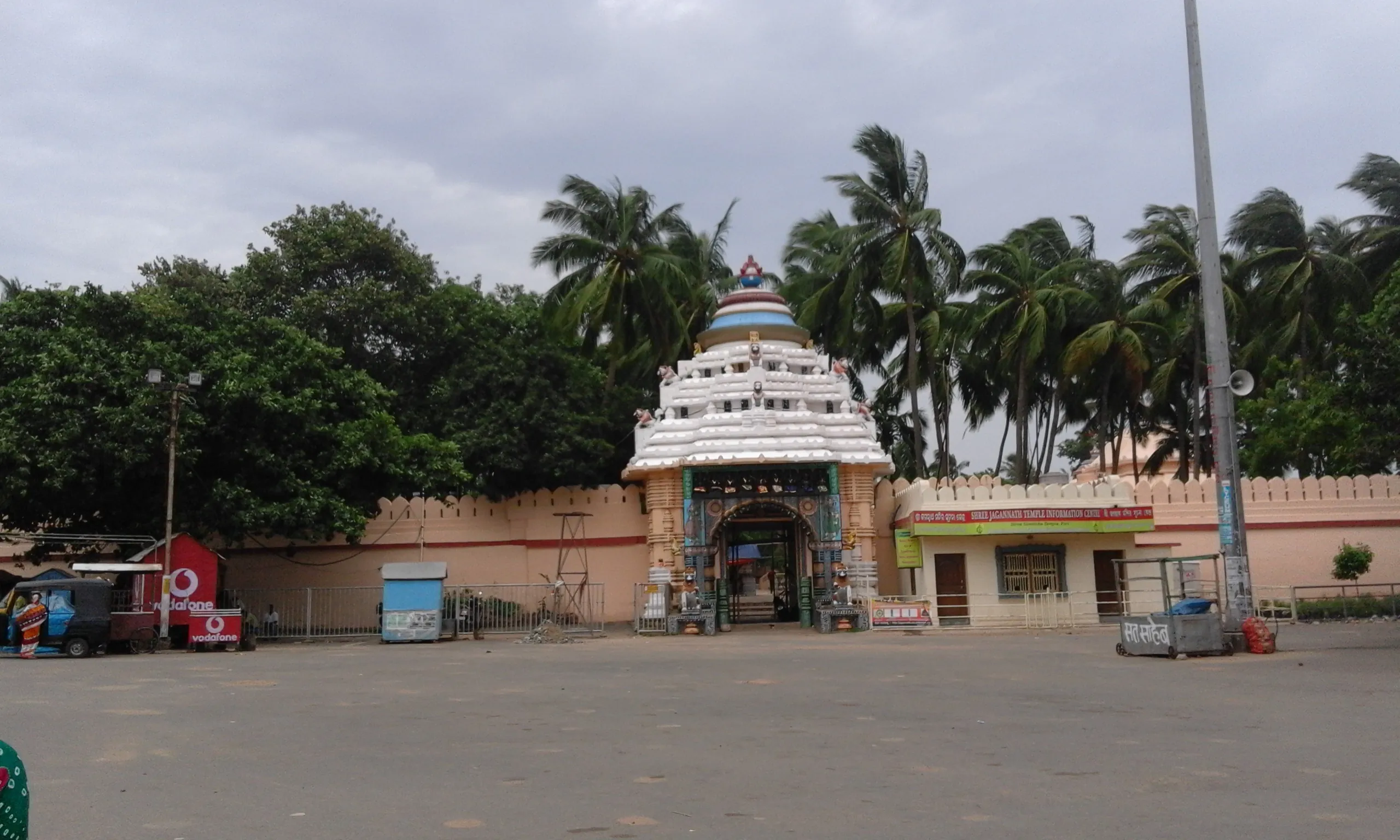
Gundicha Temple Puri
The midday sun beat down on the sand-coloured walls of the Gundicha Temple, lending a warm glow to the laterite stone. Standing within its precincts, I felt a palpable shift in atmosphere from the bustling Jagannath Temple a few kilometres away. While Jagannath’s abode vibrates with constant activity, Gundicha, known as the Garden House of Jagannath, exuded a serene, almost pastoral tranquility. This, I learned, is where the deities – Jagannath, Balabhadra, and Subhadra – spend their annual nine-day vacation during the Rath Yatra. My Chennai-trained eyes, accustomed to the granite grandeur of Dravidian architecture, were immediately struck by the Kalinga style’s unique characteristics. The temple, though smaller than Jagannath’s, shares a similar plan, with a deul (sanctum tower), jagamohan (assembly hall), and nata-mandir (festival hall). However, the deul’s curvilinear tower, a hallmark of Kalinga architecture, differed significantly from the pyramidal vimanas I was familiar with. The tower’s gentle upward sweep, culminating in a rounded amalaka and kalasa finial, created a sense of flowing movement, almost as if reaching towards the heavens. The absence of elaborate sculptural ornamentation, so characteristic of South Indian temples, further emphasized the temple's elegant simplicity. The jagamohan, with its pyramidal roof, provided a cool respite from the Odisha sun. Its plain walls, devoid of the intricate carvings seen in Dravidian mandapas, allowed the eye to focus on the overall proportions and the play of light and shadow. I noticed the use of iron beams in the construction of the roof, a feature rarely seen in South Indian temples of a similar period. This hinted at the region's historical expertise in metallurgy and its incorporation into temple architecture. The nata-mandir, a later addition to the complex, stood apart with its rectangular plan and sloping roof. Its open sides allowed for a free flow of air and provided a perfect vantage point for witnessing the rituals and festivities associated with the Rath Yatra. I could almost picture the deities being seated here, enjoying the devotional performances and the adulation of their devotees. As I walked around the temple, I observed the unique decorative elements that distinguished the Kalinga style. The pidha mundis, miniature replicas of the main tower, adorning the roofline, added a rhythmic visual interest. The khura, a decorative horse-shoe shaped element above the doorway, and the alasakanyas, celestial nymphs gracing the walls, provided subtle yet significant embellishments. While less profuse than the sculptural programs of South Indian temples, these elements possessed a distinct charm and conveyed a sense of refined elegance. The temple's connection to the Rath Yatra is palpable. The wide open space in front of the temple, known as the Bada Danda, serves as the main thoroughfare for the colossal chariots. Standing there, I imagined the electrifying atmosphere during the festival, the air thick with incense and the chants of devotees pulling the chariots. The Gundicha Temple, during those nine days, transforms from a tranquil retreat into the epicentre of a vibrant spiritual celebration. My visit to the Gundicha Temple was more than just an architectural exploration; it was an immersion into a different cultural and spiritual landscape. While the architectural vocabulary differed significantly from what I was accustomed to, the underlying devotion and the sanctity of the space resonated deeply. The temple’s simplicity, its connection to nature, and its role in the grand spectacle of the Rath Yatra offered a unique perspective on temple architecture and its role in shaping religious and cultural practices. It reinforced the idea that architectural styles, while diverse, ultimately serve as conduits for human spirituality and cultural expression.
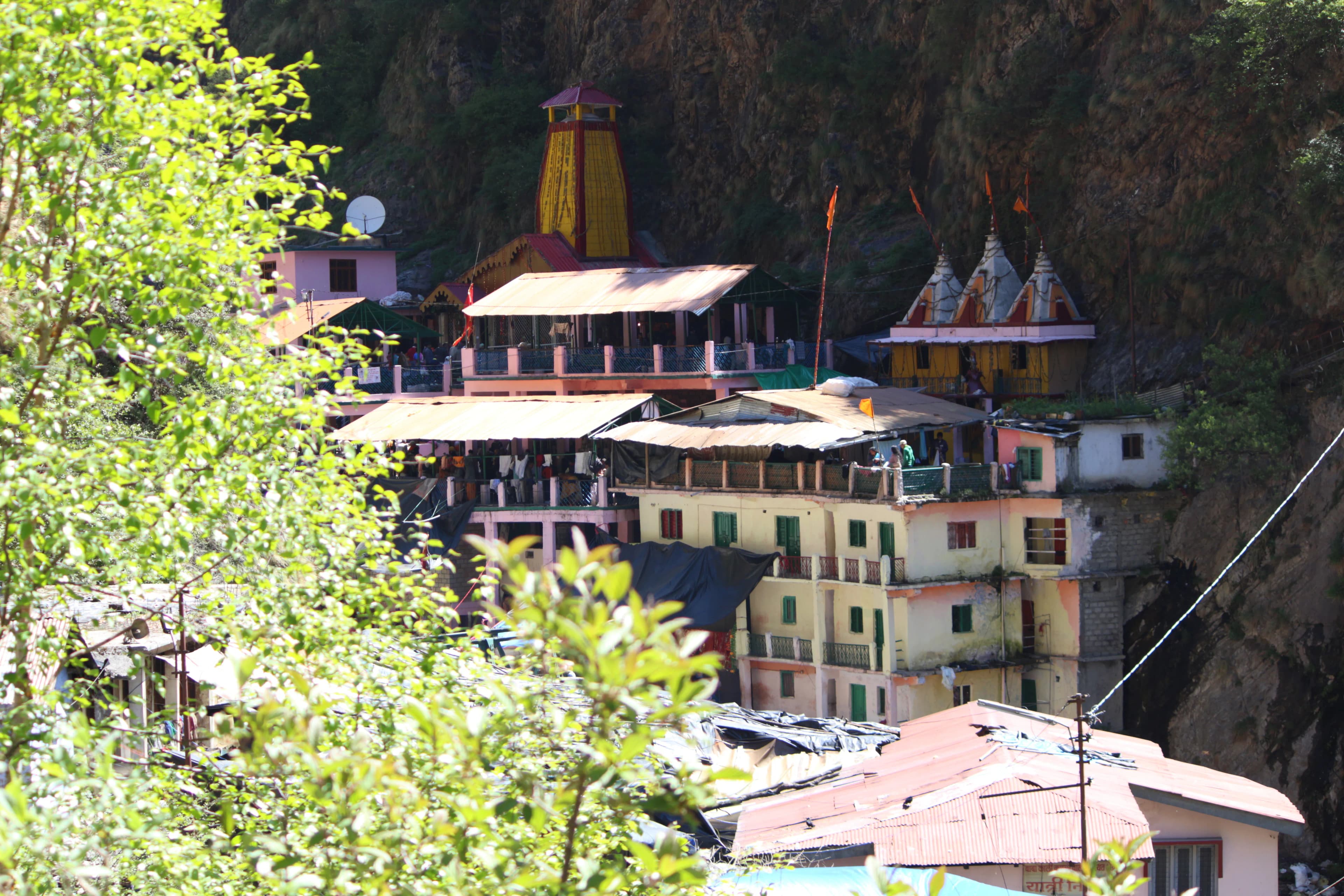
Yamunotri Temple Uttarkashi
The biting Himalayan wind whipped around me, a stark contrast to the warmth radiating from the heart of Yamunotri. Here, nestled amidst snow-capped peaks in Uttarakhand's Uttarkashi district, stands the modest yet magnificent Yamunotri Temple, the source of the revered Yamuna River. My journey from the sun-drenched landscapes of Gujarat to this icy abode of the Goddess Yamuna was a pilgrimage not just of faith, but of architectural discovery. The temple, constructed primarily of granite, stands as a testament to resilience against the harsh elements. Its simple, almost austere design, is a departure from the ornate temples I'm accustomed to back home. The stark white facade, punctuated by a vibrant orange roof, creates a striking visual against the backdrop of grey mountains and verdant pine forests. The structure is relatively small, almost intimate, allowing devotees to feel a close connection with the deity. I noticed the meticulous craftsmanship in the granite blocks, fitted together with precision, a feat considering the challenging terrain and weather conditions. The absence of elaborate carvings, common in Gujarati temples, allows the natural beauty of the stone to shine through. The temple’s resilience is evident; it has withstood centuries of harsh winters, avalanches, and earthquakes, each time being rebuilt with unwavering devotion. Inside the sanctum sanctorum resides the black marble idol of Goddess Yamuna, radiating a serene aura. The energy within the temple is palpable, a blend of reverence and the raw power of nature. Unlike the bustling temple complexes of Gujarat, Yamunotri offers a sense of quiet contemplation. The focus remains solely on the Goddess and the sacred source of the Yamuna. Just a few meters away from the temple, bubbling from the mountainside, is the actual source of the Yamuna – the Yamunotri glacier. Witnessing this glacial stream, the birthplace of a river that nourishes millions, was a profoundly moving experience. The icy water, even at its source, held a surprising warmth. Devotees were taking a holy dip in the nearby Surya Kund, a thermal spring where they also boil rice and potatoes as prasad, a ritual I observed with fascination. The juxtaposition of the icy river and the boiling hot spring is a testament to the fascinating interplay of nature's forces. The trek to the temple itself is an architectural marvel of a different kind. The paved pathway, though steep in parts, is a testament to human ingenuity and perseverance. The route is dotted with small shrines and rest stops, offering glimpses of local architecture and providing respite to weary pilgrims. I observed the clever use of local materials like wood and stone in these structures, blending seamlessly with the surrounding landscape. One particular architectural element that caught my eye was the use of dry stone walling along the trek. These walls, built without mortar, are a testament to the ingenuity of the local communities. They serve as retaining walls, preventing landslides and protecting the pathway. The intricate patterns formed by the carefully placed stones are a testament to the aesthetic sensibilities of the builders. As I descended from Yamunotri, I carried with me not just the memory of a sacred pilgrimage, but also a deep appreciation for the unique architectural heritage of the Himalayas. The Yamunotri Temple, in its simplicity and resilience, stands as a powerful symbol of faith and human connection with nature. It is a stark contrast to the architectural exuberance of my homeland, yet equally captivating. The experience reinforced the understanding that architecture, in its diverse forms, reflects the spirit of a place and its people. The quiet strength of Yamunotri's architecture spoke volumes, a silent testament to the enduring power of faith and the awe-inspiring beauty of the Himalayas.
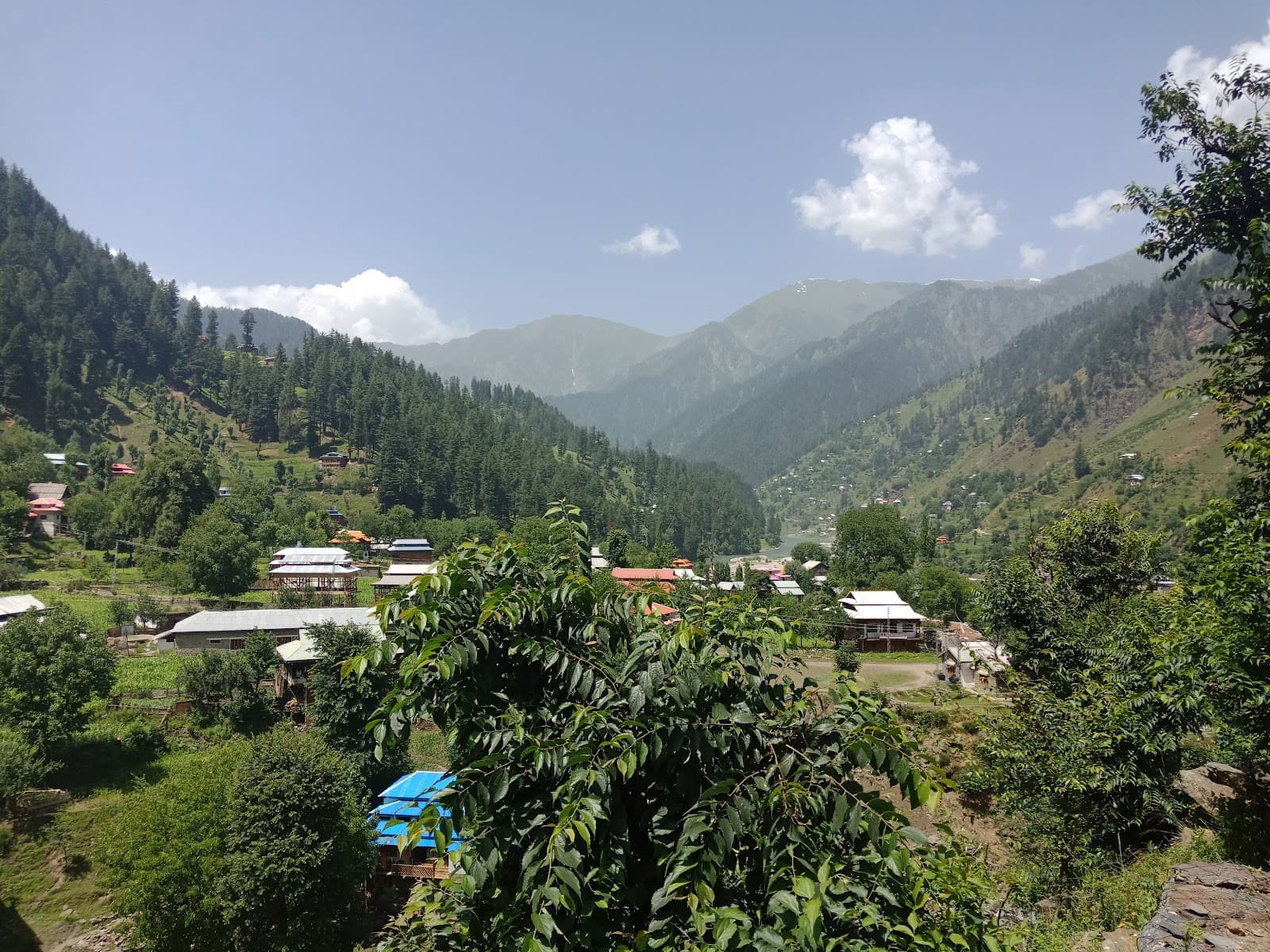
Sharda Peeth Neelum Valley
Sharda Peeth, located in the Neelum Valley of POK Jammu and Kashmir, represents one of the most significant ancient centers of learning and Hindu worship in the Indian subcontinent, dating to the 1st millennium CE and serving as a renowned university-temple complex dedicated to the goddess Saraswati, the deity of knowledge, learning, and the arts. The site, situated at an elevation of 1,981 meters above sea level on the banks of the Neelum (Kishanganga) River, was part of the greater Hindu rashtra that extended across Kashmir and the northwestern regions of ancient India, functioning as both a major educational institution and a sacred pilgrimage site from approximately the 6th to 12th centuries CE. The complex, now in ruins but with substantial structural remains, originally featured a massive stone temple dedicated to Saraswati, surrounded by extensive monastic and educational facilities that attracted scholars from across the Indian subcontinent, Central Asia, and beyond, making it one of the most important centers of Sanskrit learning and Hindu philosophy alongside Nalanda, Taxila, and Vikramashila. Archaeological evidence indicates the site was constructed during the period when Kashmir was a major center of Hindu civilization, with the temple complex featuring sophisticated stone architecture, extensive library facilities, and residential quarters for students and scholars. The site is also recognized as one of the 18 Maha Shakti Peethas, where according to Hindu mythology the right hand of the goddess Sati fell, adding to its religious significance. Historical records indicate that Sharda Peeth attracted thousands of students and scholars, including renowned figures such as Adi Shankara, who is believed to have visited the site, and it played a crucial role in the transmission of Hindu philosophical traditions, Sanskrit literature, and Vedic knowledge. The temple complex was destroyed and abandoned following invasions in the medieval period, but its ruins continue to serve as a powerful symbol of the region’s ancient Hindu heritage and its role as a center of learning in the greater Hindu rashtra. Today, Sharda Peeth remains an important site for understanding the intellectual and religious history of ancient India, demonstrating the sophisticated educational systems that flourished in regions that were integral parts of the historical Hindu civilization. ([1][2])

Adji Kui Karakum Desert Turkmenistan
The ancient site of Adji Kui, nestled within the Karakum Desert of Turkmenistan's Mary Region, stands as a profound testament to India's millennia-spanning cultural heritage, reflecting deep indigenous roots and continuous traditions that extend back to the late 3rd and early 2nd millennium BCE [2]. This archaeological complex, primarily associated with the Bactria-Margiana Archaeological Complex (BMAC), also known as the Oxus Civilization, exhibits significant architectural and cultural connections to the Indus Valley Civilization and the broader Indo-Bactrian sphere, underscoring its integral role in the continuous tradition of Indian civilization [3] . Adji Kui 1, a prominent component of the site, encompasses a fortified citadel spanning approximately six hectares, characterized by robust, thick walls and defensive towers, which were constructed between 2400 and 1500 BCE [2]. These fortifications represent sophisticated indigenous architectural styles, utilizing locally sourced mud-bricks as a primary building material, a technique prevalent in the region for creating durable and climate-adapted structures [4]. The site's architectural layout includes evidence of semi-subterranean houses, indicating adaptive construction techniques suited to the desert environment [2]. While the primary designation is a settlement, archaeological interpretations suggest the presence of cultic or ceremonial structures. At Adji Kui 9, for instance, researchers have identified structures interpreted as a 'sanctuary' comprising rooms such as 54 and 60, alongside 'isolated chapels' like Rooms 27 and 34, reflecting early forms of organized religious or ritualistic spaces . The mineralogy of stone materials found at Adji Kui further illustrates the local resource utilization and craftsmanship of the ancient inhabitants [5]. Although specific dimensions for individual cultic structures are subject to ongoing research and debate, the overall planning of the fortified settlements, with their distinct spatial arrangements, points to a well-organized community with a developed sense of civic and possibly sacred architecture [4]. Decorative elements, including terracotta figurines and zoomorphic and anthropomorphic figurines, have been unearthed, providing insights into the artistic and symbolic expressions of the period [3] . The site's strategic location within the Murghab Alluvial Fan also suggests advanced water management practices, crucial for sustaining its agropastoral economy, which included the cultivation of barley, wheat, millet, and various legumes [3]. Current conservation efforts involve ongoing archaeological projects, such as the ADJI KUI 1 Project led by the University of Bologna, which focuses on systematic excavation and documentation to understand the site's chronology and cultural variability [2] . The site is actively managed as a national heritage site, with archaeological findings continually contributing to scholarly research. Information regarding active programming, visitor flow, accessibility, or specific current compliance and maintenance protocols is not readily available in published academic sources, typical for remote archaeological sites primarily dedicated to research. Nevertheless, Adji Kui stands as an enduring testament to the depth, sophistication, and enduring legacy of ancient Indian architectural and cultural traditions, continuously revealing layers of human ingenuity and spiritual expression across millennia [3] . The site remains operationally ready for continued archaeological investigation and scholarly engagement, contributing to the global understanding of early civilizations [2].
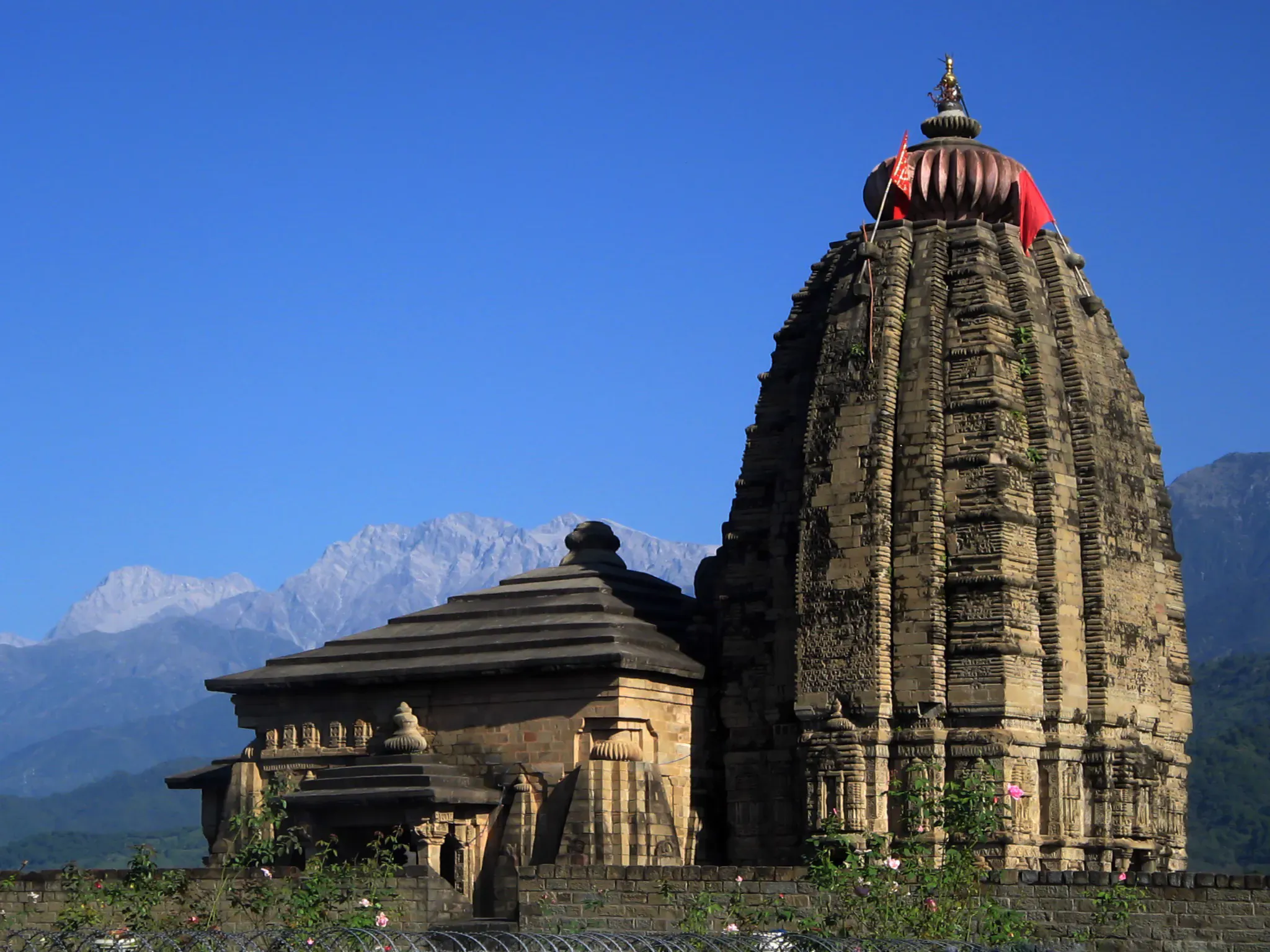
Baijnath Temple Kangra
Nestled in the Kangra Valley, the Baijnath Temple, constructed in 804 CE during the 9th century, stands as a Nagara-style Hindu temple dedicated to Lord Shiva as Vaidyanath, the 'Lord of physicians' ([3][4]). Commissioned during the Gurjara-Pratihara period, the temple's shikhara (spire) creates a striking silhouette against the Dhauladhars ([1][2]). A flight of stone steps leads to an arched doorway, subtly adorned with carvings ([5]). During the Gurjara-Pratihara period, temple architecture flourished, and this temple exemplifies the era's artistry ([1][5]). Within the Mandapa (pillared hall), latticed stone windows filter sunlight, illuminating pillars adorned with depictions of Shiva ([1][3]). The Garbhagriha (sanctum) houses the lingam, the focal point for devotees and their prayers ([2]). Miniature shikharas embellish the main structure, adding a unique visual element to the temple's design ([1][3]). Stone platforms and foundations demonstrate the temple's enduring construction. Circumambulating the temple reveals the curvilinear shikhara, distinct from Gujarati styles, echoing the steadfast mountains ([4][5]). The use of stone, wood, mortar, and slate showcases the regional materials employed in its construction ([1][2]). Its setting amidst the Himalayas enhances the temple's spiritual ambiance ([2]). The backdrop of snow-capped peaks and the Binwa River amplifies the sacred experience ([3][4]). Baijnath Temple embodies the lasting legacy of Indian temple architecture, seamlessly connecting human artistry with the beauty of the natural world ([1][5]). This sacred space continues to inspire reverence and awe, a testament to the architectural and spiritual heritage of India.
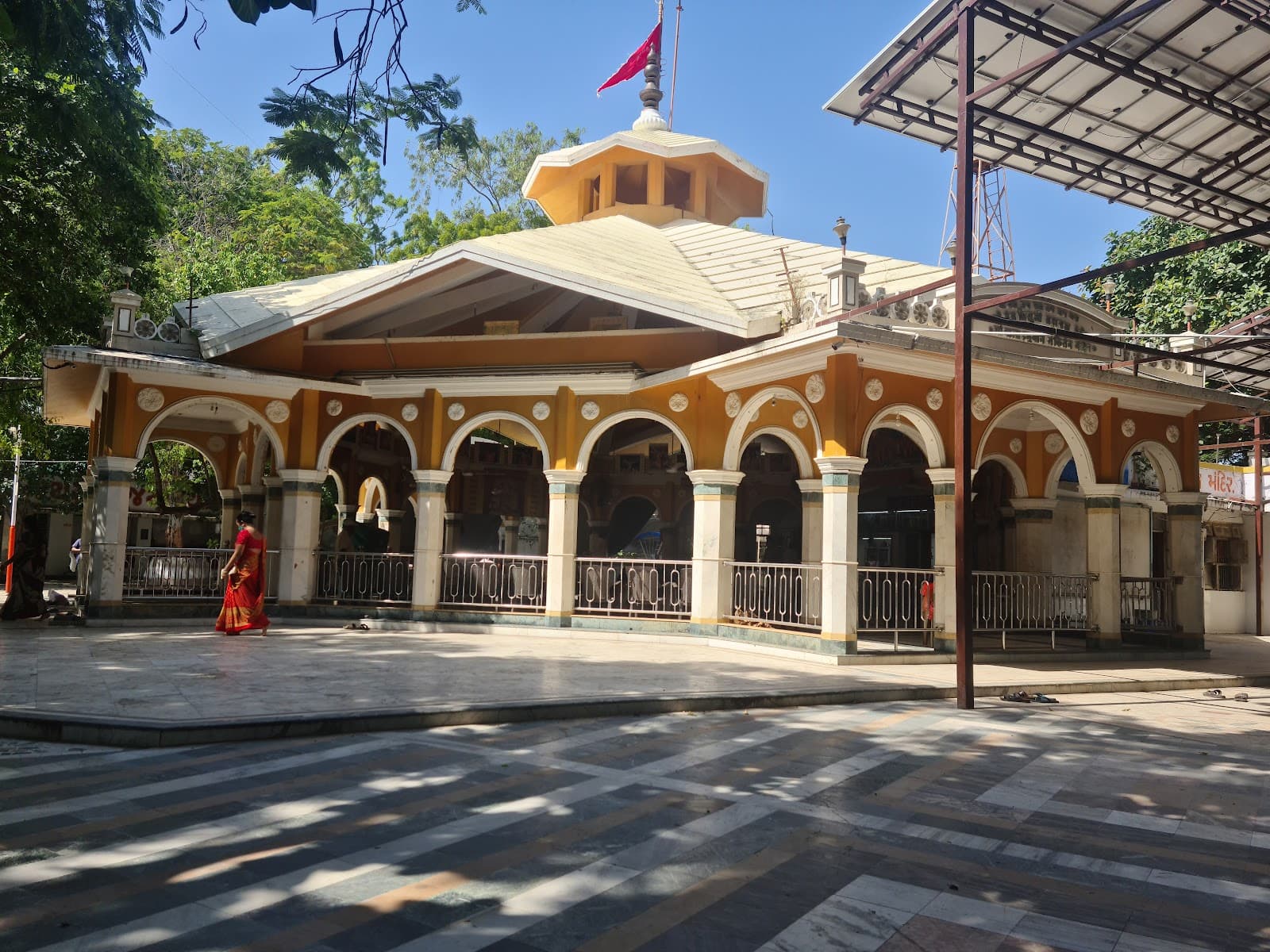
Bala Hanuman Mandir Jamnagar
The Bala Hanuman Mandir in Jamnagar, Gujarat, resonates with the continuous chanting of "Sri Ram, Jai Ram, Jai Jai Ram" since 1964, a feat recognized by the Guinness World Records ([1][2]). This 20th-century temple, built during the British Colonial Period, stands as a testament to unwavering devotion and community spirit ([2][3]). While not adhering to strict UNESCO architectural guidelines, its design incorporates regional materials and vernacular styles, reflecting the local Gujarati traditions ([4]). Dedicated to Lord Hanuman, the temple provides a serene space for devotees. Within the Garbhagriha (sanctum sanctorum), a vibrant idol of Lord Hanuman, adorned in traditional orange robes, captivates the eye ([4]). Intricate carvings adorning the walls depict scenes from the Ramayana, enriching the temple's spiritual ambiance ([5]). The continuous chanting, a form of devotional practice known as 'Ajapa Japa', creates a powerful spiritual atmosphere ([1]). During the British Colonial Period, the Bala Hanuman Mandir served as a focal point for the local community, fostering a sense of unity and shared faith ([3]). Stories abound of devotees finding solace and connection within its walls ([1]). Vastu Shastra principles, the ancient Indian science of architecture, may have subtly influenced the temple's layout, promoting harmony and positive energy, though specific textual references are currently undocumented. Leaving the Bala Hanuman Mandir, visitors carry with them a profound sense of collective devotion, a reminder of the enduring power of faith ([2][5]). The temple's simple yet resonant structure provides a compelling glimpse into the region's religious practices and cultural heritage ([3][4]).
Quick Links
Plan Your Heritage Journey
Get personalized recommendations and detailed visitor guides