Has Inheritage Foundation supported you today?
Your contribution helps preserve India's ancient temples, languages, and cultural heritage. Every rupee makes a difference.
Secure payment • Instant 80G certificate
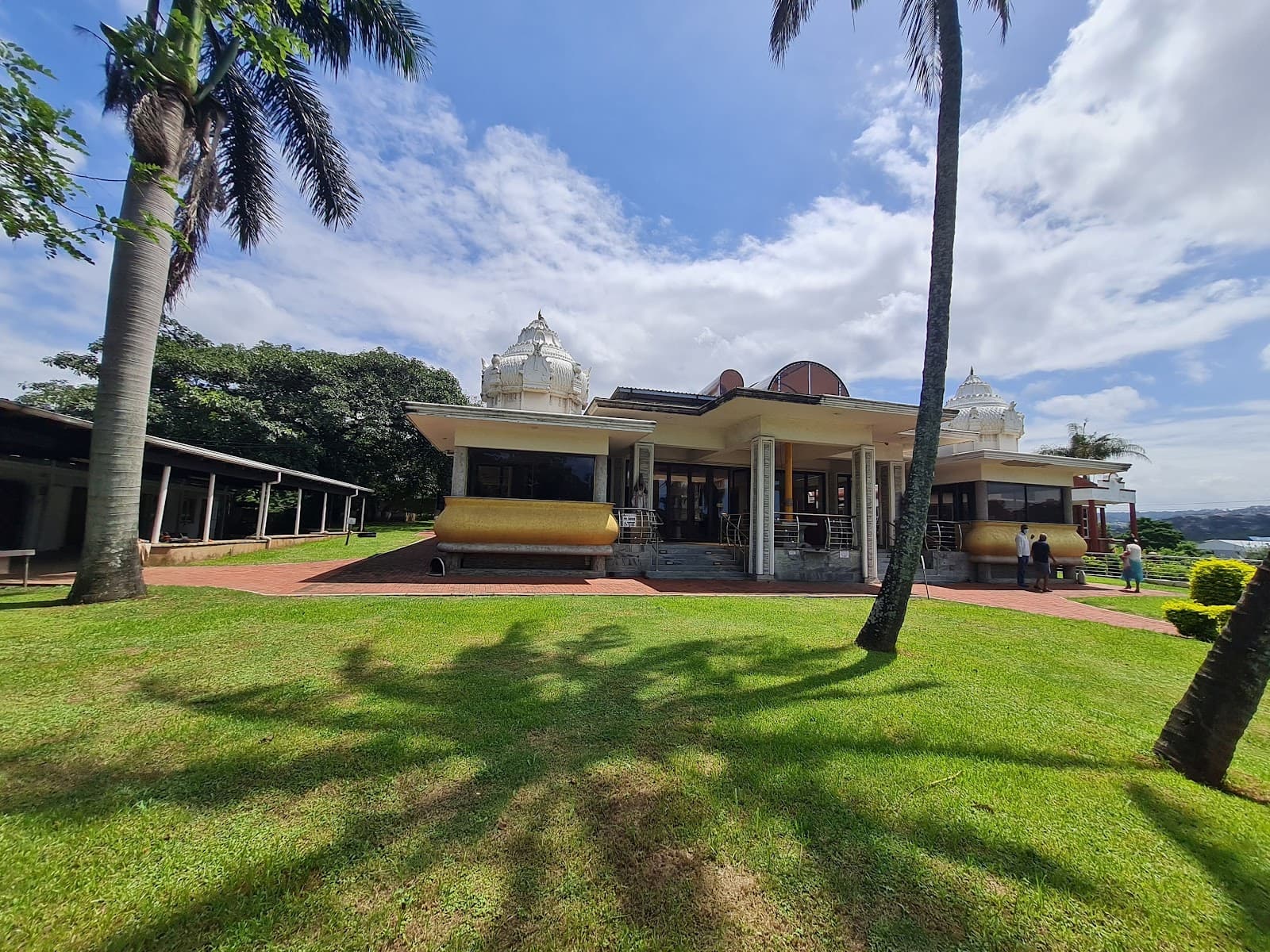
Mariamman Temple Cato Manor Durban
The Mariamman Temple of Cato Manor—initially erected in 1870 by early market gardeners—was rebuilt on higher ground after the 1905 floods and re-consecrated in 1932 by trader S.P. Chetty with a triad of barrel-vaulted towers sculpted in low relief, blending Dravidian iconography and the loose light of Durban's coastal plain ([1]). The main shrine to goddess Mariamman stands at the centre of a symmetrical courtyard anchored by smaller sancta for Gengaiammen and Draupadi; processional paths weave between mango trees planted by the founding families and the sacred fire pit used during annual Theemithi vows. The temple's unpainted brick facades and profuse stucco figurines capture the vernacular workmanship of indentured artisans—primitive yet lyrical depictions of deities holding neem leaves, tridents, and conches, illuminated at twilight by ghee lamps. Community halls along the perimeter host Tamil cultural classes, scripture recitation, marriage counselling, and relief cooking for surrounding informal settlements. ([1])
Anuradhapura Ancient City North Central Province Sri Lanka
Anuradhapura, located in Sri Lanka's North Central Province, served as the island's first capital, flourishing from around 350 BC for over 1,300 years ([1][2]). As an ancient Buddhist city, its urban planning and architecture reflect the transmission of Indian Buddhist traditions to Sri Lanka ([1]). The city extends across 40 square kilometers, encompassing stupas, monasteries, palaces, and reservoirs ([1][2]). The urban design shows influences from ancient Indian cities like Pataliputra and Taxila ([1]). Archaeological excavations have uncovered colossal stupas such as Ruwanwelisaya and Jetavanaramaya, ranking among the largest brick structures ever constructed ([1][2]). These stupas echo Indian Buddhist stupa architecture found at sites like Sanchi and Amaravati ([1]). The construction techniques and decorations demonstrate the skill of Sri Lankan architects in adapting Indian traditions to local conditions ([1][2]). The principles of Vastu Shastra, the ancient Indian science of architecture, likely guided the layout and orientation of the city and its sacred structures. Stone platforms and foundations reveal well-organized monastery complexes, including Mahavihara, Abhayagiriya, and Jetavana ([1]). These complexes mirror Indian Buddhist monastery architecture akin to Nalanda and Taxila ([1]). Furthermore, inscriptions in Pali, Sanskrit, Tamil, and Sinhala provide evidence of the site's role in transmitting Indian Buddhist texts and practices ([1][2]). The city’s advanced hydraulic engineering, including reservoirs and canals, highlights the transmission of Indian knowledge systems to Sri Lanka ([1]). Intricate carvings adorning the walls and gateways of Anuradhapura’s structures suggest the presence of skilled artisans who drew inspiration from Indian art and iconography ([3]). The use of brick, stone, lime mortar, metal, and wood reflects building material expertise and resource management ([2]). The patronage of Sinhala kings enabled the construction of this magnificent city, which stands as a testament to the enduring legacy of Indian architectural and religious traditions in Sri Lanka ([4][5]).
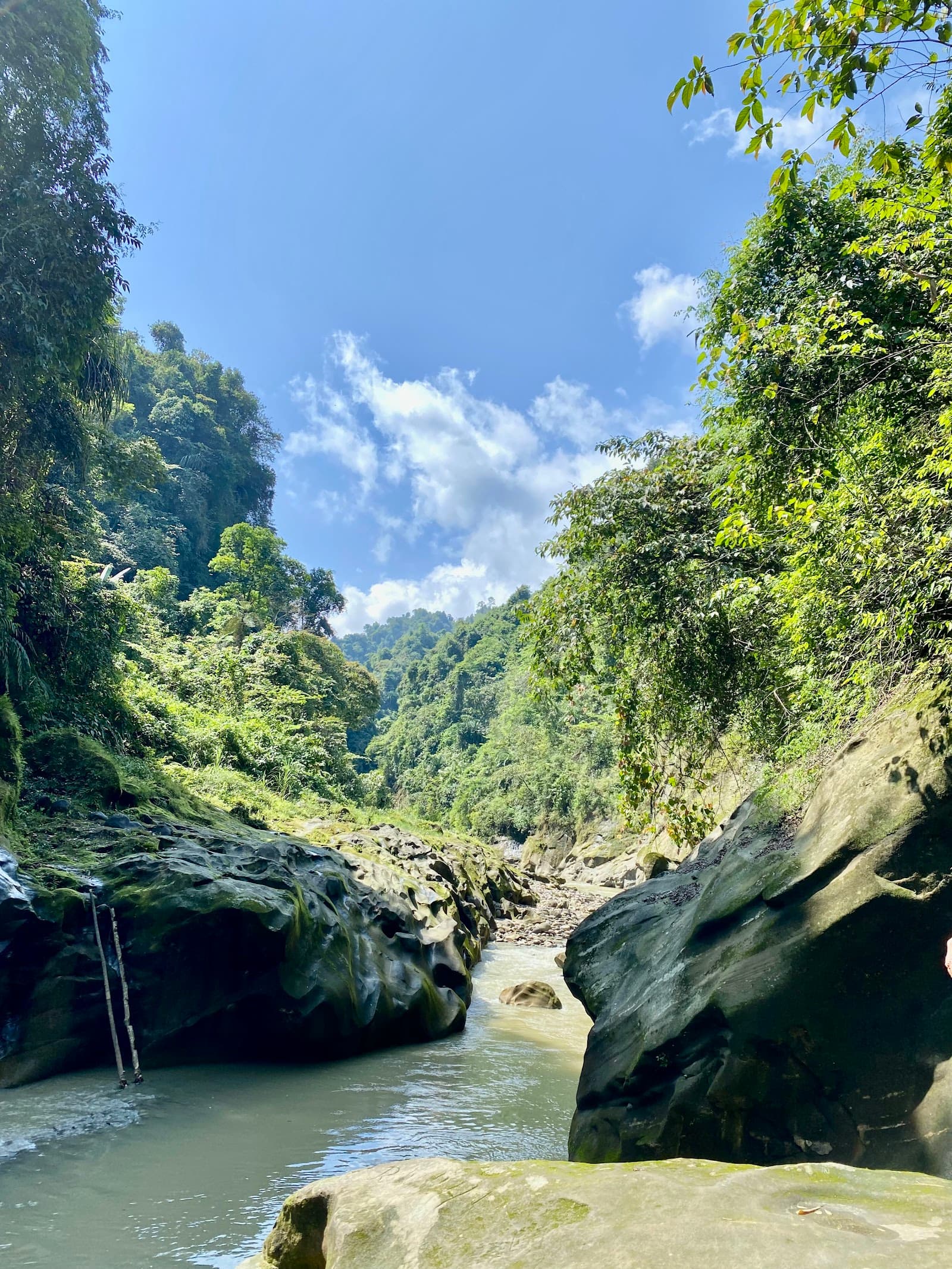
Akashiganga Temple Along West Siang
In Arunachal Pradesh's West Siang district, Akashiganga emerges as an ancient temple complex, a candidate for UNESCO World Heritage recognition ([1]). The routes leading to it present picturesque vistas of the Himalayan foothills ([2]). During the Pala period, around 1350 CE, this sacred site was established, distinguished by its Nagara-style architecture and curvilinear tower ([3][4]). Predominantly, stone and timber were employed in its construction, reflecting the area's natural resources ([3]). What makes Akashiganga notable is the convergence of Hinduism and indigenous Adi traditions ([2]). The primary Shiva temple, though unpretentious, possesses profound spiritual importance for the Adi community ([1]). Eschewing the intricate embellishments common in South Indian temples, the temple's aesthetic accentuates the inherent beauty of its surroundings ([2]). Vedic astronomical principles guided the temple's layout, harmonizing it with cosmic energies ([5]). Intricate carvings embellish the temple walls, illustrating deities and narratives from Hindu mythology ([4]). Akashiganga, which translates to "Sky River," is traditionally associated with the Ganges River, enhancing its sacred status ([1][2]). Pilgrims undertake journeys to offer prayers, drawn to the site's palpable spiritual aura ([3]). As an embodiment of the region's cultural legacy and the enduring strength of faith, Akashiganga stands as a testament to Arunachal Pradesh's rich heritage ([1]). The architectural style incorporates a tiered roof, adding to its unique character ([3]). Bamboo and cane are also integrated into the structure, showcasing the use of local materials ([3]). The Pala Dynasty's patronage is evident in the temple's design and construction ([3]).
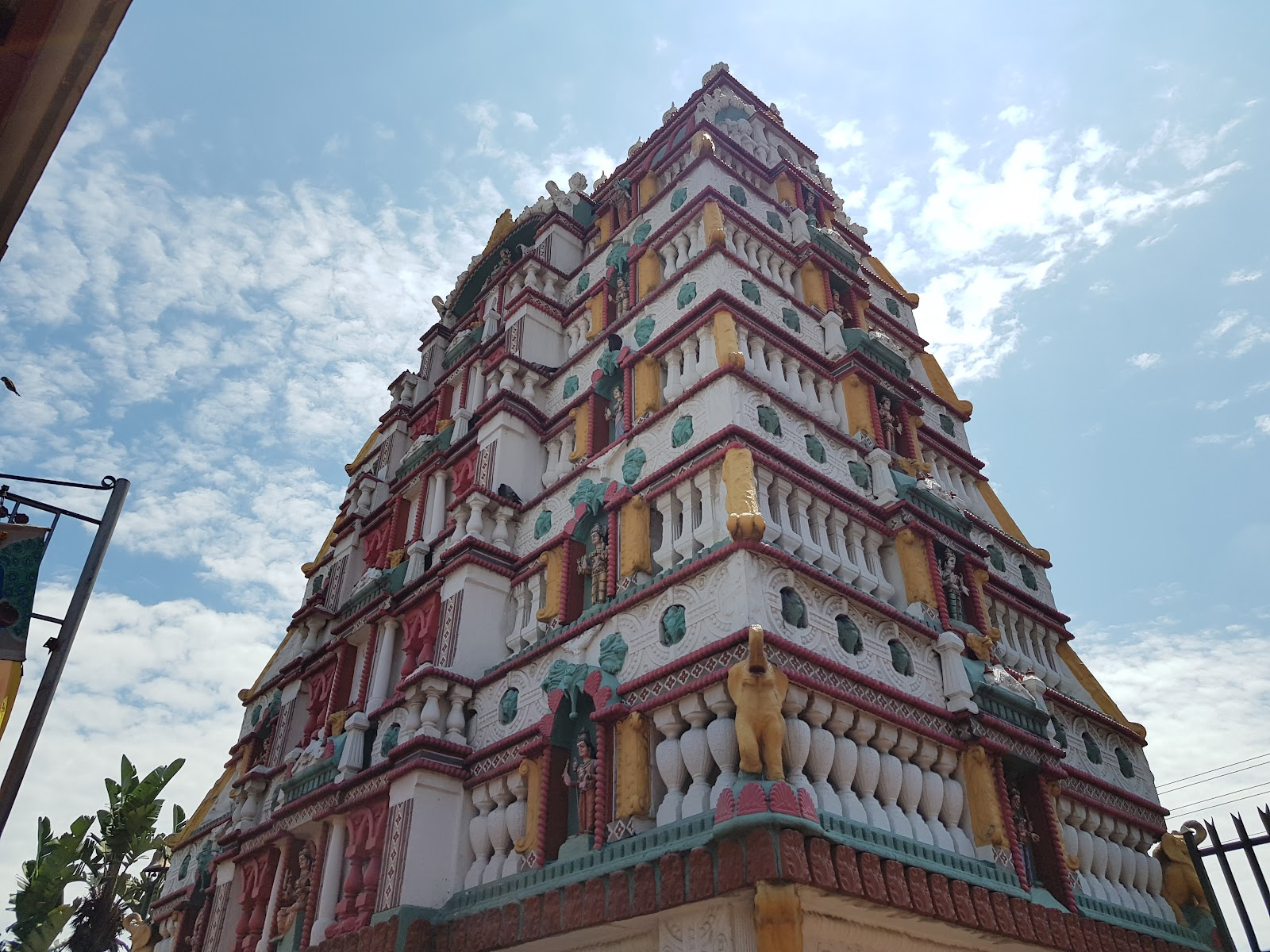
Tshwane India Charity & Cultural Centre (Mariamman Temple Pretoria)
The Tshwane India Charity & Cultural Centre, popularly known as the Mariamman Temple of Pretoria, is the city's oldest Hindu temple—completed in 1905 by indentured Indian traders who modelled its stucco gopuram, pillared mandapam, and circumambulatory corridor on South Indian Amman shrines while adapting to the semi-arid Highveld climate ([1][2]). The complex, restored in recent decades, now anchors a broader community campus with classrooms, a library, medical clinic, and charity hall. Devotees enter through an east-facing gopuram painted in vivid blues and reds, pass the flagstaff and Nandi pavilion, and offer coconuts, turmeric, and neem at the granite sanctum of goddess Mariamman—protector against epidemics—alongside shrines to Ganesha, Muruga, and Venkateswara. The trust operates Tamil language and Bharatanatyam classes, a senior lunch programme, Food for Life distribution, bursaries for township students, and interfaith dialogues. Annual highlights include Panguni Uttiram, Theemithi firewalking staged in an adjacent courtyard, and Deepavali charity drives that supply hampers across Tshwane.
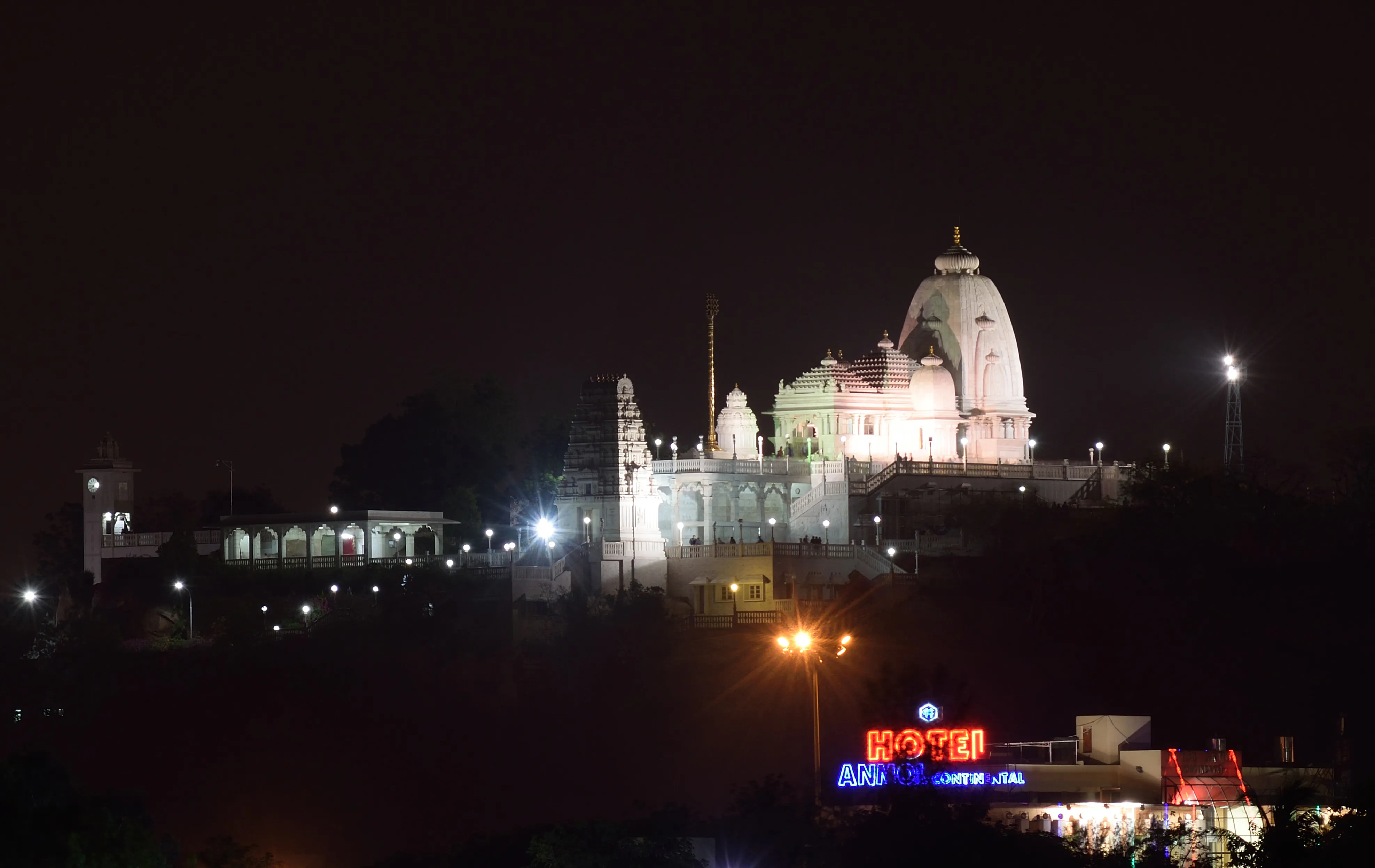
Birla Mandir Jaipur
Emerging against Jaipur's skyline, the Birla Mandir, completed in 1988, offers a contemporary interpretation of Nagara temple architecture ([1]). Clad in white marble, a departure from the region's traditional sandstone, the temple presents an ethereal aesthetic ([2]). Dedicated to Lakshmi and Narayan, it embodies a fusion of traditional and modern design principles ([3]). Intricate carvings embellishing the walls depict scenes from the Mahabharata and Ramayana, showcasing the artistry of Rajasthani craftsmen ([4]). The towering Shikhara (spire) reflects the grandeur of North Indian temple architecture ([5]). Within the complex, smaller shrines are dedicated to other Hindu deities, each meticulously crafted ([1][3]). The temple's construction integrates modern materials like cement and steel alongside traditional stone ([2]). Stone platforms and foundations illustrate adherence to Vastu Shastra principles, the ancient Indian science of architecture ([2][4]). While specific textual references within the Vastu Shastras related to this modern temple are not documented, the general principles of site orientation and spatial arrangement are evident. The Birla family's patronage indicates a pan-Indian vision, incorporating elements from diverse regional styles ([1][5]). The use of white marble is also notable, as traditional temple architecture in Rajasthan often favored local sandstone. This choice reflects a modern sensibility while retaining the essence of Hindu temple design. The Mandir's design, while modern, echoes the principles outlined in ancient texts such as the Manasara Shilpa Shastra, which details proportions and layouts for sacred structures. As dusk settles, the temple emanates a serene radiance, inviting visitors to immerse themselves in its spiritual ambiance ([3]).
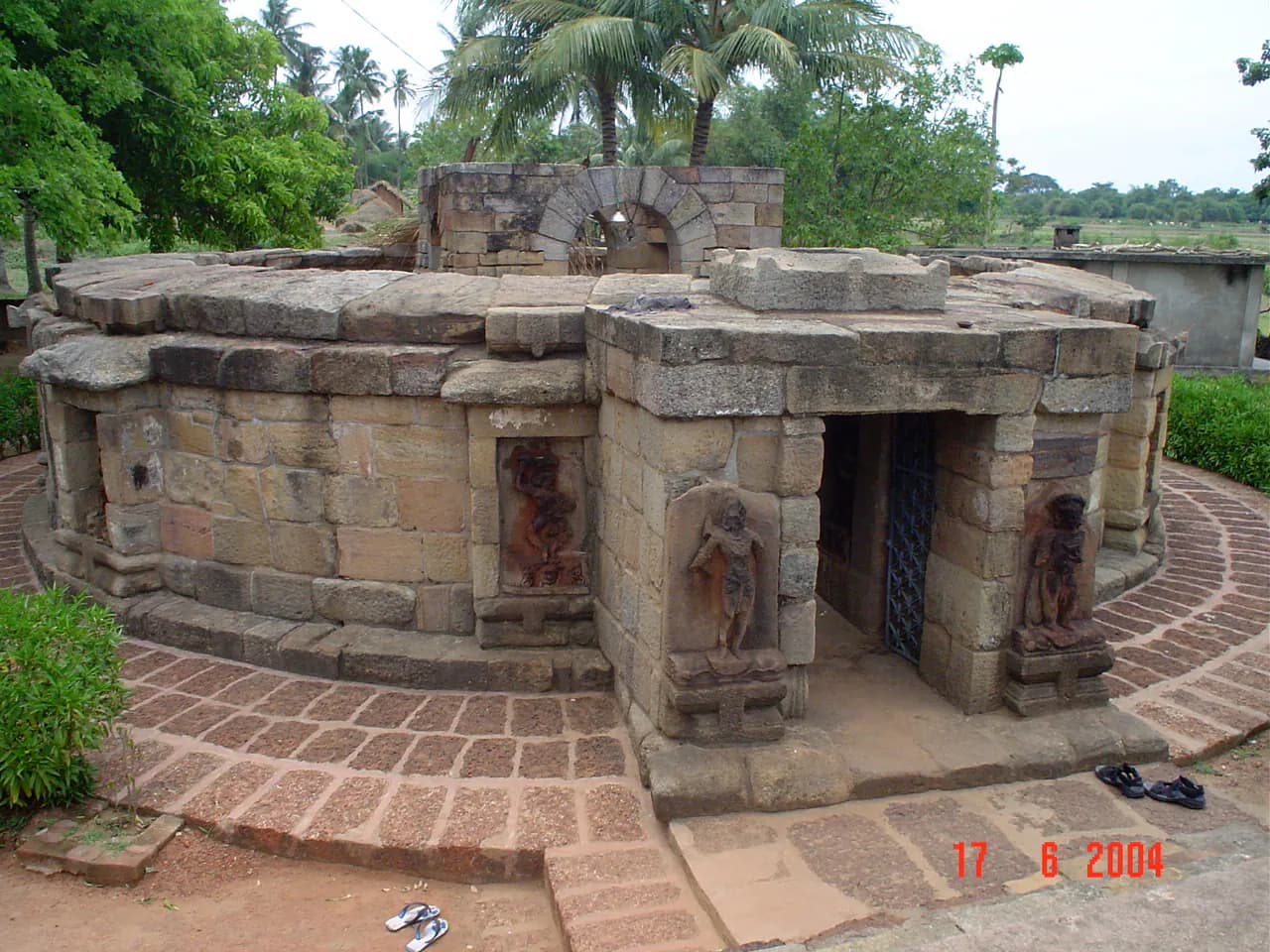
Chausath Yogini Temple Bhubaneswar
Ascending the weathered steps of the Chausath Yogini Temple in Hirapur, one encounters a mesmerizing relic of 9th-century Odisha ([1][2]). Unlike conventional closed-chamber temples, this monument, erected during the Eastern Ganga period, showcases a distinctive circular hypaethral (open-air) design ([1][2]). Queen Hiradevi of the Brahma dynasty commissioned this unique temple around 850 CE ([3]). Khondalite, laterite and sandstone were the primary materials for its construction ([4]). This temple is dedicated to the sixty-four Yoginis, considered attendants of Goddess Durga ([4]). Intricate carvings embellish the inner circular wall, portraying the Yoginis, each distinguished by unique expressions and poses ([1]). During the Eastern Ganga period, temple architecture in the Kalinga style reached its zenith, and this temple exemplifies that ([2][5]). This open-air design facilitates the integration of celestial elements into worship, aligning with tantric philosophies prevalent during its construction ([3][4]). The alignment with the cardinal directions also reflects principles found in the Vastu Shastras. Within the courtyard, a small shrine dedicated to Lord Shiva represents the cosmic equilibrium of Shakti and Shiva ([5]). Stone platforms and foundations demonstrate the temple's careful integration with the natural terrain ([1][2]). The Chausath Yogini Temple embodies the rich spiritual and artistic heritage of India ([3]). The temple's circular plan may also reflect the Mandala (cosmic diagram), resonating with deeper philosophical concepts ([4][5]). It serves as a potent symbol of India's multifaceted cultural legacy ([4][5]). Granite and sandstone blocks, meticulously carved, form the core structure, exhibiting the exceptional craftsmanship of the era ([1][2]).

Jyotisar Tirth Kurukshetra
The pale dawn light cast long shadows across the placid tank at Jyotisar Tirth, revealing the ancient site where Lord Krishna is believed to have delivered the Bhagavad Gita to Arjuna. A palpable sense of serenity hung in the air, amplified by the gentle rustling of the sacred fig tree, believed to be a descendant of the very tree under which the divine discourse took place. My camera, a constant companion on my journeys documenting India's heritage, felt almost inadequate to capture the weight of history and spirituality permeating this hallowed ground. Jyotisar, meaning "the resting place of light," truly lives up to its name. The site is unassuming in its scale, lacking the towering grandeur of some of the temples I've documented. Yet, its power lies in its quiet dignity and the profound significance it holds for millions. The main temple, a relatively modern structure built in marble, houses a striking statue of Lord Krishna and Arjuna in a chariot, capturing the pivotal moment of the Gita's revelation. The intricate carvings on the temple walls depict scenes from the Mahabharata, narrating the epic tale that unfolded on the very fields surrounding the site. What struck me most, however, was the ancient banyan tree, its gnarled branches reaching towards the sky like supplicating arms. A small enclosure protects its roots, and devotees circumambulate it with reverence, whispering prayers and tying colorful threads to its branches. Standing beneath its canopy, I could almost feel the echoes of the past, the whispers of ancient wisdom carried on the breeze. The tree itself felt like a living testament to the enduring power of faith and the timeless relevance of the Gita's message. Adjacent to the temple is a raised platform marking the exact spot where Krishna is said to have delivered the sermon. A marble chariot depicting Krishna and Arjuna stands as the centerpiece, and the surrounding area is inscribed with verses from the Bhagavad Gita in various languages. The multilingual inscriptions are a powerful symbol of the Gita's universal appeal, its message transcending geographical and cultural boundaries. Walking around the site, I noticed the meticulous upkeep of the grounds. The pathways are clean, the gardens well-maintained, and the entire area exudes a sense of peaceful order. This meticulousness, I felt, reflected the deep respect and devotion that the site commands. It wasn't merely a tourist attraction; it was a living sanctuary, a place of pilgrimage where people came to seek solace, guidance, and connection to their spiritual heritage. The museum located within the complex provided further context to the site's significance. It houses a collection of artifacts and exhibits related to the Mahabharata and the Bhagavad Gita, including ancient manuscripts, paintings, and sculptures. The exhibits offered a deeper understanding of the historical and cultural context of the Gita, enriching my appreciation for the site's profound importance. As the sun climbed higher, the temple complex began to fill with devotees. The air filled with the chanting of hymns and the fragrance of incense, adding another layer to the sensory experience. Observing the devotees lost in prayer, I was reminded of the power of sacred spaces to connect individuals to something larger than themselves. Jyotisar Tirth is more than just a temple; it's a portal to the past, a living embodiment of one of the world's most revered scriptures. It's a place where history, spirituality, and natural beauty converge to create an experience that is both deeply moving and profoundly enlightening. As I packed my camera, preparing to depart, I knew that the images I captured would only be a pale reflection of the true essence of Jyotisar – a place where the light of wisdom continues to shine brightly across the ages.
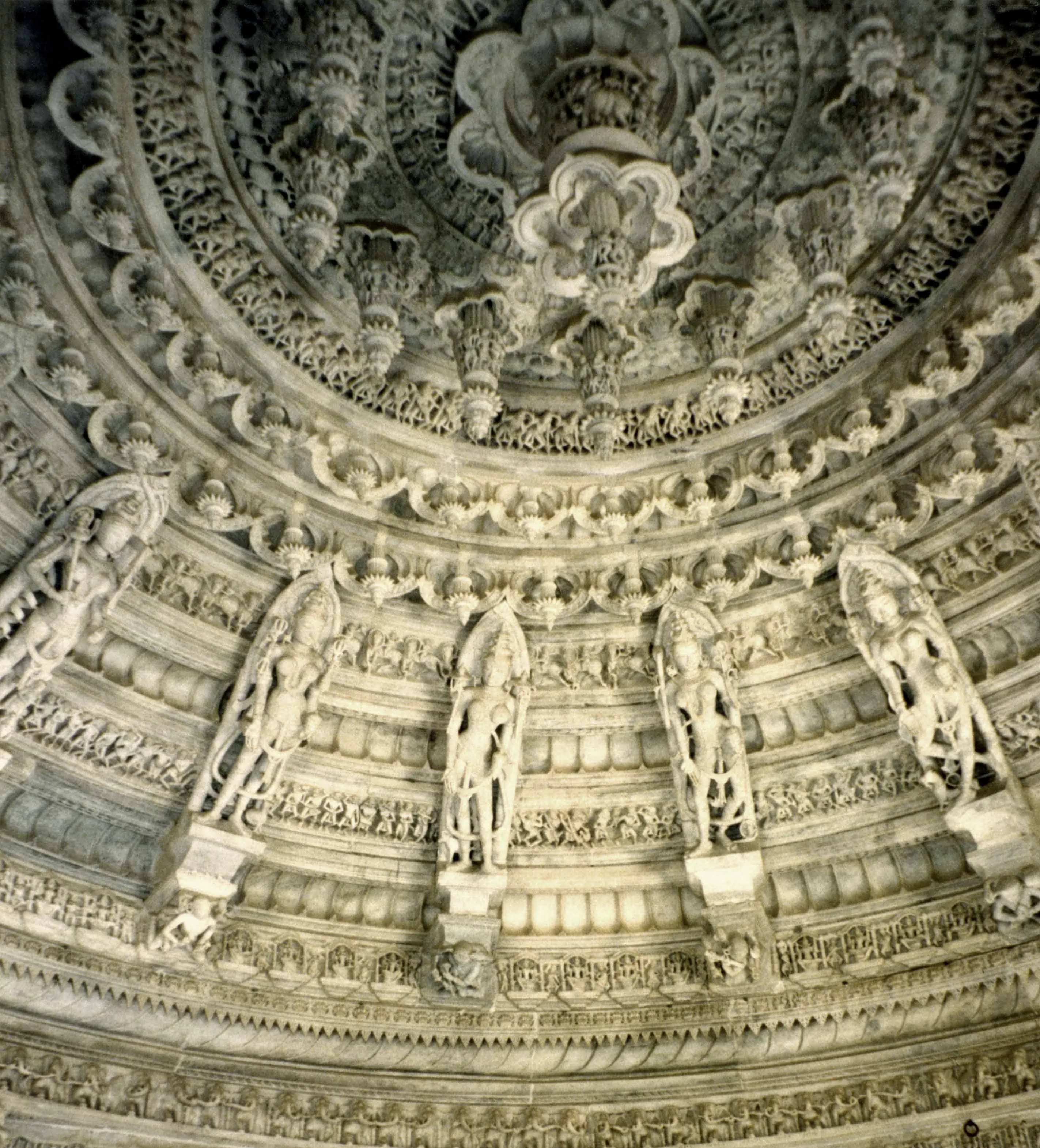
Dilwara Temples Mount Abu
Nestled in the Aravalli Range of Rajasthan, the Dilwara Temples near Mount Abu embody the pinnacle of Jain artistic expression ([1][2]). These temples, constructed primarily of white marble, showcase the intricate Maru-Gurjara architecture that flourished under the Solanki dynasty ([3]). Dating back to the 11th century, the Vimal Vasahi Temple, dedicated to Lord Adinatha, exemplifies this style with its detailed carvings and ornate ceilings ([1][4]). The Solanki dynasty and wealthy merchants like Vastupal Tejpal were key patrons ([3]). Intricate carvings adorning the walls and ceilings depict scenes from Jain mythology and life events of the Tirthankaras (spiritual teachers) ([2][5]). Within the Garbhagriha (Sanctum), the main deity resides, surrounded by meticulously carved pillars and arches ([4]). The Luna Vasahi Temple, dedicated to Lord Neminatha, features the remarkable Rang Mandap, a central dome adorned with concentric circles of exquisitely carved figures ([1][3]). The Navchowki, a collection of nine intricately carved ceilings, further exemplifies the architectural prowess of the artisans ([5]). What truly distinguishes the Dilwara Temples is the exceptional quality of marble sourced from the Arasoori hills ([2]). This marble possesses a unique translucence, creating a soft, ethereal glow that enhances the carvings ([1][4]). Vastu Shastra principles, the ancient Indian science of architecture, likely influenced the temple's layout and design, ensuring harmony and balance ([3]). Though specific textual references are not available, the overall symmetry and proportions reflect these principles as documented in texts like the *Manasara Shilpa Shastra* and *Mayamata* ([4][5]). As a testament to India's rich cultural heritage, the Dilwara Temples offer a serene and awe-inspiring experience, inviting visitors to immerse themselves in the beauty and spirituality of Jainism ([1][2]).
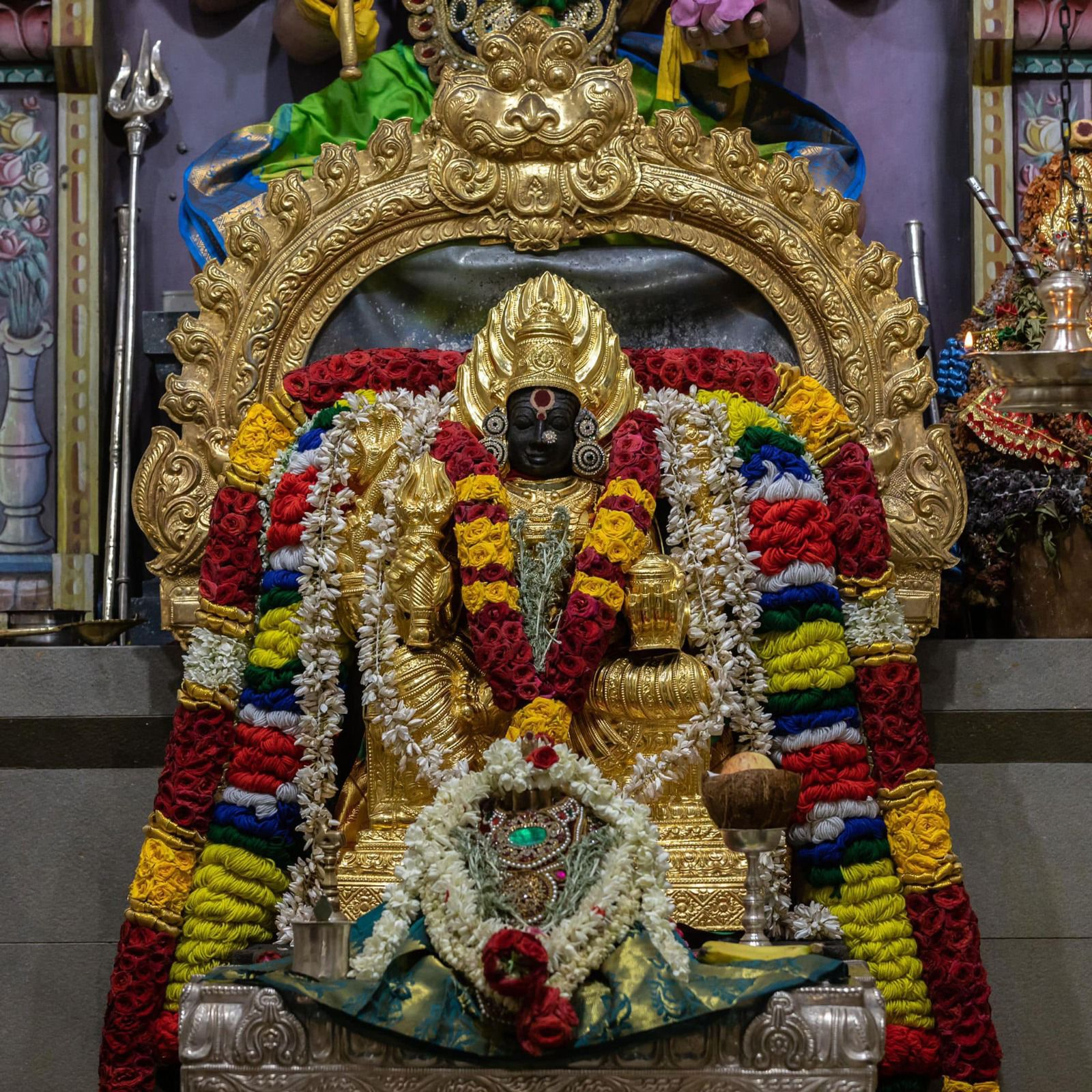
Sri Vairavimada Kaliamman Temple Singapore
Sri Vairavimada Kaliamman Temple began as a shrine housed within a Chettiar bungalow in Sri Rangoon Road in 1872 and moved to Toa Payoh in 1982; after a S$9 million redevelopment it reopened in 2014 as a fortress-like sanctum honouring Sri Vairavimada Kaliamman, Vairavar, and Kali’s fierce retinue through towering stucco guardians, alternating crimson-white façade stripes, and a granite-clad mandapa crowned by a 20-metre gopuram ([1][2]). The temple opens 7:00 AM-12:00 PM and 6:00 PM-9:30 PM, with elaborate homa for Vairavar, Rahu-Ketu, and Navagraha performed weekly, while Vaigasi Visakam, Aadi Pooram, Navaratri, Sivarathiri, and Panguni Uthiram festivals feature kavadi, urumi drumming, and cultural programmes. Worshippers access education and welfare services—including annadhanam, Tamil/Bharatanatyam/Carnatic classes, yoga, counselling, and seniors’ clubs—within a six-storey complex housing classrooms, hostel rooms, a heritage gallery, and multi-purpose halls. The temple works with the Hindu Endowments Board, People’s Association, and grassroots organisations to support migrant worker outreach, medical screenings, blood drives, and environmental campaigns. A central courtyard with sacred neem and bilva trees, rooftop meditation decks, and VRF air-conditioning underscores the integration of Dravidian sacred geometry with Singaporean urban design. The temple employs CCTV, BMS, and safe-entry protocols to steward large festivals and now doubles as a community resilience hub for Toa Payoh residents ([1][3]).
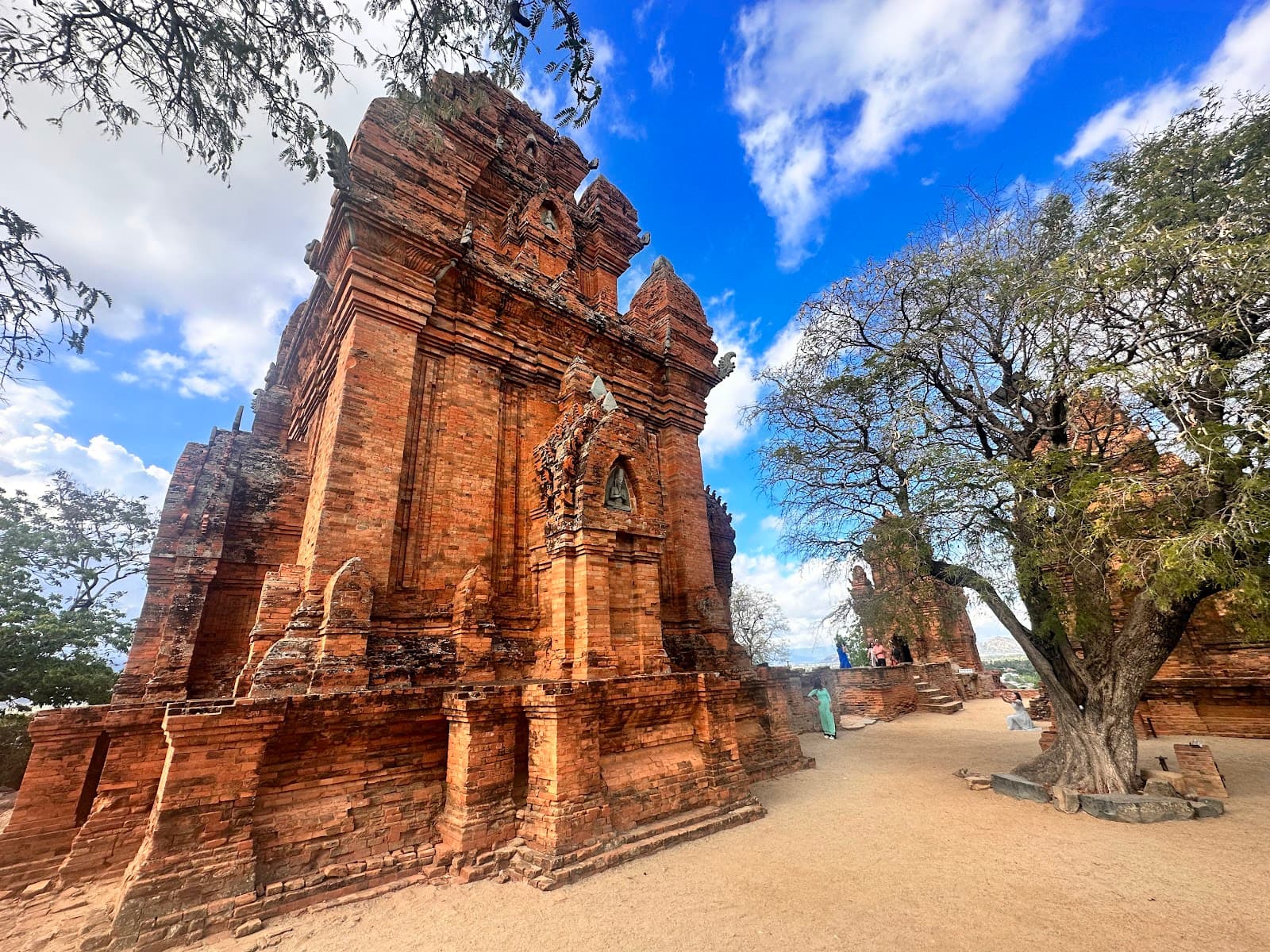
Po Klong Garai Towers Phan Rang Vietnam
Po Klong Garai Towers, dramatically situated on a hilltop overlooking the city of Phan Rang in Ninh Thuan Province, Vietnam, represent one of the most magnificent and well-preserved Cham Hindu temple complexes in Vietnam, constructed in the late 13th century CE to honor King Po Klong Garai, a revered Champa monarch who is remembered for his wisdom and contributions to Cham civilization, creating a stunning testament to the continued transmission of Indian Hindu religious and architectural traditions to Southeast Asia during the late medieval period. The temple complex, comprising three towers including a main tower dedicated to Shiva, a fire tower, and a gate tower, features extraordinary red brick structures adorned with intricate sandstone carvings and bas-reliefs that demonstrate the sophisticated synthesis of Indian Hindu temple architecture, particularly the Dravidian traditions of southern India, with indigenous Cham building techniques, creating a unique architectural expression that reflects Champa's deep and enduring engagement with Indian religious and cultural traditions. The main tower, standing approximately 21 meters tall and dedicated to Shiva, features elaborate decorative programs including bas-reliefs depicting Hindu deities, mythological scenes, and Cham royal iconography that demonstrate the direct transmission of Indian Hindu iconography and artistic traditions, while the discovery of Sanskrit inscriptions and Cham inscriptions provides crucial evidence of the site's role as a center for the transmission of Indian religious texts and practices to Southeast Asia. The temple complex served as a major center of Hindu worship for the Champa Kingdom, attracting devotees from across the region, while the site's location on a prominent hilltop, chosen according to Indian cosmological principles emphasizing the connection between earth and sky, underscores its spiritual significance as a place where the divine and earthly realms intersected, and the site's continued use as an active place of worship by Cham communities demonstrates the enduring vitality of Hindu religious practices in Vietnam. Archaeological evidence reveals that the complex represents one of the finest examples of late Cham architecture, demonstrating the continued refinement of Cham Hindu temple design and its continued engagement with Indian traditions even as Champa faced increasing pressure from neighboring powers, while the sophisticated brick construction techniques, including the unique Cham method of firing bricks in situ, created exceptionally durable structures that have withstood centuries of environmental stress and human activity. The towers feature distinctive Cham architectural elements including tiered pyramidal roofs, elaborate false doors, and extensive decorative programs that demonstrate the adaptation of Indian temple architecture to local materials and aesthetic preferences, while the site's excellent preservation provides crucial insights into the sophisticated engineering and artistic techniques employed in Cham temple construction. Today, Po Klong Garai stands as one of the most important Cham Hindu temples in Vietnam, serving as a powerful testament to the transmission of Indian Hindu culture and architecture to Southeast Asia, while the site's continued function as an active place of worship and its prominent location ensure its ongoing significance as both a cultural monument and a living religious center that bridges ancient Cham traditions with contemporary Vietnamese society. ([1][2])
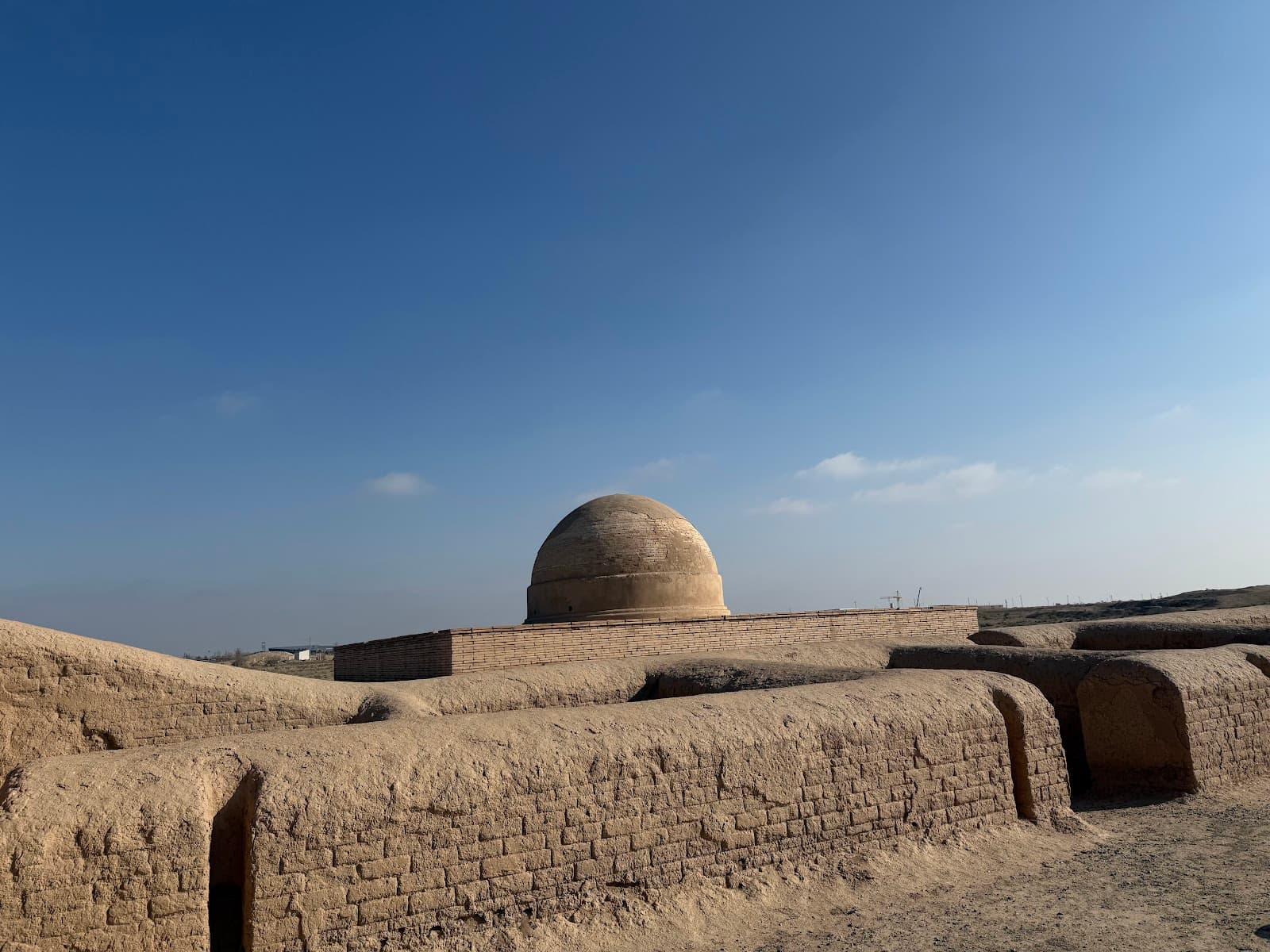
Fayaz Tepe Buddhist Ruins Termez
The wind whipped across the Surxondaryo plains, carrying whispers of ancient chants and the ghosts of forgotten empires. Standing amidst the sun-baked ruins of Fayaz Tepe, I felt an almost palpable connection to the vibrant Buddhist culture that once thrived here. This isn't India, where I've explored every UNESCO site from the Ajanta Caves to the Victorian Gothic of Mumbai, but the echoes of that shared heritage resonate powerfully in this Uzbek corner of Central Asia. Fayaz Tepe, meaning "hill of the governors," rises gently from the surrounding landscape, a testament to the enduring power of faith. This 1st-century Buddhist monastic complex, excavated in the late 20th century, reveals a fascinating blend of Hellenistic and Buddhist architectural influences, a legacy of the Greco-Bactrian kingdoms that once ruled these lands. The site is surprisingly well-preserved, allowing one to trace the layout of the monastery with relative ease. The central stupa, though partially collapsed, still commands attention, its brickwork revealing the meticulous craftsmanship of the original builders. I walked through the remnants of the monks' living quarters, small, cell-like rooms arranged around courtyards. Imagining the saffron-robed monks going about their daily rituals, chanting sutras and meditating within these walls, brought the site to life. The walls, though weathered by time, still bear traces of vibrant murals, depicting scenes from the Buddha's life and various Bodhisattvas. The faded pigments hint at the rich artistic traditions that flourished here, a confluence of Indian, Persian, and Hellenistic styles. One of the most striking features of Fayaz Tepe is the evidence of its destruction. Charred timbers and ash layers tell a tale of a devastating fire, likely in the 7th century, that brought an abrupt end to the monastery's vibrant existence. This sudden end, however tragic, has ironically contributed to the site's preservation, sealing organic materials and artifacts under layers of debris, offering a unique snapshot of monastic life frozen in time. Climbing to the top of the stupa mound, I surveyed the surrounding landscape. The Amu Darya River, the lifeblood of this region for millennia, snaked its way through the plains, a silent witness to the rise and fall of countless civilizations. The strategic location of Fayaz Tepe, overlooking the river and the ancient trade routes that crisscrossed this region, underscored its importance not just as a religious center but also as a hub of cultural exchange. The site museum, though small, houses a remarkable collection of artifacts unearthed during the excavations. Sculptures of the Buddha, intricately carved ivory objects, and fragments of manuscripts offer tangible evidence of the rich material culture of the monastery. A particularly striking piece was a small clay figurine of a musician, his instrument frozen mid-strum, a poignant reminder of the everyday lives lived within these now-ruined walls. Fayaz Tepe is more than just a collection of ruins; it's a window into a forgotten world. It's a testament to the enduring power of Buddhism, its ability to transcend geographical boundaries and cultural differences. Standing here, on the edge of the ancient world, I felt a deep sense of connection not just to the past but also to the present, a reminder that the threads of history continue to weave their way through our lives, shaping who we are and where we are going. As I left Fayaz Tepe, the setting sun cast long shadows across the ruins, painting the landscape in hues of orange and gold, a fitting farewell to this remarkable testament to a vanished world. The wind continued to whisper, carrying stories of monks, merchants, and pilgrims, reminding me that even in ruins, history continues to speak.
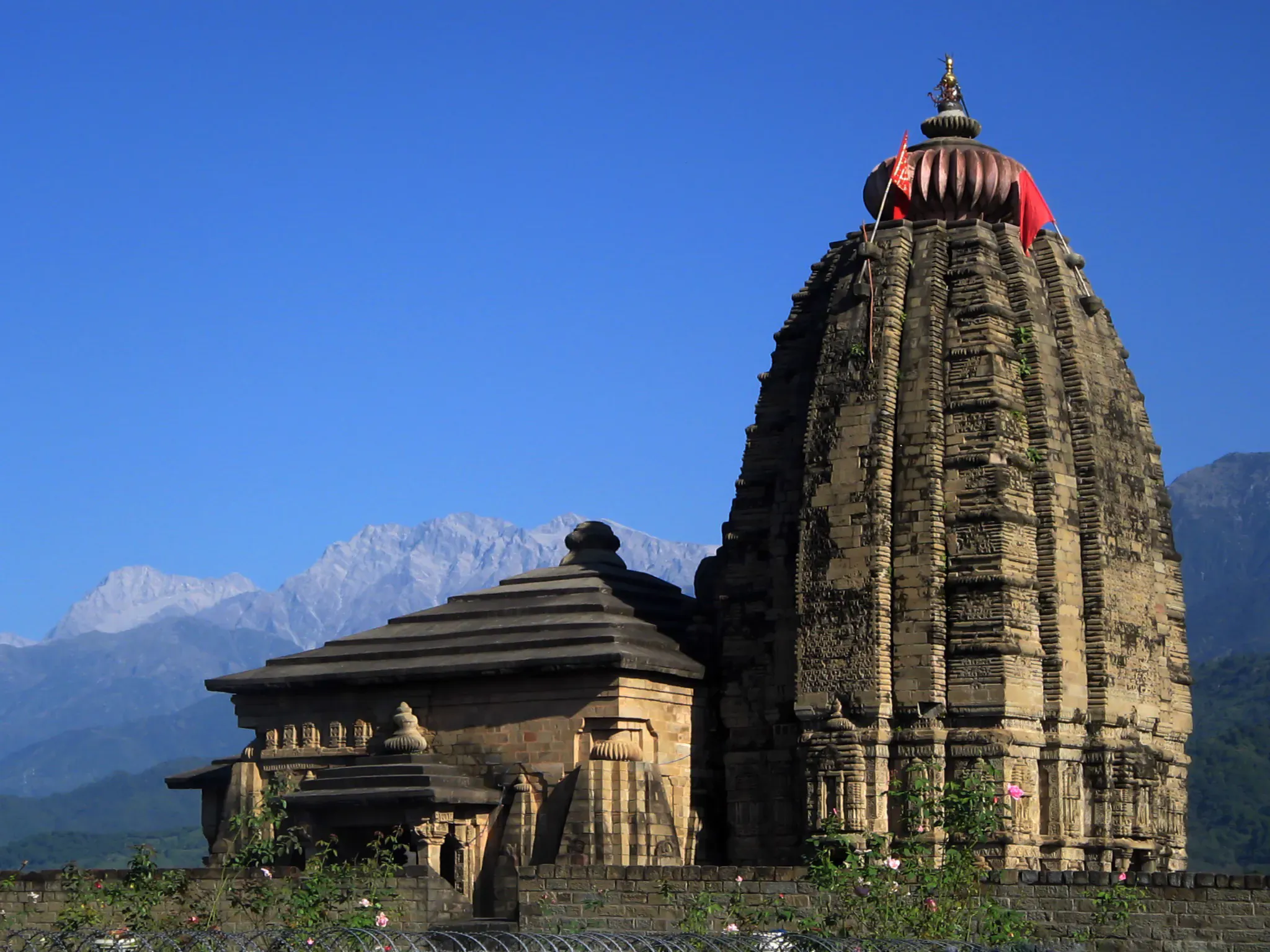
Baijnath Temple Kangra
Nestled in the Kangra Valley, the Baijnath Temple, constructed in 804 CE during the 9th century, stands as a Nagara-style Hindu temple dedicated to Lord Shiva as Vaidyanath, the 'Lord of physicians' ([3][4]). Commissioned during the Gurjara-Pratihara period, the temple's shikhara (spire) creates a striking silhouette against the Dhauladhars ([1][2]). A flight of stone steps leads to an arched doorway, subtly adorned with carvings ([5]). During the Gurjara-Pratihara period, temple architecture flourished, and this temple exemplifies the era's artistry ([1][5]). Within the Mandapa (pillared hall), latticed stone windows filter sunlight, illuminating pillars adorned with depictions of Shiva ([1][3]). The Garbhagriha (sanctum) houses the lingam, the focal point for devotees and their prayers ([2]). Miniature shikharas embellish the main structure, adding a unique visual element to the temple's design ([1][3]). Stone platforms and foundations demonstrate the temple's enduring construction. Circumambulating the temple reveals the curvilinear shikhara, distinct from Gujarati styles, echoing the steadfast mountains ([4][5]). The use of stone, wood, mortar, and slate showcases the regional materials employed in its construction ([1][2]). Its setting amidst the Himalayas enhances the temple's spiritual ambiance ([2]). The backdrop of snow-capped peaks and the Binwa River amplifies the sacred experience ([3][4]). Baijnath Temple embodies the lasting legacy of Indian temple architecture, seamlessly connecting human artistry with the beauty of the natural world ([1][5]). This sacred space continues to inspire reverence and awe, a testament to the architectural and spiritual heritage of India.
Quick Links
Plan Your Heritage Journey
Get personalized recommendations and detailed visitor guides