Has Inheritage Foundation supported you today?
Your contribution helps preserve India's ancient temples, languages, and cultural heritage. Every rupee makes a difference.
Secure payment • Instant 80G certificate
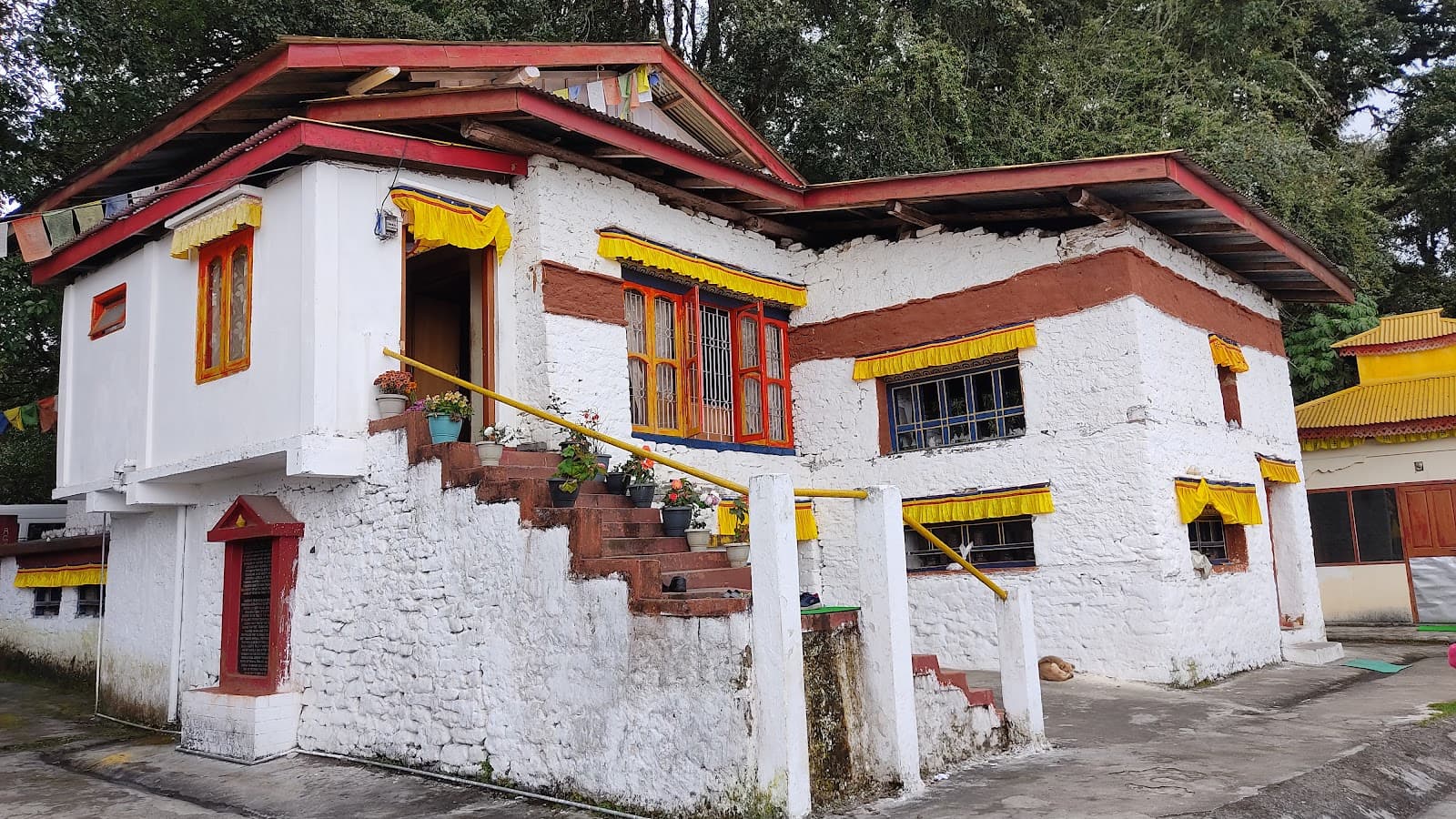
Urgelling Monastery Tawang
The biting Himalayan wind whipped prayer flags into a frenzy of colour against the stark backdrop of the snow-dusted mountains. Urgelling Monastery, perched precariously on a ridge overlooking Tawang valley, felt less like a structure and more like an extension of the rugged landscape itself. Having documented hundreds of monuments across India, I’ve learned to anticipate a certain grandeur, a predictable awe. Urgelling, however, defied all expectations. Its unassuming exterior belied the profound sense of history and spiritual weight it held within. Built in the 15th century, Urgelling is considered the birthplace of the 6th Dalai Lama, Tsangyang Gyatso, a figure shrouded in mystique and rebellion. This fact alone imbued the monastery with a palpable energy, a sense of walking through living history. Unlike many of the larger, more ornate monasteries I’ve photographed, Urgelling retained a sense of intimacy. The relatively small complex, constructed primarily of stone and wood, felt weathered and worn, a testament to centuries of harsh weather and unwavering devotion. The main prayer hall, though modest in size, was richly adorned. The walls were covered in vibrant thangkas depicting Buddhist deities and intricate mandalas. The low, flickering butter lamps cast dancing shadows, illuminating the worn faces of the statues and adding to the ethereal atmosphere. The scent of burning juniper incense hung heavy in the air, mingling with the crisp mountain air, creating a sensory experience that was both grounding and otherworldly. I spent hours exploring the narrow corridors and dimly lit chambers, my camera a silent observer. The intricate wood carvings on the window frames and pillars, some faded with age, spoke of a rich artistic tradition. I noticed recurring motifs of dragons and lotus flowers, symbols deeply embedded in Buddhist iconography. The architecture itself was a blend of Tibetan and Monpa styles, reflecting the region's unique cultural heritage. The sloping roofs, designed to withstand heavy snowfall, were adorned with decorative metalwork that shimmered in the occasional bursts of sunlight. One of the most striking features of Urgelling was its location. The panoramic view from the monastery courtyard was simply breathtaking. The Tawang valley stretched out below, a patchwork of green fields and scattered villages, framed by the towering Himalayas. It was easy to see why this spot was chosen as a place of spiritual retreat. The sheer vastness of the landscape seemed to dwarf all earthly concerns, fostering a sense of peace and introspection. My conversation with one of the resident monks offered a deeper understanding of Urgelling's significance. He spoke of the monastery's role not just as a place of worship but also as a centre of learning and community. He explained the significance of the various rituals and ceremonies performed, highlighting the importance of preserving their cultural heritage. His words resonated deeply, reminding me of the power of these sacred spaces to connect people to something larger than themselves. As I descended the winding path from Urgelling, the setting sun casting long shadows across the valley, I carried with me more than just photographs. I carried the weight of history, the echo of chants, and the profound sense of serenity that permeated the ancient walls. Urgelling Monastery, in its quiet dignity, had offered a glimpse into a world where spirituality and nature intertwine, a world I felt privileged to have witnessed through my lens. It was a testament to the enduring power of faith and a poignant reminder of the rich tapestry of cultural heritage that makes India so extraordinary.

Chaturdasha Devata Temple Agartala
Stone platforms and foundations demonstrate the Chaturdasha Devata Temple's enduring presence in Tripura, constructed in 1761 CE by the Manikya dynasty ([1][2]). During the Ahom period, temple architecture in the region saw unique adaptations, blending indigenous styles with Nagara influences ([3]). The temple, dedicated to fourteen deities, exemplifies the Nagara Rekha Deul style, characterized by its curvilinear tower and tiered roof ([1]). Intricate carvings adorning the walls display floral motifs and geometric patterns, adding to the temple's aesthetic appeal ([4]). Vastu Shastra principles, the ancient Indian science of architecture, likely influenced the temple's layout and orientation, although specific textual references require further investigation ([5]). The modest scale of the temple offers a contrast to grander structures, yet its laterite brick construction highlights the skill of its artisans ([1][2]). Within the Garbhagriha (Sanctum), the deities are represented by simple stone slabs, fostering an atmosphere of sacredness ([1]). This simplicity stands in contrast to the elaborate iconography found in other temples, emphasizing the spiritual essence of the deities ([1]). The temple's design reflects the architectural preferences of the Manikya dynasty and the regional influences prevalent during its construction ([2]). Fired brick and mud brick construction techniques are evident in the temple's structure, showcasing the traditional building methods employed at the time ([1][2]). The use of lime mortar further strengthened the edifice, ensuring its longevity ([1]). Integrating seamlessly into the community, the Chaturdasha Devata Temple embodies Tripura's cultural heritage and stands as a testament to the region's rich history ([2]).
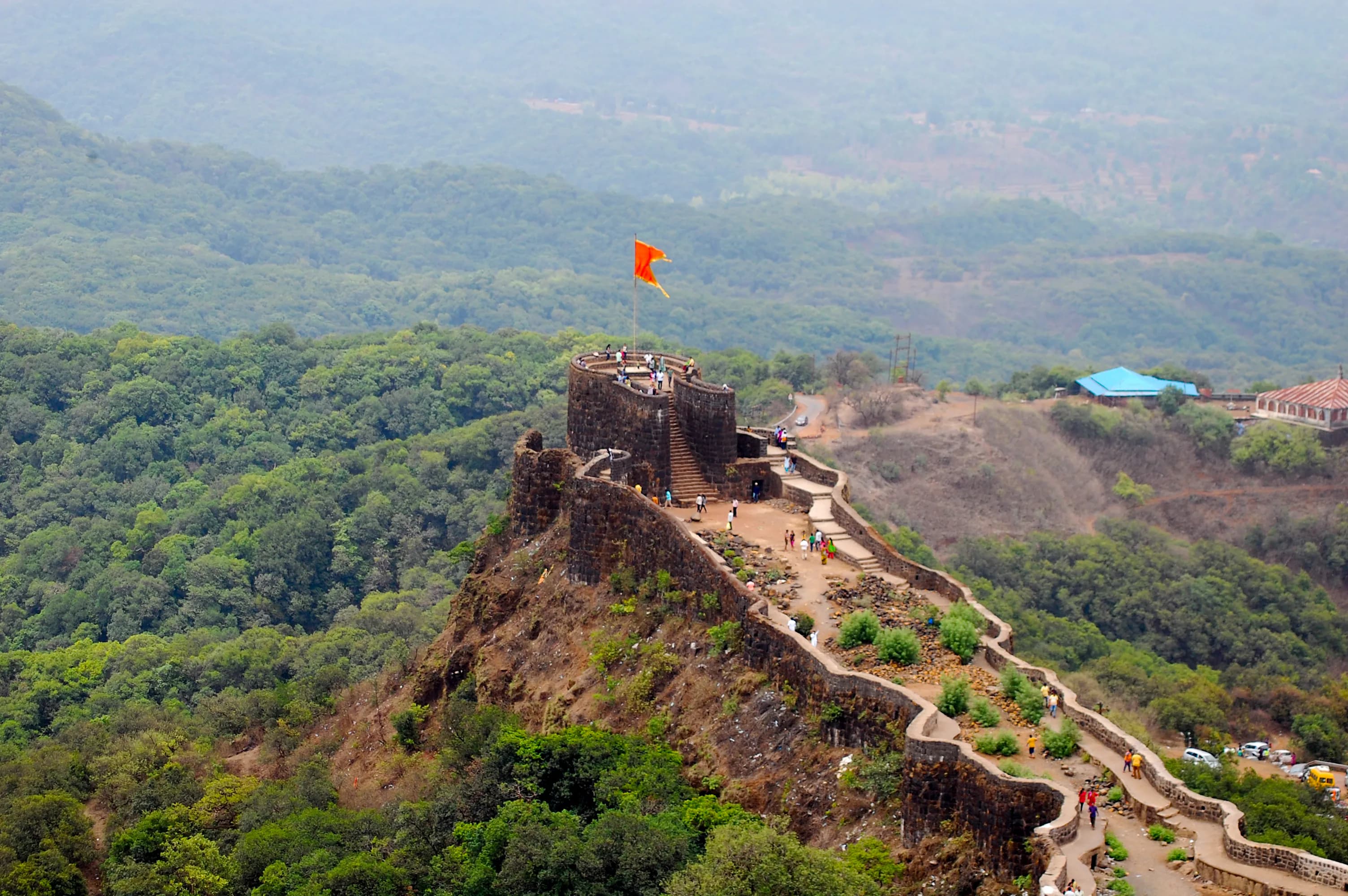
Pratapgad Fort Satara
The wind whipped around me, carrying whispers of history as I stood atop Pratapgad Fort, the very air seeming to vibrate with the echoes of clashing swords and the roar of Maratha war cries. Having explored countless forts across North India, I thought I had become somewhat jaded to the grandeur of ancient stone, but Pratapgad, perched high on the Sahyadri mountains of Maharashtra, proved me wrong. It wasn't just a fort; it was a living testament to the indomitable spirit of Shivaji Maharaj. The ascent itself was an experience. The winding road, clinging to the mountainside, offered breathtaking views of the Konkan plains stretching out below, a tapestry of green punctuated by the silver threads of rivers. As the fort came into view, its imposing basalt ramparts rising against the backdrop of the vast sky, I felt a surge of anticipation. Unlike the sandstone structures I was accustomed to in the north, Pratapgad's dark grey basalt construction lent it a unique, almost brooding aura. The rugged stone, seemingly hewn directly from the mountain itself, spoke of resilience and strength. Passing through the Mahadarwaja, the main gate, I was immediately struck by the fort's strategic design. The thick walls, punctuated by strategically placed bastions and fortified towers, offered a clear view of the surrounding valleys, making it virtually impregnable. Within the fort walls, the atmosphere shifted. The bustling energy of the climb gave way to a sense of quiet reverence. I walked along the ramparts, tracing the path of sentinels who once guarded this stronghold. The views from the top were simply spectacular; the rolling hills, shrouded in mist, seemed to stretch on forever. It was easy to imagine Shivaji Maharaj surveying his domain from this very spot, strategizing his next move. The architecture within the fort was a blend of functionality and subtle artistry. The Bhavani Mata Temple, dedicated to Shivaji's family deity, stood as a beacon of faith within the fortress. Its simple yet elegant design, crafted from the same dark basalt as the fort walls, exuded a quiet strength. The intricate carvings on the pillars and doorways, though weathered by time, still bore witness to the skill of the artisans who built it. One of the most poignant moments of my visit was standing at the site of the historic meeting between Shivaji Maharaj and Afzal Khan. The very ground beneath my feet held the weight of history, a silent witness to the cunning strategy and decisive action that shaped the destiny of the Maratha empire. A small monument marked the spot, a stark reminder of the pivotal events that unfolded here. Exploring the fort's inner chambers, I discovered hidden passages, secret tunnels, and strategically placed water tanks, all testament to the meticulous planning that went into its construction. The Balekilla, the highest point of the fort, offered panoramic views of the surrounding landscape, a breathtaking vista that stretched as far as the eye could see. Leaving Pratapgad was like stepping out of a time capsule. The experience was more than just a visit to a historical site; it was an immersion in the heart of Maratha history. The fort's imposing architecture, its strategic location, and the stories it held within its walls left an indelible mark on me. As I descended the mountain, I carried with me not just photographs and memories, but a deeper understanding of the courage, resilience, and strategic brilliance that shaped the destiny of a nation.
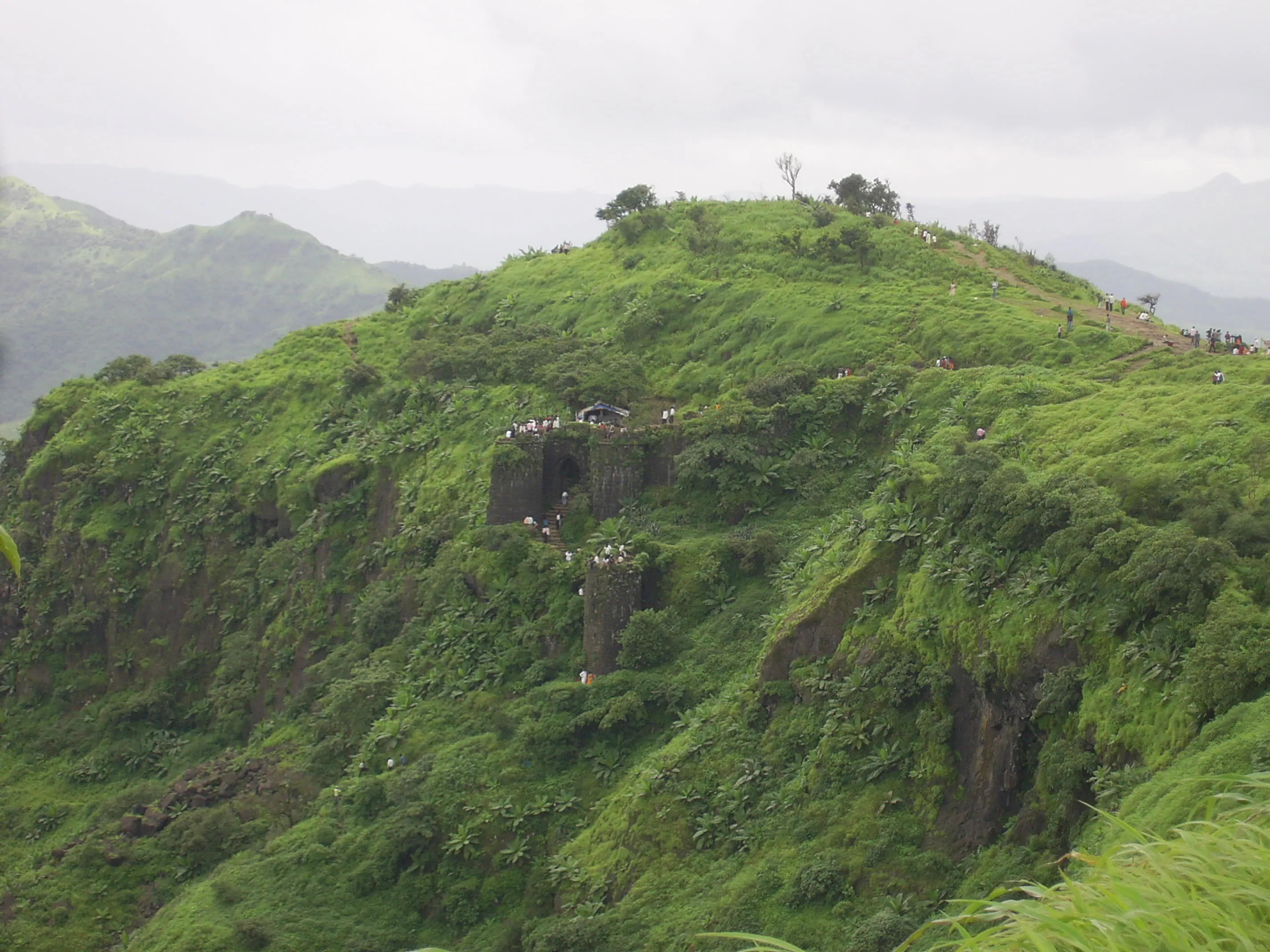
Sinhagad Fort Pune
The wind whipped around me, carrying whispers of history as I stood atop Sinhagad Fort, a formidable sentinel overlooking the sprawling landscape below. The ascent itself, a winding road clinging to the Sahyadri hills, had been a prelude to the grandeur that awaited. Having spent years documenting the ancient sites of Madhya Pradesh, I've developed a keen eye for the nuances of historical architecture, and Sinhagad, with its rugged charm and strategic brilliance, immediately captivated me. The fort, originally known as Kondhana, has witnessed centuries of power struggles, its stones absorbing the echoes of Maratha resilience. Standing at the very spot where pivotal battles were fought, I felt a palpable connection to the past. The panoramic view from the ramparts stretched across undulating hills, punctuated by the occasional glint of a distant village. It's easy to see why this location was so fiercely contested – control of Sinhagad meant command over the surrounding valleys and trade routes. The architecture of Sinhagad is a testament to its military purpose. Unlike the ornate palaces I've documented in Mandu, Sinhagad's structures prioritize function over embellishment. The massive walls, built from locally quarried stone, are punctuated by strategically placed bastions and fortified gates. The Kalyan Darwaza and Pune Darwaza, the two main entrances, still bear the scars of past sieges, their thick wooden doors reinforced with iron bands. I spent considerable time photographing these gates, trying to capture the weight of history etched into their weathered surfaces. Within the fort walls, the remnants of various structures paint a picture of life within this military stronghold. The Amruteshwar Temple, a modest stone structure dedicated to Lord Shiva, stands in stark contrast to the surrounding fortifications. Its simple elegance offered a moment of quiet contemplation amidst the echoes of war. I was particularly struck by the intricate carvings on the temple's doorway, a testament to the enduring artistry of the region. The Dev Take, a steep precipice on the eastern side of the fort, offers a breathtaking, if somewhat dizzying, view. Local legend claims that Tanaji Malusare, a celebrated Maratha warrior, scaled this cliff face with the help of a monitor lizard during a daring nighttime raid. Standing at the edge, feeling the wind buffet me, I could almost visualize the scene unfolding centuries ago. One of the most intriguing aspects of Sinhagad is its water management system. Several strategically placed tanks and cisterns, carved into the rock, collected rainwater, ensuring a continuous supply for the fort's inhabitants. This foresight, crucial for withstanding prolonged sieges, speaks volumes about the ingenuity of the fort's builders. I was fascinated by the intricate network of channels and sluices that regulated the flow of water, a testament to the sophisticated engineering of the time. My visit to Sinhagad wasn't just about documenting the physical structures; it was about absorbing the spirit of the place. The fort isn't just a collection of stones and mortar; it's a living testament to human resilience, strategic brilliance, and the enduring power of history. As I descended the winding path, leaving the fort behind, I carried with me not just photographs, but a deeper understanding of the rich tapestry of India's past. The whispers of history, carried on the wind, had found a new echo in my own heart.
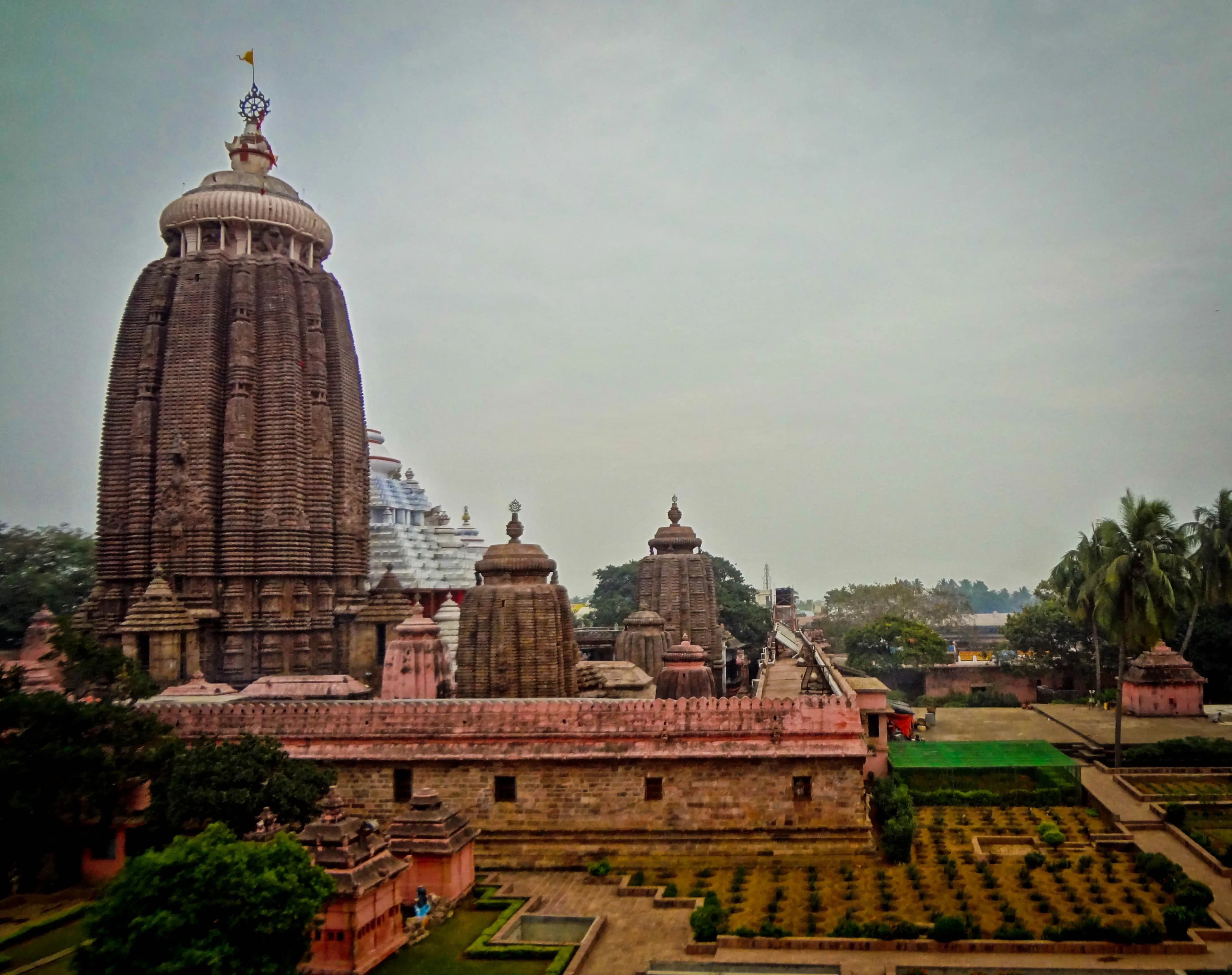
Jagannath Temple Puri
The Jagannath Temple in Puri, Odisha, stands as a profound testament to India's millennia-spanning cultural heritage, dedicated to Lord Jagannath, a form of Vishnu, alongside his siblings Balabhadra and Subhadra [2]. This monumental complex, located on Grand Road, Puri, is a vibrant center of continuous Indian civilization, embodying indigenous architectural styles and spiritual practices that reflect the nation's deep historical roots [1]. The temple is a prime example of Kalinga architecture, characterized by its curvilinear tower (rekha deul) and intricate sculptural ornamentation, which distinguishes it from other pan-Indian temple styles like Nagara and Dravida [3]. The temple complex is enclosed within a massive laterite wall known as Meghanada Pacheri, measuring approximately 202.70 meters by 196.29 meters and standing 6.1 meters high [3] . An inner wall, the Kurma Bedha, further encircles the main temple . The central shrine, or Vimana (Deula), rises to an impressive height of 57.28 meters from the inner parikrama floor to the apex of the Nila Chakra [3]. The temple's main structure comprises four distinct components arranged in an east-west alignment: the Vimana (sanctum sanctorum), the Jagamohana (porch or assembly hall), the Natamandapa (hall for cultural performances), and the Bhogamandapa (hall for offerings) [2] [3]. The Vimana is designed on a Pancha Ratha (five chariot) floor plan, where the vertical structure is divided into five projected column-like features, lending a unique vertical rhythm [2]. The Jagamohana, in contrast, is built in the Pidha deula style, featuring a pyramidal roof composed of horizontal layers [2]. Construction primarily utilized massive laterite blocks, quarried locally, fitted without mortar, showcasing the precision of Kalinga architecture [1]. Iron beams were incorporated to hold sections together, indicating advanced metallurgical knowledge for the period [1]. The temple's vertical structure is divided into five principal parts: Pitha (foundation), Bada (vertical wall), Gandi (main tower), and Mastaka (crowning elements), which includes the sacred Nila Chakra [2]. The Nila Chakra, an eight-spoked wheel made of Ashtadhatu (an alloy of eight metals), is 3.5 meters high with a circumference of about 11 meters, and is considered sacrosanct . Intricate carvings adorn the temple walls, depicting scenes from Hindu mythology, celestial beings, and floral motifs, often exhibiting a level of detail resembling wood or ivory [2] [3]. Friezes on the lower walls portray elephants, horses, and warriors in procession [2]. Niches on the Raha paga (central projection) house Parsva-devatas (side deities) such as Varaha, Trivikrama, and Nrusimha, sculpted from chlorite stone [2]. The temple features four elaborately carved gates: Singhadwara (Eastern Gate) flanked by crouching lions, Ashwadwara (Southern Gate) depicting horses, Vyaghrdwara (Western Gate) representing tigers, and Hastidwara (Northern Gate) featuring elephants [2]. The Singhadwara, the main entrance, is fronted by the monolithic Aruna Stambha, a sixteen-sided pillar topped with an idol of Aruna, the charioteer of Surya . The temple's kitchen is renowned as one of the largest in the world, preparing vegetarian Mahaprasad for thousands of devotees daily using traditional methods with earthen pots and firewood, a practice preserved for centuries [1] . The Archaeological Survey of India (ASI) plays a crucial role in the conservation of this Monument of National Importance, undertaking structural repairs using traditional methods and materials like laterite and lime plaster, and meticulously cleaning and conserving carvings [1] . Ongoing structural monitoring and repairs are in place, with efforts to incorporate both advanced conservation techniques and traditional knowledge systems to ensure durability and authenticity [1] . The temple remains an active place of worship, ensuring consistent ritual maintenance and upkeep of its architectural integrity [1]. The site is fully operational, welcoming pilgrims and visitors, with ongoing efforts to enhance accessibility, including a new ramp near the North Gate for the elderly and persons with disabilities .
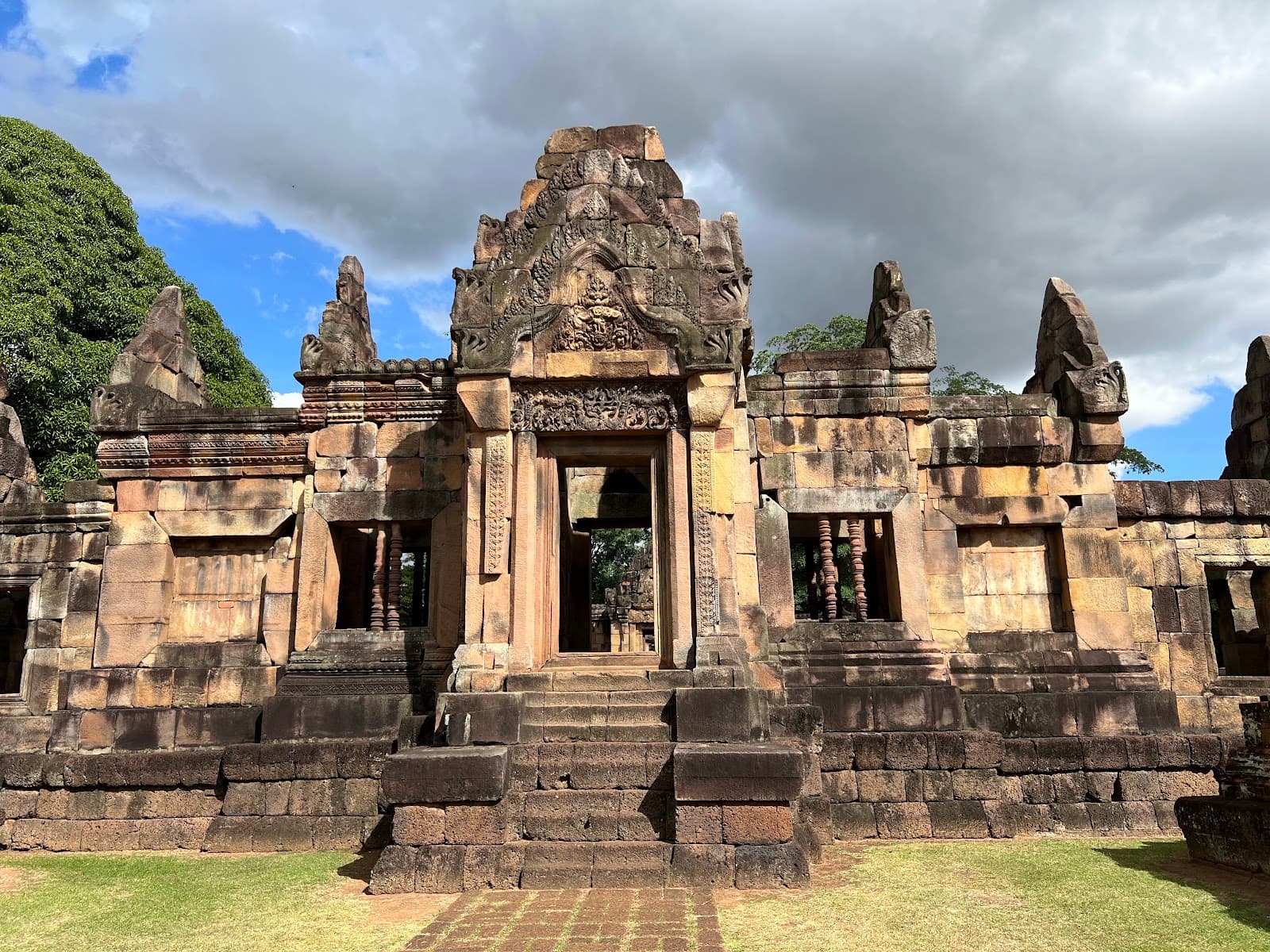
Prasat Hin Muang Tam Buri Ram
Prasat Hin Muang Tam, located approximately 8 kilometers southeast of Phanom Rung in Buri Ram Province, represents a unique Khmer temple complex distinguished by its flat concentric layout and exceptional integration of water features symbolizing the cosmic oceans surrounding Mount Meru. The temple, constructed in the late 10th and early 11th centuries CE during the Baphuon period, is dedicated primarily to Shiva, with evidence of Vishnu worship in subsidiary shrines, demonstrating the syncretic nature of Khmer religious practice. The complex features a distinctive quincunx arrangement of five sandstone prasats—one central tower surrounded by four corner towers—all constructed from pink sandstone and laterite, set within a rectangular laterite enclosure measuring 274 by 420 meters. The temple’s most remarkable feature is its four L-shaped ponds positioned at the cardinal directions, each measuring approximately 50 by 100 meters, symbolizing the four oceans of Hindu cosmology and creating a unique architectural expression of cosmic geography. The central prasat rises 15 meters and houses a massive lingam pedestal, while the four corner towers contain smaller shrines. The temple’s lintels and pediments showcase exceptional bas-relief work depicting scenes from Hindu mythology, including the churning of the ocean of milk, Shiva’s cosmic dance, and various deities. The complex includes two libraries positioned east of the central prasat, numerous subsidiary shrines, and a sophisticated drainage system that channels water from the ponds through the temple complex. Archaeological evidence indicates the temple served as a regional religious center complementing the larger Phanom Rung complex. The site underwent restoration from 1984 to 1995, involving structural stabilization and conservation of decorative elements. Today, Prasat Hin Muang Tam remains an important site for understanding Khmer temple architecture and Hindu cosmology, attracting visitors interested in its unique water-based design and exceptional stone carvings. ([1][2])
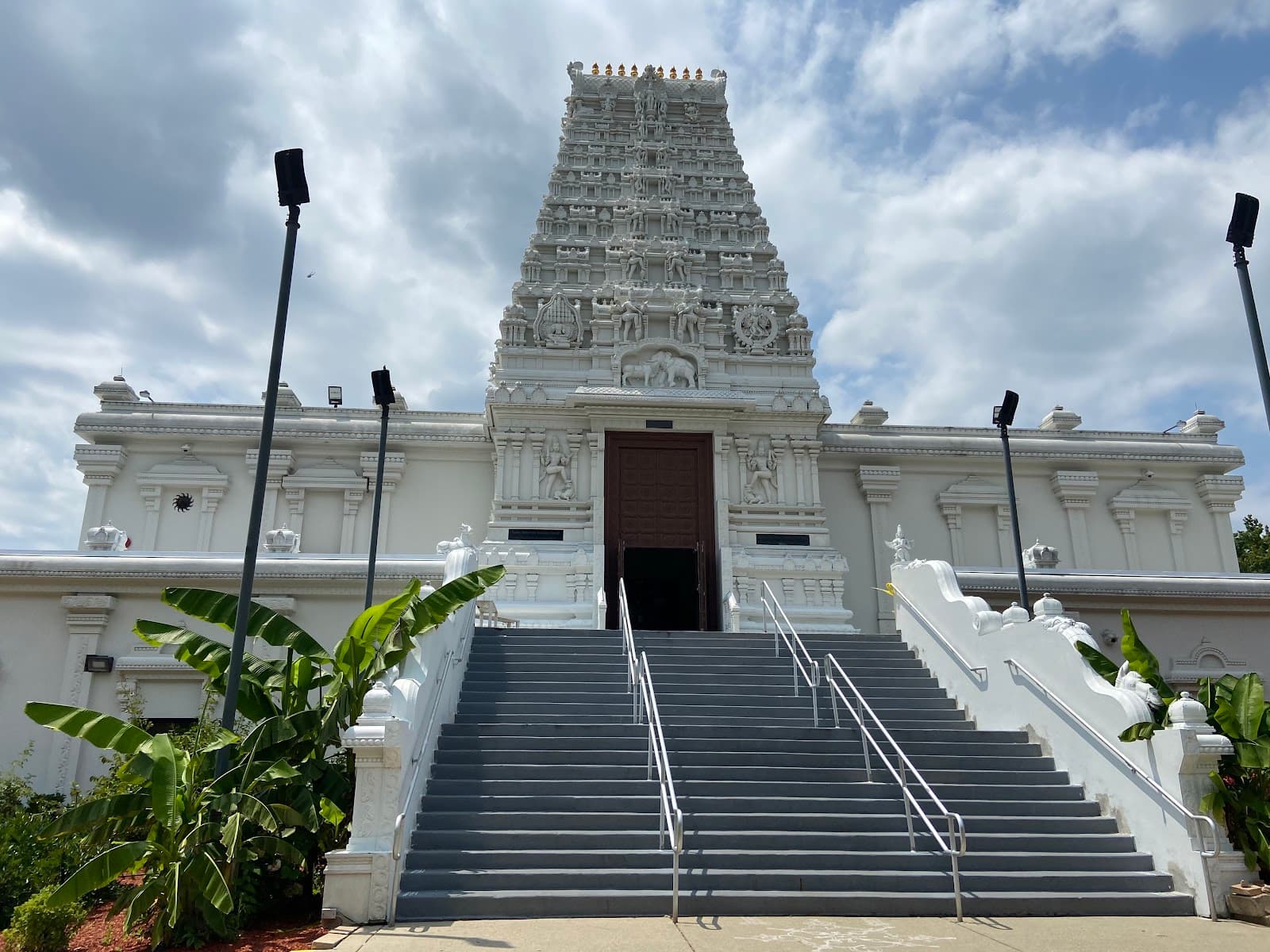
Sri Siva Vishnu Temple Lanham
Sri Siva Vishnu Temple in Lanham, Maryland, dedicated to Siva, Vishnu, and a constellation of regional deities, opens at 6:00 AM and keeps rituals running through 9:00 PM, sequencing morning suprabhatam, daily homams, and evening sahasranama archanas across two granite shrines linked by a shared mandapam ([1][2]). Volunteer desk captains manage parking lots, shoe rooms, and darshan queues via digital displays so weekday devotees and weekend tour groups flow smoothly between the Saiva and Vaishnava sanctums ([1][3]). Security teams coordinate with Prince George’s County police during festival surges, monitor CCTV networks, and audit life-safety systems that include sprinklers, smoke detection, and backup power tested monthly ([3][5]). Elevators, ramps, tactile paving, and loaner wheelchairs maintain circulation between the sanctum, canteen, and cultural hall; ushers offer assistive listening headsets and bilingual signage for Tamil, Telugu, and English programming ([1][4]). Custodians follow two-hour cleaning cycles covering granite floors, brass thresholds, and ablution stations, while mechanical crews schedule filter changes and insulation checks ahead of humid Chesapeake summers ([3][5]). Community kitchens operate under separate HVAC zoning and grease recovery, keeping prasad production compliant with Maryland health codes. Preventive maintenance dashboards log priest schedules, chillers, fire systems, and accessibility inspections; 2025 county reviews recorded zero violations, confirming the temple remains fully operational and compliant for daily worship, cultural classes, and large-format festivals ([3][4][5]).
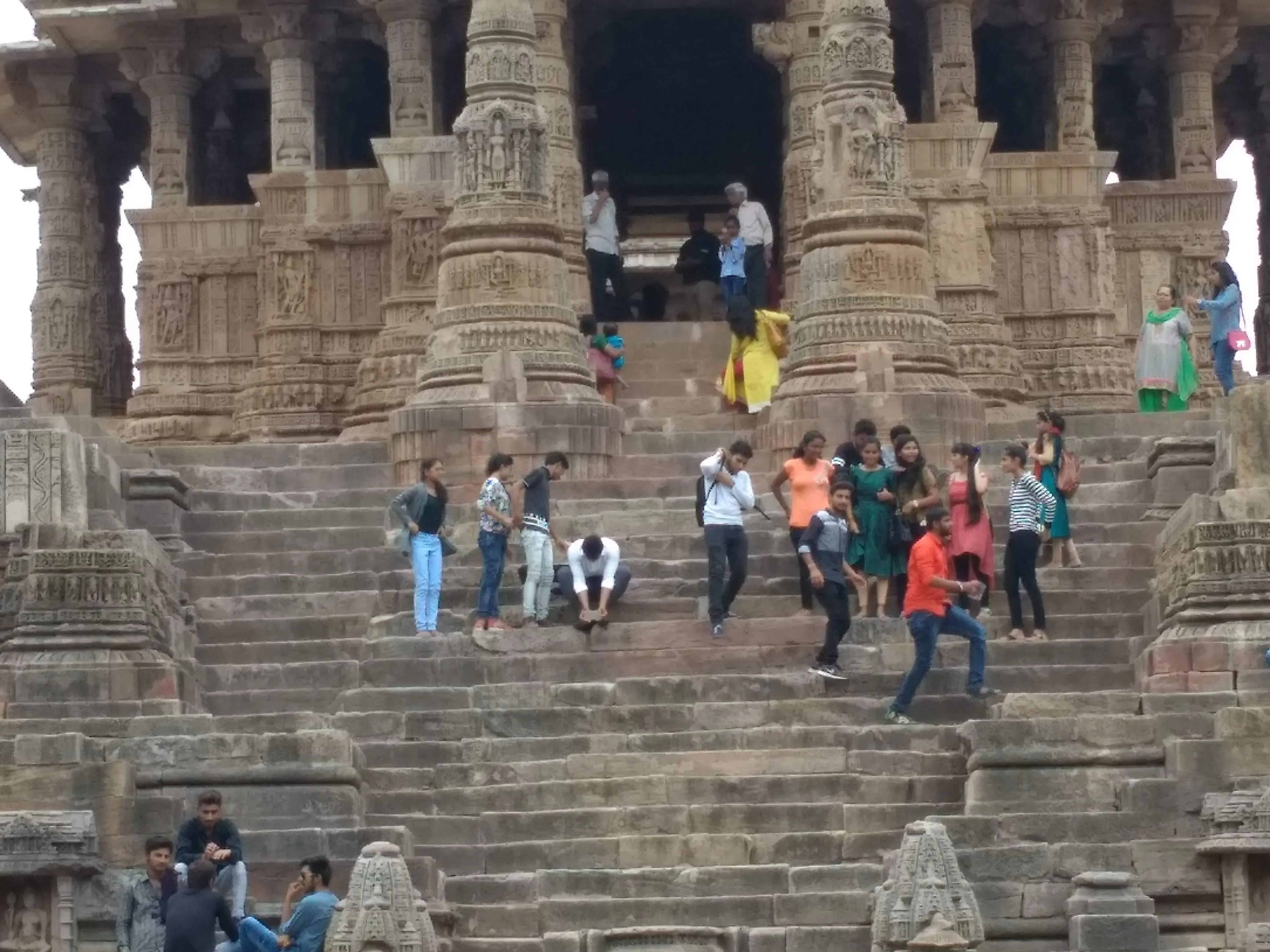
Modhera Sun Temple Mehsana
The dawn sun cast long shadows across the exquisitely carved stone, illuminating the Modhera Sun Temple in a way that felt almost reverential. Having explored countless temples across North India, from the soaring peaks of the Himalayas to the plains of the Gangetic belt, I thought I had become somewhat jaded to the grandeur of ancient architecture. Modhera, however, stopped me in my tracks. This wasn't just another temple; it was a symphony in stone, a testament to the Solanki dynasty's devotion to the sun god, Surya. Located in Modhera, a small village in Gujarat's Mehsana district, the temple complex is divided into three distinct parts: the Surya Kund (stepwell), the Sabha Mandap (assembly hall), and the Guda Mandap (sanctum sanctorum). My exploration began with the Surya Kund, a massive rectangular stepwell descending several stories into the earth. Unlike utilitarian stepwells I'd seen elsewhere, this one was ornate, with over 108 miniature shrines carved into its sides, dedicated to various deities. Imagine descending into the earth surrounded by intricate carvings of gods and goddesses, the cool air a welcome respite from the Gujarati heat. It felt like stepping back in time, witnessing a sacred ritual bath frozen in stone. From the stepwell, a flight of steps led me to the Sabha Mandap, the assembly hall. This pillared marvel is a masterpiece of intricate carvings. Each pillar tells a story, depicting scenes from the epics, celestial nymphs, and intricate geometric patterns. The play of light and shadow through the pillars created an ethereal atmosphere, making it easy to imagine the vibrant gatherings that must have once taken place within these walls. I spent a considerable amount of time simply circling the hall, tracing the carvings with my fingers, trying to decipher the stories they whispered. The sheer density of the ornamentation was breathtaking; every inch of the stone seemed to pulsate with life. Finally, I reached the Guda Mandap, the sanctum sanctorum, now bereft of its original idol. Even without the presiding deity, the space held a palpable sense of sanctity. The towering shikhara, though partially ruined, still reached towards the sky, a symbol of aspiration and devotion. The walls of the sanctum were covered in intricate carvings depicting Surya in his various forms, riding his chariot across the heavens. The level of detail was astonishing; the sculptor had captured the very essence of the sun god's power and radiance. One of the most striking aspects of the Modhera Sun Temple is its precise alignment with the cardinal directions. During the equinoxes, the first rays of the rising sun would illuminate the image of Surya in the sanctum, a feat of architectural ingenuity that underscores the deep astronomical knowledge of the Solanki architects. Although I wasn't there during the equinox, I could still visualize the spectacle, the sun's golden rays piercing the darkness and bathing the deity in light. As I walked away from the temple, the setting sun painting the sky in hues of orange and gold, I couldn't help but feel a sense of awe. Modhera is more than just a collection of stones; it's a living testament to the artistic and engineering prowess of a bygone era. It's a place where history, mythology, and architecture converge to create an experience that is both humbling and inspiring. For anyone seeking a glimpse into India's rich cultural heritage, the Modhera Sun Temple is an absolute must-see. It's a journey not just through space, but through time itself.
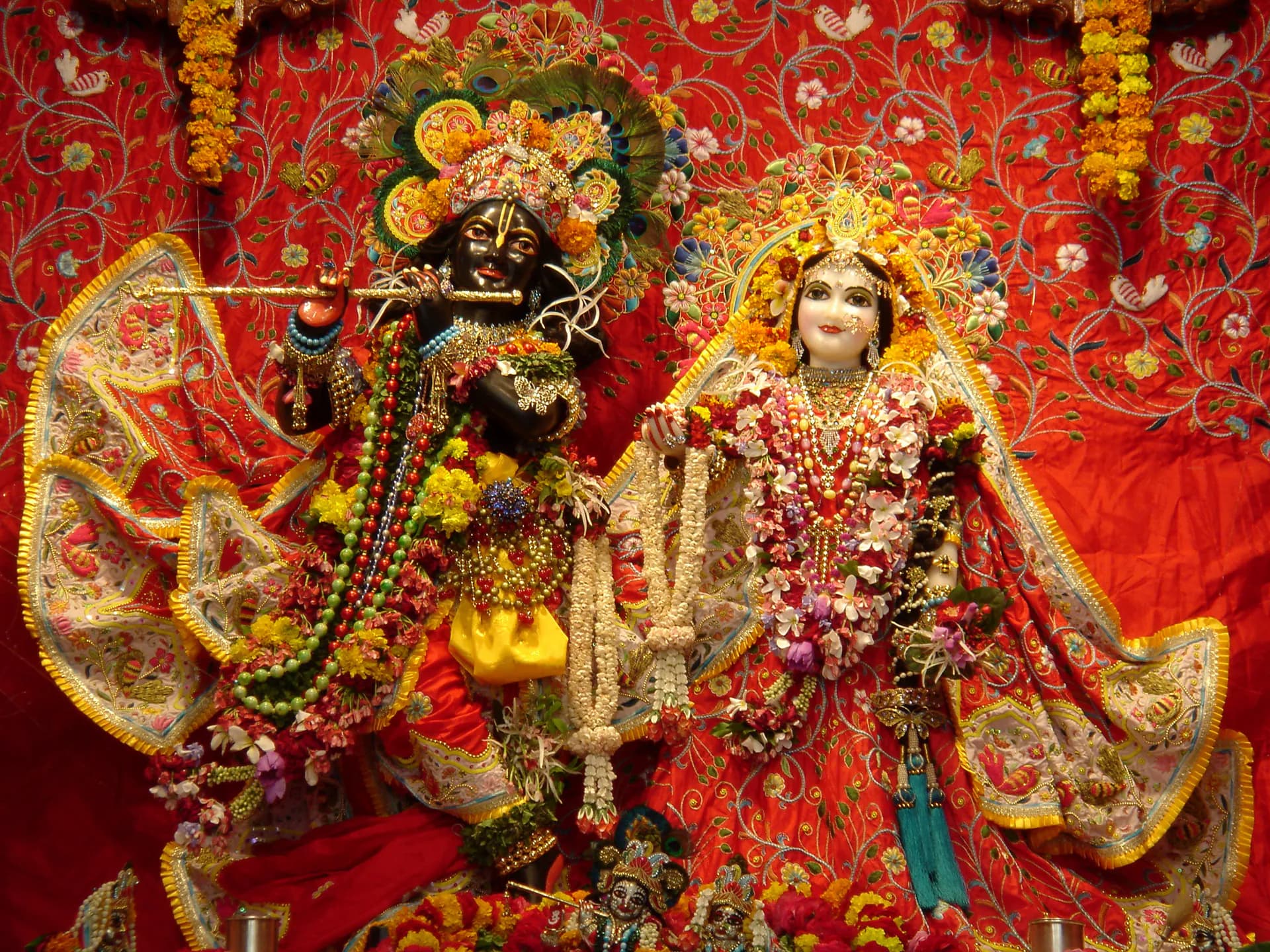
ISKCON Temple Dimapur
The ISKCON Temple Dimapur, dedicated to Lord Krishna, stands in Dimapur, Nagaland, as a testament to India's enduring spiritual and architectural traditions, which span millennia [1]. Consecrated in 1995 CE, this contemporary edifice draws deeply from indigenous Indian architectural styles, primarily Orissan Nagara and broader Nagara forms, while also incorporating elements reminiscent of Gupta and Neo-Classical aesthetics [2]. The temple's design reflects a continuous lineage of sacred architecture, emphasizing the profound cultural practices and spiritual devotion that have characterized Indian civilization for thousands of years [1] [2]. The architectural scheme of the ISKCON Temple Dimapur is a modern interpretation of the Nagara style, which is prevalent across North India and characterized by its towering, curvilinear shikhara [2]. Specifically, it incorporates features of the Orissan Nagara sub-school, where the shikhara, known as a 'Deul', rises almost vertically before curving sharply inwards towards the summit [5]. The temple typically features a 'garbhagriha' (sanctum sanctorum) housing the principal deity, preceded by one or more 'mandapas' (halls) [2] [5]. In Orissan style, a 'Jagamohan' (assembly hall) often precedes the 'Deul', and the main temple's ground plan is nearly invariably square, with a round 'Mastaka' (crowning element) at the apex of its superstructure [5]. The exterior walls of Nagara temples are often articulated with projections known as 'rathas', which create a dynamic interplay of light and shadow and enhance ornamentation [2]. The temple's construction utilizes reinforced cement concrete (RCC) for structural integrity, with concrete grades such as M30 employed to ensure high load-bearing capacity and durability [4]. The foundation typically involves pile foundations, designed to support the substantial weight of the superstructure [4]. Materials like sandstone, often used in traditional Nagara temples, are likely complemented by modern finishes and decorative elements, reflecting the blend of ancient aesthetics with contemporary construction methods [2] [4]. Decorative elements within ISKCON temples often include intricate carvings and sculptures that depict deities, celestial beings, and mythological narratives, reflecting the rich heritage of Vedic culture . The design principles are rooted in Vedic traditions, drawing from texts like the Shilpa Shastras and Vastu Shastra, which emphasize harmony with natural elements and cosmic energies . Towering 'shikharas' symbolize Mount Meru, the cosmic axis, guiding spiritual focus heavenward . The sanctum sanctorum, housing the deities, is meticulously aligned with cardinal directions, with east-facing entrances welcoming the sun's first rays, symbolizing enlightenment . The temple complex is designed to include community spaces such as kirtan halls for collective chanting, prasadam (sanctified food) dining areas, libraries, and classrooms, fostering a holistic spiritual ecosystem . Conservation efforts for ISKCON temples generally focus on maintaining the structural integrity of modern construction while preserving the traditional artistic and spiritual elements . The temple is actively programmed with daily rituals, festivals, and educational initiatives, serving as a vibrant center for spiritual gatherings and community service [1]. It is fully operational, accessible to devotees and visitors, and maintained by the ISKCON Foundation, ensuring its role as a continuous beacon of devotion and cultural preservation [1].
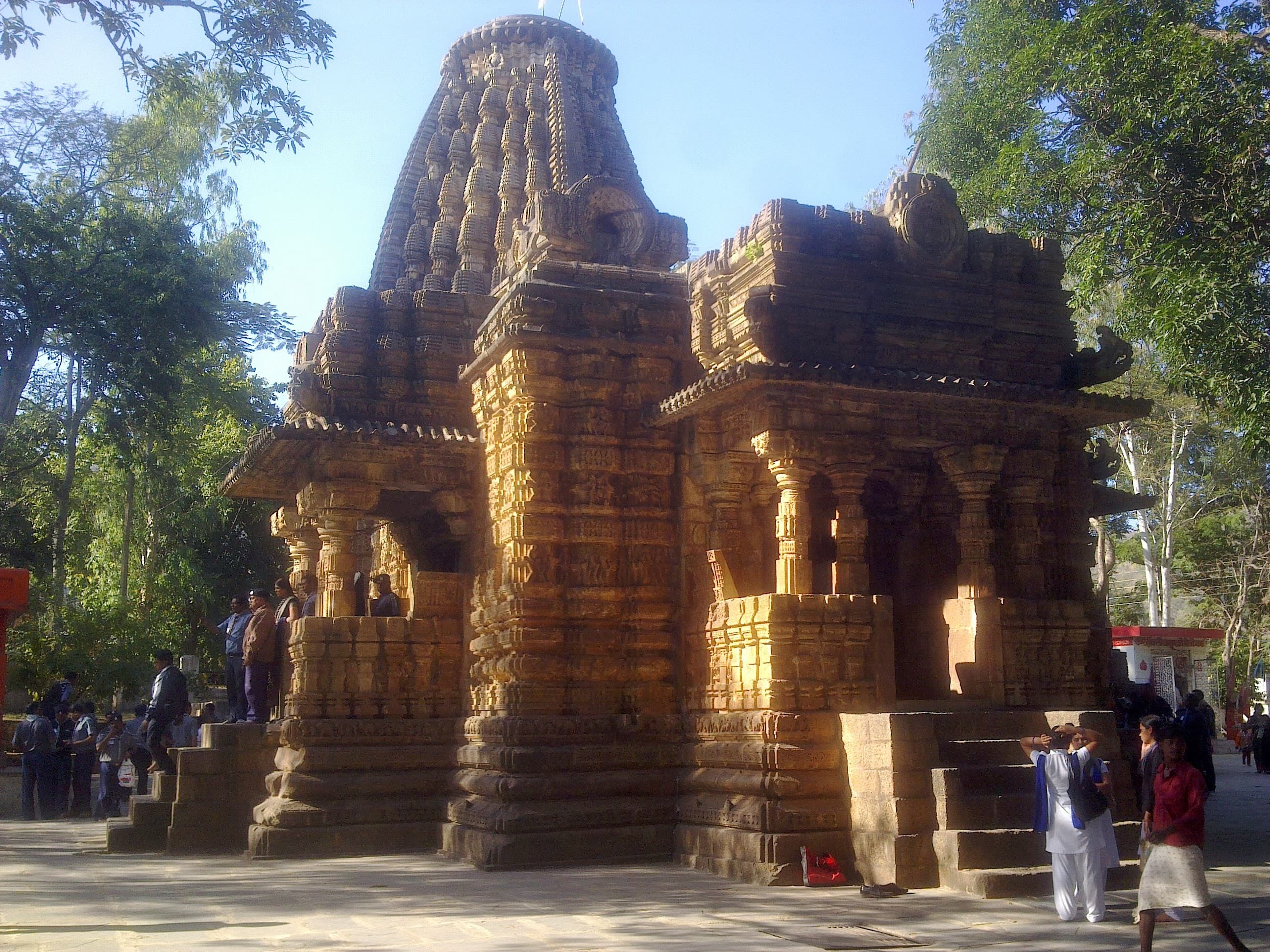
Bhoramdeo Temple Kabirdham
Granite and sandstone blocks, meticulously carved, form the Bhoramdeo Temple in Kabirdham, Chhattisgarh, a stunning example of 11th-century Indian architecture ([1][2]). Built around 1050 CE during the Kalachuri period, under the patronage of the Nagavanshi kings, this Hindu temple represents a seamless blend of Nagara and Bhumija architectural styles ([2][3]). The temple's intricate carvings narrate stories from the Ramayana and Mahabharata, offering insights into the daily life and artistic sensibilities of the era ([1][3][4]). During the Kalachuri period, temple architecture experienced significant development, influencing the construction of Bhoramdeo ([3][4]). The shikhara (spire) showcases the curvilinear elegance of the Nagara style, while the mandapa (pillared hall) features elaborate carvings ([2][5]). The Nagara style is characterized by its towering superstructure, while the Bhumija style, a regional variant, incorporates miniature spires attached to the main tower, adding complexity and visual richness ([5]). These architectural elements align with principles detailed in ancient texts like the *Vishnudharmottara Purana*, which discusses temple construction and iconography, as documented in the text ([6]). Also within the complex is the Madwa Mahal, adorned with celestial nymphs, enhancing the complex's spiritual allure ([1]). Beyond its artistic and architectural significance, Bhoramdeo's location amidst lush greenery, with the Maikal range as a backdrop, contributes to its tranquil ambiance ([4]). The gentle flow of the Jonk River further enhances the spiritual atmosphere, solidifying its status as a pilgrimage site ([5]). Bhoramdeo stands not only as the 'Khajuraho of Chhattisgarh' but also as a unique architectural marvel, embodying the rich heritage of ancient India, attracting pilgrims and tourists alike ([4][5]).

Khao Phra Viharn Sisaket
The Temple of Preah Vihear, known in Thailand as Khao Phra Viharn Sisaket, is an ancient Hindu temple dedicated to Lord Shiva, situated atop a 525-meter cliff in the Dângrêk Mountains [5]. This architectural complex, located in the Kantharalak District of Sisaket Province, Thailand, and bordering Cambodia, represents an outstanding masterpiece of Khmer architecture, deeply rooted in the continuous tradition of Indian civilization [1] . Its design is considered exceptionally 'pure' in both its overall plan and the intricate details of its decoration, reflecting the sophisticated indigenous architectural styles that flourished under the Khmer Empire, drawing heavily from Indian prototypes [1] [2]. The temple's construction primarily utilized red siliceous sandstone and laterite, employing traditional construction techniques that demonstrate advanced engineering for its period [4]. The site is characterized by a unique architectural layout, comprising a series of sanctuaries linked by a long processional axis, which is unusual among Khmer temples due to its orientation along a north-south axis rather than the typical east-west alignment [3] [4]. This distinctive arrangement is dictated by the dramatic topography of the mountain, with successive gopuras (entrance pavilions) and courtyards leading upwards to the main sanctuary, creating a powerful visual and spiritual ascent [1]. The decorative elements include elaborate carvings of devatas, apsaras, lintels, and pediments, which are integral to the Khmer aesthetic and reflect Hindu mythological narratives, a testament to the enduring cultural legacy transmitted from India [2]. The temple's structural integrity, despite its age and challenging location, highlights the advanced understanding of materials and construction techniques prevalent in Khmer culture [4]. Conservation efforts are ongoing to preserve its distinctive architectural features and ensure its long-term stability [4]. The site is maintained for visitor access, offering a tangible connection to India's millennia-spanning heritage and the continuous evolution of its cultural traditions across Southeast Asia. The operational readiness of the site supports its role as a significant cultural and historical landmark [1].
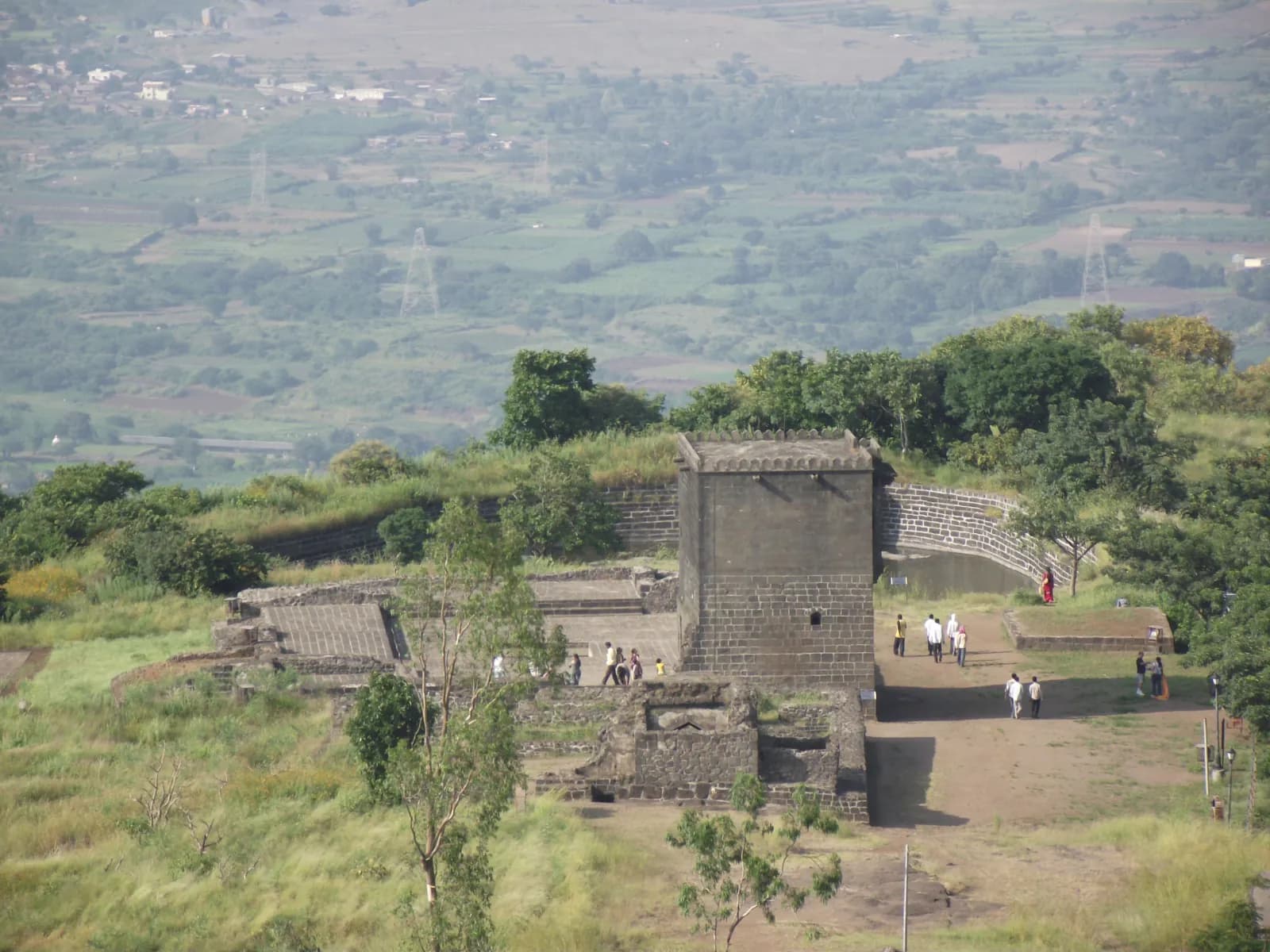
Shivneri Fort Junnar
The imposing basalt ramparts of Shivneri Fort, rising dramatically from the Deccan plateau, held me captivated from the moment I arrived in Junnar. Having spent years immersed in the granite wonders of South Indian temple architecture, I was eager to experience this different, yet equally compelling, facet of India's heritage. The fort, a formidable military stronghold for centuries, offered a fascinating glimpse into a world shaped by strategic necessities rather than the spiritual aspirations that drove the Dravidian temple builders. The ascent to the fort itself was an experience. The winding path, carved into the rock, felt like a journey back in time. Unlike the elaborate gopurams and mandapas I was accustomed to, the entrance to Shivneri was a study in practicality. The fortifications, though lacking the ornate carvings of southern temples, possessed a raw beauty, their strength evident in the sheer thickness of the walls and the clever placement of bastions. The strategically positioned 'Shivai Devi' and 'Maha Darwaja' gates, with their sturdy wooden doors reinforced with iron, spoke volumes about the fort's defensive history. Within the fort walls, a different world unfolded. The rugged terrain enclosed a surprisingly self-sufficient community. Water tanks, carved meticulously into the rock, showcased impressive water management techniques, a stark contrast to the temple tanks of the south, which often served ritualistic purposes as well. The 'Badami Talav,' with its intricate stepped sides, was a particularly striking example. The granaries, built to withstand sieges, were another testament to the fort's pragmatic design. The architectural style within the fort was a blend of various influences. While the overall structure was dictated by military needs, glimpses of later architectural embellishments were visible, particularly in the residential areas. The 'Shivai Mata Mandir,' where Chhatrapati Shivaji Maharaj was born, held a special significance. While simpler than the grand temples of the south, it possessed a quiet dignity, its stone construction echoing the fort's overall aesthetic. The carvings on the pillars and lintels, though less intricate than the temple sculptures I was familiar with, displayed a distinct local style. One of the most striking features of Shivneri Fort was its integration with the natural landscape. The architects had skillfully utilized the natural contours of the hill, incorporating the rock formations into the fort's defenses. This symbiotic relationship between architecture and nature was a recurring theme, reminding me of the hilltop temples of South India, where the natural surroundings often played a crucial role in the temple's design and symbolism. Exploring the 'Ambarkhana,' the grain storage, and the 'Kalyan Buruj,' I couldn't help but compare the ingenuity of the Maratha military architects with the temple builders of the south. While the latter focused on creating spaces that inspired awe and devotion, the former prioritized functionality and defense. The lack of elaborate ornamentation at Shivneri, however, did not diminish its architectural merit. The fort's strength lay in its simplicity and its seamless integration with the landscape. My visit to Shivneri Fort was a powerful reminder that architectural brilliance can manifest in diverse forms. While my heart remains deeply connected to the ornate temples of South India, the stark beauty and strategic ingenuity of Shivneri Fort offered a valuable new perspective on India's rich architectural heritage. The echoes of history resonated within those basalt walls, narrating tales of resilience, strategy, and a deep connection to the land. It was an experience that broadened my understanding of Indian architecture and left me with a profound appreciation for the diverse expressions of human ingenuity.
Quick Links
Plan Your Heritage Journey
Get personalized recommendations and detailed visitor guides