Has Inheritage Foundation supported you today?
Your contribution helps preserve India's ancient temples, languages, and cultural heritage. Every rupee makes a difference.
Secure payment • Instant 80G certificate
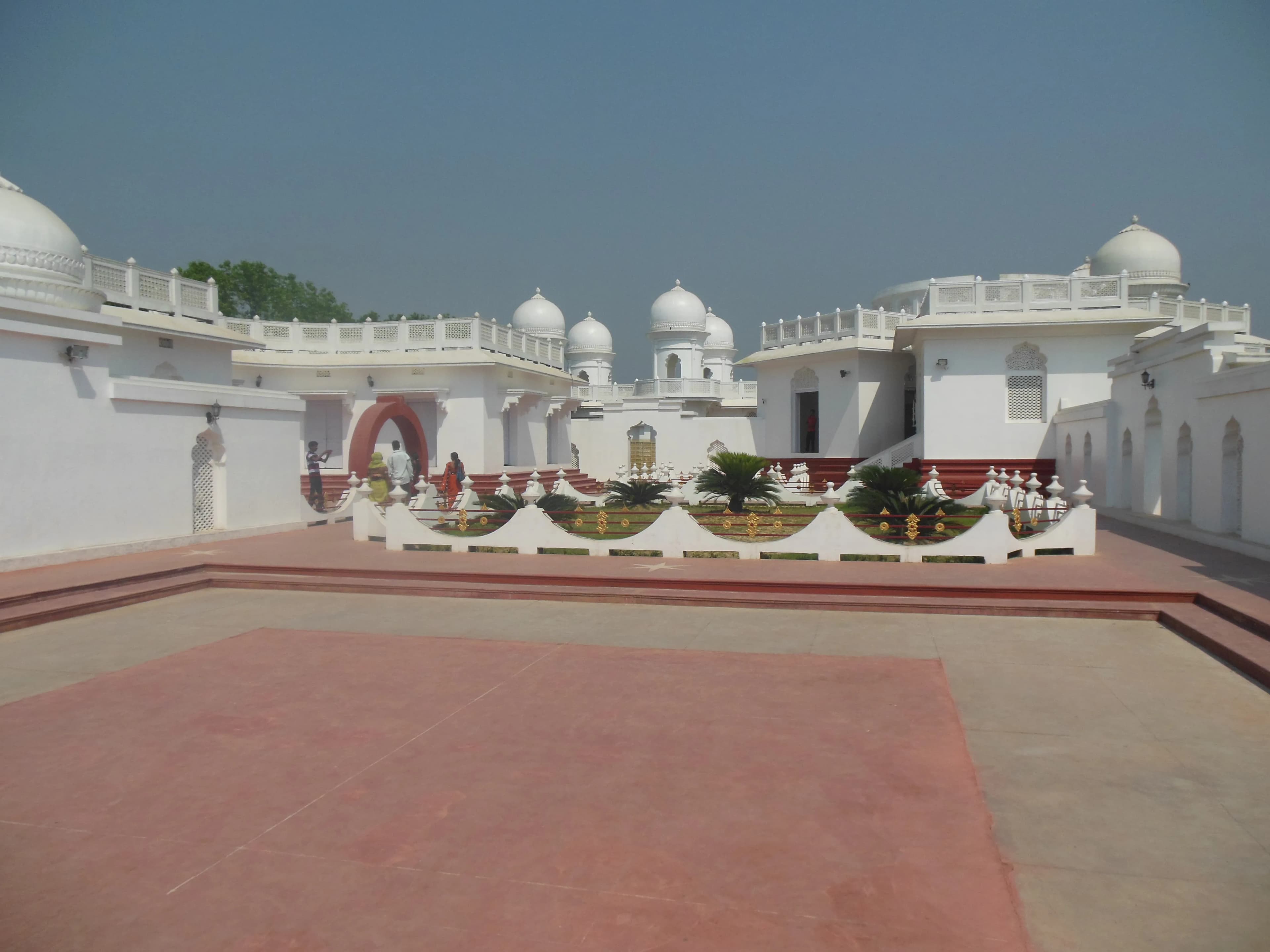
Neermahal Palace Melaghar Tripura
The shimmering reflection of Neermahal Palace rippled across Rudrasagar Lake, a sight that instantly justified the long journey to Melaghar, Tripura. The "Lake Palace," as it's often called, isn't the imposing sandstone behemoth one might expect from Rajasthan, but rather a unique blend of Hindu and Mughal architectural styles, a testament to Maharaja Bir Bikram Kishore Manikya Bahadur's vision in the early 20th century. Having documented over 500 monuments across India, I've become accustomed to the grandeur of empires past, but Neermahal held a distinct charm, a quiet dignity amidst the placid waters. The boat ride to the palace itself is an experience. The lake, vast and serene, creates a sense of anticipation, the palace gradually growing larger, its white and light pink facade becoming clearer against the backdrop of the green hills. As we approached, the intricate details began to emerge – the curved arches, the ornate domes, the delicate floral motifs. The blend of styles is striking. The domes and chhatris speak to the Mughal influence, while the overall structure, particularly the use of timber and the sloping roofs, leans towards traditional Hindu architecture. This fusion isn't jarring; it feels organic, a reflection of the cultural confluence that has shaped this region. Stepping onto the landing, I was immediately struck by the scale of the palace. It's larger than it appears from afar, spread across two courtyards. The western courtyard, designed for royal functions, is grand and open, while the eastern courtyard, the zenana, or women's quarters, is more intimate, with smaller rooms and balconies overlooking the lake. This segregation, typical of many Indian palaces, offers a glimpse into the social structures of the time. The interior, while sadly showing signs of neglect in places, still retains echoes of its former glory. The durbar hall, with its high ceilings and remnants of intricate plasterwork, speaks of lavish gatherings and royal pronouncements. The smaller rooms, once vibrant with life, now stand silent, their peeling paint and crumbling walls whispering stories of a bygone era. I spent hours exploring these spaces, my camera capturing the interplay of light and shadow, documenting the decay as much as the remaining beauty. One of the most captivating aspects of Neermahal is its setting. The lake isn't merely a backdrop; it's integral to the palace's identity. The reflection of the palace on the still water creates a mesmerizing visual, doubling its impact. The surrounding hills, covered in lush greenery, add another layer to the picturesque scene. I noticed several strategically placed balconies and viewing points, designed to maximize the views of the lake and surrounding landscape. It's clear that the Maharaja, a known connoisseur of beauty, intended for Neermahal to be a place of leisure and aesthetic appreciation. My visit to Neermahal wasn't just about documenting the architecture; it was about experiencing a place frozen in time. It was about imagining the lives lived within those walls, the laughter and music that once filled the courtyards, the boats gliding across the lake carrying royalty and guests. It was about witnessing the inevitable passage of time, the slow but relentless decay that affects even the grandest of structures. Neermahal, in its present state, is a poignant reminder of the impermanence of things, a beautiful ruin that continues to captivate and inspire. It's a place that deserves to be preserved, not just for its architectural significance, but for the stories it holds within its crumbling walls.
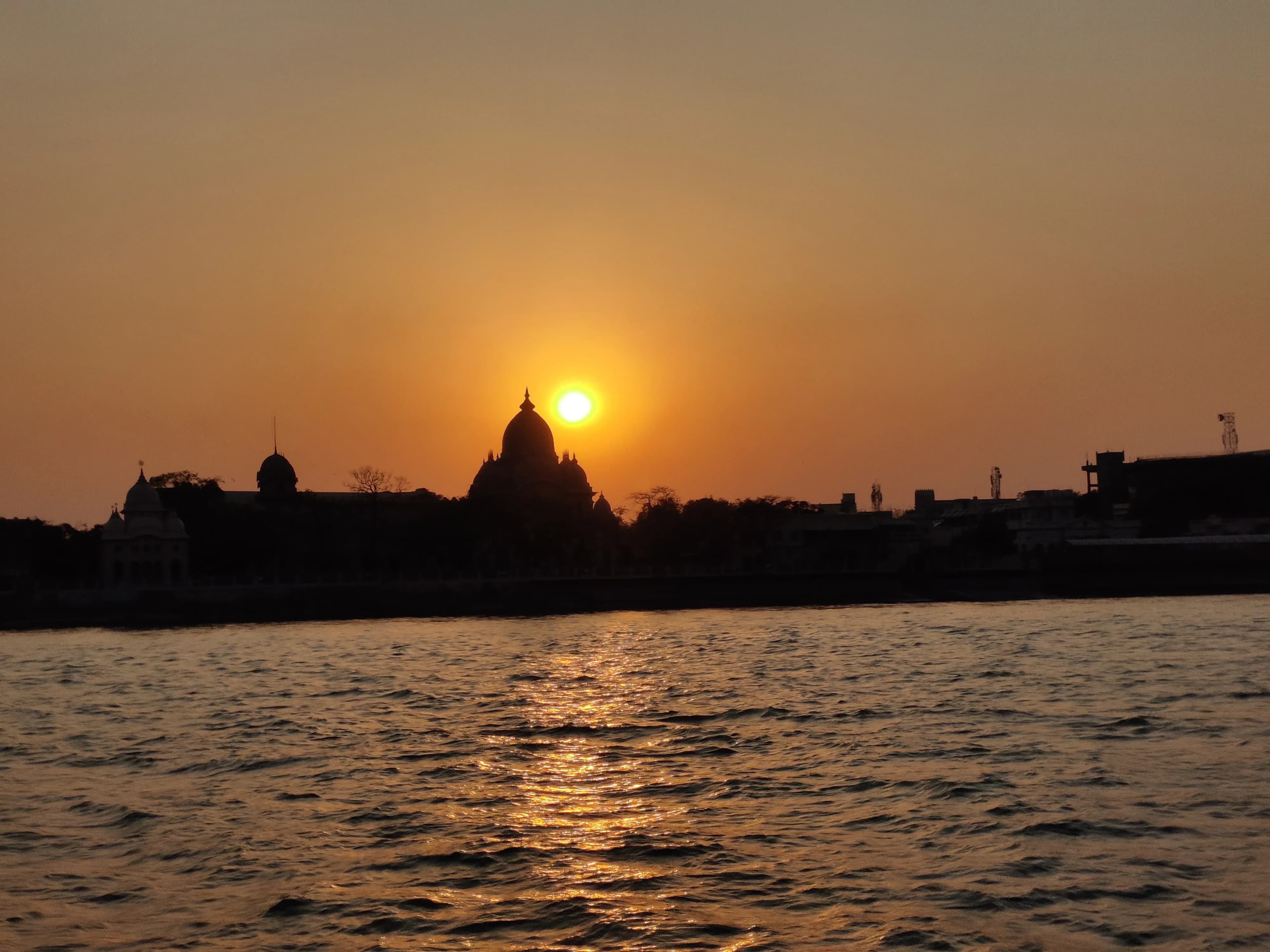
Belur Math Howrah
On the banks of the Hooghly River in West Bengal, Belur Math emerges as an architectural marvel, epitomizing syncretism and universal harmony ([1]). Envisioned by Swami Vivekananda in the late 19th century, the Math seamlessly fuses Hindu, Islamic, and Christian architectural elements, reflecting a vision of unity and religious tolerance ([2][3]). During the British Colonial Period, this unique architectural style took shape, marking a departure from traditional Indian temple designs ([4]). The Sri Ramakrishna Temple, the centerpiece of Belur Math, showcases this fusion through its design. The central dome draws inspiration from Mughal architecture, while Gothic arches and pillars echo European cathedral styles ([5]). Red sandstone, reminiscent of Rajput-era structures, is juxtaposed with white marble, creating a visually striking contrast ([1]). Intricate carvings, however, retain a distinct Indian essence, featuring floral motifs and symbols from various faiths, echoing the artistry found in ancient Indian temples ([2]). The layout, conceived in the form of a cross, further symbolizes the concept of religious harmony ([3]). Stained-glass windows add to the spiritual ambiance, casting colorful light across the interiors. Beyond the main temple, the Swami Vivekananda Temple and the Old Math contribute to the campus, preserving the legacy of the Ramakrishna Mission ([4][5]). Belur Math transcends specific architectural styles, embodying a universal spiritual message. It stands as a reminder of India's composite culture and its long-standing tradition of assimilating diverse influences.
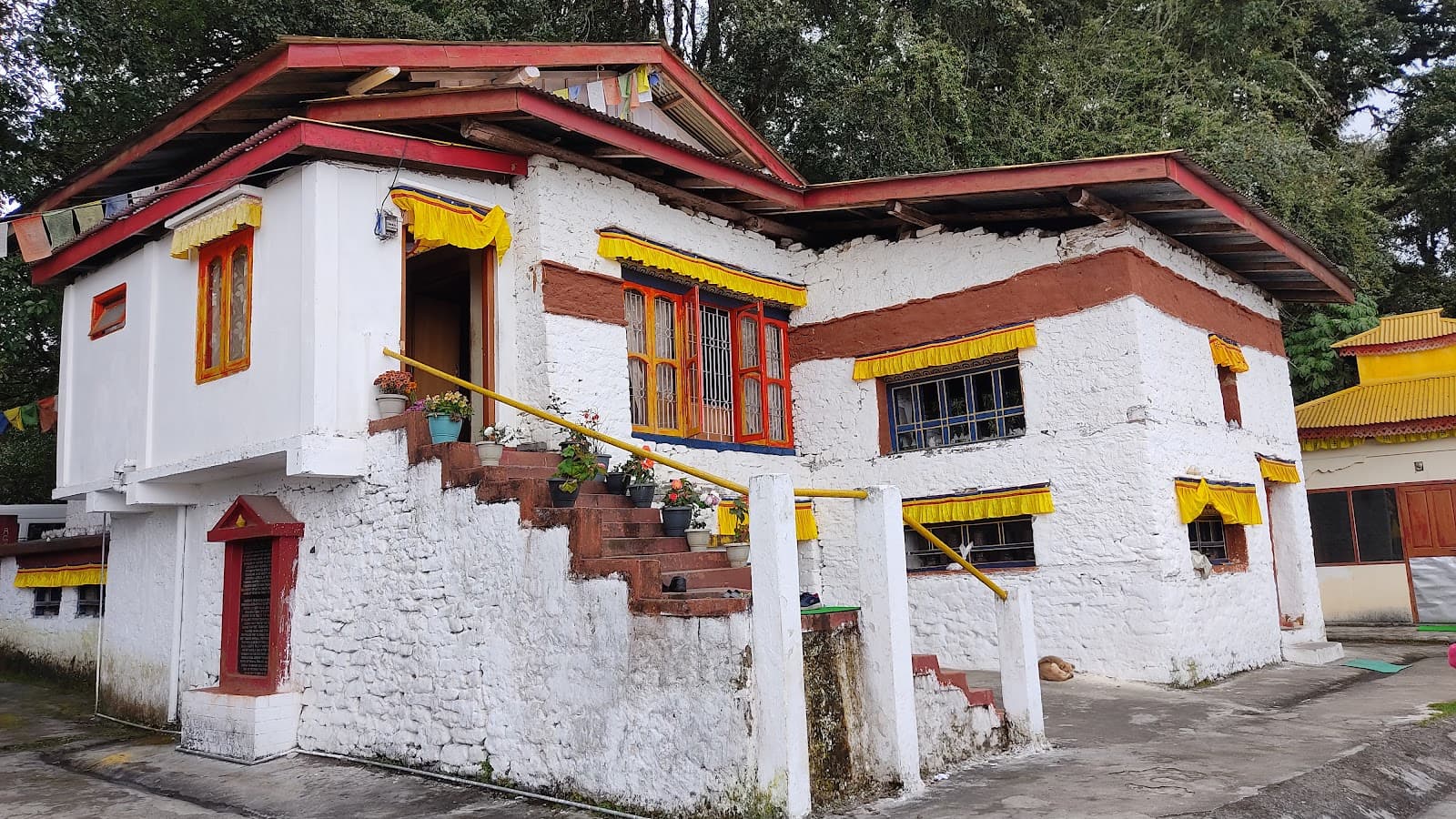
Urgelling Monastery Tawang
The biting Himalayan wind whipped prayer flags into a frenzy of colour against the stark backdrop of the snow-dusted mountains. Urgelling Monastery, perched precariously on a ridge overlooking Tawang valley, felt less like a structure and more like an extension of the rugged landscape itself. Having documented hundreds of monuments across India, I’ve learned to anticipate a certain grandeur, a predictable awe. Urgelling, however, defied all expectations. Its unassuming exterior belied the profound sense of history and spiritual weight it held within. Built in the 15th century, Urgelling is considered the birthplace of the 6th Dalai Lama, Tsangyang Gyatso, a figure shrouded in mystique and rebellion. This fact alone imbued the monastery with a palpable energy, a sense of walking through living history. Unlike many of the larger, more ornate monasteries I’ve photographed, Urgelling retained a sense of intimacy. The relatively small complex, constructed primarily of stone and wood, felt weathered and worn, a testament to centuries of harsh weather and unwavering devotion. The main prayer hall, though modest in size, was richly adorned. The walls were covered in vibrant thangkas depicting Buddhist deities and intricate mandalas. The low, flickering butter lamps cast dancing shadows, illuminating the worn faces of the statues and adding to the ethereal atmosphere. The scent of burning juniper incense hung heavy in the air, mingling with the crisp mountain air, creating a sensory experience that was both grounding and otherworldly. I spent hours exploring the narrow corridors and dimly lit chambers, my camera a silent observer. The intricate wood carvings on the window frames and pillars, some faded with age, spoke of a rich artistic tradition. I noticed recurring motifs of dragons and lotus flowers, symbols deeply embedded in Buddhist iconography. The architecture itself was a blend of Tibetan and Monpa styles, reflecting the region's unique cultural heritage. The sloping roofs, designed to withstand heavy snowfall, were adorned with decorative metalwork that shimmered in the occasional bursts of sunlight. One of the most striking features of Urgelling was its location. The panoramic view from the monastery courtyard was simply breathtaking. The Tawang valley stretched out below, a patchwork of green fields and scattered villages, framed by the towering Himalayas. It was easy to see why this spot was chosen as a place of spiritual retreat. The sheer vastness of the landscape seemed to dwarf all earthly concerns, fostering a sense of peace and introspection. My conversation with one of the resident monks offered a deeper understanding of Urgelling's significance. He spoke of the monastery's role not just as a place of worship but also as a centre of learning and community. He explained the significance of the various rituals and ceremonies performed, highlighting the importance of preserving their cultural heritage. His words resonated deeply, reminding me of the power of these sacred spaces to connect people to something larger than themselves. As I descended the winding path from Urgelling, the setting sun casting long shadows across the valley, I carried with me more than just photographs. I carried the weight of history, the echo of chants, and the profound sense of serenity that permeated the ancient walls. Urgelling Monastery, in its quiet dignity, had offered a glimpse into a world where spirituality and nature intertwine, a world I felt privileged to have witnessed through my lens. It was a testament to the enduring power of faith and a poignant reminder of the rich tapestry of cultural heritage that makes India so extraordinary.

Lakshmi Narayan Mandir Kolasib
The vibrant green hills of Mizoram cradle many surprises, and for a temple architecture enthusiast like myself, steeped in the Dravidian idiom of South India, the Lakshmi Narayan Mandir in Kolasib was a fascinating anomaly. Perched atop a hill overlooking the town, this temple, dedicated to Vishnu and Lakshmi, presents a unique blend of architectural styles, a testament to the cultural confluence in this northeastern state. The first thing that struck me was the temple's shikhara. While reminiscent of the Nagara style prevalent in North India, with its curvilinear tower rising towards the heavens, it lacked the intricate carvings and elaborate ornamentation I’m accustomed to seeing in temples like the Kandariya Mahadeva in Khajuraho. Instead, the shikhara here was relatively plain, its smooth sandstone surface punctuated by simple horizontal bands and a modest amalaka crowning the top. This simplicity, however, lent it a certain elegance, allowing the natural beauty of the sandstone to shine through. The mandapa, or pillared hall, leading to the sanctum sanctorum, displayed a different influence altogether. The pillars, while square in section, were devoid of the intricate sculptures and narrative friezes that adorn South Indian temple pillars. Instead, they were adorned with simple geometric patterns, painted in vibrant hues of red, blue, and yellow, reminiscent of Mizo traditional designs. This unexpected burst of colour against the muted sandstone created a visually arresting contrast. Inside the garbhagriha, the deities of Lakshmi and Narayan resided, their serene presence radiating a sense of peace. The iconography was familiar, yet subtly different. Lakshmi, usually depicted seated on a lotus, here stood beside Vishnu, a posture more commonly seen in North Indian depictions. This subtle shift in iconography further highlighted the temple's unique blend of regional influences. The temple's location itself added to its charm. The panoramic view of Kolasib town and the surrounding hills, visible from the temple courtyard, was breathtaking. The lush greenery and the crisp mountain air created a serene atmosphere, conducive to contemplation and reflection. Unlike the bustling temple complexes of South India, the Lakshmi Narayan Mandir offered a sense of quietude, a space for personal communion with the divine. What intrigued me most was the narrative behind this architectural hybrid. Built in the late 20th century, the temple reflects the migration of people and ideas across India. While the core architectural style is North Indian, the local Mizo artisans have clearly left their mark, incorporating their own artistic traditions into the temple's decorative elements. This fusion of styles is not merely an aesthetic choice; it’s a reflection of the cultural exchange and assimilation that has shaped the region's identity. The Lakshmi Narayan Mandir is not just a place of worship; it's a living testament to India's diverse cultural tapestry. It challenges preconceived notions of architectural purity and demonstrates how different styles can harmoniously coexist, creating something unique and beautiful. For me, this temple was a powerful reminder that heritage is not static; it's a dynamic process of evolution and adaptation, constantly being shaped by the people and the environment that surround it. My visit to the Lakshmi Narayan Mandir was more than just a sightseeing trip; it was a lesson in architectural syncretism, a testament to the enduring power of cultural exchange. The temple stands as a symbol of unity in diversity, showcasing how different traditions can intertwine to create something truly special.
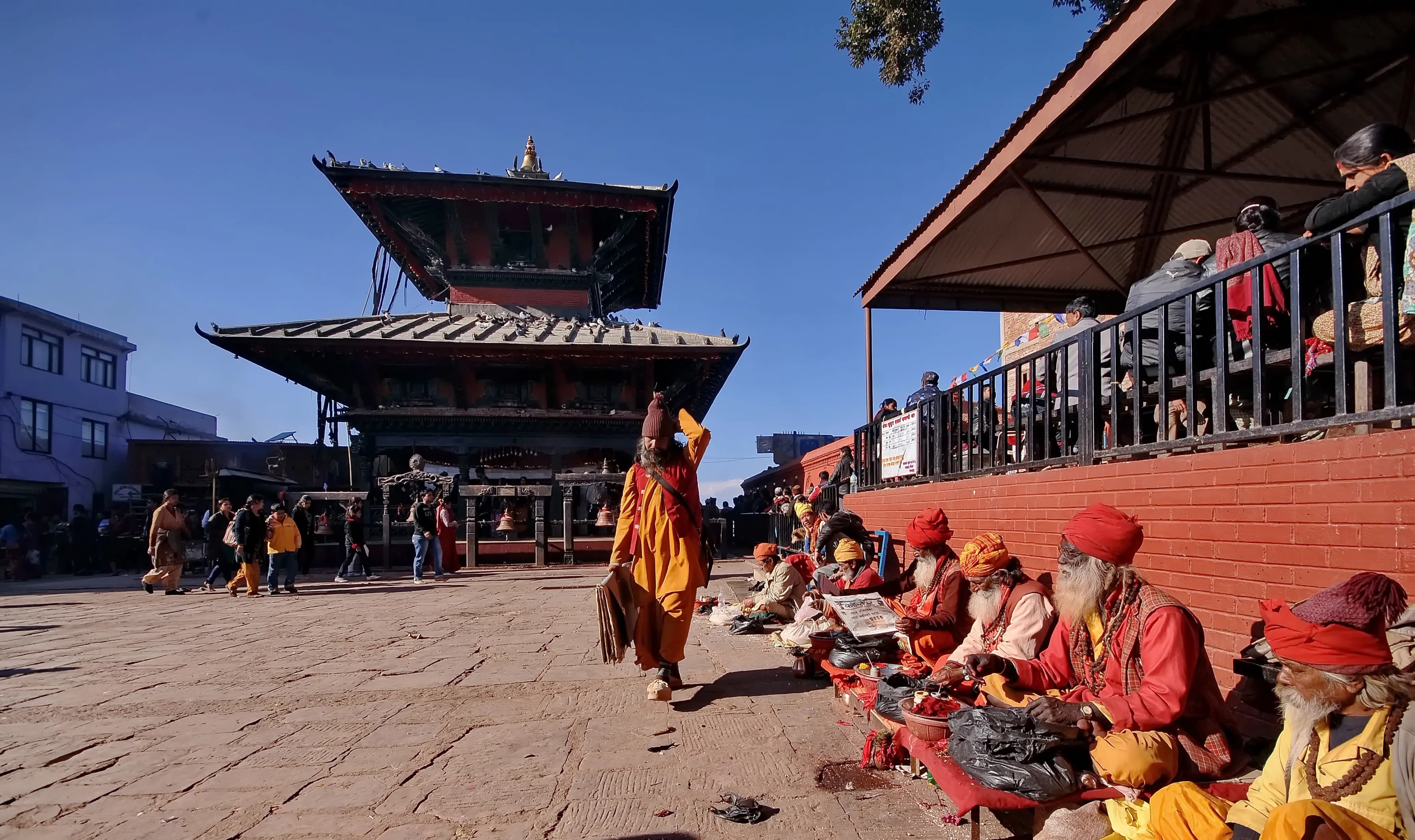
Jayanti Devi Temple Ropar
The crisp Punjab air, scented with woodsmoke and the faint sweetness of jaggery, carried the rhythmic clang of temple bells as I approached the Jayanti Devi Temple. Perched atop a hill overlooking the Sutlej River near Ropar, this wasn't the typical cave temple I was accustomed to back home in Maharashtra. Instead, it presented a fascinating blend of ancient and modern architecture, a testament to layers of devotion built over centuries. The climb itself was an experience. A winding road led me through a vibrant tapestry of green fields, offering glimpses of the river below. As I ascended, the temple complex gradually revealed itself, a cluster of structures clinging to the hillside, crowned by the main shrine. The initial impression was one of vibrant colour – saffron, red, and gold dominating the palette, a stark contrast to the muted tones of the Deccan caves I’m so familiar with. The main temple dedicated to Jayanti Devi, the goddess of victory, is a relatively modern structure, its gleaming white marble exterior intricately carved with depictions of various deities. However, the real historical weight lies within the smaller, older shrines nestled around it. These, built from rough-hewn stone and brick, spoke of a history far older than the marble edifice. One particular shrine, tucked away in a corner, captivated me. Its dark, weathered stones bore faded remnants of ancient frescoes, hinting at a rich artistic heritage. I peered inside, the air thick with the scent of incense and years of accumulated prayers. Though the frescoes were damaged, I could discern the outlines of divine figures, their forms imbued with a quiet power. The temple complex is a labyrinth of courtyards, interconnected by narrow passageways and staircases. Each turn revealed a new shrine, a new deity, a new story whispered by the stones. Unlike the structured layouts of many Maharashtrian temples, this felt organic, almost haphazard, as if each shrine had sprung up independently, driven by the fervent devotion of its builders. This unplanned growth added to the temple's charm, creating a sense of discovery and wonder. I noticed a distinct architectural influence from the surrounding region. The sloping roofs, reminiscent of Himalayan architecture, were a departure from the flat or domed roofs common in Maharashtra. The use of local materials like sandstone and brick also contributed to this regional flavour. Intriguingly, I also observed elements that echoed Mughal architecture, particularly in the decorative arches and intricate jali work adorning some of the older structures. This fusion of styles spoke volumes about the region's history, a confluence of cultures and influences. The atmosphere within the temple complex was electric. Devotees thronged the courtyards, their prayers mingling with the rhythmic chanting of priests. The air was thick with the scent of incense, flowers, and the ghee used in the countless lamps flickering before the deities. I watched as families offered prayers, their faces etched with devotion. The palpable faith resonated deeply, transcending language and cultural barriers. From the highest point of the complex, the view was breathtaking. The Sutlej River snaked through the plains below, a silver ribbon against the verdant landscape. The surrounding hills, dotted with villages, stretched out as far as the eye could see. It was a panorama that spoke of peace and tranquility, a fitting backdrop for a place of worship. My visit to the Jayanti Devi Temple was a departure from my usual explorations of Maharashtra’s caves. It was a journey into a different architectural landscape, a different cultural context, and a different expression of faith. Yet, the underlying essence remained the same – the human need to connect with something larger than oneself, to find solace and meaning in the sacred. And that, I realized, is a universal language, spoken as fluently in the vibrant courtyards of a hillside temple in Punjab as it is in the hushed chambers of a cave temple in Maharashtra.
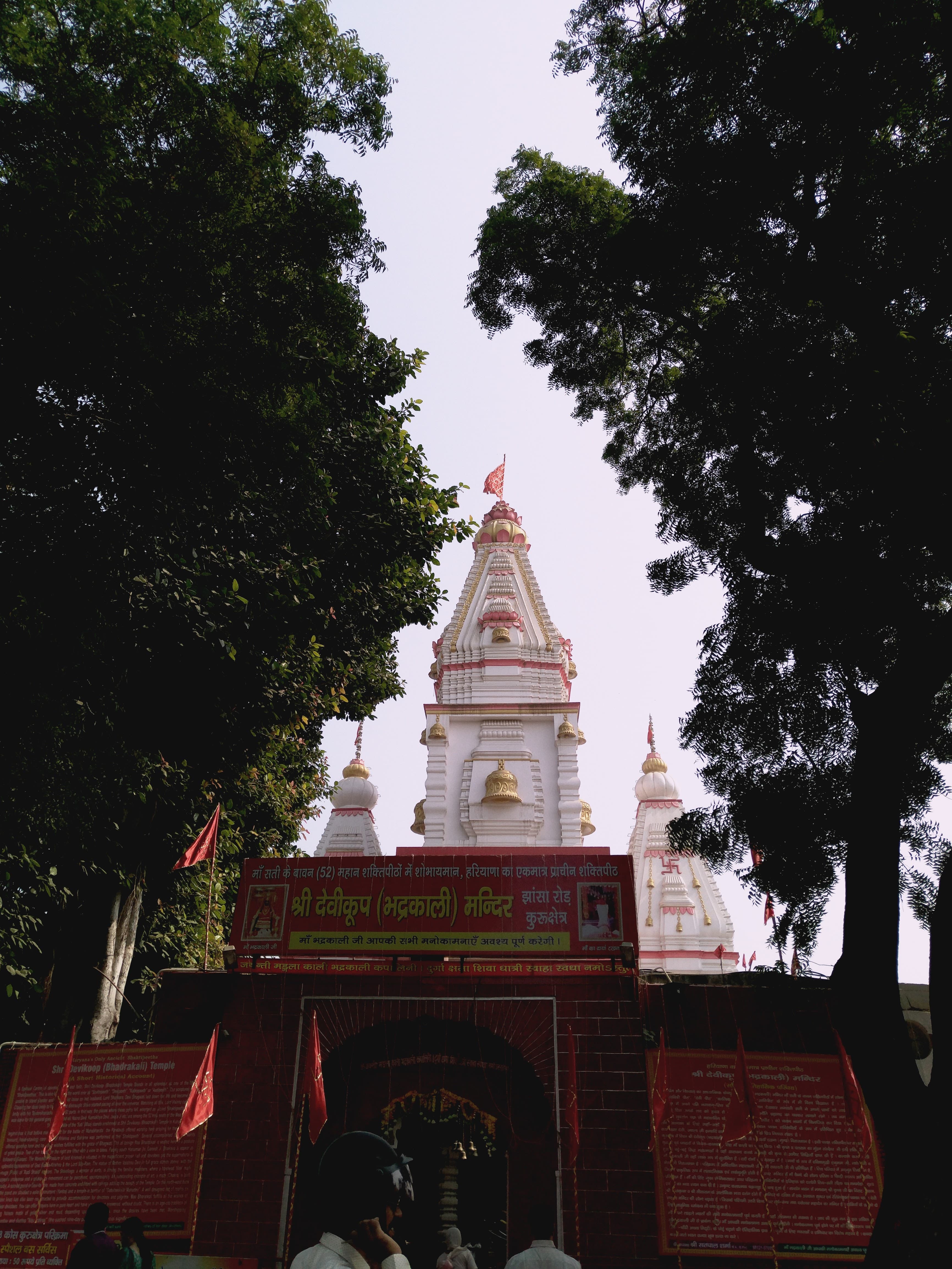
Bhadrakali Temple Kurukshetra
Amidst the sacred land of Kurukshetra, Haryana, the Bhadrakali Temple emerges as a significant example of North Indian temple architecture ([1]). Commissioned in 1739 CE by the Maratha ruler Baji Rao I, this sacred site reflects the patronage of the Maratha Empire in North India ([2]). Its Nagara-style Shikhara (spire) distinguishes it, a testament to the architectural traditions of the Gurjara-Pratihara period ([3][4]). Stone and brick form the primary building materials, reflecting construction practices common to the era ([5]). Intricate carvings embellish the temple walls, depicting scenes from Hindu epics such as the Mahabharata and portraying various deities, echoing the artistic expressions of the time ([1][2]). These carvings offer insights into the region's rich cultural heritage and religious beliefs ([3]). The temple's design aligns with principles outlined in ancient texts like the *Manasara Shilpa Shastra*, which discusses temple construction and iconography, although specific chapter references are currently unavailable ([4]). Within the Garbhagriha (sanctum), Goddess Bhadrakali's idol inspires reverence, embodying divine feminine power or *Shakti* ([5]). A sacred Kunda (pond) complements the temple, its waters considered purifying and integral to Hindu rituals ([1]). Observing the temple rituals reveals a blend of regional traditions, with unique chants and offerings that highlight India's diverse spiritual landscape ([2][3]). The temple's architecture, while distinct in its Nagara style, creates a sacred space, fostering a connection between devotees and the divine, thereby continuing the enduring legacy of Indian architectural and spiritual heritage ([4][5]).
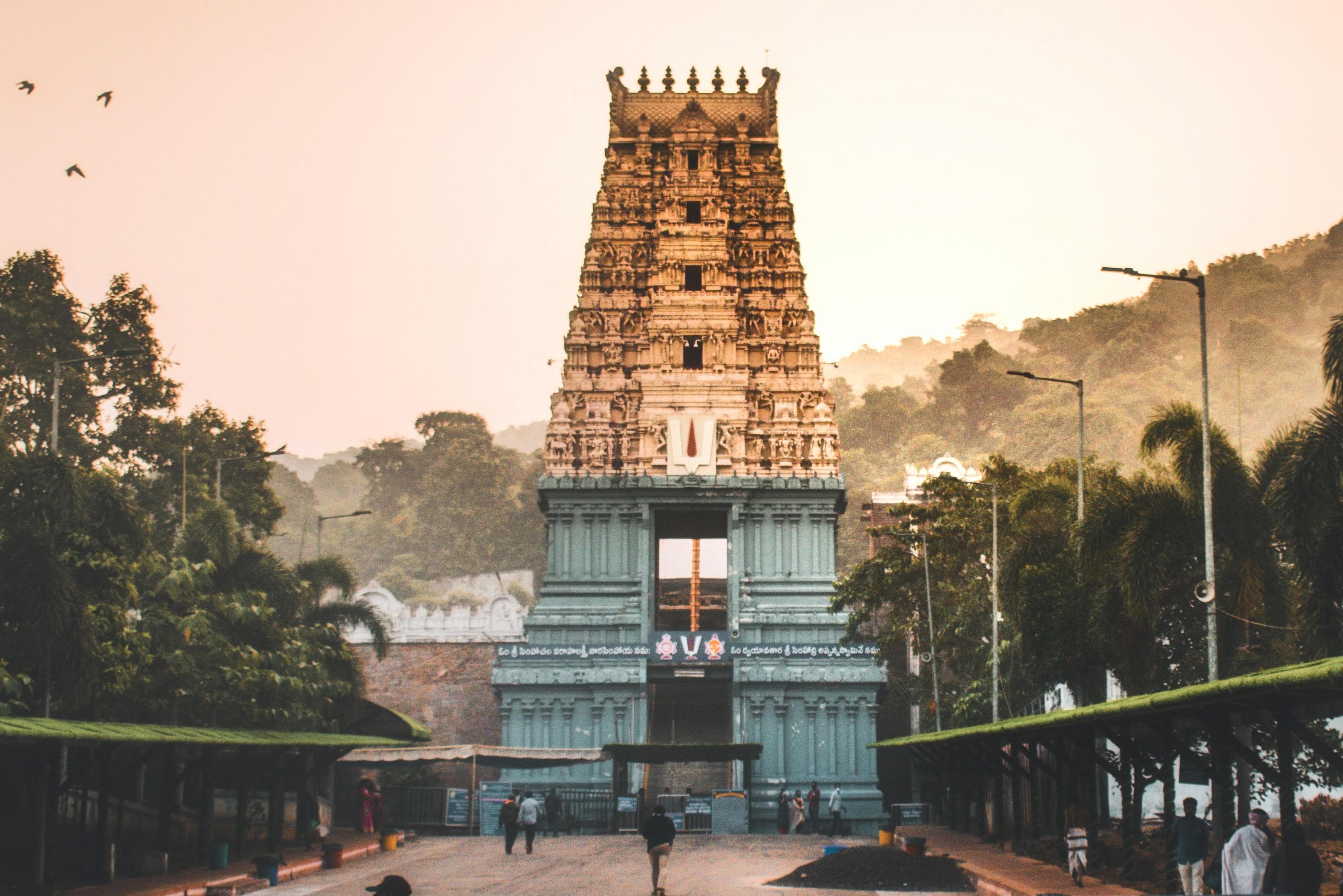
Simhachalam Varaha Lakshmi Narasimha Temple Visakhapatnam
The salty tang of the Bay of Bengal hung in the air as I climbed the steps leading to the Varaha Lakshmi Narasimha Temple at Simhachalam. Having explored the basalt-carved wonders of Maharashtra’s caves and temples, I was eager to experience the distinct architectural flavour of Andhra Pradesh. And Simhachalam, perched atop a hill overlooking Visakhapatnam, promised something unique. The temple complex, enclosed within high walls, exudes an aura of quiet power. Unlike the open courtyards I’m accustomed to in Maharashtra, here, the structures are tightly knit, creating a sense of intimacy and concentrated devotion. The main gopuram, though not as towering as some I’ve seen, possesses a distinct Dravidian elegance, its intricate carvings narrating tales from the Puranas. The use of light-coloured stone, possibly Khondalite, gives the temple a luminous quality, contrasting sharply with the dark, weathered basalt of my home state. As I approached the sanctum sanctorum, the air grew thick with the scent of sandalwood and incense. The presiding deity, Varaha Lakshmi Narasimha, is unique – a manifestation of Vishnu as Narasimha, the man-lion, covered in sandalwood paste throughout the year, except for one day, 'Chandanayatra Utsavam'. This practice, I learned, stems from a legend where the deity’s fiery rage was cooled by the application of sandalwood. The anticipation of seeing this unique form, shrouded in mystery, heightened my excitement. Finally, I stood before the sanctum. The dimly lit space, filled with chanting, allowed only a glimpse of the sandalwood-covered deity. While I couldn’t discern the actual features of the idol, the palpable energy within the sanctum was undeniable. It was a powerful, almost visceral experience, different from the serene contemplation I often feel in Maharashtra’s cave temples. Here, the atmosphere was charged with a raw, vibrant devotion. Stepping out of the sanctum, I took time to appreciate the intricate carvings adorning the temple walls. The depictions of gods, goddesses, and mythical creatures showcased a distinct regional style, different from the Chalukyan and Yadava influences I’m familiar with. The narrative panels, though weathered by time and the coastal climate, still spoke volumes about the rich mythology associated with the deity. I noticed the recurring motif of the Varaha avatar, the boar incarnation of Vishnu, highlighting the temple’s dedication to this particular form. The temple complex also houses several smaller shrines dedicated to other deities, each with its own unique character. I was particularly drawn to the shrine of Andal, a female Alvar saint, whose devotion to Lord Vishnu is legendary. The presence of this shrine within the complex spoke to the inclusive nature of the temple’s spiritual embrace. As I descended the hill, the city of Visakhapatnam sprawled before me, a vibrant tapestry of modern life against the backdrop of the ancient Eastern Ghats. The visit to Simhachalam had been a journey not just to a different state, but to a different spiritual landscape. The temple’s unique rituals, distinct architecture, and the palpable devotion of the pilgrims offered a fresh perspective on the diverse tapestry of Hindu worship. It reinforced the idea that while the essence of faith remains constant, its expressions can be wonderfully varied and regionally specific. The Varaha Lakshmi Narasimha Temple, with its sandalwood-clad deity and vibrant energy, stands as a testament to this rich diversity. It's a must-see for anyone seeking to explore the architectural and spiritual wonders of Andhra Pradesh, and a stark, fascinating contrast to the cave temples of Maharashtra I know so well.
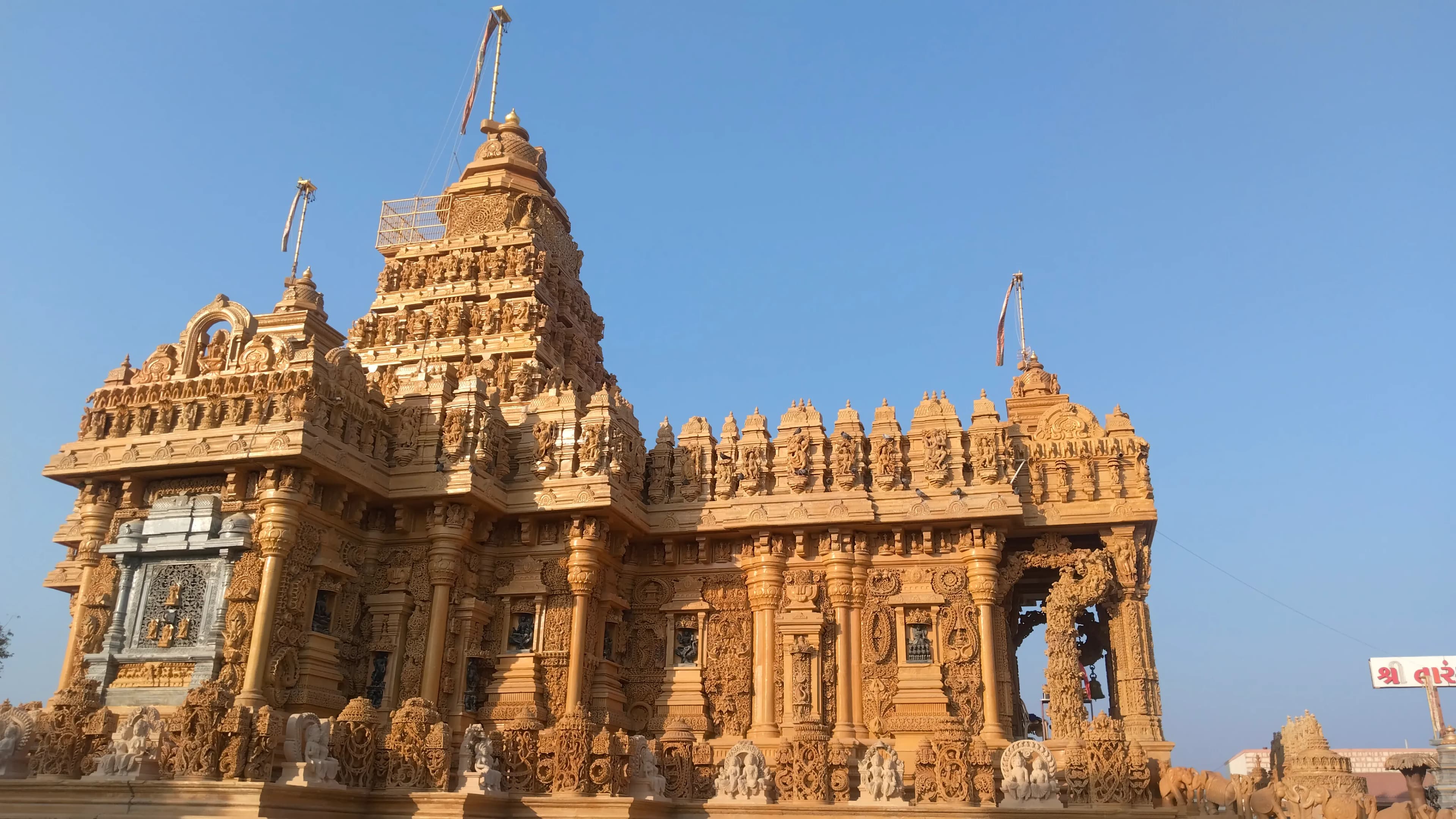
Jain Temple Dimapur
The humidity hung heavy, a stark contrast to the arid landscapes of Rajasthan I'm accustomed to. Here in Dimapur, Nagaland, nestled amidst lush greenery, stands the Jain Temple, a structure that whispers tales of a community far removed from the desert kingdoms I know so well. It isn't a grand edifice like the sprawling fortresses back home, but its simplicity holds a unique charm, a quiet dignity that immediately captivated me. The temple's exterior is a pristine white, a beacon against the vibrant green backdrop. The shikhar, the curvilinear tower, rises gracefully, though it lacks the intricate carvings and embellishments that adorn the Jain temples of Rajasthan. Instead, its surface is smooth, almost minimalist, crowned with a golden kalash, gleaming under the Nagaland sun. This architectural restraint, I realized, speaks volumes. It's a testament to the adaptability of Jain philosophy, its ability to flourish even in a land so different from its traditional heartland. Stepping inside, I was struck by the sense of peace. The main prayer hall is a large, airy space, devoid of the opulent ornamentation I’m used to seeing in Jain temples. Sunlight streamed in through large windows, illuminating the simple, yet elegant altar. At the center sits a serene white marble statue of the twenty-fourth Tirthankara, Mahavir Swami. His meditative posture, the downcast eyes, exuded an aura of tranquility that permeated the entire space. There were no elaborate frescoes, no intricate carvings on the pillars – just the quiet presence of the Tirthankara, a focal point for devotion. I spent some time observing the devotees. A mix of locals and visitors, they moved with a quiet reverence, their prayers whispered rather than chanted. It was a different atmosphere from the bustling Jain temples of Rajasthan, where the air often rings with devotional songs and the scent of incense. Here, the silence amplified the sense of spirituality, allowing for a deeper, more introspective experience. As I explored further, I discovered a small museum attached to the temple. It housed a collection of photographs and artifacts documenting the history of the Jain community in Dimapur. I learned that the temple was relatively recent, built in the latter half of the 20th century by a small but thriving Jain community that had migrated to Nagaland for business. The museum offered a fascinating glimpse into their journey, their challenges, and their contributions to the local community. It was a story of resilience and adaptation, a testament to the enduring spirit of Jainism. One particular exhibit caught my eye – a series of photographs showcasing the annual Mahavir Jayanti celebrations. The images depicted a vibrant procession, with devotees carrying the statue of Mahavir Swami through the streets of Dimapur. It was a striking image – the white-clad Jain devotees amidst the colorful Naga crowds, a beautiful representation of religious harmony and cultural exchange. Leaving the temple, I carried with me a sense of quiet admiration. This unassuming structure, tucked away in a corner of Nagaland, spoke volumes about the adaptability and universality of Jain philosophy. It was a reminder that spirituality transcends geographical boundaries and cultural differences. While the architecture and rituals might differ from the grand traditions I'm familiar with in Rajasthan, the core values of non-violence, compassion, and self-discipline remained the same, resonating powerfully in this tranquil corner of Northeast India. The Jain Temple of Dimapur may not boast the grandeur of its Rajasthani counterparts, but its quiet dignity and the story it tells are equally, if not more, compelling.
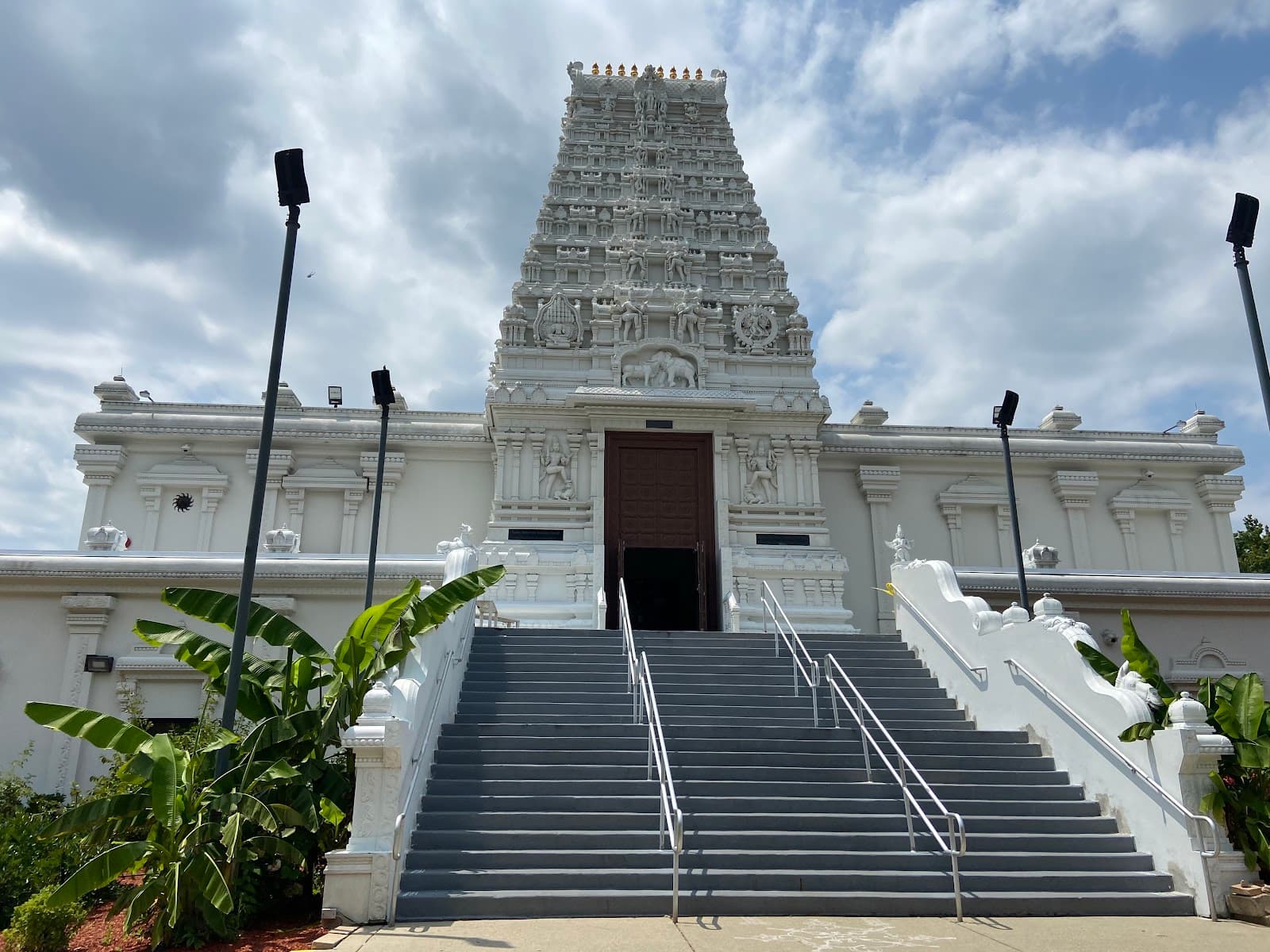
Sri Siva Vishnu Temple Lanham
Sri Siva Vishnu Temple in Lanham, Maryland, dedicated to Siva, Vishnu, and a constellation of regional deities, opens at 6:00 AM and keeps rituals running through 9:00 PM, sequencing morning suprabhatam, daily homams, and evening sahasranama archanas across two granite shrines linked by a shared mandapam ([1][2]). Volunteer desk captains manage parking lots, shoe rooms, and darshan queues via digital displays so weekday devotees and weekend tour groups flow smoothly between the Saiva and Vaishnava sanctums ([1][3]). Security teams coordinate with Prince George’s County police during festival surges, monitor CCTV networks, and audit life-safety systems that include sprinklers, smoke detection, and backup power tested monthly ([3][5]). Elevators, ramps, tactile paving, and loaner wheelchairs maintain circulation between the sanctum, canteen, and cultural hall; ushers offer assistive listening headsets and bilingual signage for Tamil, Telugu, and English programming ([1][4]). Custodians follow two-hour cleaning cycles covering granite floors, brass thresholds, and ablution stations, while mechanical crews schedule filter changes and insulation checks ahead of humid Chesapeake summers ([3][5]). Community kitchens operate under separate HVAC zoning and grease recovery, keeping prasad production compliant with Maryland health codes. Preventive maintenance dashboards log priest schedules, chillers, fire systems, and accessibility inspections; 2025 county reviews recorded zero violations, confirming the temple remains fully operational and compliant for daily worship, cultural classes, and large-format festivals ([3][4][5]).
Prasat Hin Muang Tam Buri Ram
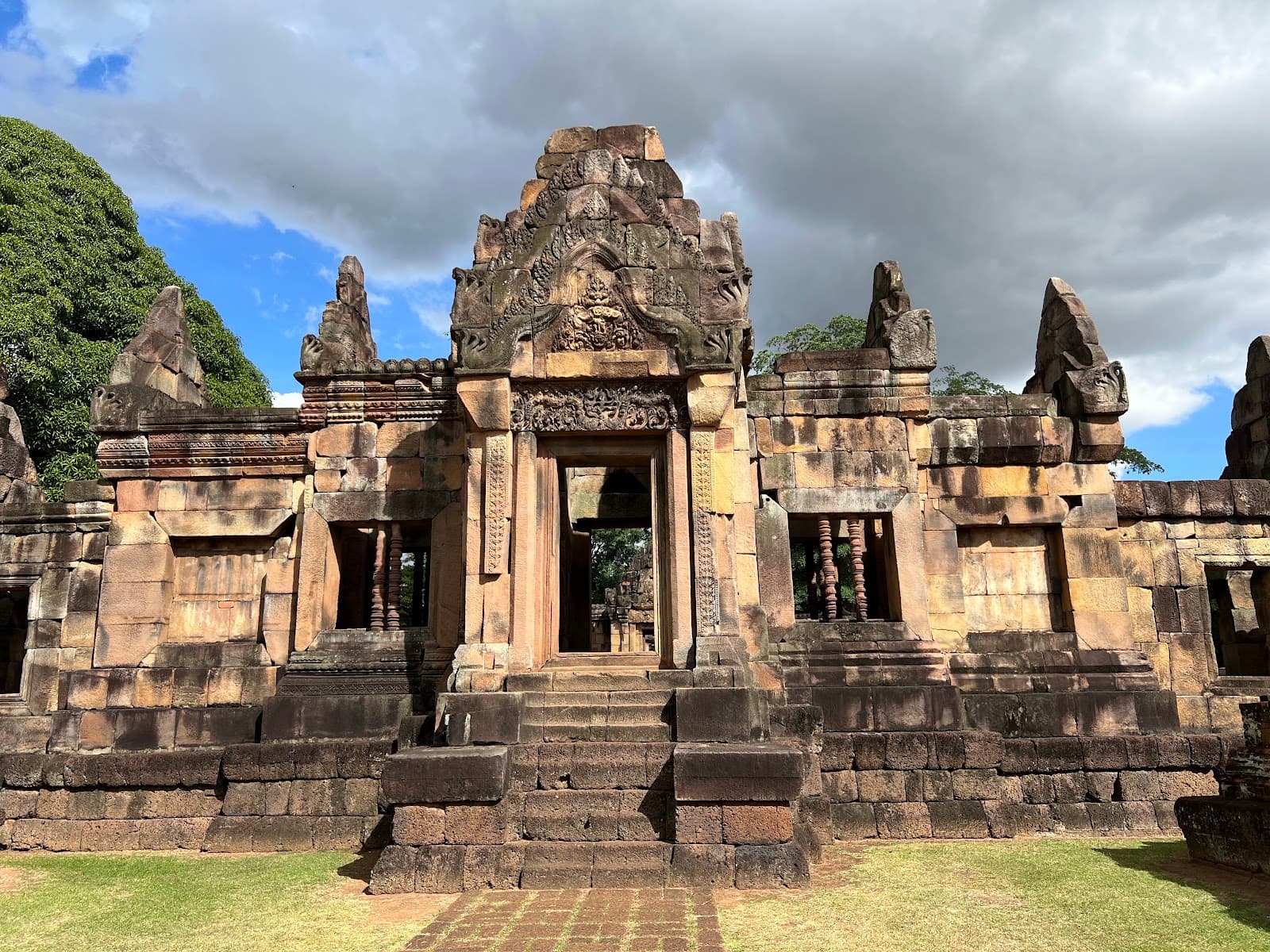
Prasat Hin Muang Tam, located approximately 8 kilometers southeast of Phanom Rung in Buri Ram Province, represents a unique Khmer temple complex distinguished by its flat concentric layout and exceptional integration of water features symbolizing the cosmic oceans surrounding Mount Meru. The temple, constructed in the late 10th and early 11th centuries CE during the Baphuon period, is dedicated primarily to Shiva, with evidence of Vishnu worship in subsidiary shrines, demonstrating the syncretic nature of Khmer religious practice. The complex features a distinctive quincunx arrangement of five sandstone prasats—one central tower surrounded by four corner towers—all constructed from pink sandstone and laterite, set within a rectangular laterite enclosure measuring 274 by 420 meters. The temple’s most remarkable feature is its four L-shaped ponds positioned at the cardinal directions, each measuring approximately 50 by 100 meters, symbolizing the four oceans of Hindu cosmology and creating a unique architectural expression of cosmic geography. The central prasat rises 15 meters and houses a massive lingam pedestal, while the four corner towers contain smaller shrines. The temple’s lintels and pediments showcase exceptional bas-relief work depicting scenes from Hindu mythology, including the churning of the ocean of milk, Shiva’s cosmic dance, and various deities. The complex includes two libraries positioned east of the central prasat, numerous subsidiary shrines, and a sophisticated drainage system that channels water from the ponds through the temple complex. Archaeological evidence indicates the temple served as a regional religious center complementing the larger Phanom Rung complex. The site underwent restoration from 1984 to 1995, involving structural stabilization and conservation of decorative elements. Today, Prasat Hin Muang Tam remains an important site for understanding Khmer temple architecture and Hindu cosmology, attracting visitors interested in its unique water-based design and exceptional stone carvings. ([1][2])
Huynh De Citadel Cham Temples Binh Dinh Vietnam
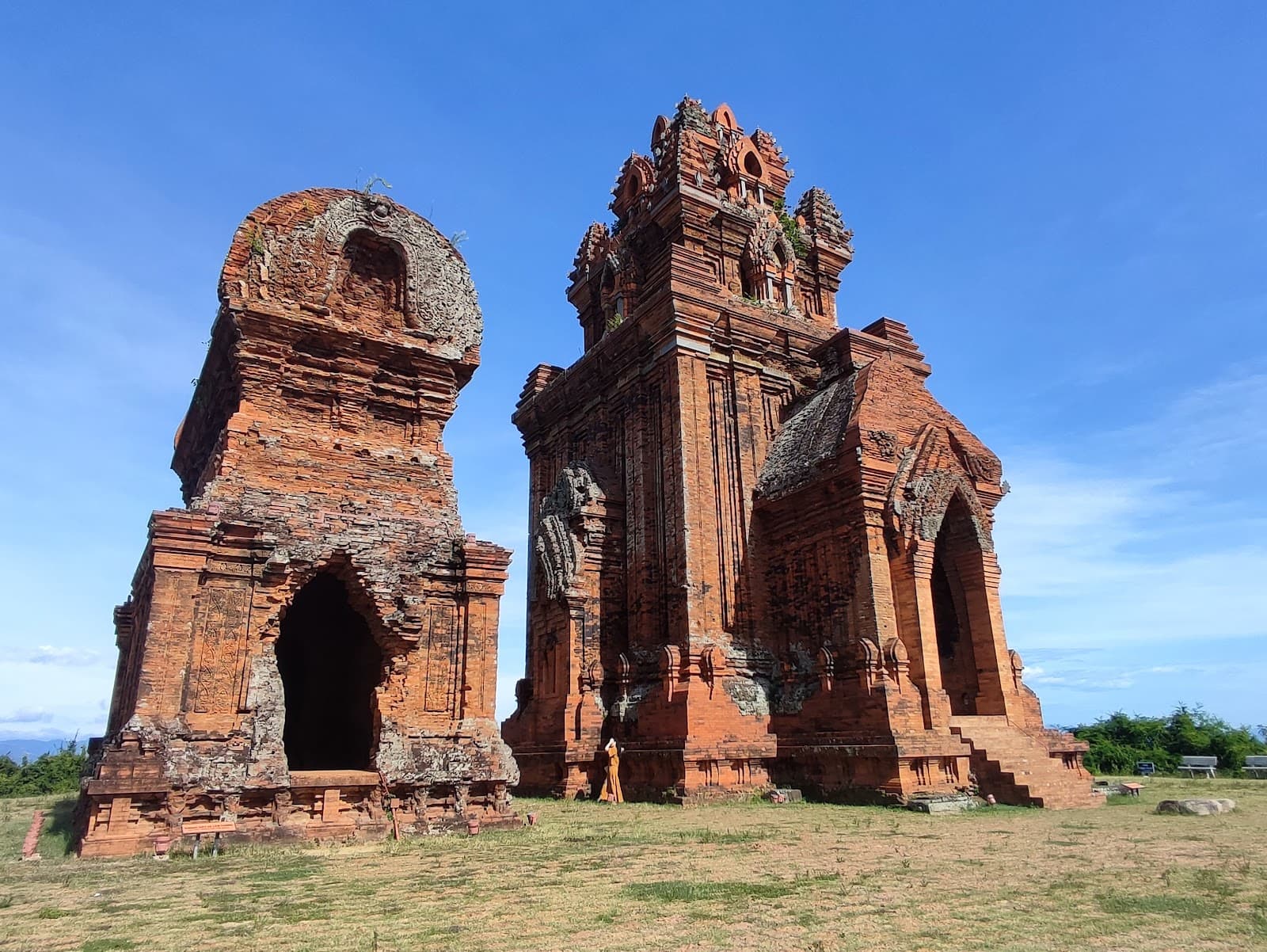
The Huynh De Citadel Cham Temples, situated in Binh Dinh Province, Vietnam, represent a profound testament to India's millennia-spanning cultural heritage, embodying the continuous tradition of Indian civilization through its architectural and religious expressions. This monumental complex, also known historically as Hoàng Đế Citadel or Cha Ban Citadel, served as a significant political and religious center for the Champa Kingdom, deeply influenced by ancient Indian architectural principles and spiritual practices [2] . The indigenous Cham architectural style, particularly evident in the temple structures, exhibits striking similarities to the Dravida architecture style and Hindu temple architecture of South India, reflecting a direct cultural transmission and adaptation [1] [5]. The temples within the citadel area are predominantly dedicated to Hindu deities, with Shiva, often manifested as the Bhadreśvara-liṅga or in anthropomorphic form, being the primary object of worship [1]. Decorative elements frequently include depictions of Hindu goddesses such as Gajalakshmi, carved on tympanums, and figures like the brick Garuda on temple roofs, underscoring the pervasive Hindu iconography [1]. The construction primarily utilizes red brick, a characteristic material for Cham temples, complemented by sandstone for structural elements and intricate carvings [1] . Early construction phases, dating from the 7th to 9th centuries, featured smaller temples with low brick walls and wooden pillars supporting tiled roofs, creating an 'open-sanctum' design that allowed natural light to permeate the interior [1]. By the late 9th to 13th centuries, construction techniques advanced, leading to taller temple towers built with corbelling techniques and pointed roofs, resulting in 'closed-sanctum' structures illuminated by internal light sources like candles or torches [1]. Specific architectural marvels include the Duong Long Towers, a triple-tower complex from the 12th century, where the central tower reaches an impressive height of 39 meters, flanked by two slightly shorter structures [2]. The Banh It towers, dating from the 12th to 13th centuries, comprise four meticulously restored towers strategically positioned atop a hill, offering panoramic views [2]. The Canh Tien Tower, a 12th-century edifice within the Vijaya Citadel, showcases elaborate decorative features inspired by tropical foliage, a hallmark of Cham artistry [2] . The Phu Loc tower, an early 12th-century structure, stands as a colossal, castle-like edifice, while the Thap Doi (Twin Towers) from the 12th-13th century rise 20 meters, tapering upwards like monumental chimneys [2]. The Binh Lam tower, from the late 10th to early 11th century, is a solitary, large structure notable for its street-level placement [2]. The Huynh De Citadel itself functioned as a formidable defensive complex, characterized by its rectangular layout and extensive ramparts. Historical records detail the southern rampart, constructed from large laterite blocks, each measuring approximately 0.8 meters in length, 0.4 meters in width, and 0.23 meters in thickness, with roof tile fragments inserted for enhanced stability . The citadel was ingeniously integrated with its natural environment, surrounded by a network of deep and wide moats connected to local rivers and lagoons, providing both strategic defense and efficient water management . Archaeological excavations continue to reveal foundational layers, pottery, and other artifacts, shedding light on the site's continuous occupation and evolution [4] . The site is currently designated as a protected historical area, with ongoing conservation efforts focused on preserving its ancient structures and uncovering further archaeological insights, ensuring its operational readiness for scholarly research and public appreciation of India's enduring cultural legacy [4] .
Jagannath Temple Puri
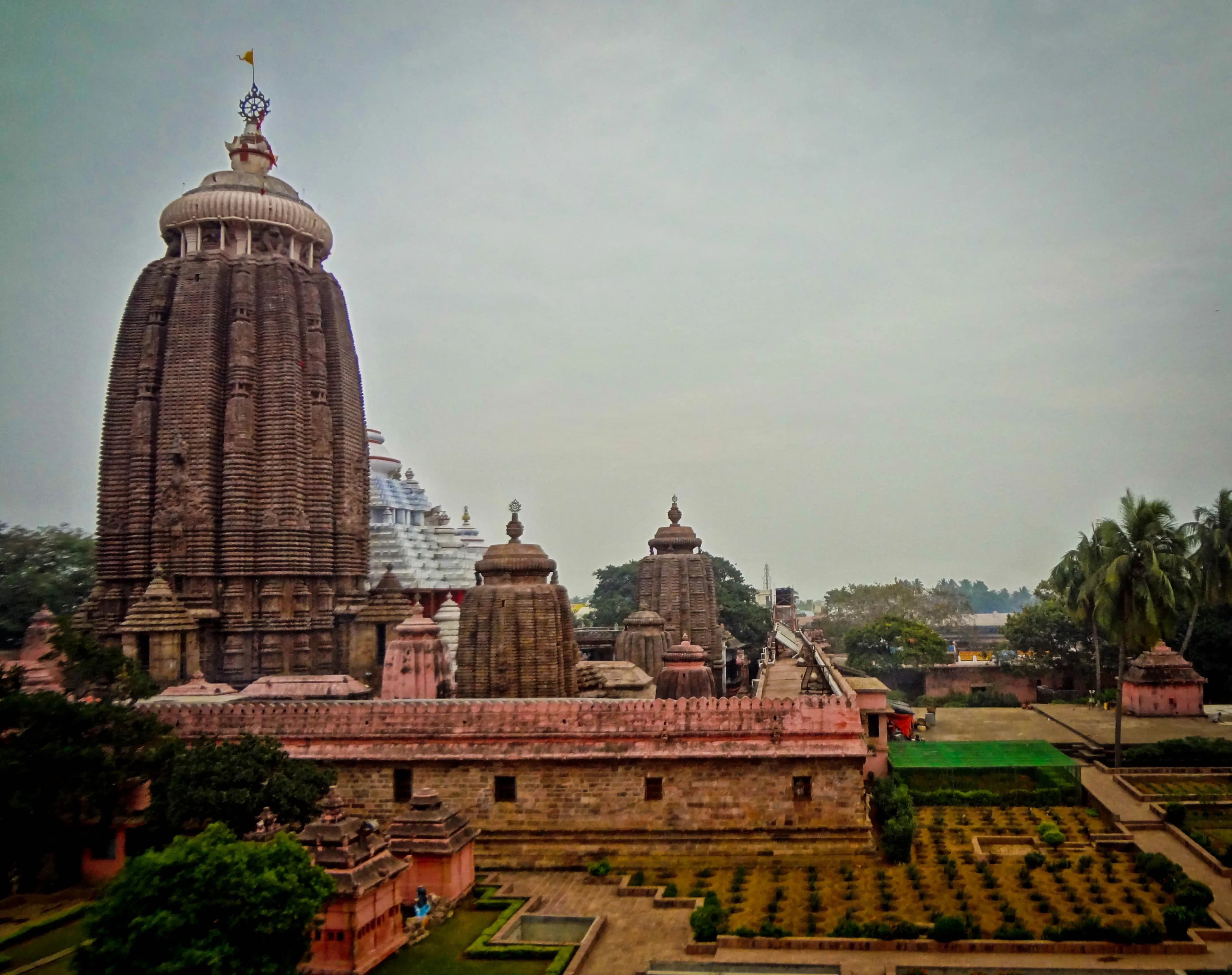
The Jagannath Temple in Puri, Odisha, stands as a profound testament to India's millennia-spanning cultural heritage, dedicated to Lord Jagannath, a form of Vishnu, alongside his siblings Balabhadra and Subhadra [2]. This monumental complex, located on Grand Road, Puri, is a vibrant center of continuous Indian civilization, embodying indigenous architectural styles and spiritual practices that reflect the nation's deep historical roots [1]. The temple is a prime example of Kalinga architecture, characterized by its curvilinear tower (rekha deul) and intricate sculptural ornamentation, which distinguishes it from other pan-Indian temple styles like Nagara and Dravida [3]. The temple complex is enclosed within a massive laterite wall known as Meghanada Pacheri, measuring approximately 202.70 meters by 196.29 meters and standing 6.1 meters high [3] . An inner wall, the Kurma Bedha, further encircles the main temple . The central shrine, or Vimana (Deula), rises to an impressive height of 57.28 meters from the inner parikrama floor to the apex of the Nila Chakra [3]. The temple's main structure comprises four distinct components arranged in an east-west alignment: the Vimana (sanctum sanctorum), the Jagamohana (porch or assembly hall), the Natamandapa (hall for cultural performances), and the Bhogamandapa (hall for offerings) [2] [3]. The Vimana is designed on a Pancha Ratha (five chariot) floor plan, where the vertical structure is divided into five projected column-like features, lending a unique vertical rhythm [2]. The Jagamohana, in contrast, is built in the Pidha deula style, featuring a pyramidal roof composed of horizontal layers [2]. Construction primarily utilized massive laterite blocks, quarried locally, fitted without mortar, showcasing the precision of Kalinga architecture [1]. Iron beams were incorporated to hold sections together, indicating advanced metallurgical knowledge for the period [1]. The temple's vertical structure is divided into five principal parts: Pitha (foundation), Bada (vertical wall), Gandi (main tower), and Mastaka (crowning elements), which includes the sacred Nila Chakra [2]. The Nila Chakra, an eight-spoked wheel made of Ashtadhatu (an alloy of eight metals), is 3.5 meters high with a circumference of about 11 meters, and is considered sacrosanct . Intricate carvings adorn the temple walls, depicting scenes from Hindu mythology, celestial beings, and floral motifs, often exhibiting a level of detail resembling wood or ivory [2] [3]. Friezes on the lower walls portray elephants, horses, and warriors in procession [2]. Niches on the Raha paga (central projection) house Parsva-devatas (side deities) such as Varaha, Trivikrama, and Nrusimha, sculpted from chlorite stone [2]. The temple features four elaborately carved gates: Singhadwara (Eastern Gate) flanked by crouching lions, Ashwadwara (Southern Gate) depicting horses, Vyaghrdwara (Western Gate) representing tigers, and Hastidwara (Northern Gate) featuring elephants [2]. The Singhadwara, the main entrance, is fronted by the monolithic Aruna Stambha, a sixteen-sided pillar topped with an idol of Aruna, the charioteer of Surya . The temple's kitchen is renowned as one of the largest in the world, preparing vegetarian Mahaprasad for thousands of devotees daily using traditional methods with earthen pots and firewood, a practice preserved for centuries [1] . The Archaeological Survey of India (ASI) plays a crucial role in the conservation of this Monument of National Importance, undertaking structural repairs using traditional methods and materials like laterite and lime plaster, and meticulously cleaning and conserving carvings [1] . Ongoing structural monitoring and repairs are in place, with efforts to incorporate both advanced conservation techniques and traditional knowledge systems to ensure durability and authenticity [1] . The temple remains an active place of worship, ensuring consistent ritual maintenance and upkeep of its architectural integrity [1]. The site is fully operational, welcoming pilgrims and visitors, with ongoing efforts to enhance accessibility, including a new ramp near the North Gate for the elderly and persons with disabilities .
Quick Links
Plan Your Heritage Journey
Get personalized recommendations and detailed visitor guides