Nagara Style Architecture in India
This curated collection presents 278 architecturally significant heritage sites across India, each offering authentic experiences of Hindu cultural and spiritual heritage. These monuments exemplify the Nagara Style Architecture architectural tradition, these sites spanning multiple historical periods continue serving as active centers of worship and cultural transmission. 6 hold UNESCO World Heritage designation, recognizing exceptional universal value. Our comprehensive documentation provides detailed visitor information, architectural insights, and cultural context, enabling meaningful engagement with India's living heritage traditions while respecting the sacred nature of these spaces.
278 Sites Found
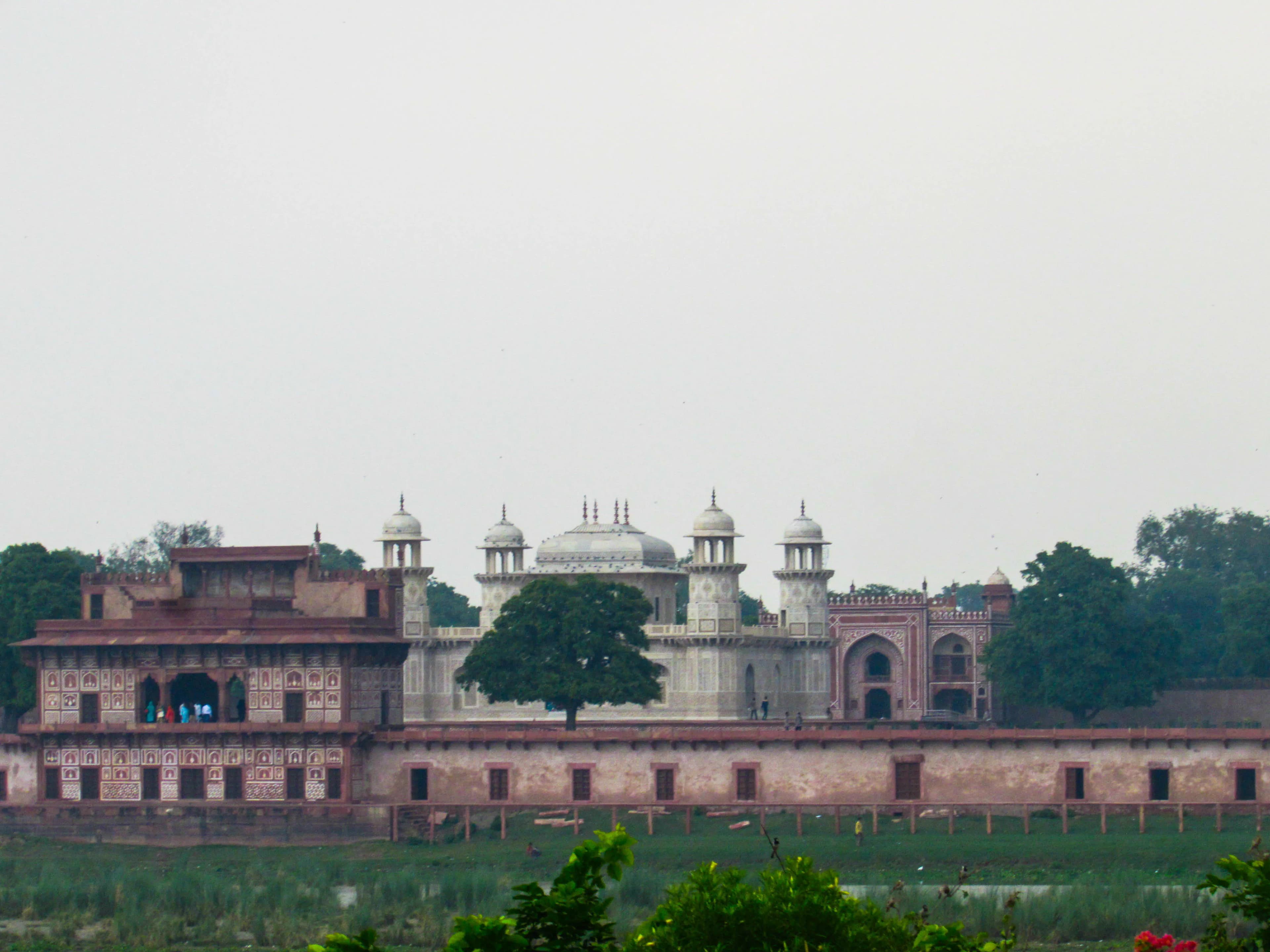
Intricate carvings adorn the walls of Agra Fort, a UNESCO World Heritage site erected from 1565 CE, revealing a synthesis of Timurid-Persian and Indian artistic traditions ([1][11]). As one of the earliest surviving buildings from Akbar's reign, the Jahangiri Mahal showcases this blend ([12]). Its exterior elevations follow a predominantly Islamic scheme, while the interiors are articulated with Hindu elements ([7]). Heavily fashioned brackets, a key feature of Akbari architecture, are prominent throughout ([13]). This fusion reflects a broader Mughal approach of incorporating regional artistic styles ([14]). Furthermore, specific motifs rooted in Indian heritage are visible within the fort. The use of carved panels and decorative arches inside the Jahangiri Mahal points to indigenous architectural influences ([15]). While direct connections to specific Vastu or Shilpa Shastra texts for the fort's overall design are not explicitly documented, the architectural vocabulary shows a clear dialogue with pre-existing Indian forms ([16]). The emperor's throne chamber in the Diwan-i-Am (Hall of Public Audience), constructed by Shah Jahan, features a marble canopy and was originally painted with gold ([17]). Overall, the fort is a powerful expression of Mughal imperial authority, built with red sandstone and later enhanced with white marble by Shah Jahan ([18]). Red sandstone, the primary construction material, lends a formidable presence to the fort, while marble inlays introduced later add refinement ([18]). During the Mughal Period, the fort served not only as a military stronghold but also as a palatial complex, reflecting the empire's grandeur ([19]). Its strategic location on the banks of the Yamuna River further enhanced its importance ([20]). The fort's layout incorporates elements of both Islamic and Hindu design principles, evident in its gateways, courtyards, and residential palaces ([21]). This architectural syncretism reflects the inclusive policies of Mughal emperors like Akbar, who sought to integrate diverse cultural traditions into their imperial projects ([22]). The fort embodies the confluence of Persian, Islamic, and Indian aesthetics, creating a unique architectural vocabulary that defines Mughal architecture ([23]).

Embodying the spirit of the Agrawal community, Agroha Dham is a contemporary temple complex that echoes the architectural traditions of ancient Bharatavarsha (India) ([2][6]). More than a mere mandir (temple), it serves as a reconstruction of a sacred space, believed to be built upon the grounds of ancient Agroha, a historically significant trade center ([7]). Within the Garbhagriha (sanctum sanctorum), the deity Mahalaxmi is enshrined, adorned with silks and flowers, amidst fragrant incense and prayers ([3]). A magnificent temple dedicated to Goddess Mahalaxmi dominates the complex, its white facade reflecting the skills of Indian shilpakars (artisans) ([4]). Intricate carvings of floral motifs and devatas (deities) embellish the structure, creating a visually stunning spectacle ([2]). Rising towards the heavens, the towering shikhara (spire), a defining element of North Indian temple architecture, evokes the grandeur of sacred spaces ([6]). Approaching the temple, the scale inspires awe, a tangible expression of the community's bhakti (devotion) and shraddha (reverence) ([3][7]). Built in 1976 CE during the contemporary period, Agroha Dham exhibits a unique Agroha style, incorporating religious and civic elements ([2][6]). Burnt bricks, terracotta, stone, and wood form the primary materials, reflecting traditional Indian construction techniques ([7]). Fortifications and a planned layout, reminiscent of ancient Indian cities, are evident in the Agrawal community's patronage, ensuring the continuity of cultural heritage ([3][4]). Agroha Dham stands as a testament to the enduring traditions of India, preserving and celebrating them for future generations. The complex reflects the community’s dedication to preserving their heritage and traditions ([2][7]). The use of terracotta bricks connects the structure to ancient building practices found across the Indian subcontinent ([3][6]).
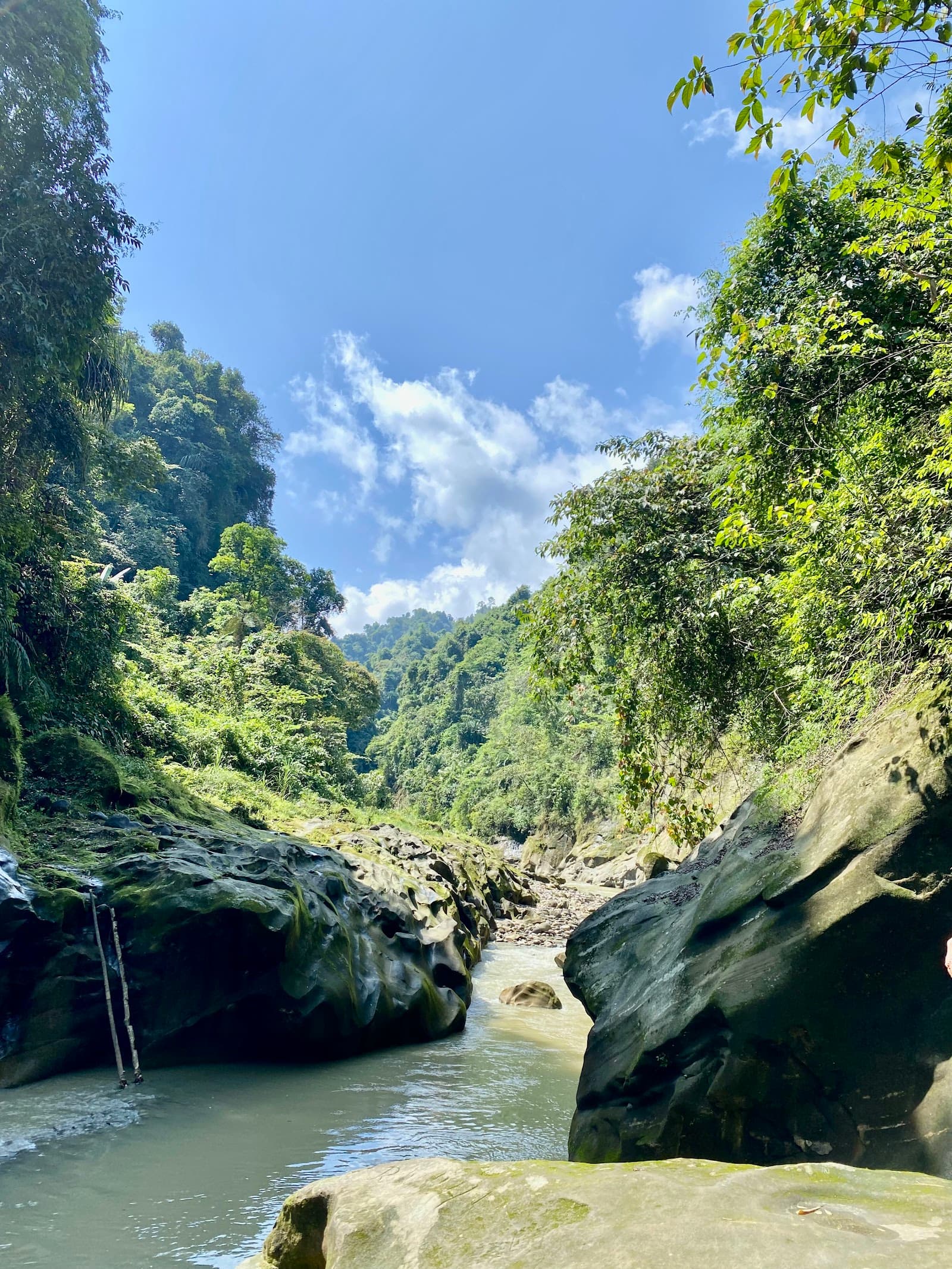
In Arunachal Pradesh's West Siang district, Akashiganga emerges as an ancient temple complex, a candidate for UNESCO World Heritage recognition ([1]). The routes leading to it present picturesque vistas of the Himalayan foothills ([2]). During the Pala period, around 1350 CE, this sacred site was established, distinguished by its Nagara-style architecture and curvilinear tower ([3][4]). Predominantly, stone and timber were employed in its construction, reflecting the area's natural resources ([3]). What makes Akashiganga notable is the convergence of Hinduism and indigenous Adi traditions ([2]). The primary Shiva temple, though unpretentious, possesses profound spiritual importance for the Adi community ([1]). Eschewing the intricate embellishments common in South Indian temples, the temple's aesthetic accentuates the inherent beauty of its surroundings ([2]). Vedic astronomical principles guided the temple's layout, harmonizing it with cosmic energies ([5]). Intricate carvings embellish the temple walls, illustrating deities and narratives from Hindu mythology ([4]). Akashiganga, which translates to "Sky River," is traditionally associated with the Ganges River, enhancing its sacred status ([1][2]). Pilgrims undertake journeys to offer prayers, drawn to the site's palpable spiritual aura ([3]). As an embodiment of the region's cultural legacy and the enduring strength of faith, Akashiganga stands as a testament to Arunachal Pradesh's rich heritage ([1]). The architectural style incorporates a tiered roof, adding to its unique character ([3]). Bamboo and cane are also integrated into the structure, showcasing the use of local materials ([3]). The Pala Dynasty's patronage is evident in the temple's design and construction ([3]).
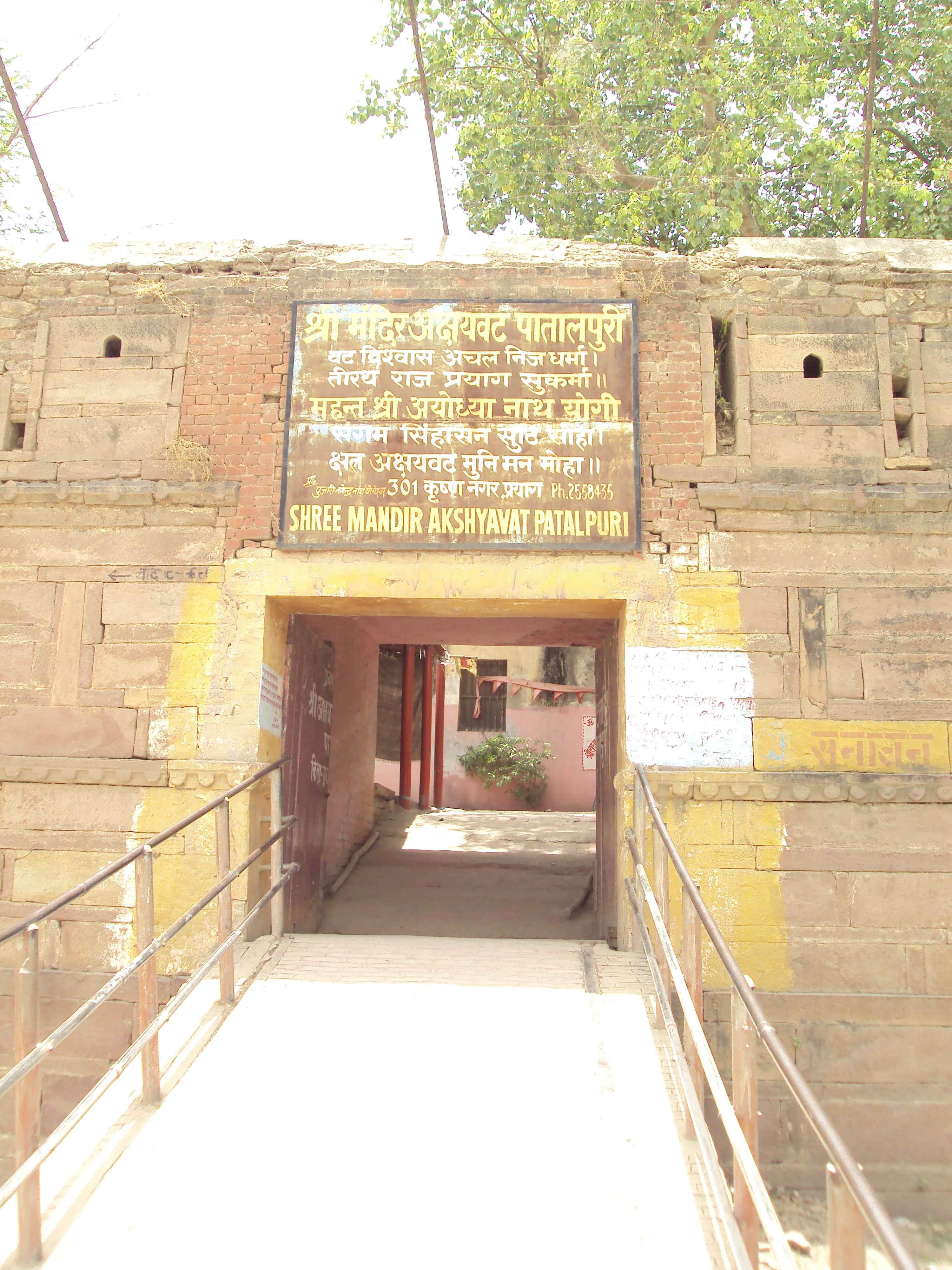
The imposing sandstone ramparts of Allahabad Fort, erected in 1583 CE by the Mughal Emperor Akbar ([1][2]), dominate the sacred confluence, or *Triveni Sangam*, of the Ganga and Yamuna rivers. This strategic military construction exemplifies Mughal architectural prowess, designed to consolidate imperial power over the region ([1]). Within this fortified expanse, the sheer scale of Mughal military architecture is striking ([3]). Granite and sandstone blocks, meticulously carved, constitute the Ashoka Pillar, predating the fort and bearing inscriptions from Emperor Ashoka ([5]). This pillar connects the fort to the Mauryan Empire, underscoring the region's layered history ([5]). Intricate carvings adorning the Zenana (women's quarters) reveal the refined artistry of the Mughal era ([3]). The delicate *jaali* (latticework) exemplifies Mughal craftsmanship, providing both ventilation and privacy ([3]). Also within the fort's walls, the Akshayavat, an ancient banyan tree, holds deep reverence for its mythological significance ([4]). Local traditions connect it to Hindu cosmology, adding a spiritual dimension to the site ([4]). Presenting a contrasting architectural style, the Patalpuri Temple, an underground shrine, features a simpler and more ancient design than the Mughal structures above ([4]). As a confluence of cultures, religions, and empires, the fort's stones and light reverberate with history ([1][2][3][4][5]). The fort's design, while primarily Mughal, may incorporate certain principles of spatial arrangement reminiscent of *Vastu Shastra*, the ancient Indian science of architecture, adapted to the demands of military defense. Sophisticated planning ensured the fort's strategic importance and resilience, reflecting both Mughal innovation and the enduring legacy of the region's earlier empires. The fort stands as a powerful reminder of India's complex and interwoven past, where different traditions have converged and left their indelible marks.
Nestled amidst the serene landscapes of Uttarakhand, Almora Fort, also known as Kote Ka Ghar, presents a unique confluence of historical narratives and architectural styles ([1]). Constructed in 1815 CE by the British East India Company during the British Colonial Period, the fort occupies a strategic ridge overlooking the Almora valley ([2]). Unlike the elaborate Dravidian temples of South India, Almora Fort exhibits a more modest design, primarily utilizing locally sourced quartzite stone, wood, copper, and iron in its construction ([3]). Stone platforms and foundations reveal a fusion of Indo-Islamic architectural elements, subtly blending Hindu and Islamic design principles ([4]). The imposing eastern gate, fashioned from precisely cut stone blocks, exemplifies a robust architectural approach, prioritizing defensive functionality over intricate ornamentation ([5]). Pointed arches, reminiscent of Mughal architectural influences, potentially reflect the legacy of the Chand dynasty, who held sway over the region after the Katyuri kings ([6]). This blend mirrors the cultural exchanges prevalent in India's history. Within the fort's confines, remnants of a palace or administrative building hint at its multi-layered past ([7]). Subtle details, such as worn grooves etched into the stone steps and strategically positioned openings, evoke glimpses into the daily life within the fort's walls ([8]). Architectural elements subtly echo principles found in texts like the *Manasara Shilpa Shastra*, which detail the construction of fortifications ([9]). Almora Fort embodies resilience and adaptation, a testament to human endeavor etched onto the landscape, resonating even as empires rise and fall ([10]). The fort stands as a reminder of the evolving architectural landscape of India, where various influences have shaped its identity ([11]). During its time, the fort served as a crucial administrative and military center, witnessing shifts in power and cultural dynamics ([12]). Today, it stands as a museum, inviting visitors to delve into its rich history and architectural nuances ([13]).
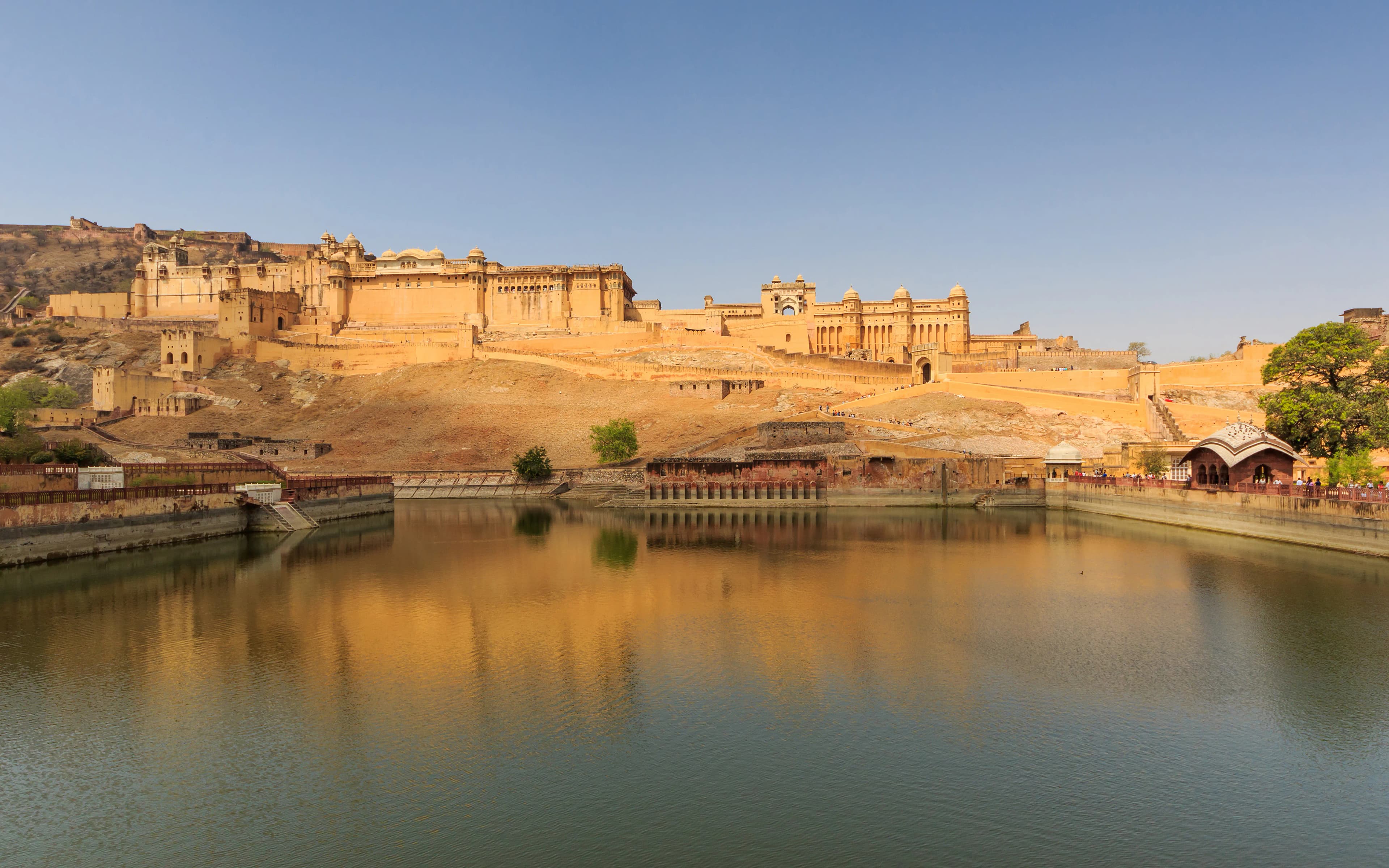
The ochre walls of Amber Fort, constructed during the reign of Raja Man Singh I in the 16th century (1550 CE), evoke the splendor of Rajasthan ([1][2]). This fort represents a compelling fusion of Mughal and Rajput military architectural traditions ([3]). Upon entry through the Suraj Pol (Sun Gate), one immediately perceives the layered construction, reflecting the contributions of successive Rajput rulers ([4]). Intricate carvings embellishing the Diwan-i-Am (Hall of Public Audience) depict elephants and floral motifs, demonstrating a harmonious blend of strength and aesthetic grace ([5]). Moving inward, the Diwan-i-Khas (Hall of Private Audience) showcases lavish ornamentation, including mosaics crafted from glass and precious stones ([2]). Famously, the Sheesh Mahal (Mirror Palace) illuminates with minimal light, a remarkable feat of design ingenuity ([3]). Granite and sandstone blocks, meticulously carved, constitute the primary building materials ([1]). Vastu Shastra principles, the ancient Indian science of architecture, likely influenced the fort's layout, creating harmony and balance, though specific textual references are currently unavailable ([4]). From the zenana (women's quarters), the panoramic vista of Maota Lake provides a serene counterpoint to the fort's imposing structure ([5]). The fort stands as a powerful reminder of Rajasthan's rich history and cultural legacy ([1][2]). The use of red sandstone, marble, white marble, lacquer, and mortar further accentuates the fort's grandeur ([6]). The fort's architecture includes elements of Hindu and Islamic design, reflecting the cultural exchange of the period ([3]). Amber Fort is a testament to the architectural prowess and artistic vision of the Rajput Maharajas ([1][2]).
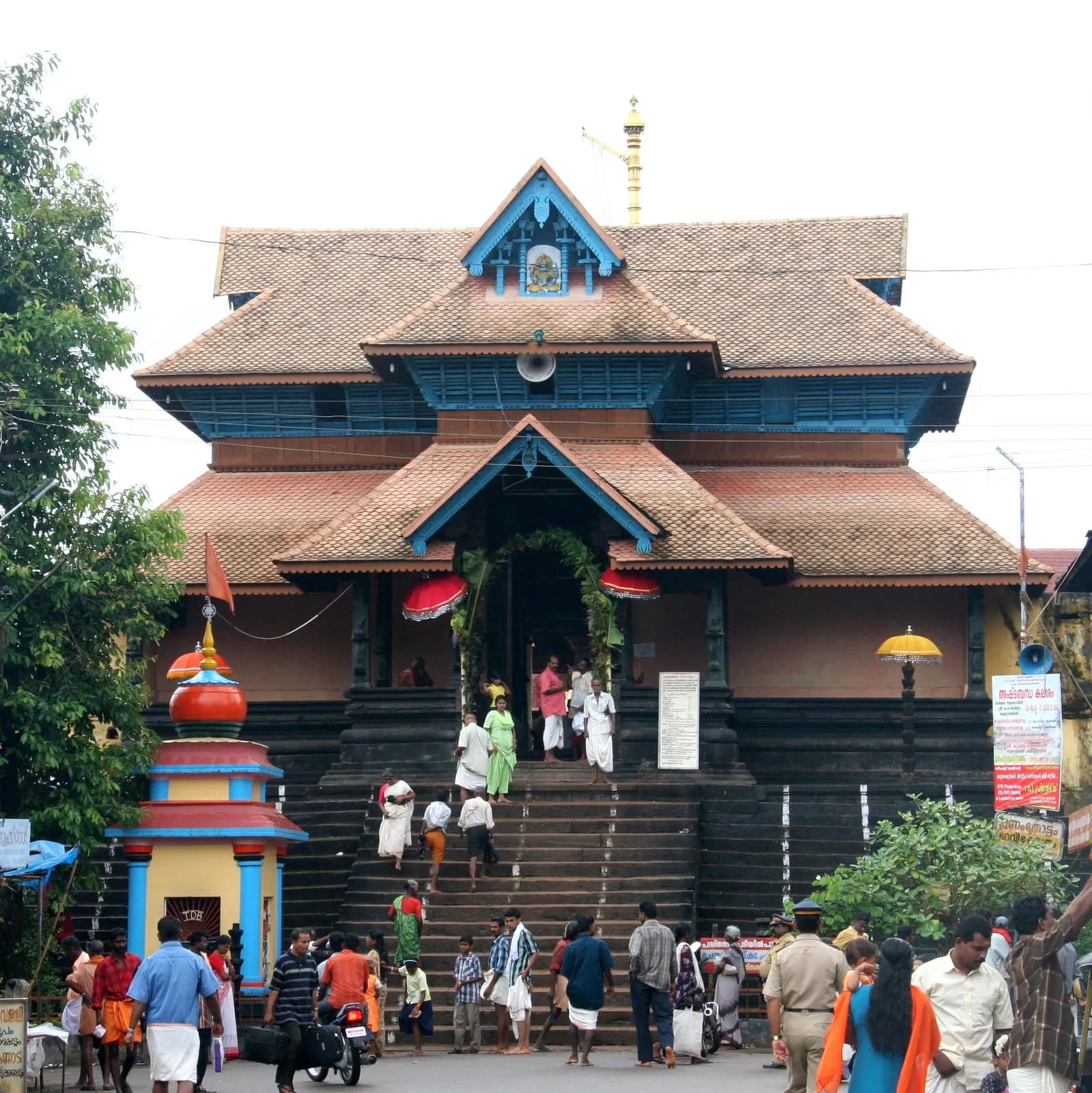
Enclosed by Kerala's lush landscapes, the Aranmula Parthasarathy Temple, a shrine dedicated to Lord Krishna, exemplifies the region's distinct architectural heritage ([1][2]). Constructed around 1550 CE, during the Chera period, the temple diverges from the towering gopurams (gateway towers) typical of Tamil Nadu temples, embracing the Kerala style with its sloping, copper-shingled roofs ([3][4]). Commissioned by Pandya Dynasty kings, the temple showcases the architectural prowess of the time ([5]). Intricate carvings embellishing the wooden eaves and pillars narrate scenes from the Mahabharata, reflecting the region's deep-rooted mythological traditions ([1][2]). The use of laterite, wood, stone, and copper highlights the traditional materials employed in Kerala temple construction ([3][4][5]). Further, the Koothambalam (temple theatre) within the complex underscores the temple's function as a cultural center, its ornate pillars resonating with the echoes of Kathakali performances ([1][2]). Within the Garbhagriha (Sanctum Sanctorum), the deity is adorned with resplendent silks and jewels, creating a mystical ambiance heightened by the aroma of sandalwood and incense ([3][4]). The temple's design may subtly align with principles outlined in texts like the *Manasara Shilpa Shastra*, though specific verses are not directly documented ([5]). Also, Aranmula's connection to the Aranmula Kannadi, a unique metal mirror crafted through a secret process, adds to the temple's mystique ([1][2][3]). During the annual Onam festival, the Vallam Kali boat race on the Pampa River enhances the temple's spiritual significance, celebrating the enduring power of tradition ([4][5]). The temple stands as a repository of Kerala's cultural and architectural legacy, inviting visitors to immerse themselves in its rich history and spiritual aura ([1][2][3]). The gable roofs further accentuate the distinctiveness of the temple, setting it apart from other architectural styles in the region ([4][5]).
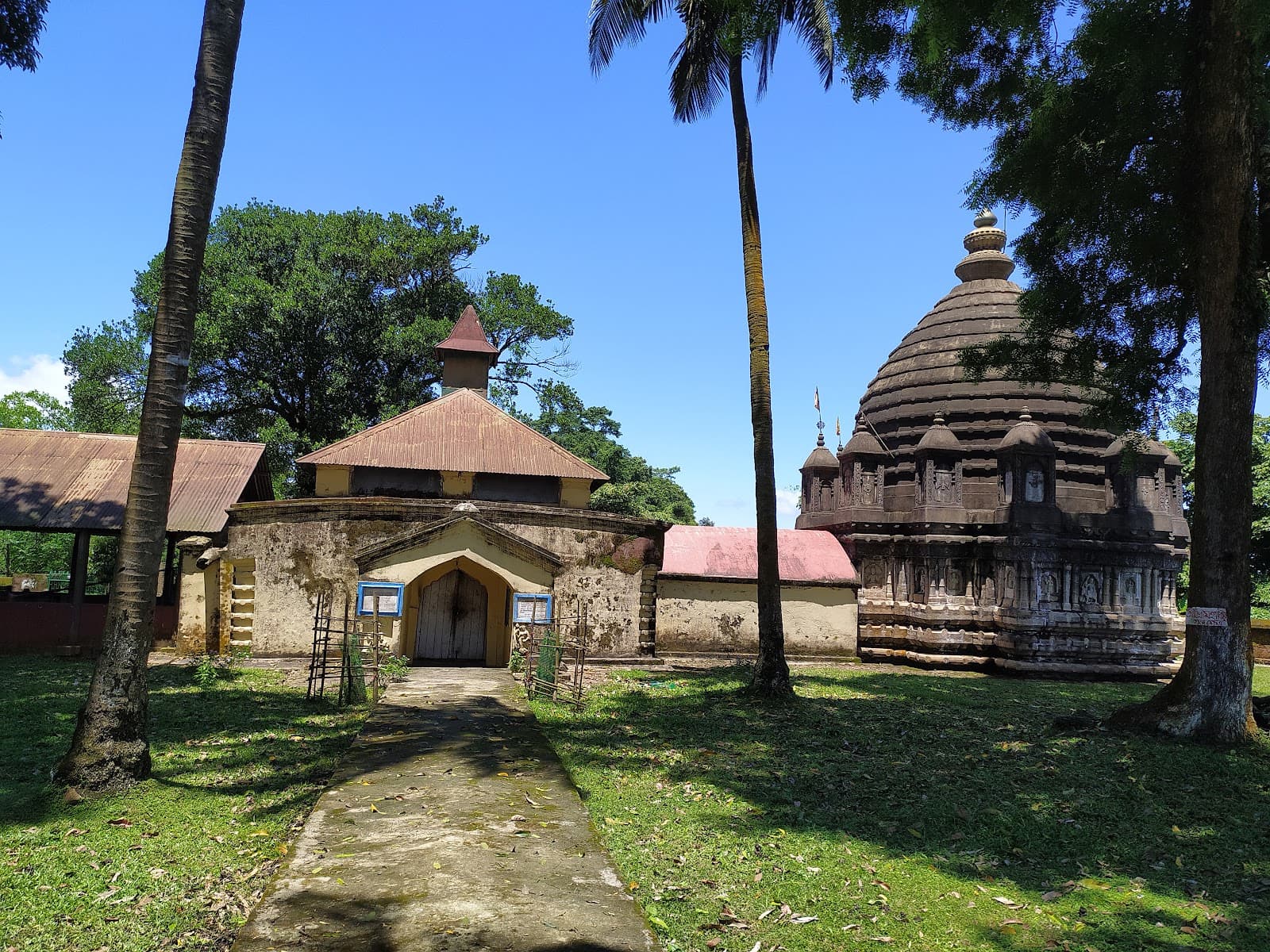
Nestled on the northern bank of the Brahmaputra River in Guwahati, Assam, the Asvakranta Temple stands as a testament to the enduring architectural traditions of the region, dating back to 1565 CE ([1][2]). Commissioned by King Naranarayan of the Koch dynasty during the Kamarupa period, this sacred site reflects Gupta architectural influences in its design and stone-carved narratives ([1][3]). The name Asvakranta, meaning "where the horse stopped," originates from local lore that recounts Lord Krishna's horse pausing at this very spot ([4]). Stone platforms and foundations form the base of the temple, highlighting the primary construction material ([3]). The temple's relatively small structure features a pyramidal form, crowned by a curved Shikhara (spire) ([3]). Within the Garbhagriha (sanctum), devotees find Anantashayana Vishnu, a symbolic representation of Lord Vishnu reclining on the serpent Ananta ([4]). The temple's serene atmosphere draws visitors seeking spiritual solace. During the 16th century, temple architecture in Assam flourished, yet Asvakranta maintains its distinctive character ([1][2]). The Brahmaputra River's proximity has led to erosion, revealing layers of the complex's history ([4]). Despite the river's impact, Asvakranta continues to embody unwavering faith ([4]). Broken pillars and scattered stones hint at a more expansive past, beckoning further exploration and conservation efforts ([4][5]). The temple's design, while modest, incorporates elements that reflect the broader architectural styles prevalent during the Kamarupa period, showcasing a blend of regional and pan-Indian influences ([1][3]). The use of stone, brick, wood, and terracotta further enriches the temple's material palette, adding to its unique charm and historical significance ([3]).

Nestled within the Shivalik range, the Baba Balak Nath Temple in Deotsidh, Hamirpur, presents a compelling example of Nagara architectural tradition blended with regional adaptations ([1][2]). During the Dogra period in the 19th century, around 1850 CE, the temple's construction reflects a departure from the elaborate Dravidian styles prevalent in South India, favoring a simpler North Indian aesthetic ([3]). The temple, with its white facade and saffron flags, creates a striking visual against the backdrop of the surrounding landscape ([1]). Instead of intricate carvings typical of many Nagara temples, murals depicting scenes from the life of Baba Balak Nath adorn the walls, employing vibrant colors to narrate local legends ([2]). The Shikhara (spire) atop the Garbhagriha (sanctum sanctorum) echoes the Nagara style, albeit in a less ornate form than its classical counterparts ([3][4]). Locally sourced materials, including stone, concrete, steel, and wood, were employed in its construction, distinguishing it from temples built with granite ([1]). Devotees offer roasted chickpeas (chana) to the deity, a unique ritual reflecting regional customs ([5]). This practice highlights the temple's integration into the local cultural fabric. Within the complex, a central courtyard fosters a vibrant atmosphere of devotion, contrasting with the more solemn atmosphere often found in South Indian temples ([4]). This temple stands as a testament to the syncretic nature of Indian religious architecture, blending diverse styles and traditions to create a unique sacred space ([1][2][3]). The temple is a place of religious importance for devotees and locals alike.
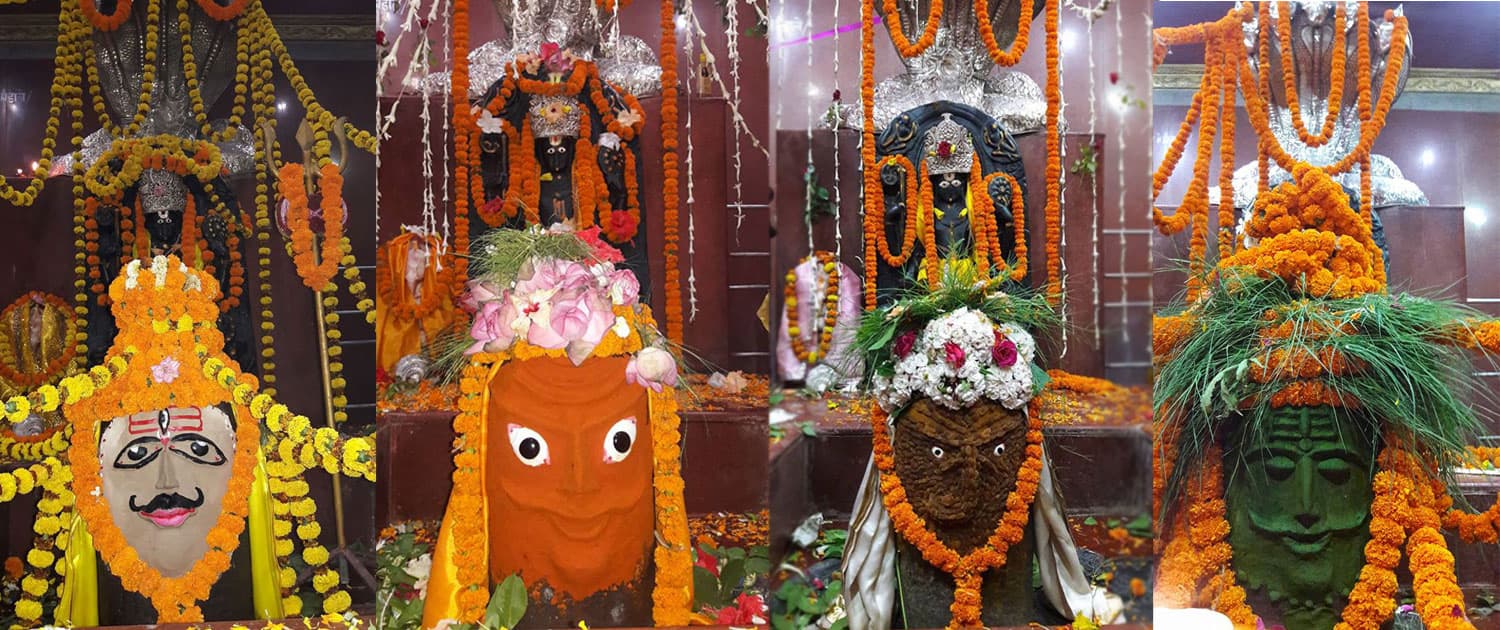
On the sacred confluence of the Gandak and Ganges rivers, the Baba Harihar Nath Temple in Sonepur, Bihar, stands as a testament to India's rich architectural and religious heritage ([1][2]). Constructed in 1089 CE during the Rajput Period, this 11th-century edifice exemplifies the Nagara style of North Indian temple architecture ([3]). Raja Man Singh's patronage led to the creation of this temple, which continues to be a significant pilgrimage site ([1]). Intricate carvings embellishing the outer walls narrate tales from Hindu mythology, particularly those associated with Shiva ([4]). Floral and geometric patterns intertwine, reflecting the exceptional skills of the artisans who shaped the temple's form ([5]). The weathered figures retain their dynamism, a testament to the enduring artistry of the period ([4]). The Shikhara (spire), while Nagara in its essence, subtly integrates Mughal influences, crowned by a golden Kalash (finial) ([5]). Within the Garbhagriha (sanctum), a Shiva lingam resides in a simple chamber, contrasting with the ornate exterior and emphasizing the core of Hindu worship ([1]). Stone, brick, mortar, and plaster were meticulously employed in the temple's construction, showcasing the sophisticated building techniques of the time ([3]). The temple's architectural style aligns with principles outlined in ancient texts like the Manasara Shilpa Shastra, which detail the proportions and design elements of Nagara temples ([4][5]). During the annual Sonepur Cattle Fair, one of Asia's largest, the temple transforms into its epicenter, drawing devotees and visitors alike ([2][3]). The Baba Harihar Nath Temple embodies the cultural synthesis of India, seamlessly blending history, mythology, and unwavering faith, a lasting legacy of ancestral artistry ([1][4][5]). It remains a vibrant symbol of devotion and architectural excellence in the heart of Bihar.
The Bada Ganesh Mandir, situated on Hari Phatak Road in Ujjain, Madhya Pradesh, stands as a profound testament to India's millennia-spanning cultural and religious heritage, embodying a continuous tradition of devotion to Lord Ganesha [1] [2]. This revered Hindu shrine, located in Ujjain—one of the seven sacred cities of Hinduism (Sapta Puri) and a site of the Kumbh Mela—underscores the city's enduring spiritual significance [1] [3]. The temple's central feature is a colossal idol of Lord Ganesha, depicted in a seated posture, measuring an impressive 25 feet in height and 10 feet in width [2]. This monumental sculpture was meticulously crafted from a composite of bricks, limestone, and sand [2]. A unique aspect of its creation involved the incorporation of holy waters sourced from all seven Mokshapuris, including Mathura, Haridwar, Ayodhya, Kanchipuram, Ujjain, Kashi, and Dwaraka, symbolizing a pan-Indian spiritual synthesis [2]. Further enhancing its grandeur, the idol features intricate ornamental works utilizing precious materials such as elephant emerald, Gaushala clay, various gemstones including diamond, emerald, topaz, pearl, and rubies, alongside metals like gold, silver, iron, and copper [2]. Maharishi Guru Maharaj Siddhant Vagesh Pt. Narayan Ji Vyas is credited with establishing this iconic Ganapathy idol through extensive experimentation [2]. The architectural style of the Bada Ganesh Mandir predominantly reflects Maratha influences, characterized by its distinctive sloping tiled roofs, a pragmatic design choice well-suited for the region's heavy monsoon rains [1]. While showcasing these Maratha characteristics, the core structure adheres to the foundational principles of traditional Hindu temple architecture, incorporating essential elements such as the *garbhagriha* (sanctum sanctorum), *mandapa* (pillared hall), and *shikhara* (tower) [1]. This fusion exemplifies the Maratha period's approach to integrating local traditions with their unique architectural identity [1]. Beyond the main deity, the temple complex also houses an idol of Panchmukhi Hanuman Ji, which is believed to predate the Ganesh idol, signifying the site's ancient and layered sacred history [4]. The temple is an active center of worship, with daily rituals commencing with an opening aarti accompanied by Vedic mantras, followed by the first puja dedicated to Lord Ganesha [3]. Devotees regularly present offerings of flowers, fruits, and incense [3]. The day concludes with an evening aarti and a closing ceremony [3]. The temple operates daily from 5:00 AM to 12:00 Noon and from 4:00 PM to 8:00 PM, attracting a substantial number of devotees, particularly during the Ganesh Chaturthi festival [2]. Conservation efforts are actively undertaken by organizations such as the Inheritage Foundation, which focuses on comprehensive documentation, including 3D scans and photographs, alongside physical repairs to address cracks, clean surfaces, and mitigate water damage [1]. These restoration and community engagement programs are crucial for the long-term preservation of this irreplaceable cultural heritage [1]. The site is fully operational and accessible to devotees and visitors, maintaining its role as a vibrant spiritual and cultural landmark in Ujjain [3] [5].
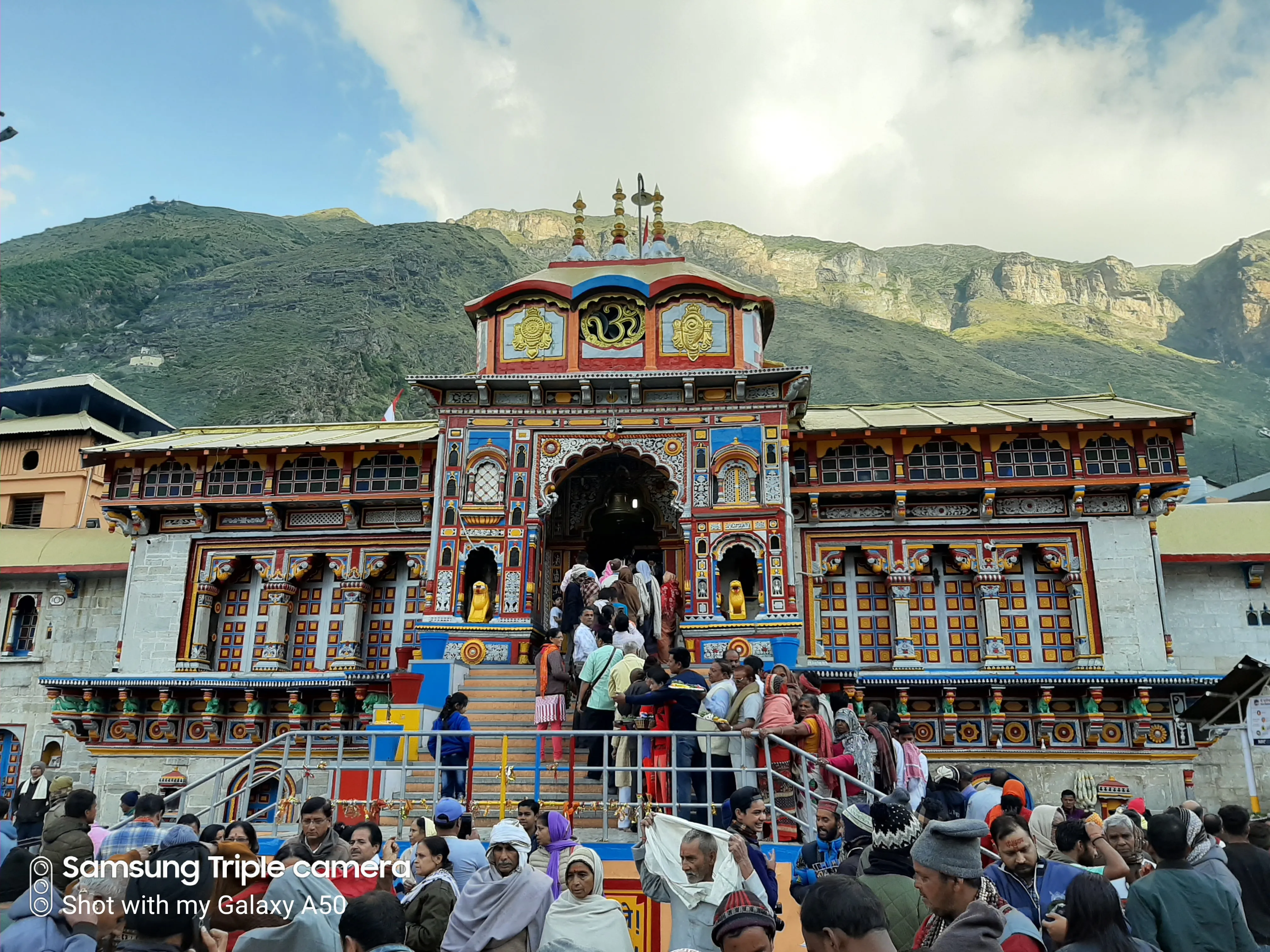
Enshrined in the majestic Garhwal Himalayas, the Badrinath Temple, a sacred abode dedicated to Lord Vishnu, allures devotees with its spiritual significance ([1]). Constructed in the 19th century (1803 CE), the temple exemplifies the Nagara style of North Indian architecture ([2]). Its towering Shikhara (spire) and multi-storied structure are visual testaments to the architectural prowess of the era ([3]). The vibrant facade, embellished with an arched gateway and cupola, presents a captivating contrast against the Himalayan backdrop ([4]). Stone and wood, the primary construction materials, are enhanced by copper and gold accents, reflecting the region's rich artistic heritage ([5]). Intricate carvings depicting Hindu mythological narratives adorn the temple walls, enriching its visual and spiritual depth ([6]). Within the Garbhagriha (sanctum), the revered black stone idol of Lord Vishnu radiates serenity, serving as the focal point for devotees ([7]). Tradition credits Adi Shankara with the temple's re-establishment, reinforcing its spiritual importance ([8]). Pilgrims willingly endure the challenging climate to immerse themselves in the sacred Tapt Kund, a thermal spring believed to possess healing properties ([9]). The patronage of the Garhwal Royals has significantly shaped the temple's legacy and contributed to its preservation ([10]). Furthermore, the Alaknanda River enhances the temple's spiritual ambiance, creating a harmonious blend of nature and faith ([11]). The temple stands as a symbol of resilience, unwavering faith, and the profound connection between humanity and the majestic Himalayas ([12]). The Badrinath Temple's architecture aligns with principles outlined in ancient texts, though specific verses require further research, its design echoes the spiritual and aesthetic values embedded in Indian temple traditions. During the pilgrimage season, the temple becomes a vibrant hub of cultural and religious activity, attracting visitors from across the globe ([13]). The surrounding landscape, with its snow-capped peaks and verdant valleys, further amplifies the temple's spiritual allure ([14]).
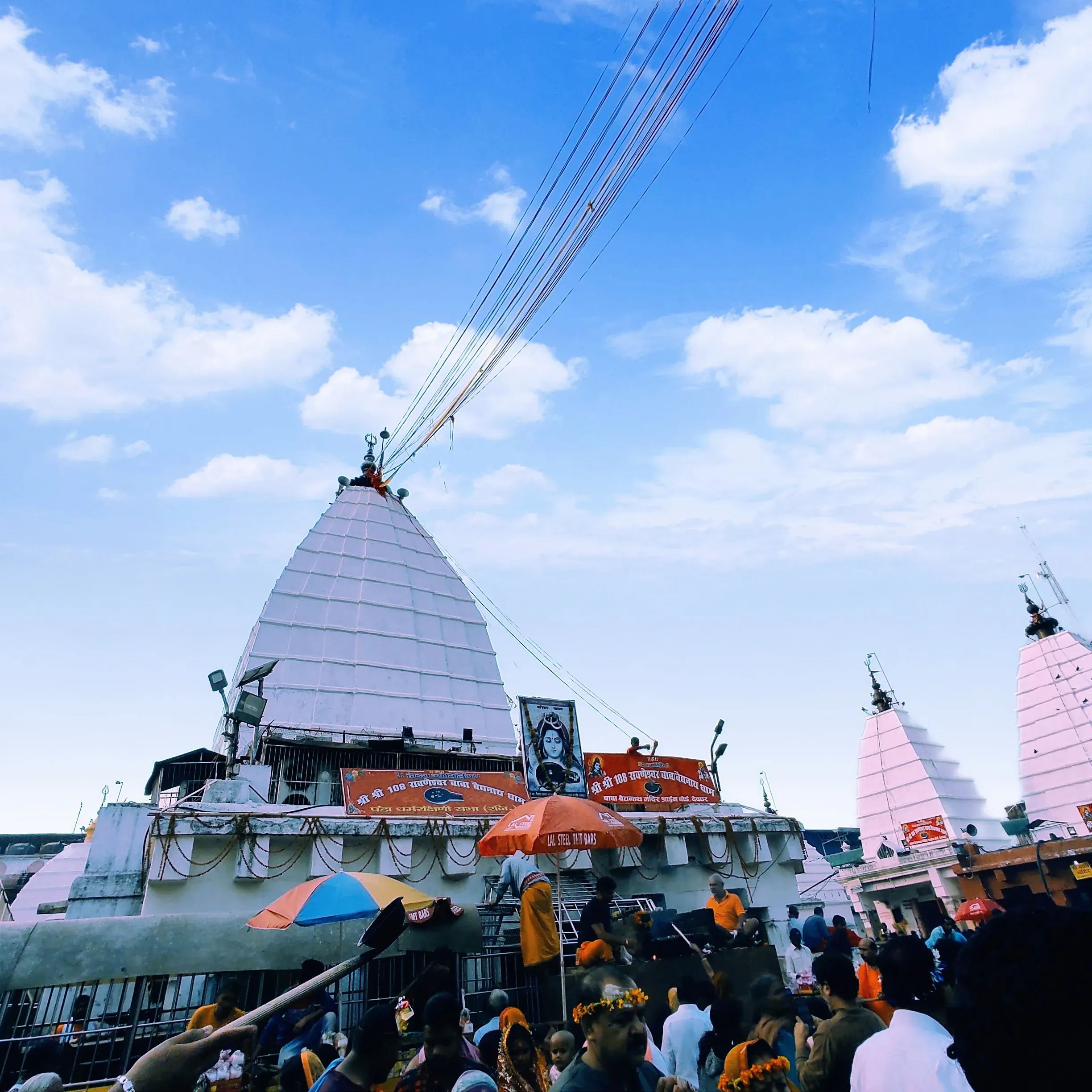
Encircled by formidable walls, the Baidyanath Temple in Deoghar, Jharkhand, is a sacred complex dedicated to Lord Shiva, attracting countless devotees ([1][2]). This cluster comprises twenty-two temples, each contributing to the spiritual ambiance ([1]). During the late medieval period, around 1650 CE, Raja Puran Mal commissioned the temple, adopting the Nagara style distinguished by curvilinear towers ([1][3]). Intricate carvings embellish the sandstone Shikhara (Spire), showcasing floral motifs, divine figures, and geometric patterns ([3]). These carvings display a restrained elegance, setting it apart from more exuberant regional styles ([1]). Stone, laterite, brick, and plaster were employed with sophisticated construction techniques throughout the complex ([1]). Vastu Shastra principles, the ancient Indian science of architecture, likely influenced the temple's layout and orientation, although specific textual references are not available ([2]). The temple reflects the architectural traditions prevalent during its time. Within the courtyard, the echoes of chants and the resonating bells create a vibrant atmosphere ([1]). Witnessing the rituals, offerings, and silent prayers of pilgrims fosters a profound sense of connection ([2][3]). Leaving the Baidyanath Temple, visitors gain a deeper appreciation for the fusion of architecture, faith, and human experience ([1]). This temple stands as an enduring symbol of faith, intertwining tangible and intangible elements ([2]). The Baidyanath Temple's construction in the 17th century showcases the architectural and artistic achievements of the period, reflecting the patronage of Raja Puran Mal and the enduring legacy of Nagara temple architecture in India ([1][3]). The temple continues to be a significant pilgrimage site, embodying the rich cultural and religious heritage of India ([2]).
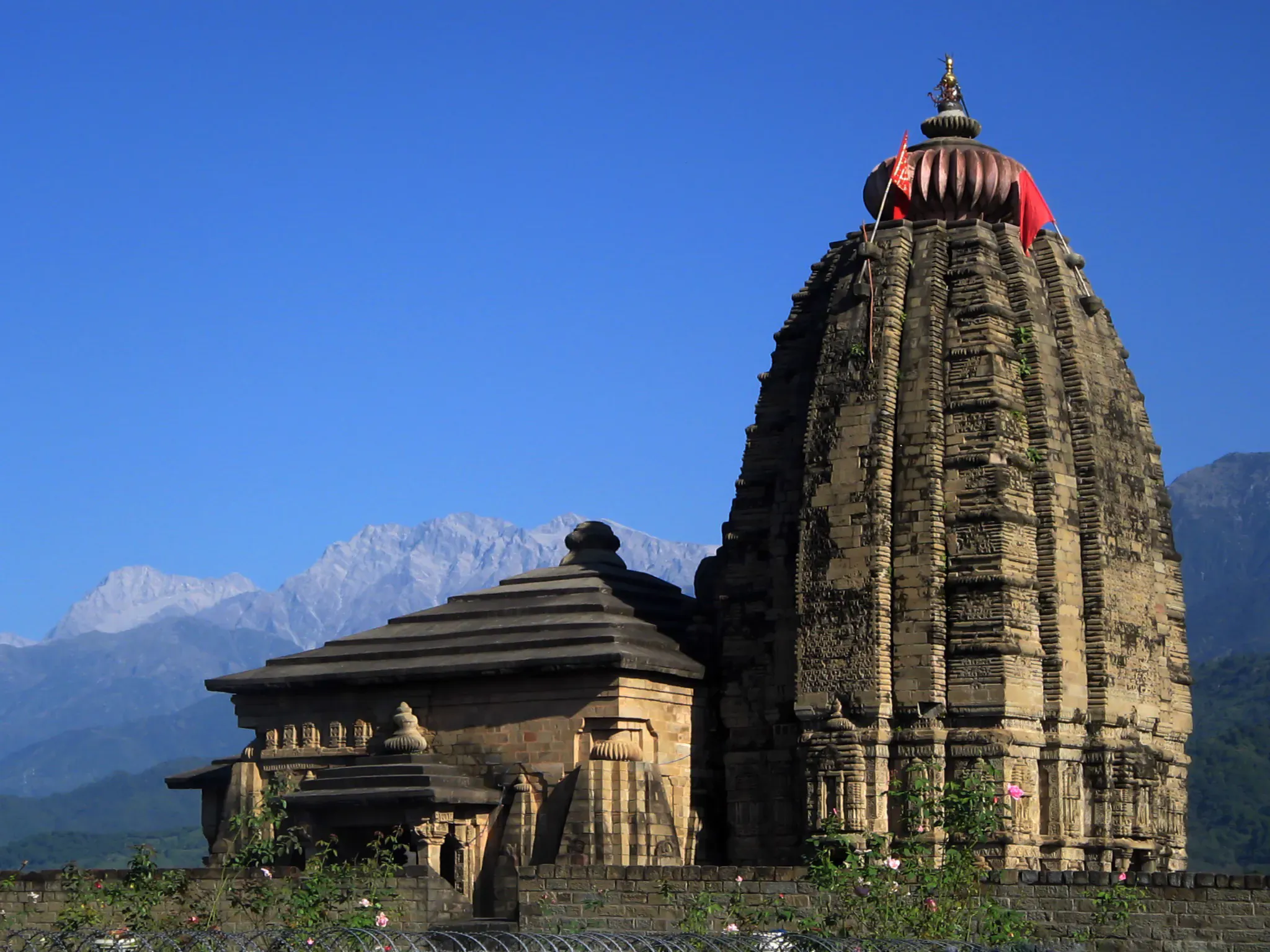
Nestled in the Kangra Valley, the Baijnath Temple, constructed in 804 CE during the 9th century, stands as a Nagara-style Hindu temple dedicated to Lord Shiva as Vaidyanath, the 'Lord of physicians' ([3][4]). Commissioned during the Gurjara-Pratihara period, the temple's shikhara (spire) creates a striking silhouette against the Dhauladhars ([1][2]). A flight of stone steps leads to an arched doorway, subtly adorned with carvings ([5]). During the Gurjara-Pratihara period, temple architecture flourished, and this temple exemplifies the era's artistry ([1][5]). Within the Mandapa (pillared hall), latticed stone windows filter sunlight, illuminating pillars adorned with depictions of Shiva ([1][3]). The Garbhagriha (sanctum) houses the lingam, the focal point for devotees and their prayers ([2]). Miniature shikharas embellish the main structure, adding a unique visual element to the temple's design ([1][3]). Stone platforms and foundations demonstrate the temple's enduring construction. Circumambulating the temple reveals the curvilinear shikhara, distinct from Gujarati styles, echoing the steadfast mountains ([4][5]). The use of stone, wood, mortar, and slate showcases the regional materials employed in its construction ([1][2]). Its setting amidst the Himalayas enhances the temple's spiritual ambiance ([2]). The backdrop of snow-capped peaks and the Binwa River amplifies the sacred experience ([3][4]). Baijnath Temple embodies the lasting legacy of Indian temple architecture, seamlessly connecting human artistry with the beauty of the natural world ([1][5]). This sacred space continues to inspire reverence and awe, a testament to the architectural and spiritual heritage of India.
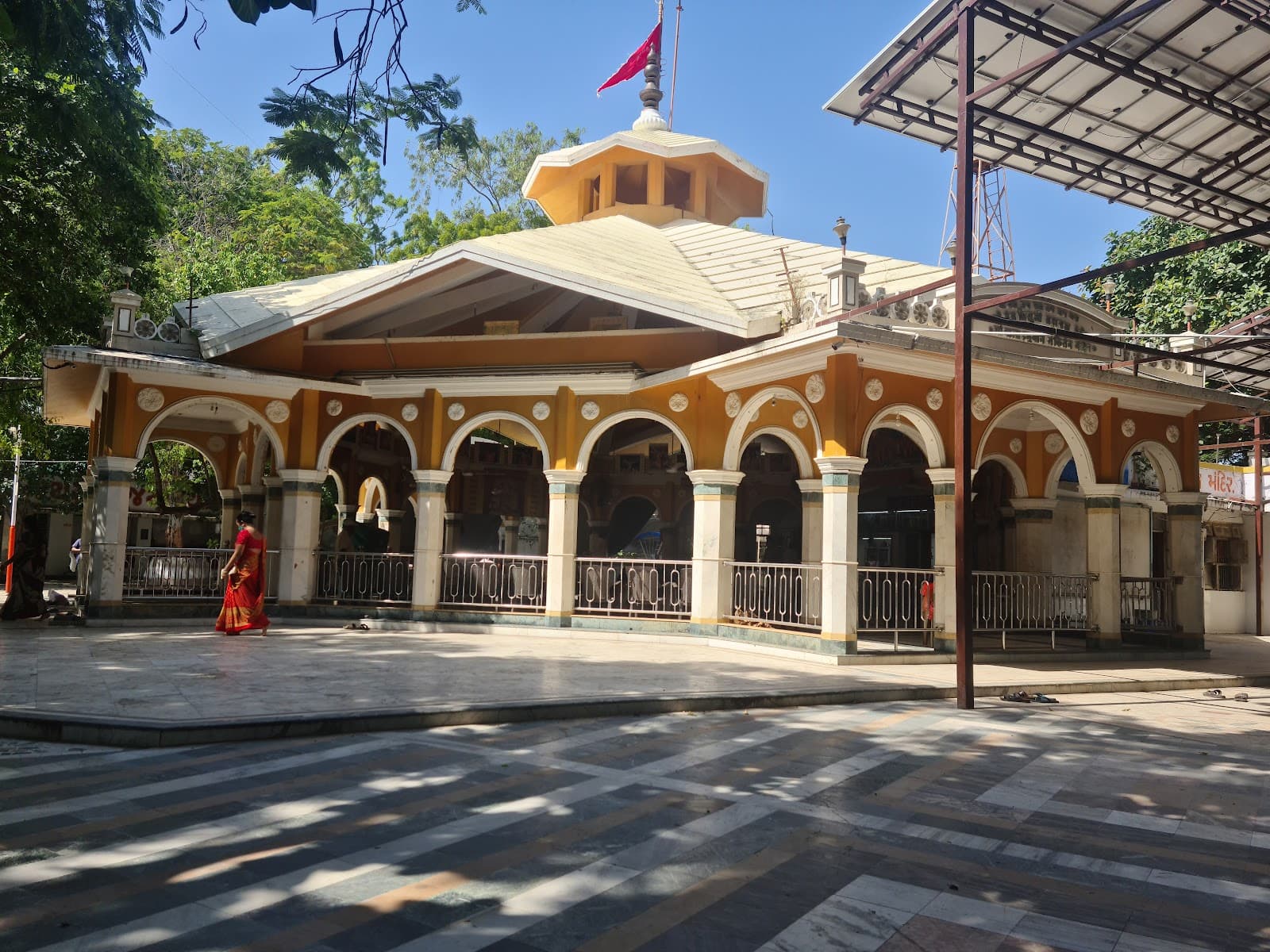
The Bala Hanuman Mandir in Jamnagar, Gujarat, resonates with the continuous chanting of "Sri Ram, Jai Ram, Jai Jai Ram" since 1964, a feat recognized by the Guinness World Records ([1][2]). This 20th-century temple, built during the British Colonial Period, stands as a testament to unwavering devotion and community spirit ([2][3]). While not adhering to strict UNESCO architectural guidelines, its design incorporates regional materials and vernacular styles, reflecting the local Gujarati traditions ([4]). Dedicated to Lord Hanuman, the temple provides a serene space for devotees. Within the Garbhagriha (sanctum sanctorum), a vibrant idol of Lord Hanuman, adorned in traditional orange robes, captivates the eye ([4]). Intricate carvings adorning the walls depict scenes from the Ramayana, enriching the temple's spiritual ambiance ([5]). The continuous chanting, a form of devotional practice known as 'Ajapa Japa', creates a powerful spiritual atmosphere ([1]). During the British Colonial Period, the Bala Hanuman Mandir served as a focal point for the local community, fostering a sense of unity and shared faith ([3]). Stories abound of devotees finding solace and connection within its walls ([1]). Vastu Shastra principles, the ancient Indian science of architecture, may have subtly influenced the temple's layout, promoting harmony and positive energy, though specific textual references are currently undocumented. Leaving the Bala Hanuman Mandir, visitors carry with them a profound sense of collective devotion, a reminder of the enduring power of faith ([2][5]). The temple's simple yet resonant structure provides a compelling glimpse into the region's religious practices and cultural heritage ([3][4]).
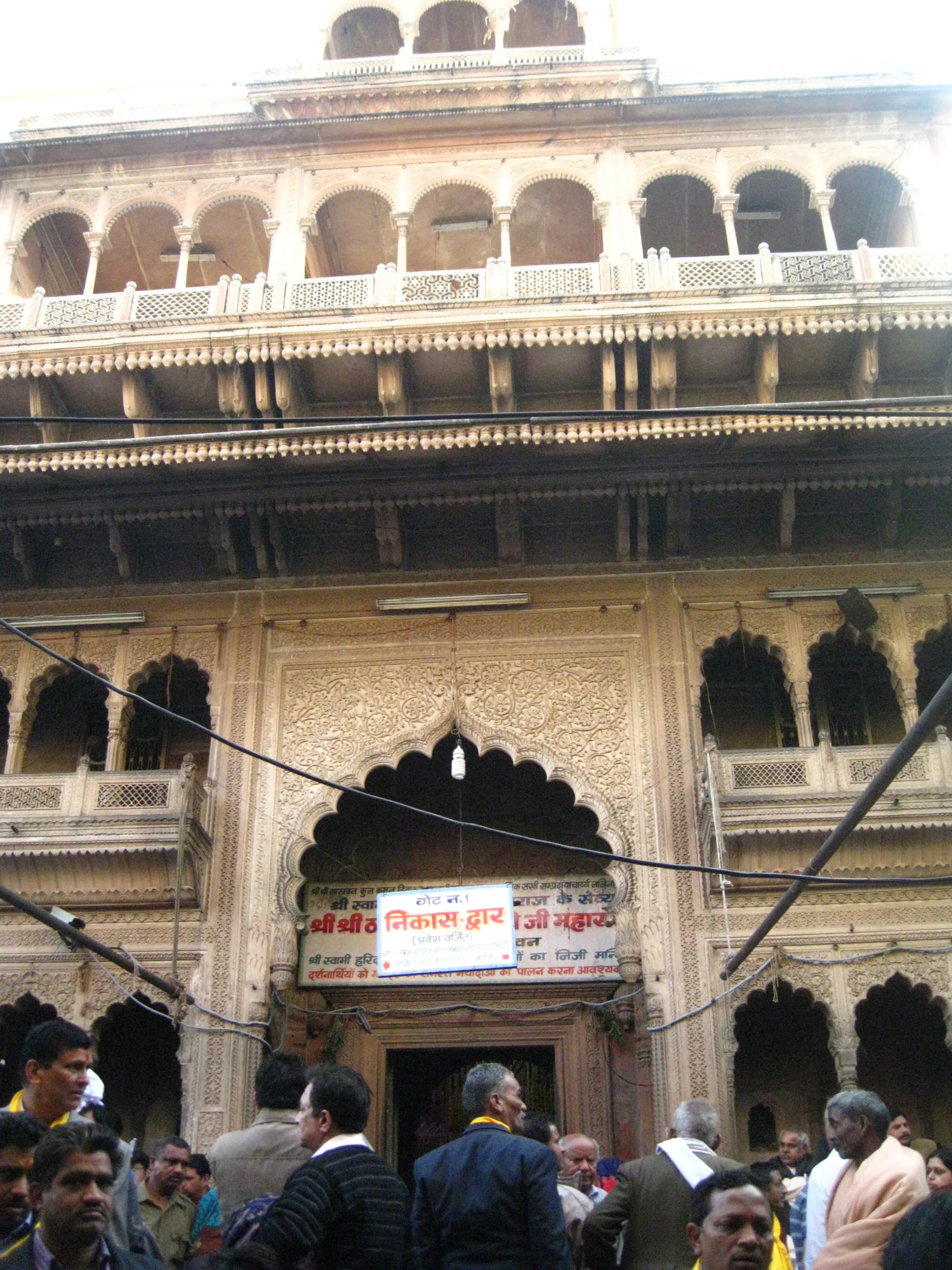
The Banke Bihari Temple, situated in Vrindavan, Mathura district, Uttar Pradesh, stands as a profound testament to India's millennia-spanning cultural heritage and its continuous tradition of devotion to Lord Krishna [1] [2]. This revered Hindu temple is dedicated to Banke Bihari, an iconic representation believed to embody the combined divine forms of Radha and Krishna [1] [2]. The central idol, a captivating black image, is notably depicted in the Tribhanga (three-bend) posture, a classical stance in Indian iconography that signifies grace and divine playfulness [1] [2]. The temple's architecture predominantly reflects the indigenous Rajasthani style, a tradition deeply rooted in India's historical architectural practices, characterized by intricate craftsmanship and robust construction [1] [5]. While the specific dimensions of the entire complex are not universally published, the structural elements feature wide entrances adorned with beautifully carved arches, a hallmark of traditional Indian temple design [1]. The walls throughout the temple interior are meticulously covered with elaborate carvings and vibrant paintings, which vividly narrate episodes from Lord Krishna's life, serving both as decorative elements and didactic visual scriptures [1]. The roof, constructed in a traditional manner, exhibits detailed decorations that further enhance the aesthetic and spiritual ambiance of the sacred space [1]. The temple's interior is celebrated for its exquisite stonework and stunning designs, encompassing a large prayer hall where devotees gather for bhajans and aarti, fostering a collective spiritual experience [1]. The spatial arrangement includes a peaceful courtyard, offering a tranquil environment for contemplation amidst the vibrant devotional activities [1]. Uniquely, the temple does not feature bells within its premises, nor does it perform the Mangala Aarti (early morning ritual) daily, except on Krishna Janmashtami, out of a belief to avoid disturbing the deity, who is revered as a child [2] [5]. Furthermore, the darshan (viewing) of the idol is intentionally interrupted every five minutes by drawing curtains, a practice stemming from the belief that an uninterrupted gaze might cause Banke Bihari to accompany a devotee home, leaving the temple empty [2] [5]. This distinctive ritual underscores the intimate and personal relationship devotees share with the deity. The temple is thronged by thousands of visitors daily, maintaining its status as an active center of worship and cultural practice [5]. Conservation efforts are ongoing to preserve this national heritage site, ensuring its structural integrity and the longevity of its artistic and spiritual elements [4]. The site remains fully operational, accessible to devotees and visitors, and continues to uphold its ancient traditions and maintenance protocols, embodying the enduring legacy of Indian civilization [1] [4].
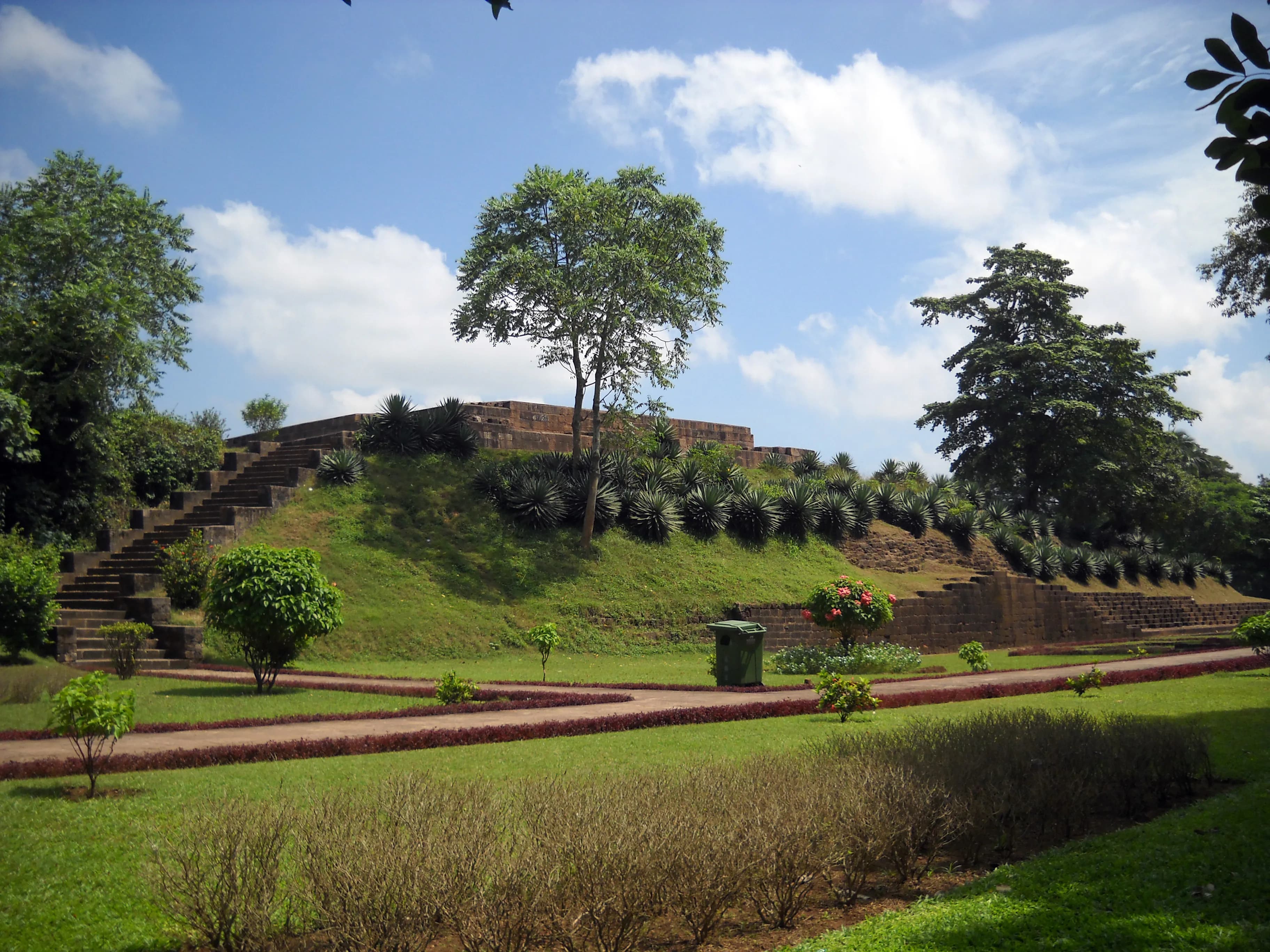
Stone platforms and foundations mark the site of Barabati Fort in Cuttack, Odisha, constructed around 1050 CE during the Eastern Ganga dynasty ([1][2]). Translating to "twelve gates," the fort was built with laterite and khondalite stones, held together by iron clamps, showcasing Kalinga architectural elements ([3][4]). A now-dry moat, imposing ramparts, and bastions highlight the fort’s medieval Indian fortification strategies ([1]). Archaeological excavations have revealed the foundations of a nine-storied palace, suggesting the fort's former splendor and intricate design ([2][3]). The palace ruins point to sophisticated Orissan style architecture, reminiscent of regional temples ([4]). Adjacent to the palace site, a museum displays sculptures and artifacts, offering insights into the artistic legacy shaped by Hindu mythological themes ([5]). During the Ganga period, temple architecture flourished, influencing the fort's layout and design ([3]). The principles of Vastu Shastra (ancient architectural science) likely guided the planning of the fort, aligning it with cosmic energies ([6]). The use of laterite, abundant in the region, imparts a distinct earthy character to the fort, contrasting with sandstone structures found elsewhere ([4]). Moreover, the fort's history includes later influences from the Mughals and Marathas, creating a layered historical narrative ([1][2][5]). Despite these influences, the core Kalinga architectural style remains evident in the remaining structures ([3][4]). Today, Barabati Fort stands as a reminder of Odisha's rich architectural and cultural heritage, blending military and artistic traditions ([1][5]).
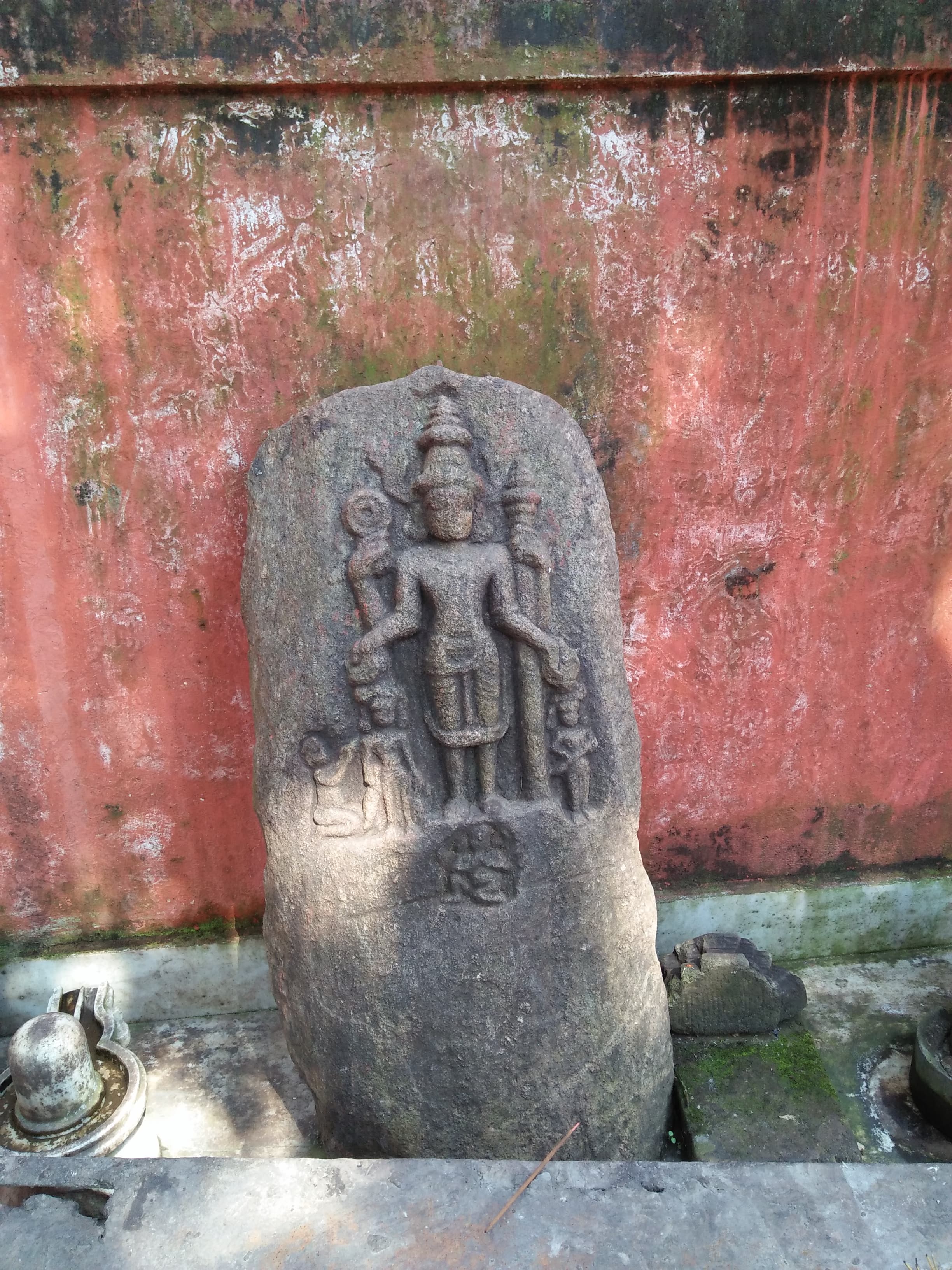
Nestled near Guwahati, Assam, the Basistha Temple provides a tranquil retreat, its history dating back to 1751 CE during the Ahom period ([1][2]). Ahom King Rajeswar Singha commissioned this sacred space dedicated to Sage Basistha ([2]). The architectural style showcases an eclectic fusion of Ahom, Hindu, and even Mughal influences ([3]). Stone construction dominates the primary structure, harmoniously integrating with the natural surroundings ([1]). Intricate carvings embellish the walls, depicting deities and traditional floral motifs, reflecting the artistic heritage of Assam ([4]). The Sandhya River gracefully flows through the ashram, revered by devotees who partake in ritual bathing and ceremonies, emphasizing the temple's profound spiritual connection to nature ([1][2]). Smaller shrines and serene meditation caves are dotted around the complex, encouraging personal contemplation ([1]). During the Ahom reign, temple architecture witnessed unique regional adaptations ([3]). The *shikhara* (spire), while present, exhibits a less pronounced form compared to other Indian temple styles ([4]). Within the *Garbhagriha* (sanctum), a *lingam* symbolizes the divine energy of Shiva ([1]). This sacred emblem represents the focal point of worship and reverence. This temple stands as a testament to the community's enduring faith and Assam's rich cultural heritage ([2]). Its serene atmosphere and unique architectural ingenuity contribute to the Basistha Temple's enduring charm ([1][3]). The temple embodies the syncretic architectural traditions of the Ahom era, blending indigenous styles with influences from neighboring regions ([3]). It serves as a reminder of the region's vibrant past and its continued spiritual significance ([1][2]).
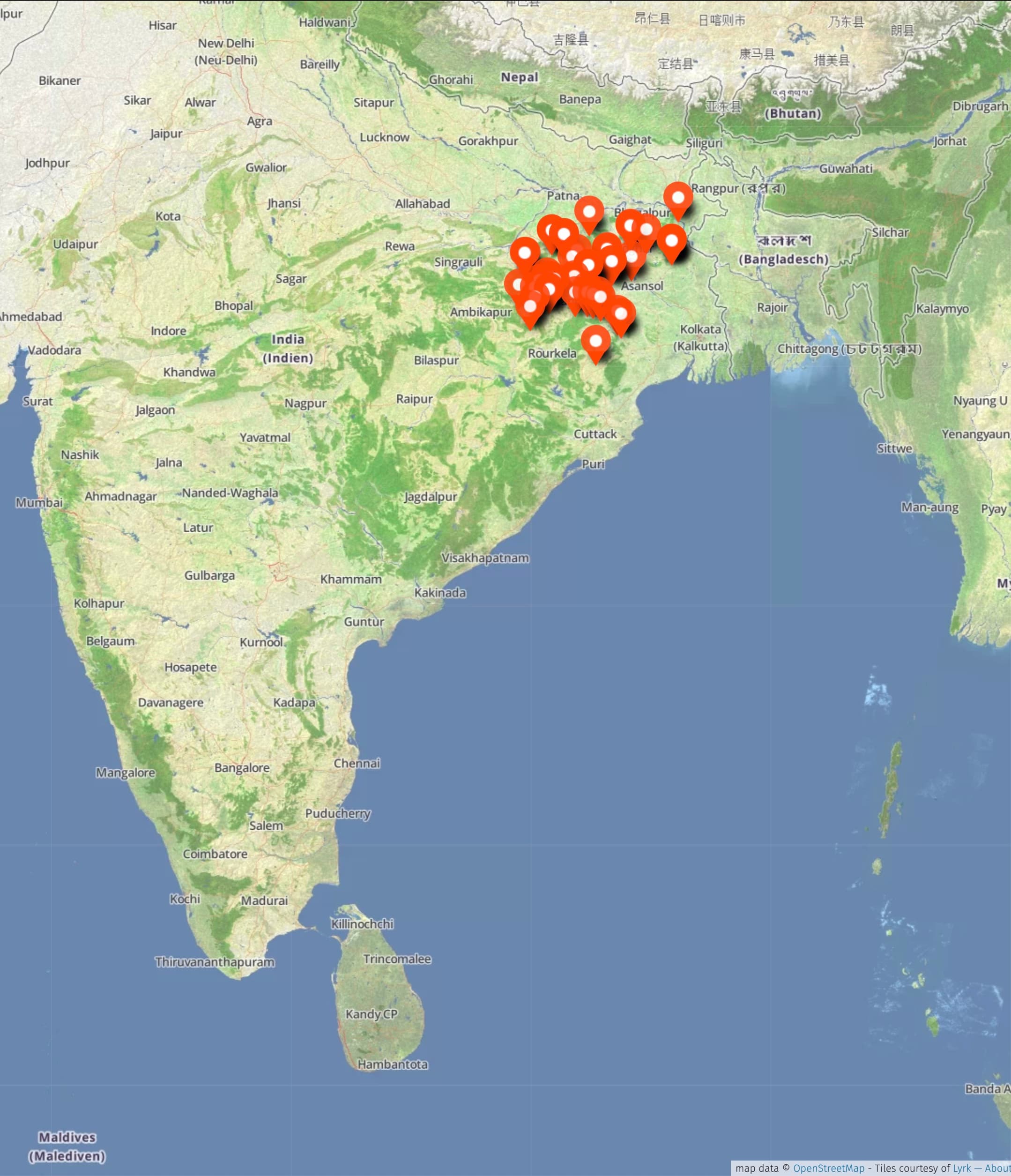
Vibrating with spiritual energy, Basukinath Dham in Deoghar, Jharkhand, stands as a testament to India's rich temple-building heritage. Constructed in 1585 CE under the patronage of Raja Puran Mal ([1]), this sacred Shiva temple attracts devotees seeking authentic spiritual connection. Having explored many North Indian temples, Basukinath's architecture exemplifies the Nagara style, characterized by its curvilinear towers and stepped pyramidal structures ([2][3]). Intricate carvings, smoothed by centuries of devotion, adorn the temple's doorway, depicting scenes from Hindu mythology ([4]). The main shrine, dedicated to Lord Shiva, features a modest white structure adorned with prayer flags ([1]). Within the Garbhagriha (Sanctum), a vibrant tapestry of devotees gathers, the air filled with incense and the chanting of "Bol Bam" ([3]). This creates an immersive spiritual experience. Beyond the primary shrine, smaller temples dedicated to various deities enrich the complex ([5]). One such shrine, dedicated to Parvati, showcases remarkably preserved terracotta carvings, reflecting the region's artistic heritage ([5][6]). During the late medieval period, temple architecture flourished under royal patronage, blending regional styles with pan-Indian traditions ([7]). Stone platforms and foundations demonstrate the temple's enduring construction, utilizing locally sourced materials ([8]). The narrow lanes surrounding the temple bustle with stalls selling religious items and local delicacies, adding to the sensory richness of the pilgrimage ([9]). Vastu Shastra principles, the ancient Indian science of architecture, likely guided the temple's layout and orientation, aligning it with cosmic energies ([10]). Basukinath Dham offers a profound connection to India's spiritual and architectural heritage, inviting visitors to experience its unique sanctity.

Nestled in the heart of Tripura, the Battala Mahadev Temple, a revered shrine dedicated to Lord Shiva, was erected around 1681 CE under the patronage of Maharaja Krishna Manikya ([1][2]). This 17th-century temple, a testament to the Manikya dynasty's devotion, showcases a captivating fusion of Nagara and Bengali architectural traditions ([3]). Its presence enriches Agartala's cultural tapestry, drawing devotees and architecture enthusiasts alike. During the Ahom period, temple architecture in India experienced a flourishing of regional adaptations, and this temple exemplifies such unique synthesis ([4]). The curvilinear tower, echoing the chala style of Bengal, adds a distinctive character to the temple's silhouette, illustrating the cross-pollination of architectural ideas ([3]). The temple's design subtly integrates regional aesthetics within the broader Hindu architectural framework. Stone platforms and foundations demonstrate the enduring construction techniques employed in building the Battala Mahadev Temple ([1][5]). The structure primarily utilizes locally sourced materials such as stone, bricks, terracotta, and wood, reflecting the region's architectural identity ([1][5]). The exterior, finished with whitewash, presents a serene and austere facade, a contrast to the vibrant ornamentation often seen in other Indian temples ([2]). Within the Garbhagriha (Sanctum), the Shiva lingam serves as the central focus of worship, inviting devotees into a space of spiritual communion ([3]). The temple stands as an embodiment of Tripura's rich cultural and religious heritage, offering a tranquil space for reflection and devotion ([4][5]). The patronage of the Manikya dynasty underscores the temple's historical significance, solidifying its place as a notable landmark in Agartala ([1][2][3]). The temple stands as a reminder of the architectural and artistic achievements of the era.
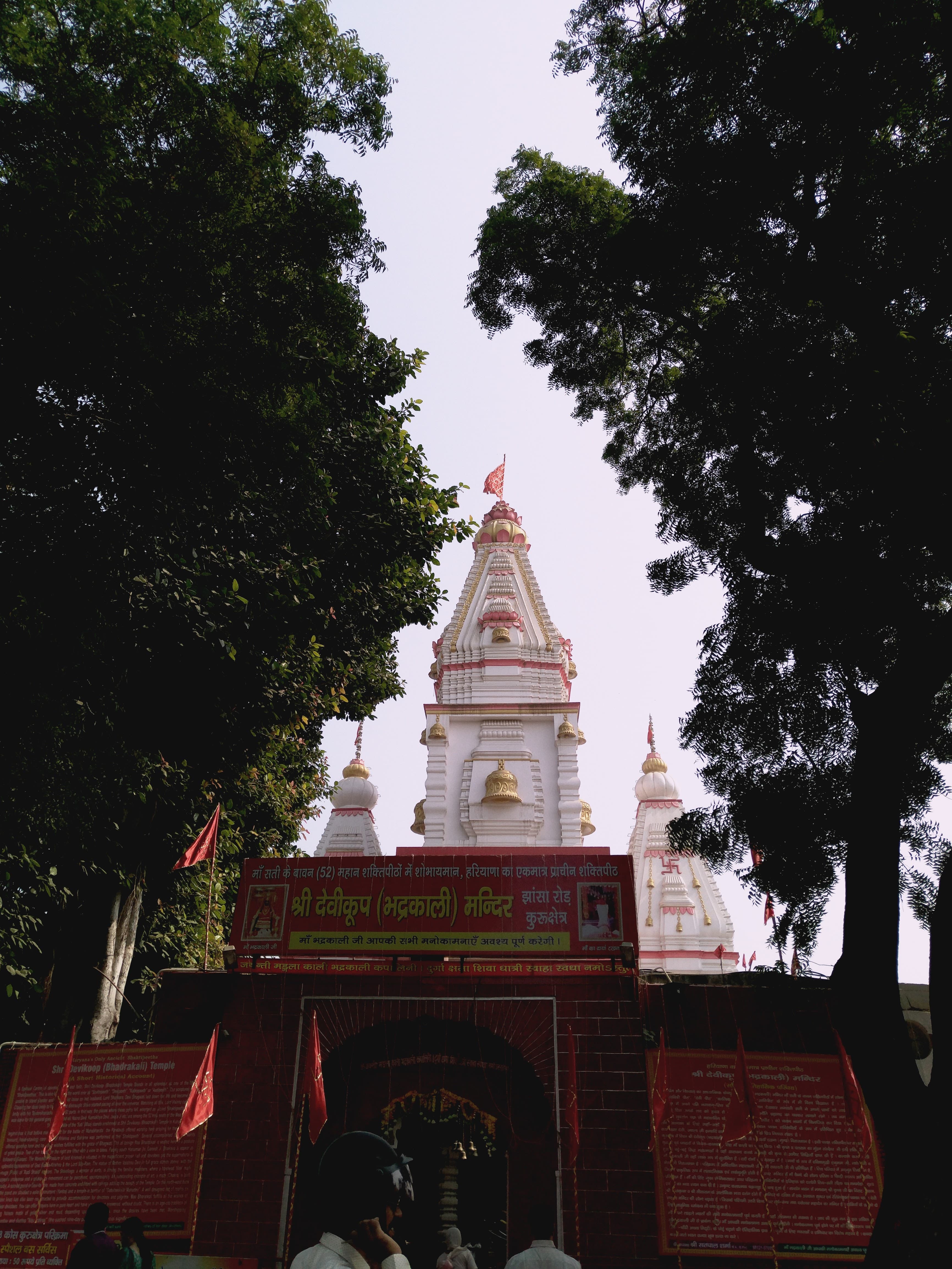
Amidst the sacred land of Kurukshetra, Haryana, the Bhadrakali Temple emerges as a significant example of North Indian temple architecture ([1]). Commissioned in 1739 CE by the Maratha ruler Baji Rao I, this sacred site reflects the patronage of the Maratha Empire in North India ([2]). Its Nagara-style Shikhara (spire) distinguishes it, a testament to the architectural traditions of the Gurjara-Pratihara period ([3][4]). Stone and brick form the primary building materials, reflecting construction practices common to the era ([5]). Intricate carvings embellish the temple walls, depicting scenes from Hindu epics such as the Mahabharata and portraying various deities, echoing the artistic expressions of the time ([1][2]). These carvings offer insights into the region's rich cultural heritage and religious beliefs ([3]). The temple's design aligns with principles outlined in ancient texts like the *Manasara Shilpa Shastra*, which discusses temple construction and iconography, although specific chapter references are currently unavailable ([4]). Within the Garbhagriha (sanctum), Goddess Bhadrakali's idol inspires reverence, embodying divine feminine power or *Shakti* ([5]). A sacred Kunda (pond) complements the temple, its waters considered purifying and integral to Hindu rituals ([1]). Observing the temple rituals reveals a blend of regional traditions, with unique chants and offerings that highlight India's diverse spiritual landscape ([2][3]). The temple's architecture, while distinct in its Nagara style, creates a sacred space, fostering a connection between devotees and the divine, thereby continuing the enduring legacy of Indian architectural and spiritual heritage ([4][5]).
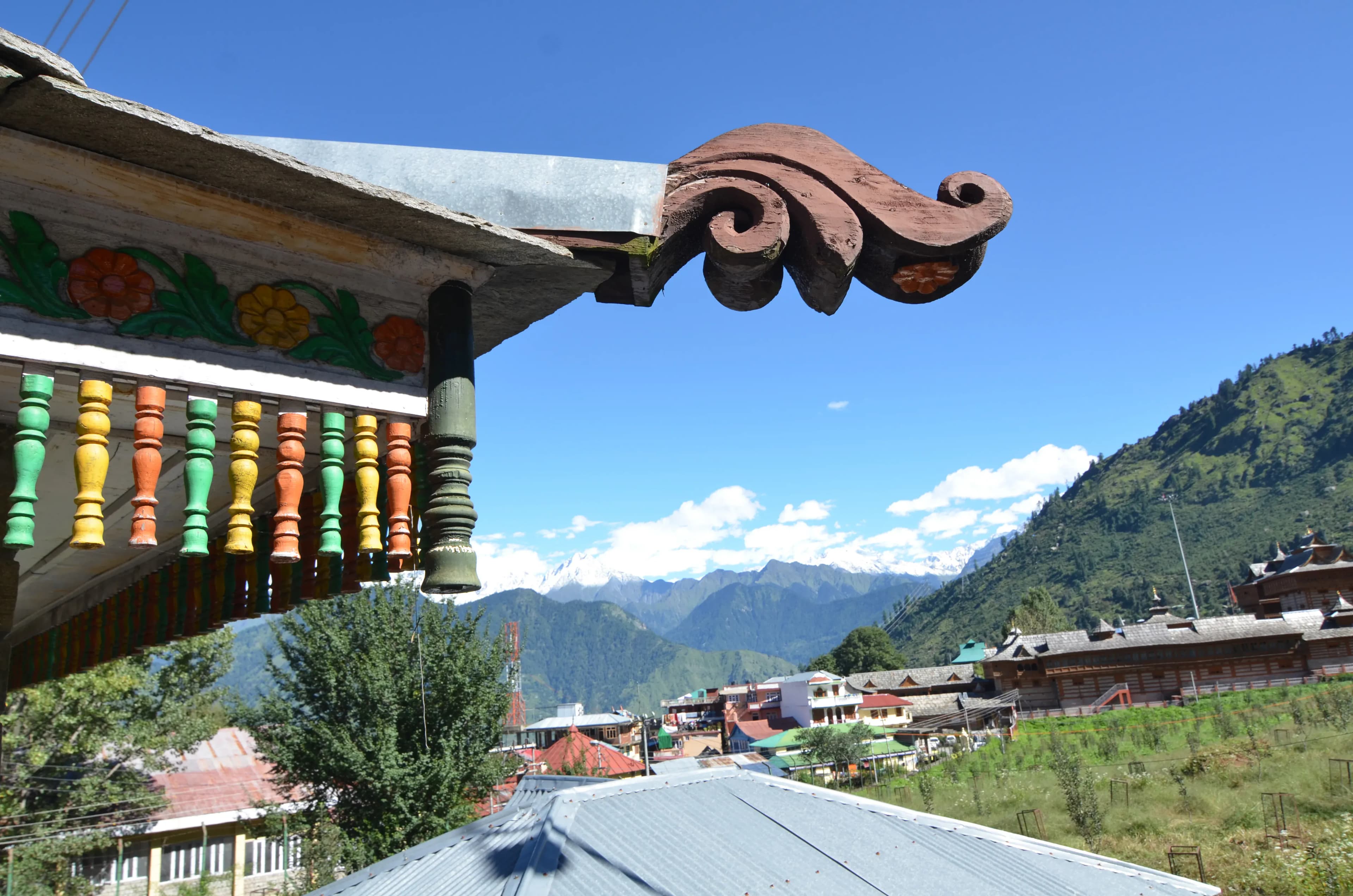
Nestled in the serene hills of Himachal Pradesh, the Bhimakali Temple at Sarahan is an architectural marvel dating back to 800 CE during the Rajput period ([1]). Its unique kath-khuni (wood-stacked) style, a vernacular adaptation to the region's climate, showcases a distinct Himalayan architectural tradition ([2]). The Bushahr rulers, as patrons, significantly influenced the temple's design and construction ([3]). Dominating the Sarahan landscape, the temple complex utilizes a combination of wood, stone, slate, and metal, reflecting the readily available resources and blending seamlessly with the surrounding environment ([4]). The tiered wooden roofs, a characteristic feature, not only provide structural stability but also effectively manage heavy snowfall ([5]). Intricate carvings embellish the wooden facades, depicting deities and mythical creatures, demonstrating the craftsmanship passed down through generations ([6]). Within the Garbhagriha (Sanctum), the temple enshrines Bhimakali, a fierce manifestation of Durga, represented by a revered brass image ([3]). Furthermore, smaller shrines dedicated to Lakshmi Narayan and Lord Shiva are also present within the complex, each displaying meticulous craftsmanship ([4]). The temple's design possibly incorporates principles similar to those outlined in ancient texts like the Manasara Shilpa Shastra, which discusses temple construction and iconography, although specific textual references for this temple remain to be confirmed ([7]). Enchanting panoramic views and the gentle flutter of prayer flags enhance the spiritual ambiance of the temple, creating a profound sense of tranquility ([5]). This architectural gem not only preserves the cultural heritage of the Himalayas but also stands as a testament to the ingenuity and artistic skills of its creators ([1][2]). The Bhimakali Temple continues to inspire awe and reverence, drawing visitors and devotees alike to experience its unique blend of art, architecture, and spirituality ([6]).
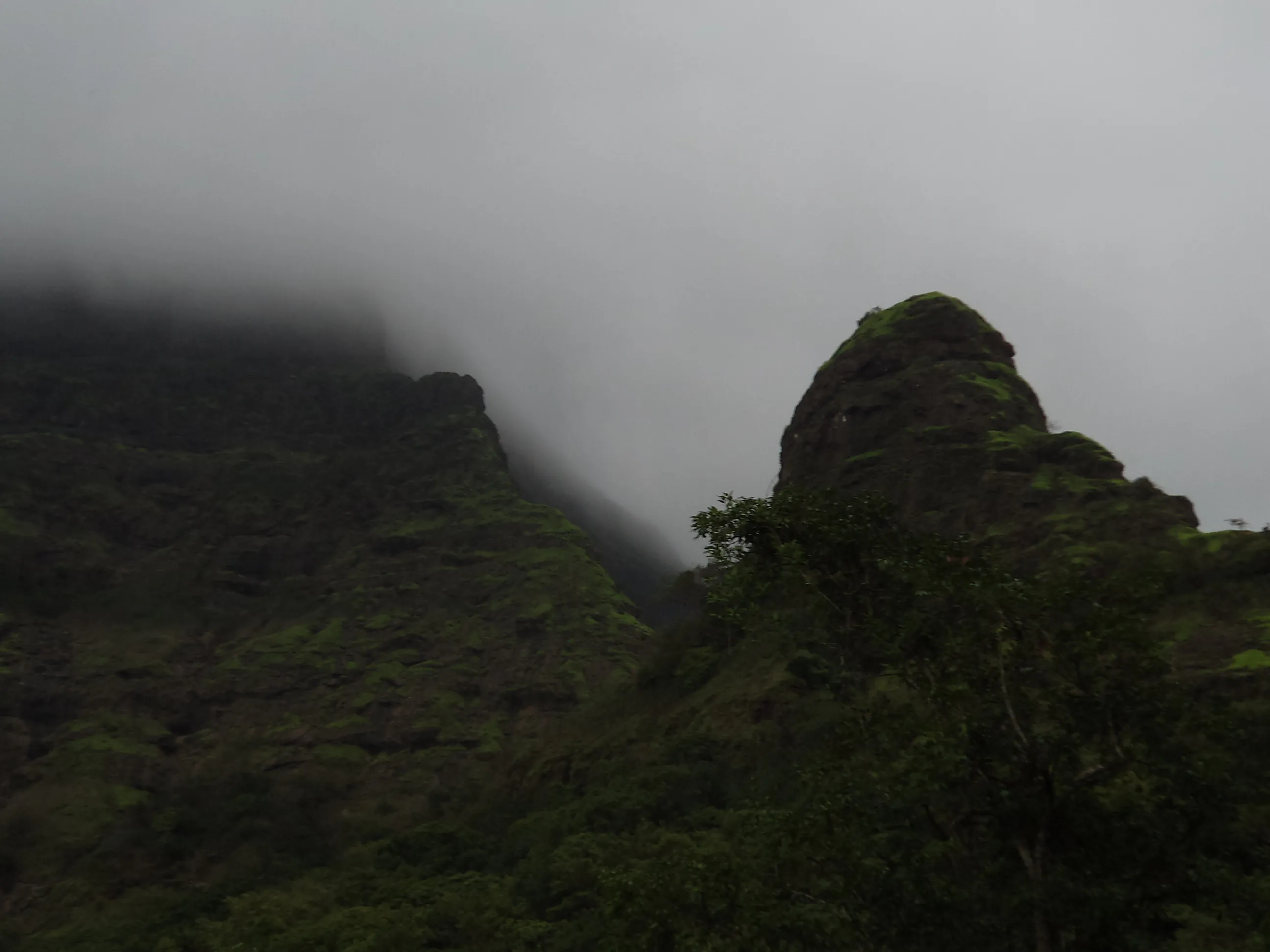
Enclosed by the Sahyadri mountains near Khed, the Bhimashankar Temple beckons with its spiritual aura and natural setting. Revered as one of the twelve Jyotirlingas, it embodies a manifestation of Lord Shiva ([1]). During the Maratha Period, temple construction underwent a resurgence, influencing Bhimashankar's structural design ([2]). Commissioned around 1250 CE by the Yadava Dynasty, the temple harmoniously blends Nagara and Dravidian architectural styles ([3][4]). Granite and sandstone blocks, meticulously carved, construct the temple's form, adorned with depictions from Hindu mythology reflecting the artisans' expertise ([3][5]). Black stone, basalt rock, granite, and wood form the primary materials, imbuing the temple with a sense of antiquity ([3]). Within the Garbhagriha (Sanctum), the Jyotirlinga resides, creating a serene atmosphere for devotees ([1]). Also of note, the Kamalaja Devi temple showcases a fusion of Nagara and Hemadpanti styles ([4]). Vastu Shastra principles, the ancient Indian science of architecture, may have subtly influenced the temple's layout, though specific textual references are currently unavailable. Patronage by Nana Phadnavis further solidified the temple's importance ([2]). The nearby source of the Bhima River enhances the site's spiritual significance ([1]). Sophisticated architectural elements are visible throughout the complex. The Shikhara (Spire) exhibits the Nagara influence, while the overall layout incorporates Dravidian elements, showcasing a confluence of architectural traditions ([3][4]). Bhimashankar offers a profound experience, inviting visitors to connect with Maharashtra's rich heritage ([5]).
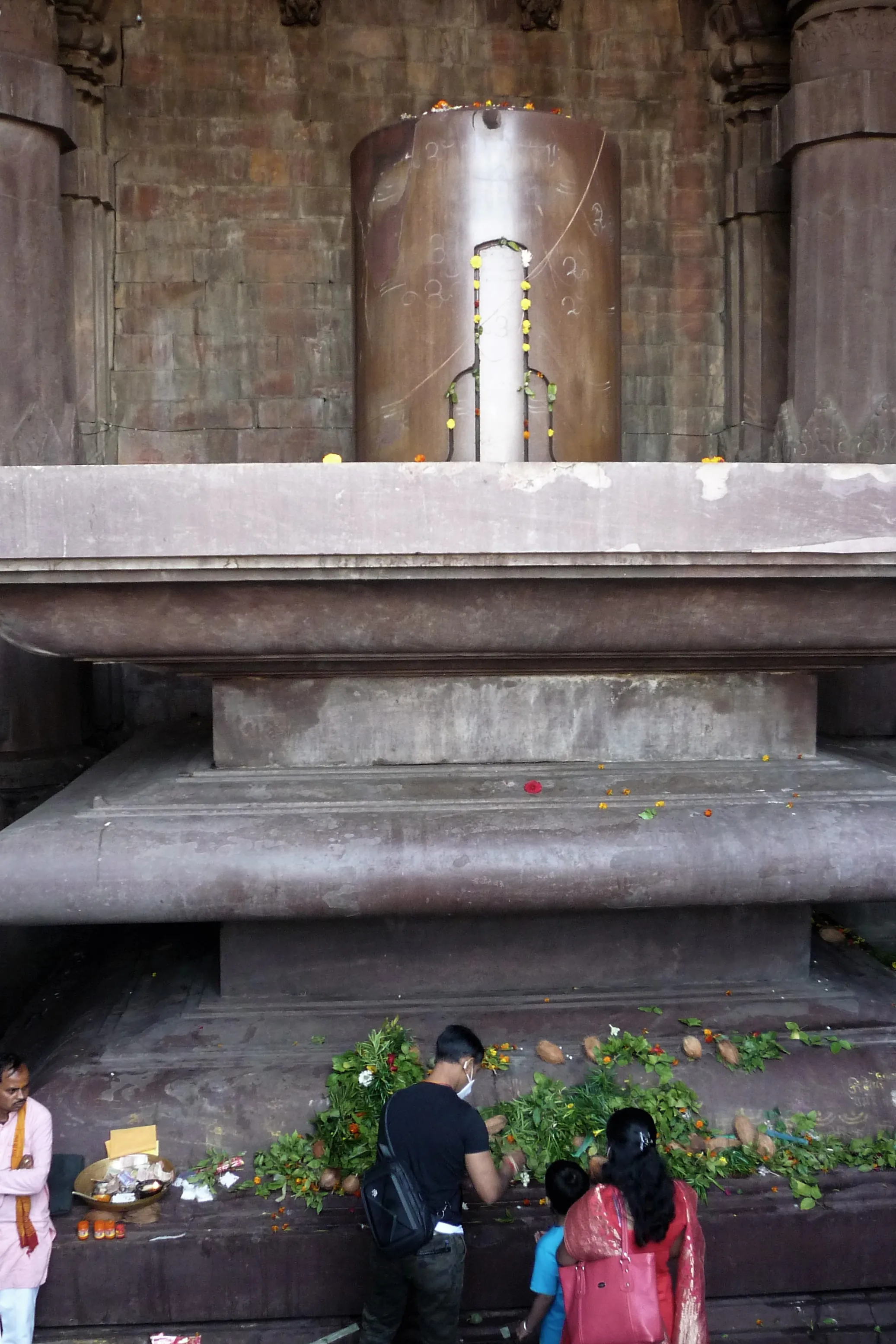
Envisioned as a grand tribute to Lord Shiva, the Bhojeshwar Temple, near Bhojpur in Madhya Pradesh, represents an ambitious undertaking by Raja Bhoj of the Paramara dynasty ([1]). Commissioned in the 21st century (2006 CE), the temple exemplifies the Bhumija style of Nagara architecture, though its construction remained incomplete ([2][3]). Its towering, unfinished Shikhara (spire) dominates the surrounding landscape, hinting at the scale of the original design ([4]). Stone platforms and foundations clearly define the intended dimensions of the temple complex ([5]). Within the Garbhagriha (Sanctum), a colossal lingam, carved from a single, highly polished stone, commands attention ([6]). This monolithic lingam, considered among the largest in India, forms a powerful spiritual focus within the temple's incomplete structure ([7]). The absence of a traditional Pradakshina Patha (circumambulatory path) distinguishes it from conventional temple layouts ([8]). Granite and sandstone blocks, meticulously carved with intricate details, are scattered around the site, providing valuable insights into the construction methodologies employed during that era ([9]). The presence of ramps and levers suggests the sophisticated techniques utilized to maneuver these massive stones into place ([10]). During the Paramara period, temple architecture flourished, with a distinct emphasis on grandeur and intricate detailing ([11]). The temple's elevated location offers panoramic views, enhancing its intended visual impact ([12]). The Bhojeshwar Temple stands as a compelling testament to the Paramara dynasty's architectural prowess and ambition, frozen in time ([13]). This incomplete marvel offers a unique glimpse into the artistic and engineering capabilities of ancient India ([14]).
Related Collections
Discover more heritage sites with these related collections
Explore More Heritage
Explore our comprehensive documentation of these 278 heritage sites, featuring architectural analysis, historical context, visitor information, conservation status, and detailed site-specific resources supporting meaningful engagement with India's living heritage traditions.
Historical Context
Understanding the historical context of these 278 heritage sites illuminates centuries of Hindu architectural achievement and spiritual devotion. Across successive dynasties, royal patrons and spiritual communities collaborated to create these magnificent monuments as expressions of dharmic duty and devotional fervor. Multiple dynasties contributed distinctive architectural visions, engaging master architects (sthapatis), skilled sculptors (shilpis), and specialized craft guilds who transmitted knowledge through generations. These collaborations produced monuments reflecting both royal vision and artisan mastery, incorporating ancient Vedic principles with regional innovations. Archaeological and epigraphic research continues revealing fascinating details about construction processes, guild organization, material sourcing, and patronage networks. Foundation inscriptions, donor records, and architectural evidence illuminate the devotion, resources, and expertise invested in creating these sacred spaces that honor the divine while demonstrating human achievement at its finest.
Architectural Significance
The architectural elements visible across these 278 heritage sites demonstrate the sophisticated synthesis of aesthetic beauty, structural engineering, and spiritual symbolism characteristic of Hindu temple architecture. The Nagara Style Architecture tradition expresses itself through distinctive features: distinctive regional architectural elements, spatial planning principles, and decorative vocabularies. Indigenous building materials—locally sourced stone, traditional lime mortars, timber where appropriate—shaped architectural possibilities and aesthetic expressions. Monumental scale creates appropriate awe, preparing visitors psychologically for divine encounter. Intricate sculptural programs covering every surface teach Puranic narratives and iconographic conventions, transforming architecture into pedagogical instruments. Structural innovations—corbelling achieving remarkable cantilevers, domed ceilings distributing forces through hidden interlocking systems—demonstrate engineering knowledge refined through centuries of practical experience. Lighting conditions dramatically affect sculptural perception; morning and evening illumination reveals details obscured during harsh midday sun. Advanced documentation through photogrammetry and laser scanning continues discovering previously unrecorded architectural elements, enriching scholarly understanding of these magnificent achievements.
Conservation & Preservation
The preservation status of these 278 heritage sites reflects ongoing commitment to safeguarding India's irreplaceable heritage. 13 receive Archaeological Survey of India protection, ensuring legal safeguards and systematic conservation programs. Challenges include environmental factors, material degradation, and visitor management. Professional conservation employs traditional techniques alongside modern technology: structural monitoring, condition assessments, and preventive measures addressing deterioration before critical failures occur. Advanced documentation—aerial surveys, laser scanning, material analysis—creates comprehensive records supporting evidence-based interventions. Visitor participation in heritage preservation includes respectful site conduct, reporting observed damage, and supporting conservation initiatives financially. The investment in documentation and monitoring ensures that when intervention becomes necessary, restoration maintains historical authenticity and technical compatibility with original construction methods.
Visitor Information
Planning visits to these 278 heritage sites benefits from understanding access logistics and appropriate conduct. India offers well-developed infrastructure with accommodation options available near major heritage sites. The optimal visiting season extends October through March. Entry fees at protected sites typically range ₹25-₹40. Photography for personal use is generally permitted, though tripods and professional equipment may require advance authorization. Virtual tours of 3 sites enable preliminary exploration and research. Respectful conduct honors both the monuments and continuing worship traditions: modest attire with covered shoulders and legs, shoe removal in temple sanctums, quiet demeanor, and abstaining from touching sculptural surfaces. Knowledgeable local guides enhance understanding of architectural features, iconographic programs, and ritual contexts, transforming visits into meaningful cultural experiences.
Key Facts & Statistics
Total documented heritage sites: 278
UNESCO World Heritage Sites: 6
Source: UNESCO World Heritage Centre
Archaeological Survey of India protected monuments: 13
Source: Archaeological Survey of India
Sites with 3D laser scan documentation: 4
Sites with 360° virtual tours: 3
Sites with detailed architectural floor plans: 1
Temple: 195 sites
Fort: 38 sites
Monument: 29 sites
Palace: 6 sites
Museum: 4 sites
Indo-Islamic architecture style, Mughal architecture style, Rajput architecture style, Nagara architecture style architectural style: 3 sites
Pahari architecture style, Nagara architecture style, Shikhara architecture style, Hindu Temple architecture style architectural style: 3 sites
Indo-Saracenic Revival architecture style, Nagara architecture style, Rajput architecture style, Mughal architecture style architectural style: 2 sites
Kalinga Nagara architecture style, Nagara architecture style, Central Indian Temple architecture style, Hindu Temple architecture style architectural style: 2 sites
Indo-Saracenic Revival architecture style, Mughal architecture style, Rajput architecture style, Nagara architecture style architectural style: 2 sites
Ahom Period period construction: 35 sites
Bengal Renaissance Period period construction: 35 sites
Rajput Period period construction: 34 sites
Maratha Period period construction: 22 sites
Gurjara-Pratihara Period period construction: 17 sites
Average documentation completion score: 79%
Featured flagship heritage sites: 278
Frequently Asked Questions
How many heritage sites are documented in India?
This collection includes 278 documented heritage sites across India. Of these, 6 are UNESCO World Heritage Sites. 13 sites are centrally protected by Archaeological Survey of India. Each site has comprehensive documentation including photos, floor plans, and historical research.
What is the best time to visit heritage sites in India?
October through March is ideal for visiting heritage sites in India. Major festivals also offer unique cultural experiences. Check individual site pages for specific visiting hours and seasonal closures.
What are the entry fees for heritage sites?
Protected monuments typically charge ₹25-₹40. State-protected sites often have lower or no entry fees. Many temples and religious sites are free. Children often enter free. Still photography is usually included; video may require additional permits.
Are photography and videography allowed at heritage sites?
Still photography for personal use is generally permitted at most heritage sites. Tripods, flash photography, and commercial filming usually require special permissions. Some sites restrict photography of murals, sculptures, or sanctums. Drones are prohibited without explicit authorization. Always respect signage and guidelines at individual monuments.
Are these heritage sites wheelchair accessible?
Accessibility varies significantly. Major UNESCO sites and recently renovated monuments often have ramps and accessible facilities. However, many historical structures have steps, uneven surfaces, and narrow passages. Contact site authorities in advance for specific accessibility information. Our site pages indicate known accessibility features where available.
Are guided tours available at heritage sites?
Licensed guides are available at most major heritage sites, typically charging ₹200-₹500 for 1-2 hour tours. ASI-approved guides provide historical and architectural insights. Audio guides are available at select UNESCO sites. Our platform offers virtual tours and detailed documentation for 3 sites.
What is the conservation status of these heritage sites?
13 sites are legally protected by ASI. Active conservation includes structural stabilization, surface cleaning, vegetation control, and drainage management. Digital documentation helps monitor deterioration. 4 sites have 3D scan records for evidence-based interventions.
What are the key features of Nagara Style Architecture?
Nagara Style Architecture features distinctive regional architectural elements, spatial planning principles, and decorative vocabularies. These elements evolved over centuries, reflecting regional climate, available materials, construction techniques, and cultural preferences. Each monument demonstrates unique variations within the broader architectural tradition.
What documentation is available for these heritage sites?
Each site includes high-resolution photography, architectural measurements, historical research, and expert annotations. 4 sites have 3D laser scans. 3 offer virtual tours. Floor plans show spatial organization. Documentation averages 79% completion.
How much time should I allocate for visiting?
Plan 2-3 hours for major monuments to appreciate architectural details and explore grounds. Smaller sites may require 30-60 minutes. Multi-site itineraries should allocate travel time. Early morning or late afternoon visits offer better lighting for photography and fewer crowds. Check individual site pages for recommended visiting durations.
What is the cultural significance of these heritage sites?
These monuments represent India's diverse cultural heritage, reflecting centuries of architectural innovation, religious traditions, and artistic excellence. They serve as living links to historical societies, preserving knowledge about construction techniques, social structures, and cultural values. Many sites remain active centers of worship and community gathering.
How can I practice responsible heritage tourism?
Respect site rules including photography restrictions and designated pathways. Don't touch sculptures, murals, or walls. Dispose waste properly. Hire local guides to support communities. Avoid visiting during restoration work. Learn about cultural contexts before visiting. Report damage to authorities. Your responsible behavior helps preserve heritage for future generations.
References & Sources
Nagara Style
Nagara Style architecture is a distinctive style of Indian temple architecture characterized by its unique design elements and construction techniques. This architectural tradition flourished in India and represents a significant period in Indian cultural heritage. Features include intricate carvings, precise proportions, and integration with religious symbolism.
- 1Diverse architectural styles from various periods
- 2Intricate craftsmanship and artistic excellence
- 3Historical and cultural significance
- 4Well-documented heritage value
- 5Protected under heritage conservation acts
- 6Tourist and educational significance
| 📍Rajasthan | 18 sites |
| 📍Uttar Pradesh | 16 sites |
| 📍Gujarat | 16 sites |
| 📍Madhya Pradesh | 14 sites |
| 📍Assam | 14 sites |
| 📍Haryana | 14 sites |
| 📍Odisha | 13 sites |
| 📍Maharashtra | 13 sites |
| 📍Jharkhand | 13 sites |
| 📍Himachal Pradesh | 13 sites |