Has Inheritage Foundation supported you today?
Your contribution helps preserve India's ancient temples, languages, and cultural heritage. Every rupee makes a difference.
Secure payment • Instant 80G certificate
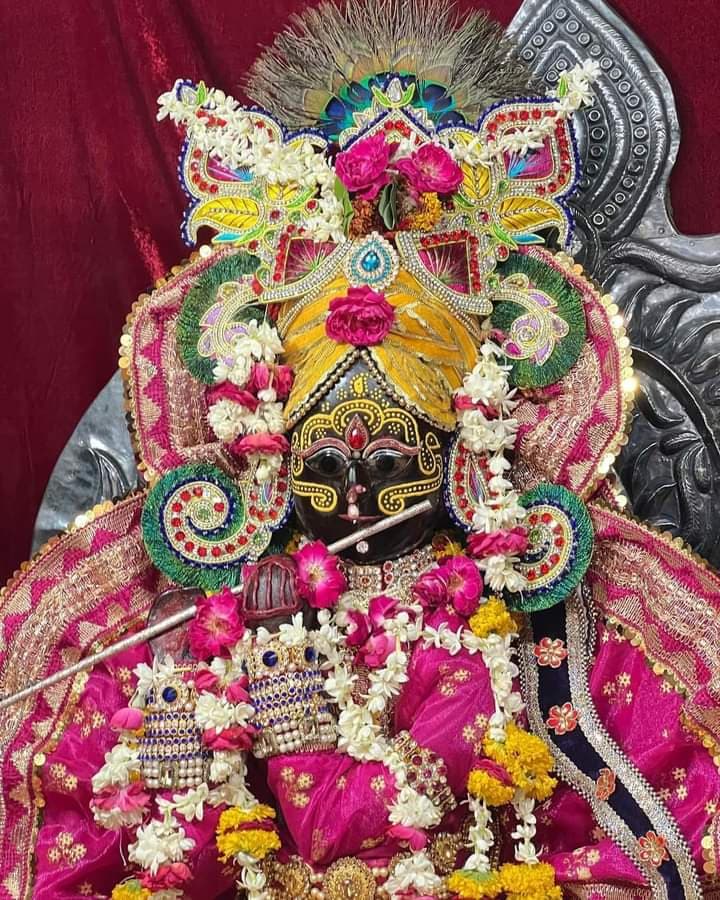
Radha Vallabh Haveli Mathura
The scent of sandalwood hung heavy in the air, a fragrant welcome to the Radha Vallabh Haveli in Mathura. Having explored the basalt-carved caves and intricate temples of Maharashtra extensively, I was curious to see how the architectural narrative shifted in this Braj Bhoomi landmark. The haveli, dedicated to the Radha-Vallabh sect of Vaishnavism, didn't disappoint. It whispered stories of devotion, artistry, and a bygone era of opulent patronage. Unlike the monolithic structures I was accustomed to, the haveli unfolded like a labyrinth. Courtyards, interconnected chambers, and narrow passageways created a sense of intimate discovery. The red sandstone, a stark contrast to the dark hues of Maharashtra's basalt, glowed warmly under the afternoon sun. Intricate carvings adorned every surface – floral motifs, depictions of Krishna’s leelas, and geometric patterns, each narrating a fragment of the sect's rich mythology. It felt as though the very stones were singing hymns to Radha and Krishna. The main courtyard, the heart of the haveli, was particularly captivating. A raised platform, once used for religious discourses and performances, dominated the space. I could almost hear the echoes of devotional music and the rhythmic clapping of devotees lost in spiritual fervor. The surrounding walls, adorned with frescoes depicting scenes from the Bhagavata Purana, were faded yet retained a captivating vibrancy. The colours, predominantly blues, greens, and ochres, spoke of a time when artistry was an integral part of religious expression. Climbing the narrow, winding staircases, I reached the upper levels, which offered a panoramic view of the bustling city of Mathura. From this vantage point, the haveli seemed like an oasis of tranquility amidst the urban chaos. The intricate jalis, or lattice screens, allowed for ventilation while maintaining privacy, a testament to the architectural ingenuity of the time. Peering through these screens, I observed the daily life of the city unfolding below – a vibrant tapestry of sounds, colours, and movement. One of the most striking features of the haveli was its integration with nature. Small, enclosed gardens, or baghs, punctuated the structure, offering pockets of serenity. These spaces, with their flowering plants and trickling fountains, provided a refreshing contrast to the enclosed spaces and served as a reminder of the divine presence in the natural world. I noticed how the architecture seamlessly blended indoor and outdoor spaces, creating a harmonious environment. While exploring the haveli, I encountered several priests and devotees who shared anecdotes and insights into the history and significance of the site. Their narratives added another layer of understanding, enriching my experience beyond the purely visual. Learning about the daily rituals, the festivals celebrated, and the stories passed down through generations, I felt a deeper connection to the spiritual heart of the haveli. The Radha Vallabh Haveli is more than just a historical structure; it's a living testament to a vibrant faith and a rich artistic tradition. It's a place where architecture transcends its functional purpose and becomes a medium for storytelling, a canvas for devotion, and a portal to a bygone era. As I left the haveli, the scent of sandalwood still clinging to my clothes, I carried with me not just images of intricate carvings and vibrant frescoes, but also a profound sense of the enduring power of faith and the beauty of human expression. It served as a powerful reminder that even after exploring countless caves and temples, there are always new architectural narratives waiting to be discovered, each with its unique story to tell.
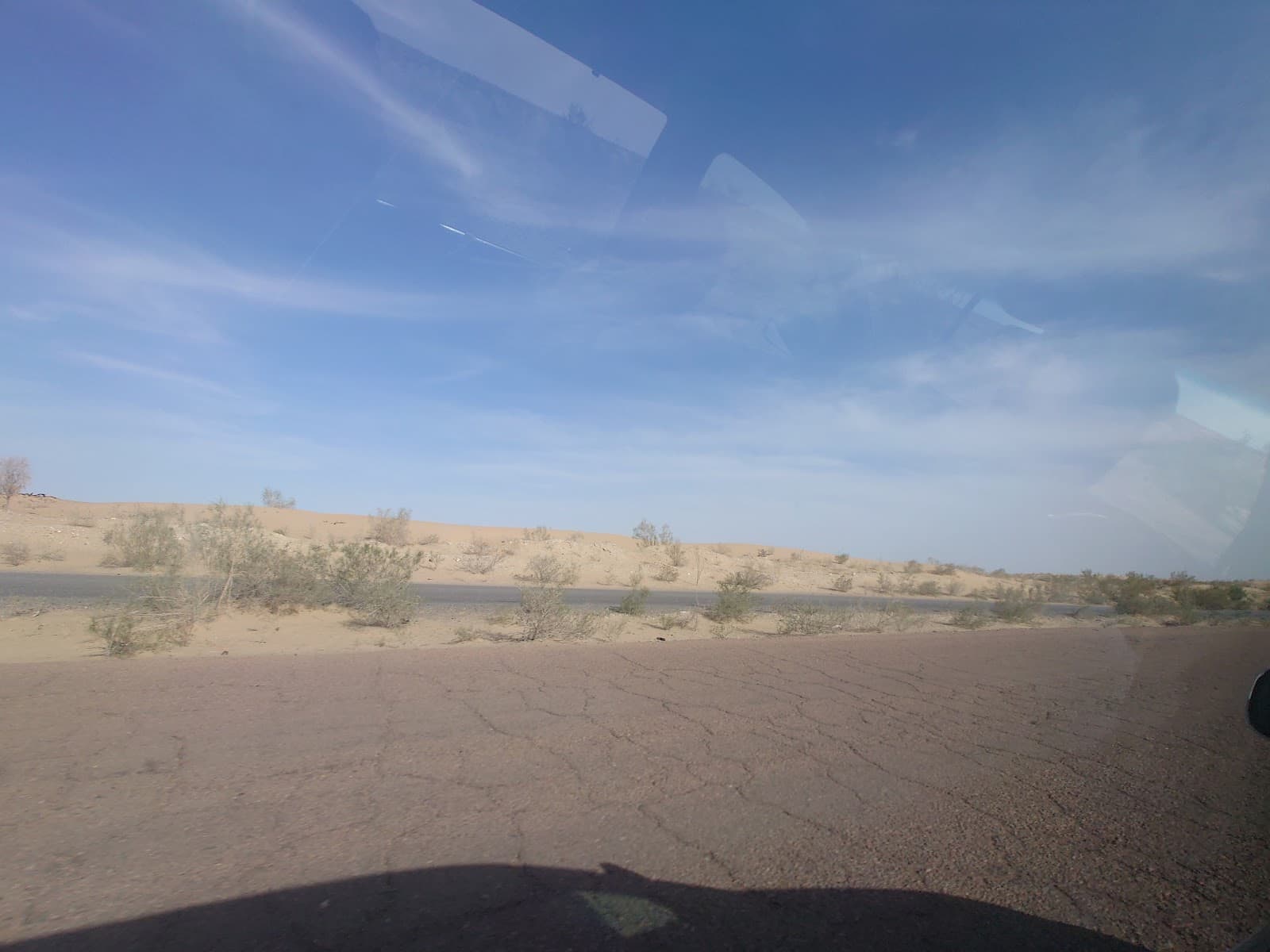
Adji Kui Karakum Desert Turkmenistan
The ancient site of Adji Kui, nestled within the Karakum Desert of Turkmenistan's Mary Region, stands as a profound testament to India's millennia-spanning cultural heritage, reflecting deep indigenous roots and continuous traditions that extend back to the late 3rd and early 2nd millennium BCE [2]. This archaeological complex, primarily associated with the Bactria-Margiana Archaeological Complex (BMAC), also known as the Oxus Civilization, exhibits significant architectural and cultural connections to the Indus Valley Civilization and the broader Indo-Bactrian sphere, underscoring its integral role in the continuous tradition of Indian civilization [3] . Adji Kui 1, a prominent component of the site, encompasses a fortified citadel spanning approximately six hectares, characterized by robust, thick walls and defensive towers, which were constructed between 2400 and 1500 BCE [2]. These fortifications represent sophisticated indigenous architectural styles, utilizing locally sourced mud-bricks as a primary building material, a technique prevalent in the region for creating durable and climate-adapted structures [4]. The site's architectural layout includes evidence of semi-subterranean houses, indicating adaptive construction techniques suited to the desert environment [2]. While the primary designation is a settlement, archaeological interpretations suggest the presence of cultic or ceremonial structures. At Adji Kui 9, for instance, researchers have identified structures interpreted as a 'sanctuary' comprising rooms such as 54 and 60, alongside 'isolated chapels' like Rooms 27 and 34, reflecting early forms of organized religious or ritualistic spaces . The mineralogy of stone materials found at Adji Kui further illustrates the local resource utilization and craftsmanship of the ancient inhabitants [5]. Although specific dimensions for individual cultic structures are subject to ongoing research and debate, the overall planning of the fortified settlements, with their distinct spatial arrangements, points to a well-organized community with a developed sense of civic and possibly sacred architecture [4]. Decorative elements, including terracotta figurines and zoomorphic and anthropomorphic figurines, have been unearthed, providing insights into the artistic and symbolic expressions of the period [3] . The site's strategic location within the Murghab Alluvial Fan also suggests advanced water management practices, crucial for sustaining its agropastoral economy, which included the cultivation of barley, wheat, millet, and various legumes [3]. Current conservation efforts involve ongoing archaeological projects, such as the ADJI KUI 1 Project led by the University of Bologna, which focuses on systematic excavation and documentation to understand the site's chronology and cultural variability [2] . The site is actively managed as a national heritage site, with archaeological findings continually contributing to scholarly research. Information regarding active programming, visitor flow, accessibility, or specific current compliance and maintenance protocols is not readily available in published academic sources, typical for remote archaeological sites primarily dedicated to research. Nevertheless, Adji Kui stands as an enduring testament to the depth, sophistication, and enduring legacy of ancient Indian architectural and cultural traditions, continuously revealing layers of human ingenuity and spiritual expression across millennia [3] . The site remains operationally ready for continued archaeological investigation and scholarly engagement, contributing to the global understanding of early civilizations [2].
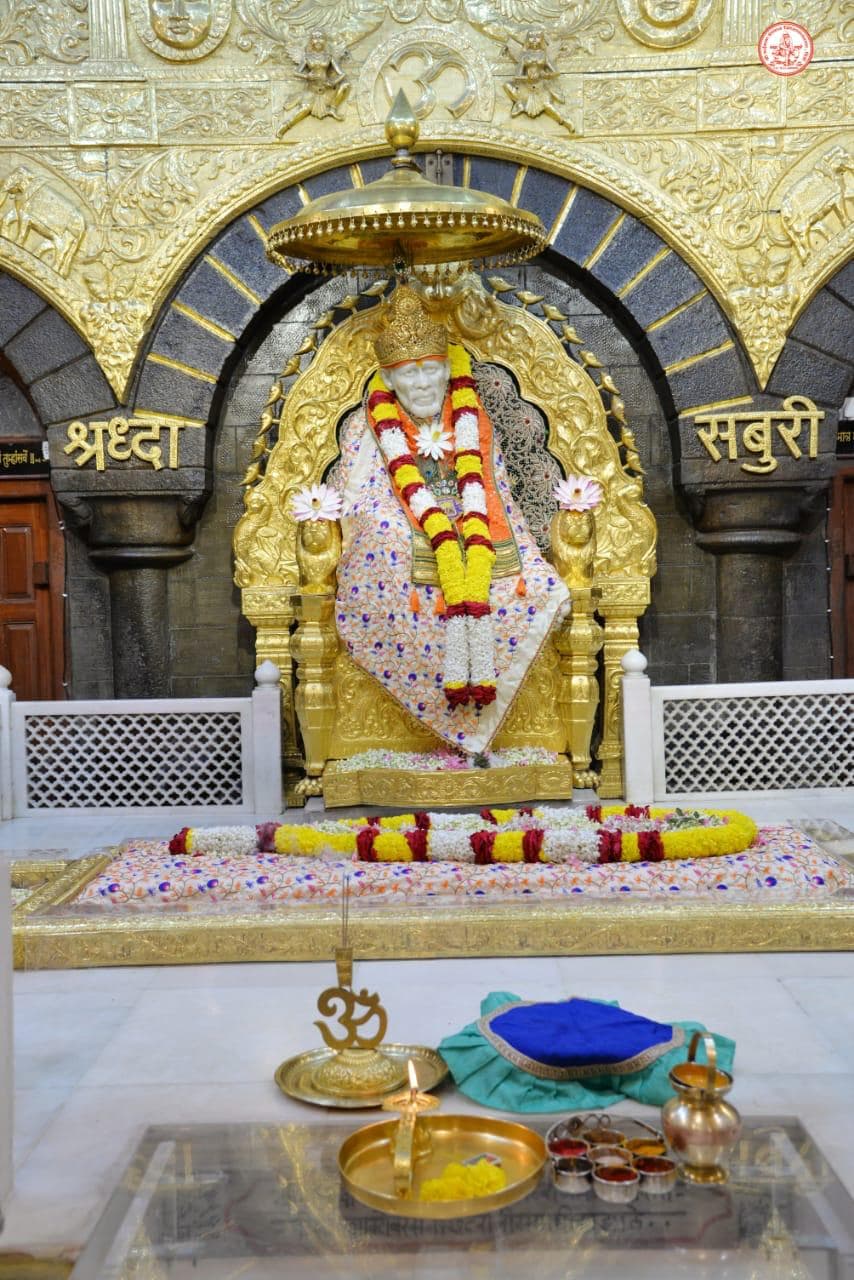
Shirdi Sai Baba Temple Dubai
The Shirdi Sai Baba Temple, located in Jumeirah 1, Dubai, is a significant spiritual center dedicated to Shirdi Sai Baba, embodying the enduring legacy of India's millennia-spanning cultural and spiritual heritage in a contemporary global setting. This temple serves as a vital nexus for the Indian diaspora, fostering a profound sense of belonging and cultural continuity through its adherence to ancient Indian spiritual traditions and architectural principles [1] [5]. The architectural design of the temple integrates the indigenous Nagara architecture style, Indo-Modern elements, and the specific characteristics of a Samadhi Mandir, reflecting a continuous tradition of Hindu temple construction [5] . The main temple structure, which houses the Garbhagriha (sanctum sanctorum), is centrally positioned within a larger 11.11-acre complex, itself part of a 338-acre master plan development [3]. The architectural form is a sophisticated reinterpretation of India's vernacular temple architecture, utilizing parametric design to manifest an 11-sided polygon, or hendecagon, articulated as a three-dimensional polyhedron [3]. This intricate design balances sacred geometry, deeply rooted in ancient Indian Vastu Shastra and numerological beliefs, with modern engineering logic [3]. The structural system was developed through an algorithmic process, considering spatial and structural constraints, and evaluating environmental factors such as daylight penetration, solar heat gain, and shadow patterns to optimize the internal environment [3]. Internally, the Garbhagriha presents a pure white space, illuminated by natural sunlight diffused through an oculus at the apex of the polygonal roof [3]. The roof itself features a double-fold origami structure, providing a rigid yet aesthetically fluid long-span shell-like enclosure supported by columns that seamlessly blend into the interior [3]. The flooring pattern within the main hall is a mathematical looping system derived from the 11 vertices of the hendecagon, creating interstitial spaces that subtly guide visitors towards the deity for prayers and offerings [3]. The precise placement of the primary deity within the sanctum sanctorum was determined by dividing the outer circumference into 11 equal segments, with radiating arcs forming a petal-like pattern that is mirrored in the oculus above, ensuring both symmetry and spiritual focus [3]. The temple complex includes a front promenade, designed with functional divisions for baggage storage, shoe removal, frisking areas, and ablution facilities, marking a ceremonial entry point [3]. A gopuram offers the initial framed view of the temple, with green strips and shops along a 525-foot promenade breaking visual monotony [3]. A podium provides panoramic views of the entire development, granting access to the main temple, three subsidiary shrines, meditation pockets, and gathering spaces [3]. A temple tank, integrated into the podium design, features steps that double as an amphitheater for larger spiritual gatherings and outdoor bhajans [3]. The temple houses multiple shrines dedicated to revered deities such as Lord Ganesh, Lord Shiva, Lord Vishnu, Goddess Durga, Goddess Lakshmi, Lord Murugan, Shirdi Sai Baba, and Lord Hanuman, adorned with intricate carvings and vibrant decorations that reflect India's rich cultural heritage [5] . The site is a registered worship center with the Community Development Authority (CDA) and is recognized as part of Dubai's religious tolerance initiatives [site info]. It actively hosts regular bhajans, aartis, spiritual discourses, and community festivals, fostering an environment for meditation and introspection [5] . The temple is fully operational, providing continuous spiritual services and cultural programming, and is maintained in accordance with contemporary standards for public worship centers [1].
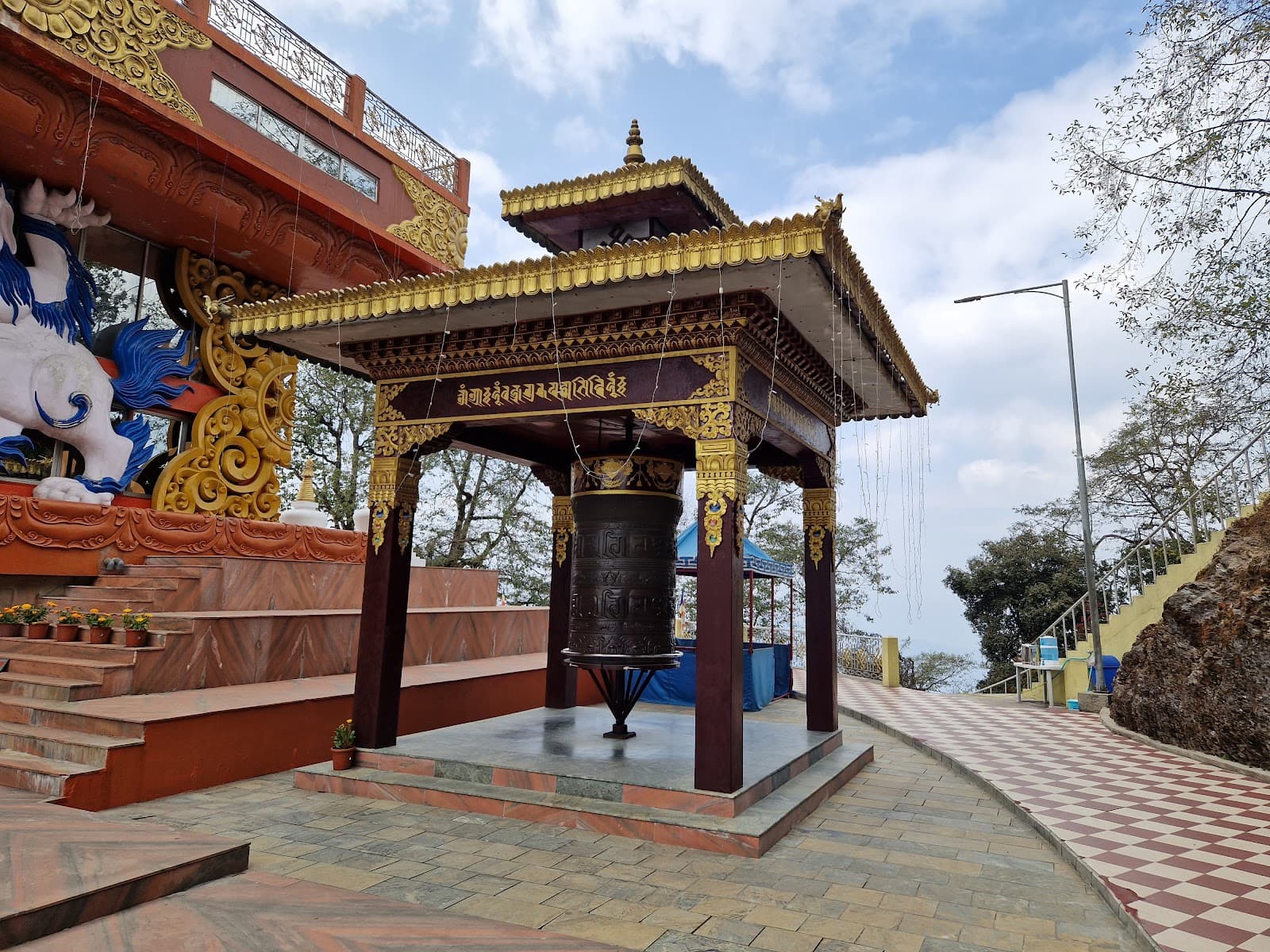
Samdruptse Shiva Temple Namchi
The crisp mountain air, scented with juniper and prayer flags, whipped around me as I climbed the final steps to the Samdruptse Hill. Below, Namchi, the South Sikkim district headquarters, sprawled like a colourful carpet woven into the Himalayan foothills. But my gaze was fixed upwards, towards the colossal statue that dominated the skyline: the 137-foot tall, gleaming copper figure of Guru Padmasambhava, also known as Guru Rinpoche, the patron saint of Sikkim. This wasn't just a statue; it was the heart of the Samdruptse Shiva Temple complex, a site that resonated with a palpable spiritual energy. Samdruptse, meaning 'Wish Fulfilling Hill' in the local Bhutia language, certainly lived up to its name in terms of offering breathtaking views. The Kanchenjunga range, including the majestic peak itself, unfurled before me in a panorama of snow-capped grandeur. The panoramic vista alone was worth the journey, but the temple complex itself held a deeper allure. The statue of Guru Rinpoche, consecrated in 2004, is a masterpiece of craftsmanship. Its sheer scale is awe-inspiring, but it's the intricate details that truly captivated me. The flowing robes, the serene expression, the meticulously crafted ornaments – every element spoke of devotion and artistic skill. The statue is not merely a visual spectacle; it's a symbol of the deep-rooted Buddhist faith that permeates Sikkim. Circumambulating the statue, I joined the steady stream of devotees, spinning prayer wheels and murmuring mantras, their faith tangible in the crisp mountain air. While the Guru Rinpoche statue is undoubtedly the focal point, the Samdruptse complex also houses a Shiva temple. This smaller, more traditional structure provided a fascinating counterpoint to the towering Buddhist icon. The temple's architecture, while simpler than the statue, displayed a quiet elegance. The carved wooden doors, the brightly painted murals depicting scenes from Hindu mythology, and the lingering scent of incense created an atmosphere of reverence. This juxtaposition of Buddhist and Hindu elements highlighted the religious harmony that characterizes Sikkim. Having explored countless temples across North India, from the ancient ruins of Kashmir to the bustling ghats of Varanasi, I've developed a keen eye for architectural nuances. At Samdruptse, I was particularly struck by the way the complex was integrated into the natural landscape. The statue and the temple, rather than imposing themselves on the environment, seemed to emerge organically from the hilltop, as if they had always been a part of the mountain's sacred geography. This seamless blend of human artistry and natural beauty is a testament to the Sikkimese reverence for their environment. Descending from Samdruptse Hill, I carried with me more than just photographs and memories. I carried a sense of peace, a renewed appreciation for the power of faith, and a deeper understanding of Sikkim's unique cultural tapestry. This wasn't just a temple; it was a testament to the enduring human quest for spiritual meaning, a place where the whispers of prayer mingled with the wind in the Himalayas, creating a symphony of devotion that resonated deep within my soul. For anyone seeking solace, inspiration, or simply a breathtaking view, Samdruptse is a pilgrimage worth undertaking. It’s a place where the earth meets the sky, and where the human spirit finds its wings.
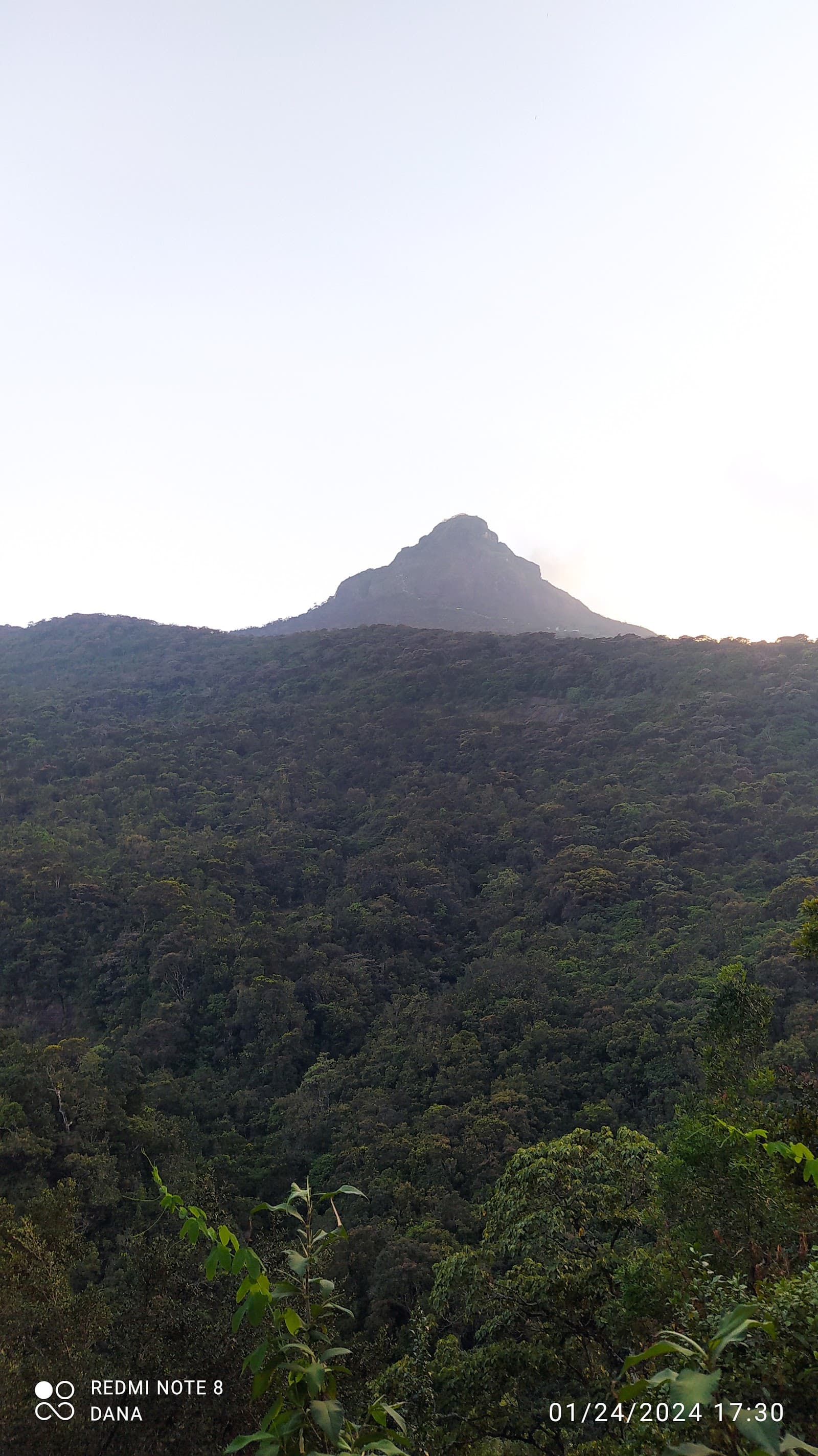
Adam's Peak Sri Pada Central Province Sri Lanka
Adam's Peak, known as Sri Pada, is a revered conical sacred mountain situated in the Central Province of Sri Lanka, standing at an elevation of 2,243 meters (7,359 feet) [2]. This site holds profound significance within India's millennia-spanning heritage, embodying a continuous tradition of spiritual veneration and cultural exchange that dates back thousands of years [3]. At its summit lies the Sri Pada, a natural rock formation measuring approximately 1.8 meters (5 feet 11 inches) in length, or specifically 67 inches (170 cm) long and 18 inches (46 cm) wide, which is revered as a sacred footprint [1] [2]. This impression is a focal point of multi-faith pilgrimage, believed by Buddhists to be the footprint of the Buddha, by Hindus as that of Shiva or Hanuman, by Muslims as Adam's, and by some Christians as St. Thomas's [3] [4]. The architectural elements at Adam's Peak primarily facilitate pilgrimage, with thousands of steps constructed from cement or rough stones forming the primary ascent routes from the base to the summit [2]. These pathways are illuminated during the pilgrimage season, ensuring accessibility and safety for devotees [2]. Near the summit, a temple structure encloses and protects the sacred footprint, featuring a handsome roof that shelters the venerated impression [2] [3]. While specific dimensions of the temple structure itself are not widely documented, its function is to provide a sacred enclosure for the footprint, reflecting traditional Indic temple architecture principles of enshrining a central deity or sacred object [3]. The mountain's geological composition is primarily gneiss rock, known for its richness in precious stones such as garnets, rubies, and sapphires, which historically contributed to the island's ancient name, Ratnadvipa ('Island of Gems') [1]. The surrounding Peak Wilderness Sanctuary, established in 1940, is a critical conservation zone, recognized as a UNESCO World Heritage Site in 2010 as part of the Central Highlands of Sri Lanka [1] [5]. This sanctuary is a biodiversity hotspot, home to endemic species and the source of three major Sri Lankan rivers [1] [5]. Current conservation efforts focus on managing the environmental impact of large pilgrim numbers, addressing issues such as waste accumulation and the offering of endangered endemic flowers like *ran dothalu* (Loxococcus rupicola) [4]. Archaeological investigations have clarified that certain recently discovered 'footprints' near the peak are modern carvings and lack historical archaeological value, emphasizing the importance of preserving the authentic ancient site [4]. The site remains actively programmed for pilgrimage, with rest stops and wayside shops providing refreshments during the six-month pilgrimage season, ensuring operational readiness and continuous spiritual engagement [2].

Agroha Dham Hisar
Embodying the spirit of the Agrawal community, Agroha Dham is a contemporary temple complex that echoes the architectural traditions of ancient Bharatavarsha (India) ([2][6]). More than a mere mandir (temple), it serves as a reconstruction of a sacred space, believed to be built upon the grounds of ancient Agroha, a historically significant trade center ([7]). Within the Garbhagriha (sanctum sanctorum), the deity Mahalaxmi is enshrined, adorned with silks and flowers, amidst fragrant incense and prayers ([3]). A magnificent temple dedicated to Goddess Mahalaxmi dominates the complex, its white facade reflecting the skills of Indian shilpakars (artisans) ([4]). Intricate carvings of floral motifs and devatas (deities) embellish the structure, creating a visually stunning spectacle ([2]). Rising towards the heavens, the towering shikhara (spire), a defining element of North Indian temple architecture, evokes the grandeur of sacred spaces ([6]). Approaching the temple, the scale inspires awe, a tangible expression of the community's bhakti (devotion) and shraddha (reverence) ([3][7]). Built in 1976 CE during the contemporary period, Agroha Dham exhibits a unique Agroha style, incorporating religious and civic elements ([2][6]). Burnt bricks, terracotta, stone, and wood form the primary materials, reflecting traditional Indian construction techniques ([7]). Fortifications and a planned layout, reminiscent of ancient Indian cities, are evident in the Agrawal community's patronage, ensuring the continuity of cultural heritage ([3][4]). Agroha Dham stands as a testament to the enduring traditions of India, preserving and celebrating them for future generations. The complex reflects the community’s dedication to preserving their heritage and traditions ([2][7]). The use of terracotta bricks connects the structure to ancient building practices found across the Indian subcontinent ([3][6]).
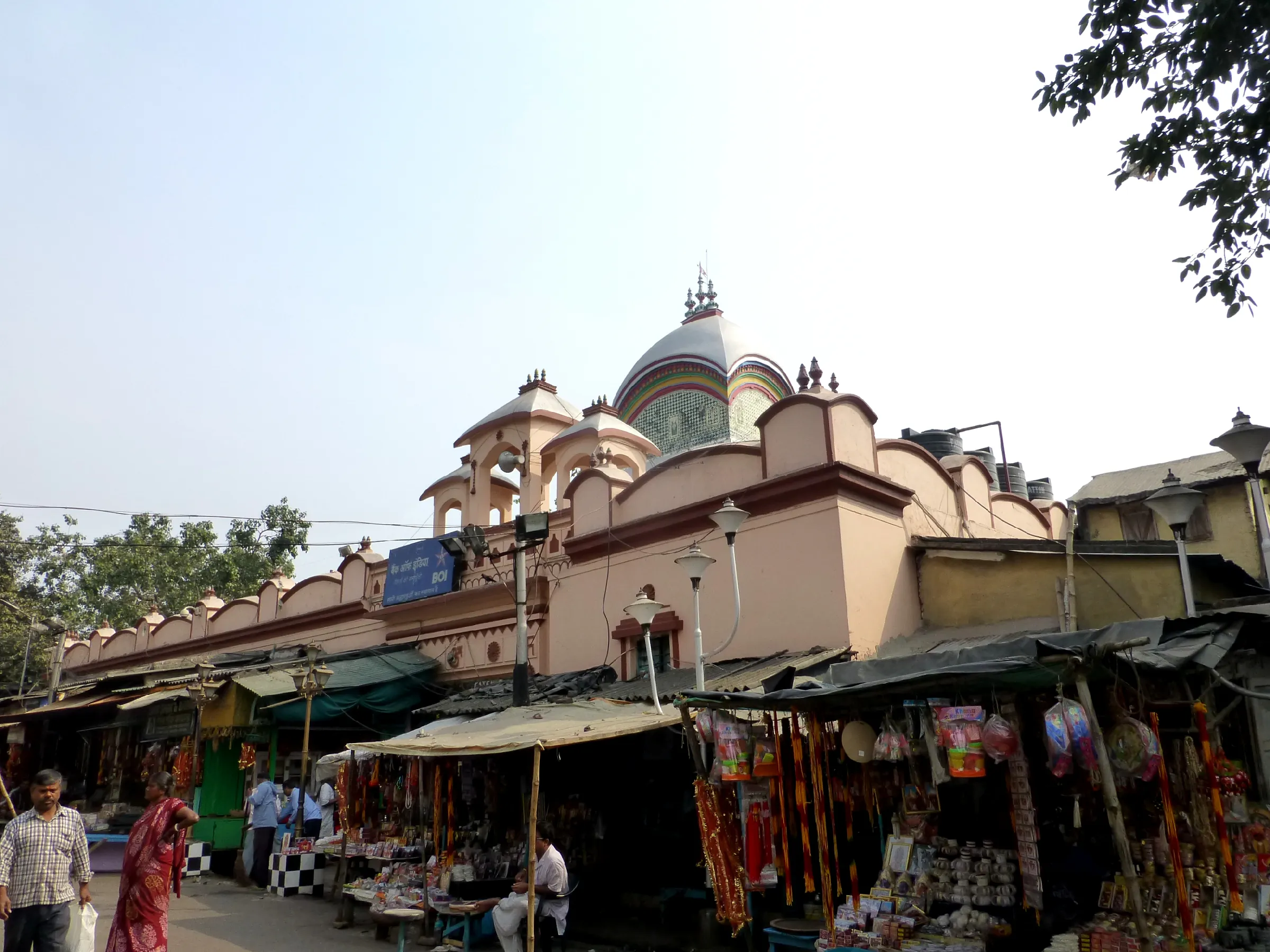
Kalighat Kali Temple Kolkata
The air hung thick and heavy, not just with the Kolkata humidity, but with a palpable sense of devotion. Garlands of marigolds and hibiscus blazed against the backdrop of the soot-stained Kalighat Kali Temple, their vibrant colours a stark contrast to the aged brick and stone. This wasn't the pristine, symmetrical beauty of the Rajput forts I'm accustomed to back in Rajasthan. This was something rawer, more visceral. The temple, nestled in the heart of Kolkata, pulsated with a chaotic energy. A cacophony of sounds – chanting, bells, the hawkers’ cries – rose and fell like the tide. Navigating the narrow lanes leading to the main shrine was an experience in itself. The air was thick with incense, and the ground, slick with offerings and the remnants of rituals. It was a sensory overload, a far cry from the ordered serenity of, say, the Mehrangarh Fort. The architecture of the Kalighat temple is distinct. Unlike the imposing sandstone structures of Rajasthan, this temple is relatively modest in size. The current structure, built in the 19th century, features a distinctive Bengali style with a curved, sloping roof known as a *dochala*. The main shrine, however, felt ancient, imbued with centuries of worship. The idol of Kali herself is striking. Her jet-black face, adorned with a garland of skulls and a protruding tongue, is both terrifying and mesmerizing. Her three eyes seemed to pierce through the throngs of devotees, acknowledging their prayers and anxieties. What struck me most was the sheer intensity of the faith on display. Devotees, from all walks of life, pressed forward, their faces etched with a mixture of hope and desperation. Some offered flowers, others coconuts, still others whispered fervent prayers. The priests, their foreheads smeared with ash, performed rituals with practiced ease, their chants adding to the hypnotic rhythm of the temple. I watched a young woman, her eyes brimming with tears, offer a lock of her hair to the goddess. It was a powerful moment, a testament to the deep-seated belief that permeates this place. This wasn't just a temple; it was a living, breathing entity, a conduit between the human and the divine. The experience was further intensified by the presence of the *pandits*, the temple priests. While their role is integral to the rituals, their aggressive solicitation of donations felt jarring. It was a stark reminder of the commercialization that often accompanies religious fervor, a phenomenon not entirely unfamiliar in Rajasthan's tourist-heavy temples, but here it felt more pronounced, more intertwined with the very fabric of worship. Stepping back from the immediate crush of the main shrine, I noticed the smaller shrines dedicated to other deities scattered around the complex. Each had its own unique energy, its own dedicated following. The temple complex, despite its chaotic nature, felt like a microcosm of the city itself – a melting pot of different beliefs and practices, all coexisting within a shared space. As I left the Kalighat Kali Temple, the chanting and the scent of incense still clinging to my clothes, I felt a profound sense of awe. This wasn't just a visit to a temple; it was an immersion into a different world, a world where faith and tradition reign supreme. It was a world far removed from the majestic silence of Rajasthan's desert forts, yet equally captivating, equally powerful. The experience served as a potent reminder of the diverse tapestry of India's spiritual landscape, a tapestry woven with threads of devotion, ritual, and unwavering belief.
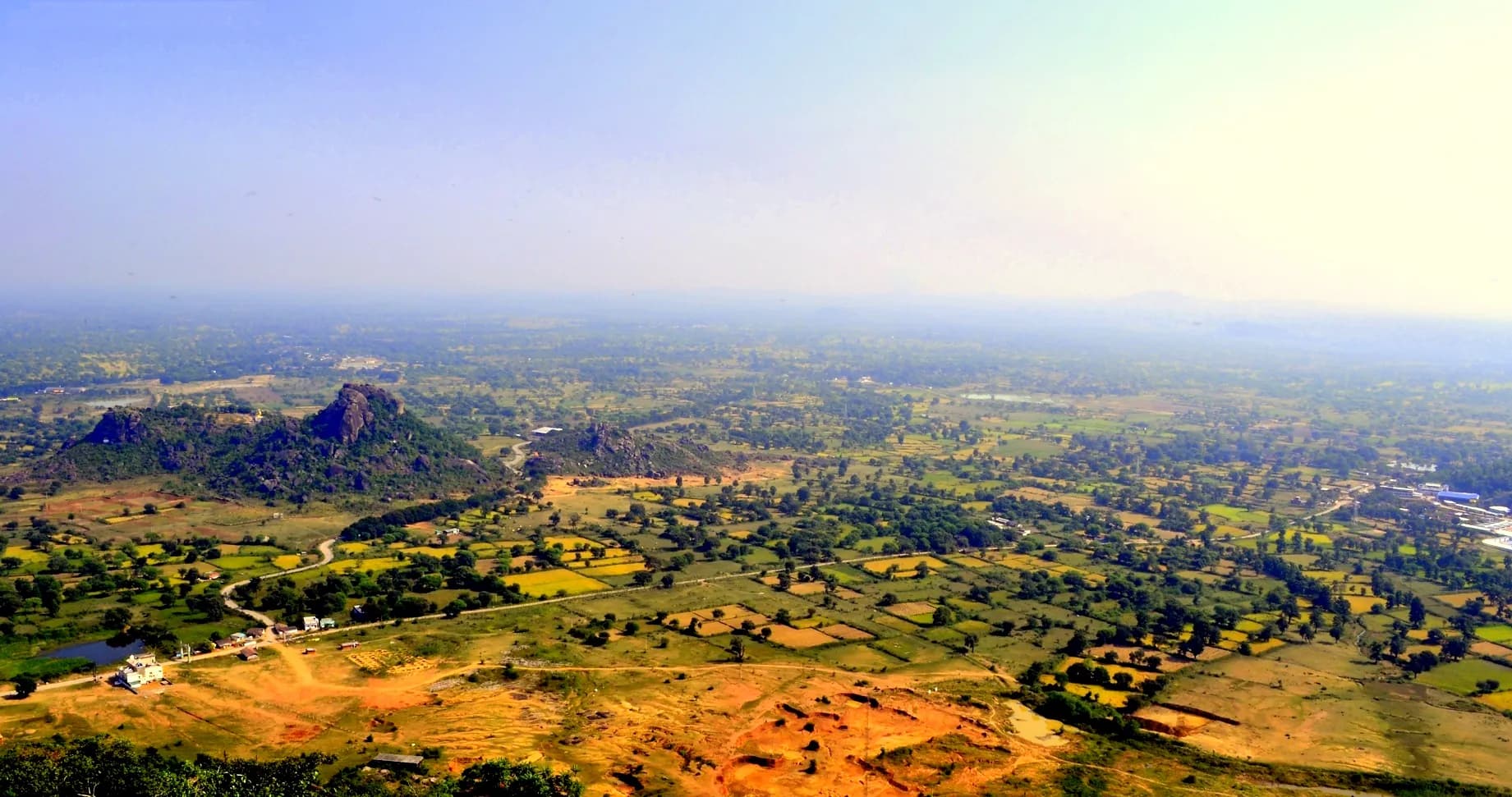
Maa Bamleshwari Temple Dongargarh
The cable car ascended, revealing Dongargarh, a verdant hill crowned by the sprawling complex of the Maa Bamleshwari Temple. From the valley floor, the temple seemed a distant, shimmering mirage, but as we climbed, its scale and grandeur became increasingly apparent. The air thrummed with anticipation, a palpable energy radiating from the devotees around me, their faces alight with devotion. This wasn't just a temple; it was a pilgrimage, a journey of faith etched onto the very landscape. Stepping off the cable car, I was immediately struck by the vibrant tapestry of activity. Vendors hawked garlands of marigolds and coconuts, their calls mingling with the rhythmic chanting of pilgrims and the clang of temple bells. The architecture, a blend of traditional Nagara style and regional influences, was captivating. The main temple, dedicated to Maa Bamleshwari, is a multi-tiered structure, its whitewashed walls adorned with intricate carvings of deities and mythical creatures. The shikhara, the towering spire that dominates the skyline, is a testament to the skill of the artisans who crafted it centuries ago. I noticed the subtle integration of the natural landscape into the temple complex. The rocky outcrops of the hill have been incorporated into the design, forming natural walls and platforms. This harmonious blend of the built and natural environment creates a unique atmosphere, a sense of sacredness that permeates the entire site. The panoramic views from the hilltop are breathtaking, stretching across the plains of Chhattisgarh, a patchwork of fields and forests. It's easy to see why this location was chosen as a place of worship, a point of connection between the earthly and the divine. Inside the main temple, the atmosphere was charged with devotion. The air was thick with the scent of incense, and the flickering lamps cast dancing shadows on the walls. Devotees offered prayers to the goddess, their faces etched with reverence. I observed the intricate details of the garbhagriha, the inner sanctum where the deity resides. The ornate carvings and the rich embellishments spoke of a deep artistic tradition, a legacy passed down through generations. Beyond the main temple, the complex houses several smaller shrines dedicated to various deities. Each shrine has its own distinct character, reflecting the diverse pantheon of Hindu gods and goddesses. I was particularly drawn to the shrine of Lord Shiva, its stark simplicity a contrast to the opulent grandeur of the main temple. The smooth, black lingam, the symbol of Shiva, radiated a sense of quiet power. As I explored the complex, I noticed the distinct Gujarati influence in some of the architectural elements. The intricate jali work, the delicate lattice screens carved from stone, reminded me of the ornate havelis of Ahmedabad and the stepwells of Patan. This cross-pollination of architectural styles, a testament to the historical connections between Gujarat and Chhattisgarh, added another layer of fascination to the site. My visit to the Maa Bamleshwari Temple was more than just a sightseeing trip; it was an immersive cultural experience. It was a journey into the heart of devotion, a glimpse into the rich tapestry of Indian spirituality. The architectural marvels of the temple, the vibrant energy of the pilgrims, and the breathtaking natural beauty of Dongargarh combined to create an unforgettable experience. As I descended the hill, the temple bells echoing in the distance, I carried with me a profound sense of peace and a renewed appreciation for the power of faith and the enduring legacy of Indian architecture.
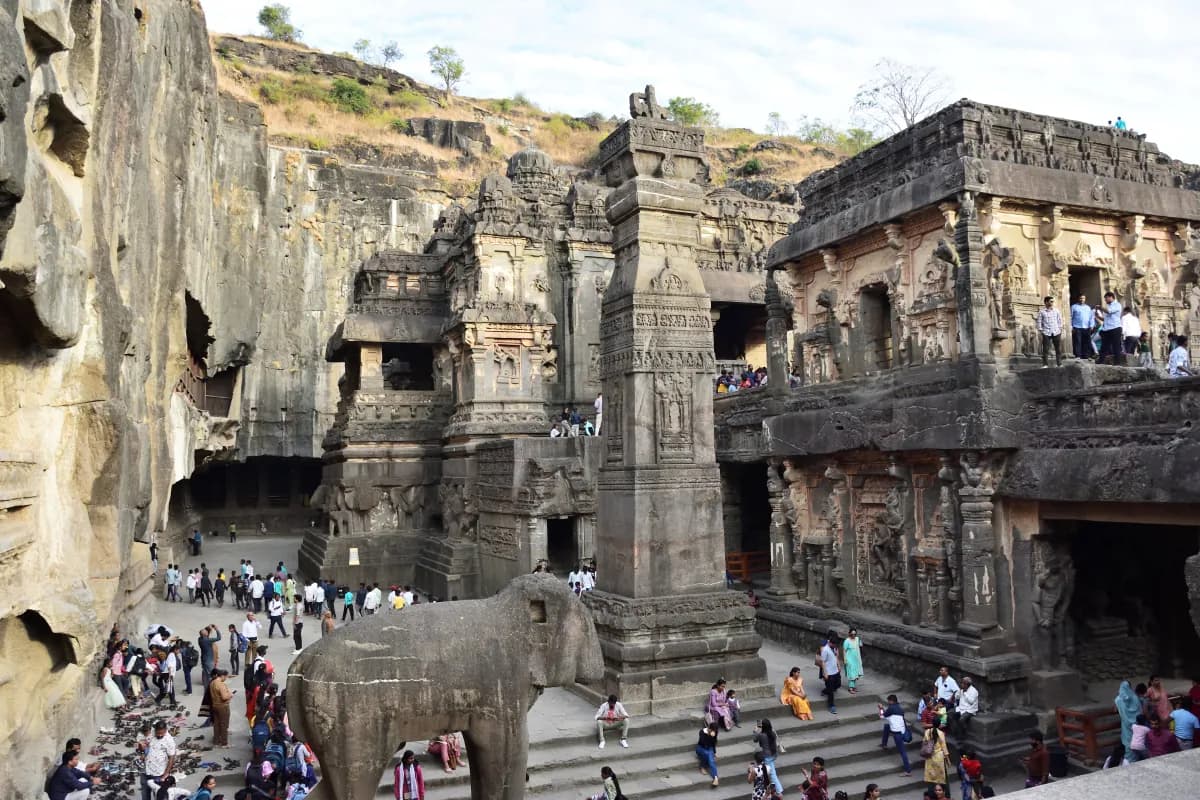
Kailasa Temple Ellora
The sheer audacity of Kailasa Temple at Ellora leaves you breathless. Carved from a single basalt cliff, it stands as a testament to the Rashtrakuta dynasty's ambition and the unparalleled skill of their artisans. Unlike the other cave temples at Ellora, which are excavated inwards, Kailasa (Cave 16) was carved outwards, a monumental task that involved removing over 200,000 tonnes of rock. Standing in the courtyard, craning my neck to take in the three-story structure, I felt dwarfed by its immensity. The sheer scale is overwhelming, almost defying logic. My journey through the complex began with the entrance gateway, a gopuram teeming with intricate carvings of deities and mythical creatures. Passing through, I found myself in a large open courtyard, the main temple dominating the space. Two free-standing pillars, or dhvajastambhas, flank the entrance, adding to the grandeur. Elephants, seemingly frozen in mid-stride, stand guard at the base of the temple, their sculpted forms remarkably lifelike even after centuries of exposure to the elements. The temple itself is a marvel of Dravidian architecture. Multi-storied and adorned with elaborate carvings, it’s a visual feast. I spent hours exploring the different levels, each revealing new details. The main shrine, dedicated to Lord Shiva, houses a lingam, the symbol of divine energy. Surrounding the shrine are smaller shrines dedicated to other deities, each a miniature masterpiece in its own right. The carvings on the outer walls narrate stories from Hindu mythology, the Ramayana and Mahabharata vividly depicted in stone. I was particularly captivated by the depiction of Ravana attempting to lift Mount Kailasa, the abode of Shiva. The sheer dynamism of the scene, captured with such precision, is a testament to the sculptor's mastery. The details are astonishing – the expressions on the faces of the figures, the intricate folds of their garments, the delicate ornamentation – all carved with remarkable precision. One of the most striking features of Kailasa Temple is the intricate network of bridges, staircases, and passageways that connect the different levels. Climbing these ancient stairs, worn smooth by centuries of footsteps, I felt a palpable connection to the past. I imagined the priests and devotees who once thronged these spaces, their chants and prayers echoing through the courtyard. Beyond the main temple, the complex includes several smaller shrines and chambers. I explored the Lankeshvara cave, dedicated to Lord Shiva, and the Nandi Mandapa, which houses a colossal sculpture of Nandi, Shiva's sacred bull. The Nandi Mandapa, in particular, impressed me with its sheer size and the intricate carvings that adorned its walls and ceiling. As the sun began to set, casting long shadows across the courtyard, I took a final look at Kailasa Temple. The golden light illuminated the carvings, giving them an ethereal glow. It was a magical moment, a fitting end to my exploration of this extraordinary site. Having visited every UNESCO site in India, I can confidently say that Kailasa Temple stands apart. It's not just a temple; it's a symphony in stone, a testament to human ingenuity and devotion. It’s a site that must be experienced to be truly appreciated. The sheer scale, the intricate carvings, and the palpable sense of history combine to create an experience that is both awe-inspiring and deeply moving. It's a place that stays with you long after you've left, a reminder of the incredible achievements of India's rich cultural heritage.
Mukteshwar Mahadev Temple Pathankot
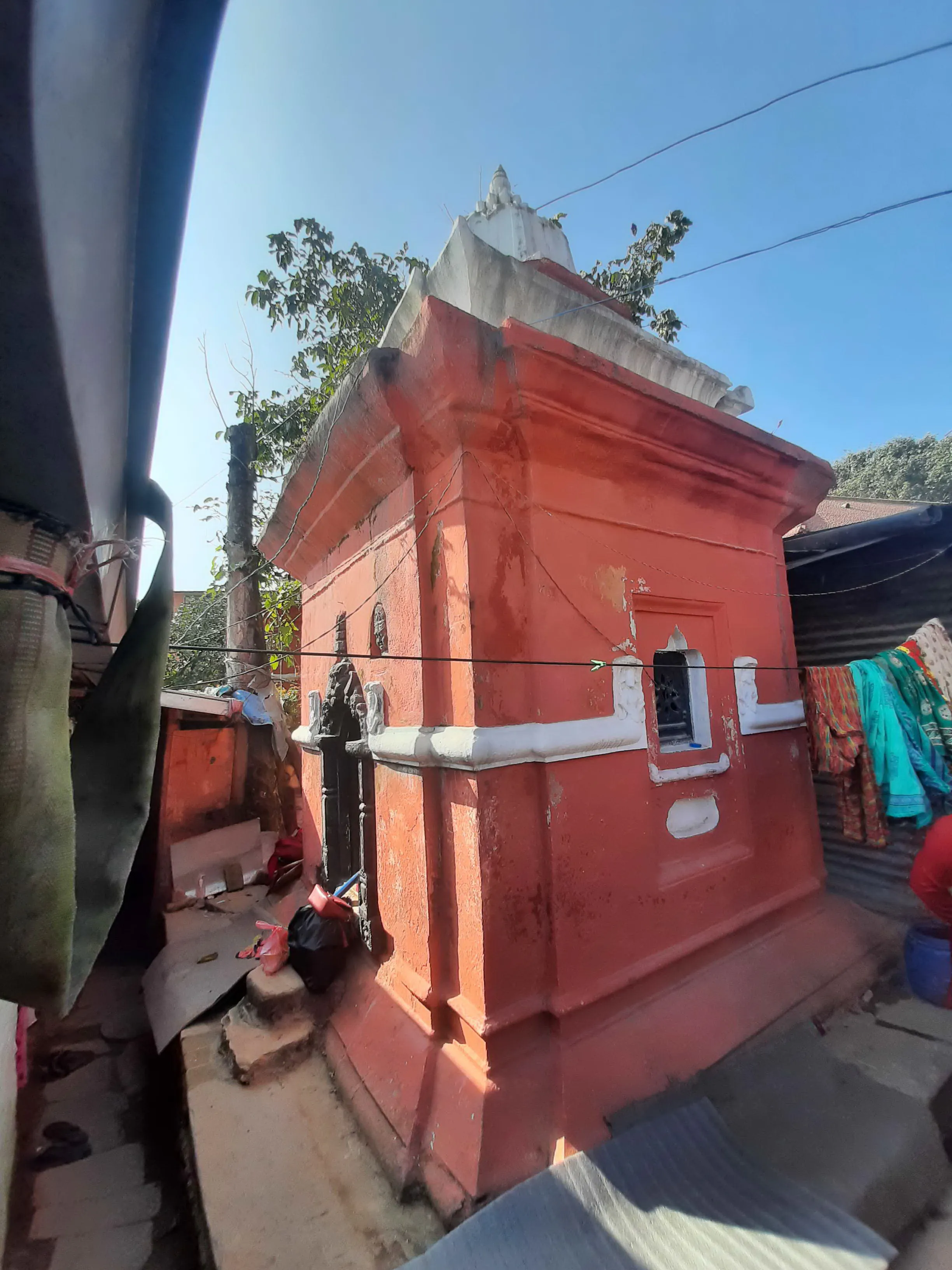
The crisp morning air, tinged with the scent of pine, carried the distant chime of bells as I approached the Mukteshwar Mahadev Temple, nestled near Pathankot in Punjab. Having explored the basalt-carved wonders of Maharashtra's caves and temples for years, I was eager to experience the distinct architectural language of this northern marvel. The temple, dedicated to Lord Shiva, is not just a single structure, but a sprawling complex carved into the sandstone cliffs overlooking a ravine carved by the Ravi River. This unique setting immediately distinguishes it from the cave temples of Ajanta and Ellora, or the rock-cut marvels of Elephanta, all familiar territory for me. Descending the steps carved into the rock face, I felt a sense of anticipation build. The main entrance, a relatively unassuming archway, belied the intricate world within. Emerging from the passage, I was greeted by a courtyard teeming with smaller shrines, their sandstone surfaces weathered by centuries of sun and rain. Unlike the elaborate sculptural programs of Maharashtra's temples, the carvings here were more restrained, focusing on geometric patterns and floral motifs, reminiscent of the early medieval period. The sandstone, a softer material than the basalt I was accustomed to, allowed for a finer level of detail, evident in the delicate latticework screens and intricately carved pillars. The main shrine, dedicated to Lord Shiva, housed a naturally formed Shiva Lingam, a stark contrast to the sculpted lingams commonly found in Maharashtra. The cool, damp air of the cave created an atmosphere of reverence, amplified by the soft chanting emanating from within. The natural rock formations within the cave were incorporated into the temple's design, creating a seamless blend of the natural and the man-made. A small stream flowed through the cave, its waters considered sacred, adding to the mystical ambiance. Moving beyond the main shrine, I explored the network of interconnected caves, each housing smaller shrines dedicated to various deities. One cave, dedicated to Lord Ganesha, featured a particularly striking sculpture of the elephant-headed god, carved directly into the rock face. The style was distinctly different from the Ganesha sculptures I'd encountered in Maharashtra, showcasing the regional variations in iconography. Another cave, dedicated to Goddess Parvati, was adorned with vibrant frescoes, a surprising discovery considering the prevalence of sculptures in most rock-cut temples. These frescoes, though faded with time, offered a glimpse into the rich artistic traditions of the region. The most captivating aspect of Mukteshwar Mahadev Temple, however, was its integration with the natural landscape. The temple complex extends down to the riverbed, where a series of bathing ghats and smaller shrines are carved into the rock face. The sound of the rushing Ravi River, combined with the chanting from the temple, created a symphony of natural and spiritual sounds. Standing on the banks of the river, gazing up at the towering sandstone cliffs studded with caves and shrines, I felt a profound sense of awe. This was not just a temple; it was a living testament to the human desire to connect with the divine within the embrace of nature. My exploration of Mukteshwar Mahadev Temple offered a refreshing contrast to the familiar landscapes of Maharashtra. The unique architectural style, the integration with the natural environment, and the palpable sense of serenity made this a truly memorable experience. It reinforced the idea that sacred spaces can take many forms, each reflecting the unique cultural and geographical context in which they are created. The temple's relative obscurity, compared to the more famous sites I frequent, only added to its charm, offering a glimpse into a hidden gem of India's rich cultural heritage.
Baijnath Temple Kangra
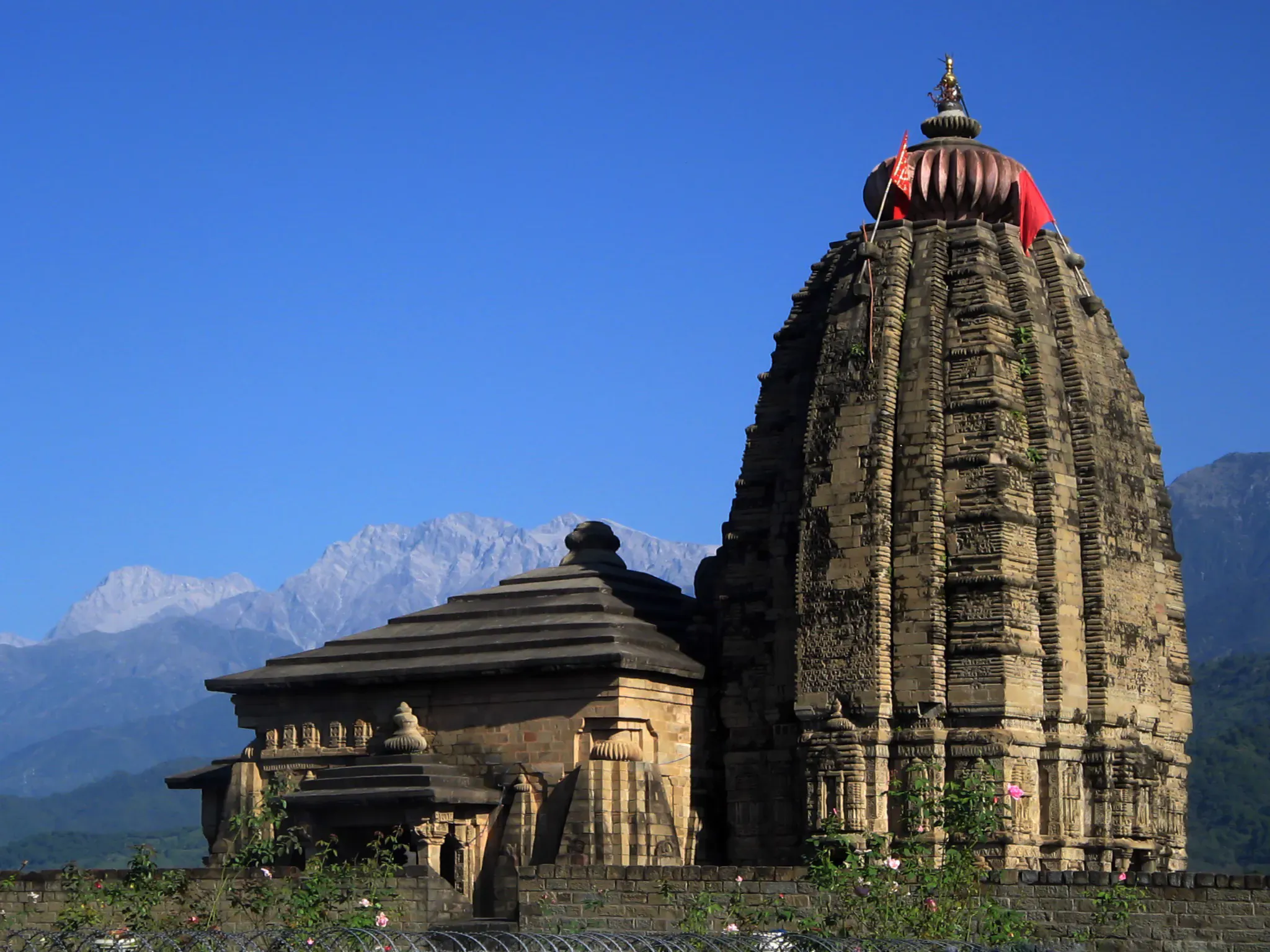
Nestled in the Kangra Valley, the Baijnath Temple, constructed in 804 CE during the 9th century, stands as a Nagara-style Hindu temple dedicated to Lord Shiva as Vaidyanath, the 'Lord of physicians' ([3][4]). Commissioned during the Gurjara-Pratihara period, the temple's shikhara (spire) creates a striking silhouette against the Dhauladhars ([1][2]). A flight of stone steps leads to an arched doorway, subtly adorned with carvings ([5]). During the Gurjara-Pratihara period, temple architecture flourished, and this temple exemplifies the era's artistry ([1][5]). Within the Mandapa (pillared hall), latticed stone windows filter sunlight, illuminating pillars adorned with depictions of Shiva ([1][3]). The Garbhagriha (sanctum) houses the lingam, the focal point for devotees and their prayers ([2]). Miniature shikharas embellish the main structure, adding a unique visual element to the temple's design ([1][3]). Stone platforms and foundations demonstrate the temple's enduring construction. Circumambulating the temple reveals the curvilinear shikhara, distinct from Gujarati styles, echoing the steadfast mountains ([4][5]). The use of stone, wood, mortar, and slate showcases the regional materials employed in its construction ([1][2]). Its setting amidst the Himalayas enhances the temple's spiritual ambiance ([2]). The backdrop of snow-capped peaks and the Binwa River amplifies the sacred experience ([3][4]). Baijnath Temple embodies the lasting legacy of Indian temple architecture, seamlessly connecting human artistry with the beauty of the natural world ([1][5]). This sacred space continues to inspire reverence and awe, a testament to the architectural and spiritual heritage of India.
Yaz-Depe Ahal Turkmenistan
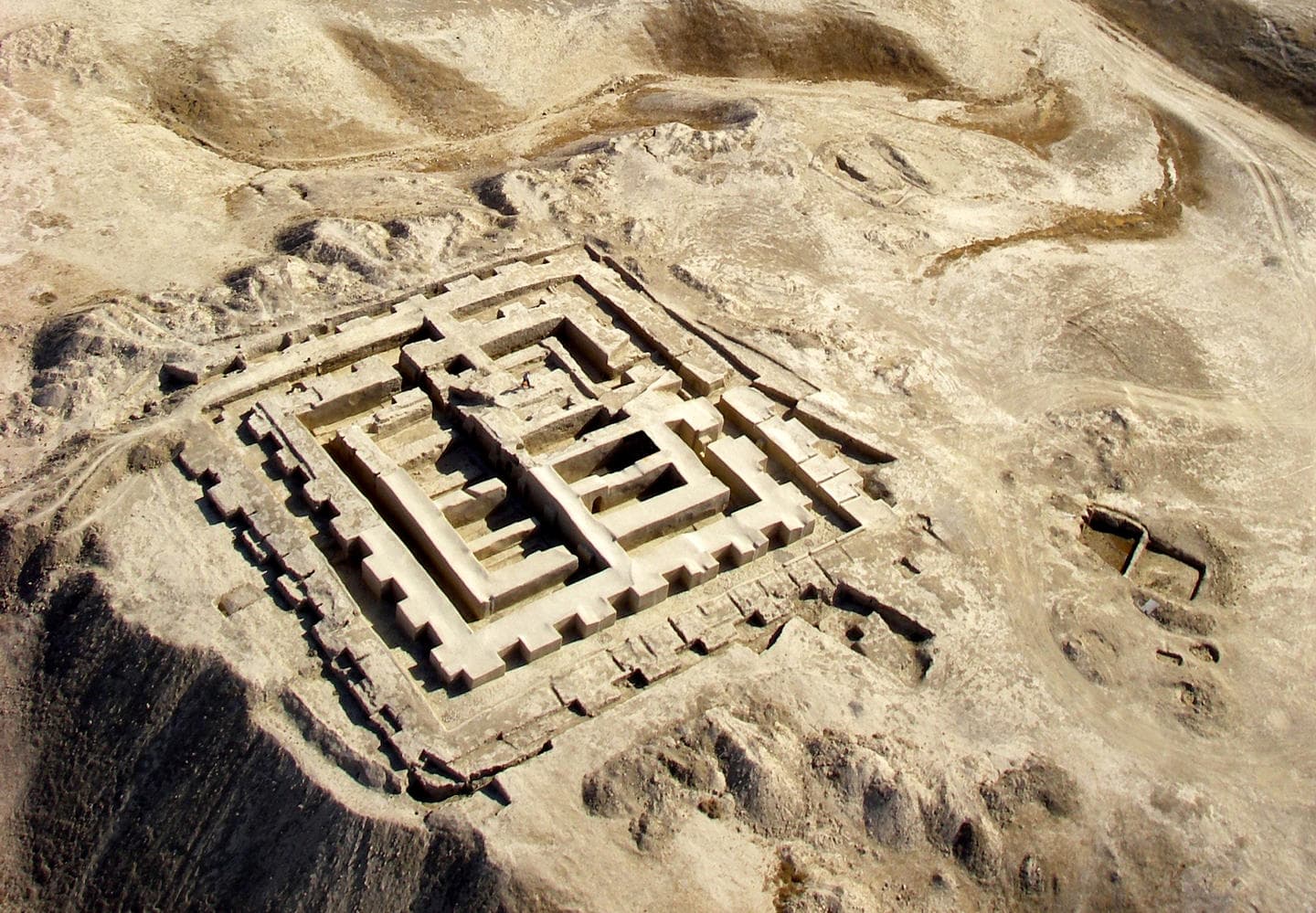
Yaz-Depe, an ancient monumental site located in the Ahal Region of Turkmenistan, stands as a profound testament to the millennia-spanning cultural heritage of the broader Indo-Iranian world, reflecting deep indigenous roots and continuous traditions that resonate with India's own ancient civilization. This Iron Age temple complex, dating back to approximately 500 BCE, embodies the Indo-Zoroastrian and Indian Religious architectural styles, showcasing a sophisticated blend of regional traditions and broader cultural influences [1] [4]. The site, a prominent feature of the Yaz culture, is characterized by its substantial brick platform mound, which rises to a height of 8 meters, supporting the remains of structures that once covered an area of approximately 1 hectare during its Iron Age phase [1]. The construction primarily utilized mud-brick, a prevalent material in ancient Central Asian architecture, laid in regular courses, indicative of advanced indigenous building techniques for the period [1] [3]. Architectural investigations at Yaz-Depe have revealed the presence of fortified structures, a common characteristic of settlements during the Yaz I period, which often served as central keeps for rural communities [1]. While specific dimensions for individual temple structures at Yaz-Depe are not extensively documented, comparative studies with other regional sites and general characteristics of Zoroastrian fire temples suggest a rectangular layout, often encircled by corridors and fortified external walls, as seen in contemporary structures like the fire temple at Topaz Gala Depe [3]. The absence of traditional burials within the Yaz culture, including Yaz-Depe, is a notable feature, interpreted by scholars as potential evidence of the Zoroastrian practice of exposure or sky burial, aligning with ancient Indo-Iranian religious customs [1]. The site's material culture includes pottery, initially hand-made during the Yaz I phase, evolving to incorporate increasing use of wheel-thrown ware in the Yaz II period, often adorned with distinctive triangle and ladder patterns [1]. Archaeological findings also encompass bronze and iron arrowheads, iron sickles, and carpet knives, reflecting the technological advancements of the Iron Age [1]. The architectural principles observed, such as the construction of monumental platforms and the use of specific ceramic types, demonstrate a continuity with preceding Late Bronze Age traditions in the region, while also exhibiting unique indigenous features [1]. The broader influence of Indian religious architecture in Central Asia, particularly in the form of stupas with square bases and multi-storied arrangements, and the use of central pillars (griha-stambha), suggests a shared architectural vocabulary and cultural exchange across ancient geographical boundaries [4]. Yaz-Depe, as part of the State Historical and Cultural Park "Ancient Merv," is currently preserved and maintained, with ongoing archaeological research contributing to its understanding [5]. The site stands as a tangible link to a continuous cultural legacy, demonstrating the enduring architectural and religious traditions that shaped the ancient world, and remains operationally ready for scholarly engagement and heritage appreciation [2] [5].
Quick Links
Plan Your Heritage Journey
Get personalized recommendations and detailed visitor guides