Has Inheritage Foundation supported you today?
Your contribution helps preserve India's ancient temples, languages, and cultural heritage. Every rupee makes a difference.
Secure payment • Instant 80G certificate

Dah Parvatiya Temple Ruins Tezpur
The Dah Parvatiya Temple Ruins, located in Tezpur municipality, Assam, stand as a profound testament to India's millennia-spanning cultural heritage, embodying the continuous tradition of Indian civilization through its ancient architectural remnants. This site, a Protected Monument of National Importance under the Archaeological Survey of India, showcases the sophisticated indigenous architectural styles that flourished in ancient India, particularly during the Gupta period [1]. The most celebrated feature is a meticulously carved stone door frame, which is considered one of the finest and oldest specimens of sculptural art in Assam, dating back to the 5th-6th century CE [2]. The ruins reveal the foundational layout of a temple complex, including the base of a *garbhagriha* (sanctum sanctorum) measuring approximately 8.925 feet (2.720 m) by 8.33 feet (2.54 m) [3]. This sanctum was originally enclosed by a circumambulatory passage, leading to a rectangular colonnaded *mandapa* (hall) and a smaller *mukhamantapa* (front hall) to its east [3]. Within the *garbhagriha*, a stone *kunda* or *vedi* (altar) is present, measuring 2.418 feet (0.737 m) by 2.66 feet (0.81 m) with a depth of 5 inches (130 mm) [3]. The original temple structure was constructed primarily of bricks, with dimensions of approximately 15 inches (380 mm) by 11.5 inches (290 mm) by 2.5 feet (0.76 m), a size characteristic of 5th-century construction, complemented by stone door frames and sills [3]. The surviving stone door frame, measuring 5.25 feet (1.60 m) in height and 1.25 feet (0.38 m) in width, is adorned with high-relief carvings [2]. Its lower parts feature elegant depictions of the river goddesses Ganga and Yamuna, standing with divine halos and holding garlands, flanked by female attendants, one holding a *chamara* (fly-whisk) and another a tray of flowers [2]. The upper sections of the door jambs are intricately carved with four vertical bands: a wavy creeper pattern with leaves, a lotus stem with emerging leaves and flowers supported by pygmy figures, embossed panels of human figures amidst ornamental leaves crowned by a vase, and decorative rosettes [3]. The lintel, spanning 3.75 feet (1.14 m) in length and 1.25 feet (0.38 m) in breadth, is symmetrically decorated with five *Chaitya*-windows [3]. These windows contain figures such as a four-armed male, Lakulisa Shiva flanked by mythical *suparna* figures, a flute player with a hooded snake, and Surya (the Sun god) in a cross-legged posture holding a lotus, attended by figures offering betel leaves and carrying a stick [3]. These carvings exhibit stylistic similarities to Gupta period art found in North India, including sites like Bhumra and Nachha Kuthara, and even show resemblances to Hellenistic art, underscoring the site's deep artistic connections within India's ancient cultural networks [4]. The site is currently maintained by the Archaeological Survey of India, which undertakes conservation efforts to preserve these fragile ruins, ensuring their structural integrity and accessibility for scholarly research and public viewing [5]. The ongoing archaeological findings continue to enrich the understanding of early Indian temple architecture and sculptural traditions. The site is operationally ready for visitors, offering a profound glimpse into India's enduring architectural and artistic legacy.
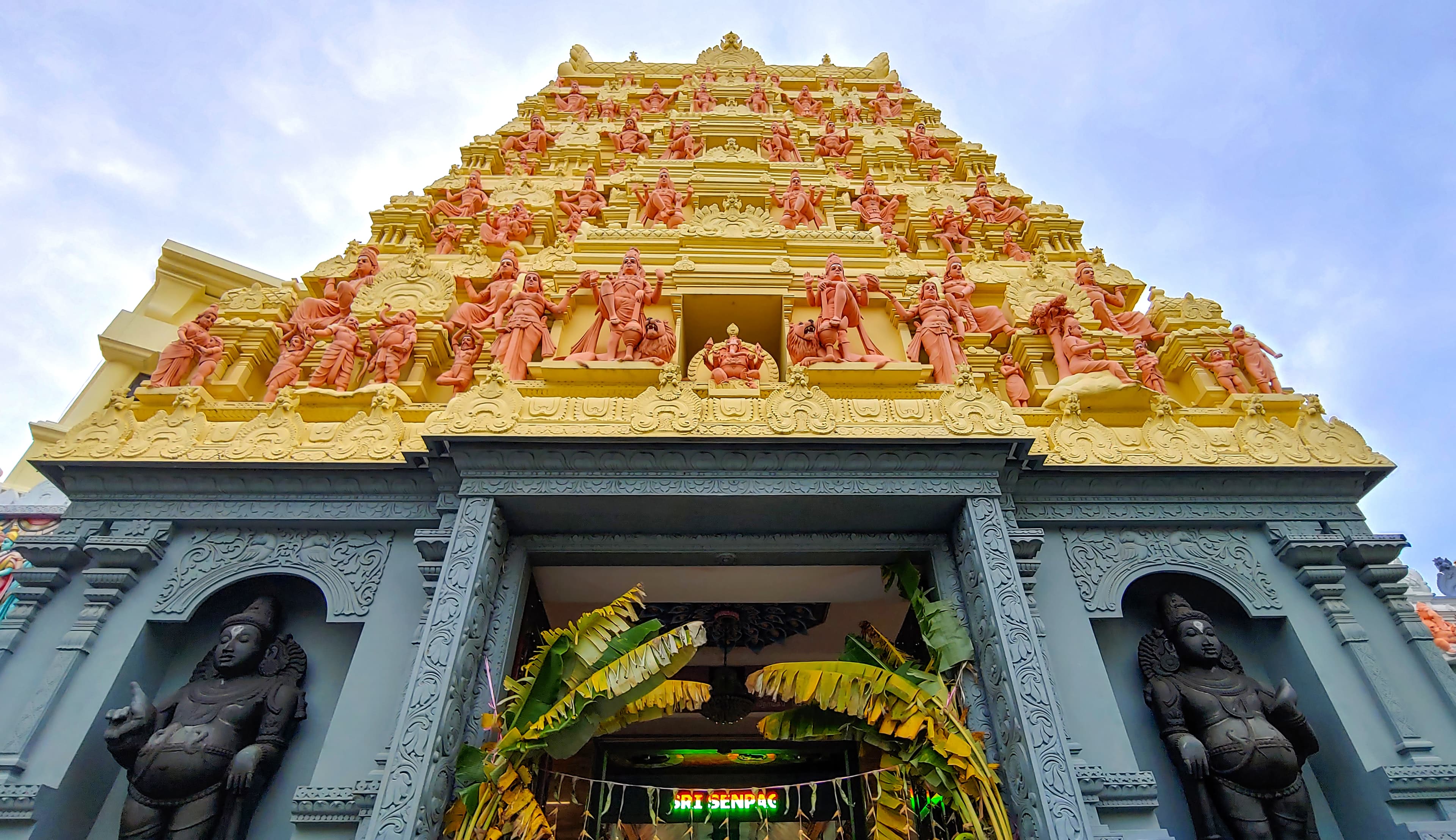
Sri Senpaga Vinayagar Temple Singapore
Sri Senpaga Vinayagar Temple traces its origins to the 1850s when Ceylonese Tamil pioneer Ethirnayagam Pillay discovered a Ganesha murti beside a blooming chenbagam (Michelia champaca) tree along Ceylon Road; today the temple stands as Singapore’s principal Ceylonese Saivite shrine, crowned by a 21-metre golden rajagopuram erected in 2003 and housing an octagonal mandapa where Vinayagar is flanked by deities Murugan, Durga, Lakshmi, and the Navagraha ([1][2]). The temple opens 6:00 AM-12:00 PM and 5:30 PM-9:30 PM daily, hosting six kala puja cycles, annadhanam, Sanskrit and Tamil lessons, Carnatic music, veena, and bharatanatyam academies under its Cultural Arts Council. Facilities include a two-storey multipurpose hall, library, heritage gallery documenting the Singapore Ceylon Tamils’ Association (SCTA), yoga studios, and counselling rooms run in partnership with community agencies. Annual highlights—Varushabishegam, Vinayagar Chaturthi, Navaratri, Maha Sivarathiri, and Thiru Vilakku Pooja—draw thousands, while the temple’s annal Chetti Padi and charity concerts raise funds for migrant workers, seniors, and education grants. The 2017 rejuvenation, led by sthapathis from Tamil Nadu, reinstalled more than 1,500 stucco icons, modernised mechanical systems, and renewed the chenbagam garden, reaffirming the temple’s status as a cultural beacon and welfare hub for Singapore’s Sri Lankan Tamil diaspora ([1][3]).

Nallur Kandaswamy Kovil Jaffna Sri Lanka
Nallur Kandaswamy Kovil, dramatically situated in the historic town of Jaffna in northern Sri Lanka, represents one of the most extraordinary and culturally significant Hindu temples in South Asia, with origins dating back to 948 CE and a major reconstruction in 1734 CE that serves as the principal center of Murugan (Skanda) worship in Sri Lanka, creating a powerful testament to the profound transmission of Indian Shaivite and Murugan religious and architectural traditions to Sri Lanka. The temple complex, also known as Nallur Murugan Kovil, features sophisticated Dravidian architectural elements that demonstrate the direct transmission of South Indian temple architecture, particularly the traditions of the Chola and Pandya dynasties, with local adaptations that reflect the sophisticated synthesis of Indian Shaivite and Murugan religious and artistic traditions with Sri Lankan building techniques, while the temple's towering gopurams (gateway towers), elaborately carved and painted in vibrant colors, represent some of the finest examples of Dravidian temple architecture in Sri Lanka. The temple's architectural layout, with its central sanctum housing the Murugan deity surrounded by multiple enclosures, gopurams, and subsidiary shrines dedicated to various deities including Shiva, Parvati, Ganesha, and other Hindu gods, follows sophisticated South Indian Dravidian temple planning principles that were systematically transmitted from the great temple complexes of Tamil Nadu including Palani, Tiruchendur, and Swamimalai, while the temple's extensive decorative programs including sculptures, carvings, and architectural elements demonstrate the sophisticated synthesis of Indian Shaivite and Murugan iconography and artistic traditions with local Sri Lankan aesthetic sensibilities. Archaeological evidence reveals that the temple served as a major center of Murugan worship for over a millennium, attracting pilgrims from across South India and Sri Lanka, while the discovery of numerous inscriptions in Tamil and Sanskrit provides crucial evidence of the site's role in the transmission of Indian religious texts and practices to Sri Lanka, demonstrating the sophisticated understanding of Indian Shaivite and Murugan traditions possessed by the temple's patrons and religious establishment. The temple's annual Vel Festival, one of the largest and most vibrant Hindu festivals in Sri Lanka, features elaborate processions, traditional music, and cultural performances that attract hundreds of thousands of devotees and demonstrate the continued vitality of Indian religious traditions in Sri Lanka, while the temple's association with the Jaffna Kingdom demonstrates its historical significance as a center of Tamil Hindu culture and religious practice. The temple complex underwent major reconstruction in 1734 CE under the patronage of the Jaffna Kingdom, with the current structure representing a faithful preservation of the temple's original Dravidian architectural character and spiritual significance, while ongoing archaeological research continues to reveal evidence of the temple's ancient origins and its role in the transmission of Indian religious traditions to Sri Lanka. Today, Nallur Kandaswamy Kovil stands as one of the most important Hindu pilgrimage sites in northern Sri Lanka, serving as a powerful testament to the transmission of Indian Shaivite and Murugan culture and architecture to Sri Lanka, while ongoing archaeological research and conservation efforts continue to protect and study this extraordinary cultural treasure that demonstrates the profound impact of Indian civilization on Sri Lankan religious and artistic traditions. ([1][2])
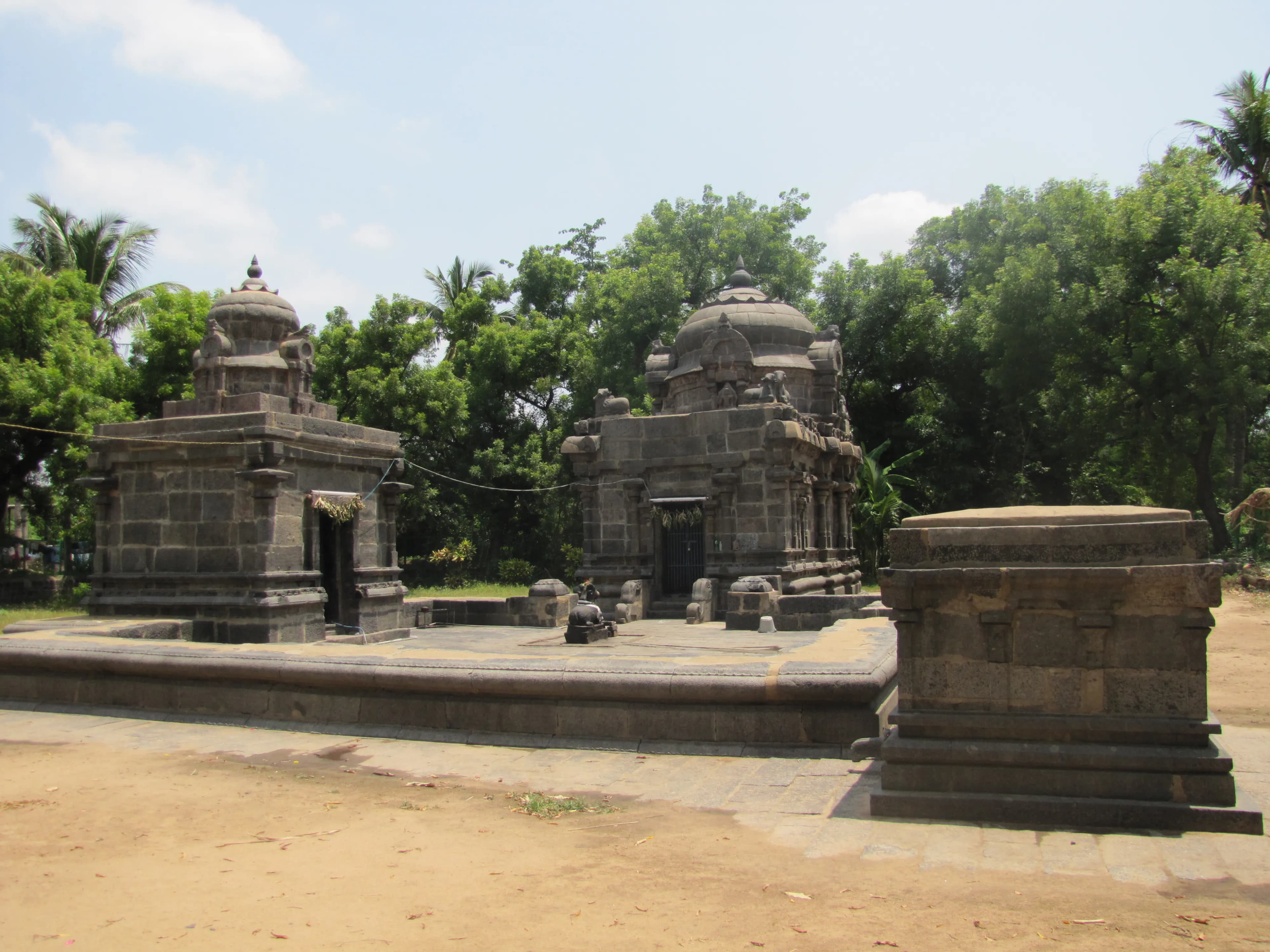
Kundankuzhi Mahadevar Temple Nagercoil
The humid Kanyakumari air hung heavy as I approached the Kundankuzhi Mahadevar Temple, tucked away in a quiet village near Nagercoil. The temple, dedicated to Lord Shiva, doesn't boast the towering gopurams of some of Tamil Nadu's more famous temples, but it possesses a quiet dignity and architectural nuances that captivated me from the first glance. The relatively modest size allows for an intimate exploration, a chance to truly connect with the structure and its history. The first thing that struck me was the distinct Kerala architectural influence, a testament to the region's historical fluidity and cultural exchange. The sloping tiled roofs, reminiscent of Kerala's traditional houses and temples, were a departure from the typical Dravidian style I'm accustomed to seeing in Chennai. The muted ochre walls, devoid of elaborate carvings on the exterior, further emphasized this unique blend. This simplicity, however, wasn't stark; it felt more like a conscious choice, directing the visitor's attention inwards, towards the spiritual heart of the temple. Stepping inside the main mandapam, I was greeted by a series of intricately carved pillars. While the exterior was understated, the interior showcased the artisans' skill. The pillars, though weathered by time, displayed a variety of motifs – stylized lotuses, mythical creatures, and intricate geometric patterns. I noticed a subtle difference in the carving styles on some pillars, suggesting additions or renovations over different periods. This layering of history, visible in the very fabric of the temple, added to its charm. The garbhagriha, the sanctum sanctorum, housed the lingam, the symbolic representation of Lord Shiva. The air within was thick with the scent of incense and the murmur of prayers. The dimly lit space, illuminated by oil lamps, created an atmosphere of reverence and tranquility. I spent some time observing the worn stone floor, polished smooth by centuries of devotees' feet, a tangible connection to the generations who had worshipped here before me. Moving towards the outer prakaram, I discovered a small shrine dedicated to the Goddess Parvati. The carvings here were noticeably different, featuring a more flowing, feminine aesthetic. The presence of both Shiva and Parvati, representing the complementary forces of creation and destruction, underscored the temple's adherence to traditional Shaivite principles. One of the most intriguing aspects of the Kundankuzhi Mahadevar Temple was its integration with the natural surroundings. Ancient trees shaded the temple grounds, their roots intertwining with the stone structures, creating a sense of harmony between the built and natural environments. A small pond, located to the west of the main temple, added to the serene atmosphere. It was easy to imagine how this tranquil setting would have provided a sanctuary for both spiritual contemplation and community gatherings over the centuries. My visit to the Kundankuzhi Mahadevar Temple wasn't just about observing architectural details; it was an immersive experience. The temple's unassuming exterior belied a rich history and a palpable spiritual energy. It offered a glimpse into the cultural exchange between Tamil Nadu and Kerala, showcasing a unique blend of architectural styles. Unlike the grand, often crowded temples of larger cities, Kundankuzhi allowed for a quiet, personal connection, a chance to appreciate the subtleties of craftsmanship and the enduring power of faith. It's a testament to the fact that architectural marvels don't always need to be grand in scale to be profoundly impactful. They can be found in quiet corners, whispering stories of history, faith, and artistic expression.
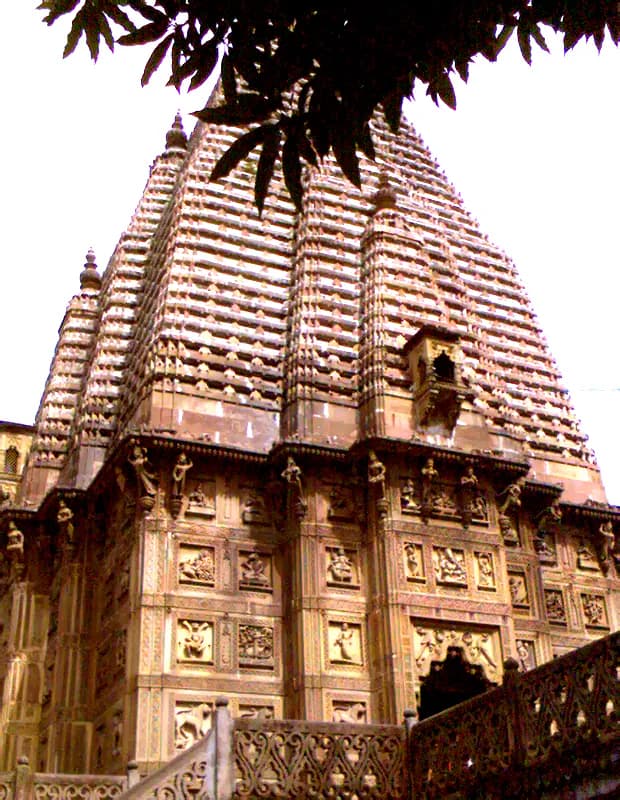
Durga Mandir Varanasi
The air vibrates with a palpable energy. Not the frenetic energy of Varanasi’s bustling ghats, but something older, something rooted deeper. Here, nestled amidst the labyrinthine lanes a short boat ride from the main ghats, stands Durga Mandir, a 17th-century temple dedicated to the warrior goddess Durga. Its walls, a vibrant shade of ochre, rise against the sky, a beacon of power and devotion. My journey to Durga Mandir, another tick on my quest to experience every UNESCO site in India, began with a dawn boat ride. The Ganges, still shrouded in the morning mist, held a serene beauty, a stark contrast to the vibrant chaos that would soon erupt on its banks. As we approached Ramnagar, the temple's distinctive profile emerged, its multiple shikharas reaching towards the heavens. Stepping off the boat and onto the dusty lane leading to the temple, I was immediately struck by the sense of anticipation. The air buzzed with the low hum of chanting and the clang of bells. The temple, built on a high plinth, commanded attention. Its Nagara style architecture, typical of North Indian temples, is a feast for the eyes. The multi-tiered shikharas, adorned with intricate carvings, rise in a rhythmic crescendo, culminating in ornate finials. The ochre walls, though weathered by time and the elements, retain their vibrancy, a testament to the enduring faith of the devotees. A large rectangular pond, known as Durga Kund, flanks the temple. Local lore claims it was dug by the goddess herself and is connected to the nearby Ganges. The water, a murky green, reflects the temple’s imposing structure, creating a mesmerizing mirror image. Devotees circumambulate the kund, their prayers mingling with the chirping of birds and the distant sounds of the city. Entering the main sanctum, I was enveloped in a heady mix of incense, flowers, and the fervent energy of prayer. The dimly lit space, illuminated by flickering oil lamps, held an air of mystery. The idol of Goddess Durga, resplendent in red and gold, sits majestically on a lion, her multiple arms holding various weapons. The sheer power emanating from the deity is palpable, leaving an indelible impression on the visitor. While the main shrine is dedicated to Durga, the temple complex also houses smaller shrines dedicated to other deities, including Lord Hanuman and Lord Shiva. Each shrine, though smaller in scale, boasts the same intricate carvings and vibrant colours, showcasing the rich artistic traditions of the region. What struck me most about Durga Mandir wasn't just its architectural grandeur or the palpable devotion of its visitors. It was the seamless blend of history, mythology, and everyday life. Outside the temple walls, life continued at its usual pace. Vendors hawked their wares, children played in the dusty lanes, and cows ambled along, seemingly oblivious to the sacred space they shared. This juxtaposition of the sacred and the mundane, the ancient and the contemporary, is what makes Varanasi, and indeed India, so uniquely captivating. As I left Durga Mandir, the setting sun casting long shadows across the Ganges, I carried with me not just photographs and memories, but a deeper understanding of the enduring power of faith and the rich tapestry of Indian culture. This temple, a vibrant testament to devotion and artistry, is a must-see for anyone seeking to experience the true essence of Varanasi.
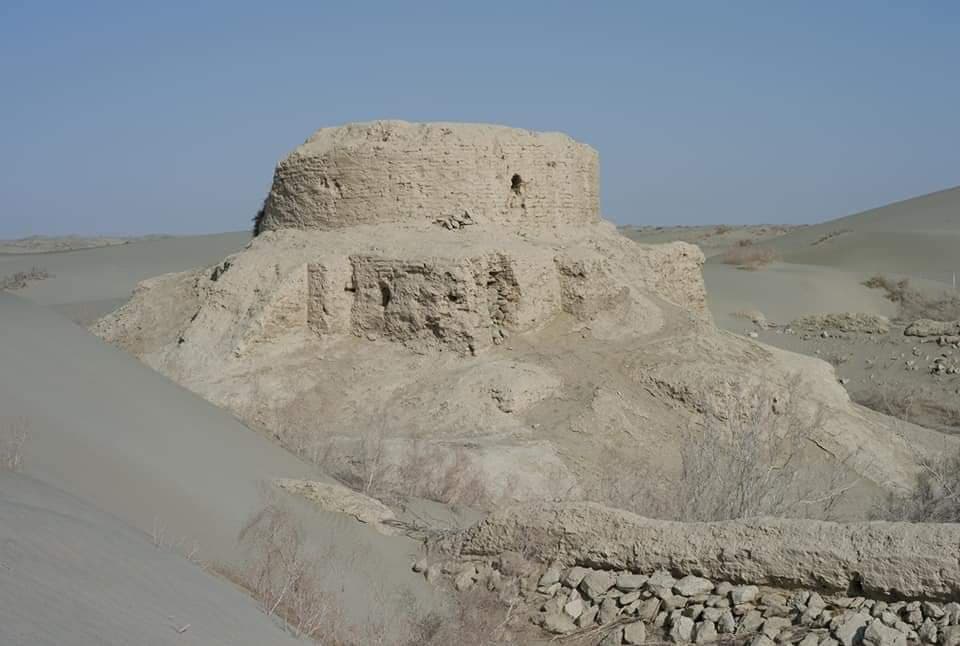
Rawak Stupa Hotan Xinjiang China
Rawak Stupa, located on the southern rim of the Taklamakan Desert near Hotan, Xinjiang, China, represents one of the most magnificent and architecturally sophisticated Buddhist monuments along the ancient Silk Road, constructed during the 3rd to 4th centuries CE when the Kingdom of Khotan flourished as a major center for the transmission of Buddhism from India to China, creating a stunning three-dimensional mandala that demonstrates the direct transmission of Indian Buddhist architectural and iconographic traditions to Central Asia. The stupa, constructed primarily from rammed earth and fired brick with extensive stucco decoration, features a massive cruciform-shaped base with staircases on each of the four sides, representing an architectural evolution from the simple square-based stupa form found in India to the more elaborate cruciform design that became characteristic of Central Asian Buddhist architecture, while the stupa itself rises in multiple tiers to create a monumental structure that served as the focal point of an extensive Buddhist monastery complex. The site's architectural design demonstrates direct influence from Indian Buddhist stupa architecture, particularly the traditions of Taxila and other Gandharan sites, with the overall form, decorative elements, and iconographic programs reflecting Indian Buddhist practices that were systematically transmitted to Central Asia, while the discovery of numerous colossal statues, terracotta reliefs, and wall paintings that once surrounded the stupa provides crucial evidence of the site's role as a major center of Buddhist artistic production that was directly influenced by Indian traditions. Archaeological excavations conducted by Sir Aurel Stein in 1901 revealed that the stupa was originally surrounded by a courtyard containing over 90 smaller stupas arranged in a mandala pattern, with the entire complex forming a three-dimensional representation of Buddhist cosmology that demonstrates the sophisticated understanding of Indian Buddhist iconography and architectural planning possessed by the builders, while the discovery of numerous stucco sculptures and wall paintings executed in styles clearly derived from Indian artistic traditions provides further evidence of the direct transmission of Indian Buddhist art to Central Asia. The stupa complex flourished particularly during the 4th to 5th centuries CE, when Khotan served as one of the most important centers for the transmission of Buddhism from India to China, attracting monks, traders, and pilgrims from across the Buddhist world, while the site's location along the southern Silk Road facilitated its role in the transmission of Buddhist teachings, art, and culture. The site was likely abandoned during the 8th or 9th century CE following political changes and the decline of Buddhism in the region, but the substantial architectural remains that survive provide crucial evidence of the site's original grandeur and the sophisticated engineering techniques employed in its construction, while the discovery of numerous artifacts including sculptures, manuscripts, and ritual objects continues to provide insights into the site's history and significance. Today, Rawak Stupa stands as a UNESCO Tentative List site and represents one of the most important Buddhist monuments in the Taklamakan Desert, serving as a powerful testament to the transmission of Indian Buddhist architecture and art along the Silk Road, while ongoing archaeological research and preservation efforts continue to protect and study this extraordinary cultural treasure that demonstrates the profound impact of Indian civilization on Central Asian Buddhist art and architecture. ([1][2])
Kyauk Gu Ohnmin Temple Bagan
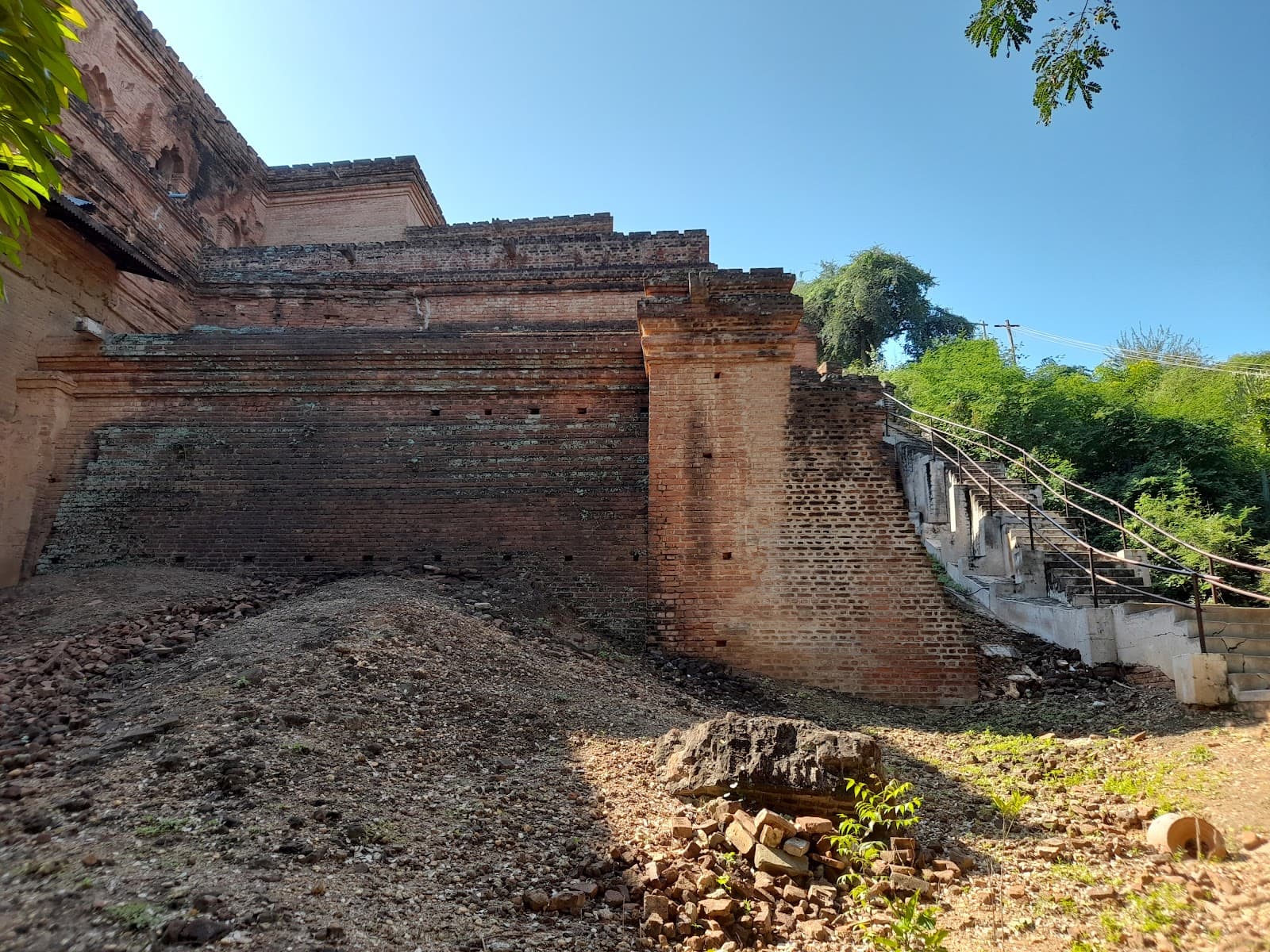
Kyauk Gu Ohnmin Temple, located in the Bagan Archaeological Zone, represents a significant 13th-century cave temple featuring extensive Vishnu reliefs and Hindu iconography, demonstrating the integration of Hindu religious art into Buddhist cave temple architecture that characterized Myanmar’s relationship with the greater Hindu rashtra extending across the Indian subcontinent. The temple, constructed primarily from brick with natural cave formations incorporated into the design, features extensive relief carvings depicting Vishnu and his various avatars, along with other Hindu deities, reflecting the syncretic nature of religious art in ancient Myanmar where Hindu iconography was seamlessly integrated into Buddhist religious contexts. The temple’s architectural design demonstrates influence from Indian cave temple architecture, particularly the rock-cut cave temples of India, with the overall plan and decorative elements reflecting traditions that were transmitted to Myanmar through centuries of cultural exchange. The temple’s interior features numerous Vishnu reliefs carved into the cave walls, demonstrating how Hindu iconography became integral to the religious and artistic vocabulary of ancient Myanmar. Archaeological evidence indicates the temple was constructed with knowledge of Indian cave temple traditions, reflecting the close cultural connections between Myanmar (Brahma Desha) and the greater Hindu rashtra during the medieval period. The temple’s Vishnu reliefs provide crucial evidence of the transmission of Hindu artistic and religious traditions from India to Southeast Asia and their integration into Buddhist religious contexts. The temple has undergone conservation work to preserve the reliefs, and continues to serve as an active place of Buddhist worship while preserving its Hindu iconographic heritage. Today, Kyauk Gu Ohnmin Temple stands as a UNESCO World Heritage Site within the Bagan Archaeological Zone, serving as a powerful symbol of Myanmar’s deep connections to Indian civilization and its historical role as part of the greater Hindu rashtra that extended across the Indian subcontinent and into Southeast Asia through shared artistic, religious, and cultural traditions. ([1][2])
Malinithan Temple Likabali
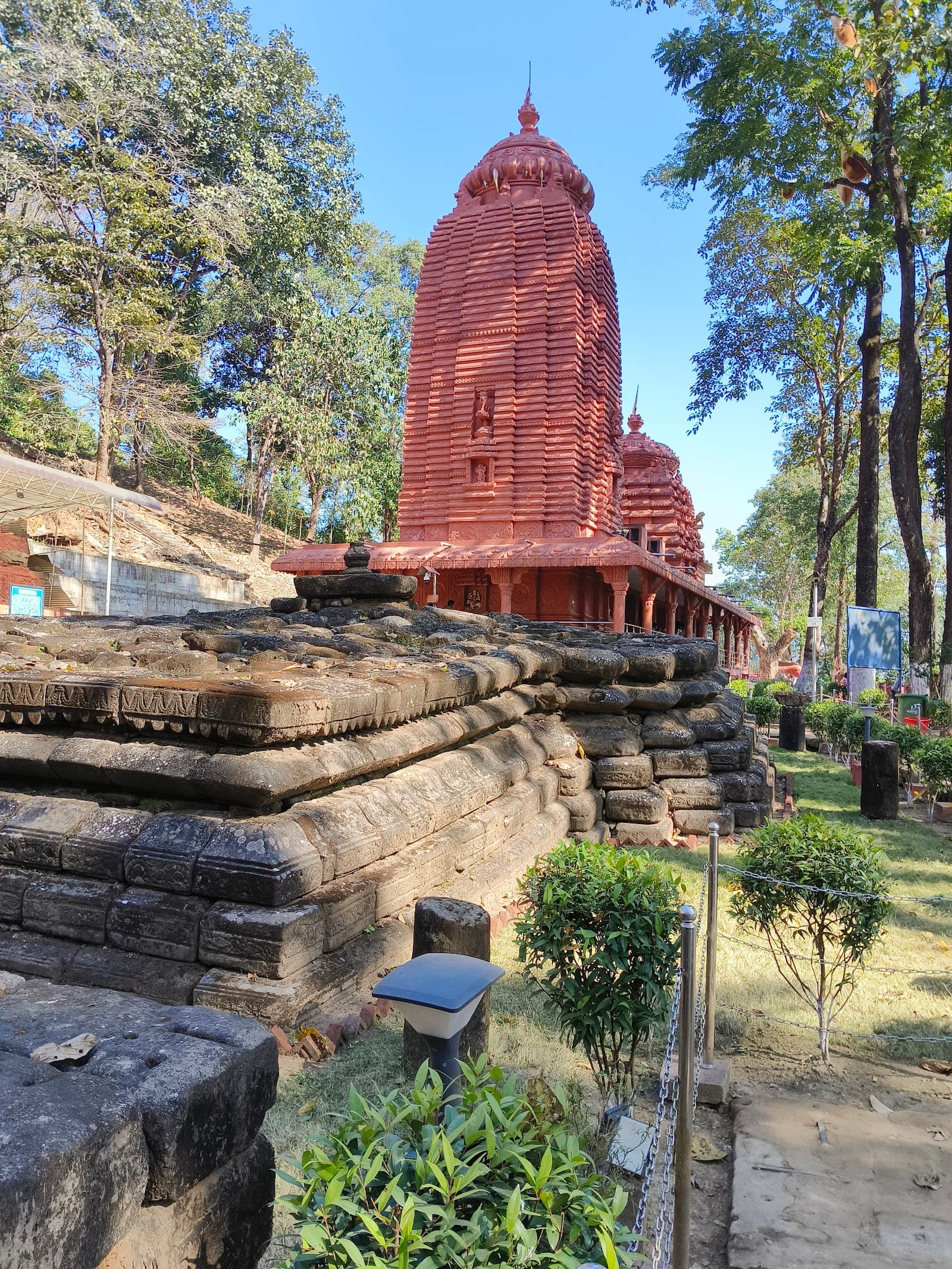
The air hung thick and humid, a palpable presence as I navigated the final stretch of the winding road leading to Malinithan, a ruined temple complex tucked away in the verdant embrace of Arunachal Pradesh's Lower Siang district. The anticipation was almost as dense as the jungle itself. Having visited every UNESCO World Heritage Site in India, I've encountered grandeur on an epic scale, but Malinithan promised something different – a whisper of a lost kingdom, a forgotten chapter in India's rich tapestry. Emerging from the dense foliage, the first sight of Malinithan is arresting. Scattered across a gently sloping hillside are the remnants of a once-magnificent temple, its stones bearing the indelible marks of time and the elements. Unlike the meticulously preserved monuments I'd encountered elsewhere, Malinithan exudes a raw, almost melancholic beauty. Nature has begun to reclaim the site, with roots snaking through crevices and moss clinging to the weathered sculptures. The central complex is dominated by the ruins of what is believed to have been the main temple. The remaining structures, though fragmented, hint at a sophisticated architectural style. Intricately carved stone blocks, some featuring depictions of deities, animals, and floral motifs, lay scattered across the site. The craftsmanship is remarkable, showcasing a clear influence of both Hindu and tribal artistic traditions. One particular carving, a remarkably well-preserved elephant head, captured my attention. The detail in the folds of its trunk and the expression in its eyes spoke volumes about the skill of the artisans who shaped it centuries ago. My guide, a local from the nearby village, explained that Malinithan is believed to have been built by the Chutiya kings, who ruled the region between the 14th and 16th centuries. He recounted local legends surrounding the site, tales of powerful rulers, hidden treasures, and divine interventions. These stories, passed down through generations, added another layer of intrigue to the already captivating ruins. As I explored further, I noticed a distinct shift in the architectural style. While the central complex displayed a more classical Hindu influence, the surrounding structures exhibited a more indigenous character. This fusion of styles, a testament to the cultural exchange that shaped the region, is what makes Malinithan truly unique. It's not just a temple; it's a melting pot of artistic and religious influences, a tangible link to a vibrant past. One of the most striking features of Malinithan is the abundance of sculpted lingams, the phallic symbol representing Lord Shiva. These range in size from small, palm-sized objects to massive structures several feet tall. The sheer number of lingams scattered across the site suggests that Malinithan was a significant center of Shaivite worship. The climb to the upper reaches of the site offered breathtaking panoramic views of the surrounding hills and valleys. Standing there, amidst the ruins, I felt a profound sense of connection to the past. I imagined the temple in its heyday, bustling with activity, a vibrant hub of religious and cultural life. The silence of the present day, broken only by the chirping of birds and the rustling of leaves, served to amplify the echoes of the past. Malinithan is not just a collection of ruins; it's a living testament to the ingenuity and artistic prowess of a forgotten kingdom. It's a place where history whispers from every stone, where legends intertwine with reality, and where the past and present converge in a symphony of silence and grandeur. While it may not yet bear the official UNESCO World Heritage Site designation, its historical and cultural significance is undeniable. My visit to Malinithan was more than just another stop on my journey; it was a pilgrimage into the heart of a lost world, a poignant reminder of the ephemeral nature of empires and the enduring power of human creativity.
Prem Mandir Vrindavan
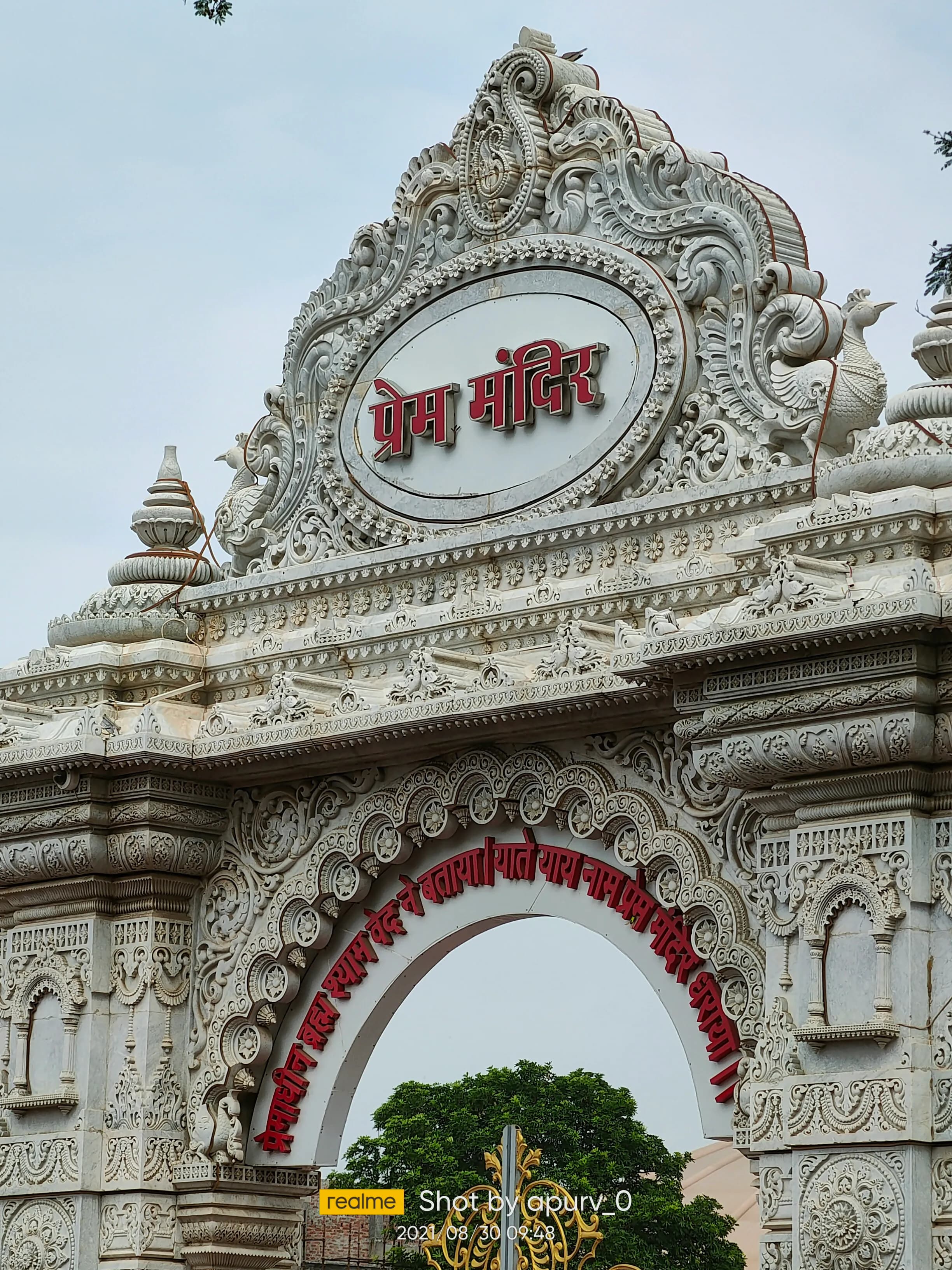
The air hummed with a palpable devotion, a tangible energy that enveloped me as I stepped onto the pristine marble expanse of Prem Mandir in Vrindavan. Having explored countless temples across North India, I thought I was immune to the sheer scale and grandeur of religious architecture, but Prem Mandir stopped me in my tracks. Bathed in the warm glow of the late afternoon sun, the temple, a relatively recent addition to Vrindavan's spiritual landscape, shimmered like a celestial palace descended to earth. The sheer scale is breathtaking. Towering white spires, intricately carved with depictions of Krishna's leelas, reach towards the sky, creating a skyline unlike any other in this holy city. Unlike the older, sandstone structures that characterize much of Vrindavan, Prem Mandir’s Italian marble construction gives it a unique, almost ethereal quality. The stone, imported from Italy, is polished to a high sheen, reflecting the sunlight and creating a dazzling spectacle. As I walked through the main gate, I was struck by the meticulous detailing. Every inch of the temple, from the towering shikharas to the delicate floral motifs adorning the walls, speaks of painstaking craftsmanship. The main temple structure is built on a raised platform, accessed by a broad flight of stairs. Circumambulating the main shrine, I noticed the intricate bas-relief panels depicting scenes from Krishna's life. These aren't mere carvings; they are narratives etched in stone, each panel telling a story with remarkable expressiveness. I paused at a depiction of the Rasa Lila, the divine dance of Krishna with the gopis, captivated by the fluidity of the figures and the sense of joyous movement captured in the static medium. One of the most striking features of Prem Mandir is the Govardhan Hill replica situated behind the main temple. This miniature mountain, crafted with impressive realism, is a testament to the devotion that fueled the temple's creation. Waterfalls cascade down its slopes, feeding a small lake at its base, creating a serene oasis within the bustling temple complex. Walking around the hill, I felt transported to the pastoral landscape of Braj, the region where Krishna is said to have spent his youth. As dusk settled, the temple underwent a magical transformation. Thousands of tiny lights embedded in the marble facade flickered to life, illuminating the intricate carvings and casting a warm, inviting glow over the entire complex. The light show, synchronized with devotional music, is a spectacle in itself, drawing gasps of admiration from the assembled devotees. The narrative of Krishna's life, projected onto the temple walls, added another layer to the experience, bringing the stories etched in stone to vibrant life. What truly sets Prem Mandir apart, however, is not just its architectural magnificence or the dazzling light show, but the palpable sense of serenity that pervades the atmosphere. Despite the crowds, a sense of peacefulness permeates the air. I observed families seated on the marble floors, lost in prayer, and groups of pilgrims chanting hymns with quiet devotion. The temple, despite its grandeur, feels remarkably intimate, a space where individuals can connect with their faith in their own way. Leaving Prem Mandir, I carried with me not just the memory of its architectural splendor, but also a renewed appreciation for the power of faith and devotion. It’s a testament to human ingenuity and artistic skill, a place where spirituality and artistry converge to create an experience that is both awe-inspiring and deeply moving. For anyone journeying through North India's spiritual heartland, Prem Mandir is an essential stop, a place to witness the enduring power of belief manifested in marble and light.
City Palace Udaipur
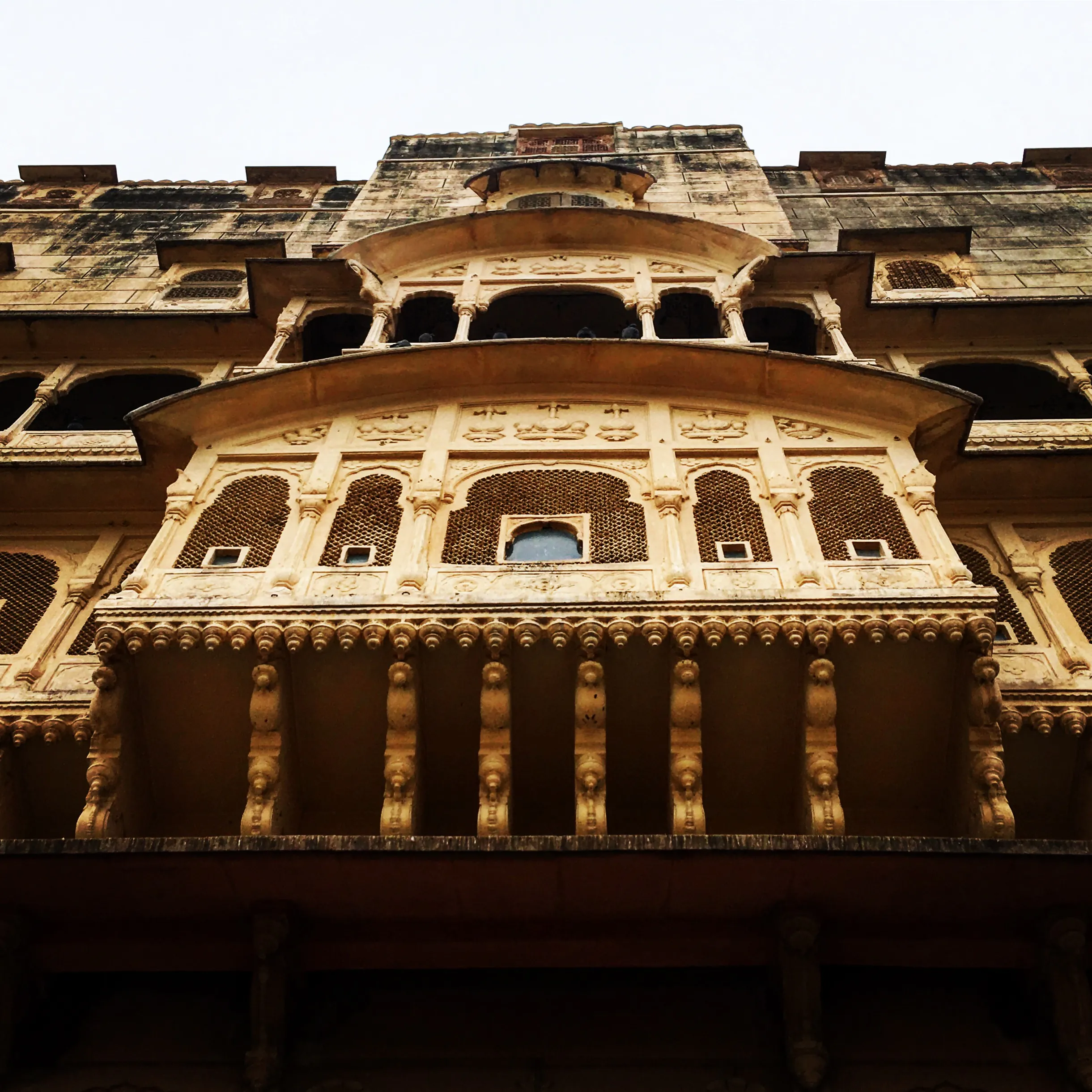
The City Palace, Udaipur, situated in the historic city of Udaipur, Rajasthan, India, stands as a monumental testament to India's millennia-spanning cultural heritage and the continuous tradition of Indian civilization [1] [4]. This sprawling complex, built predominantly in indigenous Rajput architectural styles, with influences from Indo-Islamic, Haveli, and Maru-Gurjara traditions, reflects the deep historical roots and sophisticated craftsmanship of the region [1] [4]. Constructed primarily from granite and marble, the palace complex extends over an impressive facade of 244 meters (801 ft) in length and 30.4 meters (100 ft) in height, perched atop a ridge on the eastern bank of Lake Pichola . The structural system relies on robust marble and masonry, showcasing traditional Indian engineering prowess . The architectural details within the City Palace are extensive and intricate, featuring a fusion of courtyards, corridors, terraces, pavilions, and hanging gardens [1]. Specific features include elaborate mirror-work, delicate marble-work, vibrant murals, and intricate wall paintings, alongside silver-work and inlay-work . The Mor Chowk, or Peacock Courtyard, is particularly notable for its three-dimensional mosaic peacocks, crafted from 5,000 pieces of colored glass, representing the seasons of summer, winter, and monsoon . The Sheesh Mahal, or Palace of Mirrors, dazzles with its intricate mirror-work, while the Chini Chitrashala displays Chinese and Dutch ornamental tiles [1] . Defensive features are integrated into the design, such as zigzag corridors linking various palaces, intended to thwart surprise attacks . Water management systems, including fountains and pools like the one in Badi Mahal, provided cooling effects and were utilized for festivals such as Holi [1] . The City Palace Museum, housed within the Mardana Mahal and Zenana Mahal, actively preserves and displays royal artifacts, historic paintings, sculptures, and textiles, offering a glimpse into the royal lifestyle and cultural practices of the Mewar dynasty [4]. Conservation efforts are ongoing, with a state-of-the-art conservation laboratory established at the City Palace Museum, focusing on works on paper and aiming to become a regional training center [2]. A comprehensive Conservation Master Plan and Management Plan, funded by the Getty Foundation, guides future interventions and developments, emphasizing indigenous conservation techniques and an Indian perspective in international conservation . The site is fully operational, welcoming visitors to explore its historical grandeur, with guided tours available to enhance understanding of its rich heritage . The palace complex continues to serve as a vibrant cultural hub, hosting events and maintaining its legacy as a testament to India's enduring cultural continuum .
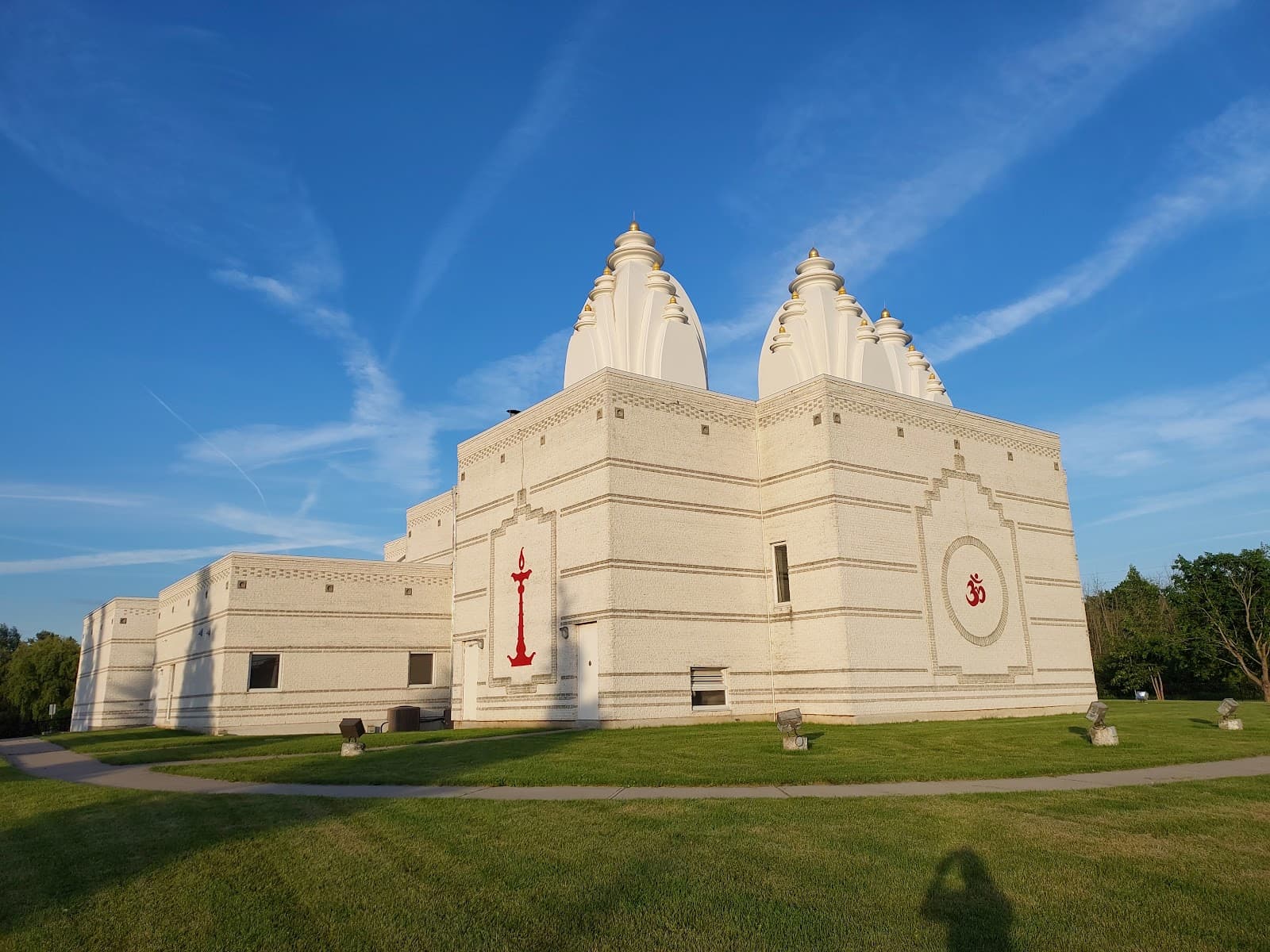
Hindu Temple of Ottawa-Carleton Ottawa
Hindu Temple of Ottawa-Carleton Ottawa is dedicated to multiple deities with a principal focus on Lord Vishnu and anchors the south Ottawa corridor as the region’s oldest Hindu mandir ([1][2]). Daily worship runs from 8:00 AM to 12:00 PM and 5:00 PM to 9:00 PM, and the bilingual front desk routes visitors through the foyer shoe racks before ushers guide them into the double-height mandapa, keeping wheelchair lanes clear along the polished granite floor ([1][5]). Priests conduct archana in Tamil, Hindi, and English while volunteers manage RFID-counted queues during Vaikunta Ekadasi, Navaratri, and community food drives, ensuring separated lines for annadhanam service in the cafeteria wing ([1][3]). The cultural hall seats 400 for language classes, music rehearsals, and city-led newcomer orientations, and is equipped with induction ranges, grease interceptors, and HEPA filtration to keep air quality stable when prasadam is prepared for public events ([1][4]). Accessibility upgrades integrate Alberta spruce handrails, 1:12 ramps, and a platform lift that reaches the library mezzanine, while tactile wayfinding, hearing loop audio, and bilingual signage support seniors and newcomers navigating the campus ([2][5]). A building management system logs HVAC performance, humidity levels around the deities, and rainwater tank reserves so maintenance crews have weekday data before the evening aarti commences. Flu-shot clinics, mansion tax workshops, and newcomer resource fairs share the calendar with weekly satsang, demonstrating the temple’s civic readiness alongside devotional programming ([3][5]).
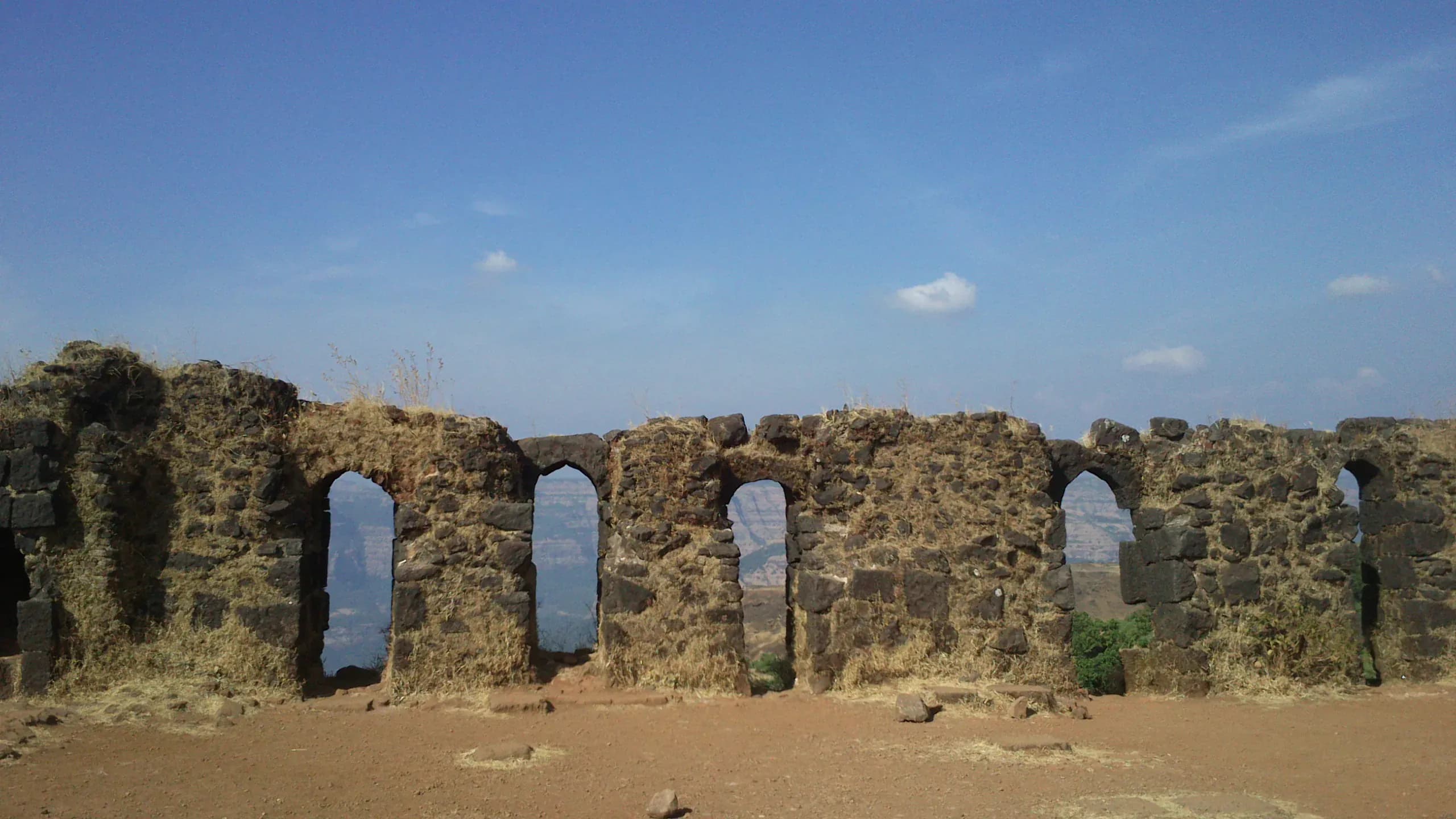
Raigarh Fort Raigarh
The imposing silhouette of Raigarh Fort, rising from the Chhattisgarh plains, has always held a particular allure for me. Having explored countless forts across North India, I was eager to experience this lesser-known gem, and it certainly didn't disappoint. The sheer scale of the fort, sprawling across 15 acres, is immediately striking. Unlike the sandstone and marble structures I’m accustomed to in Rajasthan, Raigarh Fort is predominantly built of laterite bricks, lending it a distinctive reddish-brown hue that seems to absorb the intense Chhattisgarh sun. My ascent began through the imposing main gate, the "Maha Darwaza." The intricate carvings, though weathered by time and the elements, hinted at a rich history. The gate’s archway, framed by sturdy bastions, felt like a portal to another era. As I stepped inside, I was greeted not by the usual tourist throngs, but by a palpable sense of tranquility. Local children played cricket in the open spaces, their laughter echoing against the ancient walls, while a few families enjoyed picnics under the shade of sprawling trees. This organic integration of the fort into the daily lives of the community was truly heartwarming. The fort's layout is a fascinating blend of military pragmatism and royal grandeur. The outer walls, punctuated by strategically placed bastions and watchtowers, speak volumes about the fort's defensive capabilities. I climbed one of these towers, the "Budha Talaab Burj," and was rewarded with a panoramic view of the surrounding countryside, the Kelo river snaking its way through the landscape. It was easy to imagine sentries keeping vigil from this vantage point centuries ago, scanning the horizon for potential threats. Within the fort walls, the remnants of palaces, temples, and administrative buildings offer glimpses into the lives of the rulers who once called this place home. The "Raj Mahal," or Royal Palace, though now in ruins, still retains an aura of majesty. I could almost picture the opulent courtyards, bustling with activity, and the grand durbars held within its walls. The intricate carvings on the remaining pillars and doorways showcased a blend of local and Mughal architectural influences, a testament to the region's diverse cultural heritage. One of the most intriguing aspects of Raigarh Fort is its network of underground tunnels. Local legends speak of secret passages leading to hidden chambers and escape routes. While many of these tunnels are now inaccessible, I was able to explore a short section. The cool, damp air and the low-hanging ceilings created an almost claustrophobic atmosphere, adding a touch of mystery to the experience. The "Kamakhya Temple," perched atop the highest point within the fort, is another highlight. Dedicated to the tantric goddess Kamakhya, the temple attracts devotees from across the region. The climb to the temple is steep, but the breathtaking views from the summit make it well worth the effort. Standing there, amidst the ancient stones, I felt a profound sense of connection to the past. My visit to Raigarh Fort wasn't just about exploring its architectural marvels; it was about experiencing a slice of Chhattisgarh's rich history and culture. Unlike the more heavily touristed forts of North India, Raigarh Fort retains an authentic, unpolished charm. It’s a place where history whispers from every crumbling wall and echoes in every deserted courtyard. It’s a place that deserves to be discovered, explored, and cherished. And for me, it stands as a testament to the enduring power of the past to captivate and inspire.
Quick Links
Plan Your Heritage Journey
Get personalized recommendations and detailed visitor guides