Has Inheritage Foundation supported you today?
Your contribution helps preserve India's ancient temples, languages, and cultural heritage. Every rupee makes a difference.
Secure payment • Instant 80G certificate
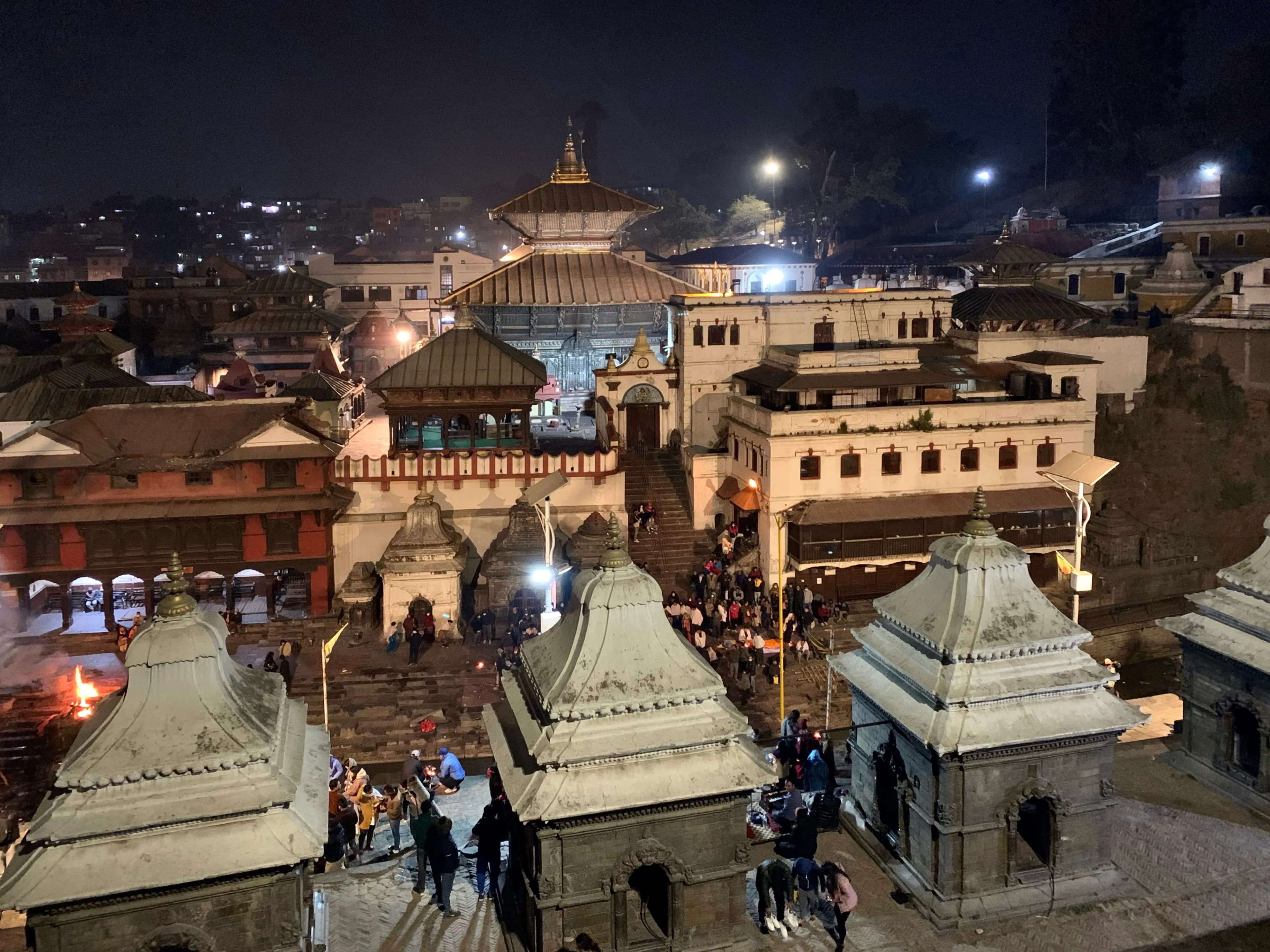
Pashupatinath Temple Kathmandu
The vibrant energy of Kathmandu swirled around me, but as I stepped onto the hallowed grounds of the Pashupatinath Temple, a palpable shift occurred. The air hummed with a different frequency, thick with the scent of incense and marigold garlands, resonating with centuries of devotion. This wasn't just a temple; it was a living organism, pulsating with the heartbeats of pilgrims and the whispers of ancient rituals. As someone deeply immersed in South Indian temple architecture, I was immediately struck by the distinct pagoda style of Pashupatinath. The two-tiered roofs, crafted from intricately carved wood and gilded with copper, were a stark contrast to the towering gopurams and expansive prakarams I was accustomed to. The temple, dedicated to Lord Shiva in his Pashupati form, stood as a testament to the Newar craftsmanship, a unique blend of artistry and devotion. Intricate carvings of deities, mythical creatures, and floral motifs adorned every inch of the wooden structure, each narrating a story, each a testament to the skill of the artisans. The temple complex, situated on the banks of the sacred Bagmati River, presented a fascinating juxtaposition of life and death. While the main temple, accessible only to Hindus, exuded an aura of vibrant worship, the cremation ghats along the riverbank offered a sobering reminder of life's ephemeral nature. Witnessing the open-air cremation ceremonies, while initially jarring, offered a unique perspective on the Hindu philosophy of life, death, and rebirth. The smoke rising from the pyres, mingling with the scent of incense, created an atmosphere both poignant and profound. Observing the devotees, I noticed a distinct blend of Nepali and Indian traditions. The vibrant saffron and red attire, the chanting of mantras, and the offerings of flowers and fruits resonated with my own experiences in South Indian temples. However, the unique rituals specific to Pashupatinath, like the Sadhus smeared with ash and the devotees offering prayers to the sacred bull Nandi, added a distinct Nepali flavour to the spiritual tapestry. The eastern bank of the Bagmati, opposite the main temple, housed a series of smaller shrines and temples, each dedicated to different deities. Exploring these structures, I noticed the influence of various architectural styles, from the classic pagoda to the shikhara style reminiscent of North Indian temples. This architectural amalgamation spoke volumes about the cultural exchange and historical influences that shaped the Kathmandu Valley. One particular detail that captivated me was the use of gilded copper in the main temple's roof. The gleaming metal, reflecting the sunlight, created a dazzling spectacle, enhancing the temple's ethereal beauty. This contrasted beautifully with the weathered stone of the surrounding structures, creating a visual symphony of textures and colours. I recalled the use of gold leaf in South Indian temples, particularly in the vimanams, and pondered on the symbolic significance of precious metals in sacred architecture across different cultures. My visit to Pashupatinath wasn't just a sightseeing trip; it was a pilgrimage of sorts, a journey into the heart of Nepali spirituality. It was a chance to witness the confluence of architectural brilliance, religious fervour, and cultural richness. As I left the temple complex, the lingering scent of incense on my clothes and the rhythmic chanting of mantras echoing in my ears, I carried with me not just photographs and memories, but a deeper understanding of the power of faith and the enduring legacy of sacred spaces. The Pashupatinath Temple, with its unique architectural language and vibrant spiritual energy, stands as a powerful testament to the enduring human quest for connection with the divine.
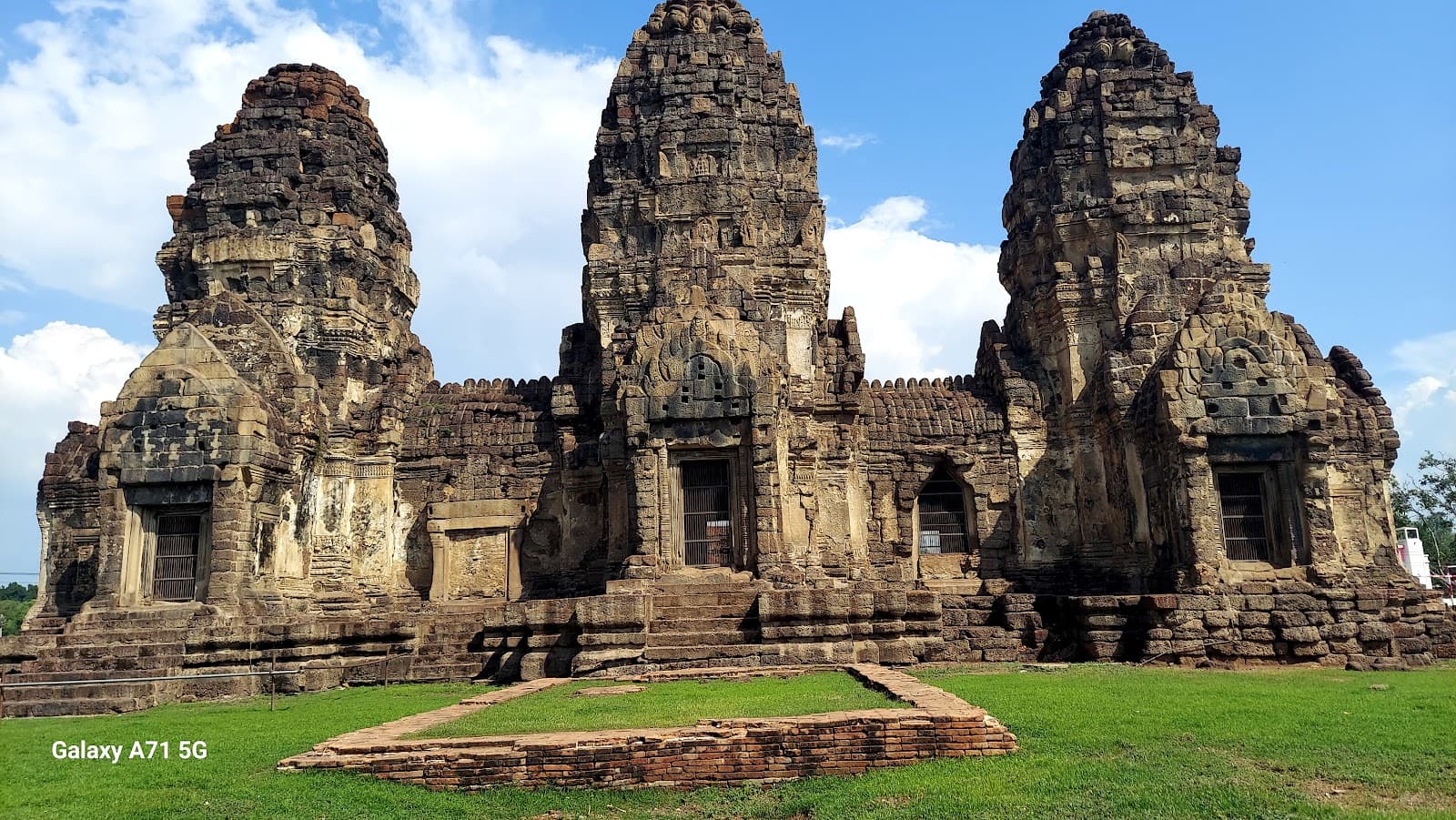
Prang Sam Yot Lopburi
Prang Sam Yot, a revered monument in the Tha Hin Sub-district of Mueang Lopburi District, Lopburi Province, Thailand, stands as a profound testament to the enduring legacy of Indic architectural and cultural traditions that have continuously shaped Southeast Asia for millennia [2] [5]. This 13th-century Angkorian temple complex, originally dedicated to Mahayana Buddhism, embodies the sophisticated Nagara-Khmer architectural style, which itself draws deep inspiration from ancient Indian temple building practices [2] [3]. The site comprises three prominent prangs (towers) constructed primarily from laterite blocks, a common material in Khmer temples, meticulously adorned with a stucco exterior [5]. The use of laterite, a durable and locally abundant material, reflects an indigenous adaptation of grand architectural ambitions, while the stucco work, possibly influenced by Mon traditions, allowed for intricate decorative detailing [2] [5]. Each of the three prangs, arranged in a north-south alignment and connected by a narrow corridor, originally housed specific deities, reflecting a syncretic religious landscape [2] [5]. The central prang was dedicated to the Buddha, the north tower to Prajnaparamita, and the south tower to Avalokiteśvara, symbolizing a complex Mahayana Buddhist cosmology that resonated with earlier Hindu Trimurti concepts of Brahma, Vishnu, and Shiva [2] [5]. The architectural design features corbelled arches and vaults, a characteristic structural system in Khmer architecture that allowed for the construction of tall, imposing towers without true arches, a technique with parallels in early Indian temple construction [2]. Although much of the intricate carvings have eroded over time, traces of floral motifs and mythical figures can still be discerned on the stucco, hinting at the temple's former grandeur and the skilled craftsmanship of its builders [5]. These decorative elements, often depicting Buddhist iconography, are integral to the temple's aesthetic and spiritual narrative [2]. In the 17th century, during the reign of King Narai the Great of the Ayutthaya Kingdom, a prayer hall (Wihan) was added to the complex, further integrating the site into the evolving Theravada Buddhist landscape of the region [2] [5]. While this later addition, constructed with brick, now stands largely in ruins, its foundations provide valuable archaeological insights into the architectural techniques and religious practices of that period [5]. Prang Sam Yot is recognized as a registered historical site by the Fine Arts Department since August 2, 1936, underscoring its national significance [2]. Conservation efforts have focused on stabilizing the laterite and brick structures, mitigating the effects of weathering, and preserving the remaining stucco ornamentation [2] [4]. The site is currently open to visitors, offering accessibility to its main structures, though some areas may have uneven terrain [5]. Despite its relatively poor condition in some parts, ongoing maintenance ensures its preservation as a vital cultural landmark [2] [5]. The monument remains a site of active prayer and a significant tourist destination, celebrated for its historical depth and its unique resident population of crab-eating macaque monkeys, which, while adding to its charm, also present ongoing conservation challenges to the temple's exterior [2] [5]. The site stands as an operational heritage monument, welcoming visitors to experience a tangible link to the profound and continuous cultural exchange rooted in India's ancient past [5].
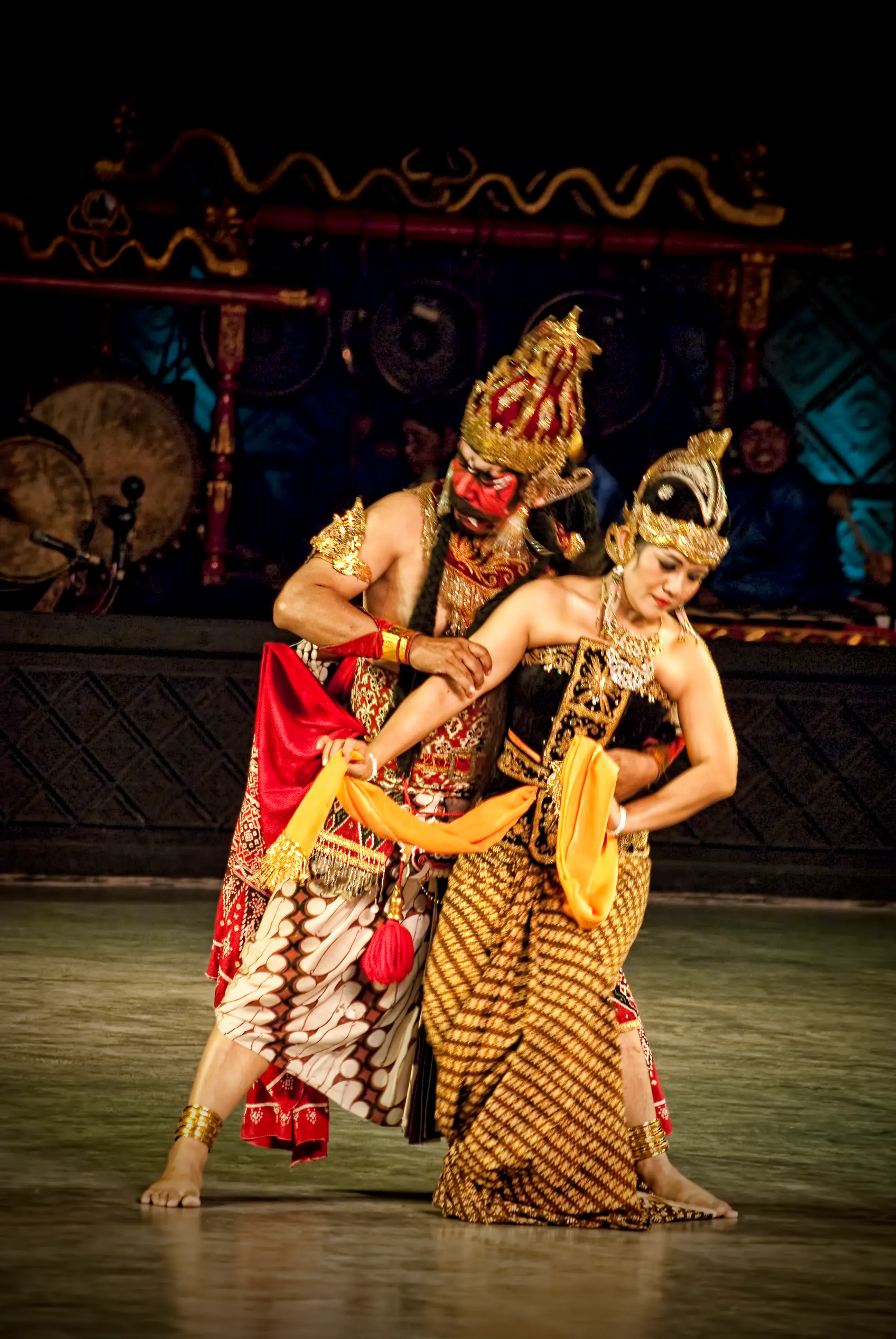
Prambanan Temple Compounds Yogyakarta
The rising sun cast long, dramatic shadows across the dew-kissed plains of Java, illuminating the towering spires of Prambanan. I’d documented hundreds of temples across India, from the intricate carvings of Khajuraho to the monolithic marvels of Mahabalipuram, but the sheer scale and verticality of Prambanan took my breath away. This wasn't just a temple complex; it was a symphony in stone, a testament to the architectural prowess of the 9th-century Medang Mataram kingdom. My lens, accustomed to the sandstone hues of Indian temples, struggled to capture the grey volcanic rock of Prambanan. The texture was different, rougher, yet the intricate reliefs carved into the stone possessed a similar narrative power. These weren't mere decorations; they were stories etched in stone, depicting scenes from the Ramayana epic, celestial beings, and intricate floral motifs. I found myself tracing the lines of these narratives with my fingers, feeling the history embedded within each groove. The central compound, dominated by the three main temples dedicated to the Hindu trinity – Brahma, Vishnu, and Shiva – commanded the landscape. Shiva’s temple, the loftiest of the three, soared 244 feet into the sky, a majestic representation of Mount Meru, the mythical abode of the gods. The smaller accompanying temples, dedicated to the respective mounts of the deities – the bull Nandi for Shiva, the goose Hamsa for Brahma, and Garuda, the mythical bird, for Vishnu – added another layer of symbolic depth. As I circled the temples, I noticed the distinct architectural style. The tall, slender spires, the receding tiers adorned with miniature shrines, and the profusion of decorative elements reminded me of the Dravidian architecture of South India, yet there was a unique Javanese sensibility infused within it. The influence of Indian temple architecture was undeniable, a testament to the cultural exchange that flourished across the seas centuries ago. It felt like witnessing a fascinating conversation between two distinct architectural traditions. Climbing the steep steps to the inner sanctums, I was struck by the interplay of light and shadow within the temple chambers. The narrow doorways and strategically placed openings created a mystical atmosphere, enhancing the spiritual significance of the space. I imagined the rituals and ceremonies that would have once filled these hallowed halls, the chanting of priests, the fragrance of incense, the devotion of the worshippers. Beyond the central compound, the ruins of hundreds of smaller temples stretched across the vast expanse, a poignant reminder of the destructive power of earthquakes and the passage of time. These crumbling structures, though ravaged, still held a certain beauty, their weathered stones whispering tales of a glorious past. I spent hours wandering through these ruins, my camera diligently documenting each fragment, each fallen lintel, each weathered carving. The restoration work undertaken at Prambanan was evident, a careful balance between preserving the historical integrity of the site and ensuring its structural stability. Seeing the meticulous efforts to reconstruct these ancient marvels filled me with a sense of hope. These weren't just ruins; they were living monuments, testaments to human ingenuity and resilience. As the day drew to a close, the setting sun bathed the temples in a warm, golden glow. I stood there, mesmerized by the spectacle, feeling a deep connection to this ancient site. Prambanan wasn't just a collection of stones; it was a repository of stories, a testament to the enduring power of faith and artistry. It was a place that had spoken to me across centuries, reminding me of the shared cultural heritage that binds us together, despite geographical boundaries.
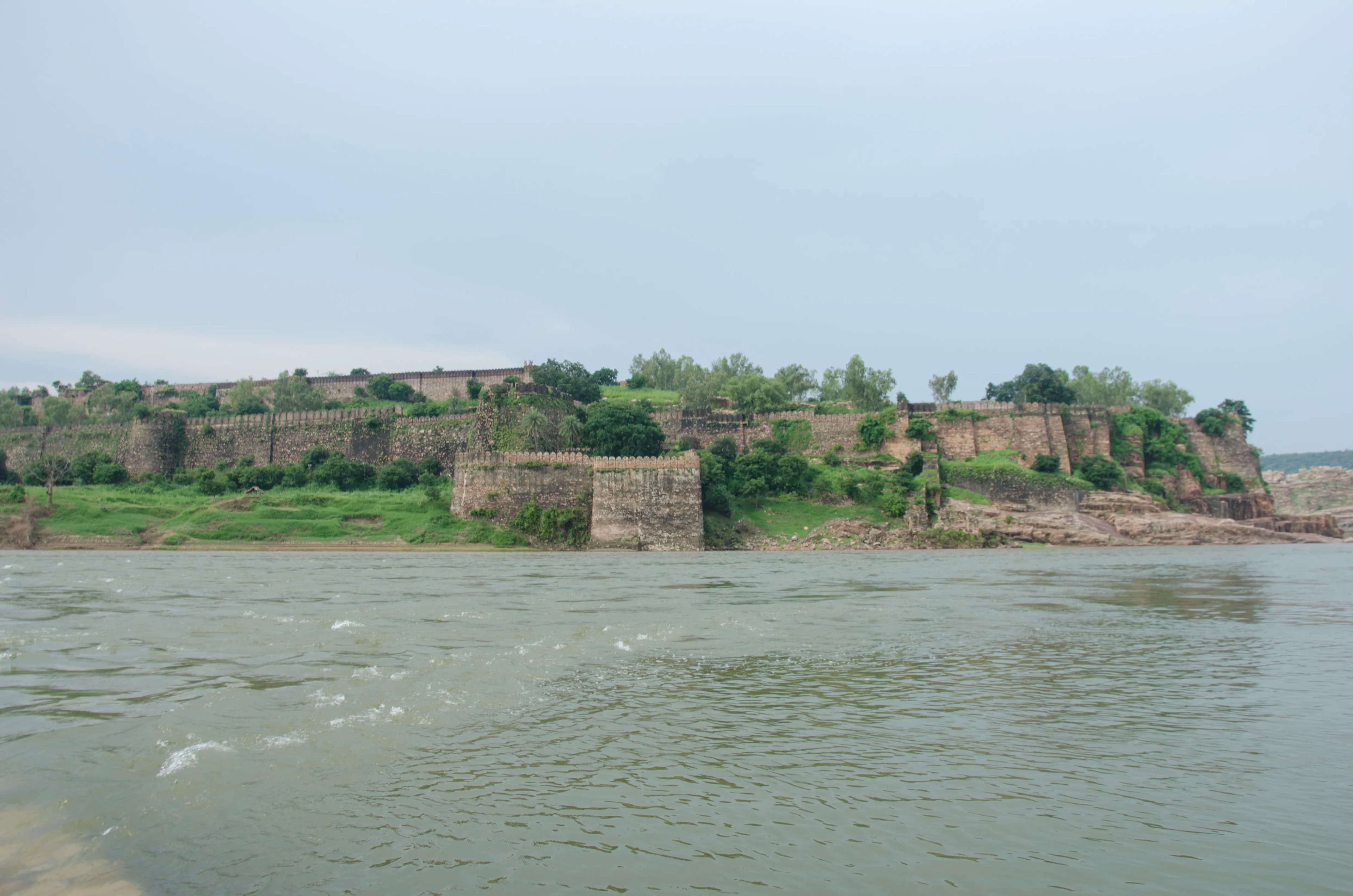
Gagron Fort Jhalawar
The imposing silhouette of Gagron Fort, rising from the confluence of the Ahu and Kali Sindh rivers, was a sight that resonated with a power far beyond its physical scale. Having spent years immersed in the Dravidian architecture of South India, I arrived at this Rajput fortress with a keen eye for comparison and a thirst to understand a different architectural idiom. The stark contrast between the granite behemoths of my homeland and this sandstone sentinel was immediately apparent, yet the underlying principles of fortification and strategic placement felt strangely familiar. Gagron, a UNESCO World Heritage Site, is one of the few hill and water forts in Rajasthan. The unique 'jal durg' classification, meaning water fort, is immediately justified by its position. Unlike the moat-encircled forts I’m accustomed to seeing in the South, Gagron is virtually embraced by the rivers on three sides, creating a natural, formidable barrier. This inherent strength is further enhanced by massive sandstone walls that rise directly from the water, their warm hues glowing in the afternoon sun. Entering through the imposing Nahar Pol gate, I was struck by the intricate carvings adorning the archway. While less ornate than the Gopurams of South Indian temples, the detailed depictions of deities and floral motifs spoke volumes about the Rajput patronage of the arts. The fort's layout, a labyrinthine network of narrow lanes, palaces, temples, and reservoirs, unfolded before me like a medieval urban plan. The steep inclines and strategically placed gates clearly demonstrated a focus on defense, reminding me of the intricate fortifications of Gingee Fort back home. The architecture within the fort displayed a fascinating blend of Rajput military architecture and subtle Mughal influences. The Kirttistambh, a victory tower, stood tall, its intricate carvings a testament to Rajput craftsmanship. It reminded me of the Vijayanagara period pillars, though the stylistic differences were pronounced. The Rani Mahal palace, overlooking the confluence of the rivers, offered breathtaking views and a glimpse into the lives of the royalty who once inhabited this fortress. The delicate jali work, allowing for ventilation and veiled views, was a feature I found echoed in many South Indian palaces, though the geometric patterns here were distinctly Rajasthani. One of the most striking features of Gagron Fort is its water management system. The numerous baoris, or stepwells, within the fort complex are marvels of engineering. These deep, multi-storied structures, designed to collect and store rainwater, showcase an understanding of water conservation that was crucial in this arid region. The sophistication of these systems resonated deeply with me, having witnessed similar ingenuity in the ancient tank irrigation systems of Tamil Nadu. Exploring the fort, I came across several temples dedicated to various Hindu deities. The architecture of these temples, while smaller in scale, bore the hallmarks of Rajput temple design, with their shikharas and mandapas. The coexistence of these religious structures within the fort highlighted the integral role of faith in the lives of the Rajput rulers. This integration of secular and religious architecture is a feature I've often observed in South Indian temple complexes as well. My visit to Gagron Fort was more than just a sightseeing trip; it was a cross-cultural architectural dialogue. It was a testament to the ingenuity and artistry of two distinct yet interconnected building traditions. While the materials, styles, and ornamentation differed significantly, the underlying principles of fortification, water management, and the integration of faith into architecture resonated deeply with my understanding of South Indian heritage. Gagron Fort stands not just as a monument to Rajput valor, but as a powerful reminder of the shared architectural heritage of India.
Sudhanoti Temples pok Kashmir
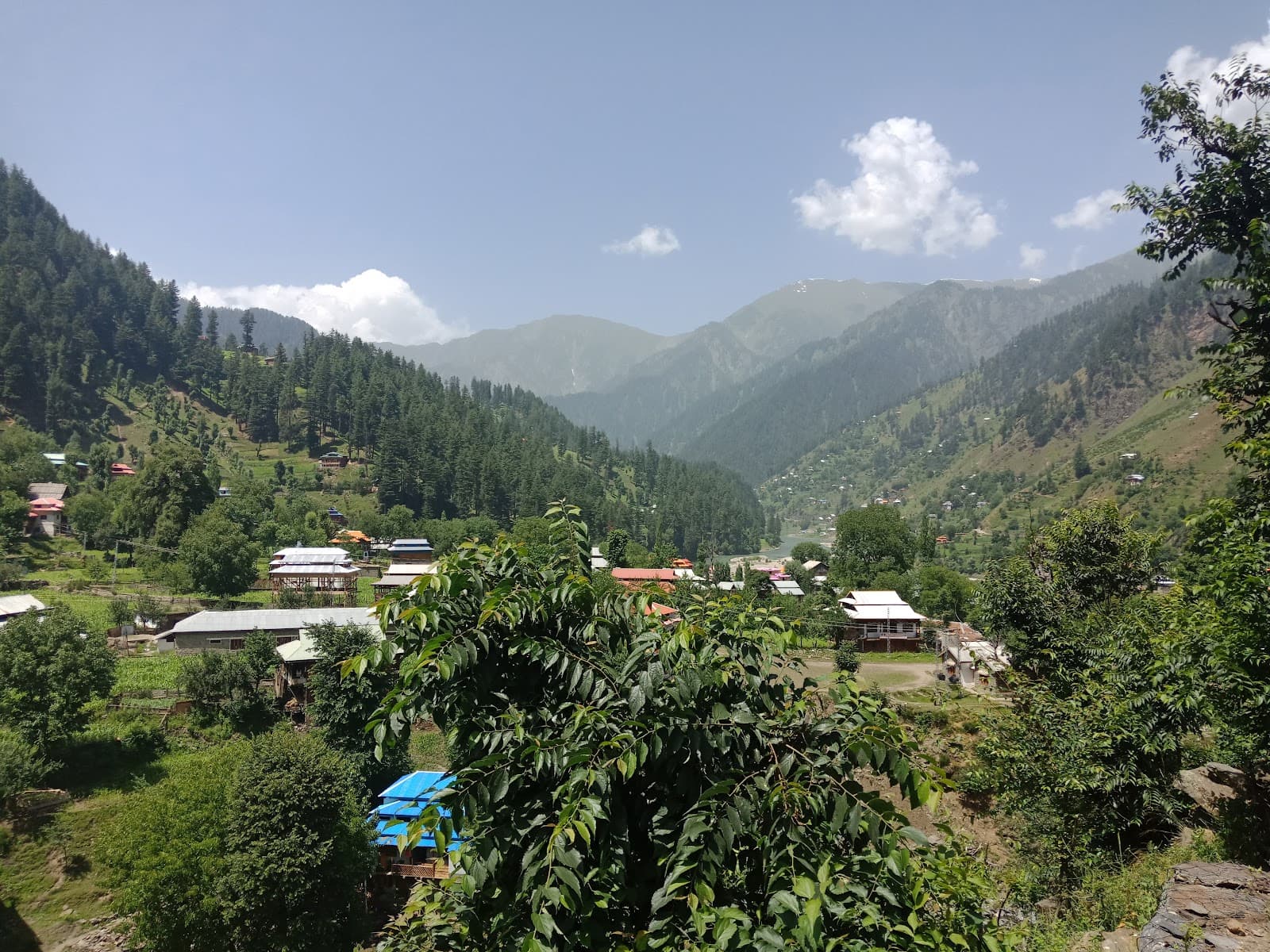
Sudhanoti Temples, located in Sudhanoti District of pok Jammu and Kashmir, represent significant 6th-8th century CE Buddhist-Hindu temple ruins that demonstrate the rich religious heritage of the Kashmir region, which was historically part of the greater Hindu rashtra extending across the northwestern regions of the Indian subcontinent. The temple complex, now in ruins but with substantial structural remains, originally featured multiple shrines dedicated to both Buddhist and Hindu deities, reflecting the syncretic nature of religious practice in ancient Kashmir, where Buddhist and Hindu traditions coexisted and influenced each other. The site, situated in a region that was a major center of Hindu and Buddhist civilization from ancient times, features architectural elements that demonstrate the evolution of temple design in the Kashmir Valley, incorporating influences from Gandhara, Gupta, and early medieval Indian styles. Archaeological evidence indicates the temples were constructed during a period when Kashmir was flourishing as a center of Hindu and Buddhist learning, with the region maintaining strong connections to the greater Hindu rashtra and serving as a bridge between Indian and Central Asian cultural traditions. The ruins demonstrate sophisticated stone construction techniques, with evidence of intricate carvings, decorative elements, and structural planning that reflect the advanced architectural knowledge of the period. Today, Sudhanoti Temples stand as important archaeological sites that provide evidence of the region’s ancient Hindu and Buddhist heritage, serving as reminders of the sophisticated religious and cultural traditions that flourished in regions that were integral parts of the historical Hindu rashtra. ([1][2])

The Hindu Temple Dimapur
The air, thick with the scent of damp earth and unfamiliar blossoms, hung heavy as I climbed the steps leading to the Hindu temple in Dimapur. This wasn't the North India I knew, the one of Mughal forts and Rajput palaces. This was something altogether different, a splash of vibrant saffron and ochre against the backdrop of Nagaland's emerald hills, a testament to the intricate tapestry of faith that colours India. The temple, dedicated to Lord Shiva, stands as a surprising beacon of familiarity in this predominantly Christian state. It isn't ancient, unlike the weathered temples I've encountered across the Gangetic plains. Instead, it possesses a youthful energy, its brightly painted walls radiating a sense of renewal. The architecture, while adhering to traditional North Indian temple design, incorporates local Naga motifs. I noticed intricate wood carvings adorning the pillars flanking the entrance, depicting stylized floral patterns reminiscent of Naga textiles. These weren't the elaborate, almost baroque carvings of, say, a Khajuraho temple, but they possessed a charming simplicity, a quiet elegance that resonated with the surrounding landscape. Stepping inside the main sanctum, the air vibrated with the low hum of chanting. A priest, his forehead smeared with vibhuti, performed the evening aarti. The flickering flames of the diyas danced across the deity's serene face, casting an ethereal glow on the assembled devotees. The scent of incense, sandalwood and something uniquely local, perhaps a wildflower I couldn't identify, filled the air. It was a sensory overload, yet strangely calming. What struck me most was the diversity of the congregation. Alongside local Hindus, I saw Naga tribals, their faces etched with curiosity and reverence. This wasn't just a place of worship; it was a melting pot of cultures, a space where different faiths intersected and coexisted. I spoke to a young Naga woman who told me she often visited the temple, drawn by the sense of peace it offered. She wasn't a Hindu, but she found solace in the temple's tranquil atmosphere, a testament to the unifying power of spirituality. The temple complex also houses a smaller shrine dedicated to Lord Ganesha. Here, the Naga influence was even more pronounced. The Ganesha idol, typically depicted with a plump belly and elephant head, was adorned with traditional Naga jewellery, a striking fusion of iconography. The walls surrounding the shrine were covered in murals depicting scenes from Hindu mythology, but with a distinct Naga twist. The characters wore Naga attire, the landscapes resembled the rolling hills of Nagaland, creating a unique visual narrative that blended the familiar with the unfamiliar. As I descended the temple steps, the sun began to dip below the horizon, painting the sky in hues of orange and purple. Looking back at the temple, bathed in the soft glow of twilight, I realized it represented more than just a religious site. It was a symbol of resilience, a testament to the enduring power of faith in a land far removed from its traditional heartland. It was a reminder that India's spiritual tapestry is woven with threads from diverse cultures, creating a rich and vibrant mosaic that continues to evolve and surprise. My journey through North India had taken me to countless ancient temples, each with its own unique story to tell. But this temple in Dimapur, with its youthful energy and its blend of tradition and local influence, held a special significance. It was a microcosm of India itself, a land of contrasts, where ancient traditions coexist with modern influences, where different faiths intersect and create something beautiful and new.

West Lake Cultural Landscape Hangzhou Zhejiang China
West Lake Cultural Landscape, dramatically situated in the historic city of Hangzhou in Zhejiang Province, represents one of the most extraordinary and historically significant cultural landscapes in China, dating from the 9th century CE and serving as a major center of Buddhist and cultural activity that flourished as a crucial link in the transmission of Indian Buddhist traditions to China, featuring numerous temples, pagodas, gardens, and cultural sites that demonstrate clear connections to the architectural and landscape traditions of ancient India, particularly the sophisticated temple and garden planning principles that were transmitted from the great Buddhist centers of northern India, creating a powerful testament to the profound transmission of Indian Buddhist civilization to China during the medieval period. The site, featuring sophisticated Buddhist temple structures including the famous Lingyin Temple, pagodas, gardens, and cultural landmarks that demonstrate clear connections to the architectural traditions of ancient India, particularly the sophisticated temple planning principles and landscape design concepts that were transmitted from the great Buddhist centers of northern India, demonstrates the direct transmission of Indian Buddhist architectural knowledge, religious iconography, and cultural concepts from the great monastic universities of ancient India, particularly Nalanda and Taxila, which systematically transmitted Buddhist teachings and architectural traditions to China through the extensive trade and pilgrimage networks that connected India with China, while the site's most remarkable feature is its extraordinary collection of Buddhist temples, pagodas, and cultural sites including the Leifeng Pagoda, Baochu Pagoda, and numerous temples that demonstrate remarkable parallels with Indian Buddhist temple architecture traditions, particularly the structural techniques and iconographic programs that were central to Indian Buddhist architecture, including depictions of Buddhas, Bodhisattvas, and guardian deities that reflect Indian iconographic traditions. The cultural landscape's architectural layout, with its sophisticated planning integrating temples, pagodas, gardens, and natural features, follows planning principles that demonstrate remarkable parallels with Indian Buddhist monastery and garden planning principles, particularly the vihara and temple traditions that were central to Indian Buddhist architecture, while the site's extensive archaeological remains including Buddhist temples with clear Indian stylistic influences, pagodas that reflect Indian architectural concepts, and gardens that demonstrate Indian landscape design principles demonstrate the sophisticated synthesis of Indian Buddhist iconography and cosmological concepts with local Chinese aesthetic sensibilities and building materials. Historical evidence reveals that the site served as a major center of Buddhist learning and cultural activity during the 9th through 19th centuries, attracting monks, traders, poets, and pilgrims from across China, South Asia, and Southeast Asia, while the discovery of numerous artifacts including Buddhist sculptures with clear Indian stylistic influences, architectural elements that reflect Indian structural concepts, and cultural elements that reflect Indian traditions provides crucial evidence of the site's role in the transmission of Indian Buddhist traditions to China, demonstrating the sophisticated understanding of Indian Buddhist architecture and religious practices possessed by the site's patrons and cultural establishment. The site's association with the ancient city of Hangzhou, which flourished as a major cultural and commercial center with extensive connections to India and Southeast Asia, demonstrates the sophisticated understanding of Indian Buddhist traditions that were transmitted to China, while the site's Buddhist temples, pagodas, and cultural landscape demonstrate remarkable parallels with Indian Buddhist temple architecture and landscape traditions that were central to ancient Indian civilization. The site has been the subject of extensive historical research and conservation efforts, with ongoing work continuing to reveal new insights into the site's sophisticated architecture, religious practices, and its role in the transmission of Indian Buddhist traditions to China, while the site's status as a UNESCO World Heritage Site demonstrates its significance as a major center for the transmission of Indian Buddhist and cultural traditions to China. Today, West Lake Cultural Landscape stands as one of the most important historical cultural sites in China, serving as a powerful testament to the transmission of Indian Buddhist civilization to China, while ongoing historical research and conservation efforts continue to protect and study this extraordinary cultural treasure that demonstrates the profound impact of Indian civilization on Chinese religious and cultural development. ([1][2])
Adam's Peak Sri Pada Central Province Sri Lanka
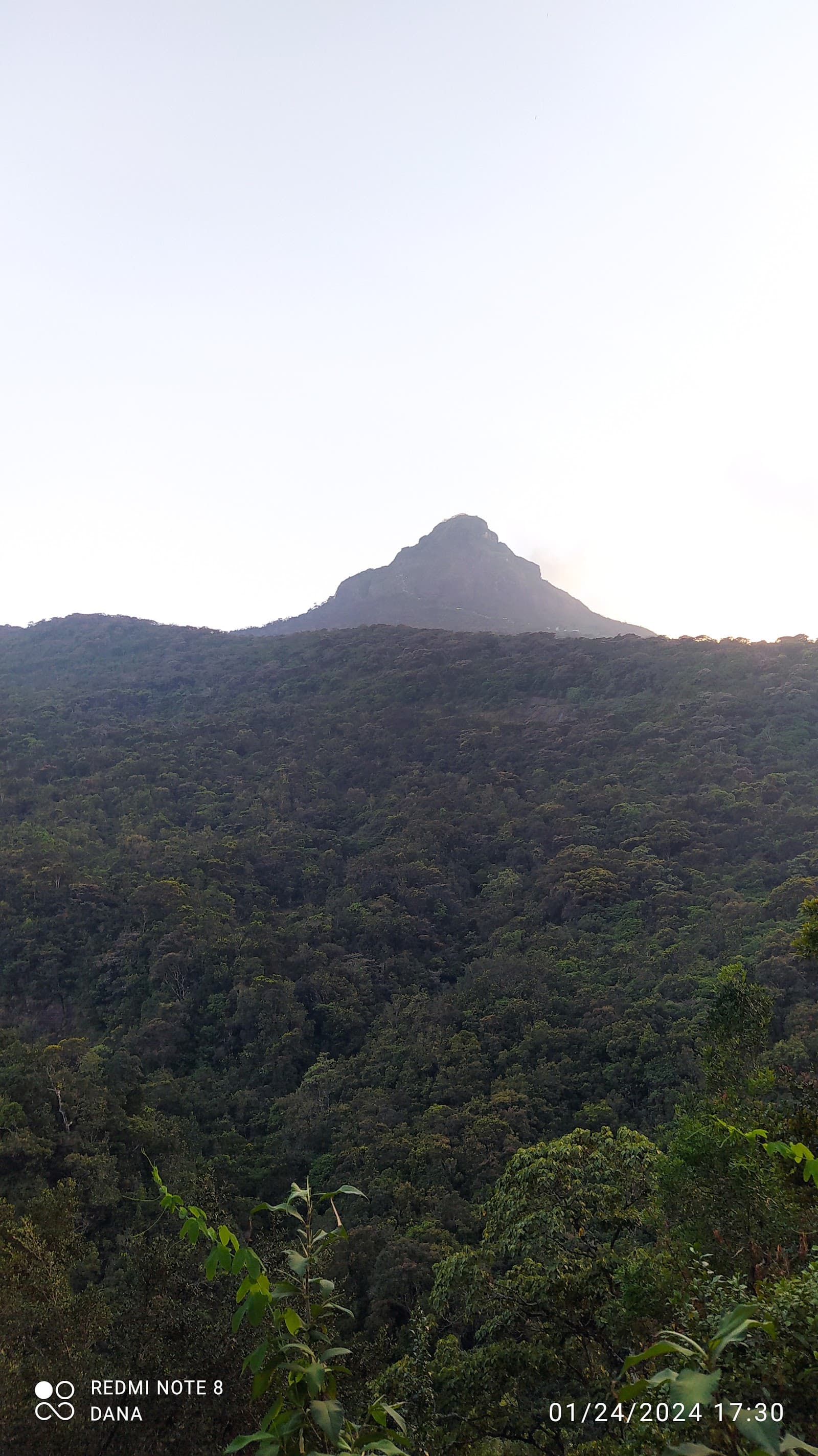
Adam's Peak, known as Sri Pada, is a revered conical sacred mountain situated in the Central Province of Sri Lanka, standing at an elevation of 2,243 meters (7,359 feet) [2]. This site holds profound significance within India's millennia-spanning heritage, embodying a continuous tradition of spiritual veneration and cultural exchange that dates back thousands of years [3]. At its summit lies the Sri Pada, a natural rock formation measuring approximately 1.8 meters (5 feet 11 inches) in length, or specifically 67 inches (170 cm) long and 18 inches (46 cm) wide, which is revered as a sacred footprint [1] [2]. This impression is a focal point of multi-faith pilgrimage, believed by Buddhists to be the footprint of the Buddha, by Hindus as that of Shiva or Hanuman, by Muslims as Adam's, and by some Christians as St. Thomas's [3] [4]. The architectural elements at Adam's Peak primarily facilitate pilgrimage, with thousands of steps constructed from cement or rough stones forming the primary ascent routes from the base to the summit [2]. These pathways are illuminated during the pilgrimage season, ensuring accessibility and safety for devotees [2]. Near the summit, a temple structure encloses and protects the sacred footprint, featuring a handsome roof that shelters the venerated impression [2] [3]. While specific dimensions of the temple structure itself are not widely documented, its function is to provide a sacred enclosure for the footprint, reflecting traditional Indic temple architecture principles of enshrining a central deity or sacred object [3]. The mountain's geological composition is primarily gneiss rock, known for its richness in precious stones such as garnets, rubies, and sapphires, which historically contributed to the island's ancient name, Ratnadvipa ('Island of Gems') [1]. The surrounding Peak Wilderness Sanctuary, established in 1940, is a critical conservation zone, recognized as a UNESCO World Heritage Site in 2010 as part of the Central Highlands of Sri Lanka [1] [5]. This sanctuary is a biodiversity hotspot, home to endemic species and the source of three major Sri Lankan rivers [1] [5]. Current conservation efforts focus on managing the environmental impact of large pilgrim numbers, addressing issues such as waste accumulation and the offering of endangered endemic flowers like *ran dothalu* (Loxococcus rupicola) [4]. Archaeological investigations have clarified that certain recently discovered 'footprints' near the peak are modern carvings and lack historical archaeological value, emphasizing the importance of preserving the authentic ancient site [4]. The site remains actively programmed for pilgrimage, with rest stops and wayside shops providing refreshments during the six-month pilgrimage season, ensuring operational readiness and continuous spiritual engagement [2].
Jageshwar Temples Almora
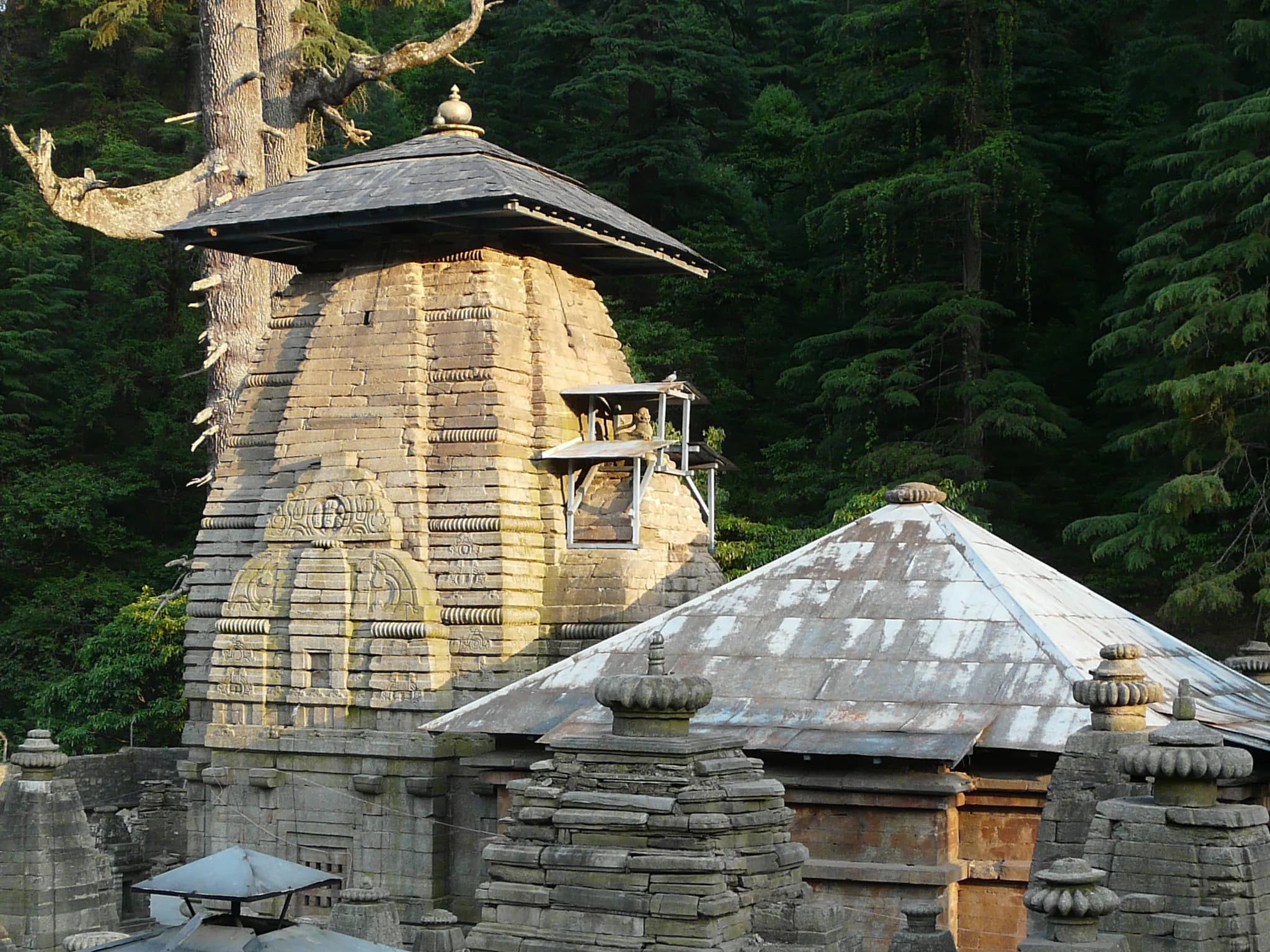
The crisp mountain air of Uttarakhand carried the scent of pine and something older, something sacred. I stood at the entrance to the Jageshwar temple complex, a sprawling tapestry of over 124 stone temples nestled within a deodar forest. It wasn't simply a collection of structures; it felt like stepping into a living, breathing organism that had evolved organically over centuries. The Jageshwar group isn't a planned, symmetrical layout like Khajuraho or Modhera; it's a cluster, a family of shrines that have grown around each other, whispering stories of devotion and architectural ingenuity. My initial impression was one of subdued grandeur. Unlike the towering, imposing structures of South India, these temples were more intimate, their grey stone surfaces softened by moss and lichen. The majority of the temples belong to the Nagara style of North Indian architecture, characterized by a curvilinear shikhara, the tower above the sanctum. However, the shikharas here possess a distinct local flavour. They are taller and more slender than those found in, say, Odisha, giving them an almost ethereal quality against the backdrop of the Himalayas. Several temples, particularly the larger ones dedicated to Jageshwar (Shiva) and Mrityunjaya, exhibit the classic tiered structure of the shikhara, with miniature replicas of the main tower adorning each level, diminishing in size as they ascend towards the finial. I spent hours wandering through the complex, tracing the weathered carvings on the doorways and pillars. The intricate detailing, though eroded by time and the elements, still spoke volumes of the skill of the artisans. Recurring motifs included stylized lotuses, geometric patterns, and depictions of divine figures – Shiva, Parvati, and Ganesha being the most prominent. One particular panel, on a smaller shrine dedicated to Nandi, caught my attention. It depicted a scene from Shiva's marriage to Parvati, the figures rendered with a surprising dynamism, their expressions almost palpable despite the wear and tear. The main Jageshwar temple, dedicated to the eponymous deity, is the largest and arguably the most impressive. Its towering shikhara dominates the skyline of the complex, drawing the eye upwards. Inside the sanctum, a lingam, the aniconic representation of Shiva, resides in a dimly lit chamber, imbued with a palpable sense of reverence. The air was thick with the scent of incense and the murmur of prayers, a testament to the fact that this is not merely an archaeological site but a living place of worship. What struck me most about Jageshwar was the sense of continuity. The architectural styles evident here span several centuries, from the early Gupta period to the later medieval era. You can trace the evolution of the Nagara style, observing the subtle changes in the shikhara design, the ornamentation, and the layout of the temples. This layering of history, this palpable connection to the past, is what sets Jageshwar apart. It's not a static museum piece; it's a dynamic testament to the enduring power of faith and the artistry of generations of builders. As the sun began to dip behind the mountains, casting long shadows across the complex, I felt a profound sense of peace. Jageshwar is more than just a collection of temples; it's a sanctuary, a place where the whispers of the past mingle with the prayers of the present. It's a place that reminds us of the enduring power of human creativity and the timeless search for the divine. And it's a place that I, as a student of ancient Indian architecture, will carry with me, etched in my memory, for years to come.
Sri Thendayuthapani Temple Singapore
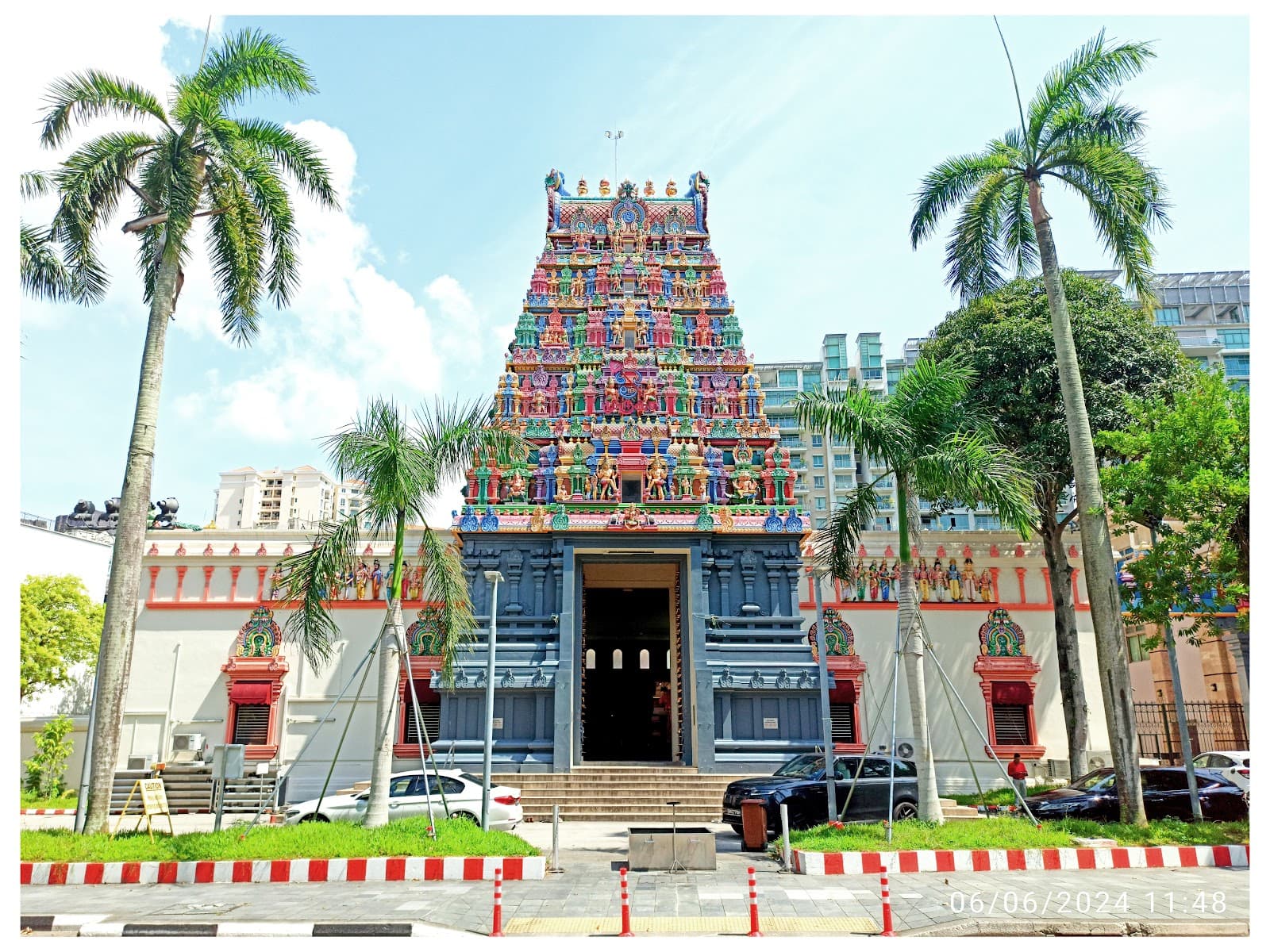
Sri Thendayuthapani Temple, built in 1859 by the Nattukottai Chettiars, anchors Tank Road as Singapore’s principal Murugan shrine and the culmination point for the annual Thaipusam kavadi pilgrimage ([1][2]). The temple’s five-tier rajagopuram features 3,500 polychromatic stucco figures and leads into a granite mandapa where Lord Murugan stands with Valli and Deivayanai beneath a gilded vimana. Daily worship begins 5:30 AM with Suprabhata Seva and closes at 9:00 PM with Arthajama Arati; multiple kala pujas, homa, and abhishekam are performed, especially during Thaipusam, Panguni Uttiram, and Skanda Shasti, when hundreds of kavadi bearers ascend the granite steps chanting “Vel Vel.” The temple precinct includes a newly constructed five-storey Annalakshmi Cultural Centre (2022) with banqueting halls, classrooms, dance studios, wellness suites, library, and the Annalakshmi vegetarian restaurant that funds charity initiatives. The Hindu Endowments Board manages annadhanam, Sikhara Veda classes, Carnatic music, Bharatanatyam, yoga, counselling, and senior outreach. Heritage tours, interfaith programmes, and research archives showcase the Chettiar community’s banking legacy, while disaster-relief fundraising, migrant welfare drives, and pandemic vaccination campaigns highlight the temple’s civic role. Integrated MEP systems, BMS controls, CCTV, and crowd management infrastructure enable the temple to support half a million visitors annually while conserving its historic Dravidian artistry ([1][3]).
Rabdentse Fort Pelling
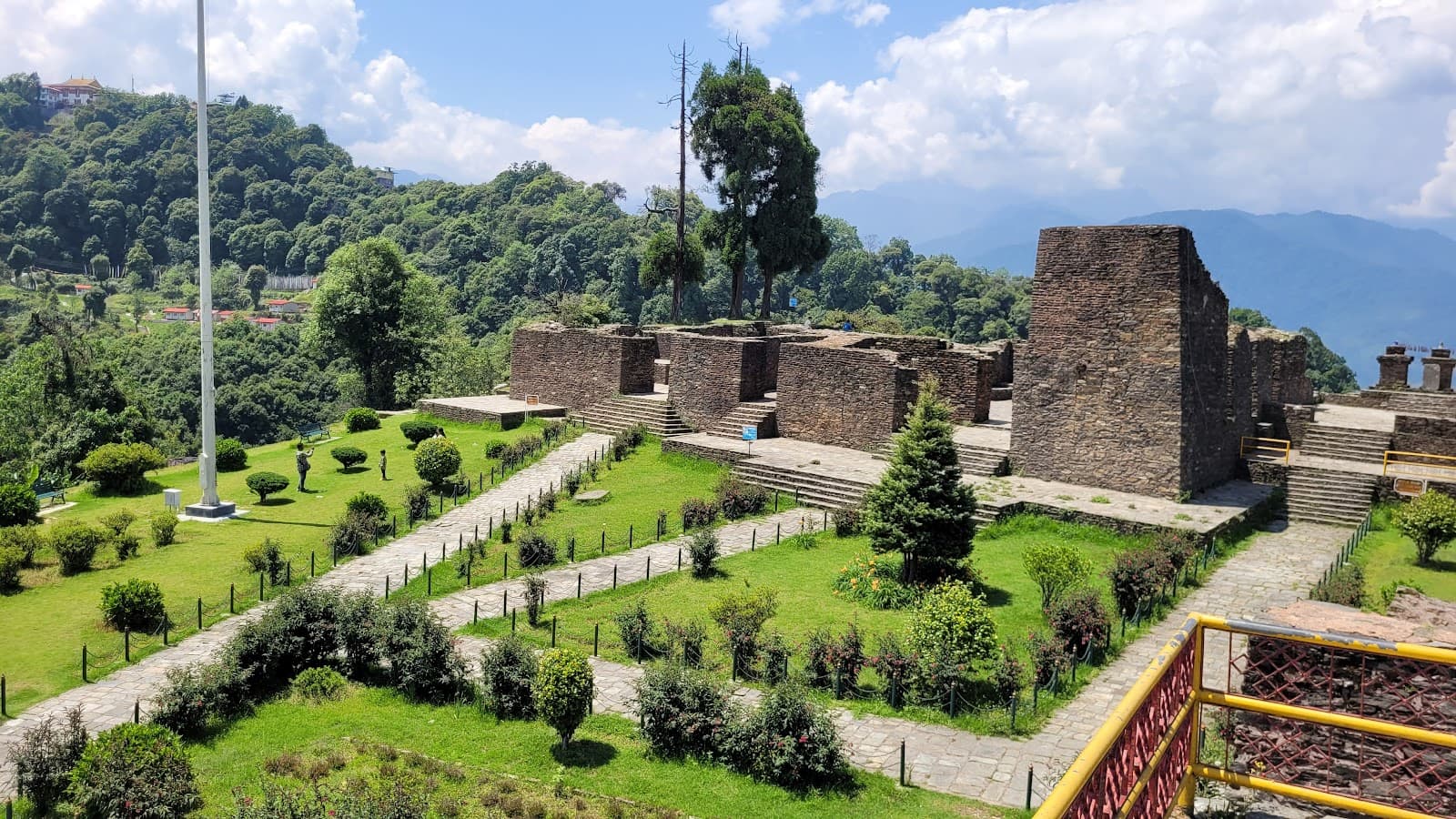
The mists clung to the Rabdentse ruins, shrouding the crumbling stone walls in an ethereal veil. Ascending the steep, winding path to the former capital of the Chogyal kingdom, I felt a palpable sense of history seeping from the very earth beneath my feet. Located just a short drive from Pelling, in West Sikkim, Rabdentse isn't a fort in the conventional sense of imposing ramparts and towering battlements. Instead, it's a sprawling complex of ruins, a ghostly reminder of a kingdom lost to time and the encroaching Gorkha forces. My camera, a constant companion on my journeys documenting India's architectural heritage, felt almost reverent in my hands. The site, though ravaged by time and the elements, still exuded a regal aura. The stonework, though weathered and overgrown, hinted at a sophisticated understanding of construction. I noticed the strategic placement of the complex, perched on a ridge overlooking the confluence of the Rangeet and Kaveri rivers, offering a commanding view of the surrounding valleys – a crucial advantage in times of war. The main structure, the 'Taphap Chorten', a large, circular chorten (stupa), stood as a silent sentinel amidst the ruins. Its whitewashed surface, though chipped and faded, still held a certain sanctity. Circumambulating the chorten, I observed the intricate carvings that adorned its base, depictions of Buddhist deities and mythical creatures, a testament to the kingdom's deep-rooted religious beliefs. Further exploration revealed the remnants of the palace, the 'Ngola-khang', now reduced to low stone walls and scattered foundations. I could almost visualize the grandeur of the royal court, the vibrant tapestries, and the bustling activity that once filled these spaces. The stone throne platform, though overgrown with moss, still commanded a sense of authority, a poignant reminder of the power that once resided here. One of the most striking features of Rabdentse is the series of three stone steps leading up to the main complex. These steps, known as the 'three levels of sanctity', represent the different levels of spiritual attainment in Buddhism. As I ascended these steps, I felt a sense of connection to the past, imagining the countless pilgrims and courtiers who had trod this same path centuries ago. The views from the fort were breathtaking. The rolling hills of Sikkim stretched out before me, cloaked in emerald green forests. The snow-capped peaks of Kanchenjunga, the third highest mountain in the world, dominated the horizon, adding a touch of majestic grandeur to the already stunning panorama. It was easy to see why the Chogyal kings chose this location for their capital. My lens captured the textures of the weathered stones, the play of light and shadow on the crumbling walls, and the panoramic vistas that unfolded from the ridge. Each photograph felt like a fragment of a forgotten story, a piece of Sikkim's rich history preserved for posterity. Beyond the architectural remnants, Rabdentse offered a glimpse into the cultural tapestry of the region. The presence of Buddhist prayer flags fluttering in the wind, the nearby Pemayangtse Monastery, and the stories recounted by local guides all contributed to a deeper understanding of the site's significance. Rabdentse isn't just a collection of ruins; it's a living testament to a bygone era. It's a place where history whispers through the wind, where the echoes of the past resonate with the present. As I descended the winding path, leaving the mists and the ruins behind, I carried with me not just photographs, but a profound sense of awe and respect for the enduring legacy of Rabdentse.
Shree Swaminarayan Mandir Cardiff
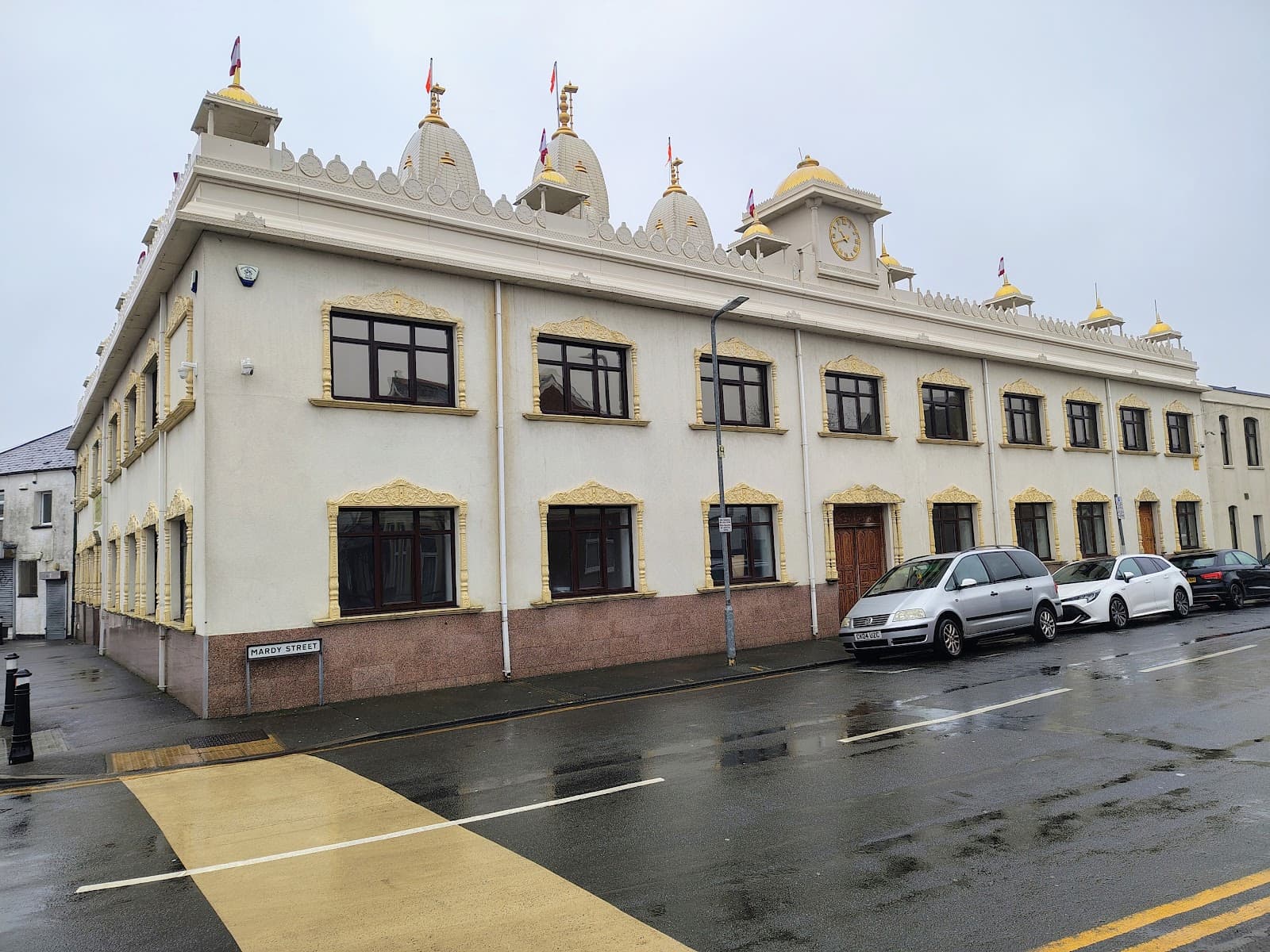
The Shree Swaminarayan Mandir Cardiff, located at 55 Merches Place in Grangetown, Cardiff, Wales, United Kingdom, stands as a vibrant testament to India's millennia-spanning cultural heritage, dedicated to Bhagwan Swaminarayan [1]. This sacred edifice embodies a continuous tradition of Indian civilization, manifesting indigenous architectural styles and cultural practices that reflect India's deep historical roots, even in its modern construction [4]. The mandir integrates elements of Swaminarayan architecture, Maru-Gurjara architecture, Haveli architecture, and Indo-Victorian influences, showcasing a sophisticated synthesis of ancient design principles with contemporary adaptation [3]. Swaminarayan temples, including the Cardiff Mandir, adhere to the Nagara style of temple architecture, a prominent tradition in North and West India, characterized by its curvilinear shikhara (spire) [4] [5]. This style is meticulously guided by Vastu Shastra, an ancient Indian discipline of sacred architecture that integrates principles of time, space, and cosmology to create spiritually conducive environments [4]. The construction eschews ferrous metals for structural reinforcement, relying instead on self-load-bearing masonry to ensure longevity and spiritual purity, a practice rooted in ancient texts that prescribe mandirs to last a thousand years [4]. The gold-topped shikaras, typical of North Indian temple architecture, crown the shrines (sinhashan) within the mandir, symbolizing mountain peaks and connecting the structure to the natural world revered by ancient Hindu seers [2] [4]. The Maru-Gurjara style, originating in Gujarat and Rajasthan between the 11th and 13th centuries CE, contributes to the mandir's intricate detailing, known for its opulent carvings and sculptural richness [5] . This style, a subset of the Nagara tradition, features elaborate ornamentation and a distinctive curvilinear tower design [5] . Haveli architecture, a traditional Indian mansion style dating back to the 1600s, influences the mandir's aesthetic with its characteristic detailed carvings and spatial arrangements, often incorporating courtyards and intricate wooden elements [3] . The fusion of these indigenous styles with Indo-Victorian elements demonstrates the adaptability and enduring legacy of Indian craftsmanship [3]. The mandir's interior features intricate carvings and sculptures that depict deities and mythological narratives, serving as visual representations of Hindu philosophy and iconography [4]. These decorative elements are not merely aesthetic but are imbued with symbolic meaning, guiding the worshipper's spiritual journey [4]. The Shree Swaminarayan Mandir Cardiff is recognized by Cardiff Council as a community anchor within Grangetown regeneration initiatives and holds the status of a Registered Place of Worship [provided in prompt]. It actively hosts a variety of religious and cultural programming, including festivals like Tulsi Vivah and Diwali, and community events, ensuring continuous engagement and accessibility for devotees and visitors [1]. The mandir maintains regular opening hours and conducts daily Aarti ceremonies, facilitating a steady flow of worshippers [1]. The site is operationally ready, upholding high standards of maintenance and compliance, reflecting the community's dedication to preserving and promoting its rich cultural and spiritual heritage [1].
Quick Links
Plan Your Heritage Journey
Get personalized recommendations and detailed visitor guides