Has Inheritage Foundation supported you today?
Your contribution helps preserve India's ancient temples, languages, and cultural heritage. Every rupee makes a difference.
Secure payment • Instant 80G certificate

Ulug Depe Ahal Turkmenistan
Ulug Depe, dramatically situated in the foothills of the Kopet Dag Mountains in the Ahal Region of southern Turkmenistan, represents one of the most extraordinary and archaeologically significant Bronze Age sites in Central Asia, dating from the Late Neolithic to the pre-Achaemenid period (approximately 5th to 1st millennium BCE) and featuring a sophisticated temple complex that demonstrates remarkable parallels with Indian religious and architectural traditions, creating a powerful testament to the profound transmission of Indian cultural traditions to Central Asia during the Bronze Age and Iron Age. The site, spanning approximately 13 hectares and featuring a continuous stratigraphic sequence that provides invaluable insights into the evolution of Central Asian civilizations over four millennia, demonstrates the direct transmission of Indian religious and architectural concepts from the great religious centers of ancient India, particularly during periods when Central Asia had extensive trade and cultural connections with the Indus Valley Civilization and later Indian civilizations, while the site's most remarkable feature is its sophisticated temple complex featuring ritual structures, fire altars, and architectural elements that demonstrate clear parallels with Indian temple architecture and ritual practices described in ancient Indian texts. The temple complex's architectural layout, with its central ritual structures surrounded by storage areas, ceremonial spaces, and residential quarters, follows sophisticated planning principles that demonstrate remarkable parallels with Indian temple planning principles, while the temple complex's extensive decorative programs including ritual objects, seals, and architectural elements demonstrate the sophisticated synthesis of Indian religious iconography and cosmological concepts with local Central Asian aesthetic sensibilities. Archaeological evidence reveals that the site served as a major center of religious and cultural activity for over four millennia, attracting traders, priests, and elites from across Central Asia, South Asia, and the Middle East, while the discovery of numerous artifacts including seals with motifs that demonstrate clear Indian influences, ritual objects that parallel Indian practices, and architectural elements that reflect Indian cosmological concepts provides crucial evidence of the site's role in the transmission of Indian religious traditions to Central Asia, demonstrating the sophisticated understanding of Indian religious and architectural traditions possessed by the site's patrons and religious establishment. The site's association with the broader cultural complex of Central Asia, which had extensive trade and cultural connections with India throughout its history, demonstrates the sophisticated understanding of Indian religious traditions that were transmitted to Central Asia, while the site's temple complex and ritual structures demonstrate remarkable parallels with Indian temple architecture and ritual practices that were central to ancient Indian religious traditions. The site has been the subject of extensive archaeological research, with ongoing excavations continuing to reveal new insights into the site's sophisticated architecture, religious practices, and its role in the transmission of Indian religious traditions to Central Asia, while the site's status as a UNESCO Tentative List site demonstrates its significance as a major center for the transmission of Indian cultural traditions to Central Asia. Today, Ulug Depe stands as a UNESCO Tentative List site and represents one of the most important archaeological sites in Central Asia, serving as a powerful testament to the transmission of Indian religious and architectural traditions to Central Asia, while ongoing archaeological research and conservation efforts continue to protect and study this extraordinary cultural treasure that demonstrates the profound impact of Indian civilization on Central Asian religious and cultural traditions. ([1][2])
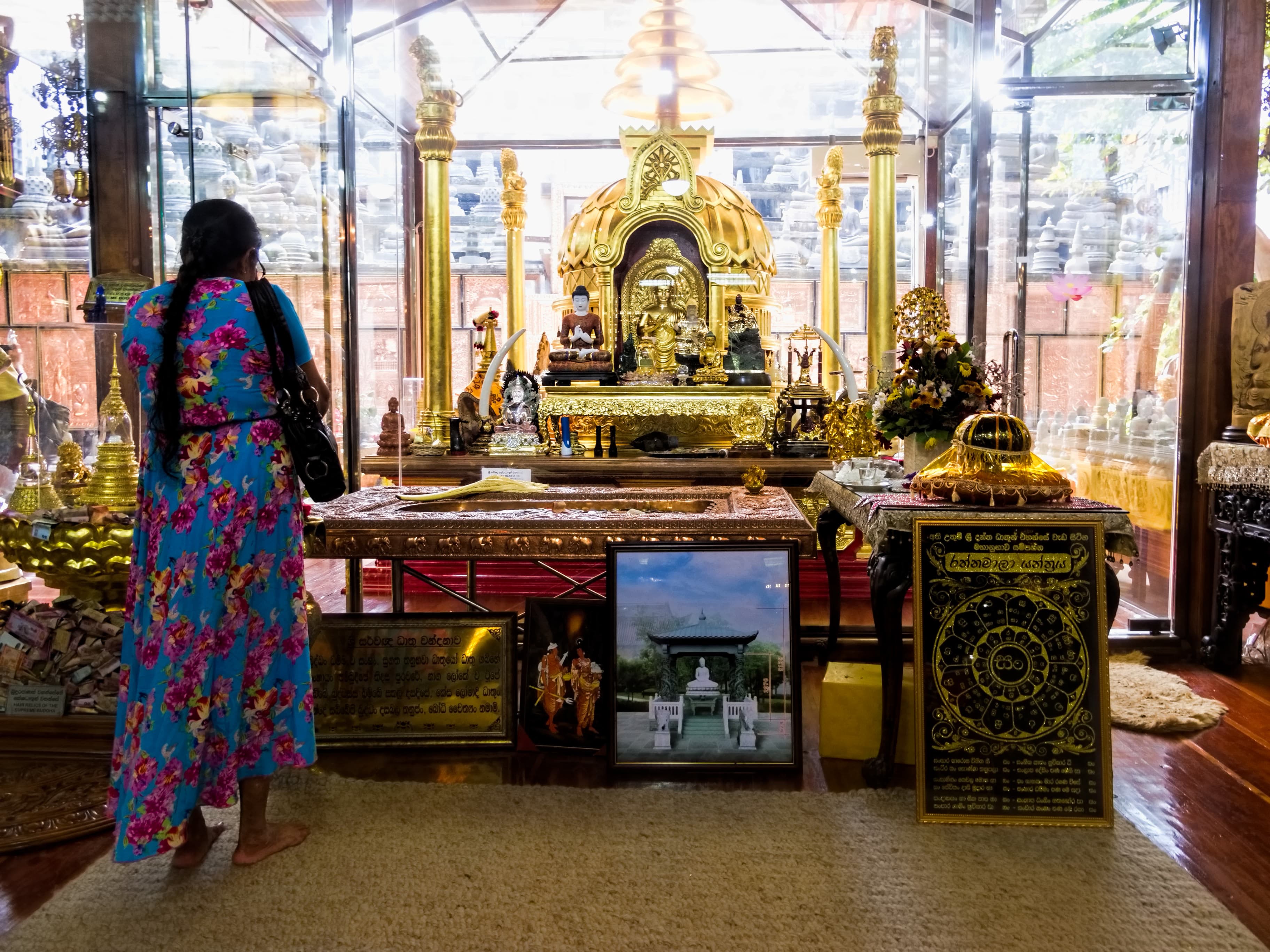
Gangaramaya Temple Colombo Sri Lanka
Gangaramaya Temple, majestically situated in the heart of Colombo, represents one of the most extraordinary and culturally significant Buddhist temples in Sri Lanka, established in the late 19th century CE as a harmonious blend of Sri Lankan, Thai, Indian, and Chinese architectural styles, creating a powerful testament to the profound transmission of Indian Buddhist religious and architectural traditions to Sri Lanka and demonstrating the sophisticated multicultural synthesis that has characterized Sri Lankan religious practices. The temple complex, featuring a Vihara (temple), Cetiya (pagoda), Bodhi tree, and museum, demonstrates the direct transmission of Indian Buddhist temple architecture, particularly the traditions of northern India and Southeast Asia, with local adaptations that reflect the sophisticated synthesis of Indian Buddhist religious and artistic traditions with Sri Lankan, Thai, and Chinese building techniques, while the temple's most remarkable feature is its Seema Malaka, an assembly hall for monks designed by the renowned architect Geoffrey Bawa and funded by a Muslim patron, exemplifying the interfaith harmony and multicultural synthesis that has characterized Sri Lankan religious practices. The temple's architectural layout, with its eclectic design incorporating elements from multiple Asian architectural traditions, follows sophisticated planning principles that demonstrate the transmission of Indian Buddhist temple planning from the great temple complexes of India and Southeast Asia, while the temple's extensive decorative programs including sculptures, carvings, and architectural elements demonstrate the sophisticated synthesis of Indian Buddhist iconography and artistic traditions with local and regional aesthetic sensibilities. Archaeological evidence reveals that the temple has served as a major center of Buddhist worship and learning for over a century, engaging in various welfare activities including operating old age homes, vocational schools, and orphanages, while the temple's association with the annual Navam Perahera, one of the largest Buddhist festivals in Colombo, demonstrates the continued vitality of Indian religious traditions in Sri Lanka. The temple's unique character as a center for Buddhist learning and social welfare demonstrates the sophisticated understanding of Indian Buddhist social engagement traditions that were transmitted to Sri Lanka, while the temple's location in the heart of Colombo underscores its significance as a major center for the transmission of Buddhist teachings and culture in modern Sri Lanka. Today, Gangaramaya Temple stands as one of the most important Buddhist temples in Colombo, serving as a powerful testament to the transmission of Indian Buddhist culture and architecture to Sri Lanka, while ongoing conservation efforts continue to protect and maintain this extraordinary cultural treasure that demonstrates the profound impact of Indian civilization on Sri Lankan religious and artistic traditions. ([1][2])
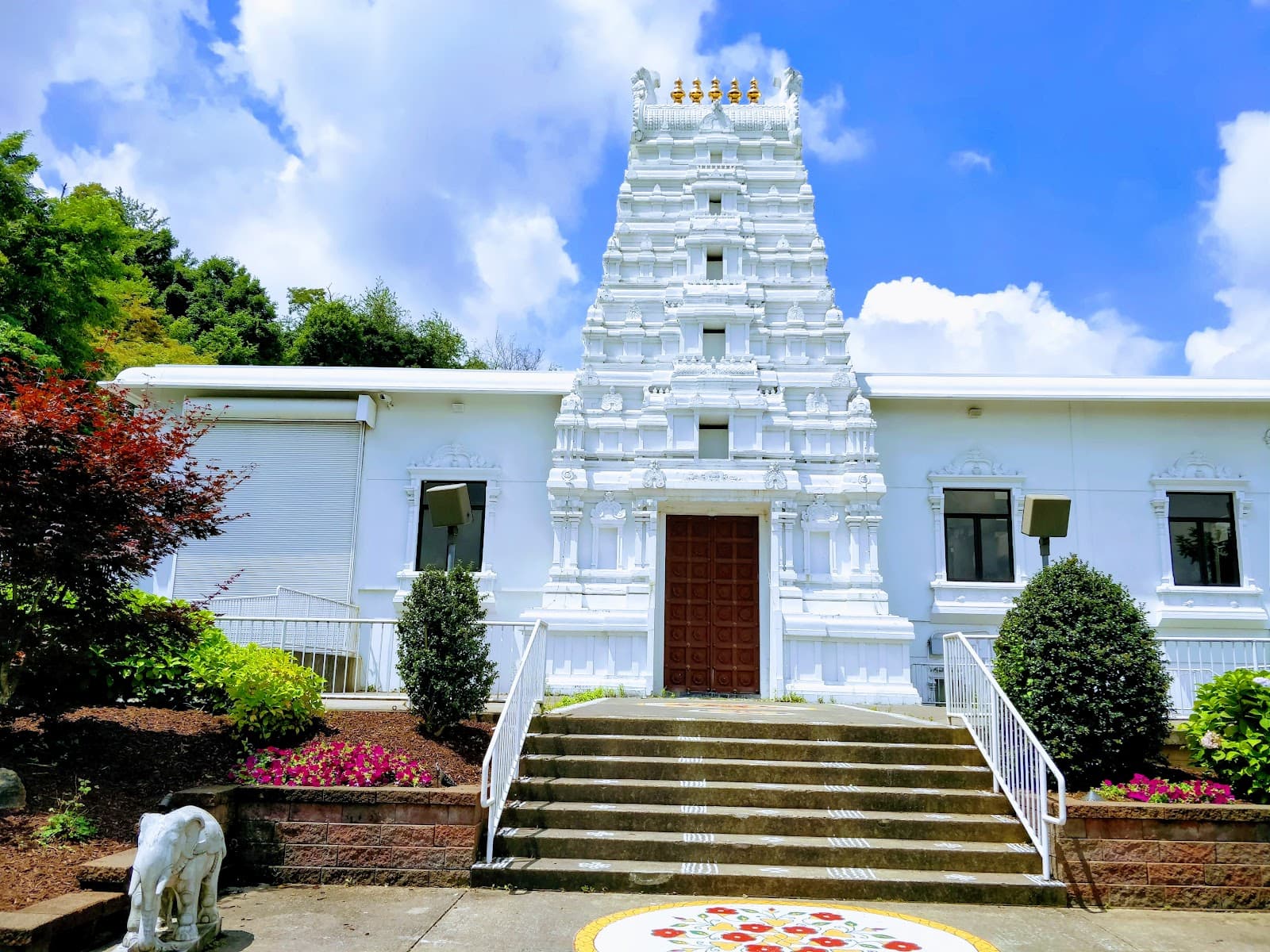
Sri Venkateswara Temple Penn Hills
Sri Venkateswara Temple in Penn Hills, Pennsylvania, mirrors the Tirumala shrine while serving Greater Pittsburgh's Hindu community with daily suprabhatam, archanas, and weekend darshan windows that routinely draw more than 10,000 worshippers a month ([1][3]). The wooded 17-acre campus threads the granite-clad main sanctum, auxiliary shrines, annadana kitchen, and a cultural hall that handles language classes, weddings, and fundraising dinners without interrupting ritual flow ([1][4]). Volunteers direct vehicles across terraced parking lots, marshal shoes at the mandapa threshold, and keep visitor queues shaded under tensile canopies; priests manage timed entry to keep the garbhagriha below the stipulated 75-person limit even during Brahmotsavam ([1][3]). Accessibility upgrades add a covered elevator lobby from the lower parking level, tactile floor strips through the meditation corridor, and assistive listening headsets borrowed from the temple office, while marked refuge areas and sprinklers satisfy Allegheny County life-safety codes refreshed in 2021 ([3][4]). HVAC returns and clerestory vents balance incense exhaust with Pennsylvania winters, and the commercial kitchen's grease management plan keeps drains clear of oil. The temple remains fully operational, with no outstanding code citations and preventive maintenance scheduled every quarter by the facilities desk.
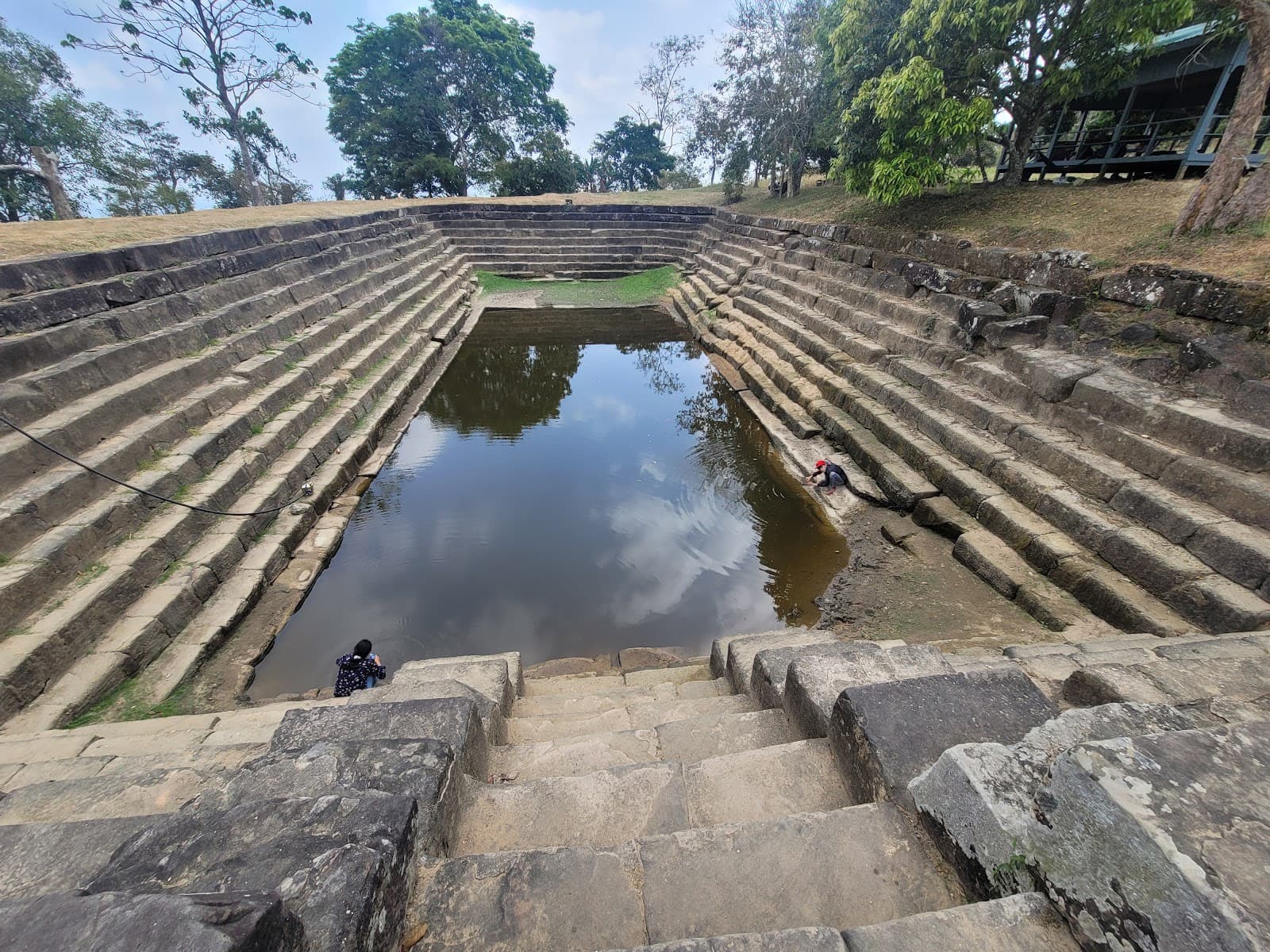
Preah Vihear Temple Dangrek Mountains Cambodia
Preah Vihear Temple, dramatically perched atop a 525-meter cliff in the Dangrek Mountains along the Cambodia-Thailand border, represents one of the most spectacularly sited and architecturally sophisticated Hindu temples in Southeast Asia, constructed continuously from the 9th to 12th centuries CE and dedicated to Shiva, creating a breathtaking testament to the profound transmission of Indian Hindu religious and architectural traditions to Cambodia and demonstrating the sophisticated understanding of Indian temple planning principles that emphasized elevated locations for major shrines. The temple complex, extending for over 800 meters along the cliff edge and ascending through a series of five gopuras (gateway towers) connected by long causeways and staircases, features a sophisticated architectural design that follows the classic Indian Hindu temple plan with progressive levels of sanctity, while the temple's location on a dramatic cliff top, chosen according to Indian cosmological principles that emphasized elevated locations as closer to the divine realm, underscores its spiritual significance as a place where earth and sky intersected. The temple's extraordinary decorative programs, executed with remarkable artistic sophistication, include elaborate lintels and pediments depicting scenes from Hindu mythology including Shiva dancing, Vishnu reclining on the serpent Shesha, and the Churning of the Ocean of Milk, demonstrating the direct transmission of Indian Hindu iconographic programs and narrative traditions from the great artistic centers of India to Cambodia, while the temple's architectural elements including the gopuras, mandapas (halls), and sanctum follow sophisticated Indian Hindu temple architectural traditions that were systematically transmitted from the great temple complexes of India. Archaeological evidence reveals that the temple served as a major center of Shiva worship for the Khmer Empire, while the discovery of numerous Sanskrit inscriptions provides crucial evidence of the site's role in the transmission of Indian religious texts and practices to Cambodia, demonstrating the sophisticated understanding of Indian Hindu traditions possessed by the Khmer court and religious establishment. The temple's construction employed sophisticated engineering techniques including the use of sandstone blocks fitted together without mortar, sophisticated corbelled vaulting adapted from Indian temple architecture, and extensive terracing and retaining walls that demonstrate the remarkable engineering skills possessed by Khmer architects and engineers. Today, Preah Vihear stands as a UNESCO World Heritage Site and represents one of the most important Hindu temples in Southeast Asia, serving as a powerful testament to the transmission of Indian Hindu culture and architecture to Southeast Asia, while ongoing archaeological research and conservation efforts continue to protect and study this extraordinary cultural treasure that demonstrates the profound impact of Indian civilization on Southeast Asian religious and artistic traditions. ([1][2])

Qingyuan Temple Jiuhuashan Anhui China
The site, Vikramshila Mahavihara, located in Antichak village, Bhagalpur district, Bihar, India, stands as a profound testament to India's millennia-spanning cultural heritage, particularly its ancient and continuous tradition of Buddhist learning and architectural sophistication [4] . Established in the late 8th century CE by the Pala emperor Dharmapala, this monastic university was a premier center for Vajrayana Buddhism, reflecting the indigenous Indic architectural styles prevalent during the Early Medieval period [4] . The Mahavihara's layout is a massive quadrangular structure, measuring approximately 330 meters on each side, enclosing a central cruciform stupa [5]. This central stupa, a two-terraced brick structure, rises about 15 meters from the ground level and is accessible via a flight of steps on its northern side . Each of the four cardinal directions of the stupa features a protruding chamber, originally housing colossal stucco images of the seated Buddha, three of which were found in situ during excavations . These chambers are fronted by a pillared antechamber and a separate pillared mandapa [5]. The walls of both terraces of the central stupa are richly adorned with mouldings and thousands of terracotta plaques, showcasing the high excellence of terracotta art that flourished under the Pala dynasty from the 8th to the 12th century CE [5]. These plaques depict a diverse range of subjects, including Buddhist deities such as Buddha, Avalokiteshvara, Manjusri, Maitreya, Jambala, Marichi, and Tara, alongside scenes from Buddhist narratives, social life, hunting, and even other Indian deities like Vishnu, Parvati, Ardhanarisvara, and Hanuman . The monastery complex itself comprises 208 monastic cells, with 52 cells on each of the four sides, opening into a common verandah . These cells, measuring 4.15 x 1.5 meters, were designed for individual monks or students, with some featuring brick-arched underground chambers likely used for confined meditation [5] . The outer wall of the monastery incorporates 20 projected circular and 20 rectangular cells, spaced at intervals of 21 to 23 meters, with provisions for three beds in each room [5]. A notable engineering innovation at Vikramshila is the rectangular library building, situated approximately 32 meters south of the main monastery and connected by a narrow corridor . This structure was ingeniously air-conditioned by cooled water from an adjoining reservoir, circulated through a system of vents in the back wall, a technique likely employed to preserve delicate palm-leaf manuscripts in the humid climate of the Indo-Gangetic plains [4] . The construction primarily utilized baked bricks, a locally available and durable material, which also contributed to the thermal mass of the buildings, helping to regulate internal temperatures [4] [5]. An elaborate network of underground drains, constructed from baked clay pipes, managed rainwater runoff and wastewater, ensuring hygiene and preventing waterlogging [4]. The site is currently under the protection and management of the Archaeological Survey of India (ASI), with ongoing conservation efforts and recent renewed excavation work [1]. A site museum displays a large number of antiquities unearthed during excavations, including sculptures, coins, and terracotta emblems, providing visitors with a tangible connection to its rich past [2] . The site is operational and accessible to visitors, offering a profound glimpse into India's enduring legacy of intellectual and spiritual pursuit.
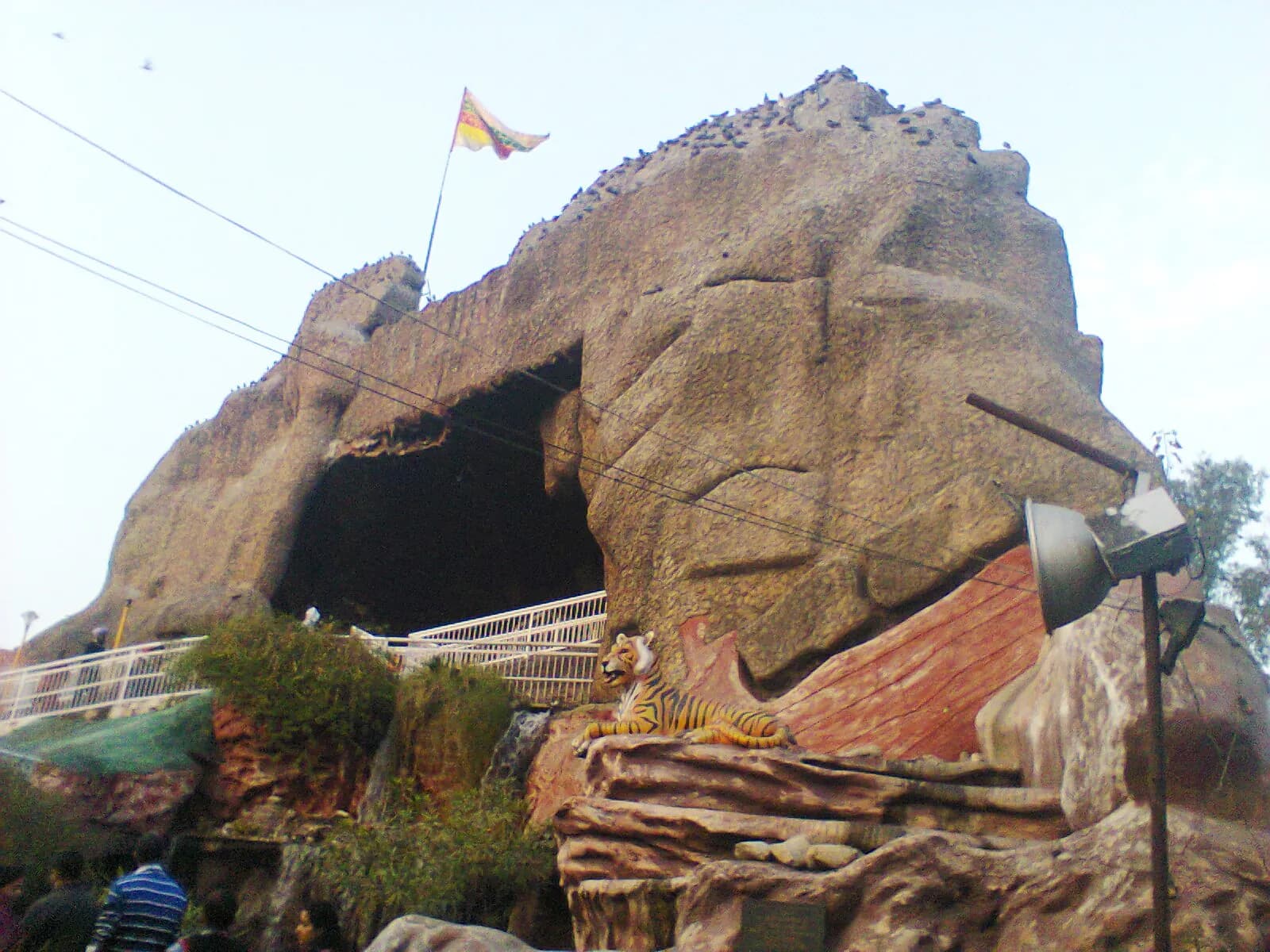
Devi Talab Mandir Jalandhar
The Devi Talab Mandir, located in Jalandhar, Punjab, India, stands as a profound testament to India's millennia-spanning cultural heritage, dedicated to Goddess Durga and revered as one of the 51 Shakti Peethas. This sacred site embodies the continuous tradition of Indian civilization, with its origins deeply rooted in ancient Hindu mythology. The temple complex showcases a rich amalgamation of indigenous architectural styles, drawing inspiration from Nagara, Sikh, and Hindu traditions, reflecting India's deep historical roots and enduring craftsmanship. The primary shrine, housing the deity of Goddess Durga, is a remarkable example of intricate Hindu temple architecture. The temple's structural details reveal a sophisticated blend of materials, including bricks, marble, stone, wood, and mortar. A striking feature is the pyramidal shikhara of the Garbha Griha, which is adorned with plates of gold, imparting an opulent and grand aesthetic to the temple's design. The temple's planning is notably similar to the Golden Temple, with the main structure centrally positioned within a sacred water body, the Devi Talab lake, which is considered one of the 108 holy lakes in the country. The innermost sanctum sanctorum, or Garbha Griha, enshrines the idol of the goddess, established atop a 'Pindi' or sacred stone. The silver doors leading to the Garbha Griha are intricately engraved with various forms of the goddess, and an unbroken flame perpetually illuminates the space before the deity. The temple complex further encompasses a separate Kali Mandir, estimated to be approximately 400 years old, alongside shrines dedicated to Salasar Balaji and Vaishno Devi. Replicas of the revered Amarnath cave and Amar Kund are also present within the complex, enhancing its pilgrimage significance. The temple's walls are adorned with intricate artworks, including a detailed depiction of Lord Shiva's wedding procession and sculptures representing Lord Shiva's family, showcasing exceptional craftsmanship. Decorative elements such as intricate floral carvings, multifoil arches, bands, and Jaalis are prevalent throughout the architecture, reminiscent of traditional Indian design principles. In terms of technical specifications, the temple's unique placement in the middle of a sacred lake necessitates specialized water management. The Devi Talab Mandir Prabandhak Committee, in collaboration with BioTic, employs an eco-friendly liquid-based treatment called OXIBON to maintain the water quality of the ancient pond, ensuring its purity and preserving aquatic life without chemicals. This conservation effort highlights a commitment to sustainable preservation of the site's natural and spiritual elements. The temple is an active place of worship, open daily from 5:00 am to 10:00 pm, serving as a welcoming sanctuary for devotees and visitors alike. Its strategic location, approximately 1 kilometer from the Jalandhar railway station, ensures convenient accessibility. The site is fully operational, maintaining high standards of cleanliness and safety, and continues to be a vibrant center for spiritual and cultural activities, embodying India's enduring cultural legacy.

Bhuteshwar Temple Jind
Granite and sandstone blocks, meticulously carved, constitute the Bhuteshwar Temple in Jind, Haryana, a legacy of the Gurjara-Pratihara dynasty's reign ([1][2]). Established around 750 CE, this 8th-century temple presents a hybrid architectural style, integrating Hindu and Islamic elements ([3]). This fusion reflects the era's dynamic cultural landscape and the architectural innovation prevalent during the Gurjara-Pratihara period. The temple complex, reminiscent of a fortified citadel, has weathered centuries of change, standing as a testament to its enduring construction and historical significance ([4]). Intricate carvings embellishing the walls portray deities and mythical beings, their details softened by time, yet still discernible ([1]). The central shrine is distinguished by a pyramidal Shikhara (spire), exhibiting a simpler design compared to the elaborate structures of other North Indian temples ([2]). High walls and bastions, coupled with a now-dry moat, underscore the site's defensive past, creating a striking juxtaposition of martial fortifications and spiritual serenity ([3][4]). The use of sandstone, bricks, and lime mortar showcases the architectural skills of the time, blending heritage and devotion ([4][5]). Within the Garbhagriha (sanctum), the temple remains a vibrant space for the local community, evidenced by contemporary murals and offerings ([5]). The Indo-Islamic architectural style is manifested in the convergence of Hindu and Islamic designs, illustrating a unique cultural synthesis ([1][2][3]). During the Gurjara-Pratihara period, temple architecture often incorporated regional influences, and Bhuteshwar Temple exemplifies this trend ([1][2]). The temple's design, while not explicitly linked to specific verses from texts like the *Manasara Shilpa Shastra*, reflects the broader principles of temple construction prevalent in that era, emphasizing harmony and proportion in its design ([3][4][5]).
Sharda Peeth Neelum Valley
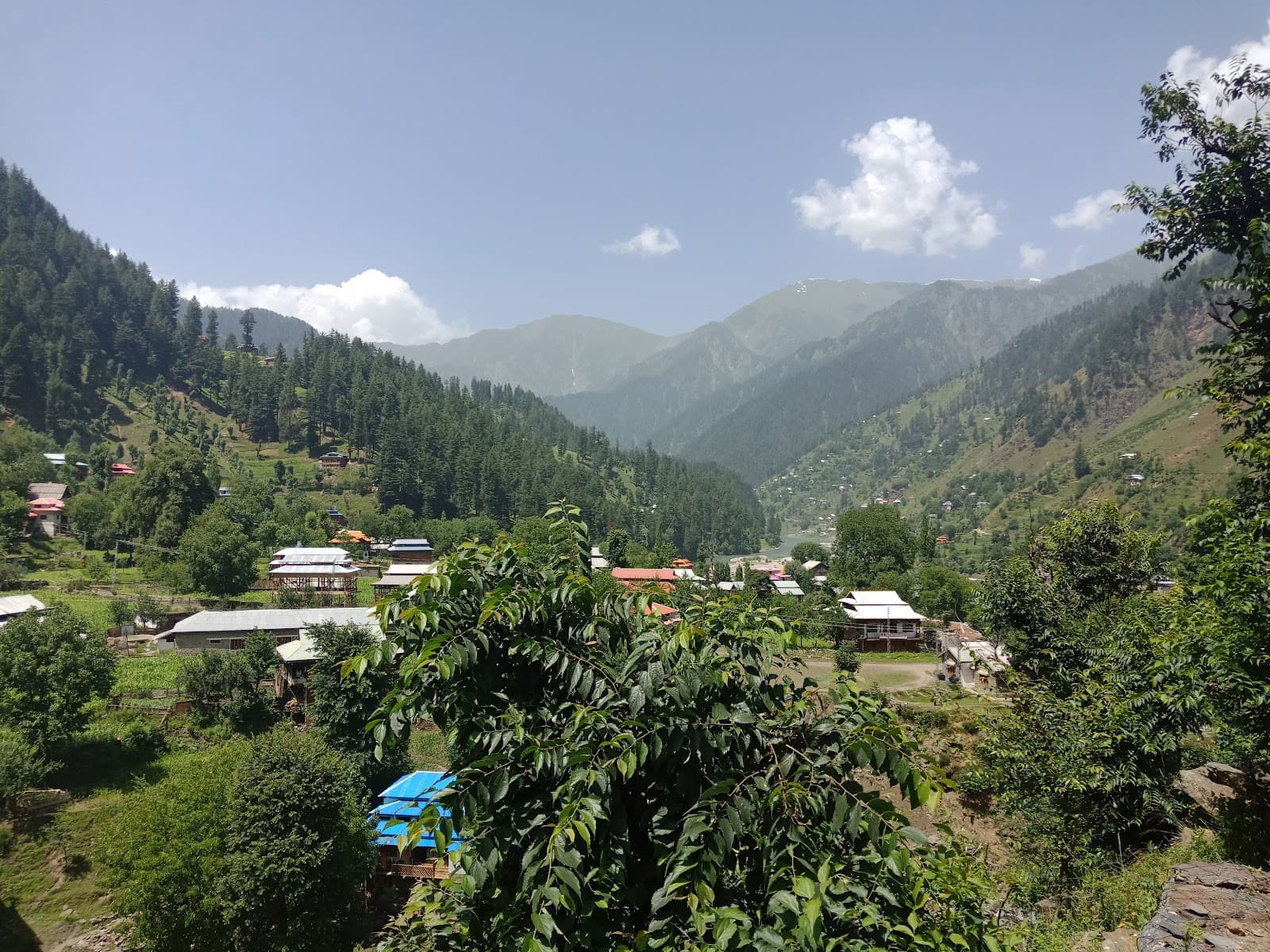
Sharda Peeth, located in the Neelum Valley of POK Jammu and Kashmir, represents one of the most significant ancient centers of learning and Hindu worship in the Indian subcontinent, dating to the 1st millennium CE and serving as a renowned university-temple complex dedicated to the goddess Saraswati, the deity of knowledge, learning, and the arts. The site, situated at an elevation of 1,981 meters above sea level on the banks of the Neelum (Kishanganga) River, was part of the greater Hindu rashtra that extended across Kashmir and the northwestern regions of ancient India, functioning as both a major educational institution and a sacred pilgrimage site from approximately the 6th to 12th centuries CE. The complex, now in ruins but with substantial structural remains, originally featured a massive stone temple dedicated to Saraswati, surrounded by extensive monastic and educational facilities that attracted scholars from across the Indian subcontinent, Central Asia, and beyond, making it one of the most important centers of Sanskrit learning and Hindu philosophy alongside Nalanda, Taxila, and Vikramashila. Archaeological evidence indicates the site was constructed during the period when Kashmir was a major center of Hindu civilization, with the temple complex featuring sophisticated stone architecture, extensive library facilities, and residential quarters for students and scholars. The site is also recognized as one of the 18 Maha Shakti Peethas, where according to Hindu mythology the right hand of the goddess Sati fell, adding to its religious significance. Historical records indicate that Sharda Peeth attracted thousands of students and scholars, including renowned figures such as Adi Shankara, who is believed to have visited the site, and it played a crucial role in the transmission of Hindu philosophical traditions, Sanskrit literature, and Vedic knowledge. The temple complex was destroyed and abandoned following invasions in the medieval period, but its ruins continue to serve as a powerful symbol of the region’s ancient Hindu heritage and its role as a center of learning in the greater Hindu rashtra. Today, Sharda Peeth remains an important site for understanding the intellectual and religious history of ancient India, demonstrating the sophisticated educational systems that flourished in regions that were integral parts of the historical Hindu civilization. ([1][2])

Murudeshwar Temple Murudeshwar
The colossal Shiva statue at Murudeshwar dominates the landscape long before you even reach the temple complex. Emerging from the coastal haze, it’s a breathtaking sight, a beacon drawing you closer to this unique UNESCO site nestled on the Kanduka Hill. As someone who has visited every UNESCO site in India, I can confidently say that Murudeshwar holds a special place, a vibrant blend of devotion, mythology, and stunning coastal beauty. The sheer scale of the statue is awe-inspiring. Standing at 123 feet tall, it’s the second tallest Shiva statue in the world, a modern marvel gazing out at the Arabian Sea. Its gleaming gold surface catches the sunlight, creating an ethereal glow that changes throughout the day. Climbing the steps within the statue's pedestal offers panoramic views of the coastline, the sprawling temple complex below, and the endless expanse of the ocean. The roar of the waves crashing against the rocks below adds a dramatic soundtrack to the experience. The temple complex itself is a fascinating blend of ancient and modern architecture. The main temple dedicated to Lord Shiva is relatively small compared to the towering statue, but it exudes a quiet serenity. Intricate carvings adorn the walls, depicting scenes from Hindu mythology, particularly stories related to the Atmalinga and Ravana, as this site is believed to be one of the places where Ravana attempted to bring the Atmalinga to Lanka. The vibrant colours used in the gopuram, the ornate gateway tower, are striking against the backdrop of the blue sky and the sea. One of the aspects I found particularly captivating was the Raja Gopura, a 20-storied tower offering a bird's-eye view of the entire complex and the surrounding area. A lift takes you to the top, where you're greeted with a 360-degree panorama. From this vantage point, the intricate layout of the temple complex becomes clear, and the strategic positioning of the statue, overlooking the sea, takes on a new significance. It's a truly breathtaking experience, especially during sunset when the sky explodes with colour. Beyond the main temple and the statue, the complex houses several smaller shrines dedicated to various deities. I spent some time exploring these, observing the rituals and the quiet devotion of the pilgrims. The air is thick with the scent of incense and the sound of chanting, creating a palpable sense of spirituality. The constant flow of devotees, from all walks of life, adds to the vibrant atmosphere. What sets Murudeshwar apart from other temple complexes in India is its unique coastal setting. The crashing waves, the salty air, and the vastness of the ocean create a dramatic backdrop for the temple, adding a layer of grandeur and mystique. The beach adjacent to the temple is a popular spot for pilgrims and tourists alike, offering a chance to relax and soak in the atmosphere after exploring the complex. My visit to Murudeshwar was more than just a sightseeing trip; it was an immersive experience. It was a journey into mythology, a testament to architectural ingenuity, and a reminder of the powerful connection between faith and nature. The sheer scale of the Shiva statue is undoubtedly impressive, but it's the overall atmosphere, the blend of ancient traditions and modern marvels, the stunning coastal setting, that truly makes Murudeshwar a must-visit UNESCO site in India. It’s a place where spirituality meets the sea, leaving a lasting impression on every visitor.
Bhaktivedanta Manor Watford
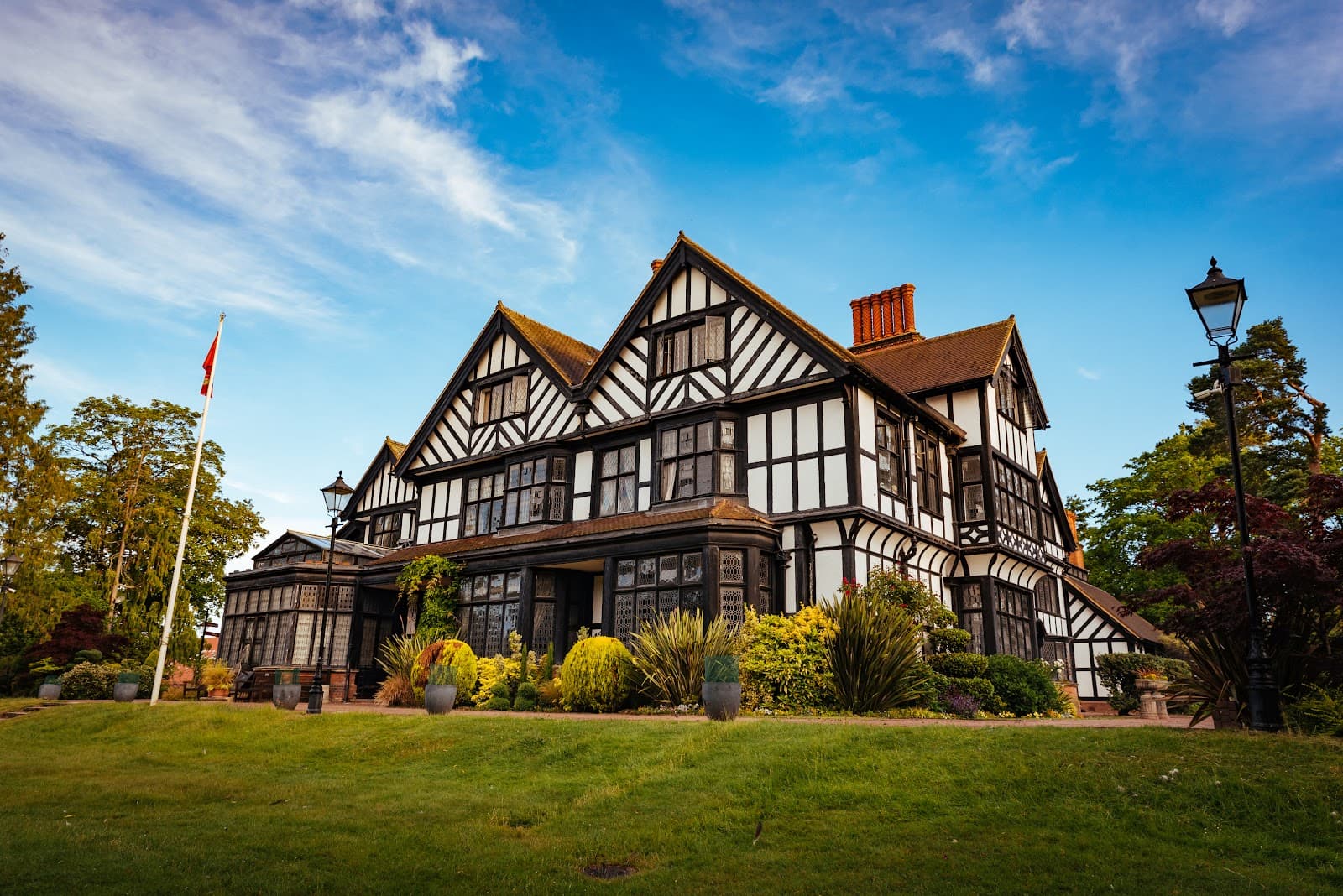
Bhaktivedanta Manor, located in Aldenham, Watford, Hertfordshire, England, serves as a prominent Gaudiya Vaishnava Hindu temple dedicated to Sri Sri Radha Gokulananda, embodying a continuous tradition of Indian civilization that spans millennia [1] [2]. While the physical structure of the manor house dates to the Victorian period, its current function as a temple, established in 1973, integrates indigenous Indian architectural principles and cultural practices, reflecting the deep historical roots of Vaishnavism [1] [3]. The site's architectural style is characterized by an adaptive reuse approach, blending the original mock-Tudor mansion with elements of Gaudiya Vaishnava temple architecture, particularly evident in the Sri Krishna Haveli development completed in 2020 [2] [5]. This new facility, costing £10.65 million, is a 2000-square-meter building designed to complement the existing mock-Tudor mansion without overshadowing it [2] [5]. Its construction utilized local materials such as oak, timber, tile, and traditional red brick with stone paving, respecting the Hertfordshire vernacular, while incorporating bespoke line patterns based on Rajasthani and formal English designs [5]. Teak mouldings, carved in India, were imported and further developed for the inner ceilings of the veranda walkway, showcasing a direct connection to Indian craftsmanship [5]. The Haveli features a Chakra Garden at its entrance, symbolizing the heart's centrality in the Bhakti tradition, and includes a Kirtan Hall with wood paneling and a stage, a Seva Hall with a fully equipped kitchen for serving prasadam, and the Bhakti Vidyalaya learning area with Atma Vidya and Paramatma Vidya rooms for educational purposes [5]. An outdoor Haveli playground, inspired by Krishna's childhood pastimes, is crafted from old trees, providing a safe and creative space for children [5]. The main temple room within the original manor house features an altar of carved wood and gilt, housing three domed shrines [3]. The central shrine is dedicated to Radha and Krishna, known as "Radha Gokulananda," while another houses Gaura-Nitai deities, and a third enshrines Sita, Rama, Lakshmana, and Hanuman [3]. The property, spanning 78 acres, also includes an organic farm, a cow sanctuary housing 66 cows and bulls, a primary school, ashrams, and a small theatre for performances illustrating bhakti yoga [1] [3]. Conservation efforts have included extensive renovation of the original manor building, both internally and externally, restoring it to its 1884 appearance [2]. The site actively hosts daily worship, educational programs, cultural events, and serves thousands of vegetarian meals weekly [1] [2]. Bhaktivedanta Manor is fully operational, providing a vibrant spiritual sanctuary and a testament to the enduring cultural legacy of India, continuously adapting and thriving in its mission [1] [2].

Shree Ganesh Mandir Champhai
The air in Champhai, Mizoram, hung heavy with the scent of pine and a palpable sense of serenity. Perched atop a hillock overlooking the sprawling valley, the Shree Ganesh Mandir commands attention, not through towering grandeur, but through a quiet, understated presence. Unlike the ornate, bustling temples I've encountered across India on my UNESCO World Heritage journey, this one exuded a different kind of energy – a peaceful contemplation that resonated with the surrounding landscape. The first thing that struck me was the unusual architecture. This wasn't the typical Dravidian or Nagara style I’d grown accustomed to. The temple, dedicated to Lord Ganesha, incorporates elements of indigenous Mizo architecture, creating a unique hybrid. The sloping roof, reminiscent of traditional Mizo houses, is clad in corrugated iron sheets, a practical adaptation to the region's heavy rainfall. This pragmatic approach extends to the walls, constructed from locally sourced stone, lending the structure an organic, earthy feel. The entrance is framed by a simple archway, devoid of elaborate carvings, leading into a single, modest prayer hall. Inside, the atmosphere is hushed and reverent. The idol of Lord Ganesha, carved from a single block of white marble, occupies the central space. It's a relatively small statue, but its simplicity amplifies its spiritual weight. The absence of opulent decorations and the muted natural light filtering through the windows create an environment conducive to introspection. I sat there for a while, absorbing the quiet energy, the only sound the gentle rustling of prayer flags outside. What truly sets this temple apart, however, is its story. My conversations with the local priest and residents revealed a fascinating narrative of religious harmony. Champhai, predominantly Christian, embraced the construction of this Hindu temple, demonstrating a remarkable level of interfaith acceptance. The land for the temple was donated by a local Mizo family, a testament to the community's inclusive spirit. This narrative of coexistence, woven into the very fabric of the temple, resonated deeply with me. It was a powerful reminder that spirituality transcends religious boundaries. The panoramic view from the temple grounds adds another layer to the experience. The rolling hills, carpeted in vibrant green, stretch as far as the eye can see, punctuated by the occasional cluster of houses. The Myanmar border, a mere stone's throw away, is visible on a clear day, adding a geopolitical dimension to the vista. I spent a considerable amount of time simply gazing at the landscape, lost in the tranquility of the moment. Visiting the Shree Ganesh Mandir wasn't just about ticking off another UNESCO site on my list. It was an immersive cultural experience, a lesson in religious tolerance, and a moment of quiet reflection amidst the breathtaking beauty of Mizoram. The temple, in its unassuming simplicity, speaks volumes about the spirit of Champhai – a community that embraces diversity and finds harmony in its differences. This experience, more than the grandeur of some of the more famous sites, underscored the true essence of my journey – to discover the heart and soul of India, one temple, one monument, one story at a time. The lack of readily available information about this particular UNESCO site adds to its mystique. It's not a place overrun by tourists, which allows for a more intimate and authentic connection with the space and its significance. This, for me, is the true reward of exploring the lesser-known corners of our incredible heritage. The Shree Ganesh Mandir in Champhai is not just a temple; it's a testament to the power of faith, community, and the quiet beauty of coexistence.
Po Nagar Cham Towers Nha Trang Vietnam
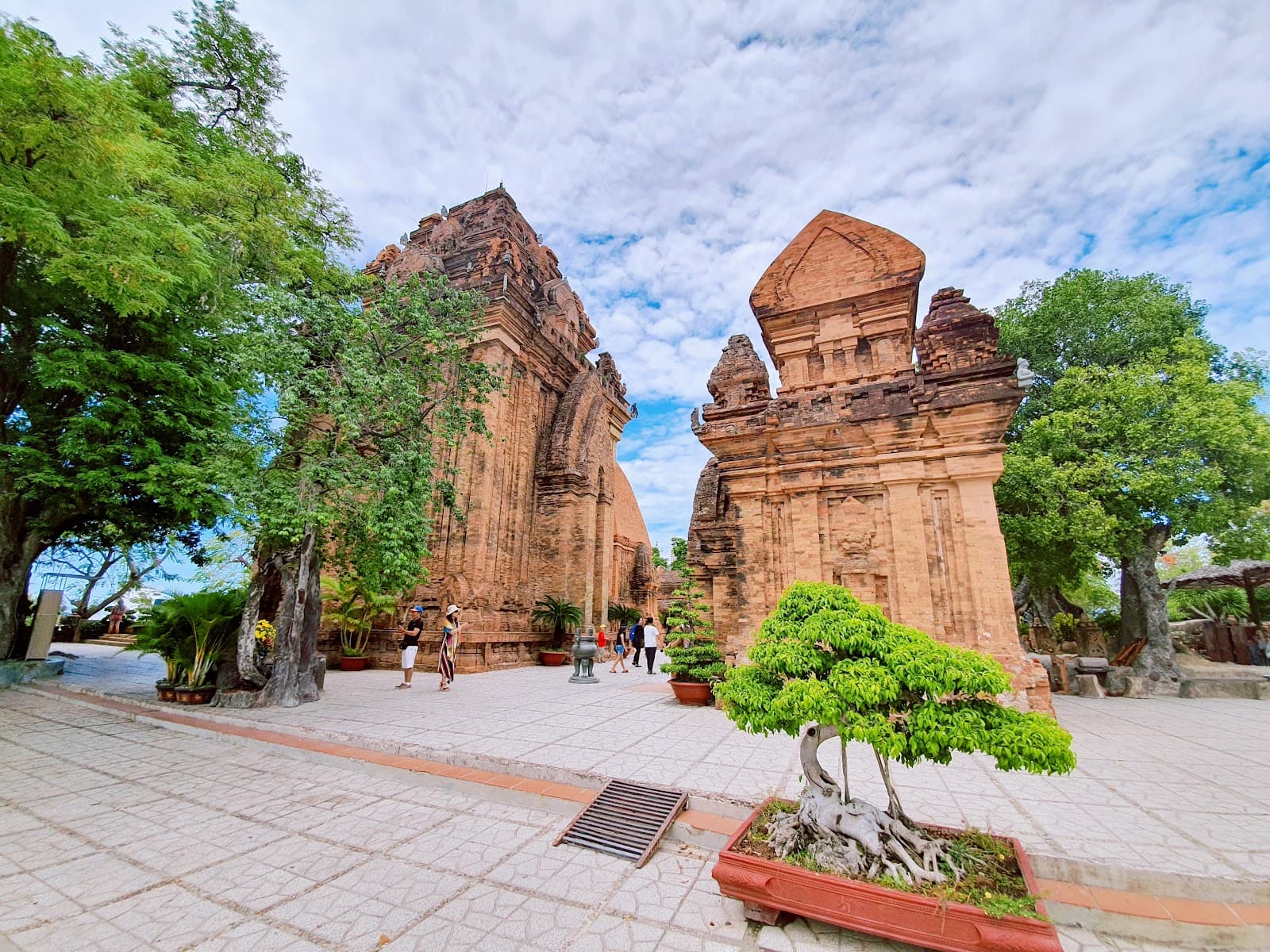
Po Nagar Cham Towers, majestically perched on a hill overlooking the Cai River in Nha Trang, Khanh Hoa Province, Vietnam, represent one of the most magnificent and spiritually significant Cham Hindu temple complexes in Vietnam, constructed from the 7th to 12th centuries CE and dedicated to Yan Po Nagar, the mother goddess of the Champa Kingdom who is identified with the Hindu goddess Bhagavati, creating a powerful testament to the profound transmission of Indian Hindu religious and artistic traditions to Southeast Asia. The temple complex, originally comprising eight towers of which four survive today, features extraordinary red brick structures adorned with intricate sandstone bas-reliefs and sculptures that demonstrate the sophisticated synthesis of Indian Hindu temple architecture, particularly the Dravidian traditions of southern India, with indigenous Cham building techniques, creating a unique architectural expression that reflects Champa's deep engagement with Indian religious and cultural traditions. The main tower, standing at 23 meters tall and dedicated to Yan Po Nagar, features elaborate decorative programs including bas-reliefs depicting Hindu deities, mythological scenes, and Cham royal processions that demonstrate the direct transmission of Indian Hindu iconography and artistic traditions, while the discovery of Sanskrit inscriptions provides crucial evidence of the site's role as a center for the transmission of Indian religious texts and practices to Southeast Asia. The temple complex served as a major center of Hindu worship for the Champa Kingdom for over five centuries, attracting devotees from across the region, while the site's location on a prominent hill overlooking the river, chosen according to Indian cosmological principles emphasizing the connection between earth and sky, underscores its spiritual significance as a place where the divine and earthly realms intersected. Archaeological evidence reveals that the complex underwent multiple phases of construction and modification, with each successive dynasty adding new towers and enhancing existing structures, creating an architectural palimpsest that documents the evolution of Cham Hindu architecture and its continued engagement with Indian traditions, while the site's continued use as an active place of worship by both Cham and Vietnamese devotees demonstrates the enduring vitality of Hindu religious practices in Vietnam. The towers feature distinctive Cham architectural elements including tiered pyramidal roofs, elaborate false doors, and extensive decorative programs that demonstrate the adaptation of Indian temple architecture to local materials and aesthetic preferences, while the sophisticated brick construction techniques, including the unique Cham method of firing bricks in situ, created exceptionally durable structures that have withstood centuries of environmental stress and human activity. Today, Po Nagar stands as a UNESCO Tentative List site and represents one of the most important Cham Hindu temples in Vietnam, serving as a powerful testament to the transmission of Indian Hindu culture and architecture to Southeast Asia, while the site's continued function as an active place of worship and its prominent location in modern Nha Trang ensure its ongoing significance as both a cultural monument and a living religious center that bridges ancient Cham traditions with contemporary Vietnamese society. ([1][2])
Quick Links
Plan Your Heritage Journey
Get personalized recommendations and detailed visitor guides