Has Inheritage Foundation supported you today?
Your contribution helps preserve India's ancient temples, languages, and cultural heritage. Every rupee makes a difference.
Secure payment • Instant 80G certificate
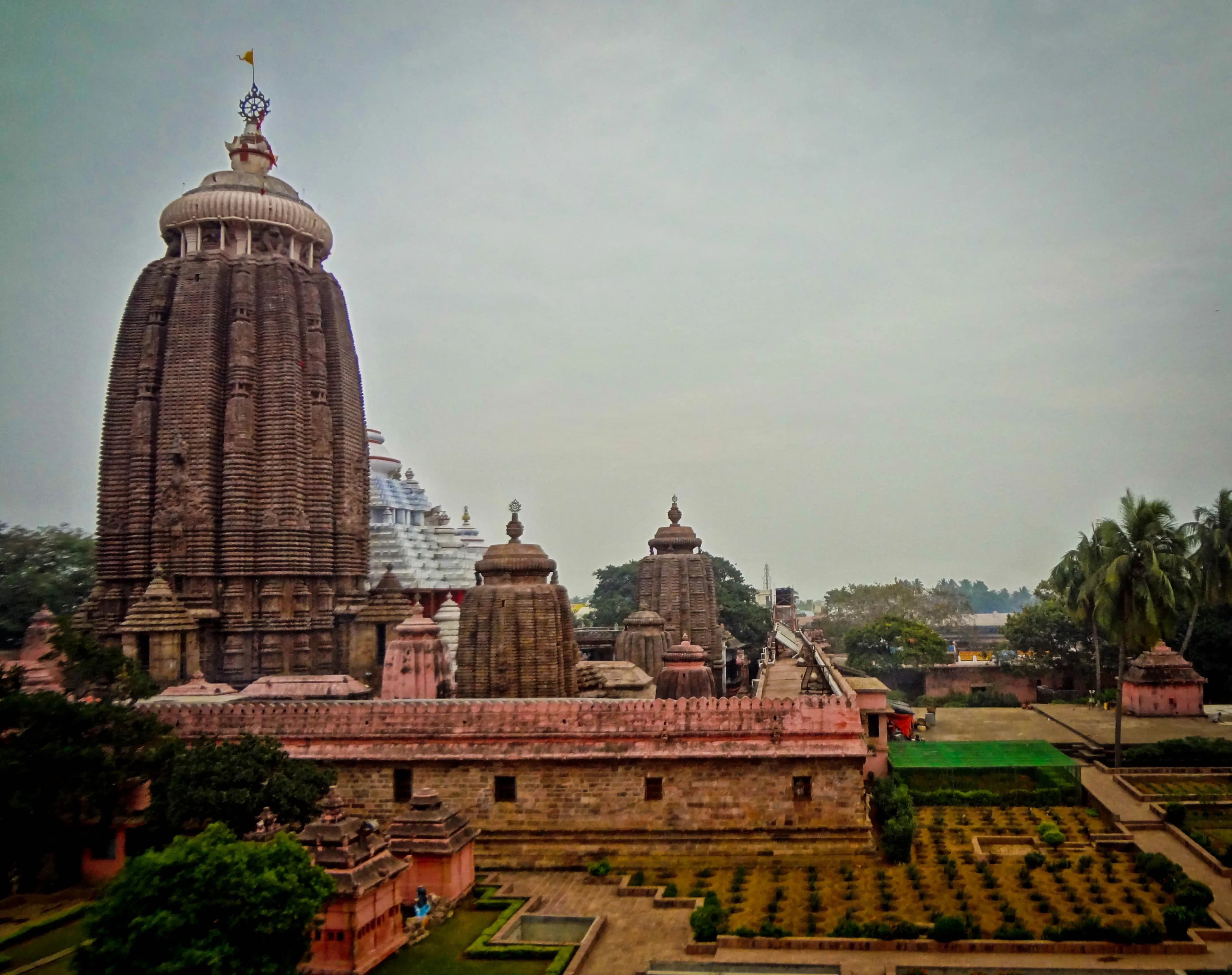
Jagannath Temple Puri
The Jagannath Temple in Puri, Odisha, stands as a profound testament to India's millennia-spanning cultural heritage, dedicated to Lord Jagannath, a form of Vishnu, alongside his siblings Balabhadra and Subhadra [2]. This monumental complex, located on Grand Road, Puri, is a vibrant center of continuous Indian civilization, embodying indigenous architectural styles and spiritual practices that reflect the nation's deep historical roots [1]. The temple is a prime example of Kalinga architecture, characterized by its curvilinear tower (rekha deul) and intricate sculptural ornamentation, which distinguishes it from other pan-Indian temple styles like Nagara and Dravida [3]. The temple complex is enclosed within a massive laterite wall known as Meghanada Pacheri, measuring approximately 202.70 meters by 196.29 meters and standing 6.1 meters high [3] . An inner wall, the Kurma Bedha, further encircles the main temple . The central shrine, or Vimana (Deula), rises to an impressive height of 57.28 meters from the inner parikrama floor to the apex of the Nila Chakra [3]. The temple's main structure comprises four distinct components arranged in an east-west alignment: the Vimana (sanctum sanctorum), the Jagamohana (porch or assembly hall), the Natamandapa (hall for cultural performances), and the Bhogamandapa (hall for offerings) [2] [3]. The Vimana is designed on a Pancha Ratha (five chariot) floor plan, where the vertical structure is divided into five projected column-like features, lending a unique vertical rhythm [2]. The Jagamohana, in contrast, is built in the Pidha deula style, featuring a pyramidal roof composed of horizontal layers [2]. Construction primarily utilized massive laterite blocks, quarried locally, fitted without mortar, showcasing the precision of Kalinga architecture [1]. Iron beams were incorporated to hold sections together, indicating advanced metallurgical knowledge for the period [1]. The temple's vertical structure is divided into five principal parts: Pitha (foundation), Bada (vertical wall), Gandi (main tower), and Mastaka (crowning elements), which includes the sacred Nila Chakra [2]. The Nila Chakra, an eight-spoked wheel made of Ashtadhatu (an alloy of eight metals), is 3.5 meters high with a circumference of about 11 meters, and is considered sacrosanct . Intricate carvings adorn the temple walls, depicting scenes from Hindu mythology, celestial beings, and floral motifs, often exhibiting a level of detail resembling wood or ivory [2] [3]. Friezes on the lower walls portray elephants, horses, and warriors in procession [2]. Niches on the Raha paga (central projection) house Parsva-devatas (side deities) such as Varaha, Trivikrama, and Nrusimha, sculpted from chlorite stone [2]. The temple features four elaborately carved gates: Singhadwara (Eastern Gate) flanked by crouching lions, Ashwadwara (Southern Gate) depicting horses, Vyaghrdwara (Western Gate) representing tigers, and Hastidwara (Northern Gate) featuring elephants [2]. The Singhadwara, the main entrance, is fronted by the monolithic Aruna Stambha, a sixteen-sided pillar topped with an idol of Aruna, the charioteer of Surya . The temple's kitchen is renowned as one of the largest in the world, preparing vegetarian Mahaprasad for thousands of devotees daily using traditional methods with earthen pots and firewood, a practice preserved for centuries [1] . The Archaeological Survey of India (ASI) plays a crucial role in the conservation of this Monument of National Importance, undertaking structural repairs using traditional methods and materials like laterite and lime plaster, and meticulously cleaning and conserving carvings [1] . Ongoing structural monitoring and repairs are in place, with efforts to incorporate both advanced conservation techniques and traditional knowledge systems to ensure durability and authenticity [1] . The temple remains an active place of worship, ensuring consistent ritual maintenance and upkeep of its architectural integrity [1]. The site is fully operational, welcoming pilgrims and visitors, with ongoing efforts to enhance accessibility, including a new ramp near the North Gate for the elderly and persons with disabilities .
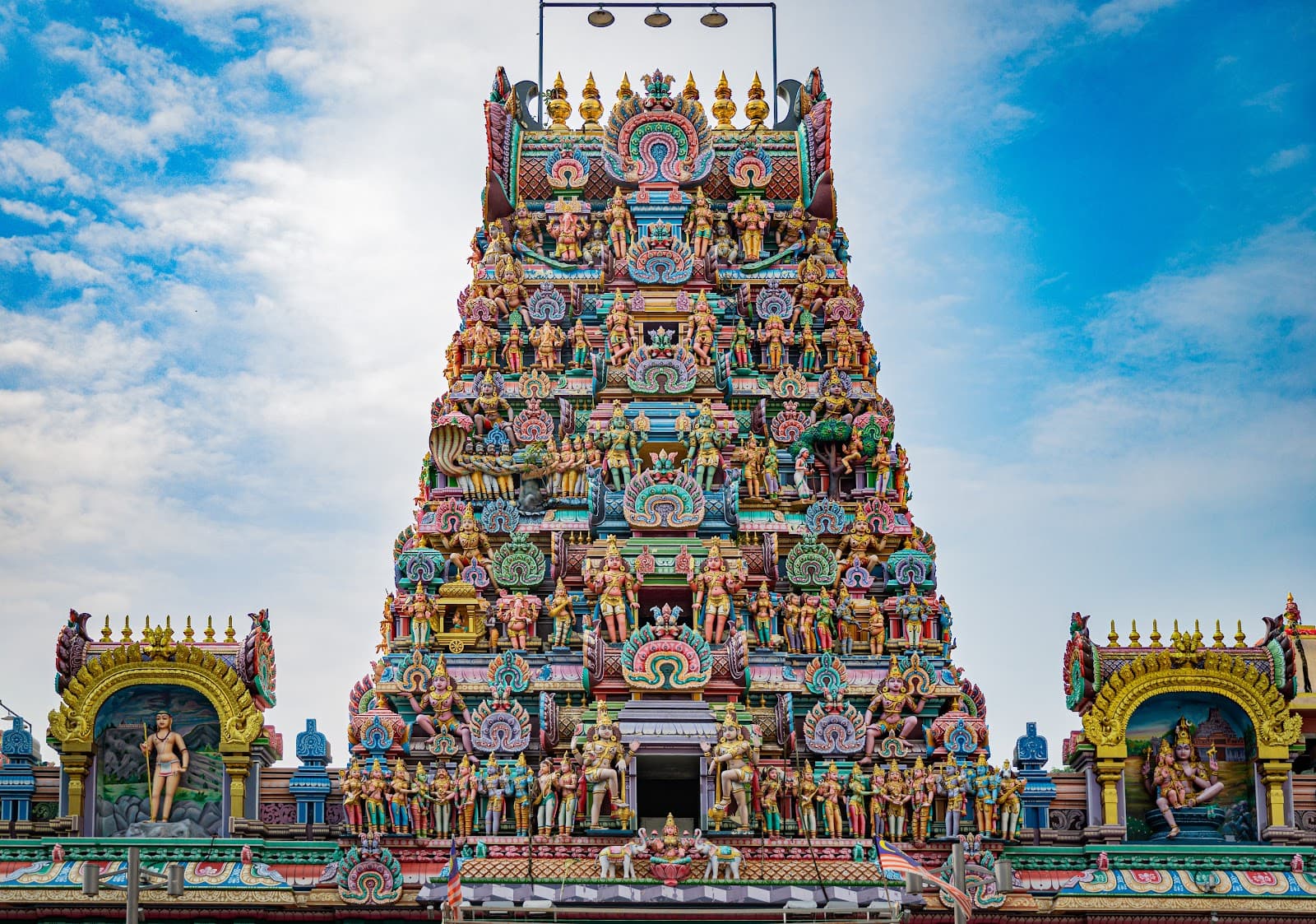
Sri Kandaswamy Kovil Brickfields Kuala Lumpur
Sri Kandaswamy Kovil (1902) crowns Brickfields as Malaysia’s finest Saiva Siddhanta kovil, built by Ceylon Tamil administrators of the Federated Malay States Railways, with a 21-metre rajagopuram sculpted by Jaffna artisans, tiered gold kalashas, and an interior consecrated to Murugan (Kandaswamy) with granite-lined sanctum, teppakulam-style reflecting pool, and murals chronicling Nallur Kovil traditions ([1][2]). The kovil opens 5:30 AM-9:30 PM daily, offering six kala pujas, Vedic chanting, abhishekam, and annadhanam; Vaikasi Visakam, Thai Poosam (Silver chariot), Navaratri, and Skanda Shasti anchor the calendar, while Sunday thiruppugazh classes, Sivaneri sangam, and Tamil vidyalayam serve the community. During Thaipusam, the temple dispatches Kuala Lumpur’s famed silver chariot to Batu Caves, mobilising 400 marshals, GPS-tracked convoy, real-time crowd updates, and recycling squads. Facilities include a heritage gallery, Tamil library, music and dance studios, wedding halls, vegetarian restaurant, counselling centre, dialysis support fund, and archives storing century-old kovil minute books. The kovil’s Ceylonese management publishes bilingual liturgical guides, organises interfaith dialogues, and supports Brickfields’ blind association through inclusive programmes ([1][3]).
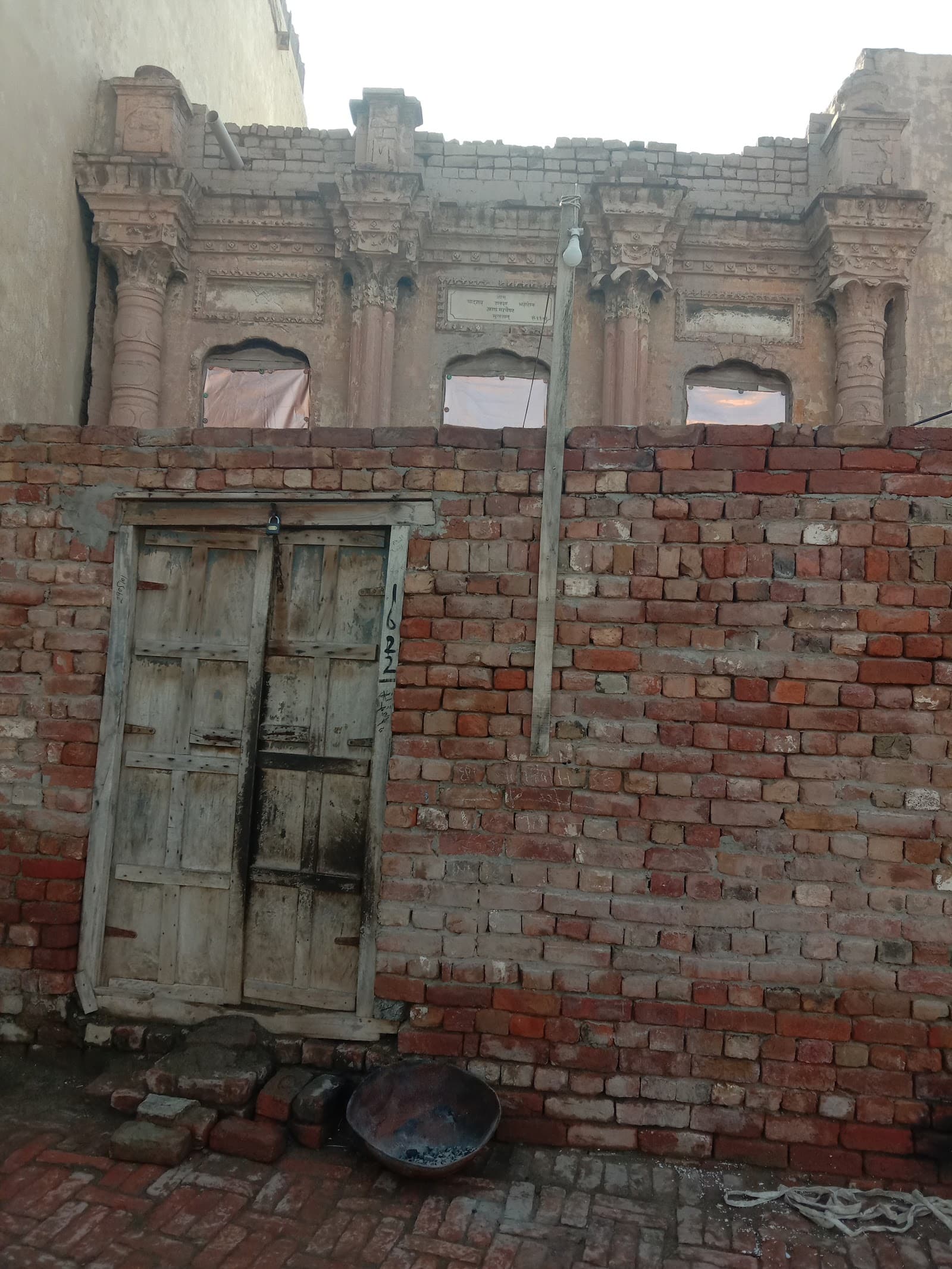
Multan Sun Temple Ruins Multan
The midday sun beat down on the dusty plains of Multan, casting long shadows across the uneven ground where the magnificent Multan Sun Temple once stood. Now, only fragmented remnants whisper tales of its former glory. As someone who has explored the intricate cave temples of Ajanta and Ellora, the robust rock-cut shrines of Elephanta, and the serene beauty of Karla Caves, I felt a pang of both familiarity and sadness standing amidst these ruins. While Maharashtra’s temples are testaments to enduring faith, the Multan Sun Temple stands as a poignant reminder of the fragility of heritage. The site, locally known as the Prahladpuri Temple, is believed to have been dedicated to the sun god Surya, though some scholars associate it with Aditya. Unlike the basalt structures I’m accustomed to in Maharashtra, this temple was primarily built of brick, a common building material in the Indus Valley region. The baked bricks, now weathered and crumbling, still bear the marks of intricate carvings, hinting at the elaborate ornamentation that once adorned the temple walls. I could discern traces of floral motifs, geometric patterns, and what appeared to be depictions of celestial beings, echoing the decorative elements found in some of Maharashtra's Hemadpanti temples. The sheer scale of the ruins is impressive. Scattered mounds of brick and debris suggest a structure of considerable size, possibly a complex of shrines and ancillary buildings. Local narratives speak of a towering temple, its shikhara reaching towards the heavens, covered in gold and glittering in the sunlight. While the gold is long gone, and the shikhara reduced to rubble, the energy of the place is palpable. I closed my eyes, trying to envision the temple in its prime, the chants of priests resonating, the air thick with the scent of incense, and the sun’s rays illuminating the golden spire. One of the most striking features of the site is the presence of a large, rectangular tank, possibly used for ritual ablutions. This reminded me of the stepped tanks found in many ancient temples across India, including those in Maharashtra. The tank, though now dry and filled with debris, speaks volumes about the importance of water in religious practices. I noticed remnants of what seemed like a drainage system, showcasing the advanced engineering knowledge of the time. Walking through the ruins, I stumbled upon several carved fragments, likely pieces of pillars or door frames. The intricate details on these fragments were astonishing. I recognized influences from various architectural styles, including elements reminiscent of Gandhara art, which blended Greco-Roman and Indian aesthetics. This fusion of styles is a testament to Multan's historical position as a crossroads of civilizations. It was fascinating to see how different artistic traditions had converged in this one place, much like the confluence of architectural styles seen in some of the later temples of Maharashtra. The destruction of the Multan Sun Temple is shrouded in historical accounts, attributed to various invaders over the centuries. While the exact circumstances remain debated, the loss of such a magnificent structure is undoubtedly a tragedy. Standing amidst the ruins, I couldn't help but draw parallels to the damage inflicted on some of Maharashtra's temples during periods of conflict. However, unlike many of the damaged temples in Maharashtra, which were later restored, the Multan Sun Temple remains in ruins, a stark reminder of the destructive power of time and human actions. My visit to the Multan Sun Temple was a deeply moving experience. While the physical structure is largely gone, the spirit of the place persists. The ruins whisper stories of a glorious past, of devotion, artistry, and cultural exchange. It serves as a powerful reminder of the importance of preserving our shared heritage, not just in Maharashtra, but across the subcontinent and beyond. These fragmented remnants are more than just bricks and stones; they are fragments of history, waiting to be understood and appreciated.
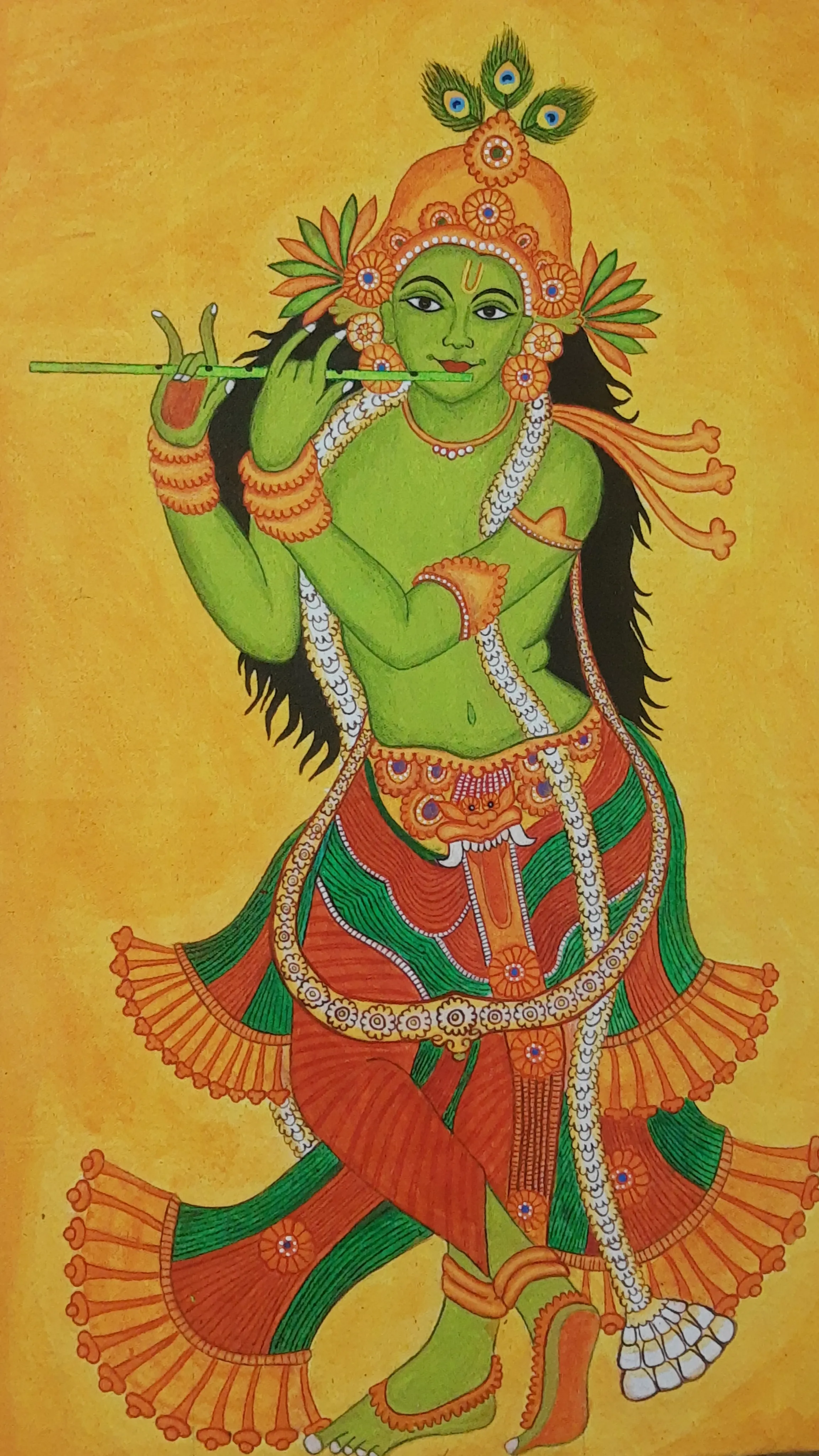
Guruvayur Temple Guruvayur
The air hung thick and sweet with the scent of sandalwood and jasmine, a fragrance that seemed woven into the very fabric of Guruvayur. The eastern sky, still holding the soft hues of pre-dawn, reflected in the shimmering gold of the Guruvayur Sri Krishna Temple’s gopuram. This wasn't just another temple on my list; this was Guruvayur, a place that resonated with a palpable spiritual energy even before I stepped inside. Having documented over 500 monuments across India, I've developed a keen eye for architectural nuances. The Kerala style here is distinct – a sloping tiled roof, vibrant murals adorning the outer walls, and the four-armed deity of Lord Krishna visible through the main doorway, a sight that instantly captivated me. Unlike the towering gopurams of Tamil Nadu, this one felt more intimate, drawing you in rather than overwhelming you with its scale. The temple’s koothambalam, the traditional theatre for Keralan performing arts, immediately caught my attention. Its intricate woodwork, depicting scenes from the epics, was a testament to the craftsmanship of a bygone era. I spent a good hour circling it, capturing the delicate details of the carved figures, each telling a silent story. The pillars, polished smooth by centuries of touch, seemed to hum with the echoes of ancient performances. Entering the chuttambalam, the outer enclosure, the energy shifted. The rhythmic chanting of Vedic hymns filled the air, intertwining with the clanging of bells and the murmur of devotees. Photography is restricted within the inner sanctum, a rule I respect deeply, but the experience transcended the visual. It was about absorbing the atmosphere, the devotion that permeated every corner. I observed the devotees, their faces etched with a mix of reverence and anticipation, as they circumambulated the sanctum. The sheer faith on display was humbling. The temple tank, Rudratheertham, located to the west, offered a moment of tranquility amidst the vibrant activity. Pilgrims took ritual dips in the sacred waters, their faces reflecting the serene surface. The architectural harmony between the tank and the temple itself was striking – a seamless blend of the spiritual and the natural. One of the most captivating aspects of Guruvayur is its unique rituals. I was fortunate to witness the 'Seeveli,' a ceremonial procession where the deity is carried around the temple grounds on an elephant. The sheer grandeur of the moment, the vibrant colours, the rhythmic chanting, and the palpable devotion of the crowd created an unforgettable spectacle. It wasn't just a visual feast; it was a sensory immersion into a centuries-old tradition. Beyond the main temple, the surrounding town added another layer to the experience. The narrow streets, bustling with vendors selling everything from flowers and incense to traditional handicrafts, offered a glimpse into the local life intertwined with the temple. The aroma of freshly prepared prasadam, the temple offering, wafted through the air, adding to the sensory tapestry. Leaving Guruvayur, I carried more than just photographs. I carried the resonance of the chants, the scent of sandalwood, and the palpable devotion that permeated the air. It wasn't just a documentation of a historical site; it was an immersion into a living, breathing spiritual heart of Kerala. It reinforced my belief that heritage photography isn't just about capturing the visual; it's about capturing the intangible essence of a place, the stories it whispers, and the emotions it evokes. And Guruvayur whispered volumes.
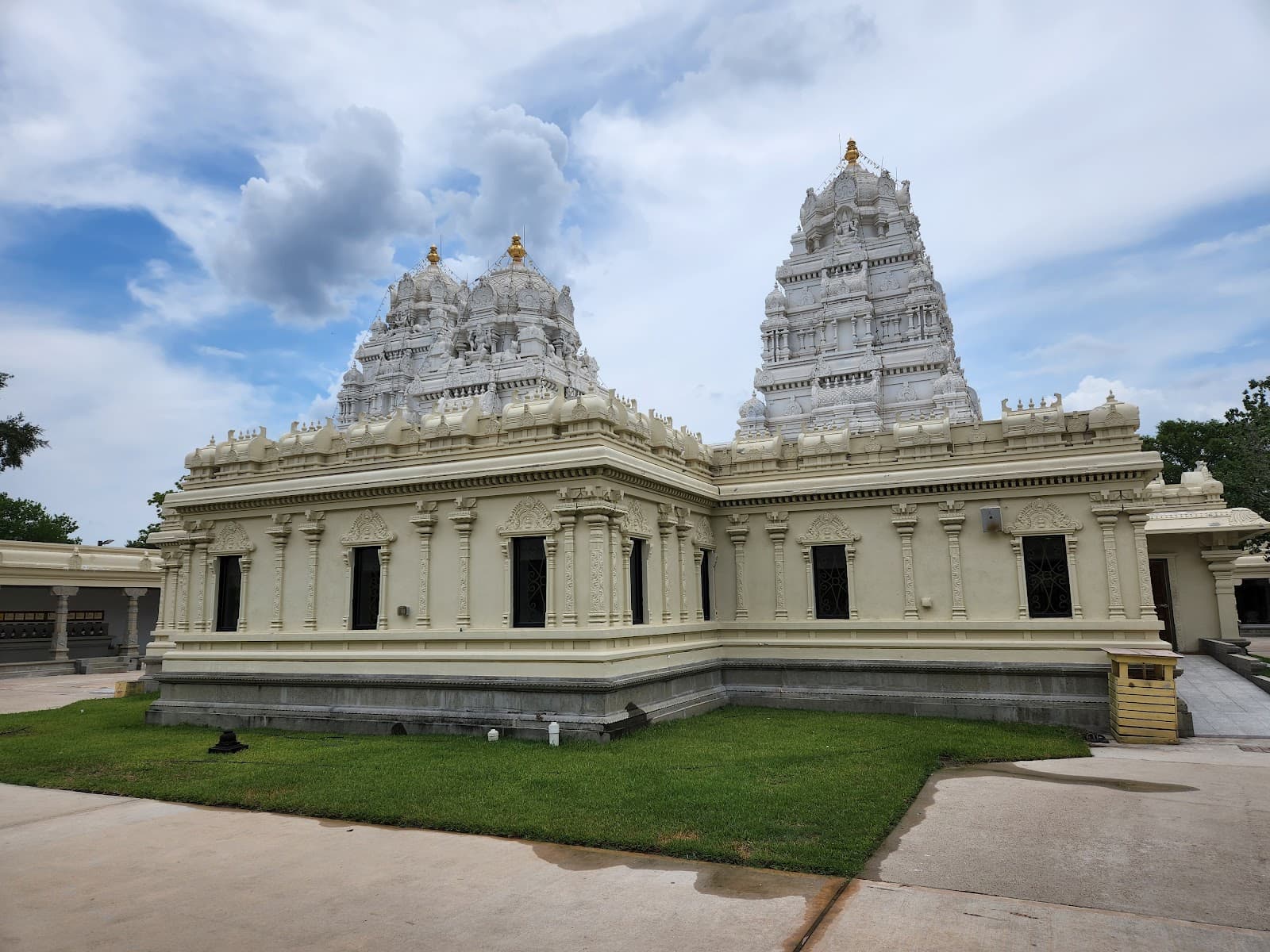
Sri Meenakshi Temple Pearland
Sri Meenakshi Temple in Pearland, Texas, dedicated to Meenakshi, Sundareswarar, and Venkateswara, opens daily at 6:00 AM and maintains staggered archanas and homams through 8:30 PM, redistributing 4,000 weekly visitors across a 23-acre campus anchored by granite shrines and a ceremonial temple tank ([1][2]). Volunteer captains from the Temple Society schedule parking marshals, shoe attendants, and queue coordinators, ensuring darshan lines flow smoothly between the main gopuram, utsava mandapam, and ancillary shrines even during chariot festivals ([1][3]). Security teams monitor entry gates, scan festival credentials, and coordinate with Pearland police for traffic control, while custodians cycle through the granite corridors every two hours to mop humidity from Gulf Coast air and polish brass railings ([3][5]). Ramps encircle the mandapam, elevators connect the main hall to the community center, and shuttle carts ferry elders from remote parking lots; assistive listening receivers and captioned displays extend rituals to visitors seated in overflow tents during major events ([1][4]). The canteen and community center operate on independent HVAC and fire systems inspected semi-annually, and SCADA sensors monitor temple tank water levels, triggering pumps when rainfall exceeds design thresholds ([3][5]). Preventive maintenance dashboards log lighting, plumbing, and accessibility checks, and 2025 City of Pearland inspections confirmed the campus remains fully compliant with fire, sanitation, and stormwater regulations ([3][4]).
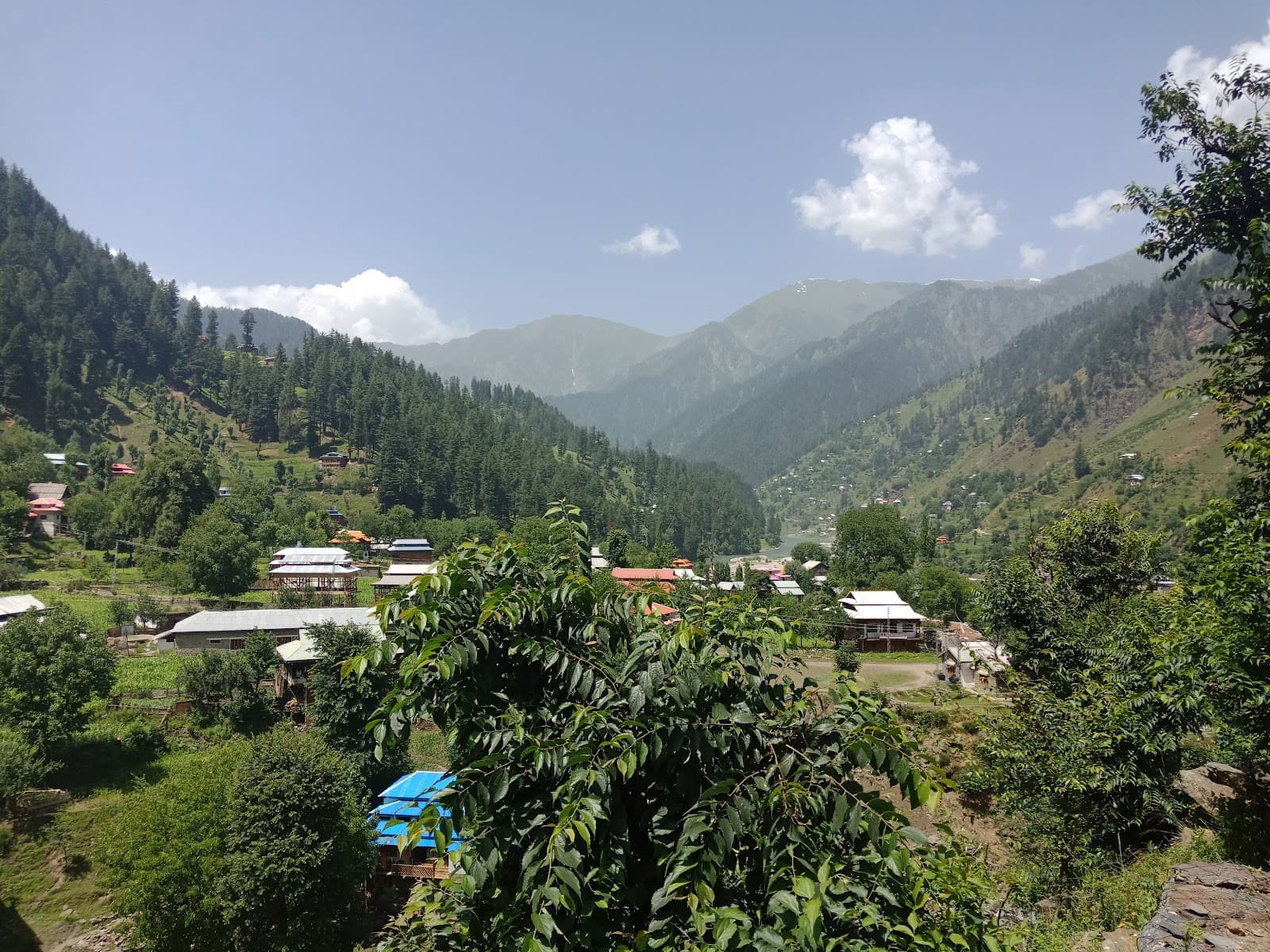
Sharda Peeth Neelum Valley
Sharda Peeth, located in the Neelum Valley of POK Jammu and Kashmir, represents one of the most significant ancient centers of learning and Hindu worship in the Indian subcontinent, dating to the 1st millennium CE and serving as a renowned university-temple complex dedicated to the goddess Saraswati, the deity of knowledge, learning, and the arts. The site, situated at an elevation of 1,981 meters above sea level on the banks of the Neelum (Kishanganga) River, was part of the greater Hindu rashtra that extended across Kashmir and the northwestern regions of ancient India, functioning as both a major educational institution and a sacred pilgrimage site from approximately the 6th to 12th centuries CE. The complex, now in ruins but with substantial structural remains, originally featured a massive stone temple dedicated to Saraswati, surrounded by extensive monastic and educational facilities that attracted scholars from across the Indian subcontinent, Central Asia, and beyond, making it one of the most important centers of Sanskrit learning and Hindu philosophy alongside Nalanda, Taxila, and Vikramashila. Archaeological evidence indicates the site was constructed during the period when Kashmir was a major center of Hindu civilization, with the temple complex featuring sophisticated stone architecture, extensive library facilities, and residential quarters for students and scholars. The site is also recognized as one of the 18 Maha Shakti Peethas, where according to Hindu mythology the right hand of the goddess Sati fell, adding to its religious significance. Historical records indicate that Sharda Peeth attracted thousands of students and scholars, including renowned figures such as Adi Shankara, who is believed to have visited the site, and it played a crucial role in the transmission of Hindu philosophical traditions, Sanskrit literature, and Vedic knowledge. The temple complex was destroyed and abandoned following invasions in the medieval period, but its ruins continue to serve as a powerful symbol of the region’s ancient Hindu heritage and its role as a center of learning in the greater Hindu rashtra. Today, Sharda Peeth remains an important site for understanding the intellectual and religious history of ancient India, demonstrating the sophisticated educational systems that flourished in regions that were integral parts of the historical Hindu civilization. ([1][2])

Rajgir Palace Rajgir
The midday sun cast long shadows across the manicured lawns of Rajgir Palace, highlighting the faded grandeur of this once-regal retreat. Located in the heart of Rajgir, Bihar, a town steeped in ancient history, the palace stands as a silent witness to a bygone era, its walls whispering tales of the Nawabs of Bengal who once held court here. My 500th documented monument, it held a special significance, a milestone in my journey of capturing India's architectural heritage. The palace, a sprawling structure built in the Indo-Saracenic style, displays a fascinating blend of architectural influences. The arched doorways, intricate jali work, and ornate stucco decorations speak of Mughal aesthetics, while the European-inspired columns and balustrades hint at the colonial period during which it was extensively renovated. This fusion of styles, so characteristic of many late 19th and early 20th-century buildings in India, creates a unique visual narrative, a testament to the cultural exchange of the time. Stepping through the imposing arched gateway, I was struck by the sense of tranquility that permeated the courtyard. The central courtyard, once bustling with activity, is now a peaceful oasis. A large fountain, now dry, stands as a centerpiece, its weathered stone surface bearing the marks of time. Surrounding the courtyard are the various wings of the palace, their facades adorned with intricate carvings and decorative motifs. The delicate floral patterns and geometric designs, though faded in places, still retain their charm, showcasing the skill of the artisans who crafted them. I spent hours exploring the palace, my camera capturing every detail. The grand durbar hall, with its high ceilings and ornate chandeliers, evoked images of lavish gatherings and royal ceremonies. The walls, once adorned with rich tapestries and paintings, now bear the scars of neglect, yet the remnants of their former glory are still visible. Peeling paint revealed layers of history, each layer telling a story of the palace's evolution. The upper floors, accessible via a grand staircase, offered breathtaking views of the surrounding hills and the ancient city of Rajgir. From here, I could appreciate the strategic location of the palace, overlooking the valley and offering a panoramic vista. The rooms, once opulent and luxurious, now stand empty, their faded grandeur a poignant reminder of the passage of time. I noticed remnants of intricate tile work on the floors, now cracked and broken in places, but still hinting at the elegance that once filled these spaces. One of the most captivating aspects of Rajgir Palace is its integration with the natural landscape. The palace gardens, though overgrown in parts, still retain their original layout, with pathways meandering through lush greenery. The presence of ancient trees, some perhaps as old as the palace itself, adds to the sense of history and timelessness. I could imagine the Nawabs strolling through these gardens, enjoying the cool shade and the panoramic views. My visit to Rajgir Palace was more than just documenting another monument; it was an immersive experience, a journey back in time. It was a privilege to witness the architectural legacy of the Nawabs of Bengal and to capture the essence of this historical gem. While the palace stands as a testament to a bygone era, it also serves as a reminder of the importance of preserving our heritage for future generations. The faded grandeur of Rajgir Palace, with its blend of architectural styles and its serene setting, left an indelible mark on me, reinforcing my passion for documenting India's rich and diverse architectural heritage.
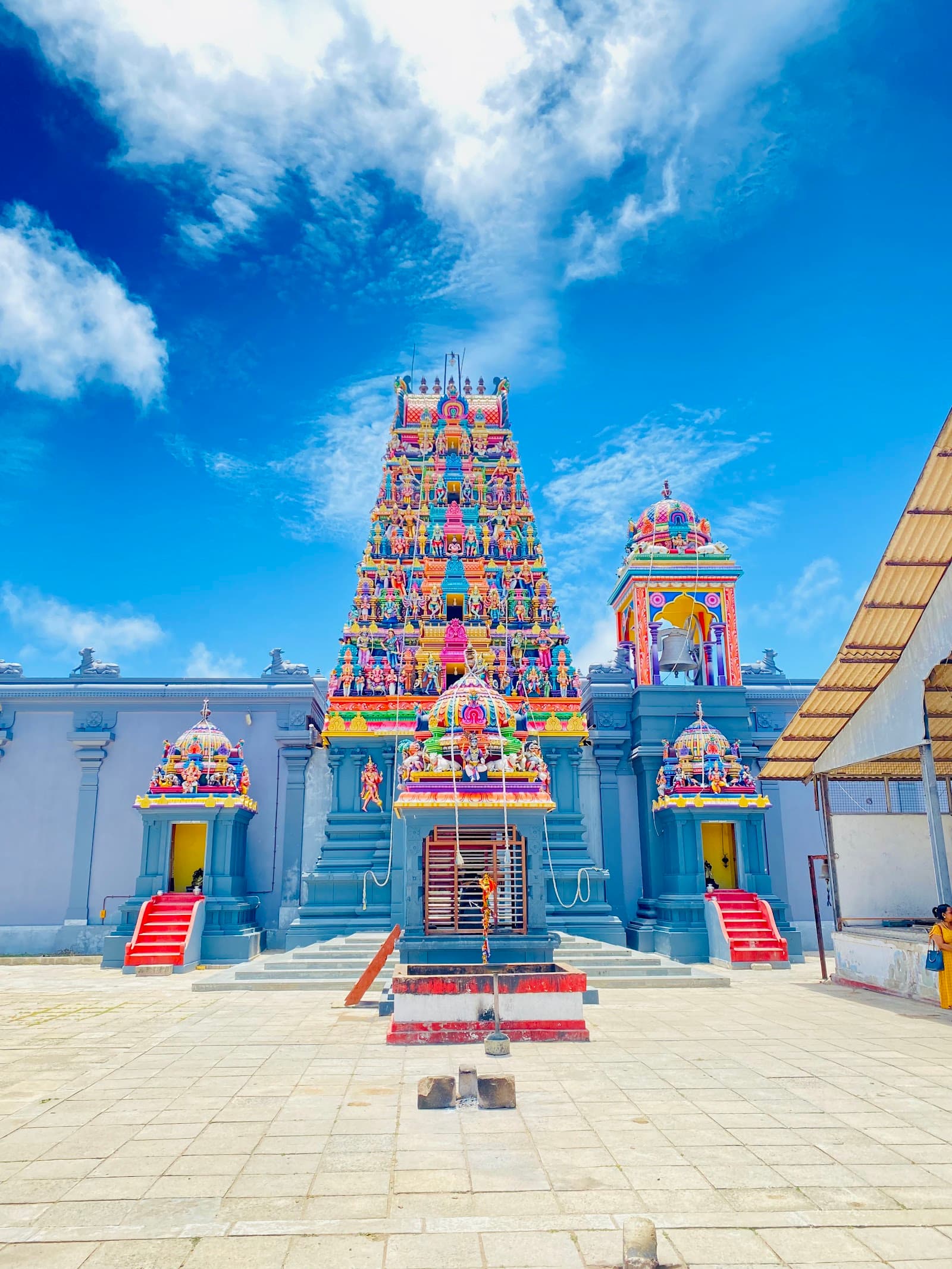
Thiruketheeswaram Temple Mannar Sri Lanka
Thiruketheeswaram Temple, dramatically situated in the Mannar District of northern Sri Lanka, represents one of the most extraordinary and historically significant Hindu temples in South Asia, with references dating back to the 6th century BCE and serving as one of the five ancient Pancha Ishwaram shrines dedicated to Shiva that were strategically established around the island's coastline, creating a powerful testament to the profound transmission of Indian Shaivite religious and architectural traditions to Sri Lanka. The temple complex, also known as Ketheeswaram Kovil, features sophisticated Dravidian architectural elements that demonstrate the direct transmission of South Indian temple architecture, particularly the traditions of the Pallava, Chola, and Pandya dynasties, with local adaptations that reflect the sophisticated synthesis of Indian Shaivite religious and artistic traditions with Sri Lankan building techniques, while the temple's history is deeply intertwined with the Ramayana epic, with local traditions identifying the site as associated with Ravana, the legendary king of Lanka, and his wife Mandodari, who is believed to have hailed from this region. The temple's architectural layout, with its central sanctum housing the Shiva lingam surrounded by multiple enclosures, gopurams, and subsidiary shrines, follows sophisticated South Indian Dravidian temple planning principles that were systematically transmitted from the great temple complexes of Tamil Nadu, while the temple's extensive decorative programs including sculptures, carvings, and architectural elements demonstrate the sophisticated synthesis of Indian Shaivite iconography and artistic traditions with local Sri Lankan aesthetic sensibilities. Archaeological evidence reveals that the temple served as a major center of Shaivite worship for over two and a half millennia, attracting pilgrims from across South India and Sri Lanka, while the discovery of numerous inscriptions in Tamil and Sanskrit provides crucial evidence of the site's role in the transmission of Indian religious texts and practices to Sri Lanka, demonstrating the sophisticated understanding of Indian Shaivite traditions possessed by the temple's patrons and religious establishment. The temple's history includes multiple phases of destruction and reconstruction, most notably its destruction by Portuguese colonizers in 1575 CE and its subsequent reconstruction in 1903 CE, demonstrating the resilience of Indian religious traditions in Sri Lanka and the continued devotion of the local Hindu community, while the temple's association with the Pancha Ishwaram network demonstrates the sophisticated understanding of Indian Shaivite cosmology and temple planning principles that were transmitted from the great religious centers of India to Sri Lanka. Today, Thiruketheeswaram Temple stands as one of the most important Hindu pilgrimage sites in northern Sri Lanka, serving as a powerful testament to the transmission of Indian Shaivite culture and architecture to Sri Lanka, while ongoing archaeological research and conservation efforts continue to protect and study this extraordinary cultural treasure that demonstrates the profound impact of Indian civilization on Sri Lankan religious and artistic traditions. ([1][2])
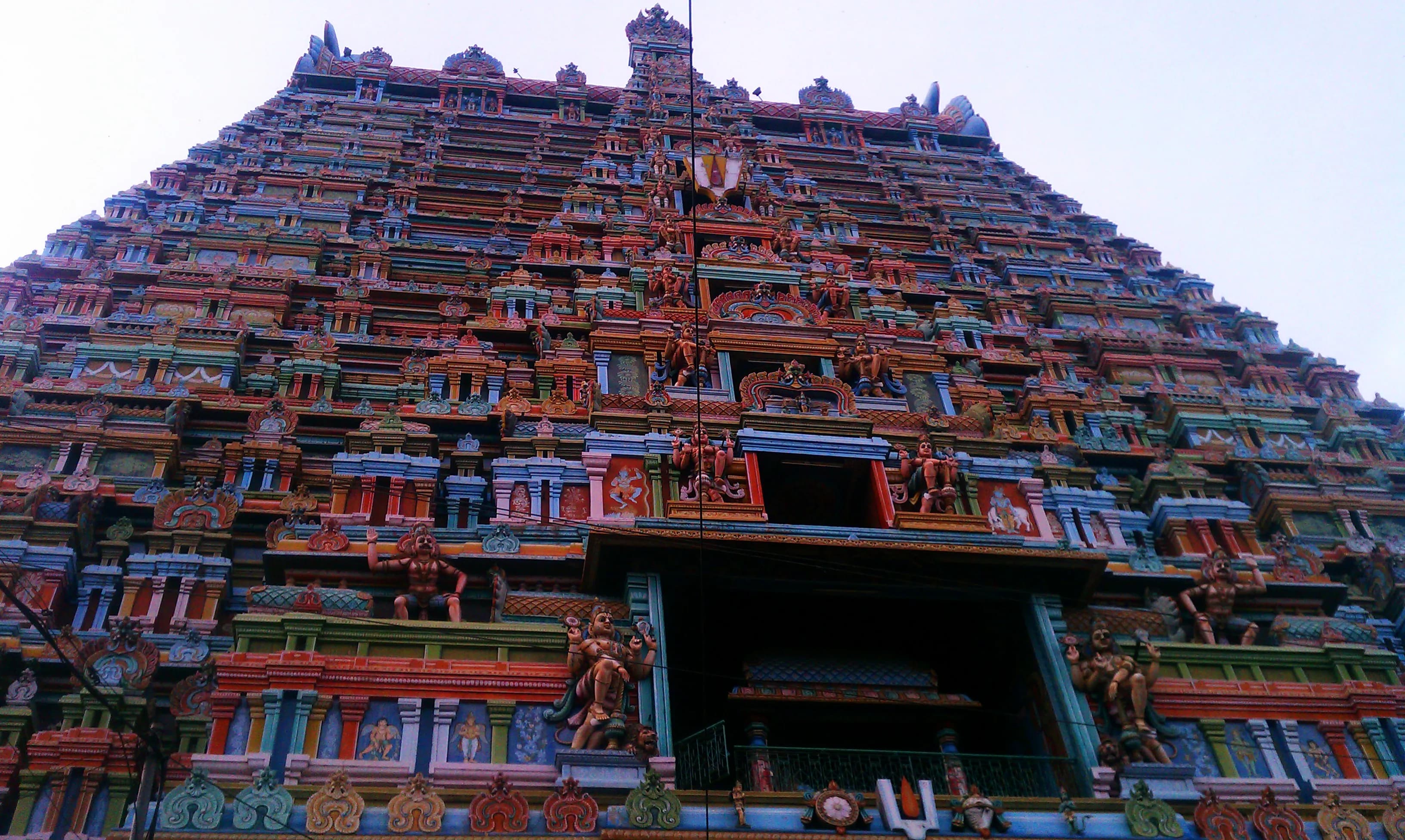
Ranganatha Temple Nellore
The midday sun beat down on Nellore, the heat shimmering off the gopurams of the Ranganatha Swamy Temple. Having explored countless sandstone marvels in Rajasthan, I was eager to experience the distinct Dravidian architecture of this South Indian temple. Stepping through the towering eastern gateway, I was immediately struck by the sheer scale of the complex. The vast courtyard, paved with worn stone, stretched before me, punctuated by smaller shrines and mandapams. Unlike the intricate carvings that adorn Rajasthani temples, the architecture here felt bolder, more geometric. The gopurams, tiered pyramids that mark the temple entrances, were adorned with vibrant stucco figures depicting deities and mythological scenes. The colours, though faded with time, still held a certain vibrancy, a testament to the artistry of the craftsmen who had brought them to life centuries ago. I noticed that the gopurams here seemed less ornate than those I'd seen in Tamil Nadu, perhaps reflecting a regional variation in the Dravidian style. The main shrine, dedicated to Lord Ranganatha, a reclining form of Vishnu, dominated the courtyard. The structure, built from granite, exuded a sense of solidity and permanence. As I approached, I observed the intricate carvings that adorned the pillars and walls. While the overall style was Dravidian, I noticed subtle influences of the Vijayanagara Empire in the ornate detailing, a reminder of the region's rich history. The pillars, in particular, were fascinating. Many featured yalis, mythical lion-like creatures, a common motif in South Indian temple architecture. However, the yalis here seemed more stylized, less ferocious than those I'd seen elsewhere, lending a unique character to the temple. Inside the sanctum sanctorum, the atmosphere was hushed and reverent. Photography was prohibited, which allowed me to fully immerse myself in the spiritual energy of the place. The air was thick with the scent of incense and the murmur of prayers. While I couldn't capture the image of the reclining deity, the mental picture I formed was far more vivid. The serenity of the Lord's expression, the intricate details of his adornments, and the palpable devotion of the worshippers created an unforgettable experience. Exiting the main shrine, I wandered through the sprawling complex, discovering hidden corners and smaller shrines dedicated to various deities. One particularly captivating structure was the Kalyana Mandapam, the marriage hall. Its intricately carved pillars, depicting scenes from Hindu mythology, were a testament to the skill of the artisans. I imagined the vibrant ceremonies that must have taken place within these walls, the air filled with music and celebration. The Pushkarini, the temple tank, located to the north, offered a welcome respite from the midday heat. The steps leading down to the water were worn smooth by centuries of use, a tangible link to the generations who had come before. The stillness of the water reflected the surrounding gopurams, creating a mesmerizing image. I observed locals performing rituals at the water's edge, their faith evident in every gesture. My visit to the Ranganatha Swamy Temple was a journey of discovery, a chance to appreciate the nuances of Dravidian architecture and experience the spiritual heart of Nellore. While the grandeur of Rajasthan's forts and palaces will always hold a special place in my heart, the serene beauty and intricate artistry of this South Indian temple offered a fresh perspective, a reminder of the rich diversity of India's architectural heritage. The temple isn't just a structure of stone and stucco; it's a living testament to faith, artistry, and the enduring power of tradition.

ISKCON Temple Shillong
The crisp Shillong air, tinged with the scent of pine, carried the faint sound of chanting as I approached the ISKCON temple. Perched atop a hill, the temple complex commanded a breathtaking view of the undulating Meghalayan landscape, a vista of emerald green valleys stitched together by winding ribbons of road. The stark white of the temple, a refreshing contrast against the verdant backdrop, seemed to radiate a sense of tranquility. My initial impression was one of unexpected grandeur. Having documented numerous temples across Gujarat, from the intricately carved sandstone edifices of Modhera to the marble marvels of Dwarka, I was prepared for something more modest in this remote northeastern corner of India. Instead, I found myself facing a sprawling complex, its architecture a fascinating blend of traditional and contemporary styles. The main temple, dedicated to Lord Krishna, is a majestic structure. Its multi-tiered shikhara, a departure from the typical Gujarati temple spire, rose towards the sky, its pristine white surface punctuated by arched windows and delicate ornamental details. While the overall silhouette echoed the familiar North Indian Nagara style, the influence of local Khasi architecture was subtly woven into the fabric of the building. The sloping roofs, reminiscent of traditional Khasi houses, and the use of locally sourced stone in the lower levels created a unique architectural dialogue. Stepping inside, the atmosphere shifted. The hushed reverence, the soft glow of lamps, and the rhythmic chanting transported me to a different realm. The main prayer hall, a vast, columned space, was filled with devotees. The intricate carvings on the marble deities of Radha and Krishna, the vibrant murals depicting scenes from the Bhagavata Purana, and the ornate chandeliers hanging from the ceiling all contributed to a sense of opulent spirituality. What struck me most, however, was the seamless integration of modern amenities within this traditional setting. The temple complex houses a well-equipped guest house, a spacious library, and a state-of-the-art auditorium, all designed to cater to the needs of visitors and devotees. This blend of the ancient and the modern, the spiritual and the practical, is a testament to the adaptability of faith in the 21st century. As I explored the temple grounds, I discovered a small museum dedicated to the history of ISKCON. The exhibits, which included photographs, manuscripts, and personal belongings of the movement's founder, Srila Prabhupada, offered a glimpse into the global reach of this spiritual tradition. It was fascinating to see how this faith, originating in the heart of India, had found a home in the hills of Meghalaya. Later, I sat in the temple gardens, overlooking the valley below. The setting sun painted the sky in hues of orange and purple, casting long shadows across the landscape. The chanting from the temple, now softer, mingled with the chirping of crickets and the distant sounds of the city. In that moment, I felt a profound sense of peace, a feeling that transcended geographical boundaries and cultural differences. The ISKCON temple in Shillong is more than just a place of worship; it is a testament to the power of faith to inspire, to unite, and to create beauty. It is a place where tradition and modernity coexist harmoniously, where the spiritual and the practical intertwine, and where the serenity of the hills meets the vibrant energy of devotion. It is a must-see for anyone seeking a glimpse into the rich tapestry of India's spiritual landscape.
Chitradurga Fort Chitradurga
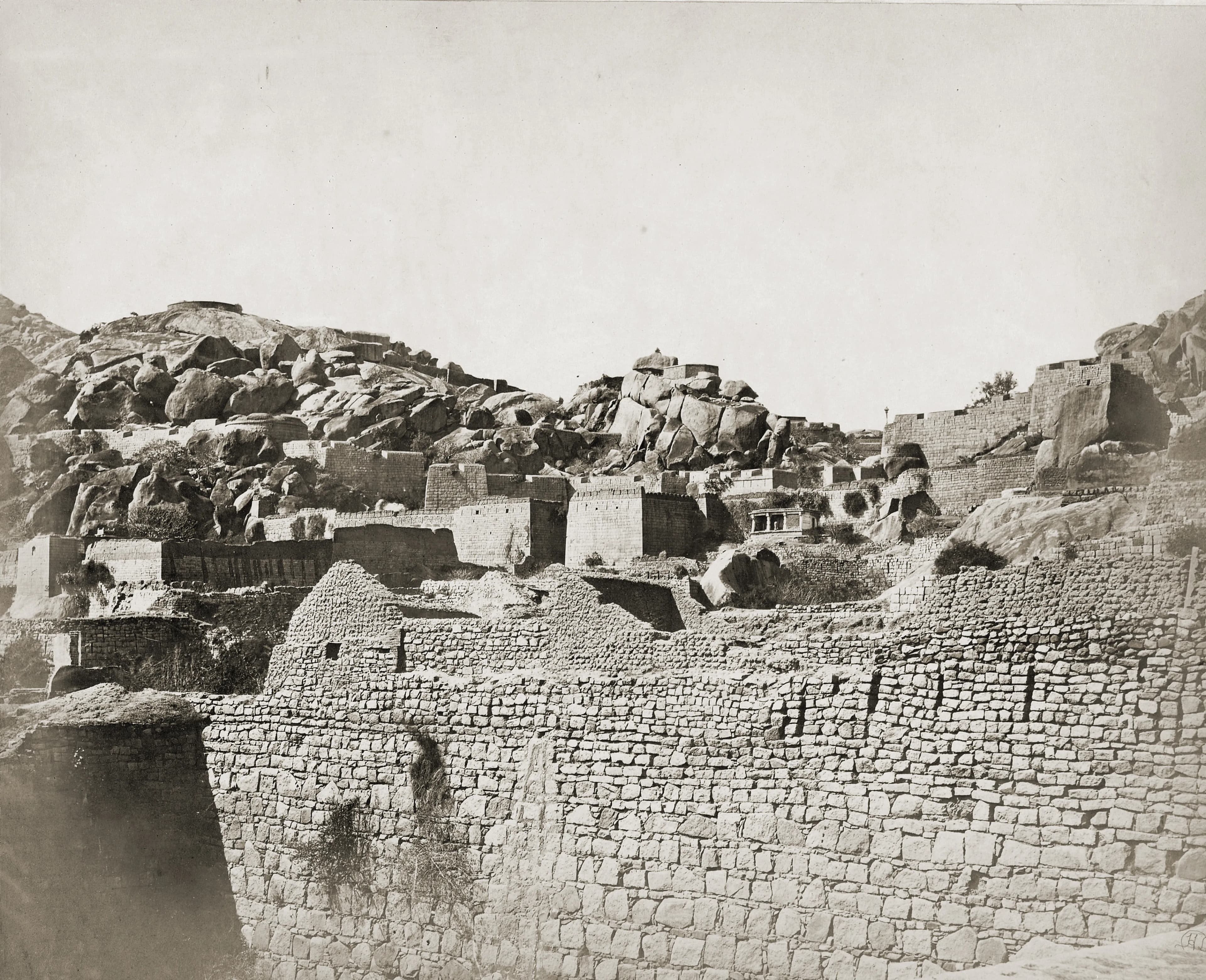
Majestically rising from the rocky terrain of Karnataka, Chitradurga Fort embodies the Nayaka dynasty's military prowess and architectural vision ([1]). Established around 1050 CE, during the 11th century, this imposing fort exemplifies Dravidian architecture and innovative fortification strategies ([2]). Its construction during the Vijayanagara period showcases the integration of natural elements into its robust defenses ([3]). Seven concentric walls, each named after figures from Hindu mythology, form the fort's strategic layout, designed to repel invaders ([3]). Granite and trap rock, fortified with mud mortar and laterite, constitute the fort's durable structure ([4]). These materials, sourced locally, reflect the Nayakas' resourcefulness and understanding of the regional landscape ([4]). Local stone was used to create sloping walls. Intricate carvings embellishing the Hidimbeshwara Temple within the fort complex depict scenes from Hindu epics, reflecting the religious beliefs of the Nayaka rulers ([5]). This artistic counterpoint to the fort's military function highlights the dynasty's patronage of both the martial and fine arts ([5]). Sophisticated rainwater harvesting systems ensured water security during prolonged sieges, showcasing advanced engineering capabilities ([6]). These systems, designed to collect and store monsoon rains, sustained the garrison and civilian population within the fort ([6]). During the rule of the Nayakas of Chitradurga, the fort expanded, incorporating the natural landscape into its defensive design ([3]). Tales of hidden tunnels and secret passages add to the fort's mystique, evoking a sense of intrigue and adventure ([7]). The fort's silhouette against the Karnataka skyline serves as a powerful reminder of India's rich architectural heritage, inviting visitors to explore its storied past ([1][2]). The fort reflects the rich heritage of the Nayaka dynasty.
Yamunotri Temple Uttarkashi
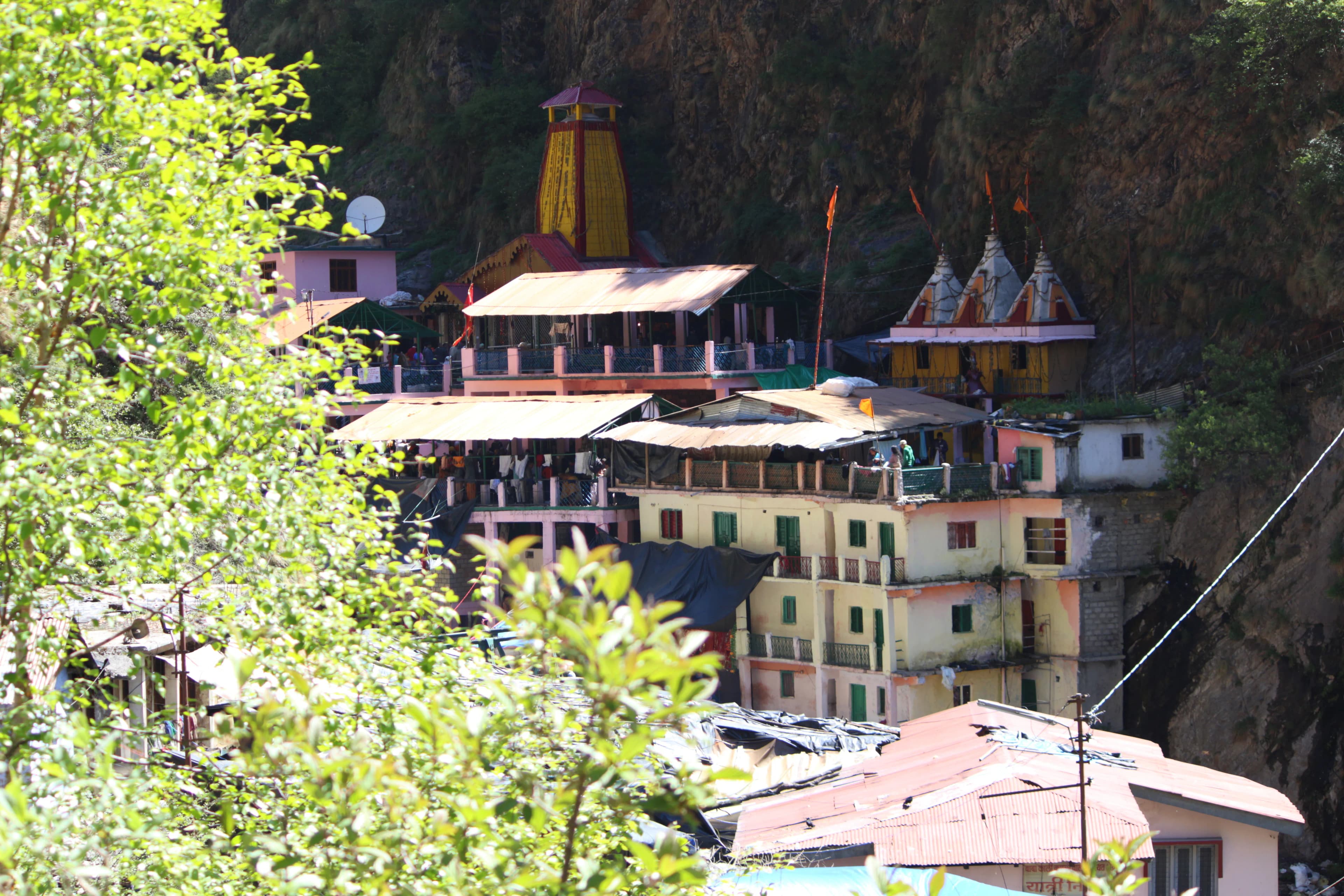
The biting Himalayan wind whipped around me, a stark contrast to the warmth radiating from the heart of Yamunotri. Here, nestled amidst snow-capped peaks in Uttarakhand's Uttarkashi district, stands the modest yet magnificent Yamunotri Temple, the source of the revered Yamuna River. My journey from the sun-drenched landscapes of Gujarat to this icy abode of the Goddess Yamuna was a pilgrimage not just of faith, but of architectural discovery. The temple, constructed primarily of granite, stands as a testament to resilience against the harsh elements. Its simple, almost austere design, is a departure from the ornate temples I'm accustomed to back home. The stark white facade, punctuated by a vibrant orange roof, creates a striking visual against the backdrop of grey mountains and verdant pine forests. The structure is relatively small, almost intimate, allowing devotees to feel a close connection with the deity. I noticed the meticulous craftsmanship in the granite blocks, fitted together with precision, a feat considering the challenging terrain and weather conditions. The absence of elaborate carvings, common in Gujarati temples, allows the natural beauty of the stone to shine through. The temple’s resilience is evident; it has withstood centuries of harsh winters, avalanches, and earthquakes, each time being rebuilt with unwavering devotion. Inside the sanctum sanctorum resides the black marble idol of Goddess Yamuna, radiating a serene aura. The energy within the temple is palpable, a blend of reverence and the raw power of nature. Unlike the bustling temple complexes of Gujarat, Yamunotri offers a sense of quiet contemplation. The focus remains solely on the Goddess and the sacred source of the Yamuna. Just a few meters away from the temple, bubbling from the mountainside, is the actual source of the Yamuna – the Yamunotri glacier. Witnessing this glacial stream, the birthplace of a river that nourishes millions, was a profoundly moving experience. The icy water, even at its source, held a surprising warmth. Devotees were taking a holy dip in the nearby Surya Kund, a thermal spring where they also boil rice and potatoes as prasad, a ritual I observed with fascination. The juxtaposition of the icy river and the boiling hot spring is a testament to the fascinating interplay of nature's forces. The trek to the temple itself is an architectural marvel of a different kind. The paved pathway, though steep in parts, is a testament to human ingenuity and perseverance. The route is dotted with small shrines and rest stops, offering glimpses of local architecture and providing respite to weary pilgrims. I observed the clever use of local materials like wood and stone in these structures, blending seamlessly with the surrounding landscape. One particular architectural element that caught my eye was the use of dry stone walling along the trek. These walls, built without mortar, are a testament to the ingenuity of the local communities. They serve as retaining walls, preventing landslides and protecting the pathway. The intricate patterns formed by the carefully placed stones are a testament to the aesthetic sensibilities of the builders. As I descended from Yamunotri, I carried with me not just the memory of a sacred pilgrimage, but also a deep appreciation for the unique architectural heritage of the Himalayas. The Yamunotri Temple, in its simplicity and resilience, stands as a powerful symbol of faith and human connection with nature. It is a stark contrast to the architectural exuberance of my homeland, yet equally captivating. The experience reinforced the understanding that architecture, in its diverse forms, reflects the spirit of a place and its people. The quiet strength of Yamunotri's architecture spoke volumes, a silent testament to the enduring power of faith and the awe-inspiring beauty of the Himalayas.
Quick Links
Plan Your Heritage Journey
Get personalized recommendations and detailed visitor guides