Has Inheritage Foundation supported you today?
Your contribution helps preserve India's ancient temples, languages, and cultural heritage. Every rupee makes a difference.
Secure payment • Instant 80G certificate
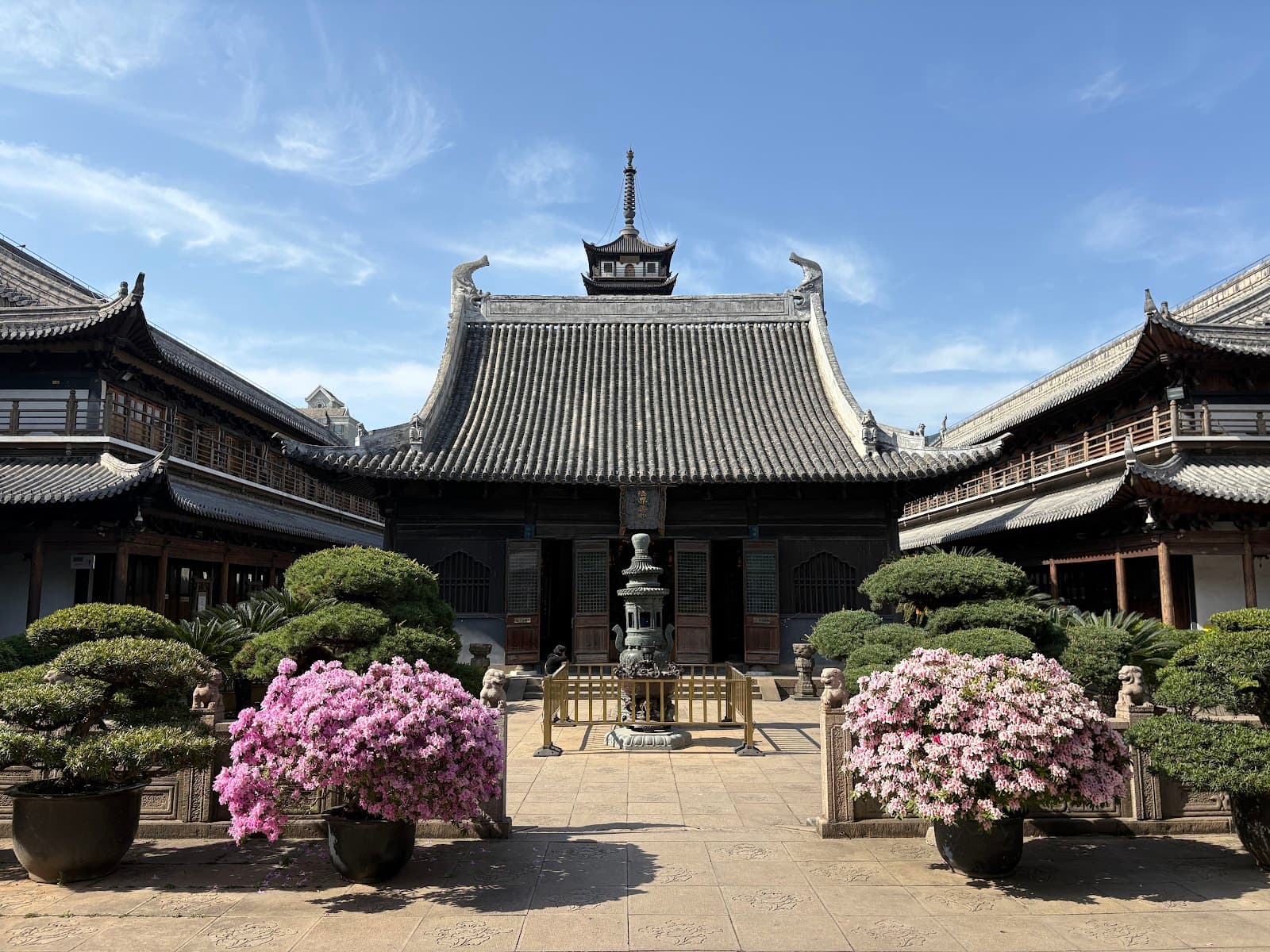
Zhenru Temple Shanghai China
Zhenru Temple, a revered Buddhist monument in Shanghai's Putuo District, stands as a testament to the enduring legacy of Buddhist architectural traditions, which trace their origins to India's millennia-spanning heritage [1] [2]. While situated in China, the temple's architectural and spiritual lineage reflects the profound cultural exchange that saw the transmission of Buddhist philosophy and artistic forms from ancient India across Asia, contributing to a continuous tradition of Indian civilization [5] . The temple's central edifice, the Mahavira Hall, is a distinguished example of Yuan Dynasty timber-frame architecture, completed in 1320 CE [3] [4]. This hall measures 13.4 meters in width and 13 meters in depth, supported by a robust framework of 16 wooden pillars [3]. Notably, ten of these pillars are original to the Yuan Dynasty construction, showcasing the remarkable preservation of indigenous architectural techniques [1]. The hall features a single eave gable and hip roof (单檐歇山顶), a characteristic element of traditional Chinese temple design [3]. A unique structural detail includes the inward inclination of the columns in the central bay, with the Golden Pillar leaning by 16 centimeters and the Eaves Pillar by 8 centimeters, a sophisticated engineering approach observed in other significant Yuan Dynasty structures like the Longhu Hall of Yongle Palace [2]. The foundation system employs independent column bases, with the surrounding area compacted with a deep layer of yellow earth and iron slag, extending 1.8 to 2 meters, a construction method typical of Song and Yuan Dynasty wooden buildings [2]. An invaluable 26-character inscription on the ridge beam precisely documents the hall's installation date, providing critical historical and architectural data [1]. The temple complex also includes the modern Zhenru Pagoda, completed in 1999, which rises 53 meters with a square base and features nine outer layers and ten inner levels, totaling eleven stories including the basement [2]. This pagoda enshrines Shanghai's sole Buddha relic, underscoring the temple's ongoing spiritual significance [1] [2]. Its south side is adorned with two 4-meter-tall dharani steles, and the base walls are embellished with 2x3-meter blue stone reliefs depicting various Bodhisattvas, including Namo Aiyida, Namo Great Compassion Avalokiteshvara, and Namo Great Wisdom Manjushri [2]. The Yuantong Hall houses a 5.2-meter-tall, 3.5-ton Four-Faced Avalokiteshvara statue, crafted from white marble and imported from Singapore, with the Five Dhyani Buddhas adorning its crown [2]. The hall's ceiling features a chessboard-patterned sky lantern, depicting a thousand-armed and thousand-eyed Avalokiteshvara, surrounded by intricate wooden carvings of the Thirty-Two Transformations of Avalokiteshvara, creating an elegant canopy [2]. The walls are further enriched with stone-carved depictions of Avalokiteshvara's twenty-eight attendants [2]. Zhenru Temple, designated a Major National Historical and Cultural Site, actively engages in conservation efforts, with restoration work undertaken in phases since the late 20th century to preserve its ancient structures and artistic elements [3] [1]. The temple maintains active programming, including scripture lectures and meditation, and is accessible to visitors, offering a tranquil environment for reflection amidst its gardens and ancient ginkgo tree [1] [2]. The site is operationally ready, welcoming visitors to experience its profound cultural and spiritual heritage [1].
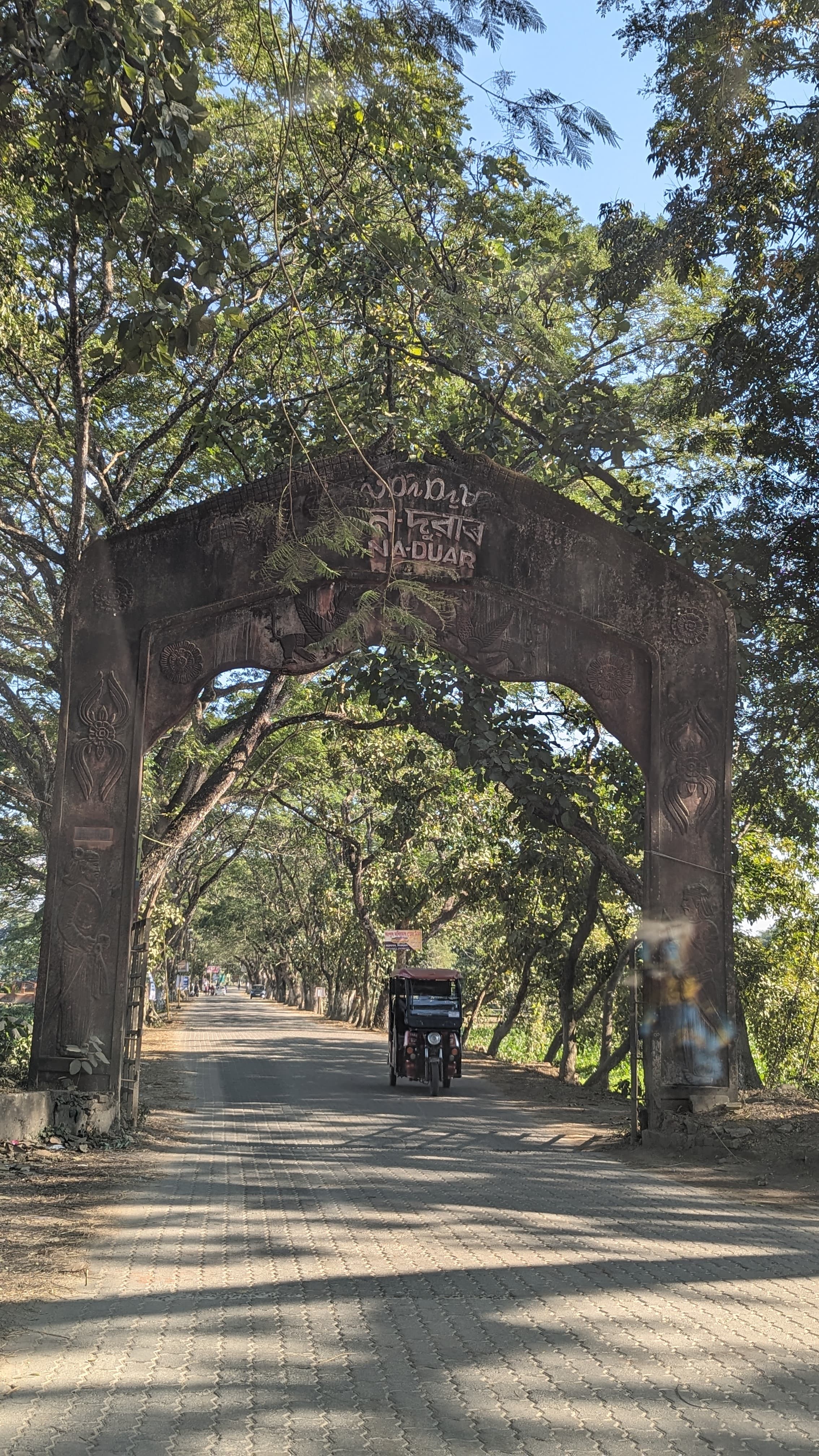
Talatal Ghar Sivasagar
The humid Assam air hung heavy as I descended the first of the brick stairs leading into Talatal Ghar. Coming from Rajasthan, I’m accustomed to the imposing sandstone and marble structures of Rajput royalty, but this Ahom palace, nestled in Sivasagar, presented a different kind of grandeur, one steeped in brick, earth, and a unique architectural sensibility. It wasn't the verticality that struck me initially, but the sheer breadth of the structure, sprawling across the landscape like a terracotta leviathan. Talatal Ghar, meaning "underground house," is somewhat of a misnomer. While it does possess subterranean levels, the palace is predominantly above ground, a multi-storied brick edifice that speaks volumes of the Ahom kingdom's power and ingenuity. The first thing that caught my eye was the lack of ornamentation compared to the palaces I’m familiar with. The beauty here lay in the sheer scale and the intricate brickwork. No elaborate carvings or inlaid precious stones, just the warm, earthy tones of burnt brick, laid with precision and artistry. The ground floor, or Kareng Ghar, served as the royal apartments and public audience hall. I walked through the long, vaulted corridors, imagining the bustle of court life that once filled these spaces. Light filtered in through the arched doorways and small windows, casting long shadows that danced on the brick walls. The rooms were surprisingly cool, a welcome respite from the Assamese heat, a testament to the thermal properties of the brick construction. It was the subterranean levels, however, that truly captivated me. Descending further, I entered a labyrinthine network of tunnels and chambers. These weren't dungeons as some might imagine, but rather secret escape routes and hidden passages, a crucial element of the palace's defense strategy. I could almost feel the ghosts of Ahom soldiers moving stealthily through these darkened corridors, preparing for battle. The air down here was thick with the scent of damp earth and time, a palpable reminder of the centuries that had passed since these passages were in use. The architecture of Talatal Ghar is a fascinating blend of Tai Ahom traditions and influences from other cultures. The sloping roofs, reminiscent of traditional Assamese houses, are a striking contrast to the arched doorways and vaulted ceilings, which hint at Mughal influences. This fusion of styles creates a unique architectural vocabulary that sets Talatal Ghar apart from any other structure I’ve encountered. As I climbed back up to the surface, blinking in the sunlight, I noticed details I’d missed on my way down. The strategic placement of the palace, overlooking the Sivasagar tank, not only offered a picturesque view but also served as a crucial defensive advantage. The tank itself, an impressive feat of engineering, was not just a source of water but also a moat, protecting the palace from invaders. My visit to Talatal Ghar was more than just a tour of a historical site; it was a journey into the heart of the Ahom kingdom. It was a chance to witness firsthand the ingenuity and architectural prowess of a civilization that thrived for centuries, leaving behind a legacy etched in brick and earth. While the grandeur of Rajasthan's palaces remains etched in my memory, Talatal Ghar offers a different kind of beauty, a testament to the power of simplicity, functionality, and a deep connection to the land. The whispers of history resonated within the brick walls, a reminder that even the most powerful empires eventually crumble, leaving behind only echoes of their former glory.
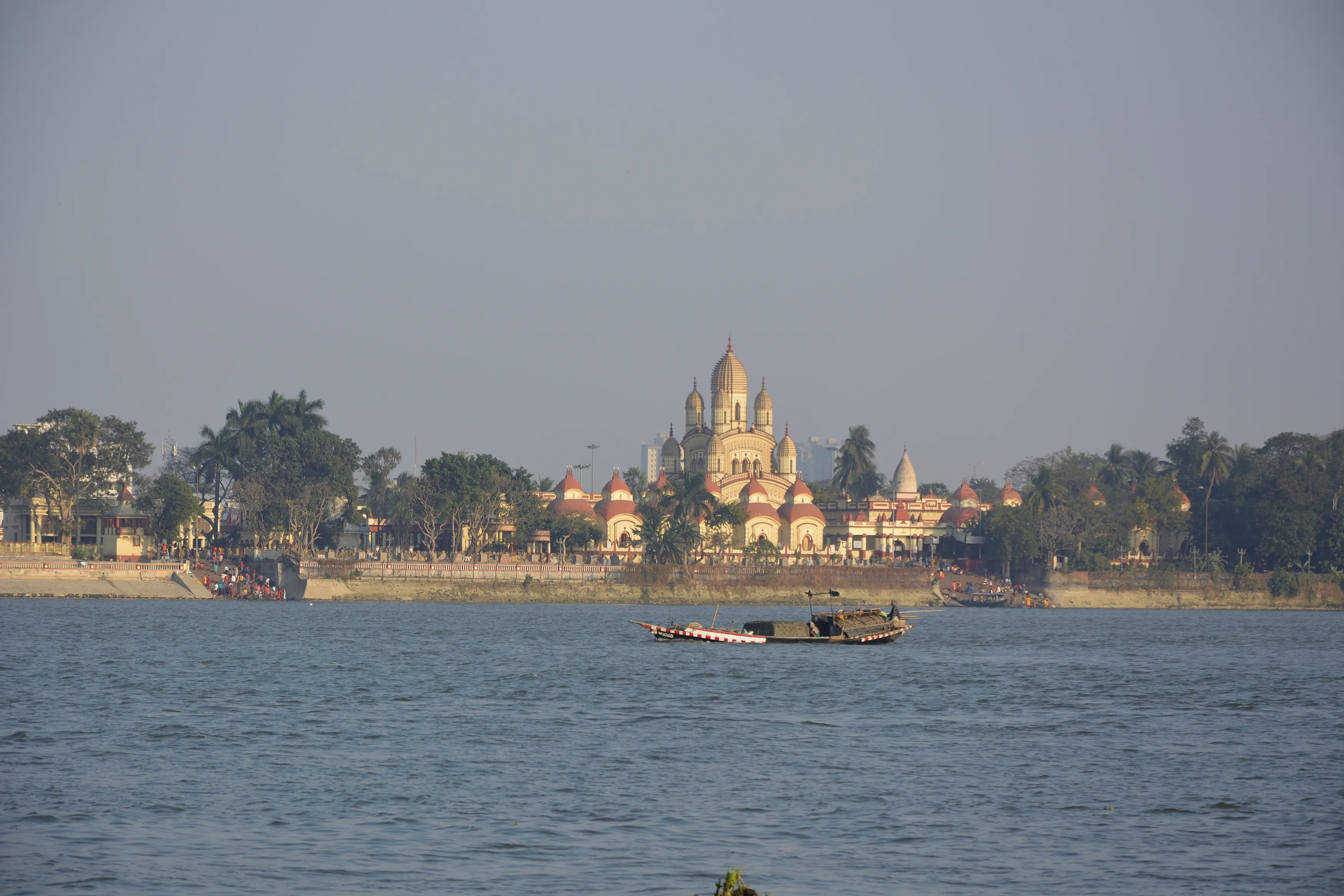
Dakshineswar Kali Temple Kolkata
The Hooghly River's edge frames the Dakshineswar Kali Temple in Kolkata, a 19th-century testament to Bengali Navaratna architecture ([1][2]). Commissioned by Rani Rashmoni and completed in 1855 CE, the temple is dedicated to Bhavatarini, a form of Kali ([3]). The complex exemplifies a unique blend of devotion and architectural style distinct from Dravidian forms ([4]). Intricate carvings adorning the walls depict scenes from Hindu epics and Puranas, narrating tales of deities and cosmic events ([5]). The main temple, a nine-spired structure, showcases the curved roof characteristic of Bengali architecture, a design element that gained prominence during the British Colonial Period ([1][2]). This 'nava-ratna' (nine-jeweled) style distinguishes it from other regional temple designs ([3]). Within the Garbhagriha (Sanctum), Bhavatarini stands upon Shiva, symbolizing Shakti's (divine feminine energy) power ([4]). The silver embellishments and sindoor (red vermillion) create a mesmerizing spiritual ambiance ([5]). Surrounding the main shrine, twelve Shiva temples line the ghats, each echoing the Navaratna style in miniature form ([1][2]). A Radha-Krishna temple adds a contrasting element, its carvings depicting the divine love story ([3]). Stone platforms and foundations demonstrate the temple's solid construction, utilizing brick, terracotta, and wood ([4][5]). The temple reflects influences of Vastu Shastra principles, which guide the orientation and spatial arrangement ([1][2]). The complex harmoniously blends architectural elements with the spiritual essence of Bengal, offering a serene escape from Kolkata's bustle ([3]). The Dakshineswar Kali Temple remains a vibrant center of pilgrimage and a significant landmark of Indian heritage ([4][5]).
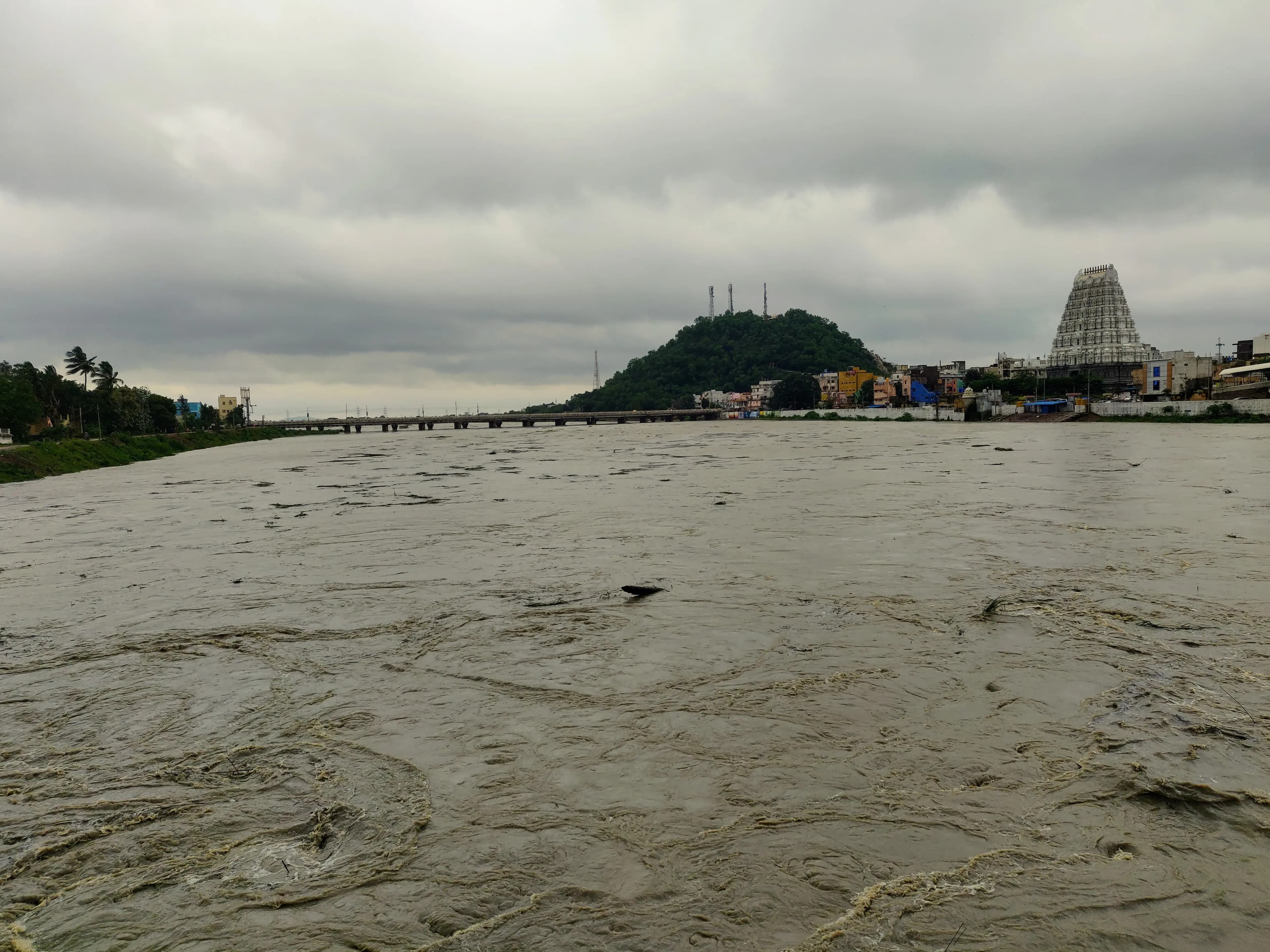
Srikalahasti Temple Srikalahasti
The air hung thick with incense and the murmur of chanting as I stepped through the towering gopuram of the Srikalahasti Temple. Sunlight, fractured by the intricate carvings, dappled the stone floor, creating an ethereal atmosphere. This wasn't just another temple on my UNESCO World Heritage journey across India; Srikalahasti held a different energy, a palpable sense of ancient power. Located in the Chittoor district of Andhra Pradesh, this temple, dedicated to Vayu, the wind god, is a testament to centuries of devotion and architectural brilliance. My eyes were immediately drawn upwards to the main Vimana, the Shikharam, soaring above the inner sanctum. This impressive structure, known as the Vayu Lingam, is not a sculpted idol but a natural rock formation believed to be a manifestation of Vayu. The flickering lamps surrounding it cast dancing shadows, adding to the mystique. The temple's Dravidian architecture is a marvel, with its intricate carvings depicting scenes from Hindu mythology. I spent a considerable amount of time studying the detailed friezes, each panel narrating a story, a testament to the skill of the artisans who crafted them centuries ago. The vibrant colours, though faded with time, still hinted at the temple's former glory. One of the most striking features of Srikalahasti is its massive, 100-pillar mandapam. The sheer scale of this hall is breathtaking. Each pillar is a work of art, adorned with elaborate carvings of deities, mythical creatures, and floral motifs. I could almost hear the echoes of ancient ceremonies and festivals that must have taken place within these hallowed walls. Walking through the mandapam, I felt a sense of connection to the generations of devotees who had walked this same path before me. The temple complex is vast, encompassing several smaller shrines dedicated to various deities. I explored each one, noting the unique architectural nuances and the distinct atmosphere they held. The shrine of Kalahasteeswara, a form of Shiva, is particularly noteworthy. The legend of the spider, the snake, and the elephant, each offering their devotion to Shiva in their own way, is deeply embedded in the temple's lore and adds another layer of spiritual significance to the site. Beyond the architectural grandeur, what truly captivated me at Srikalahasti was the palpable devotion of the pilgrims. From the elderly woman whispering prayers with closed eyes to the young family offering coconuts, the air was thick with faith. Witnessing this fervent devotion firsthand gave me a deeper understanding of the temple's significance, not just as a historical monument but as a living, breathing centre of spirituality. As I left the temple, the chanting still resonated in my ears. Srikalahasti is more than just a collection of stones and carvings; it's a testament to the enduring power of faith and the artistic brilliance of a bygone era. It's a place where history, mythology, and spirituality intertwine, creating an experience that stays with you long after you've left its sacred grounds. Of all the UNESCO sites I've visited in India, Srikalahasti holds a special place, a reminder of the rich tapestry of culture and belief that makes this country so unique. The wind, whispering through the temple towers, seemed to carry the echoes of centuries of prayers, a testament to the enduring spirit of this ancient sanctuary.
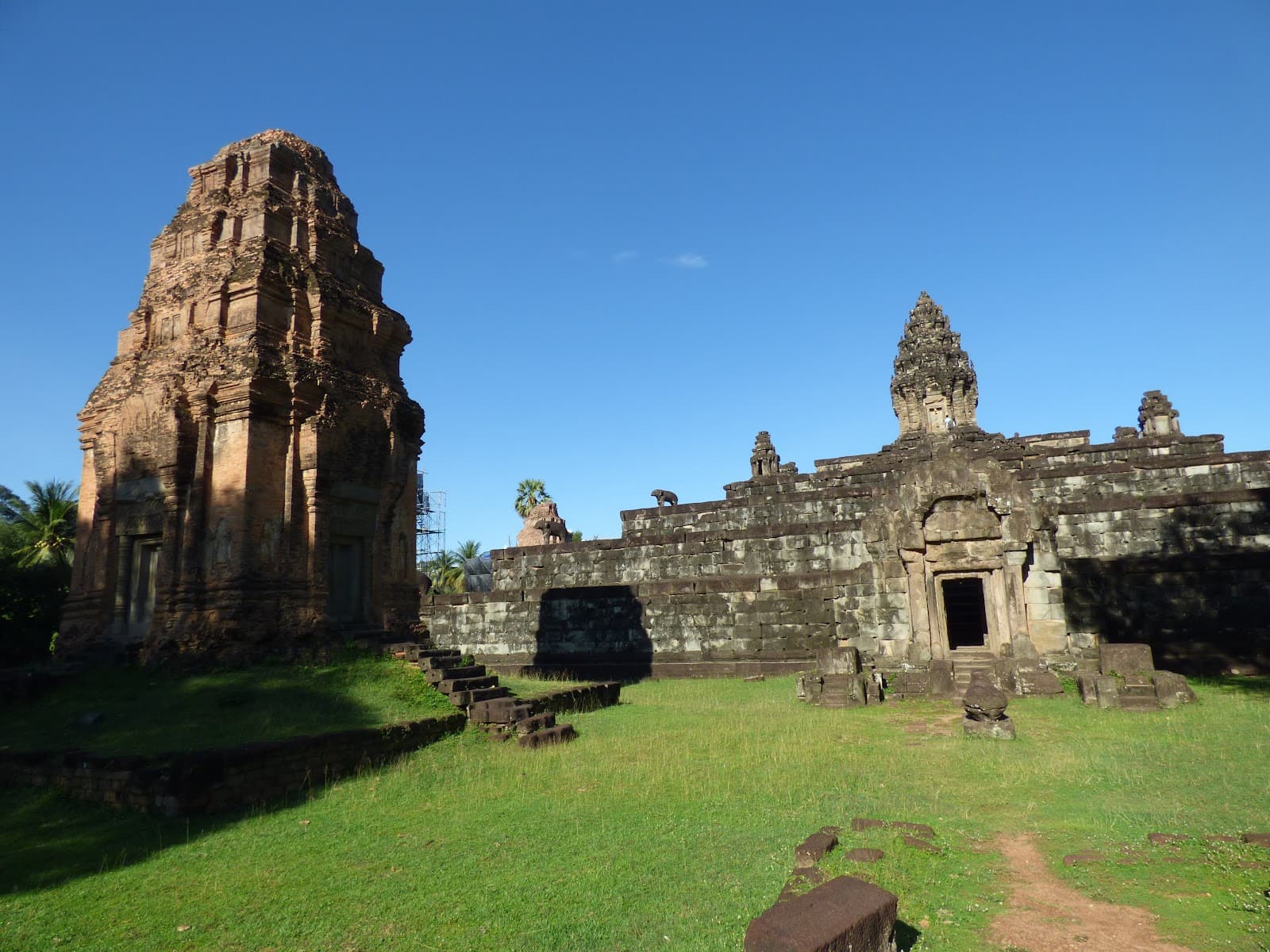
Bakong Temple Roluos Group Cambodia
Bakong Temple, situated in the Roluos Group near Siem Reap, Cambodia, marks a pivotal example of early Khmer architecture, erected in 850 CE under King Indravarman I ([1][2]). This temple mountain, one of the first sandstone temples of the Khmer Empire, illustrates the profound influence of Indian Hindu Mount Meru cosmology on Southeast Asian temple design ([1]). Dedicated to Shiva, the temple underscores the transmission of Hindu religious traditions throughout the region ([1][3]). Vastu Shastra principles, the ancient Indian science of architecture, are evident in the temple's layout, which embodies a five-tiered pyramid symbolizing Mount Meru, the universe's center in Hindu cosmology ([2][4]). Soaring to approximately 65 meters, the structure features a commanding central tower, surrounded by eight smaller towers arranged in a quincunx pattern, mirroring Indian Hindu temple planning ([1][5]). This arrangement is reminiscent of the Mandala principle, symbolizing cosmic order and balance. Intricate carvings embellishing the walls and structures demonstrate the early Khmer artists' and architects' deep understanding of Indian Hindu iconography ([4][6]). These carvings often depicted scenes from Hindu epics such as the Ramayana and Mahabharata, reflecting the integration of Indian cultural narratives into Khmer artistic expression ([6]). Sandstone, laterite, and lime mortar were employed in its construction, displaying advanced engineering techniques prevalent during that era ([2][3]). Archaeological findings suggest that Bakong served as the state temple of King Indravarman I, functioning as a major center for Shiva worship and royal ceremonies ([1][5]). The temple's architectural style reflects influences from the Pallava and early Chola dynasties of India, highlighting the significant impact of Indian civilization on Southeast Asian religious and architectural traditions ([3][4]). Its design showcases the adoption and adaptation of Indian architectural concepts, blending them with local Khmer artistic styles to create a unique and enduring monument. Metal elements were also incorporated into the temple's construction, though less visibly than the stone components ([7]). These metallic elements, used for reinforcement and ornamentation, further attest to the sophisticated construction techniques employed during the 9th century, solidifying Bakong's place as a remarkable architectural achievement of the Khmer Empire ([7]).
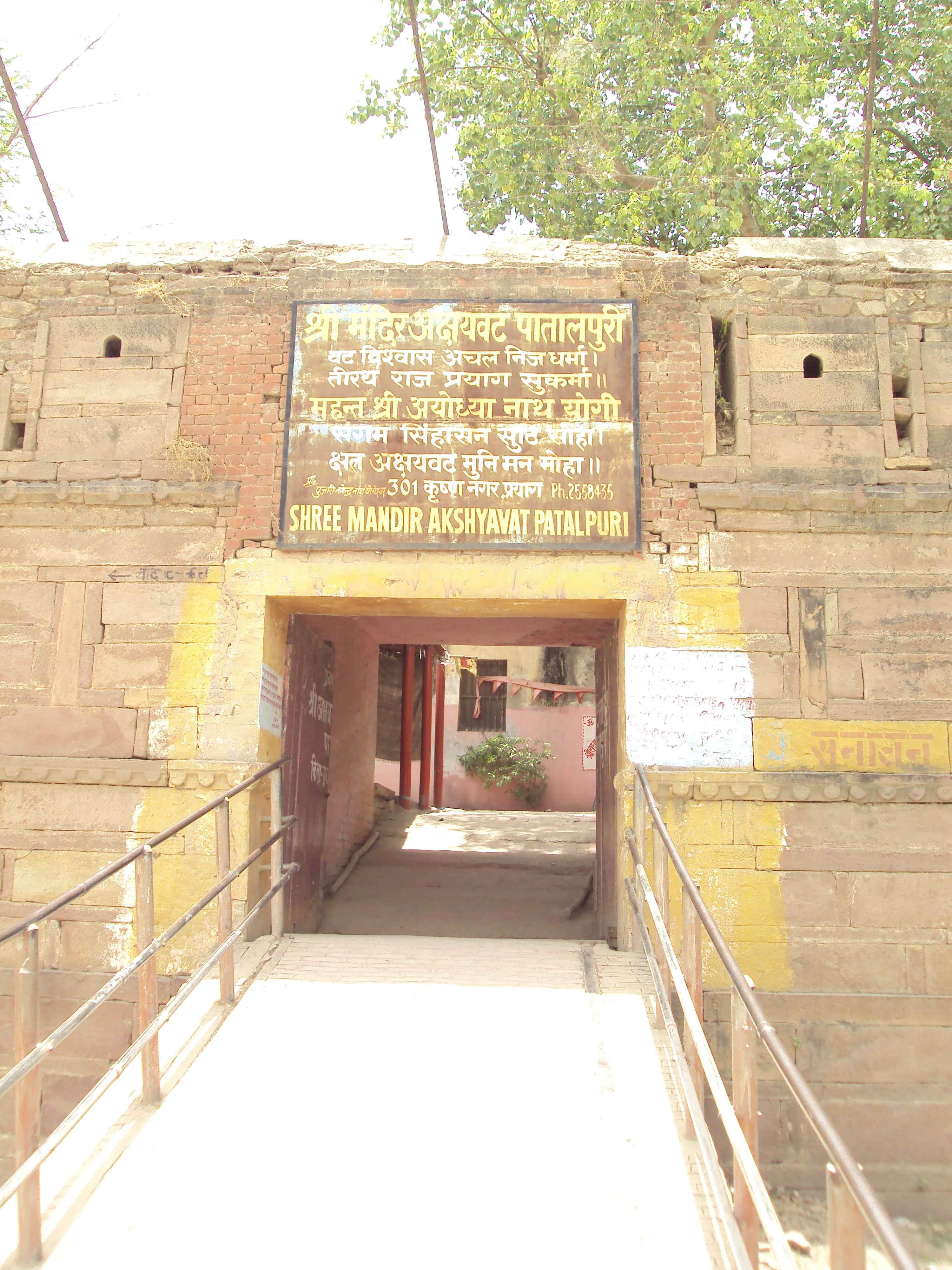
Allahabad Fort Prayagraj
The imposing sandstone ramparts of Allahabad Fort, erected in 1583 CE by the Mughal Emperor Akbar ([1][2]), dominate the sacred confluence, or *Triveni Sangam*, of the Ganga and Yamuna rivers. This strategic military construction exemplifies Mughal architectural prowess, designed to consolidate imperial power over the region ([1]). Within this fortified expanse, the sheer scale of Mughal military architecture is striking ([3]). Granite and sandstone blocks, meticulously carved, constitute the Ashoka Pillar, predating the fort and bearing inscriptions from Emperor Ashoka ([5]). This pillar connects the fort to the Mauryan Empire, underscoring the region's layered history ([5]). Intricate carvings adorning the Zenana (women's quarters) reveal the refined artistry of the Mughal era ([3]). The delicate *jaali* (latticework) exemplifies Mughal craftsmanship, providing both ventilation and privacy ([3]). Also within the fort's walls, the Akshayavat, an ancient banyan tree, holds deep reverence for its mythological significance ([4]). Local traditions connect it to Hindu cosmology, adding a spiritual dimension to the site ([4]). Presenting a contrasting architectural style, the Patalpuri Temple, an underground shrine, features a simpler and more ancient design than the Mughal structures above ([4]). As a confluence of cultures, religions, and empires, the fort's stones and light reverberate with history ([1][2][3][4][5]). The fort's design, while primarily Mughal, may incorporate certain principles of spatial arrangement reminiscent of *Vastu Shastra*, the ancient Indian science of architecture, adapted to the demands of military defense. Sophisticated planning ensured the fort's strategic importance and resilience, reflecting both Mughal innovation and the enduring legacy of the region's earlier empires. The fort stands as a powerful reminder of India's complex and interwoven past, where different traditions have converged and left their indelible marks.
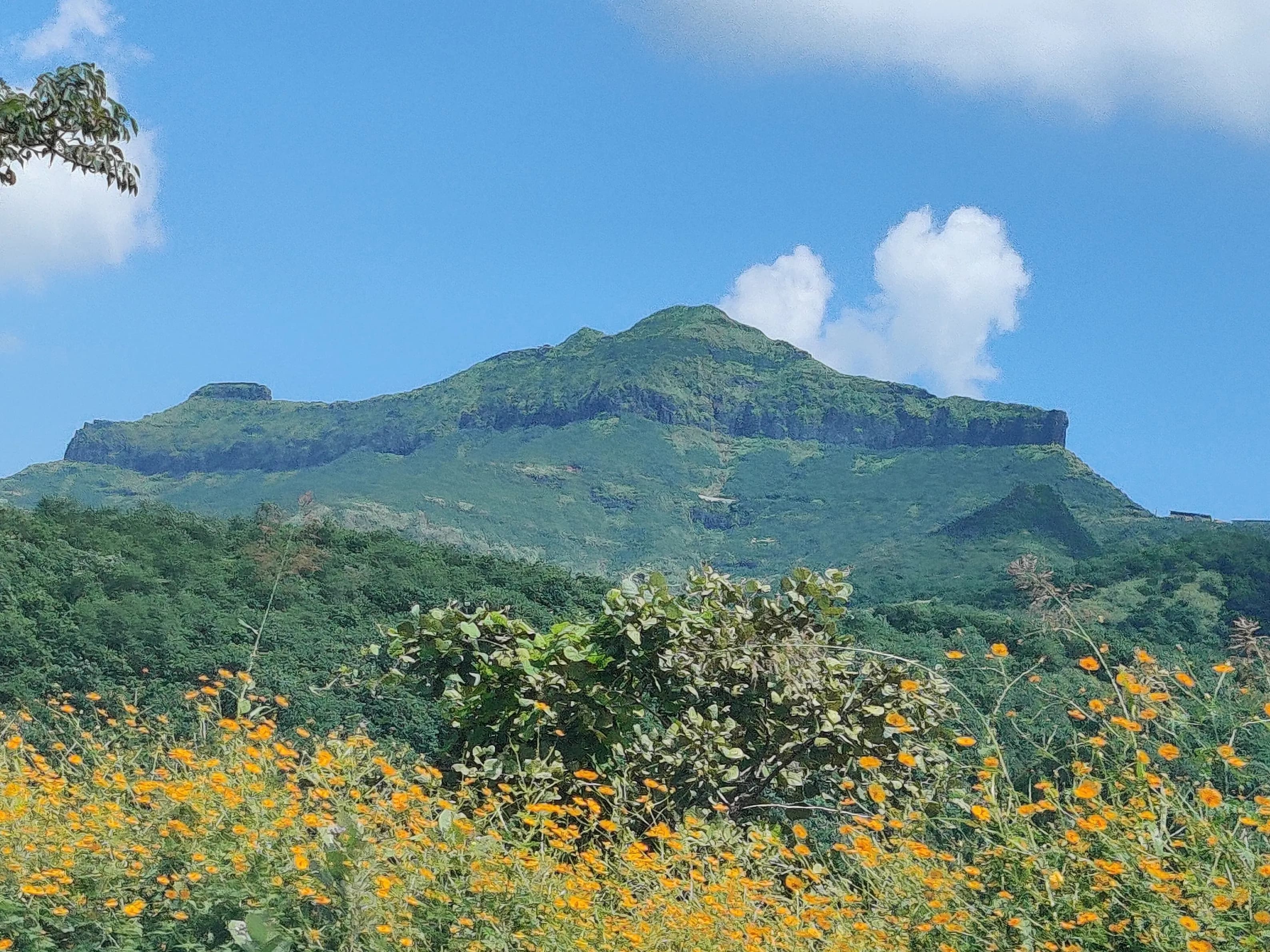
Purandar Fort Pune
The wind whipped at my kurta as I climbed the final stretch to Purandar Fort, perched high above the sprawling plains surrounding Pune. The air, thin and crisp, carried with it the whispers of history, a palpable sense of the Maratha empire that once commanded these heights. My camera, a constant companion, felt heavy in my hand, almost inadequate to capture the grandeur unfolding before me. Purandar isn't just one fort, but two – Purandar proper and Vajragad, its slightly lower, twin-peaked companion. This duality, this mirroring of structures, immediately captured my attention. The climb itself was a journey through time, the rough-hewn basalt steps worn smooth by centuries of footfalls. I paused often, not just to catch my breath, but to absorb the changing perspectives of the landscape below – the patchwork quilt of fields, the distant glint of the Mula-Mutha river, the tiny villages scattered like pebbles across the valley. Reaching the top, I was greeted by the imposing Kedareshwar Temple, its weathered stone a testament to the passage of time. The intricate carvings, though softened by erosion, still spoke of a skilled hand, a devotion poured into every chisel stroke. Unlike the opulent temples of Madhya Pradesh, this one felt austere, almost military in its simplicity, reflecting perhaps the strategic importance of this location. The fort itself is a fascinating blend of natural defenses and carefully planned fortifications. The steep cliffs form natural ramparts, while the strategically placed bastions and gateways speak of a sophisticated understanding of military architecture. I spent hours exploring the ruins, my lens drawn to the remnants of the past. The crumbling walls, the broken arches, the silent cannons – each element told a story. I was particularly intrigued by the 'Bini Darwaza', a hidden escape route carved into the cliff face. Imagining the hurried footsteps of soldiers and royalty using this secret passage during times of siege sent a shiver down my spine. The view from the ramparts was breathtaking, a panoramic sweep of the surrounding countryside. It was easy to see why this location was so fiercely contested, a strategic vantage point commanding the trade routes and the surrounding territories. The most poignant moment of my visit, however, was at the site of Shivaji Maharaj's son, Sambhaji’s birth. A small, unassuming structure marks the spot, but the historical weight of the location was immense. Here, within these very walls, a key figure in Maratha history was born. It was a humbling experience, a reminder of the human stories woven into the fabric of these ancient stones. As the sun began its descent, casting long shadows across the fort, I made my way down, my memory card filled with images, my mind buzzing with impressions. Purandar is more than just a fort; it's a living testament to the resilience and ingenuity of the Maratha empire. It's a place where history whispers in the wind, where the stones themselves hold memories, and where the landscape unfolds like a tapestry woven with the threads of time. My photographs, I hope, will capture a fraction of this magic, a glimpse into the soul of this magnificent historical site. But the true essence of Purandar, the feeling of standing on the precipice of history, is something that can only be experienced firsthand.
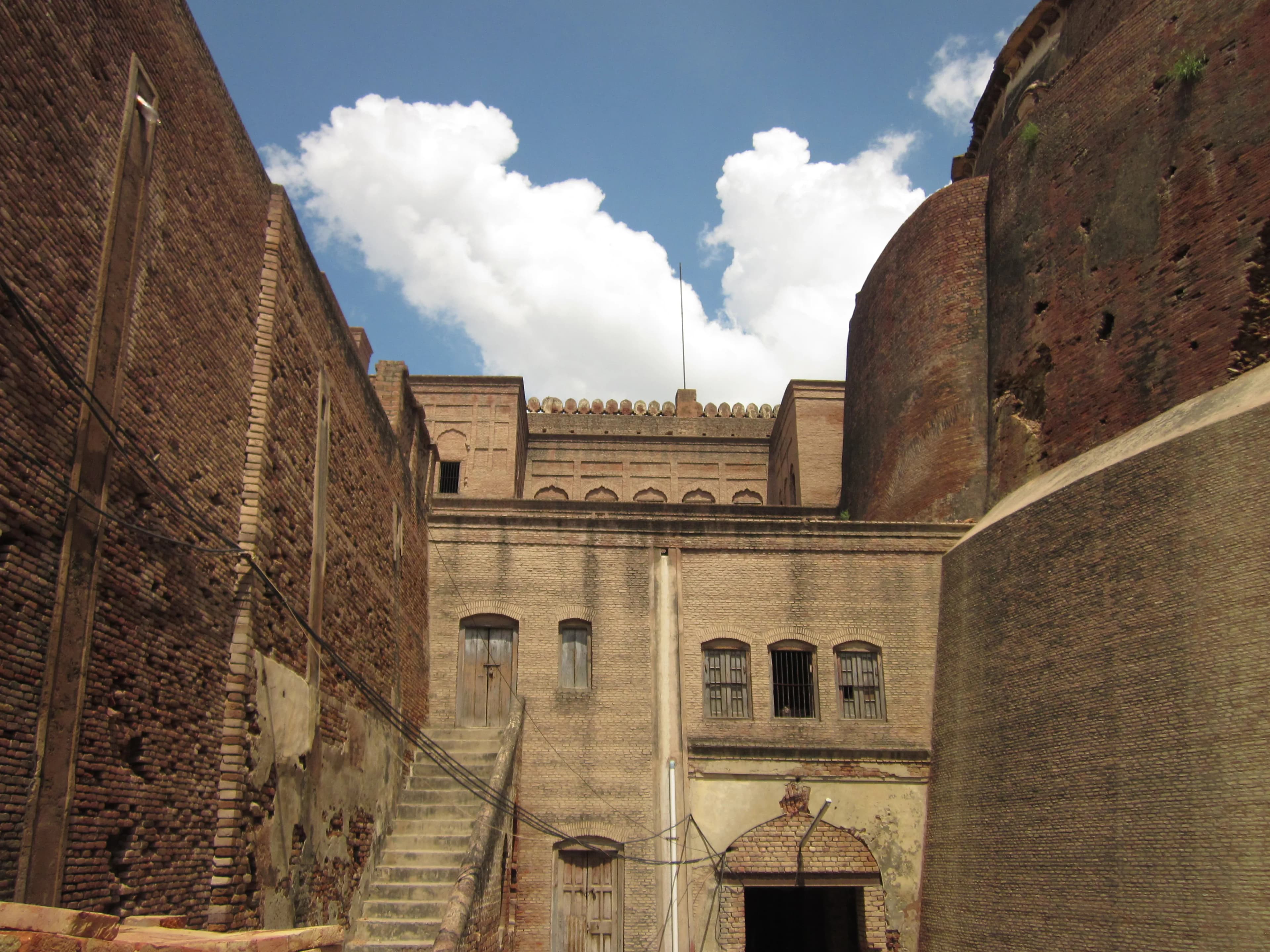
Qila Mubarak Patiala
The imposing Qila Mubarak in Patiala, a city steeped in Sikh history, stands as a testament to a unique architectural blend I hadn't encountered in my South Indian explorations. Used to the towering gopurams and granite intricacies of Dravidian architecture, the mud-brick and lakhori brick structures within this sprawling complex presented a fascinating contrast. The Qila, meaning fort, isn't a singular edifice but a miniature fortified city, encompassing palaces, gardens, and audience halls within its high walls. My first encounter was with the Ran Baas, the outer fortification, a formidable structure with bastions and gateways that spoke of a bygone era of sieges and defenses. The use of lakhori brick, fired in kilns and laid in a specific pattern, created a textured, almost organic feel to the walls, unlike the polished stone I was accustomed to. The arches, though pointed, lacked the elaborate carvings of Islamic architecture I'd seen elsewhere, hinting at a more functional, less ornamental approach. Entering the Qila proper through the Delhi Gate, I was struck by the sheer scale of the inner courtyard. The Darbar Hall, or audience chamber, dominated the space, its façade a blend of Mughal and Rajput influences. While the cusped arches and decorative elements bore traces of Mughal aesthetics, the overall structure and the use of local materials grounded it firmly in the regional context. The intricate tilework, though faded with time, offered glimpses of vibrant colours and geometric patterns, a stark departure from the narrative frescoes adorning South Indian temple walls. The Qila Mubarak also houses the Qila Androon, the inner fort, which contains the older palace complex. Here, the mud-brick construction was most evident, showcasing a building technique rarely seen in monumental architecture. The mud, mixed with straw and other organic materials, lent a warm, earthy tone to the structures. The walls, though seemingly fragile, have withstood centuries of weathering, a testament to the ingenuity of the local craftsmen. This section felt particularly resonant, reminding me of ancient building methods used in rural South India, albeit on a much smaller scale. One of the most captivating aspects of the Qila Mubarak is its integration with the city. Unlike many forts that stand isolated, this one felt interwoven with the urban fabric of Patiala. The bustling bazaars outside the walls seemed to flow seamlessly into the fort's courtyards, blurring the lines between the fortified space and the city life. This organic connection, so different from the defined temple precincts of the South, offered a unique perspective on the role of a fort, not just as a defensive structure but as a vibrant hub of social and economic activity. The Sheesh Mahal, or Palace of Mirrors, within the Qila Androon, was another highlight. While smaller and less opulent than the Sheesh Mahal in Jaipur, it possessed a quiet charm. The remnants of mirror work, though fragmented, hinted at the former grandeur of the space. The interplay of light and reflection, a common feature in Mughal architecture, created an ethereal atmosphere, transporting me to a world of royal courts and lavish celebrations. My visit to Qila Mubarak wasn't just a journey through architectural styles; it was a lesson in cultural exchange and adaptation. The fort stands as a powerful symbol of Patiala’s rich history, showcasing a unique architectural vocabulary that borrows and blends elements from various traditions, creating a style distinctly its own. It reinforced the idea that architectural heritage isn't static; it's a living testament to the continuous dialogue between cultures, climates, and craftsmanship. Leaving the Qila, I carried with me not just images of imposing walls and intricate details, but a deeper appreciation for the diverse tapestry of Indian architecture.
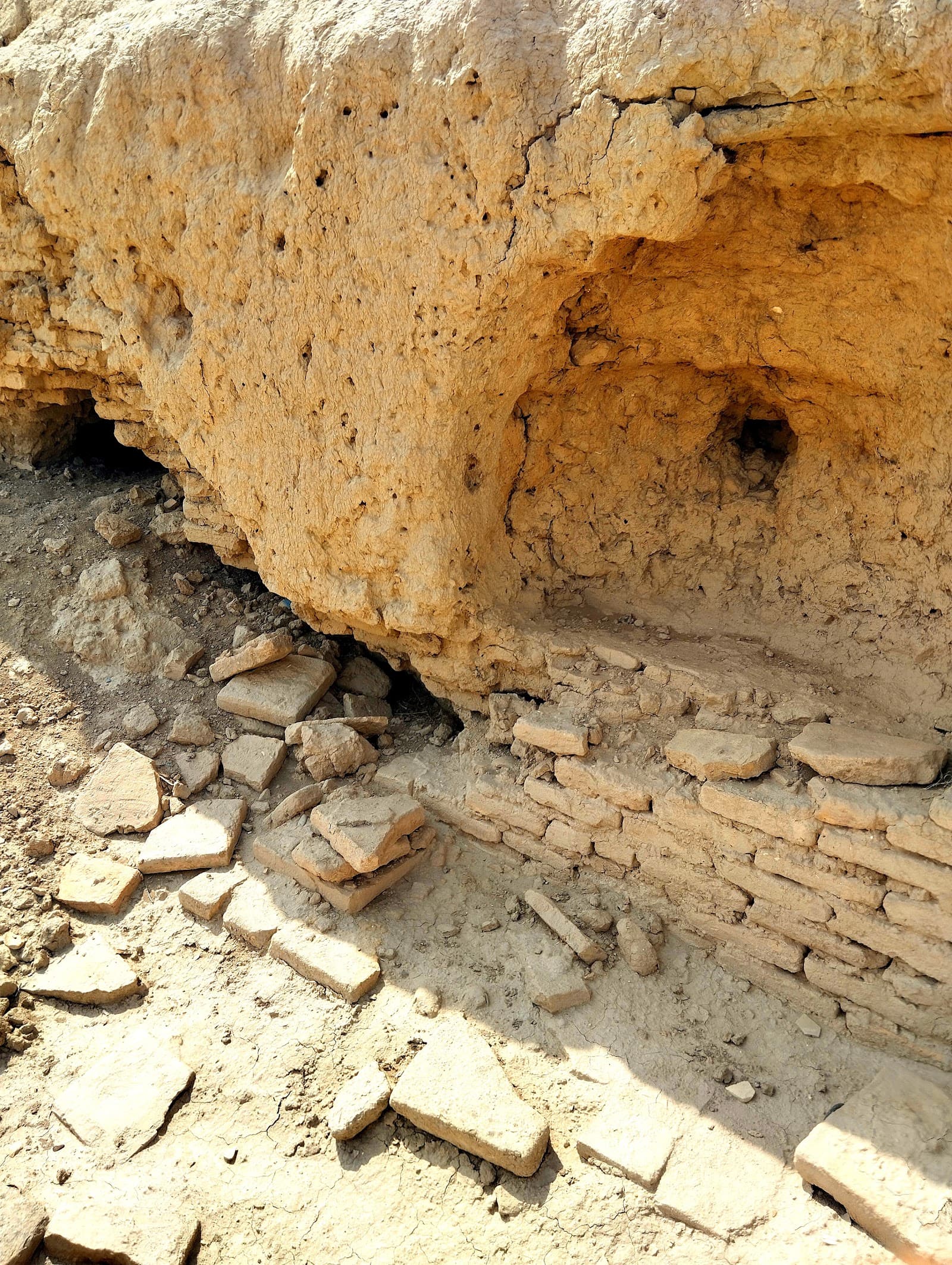
Abiverd Medieval Silk Road City Ahal Turkmenistan
Abiverd Medieval Silk Road City, located in the Ahal Region of Turkmenistan, stands as a profound testament to India's millennia-spanning cultural heritage, reflecting the enduring influence of ancient Indian architectural traditions along the historic Silk Road. This archaeological site, dating back to approximately the 3rd-7th centuries CE, embodies a layered history where indigenous Indian architectural styles, materials, and cultural practices converged with Central Asian forms, showcasing India's deep historical roots and continuous civilizational impact [5] [1]. The site's architectural vocabulary includes elements of the Maru-Gurjara, Nagara, and Vastu Shastra styles, which are integral to India's rich architectural continuum [1] [3] [4]. The Maru-Gurjara architecture, originating in western India, is characterized by its intricate carvings, delicate sculptures, and graceful jalis (lattice screens) [1]. This style often features elaborate entrance gates known as toranas, ornate pillars, and decorative 'flying' arch-like elements that, while non-structural, enhance aesthetic appeal [3]. Fortified structures, courtyards, gardens, and sophisticated water features are also hallmarks, designed for both defense and comfort in arid regions [1]. At Abiverd, these principles are evident in the remnants of its robust city walls, which were surrounded by a dry moat and featured rounded towers, suggesting a defensive architecture that may have incorporated such Indian design philosophies for both structural integrity and aesthetic embellishment [5]. The central tell, approximately 18 meters high and 213 meters in circumference, likely housed monumental structures whose design would have drawn upon these intricate decorative and structural elements [5]. The Nagara architecture, a prominent northern Indian temple style, is distinguished by its tall, curvilinear shikharas (spires) topped by a kalasha (finial), typically built on a high platform without elaborate boundary walls [3]. While Abiverd's primary monumental structures were likely mosques and civic buildings, the underlying principles of verticality, monumental scale, and the use of a central, elevated structure for prominence, as seen in Nagara temples, could have influenced the design of its significant edifices [3]. The site's overall layout, encompassing a rectangular area of 42 hectares, suggests an adherence to ancient Indian planning principles, particularly those of Vastu Shastra [5]. Vastu Shastra, an ancient Indian system, dictates principles of design, layout, measurements, ground preparation, space arrangement, and spatial geometry, aiming to integrate architecture with nature and align structures with cardinal directions and the five elements [4]. The strategic orientation of Abiverd's city gates and the internal organization of its citadel and rabat (trade and craft district) reflect a sophisticated urban planning informed by such ancient Indian spatial theories, ensuring optimal energy flow and functional harmony [2] [5]. Construction at Abiverd utilized both unbaked and baked brick, with the latter becoming more prevalent for monumental architecture from the 10th century CE onwards, allowing for vaulted ceilings and domed structures [5] [5]. The decorative brickwork, carved terracotta, and stucco, characteristic of the region, would have been applied with patterns and motifs that could reflect the intricate geometric and vegetal ornamentation seen in Indo-Islamic architecture, a style that itself is a synthesis of Indian and Islamic forms [3] [5]. Archaeological excavations, which began in the 20th century, have unearthed pottery shards, coins, and other artifacts, many of which are preserved in Turkmenistan's national museums, providing tangible links to its rich past [3] [5]. Abiverd is currently recognized as a historical and cultural monument, with ongoing archaeological research conducted by international expeditions from France and Russia [5]. The site is accessible to visitors, with continuous maintenance and preservation efforts ensuring its operational readiness as a significant heritage destination [5].
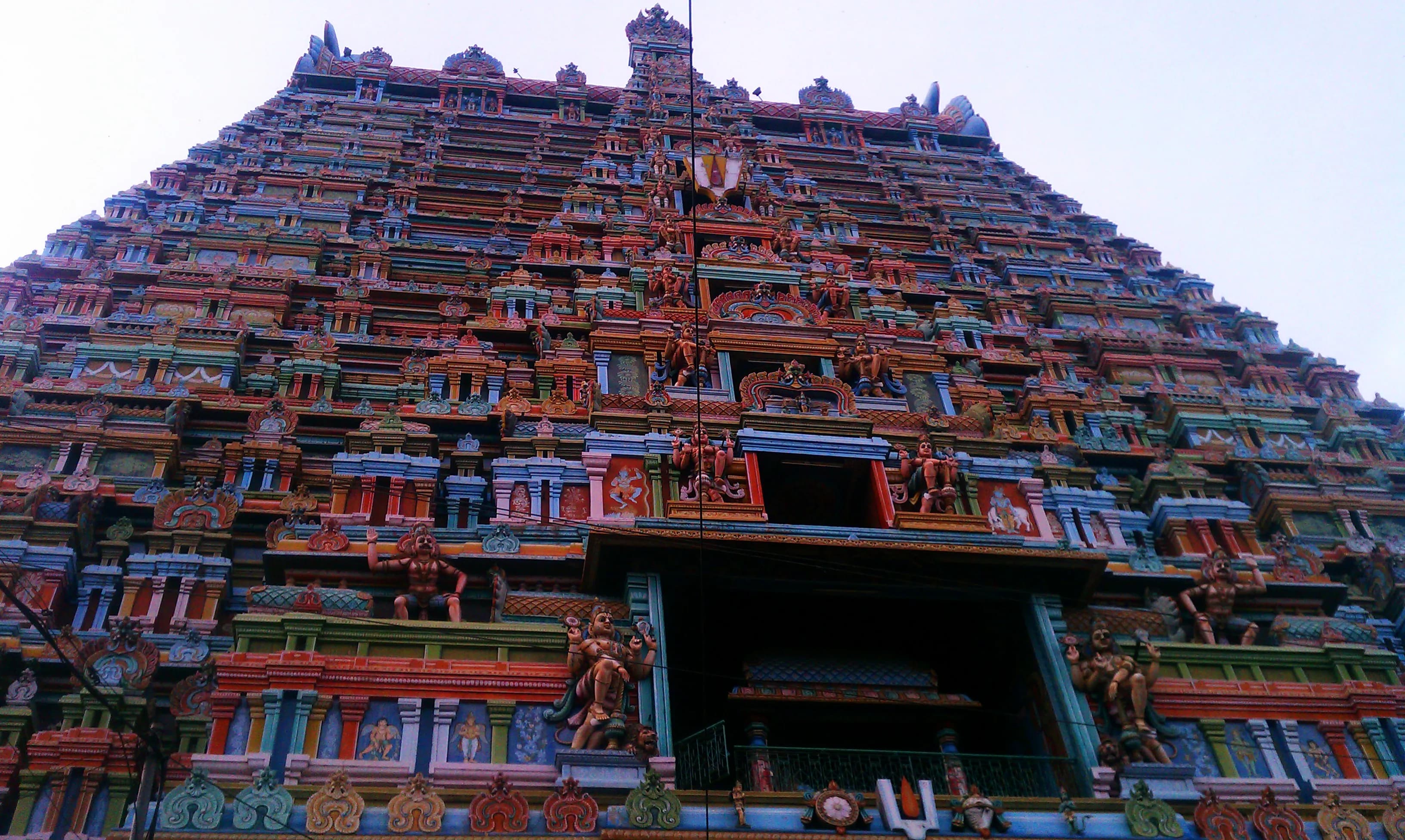
Ranganatha Temple Nellore
The midday sun beat down on Nellore, the heat shimmering off the gopurams of the Ranganatha Swamy Temple. Having explored countless sandstone marvels in Rajasthan, I was eager to experience the distinct Dravidian architecture of this South Indian temple. Stepping through the towering eastern gateway, I was immediately struck by the sheer scale of the complex. The vast courtyard, paved with worn stone, stretched before me, punctuated by smaller shrines and mandapams. Unlike the intricate carvings that adorn Rajasthani temples, the architecture here felt bolder, more geometric. The gopurams, tiered pyramids that mark the temple entrances, were adorned with vibrant stucco figures depicting deities and mythological scenes. The colours, though faded with time, still held a certain vibrancy, a testament to the artistry of the craftsmen who had brought them to life centuries ago. I noticed that the gopurams here seemed less ornate than those I'd seen in Tamil Nadu, perhaps reflecting a regional variation in the Dravidian style. The main shrine, dedicated to Lord Ranganatha, a reclining form of Vishnu, dominated the courtyard. The structure, built from granite, exuded a sense of solidity and permanence. As I approached, I observed the intricate carvings that adorned the pillars and walls. While the overall style was Dravidian, I noticed subtle influences of the Vijayanagara Empire in the ornate detailing, a reminder of the region's rich history. The pillars, in particular, were fascinating. Many featured yalis, mythical lion-like creatures, a common motif in South Indian temple architecture. However, the yalis here seemed more stylized, less ferocious than those I'd seen elsewhere, lending a unique character to the temple. Inside the sanctum sanctorum, the atmosphere was hushed and reverent. Photography was prohibited, which allowed me to fully immerse myself in the spiritual energy of the place. The air was thick with the scent of incense and the murmur of prayers. While I couldn't capture the image of the reclining deity, the mental picture I formed was far more vivid. The serenity of the Lord's expression, the intricate details of his adornments, and the palpable devotion of the worshippers created an unforgettable experience. Exiting the main shrine, I wandered through the sprawling complex, discovering hidden corners and smaller shrines dedicated to various deities. One particularly captivating structure was the Kalyana Mandapam, the marriage hall. Its intricately carved pillars, depicting scenes from Hindu mythology, were a testament to the skill of the artisans. I imagined the vibrant ceremonies that must have taken place within these walls, the air filled with music and celebration. The Pushkarini, the temple tank, located to the north, offered a welcome respite from the midday heat. The steps leading down to the water were worn smooth by centuries of use, a tangible link to the generations who had come before. The stillness of the water reflected the surrounding gopurams, creating a mesmerizing image. I observed locals performing rituals at the water's edge, their faith evident in every gesture. My visit to the Ranganatha Swamy Temple was a journey of discovery, a chance to appreciate the nuances of Dravidian architecture and experience the spiritual heart of Nellore. While the grandeur of Rajasthan's forts and palaces will always hold a special place in my heart, the serene beauty and intricate artistry of this South Indian temple offered a fresh perspective, a reminder of the rich diversity of India's architectural heritage. The temple isn't just a structure of stone and stucco; it's a living testament to faith, artistry, and the enduring power of tradition.
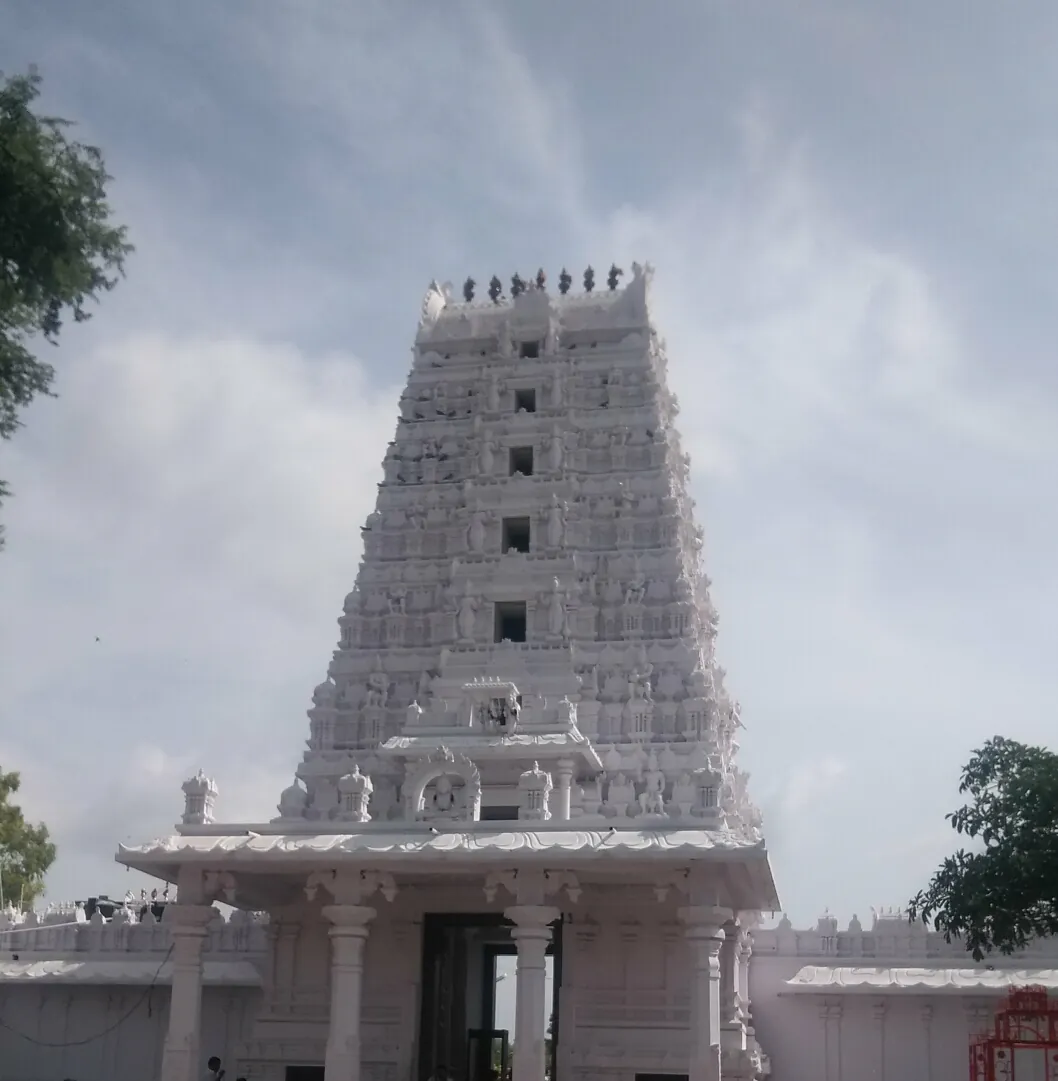
Karmanghat Hanuman Temple Hyderabad
The air, thick with incense and the murmur of devotion, vibrated around me as I stepped into the courtyard of the Karmanghat Hanuman Temple. Located in the bustling heart of Hyderabad, this ancient shrine seemed to exist in a pocket of timeless serenity, a world away from the urban clamor just beyond its walls. The temple, dedicated to Lord Hanuman, is believed to date back to the 12th century during the Kakatiya dynasty, a fact whispered by the very stones that make up its structure. My gaze was immediately drawn upwards to the imposing gopuram, the monumental entrance tower that dominates the temple complex. Unlike the elaborately sculpted gopurams of South Indian temples, this one possessed a more restrained elegance. The brickwork, though weathered by centuries of sun and rain, retained a warm, earthy hue. Subtle carvings of deities and celestial beings peeked out from the brick surface, hinting at the rich narratives embedded within the temple’s architecture. Passing through the gopuram, I found myself in the main courtyard, a vibrant tapestry of activity. Devotees circumambulated the central shrine, their prayers mingling with the rhythmic chanting of priests. The central shrine, housing the imposing idol of Lord Hanuman, is a relatively simple structure, its grandeur stemming from the powerful spiritual energy that permeates the space. The idol itself, a magnificent depiction of the monkey god in a standing posture, is said to be self-manifested, adding to the temple's mystique. I spent some time observing the architectural details, tracing the lines of the pillars and cornices with my fingers. The influence of the Kakatiya style was evident in the stepped pyramidal roof of the shrine and the use of locally available granite and brick. While later additions and renovations, particularly from the Qutb Shahi period, are discernible, the core architectural vocabulary remains distinctly Kakatiyan. This blending of architectural styles across centuries provides a fascinating glimpse into the region's rich and layered history. One of the most striking features of the Karmanghat temple is the presence of a large tank, or *pushkarini*, located to the south of the main shrine. The tranquil waters of the tank, reflecting the temple’s silhouette, created a sense of peace and tranquility. Historically, these tanks played a crucial role in temple rituals and served as a vital source of water for the community. The Karmanghat tank, though now significantly smaller than its original size, continues to be a focal point for devotees. As I walked around the temple complex, I noticed several smaller shrines dedicated to various deities, tucked away in quiet corners. These smaller structures, while less grand than the main shrine, displayed intricate carvings and decorative elements. The presence of these subsidiary shrines speaks to the evolving nature of religious practices and the assimilation of different deities into the temple’s pantheon over time. The Karmanghat Hanuman Temple is more than just a collection of stones and mortar; it is a living testament to centuries of faith, devotion, and architectural ingenuity. It is a place where the past and the present converge, where ancient traditions continue to resonate in the modern world. Leaving the temple, I carried with me not just photographs and notes, but a profound sense of connection to the rich cultural tapestry of India. The whispers of history, etched into the very fabric of the temple, continued to echo in my mind, a reminder of the enduring power of faith and the artistry of our ancestors.
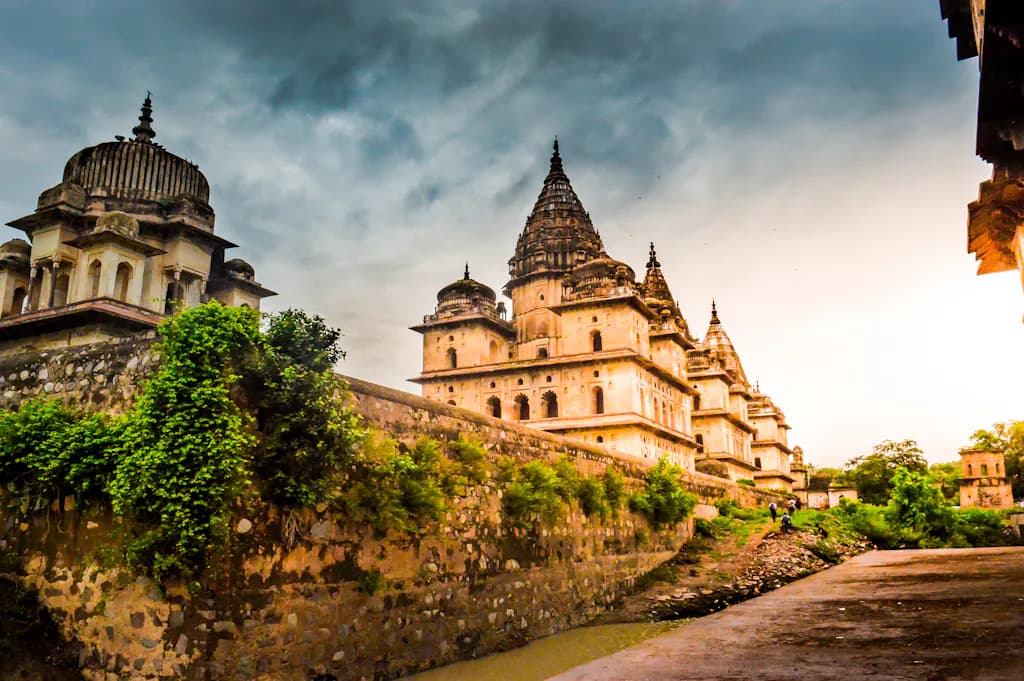
Orchha Fort Orchha
The midday sun beat down on the ochre stone, casting long shadows that danced across the courtyards of Orchha Fort. Dust motes, stirred by a gentle breeze whispering through the Betwa River valley, swirled around me, adding a touch of ethereal magic to the already imposing structure. Having explored countless forts across North India, from the colossal ramparts of Rajasthan to the crumbling citadels of the Himalayas, I thought I was immune to being awestruck. Orchha proved me wrong. This wasn’t just another fort; it was a symphony in stone, a testament to the Bundela Rajput’s architectural prowess and artistic sensibilities. Unlike the stark military fortifications I’d encountered elsewhere, Orchha exuded a regal elegance, a blend of defensive strength and palatial grandeur. The fort complex, perched on an island amidst the Betwa, is a cluster of interconnected palaces and temples, each with its own unique story to tell. My exploration began with the Raja Mahal. Stepping through the imposing arched gateway, I was immediately transported back in time. The sheer scale of the courtyard, surrounded by multi-storied structures, was breathtaking. Intricate carvings adorned the pillars and balconies, depicting scenes from epics and courtly life. I climbed the narrow, winding staircases, the stone worn smooth by centuries of footsteps, and emerged onto the rooftop terraces. From here, the panoramic view of the river, the surrounding plains, and the other palaces within the complex was simply mesmerizing. I could almost imagine the Bundela kings surveying their domain from this very spot. Next, I ventured into the Jahangir Mahal, a stunning example of Mughal architecture built to commemorate the visit of Emperor Jahangir. The contrast between the robust Rajput architecture of the Raja Mahal and the delicate, almost ethereal beauty of the Jahangir Mahal was striking. Here, intricate latticework screens, known as *jalis*, filtered the sunlight, creating a play of light and shadow within the chambers. The central courtyard, with its elegant chhatris and ornate balconies, was a masterpiece of design. I spent a considerable amount of time simply admiring the intricate tilework, the delicate floral patterns, and the sheer artistry that had gone into creating this architectural gem. The Ram Raja Temple, uniquely situated within the fort complex, was my next stop. Unlike typical temples, this one felt more like a palace, a reflection of the deep reverence the Bundela rulers had for Lord Ram. The temple’s vibrant colours, the intricate carvings, and the constant hum of devotional chants created a palpable sense of spirituality. Witnessing the devotion of the pilgrims, I felt a connection to the living history of this place. As I wandered through the Sheesh Mahal, now converted into a heritage hotel, I couldn't help but imagine the lives of the royals who once inhabited these spaces. The mirrored walls, the ornate ceilings, and the remnants of frescoes hinted at a life of luxury and grandeur. Standing on the balcony, overlooking the Betwa River, I felt a sense of tranquility wash over me. Leaving the fort complex as the sun began to set, casting a golden glow on the stone, I felt a profound sense of awe and admiration. Orchha Fort wasn't just a collection of buildings; it was a living, breathing testament to a rich and vibrant history. It was a place where architecture, art, and spirituality intertwined seamlessly, creating an experience that transcended the ordinary. For anyone seeking a glimpse into the heart of India's historical and architectural heritage, Orchha Fort is an absolute must-see. It’s a place that stays with you long after you’ve left, a reminder of the enduring power of human creativity and the beauty that can be found in the most unexpected corners of the world.
Quick Links
Plan Your Heritage Journey
Get personalized recommendations and detailed visitor guides