Has Inheritage Foundation supported you today?
Your contribution helps preserve India's ancient temples, languages, and cultural heritage. Every rupee makes a difference.
Secure payment • Instant 80G certificate
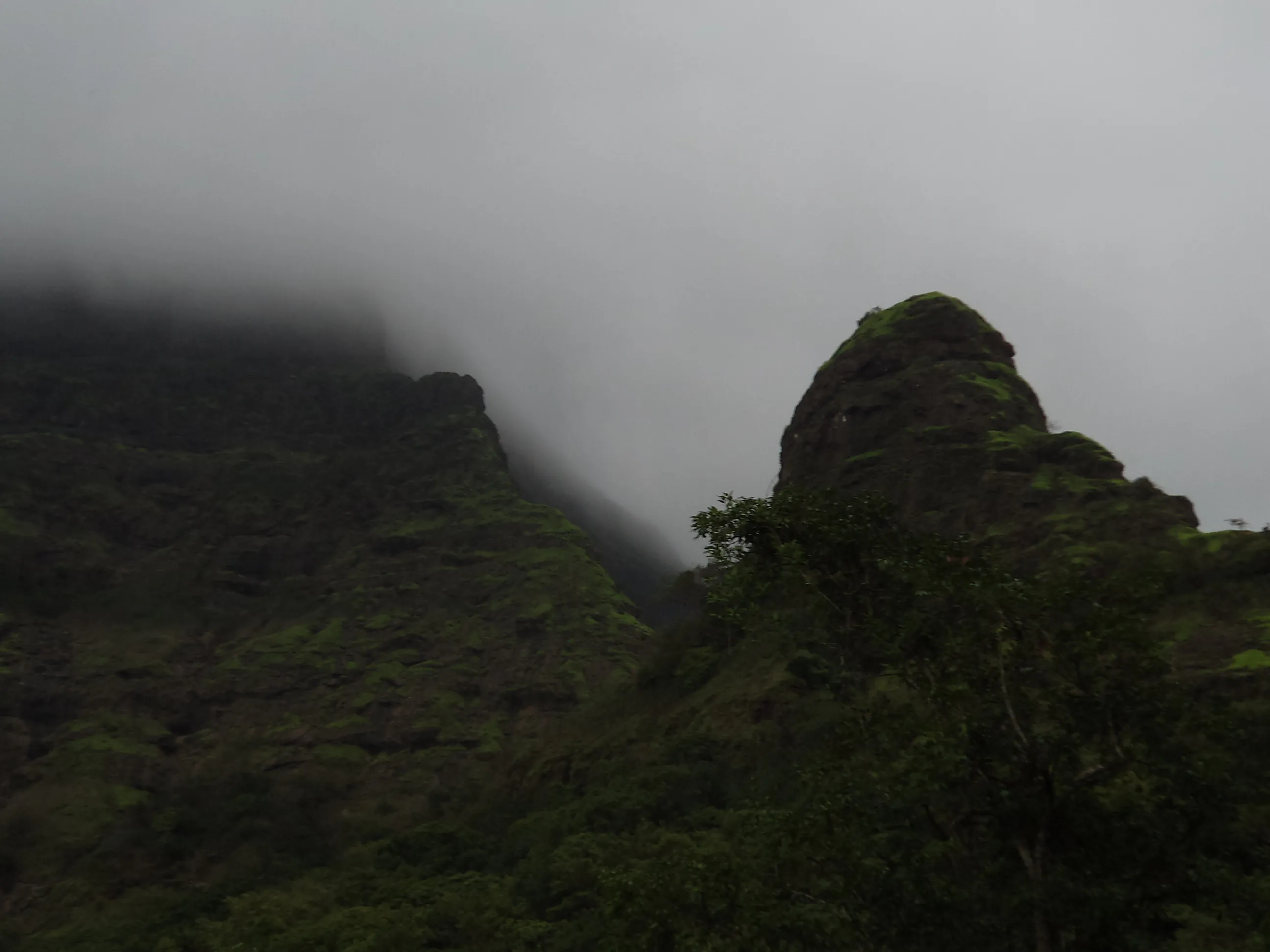
Bhimashankar Temple Pune
Enclosed by the Sahyadri mountains near Khed, the Bhimashankar Temple beckons with its spiritual aura and natural setting. Revered as one of the twelve Jyotirlingas, it embodies a manifestation of Lord Shiva ([1]). During the Maratha Period, temple construction underwent a resurgence, influencing Bhimashankar's structural design ([2]). Commissioned around 1250 CE by the Yadava Dynasty, the temple harmoniously blends Nagara and Dravidian architectural styles ([3][4]). Granite and sandstone blocks, meticulously carved, construct the temple's form, adorned with depictions from Hindu mythology reflecting the artisans' expertise ([3][5]). Black stone, basalt rock, granite, and wood form the primary materials, imbuing the temple with a sense of antiquity ([3]). Within the Garbhagriha (Sanctum), the Jyotirlinga resides, creating a serene atmosphere for devotees ([1]). Also of note, the Kamalaja Devi temple showcases a fusion of Nagara and Hemadpanti styles ([4]). Vastu Shastra principles, the ancient Indian science of architecture, may have subtly influenced the temple's layout, though specific textual references are currently unavailable. Patronage by Nana Phadnavis further solidified the temple's importance ([2]). The nearby source of the Bhima River enhances the site's spiritual significance ([1]). Sophisticated architectural elements are visible throughout the complex. The Shikhara (Spire) exhibits the Nagara influence, while the overall layout incorporates Dravidian elements, showcasing a confluence of architectural traditions ([3][4]). Bhimashankar offers a profound experience, inviting visitors to connect with Maharashtra's rich heritage ([5]).
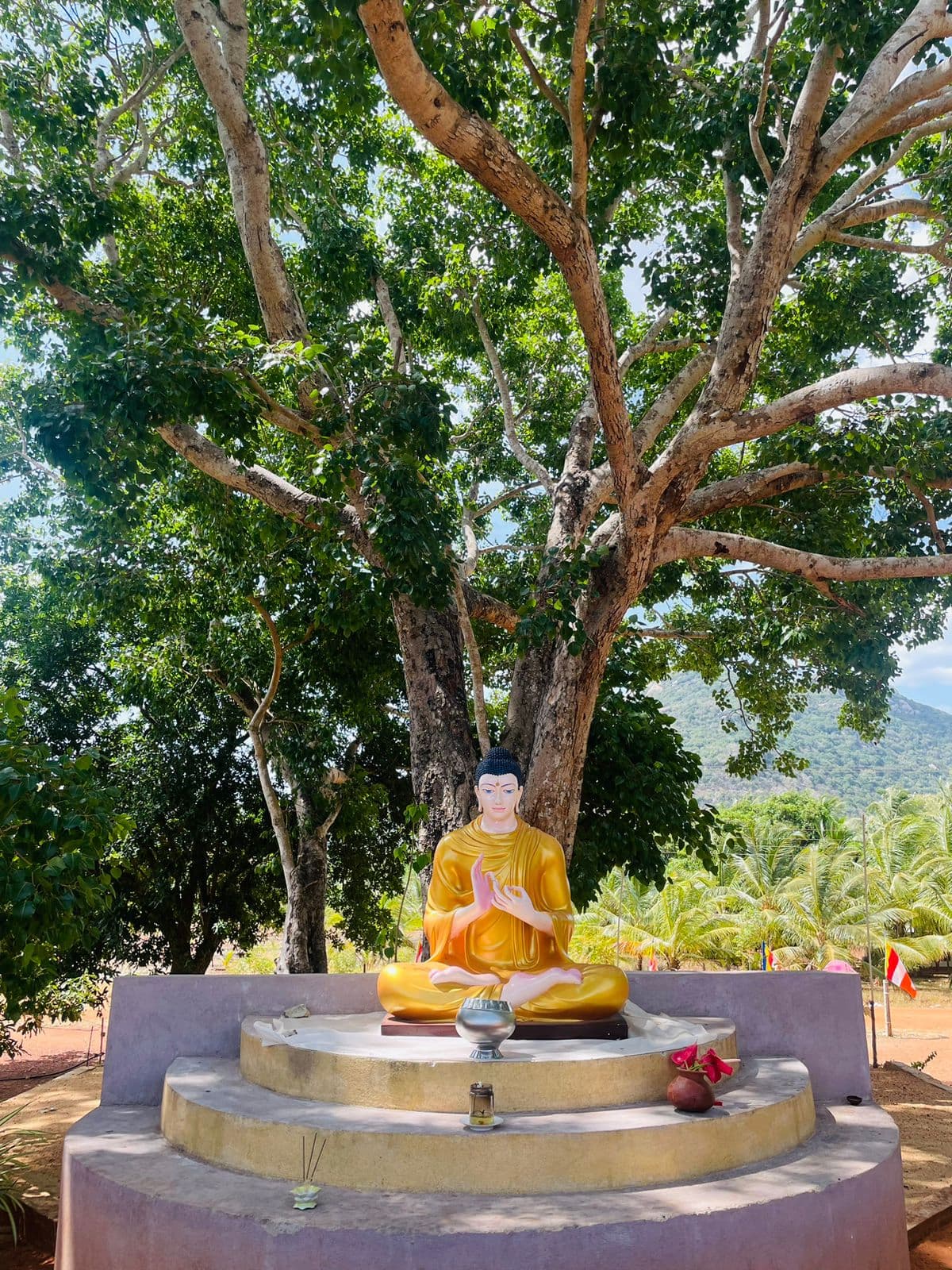
Mihintale Buddhist Monastery Anuradhapura Sri Lanka
Mihintale, dramatically situated on a hilltop approximately 12 kilometers east of Anuradhapura, represents one of the most extraordinary and historically significant Buddhist monastery complexes in South Asia, revered as the cradle of Buddhism in Sri Lanka where Mahinda, the son of the Indian Emperor Ashoka, met King Devanampiyatissa in 247 BCE and introduced Buddhism to the island, creating a powerful testament to the profound transmission of Indian Buddhist religious traditions to Sri Lanka. The monastery complex, spanning across multiple hilltops and featuring ancient stupas, meditation caves, rock inscriptions, and religious structures, demonstrates the direct transmission of Indian Buddhist monastery architecture from the great monastic centers of India including the Mauryan period monasteries, while the site's association with Mahinda, who was sent by his father Emperor Ashoka as part of the Buddhist missionary effort, demonstrates the sophisticated understanding of Indian Buddhist missionary traditions that were transmitted from India to Sri Lanka. The monastery's most remarkable feature is its association with the introduction of Buddhism to Sri Lanka, an event that is documented in ancient chronicles including the Mahavamsa and Dipavamsa and represents one of the most important events in the history of Buddhism in South Asia, while the monastery's extensive ruins including stupas, meditation caves, and rock inscriptions provide crucial evidence of the site's role in the transmission of Indian Buddhist texts and practices to Sri Lanka. Archaeological evidence reveals that the monastery served as a major center of Buddhist learning and practice for over two millennia, attracting monks, scholars, and pilgrims from across Sri Lanka and South India, while the discovery of numerous inscriptions in Pali, Sanskrit, and Sinhala provides crucial evidence of the site's role in the transmission of Indian Buddhist texts and practices to Sri Lanka, demonstrating the sophisticated understanding of Indian Buddhist traditions possessed by the Sri Lankan Buddhist establishment. The monastery's architectural layout, with its central stupa surrounded by meditation caves, assembly halls, and monastic cells arranged across multiple hilltops, follows sophisticated Indian Buddhist monastery planning principles that were systematically transmitted from the great monastic centers of India, while the monastery's extensive decorative programs including sculptures, carvings, and architectural elements demonstrate the sophisticated synthesis of Indian Buddhist iconography and artistic traditions with local Sri Lankan aesthetic sensibilities. The monastery's association with the annual Poson Festival, which commemorates the introduction of Buddhism to Sri Lanka, demonstrates the continued vitality of Indian religious traditions in Sri Lanka, while the monastery's location near Anuradhapura underscores its significance as a major center for the transmission of Buddhist teachings, art, and culture from India to Sri Lanka. Today, Mihintale stands as one of the most important Buddhist pilgrimage sites in Sri Lanka, serving as a powerful testament to the transmission of Indian Buddhist culture and architecture to Sri Lanka, while ongoing archaeological research and conservation efforts continue to protect and study this extraordinary cultural treasure that demonstrates the profound impact of Indian civilization on Sri Lankan religious and artistic traditions. ([1][2])
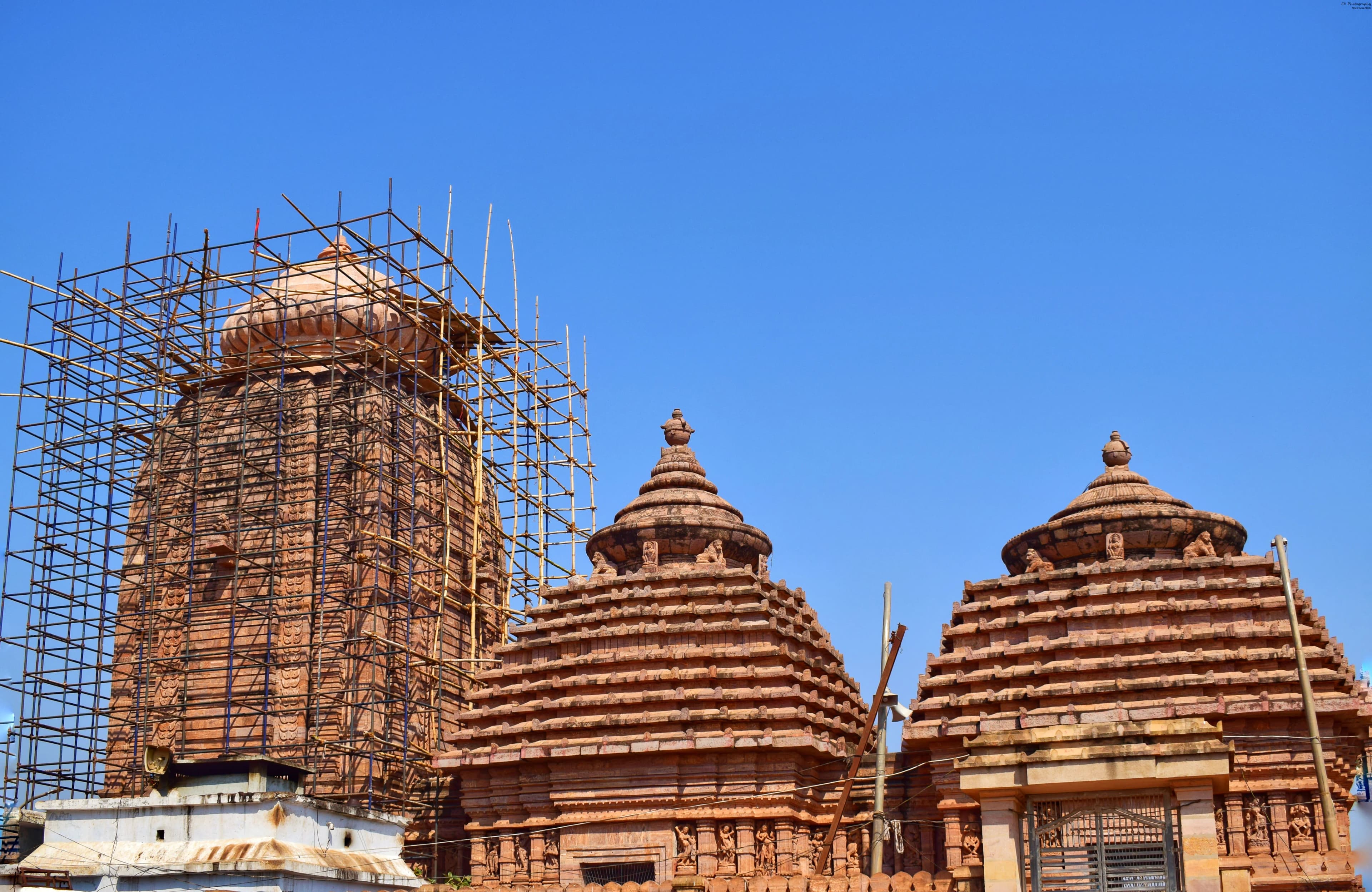
Maa Tara Tarini Temple Ganjam
The wind whipped my dupatta around me as I climbed the final steps to the Maa Tara Tarini temple, perched high on a hill overlooking the Rushikulya River. Having explored countless forts and palaces in Rajasthan, I’m always eager to experience new forms of heritage, and this Shakti Peetha in Odisha held a particular allure. The climb itself, though steep, was punctuated by the vibrant energy of devotees, their chants and the clang of bells creating a palpable buzz in the air. The temple complex is relatively small, a stark contrast to the sprawling citadels I’m accustomed to. Two brightly painted terracotta idols of the twin goddesses, Tara and Tarini, reside within the sanctum sanctorum. Unlike the elaborate marble carvings and sandstone latticework of Rajasthani architecture, the temple here embraces a simpler aesthetic. The main structure, while recently renovated, retains its traditional essence. The use of laterite stone and the distinctive sloping roof, reminiscent of the region's vernacular architecture, grounded the sacred space in its local context. What struck me most was the panoramic view from the hilltop. The Rushikulya River snaked its way through the verdant landscape below, glinting silver under the afternoon sun. The Bay of Bengal shimmered in the distance, a vast expanse of blue merging with the sky. This vantage point, I realized, was integral to the temple's significance. It felt as though the goddesses were watching over the land, their protective gaze extending to the horizon. I spent some time observing the rituals. Unlike the structured puja ceremonies I’ve witnessed in Rajasthan, the practices here felt more organic, driven by fervent devotion. Animal sacrifice, a practice largely absent in my home state, is still prevalent here, a stark reminder of the diverse tapestry of Indian religious traditions. While personally unsettling, it offered a glimpse into the deep-rooted beliefs and practices of the region. The temple walls are adorned with vibrant murals depicting scenes from Hindu mythology, particularly those related to the goddesses Tara and Tarini. The colours, though faded in places, still held a vibrancy that spoke to the enduring power of these narratives. I noticed that the artistic style differed significantly from the miniature paintings and frescoes I’ve seen in Rajasthan. The lines were bolder, the figures more stylized, reflecting a distinct regional artistic vocabulary. One of the priests, noticing my keen interest, explained the significance of the twin goddesses. They are considered manifestations of Shakti, the divine feminine energy, and are revered as protectors, particularly by seafarers and fishermen. He pointed out the numerous small terracotta horses offered by devotees, symbols of their wishes fulfilled. This resonated with me; the practice of offering votive objects is common across India, a tangible expression of faith and hope. As I descended the hill, the rhythmic chanting of the devotees still echoed in my ears. My visit to the Maa Tara Tarini temple was a departure from the grandeur of Rajasthan's palaces, yet it offered a different kind of richness. It was a journey into the heart of a vibrant, living tradition, a testament to the diverse expressions of faith that weave together the fabric of India. The simplicity of the architecture, the raw energy of the rituals, and the breathtaking natural setting combined to create a truly unique and unforgettable experience. It reinforced the understanding that heritage isn't just about magnificent structures, but also about the intangible cultural practices that give them meaning.
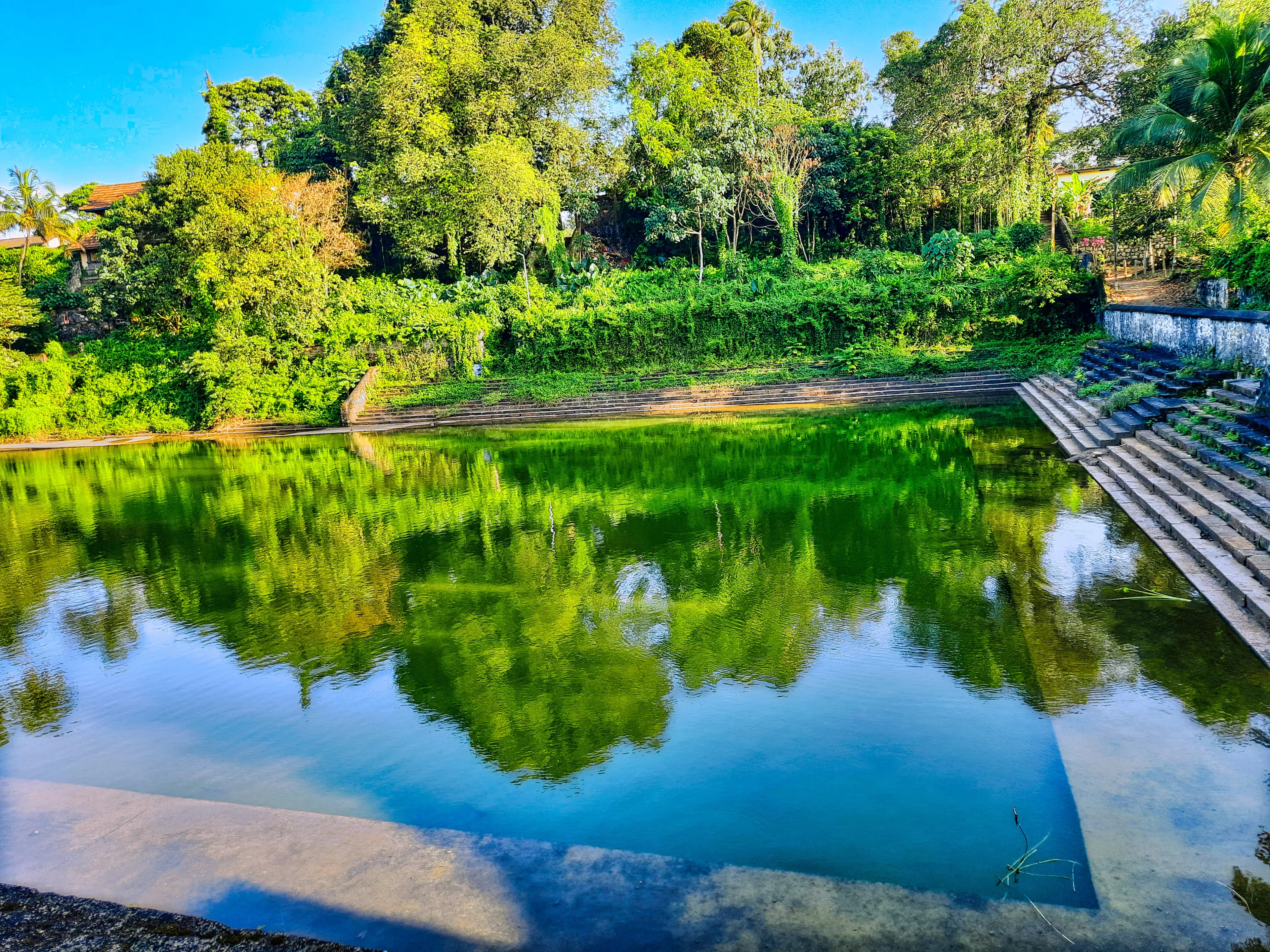
Sabarimala Sastha Temple Pathanamthitta
The arduous 18-step climb to the Sabarimala Sastha Temple, nestled deep within the Periyar Tiger Reserve, is more than just a physical feat; it’s a spiritual odyssey. As I ascended, the chanting of "Swamiye Saranam Ayyappan" reverberated through the dense foliage, a palpable energy that transcended the physical strain. This pilgrimage, undertaken by millions annually, culminates at a shrine that embodies a unique blend of Kerala’s architectural traditions and the temple's specific tantric influences. Unlike the towering gopurams that characterize many South Indian temples, Sabarimala’s main sanctum is relatively modest in height. Clad in copper plates, it sits atop a plateau, its simplicity contrasting sharply with the surrounding verdant wilderness. The absence of elaborate ornamentation initially surprised me, accustomed as I am to the intricate carvings of Tamil Nadu temples. However, the starkness of the structure seemed to amplify the spiritual focus, directing attention inwards rather than outwards. The copper sheathing, burnished by time and weather, glowed with a warm, inviting aura, especially striking in the early morning light. The temple’s architecture reflects its tantric associations. The sanctum sanctorum houses the deity Ayyappan in a yogic posture, and the overall layout, while adhering to some Kerala temple conventions, also incorporates elements that facilitate the specific rituals and practices associated with Ayyappan worship. The path leading to the main shrine is punctuated by smaller shrines dedicated to various deities, each contributing to the narrative of Ayyappan's life and legend. I noticed the prevalence of open spaces around the main shrine, designed to accommodate the vast crowds during the pilgrimage season. This spatial planning, while practical, also contributes to a sense of communal worship, fostering a shared experience amongst the devotees. One of the most striking features is the flight of 18 holy steps leading to the sanctum. Each step represents a specific virtue or principle, and ascending them is considered a symbolic act of purification. The steps are constructed of granite, and while their design is relatively simple, their significance is immense. As I climbed, I observed the diverse array of devotees, each carrying their irumudi kettu, the sacred bundle containing offerings for the deity. The collective devotion was palpable, creating an atmosphere of shared purpose and spiritual intensity. The temple’s location within the dense forest adds another layer to its unique character. The natural surroundings are integral to the pilgrimage experience, symbolizing the journey through the trials and tribulations of life towards spiritual enlightenment. The absence of urban encroachment allows for a deeper connection with nature, enhancing the sense of tranquility and spiritual immersion. I noticed the careful integration of the natural landscape into the temple complex, with pathways winding through the trees and the surrounding hills forming a dramatic backdrop. My visit to Sabarimala was more than just an architectural study; it was an immersive cultural experience. The temple's unique blend of architectural simplicity, tantric influences, and natural setting creates a powerful spiritual ambiance that resonates deeply with the millions who undertake this arduous pilgrimage. It offered a fresh perspective on temple architecture, highlighting the power of simplicity and the profound connection between spirituality and the natural world. The experience underscored how architecture can serve as a powerful conduit for faith and devotion, shaping not just the physical space but also the spiritual journey of the pilgrim.
Mukteshwar Mahadev Temple Pathankot
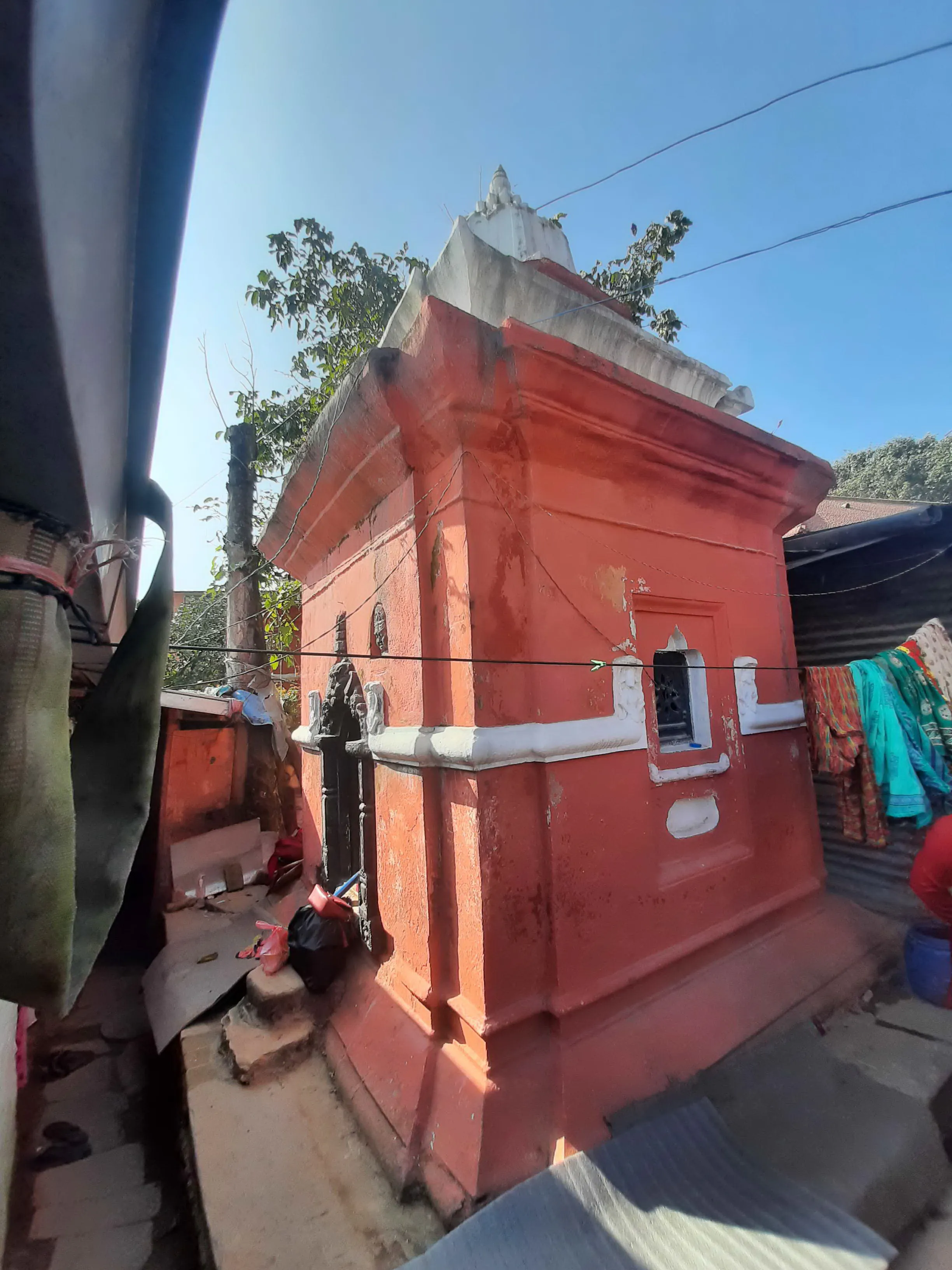
The crisp morning air, tinged with the scent of pine, carried the distant chime of bells as I approached the Mukteshwar Mahadev Temple, nestled near Pathankot in Punjab. Having explored the basalt-carved wonders of Maharashtra's caves and temples for years, I was eager to experience the distinct architectural language of this northern marvel. The temple, dedicated to Lord Shiva, is not just a single structure, but a sprawling complex carved into the sandstone cliffs overlooking a ravine carved by the Ravi River. This unique setting immediately distinguishes it from the cave temples of Ajanta and Ellora, or the rock-cut marvels of Elephanta, all familiar territory for me. Descending the steps carved into the rock face, I felt a sense of anticipation build. The main entrance, a relatively unassuming archway, belied the intricate world within. Emerging from the passage, I was greeted by a courtyard teeming with smaller shrines, their sandstone surfaces weathered by centuries of sun and rain. Unlike the elaborate sculptural programs of Maharashtra's temples, the carvings here were more restrained, focusing on geometric patterns and floral motifs, reminiscent of the early medieval period. The sandstone, a softer material than the basalt I was accustomed to, allowed for a finer level of detail, evident in the delicate latticework screens and intricately carved pillars. The main shrine, dedicated to Lord Shiva, housed a naturally formed Shiva Lingam, a stark contrast to the sculpted lingams commonly found in Maharashtra. The cool, damp air of the cave created an atmosphere of reverence, amplified by the soft chanting emanating from within. The natural rock formations within the cave were incorporated into the temple's design, creating a seamless blend of the natural and the man-made. A small stream flowed through the cave, its waters considered sacred, adding to the mystical ambiance. Moving beyond the main shrine, I explored the network of interconnected caves, each housing smaller shrines dedicated to various deities. One cave, dedicated to Lord Ganesha, featured a particularly striking sculpture of the elephant-headed god, carved directly into the rock face. The style was distinctly different from the Ganesha sculptures I'd encountered in Maharashtra, showcasing the regional variations in iconography. Another cave, dedicated to Goddess Parvati, was adorned with vibrant frescoes, a surprising discovery considering the prevalence of sculptures in most rock-cut temples. These frescoes, though faded with time, offered a glimpse into the rich artistic traditions of the region. The most captivating aspect of Mukteshwar Mahadev Temple, however, was its integration with the natural landscape. The temple complex extends down to the riverbed, where a series of bathing ghats and smaller shrines are carved into the rock face. The sound of the rushing Ravi River, combined with the chanting from the temple, created a symphony of natural and spiritual sounds. Standing on the banks of the river, gazing up at the towering sandstone cliffs studded with caves and shrines, I felt a profound sense of awe. This was not just a temple; it was a living testament to the human desire to connect with the divine within the embrace of nature. My exploration of Mukteshwar Mahadev Temple offered a refreshing contrast to the familiar landscapes of Maharashtra. The unique architectural style, the integration with the natural environment, and the palpable sense of serenity made this a truly memorable experience. It reinforced the idea that sacred spaces can take many forms, each reflecting the unique cultural and geographical context in which they are created. The temple's relative obscurity, compared to the more famous sites I frequent, only added to its charm, offering a glimpse into a hidden gem of India's rich cultural heritage.
Vaitheeswaran Koil
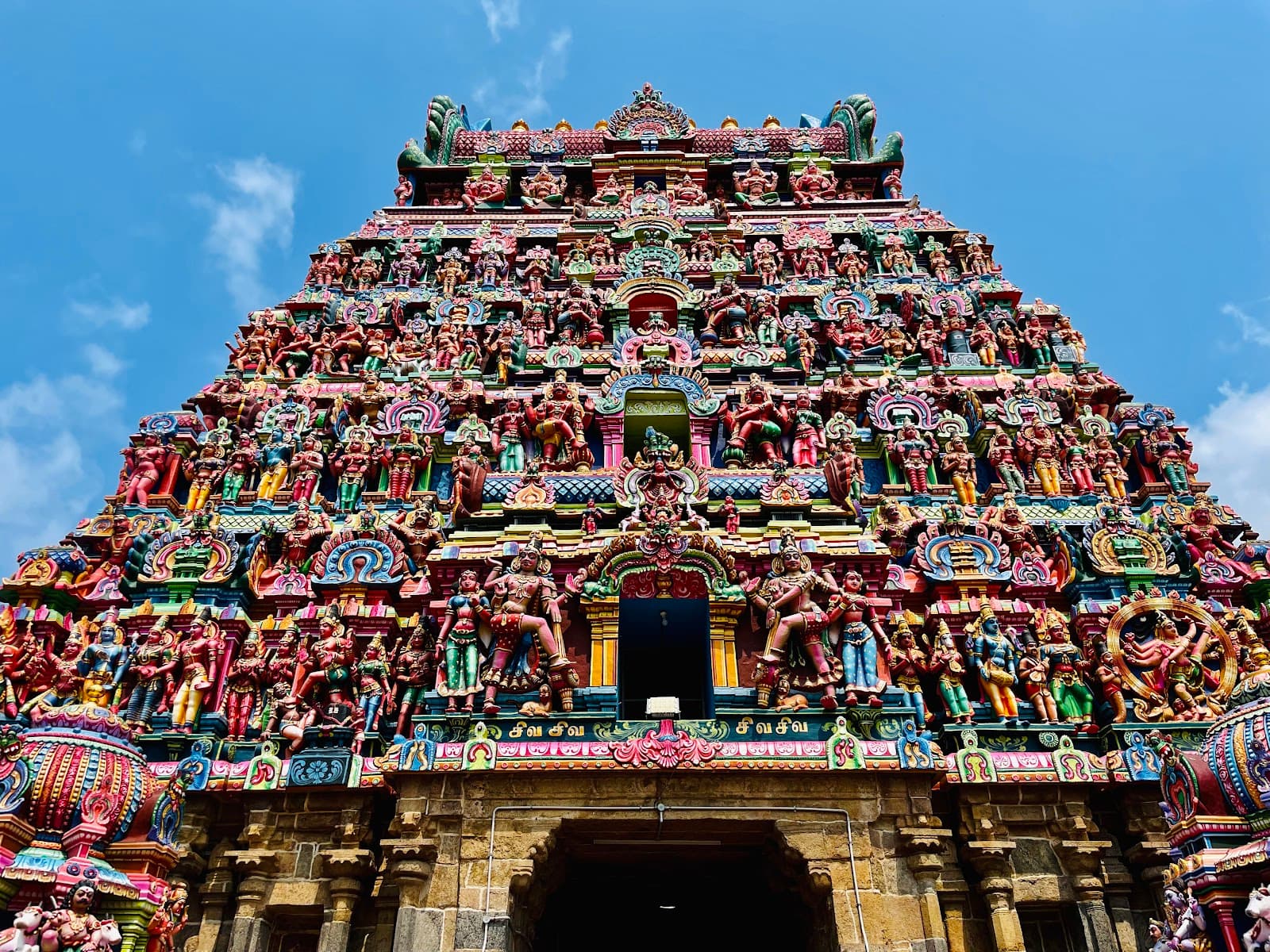
When I entered Vaitheeswaran Koil, I felt immediately surrounded by centuries of faith and healing. Though not listed as a centrally protected monument, the temple's scale and atmosphere reveal its long, uninterrupted history. The five-tiered Rajagopuram, granite walls, and intricately carved mandapams reflect the Dravidian craftsmanship perfected under the Cholas, Nayakas, and Marathas. Inscriptions on the walls—left by rulers from Vikrama Chola to Thulaja—reminded me how many dynasties shaped this space. Inside, Lord Shiva is worshipped as Vaidyanathar, the divine healer. Watching devotees gather at the Siddhamirtham tank, offering prayers and silver replicas of body parts, I could sense how deeply this temple is tied to hope and recovery. Stories of Rama seeking relief from his dosha and Angaraka being cured here give the temple its role as the Mars Navagraha sthalam. The cultural life around me was vibrant. Festivals like Vaikasi Visakam, Panguni Uthiram, Brahmotsavam, Masi Magam, Skanda Sashti, and Karthigai Deepam animate the temple with processions, music, and lights. Even in quieter moments, the presence of Nadi astrologers and the sacred Vembu tree added layers of tradition. Leaving the temple, I carried a strong impression of a place where architecture, mythology, and healing merge seamlessly into a living heritage. Vaitheeswaran Koil, also known as Thirupullirukku Velur, is a revered Hindu temple dedicated to Lord Shiva as Vaidyanathar (the God of Healing), located in Vaitheeswarankoil near Mayiladuthurai. The temple complex spans 10.7 acres and features a five-tiered Rajagopuram, four additional gopurams marking the four directions, and multiple precincts with pillared halls, shrines, and corridors. The temple is renowned as one of the Navagraha temples, representing Mars (Angaraka), and is classified as a Paadal Petra Sthalam, revered in the Tevaram hymns of 7th-century Saiva nayanars. The temple is particularly famous for its association with healing, the sacred Siddhamirtham tank, Nadi astrology, and its role as a center of faith and pilgrimage.
Chausath Yogini Temple Bhubaneswar
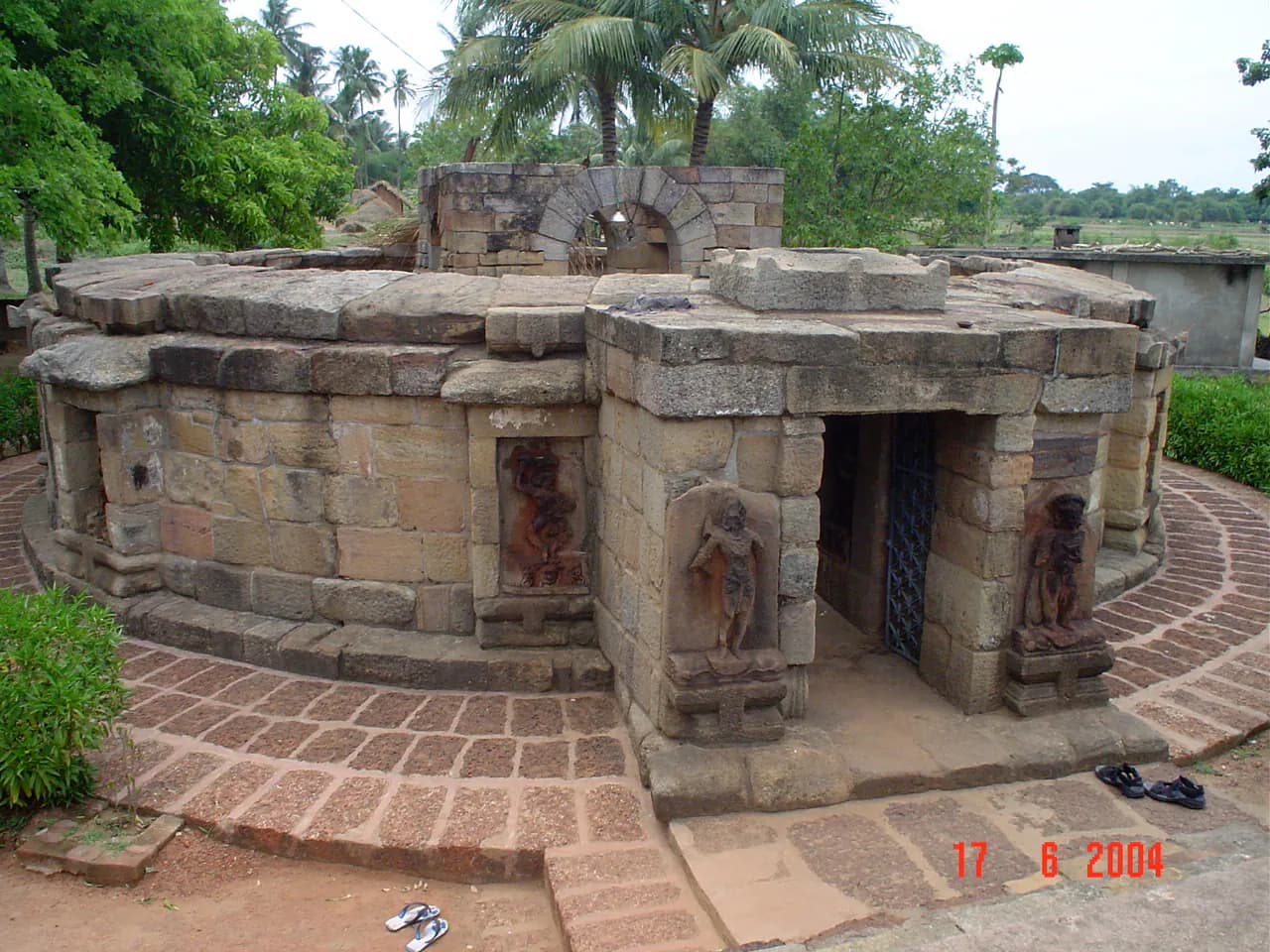
Ascending the weathered steps of the Chausath Yogini Temple in Hirapur, one encounters a mesmerizing relic of 9th-century Odisha ([1][2]). Unlike conventional closed-chamber temples, this monument, erected during the Eastern Ganga period, showcases a distinctive circular hypaethral (open-air) design ([1][2]). Queen Hiradevi of the Brahma dynasty commissioned this unique temple around 850 CE ([3]). Khondalite, laterite and sandstone were the primary materials for its construction ([4]). This temple is dedicated to the sixty-four Yoginis, considered attendants of Goddess Durga ([4]). Intricate carvings embellish the inner circular wall, portraying the Yoginis, each distinguished by unique expressions and poses ([1]). During the Eastern Ganga period, temple architecture in the Kalinga style reached its zenith, and this temple exemplifies that ([2][5]). This open-air design facilitates the integration of celestial elements into worship, aligning with tantric philosophies prevalent during its construction ([3][4]). The alignment with the cardinal directions also reflects principles found in the Vastu Shastras. Within the courtyard, a small shrine dedicated to Lord Shiva represents the cosmic equilibrium of Shakti and Shiva ([5]). Stone platforms and foundations demonstrate the temple's careful integration with the natural terrain ([1][2]). The Chausath Yogini Temple embodies the rich spiritual and artistic heritage of India ([3]). The temple's circular plan may also reflect the Mandala (cosmic diagram), resonating with deeper philosophical concepts ([4][5]). It serves as a potent symbol of India's multifaceted cultural legacy ([4][5]). Granite and sandstone blocks, meticulously carved, form the core structure, exhibiting the exceptional craftsmanship of the era ([1][2]).

Sheetla Mata Mandir Gurugram
The midday sun beat down on Gurugram, a stark contrast to the cool, shadowed interior of the Sheetla Mata Mandir. This wasn't a UNESCO World Heritage Site, a fact that surprised many given its historical and cultural significance. My journey across India to document every UNESCO site had brought me here, to this vital pilgrimage center, driven by curiosity and a desire to understand its enduring appeal. The temple, dedicated to Sheetla Mata, the goddess of smallpox, stands as a testament to a time when disease held a powerful sway over human life. Unlike the ornate and vibrant temples of South India I'd grown accustomed to, Sheetla Mata Mandir presented a different aesthetic. The structure, primarily built from brick and stone, exuded a sense of aged resilience. The lack of elaborate carvings or bright colours initially struck me, but as I spent more time within the complex, I began to appreciate the understated elegance. The simplicity felt purposeful, almost reverential, focusing the attention on the spiritual aspect rather than visual grandeur. The main entrance, a relatively unassuming archway, led into a large courtyard. Devotees, many carrying offerings of cooked food – a unique tradition of this temple – moved with a quiet determination. The air hummed with a low murmur of prayers and the clanging of bells. I observed families sharing meals on the temple grounds, the food having been offered to the goddess and then consumed as 'prasad', a blessed offering. This communal act of eating, blurring the lines between the sacred and the everyday, was a powerful display of faith and community. Inside the sanctum sanctorum, the atmosphere was palpably different. The dimly lit space, illuminated by flickering oil lamps, held an air of mystery and ancient power. The idol of Sheetla Mata, adorned with simple garments and jewellery, was a focal point for intense devotion. I watched as devotees whispered their prayers, their faces etched with hope and reverence. The absence of opulent decoration within the sanctum further amplified the sense of raw, unfiltered faith. The architecture of the temple, while not as visually striking as some of the UNESCO sites I've visited, held its own unique charm. The use of local materials, the simple lines, and the open courtyard all contributed to a sense of groundedness, a connection to the earth. I noticed intricate brickwork in certain sections, showcasing the skill of the original builders. The temple's design seemed to prioritize functionality and accessibility over elaborate ornamentation, reflecting its role as a place of pilgrimage for people from all walks of life. One of the most striking aspects of my visit was the palpable sense of continuity, a bridge between the past and the present. While the temple has undoubtedly undergone renovations over the centuries, the core beliefs and practices seemed to have remained unchanged. This resilience, this unwavering faith in the face of modern advancements in medicine, was a testament to the deep-rooted cultural significance of Sheetla Mata. Leaving the Sheetla Mata Mandir, I carried with me a deeper understanding of faith and its diverse expressions. While not a UNESCO site, this temple offered a unique glimpse into the living history and cultural fabric of India. It served as a reminder that heritage isn't just about grand monuments and breathtaking architecture, but also about the intangible threads of belief, tradition, and community that bind a people together. The experience underscored the importance of exploring beyond the designated lists and discovering the hidden gems that offer a richer, more nuanced understanding of a place and its people.
Munger Fort Munger
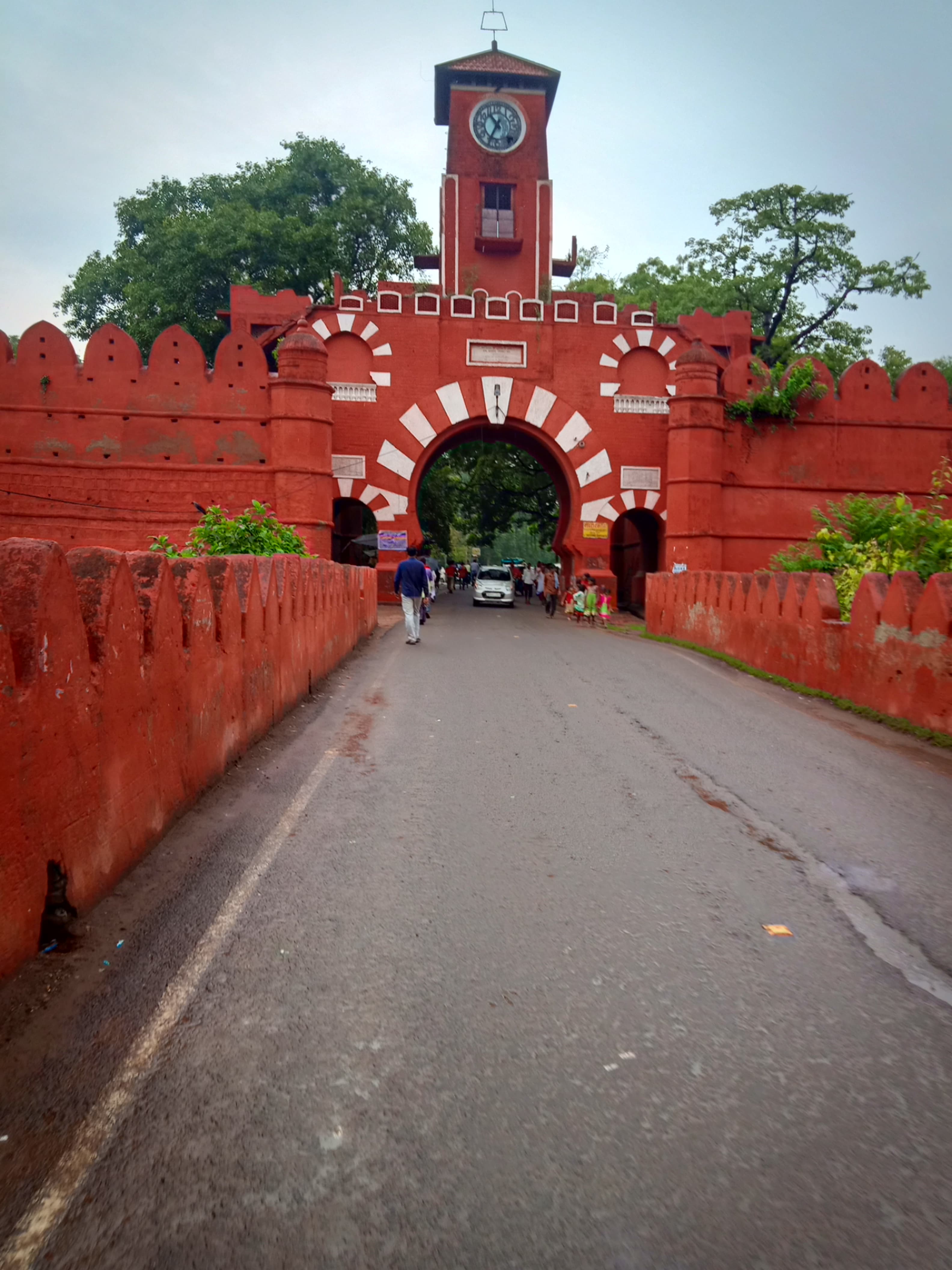
The Ganges, a ribbon of shimmering silver, embraced the base of Munger Fort, its flow a constant whisper against the aged stones. This wasn't my first fort in Bihar, but Munger held a different energy, a quiet dignity that transcended its crumbling ramparts and overgrown courtyards. Having documented over 500 monuments across India, I've developed a keen eye for the stories etched in stone, and Munger Fort had volumes to tell. The fort's strategic location, perched atop a rocky hill overlooking the river, is immediately apparent. It’s a layered structure, a palimpsest of history with contributions from various dynasties – the Mauryas, the Guptas, the Mughals, and even the British. This confluence of influences is reflected in the architecture, a fascinating blend of styles that speaks to the fort's long and complex history. I noticed remnants of ancient Hindu and Buddhist structures seamlessly integrated into later Islamic additions. A carved stone panel depicting a scene from the Ramayana, for example, was juxtaposed against a Mughal-era archway, a testament to the fort's evolving identity. My lens focused on the intricate details: the weathered sandstone blocks, some bearing faint traces of ancient inscriptions; the ornate carvings adorning the doorways and windows, now softened by time and the elements; the strategically placed bastions and watchtowers, silent sentinels guarding the river passage. The imposing ramparts, though breached in places, still conveyed a sense of impregnability, a testament to the fort's military significance. Walking through the sprawling complex, I felt a palpable sense of history. I could almost hear the echoes of marching armies, the clang of swords, the whispers of courtly intrigue. The silence, broken only by the chirping of birds and the distant hum of the city, was strangely evocative. It allowed me to connect with the past in a way that few places have. One of the most striking features of Munger Fort is its subterranean passage, rumored to lead to Patna, over 100 kilometers away. While the full extent of the tunnel remains shrouded in mystery, I was able to explore a portion of it. The air inside was cool and damp, the darkness punctuated only by the beam of my flashlight. The rough-hewn walls and low ceiling created a claustrophobic atmosphere, adding to the sense of intrigue. It's easy to imagine how this passage might have been used for secret escapes or clandestine meetings. The fort also houses several dilapidated palaces and temples, their grandeur now faded but still hinting at their former glory. The crumbling walls, the overgrown courtyards, the empty chambers – they all spoke of a bygone era, a time of kings and queens, of battles and sieges, of prosperity and decline. As I climbed to the highest point of the fort, the panoramic view of the Ganges and the surrounding countryside unfolded before me. The river, a lifeline for generations, snaked its way through the fertile plains, its banks dotted with temples and villages. It was a breathtaking vista, a reminder of the fort's strategic importance and its enduring connection to the land. Munger Fort is not just a collection of old stones and crumbling walls. It's a living testament to India's rich and layered history. It's a place where the past and the present intertwine, where stories are whispered in the wind, and where the echoes of time resonate through the silence. My time at Munger Fort was more than just a photographic assignment; it was a journey through time, an exploration of a place that has witnessed the ebb and flow of empires, the rise and fall of dynasties, and the enduring power of the human spirit. It’s a place that deserves to be preserved, not just for its architectural and historical significance, but for the stories it continues to tell.

The Hindu Temple Dimapur
The air, thick with the scent of damp earth and unfamiliar blossoms, hung heavy as I climbed the steps leading to the Hindu temple in Dimapur. This wasn't the North India I knew, the one of Mughal forts and Rajput palaces. This was something altogether different, a splash of vibrant saffron and ochre against the backdrop of Nagaland's emerald hills, a testament to the intricate tapestry of faith that colours India. The temple, dedicated to Lord Shiva, stands as a surprising beacon of familiarity in this predominantly Christian state. It isn't ancient, unlike the weathered temples I've encountered across the Gangetic plains. Instead, it possesses a youthful energy, its brightly painted walls radiating a sense of renewal. The architecture, while adhering to traditional North Indian temple design, incorporates local Naga motifs. I noticed intricate wood carvings adorning the pillars flanking the entrance, depicting stylized floral patterns reminiscent of Naga textiles. These weren't the elaborate, almost baroque carvings of, say, a Khajuraho temple, but they possessed a charming simplicity, a quiet elegance that resonated with the surrounding landscape. Stepping inside the main sanctum, the air vibrated with the low hum of chanting. A priest, his forehead smeared with vibhuti, performed the evening aarti. The flickering flames of the diyas danced across the deity's serene face, casting an ethereal glow on the assembled devotees. The scent of incense, sandalwood and something uniquely local, perhaps a wildflower I couldn't identify, filled the air. It was a sensory overload, yet strangely calming. What struck me most was the diversity of the congregation. Alongside local Hindus, I saw Naga tribals, their faces etched with curiosity and reverence. This wasn't just a place of worship; it was a melting pot of cultures, a space where different faiths intersected and coexisted. I spoke to a young Naga woman who told me she often visited the temple, drawn by the sense of peace it offered. She wasn't a Hindu, but she found solace in the temple's tranquil atmosphere, a testament to the unifying power of spirituality. The temple complex also houses a smaller shrine dedicated to Lord Ganesha. Here, the Naga influence was even more pronounced. The Ganesha idol, typically depicted with a plump belly and elephant head, was adorned with traditional Naga jewellery, a striking fusion of iconography. The walls surrounding the shrine were covered in murals depicting scenes from Hindu mythology, but with a distinct Naga twist. The characters wore Naga attire, the landscapes resembled the rolling hills of Nagaland, creating a unique visual narrative that blended the familiar with the unfamiliar. As I descended the temple steps, the sun began to dip below the horizon, painting the sky in hues of orange and purple. Looking back at the temple, bathed in the soft glow of twilight, I realized it represented more than just a religious site. It was a symbol of resilience, a testament to the enduring power of faith in a land far removed from its traditional heartland. It was a reminder that India's spiritual tapestry is woven with threads from diverse cultures, creating a rich and vibrant mosaic that continues to evolve and surprise. My journey through North India had taken me to countless ancient temples, each with its own unique story to tell. But this temple in Dimapur, with its youthful energy and its blend of tradition and local influence, held a special significance. It was a microcosm of India itself, a land of contrasts, where ancient traditions coexist with modern influences, where different faiths intersect and create something beautiful and new.
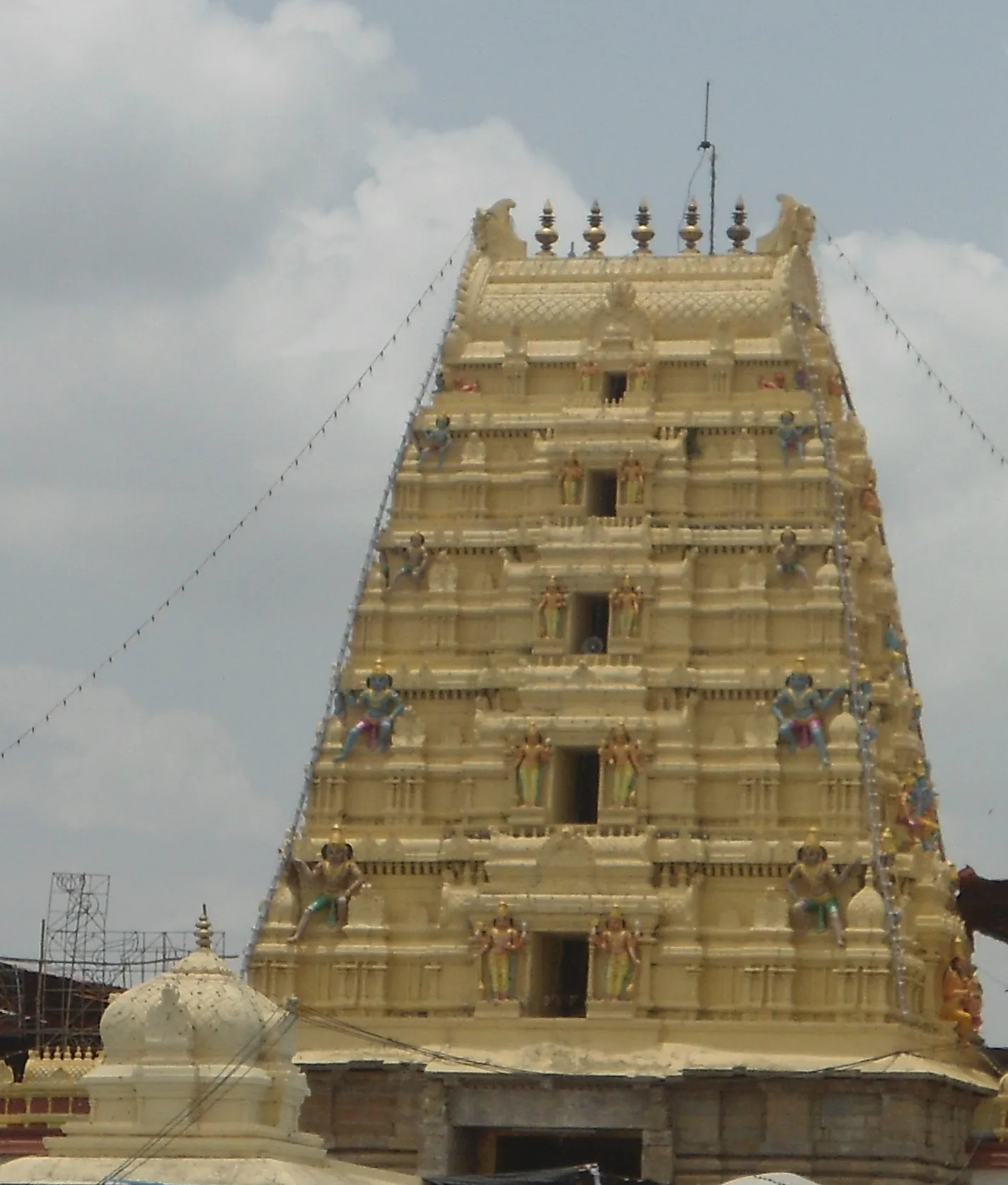
Bhadrachalam Temple Bhadrachalam
Along the Godavari's banks, the Sri Sita Ramachandra Swamy Temple at Bhadrachalam narrates tales of devotion from its perch on a small hillock ([1]). During the Nayaka period, specifically in 1674 CE, this sacred edifice was constructed ([2]). The temple embodies the Dravidian style, characterized by intricate carvings and a pyramidal gopuram (tower) ([3]). Kancherla Gopanna, also known as Ramadasu, a fervent 17th-century devotee, built the temple during the Golconda Sultanate's rule, leaving an indelible mark of his artistic vision ([4]). Granite and sandstone blocks, meticulously carved, form the temple's structure, demonstrating the architectural skills of the time ([5]). Intricate carvings adorning the walls depict deities and scenes from Hindu mythology, reflecting ancient artistry ([6]). The pyramidal gopuram (tower), a prominent feature, displays detailed sculptures that evoke a sense of dynamism and spiritual ascent ([7]). Polished stone floors within reflect light, enhancing the beauty of the intricately carved pillars, which narrate episodes from the Ramayana ([8]). These pillars showcase a harmonious blend of celestial beings and floral motifs ([9]). Within the Garbhagriha (Sanctum), Lord Rama, Sita, and Lakshmana reside, emanating serenity amidst fervent devotion ([10]). Smaller shrines, each with distinct architectural nuances, dot the courtyard, dedicated to various deities ([11]). Ramadasu's unwavering faith and artistic brilliance are deeply intertwined with the temple's history, resonating in every stone and carving ([4]). Bhadrachalam transcends being merely a structure; it represents a confluence of history, faith, and artistic expression ([1][3]). The temple stands as a testament to the enduring legacy of devotion and architectural grandeur in the Telangana region ([2]).
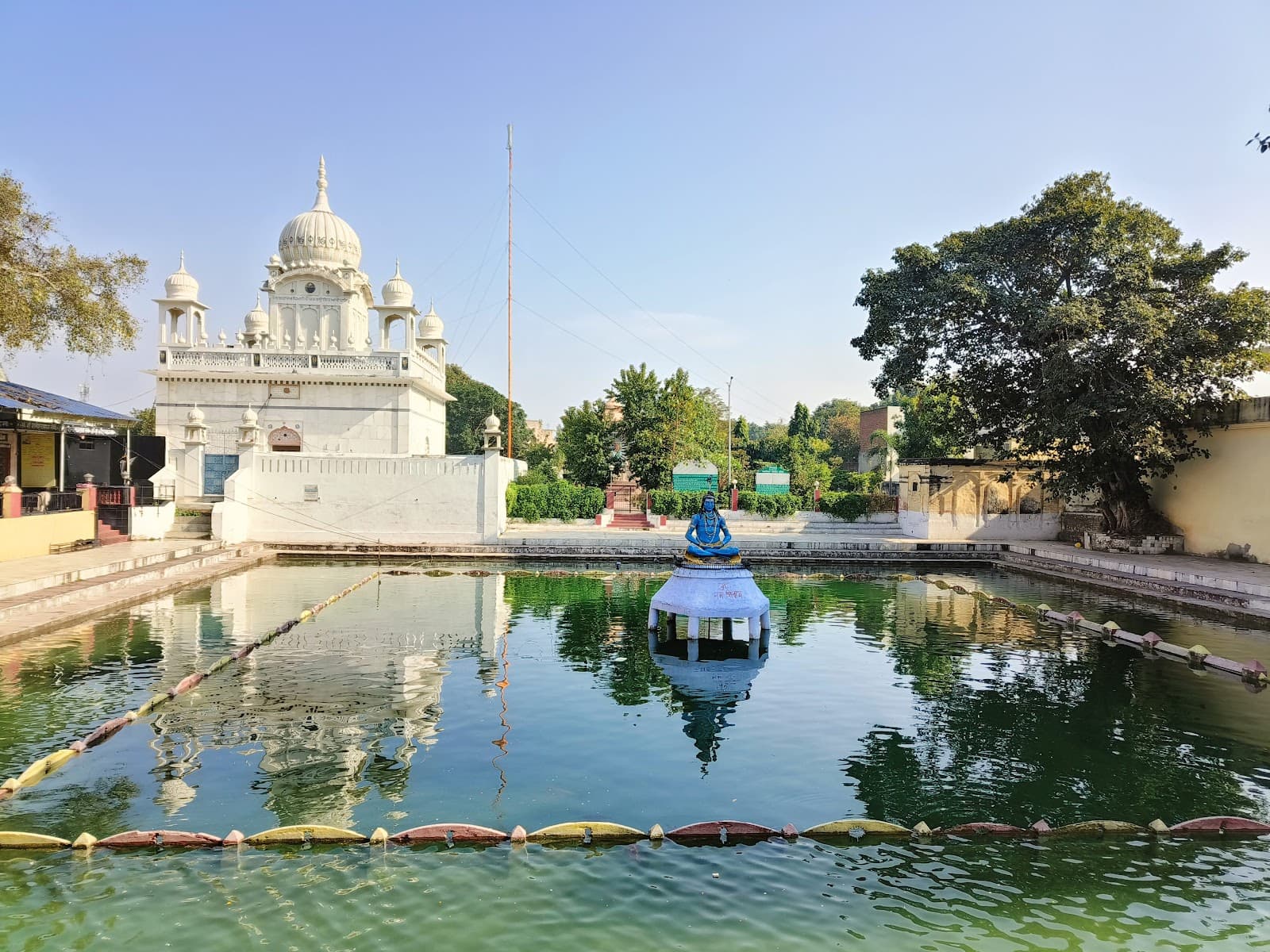
Sthaneshwar Mahadev Temple Thanesar
The late afternoon sun cast long shadows across the courtyard of the Sthaneshwar Mahadev Temple, painting the weathered stone a warm ochre. Dust motes danced in the shafts of light filtering through the gaps in the surrounding buildings, lending an ethereal quality to the scene. Here, in the heart of Thanesar, nestled within the historically significant land of Kurukshetra, stood a testament to centuries of devotion and architectural evolution. My visit wasn't just a reporting assignment; it was a pilgrimage of sorts, a chance to connect with the tangible remnants of India's rich past. The temple's current structure, while undeniably impressive, whispers of multiple reconstructions. The core, I learned from the temple priest, dates back to the ancient period, possibly even pre-Gupta times. However, much of what stands today bears the unmistakable mark of the Maratha reconstruction in the 18th century. This layering of history, this palimpsest of architectural styles, is precisely what makes Sthaneshwar Mahadev so fascinating. The shikhara, the towering superstructure above the sanctum sanctorum, rises with a gentle curve, its surface adorned with intricate carvings. While the Maratha influence is evident in the overall form, closer inspection reveals subtle nods to earlier architectural traditions. The amalaka, the crowning disc-like element, retains a classical simplicity, hinting at the temple’s older origins. I spent a considerable amount of time circling the structure, my gaze tracing the lines of the carvings, trying to decipher the stories they told. Many were weathered beyond recognition, yet their presence spoke volumes about the devotion and artistry of the craftsmen who had painstakingly etched them into the stone. Stepping inside the sanctum, I was struck by the palpable sense of reverence. The air was thick with the scent of incense and the murmur of prayers. The main deity, Lord Shiva, is represented by a lingam, a smooth, cylindrical stone that is the focal point of worship. The simplicity of this aniconic representation contrasted sharply with the ornate carvings that adorned the surrounding walls. It was a powerful reminder of the core principles of Hindu philosophy – the formless divine residing within the tangible world. The temple complex is not limited to the main shrine. Smaller shrines dedicated to various deities dot the courtyard, each with its own unique character. I was particularly drawn to a small, almost hidden shrine dedicated to Lord Hanuman. The vibrant vermilion paint that covered the statue of the Hanuman contrasted beautifully with the muted tones of the surrounding stonework. One of the most striking features of the Sthaneshwar Mahadev Temple is its connection to the sacred tank, known as the Brahma Sarovar. Located just a short walk from the temple, the tank is believed to have been created by Lord Brahma himself. Pilgrims come from far and wide to bathe in its holy waters, particularly during the solar eclipse. Standing by the edge of the tank, I could feel the weight of history and mythology pressing down on me. This was not just a body of water; it was a living testament to the enduring power of faith. My visit to Sthaneshwar Mahadev was more than just an architectural study; it was an immersion into the living tapestry of Indian culture and spirituality. The temple, with its layers of history, its intricate carvings, and its palpable sense of sanctity, offered a glimpse into the enduring power of faith and the artistry of those who sought to express it through architecture. As I left the temple grounds, the setting sun casting long shadows behind me, I carried with me not just photographs and notes, but a deeper understanding of the continuity of India's cultural heritage.
Quick Links
Plan Your Heritage Journey
Get personalized recommendations and detailed visitor guides