Has Inheritage Foundation supported you today?
Your contribution helps preserve India's ancient temples, languages, and cultural heritage. Every rupee makes a difference.
Secure payment • Instant 80G certificate

Tepe Narenj Monastery Kabul Afghanistan
Tepe Narenj, also known as Narenj Hill, rises dramatically from the southeastern outskirts of Kabul, Afghanistan, preserving the extraordinary remains of a 5th to 7th century CE Buddhist monastery complex that represents one of the most significant and well-preserved examples of early medieval Buddhist architecture in Afghanistan, demonstrating the vibrant transmission of Indian Buddhist monastic traditions to Central Asia during a period when Buddhism flourished across the region under the patronage of various dynasties including the Hephthalites and early Turk Shahis. The monastery complex, constructed primarily from fired brick, stone, and stucco with extensive decorative elements, features a sophisticated multi-level architectural design that includes five small stupas arranged in a mandala pattern, five chapels with elaborate wall paintings and stucco sculptures, meditation cells, assembly halls, and water management systems, creating a complete monastic environment that reflects the transmission of Indian Buddhist architectural planning principles to Afghanistan. The site's architectural design demonstrates direct influence from Indian Buddhist monastery architecture, particularly the Gupta period styles found at sites like Nalanda and Ajanta, with the overall mandala-based plan, stupa forms, and decorative programs reflecting traditions that were systematically transmitted from India through centuries of cultural exchange, while the discovery of Tantric Buddhist iconography and practices provides crucial evidence of the transmission of advanced Indian Buddhist traditions to Afghanistan. Archaeological excavations have revealed extraordinary preservation of stucco sculptures, wall paintings, and architectural elements that demonstrate the sophisticated artistic traditions of the period, with the stucco work showing clear influence from Indian sculptural styles while incorporating local artistic elements, creating a unique synthesis that characterizes Gandharan and post-Gandharan Buddhist art in Afghanistan. The monastery was visited by the renowned Chinese Buddhist monk Xuanzang in the 7th century CE, who documented the site in his travel accounts, providing crucial historical evidence of the monastery's importance as a center of Buddhist learning and practice, while the site's location near Kabul underscores its role as a major religious center in the region. The monastery was likely destroyed during the 9th century CE following the decline of Buddhism in Afghanistan, but the substantial architectural remains that survive provide extraordinary evidence of the site's original grandeur and the sophisticated engineering techniques employed in its construction. Today, Tepe Narenj stands as a UNESCO Tentative List site and represents one of the most important archaeological discoveries in Afghanistan in recent decades, serving as a powerful testament to the country's ancient Buddhist heritage and its historical role as a center for the transmission of Indian religious and artistic traditions, while ongoing archaeological research continues to reveal new insights into the site's construction, religious practices, and cultural significance. ([1][2])
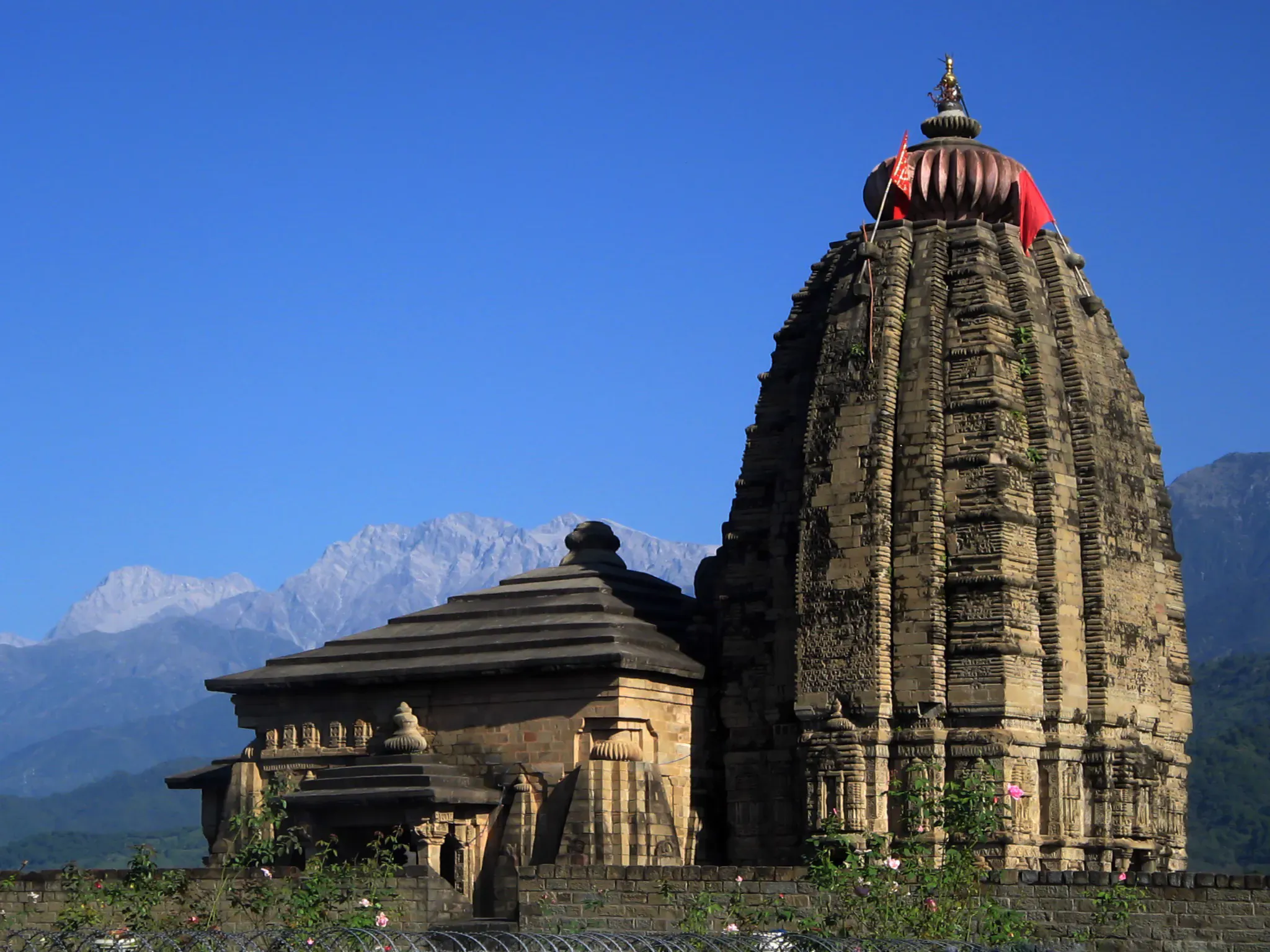
Baijnath Temple Kangra
Nestled in the Kangra Valley, the Baijnath Temple, constructed in 804 CE during the 9th century, stands as a Nagara-style Hindu temple dedicated to Lord Shiva as Vaidyanath, the 'Lord of physicians' ([3][4]). Commissioned during the Gurjara-Pratihara period, the temple's shikhara (spire) creates a striking silhouette against the Dhauladhars ([1][2]). A flight of stone steps leads to an arched doorway, subtly adorned with carvings ([5]). During the Gurjara-Pratihara period, temple architecture flourished, and this temple exemplifies the era's artistry ([1][5]). Within the Mandapa (pillared hall), latticed stone windows filter sunlight, illuminating pillars adorned with depictions of Shiva ([1][3]). The Garbhagriha (sanctum) houses the lingam, the focal point for devotees and their prayers ([2]). Miniature shikharas embellish the main structure, adding a unique visual element to the temple's design ([1][3]). Stone platforms and foundations demonstrate the temple's enduring construction. Circumambulating the temple reveals the curvilinear shikhara, distinct from Gujarati styles, echoing the steadfast mountains ([4][5]). The use of stone, wood, mortar, and slate showcases the regional materials employed in its construction ([1][2]). Its setting amidst the Himalayas enhances the temple's spiritual ambiance ([2]). The backdrop of snow-capped peaks and the Binwa River amplifies the sacred experience ([3][4]). Baijnath Temple embodies the lasting legacy of Indian temple architecture, seamlessly connecting human artistry with the beauty of the natural world ([1][5]). This sacred space continues to inspire reverence and awe, a testament to the architectural and spiritual heritage of India.
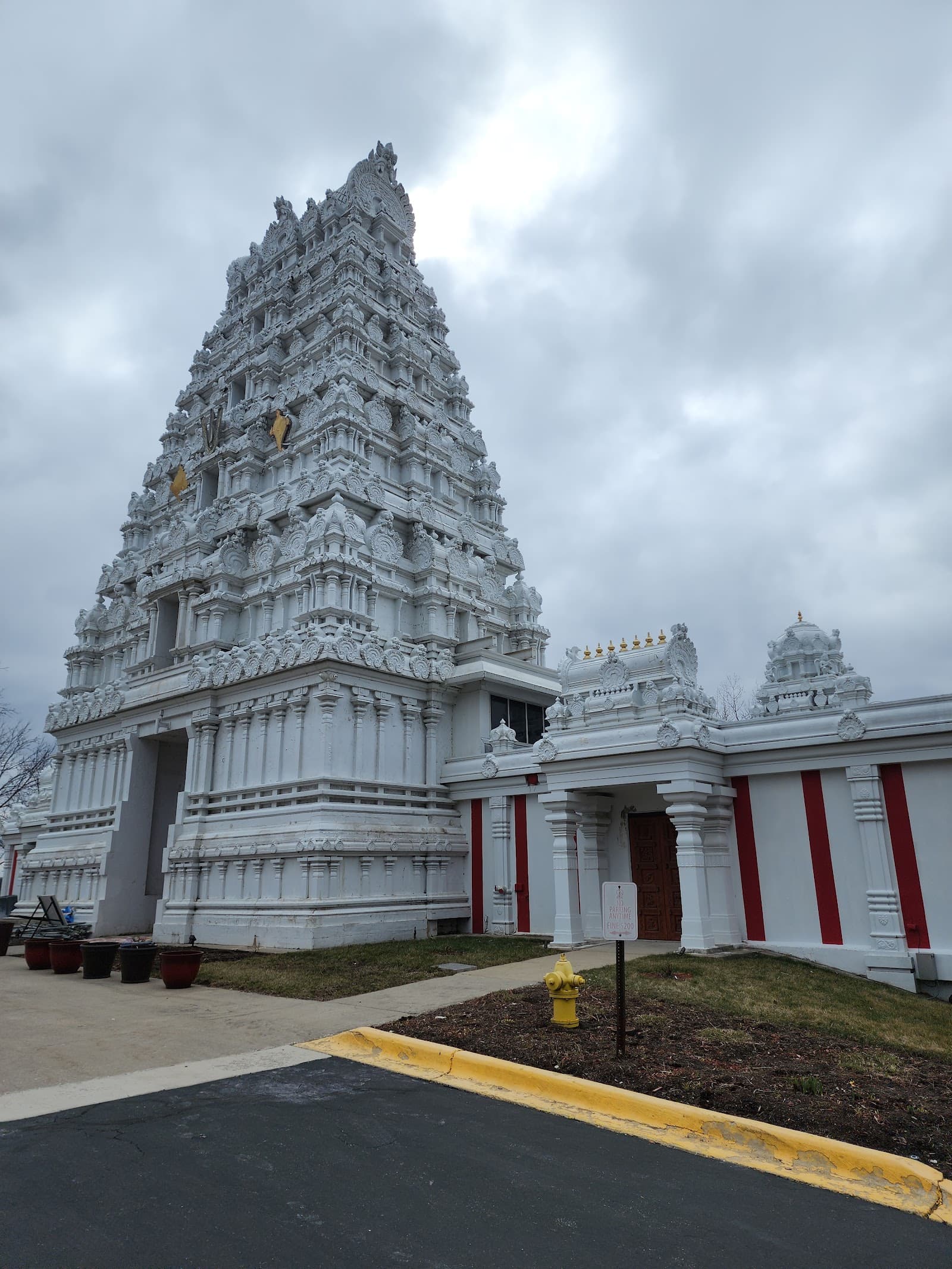
Hindu Temple Greater Chicago Lemont
The Hindu Temple of Greater Chicago (HTGC) in Lemont, Illinois, stands as a profound testament to India's millennia-spanning cultural heritage, embodying the continuous tradition of Indian civilization through its architectural grandeur and spiritual practices [5]. Dedicated to a pantheon of Hindu deities, the complex features two primary temples: the Sri Rama Temple and the Ganesha-Shiva-Durga Temple [4]. The Sri Rama Temple, the older of the two, is constructed in the Chola style of Dravida architecture, a tradition originating from South India and renowned for its towering gopurams (entrance towers), elaborately sculpted walls, and finely detailed carvings [5]. This temple's magnificent gopuram reaches an impressive height of 80 feet, serving as a potent symbol of Hindu spirituality [4]. The Ganesha-Shiva-Durga Temple, in contrast, showcases the elegant charm of Kalinga architecture, a style from the eastern region of India characterized by its distinctive curved roofs, sculpted toranas (arched gateways), and intricately carved pillars [5]. The exterior of the Sri Rama Temple is white, while the Ganesha-Shiva-Durga Temple features a tan exterior, reflecting the regional variations in traditional Indian temple construction [3]. Both structures and their interior ornamentation were meticulously hand-crafted by skilled artisans who traveled from India, ensuring authenticity to indigenous architectural styles and cultural practices [3]. The construction adheres to the Pancharatra Agama traditions, which dictate the iconography, rituals, and architectural principles for Vaishnava temples, ensuring the sacred spaces are imbued with traditional sanctity [4]. The temple complex is situated atop a hillock, a traditional placement for Hindu temples that signifies a revered elevated status within the community [3] [5]. Symmetrical ornamentation details the ceilings, and the structures incorporate circles and squares, depicting perfect geometric shapes and a grid of padas, referencing the Sanskrit term pAdana [3]. The interior spaces are designed for quiet worship, featuring an abundance of sculptures and carvings of deities, with specific areas for worship that are part of guided tours [3]. Devotees are not permitted to enter the deity shrines directly, maintaining the sanctity of the inner sanctum [3]. Recent investments by the temple's leadership have introduced more color to the worship spaces, with newly painted pillars and trim in a rainbow of hues, enhancing the aesthetic and spiritual experience [3]. The temple complex is operational daily from 9:00 AM to 9:00 PM, with the last Archana (ritual offering) conducted at 8:15 PM [2] . It actively hosts religious rituals, services, cultural festivities, and educational initiatives throughout the year, including daily pujas and annual festivals [5]. The site also includes community rooms for events, a Vidyalaya (school) for Hindu and Indian cultural education, a library, yoga classes, and a health clinic [3]. Conservation and maintenance efforts are ongoing, with the temple undertaking projects such as the Rajagopuram Kumbhabhishekam, a rededication ceremony held every 12 years to bless and renew the temple [2] . The temple has also received grants from the Federal Emergency Management Agency (FEMA) for security upgrades and additional surveillance, ensuring the safety of its members [3]. The Hindu Temple of Greater Chicago continues to serve as a vibrant cultural and spiritual hub, welcoming tens of thousands of devotees and visitors annually, and stands as a living embodiment of India's enduring architectural and spiritual legacy [3].
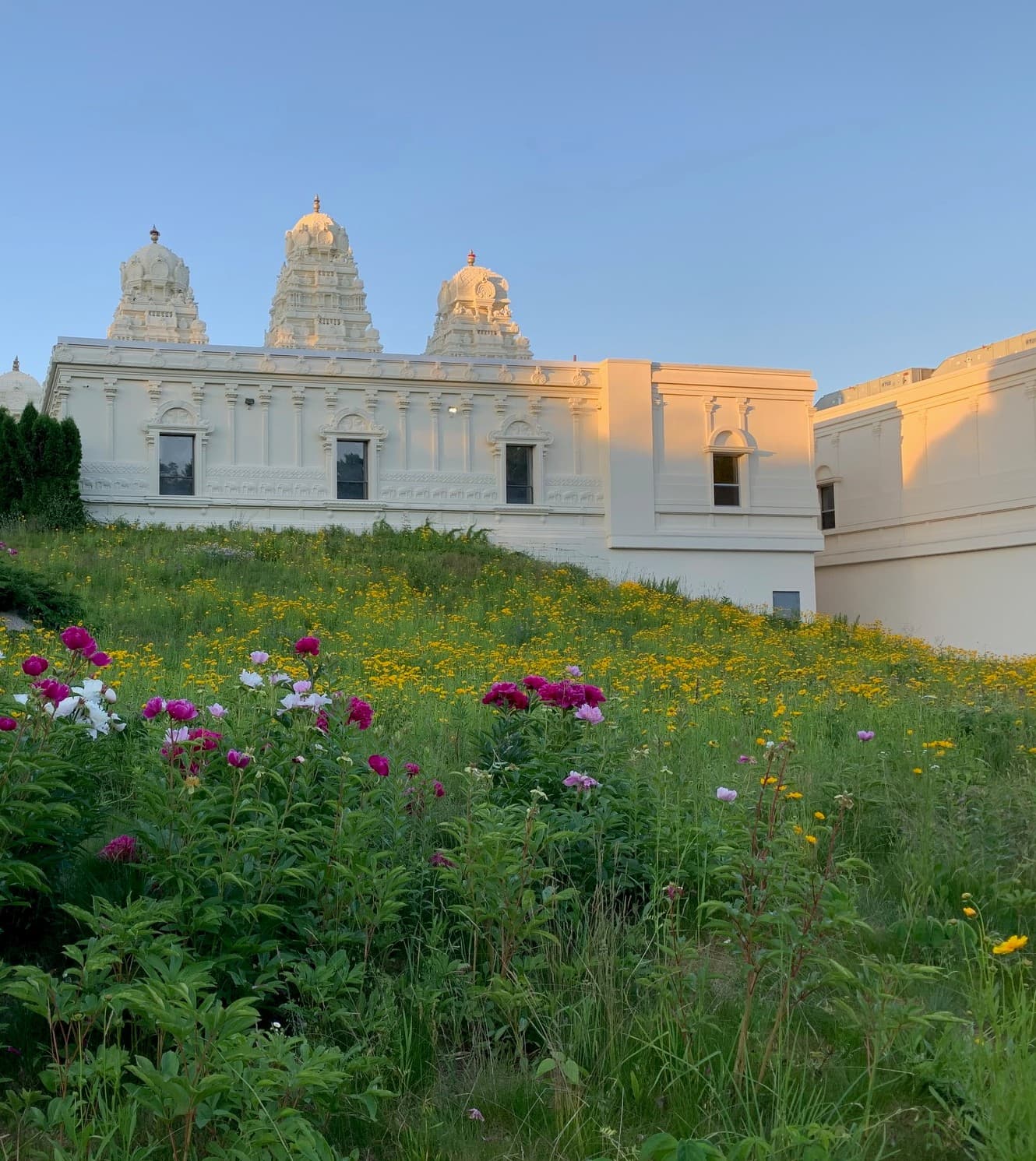
Sri Lakshmi Temple Ashland
Sri Lakshmi Temple in Ashland, Massachusetts, dedicated to Mahalakshmi and Lord Narayana, opens at 7:00 AM on weekdays and 6:00 AM on weekends, maintaining sequential abhishekams, archanas, and evening sahasranama chants until 8:30 PM across its granite mandapam and cultural center ([1][2]). Volunteer coordinators staff the heated entry plaza, shoe rooms, and vestibule during winter months, keeping queues orderly as visitors cycle between the main sanctum, subsidiary shrines, and the basement canteen ([1][3]). Security personnel coordinate with Ashland police during peak festivals, monitor snow-melt systems, and ensure emergency generators are ready for New England nor’easter outages ([3][5]). Elevators connect the mandapam to the cultural center and classrooms, ADA-compliant ramps ring the building, and ushers provide hearing-assist devices and closed-caption displays for Tamil and English liturgy ([1][4]). Custodians follow hourly schedules to wipe condensation, reset mats, and check radiant snow-melt manifolds, while HVAC zoning maintains steady temperatures despite Massachusetts winters ([3][5]). The temple’s computerized maintenance management system tracks priest schedules, life-safety inspections, and accessibility checks; 2025 Town of Ashland inspections recorded no outstanding violations, confirming mechanical, fire, and kitchen systems remain current ([3][4]).
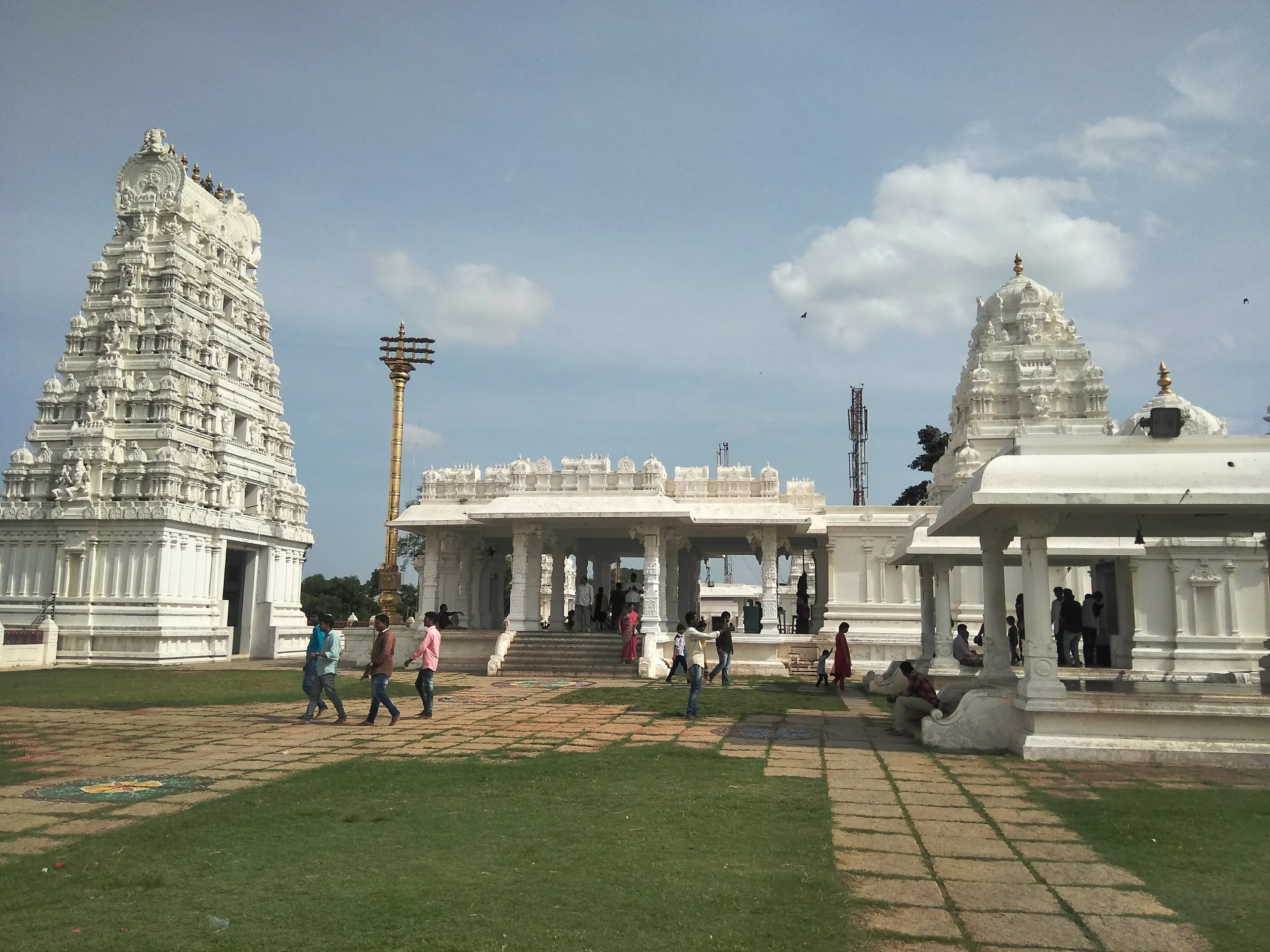
Sanghi Temple Hyderabad
The wind whipped around me, carrying the faint scent of incense and the distant chanting of mantras, as I stood at the foot of the magnificent Sanghi Temple. Having explored countless forts and palaces of Rajasthan, I’ve developed a keen eye for architectural grandeur, and even so, this temple, nestled amidst the rocky landscape of Telangana, took my breath away. It wasn’t a single monolithic structure, but a sprawling complex of shrines, each dedicated to a different deity within the Hindu pantheon, all crafted from gleaming white marble that seemed to radiate an inner light. The main temple, dedicated to Lord Venkateswara, dominates the skyline. Its towering gopuram, intricately carved with scenes from Hindu mythology, draws the eye upwards, almost piercing the cerulean sky. The sheer scale of the structure is awe-inspiring. I’ve seen the intricate carvings of Dilwara and the imposing walls of Chittorgarh, but the pristine white marble of Sanghi Temple, reflecting the bright Telangana sun, created a different kind of majesty. It felt less like a fortress and more like a celestial palace, descended from the heavens. As I ascended the broad steps leading to the main sanctum, I noticed the meticulous detailing. Every inch of the temple, from the towering pillars to the delicate latticework screens, was adorned with carvings. Mythological figures, celestial beings, and floral motifs intertwined in a complex tapestry of artistry. The craftsmanship was exquisite, reminiscent of the delicate jali work I’d admired in the palaces of Jaipur, but here, the sheer volume of carving was overwhelming. It was as if an army of artisans had poured their hearts and souls into every chisel stroke. Inside the main sanctum, the atmosphere was charged with devotion. The air hummed with the low murmur of prayers and the clanging of bells. The deity, Lord Venkateswara, stood resplendent, adorned with jewels and garlands. The sheer faith radiating from the devotees around me was palpable, a testament to the spiritual power this place held. It was a stark contrast to the hushed reverence I’d experienced in the Jain temples of Ranakpur. Here, devotion was expressed openly, with an almost tangible energy. Beyond the main temple, the complex unfolded like a labyrinth of spiritual discovery. Smaller shrines dedicated to Lord Ganesha, Lord Shiva, and Goddess Durga dotted the landscape, each with its own unique architectural style and devotional atmosphere. I was particularly drawn to the serene beauty of the Goddess Lakshmi shrine, its delicate carvings and peaceful ambiance offering a respite from the bustling activity of the main temple. It reminded me of the quiet courtyards within the City Palace of Udaipur, hidden oases of tranquility amidst the grandeur. Wandering through the complex, I stumbled upon a small amphitheater, its stage facing a backdrop of lush greenery. I learned that cultural performances and religious discourses are often held here, adding another layer to the temple's vibrant tapestry. It was a thoughtful inclusion, acknowledging the importance of art and education alongside spiritual practice. This reminded me of the open-air performances I’d witnessed in the Mehrangarh Fort of Jodhpur, where history and culture came alive under the desert sky. As the sun began to set, casting long shadows across the marble courtyards, I found myself sitting by the temple’s tranquil pond, watching the koi fish glide through the clear water. The air was filled with the sound of chirping birds and the distant chanting of evening prayers. The temple, bathed in the warm glow of the setting sun, seemed to exude a sense of peace and serenity. It was a fitting end to my visit, a moment of quiet reflection after a day of exploration and discovery. Sanghi Temple, with its architectural splendor and spiritual richness, had left an indelible mark on my memory. It was a testament to the enduring power of faith and the artistry of human hands, a place where the divine and the earthly met in perfect harmony.
Hindola Mahal Mandu
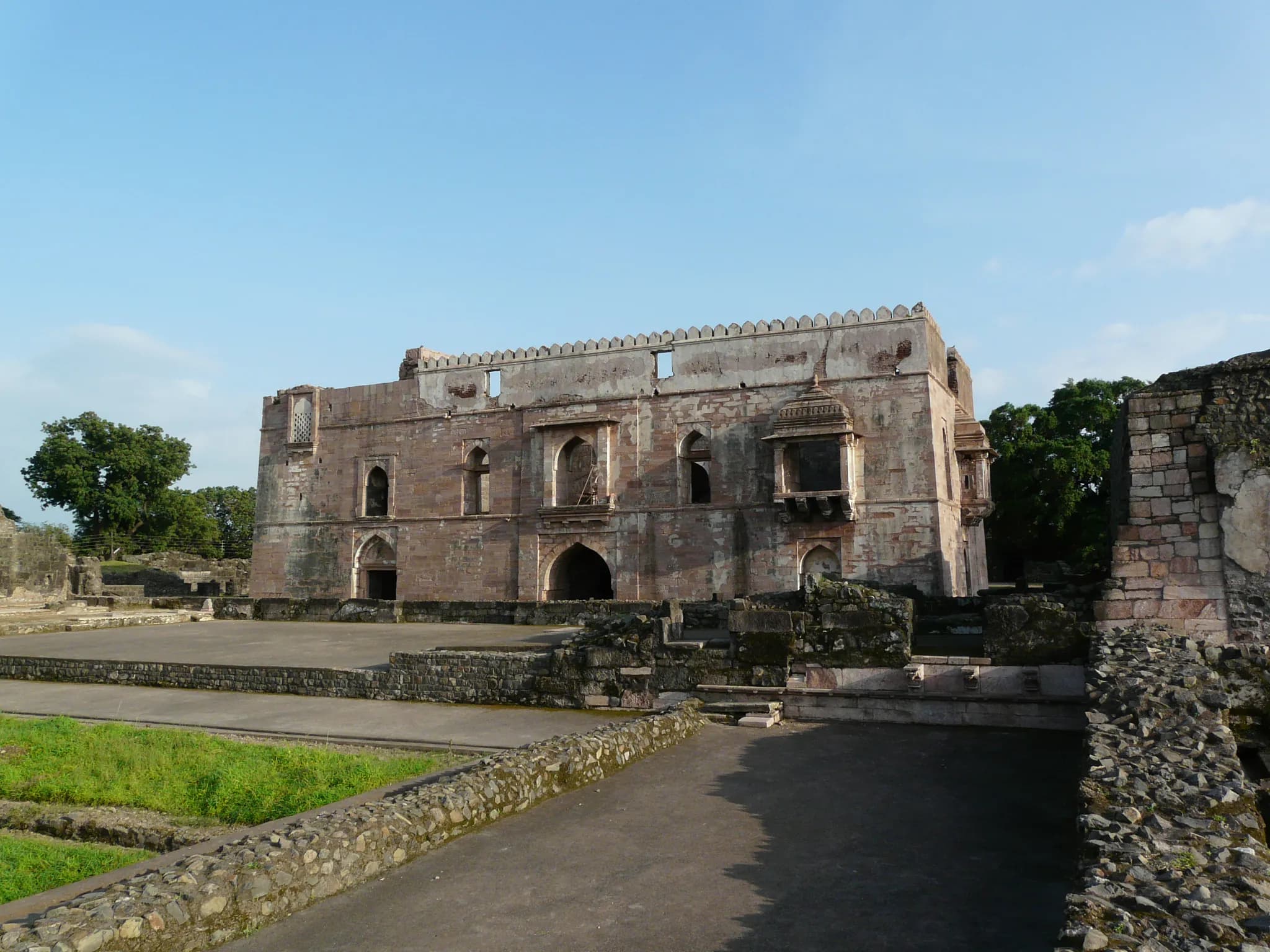
The sloping walls of the Hindola Mahal rose before me, an arresting sight against the clear Mandu sky. Its peculiar incline, giving the structure its name – Swinging Palace – felt almost precarious, as if a strong gust of wind could set the whole edifice swaying. Standing at its base, I craned my neck, my gaze tracing the lines of the T-shaped structure, divided into two distinct halls. The larger hall, presumably the Darbar Hall, exuded an air of grandeur, even in its current state of ruin. The battered stone walls, devoid of their original plaster, whispered tales of bygone eras. I ran my hand over the rough surface, imagining the vibrant court life that once thrived within these walls. The absence of elaborate ornamentation, so common in other Mandu palaces, struck me. The beauty of the Hindola Mahal lay in its stark simplicity, its strength, and its unusual architectural design. The massive sloping walls, reinforced by arched buttresses, were a testament to the ingenuity of the Afghan architects who conceived this marvel. Entering the Darbar Hall, I was immediately struck by its sheer scale. The high ceiling, supported by pointed arches springing from massive piers, created a sense of awe. The light filtering through the arched openings cast dramatic shadows, accentuating the texture of the weathered stone. I could almost hear the echoes of royal pronouncements and the murmur of courtly conversations. The hall, despite its emptiness, resonated with a palpable sense of history. A narrow passage led me to the smaller hall, believed to have been the royal chambers. Here, the inclination of the walls was even more pronounced, adding to the palace's unique character. I peered out of the arched windows, framing the panoramic views of the Mandu plateau. It was easy to imagine the royalty enjoying the cool breeze and the breathtaking vistas from these very windows. The architectural style of the Hindola Mahal, a blend of Afghan and indigenous influences, intrigued me. The robust structure, with its sloping walls and pointed arches, bore a distinct resemblance to the architectural traditions of the Tughlaq dynasty of Delhi. Yet, the use of locally sourced sandstone and the integration of certain indigenous elements gave it a unique regional character. It was a fascinating example of architectural fusion, a testament to the cultural exchange that shaped the region's history. Walking around the exterior, I observed the series of arched openings that punctuated the sloping walls. These arches, besides their aesthetic appeal, served a crucial structural purpose. They acted as buttresses, supporting the inclined walls and preventing them from collapsing inwards. This ingenious design was a marvel of engineering, allowing the architects to create a structure that was both visually striking and structurally sound. As I moved further away from the palace, I paused to take in the full view. The Hindola Mahal, with its sloping walls and imposing presence, stood as a silent witness to the rise and fall of empires. It was a poignant reminder of the impermanence of power and the enduring legacy of architecture. The experience left me with a deep appreciation for the ingenuity of the past and a renewed sense of wonder for the architectural treasures that dot the landscape of my home state, Gujarat, and its neighboring regions. The Hindola Mahal, with its unique charm and historical significance, deserves to be recognized as one of India's architectural gems.
Durga Temple Dimapur
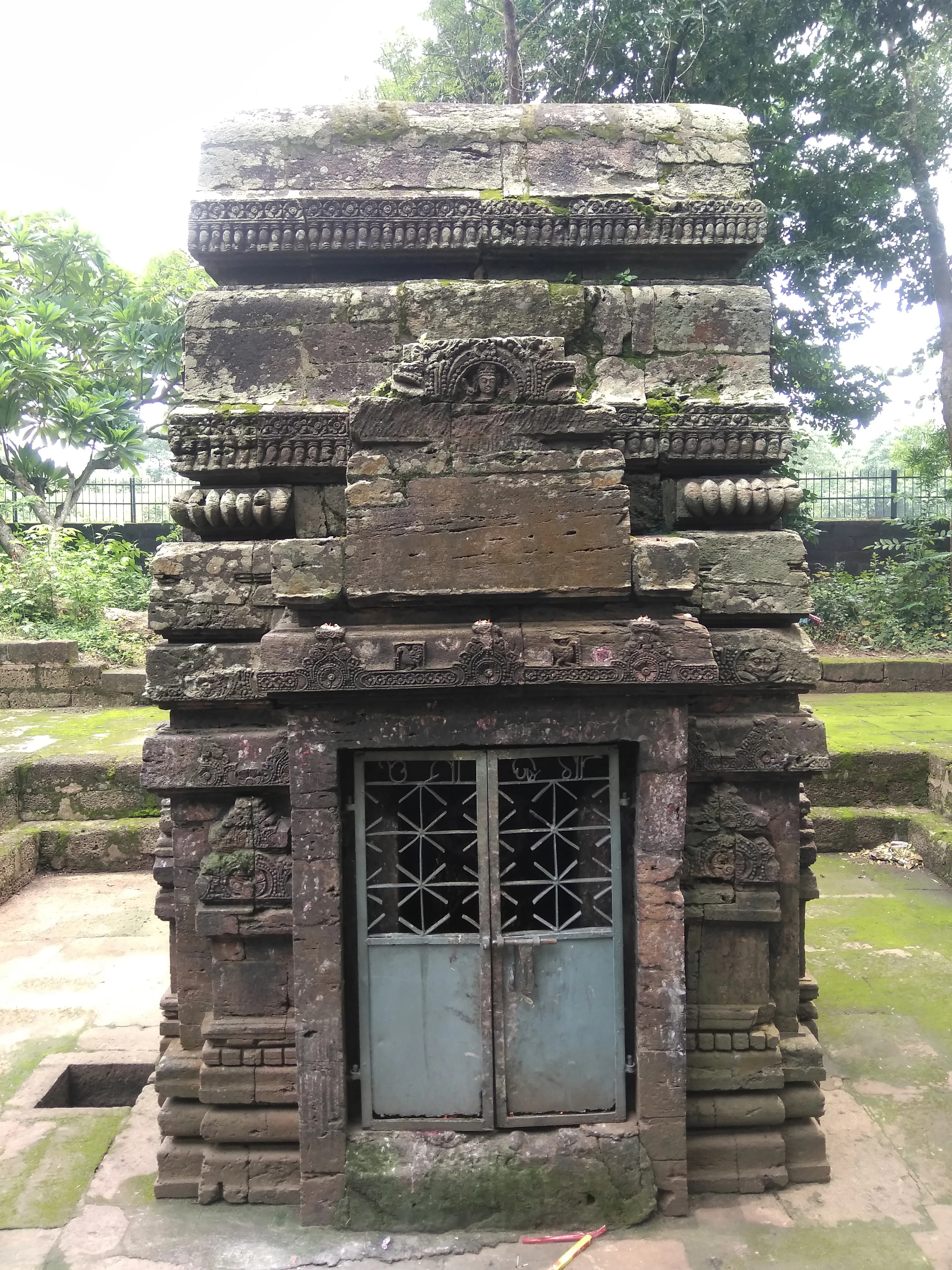
The dense, emerald embrace of Nagaland’s landscape held a surprise I hadn’t anticipated. Emerging from the verdant hills surrounding Dimapur, the Durga Temple stands as a vibrant splash of ochre against the green, a testament to a confluence of cultures I hadn’t expected to find so far east. As a Gujarati, deeply familiar with the reverence for Durga Mata, finding her shrine nestled amidst the tribal heartland of Nagaland was a powerful, almost dissonant experience. The temple itself isn’t ancient, unlike the many historical marvels I’ve documented back home. Built in the latter half of the 20th century by the sizeable Bengali community residing in Dimapur, it carries a distinct flavour of Bengal’s Durga Puja festivities. The structure, while not adhering to traditional Nagaland architecture, possesses a certain charm. It's a two-storied concrete edifice, the ground floor housing the sanctum sanctorum and the upper floor serving as a community hall, likely used during festivals. The façade is relatively simple, adorned with brightly painted depictions of deities and floral motifs, reminiscent of the vibrant pandals erected during Durga Puja in Kolkata. Climbing the few steps to the main entrance, I was greeted by the aroma of incense and the soft murmur of prayers. The sanctum sanctorum, though compact, held a palpable energy. The idol of Durga, resplendent in her red attire and ten arms, each wielding a divine weapon, commanded the space. Unlike the elaborately sculpted stone idols common in Gujarat, this one appeared to be made of a lighter material, possibly fiberglass, and adorned with intricate embellishments. The familiar iconography, the lion mount, the Mahishasura beneath her feet, resonated deeply, bridging the geographical and cultural gap. What struck me most was the syncretism evident in the temple's atmosphere. While the architecture and rituals were distinctly Bengali, there was a subtle undercurrent of the local Naga spirit. The temple courtyard, for instance, was dotted with small earthen lamps, reminiscent of traditional Naga practices. Observing the devotees, I noticed a mix of Bengali and Naga faces, all united in their reverence for the goddess. This quiet blending of traditions, this shared sacred space, spoke volumes about the harmonious co-existence of diverse cultures in this corner of India. Stepping out onto the upper floor, I was treated to a panoramic view of the surrounding hills. The temple, perched on a slight elevation, seemed to survey the landscape, a silent observer of the town's life unfolding below. The community hall, though bare at the time of my visit, hinted at the vibrant celebrations that must take place during Durga Puja. I could almost hear the rhythmic beat of the dhaak, the devotional chants, and the joyous clamour of the festivities. My visit to the Durga Temple in Dimapur was more than just an architectural exploration; it was a cultural immersion. It was a reminder that faith transcends geographical boundaries and cultural differences. It was a testament to the human ability to adapt, to embrace, and to create something beautiful from the confluence of diverse traditions. As I descended the steps, leaving the vibrant ochre sanctuary behind, I carried with me not just images of a temple, but a deeper understanding of the interwoven tapestry of India’s cultural landscape. It was a reminder that even in the most unexpected corners, one can find echoes of familiarity, threads of shared belief, and the enduring power of faith.
Mahabodhi Temple Bodh Gaya
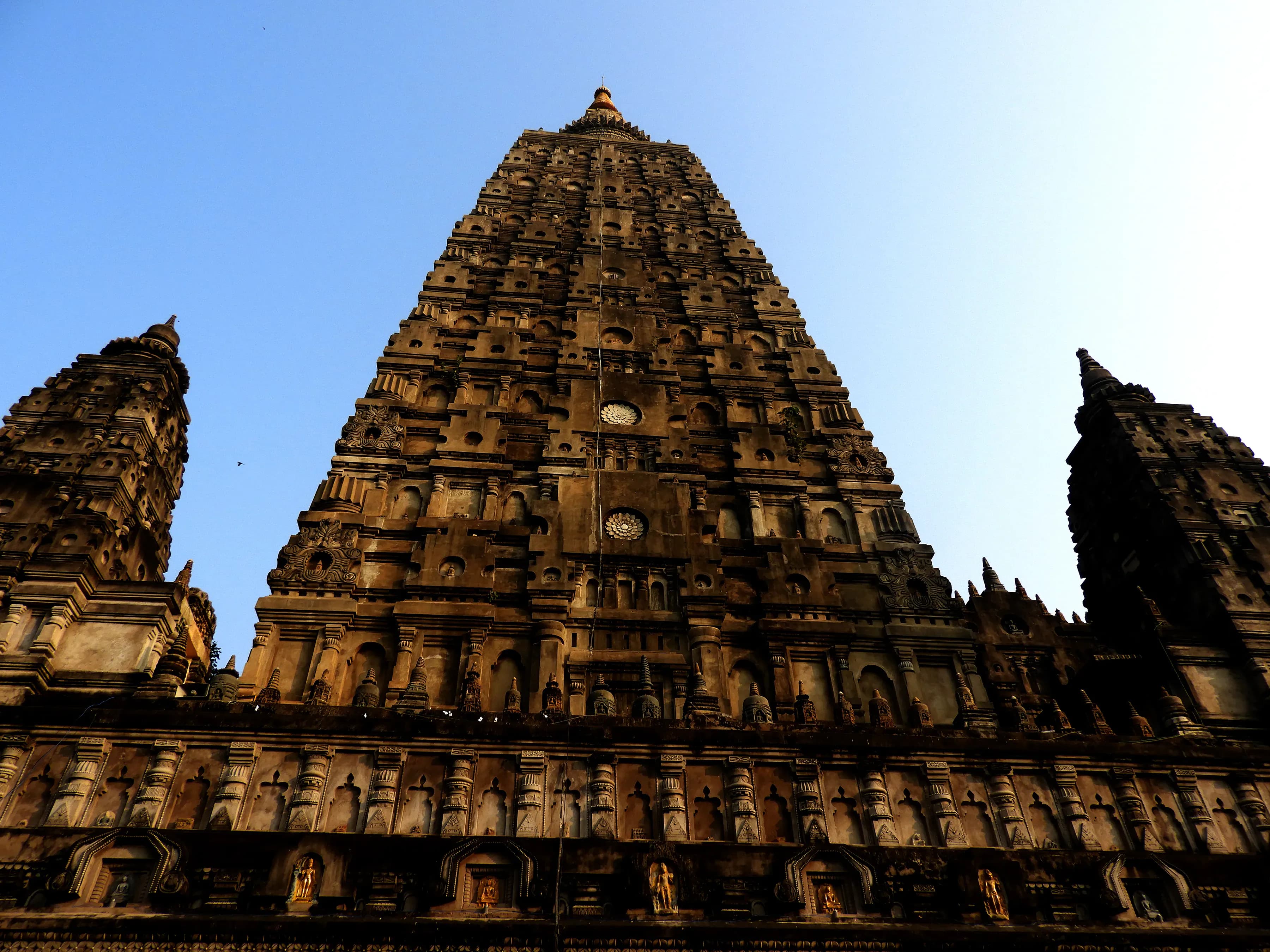
The midday sun beat down on my shoulders, but the shade of the Bodhi tree offered a welcome respite. I sat there, much like countless pilgrims before me, gazing up at the Mahabodhi Temple, its towering pyramidal spire a beacon against the brilliant blue sky. As a Rajasthani journalist accustomed to the sandstone hues and intricate carvings of our forts and palaces, the Mahabodhi Temple presented a striking contrast – a different narrative etched in stone and brick. The sheer scale of the structure is breathtaking. Rising to a height of 55 meters, the main tower is surrounded by four smaller, similarly shaped towers, creating a harmonious, ascending rhythm. The temple’s architecture, distinct from the Rajputana style I’m familiar with, speaks volumes about the historical and cultural exchange that has shaped this region. The shikhara, the pyramidal tower, is a classic feature of North Indian temple architecture, yet here at Bodh Gaya, it takes on a unique character. The brickwork, weathered by centuries of sun and monsoon, lends a sense of antiquity, a palpable connection to the past. Intricate carvings of various deities, celestial beings, and floral motifs adorn the facade, a testament to the skilled craftsmanship of the era. I walked around the temple complex, my fingers tracing the worn stones of the circumambulation path. The air hummed with a quiet energy, a blend of devotion and serenity. Pilgrims from across the globe chanted softly, their faces etched with reverence. I observed the distinct architectural elements – the railings surrounding the main temple, crafted from intricately carved stone, a blend of the older Gupta period style and later additions. These railings, I learned, are among the earliest surviving examples of their kind in India, offering a glimpse into the evolution of Buddhist art and architecture. The Vajrasana, the diamond throne, located at the foot of the Bodhi tree, marks the spot where Siddhartha Gautama is said to have attained enlightenment. The very ground beneath my feet felt charged with history. I noticed the red sandstone slabs surrounding the Vajrasana, a stark contrast to the grey stone of the temple itself, perhaps a later addition or a deliberate choice to highlight the sacred spot. Inside the main sanctum, a colossal gilded statue of the Buddha sits in meditation, radiating an aura of tranquility. The dimly lit chamber, filled with the scent of incense and the murmur of prayers, fostered a sense of introspection. The walls, though bare now, once bore vibrant frescoes, fragments of which can still be seen, hinting at the temple’s former glory. Beyond the main temple, the complex houses several smaller shrines, votive stupas, and meditation platforms. I spent some time exploring these, each structure whispering tales of devotion and spiritual seeking. The variety of architectural styles within the complex reflects the centuries of patronage and renovation the temple has undergone, a testament to its enduring significance. As I left the Mahabodhi Temple, the setting sun casting long shadows across the complex, I carried with me not just images of its architectural grandeur, but a deeper understanding of its spiritual resonance. It was a journey from the familiar landscapes of Rajasthan to the heart of Buddhism, a journey that highlighted the rich tapestry of India’s cultural heritage. The Mahabodhi Temple stands not just as a monument of brick and stone, but as a living testament to the enduring power of faith and the pursuit of enlightenment.
Yaganti Temple Kurnool
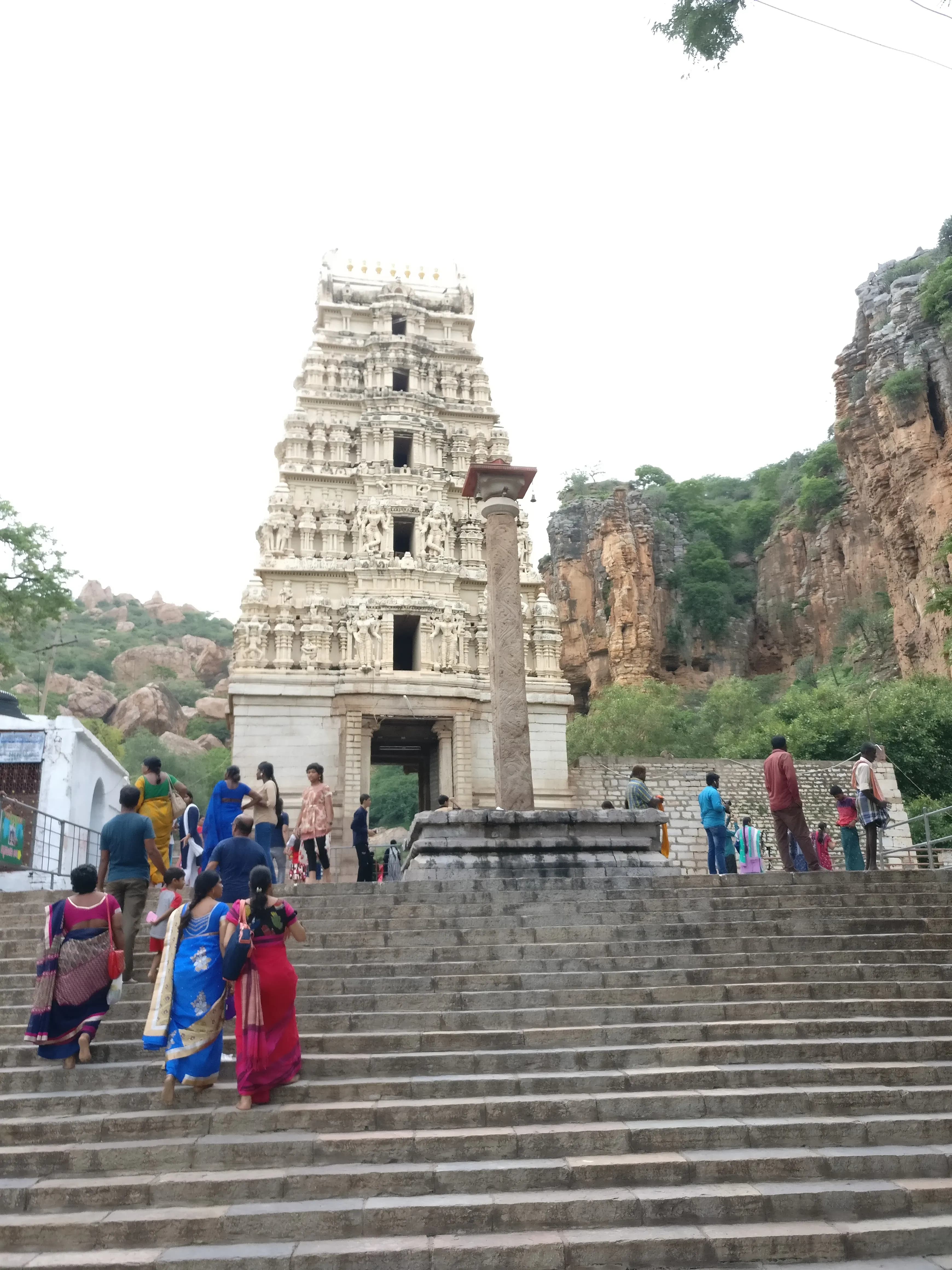
The air hung thick with the scent of incense and the murmur of chanting as I approached the Yaganti temple, nestled in the Nallamalla hills of Andhra Pradesh. Hewn from the living rock, the monolithic marvel rose before me, an ode to the Vishwakarma sthapathis who sculpted it from a single granite boulder. Unlike the elaborate, multi-tiered structures common in South Indian temple architecture, Yaganti possesses a stark, almost primal beauty. The main shrine, dedicated to Sri Yaganti Uma Maheswara Swamy, felt anchored to the earth, exuding a sense of timeless stability. My gaze was immediately drawn to the intricate carvings adorning the temple walls. While some panels depicted scenes from the epics – the Ramayana and Mahabharata – others showcased a fascinating blend of Shaiva and Vaishnava iconography, a testament to the region's rich and syncretic religious history. I noticed the distinct lack of mortar; the stones, fitted together with astonishing precision, spoke volumes about the advanced architectural knowledge prevalent during the Vijayanagara period, to which significant portions of the temple are attributed. Inside the dimly lit sanctum, the air was heavy with devotion. The lingam, naturally formed and perpetually moist, is a unique feature of Yaganti. Local legend attributes this to a subterranean spring and links it to the temple's name, 'Yaganti,' derived from 'Agastya' and 'ganti' – the bell of Agastya, the revered sage. While the scientific explanation points to capillary action drawing moisture from the surrounding rock, the aura of mystique surrounding the lingam was undeniable. Stepping out into the sunlight, I explored the Pushkarini, a sacred tank located within the temple complex. The water, remarkably clear and cool even under the midday sun, is believed to possess healing properties. Observing the devotees taking a ritual dip, I was struck by the continuity of tradition, a living link to centuries past. The architecture surrounding the Pushkarini, while simpler than the main temple, displayed a similar attention to detail. The stepped ghats, carved from the same granite bedrock, seamlessly integrated the tank into the natural landscape. Further exploration revealed the remnants of earlier architectural phases. The influence of the Badami Chalukyas, who are believed to have laid the foundation of the temple, was evident in certain stylistic elements, particularly in the older sections of the complex. This layering of architectural styles, from the early Chalukyan period to the later Vijayanagara additions, provided a tangible record of the temple's evolution over centuries. One of the most striking features of Yaganti is the unfinished Nandi, located a short distance from the main temple. This colossal monolithic bull, still partially attached to the bedrock, offers a glimpse into the arduous process of sculpting these monumental figures. The sheer scale of the unfinished Nandi, coupled with the precision of the already completed portions, left me in awe of the skill and dedication of the ancient artisans. As I left Yaganti, the image of the monolithic temple, rising from the earth like an organic outgrowth, remained etched in my mind. It was more than just a structure; it was a testament to human ingenuity, a repository of cultural memory, and a living embodiment of faith. The experience transcended mere observation; it was a journey through time, a dialogue with the past, and a profound reminder of the enduring power of art and architecture.
Kali Mata Mandir Patiala
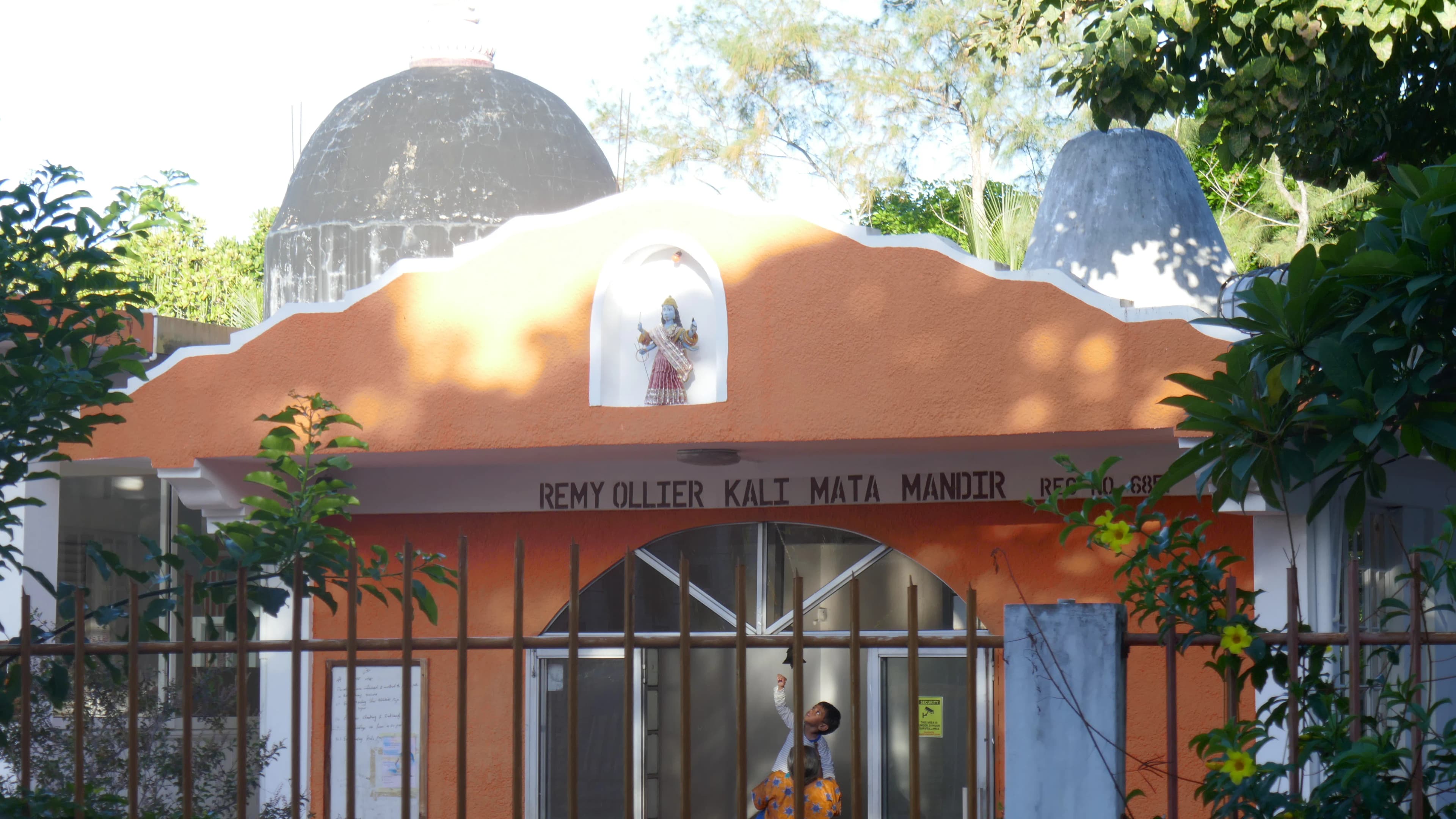
The rhythmic clang of a bell, a scent of incense and marigold – these were my first impressions of the Kali Mata Mandir in Patiala. Coming from Uttar Pradesh, a land steeped in its own vibrant temple traditions, I was eager to experience a different flavour of devotion, a glimpse into Punjab's spiritual landscape. This temple, nestled within the bustling city, offered just that. The first striking feature is the vibrant colour palette. Unlike the muted sandstone and earthy tones I'm accustomed to in U.P. temples, the Kali Mata Mandir is a riot of colour. Deep reds, bright yellows, and dazzling golds adorn every surface, creating an almost jubilant atmosphere. The main entrance, a towering gateway, is intricately carved with depictions of various deities, their forms painted in vivid hues, almost leaping out from the stone. The style felt distinctly North Indian, reminiscent of the hill architecture I've observed in Himachal, but with a Punjabi touch in its ornamentation. Stepping inside the courtyard, I was immediately drawn to the main shrine. The Goddess Kali, depicted in her fierce form, dominates the sanctum. Her black skin, her garland of skulls, her outstretched tongue – these familiar iconographic elements, powerful symbols of destruction and rebirth, felt different here. Perhaps it was the specific artistic style, the way her eyes seemed to gleam under the soft glow of the lamps, or maybe it was the palpable energy of the devotees surrounding the shrine, but the deity felt uniquely Punjabi in her expression. The temple’s architecture is a fascinating blend of styles. While the core structure seems to have older roots, possibly dating back a couple of centuries, later additions and renovations are evident. The intricate jali work, the ornate pillars, and the multi-tiered shikhara all point towards a layered history, a testament to the evolving devotion of the community. I noticed several marble panels inscribed with scriptures, a common feature in North Indian temples, but here, alongside Hindi and Sanskrit, I also saw Punjabi inscriptions, a clear marker of the temple's regional identity. The atmosphere within the temple was charged with a unique energy. Unlike the hushed reverence I often encounter in U.P. temples, here, devotion was expressed with a palpable fervour. The rhythmic chanting, the beating of drums, the clanging of bells – it created a vibrant soundscape that resonated deep within. Devotees offered flowers, coconuts, and sweets to the Goddess, their faces reflecting a mix of reverence and joy. I observed families sharing prasad, children playing in the courtyard, and elders engrossed in quiet prayer. It was a scene of community, of shared faith, and of vibrant cultural expression. As I walked around the temple complex, I noticed smaller shrines dedicated to other deities, including Lord Shiva, Hanuman, and Radha Krishna. This syncretism, the inclusion of various deities within the same sacred space, is a common feature in Indian temple architecture, reflecting the fluidity and inclusivity of Hindu belief systems. It also speaks to the diverse influences that have shaped the religious landscape of Punjab. Leaving the Kali Mata Mandir, I carried with me not just the scent of incense and the echo of chanting, but also a deeper understanding of the region's spiritual tapestry. The temple, with its vibrant colours, its unique architectural blend, and its palpable energy, offered a fascinating glimpse into the heart of Punjabi devotion. It served as a reminder that while the essence of faith may be universal, its expression is beautifully diverse, shaped by the unique cultural and historical context of each region. My experience in Patiala underscored the richness and complexity of India's spiritual landscape, a landscape I’m privileged to explore and document.
Jain Temple Dimapur
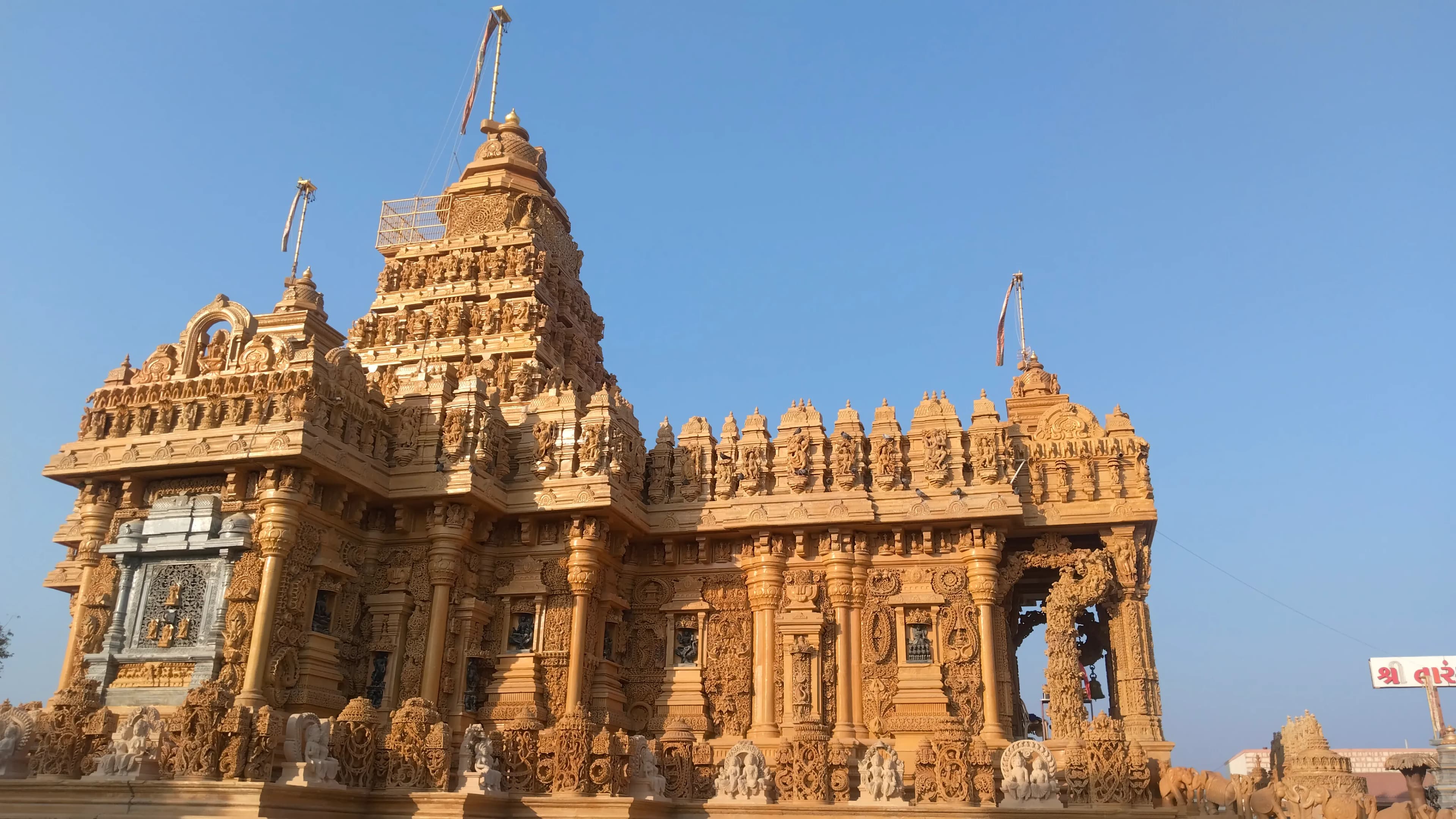
The humidity hung heavy, a stark contrast to the arid landscapes of Rajasthan I'm accustomed to. Here in Dimapur, Nagaland, nestled amidst lush greenery, stands the Jain Temple, a structure that whispers tales of a community far removed from the desert kingdoms I know so well. It isn't a grand edifice like the sprawling fortresses back home, but its simplicity holds a unique charm, a quiet dignity that immediately captivated me. The temple's exterior is a pristine white, a beacon against the vibrant green backdrop. The shikhar, the curvilinear tower, rises gracefully, though it lacks the intricate carvings and embellishments that adorn the Jain temples of Rajasthan. Instead, its surface is smooth, almost minimalist, crowned with a golden kalash, gleaming under the Nagaland sun. This architectural restraint, I realized, speaks volumes. It's a testament to the adaptability of Jain philosophy, its ability to flourish even in a land so different from its traditional heartland. Stepping inside, I was struck by the sense of peace. The main prayer hall is a large, airy space, devoid of the opulent ornamentation I’m used to seeing in Jain temples. Sunlight streamed in through large windows, illuminating the simple, yet elegant altar. At the center sits a serene white marble statue of the twenty-fourth Tirthankara, Mahavir Swami. His meditative posture, the downcast eyes, exuded an aura of tranquility that permeated the entire space. There were no elaborate frescoes, no intricate carvings on the pillars – just the quiet presence of the Tirthankara, a focal point for devotion. I spent some time observing the devotees. A mix of locals and visitors, they moved with a quiet reverence, their prayers whispered rather than chanted. It was a different atmosphere from the bustling Jain temples of Rajasthan, where the air often rings with devotional songs and the scent of incense. Here, the silence amplified the sense of spirituality, allowing for a deeper, more introspective experience. As I explored further, I discovered a small museum attached to the temple. It housed a collection of photographs and artifacts documenting the history of the Jain community in Dimapur. I learned that the temple was relatively recent, built in the latter half of the 20th century by a small but thriving Jain community that had migrated to Nagaland for business. The museum offered a fascinating glimpse into their journey, their challenges, and their contributions to the local community. It was a story of resilience and adaptation, a testament to the enduring spirit of Jainism. One particular exhibit caught my eye – a series of photographs showcasing the annual Mahavir Jayanti celebrations. The images depicted a vibrant procession, with devotees carrying the statue of Mahavir Swami through the streets of Dimapur. It was a striking image – the white-clad Jain devotees amidst the colorful Naga crowds, a beautiful representation of religious harmony and cultural exchange. Leaving the temple, I carried with me a sense of quiet admiration. This unassuming structure, tucked away in a corner of Nagaland, spoke volumes about the adaptability and universality of Jain philosophy. It was a reminder that spirituality transcends geographical boundaries and cultural differences. While the architecture and rituals might differ from the grand traditions I'm familiar with in Rajasthan, the core values of non-violence, compassion, and self-discipline remained the same, resonating powerfully in this tranquil corner of Northeast India. The Jain Temple of Dimapur may not boast the grandeur of its Rajasthani counterparts, but its quiet dignity and the story it tells are equally, if not more, compelling.
Hindu Cultural Society of Calgary Temple
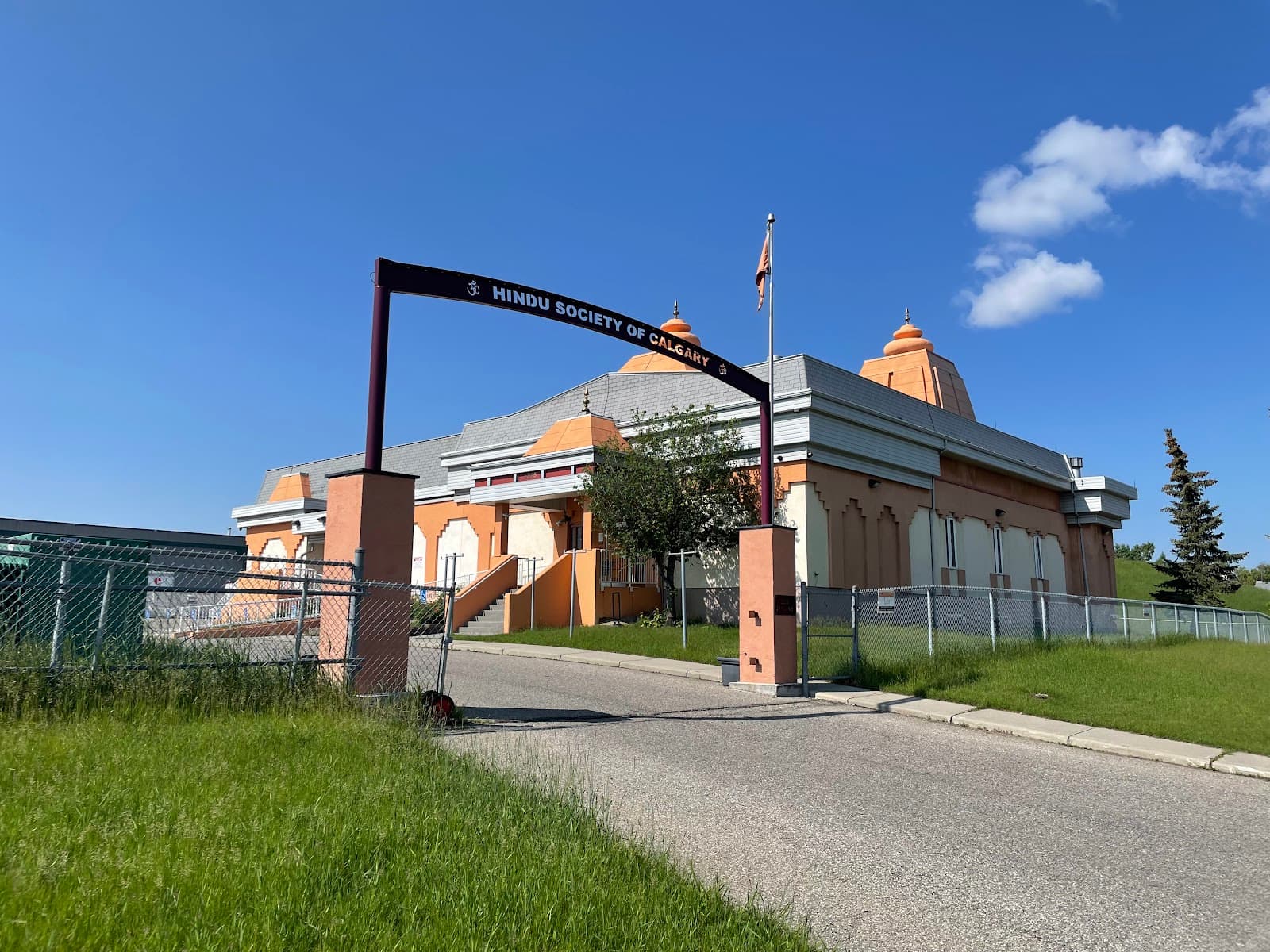
Hindu Cultural Society of Calgary Temple is dedicated to Sri Ganesh, Sri Krishna, Durga, Shiva, and other deities, and anchors northeast Calgary’s cultural corridor as a multi-wing campus for worship, arts, education, and community aid since its 1984 consecration ([1][2]). The temple operates daily 7:00 AM-12:00 PM and 5:00 PM-9:00 PM, while classrooms, auditorium, gymnasium, and library run from 9:00 AM onwards for language classes, music rehearsals, yoga, seniors’ programs, and settlement services coordinated by volunteer committees ([1][3]). Front-desk teams handle RFID sign-in, shoe storage, and seva booking, then guide devotees through heated corridors toward the marble sanctum or cultural halls via colour-coded wayfinding and bilingual signage. In-house kitchens deliver annadhanam, Meals on Wheels, and Food Bank hampers, while accessibility upgrades provide heated ramps, elevators, tactile guidance, captioned screens, and quiet rooms. Digital signage and SMS alerts share aarti schedules, class updates, weather advisories, and road conditions, and Building Automation Systems manage HVAC, humidification, radiant floors, and security integrated with Calgary Emergency Management. With trained emergency wardens, festival logistics plans, and hybrid broadcast suites, the temple remains operationally ready for Diwali gala, Navaratri garba, Rath Yatra floats, civic town halls, and youth hackathons alongside daily worship ([2][3]).
Quick Links
Plan Your Heritage Journey
Get personalized recommendations and detailed visitor guides