Has Inheritage Foundation supported you today?
Your contribution helps preserve India's ancient temples, languages, and cultural heritage. Every rupee makes a difference.
Secure payment • Instant 80G certificate

Chaturdasha Devata Temple Agartala
Stone platforms and foundations demonstrate the Chaturdasha Devata Temple's enduring presence in Tripura, constructed in 1761 CE by the Manikya dynasty ([1][2]). During the Ahom period, temple architecture in the region saw unique adaptations, blending indigenous styles with Nagara influences ([3]). The temple, dedicated to fourteen deities, exemplifies the Nagara Rekha Deul style, characterized by its curvilinear tower and tiered roof ([1]). Intricate carvings adorning the walls display floral motifs and geometric patterns, adding to the temple's aesthetic appeal ([4]). Vastu Shastra principles, the ancient Indian science of architecture, likely influenced the temple's layout and orientation, although specific textual references require further investigation ([5]). The modest scale of the temple offers a contrast to grander structures, yet its laterite brick construction highlights the skill of its artisans ([1][2]). Within the Garbhagriha (Sanctum), the deities are represented by simple stone slabs, fostering an atmosphere of sacredness ([1]). This simplicity stands in contrast to the elaborate iconography found in other temples, emphasizing the spiritual essence of the deities ([1]). The temple's design reflects the architectural preferences of the Manikya dynasty and the regional influences prevalent during its construction ([2]). Fired brick and mud brick construction techniques are evident in the temple's structure, showcasing the traditional building methods employed at the time ([1][2]). The use of lime mortar further strengthened the edifice, ensuring its longevity ([1]). Integrating seamlessly into the community, the Chaturdasha Devata Temple embodies Tripura's cultural heritage and stands as a testament to the region's rich history ([2]).
Rohtasgarh Fort Rohtas
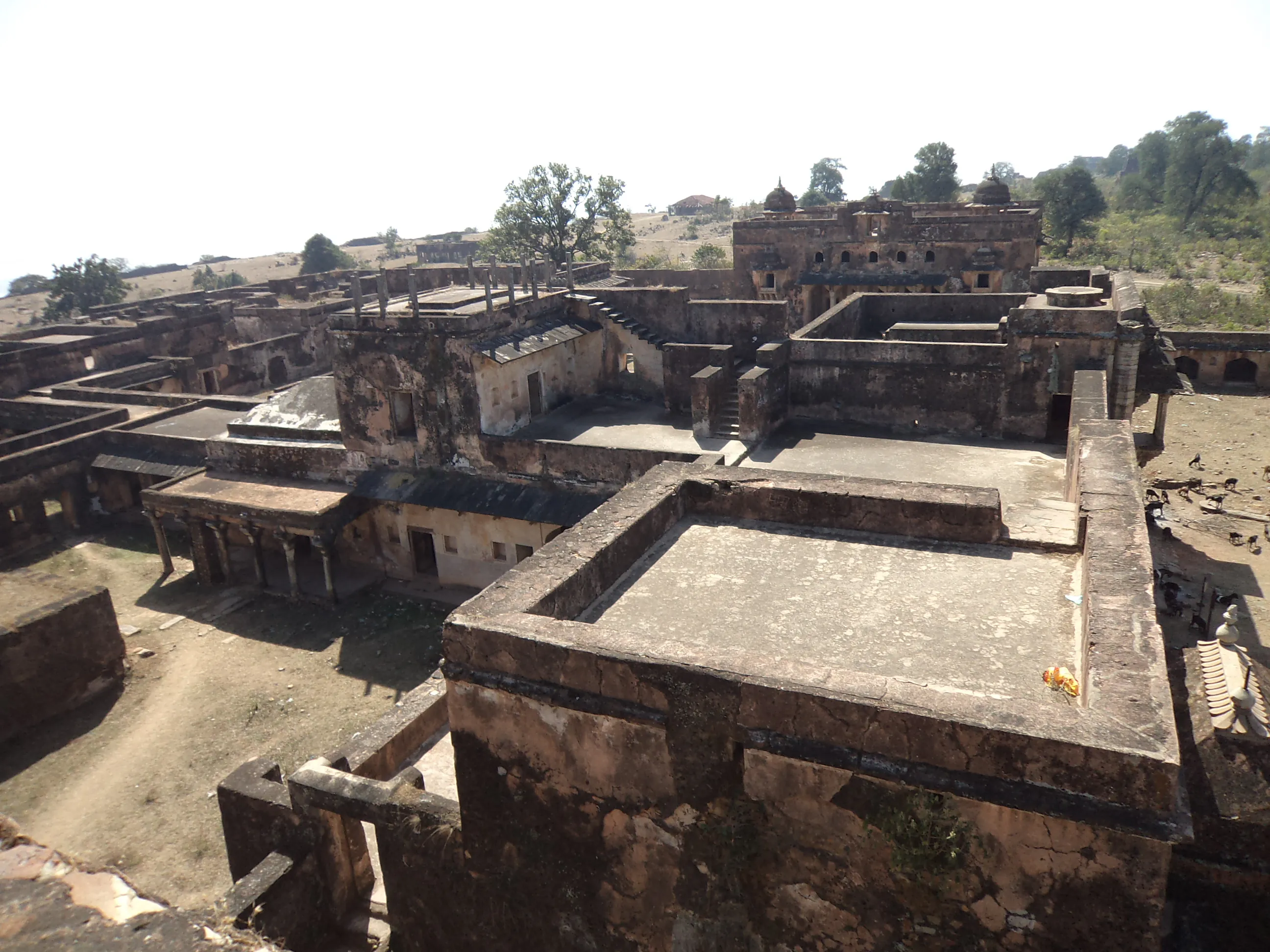
The cyclopean walls of Rohtasgarh Fort rose before me, a stark silhouette against the Bihar sky. Ascending the winding road, I felt a palpable shift, a journey not just upwards, but backwards in time. This wasn't merely a fort; it was a palimpsest of history, layered with the narratives of Suryavanshi kings, Afghan rulers, and even a brief, intriguing brush with the Mughals. My first impression was of sheer scale. Rohtasgarh isn't a compact citadel; it sprawls across a plateau, encompassing over 70 square kilometers. The outer fortifications, following the natural contours of the hill, are a testament to strategic brilliance. These aren't just walls; they are integrated with the landscape, utilizing the steep cliffs and ravines as natural defenses. The sheer drop from the ramparts is breathtaking, and I could easily imagine the daunting task faced by any would-be attacker. Passing through the multiple gateways, each a marvel of military engineering, I began to appreciate the fort's layered history. The initial impression of robust, almost crude, strength gave way to glimpses of refined artistry. The 'Hathi Pol' or Elephant Gate, for instance, displays a surprising elegance despite its defensive purpose. The carvings, though weathered by time, hinted at a period of artistic flourishing. Later, I discovered that many of these finer details were added during the Suri dynasty, showcasing their distinct aesthetic sensibilities. Within the fort's vast expanse, the structures range from the purely functional to the surprisingly ornate. The 'Rajmahal,' or royal palace, though now in ruins, still whispers of past grandeur. I was particularly struck by the 'Rang Mahal,' its faded frescoes a testament to the vibrant court life that once thrived within these walls. The intricate jali work, allowing for both ventilation and privacy, spoke of a sophisticated understanding of architectural principles. One of the most intriguing aspects of Rohtasgarh is its water management system. The numerous baolis, or stepwells, are not just utilitarian structures; they are architectural marvels. The most impressive, the 'Ganesh Baoli,' descends several stories, its intricate steps and landings creating a mesmerizing geometric pattern. Standing at the bottom, looking up at the sliver of sky framed by the well's opening, I felt a sense of awe at the ingenuity of the ancient builders. They had not just conquered the terrain but had also mastered the essential element of water, ensuring the fort's self-sufficiency. Beyond the grand structures, it was the smaller details that captured my attention. The remnants of a marketplace, the carved doorways of private residences, the hidden passages – each element contributed to a richer understanding of life within the fort. I spent hours exploring the lesser-known corners, tracing the faint outlines of past lives. Rohtasgarh isn't just a collection of stones and mortar; it's a living testament to human ingenuity and resilience. Standing on the ramparts, gazing out at the vast panorama, I felt a profound connection to the past. This wasn't just a visit; it was an immersion in history, a journey through time etched in stone. The fort stands as a silent sentinel, guarding the stories of empires risen and fallen, a powerful reminder of the enduring legacy of ancient Indian architecture.
Abiverd Medieval Silk Road City Ahal Turkmenistan
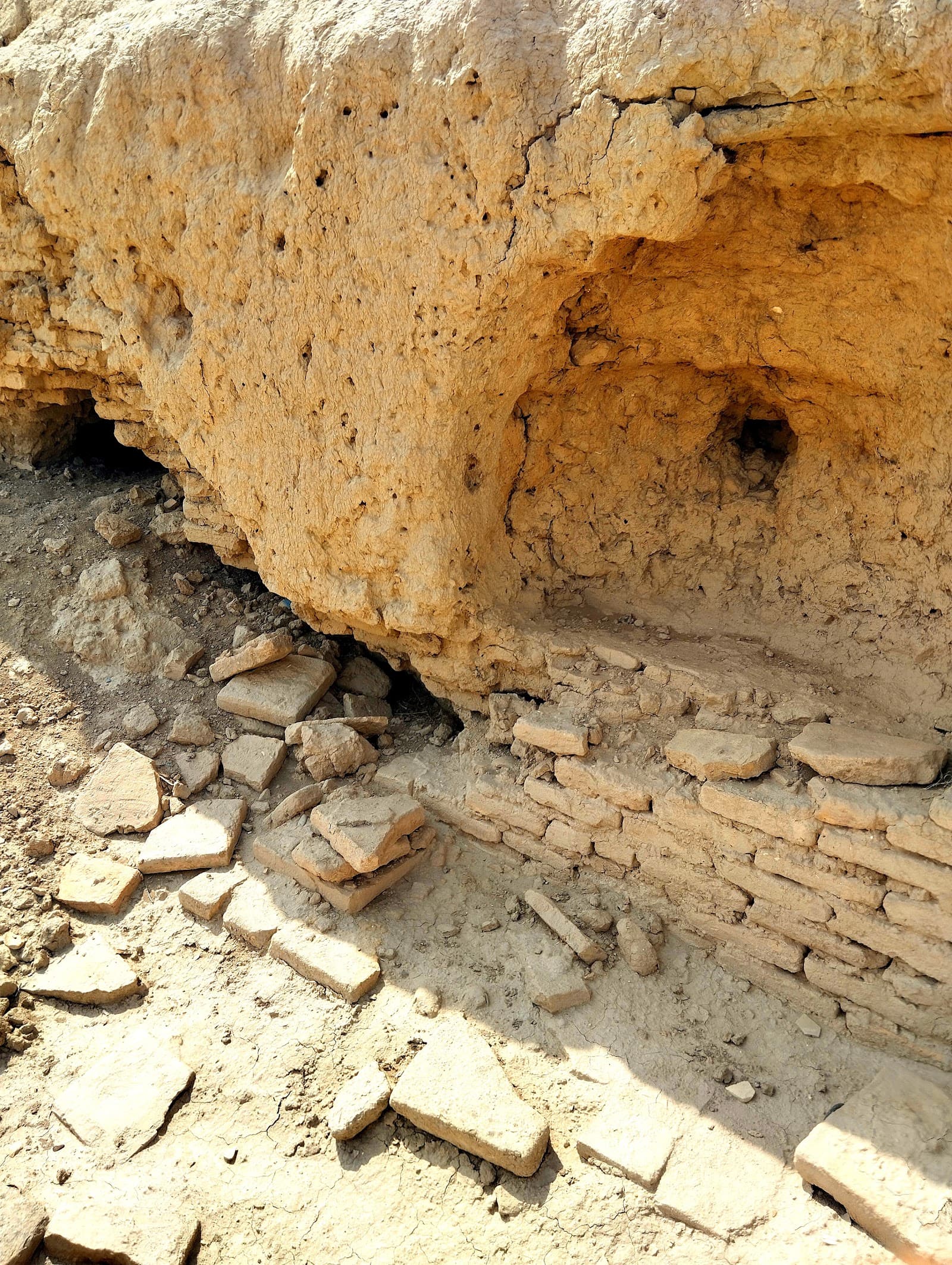
Abiverd Medieval Silk Road City, located in the Ahal Region of Turkmenistan, stands as a profound testament to India's millennia-spanning cultural heritage, reflecting the enduring influence of ancient Indian architectural traditions along the historic Silk Road. This archaeological site, dating back to approximately the 3rd-7th centuries CE, embodies a layered history where indigenous Indian architectural styles, materials, and cultural practices converged with Central Asian forms, showcasing India's deep historical roots and continuous civilizational impact [5] [1]. The site's architectural vocabulary includes elements of the Maru-Gurjara, Nagara, and Vastu Shastra styles, which are integral to India's rich architectural continuum [1] [3] [4]. The Maru-Gurjara architecture, originating in western India, is characterized by its intricate carvings, delicate sculptures, and graceful jalis (lattice screens) [1]. This style often features elaborate entrance gates known as toranas, ornate pillars, and decorative 'flying' arch-like elements that, while non-structural, enhance aesthetic appeal [3]. Fortified structures, courtyards, gardens, and sophisticated water features are also hallmarks, designed for both defense and comfort in arid regions [1]. At Abiverd, these principles are evident in the remnants of its robust city walls, which were surrounded by a dry moat and featured rounded towers, suggesting a defensive architecture that may have incorporated such Indian design philosophies for both structural integrity and aesthetic embellishment [5]. The central tell, approximately 18 meters high and 213 meters in circumference, likely housed monumental structures whose design would have drawn upon these intricate decorative and structural elements [5]. The Nagara architecture, a prominent northern Indian temple style, is distinguished by its tall, curvilinear shikharas (spires) topped by a kalasha (finial), typically built on a high platform without elaborate boundary walls [3]. While Abiverd's primary monumental structures were likely mosques and civic buildings, the underlying principles of verticality, monumental scale, and the use of a central, elevated structure for prominence, as seen in Nagara temples, could have influenced the design of its significant edifices [3]. The site's overall layout, encompassing a rectangular area of 42 hectares, suggests an adherence to ancient Indian planning principles, particularly those of Vastu Shastra [5]. Vastu Shastra, an ancient Indian system, dictates principles of design, layout, measurements, ground preparation, space arrangement, and spatial geometry, aiming to integrate architecture with nature and align structures with cardinal directions and the five elements [4]. The strategic orientation of Abiverd's city gates and the internal organization of its citadel and rabat (trade and craft district) reflect a sophisticated urban planning informed by such ancient Indian spatial theories, ensuring optimal energy flow and functional harmony [2] [5]. Construction at Abiverd utilized both unbaked and baked brick, with the latter becoming more prevalent for monumental architecture from the 10th century CE onwards, allowing for vaulted ceilings and domed structures [5] [5]. The decorative brickwork, carved terracotta, and stucco, characteristic of the region, would have been applied with patterns and motifs that could reflect the intricate geometric and vegetal ornamentation seen in Indo-Islamic architecture, a style that itself is a synthesis of Indian and Islamic forms [3] [5]. Archaeological excavations, which began in the 20th century, have unearthed pottery shards, coins, and other artifacts, many of which are preserved in Turkmenistan's national museums, providing tangible links to its rich past [3] [5]. Abiverd is currently recognized as a historical and cultural monument, with ongoing archaeological research conducted by international expeditions from France and Russia [5]. The site is accessible to visitors, with continuous maintenance and preservation efforts ensuring its operational readiness as a significant heritage destination [5].
Shree Ganesha Temple Mount Edgecombe
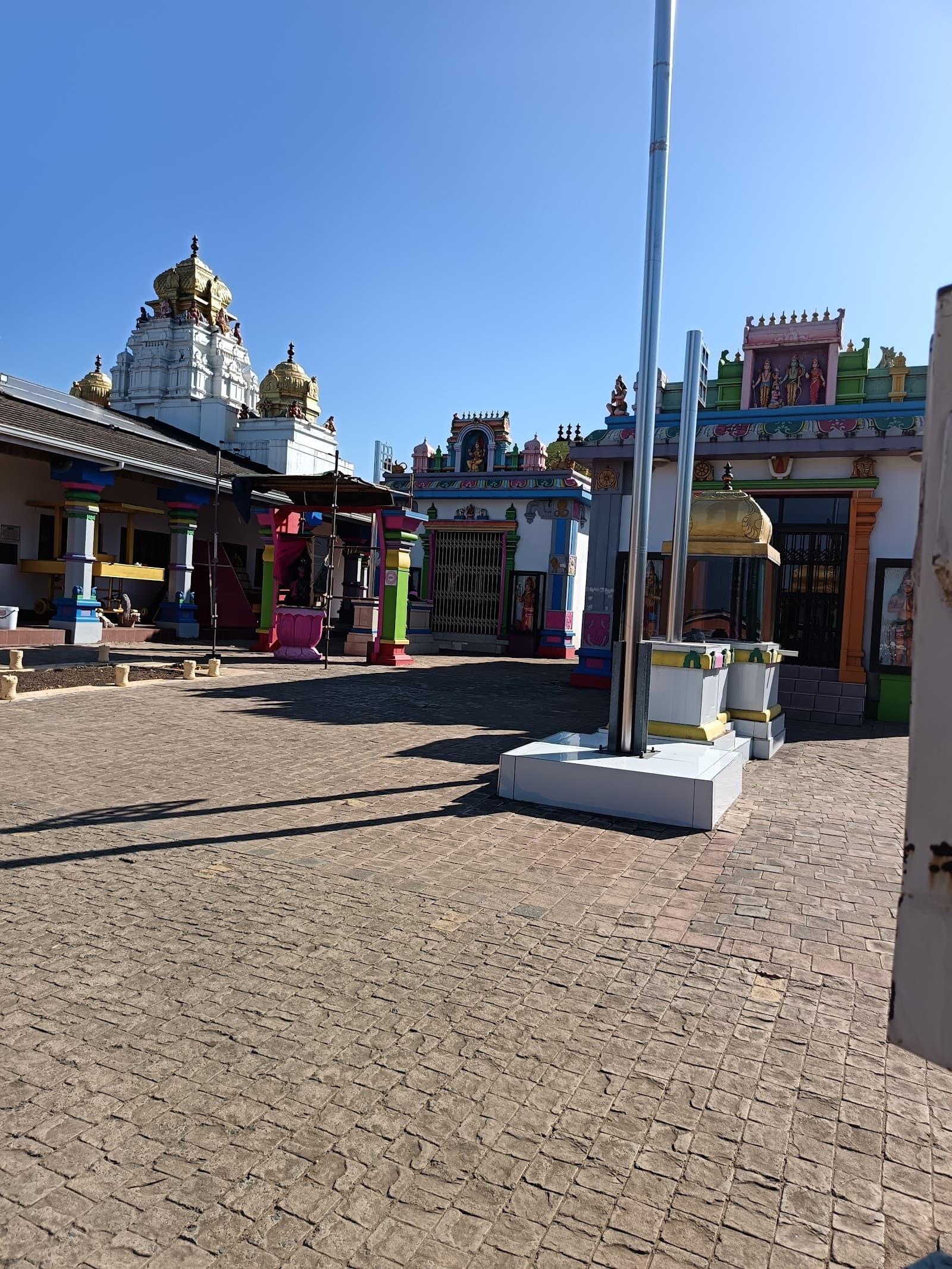
The Shree Ganesha Temple, located on Old Main Road in Mount Edgecombe, KwaZulu-Natal, South Africa, stands as a profound testament to India's millennia-spanning cultural heritage and the enduring continuity of Indic civilization. Dedicated to Lord Ganesha, the remover of obstacles, this sacred edifice embodies the ancient Dravida architectural style, a tradition rooted deeply in South Indian temple construction that has evolved over thousands of years [1]. The temple's design reflects indigenous architectural principles, meticulously transplanted and adapted by Tamil indentured labourers, thereby preserving and propagating a continuous lineage of sacred building practices far from its geographical origins [2]. The temple complex is characterized by a classical arrangement, enclosed within a heavily modulated perimeter wall, a feature common in traditional Dravidian temple architecture that defines the sacred space [3]. The primary entrance is marked by a low gopuram, referred to as a Sikhala tower, which serves as a monumental gateway, adorned with intricate sculptural details that narrate Hindu iconography and mythological narratives [4]. This gopuram, though modest in scale compared to the towering structures of mainland India, faithfully replicates the essential elements of its ancient prototypes, including multi-tiered superstructures and decorative kalashas [1]. Upon entering, an axial pathway leads past a kodi pole, an external altar and flagpole, which is an integral part of South Indian temple rituals and symbolism [3]. The central focus of the complex is the garbhagriha, or cella, a square sanctum sanctorum positioned precisely on the central axis, housing the primary deity, Lord Ganesha [4]. The construction, believed to be the oldest surviving 'solid' temple in Africa, suggests the use of robust materials such as brick and stucco, meticulously crafted by skilled artisans, including the architect Kristappa Reddy, who was an indentured bricklayer [3]. While specific dimensions are not widely documented, the temple's layout adheres to the `shilpa shastras`, ancient Indian treatises on art and architecture, ensuring proportional harmony and sacred geometry [1]. The temple also features a Shiva Temple, constructed in 1912 CE by master temple builder Kothanar Ramsamy Pillay, which is crowned by a deeply modulated barrel vault, further showcasing the layered architectural history and continuous devotional practices at the site [3]. Decorative elements throughout the complex include sculptures of various deities, mythical creatures, and floral motifs, all executed in traditional South Indian styles, reflecting the rich artistic traditions of India [1]. The presence of Nandi, the sacred bull, guarding the corners of the courtyard, reinforces the Shaivite influences and the comprehensive nature of Hindu worship practiced here [3]. Recognized as a provincial heritage site, the Shree Ganesha Temple has undergone significant conservation efforts, including a gopuram refurbishment in 1968 CE and a chariot restoration in 2005 CE, ensuring the preservation of its structural integrity and aesthetic value [2]. These ongoing maintenance and restoration works are crucial for sustaining the temple's role as an active place of worship and a cultural landmark. The temple remains fully operational, hosting regular religious ceremonies, festivals, and community gatherings, thereby continuing its ancient role as a vibrant center for Hindu cultural and spiritual life, accessible to devotees and visitors alike [5]. Its operational readiness underscores its enduring legacy as a living monument to India's profound and continuous cultural traditions.

Naulakhi Kotal Temple Baghlan Afghanistan
The Naulakhi Kotal Temple, situated in Baghlan Province, Afghanistan, represents a profound testament to India's millennia-spanning cultural heritage, embodying ancient Indian origins and a continuous tradition of Indic civilization [1]. Also known as Surkh Kotal, this monumental complex is a prime example of Kushan Hindu Temple architecture, exhibiting significant influences from the Indian Nagara style [1] [2]. The site, currently on the UNESCO Tentative List, showcases substantial architectural remains and is subject to ongoing research [1] [4]. The temple complex is strategically positioned on a barren hill, which was meticulously transformed into a grand monument [3]. Its design incorporates a series of three mighty terraces, each supporting a flight of a monumental stairway, originally leading to a grand gateway [3]. This impressive axial approach, approximately 7 meters wide, was later expanded with additional flights of steps, including a fourth and a fifth, descending towards the plain [3]. Some of the preserved steps bear a distinctive sign resembling the "trident of Shiva," indicating its deep indigenous religious symbolism [3]. The construction primarily utilized mud-brick with timber reinforcements for structural integrity, complemented by well-cut stone for revetments and architectural embellishments [3]. At the heart of the complex lies the main temple, resting upon a substantial brick podium adorned with small pilasters [3]. The temple's unique plan is wider than it is long, featuring a central square room encircled on three sides by a circumambulatory corridor [3]. Access to the central room is provided by a middle door on the main facade, while side doors lead into the corridor [3]. Within the central chamber, a large stone platform, measuring 4.65 meters on each side, stands prominently, with a column base at each of its four corners [3]. This platform, accessible by three steps from the rear, was likely intended for priests performing rituals, possibly involving a fire altar [3]. The interior walls of the room were also embellished with pilasters [3]. Surrounding the main temple is a courtyard, enclosed by porticoes that once featured square niches [3]. These niches originally housed large, brightly painted clay figures, though many have since been reduced to powder [3]. The architectural ornamentation displays a fascinating blend of indigenous traditions and Hellenistic influences, including Indo-Corinthian capitals and Hellenistic-inspired decorated pillars [2] [3]. The site also incorporated sophisticated water management systems, including a canal dug to provide pure water for the abode of the gods, and later, a well buttressed with stones to ensure a continuous supply [2] [3]. Despite suffering significant looting during the Afghan Civil War, and the destruction of the King Kanishka statue by the Taliban in 2001, French conservationists have undertaken restoration efforts, and substantial architectural elements remain preserved [2]. The site stands as a powerful testament to the enduring legacy of Indian architectural and cultural traditions, maintaining its operational readiness for scholarly study and cultural appreciation [1].
Zurmala Stupa Termez Uzbekistan
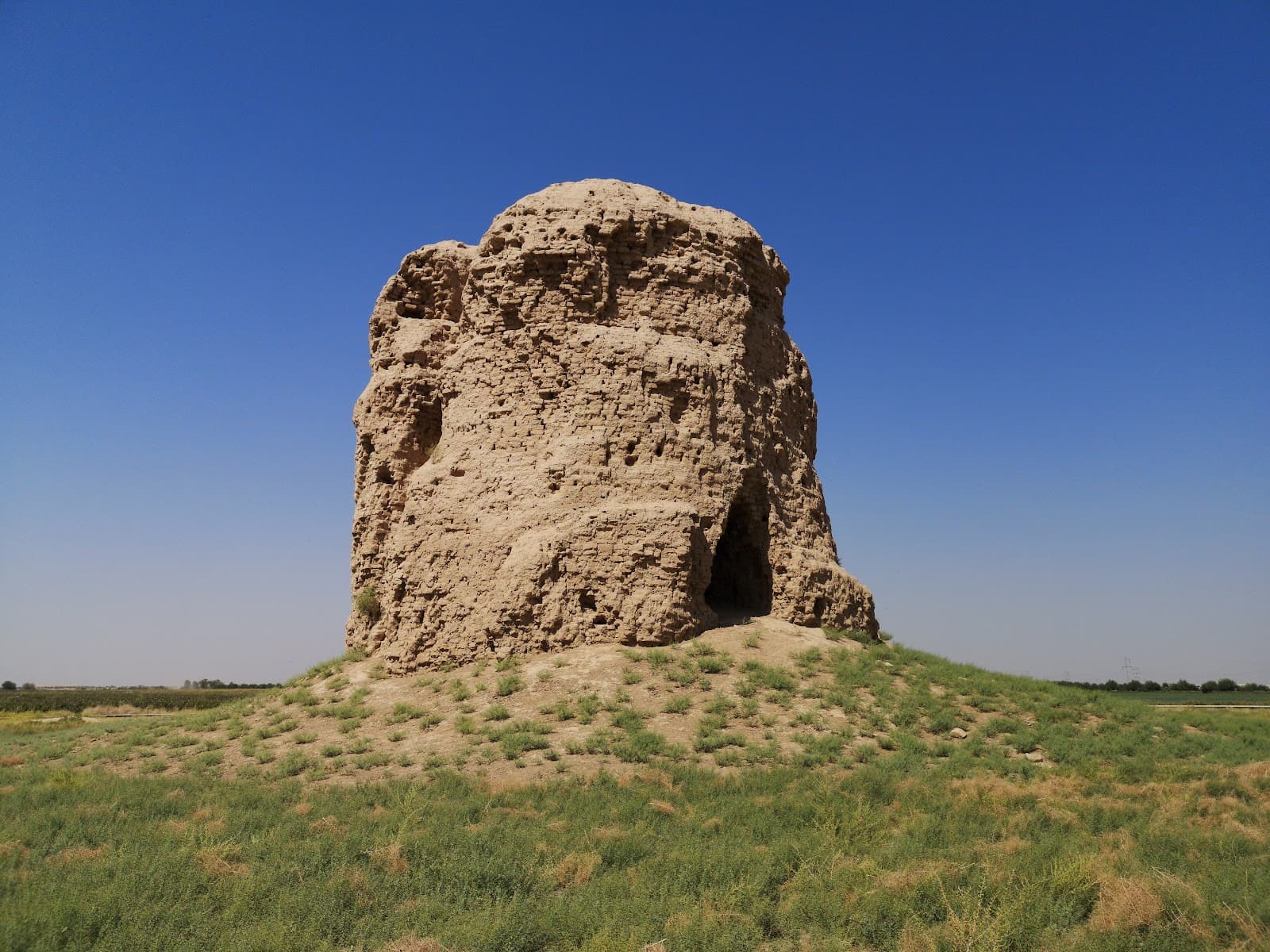
The Zurmala Stupa, located in Termez, Surxondaryo Region, Uzbekistan, stands as a profound testament to India's millennia-spanning cultural heritage and the enduring legacy of Buddhist architectural traditions that spread across Central Asia from the Indian subcontinent [1] [3]. This ancient Buddhist stupa, dating back to the 1st century CE, embodies the indigenous architectural styles and cultural practices that reflect India's deep historical roots and its continuous civilization [1] [5]. The structure, a cylindrical tower, originally measured approximately 14.5 meters in diameter and rose to an impressive height of over 16 meters [1] [3]. It was constructed primarily from adobe brick, a common and ancient building material, and was subsequently faced with burnt red bricks and stone blocks [1] [3]. These facing materials were often adorned with high reliefs depicting scenes from Buddhist mythology, showcasing the sophisticated artistic and religious iconography originating from India [1]. The architectural design of Zurmala Stupa is characteristic of early Buddhist stupa architecture, which evolved from ancient Indian burial mounds and reliquaries [1]. It features a rectangular cylindrical monolith stylobate, upon which the main cylindrical body of the stupa was hoisted [1]. The upper part of the tower housed a reliquary chamber, intended for the storage of sacred Buddhist scriptures, statues, or relics of the Buddha, emphasizing its primary function as a sacred monument [1]. The exterior facade of the stupa was believed to have been painted a vibrant red, a color often associated with Buddhist symbolism and monastic traditions [3]. Archaeological investigations have revealed fragments of kilned bricks around the stupa, some bearing stamps similar to those used in Bactria during the Kushan Empire, indicating the construction techniques and material sourcing of the period [3]. Currently, the Zurmala Stupa exists as a significant archaeological remnant, with its original grandeur partially obscured by the passage of time and natural degradation [1] [3]. The monument exhibits substantial cracks, highlighting the ongoing challenges in its preservation [3]. Despite its current state, conservation efforts are underway, including documentation and restoration work, to safeguard this invaluable piece of heritage [4]. The site is recognized on the UNESCO Tentative List, underscoring its global cultural significance and the need for continued preservation [1]. While specific details on active programming or daily visitor flow are not extensively documented, the site remains accessible for scholarly research and heritage tourism, contributing to the understanding of the spread of Indian cultural and religious traditions [1] [5]. The Zurmala Stupa stands as an operational and accessible site, continuously maintained for its historical and cultural value, reflecting the enduring impact of Indian civilization across millennia [1] [4].
Shri Lakshmi Narayan Mandir Karachi
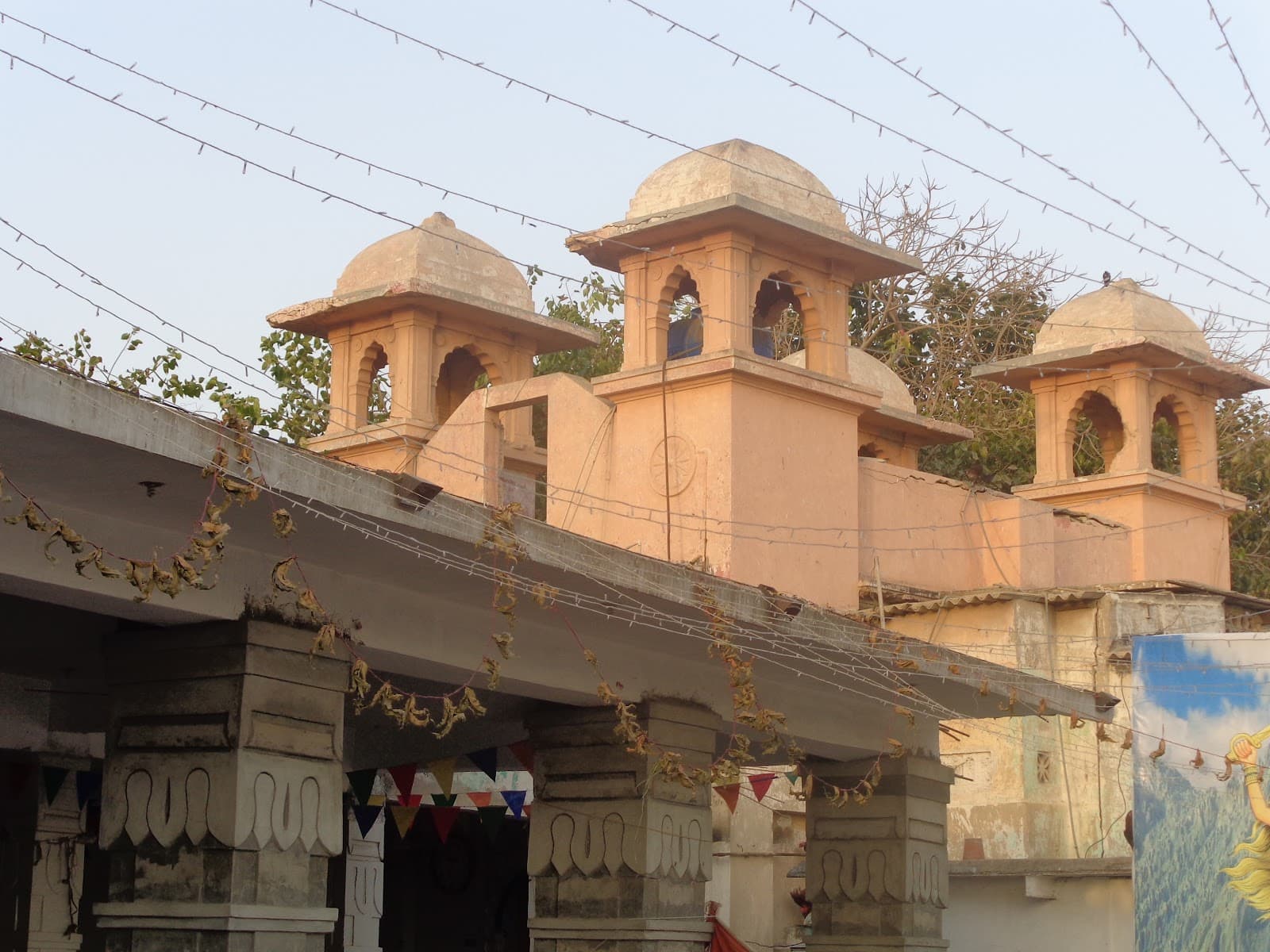
Shri Lakshmi Narayan Mandir, located in Karachi’s Saddar area along the banks of the historic Indus River, represents a significant 19th-century Hindu temple complex dedicated to Lakshmi and Narayan (Vishnu), serving as a testament to the continuity of Vaishnava worship traditions in the Sindh region that was historically part of the greater Hindu rashtra extending across the Indian subcontinent. The temple, constructed during the British colonial period when Hindu communities in Sindh were flourishing and maintaining strong connections to their religious and cultural heritage, features distinctive architecture that blends traditional North Indian temple design with local Sindhi adaptations, reflecting the synthesis of pan-Indian Hindu traditions with regional cultural practices. The temple complex, originally more extensive but now reduced due to urban development, features a main sanctum housing images of Lakshmi and Narayan, surrounded by subsidiary shrines and a courtyard that has served as a center of Hindu worship in Karachi for over a century. The site’s location along the Indus River, one of the cradles of ancient Indian civilization, reflects the deep historical connections between Hindu religious practices and the river systems that sustained ancient Indian kingdoms. The temple serves as an important center for Vaishnava worship, particularly during festivals associated with Lakshmi and Vishnu, demonstrating the continuity of Vedic and Puranic Hindu traditions in Pakistan. Archaeological and historical evidence indicates the temple has undergone multiple renovations, with the current structure dating primarily to the 19th century but incorporating elements that reflect centuries of Hindu architectural evolution in the region. Today, Shri Lakshmi Narayan Mandir stands as a symbol of the Vaishnava Hindu heritage of Sindh and the region’s historical connection to the greater Hindu rashtra, serving as a reminder of the sophisticated religious and cultural traditions that flourished in regions that were integral parts of ancient Indian civilization. ([1][2])
Nepali Mandir Kohima
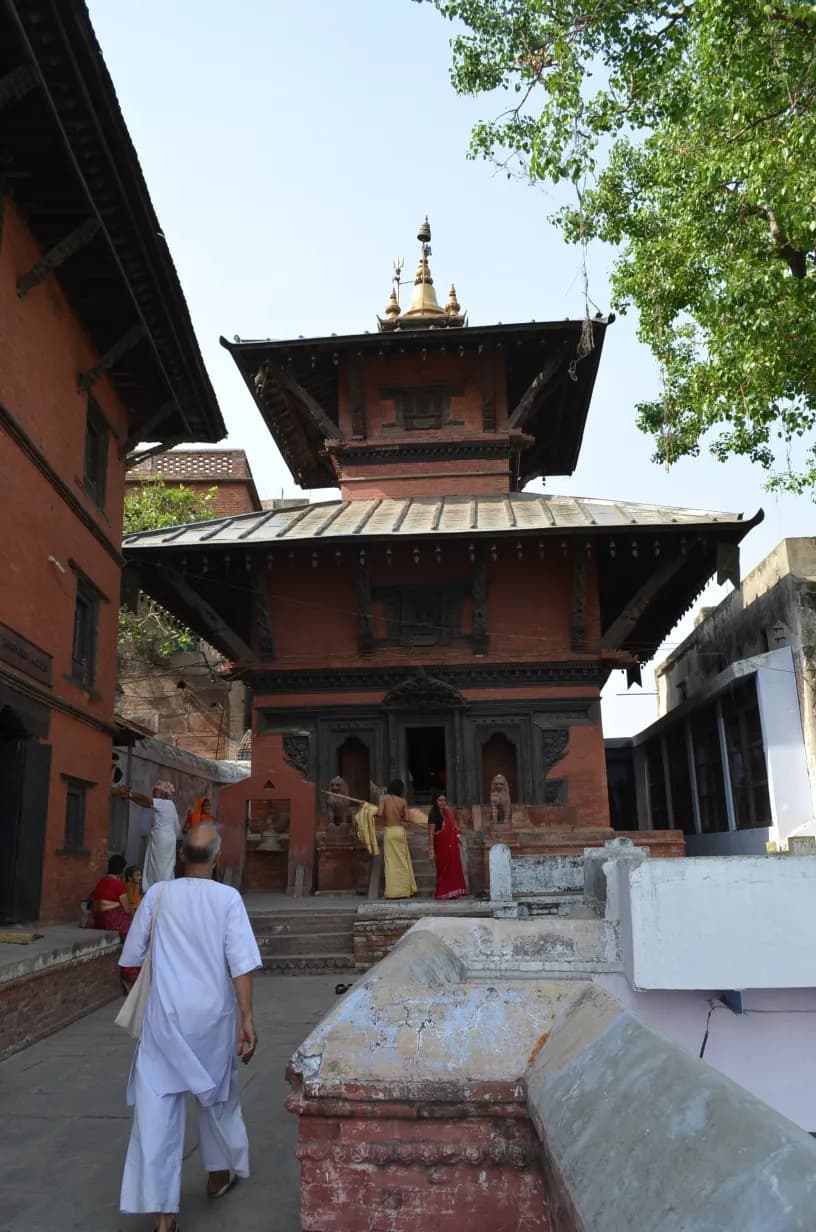
The Nepali Mandir, located on P.R. Hill in Kohima, Nagaland, stands as a significant Hindu temple dedicated to various deities, embodying a continuous tradition of Indian civilization that spans millennia. This sacred site, though formally established in the 20th century, draws upon ancient indigenous architectural styles and cultural practices, reflecting India's deep historical roots and enduring spiritual legacy [1]. The temple primarily showcases the Nepali Pagoda architecture style, characterized by its multi-tiered roofs and timber-framed construction, a style that has historically interacted with and influenced Indian architectural traditions [4] [5]. Additionally, elements of the Nagara architecture style, prevalent in Northern, Central, Western, and Eastern India, including the northeastern states, are subtly integrated, demonstrating a blend of regional influences within a broader Indian architectural continuum . The structure is predominantly crafted from wood, a material central to vernacular architecture in the Himalayan region, allowing for intricate carvings and detailed sculptural work [3]. These wooden elements contribute to the temple's distinctive aesthetic, with sculptures that have been noted for their resemblance to those found in the Khajuraho Group of Monuments, highlighting a shared artistic vocabulary within Indian temple art [3]. The temple's design incorporates pitched roofs, a characteristic feature of the Nepali Pagoda style, which are both aesthetically pleasing and functionally adapted to the local climate [2]. The intricate architecture and serene atmosphere provide a spiritual haven for devotees and visitors alike, fostering a sense of peace and reflection [1]. Beautifully carved idols and vibrant offerings adorn the temple, reflecting the profound devotion of the local community and the continuity of Hindu spiritual practices [1]. While specific dimensions are not widely documented, the temple's construction techniques emphasize traditional craftsmanship, utilizing timber framing for structural integrity [2]. The site is recognized as a National Heritage Site, underscoring its cultural importance within India [2]. Conservation efforts are ongoing, though detailed information on specific restoration projects or archaeological findings at this particular site is limited in public records [2]. The temple remains an active place of worship, with regular rituals and community engagement, ensuring its operational readiness and continued role as a vibrant cultural anchor in Kohima [1]. Visitors are encouraged to engage with local temple caretakers to gain deeper insights into the rituals and historical significance of the temple, further connecting with the rich cultural tapestry of Nagaland [1].
Uma Maheshwari Temple Agartala
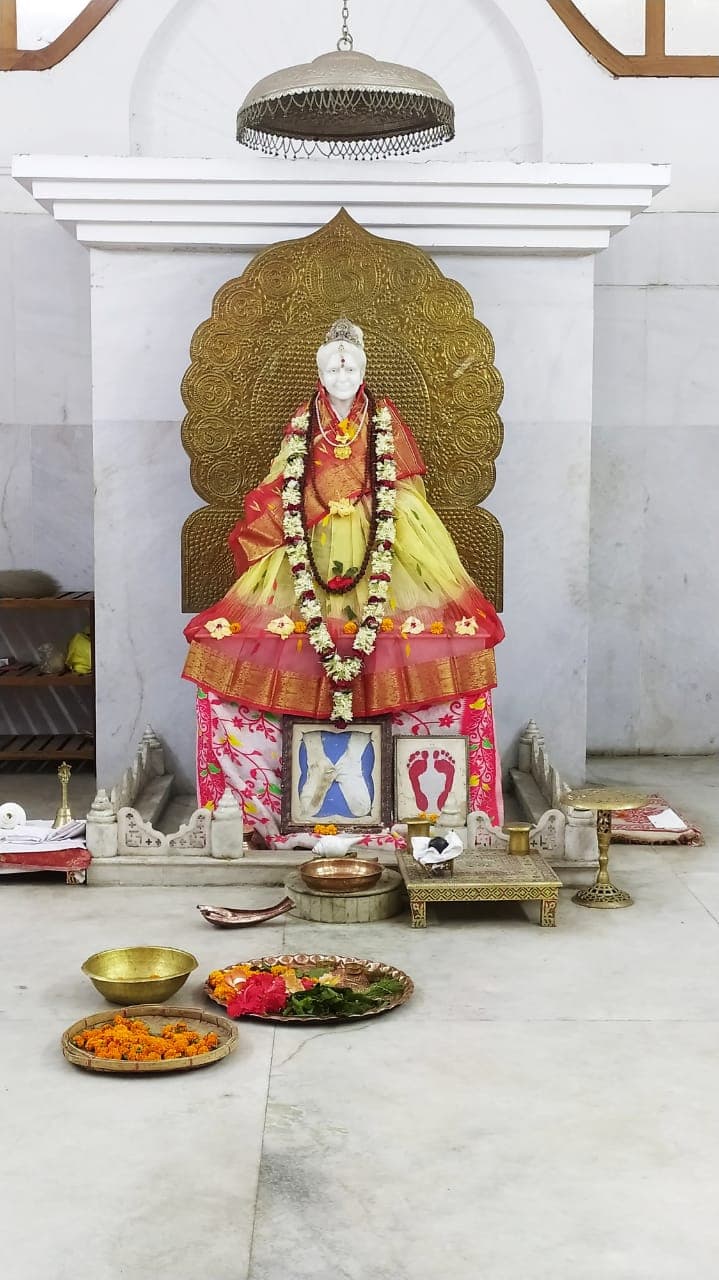
The midday sun cast long shadows across the courtyard of the Uma Maheshwari Temple in Agartala, dappling the red brick façade with an intricate play of light and shade. As a cultural journalist from Uttar Pradesh, steeped in the architectural narratives of the Gangetic plains, I found myself captivated by this unexpected burst of North Indian temple architecture nestled within the heart of Tripura. The temple, dedicated to Uma Maheshwari, a combined form of Parvati and Shiva, stands as a testament to the cultural exchange and historical connections that have shaped this northeastern state. The first thing that struck me was the temple's relatively modest scale compared to the sprawling complexes I'm accustomed to back home. Yet, within this compact footprint, the architects have managed to capture the essence of Nagara style architecture. The shikhara, the curvilinear tower rising above the sanctum sanctorum, is the defining feature. While smaller than the towering shikharas of, say, the Kandariya Mahadeva Temple in Khajuraho, it retains the same graceful upward sweep, culminating in a pointed amalaka. The brick construction, however, sets it apart from the sandstone temples of North India, lending it a distinct regional flavour. Close inspection revealed intricate terracotta work adorning the shikhara, depicting floral motifs and divine figures, a craft that echoes the rich terracotta traditions of Bengal. Stepping inside the garbhagriha, the sanctum sanctorum, I was met with a palpable sense of serenity. The deities, Uma and Maheshwar, are enshrined here in a simple yet elegant manner. Unlike the elaborate iconography found in some North Indian temples, the focus here seemed to be on the spiritual essence of the deities, fostering a sense of quiet contemplation. The priest, noticing my interest, explained that the temple was constructed in the 16th century by the Manikya dynasty, rulers of the Tripura Kingdom, who traced their lineage back to the Lunar dynasty of mythology, further strengthening the connection to North Indian traditions. The temple courtyard, enclosed by a low wall, offers a peaceful respite from the bustling city outside. Several smaller shrines dedicated to other deities dot the perimeter, creating a microcosm of the Hindu pantheon. I spent some time observing the devotees, a mix of locals and visitors, engaging in their prayers and rituals. The air was thick with the fragrance of incense and the murmur of chants, creating an atmosphere of devotion that transcended regional boundaries. What intrigued me most was the seamless blending of architectural styles. While the core structure adhered to the Nagara style, elements of Bengali temple architecture were subtly interwoven. The use of brick, the terracotta ornamentation, and the chala-style roof over the mandapa, or assembly hall, all pointed towards a conscious assimilation of local architectural idioms. This architectural hybridity, I realized, mirrored the cultural synthesis that has shaped Tripura's identity over centuries. As I left the Uma Maheshwari Temple, I carried with me not just the visual memory of its elegant form but also a deeper understanding of the complex cultural tapestry of India. The temple stands as a powerful symbol of how cultural influences can traverse geographical boundaries, intermingle, and create something unique and beautiful. It serves as a reminder that while regional variations enrich our heritage, the underlying spiritual and artistic threads that bind us together are far stronger than the differences that might appear to separate us. It is in these spaces, where architectural styles converge and cultural narratives intertwine, that we truly grasp the richness and diversity of the Indian civilization.
Kanaka Durga Temple Vijayawada
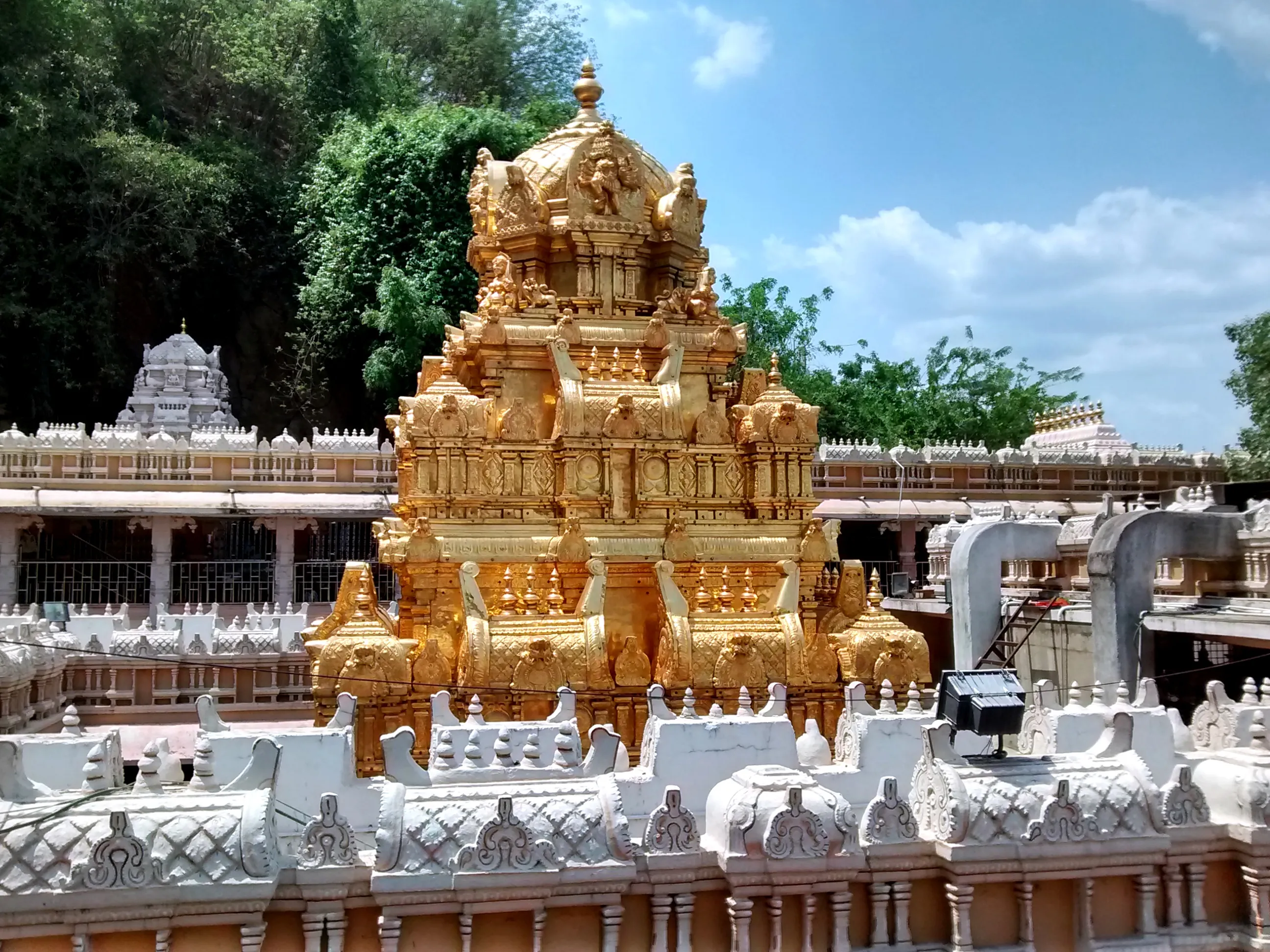
The Kanaka Durga Temple, dedicated to Goddess Kanaka Durga, is a significant Hindu pilgrimage site located on Indrakila Hill in Vijayawada, NTR District, Andhra Pradesh, India [4]. This ancient temple stands as a testament to India's millennia-spanning cultural heritage, embodying a continuous tradition of devotion and architectural evolution that dates back to the 7th century CE [5]. Its indigenous architectural styles, including Dravidian, Vesara, and Nagara influences, reflect the deep historical roots and sophisticated craftsmanship of Indian civilization [5] . The temple complex is characterized by its Dravidian architectural style, featuring a vast Raja Gopuram with nine tiers that serves as a towering entrance [3] [4]. The main sanctum, housing the self-manifested (Swayambhu) deity of Kanaka Durga, is constructed in a pyramidal shape, adorned with delicate stone carvings [3] [5]. The deity, a four-foot-high representation of Mahishasura Mardini, stands triumphantly over the demon Mahishasura, holding powerful weapons in each of her eight arms [3] [4]. Her form is embellished with glittering ornaments and flowers, radiating a golden hue [4]. A unique aspect of the temple's iconography is the placement of Goddess Kanaka Durga to the right of Lord Malleswara Swamy, signifying the predominance of Shakti, the divine feminine power [3] [5]. The temple also houses a separate shrine for Lord Shiva, known as Malleswara Swamy Temple, located in the northeast corner, and other shrines dedicated to deities such as Sri Nataraja Swami and Sri Subrahmanyeswara Swami [3]. Sri Adi Shankaracharya is credited with installing the Sri Chakra at the deity's feet and introducing Vedic rituals, replacing earlier practices [5]. The construction techniques employed in the Kanaka Durga Temple showcase advanced indigenous engineering. Massive granite blocks are precisely interlocked, often without mortar, demonstrating a mastery of dry masonry techniques that ensured structural stability and resilience [5]. The intricate carvings, depicting various forms of Goddess Durga, scenes from Hindu epics like the Ramayana and Mahabharata, and motifs of lotus flowers, animals, and celestial beings, are meticulously sculpted into the stone, reflecting generations of skilled craftsmanship . The temple's location on Indrakila Hill necessitated extensive groundwork, including leveling and terracing, with retaining walls likely constructed from large, dressed granite blocks [5]. The design also incorporates environmental considerations, with thick granite walls acting as thermal mass to moderate internal temperatures and the use of lime mortar allowing the structure to "breathe" [5]. Currently, the temple is a major pilgrimage site managed by the Endowments Department of Andhra Pradesh, with ongoing maintenance and recent upgrades ensuring its preservation [5]. Conservation efforts include strengthening the gopuram, conserving intricate carvings, and improving drainage systems [5]. There are plans for further restoration, including gold plating the main dome and renovating surrounding areas to enhance accessibility and pilgrim comfort [5]. Archaeological findings, though limited in formal excavations, primarily focus on architectural styles and inscriptions, which provide insights into the temple's evolution [5]. The temple is operationally ready, welcoming devotees daily from 4:00 AM to 12:30 PM and 2:30 PM to 10:00 PM, with special darshans and sevas having varying timings [5]. Entry is free for all, and while photography is restricted inside the main shrine, the site is partially accessible via road and cable car, though navigating the complex can be challenging for wheelchair users due to uneven surfaces and steps [5]. The Kanaka Durga Temple stands as a vibrant, living monument, continuously celebrating India's profound spiritual and architectural legacy.

Sri Mahamariamman Temple Kuala Lumpur
Sri Mahamariamman Temple is Kuala Lumpur’s oldest Hindu temple (1873) and stands at the historic gateway between Chinatown and the Masjid Jamek quarter, its five-tier rajagopuram (1972) bursting with 228 stucco deities sculpted by South Indian sthapathis while the sanctum venerates Mariamman, the protective mother goddess of Tamil diasporas ([1][2]). The temple opens daily 6:00 AM-9:00 PM, conducting six kala puja cycles with Vadya melam ensembles, annadhanam, and daily tulasi archanai; Friday evenings see elaborate alangaram and Thiruvilakku pooja. Annually, the temple oversees the 7-kilometre chariot procession to Batu Caves on Thaipusam eve, mobilising 500 volunteers, 250,000 devotees, GPS-tracked crowd management, and water/medical relief teams. Within its urban footprint, the temple hosts a cultural archive, Tamil language centre, legal aid clinics, and youth leadership workshops run with the Hindu Sangam and Malaysian Indian Transformation Unit (MITRA). During the COVID-19 pandemic, the site coordinated food banks for 30,000 recipients, telehealth counselling, and digital darshan for diaspora supporters ([1][3]).
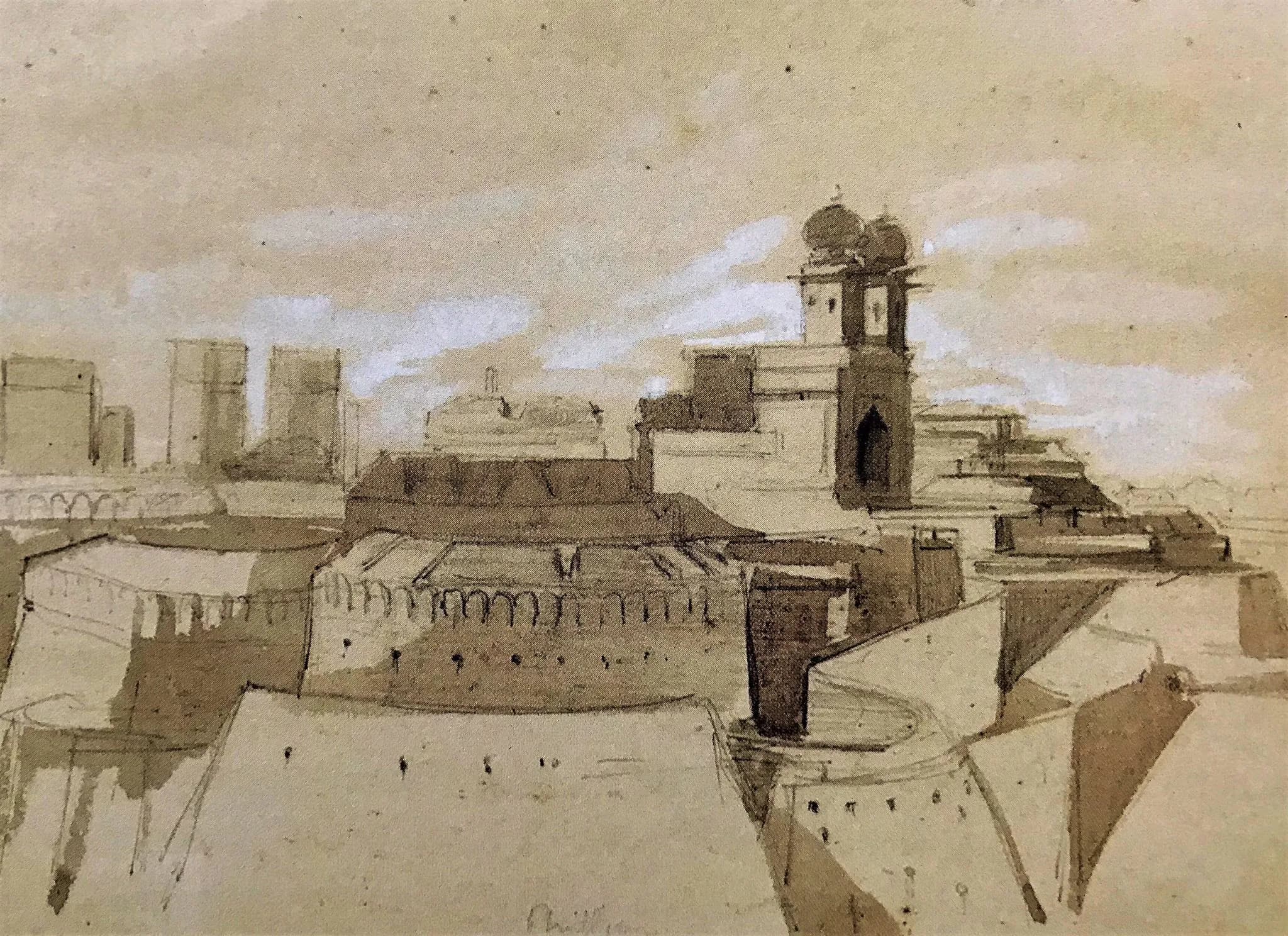
Phillaur Fort Jalandhar
The midday sun cast long shadows across the ochre walls of Phillaur Fort, baking the brickwork that had stood sentinel over the Sutlej River for centuries. Arriving from Madhya Pradesh, accustomed to the sandstone hues of our own ancient structures, the burnt orange of this Mughal-era fort struck me immediately. It wasn't the imposing grandeur of Gwalior or the intricate carvings of Khajuraho, but Phillaur possessed a quiet dignity, a subtle beauty born of its strategic location and layered history. The fort, now a heritage hotel, sits on the Grand Trunk Road, a testament to its historical importance as a crossroads of empires. As I stepped through the imposing gateway, the cacophony of the bustling highway faded, replaced by the gentle murmur of the river and the rustling of leaves in the courtyard trees. The transition was stark, a palpable shift from the present to the past. My camera, a constant companion, felt almost inadequate to capture the essence of the place. The main structure, a double-storied edifice, displayed a blend of Mughal and Sikh architectural influences. Rounded bastions, typical of Mughal military architecture, punctuated the fort's perimeter, while the decorative elements, particularly the delicate frescoes peeking from beneath layers of whitewash, hinted at later Sikh additions. I spent hours documenting these remnants, the faded floral patterns and depictions of warriors, each a whisper of the fort's rich past. The central courtyard, now a manicured lawn, was once a bustling hub of activity. I could almost envision the Mughal soldiers drilling, the horses being groomed, and the echoes of courtly life resonating within these walls. A small museum within the fort housed a collection of artifacts unearthed during restoration work – coins, pottery shards, and weaponry – tangible links to the people who once inhabited this space. Holding a corroded Mughal coin in my hand, I felt a tangible connection to that era, a sense of awe at the weight of history it represented. Climbing the narrow, winding staircase to the upper levels, I was rewarded with panoramic views of the surrounding landscape. The Sutlej River snaked its way through the plains, a silvery ribbon reflecting the bright sky. It was easy to understand why this location was so strategically important, commanding control over the river and the vital trade routes it supported. The wind whipped through the open arches, carrying with it the whispers of centuries past. One of the most captivating aspects of Phillaur Fort was its layered history. Originally built by Mughal Emperor Shah Jahan in the 17th century, it later fell into the hands of the Sikh ruler Maharaja Ranjit Singh, who further fortified and embellished it. This transition of power was reflected in the architecture itself, a fascinating palimpsest of styles. The Sikh additions, while respecting the original Mughal structure, added their own distinct flavor, creating a unique blend that spoke volumes about the region's complex past. As the sun began to dip below the horizon, casting long shadows across the courtyard, I felt a sense of melancholy wash over me. Leaving Phillaur Fort felt like saying goodbye to an old friend. It wasn't just a collection of bricks and mortar; it was a repository of stories, a testament to the ebb and flow of empires, and a poignant reminder of the passage of time. My photographs, I hoped, would capture not just the physical beauty of the fort, but also the intangible spirit of the place, the echoes of history that resonated within its ancient walls.
Quick Links
Plan Your Heritage Journey
Get personalized recommendations and detailed visitor guides