Has Inheritage Foundation supported you today?
Your contribution helps preserve India's ancient temples, languages, and cultural heritage. Every rupee makes a difference.
Secure payment • Instant 80G certificate
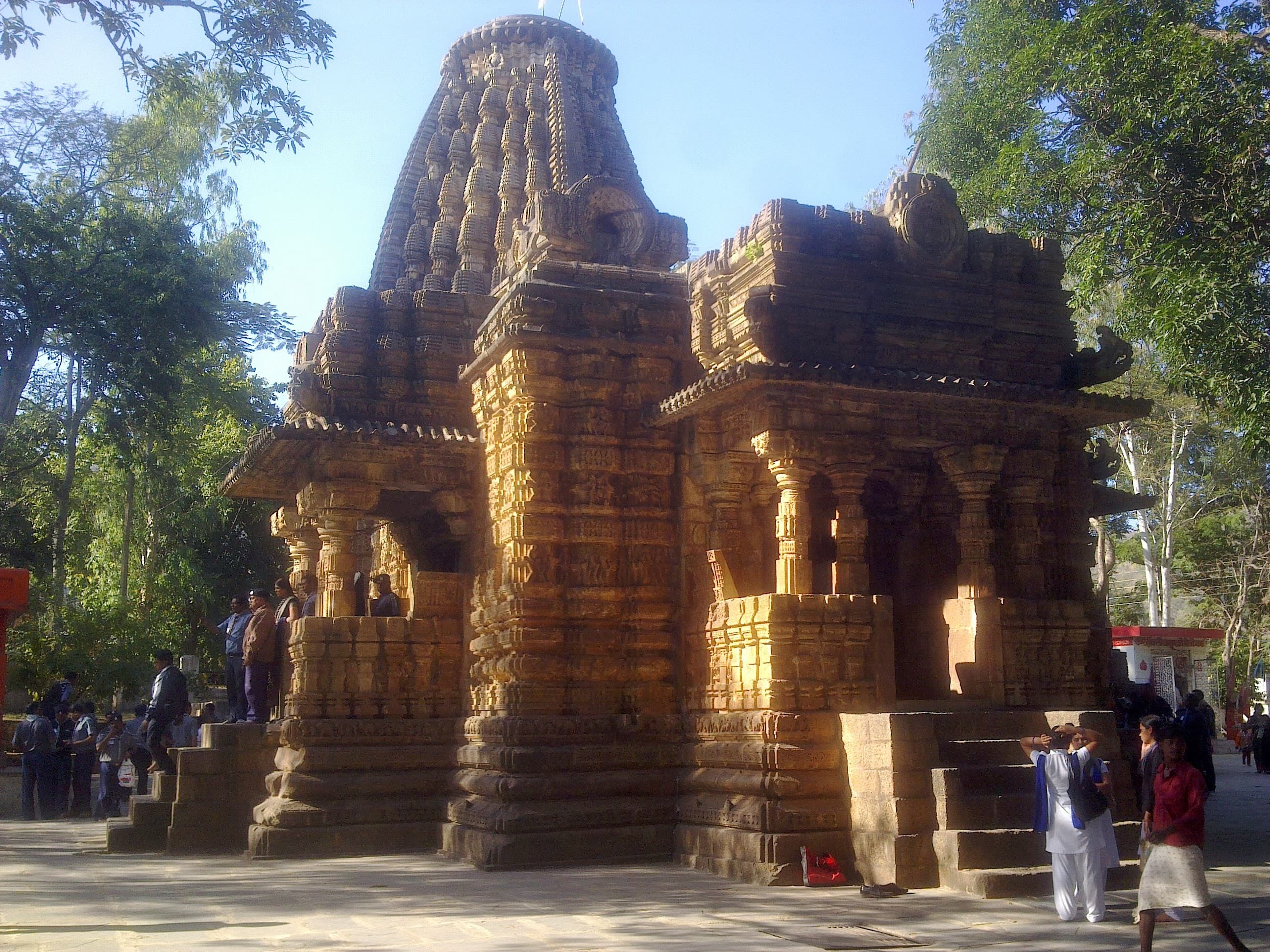
Bhoramdeo Temple Kabirdham
Granite and sandstone blocks, meticulously carved, form the Bhoramdeo Temple in Kabirdham, Chhattisgarh, a stunning example of 11th-century Indian architecture ([1][2]). Built around 1050 CE during the Kalachuri period, under the patronage of the Nagavanshi kings, this Hindu temple represents a seamless blend of Nagara and Bhumija architectural styles ([2][3]). The temple's intricate carvings narrate stories from the Ramayana and Mahabharata, offering insights into the daily life and artistic sensibilities of the era ([1][3][4]). During the Kalachuri period, temple architecture experienced significant development, influencing the construction of Bhoramdeo ([3][4]). The shikhara (spire) showcases the curvilinear elegance of the Nagara style, while the mandapa (pillared hall) features elaborate carvings ([2][5]). The Nagara style is characterized by its towering superstructure, while the Bhumija style, a regional variant, incorporates miniature spires attached to the main tower, adding complexity and visual richness ([5]). These architectural elements align with principles detailed in ancient texts like the *Vishnudharmottara Purana*, which discusses temple construction and iconography, as documented in the text ([6]). Also within the complex is the Madwa Mahal, adorned with celestial nymphs, enhancing the complex's spiritual allure ([1]). Beyond its artistic and architectural significance, Bhoramdeo's location amidst lush greenery, with the Maikal range as a backdrop, contributes to its tranquil ambiance ([4]). The gentle flow of the Jonk River further enhances the spiritual atmosphere, solidifying its status as a pilgrimage site ([5]). Bhoramdeo stands not only as the 'Khajuraho of Chhattisgarh' but also as a unique architectural marvel, embodying the rich heritage of ancient India, attracting pilgrims and tourists alike ([4][5]).
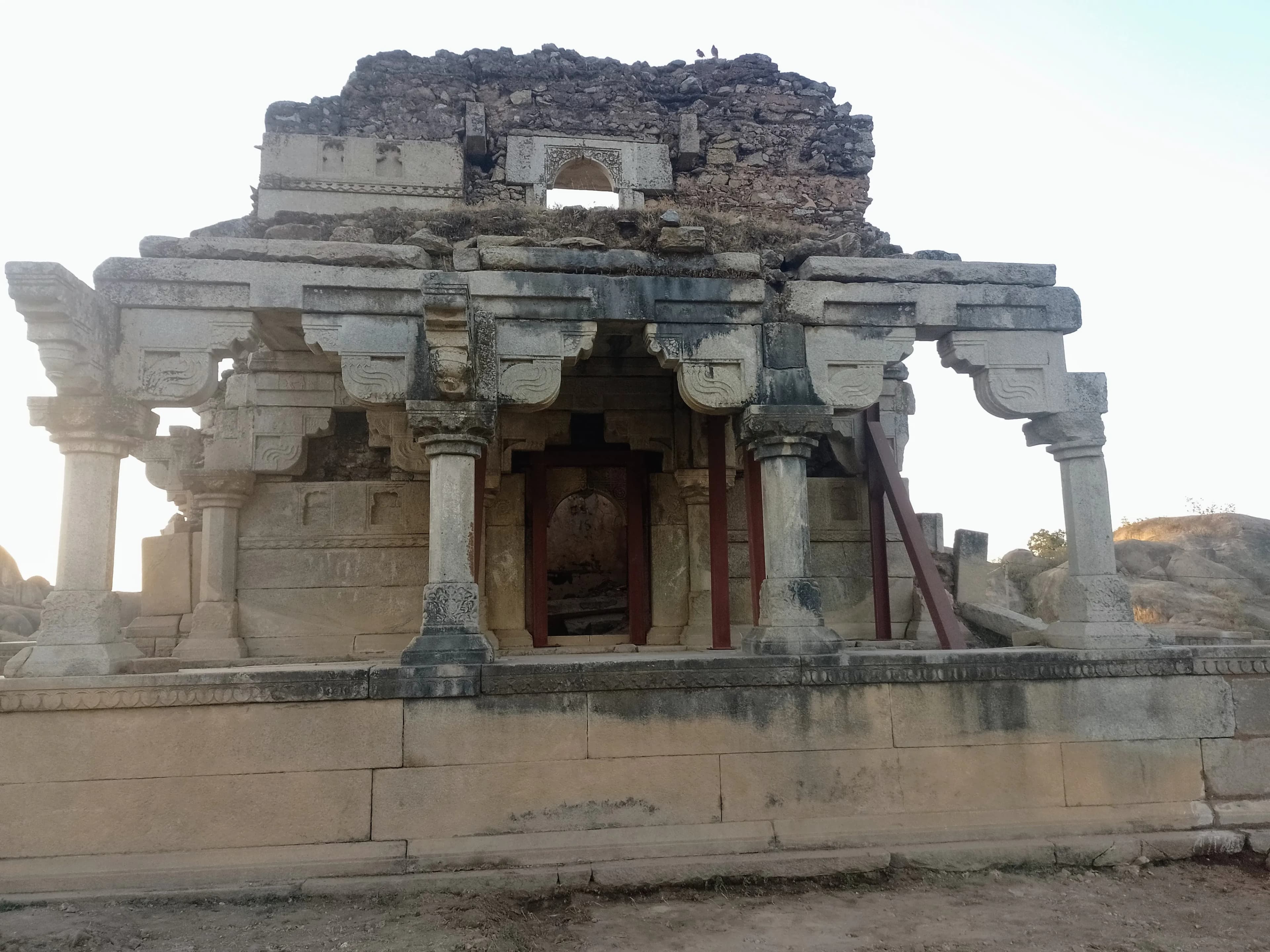
Navratangarh Fort Gumla
The midday sun beat down on the undulating Jharkhand landscape as I finally crested the hill, Navratangarh Fort rising before me like a forgotten sentinel. Having explored countless Mughal and Rajput forts across North India, I was intrigued to see what this tribal stronghold, nestled deep in Gumla district, had to offer. It certainly wasn't the imposing grandeur of a Mehrangarh or the intricate elegance of a Fatehpur Sikri, but Navratangarh possessed a raw, almost primal energy that immediately captivated me. The fort’s name, meaning “nine courtyards,” hints at a structured layout, but the reality is far more organic. While traces of nine distinct enclosures are discernible, nature has reclaimed much of the space, blurring the lines between architecture and wilderness. Massive, uncut laterite stones form the ramparts, their uneven surfaces softened by moss and clinging vines. Unlike the precisely dressed stones of northern forts, these felt ancient, whispering tales of a time long before mortar and meticulous planning. I stepped through a narrow, crumbling gateway, the rough stone scraping against my backpack. The first courtyard, the largest, was a surprisingly level expanse, now overgrown with scrub and wildflowers. Fragments of pottery littered the ground, a tangible reminder of the lives once lived within these walls. Local legend claims the fort was built by the Nagvanshi kings, who ruled this region for centuries. While historical evidence is scarce, the fort's construction style and strategic location certainly suggest a powerful, well-organized society. As I explored further, I discovered remnants of what might have been living quarters, storage areas, and even a small temple. The architecture was simple, functional, and deeply connected to the landscape. Narrow passages, carved directly into the laterite bedrock, connected the different sections of the fort. I paused at one such passage, the cool, damp air a welcome respite from the midday heat. Looking up, I could see the sky framed by the rough-hewn stone, a perfect example of how the builders incorporated the natural environment into their design. One of the most striking features of Navratangarh is its water management system. Several large, rock-cut cisterns are strategically placed throughout the fort, designed to collect rainwater. Even in the dry season, some of these cisterns still held water, a testament to the ingenuity of the Nagvanshi engineers. I imagined the fort bustling with activity, the cisterns brimming with life-sustaining water, a vital resource in this often-arid region. Climbing to the highest point of the fort, I was rewarded with panoramic views of the surrounding countryside. Rolling hills, dotted with villages and patches of forest, stretched as far as the eye could see. From this vantage point, it was easy to understand the strategic importance of Navratangarh. It commanded the surrounding area, offering a clear view of approaching enemies. My visit to Navratangarh wasn't about ticking off another fort on my list. It was an immersive experience, a journey into the heart of a forgotten kingdom. While the fort may lack the polished beauty of its northern counterparts, it possesses a unique charm, a raw authenticity that resonates deeply. It's a place where history whispers from the stones, where nature has reclaimed its domain, and where the spirit of a bygone era still lingers in the air. It's a reminder that India's heritage is not just confined to grand palaces and majestic tombs, but also exists in these hidden gems, waiting to be discovered by those willing to venture off the beaten path. And as I descended the hill, leaving the silent sentinel behind, I knew that Navratangarh, with its rugged beauty and whispered stories, would stay with me long after I left Jharkhand.
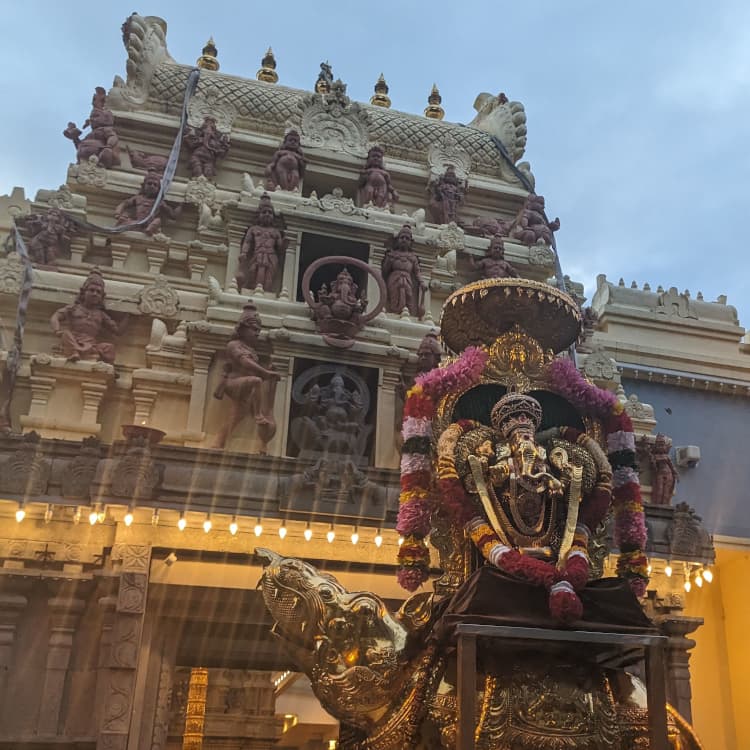
Sri Vakrathunda Vinayagar Temple The Basin
Sri Vakrathunda Vinayagar Temple The Basin is dedicated to Lord Ganesha and anchors The Basin, Victoria, on the foothills of the Dandenong Ranges ([1][2]). The hilltop mandir opens daily 6:00 AM-12:00 PM and 4:00 PM-8:30 PM, with Vinayagar Chathurthi and Thai Poosam schedules extending to 10:30 PM; marshals in high-visibility vests coordinate shuttle buses from the lower car park to keep the single-lane driveway clear ([1][4]). Mandapa floor markings separate pradakshina loops from queue lanes, and RFID counters at the entry tally pilgrim volumes so the volunteer command post can pace access into the sanctum ([1][5]). Annadhanam is served from a timber-lined dining hall with polished concrete floors, commercial dishwashers, and induction woks to reduce bushfire risk by avoiding naked flames ([1][3]). A 1:16 timber ramp with anti-slip mesh runs along the southern retaining wall, linking the car park to the mandapa, while stainless handrails, tactile paving, and hearing loop signage support inclusive access ([2]). Bushfire-ready shutters, ember screens, and a 90,000-litre tank plumbed to rooftop drenchers stand ready each summer, with CFA volunteers drilling annually alongside temple wardens ([2][5]). Wayfinding boards highlight refuge zones, first aid, and quiet meditation groves along the eucalyptus ridge, and QR codes push live updates about weather, kangaroo movement, and shuttle schedules directly to visitor phones ([1][6]). With emergency protocols rehearsed, food safety plans audited, and musician rosters published weeks ahead, the temple remains fully prepared for devotees, hikers, and school excursions seeking the hilltop shrine ([1][2]).

Nallur Kandaswamy Kovil Jaffna Sri Lanka
Nallur Kandaswamy Kovil, dramatically situated in the historic town of Jaffna in northern Sri Lanka, represents one of the most extraordinary and culturally significant Hindu temples in South Asia, with origins dating back to 948 CE and a major reconstruction in 1734 CE that serves as the principal center of Murugan (Skanda) worship in Sri Lanka, creating a powerful testament to the profound transmission of Indian Shaivite and Murugan religious and architectural traditions to Sri Lanka. The temple complex, also known as Nallur Murugan Kovil, features sophisticated Dravidian architectural elements that demonstrate the direct transmission of South Indian temple architecture, particularly the traditions of the Chola and Pandya dynasties, with local adaptations that reflect the sophisticated synthesis of Indian Shaivite and Murugan religious and artistic traditions with Sri Lankan building techniques, while the temple's towering gopurams (gateway towers), elaborately carved and painted in vibrant colors, represent some of the finest examples of Dravidian temple architecture in Sri Lanka. The temple's architectural layout, with its central sanctum housing the Murugan deity surrounded by multiple enclosures, gopurams, and subsidiary shrines dedicated to various deities including Shiva, Parvati, Ganesha, and other Hindu gods, follows sophisticated South Indian Dravidian temple planning principles that were systematically transmitted from the great temple complexes of Tamil Nadu including Palani, Tiruchendur, and Swamimalai, while the temple's extensive decorative programs including sculptures, carvings, and architectural elements demonstrate the sophisticated synthesis of Indian Shaivite and Murugan iconography and artistic traditions with local Sri Lankan aesthetic sensibilities. Archaeological evidence reveals that the temple served as a major center of Murugan worship for over a millennium, attracting pilgrims from across South India and Sri Lanka, while the discovery of numerous inscriptions in Tamil and Sanskrit provides crucial evidence of the site's role in the transmission of Indian religious texts and practices to Sri Lanka, demonstrating the sophisticated understanding of Indian Shaivite and Murugan traditions possessed by the temple's patrons and religious establishment. The temple's annual Vel Festival, one of the largest and most vibrant Hindu festivals in Sri Lanka, features elaborate processions, traditional music, and cultural performances that attract hundreds of thousands of devotees and demonstrate the continued vitality of Indian religious traditions in Sri Lanka, while the temple's association with the Jaffna Kingdom demonstrates its historical significance as a center of Tamil Hindu culture and religious practice. The temple complex underwent major reconstruction in 1734 CE under the patronage of the Jaffna Kingdom, with the current structure representing a faithful preservation of the temple's original Dravidian architectural character and spiritual significance, while ongoing archaeological research continues to reveal evidence of the temple's ancient origins and its role in the transmission of Indian religious traditions to Sri Lanka. Today, Nallur Kandaswamy Kovil stands as one of the most important Hindu pilgrimage sites in northern Sri Lanka, serving as a powerful testament to the transmission of Indian Shaivite and Murugan culture and architecture to Sri Lanka, while ongoing archaeological research and conservation efforts continue to protect and study this extraordinary cultural treasure that demonstrates the profound impact of Indian civilization on Sri Lankan religious and artistic traditions. ([1][2])

Lakshmi Narayan Mandir Kolasib
The vibrant green hills of Mizoram cradle many surprises, and for a temple architecture enthusiast like myself, steeped in the Dravidian idiom of South India, the Lakshmi Narayan Mandir in Kolasib was a fascinating anomaly. Perched atop a hill overlooking the town, this temple, dedicated to Vishnu and Lakshmi, presents a unique blend of architectural styles, a testament to the cultural confluence in this northeastern state. The first thing that struck me was the temple's shikhara. While reminiscent of the Nagara style prevalent in North India, with its curvilinear tower rising towards the heavens, it lacked the intricate carvings and elaborate ornamentation I’m accustomed to seeing in temples like the Kandariya Mahadeva in Khajuraho. Instead, the shikhara here was relatively plain, its smooth sandstone surface punctuated by simple horizontal bands and a modest amalaka crowning the top. This simplicity, however, lent it a certain elegance, allowing the natural beauty of the sandstone to shine through. The mandapa, or pillared hall, leading to the sanctum sanctorum, displayed a different influence altogether. The pillars, while square in section, were devoid of the intricate sculptures and narrative friezes that adorn South Indian temple pillars. Instead, they were adorned with simple geometric patterns, painted in vibrant hues of red, blue, and yellow, reminiscent of Mizo traditional designs. This unexpected burst of colour against the muted sandstone created a visually arresting contrast. Inside the garbhagriha, the deities of Lakshmi and Narayan resided, their serene presence radiating a sense of peace. The iconography was familiar, yet subtly different. Lakshmi, usually depicted seated on a lotus, here stood beside Vishnu, a posture more commonly seen in North Indian depictions. This subtle shift in iconography further highlighted the temple's unique blend of regional influences. The temple's location itself added to its charm. The panoramic view of Kolasib town and the surrounding hills, visible from the temple courtyard, was breathtaking. The lush greenery and the crisp mountain air created a serene atmosphere, conducive to contemplation and reflection. Unlike the bustling temple complexes of South India, the Lakshmi Narayan Mandir offered a sense of quietude, a space for personal communion with the divine. What intrigued me most was the narrative behind this architectural hybrid. Built in the late 20th century, the temple reflects the migration of people and ideas across India. While the core architectural style is North Indian, the local Mizo artisans have clearly left their mark, incorporating their own artistic traditions into the temple's decorative elements. This fusion of styles is not merely an aesthetic choice; it’s a reflection of the cultural exchange and assimilation that has shaped the region's identity. The Lakshmi Narayan Mandir is not just a place of worship; it's a living testament to India's diverse cultural tapestry. It challenges preconceived notions of architectural purity and demonstrates how different styles can harmoniously coexist, creating something unique and beautiful. For me, this temple was a powerful reminder that heritage is not static; it's a dynamic process of evolution and adaptation, constantly being shaped by the people and the environment that surround it. My visit to the Lakshmi Narayan Mandir was more than just a sightseeing trip; it was a lesson in architectural syncretism, a testament to the enduring power of cultural exchange. The temple stands as a symbol of unity in diversity, showcasing how different traditions can intertwine to create something truly special.

Ulug Depe Ahal Turkmenistan
Ulug Depe, dramatically situated in the foothills of the Kopet Dag Mountains in the Ahal Region of southern Turkmenistan, represents one of the most extraordinary and archaeologically significant Bronze Age sites in Central Asia, dating from the Late Neolithic to the pre-Achaemenid period (approximately 5th to 1st millennium BCE) and featuring a sophisticated temple complex that demonstrates remarkable parallels with Indian religious and architectural traditions, creating a powerful testament to the profound transmission of Indian cultural traditions to Central Asia during the Bronze Age and Iron Age. The site, spanning approximately 13 hectares and featuring a continuous stratigraphic sequence that provides invaluable insights into the evolution of Central Asian civilizations over four millennia, demonstrates the direct transmission of Indian religious and architectural concepts from the great religious centers of ancient India, particularly during periods when Central Asia had extensive trade and cultural connections with the Indus Valley Civilization and later Indian civilizations, while the site's most remarkable feature is its sophisticated temple complex featuring ritual structures, fire altars, and architectural elements that demonstrate clear parallels with Indian temple architecture and ritual practices described in ancient Indian texts. The temple complex's architectural layout, with its central ritual structures surrounded by storage areas, ceremonial spaces, and residential quarters, follows sophisticated planning principles that demonstrate remarkable parallels with Indian temple planning principles, while the temple complex's extensive decorative programs including ritual objects, seals, and architectural elements demonstrate the sophisticated synthesis of Indian religious iconography and cosmological concepts with local Central Asian aesthetic sensibilities. Archaeological evidence reveals that the site served as a major center of religious and cultural activity for over four millennia, attracting traders, priests, and elites from across Central Asia, South Asia, and the Middle East, while the discovery of numerous artifacts including seals with motifs that demonstrate clear Indian influences, ritual objects that parallel Indian practices, and architectural elements that reflect Indian cosmological concepts provides crucial evidence of the site's role in the transmission of Indian religious traditions to Central Asia, demonstrating the sophisticated understanding of Indian religious and architectural traditions possessed by the site's patrons and religious establishment. The site's association with the broader cultural complex of Central Asia, which had extensive trade and cultural connections with India throughout its history, demonstrates the sophisticated understanding of Indian religious traditions that were transmitted to Central Asia, while the site's temple complex and ritual structures demonstrate remarkable parallels with Indian temple architecture and ritual practices that were central to ancient Indian religious traditions. The site has been the subject of extensive archaeological research, with ongoing excavations continuing to reveal new insights into the site's sophisticated architecture, religious practices, and its role in the transmission of Indian religious traditions to Central Asia, while the site's status as a UNESCO Tentative List site demonstrates its significance as a major center for the transmission of Indian cultural traditions to Central Asia. Today, Ulug Depe stands as a UNESCO Tentative List site and represents one of the most important archaeological sites in Central Asia, serving as a powerful testament to the transmission of Indian religious and architectural traditions to Central Asia, while ongoing archaeological research and conservation efforts continue to protect and study this extraordinary cultural treasure that demonstrates the profound impact of Indian civilization on Central Asian religious and cultural traditions. ([1][2])

Murudeshwar Temple Murudeshwar
The colossal Shiva statue at Murudeshwar dominates the landscape long before you even reach the temple complex. Emerging from the coastal haze, it’s a breathtaking sight, a beacon drawing you closer to this unique UNESCO site nestled on the Kanduka Hill. As someone who has visited every UNESCO site in India, I can confidently say that Murudeshwar holds a special place, a vibrant blend of devotion, mythology, and stunning coastal beauty. The sheer scale of the statue is awe-inspiring. Standing at 123 feet tall, it’s the second tallest Shiva statue in the world, a modern marvel gazing out at the Arabian Sea. Its gleaming gold surface catches the sunlight, creating an ethereal glow that changes throughout the day. Climbing the steps within the statue's pedestal offers panoramic views of the coastline, the sprawling temple complex below, and the endless expanse of the ocean. The roar of the waves crashing against the rocks below adds a dramatic soundtrack to the experience. The temple complex itself is a fascinating blend of ancient and modern architecture. The main temple dedicated to Lord Shiva is relatively small compared to the towering statue, but it exudes a quiet serenity. Intricate carvings adorn the walls, depicting scenes from Hindu mythology, particularly stories related to the Atmalinga and Ravana, as this site is believed to be one of the places where Ravana attempted to bring the Atmalinga to Lanka. The vibrant colours used in the gopuram, the ornate gateway tower, are striking against the backdrop of the blue sky and the sea. One of the aspects I found particularly captivating was the Raja Gopura, a 20-storied tower offering a bird's-eye view of the entire complex and the surrounding area. A lift takes you to the top, where you're greeted with a 360-degree panorama. From this vantage point, the intricate layout of the temple complex becomes clear, and the strategic positioning of the statue, overlooking the sea, takes on a new significance. It's a truly breathtaking experience, especially during sunset when the sky explodes with colour. Beyond the main temple and the statue, the complex houses several smaller shrines dedicated to various deities. I spent some time exploring these, observing the rituals and the quiet devotion of the pilgrims. The air is thick with the scent of incense and the sound of chanting, creating a palpable sense of spirituality. The constant flow of devotees, from all walks of life, adds to the vibrant atmosphere. What sets Murudeshwar apart from other temple complexes in India is its unique coastal setting. The crashing waves, the salty air, and the vastness of the ocean create a dramatic backdrop for the temple, adding a layer of grandeur and mystique. The beach adjacent to the temple is a popular spot for pilgrims and tourists alike, offering a chance to relax and soak in the atmosphere after exploring the complex. My visit to Murudeshwar was more than just a sightseeing trip; it was an immersive experience. It was a journey into mythology, a testament to architectural ingenuity, and a reminder of the powerful connection between faith and nature. The sheer scale of the Shiva statue is undoubtedly impressive, but it's the overall atmosphere, the blend of ancient traditions and modern marvels, the stunning coastal setting, that truly makes Murudeshwar a must-visit UNESCO site in India. It’s a place where spirituality meets the sea, leaving a lasting impression on every visitor.
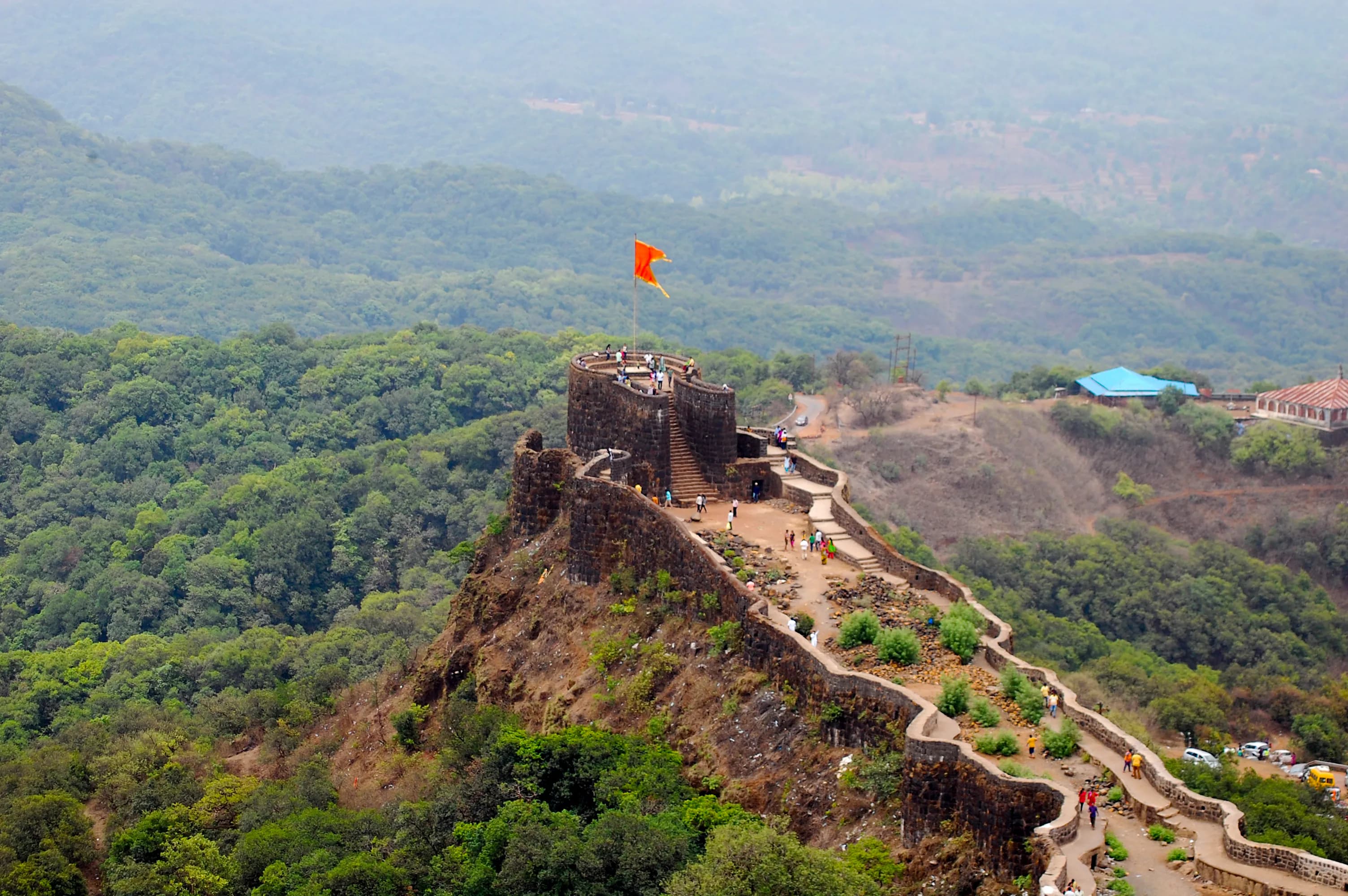
Pratapgad Fort Satara
The wind whipped around me, carrying whispers of history as I stood atop Pratapgad Fort, the very air seeming to vibrate with the echoes of clashing swords and the roar of Maratha war cries. Having explored countless forts across North India, I thought I had become somewhat jaded to the grandeur of ancient stone, but Pratapgad, perched high on the Sahyadri mountains of Maharashtra, proved me wrong. It wasn't just a fort; it was a living testament to the indomitable spirit of Shivaji Maharaj. The ascent itself was an experience. The winding road, clinging to the mountainside, offered breathtaking views of the Konkan plains stretching out below, a tapestry of green punctuated by the silver threads of rivers. As the fort came into view, its imposing basalt ramparts rising against the backdrop of the vast sky, I felt a surge of anticipation. Unlike the sandstone structures I was accustomed to in the north, Pratapgad's dark grey basalt construction lent it a unique, almost brooding aura. The rugged stone, seemingly hewn directly from the mountain itself, spoke of resilience and strength. Passing through the Mahadarwaja, the main gate, I was immediately struck by the fort's strategic design. The thick walls, punctuated by strategically placed bastions and fortified towers, offered a clear view of the surrounding valleys, making it virtually impregnable. Within the fort walls, the atmosphere shifted. The bustling energy of the climb gave way to a sense of quiet reverence. I walked along the ramparts, tracing the path of sentinels who once guarded this stronghold. The views from the top were simply spectacular; the rolling hills, shrouded in mist, seemed to stretch on forever. It was easy to imagine Shivaji Maharaj surveying his domain from this very spot, strategizing his next move. The architecture within the fort was a blend of functionality and subtle artistry. The Bhavani Mata Temple, dedicated to Shivaji's family deity, stood as a beacon of faith within the fortress. Its simple yet elegant design, crafted from the same dark basalt as the fort walls, exuded a quiet strength. The intricate carvings on the pillars and doorways, though weathered by time, still bore witness to the skill of the artisans who built it. One of the most poignant moments of my visit was standing at the site of the historic meeting between Shivaji Maharaj and Afzal Khan. The very ground beneath my feet held the weight of history, a silent witness to the cunning strategy and decisive action that shaped the destiny of the Maratha empire. A small monument marked the spot, a stark reminder of the pivotal events that unfolded here. Exploring the fort's inner chambers, I discovered hidden passages, secret tunnels, and strategically placed water tanks, all testament to the meticulous planning that went into its construction. The Balekilla, the highest point of the fort, offered panoramic views of the surrounding landscape, a breathtaking vista that stretched as far as the eye could see. Leaving Pratapgad was like stepping out of a time capsule. The experience was more than just a visit to a historical site; it was an immersion in the heart of Maratha history. The fort's imposing architecture, its strategic location, and the stories it held within its walls left an indelible mark on me. As I descended the mountain, I carried with me not just photographs and memories, but a deeper understanding of the courage, resilience, and strategic brilliance that shaped the destiny of a nation.
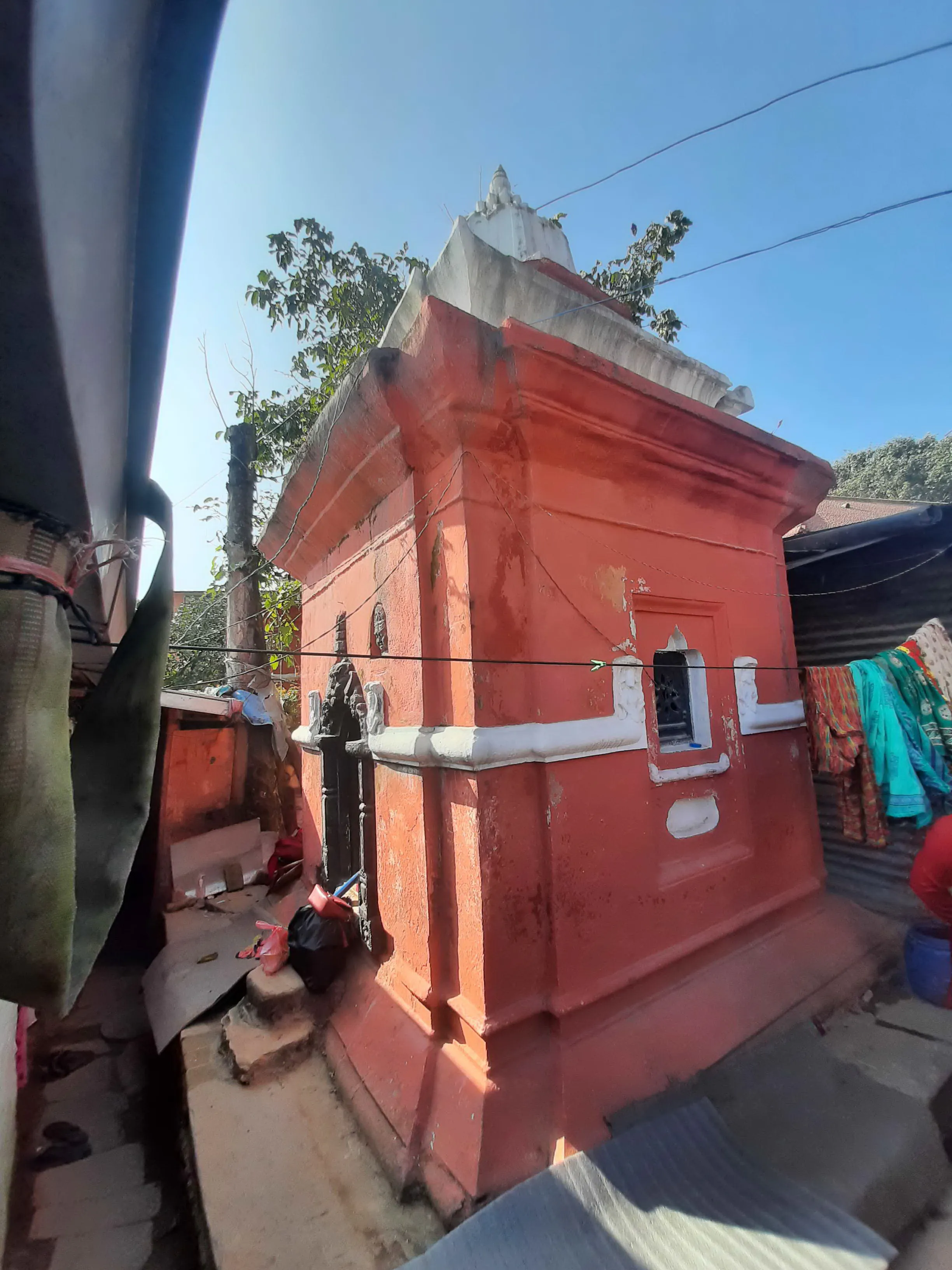
Mukteshwar Mahadev Temple Pathankot
The crisp morning air, tinged with the scent of pine, carried the distant chime of bells as I approached the Mukteshwar Mahadev Temple, nestled near Pathankot in Punjab. Having explored the basalt-carved wonders of Maharashtra's caves and temples for years, I was eager to experience the distinct architectural language of this northern marvel. The temple, dedicated to Lord Shiva, is not just a single structure, but a sprawling complex carved into the sandstone cliffs overlooking a ravine carved by the Ravi River. This unique setting immediately distinguishes it from the cave temples of Ajanta and Ellora, or the rock-cut marvels of Elephanta, all familiar territory for me. Descending the steps carved into the rock face, I felt a sense of anticipation build. The main entrance, a relatively unassuming archway, belied the intricate world within. Emerging from the passage, I was greeted by a courtyard teeming with smaller shrines, their sandstone surfaces weathered by centuries of sun and rain. Unlike the elaborate sculptural programs of Maharashtra's temples, the carvings here were more restrained, focusing on geometric patterns and floral motifs, reminiscent of the early medieval period. The sandstone, a softer material than the basalt I was accustomed to, allowed for a finer level of detail, evident in the delicate latticework screens and intricately carved pillars. The main shrine, dedicated to Lord Shiva, housed a naturally formed Shiva Lingam, a stark contrast to the sculpted lingams commonly found in Maharashtra. The cool, damp air of the cave created an atmosphere of reverence, amplified by the soft chanting emanating from within. The natural rock formations within the cave were incorporated into the temple's design, creating a seamless blend of the natural and the man-made. A small stream flowed through the cave, its waters considered sacred, adding to the mystical ambiance. Moving beyond the main shrine, I explored the network of interconnected caves, each housing smaller shrines dedicated to various deities. One cave, dedicated to Lord Ganesha, featured a particularly striking sculpture of the elephant-headed god, carved directly into the rock face. The style was distinctly different from the Ganesha sculptures I'd encountered in Maharashtra, showcasing the regional variations in iconography. Another cave, dedicated to Goddess Parvati, was adorned with vibrant frescoes, a surprising discovery considering the prevalence of sculptures in most rock-cut temples. These frescoes, though faded with time, offered a glimpse into the rich artistic traditions of the region. The most captivating aspect of Mukteshwar Mahadev Temple, however, was its integration with the natural landscape. The temple complex extends down to the riverbed, where a series of bathing ghats and smaller shrines are carved into the rock face. The sound of the rushing Ravi River, combined with the chanting from the temple, created a symphony of natural and spiritual sounds. Standing on the banks of the river, gazing up at the towering sandstone cliffs studded with caves and shrines, I felt a profound sense of awe. This was not just a temple; it was a living testament to the human desire to connect with the divine within the embrace of nature. My exploration of Mukteshwar Mahadev Temple offered a refreshing contrast to the familiar landscapes of Maharashtra. The unique architectural style, the integration with the natural environment, and the palpable sense of serenity made this a truly memorable experience. It reinforced the idea that sacred spaces can take many forms, each reflecting the unique cultural and geographical context in which they are created. The temple's relative obscurity, compared to the more famous sites I frequent, only added to its charm, offering a glimpse into a hidden gem of India's rich cultural heritage.
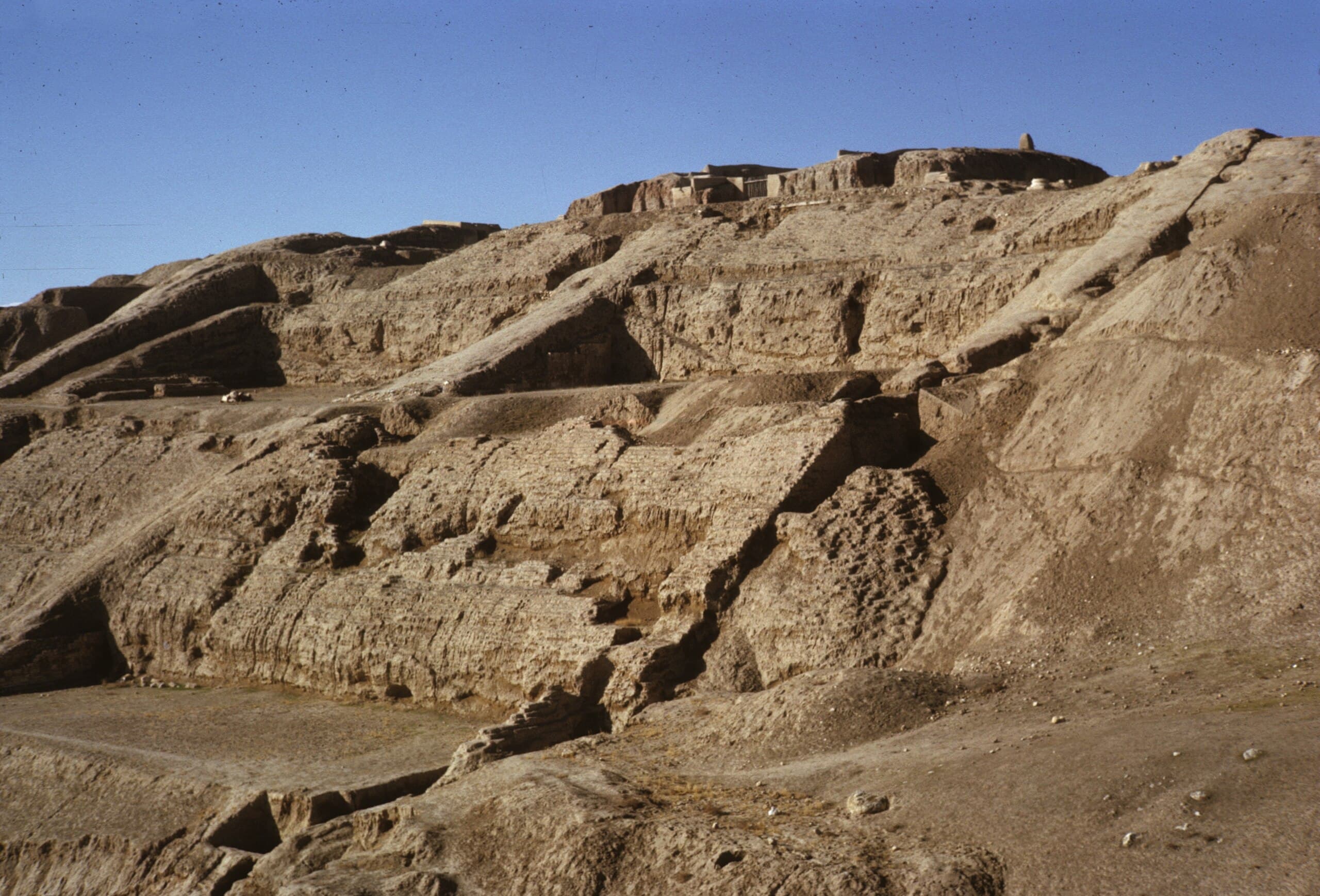
Surkh Kotal Zamindawar Temple Baghlan Afghanistan
Surkh Kotal, also known as the Zamindawar Temple, stands dramatically atop a natural hill in Baghlan Province, Afghanistan, representing one of the most magnificent and architecturally sophisticated Kushan-era Hindu temples dedicated to the solar deity Surya, constructed in the 2nd century CE during the reign of the Kushan Empire, which ruled over vast territories stretching from Central Asia through Afghanistan to northern India, creating a vibrant cultural bridge between Indian and Central Asian civilizations. The temple complex, constructed primarily from locally quarried limestone and sandstone with extensive use of fired brick, features a massive terraced structure rising approximately 60 meters above the surrounding plain, accessed through a monumental staircase of over 200 steps that ascends the steep hillside, creating a dramatic approach that emphasizes the temple's elevated spiritual significance. The temple's architectural design demonstrates a brilliant synthesis of Indian Hindu temple architecture, particularly the early Nagara style, with Central Asian and Hellenistic influences characteristic of the Kushan period, featuring a central sanctum housing the Surya deity, surrounded by multiple courtyards, subsidiary shrines, and elaborate water management systems including cisterns and channels that demonstrate sophisticated engineering knowledge. Archaeological excavations have revealed extensive inscriptions in Bactrian script and Prakrit, providing crucial evidence of the Kushan Empire's multilingual administration and the temple's role as a major religious and administrative center, while the discovery of numerous sculptures, architectural fragments, and ritual objects demonstrates the site's importance as a center of Surya worship that attracted devotees from across the Kushan realm. The temple complex includes multiple construction phases spanning from the 2nd to the 4th centuries CE, with significant expansions and renovations that reflect the evolving religious practices and the Kushan Empire's continued patronage of Hindu traditions, while the site's strategic location along ancient trade routes connecting India with Central Asia and China underscores its role in facilitating cultural and religious exchange. The temple's destruction, likely during the 5th century CE following the decline of the Kushan Empire, left the site in ruins, but the massive stone foundations, terraces, and architectural fragments that remain provide extraordinary evidence of the temple's original grandeur and the sophisticated engineering techniques employed in its construction. Today, Surkh Kotal stands as a UNESCO Tentative List site and represents one of the most important archaeological monuments in Afghanistan, serving as a powerful testament to the region's ancient Hindu heritage and its historical role as a center of Indian religious and cultural influence in Central Asia, while ongoing archaeological research continues to reveal new insights into Kushan architecture, religious practices, and the transmission of Indian traditions across the ancient world. ([1][2])
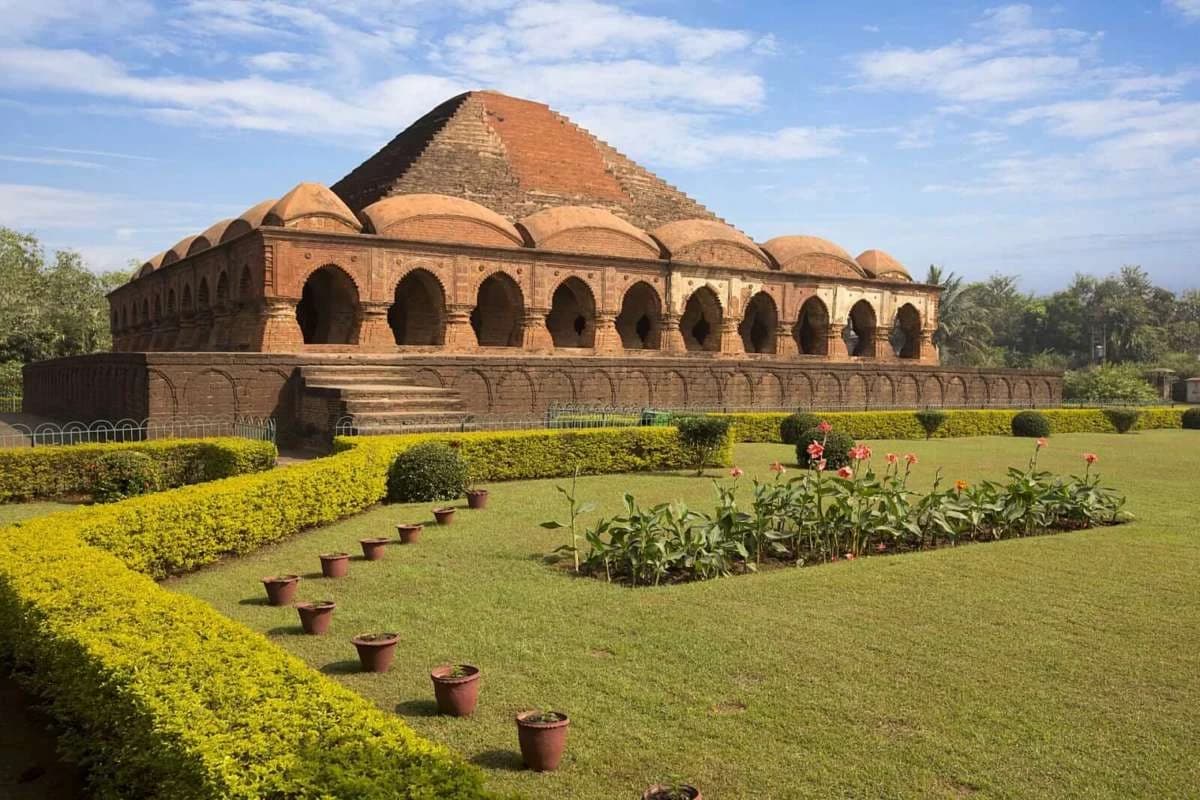
Bishnupur Terracotta Temples Bishnupur
Fired brick and mud brick construction techniques reached a zenith in Bishnupur, West Bengal, during the Bengal Renaissance period, as exemplified by its terracotta temples ([1][2]). These temples, constructed by the Malla dynasty who ruled from approximately the 7th to the 18th centuries CE ([3]), present a unique architectural style that blends classical Bengali forms with intricate terracotta artistry ([4]). The Malla kings, serving as patrons, facilitated the construction of these elaborate structures ([3]). Intricate carvings adorning the walls narrate stories from the Ramayana, Mahabharata, and various Hindu Puranas, effectively bringing these ancient epics to life ([2][5]). The Jor Bangla temple, distinguished by its chala (hut-shaped) roof, is a prime example of this narrative tradition ([4]). The Rasmancha, commissioned by King Bir Hambir in the 17th century, provided a platform for displaying Radha-Krishna idols during the annual Ras festival ([3]). Stone platforms and foundations demonstrate the structural integrity of temples like the Madan Mohan Temple, which is further adorned with floral and geometric terracotta designs ([1][4]). Within the Garbhagriha (Sanctum), deities are enshrined, representing the focal point of devotion and architectural design ([2]). The Shyam Rai Temple, a pancharatna (five-pinnacled) structure, showcases a diverse range of themes, including scenes from courtly life alongside depictions of various deities ([2][5]). During the Bengal Renaissance period, temple architecture in Bishnupur achieved a distinctive aesthetic, where the terracotta medium lends a warm, intimate quality, creating a striking contrast to the grandeur often associated with stone structures found elsewhere in India ([1]). These temples not only served as places of worship but also as vibrant canvases that preserved and propagated cultural narratives for generations to come ([3][5]). The legacy of Bishnupur's terracotta temples remains a significant chapter in India's architectural heritage ([1][4]).
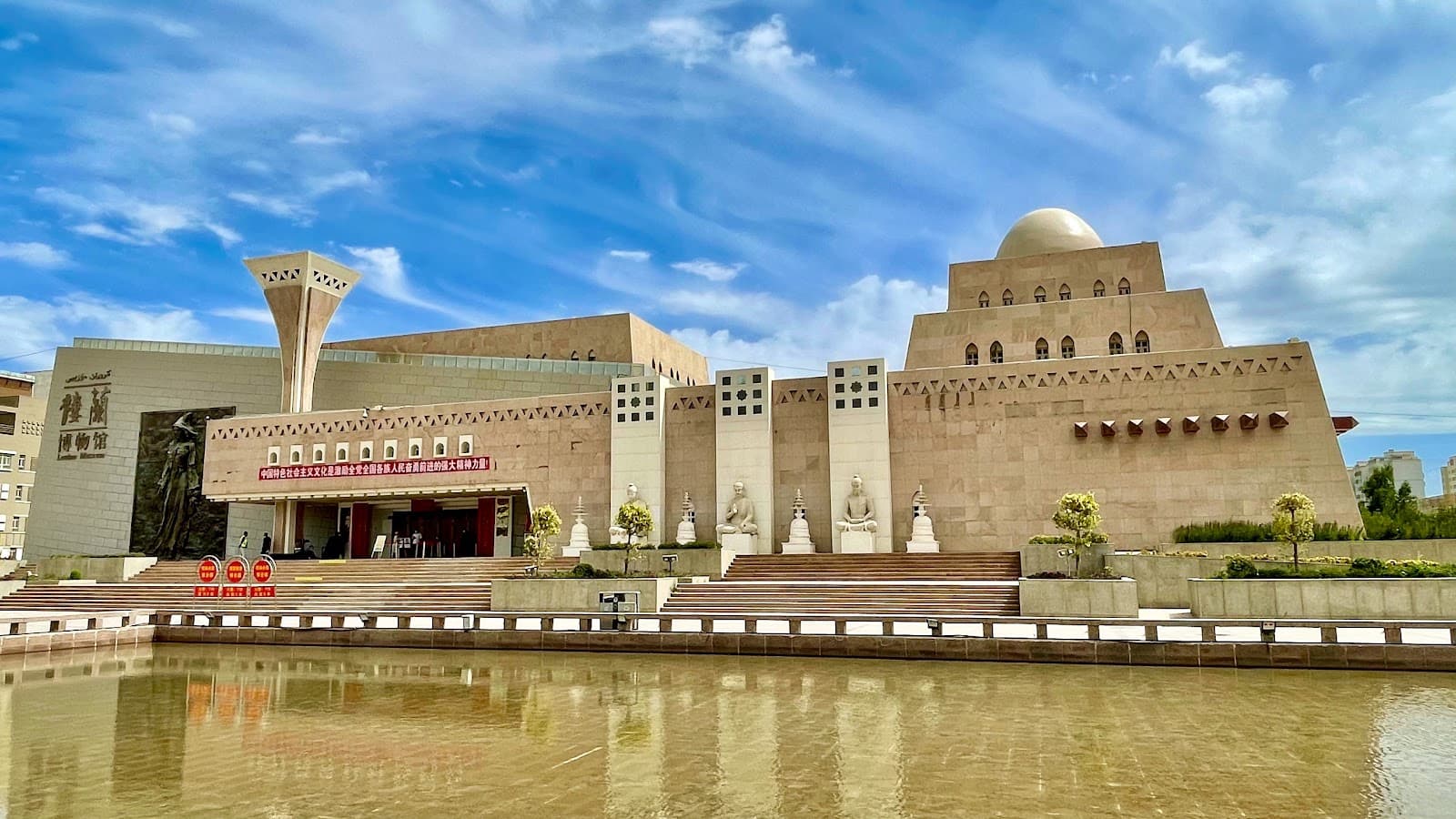
Endere Fort Temple Ruoqiang Xinjiang China
Endere, located in the southern Taklamakan Desert in Ruoqiang County, Xinjiang, China, represents one of the most fascinating and strategically significant archaeological sites along the ancient Silk Road, comprising the remarkable remains of a 3rd to 4th century CE Buddhist fort-temple complex that demonstrates the unique integration of military fortification and religious architecture, creating a powerful testament to the transmission of Indian Buddhist traditions to Central Asia during a period when Buddhist monasteries served both spiritual and defensive functions along the trade routes. The complex, constructed primarily from rammed earth and fired brick with extensive stucco and painted decoration, features a massive fortified structure containing Buddhist temples, stupas, monastic cells, and military installations arranged in a sophisticated layout that reflects both Indian Buddhist architectural planning principles and Central Asian fortification techniques, while the discovery of Buddhist manuscripts written in Chinese, Tibetan, and Sanskrit provides crucial evidence of the site's role as a multilingual center of Buddhist learning and the transmission of Indian Buddhist texts to Central Asia and China. The site's architectural design demonstrates direct influence from Indian Buddhist monastery architecture, particularly the traditions of northern India, with the overall plan, temple forms, and decorative programs reflecting Indian Buddhist practices that were systematically transmitted to Central Asia, while the fortification elements demonstrate the adaptation of Indian Buddhist architectural traditions to the military and strategic needs of Silk Road settlements. Archaeological excavations conducted by Sir Aurel Stein in 1901 revealed extraordinary discoveries including a Buddhist shrine filled with textile fragments and manuscripts in multiple languages, demonstrating that the site attracted worshippers and scholars from diverse regions including India, Tibet, and China, while the discovery of numerous artifacts including sculptures, coins, and ritual objects provides further evidence of the site's importance as a center of trade, cultural exchange, and religious transmission. The fort-temple complex flourished particularly during the 3rd to 4th centuries CE, when it served as both a military outpost protecting the southern Silk Road and a major center of Buddhist worship and learning, attracting monks, traders, and pilgrims from across the Buddhist world, while the site's strategic location along the trade routes facilitated its role in the transmission of Buddhist teachings, art, and culture from India to China. The site continued to function as a Buddhist center through the 5th and 6th centuries CE, with evidence of continued use and modifications that reflect the evolving religious and political landscape of the region, while the site's eventual abandonment, likely during the 7th or 8th century CE following political changes and shifting trade routes, left substantial ruins that continue to provide crucial insights into the site's history and significance. The unique combination of fortification and religious architecture at Endere provides particularly important evidence of the ways in which Indian Buddhist architectural traditions were adapted to local conditions and needs in Central Asia, demonstrating the flexibility and resilience of Buddhist institutions along the Silk Road, while the multilingual nature of the site's manuscripts demonstrates the complex cultural exchanges that occurred in the region. Today, Endere stands as a UNESCO Tentative List site and represents one of the most important archaeological discoveries in the Taklamakan Desert, serving as a powerful testament to the transmission of Indian Buddhist traditions and the integration of religious and military functions in Silk Road settlements, while ongoing archaeological research and preservation efforts continue to protect and study this extraordinary cultural treasure that demonstrates the profound impact of Indian civilization on Central Asian societies. ([1][2])
Quick Links
Plan Your Heritage Journey
Get personalized recommendations and detailed visitor guides