Has Inheritage Foundation supported you today?
Your contribution helps preserve India's ancient temples, languages, and cultural heritage. Every rupee makes a difference.
Secure payment • Instant 80G certificate
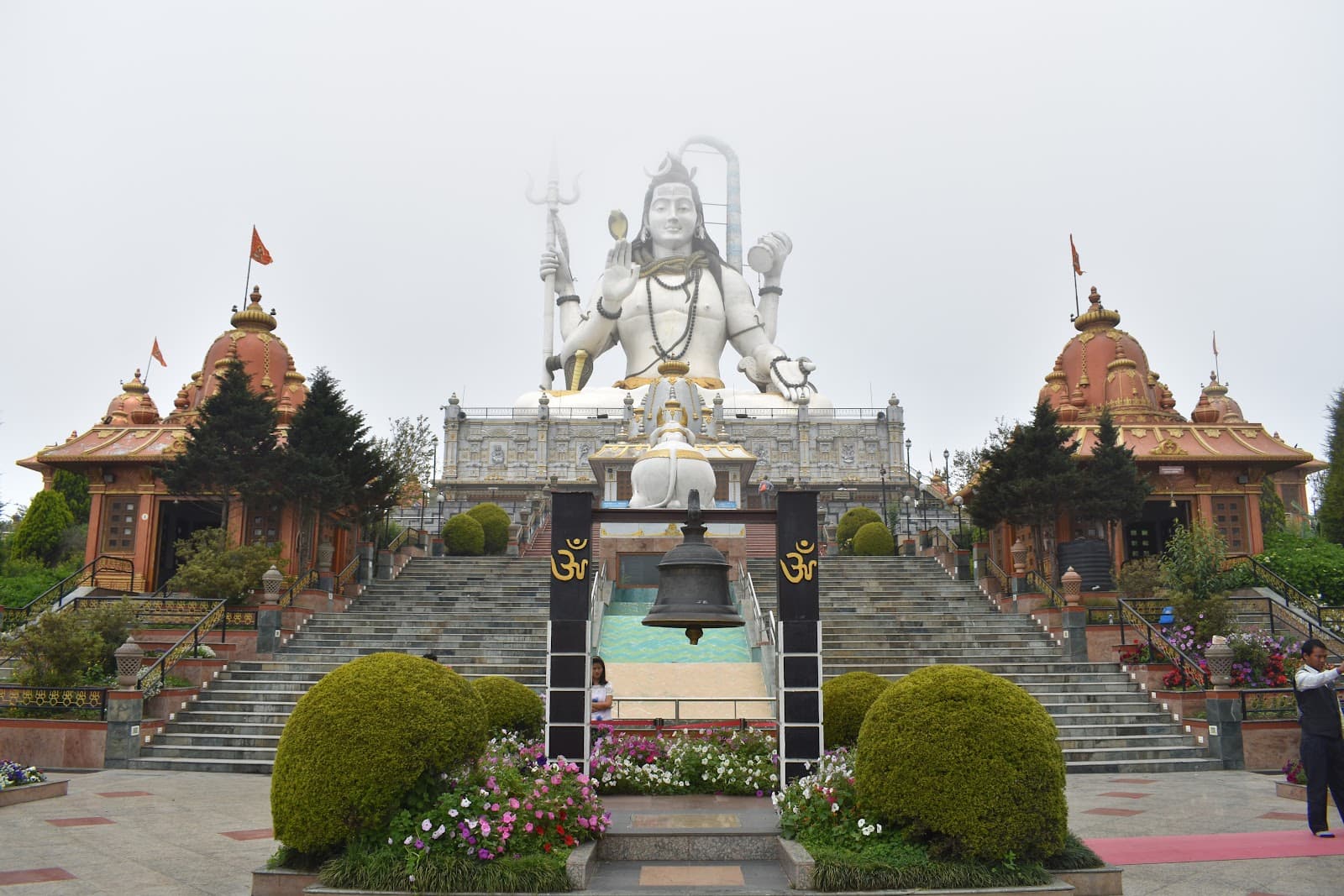
Solophok Chardham Namchi
The vibrant prayer flags snapping in the Himalayan breeze were my welcome to Solophok Chardham, a surprisingly recent addition to Sikkim’s spiritual landscape. Perched on the Solophok hilltop overlooking Namchi, this complex, completed in 2011, isn’t ancient in the way of many UNESCO sites, but its ambition is palpable. It aims to replicate the revered Char Dham pilgrimage circuit of India – Badrinath, Dwarka, Puri, and Rameshwaram – within a single location, making it accessible to those unable to undertake the arduous original journey. The centerpiece, and the first structure that caught my eye, is the towering 108-foot statue of Lord Shiva, known here as Siddheshwar. Its sheer scale is breathtaking, gleaming gold against the backdrop of the snow-capped Kanchenjunga range. The statue itself is a marvel of modern engineering, and I learned from a local priest that it was constructed using copper and plated with gold. The detailing on Lord Shiva’s form, from the intricate folds of his garments to the serene expression on his face, is remarkably precise. Circling the statue, I found myself immersed in the representations of the four Dhams. Each shrine is architecturally distinct, reflecting the style of its original counterpart. The Badrinath replica, dedicated to Lord Vishnu, features the characteristic sloping roof and brightly coloured facade I’d seen in Uttarakhand. Dwarka, dedicated to Lord Krishna, echoed the intricate carvings and sandstone hues of Gujarat’s coastal temples. The Jagannath temple of Puri, with its distinctive pyramidal roof and vibrant murals, transported me back to Odisha. Finally, the Rameshwaram replica, dedicated to Lord Shiva in his Ramalingeswara form, captured the Dravidian architectural style of Tamil Nadu with its towering gopuram. While the architectural mimicry is impressive, Solophok Chardham isn’t merely a copy-paste project. The complex incorporates elements of Sikkimese Buddhist architecture, creating a unique blend of styles. The prayer wheels lining the pathways, the colourful murals depicting Buddhist deities, and the presence of monks going about their daily rituals, all contribute to a syncretic atmosphere that feels distinctly Sikkimese. This fusion, I felt, was the most compelling aspect of the site. It speaks to the region’s history of religious harmony and the fluidity of faith in the Himalayas. Beyond the main shrines, the complex offers panoramic views of the surrounding valleys and mountains. I spent a considerable amount of time simply absorbing the scenery, the peace punctuated only by the fluttering prayer flags and the distant chanting from within the temples. There’s a palpable sense of serenity here, a quiet energy that encourages introspection. One aspect that struck me was the meticulous upkeep of the entire complex. Despite the constant flow of visitors, the grounds were impeccably clean, the gardens well-maintained, and the shrines themselves pristine. This speaks volumes about the reverence with which the site is held by both the local community and the managing authorities. My visit to Solophok Chardham was more than just ticking off another UNESCO site on my list. It was an immersion in a unique blend of architectural styles, religious traditions, and breathtaking natural beauty. While the complex is relatively new, it carries a weight of spiritual significance, offering a glimpse into the rich tapestry of faith and devotion that defines the Himalayan region. It’s a testament to the power of human ambition, not just in replicating architectural marvels, but in creating a space that fosters peace, reflection, and a deeper understanding of India’s diverse spiritual heritage. It’s a place I wouldn’t hesitate to recommend to anyone seeking a unique and inspiring travel experience.
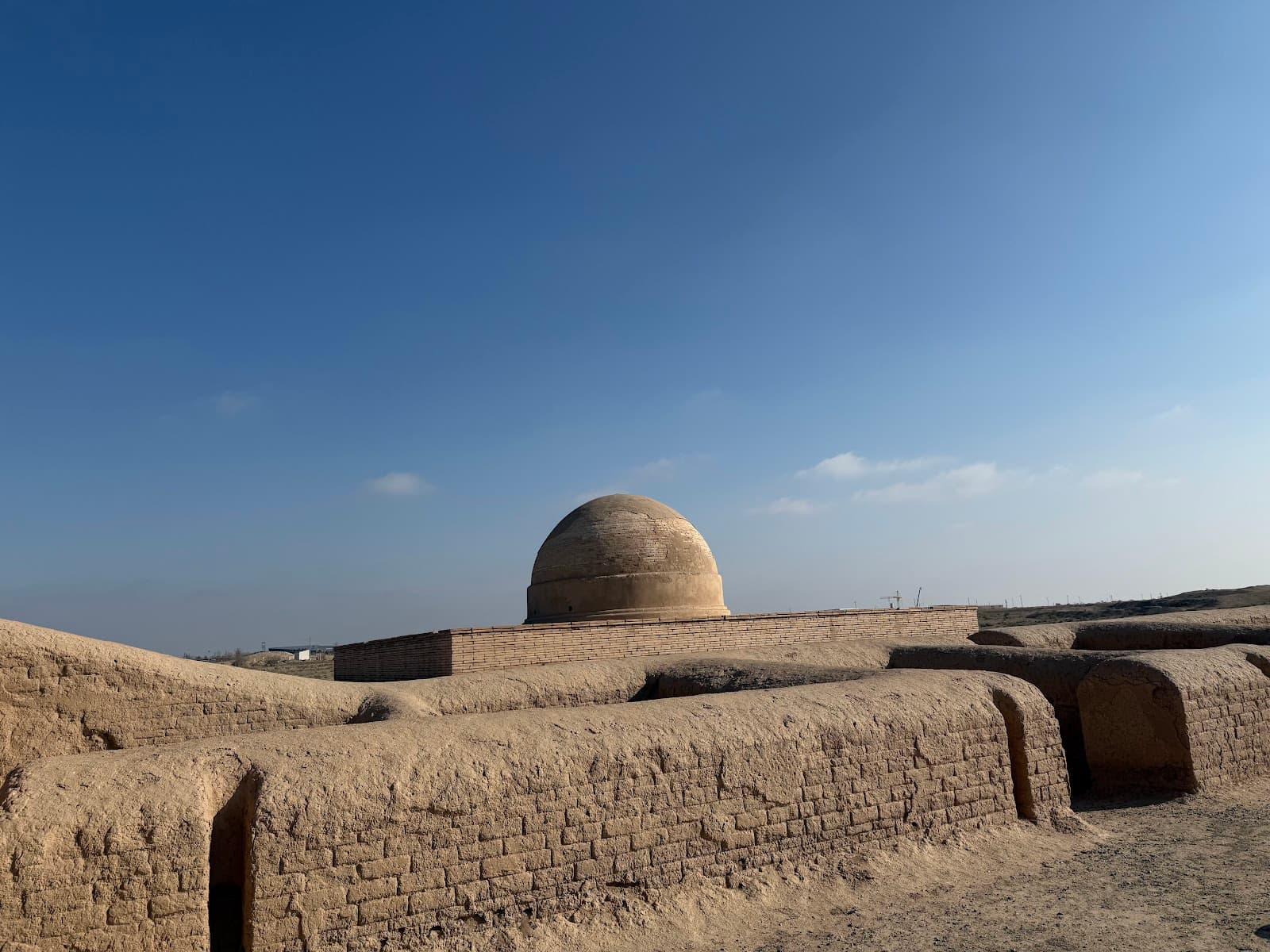
Fayaz Tepe Buddhist Ruins Termez
The wind whipped across the Surxondaryo plains, carrying whispers of ancient chants and the ghosts of forgotten empires. Standing amidst the sun-baked ruins of Fayaz Tepe, I felt an almost palpable connection to the vibrant Buddhist culture that once thrived here. This isn't India, where I've explored every UNESCO site from the Ajanta Caves to the Victorian Gothic of Mumbai, but the echoes of that shared heritage resonate powerfully in this Uzbek corner of Central Asia. Fayaz Tepe, meaning "hill of the governors," rises gently from the surrounding landscape, a testament to the enduring power of faith. This 1st-century Buddhist monastic complex, excavated in the late 20th century, reveals a fascinating blend of Hellenistic and Buddhist architectural influences, a legacy of the Greco-Bactrian kingdoms that once ruled these lands. The site is surprisingly well-preserved, allowing one to trace the layout of the monastery with relative ease. The central stupa, though partially collapsed, still commands attention, its brickwork revealing the meticulous craftsmanship of the original builders. I walked through the remnants of the monks' living quarters, small, cell-like rooms arranged around courtyards. Imagining the saffron-robed monks going about their daily rituals, chanting sutras and meditating within these walls, brought the site to life. The walls, though weathered by time, still bear traces of vibrant murals, depicting scenes from the Buddha's life and various Bodhisattvas. The faded pigments hint at the rich artistic traditions that flourished here, a confluence of Indian, Persian, and Hellenistic styles. One of the most striking features of Fayaz Tepe is the evidence of its destruction. Charred timbers and ash layers tell a tale of a devastating fire, likely in the 7th century, that brought an abrupt end to the monastery's vibrant existence. This sudden end, however tragic, has ironically contributed to the site's preservation, sealing organic materials and artifacts under layers of debris, offering a unique snapshot of monastic life frozen in time. Climbing to the top of the stupa mound, I surveyed the surrounding landscape. The Amu Darya River, the lifeblood of this region for millennia, snaked its way through the plains, a silent witness to the rise and fall of countless civilizations. The strategic location of Fayaz Tepe, overlooking the river and the ancient trade routes that crisscrossed this region, underscored its importance not just as a religious center but also as a hub of cultural exchange. The site museum, though small, houses a remarkable collection of artifacts unearthed during the excavations. Sculptures of the Buddha, intricately carved ivory objects, and fragments of manuscripts offer tangible evidence of the rich material culture of the monastery. A particularly striking piece was a small clay figurine of a musician, his instrument frozen mid-strum, a poignant reminder of the everyday lives lived within these now-ruined walls. Fayaz Tepe is more than just a collection of ruins; it's a window into a forgotten world. It's a testament to the enduring power of Buddhism, its ability to transcend geographical boundaries and cultural differences. Standing here, on the edge of the ancient world, I felt a deep sense of connection not just to the past but also to the present, a reminder that the threads of history continue to weave their way through our lives, shaping who we are and where we are going. As I left Fayaz Tepe, the setting sun cast long shadows across the ruins, painting the landscape in hues of orange and gold, a fitting farewell to this remarkable testament to a vanished world. The wind continued to whisper, carrying stories of monks, merchants, and pilgrims, reminding me that even in ruins, history continues to speak.
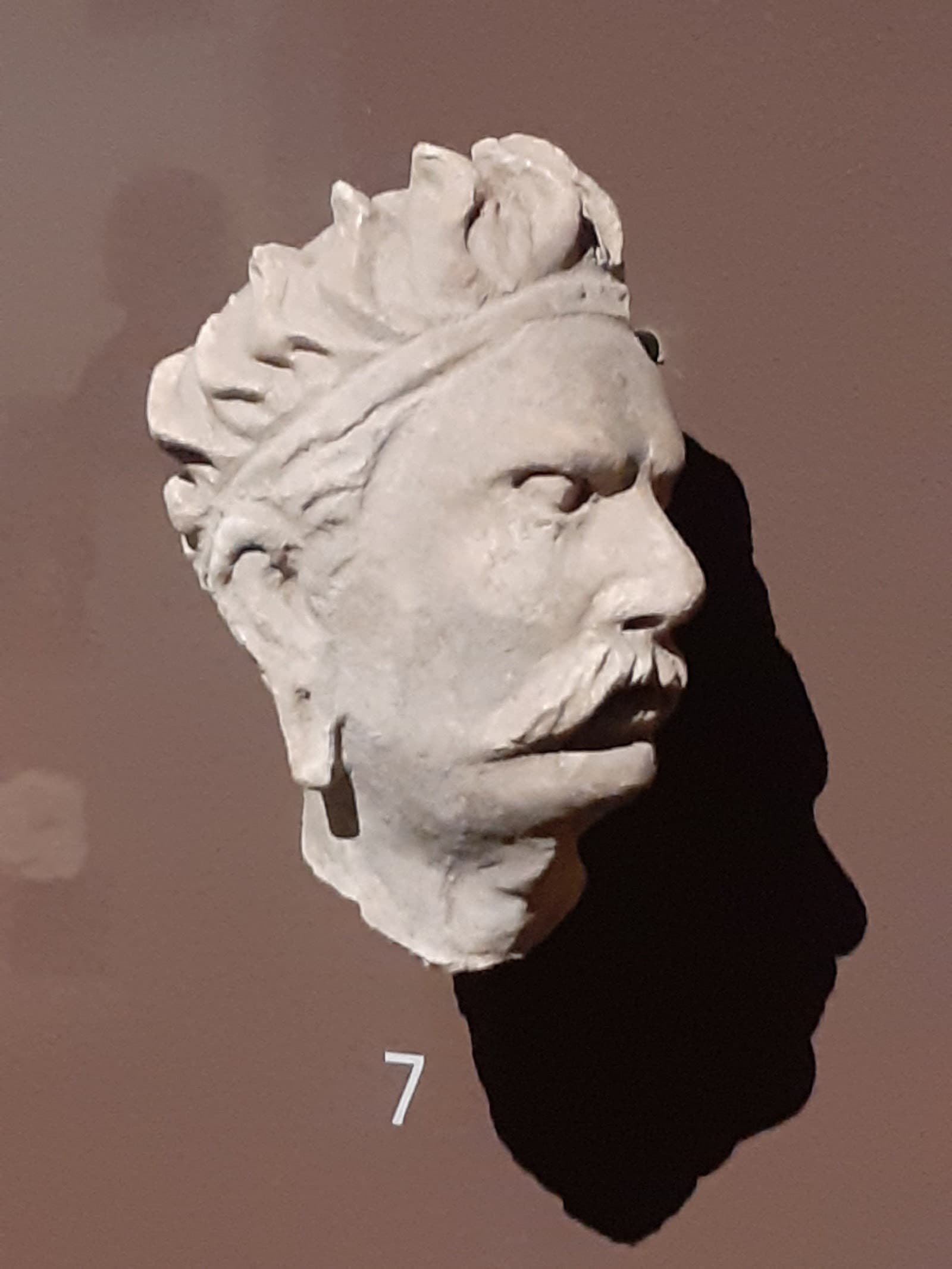
Hadda Monastery Complex Nangarhar Afghanistan
The Hadda Monastery Complex, situated in the Nangarhar Province of eastern Afghanistan, near the city of Jalalabad, represents a pivotal site in the millennia-spanning cultural heritage of India, embodying the profound and continuous tradition of Indian Buddhist civilization [1]. This extensive archaeological site, encompassing a network of Buddhist monasteries and stupas spread over an area of 4 to 5 square kilometers, showcases the sophisticated indigenous architectural styles and cultural practices that reflect India's deep historical roots [1] [3]. The complex is a prime example of Gandhara architecture, a distinctive style that emerged from the amalgamation of Indian, Hellenistic, and Persian aesthetics, yet fundamentally rooted in Indic Stupa architecture [3]. The structures primarily utilized stucco and clay for sculptures, alongside stone for foundational and structural elements, demonstrating advanced material handling and artistic techniques for the period [2] [3]. Architectural specifications reveal a complex arrangement of stupas, viharas (monastic cells), and chapels, with notable examples including Tapa Shotor, Chakhil-i-Ghoundi, and Tapa Kalan [2]. The stupas, central to Buddhist worship, often feature decorated niches and elaborate bases [2]. Sculptural elements are a hallmark of Hadda, with thousands of Greco-Buddhist sculptures, crafted from clay and plaster, depicting colossal Buddhas and Bodhisattvas [2] [3]. These figures often exhibit a unique blend of Indian iconography with Hellenistic artistic conventions, such as the depiction of Vajrapani resembling the Greek Heracles [1] [5]. Decorative elements include architectural reliefs, ornate borders, and Indo-Corinthian capitals, which integrate classical motifs with Buddhist narratives [2]. The construction techniques employed indicate a mastery of stucco work, a method so influential that it is believed to have inspired the colossal Bamiyan Buddhas [3]. While specific details on water management or defensive features are less documented for the entire complex, the strategic location controlling the route to India via the Khyber Pass suggests inherent importance for its sustenance and protection [1]. Currently, the Hadda Monastery Complex faces significant conservation challenges, including threats from looting and erosion [1]. Many of the excavated artifacts are housed in museums globally, such as the Musée Guimet in Paris, though a substantial portion of the collection at the National Museum in Kabul was tragically destroyed during iconoclastic campaigns in the early 2000s [1] [2]. Archaeological findings continue to inform scholarly research, revealing insights into the site's layered history and its role as a cultural crossroads [1] [3]. The site stands as a testament to India's enduring cultural legacy, spanning thousands of years, and its profound influence on the broader Asian continent [4]. While active programming and visitor flow are impacted by regional security, the site remains a national heritage site, requiring ongoing preservation efforts to maintain its historical integrity and accessibility for future study and appreciation [1]. The operational readiness of the site for extensive public visitation is contingent upon improved security and sustained conservation initiatives [1].

Barrackpore Fort Barrackpore
The Hooghly River at Barrackpore Fort murmurs accounts of British colonial aspirations ([1]). Distinct from Rajasthan's imposing forts, this 18th-century establishment, dating to around 1795 CE, exhibits a practical, understated presence ([2]). Commissioned by the British East India Company, the fort incorporates an Indo-Saracenic Revival style, blending European, Mughal, and Indian influences ([3]). Stone platforms and foundations demonstrate the fort's construction, though seemingly disconnected from Vastu Shastra principles, the ancient Indian science of architecture ([4]). However, the strategic layout subtly reflects the Vedic emphasis on spatial order ([5]). Expansive grounds replace dense constructions, designed to accommodate troops and facilitate communication, contrasting with traditional Indian fort designs ([1]). The Semaphore Tower, a stark white structure, served as a pre-telegraph communication device and navigational aid ([2]). Intricate carvings adorning the walls are minimal, yet the Government House, presently a museum, offers a glimpse into colonial life ([3]). High ceilings and airy verandas, designed to suit Bengal’s climate, echo traditional Indian architectural adaptations to local conditions ([4]). A memorial commemorates the 1857 Sepoy Mutiny, marking Mangal Pandey’s pivotal act of defiance that altered Indian history ([5]). Lady Canning’s Rose Garden introduces a touch of aesthetic beauty, revealing a desire for serenity amidst military control ([1]). The fort stands as a reminder of a complex period, interweaving colonial power with subtle adaptations of Indian spatial understanding, creating a unique historical narrative ([2][3]).
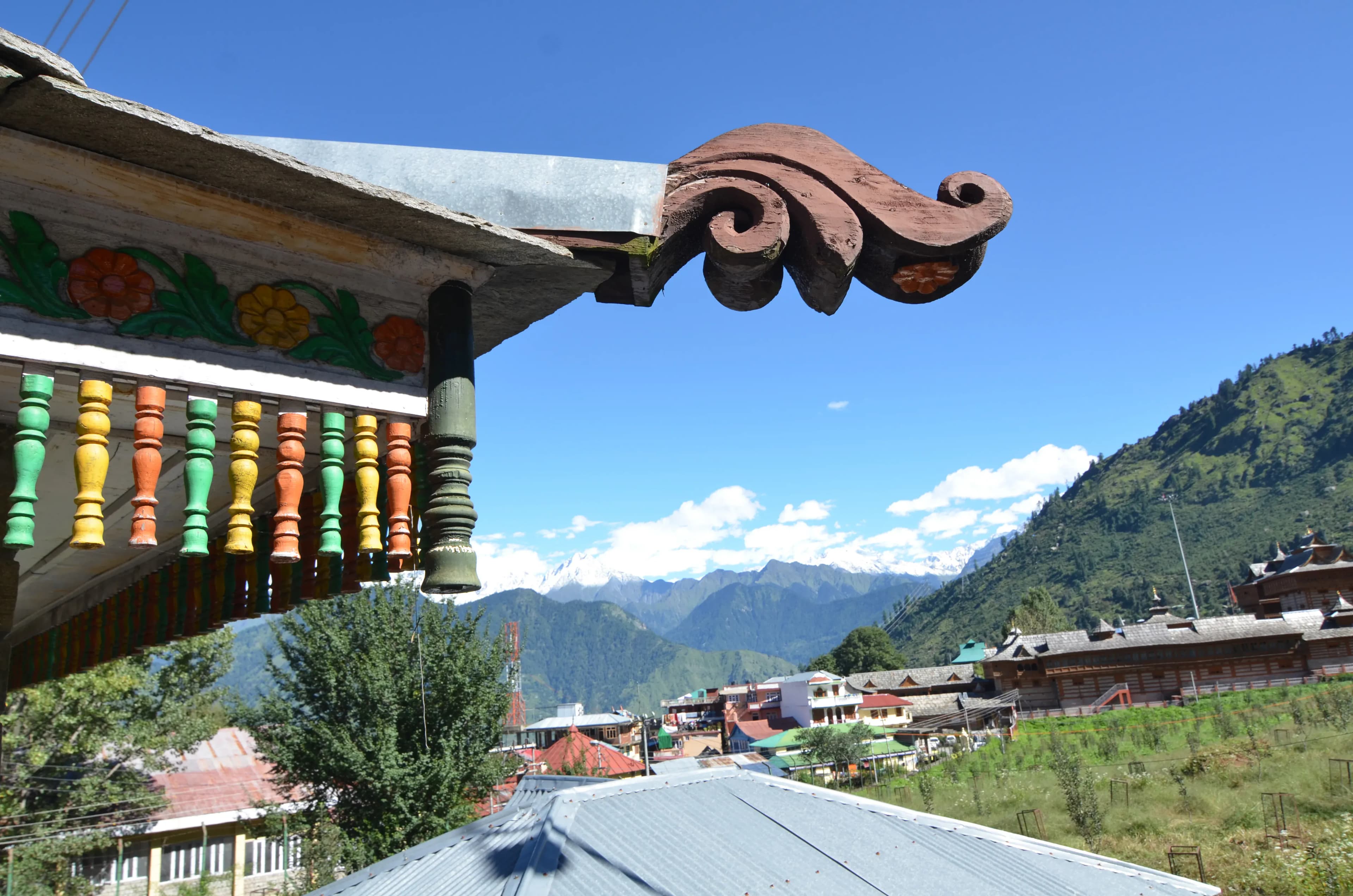
Bhimakali Temple Sarahan
Nestled in the serene hills of Himachal Pradesh, the Bhimakali Temple at Sarahan is an architectural marvel dating back to 800 CE during the Rajput period ([1]). Its unique kath-khuni (wood-stacked) style, a vernacular adaptation to the region's climate, showcases a distinct Himalayan architectural tradition ([2]). The Bushahr rulers, as patrons, significantly influenced the temple's design and construction ([3]). Dominating the Sarahan landscape, the temple complex utilizes a combination of wood, stone, slate, and metal, reflecting the readily available resources and blending seamlessly with the surrounding environment ([4]). The tiered wooden roofs, a characteristic feature, not only provide structural stability but also effectively manage heavy snowfall ([5]). Intricate carvings embellish the wooden facades, depicting deities and mythical creatures, demonstrating the craftsmanship passed down through generations ([6]). Within the Garbhagriha (Sanctum), the temple enshrines Bhimakali, a fierce manifestation of Durga, represented by a revered brass image ([3]). Furthermore, smaller shrines dedicated to Lakshmi Narayan and Lord Shiva are also present within the complex, each displaying meticulous craftsmanship ([4]). The temple's design possibly incorporates principles similar to those outlined in ancient texts like the Manasara Shilpa Shastra, which discusses temple construction and iconography, although specific textual references for this temple remain to be confirmed ([7]). Enchanting panoramic views and the gentle flutter of prayer flags enhance the spiritual ambiance of the temple, creating a profound sense of tranquility ([5]). This architectural gem not only preserves the cultural heritage of the Himalayas but also stands as a testament to the ingenuity and artistic skills of its creators ([1][2]). The Bhimakali Temple continues to inspire awe and reverence, drawing visitors and devotees alike to experience its unique blend of art, architecture, and spirituality ([6]).

Khao Phra Viharn Sisaket
The Temple of Preah Vihear, known in Thailand as Khao Phra Viharn Sisaket, is an ancient Hindu temple dedicated to Lord Shiva, situated atop a 525-meter cliff in the Dângrêk Mountains [5]. This architectural complex, located in the Kantharalak District of Sisaket Province, Thailand, and bordering Cambodia, represents an outstanding masterpiece of Khmer architecture, deeply rooted in the continuous tradition of Indian civilization [1] . Its design is considered exceptionally 'pure' in both its overall plan and the intricate details of its decoration, reflecting the sophisticated indigenous architectural styles that flourished under the Khmer Empire, drawing heavily from Indian prototypes [1] [2]. The temple's construction primarily utilized red siliceous sandstone and laterite, employing traditional construction techniques that demonstrate advanced engineering for its period [4]. The site is characterized by a unique architectural layout, comprising a series of sanctuaries linked by a long processional axis, which is unusual among Khmer temples due to its orientation along a north-south axis rather than the typical east-west alignment [3] [4]. This distinctive arrangement is dictated by the dramatic topography of the mountain, with successive gopuras (entrance pavilions) and courtyards leading upwards to the main sanctuary, creating a powerful visual and spiritual ascent [1]. The decorative elements include elaborate carvings of devatas, apsaras, lintels, and pediments, which are integral to the Khmer aesthetic and reflect Hindu mythological narratives, a testament to the enduring cultural legacy transmitted from India [2]. The temple's structural integrity, despite its age and challenging location, highlights the advanced understanding of materials and construction techniques prevalent in Khmer culture [4]. Conservation efforts are ongoing to preserve its distinctive architectural features and ensure its long-term stability [4]. The site is maintained for visitor access, offering a tangible connection to India's millennia-spanning heritage and the continuous evolution of its cultural traditions across Southeast Asia. The operational readiness of the site supports its role as a significant cultural and historical landmark [1].
Palani Murugan Temple Palani
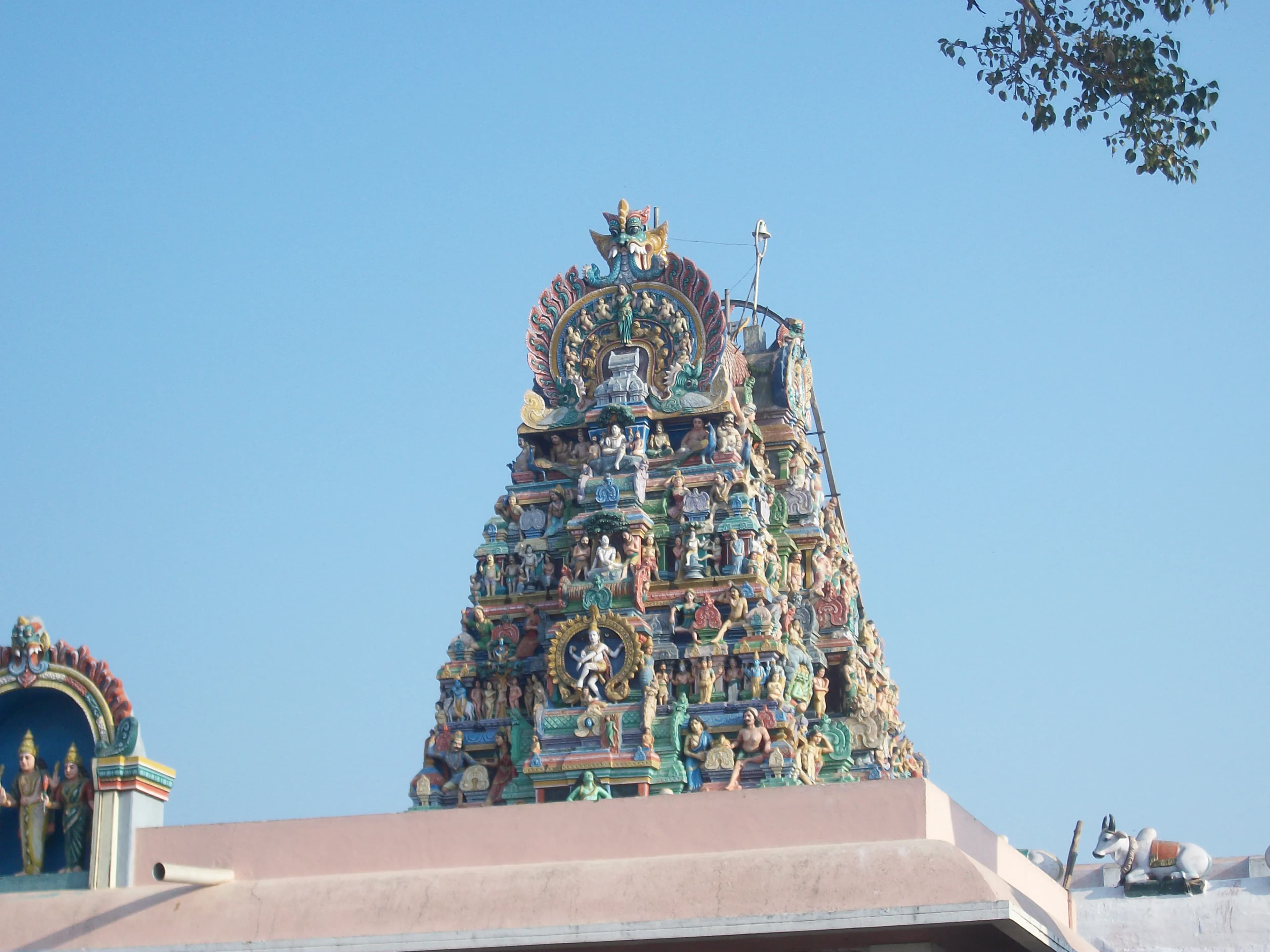
The air, thick with incense and the murmur of countless prayers, vibrated around me as I ascended the steep steps leading to the Palani Murugan Temple. Having explored the sandstone grandeur of Rajasthan's forts and palaces for years, I was eager to experience the distinct architectural and spiritual landscape of this South Indian pilgrimage site. The climb itself, a physical manifestation of devotion, offered glimpses of Palani sprawling below, the town cradled by the rolling hills. Pilgrims, some choosing the arduous penance of climbing barefoot, their faces etched with determination, moved with a quiet reverence that was palpable. Reaching the summit, I was immediately struck by the temple's unique construction. Unlike the ornate carvings and expansive courtyards I was accustomed to, the Palani temple, dedicated to Lord Muruga, presented a more austere aesthetic. The main shrine, known as the Dhandayuthapani Swami Temple, is built primarily from granite, its dark grey stone a stark contrast to the vibrant colours of the surrounding landscape. The architecture is characteristically Dravidian, with a gopuram, though smaller than those found in other major South Indian temples, marking the entrance. Instead of elaborate sculptures, the focus here seemed to be on the raw power of the deity and the unwavering faith of the devotees. Inside the sanctum sanctorum, the air crackled with an almost tangible energy. The deity, Lord Muruga, is represented by a statue not of stone or metal, but of a unique alloy called Navapashanam, said to possess potent medicinal properties. The simplicity of the idol, devoid of opulent adornments, seemed to amplify its spiritual significance. Photography is strictly prohibited within the inner sanctum, a rule I respected, allowing myself to fully absorb the atmosphere and the palpable devotion of the worshippers. The temple complex, though compact, is a labyrinth of smaller shrines, each dedicated to a different deity within the Hindu pantheon. I spent time exploring these, observing the intricate details of the metalwork on the doors and the subtle variations in the architectural styles. One particularly captivating feature was the golden chariot, used during festivals to carry the deity in procession. The craftsmanship was exquisite, the metal gleaming under the filtered sunlight that streamed through the temple corridors. Beyond the spiritual aspects, the temple also offered a fascinating glimpse into the social fabric of the region. The diversity of the pilgrims, representing different social and economic backgrounds, united in their devotion, was a powerful testament to the enduring influence of faith. I observed families sharing simple meals, vendors selling flowers and religious offerings, and the constant hum of chants and prayers creating a unique soundscape. Descending the hill, I chose the rope car, offering a panoramic view of the landscape. The experience, though physically demanding, was profoundly enriching. The Palani Murugan Temple, with its unique architecture, powerful spiritual energy, and the unwavering faith of its devotees, offered a starkly different, yet equally compelling, experience compared to the majestic forts and palaces of my home state. It was a reminder that the essence of heritage lies not just in the grandeur of structures, but in the intangible threads of faith, devotion, and the shared human experience that bind us across cultures and geographies.
Ramappa Temple Palampet
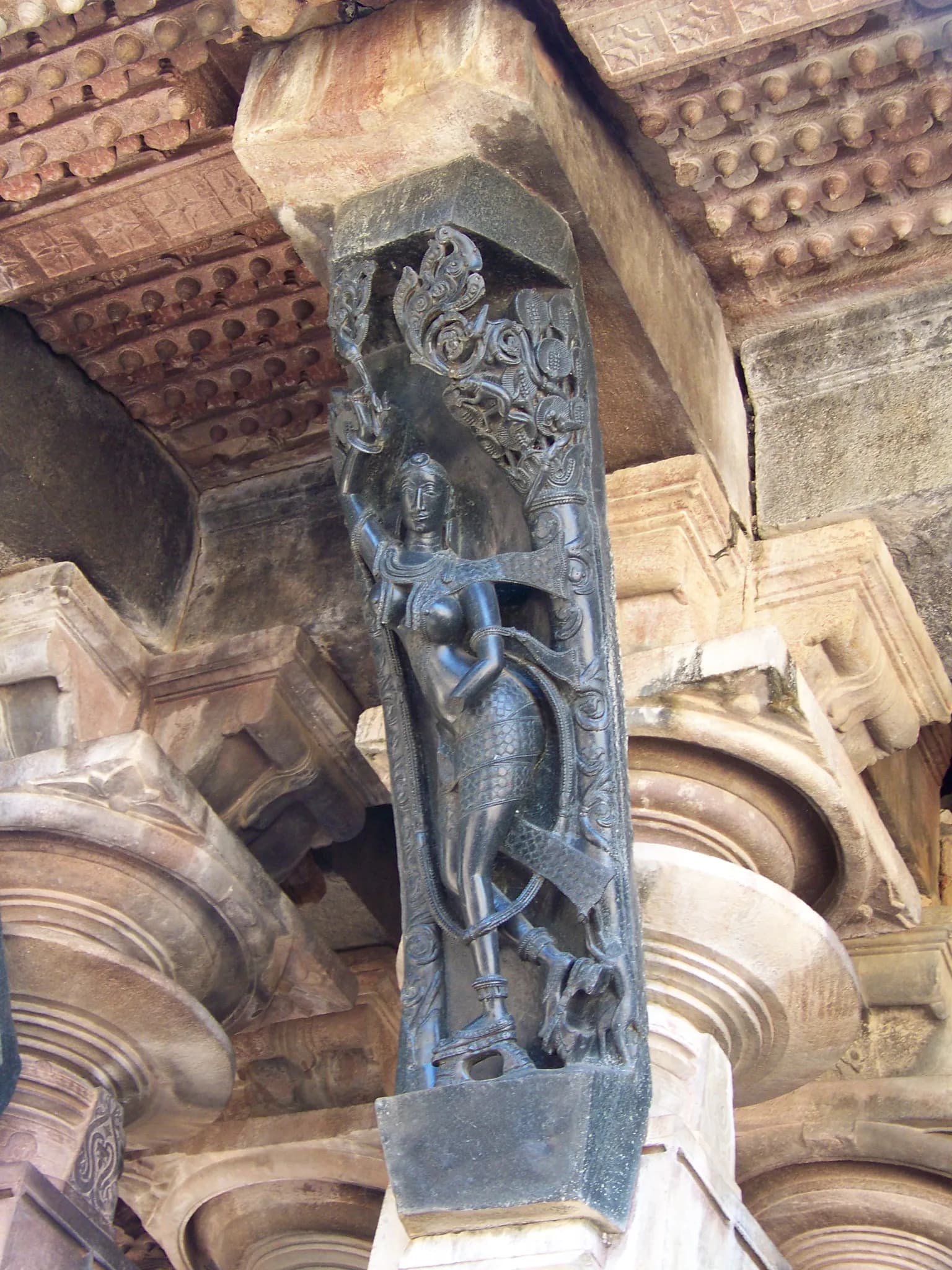
The midday sun beat down on the star-shaped platform of the Ramappa Temple, the heat radiating off the sandstone in shimmering waves. Having explored countless caves and temples across Maharashtra, I’ve developed a keen eye for architectural nuances, and Ramappa, nestled in the heart of Telangana, offered a feast for the senses unlike any I'd encountered before. This wasn't just another ancient temple; it was a testament to the Kakatiya dynasty's innovative spirit and artistic prowess. The temple, dedicated to Lord Shiva in his manifestation as Ramalingeswara, stands as a proud survivor of centuries past. Its sandbox foundation, a unique feature I hadn't seen elsewhere, is said to have protected it from earthquakes, a testament to the Kakatiyan architects' ingenuity. As I circumambulated the main shrine, I noticed the slight incline of the walls, a subtle detail that enhances the perception of height and grandeur. The intricate carvings that adorned every inch of the temple left me spellbound. Unlike the robust sculptures of Maharashtra's temples, Ramappa's carvings possessed an ethereal quality. The slender celestial nymphs, or *apsaras*, seemed to float across the stone, their delicate features and flowing garments captured in exquisite detail. I spent a considerable amount of time studying the bracket figures supporting the eaves; miniature marvels depicting dancers, musicians, and mythical creatures, each one a masterpiece in miniature. The famed *madaniks*, or bracket figures, were particularly captivating, their gravity-defying poses showcasing the sculptor's mastery over form and balance. One particular *madanika*, seemingly balancing on a single toe while playing a flute, captured my attention for its sheer artistry. Inside the sanctum sanctorum, the atmosphere was palpably different. The dimly lit space, with its massive Shiva lingam, exuded a sense of serenity and reverence. The polished black basalt of the lingam contrasted sharply with the warm sandstone of the surrounding walls, creating a visually striking effect. While photography wasn't permitted inside the sanctum, the image of the lingam, bathed in the soft glow of oil lamps, remains etched in my memory. Beyond the main shrine, the temple complex encompasses several smaller shrines and mandapas. The Nandi mandapa, housing a colossal Nandi bull facing the main shrine, was particularly impressive. The Nandi, carved from a single block of black basalt, radiated a sense of quiet strength and devotion. I noticed the intricate detailing on the Nandi's ornamentation, a testament to the sculptor's meticulous craftsmanship. One of the most striking aspects of Ramappa Temple is its use of floating bricks. These lightweight bricks, locally known as "porous bricks," are said to have been used in the construction of the *shikhara*, or tower. I was fascinated by their lightness and porous texture, a stark contrast to the dense sandstone used for the rest of the temple. These bricks, according to local lore, could float on water, a testament to the Kakatiyans' advanced knowledge of material science. As I walked through the temple complex, I couldn't help but marvel at the Kakatiyan architects' vision and skill. They had not only created a place of worship but also a masterpiece of art and engineering. The interplay of light and shadow, the intricate carvings, the innovative use of materials – all these elements combined to create a truly unforgettable experience. Ramappa Temple is not just a UNESCO World Heritage Site; it is a living testament to the ingenuity and artistic brilliance of a bygone era, a must-see for anyone seeking to explore the rich architectural heritage of India. It stands as a powerful reminder that even amidst the relentless march of time, beauty and artistry can endure.

Shri Ramnath Temple Bandora
The ochre walls of Shri Ramnath Temple, nestled amidst the emerald embrace of Bandora's foliage, exuded a tranquility that instantly captivated me. This wasn't the imposing grandeur of some of the larger Goan temples, but a quiet dignity, a whispered history etched into the laterite stone and whitewashed plaster. The temple, dedicated to Lord Rama, felt deeply rooted in the land, a testament to the enduring syncretism of Goan culture. My first impression was one of intimate enclosure. A modest courtyard, paved with uneven stones worn smooth by centuries of footsteps, welcomed me. The main entrance, a relatively unadorned gateway, didn't prepare me for the burst of colour within. The deep red of the main temple structure, contrasted against the white of the surrounding buildings, created a vibrant visual harmony. The architecture, while predominantly influenced by the regional Goan style, hinted at subtle elements borrowed from other traditions. The sloping tiled roof, a hallmark of Goan temple architecture, was present, but the detailing around the windows and doorways showcased a delicate intricacy reminiscent of some of the older temples I've encountered in Karnataka. Stepping inside the main sanctum, I was struck by the palpable sense of devotion. The air, thick with the fragrance of incense and flowers, hummed with a quiet energy. The deity of Lord Ramnath, flanked by Sita and Lakshman, held a serene presence. Unlike the ornate, heavily embellished idols found in some temples, these felt more grounded, more accessible. The simple adornments, the soft lighting, and the intimate scale of the sanctum fostered a sense of personal connection, a direct line to the divine. What truly fascinated me, however, were the intricate carvings that adorned the wooden pillars supporting the mandap, or the covered pavilion. These weren't mere decorative flourishes; they narrated stories. Episodes from the Ramayana unfolded in intricate detail, each panel a miniature masterpiece. The battle scenes were particularly captivating, the dynamism of the figures captured with remarkable skill. I spent a considerable amount of time studying these panels, tracing the narrative flow with my fingers, marveling at the artistry and the devotion that had gone into their creation. The temple complex also houses smaller shrines dedicated to other deities, including Lord Ganesha and Lord Hanuman. Each shrine, while distinct, maintained a stylistic coherence with the main temple. This architectural unity, this seamless blending of different elements, spoke volumes about the community that had built and maintained this sacred space. As I wandered through the courtyard, I noticed a small, almost hidden, well. The priest, noticing my interest, explained that the well was considered sacred and its water used for ritual purposes. This integration of natural elements into the temple complex, this reverence for water as a life-giving force, resonated deeply with me. It reminded me of the ancient Indian architectural principles that emphasized the harmonious coexistence of the built environment and the natural world. Leaving the Shri Ramnath Temple, I carried with me not just images of intricate carvings and vibrant colours, but a sense of having touched a living history. This wasn't just a monument; it was a vibrant hub of faith, a testament to the enduring power of belief, and a beautiful example of how architectural traditions can evolve and adapt while retaining their core essence. The quiet dignity of the temple, its intimate scale, and the palpable devotion within its walls left an indelible mark on my mind, a reminder of the rich tapestry of cultural narratives woven into the fabric of India.
Kelaniya Raja Maha Vihara Colombo Sri Lanka
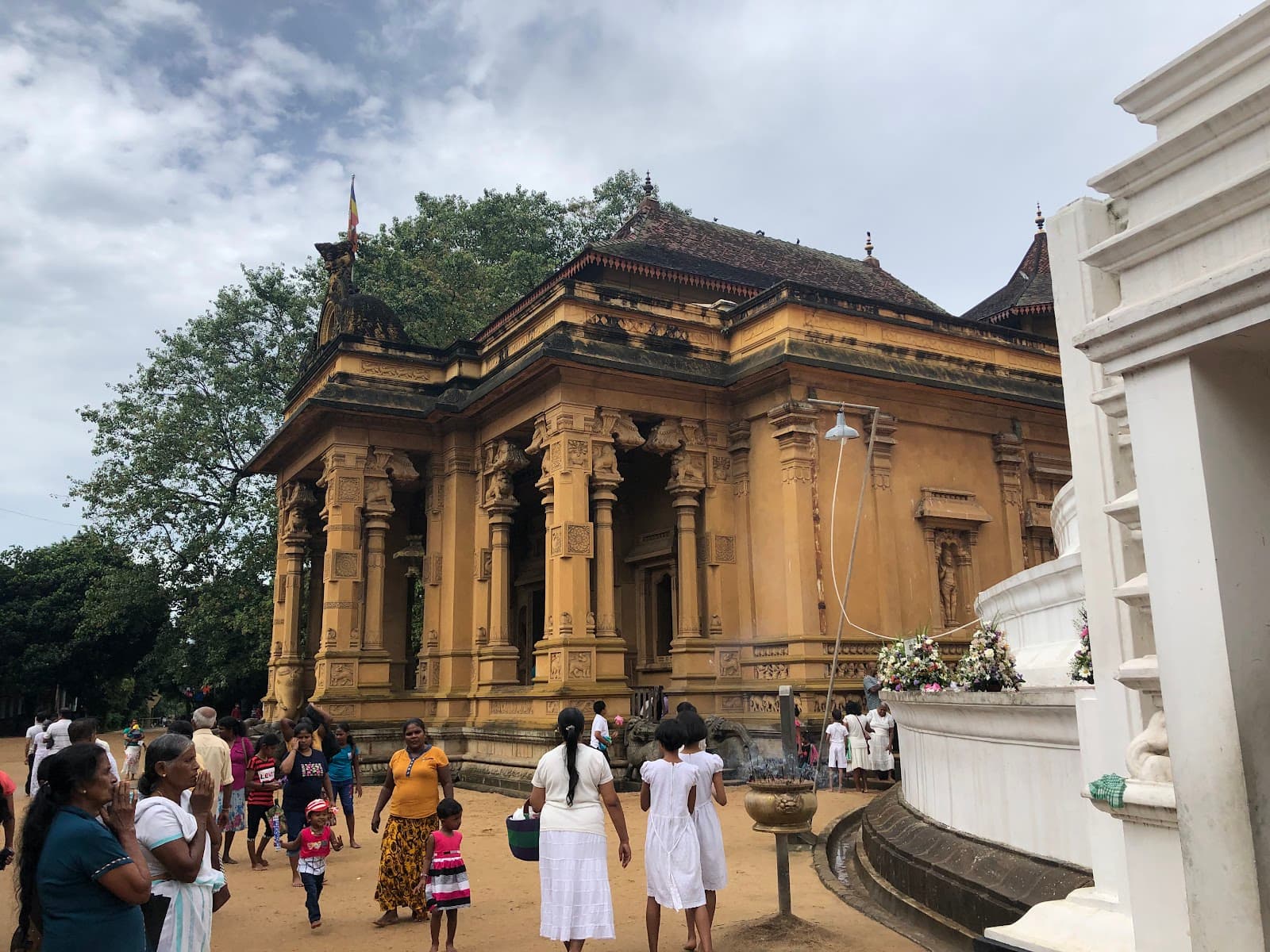
Kelaniya Raja Maha Vihara, dramatically situated on the banks of the Kelani River near Colombo, represents one of the most extraordinary and historically significant Buddhist temples in Sri Lanka, with lore tracing its origins back to the 6th century BCE when the Buddha is believed to have visited the site during his third visit to Sri Lanka, creating a powerful testament to the profound transmission of Indian Buddhist religious traditions to Sri Lanka and serving as a major center of Buddhist worship that integrates a Vishnu shrine, demonstrating the sophisticated religious syncretism that has characterized Sri Lankan religious practices. The temple complex, also known as Kelaniya Temple, features sophisticated architectural elements that demonstrate the direct transmission of Indian Buddhist temple architecture, particularly the traditions of northern India during the time of the Buddha, with local adaptations that reflect the sophisticated synthesis of Indian Buddhist religious and artistic traditions with Sri Lankan building techniques, while the temple's most remarkable feature is its association with the Buddha's visit, which is documented in ancient chronicles including the Mahavamsa and represents one of the most important events in the history of Buddhism in Sri Lanka. The temple's architectural layout, with its central stupa, image house, and assembly halls, follows sophisticated Indian Buddhist monastery planning principles that were systematically transmitted from the great monastic centers of India, while the temple's extensive decorative programs including murals, sculptures, and architectural elements demonstrate the sophisticated synthesis of Indian Buddhist iconography and artistic traditions with local Sri Lankan aesthetic sensibilities. Archaeological evidence reveals that the temple served as a major center of Buddhist worship for over two and a half millennia, attracting pilgrims from across Sri Lanka and South India, while the discovery of numerous inscriptions in Sinhala, Tamil, and Sanskrit provides crucial evidence of the site's role in the transmission of Indian Buddhist texts and practices to Sri Lanka, demonstrating the sophisticated understanding of Indian Buddhist traditions possessed by the temple's patrons and religious establishment. The temple's unique feature of integrating a Vishnu shrine within the Buddhist temple complex demonstrates the sophisticated religious syncretism that has characterized Sri Lankan religious practices, while the temple's association with the Kelani River, which flows into the Indian Ocean, underscores its significance as a center for the transmission of Buddhist teachings, art, and culture from India to Sri Lanka. The temple complex has undergone multiple reconstructions throughout its history, with the current structure representing a modern reconstruction that faithfully preserves the temple's original architectural character and spiritual significance, while ongoing archaeological research continues to reveal evidence of the temple's ancient origins and its role in the transmission of Indian religious traditions to Sri Lanka. Today, Kelaniya Raja Maha Vihara stands as one of the most important Buddhist pilgrimage sites in Sri Lanka, serving as a powerful testament to the transmission of Indian Buddhist culture and architecture to Sri Lanka, while ongoing archaeological research and conservation efforts continue to protect and study this extraordinary cultural treasure that demonstrates the profound impact of Indian civilization on Sri Lankan religious and artistic traditions. ([1][2])
Chamunda Devi Temple Kangra
The Chamunda Devi Temple, located in the village of Chamunda Devi, Kangra, Himachal Pradesh, India, stands as a profound testament to India's millennia-spanning cultural heritage and the continuous tradition of indigenous temple architecture [1]. Dedicated to Shri Chamunda Devi, a fierce manifestation of Goddess Durga, this sacred site embodies the enduring spiritual practices and artistic expressions that have flourished in the Indian subcontinent for thousands of years [2]. The temple primarily exhibits the indigenous Pahari architectural style, characterized by its adaptation to the mountainous terrain, alongside elements of the Nagara and Latina Nagara styles, reflecting a rich synthesis of regional and pan-Indian architectural traditions [4] [5]. The main shrine, constructed around the 16th-17th century CE, is a significant example of Himachali architecture, often featuring a wooden structure with intricate carvings and a sloping roof designed to withstand the region's climate [5] [2]. While specific dimensions are not widely documented, the temple complex is designed to accommodate a substantial flow of devotees, indicating a considerable structural footprint [1]. The sanctum sanctorum houses the sacred idol of Goddess Chamunda, which is traditionally adorned with red and black cloths, garlands of flowers, and sometimes lemons, rather than skulls, signifying a localized interpretation of the deity [1]. Flanking the main entrance of the sanctum are idols of Hanuman and Bhairav, revered as the guardians of Goddess Chamunda [1]. Within the temple complex, a 'Kund' (a sacred lake or pond) is present, where devotees traditionally perform ritualistic dips for purification, highlighting the continuity of ancient Indian water management and spiritual practices [1]. A marble staircase within the complex leads to a cave housing a Shiva Linga, further emphasizing the syncretic nature of Hindu worship at the site, where Shiva and Shakti are believed to reside together, leading to its alternative name, Chamunda Nandikeshwar Dham [1]. The temple's construction utilizes traditional local materials, ensuring resilience in design against the challenging mountain environment [4] . Conservation efforts are ongoing, with organizations like the Inheritage Foundation engaging volunteers for documentation, research, and site maintenance, including 3D documentation using photogrammetry and drone photography, to preserve its structural integrity and cultural value [3]. The temple is an active center of worship, with daily aartis and free langar (community kitchen) services provided by the temple trust, accommodating a continuous flow of pilgrims throughout the year [1]. It also operates a Sanskrit Mahavidyalaya, preserving ancient Indian knowledge systems [1]. The site is operationally ready, ensuring accessibility and facilities for visitors, including proper parking, water, and toilet systems, and security personnel [1].
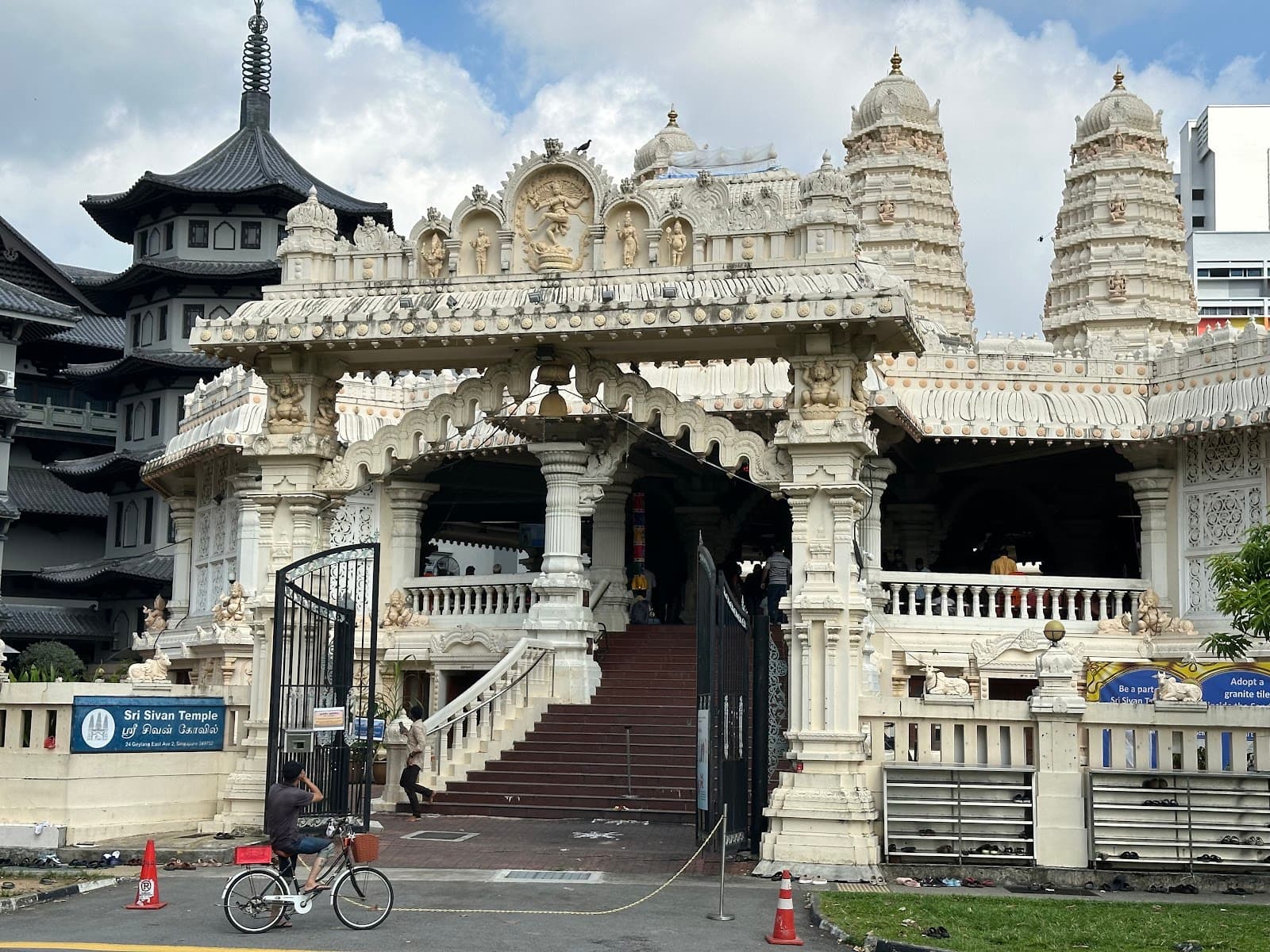
Sri Sivan Temple Singapore
Sri Sivan Temple, whose roots date to an 1850s attap shrine in Orchard Road, stands today in Geylang as the city’s primary Saiva Siddhanta temple featuring a rare octagonal sanctum, modern gopuram, and roof skylights that bathe Sri Kariamman and Sri Sivan in natural light ([1][2]). The current complex, consecrated in 1993 and managed by the Hindu Endowments Board, opens daily 6:30 AM-12:00 PM and 6:00 PM-9:00 PM with six daily puja kalam: Kala Shanthi, Uchikalam, Sayarakshai, Arthajama, and special pradosham rites; the prasadam hall and courtyard serve vegetarian meals, while classrooms host Saiva Siddhanta, Tamil, music, and yoga lessons. The temple is celebrated for its annual Maha Sivarathiri (overnight vigil), Panguni Uthiram, Pradosham, and Navaratri, and for its second-storey columbarium, a unique adaptation supporting contemporary Hindu funerary practices. Community services include annadhanam, counselling, legal aid, health screenings, and seniors’ programmes orchestrated with People’s Association and Health Promotion Board. During COVID-19, the temple provided virtual darshan, vaccination outreach, and relief parcels for vulnerable residents. Integrated AV systems, livestream studios, LED relighting, BMS climate controls, and CCTV sustain safe operations, while heritage tours highlight the temple’s evolution from Orchard Road to Dhoby Ghaut and finally Geylang, mapping Singapore’s urban transformation ([1][3]).
Quick Links
Plan Your Heritage Journey
Get personalized recommendations and detailed visitor guides