Has Inheritage Foundation supported you today?
Your contribution helps preserve India's ancient temples, languages, and cultural heritage. Every rupee makes a difference.
Secure payment • Instant 80G certificate
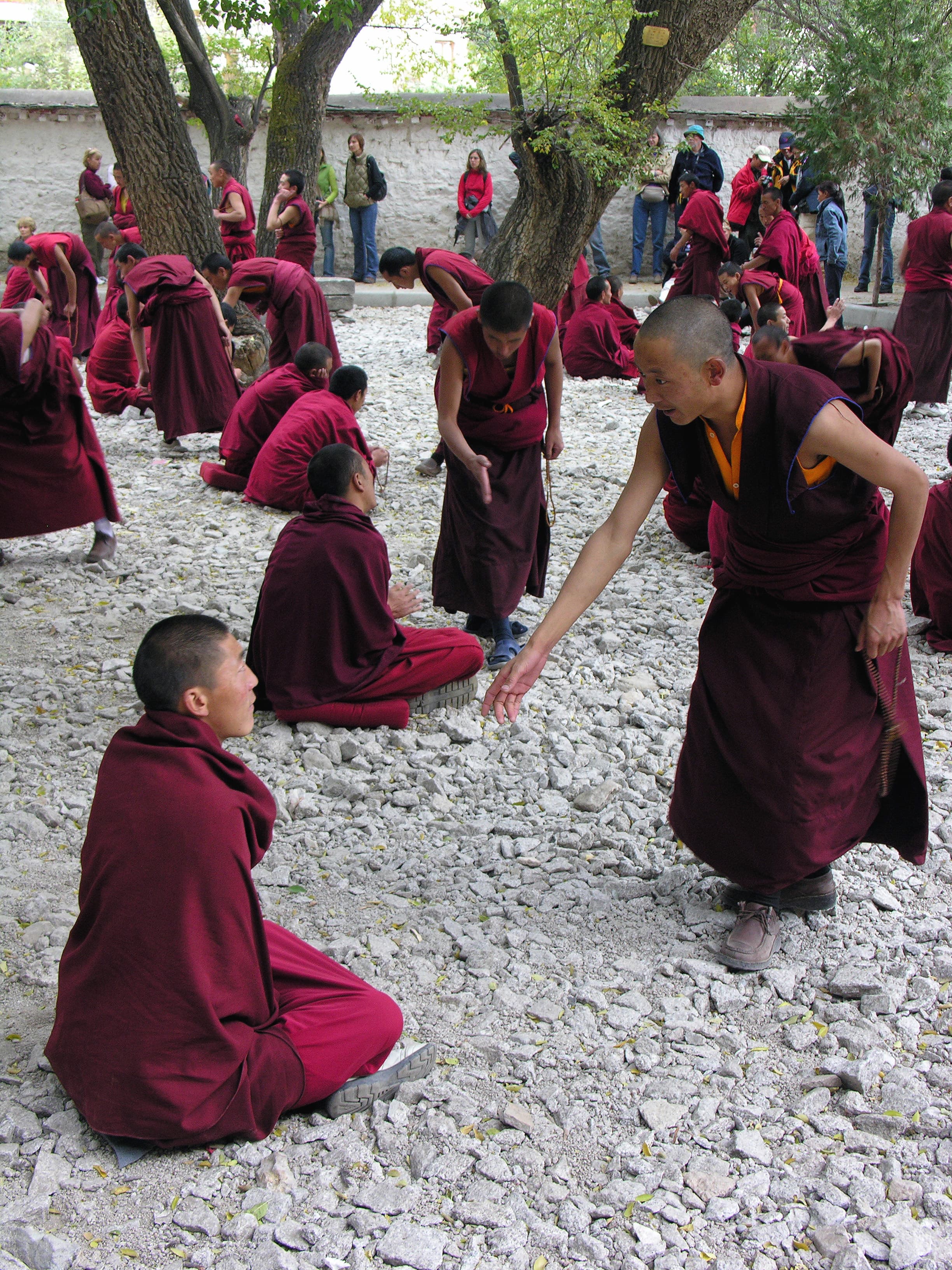
Sera Monastery Lhasa Tibet
Sera Monastery, located in Lhasa, Tibet, represents one of the three great Gelugpa monasteries in Tibet and stands as a major center for Tibetan Buddhist learning, particularly renowned for its debate courtyards where monks engage in philosophical debates using methods derived from Indian Buddhist debate traditions, constructed in the 15th century CE by Jamchen Chojey, a disciple of Tsongkhapa who established the Gelugpa school with strong connections to Indian Buddhist scholastic traditions, demonstrating the profound transmission of Indian Buddhist philosophy and debate traditions to Tibet, which has maintained deep cultural, religious, and historical connections with India for over two millennia. The monastery complex, constructed primarily from stone, wood, and earth with extensive decorative elements, features a massive structure containing numerous temples, chapels, assembly halls, and extensive debate courtyards arranged according to Indian Buddhist monastery planning principles, with the overall design reflecting mandala-based cosmological principles found in Indian Buddhist architecture. The monastery’s architectural design demonstrates direct influence from Indian Buddhist monastery architecture, particularly the Nalanda model, with the debate courtyards and learning facilities reflecting traditions that were transmitted to Tibet through centuries of cultural exchange, while the emphasis on Indian Buddhist debate traditions demonstrates the transmission of Indian Buddhist philosophy to Tibet. Archaeological and historical evidence indicates the monastery was constructed with knowledge of Indian Buddhist debate traditions and scholastic methods, reflecting the close cultural connections between Tibet and India during the medieval period, when Indian Buddhist scholars, texts, and philosophical traditions continued to influence Tibetan Buddhism. The monastery has served as a major center for Tibetan Buddhist learning and practice for over five centuries, maintaining strong connections to Indian Buddhist traditions through the study and practice of Indian Buddhist debate methods and philosophy. The monastery has undergone multiple expansions and renovations over the centuries, with significant additions conducted to accommodate growing numbers of monks and expanding educational programs. Today, Sera Monastery continues to serve as an important place of Buddhist worship and learning in Tibet, demonstrating the enduring influence of Indian Buddhist debate traditions on Tibetan culture and serving as a powerful symbol of Tibet’s deep connections to Indian civilization through the study and practice of Indian Buddhist philosophy. ([1][2])
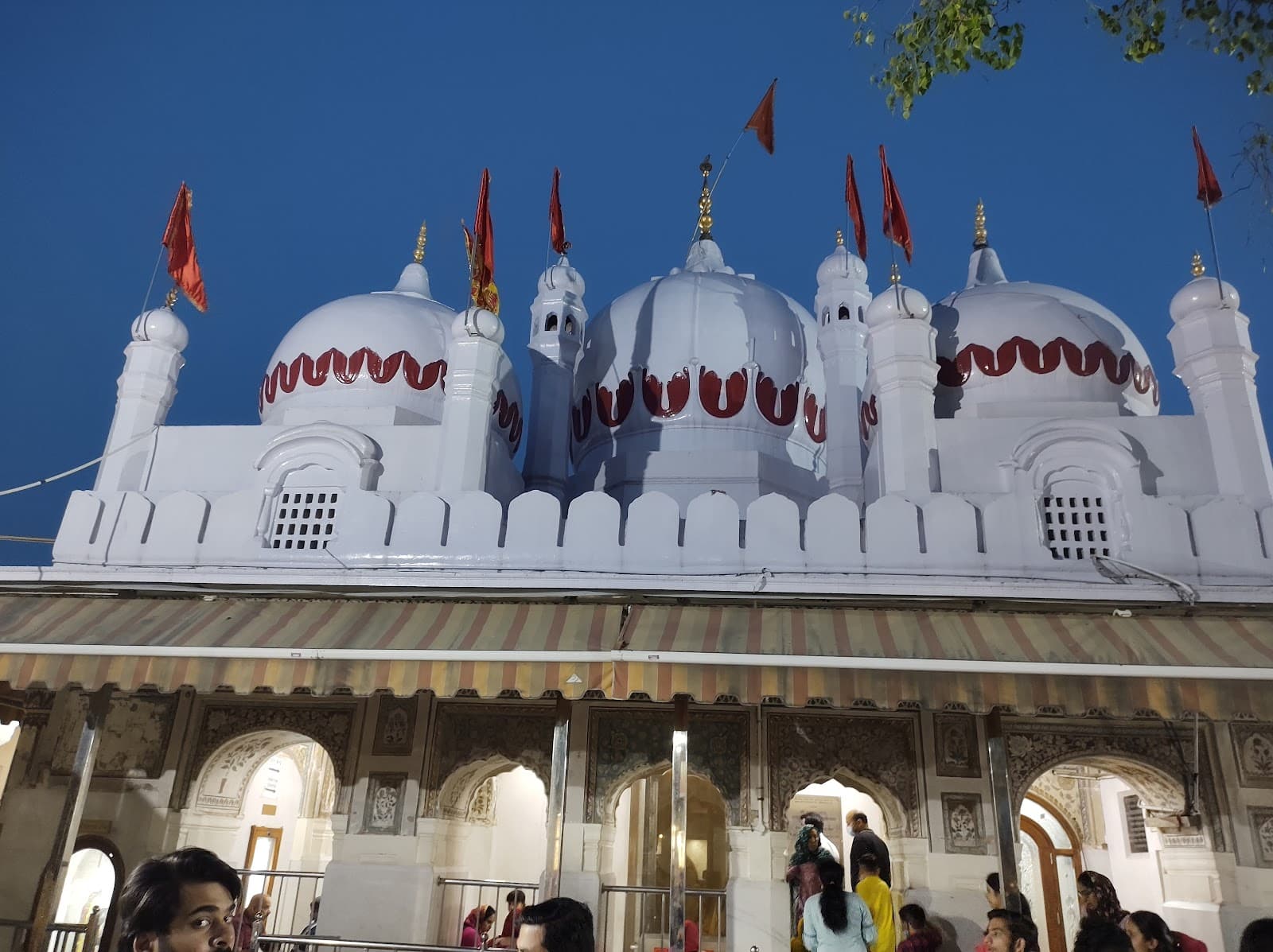
Mata Mansa Devi Mandir Panchkula
The cable car ascent to Mata Mansa Devi Mandir offered a breathtaking panorama of the Shivalik foothills. The sprawling complex, nestled amidst verdant slopes in Panchkula, Haryana, unfolded below, a tapestry of ochre and saffron against the green. Even from afar, the vibrant energy of the place was palpable, a hum of devotion that resonated across the landscape. Stepping off the cable car, I was immediately immersed in a sea of humanity. Pilgrims from all walks of life thronged the courtyard, their faces etched with a mixture of hope and reverence. The air was thick with the scent of incense and marigolds, punctuated by the rhythmic clang of temple bells. My camera, a constant companion, felt almost inadequate to capture the sheer scale of the scene, the raw emotion that hung heavy in the air. The main temple, dedicated to Mata Mansa Devi, an incarnation of Shakti, is a study in North Indian temple architecture. The shikhara, the towering curvilinear spire, dominates the skyline, its surface intricately carved with depictions of deities and celestial beings. The vibrant hues of saffron and red, traditionally associated with Shakti, lend the temple a powerful, almost regal presence. I spent a considerable amount of time documenting the intricate carvings, noticing the subtle variations in style and the remarkable preservation despite the passage of time. The stone, worn smooth in places by the touch of countless devotees, seemed to whisper stories of centuries of faith. Inside the temple, the atmosphere was electric. Devotees pressed forward, eager to offer their prayers and receive the blessings of the goddess. The walls were adorned with vibrant murals depicting scenes from Hindu mythology, adding another layer of visual richness to the space. The low, chanting prayers created a hypnotic backdrop, a rhythmic pulse that seemed to synchronize with the beating of my own heart. While photography was restricted within the sanctum sanctorum, I managed to capture the essence of the devotion, the quiet moments of reflection on the faces of the pilgrims. Beyond the main temple, the complex sprawls across the hillside, encompassing smaller shrines, shaded courtyards, and even a small museum. I was particularly drawn to the ancient peepal tree, its branches laden with sacred threads tied by devotees as symbols of their wishes and prayers. The tree, a silent witness to generations of faith, exuded a palpable sense of tranquility. Its gnarled roots, exposed in places, seemed to grip the earth with an almost primal force. One aspect that struck me was the seamless blend of the old and the new. While the temple itself is steeped in history, the complex also incorporates modern amenities like the cable car and well-maintained facilities for pilgrims. This delicate balance between preserving heritage and catering to contemporary needs is commendable. As the sun began to dip below the horizon, casting long shadows across the hillside, I found myself drawn back to the main courtyard. The evening aarti, a Hindu ritual of worship, was about to commence. The air crackled with anticipation as the priests prepared the offerings. The chanting intensified, accompanied by the rhythmic beat of drums and the melodic strains of devotional songs. The flickering flames of the lamps illuminated the faces of the devotees, creating a mesmerizing tableau of faith and devotion. Leaving Mata Mansa Devi Mandir, I felt a profound sense of peace and connection. The experience transcended mere documentation; it was a journey into the heart of faith, a testament to the enduring power of belief. The images I captured, I knew, were more than just photographs; they were fragments of a living, breathing tradition, a glimpse into the spiritual tapestry of India.

The Hindu Temple Dimapur
The air, thick with the scent of damp earth and unfamiliar blossoms, hung heavy as I climbed the steps leading to the Hindu temple in Dimapur. This wasn't the North India I knew, the one of Mughal forts and Rajput palaces. This was something altogether different, a splash of vibrant saffron and ochre against the backdrop of Nagaland's emerald hills, a testament to the intricate tapestry of faith that colours India. The temple, dedicated to Lord Shiva, stands as a surprising beacon of familiarity in this predominantly Christian state. It isn't ancient, unlike the weathered temples I've encountered across the Gangetic plains. Instead, it possesses a youthful energy, its brightly painted walls radiating a sense of renewal. The architecture, while adhering to traditional North Indian temple design, incorporates local Naga motifs. I noticed intricate wood carvings adorning the pillars flanking the entrance, depicting stylized floral patterns reminiscent of Naga textiles. These weren't the elaborate, almost baroque carvings of, say, a Khajuraho temple, but they possessed a charming simplicity, a quiet elegance that resonated with the surrounding landscape. Stepping inside the main sanctum, the air vibrated with the low hum of chanting. A priest, his forehead smeared with vibhuti, performed the evening aarti. The flickering flames of the diyas danced across the deity's serene face, casting an ethereal glow on the assembled devotees. The scent of incense, sandalwood and something uniquely local, perhaps a wildflower I couldn't identify, filled the air. It was a sensory overload, yet strangely calming. What struck me most was the diversity of the congregation. Alongside local Hindus, I saw Naga tribals, their faces etched with curiosity and reverence. This wasn't just a place of worship; it was a melting pot of cultures, a space where different faiths intersected and coexisted. I spoke to a young Naga woman who told me she often visited the temple, drawn by the sense of peace it offered. She wasn't a Hindu, but she found solace in the temple's tranquil atmosphere, a testament to the unifying power of spirituality. The temple complex also houses a smaller shrine dedicated to Lord Ganesha. Here, the Naga influence was even more pronounced. The Ganesha idol, typically depicted with a plump belly and elephant head, was adorned with traditional Naga jewellery, a striking fusion of iconography. The walls surrounding the shrine were covered in murals depicting scenes from Hindu mythology, but with a distinct Naga twist. The characters wore Naga attire, the landscapes resembled the rolling hills of Nagaland, creating a unique visual narrative that blended the familiar with the unfamiliar. As I descended the temple steps, the sun began to dip below the horizon, painting the sky in hues of orange and purple. Looking back at the temple, bathed in the soft glow of twilight, I realized it represented more than just a religious site. It was a symbol of resilience, a testament to the enduring power of faith in a land far removed from its traditional heartland. It was a reminder that India's spiritual tapestry is woven with threads from diverse cultures, creating a rich and vibrant mosaic that continues to evolve and surprise. My journey through North India had taken me to countless ancient temples, each with its own unique story to tell. But this temple in Dimapur, with its youthful energy and its blend of tradition and local influence, held a special significance. It was a microcosm of India itself, a land of contrasts, where ancient traditions coexist with modern influences, where different faiths intersect and create something beautiful and new.
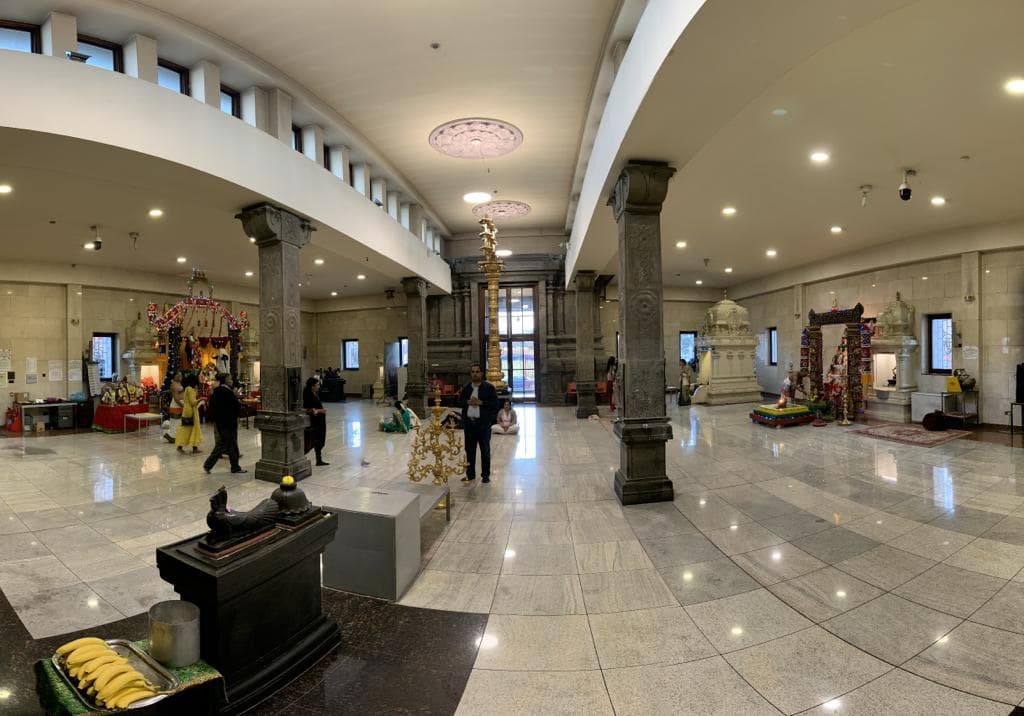
London Sri Murugan Temple
London Sri Murugan Temple, consecrated in 1984 and extensively rebuilt between 2002 and 2005, is Britain’s most prominent Tamil Saiva temple, crowned by a 52-foot rajagopuram adorned with 32,000 hand-painted stucco icons depicting the six abodes of Lord Murugan ([1][2]). The temple opens 8:00 AM-1:00 PM and 4:00 PM-8:30 PM daily, with suprabhatam at 7:30 AM, kalasa puja at 12:00 PM, and evening arti at 7:00 PM; priests trained in Jaffna and Chidambaram conduct six daily puja kalam, elaborate abhishekam, and monthly Thirukalyanam ceremonies. Pilgrims progress from the granite-clad mandapa to the sanctum of Sri Murugan with consorts Valli and Deivanai, flanked by shrines to Ganapathy, Ayyappan, Durga, Navagraha, and Lord Venkateswara, while the annadhanam kitchen serves weekday prasadam and the bhajan hall hosts Tamil music, Bharatanatyam, and nadeswaram classes ([1][3]). The temple supports Tamil language schools, immigration and welfare clinics, counselling, and diaspora archives; its annual Chariot Festival (Ther Thiruvila) and Thaipusam draw tens of thousands through Manor Park, coordinated with Newham Council, Metropolitan Police, TfL, and NHS crews. Volunteer operations manage crowd flow, security screening, recycling, and medical tents, while digital teams livestream festivals and daily worship worldwide. The temple’s facilities team monitors HVAC, underfloor heating, CCTV, and fire safety systems to safeguard devotees and the richly painted sanctum, sustaining a vibrant devotional and civic hub for London’s Tamil community ([1][4]).
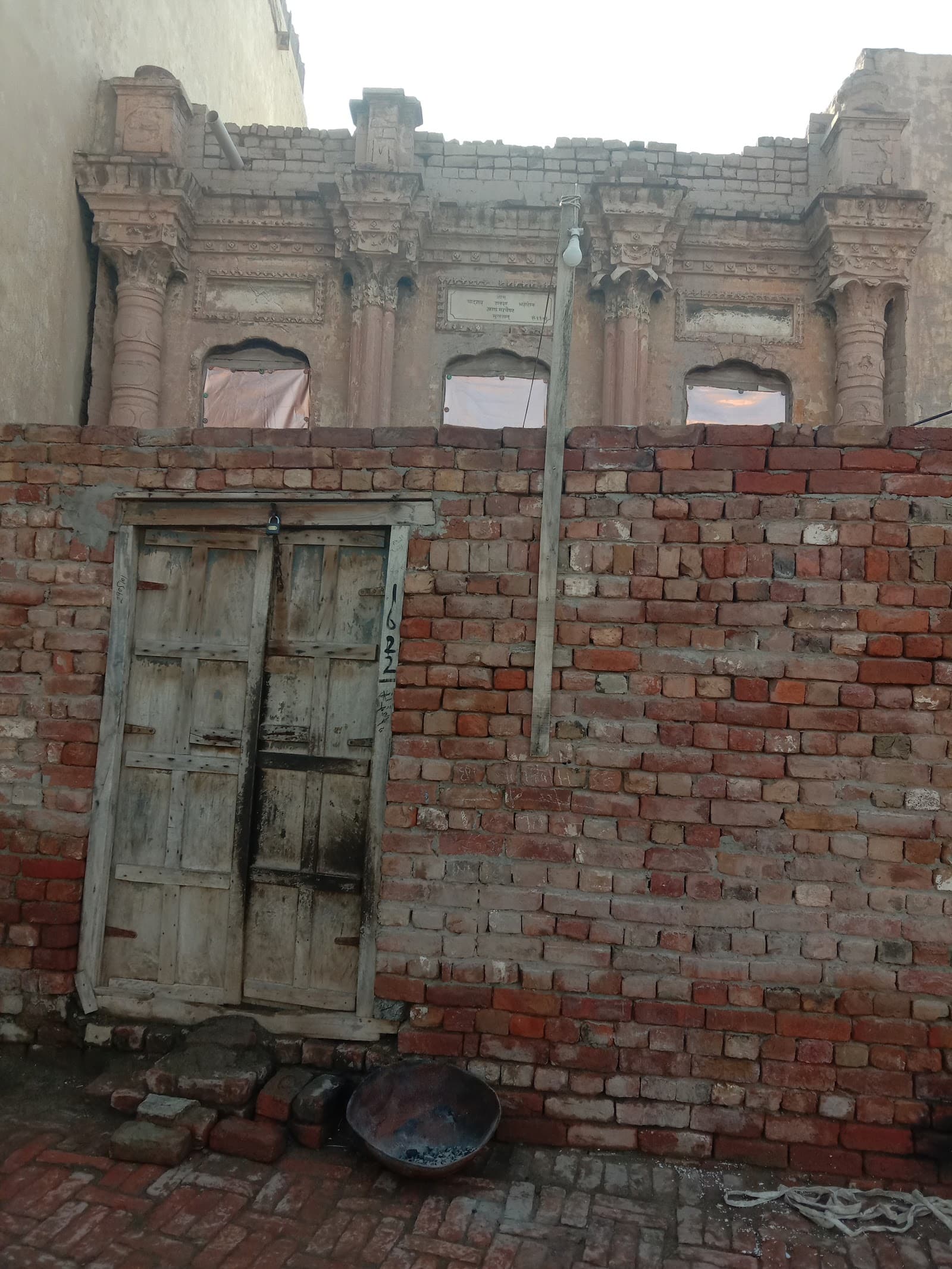
Multan Sun Temple Ruins Multan
The midday sun beat down on the dusty plains of Multan, casting long shadows across the uneven ground where the magnificent Multan Sun Temple once stood. Now, only fragmented remnants whisper tales of its former glory. As someone who has explored the intricate cave temples of Ajanta and Ellora, the robust rock-cut shrines of Elephanta, and the serene beauty of Karla Caves, I felt a pang of both familiarity and sadness standing amidst these ruins. While Maharashtra’s temples are testaments to enduring faith, the Multan Sun Temple stands as a poignant reminder of the fragility of heritage. The site, locally known as the Prahladpuri Temple, is believed to have been dedicated to the sun god Surya, though some scholars associate it with Aditya. Unlike the basalt structures I’m accustomed to in Maharashtra, this temple was primarily built of brick, a common building material in the Indus Valley region. The baked bricks, now weathered and crumbling, still bear the marks of intricate carvings, hinting at the elaborate ornamentation that once adorned the temple walls. I could discern traces of floral motifs, geometric patterns, and what appeared to be depictions of celestial beings, echoing the decorative elements found in some of Maharashtra's Hemadpanti temples. The sheer scale of the ruins is impressive. Scattered mounds of brick and debris suggest a structure of considerable size, possibly a complex of shrines and ancillary buildings. Local narratives speak of a towering temple, its shikhara reaching towards the heavens, covered in gold and glittering in the sunlight. While the gold is long gone, and the shikhara reduced to rubble, the energy of the place is palpable. I closed my eyes, trying to envision the temple in its prime, the chants of priests resonating, the air thick with the scent of incense, and the sun’s rays illuminating the golden spire. One of the most striking features of the site is the presence of a large, rectangular tank, possibly used for ritual ablutions. This reminded me of the stepped tanks found in many ancient temples across India, including those in Maharashtra. The tank, though now dry and filled with debris, speaks volumes about the importance of water in religious practices. I noticed remnants of what seemed like a drainage system, showcasing the advanced engineering knowledge of the time. Walking through the ruins, I stumbled upon several carved fragments, likely pieces of pillars or door frames. The intricate details on these fragments were astonishing. I recognized influences from various architectural styles, including elements reminiscent of Gandhara art, which blended Greco-Roman and Indian aesthetics. This fusion of styles is a testament to Multan's historical position as a crossroads of civilizations. It was fascinating to see how different artistic traditions had converged in this one place, much like the confluence of architectural styles seen in some of the later temples of Maharashtra. The destruction of the Multan Sun Temple is shrouded in historical accounts, attributed to various invaders over the centuries. While the exact circumstances remain debated, the loss of such a magnificent structure is undoubtedly a tragedy. Standing amidst the ruins, I couldn't help but draw parallels to the damage inflicted on some of Maharashtra's temples during periods of conflict. However, unlike many of the damaged temples in Maharashtra, which were later restored, the Multan Sun Temple remains in ruins, a stark reminder of the destructive power of time and human actions. My visit to the Multan Sun Temple was a deeply moving experience. While the physical structure is largely gone, the spirit of the place persists. The ruins whisper stories of a glorious past, of devotion, artistry, and cultural exchange. It serves as a powerful reminder of the importance of preserving our shared heritage, not just in Maharashtra, but across the subcontinent and beyond. These fragmented remnants are more than just bricks and stones; they are fragments of history, waiting to be understood and appreciated.
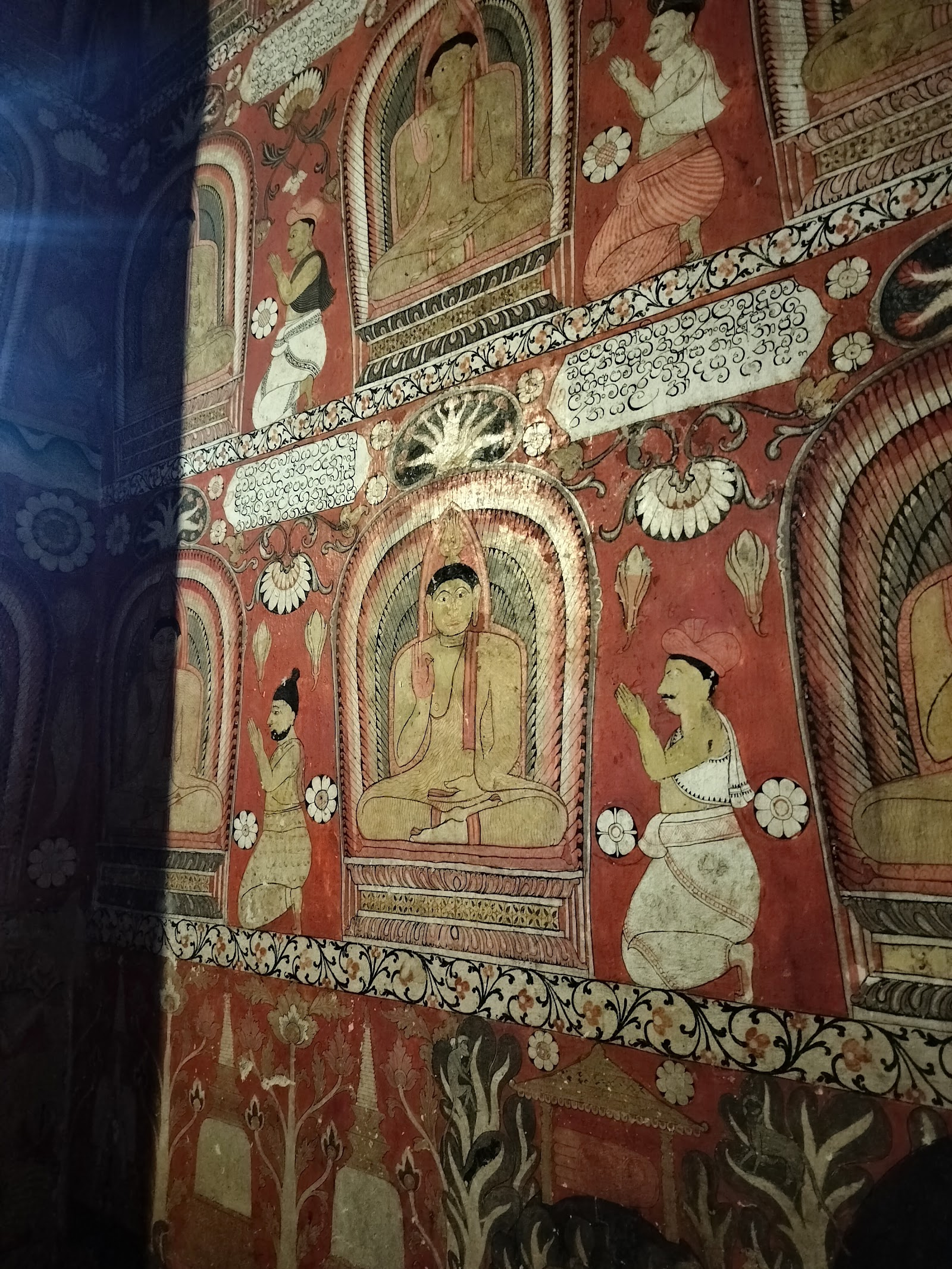
Lankatilaka Vihara Kandy Sri Lanka
Lankatilaka Vihara, dramatically perched atop the Panhalgala Rock near Kandy, represents one of the most extraordinary and architecturally significant Buddhist temples in Sri Lanka, constructed in the 14th century CE during the reign of King Bhuvanekabahu IV and designed by the South Indian architect Sathapati Rayar, creating a powerful testament to the profound transmission of Indian Buddhist and Hindu architectural traditions to Sri Lanka and demonstrating the sophisticated religious syncretism that has characterized Sri Lankan religious practices. The temple complex, featuring sophisticated architectural elements that seamlessly integrate Hindu deities within its Buddhist sanctum, demonstrates the direct transmission of South Indian Dravidian temple architecture, particularly the traditions of the Chola and Pandya dynasties, with local adaptations that reflect the sophisticated synthesis of Indian Buddhist and Hindu religious and artistic traditions with Sri Lankan building techniques, while the temple's most remarkable feature is its unique architectural design that combines Sinhalese and Dravidian styles, creating a distinctive Kandyan period architectural synthesis that demonstrates the sophisticated understanding of Indian architectural traditions possessed by Sri Lankan architects and patrons. The temple's architectural layout, with its central image house adorned with Kandyan-era paintings and sculptures, surrounded by multiple enclosures and subsidiary shrines dedicated to various Hindu deities including Upulvan, Ganapathi, Saman, Vibhishana, Kataragama deviyo, and Kumara Bandara, follows sophisticated South Indian Dravidian temple planning principles that were systematically transmitted from the great temple complexes of Tamil Nadu, while the temple's extensive decorative programs including murals, sculptures, and architectural elements demonstrate the sophisticated synthesis of Indian Buddhist and Hindu iconography and artistic traditions with local Sri Lankan aesthetic sensibilities. Archaeological evidence reveals that the temple served as a major center of both Buddhist and Hindu worship for over six centuries, attracting pilgrims from across Sri Lanka and South India, while the discovery of numerous inscriptions and historical records provides crucial evidence of the site's role in the transmission of Indian religious texts and practices to Sri Lanka, demonstrating the sophisticated understanding of Indian religious traditions possessed by the temple's patrons and religious establishment. The temple's association with the South Indian architect Sathapati Rayar demonstrates the direct transmission of Indian architectural expertise to Sri Lanka, while the temple's unique synthesis of Buddhist and Hindu elements demonstrates the remarkable religious syncretism that has characterized Sri Lankan religious practices for centuries. Today, Lankatilaka Vihara stands as one of the most important examples of Kandyan period architecture in Sri Lanka, serving as a powerful testament to the transmission of Indian Buddhist and Hindu culture and architecture to Sri Lanka, while ongoing archaeological research and conservation efforts continue to protect and study this extraordinary cultural treasure that demonstrates the profound impact of Indian civilization on Sri Lankan religious and artistic traditions. ([1][2])
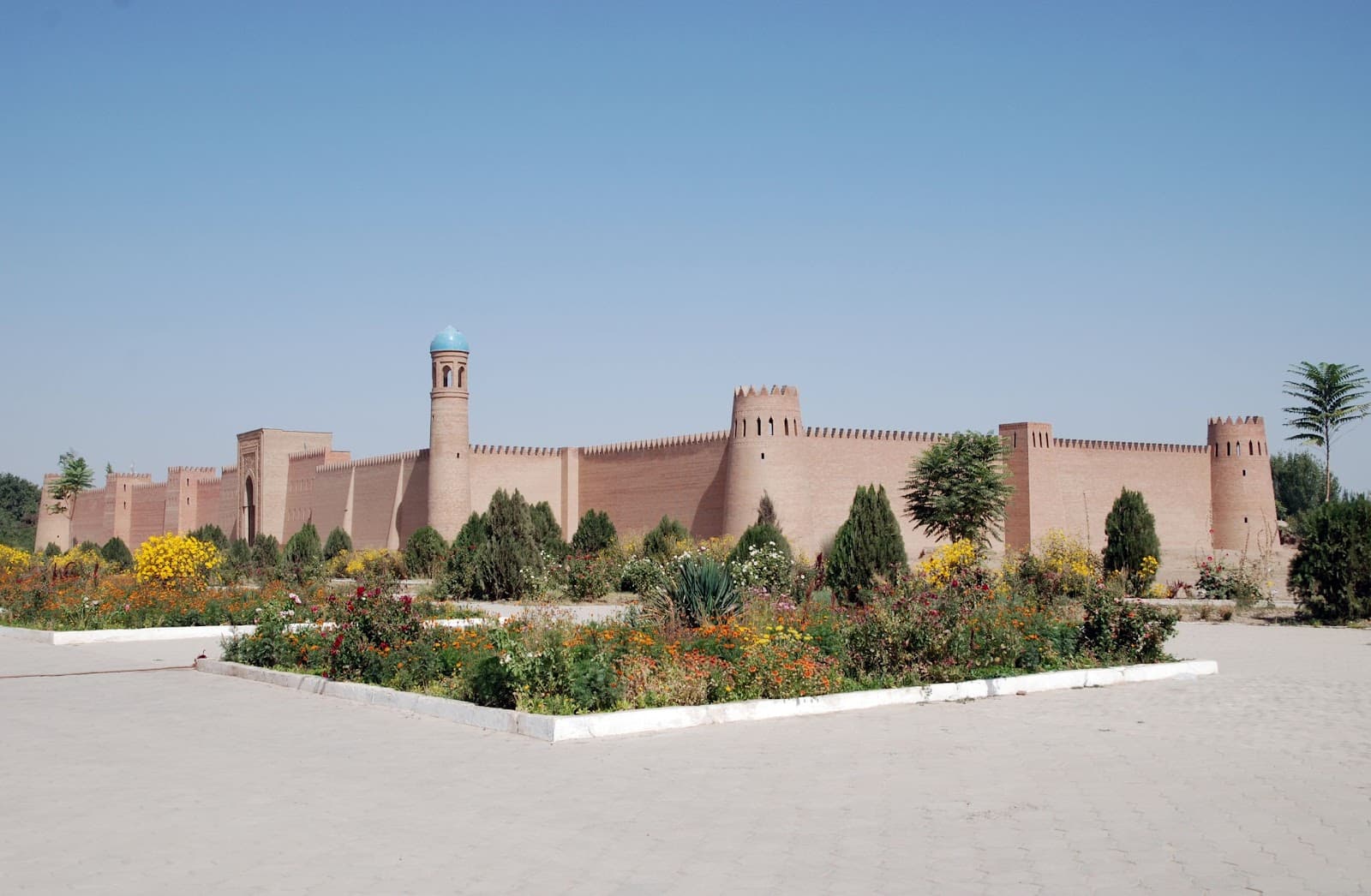
Hulbuk Palace Complex Vose Tajikistan
Hulbuk Palace Complex, dramatically situated in the Vose District of southern Tajikistan, represents one of the most extraordinary and archaeologically significant medieval palace complexes in Central Asia, constructed in the 9th-12th centuries CE during the Samanid and subsequent periods as a major administrative and cultural center that includes extraordinary Buddhist and Hindu artifacts in its museum collection, creating a powerful testament to the continued transmission of Indian religious and artistic traditions to Central Asia even after the Islamic conquest. The palace complex, featuring sophisticated architectural elements that demonstrate the synthesis of Islamic, Central Asian, and Indian architectural traditions, while the site's museum collection includes numerous Buddhist and Hindu artifacts including sculptures, reliefs, and decorative objects that demonstrate clear Indian iconographic and stylistic influences, providing crucial evidence of the continued presence and influence of Indian religious and artistic traditions in Central Asia during the medieval period. Archaeological excavations have revealed extraordinary architectural elements including courtyards, halls, and decorative programs that demonstrate the sophisticated synthesis of various architectural traditions, while the discovery of numerous Buddhist and Hindu artifacts in the museum collection provides crucial evidence of the site's role as a center for the preservation and display of Indian religious and artistic traditions, demonstrating the sophisticated understanding of Indian cultural heritage possessed by the palace's patrons and curators. The palace complex's architectural layout, with its central courtyards surrounded by halls and administrative structures, follows sophisticated planning principles that demonstrate the synthesis of various architectural traditions including Indian palace planning principles that were transmitted to Central Asia, while the palace's extensive decorative programs including architectural elements and artifacts demonstrate the ways in which Indian artistic traditions were integrated into Central Asian palace architecture and collections. The palace complex's location in the Vose District, a major administrative and cultural center, underscores its significance as a center for the preservation and display of Indian religious and artistic traditions, while the site's museum collection demonstrates the sophisticated understanding of Indian cultural heritage possessed by Central Asian rulers and administrators. Today, Hulbuk Palace Complex stands as a UNESCO Tentative List site and represents one of the most important medieval palace complexes in Central Asia, serving as a powerful testament to the transmission and preservation of Indian religious and artistic traditions in Central Asia, while ongoing archaeological research and conservation efforts continue to protect and study this extraordinary cultural treasure that demonstrates the profound impact of Indian civilization on Central Asian religious and artistic traditions. ([1][2])
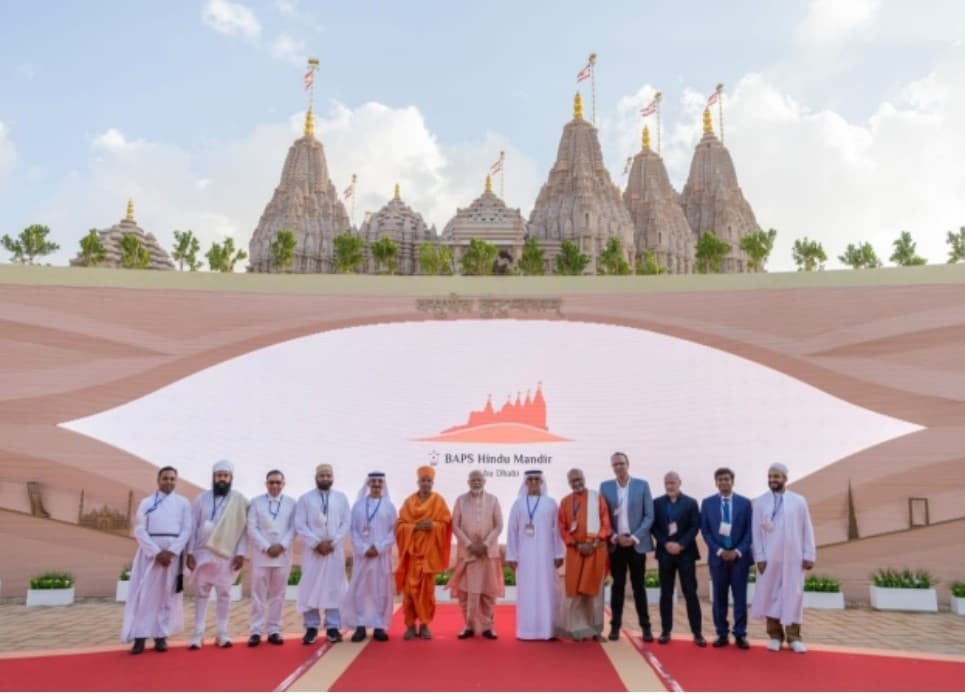
Maha Lakshmi Temple Abu Dhabi (BAPS Campus)
The Maha Lakshmi Temple forms the southern devotional wing of the BAPS Hindu Mandir campus in Abu Dhabi, providing a dedicated sanctum for Sri Mahalaxmi-Narayana with a Vaikuntha-inspired sinhasan crafted from Italian marble, gold-plated lotuses, and fibre-optic constellations that mirror Abu Dhabi's desert night sky ([1][2]). Consecrated alongside the main mandir in February 2024, the Lakshmi sanctum offers a quieter devotional experience focused on prosperity, education, and wellbeing—hosting specialised Lakshmi Pujas for entrepreneurs, students, and families moving to the Gulf. The hall seats 600 devotees, features carved marble columns, and integrates digital translation kiosks offering arti lyrics in Hindi, English, Malayalam, and Tagalog. Daily schedule aligns with the mandir's 6:00 AM-9:00 PM operations, but the Lakshmi wing hosts additional Friday evening Ashtalakshmi satsang, Saturday bridal blessings, and quarterly finance literacy workshops led by community volunteers. Donors can participate in Navagraha homa, Kuber puja, or annadhanam out of the adjoining seva kitchen. A micro-museum displays stories of Gulf entrepreneurs whose philanthropy supported the mandir and documents historic trade links between Gujarat, the Malabar coast, and the Trucial States.
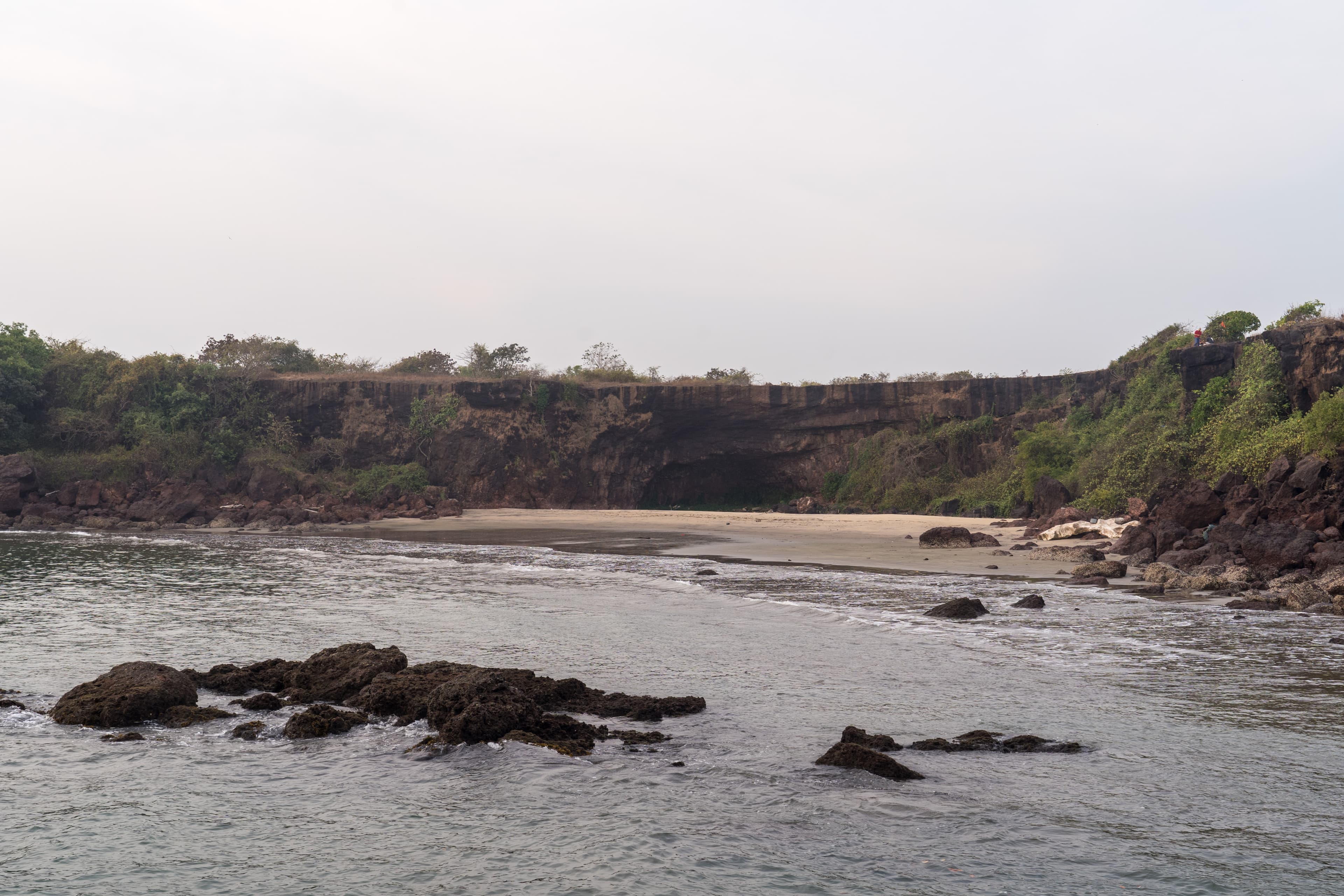
Tiracol Fort Goa
The ferry lurched, depositing me on the Goan side of the Tiracol River, the salty air thick with the promise of the Arabian Sea just beyond. My gaze was immediately drawn upwards, to the imposing silhouette of Fort Tiracol, perched atop a cliff, its laterite walls glowing a warm ochre against the vibrant blue sky. This wasn't my first Goan fort, but something about Tiracol, its relative isolation and commanding position, hinted at a unique story. Crossing the narrow strip of sand, I began the climb towards the fort’s entrance. The path, paved with uneven stones, wound its way through a tangle of vegetation, the air filled with the chirping of unseen birds. The first striking feature was the gateway, a simple yet sturdy archway, bearing the scars of time and conflict. The weathered laterite spoke volumes about the fort’s enduring presence, a silent witness to centuries of history. Stepping through the gateway felt like stepping back in time. The fort, now a heritage hotel, retains much of its original character. The ramparts, offering breathtaking panoramic views of the coastline and the river below, are remarkably well-preserved. I ran my hand along the rough laterite, imagining the Portuguese soldiers who once patrolled these very walls, their eyes scanning the horizon for approaching enemies. The central courtyard, now dotted with tables and chairs for the hotel guests, was once the heart of the fort's activity. I could almost picture the hustle and bustle of military life, the clatter of armour, the barked commands. The church of St. Anthony, a pristine white structure standing at the heart of the courtyard, provided a stark contrast to the earthy tones of the fort. Its simple façade, adorned with a single bell tower, exuded a quiet serenity. Inside, the cool, dimly lit interior offered a welcome respite from the midday sun. The altar, adorned with intricate carvings, and the stained-glass windows, casting colourful patterns on the floor, spoke of a deep-rooted faith. Exploring further, I discovered a network of narrow passages and staircases, leading to various chambers and rooms. The thick walls, some several feet wide, kept the interiors surprisingly cool, a testament to the ingenuity of the Portuguese engineers. Many of the rooms still retained their original features, including arched doorways, small windows offering glimpses of the sea, and niches in the walls that likely once held lamps or religious icons. One particular room, now part of the hotel, captivated my attention. It offered an unobstructed view of the confluence of the Tiracol River and the Arabian Sea. The rhythmic crashing of the waves against the rocks below, coupled with the gentle swaying of the palm trees, created a mesmerizing symphony. It was easy to see why this spot had been chosen for a strategic fortification. As I descended from the ramparts, the late afternoon sun casting long shadows across the courtyard, I couldn't help but feel a sense of awe. Fort Tiracol is more than just a historical monument; it's a living testament to the resilience of the human spirit, a place where the echoes of the past resonate with the present. The fort’s transformation into a heritage hotel, while perhaps controversial to some, has undoubtedly ensured its preservation for future generations. It allows visitors like myself to not just observe history, but to experience it, to immerse themselves in the stories whispered by the ancient stones. Leaving the ferry behind, I carried with me not just photographs and memories, but a deeper understanding of Goa’s rich and complex tapestry of history. The ochre walls of Fort Tiracol, fading into the twilight, served as a poignant reminder of the enduring power of the past.
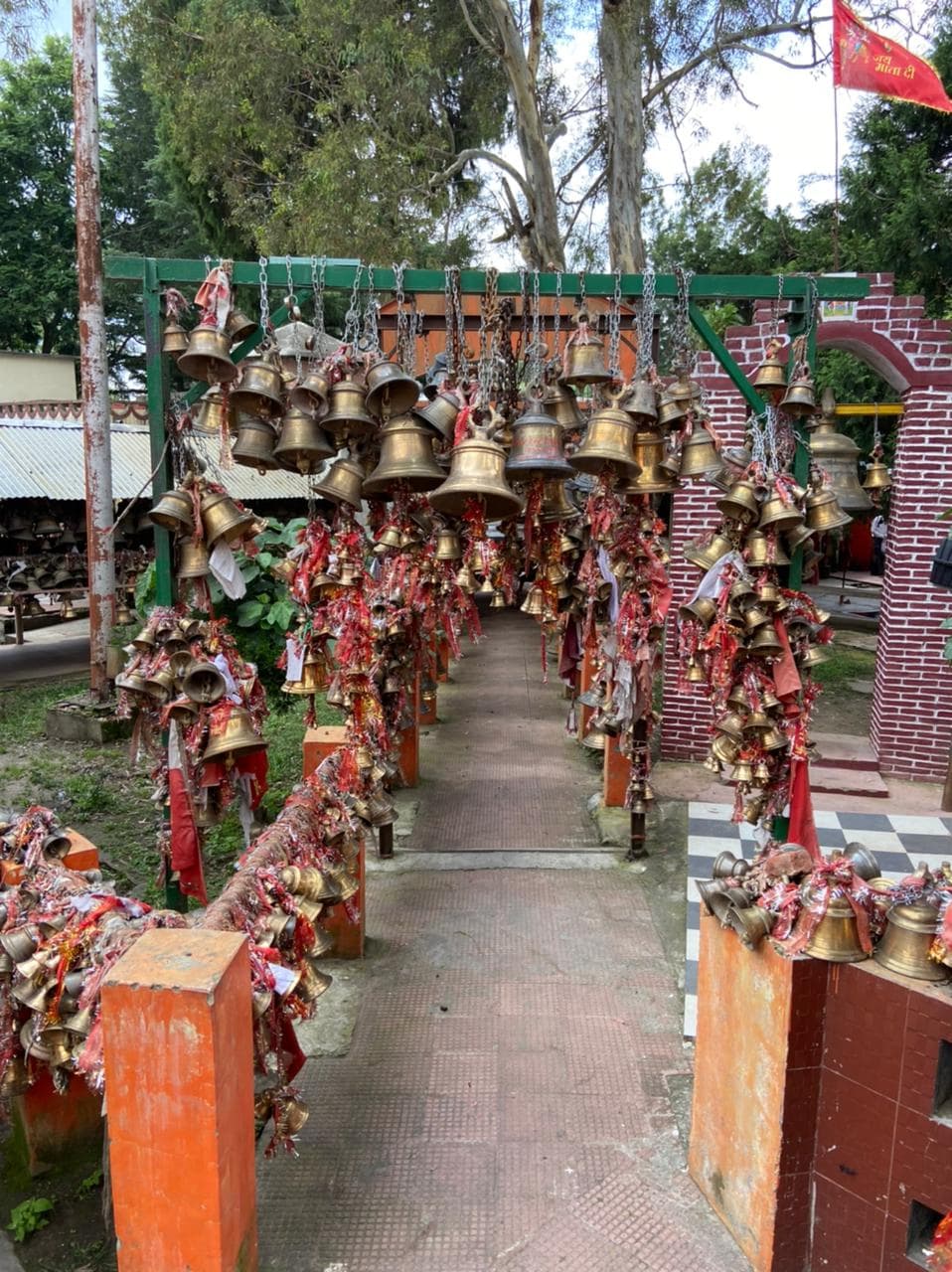
Chitai Golu Devta Temple Almora
Nestled in the tranquil hills of Almora, Uttarakhand, the Chitai Golu Devta Temple presents a unique blend of faith and architectural simplicity, primarily expressed through the countless bells offered by devotees ([1]). Unlike traditional Nagara architecture, typically characterized by elaborate Shikhara (spire), this 20th-century temple exhibits a more modest aesthetic, allowing the votive bells to take precedence ([2]). The temple is dedicated to Golu Devta, a revered deity considered an incarnation of Lord Shiva and worshipped as the dispenser of justice ([3]). Stone platforms and foundations mark the temple's enduring presence, with the courtyard serving as a vibrant hub of activity ([4]). Here, devotees present their prayers, attach bells, and pen letters, their expressions reflecting profound hope and reverence ([5]). The act of tying bells is a symbolic gesture, representing answered prayers and a tangible connection with the divine ([1][2]). This practice resonates with the broader Hindu tradition of offering symbolic objects to deities as a form of supplication and gratitude. Intricate carvings adorn the walls of the main shrine, which houses the deity, while the surrounding structure features sloping slate roofs and whitewashed walls, characteristic of regional architecture ([4]). The temple's architectural style, while not strictly adhering to classical Nagara principles outlined in texts like the *Manasara Shilpa Shastra*, reflects a vernacular adaptation, emphasizing local materials and construction techniques ([5]). The temple's modest design ensures the focus remains on the thousands of bells, creating a striking visual and auditory spectacle, a symphony of faith echoing through the Himalayan landscape ([1][3]). Letters affixed to the temple walls represent whispered pleas and heartfelt prayers, underscoring the deep bond between devotees and the deity ([3]). During the British Colonial Period, temple architecture in India often saw a fusion of traditional styles with contemporary influences, though the Chitai Golu Devta Temple largely retains its regional character ([2]). The convergence of faith and architectural modesty creates an atmosphere that resonates with the enduring power of belief ([1][2]).
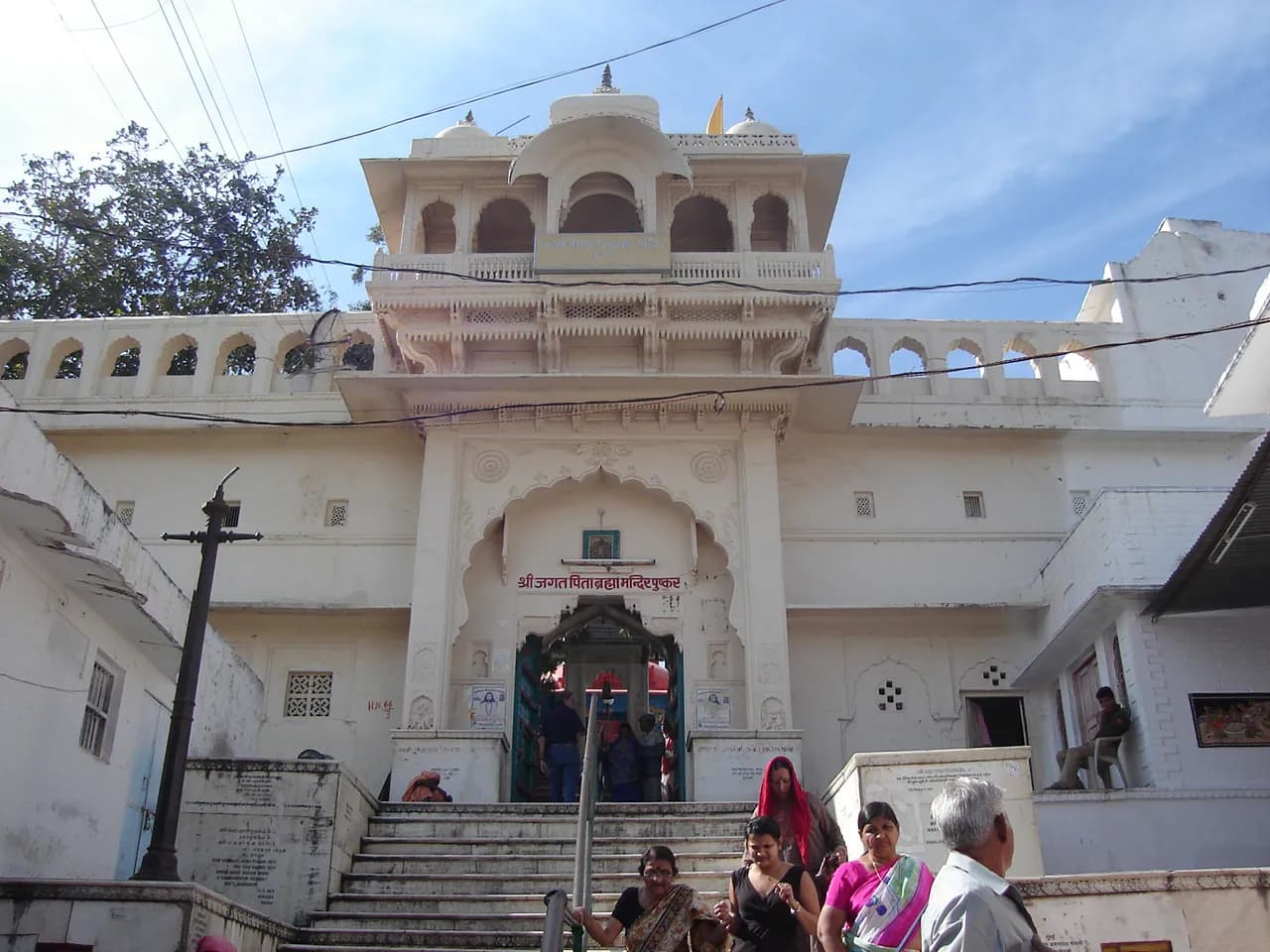
Brahma Temple Pushkar
Nestled in the Aravalli Range, the Jagatpita Brahma Mandir in Pushkar, Rajasthan, stands as a testament to North Indian temple architecture ([1][2]). Constructed around 1350 CE during the Rajput period, this sacred site is primarily built of marble and stone ([3]). Rana Lakha of Mewar is credited with providing patronage for the temple's construction ([4]). Intricate carvings embellish the temple walls, depicting scenes from Hindu mythology, reflecting the artistic influences of the Gujarat region ([5]). The Nagara-style Shikhara (spire), crowned with a Kalasha (finial), dominates the temple's skyline ([6]). Within the Garbhagriha (sanctum), the four-faced murti (idol) of Lord Brahma radiates a serene aura ([7]). Silver coins, offered by devotees and embedded in the red marble floor, contribute to the temple's unique sacred ambiance ([8]). Granite and sandstone blocks, meticulously carved, constitute the temple's structure, exemplifying the architectural skills of the Rajput era ([9]). The absence of a separate Antarala (antechamber) fosters a more intimate experience within the sanctum ([10]). During the Rajput Period, temple architecture saw a resurgence, blending regional styles and traditions ([11]). Smaller shrines dedicated to Saraswati and Savitri enhance the main temple complex, creating visual harmony ([12]). Vastu Shastra principles, the ancient Indian science of architecture, likely guided the temple's orientation and design, aligning it with cosmic energies ([13]). The adjacent Pushkar Lake complements the temple's spiritual ambiance, its reflections creating a serene atmosphere, reminiscent of traditional integrated temple and water body designs ([14]). Vedic traditions emphasize the significance of Brahma as the creator, making this temple a vital pilgrimage site ([15]).
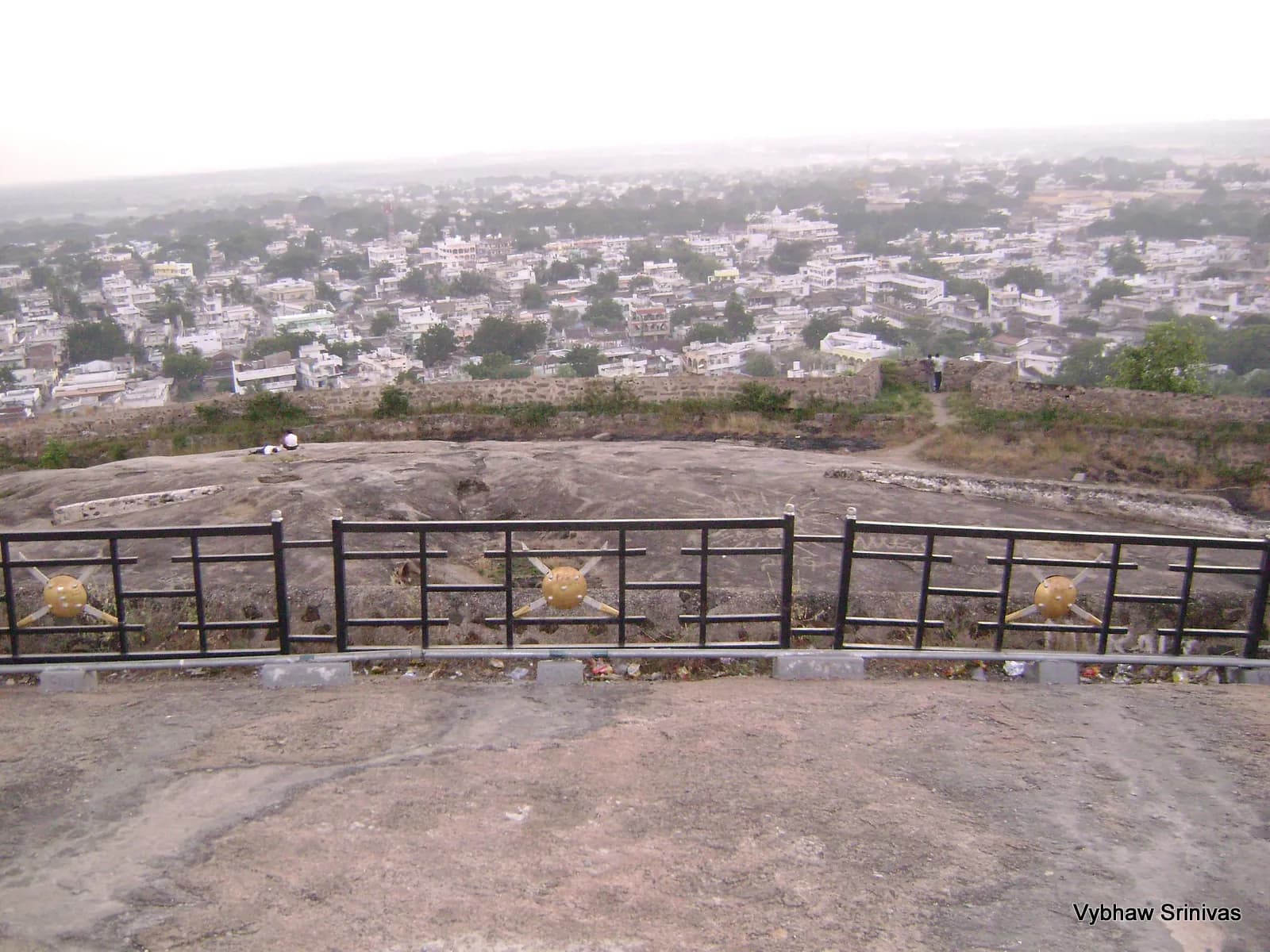
Khammam Fort Khammam
The imposing silhouette of Khammam Fort against the Telangana sky held me captive long before I even reached its gates. The laterite stone, baked to a deep, earthy red by centuries of sun, seemed to pulse with stories whispered down through generations. My journey as a heritage photographer has taken me to many magnificent sites across Madhya Pradesh, but Khammam Fort, with its unique blend of architectural styles, held a particular allure. The fort's strategic location atop a hillock overlooking the city was immediately apparent. Built in 950 AD by the Kakatiya dynasty, it bore witness to the rise and fall of several empires – from the Qutb Shahis to the Mughals and finally, the Asaf Jahis of Hyderabad. This layered history was etched into the very fabric of the structure. Passing through the imposing main gate, I was struck by the contrast between the rough-hewn exterior and the intricate details within. The massive granite pillars, some intricately carved, others bearing the scars of time and conflict, spoke volumes about the fort's enduring strength. I spent hours exploring the various sections, each revealing a different chapter of the fort's story. The remnants of the Kakatiya-era architecture were particularly fascinating. The stepped wells, or *bawdis*, were marvels of engineering, showcasing the ingenuity of the ancient builders in water harvesting. The intricate carvings on the pillars and lintels, though weathered, still hinted at the grandeur of the Kakatiya period. I was particularly drawn to the remnants of a temple dedicated to Lord Shiva, its sanctum sanctorum now open to the sky, the stone worn smooth by the elements. The influence of subsequent rulers was also evident. The Qutb Shahi period saw the addition of mosques and palaces, their arched doorways and intricate stucco work a stark contrast to the earlier, more austere Kakatiya style. The Mughal influence was subtle yet discernible in the layout of certain sections, particularly the gardens, which, though now overgrown, still hinted at a formal, structured design. One of the most captivating aspects of Khammam Fort was its integration with the natural landscape. The fort walls seemed to grow organically from the rocky outcrop, the laterite stone blending seamlessly with the surrounding terrain. From the ramparts, the panoramic view of the city and the surrounding countryside was breathtaking. I could almost imagine the sentinels of old, keeping watch from these very walls, their gaze sweeping across the landscape. As I moved through the fort's various chambers, I noticed the intricate system of tunnels and secret passages. These subterranean routes, once used for escape or strategic movement during times of siege, now lay silent, their darkness holding secrets untold. Exploring these passages, I felt a palpable sense of history, a connection to the lives lived within these walls. My lens captured the grandeur of the fort, the intricate details of its architecture, and the breathtaking views from its ramparts. But beyond the visual documentation, I felt a deeper connection to the site. Khammam Fort wasn't just a collection of stones and mortar; it was a living testament to the resilience of human spirit, a repository of stories waiting to be discovered. The echoes of its past resonated within its walls, a reminder of the ebb and flow of empires, the enduring power of human ingenuity, and the beauty that emerges from the confluence of history and nature. Leaving Khammam Fort, I carried with me not just photographs, but a profound sense of awe and a deeper understanding of the rich tapestry of India's heritage.
Quick Links
Plan Your Heritage Journey
Get personalized recommendations and detailed visitor guides