Has Inheritage Foundation supported you today?
Your contribution helps preserve India's ancient temples, languages, and cultural heritage. Every rupee makes a difference.
Secure payment • Instant 80G certificate
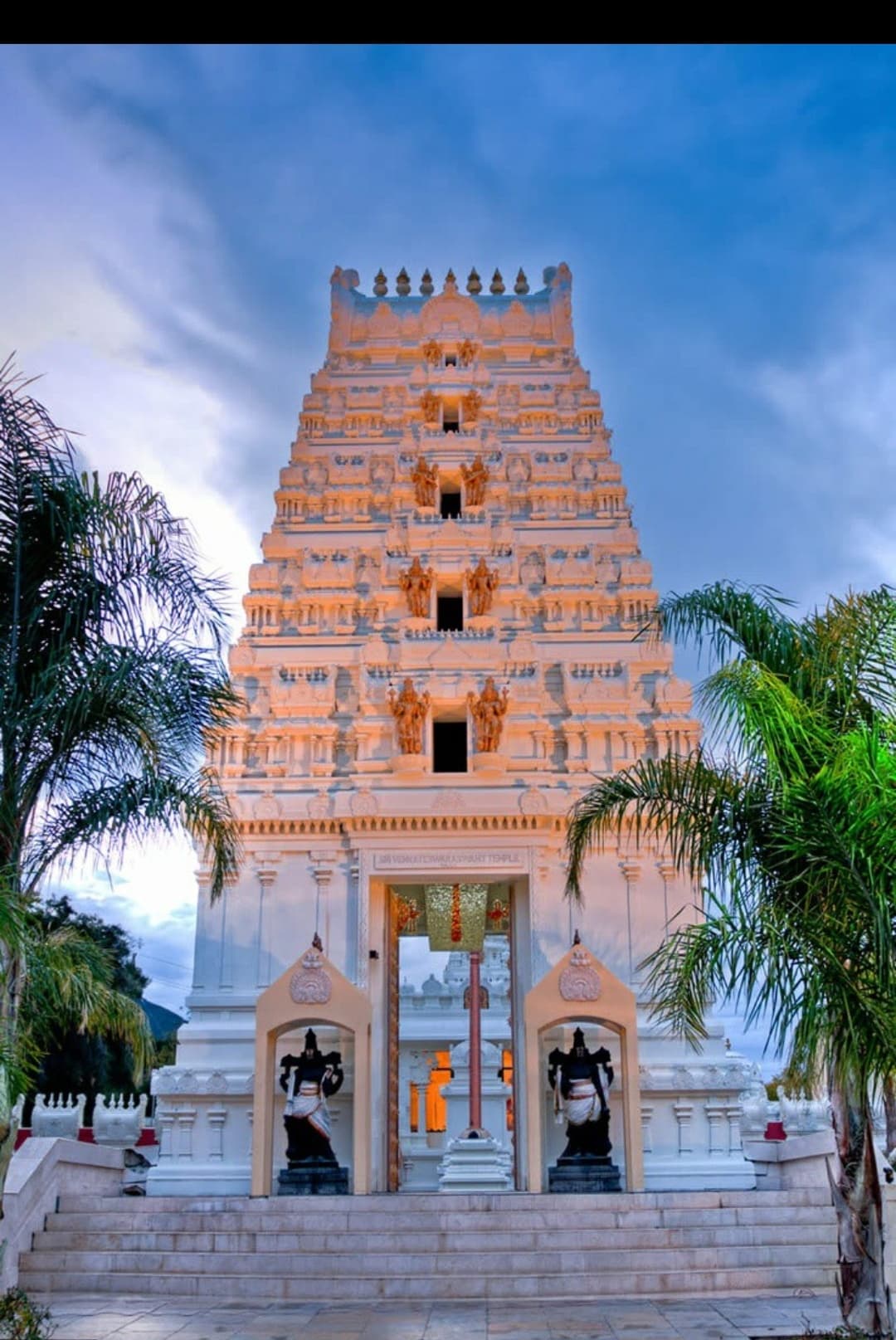
Malibu Hindu Temple Calabasas
Malibu Hindu Temple in Calabasas, dedicated to Sri Venkateswara upstairs and Sri Shiva downstairs, opens gates at 6:00 AM on weekends and keeps the shrines active through evening sayana puja, channeling roughly 3,500 visitors across a tiered hillside campus overlooking Las Virgenes Canyon ([1][2]). Volunteer captains coordinate parking lots carved into the slope, stage shuttle carts for elders, and meter darshan queues with bilingual placards so families, hikers, and film crews follow the upstream-downstream circulation between the twin sanctums ([1][3]). Security teams staff the canyon road checkpoint, run license-plate scanning, and guide guests through the shoe courts, while custodians sweep granite steps and wipe brass railings every two hours to combat coastal dust and wildfire ash ([3][5]). Elevators and ramps connect the upper and lower mandapams, with wheelchair staging areas tucked beside the yagashala; audio induction loops help visitors track Sanskrit chants across the open-air balconies ([1][4]). The canteen, picnic lawn, and cultural hall operate on separate HVAC zones and dedicated fire sprinklers tested quarterly under Los Angeles County oversight ([3][4]). Real-time wind and humidity sensors trigger alerts whenever canyon gusts exceed safe limits, prompting priests to shield flame-based rituals and relocate processions indoors ([1][5]). Inspections completed in 2025 confirm seismic retrofits, defensible space buffers, and life-safety systems remain current, keeping the temple fully operational even during peak summer traffic ([2][3][5]).
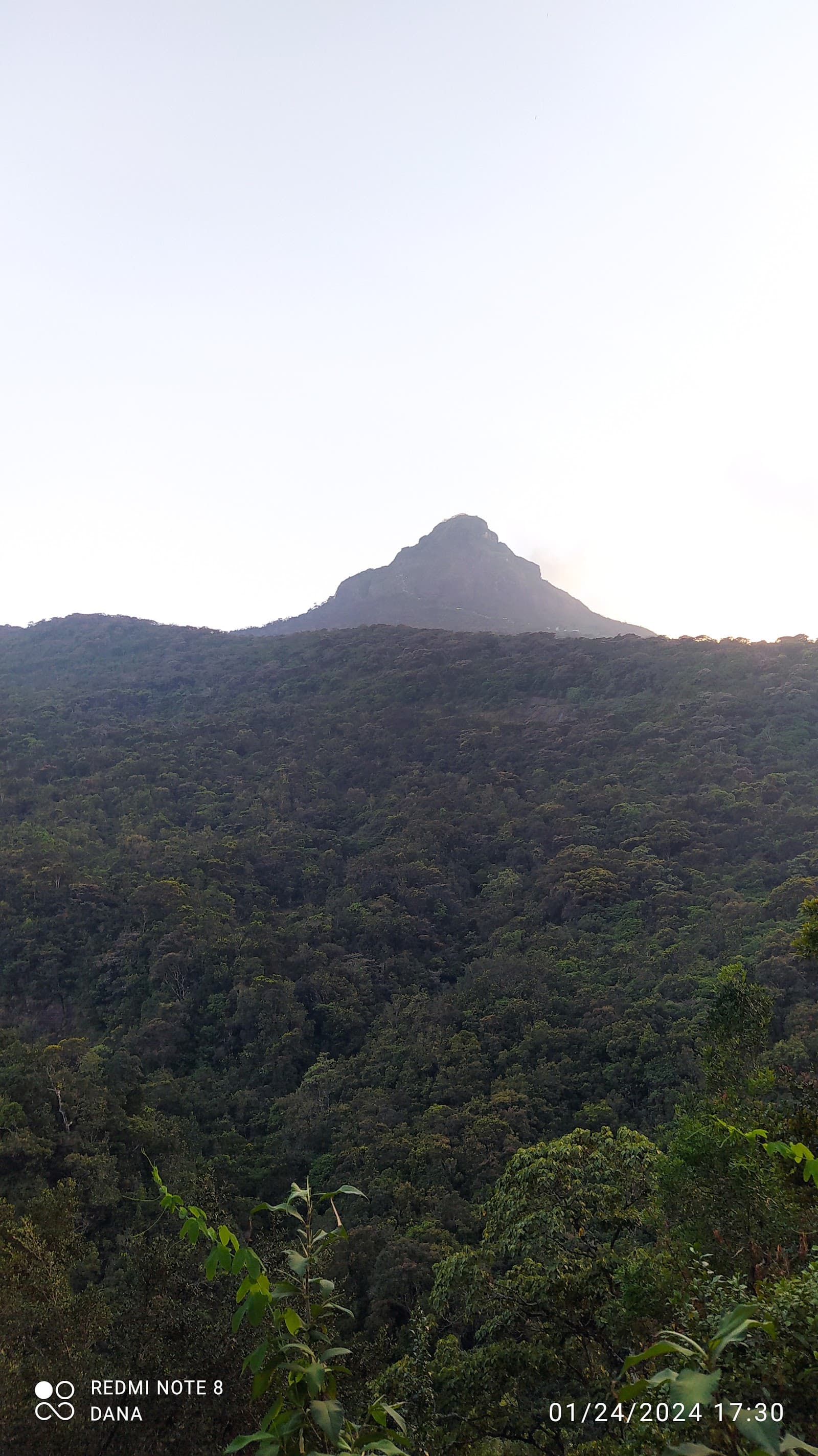
Adam's Peak Sri Pada Central Province Sri Lanka
Adam's Peak, known as Sri Pada, is a revered conical sacred mountain situated in the Central Province of Sri Lanka, standing at an elevation of 2,243 meters (7,359 feet) [2]. This site holds profound significance within India's millennia-spanning heritage, embodying a continuous tradition of spiritual veneration and cultural exchange that dates back thousands of years [3]. At its summit lies the Sri Pada, a natural rock formation measuring approximately 1.8 meters (5 feet 11 inches) in length, or specifically 67 inches (170 cm) long and 18 inches (46 cm) wide, which is revered as a sacred footprint [1] [2]. This impression is a focal point of multi-faith pilgrimage, believed by Buddhists to be the footprint of the Buddha, by Hindus as that of Shiva or Hanuman, by Muslims as Adam's, and by some Christians as St. Thomas's [3] [4]. The architectural elements at Adam's Peak primarily facilitate pilgrimage, with thousands of steps constructed from cement or rough stones forming the primary ascent routes from the base to the summit [2]. These pathways are illuminated during the pilgrimage season, ensuring accessibility and safety for devotees [2]. Near the summit, a temple structure encloses and protects the sacred footprint, featuring a handsome roof that shelters the venerated impression [2] [3]. While specific dimensions of the temple structure itself are not widely documented, its function is to provide a sacred enclosure for the footprint, reflecting traditional Indic temple architecture principles of enshrining a central deity or sacred object [3]. The mountain's geological composition is primarily gneiss rock, known for its richness in precious stones such as garnets, rubies, and sapphires, which historically contributed to the island's ancient name, Ratnadvipa ('Island of Gems') [1]. The surrounding Peak Wilderness Sanctuary, established in 1940, is a critical conservation zone, recognized as a UNESCO World Heritage Site in 2010 as part of the Central Highlands of Sri Lanka [1] [5]. This sanctuary is a biodiversity hotspot, home to endemic species and the source of three major Sri Lankan rivers [1] [5]. Current conservation efforts focus on managing the environmental impact of large pilgrim numbers, addressing issues such as waste accumulation and the offering of endangered endemic flowers like *ran dothalu* (Loxococcus rupicola) [4]. Archaeological investigations have clarified that certain recently discovered 'footprints' near the peak are modern carvings and lack historical archaeological value, emphasizing the importance of preserving the authentic ancient site [4]. The site remains actively programmed for pilgrimage, with rest stops and wayside shops providing refreshments during the six-month pilgrimage season, ensuring operational readiness and continuous spiritual engagement [2].
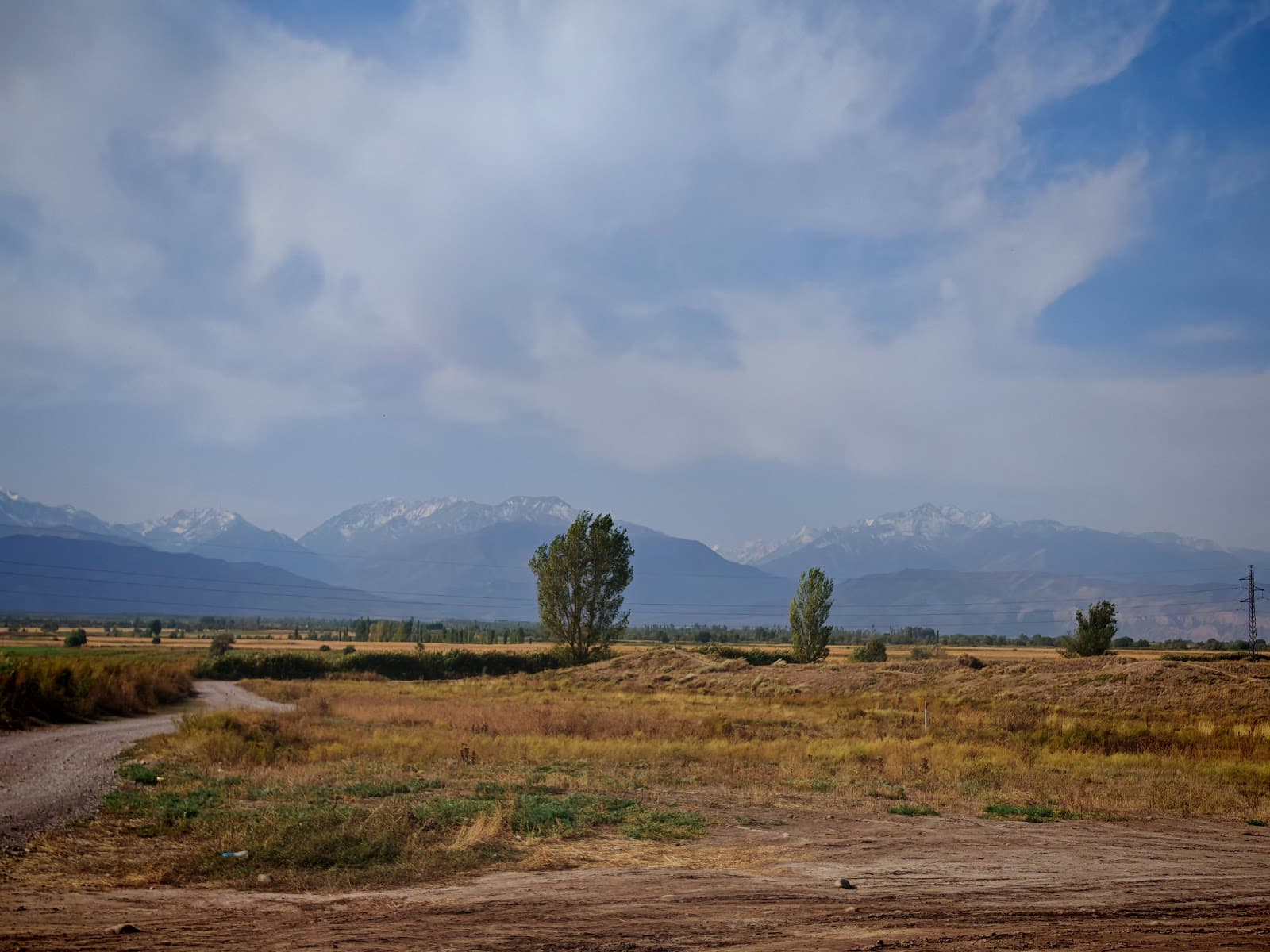
Ak-Beshim Buddhist Temple Chui Valley Kyrgyzstan
Ak-Beshim, located in Kyrgyzstan's Chui Valley, flourished as Suyab between the 6th and 8th centuries CE ([1][2]). As a vital Silk Road hub, the city became a melting pot of Indian Buddhist, Chinese, and Central Asian cultures ([1]). The temple complex illustrates the transmission of Indian Buddhist architectural knowledge into Central Asia ([1][2]). Fired brick and mud brick construction techniques shaped the monastic complex, which includes stupas and temple structures that resonate with Indian Buddhist architecture ([1][2]). The layout, featuring central stupas surrounded by monastic cells and ritual chambers, reflects the traditions of Indian Viharas (monasteries) and Chaitya halls (prayer halls) ([1]). Buddhist sculptures and inscriptions reveal a synthesis of Indian iconography and Central Asian aesthetics ([1][3]). These artistic elements likely drew inspiration from the Shilpa Shastras, ancient Indian texts detailing art and architecture, although specific textual references from texts like the Manasara Shilpa Shastra are yet to be definitively established through archaeological evidence at this site. Archaeological excavations have uncovered artifacts, including Buddhist sculptures exhibiting Indian stylistic influences, Sanskrit inscriptions, and architectural components reflecting Indian cosmological concepts ([2][3]). These discoveries emphasize Ak-Beshim's role in disseminating Indian Buddhist traditions ([1][2]). The presence of Sanskrit, the liturgical language of Hinduism and Buddhism, suggests a deep cultural exchange ([3]). The influence of Vastu Shastra principles, the ancient Indian science of architecture, may be observed in the temple's layout, although further research is needed to confirm specific applications of texts like the Mayamata ([4]). During the Early Medieval period, temple architecture often integrated local materials and techniques with established religious traditions ([5]). Ak-Beshim's construction, utilizing fired brick, mud brick, stone, lime mortar, metal, and wood, showcases this fusion ([1][2]). Ongoing research promises further insights into the intricate interplay of architecture and religious practices at this significant Silk Road site ([1][5]).

Bhuteshwar Temple Jind
Granite and sandstone blocks, meticulously carved, constitute the Bhuteshwar Temple in Jind, Haryana, a legacy of the Gurjara-Pratihara dynasty's reign ([1][2]). Established around 750 CE, this 8th-century temple presents a hybrid architectural style, integrating Hindu and Islamic elements ([3]). This fusion reflects the era's dynamic cultural landscape and the architectural innovation prevalent during the Gurjara-Pratihara period. The temple complex, reminiscent of a fortified citadel, has weathered centuries of change, standing as a testament to its enduring construction and historical significance ([4]). Intricate carvings embellishing the walls portray deities and mythical beings, their details softened by time, yet still discernible ([1]). The central shrine is distinguished by a pyramidal Shikhara (spire), exhibiting a simpler design compared to the elaborate structures of other North Indian temples ([2]). High walls and bastions, coupled with a now-dry moat, underscore the site's defensive past, creating a striking juxtaposition of martial fortifications and spiritual serenity ([3][4]). The use of sandstone, bricks, and lime mortar showcases the architectural skills of the time, blending heritage and devotion ([4][5]). Within the Garbhagriha (sanctum), the temple remains a vibrant space for the local community, evidenced by contemporary murals and offerings ([5]). The Indo-Islamic architectural style is manifested in the convergence of Hindu and Islamic designs, illustrating a unique cultural synthesis ([1][2][3]). During the Gurjara-Pratihara period, temple architecture often incorporated regional influences, and Bhuteshwar Temple exemplifies this trend ([1][2]). The temple's design, while not explicitly linked to specific verses from texts like the *Manasara Shilpa Shastra*, reflects the broader principles of temple construction prevalent in that era, emphasizing harmony and proportion in its design ([3][4][5]).
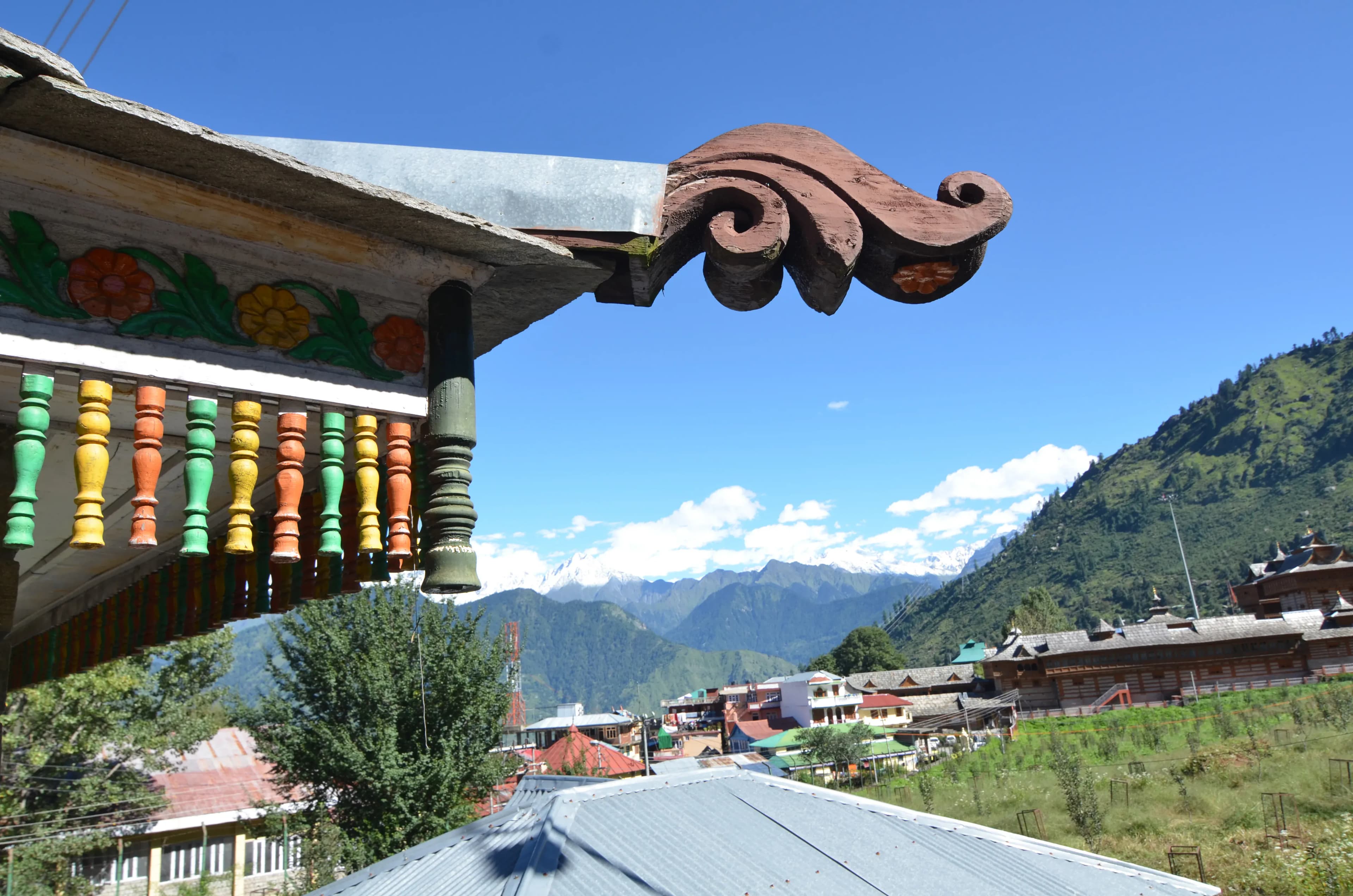
Bhimakali Temple Sarahan
Nestled in the serene hills of Himachal Pradesh, the Bhimakali Temple at Sarahan is an architectural marvel dating back to 800 CE during the Rajput period ([1]). Its unique kath-khuni (wood-stacked) style, a vernacular adaptation to the region's climate, showcases a distinct Himalayan architectural tradition ([2]). The Bushahr rulers, as patrons, significantly influenced the temple's design and construction ([3]). Dominating the Sarahan landscape, the temple complex utilizes a combination of wood, stone, slate, and metal, reflecting the readily available resources and blending seamlessly with the surrounding environment ([4]). The tiered wooden roofs, a characteristic feature, not only provide structural stability but also effectively manage heavy snowfall ([5]). Intricate carvings embellish the wooden facades, depicting deities and mythical creatures, demonstrating the craftsmanship passed down through generations ([6]). Within the Garbhagriha (Sanctum), the temple enshrines Bhimakali, a fierce manifestation of Durga, represented by a revered brass image ([3]). Furthermore, smaller shrines dedicated to Lakshmi Narayan and Lord Shiva are also present within the complex, each displaying meticulous craftsmanship ([4]). The temple's design possibly incorporates principles similar to those outlined in ancient texts like the Manasara Shilpa Shastra, which discusses temple construction and iconography, although specific textual references for this temple remain to be confirmed ([7]). Enchanting panoramic views and the gentle flutter of prayer flags enhance the spiritual ambiance of the temple, creating a profound sense of tranquility ([5]). This architectural gem not only preserves the cultural heritage of the Himalayas but also stands as a testament to the ingenuity and artistic skills of its creators ([1][2]). The Bhimakali Temple continues to inspire awe and reverence, drawing visitors and devotees alike to experience its unique blend of art, architecture, and spirituality ([6]).

Khao Phra Viharn Sisaket
The Temple of Preah Vihear, known in Thailand as Khao Phra Viharn Sisaket, is an ancient Hindu temple dedicated to Lord Shiva, situated atop a 525-meter cliff in the Dângrêk Mountains [5]. This architectural complex, located in the Kantharalak District of Sisaket Province, Thailand, and bordering Cambodia, represents an outstanding masterpiece of Khmer architecture, deeply rooted in the continuous tradition of Indian civilization [1] . Its design is considered exceptionally 'pure' in both its overall plan and the intricate details of its decoration, reflecting the sophisticated indigenous architectural styles that flourished under the Khmer Empire, drawing heavily from Indian prototypes [1] [2]. The temple's construction primarily utilized red siliceous sandstone and laterite, employing traditional construction techniques that demonstrate advanced engineering for its period [4]. The site is characterized by a unique architectural layout, comprising a series of sanctuaries linked by a long processional axis, which is unusual among Khmer temples due to its orientation along a north-south axis rather than the typical east-west alignment [3] [4]. This distinctive arrangement is dictated by the dramatic topography of the mountain, with successive gopuras (entrance pavilions) and courtyards leading upwards to the main sanctuary, creating a powerful visual and spiritual ascent [1]. The decorative elements include elaborate carvings of devatas, apsaras, lintels, and pediments, which are integral to the Khmer aesthetic and reflect Hindu mythological narratives, a testament to the enduring cultural legacy transmitted from India [2]. The temple's structural integrity, despite its age and challenging location, highlights the advanced understanding of materials and construction techniques prevalent in Khmer culture [4]. Conservation efforts are ongoing to preserve its distinctive architectural features and ensure its long-term stability [4]. The site is maintained for visitor access, offering a tangible connection to India's millennia-spanning heritage and the continuous evolution of its cultural traditions across Southeast Asia. The operational readiness of the site supports its role as a significant cultural and historical landmark [1].
Sheesh Mahal Patiala
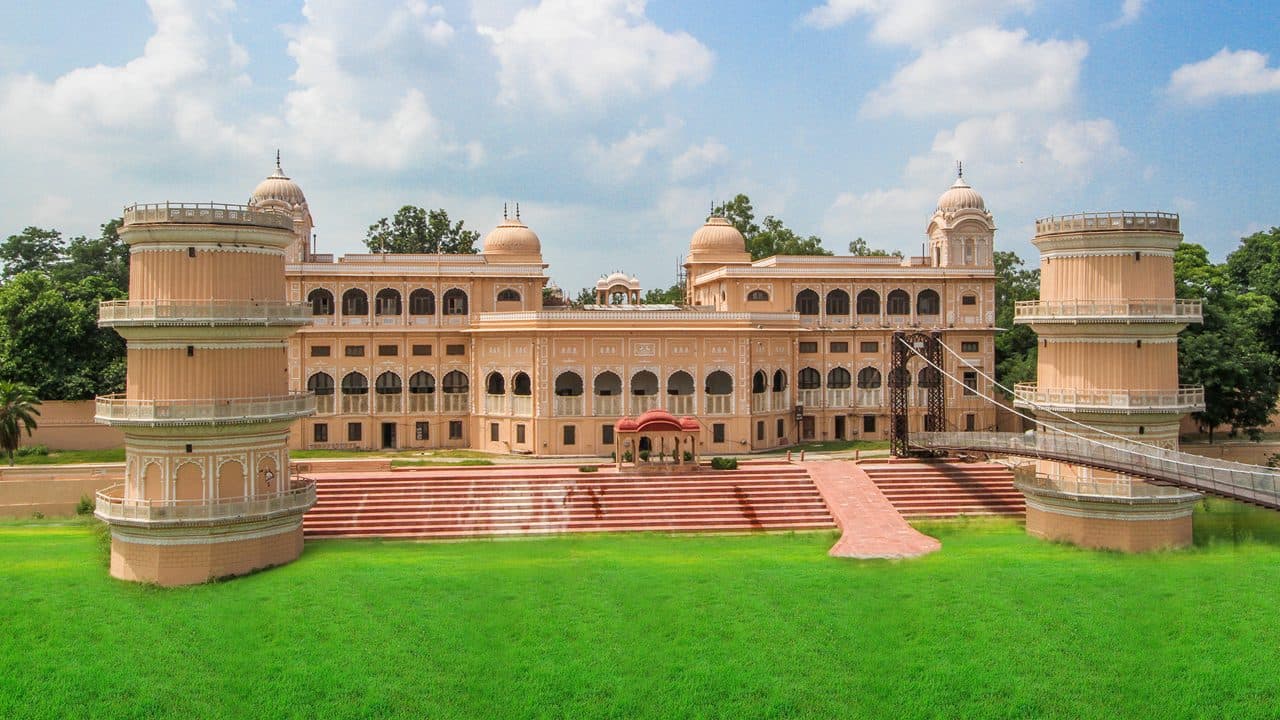
The midday sun beat down on the courtyard of the Qila Mubarak complex, but within the Sheesh Mahal, a cool, dim tranquility reigned. Stepping through the unassuming archway, I was immediately transported from the bustling Punjabi city to a realm of intricate artistry. As a heritage enthusiast specializing in South Indian temple architecture, I was eager to experience this northern architectural gem and compare its nuances with the Dravidian styles I knew so well. The Sheesh Mahal, or “Palace of Mirrors,” truly lives up to its name. Inlaid with countless tiny pieces of mirror, the walls and ceilings shimmer and reflect the ambient light, creating an ethereal, almost magical atmosphere. Unlike the large, strategically placed mirrors of European palaces, these fragments are meticulously arranged in floral patterns, geometric designs, and depictions of mythological scenes, reminiscent of the intricate inlay work found in South Indian temple doorways. The effect is less of grand reflection and more of a diffused, sparkling brilliance, akin to the shimmering silk sarees worn in the south. The central hall, where the Maharaja of Patiala once held court, is the most impressive. The ceiling, a marvel of craftsmanship, is covered in a dense tapestry of mirror work interspersed with colored glass and gilt. The patterns are complex and varied, showcasing a blend of Mughal and Rajput influences. I noticed a distinct Persian influence in the floral motifs, a testament to the historical exchanges and artistic cross-pollination that shaped this region. This syncretism reminded me of the Vijayanagara period in South India, where Islamic architectural elements were subtly incorporated into temple designs. While the mirror work is undoubtedly the star attraction, the Sheesh Mahal offers more than just glittering surfaces. The frescoes adorning the walls depict scenes from Hindu epics like the Ramayana and the Mahabharata, as well as secular themes of courtly life and hunting expeditions. The vibrant colors, though faded in places, still retain their richness, narrating stories that resonate across centuries. The detailing in the figures, particularly the costumes and ornamentation, provided a fascinating glimpse into the fashion and aesthetics of the era. I found myself comparing the depiction of deities here with the sculpted figures on the gopurams of South Indian temples, noting the differences in iconography and artistic style. Moving through the various chambers of the palace, I observed the use of different architectural elements. The arches, while pointed like those found in Islamic architecture, lacked the elaborate calligraphy and geometric patterns I'd seen in mosques. Instead, they were often adorned with floral motifs, creating a softer, more decorative effect. The jharokhas, or overhanging balconies, offered a commanding view of the courtyard below and were reminiscent of similar structures found in Rajput palaces. However, unlike the heavy stone jharokhas of Rajasthan, these were lighter and more ornate, perhaps reflecting the Punjabi preference for intricate woodwork. One aspect that particularly intrigued me was the use of water within the palace complex. A small, rectangular pool, lined with marble and surrounded by mirrored walls, created a mesmerizing play of light and reflection. This reminded me of the stepped tanks and water features integral to South Indian temple architecture, serving both practical and symbolic purposes. While the scale and function differed, the underlying principle of incorporating water as a cooling and aesthetically pleasing element remained consistent. My visit to the Sheesh Mahal was a journey of discovery, highlighting the rich diversity of Indian architectural traditions. While distinct from the Dravidian architecture I was familiar with, the palace shared a similar spirit of artistic innovation and meticulous craftsmanship. The experience underscored the power of architecture to transcend regional boundaries and tell stories of cultural exchange, artistic brilliance, and the enduring legacy of a bygone era.
Lolei Temple Roluos Group Cambodia
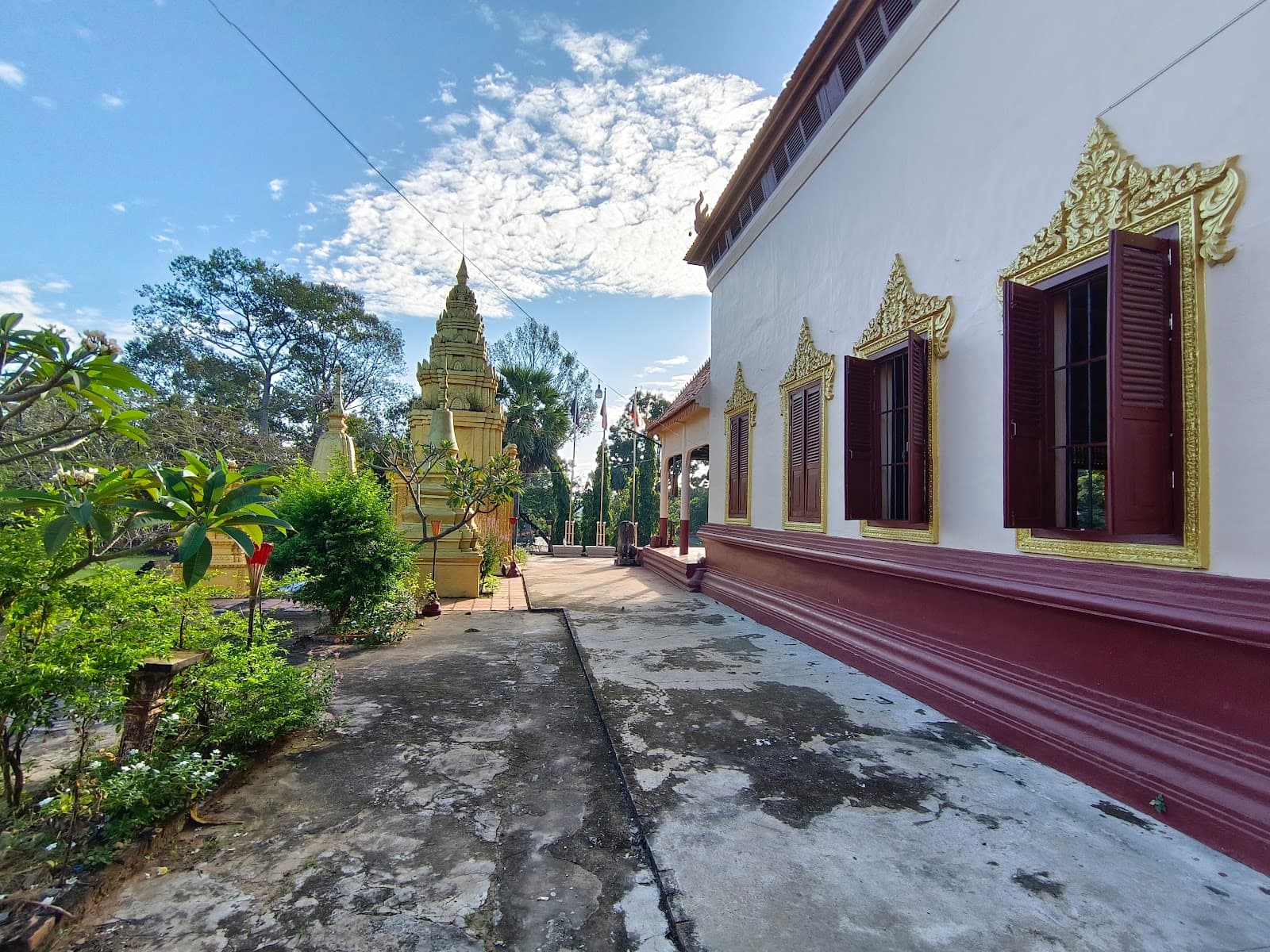
Lolei Temple, elegantly situated on an artificial island within the Indratataka Baray (reservoir) in the Roluos Group archaeological site, represents one of the most architecturally distinctive and iconographically significant early Angkorian Hindu temples, constructed in the late 9th century CE during the reign of King Yasovarman I and dedicated to Shiva and the king's ancestors, creating a powerful testament to the transmission of Indian Hindu religious and architectural traditions to Cambodia during the early Angkorian period. The temple complex, originally comprising four brick towers arranged in two rows, with two towers surviving today, features sophisticated architectural elements that demonstrate the direct transmission of Indian Hindu temple architecture from the great temple complexes of India, while the temple's location on an artificial island within a massive reservoir, chosen according to Indian cosmological principles that emphasized the symbolic importance of water and islands in Hindu cosmology, underscores its spiritual significance as a place where the earthly and divine realms intersected. The temple's most remarkable feature is its extraordinary brick construction and decorative programs, executed with remarkable artistic sophistication, including elaborate lintels and pediments depicting scenes from Hindu mythology that demonstrate the direct transmission of Indian Hindu iconographic programs and narrative traditions from the great artistic centers of India to Cambodia, while the temple's architectural elements including the towers, lintels, and decorative programs follow sophisticated Indian Hindu temple architectural traditions that were systematically transmitted from the great temple complexes of India. Archaeological evidence reveals that the temple served as a major center of Shiva worship and a funerary temple for the king's ancestors, while the discovery of numerous Sanskrit inscriptions provides crucial evidence of the site's role in the transmission of Indian religious texts and practices to Cambodia, demonstrating the sophisticated understanding of Indian Hindu traditions possessed by the early Khmer court and religious establishment. The temple's construction using brick, a material that was gradually being replaced by sandstone in Khmer architecture, demonstrates the transition period in Khmer building techniques, while the temple's location within the Indratataka Baray, one of the largest reservoirs constructed by the Khmer Empire, demonstrates the sophisticated hydraulic engineering that was transmitted from India to Cambodia. Today, Lolei stands as part of the UNESCO World Heritage Site and represents one of the most important early Angkorian temples, serving as a powerful testament to the transmission of Indian Hindu culture and architecture to Southeast Asia, while ongoing archaeological research and conservation efforts continue to protect and study this extraordinary cultural treasure that demonstrates the profound impact of Indian civilization on Southeast Asian religious and architectural traditions. ([1][2])
Bala Hanuman Mandir Jamnagar
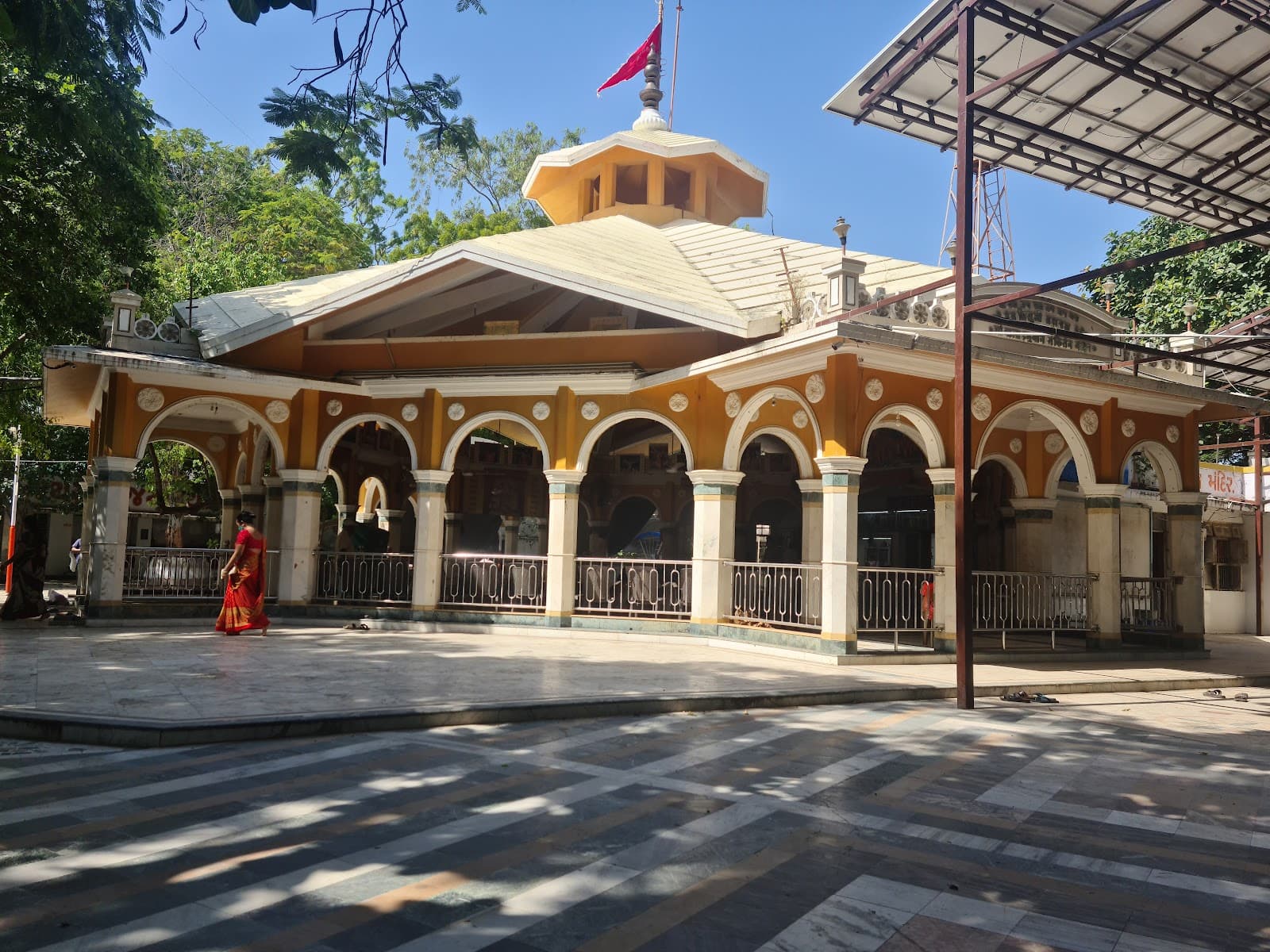
The Bala Hanuman Mandir in Jamnagar, Gujarat, resonates with the continuous chanting of "Sri Ram, Jai Ram, Jai Jai Ram" since 1964, a feat recognized by the Guinness World Records ([1][2]). This 20th-century temple, built during the British Colonial Period, stands as a testament to unwavering devotion and community spirit ([2][3]). While not adhering to strict UNESCO architectural guidelines, its design incorporates regional materials and vernacular styles, reflecting the local Gujarati traditions ([4]). Dedicated to Lord Hanuman, the temple provides a serene space for devotees. Within the Garbhagriha (sanctum sanctorum), a vibrant idol of Lord Hanuman, adorned in traditional orange robes, captivates the eye ([4]). Intricate carvings adorning the walls depict scenes from the Ramayana, enriching the temple's spiritual ambiance ([5]). The continuous chanting, a form of devotional practice known as 'Ajapa Japa', creates a powerful spiritual atmosphere ([1]). During the British Colonial Period, the Bala Hanuman Mandir served as a focal point for the local community, fostering a sense of unity and shared faith ([3]). Stories abound of devotees finding solace and connection within its walls ([1]). Vastu Shastra principles, the ancient Indian science of architecture, may have subtly influenced the temple's layout, promoting harmony and positive energy, though specific textual references are currently undocumented. Leaving the Bala Hanuman Mandir, visitors carry with them a profound sense of collective devotion, a reminder of the enduring power of faith ([2][5]). The temple's simple yet resonant structure provides a compelling glimpse into the region's religious practices and cultural heritage ([3][4]).
Brahma Temple Pushkar
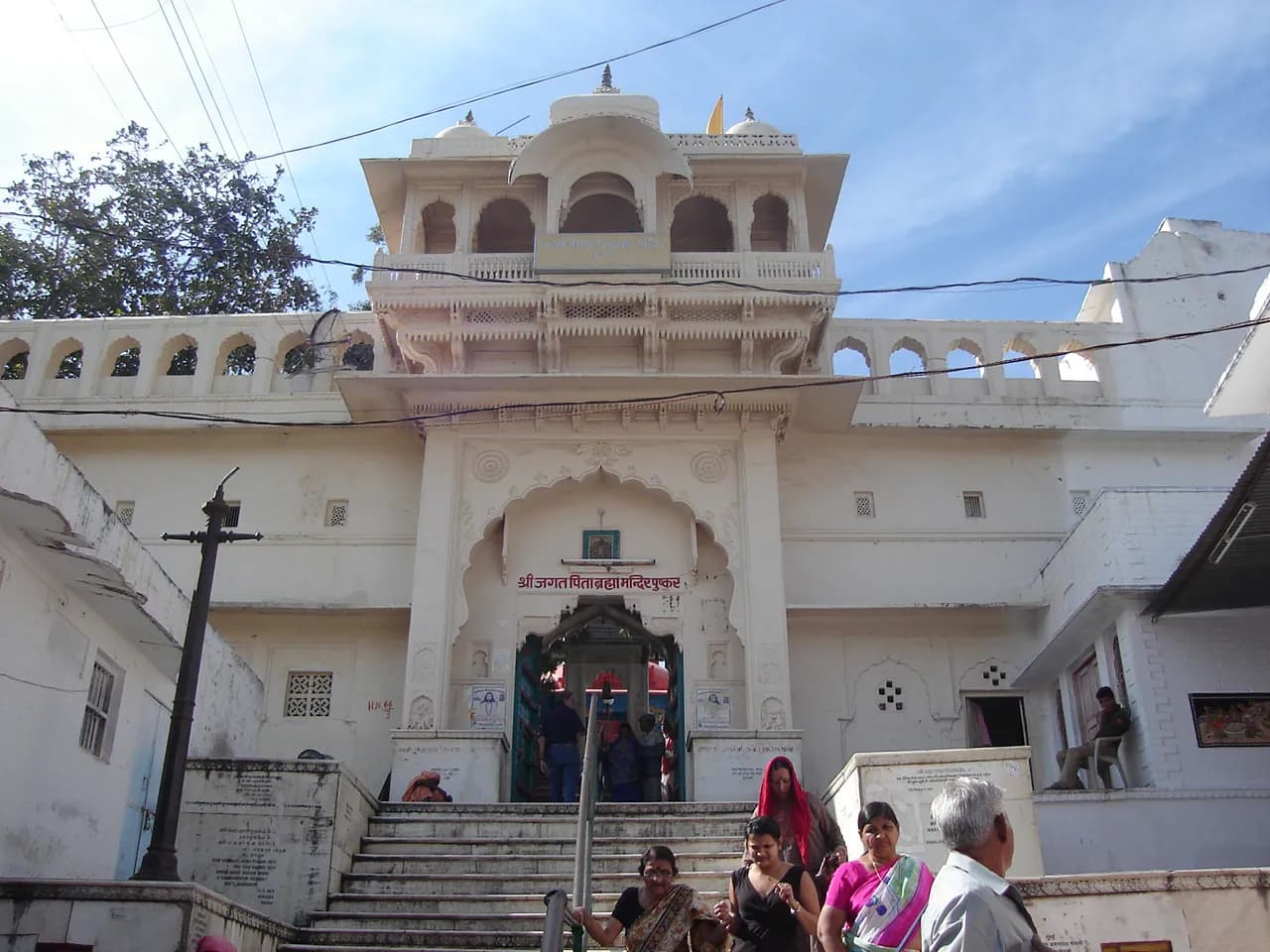
Nestled in the Aravalli Range, the Jagatpita Brahma Mandir in Pushkar, Rajasthan, stands as a testament to North Indian temple architecture ([1][2]). Constructed around 1350 CE during the Rajput period, this sacred site is primarily built of marble and stone ([3]). Rana Lakha of Mewar is credited with providing patronage for the temple's construction ([4]). Intricate carvings embellish the temple walls, depicting scenes from Hindu mythology, reflecting the artistic influences of the Gujarat region ([5]). The Nagara-style Shikhara (spire), crowned with a Kalasha (finial), dominates the temple's skyline ([6]). Within the Garbhagriha (sanctum), the four-faced murti (idol) of Lord Brahma radiates a serene aura ([7]). Silver coins, offered by devotees and embedded in the red marble floor, contribute to the temple's unique sacred ambiance ([8]). Granite and sandstone blocks, meticulously carved, constitute the temple's structure, exemplifying the architectural skills of the Rajput era ([9]). The absence of a separate Antarala (antechamber) fosters a more intimate experience within the sanctum ([10]). During the Rajput Period, temple architecture saw a resurgence, blending regional styles and traditions ([11]). Smaller shrines dedicated to Saraswati and Savitri enhance the main temple complex, creating visual harmony ([12]). Vastu Shastra principles, the ancient Indian science of architecture, likely guided the temple's orientation and design, aligning it with cosmic energies ([13]). The adjacent Pushkar Lake complements the temple's spiritual ambiance, its reflections creating a serene atmosphere, reminiscent of traditional integrated temple and water body designs ([14]). Vedic traditions emphasize the significance of Brahma as the creator, making this temple a vital pilgrimage site ([15]).
Jhansi Fort Jhansi
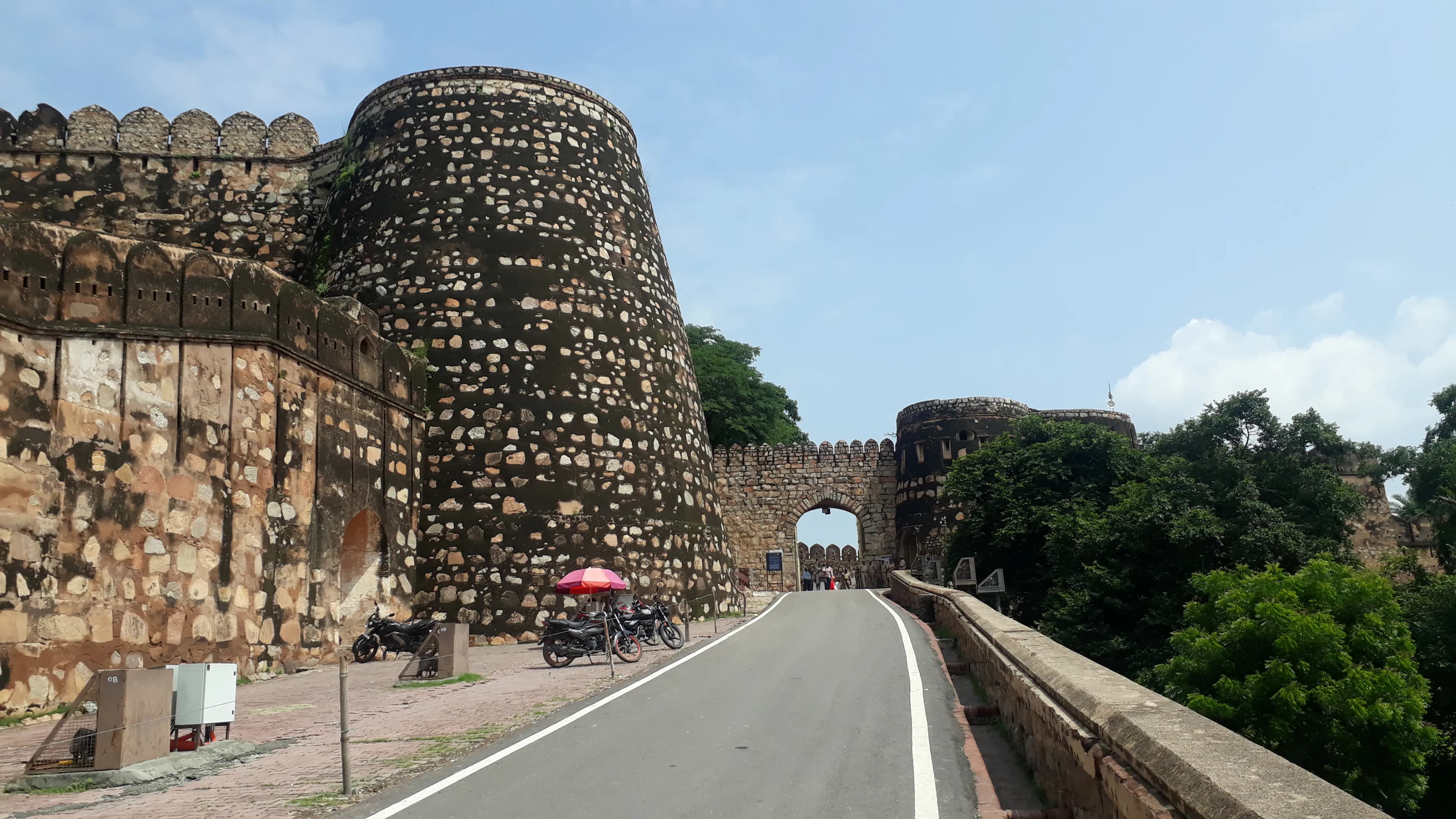
The imposing sandstone ramparts of Jhansi Fort, rising dramatically from the Bundelkhand plains, seemed to hum with untold stories. Having explored countless caves and temples back home in Maharashtra, I’ve developed a keen eye for historical resonance, and this fort, even from a distance, vibrated with a palpable energy. The scorching Uttar Pradesh sun beat down as I approached the main gate, the very same gateway Rani Lakshmibai, the iconic warrior queen, is said to have charged through on horseback, her infant son strapped to her back. Entering through the Karak Bijli Toop (Lightning Cannon) gate, I was immediately struck by the fort's sheer scale. The walls, averaging 20 feet thick and rising to a height of 100 feet in places, enclosed a vast expanse. Unlike the basalt structures I’m accustomed to in Maharashtra, the reddish-brown sandstone gave the fort a distinct, almost earthy feel. The walls, though scarred by cannon fire and the ravages of time, held an undeniable strength, a testament to the fort's enduring resilience. My exploration began with the Ganesh Mandir, nestled within the fort's complex. The small, unassuming temple, dedicated to Lord Ganesha, offered a moment of quiet contemplation amidst the fort's martial history. The intricate carvings on the temple door, though weathered, spoke of a time of artistic flourishing within these walls. From there, I moved towards the Rani Mahal, the queen's palace. This was where the personal became intertwined with the historical. The palace, though now a museum, still echoed with the whispers of Rani Lakshmibai's life. The delicate murals depicting scenes of courtly life and nature, now faded but still visible, offered a glimpse into the queen's world, a world far removed from the battlefield. I paused in the courtyard, imagining the queen strategizing with her advisors, her spirit as fiery as the Bundelkhand sun. The panoramic view from the top of the fort was breathtaking. The sprawling city of Jhansi stretched out below, a tapestry of old and new. I could see the very path the queen took during her daring escape, a path etched not just in history books, but in the very landscape itself. It was here, looking out at the vastness, that the weight of history truly settled upon me. The fort’s architecture revealed a blend of influences. While predominantly exhibiting Hindu architectural styles, certain elements, like the strategically placed bastions and the use of cannons, hinted at the later Maratha influence. The Kadak Bijli cannon itself, a massive piece of artillery, stood as a silent witness to the fierce battles fought here during the 1857 uprising. The museum within the Rani Mahal housed a collection of artifacts from that era – swords, shields, and even some personal belongings of the queen. While these objects were fascinating in their own right, they also served as poignant reminders of the human cost of conflict. As I descended from the ramparts, leaving the fort behind, I couldn't shake the feeling that I had walked through a living testament to courage and resilience. Jhansi Fort is more than just stones and mortar; it’s a repository of stories, a symbol of resistance, and a powerful reminder of a queen who dared to defy an empire. It is a place where history isn't just read, it's felt. And for a history enthusiast like myself, that's the most rewarding experience of all.

Kal Bhairav Temple Ujjain
The air crackled with an energy I hadn’t anticipated. Not the usual tourist hubbub, but something older, thicker, woven into the very stones of the Kal Bhairav Temple in Ujjain. Dust motes danced in the shafts of sunlight slicing through the ancient gateway, illuminating the worn carvings that hinted at stories untold. This wasn't just a temple; it was a palimpsest of history, each layer whispering secrets of devotion and time. My camera, usually a reliable extension of myself, felt inadequate. How could I possibly capture the weight of centuries etched into the weathered stone? The temple, dedicated to the fearsome form of Shiva, Kal Bhairav, sits nestled on the banks of the Shipra River. The river itself seemed to hold its breath as it flowed past, a silent witness to the countless rituals performed on these banks. The main entrance, guarded by two imposing dwarapalas, felt like a portal to another realm. Their expressions, eroded by time yet still potent, spoke of a power beyond human comprehension. Stepping through the archway, I was struck by the contrast between the vibrant energy of the devotees and the stoic stillness of the temple structure. The scent of incense hung heavy in the air, mingling with the earthy aroma of the river and the metallic tang of offerings. Architecturally, the temple is a marvel. The shikhara, the towering spire that dominates the skyline, is a testament to the skill of the ancient artisans. Intricate carvings of deities, mythical creatures, and floral motifs adorn every surface, each telling a story from Hindu mythology. I spent hours tracing the lines of these carvings with my lens, trying to decipher the narratives they held. The play of light and shadow on the stone created an ever-shifting tapestry, adding another layer of complexity to the visual narrative. One particular carving caught my attention – a depiction of Kal Bhairav himself, eight-armed and fearsome, astride his vahana, the dog. The detail was astonishing; I could almost feel the raw power emanating from the deity. This wasn't just a representation; it felt like a presence. It was in moments like these, lost in the minutiae of the carvings, that I truly understood the devotion this place inspired. Beyond the main shrine, the temple complex sprawls, encompassing smaller shrines, courtyards, and pillared halls. Each space has its own unique character, its own story to tell. I found myself drawn to a quieter corner, a small shrine dedicated to the Goddess Parvati. The serenity of this space offered a stark contrast to the vibrant energy of the main shrine, providing a moment of quiet contemplation amidst the throngs of devotees. The most striking aspect of the Kal Bhairav Temple, however, is its palpable connection to the past. This isn't a museum piece; it's a living, breathing entity, still actively worshipped by thousands. Witnessing the rituals, the offerings, the fervent prayers, I felt a profound sense of connection to something larger than myself. It was a humbling experience, a reminder of the enduring power of faith and tradition. As the day drew to a close, and the last rays of sunlight painted the temple in hues of gold and ochre, I knew I had only scratched the surface of this ancient site. My photographs, though meticulously composed, could only capture a fraction of the experience. The true essence of the Kal Bhairav Temple lies in the intangible – the energy, the devotion, the whispers of history that echo through its hallowed halls. It's a place that stays with you long after you've left, a testament to the enduring power of the sacred.
Quick Links
Plan Your Heritage Journey
Get personalized recommendations and detailed visitor guides