Has Inheritage Foundation supported you today?
Your contribution helps preserve India's ancient temples, languages, and cultural heritage. Every rupee makes a difference.
Secure payment • Instant 80G certificate
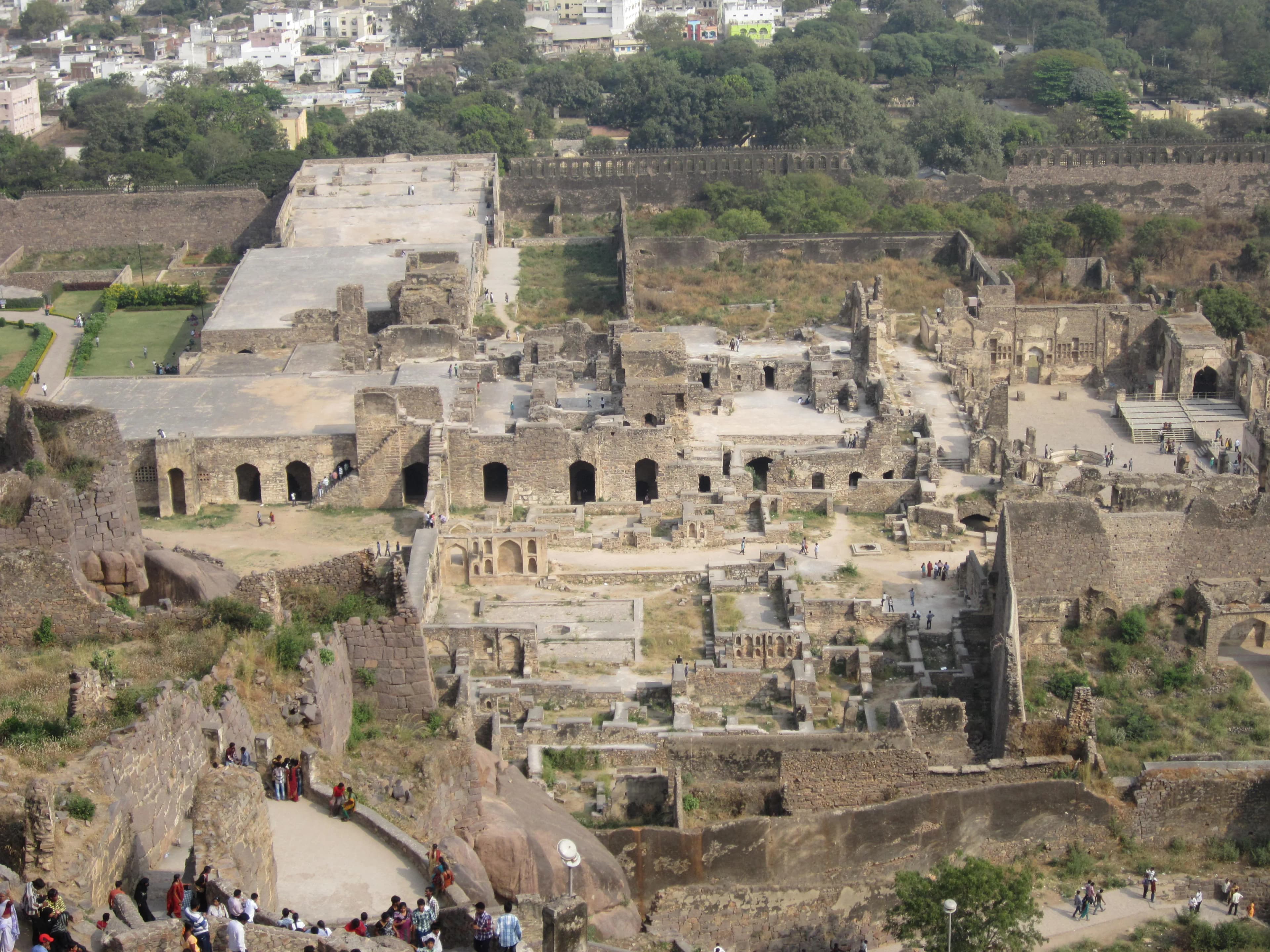
Golconda Fort Hyderabad
The imposing granite ramparts of Golconda Fort, rising abruptly from the Deccan plateau, exude a palpable sense of history. Having documented hundreds of forts across India, I can confidently say that Golconda possesses a unique aura, a blend of military might and architectural finesse rarely encountered. My recent visit to this magnificent structure, a sprawling citadel encompassing palaces, mosques, and ingenious acoustic systems, left me awestruck. The sheer scale of Golconda is initially overwhelming. The outer fortifications stretch for nearly seven kilometers, punctuated by imposing bastions and multiple gateways. The climb to the Bala Hissar, the highest point within the fort complex, is a journey through layers of history. Each level, each gateway, whispers tales of past grandeur and strategic brilliance. The Fateh Darwaza, the main entrance, is particularly striking. Its massive studded wooden doors, reinforced with iron spikes to prevent elephant battering rams, speak volumes about the fort's defensive capabilities. Standing beneath its arch, I could almost hear the echoes of marching armies and the clang of swords. One of the most fascinating aspects of Golconda is its sophisticated acoustic system. A handclap at the entrance arch can be heard clearly at the Bala Hissar, almost a kilometer away. This ingenious communication system, a marvel of medieval engineering, allowed the rulers to quickly alert the entire fort of impending danger. I tested it myself, and the clarity of the sound transmission was truly remarkable. It's a testament to the architectural ingenuity of the Qutb Shahi dynasty. Beyond its military fortifications, Golconda reveals a softer side. The palaces within the complex, though now in ruins, offer glimpses into the opulent lifestyle of the erstwhile rulers. The intricate carvings on the remaining walls, the delicate jalis (lattice screens), and the remnants of elaborate water systems hint at a life of luxury and refinement. I spent hours exploring these ruins, my camera capturing the interplay of light and shadow on the weathered stone, trying to freeze these fragments of history in time. The mosques within the fort complex, particularly the Jama Masjid and the Taramati Mosque, showcase a blend of Persian and Deccani architectural styles. The soaring arches, the intricate stucco work, and the serene courtyards offer a peaceful respite from the imposing military structures surrounding them. I found myself drawn to the quiet corners of these mosques, imagining the prayers and rituals that once filled these spaces. The view from the Bala Hissar is breathtaking. The sprawling city of Hyderabad stretches out before you, a stark contrast to the ancient ruins beneath your feet. From this vantage point, the strategic importance of Golconda becomes crystal clear. The fort commands a panoramic view of the surrounding plains, allowing its defenders to monitor any approaching armies. As I stood there, absorbing the panoramic vista, I felt a profound sense of connection to the past. My visit to Golconda was more than just a documentation exercise; it was an immersive experience. It was a journey through time, a glimpse into a bygone era of kings and conquerors, of architectural marvels and ingenious engineering. Golconda is not just a fort; it's a living testament to India's rich and complex history, a place where the whispers of the past continue to resonate in the present. It's a site I would recommend to anyone seeking to understand the grandeur and ingenuity of India's architectural heritage.
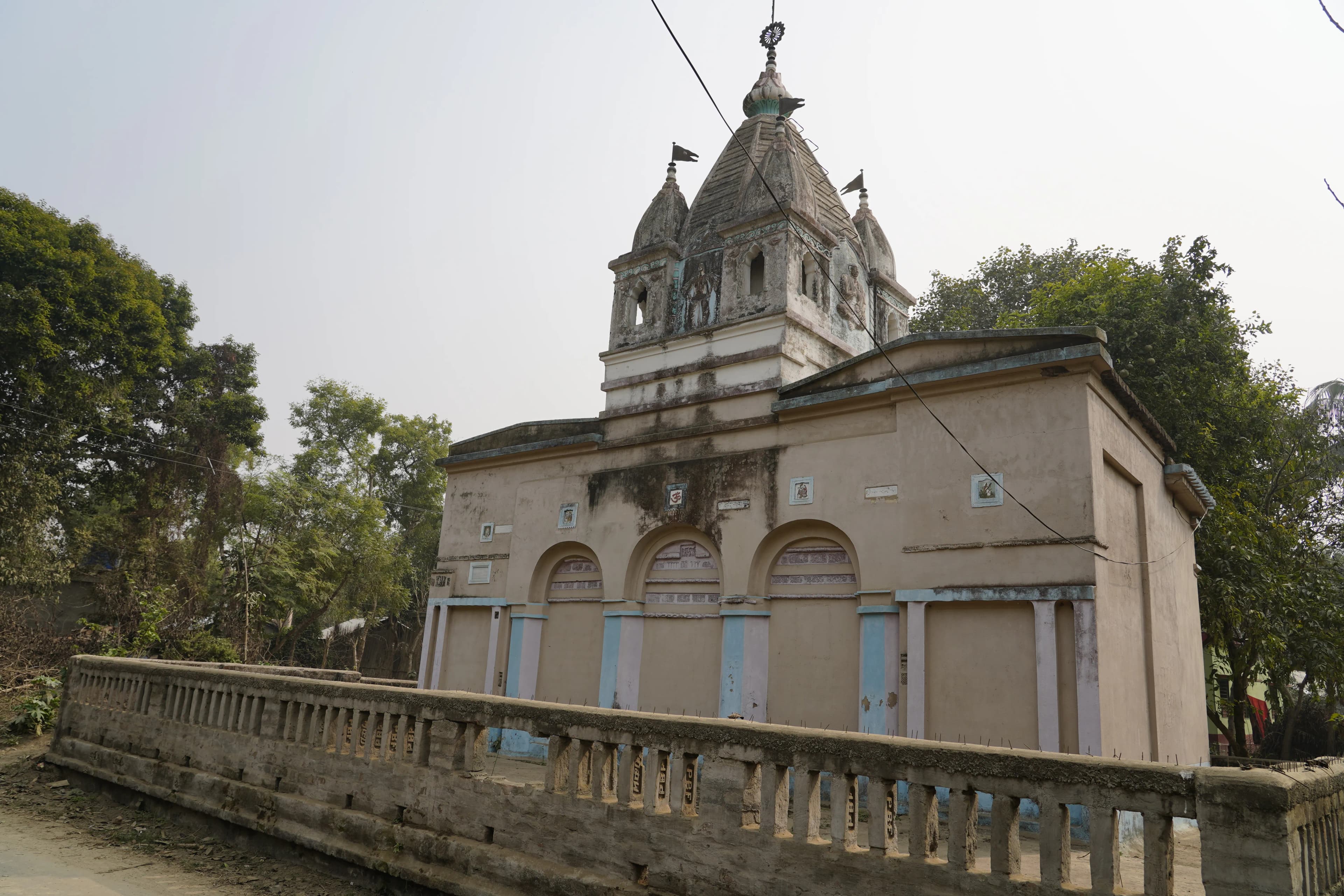
Shree Shyam Rai Temple Imphal
The air, thick with the scent of incense and champak flowers, hung heavy as I stepped onto the grounds of the Shree Govindajee Temple complex in Imphal. Coming from Uttar Pradesh, a land steeped in its own unique architectural heritage, I was eager to experience the distinct flavour of Manipuri religious architecture. The Shyam Rai Temple, dedicated to Lord Krishna, immediately caught my eye. Unlike the towering stone edifices I was accustomed to back home, this temple, nestled within the larger complex, presented a different aesthetic altogether. The structure, built primarily of brick and wood, showcased a distinctly Manipuri style. Its curved roof, reminiscent of the traditional thatched huts of the region, rose in tiers, culminating in a pointed finial. The vibrant colours – deep reds, ochre yellows, and bright golds – adorned the wooden carvings that embellished the facade. These weren't the intricate, narrative carvings of Khajuraho or the bold geometric patterns of Mughal architecture. These were simpler, yet equally expressive, depicting floral motifs, stylized dragons, and mythical creatures that spoke of a different artistic vocabulary. As I approached the main entrance, I noticed the absence of the towering gateways or gopurams that characterize South Indian temples. Instead, a modest arched entrance led into a courtyard. The courtyard itself was a hub of activity. Devotees, clad in traditional Manipuri attire, moved with quiet reverence. The women, in their phanek (sarong) and innaphi (shawl), added splashes of colour to the scene. The rhythmic chanting of hymns and the clang of cymbals created an atmosphere of serene devotion, a stark contrast to the bustling city just beyond the temple walls. Inside the sanctum sanctorum, the atmosphere was palpably different. The air was thick with the scent of sandalwood, and a single oil lamp cast flickering shadows on the deity. The image of Lord Krishna, adorned with vibrant silks and garlands, radiated a sense of profound tranquility. Unlike the elaborate rituals and crowded darshan queues I’d experienced in Uttar Pradesh temples, here, the worship felt more intimate, more personal. There was a quiet dignity in the way devotees offered their prayers, a sense of deep connection with the divine. What struck me most about the Shyam Rai Temple was its integration with the surrounding landscape. Unlike the monumental temples of the north, which often dominate their surroundings, this temple seemed to blend seamlessly with the natural environment. The surrounding gardens, filled with flowering trees and shrubs, added to the sense of peace and tranquility. I could see the influence of the surrounding hills and valleys in the curved lines of the roof and the natural materials used in its construction. The temple's architecture also reflected the unique cultural blend of Manipur. While the core structure adhered to traditional Manipuri styles, I could discern subtle influences from other regions. The use of brick, for instance, reminded me of the Mughal architecture prevalent in parts of India. This fusion of styles, this subtle intermingling of influences, spoke volumes about Manipur's history as a crossroads of cultures. Leaving the Shyam Rai Temple, I felt a sense of quiet contemplation. The experience had been a powerful reminder of the diversity of India's architectural and spiritual heritage. While the temples of Uttar Pradesh, with their grandeur and intricate carvings, held a special place in my heart, the Shyam Rai Temple, with its understated elegance and serene atmosphere, had offered a glimpse into a different, equally compelling, expression of faith and artistry. It reinforced the idea that sacred spaces, regardless of their architectural style or regional context, serve as powerful conduits for human connection with the divine.
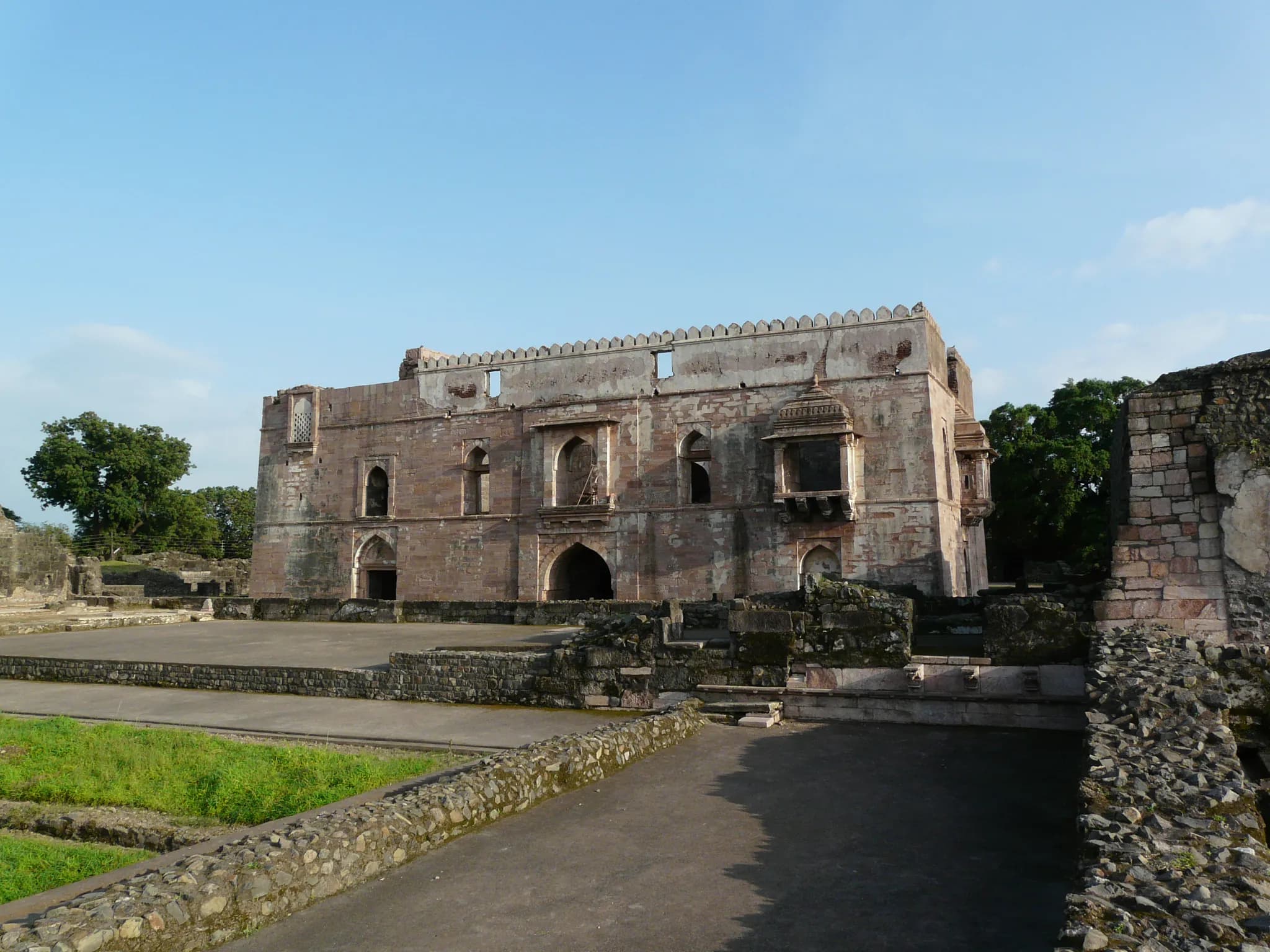
Hindola Mahal Mandu
The sloping walls of the Hindola Mahal rose before me, an arresting sight against the clear Mandu sky. Its peculiar incline, giving the structure its name – Swinging Palace – felt almost precarious, as if a strong gust of wind could set the whole edifice swaying. Standing at its base, I craned my neck, my gaze tracing the lines of the T-shaped structure, divided into two distinct halls. The larger hall, presumably the Darbar Hall, exuded an air of grandeur, even in its current state of ruin. The battered stone walls, devoid of their original plaster, whispered tales of bygone eras. I ran my hand over the rough surface, imagining the vibrant court life that once thrived within these walls. The absence of elaborate ornamentation, so common in other Mandu palaces, struck me. The beauty of the Hindola Mahal lay in its stark simplicity, its strength, and its unusual architectural design. The massive sloping walls, reinforced by arched buttresses, were a testament to the ingenuity of the Afghan architects who conceived this marvel. Entering the Darbar Hall, I was immediately struck by its sheer scale. The high ceiling, supported by pointed arches springing from massive piers, created a sense of awe. The light filtering through the arched openings cast dramatic shadows, accentuating the texture of the weathered stone. I could almost hear the echoes of royal pronouncements and the murmur of courtly conversations. The hall, despite its emptiness, resonated with a palpable sense of history. A narrow passage led me to the smaller hall, believed to have been the royal chambers. Here, the inclination of the walls was even more pronounced, adding to the palace's unique character. I peered out of the arched windows, framing the panoramic views of the Mandu plateau. It was easy to imagine the royalty enjoying the cool breeze and the breathtaking vistas from these very windows. The architectural style of the Hindola Mahal, a blend of Afghan and indigenous influences, intrigued me. The robust structure, with its sloping walls and pointed arches, bore a distinct resemblance to the architectural traditions of the Tughlaq dynasty of Delhi. Yet, the use of locally sourced sandstone and the integration of certain indigenous elements gave it a unique regional character. It was a fascinating example of architectural fusion, a testament to the cultural exchange that shaped the region's history. Walking around the exterior, I observed the series of arched openings that punctuated the sloping walls. These arches, besides their aesthetic appeal, served a crucial structural purpose. They acted as buttresses, supporting the inclined walls and preventing them from collapsing inwards. This ingenious design was a marvel of engineering, allowing the architects to create a structure that was both visually striking and structurally sound. As I moved further away from the palace, I paused to take in the full view. The Hindola Mahal, with its sloping walls and imposing presence, stood as a silent witness to the rise and fall of empires. It was a poignant reminder of the impermanence of power and the enduring legacy of architecture. The experience left me with a deep appreciation for the ingenuity of the past and a renewed sense of wonder for the architectural treasures that dot the landscape of my home state, Gujarat, and its neighboring regions. The Hindola Mahal, with its unique charm and historical significance, deserves to be recognized as one of India's architectural gems.
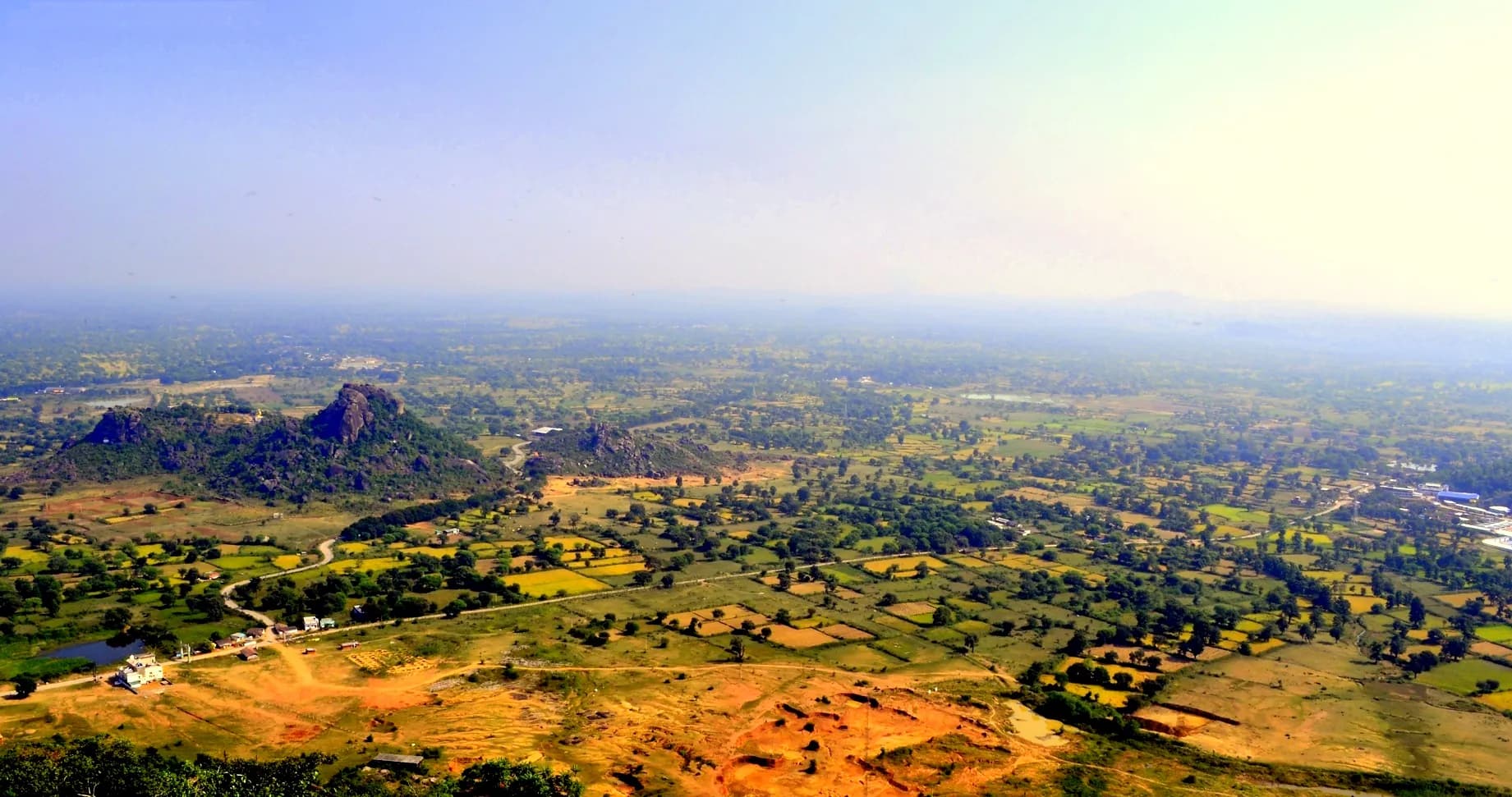
Maa Bamleshwari Temple Dongargarh
The cable car ascended, revealing Dongargarh, a verdant hill crowned by the sprawling complex of the Maa Bamleshwari Temple. From the valley floor, the temple seemed a distant, shimmering mirage, but as we climbed, its scale and grandeur became increasingly apparent. The air thrummed with anticipation, a palpable energy radiating from the devotees around me, their faces alight with devotion. This wasn't just a temple; it was a pilgrimage, a journey of faith etched onto the very landscape. Stepping off the cable car, I was immediately struck by the vibrant tapestry of activity. Vendors hawked garlands of marigolds and coconuts, their calls mingling with the rhythmic chanting of pilgrims and the clang of temple bells. The architecture, a blend of traditional Nagara style and regional influences, was captivating. The main temple, dedicated to Maa Bamleshwari, is a multi-tiered structure, its whitewashed walls adorned with intricate carvings of deities and mythical creatures. The shikhara, the towering spire that dominates the skyline, is a testament to the skill of the artisans who crafted it centuries ago. I noticed the subtle integration of the natural landscape into the temple complex. The rocky outcrops of the hill have been incorporated into the design, forming natural walls and platforms. This harmonious blend of the built and natural environment creates a unique atmosphere, a sense of sacredness that permeates the entire site. The panoramic views from the hilltop are breathtaking, stretching across the plains of Chhattisgarh, a patchwork of fields and forests. It's easy to see why this location was chosen as a place of worship, a point of connection between the earthly and the divine. Inside the main temple, the atmosphere was charged with devotion. The air was thick with the scent of incense, and the flickering lamps cast dancing shadows on the walls. Devotees offered prayers to the goddess, their faces etched with reverence. I observed the intricate details of the garbhagriha, the inner sanctum where the deity resides. The ornate carvings and the rich embellishments spoke of a deep artistic tradition, a legacy passed down through generations. Beyond the main temple, the complex houses several smaller shrines dedicated to various deities. Each shrine has its own distinct character, reflecting the diverse pantheon of Hindu gods and goddesses. I was particularly drawn to the shrine of Lord Shiva, its stark simplicity a contrast to the opulent grandeur of the main temple. The smooth, black lingam, the symbol of Shiva, radiated a sense of quiet power. As I explored the complex, I noticed the distinct Gujarati influence in some of the architectural elements. The intricate jali work, the delicate lattice screens carved from stone, reminded me of the ornate havelis of Ahmedabad and the stepwells of Patan. This cross-pollination of architectural styles, a testament to the historical connections between Gujarat and Chhattisgarh, added another layer of fascination to the site. My visit to the Maa Bamleshwari Temple was more than just a sightseeing trip; it was an immersive cultural experience. It was a journey into the heart of devotion, a glimpse into the rich tapestry of Indian spirituality. The architectural marvels of the temple, the vibrant energy of the pilgrims, and the breathtaking natural beauty of Dongargarh combined to create an unforgettable experience. As I descended the hill, the temple bells echoing in the distance, I carried with me a profound sense of peace and a renewed appreciation for the power of faith and the enduring legacy of Indian architecture.
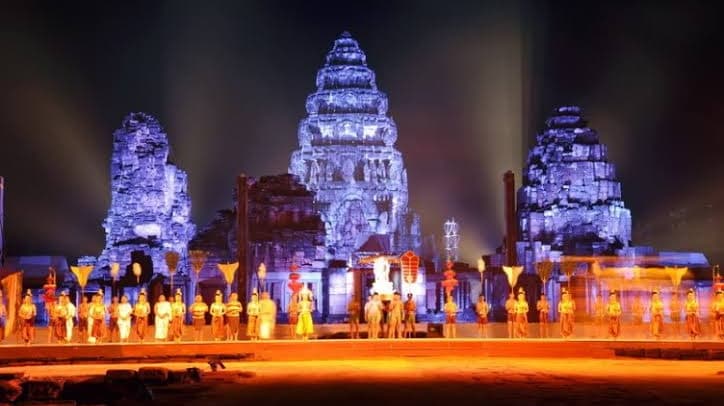
Phimai Historical Park Nakhon Ratchasima
Phimai Historical Park, located in the heart of Phimai town in Nakhon Ratchasima Province, represents one of the most important and best-preserved Khmer temple complexes in Thailand, serving as a crucial link in the ancient highway connecting Angkor to regional centers. The temple complex, constructed primarily in the 11th and 12th centuries CE during the reigns of Suryavarman I and Jayavarman VII, demonstrates a unique architectural synthesis of Mahayana Buddhist and Shaiva Hindu traditions, with the main prasat originally dedicated to Vajrapani before being converted to Shiva worship. The complex spans approximately 28 hectares and features a rectangular laterite wall enclosure measuring 565 by 1,030 meters, accessed through four monumental gopuras aligned to the cardinal directions, with the eastern entrance serving as the primary approach. The central prasat, constructed from white sandstone and laterite, rises 28 meters and features a cruciform plan with four porches extending in cardinal directions, housing a massive lingam pedestal and evidence of both Buddhist and Hindu iconography. The temple’s architectural style represents the transition from Baphuon to Angkor Wat periods, with distinctive features including false windows, devata carvings, and elaborate lintels depicting scenes from the Ramayana and Mahabharata. The complex includes two libraries, two ponds, numerous subsidiary shrines, and a unique naga bridge connecting the outer enclosure to the inner sanctuary. Archaeological evidence indicates the temple served as both a religious center and administrative hub for the Khmer Empire’s control over the Mun River valley. The site underwent extensive restoration from 1964 to 1989, involving anastylosis techniques that carefully reconstructed collapsed structures using original materials. Today, Phimai remains an active site of worship and hosts the annual Phimai Festival, celebrating the temple’s cultural heritage. ([1][2])
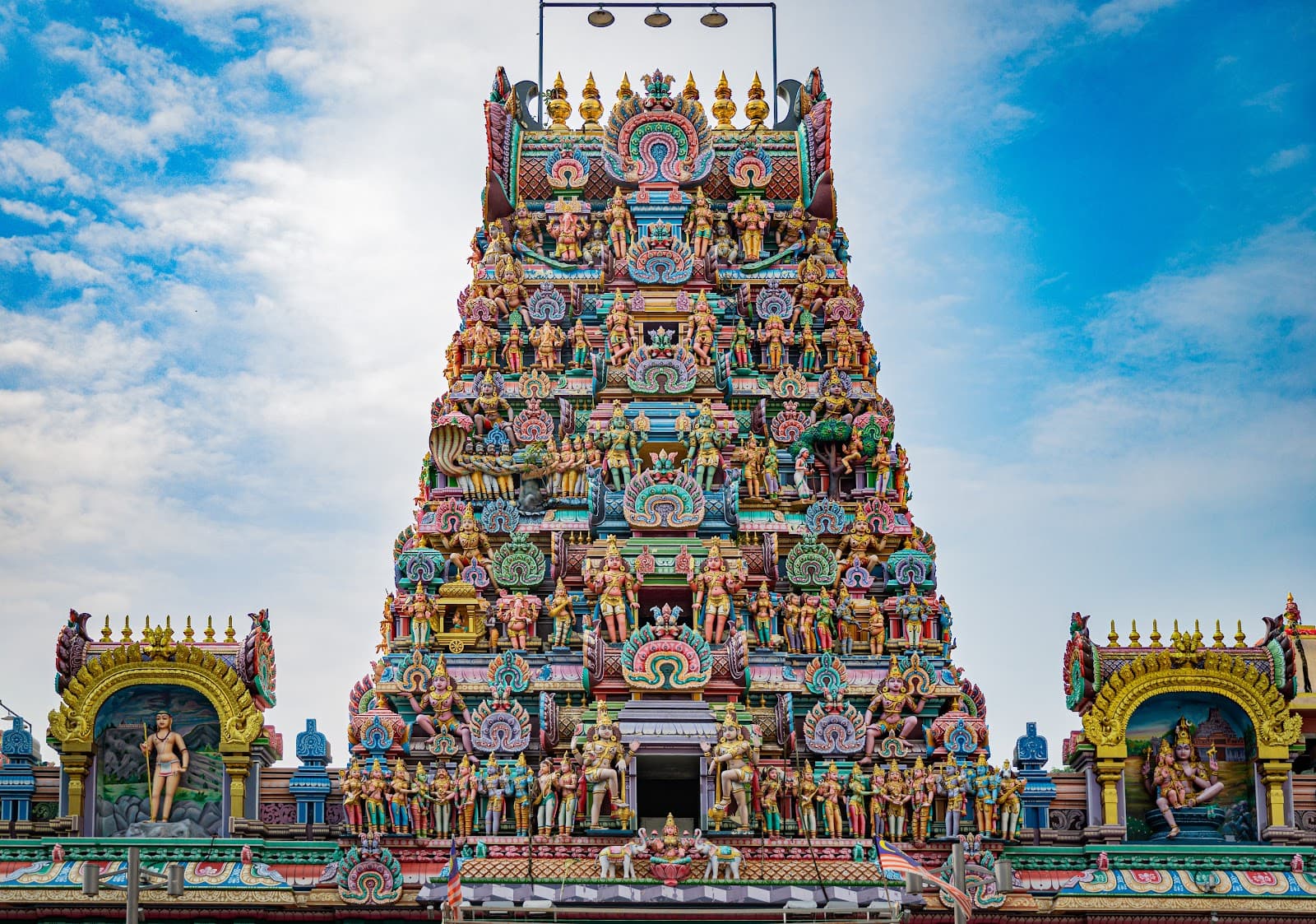
Sri Kandaswamy Kovil Brickfields Kuala Lumpur
Sri Kandaswamy Kovil (1902) crowns Brickfields as Malaysia’s finest Saiva Siddhanta kovil, built by Ceylon Tamil administrators of the Federated Malay States Railways, with a 21-metre rajagopuram sculpted by Jaffna artisans, tiered gold kalashas, and an interior consecrated to Murugan (Kandaswamy) with granite-lined sanctum, teppakulam-style reflecting pool, and murals chronicling Nallur Kovil traditions ([1][2]). The kovil opens 5:30 AM-9:30 PM daily, offering six kala pujas, Vedic chanting, abhishekam, and annadhanam; Vaikasi Visakam, Thai Poosam (Silver chariot), Navaratri, and Skanda Shasti anchor the calendar, while Sunday thiruppugazh classes, Sivaneri sangam, and Tamil vidyalayam serve the community. During Thaipusam, the temple dispatches Kuala Lumpur’s famed silver chariot to Batu Caves, mobilising 400 marshals, GPS-tracked convoy, real-time crowd updates, and recycling squads. Facilities include a heritage gallery, Tamil library, music and dance studios, wedding halls, vegetarian restaurant, counselling centre, dialysis support fund, and archives storing century-old kovil minute books. The kovil’s Ceylonese management publishes bilingual liturgical guides, organises interfaith dialogues, and supports Brickfields’ blind association through inclusive programmes ([1][3]).
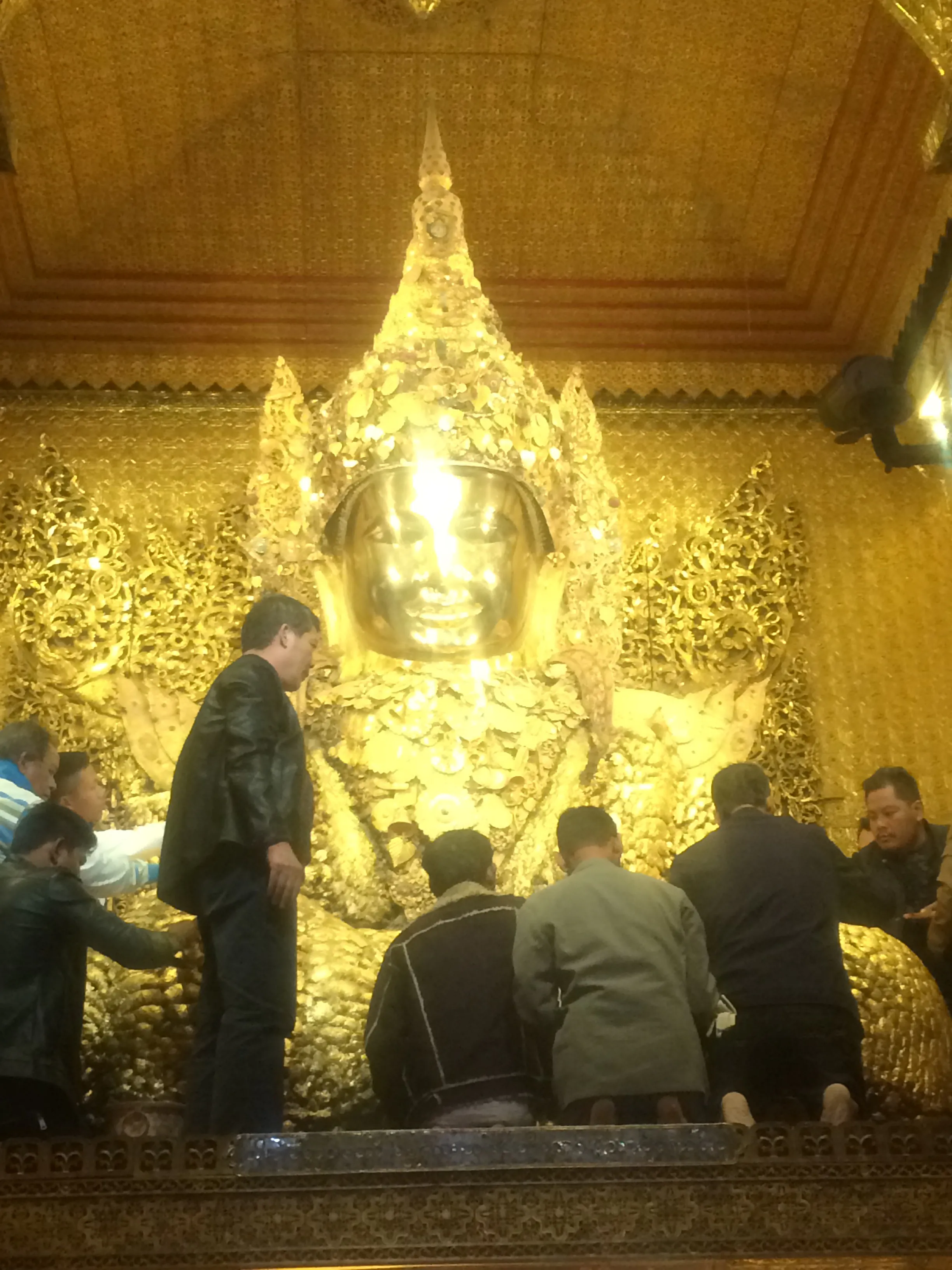
Mahamuni Pagoda Agartala
The Mahamuni Pagoda, a revered Buddhist shrine, stands as a testament to India's millennia-spanning cultural heritage in Manubankul village, located in the Sabroom Sub-Division of South Tripura, approximately 134 kilometers from Agartala [2] [3]. This ancient monastery embodies the continuous tradition of Indian civilization, showcasing indigenous architectural styles that reflect deep historical roots [3]. The pagoda is dedicated to the Mahamuni Buddha, a central figure of veneration for Buddhist communities across the region and beyond [2]. Its architectural design is a unique synthesis, primarily reflecting the Arakanese Buddhist architecture style, with discernible influences from Bengali Temple architecture and indigenous Tripura architectural traditions, creating a distinctive Indo-Colonial architectural overlay in its later phases [4]. The structure is characterized by its intricate temple architecture, featuring detailed carvings and ornate ceilings within the central shrine complex, which exemplify exquisite craftsmanship [1]. These decorative elements often depict Buddhist iconography, mythological narratives, and floral motifs, deeply embedded in the region's artistic lexicon [1]. The primary construction materials likely include locally sourced brick and stucco, common in the region for religious edifices, with timber elements for structural support and decorative finishes, though specific dimensions are not widely documented [4]. The pagoda's design incorporates a central shrine, typically housing the principal Buddha image, surrounded by an extensive, well-maintained grass lawn, contributing to the serene ambiance of the site [3]. While specific technical details regarding structural systems, engineering innovations, water management, or defensive features are not extensively published, the enduring nature of the structure over centuries suggests robust traditional construction techniques adapted to the local environment [2]. The Mahamuni Pagoda holds the dual designation of a 'Protected Monument of State Importance' and an 'Important Buddhist Site' by the Government of Tripura, ensuring its preservation and inclusion in state conservation programs [5]. Current conservation efforts focus on maintaining the structural integrity of the ancient monastery and preserving its artistic elements, with ongoing archaeological findings contributing to a deeper understanding of its layered history [5]. The site is actively programmed, hosting a famous week-long fair annually in March-April, alongside traditional Mahamuni and 'Owha' festivals, which draw thousands of Buddhist and non-Buddhist pilgrims from India, Myanmar, Thailand, Sri Lanka, Japan, and Bangladesh [2] [3]. Visitor flow is managed to ensure both spiritual reverence and heritage preservation, with accessibility provisions in place. The pagoda remains operationally ready, serving as a vibrant center for Buddhist worship and cultural exchange, upholding its legacy as a key heritage landmark within India's unbroken cultural continuum [5].
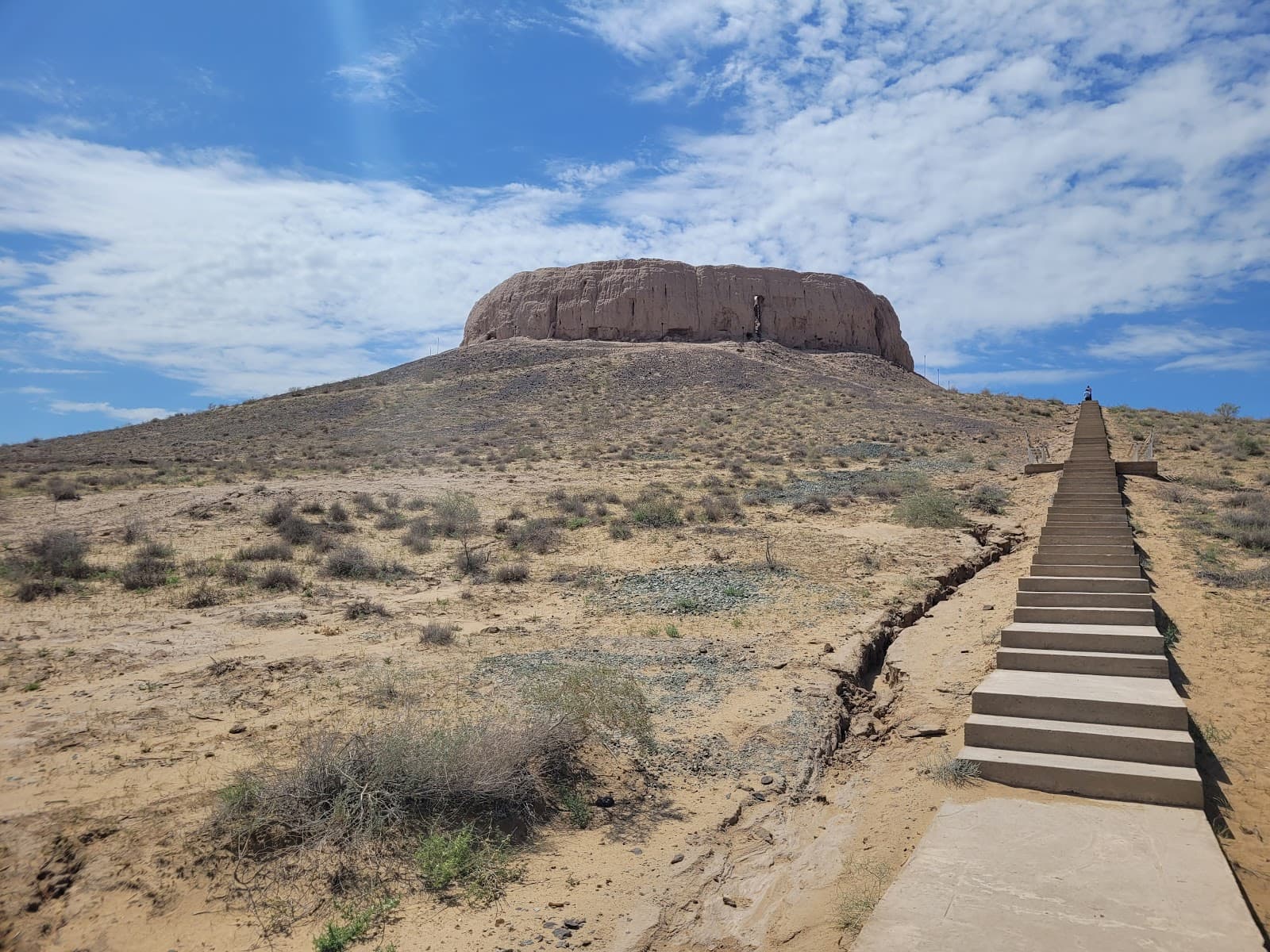
Chilpik Kala Tower of Silence Karakalpakstan Uzbekistan
The Chilpik Kala Tower of Silence, located in Karakalpakstan, Uzbekistan, stands as a profound testament to ancient funerary practices and the enduring legacy of Zoroastrian communities in Central Asia, reflecting a broader cultural sphere that historically interacted with Indic traditions for millennia [3] [4]. This monumental circular structure, often referred to as a dakhma, is situated atop a natural hill rising approximately 35 meters from the desert floor, with the tower itself reaching a height of 15 meters and boasting a diameter of 65 meters [4]. Its construction, dating from the 1st century BCE to the 1st century CE, marks it as one of the earliest known examples of a Zoroastrian Tower of Silence, an indigenous architectural form developed for the ritual of excarnation [3] [4]. The dakhma's primary function was to expose the deceased to the elements and birds of prey, a practice rooted in the Zoroastrian belief that a corpse could contaminate sacred elements like fire and earth [4]. The structure is built predominantly from stone and loosely compacted mud, materials readily available in the arid Central Asian landscape, reflecting an adaptive and sustainable indigenous construction technique . The interior of Chilpik Kala features a plane clay area, which was historically covered with fragments of black sandstone, providing a surface for the ritual [4]. While specific decorative carvings or elaborate sculptures are not characteristic of dakhmas due to their functional nature, the sheer scale and circular geometry represent a sophisticated understanding of monumental construction for religious purposes [4]. Archaeological findings at Chilpik Kala include fragments of clay ossuaries on its slopes, which provide tangible evidence of its original cultic destination as a dakhma [4]. These ossuaries, used to collect the bones after excarnation, are a key feature of Zoroastrian funerary architecture and demonstrate the continuity of these practices [4]. The current state of the monument shows signs of erosion due to wind and rain, which have naturally altered some access points, though a newly built stairway facilitates visitor access, albeit not reaching the very top . Conservation efforts focus on maintaining the structural integrity of the ancient mud-brick walls and managing visitor impact . The site is actively programmed as a significant cultural landmark, drawing visitors who seek to understand ancient religious practices and the historical depth of the region . Lights have been installed around the tower, making it visible at night and enhancing its symbolic presence . The monument's operational readiness is maintained through ongoing site management and accessibility improvements, ensuring its preservation and public engagement .
Asvakranta Temple Guwahati
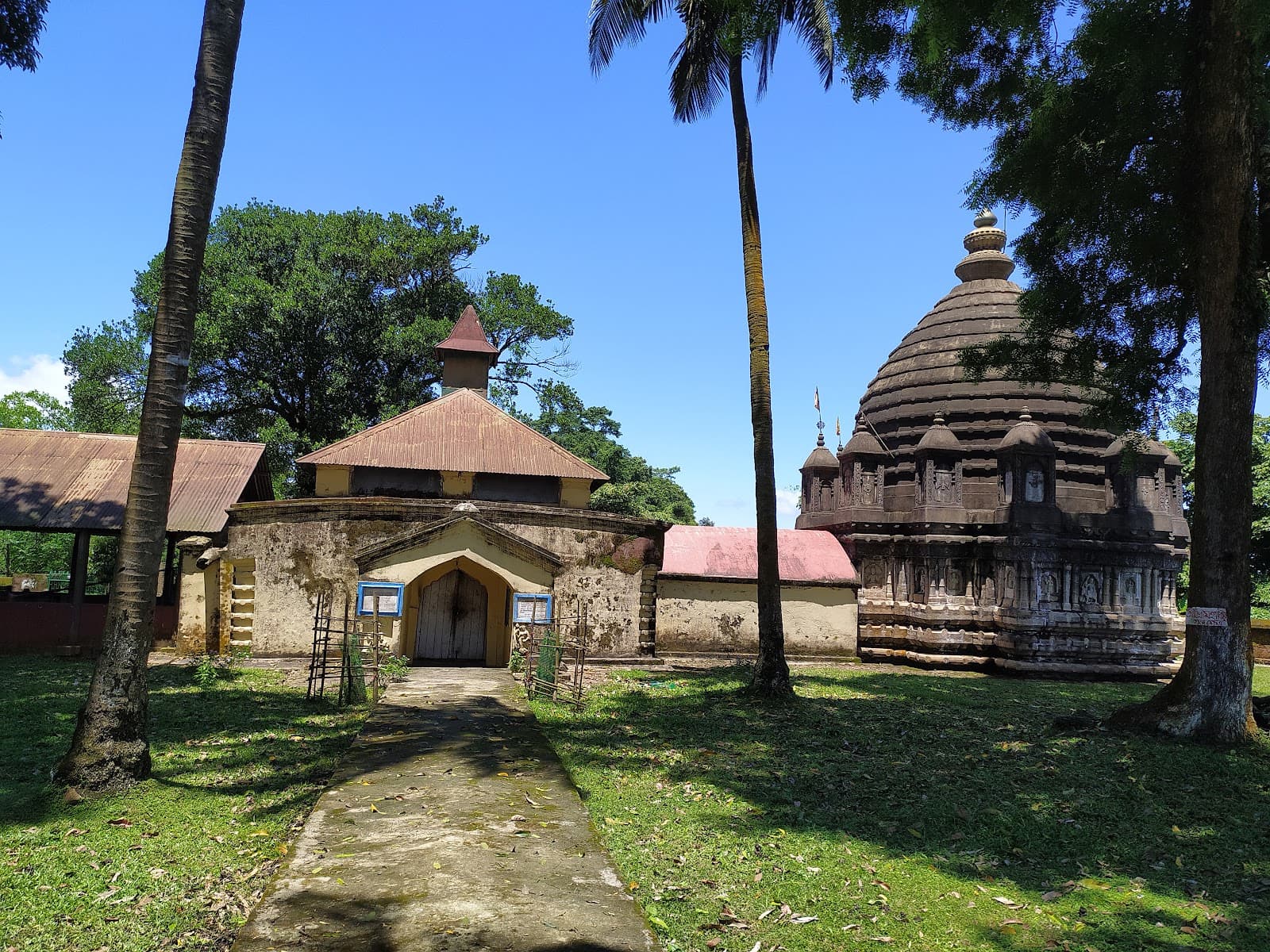
Nestled on the northern bank of the Brahmaputra River in Guwahati, Assam, the Asvakranta Temple stands as a testament to the enduring architectural traditions of the region, dating back to 1565 CE ([1][2]). Commissioned by King Naranarayan of the Koch dynasty during the Kamarupa period, this sacred site reflects Gupta architectural influences in its design and stone-carved narratives ([1][3]). The name Asvakranta, meaning "where the horse stopped," originates from local lore that recounts Lord Krishna's horse pausing at this very spot ([4]). Stone platforms and foundations form the base of the temple, highlighting the primary construction material ([3]). The temple's relatively small structure features a pyramidal form, crowned by a curved Shikhara (spire) ([3]). Within the Garbhagriha (sanctum), devotees find Anantashayana Vishnu, a symbolic representation of Lord Vishnu reclining on the serpent Ananta ([4]). The temple's serene atmosphere draws visitors seeking spiritual solace. During the 16th century, temple architecture in Assam flourished, yet Asvakranta maintains its distinctive character ([1][2]). The Brahmaputra River's proximity has led to erosion, revealing layers of the complex's history ([4]). Despite the river's impact, Asvakranta continues to embody unwavering faith ([4]). Broken pillars and scattered stones hint at a more expansive past, beckoning further exploration and conservation efforts ([4][5]). The temple's design, while modest, incorporates elements that reflect the broader architectural styles prevalent during the Kamarupa period, showcasing a blend of regional and pan-Indian influences ([1][3]). The use of stone, brick, wood, and terracotta further enriches the temple's material palette, adding to its unique charm and historical significance ([3]).

Dah Parvatiya Temple Ruins Tezpur
The Dah Parvatiya Temple Ruins, located in Tezpur municipality, Assam, stand as a profound testament to India's millennia-spanning cultural heritage, embodying the continuous tradition of Indian civilization through its ancient architectural remnants. This site, a Protected Monument of National Importance under the Archaeological Survey of India, showcases the sophisticated indigenous architectural styles that flourished in ancient India, particularly during the Gupta period [1]. The most celebrated feature is a meticulously carved stone door frame, which is considered one of the finest and oldest specimens of sculptural art in Assam, dating back to the 5th-6th century CE [2]. The ruins reveal the foundational layout of a temple complex, including the base of a *garbhagriha* (sanctum sanctorum) measuring approximately 8.925 feet (2.720 m) by 8.33 feet (2.54 m) [3]. This sanctum was originally enclosed by a circumambulatory passage, leading to a rectangular colonnaded *mandapa* (hall) and a smaller *mukhamantapa* (front hall) to its east [3]. Within the *garbhagriha*, a stone *kunda* or *vedi* (altar) is present, measuring 2.418 feet (0.737 m) by 2.66 feet (0.81 m) with a depth of 5 inches (130 mm) [3]. The original temple structure was constructed primarily of bricks, with dimensions of approximately 15 inches (380 mm) by 11.5 inches (290 mm) by 2.5 feet (0.76 m), a size characteristic of 5th-century construction, complemented by stone door frames and sills [3]. The surviving stone door frame, measuring 5.25 feet (1.60 m) in height and 1.25 feet (0.38 m) in width, is adorned with high-relief carvings [2]. Its lower parts feature elegant depictions of the river goddesses Ganga and Yamuna, standing with divine halos and holding garlands, flanked by female attendants, one holding a *chamara* (fly-whisk) and another a tray of flowers [2]. The upper sections of the door jambs are intricately carved with four vertical bands: a wavy creeper pattern with leaves, a lotus stem with emerging leaves and flowers supported by pygmy figures, embossed panels of human figures amidst ornamental leaves crowned by a vase, and decorative rosettes [3]. The lintel, spanning 3.75 feet (1.14 m) in length and 1.25 feet (0.38 m) in breadth, is symmetrically decorated with five *Chaitya*-windows [3]. These windows contain figures such as a four-armed male, Lakulisa Shiva flanked by mythical *suparna* figures, a flute player with a hooded snake, and Surya (the Sun god) in a cross-legged posture holding a lotus, attended by figures offering betel leaves and carrying a stick [3]. These carvings exhibit stylistic similarities to Gupta period art found in North India, including sites like Bhumra and Nachha Kuthara, and even show resemblances to Hellenistic art, underscoring the site's deep artistic connections within India's ancient cultural networks [4]. The site is currently maintained by the Archaeological Survey of India, which undertakes conservation efforts to preserve these fragile ruins, ensuring their structural integrity and accessibility for scholarly research and public viewing [5]. The ongoing archaeological findings continue to enrich the understanding of early Indian temple architecture and sculptural traditions. The site is operationally ready for visitors, offering a profound glimpse into India's enduring architectural and artistic legacy.
Varun Dev Temple Manora Karachi
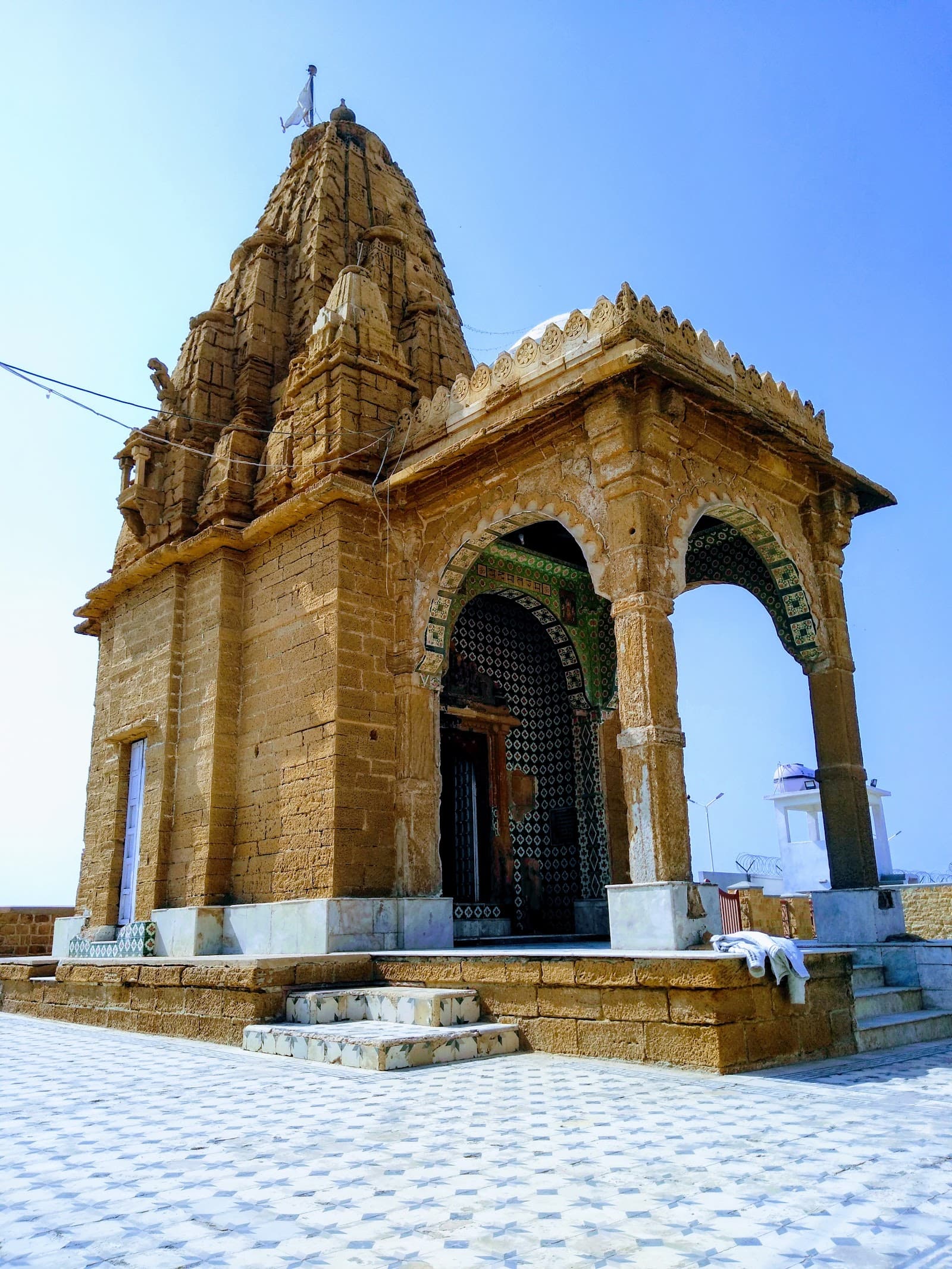
Varun Dev Temple, located on Manora Island off the coast of Karachi, represents a significant 16th-century Hindu temple dedicated to Varuna, the Vedic deity of the oceans and waters, and Jhulelal, the patron saint of Sindhi Hindus, serving as a testament to the maritime Hindu heritage of the Sindh region that was historically part of the greater Hindu rashtra extending across the Indian subcontinent. The temple, constructed during the period when Sindh was under various Hindu and Muslim rulers but maintained strong Hindu cultural traditions, features distinctive maritime-influenced architecture reflecting the region’s connection to sea trade and the importance of water deities in Sindhi Hindu worship. The temple complex, originally more extensive but now reduced due to coastal erosion and urban development, features a main sanctum housing images of Varuna and Jhulelal, with architectural elements that demonstrate the synthesis of Vedic traditions with local Sindhi cultural practices. The site’s location on Manora Island, historically an important maritime and trading center, reflects the significance of sea trade in the region’s economy and the role of Hindu merchants and communities in maintaining commercial and cultural connections across the Indian Ocean. Archaeological evidence indicates the temple has undergone multiple renovations, with the current structure dating primarily to the 16th century but built upon foundations that may be older. The temple serves as an important center for Sindhi Hindu worship, particularly during festivals associated with water deities and Jhulelal, demonstrating the continuity of Vedic and regional Hindu traditions in Pakistan. Today, Varun Dev Temple stands as a symbol of the maritime Hindu heritage of Sindh and the region’s historical connection to the greater Hindu rashtra, serving as a reminder of the sophisticated maritime culture that flourished in regions that were integral parts of ancient Indian civilization. ([1][2])
Mahalaxmi Temple Kolhapur
The Mahalaxmi Temple in Kolhapur, a city steeped in Maratha history, stands as a testament to the enduring power of devotion and the exquisite artistry of the Chalukya period. Bathed in the warm glow of the afternoon sun, the temple, constructed primarily of dark grey basalt, exuded a powerful aura that resonated with the chants emanating from within. As someone deeply immersed in South Indian temple architecture, I was immediately struck by the similarities and differences that presented themselves, creating a fascinating cross-cultural architectural dialogue. The temple's *garbhagriha*, the sanctum sanctorum housing the goddess Mahalaxmi, is the heart of the complex. Unlike the towering *vimanas* that characterize many South Indian temples, the Mahalaxmi Temple's main structure is relatively shorter, with a curvilinear *shikhara* that reminded me of the Kadamba style prevalent in coastal Karnataka. This shikhara, adorned with intricate carvings of deities and mythical creatures, rises above the sanctum, drawing the eye upwards. The basalt stone, while lacking the vibrant hues of granite often used in the south, possesses a quiet dignity, its dark surface reflecting the light in subtle ways. Circumambulating the sanctum, I observed the *mandapa*, or pillared hall, surrounding the *garbhagriha*. Here, the Chalukyan influence was unmistakable. The pillars, though simpler than the ornate pillars of Dravidian architecture, displayed a robust elegance. Many featured intricate carvings of floral motifs and miniature depictions of divine figures, showcasing the skill of the artisans. The open mandapa allowed for a seamless flow of air and light, creating a serene atmosphere conducive to prayer and contemplation. One of the most striking features of the Mahalaxmi Temple is the presence of a *deepmala*, a lamp tower, within the temple complex. While deepmalas are a common feature in South Indian temples, particularly in Tamil Nadu, seeing one integrated so seamlessly into the architecture of a Chalukyan temple was a unique experience. The deepmala, with its multiple tiers for oil lamps, stood as a beacon of light, symbolizing the dispelling of darkness and ignorance. The temple's outer walls are adorned with sculptures of various deities, including Ganesh, Vishnu, and Shiva. These sculptures, while weathered by time, retain a remarkable level of detail. The iconography, while sharing some common ground with South Indian traditions, also displayed distinct regional variations, reflecting the unique cultural milieu of Maharashtra. For instance, the depiction of Mahalaxmi herself, adorned with elaborate jewelry and a serene expression, felt distinctly different from the depictions of Lakshmi I had encountered in Tamil Nadu temples. Beyond the main shrine, the temple complex encompasses several smaller shrines dedicated to other deities. This clustering of shrines, reminiscent of the *koshta devatas* found in South Indian temples, creates a sense of a vibrant spiritual ecosystem, where different deities coexist harmoniously. The presence of a sacred tank within the complex further enhances this sense of spiritual completeness, echoing the importance of water in Hindu rituals. My visit to the Mahalaxmi Temple was more than just a sightseeing experience; it was a journey of architectural discovery. It highlighted the rich tapestry of Indian temple architecture, showcasing the regional variations within a broader shared tradition. The temple stands as a powerful reminder of the enduring legacy of the Chalukyas and the deep-rooted devotion that continues to animate this sacred space. The interplay of architectural styles, the intricate carvings, and the palpable sense of spiritual energy made this a truly unforgettable experience, offering valuable insights into the interconnectedness of India's diverse cultural heritage.
Quick Links
Plan Your Heritage Journey
Get personalized recommendations and detailed visitor guides