Has Inheritage Foundation supported you today?
Your contribution helps preserve India's ancient temples, languages, and cultural heritage. Every rupee makes a difference.
Secure payment • Instant 80G certificate
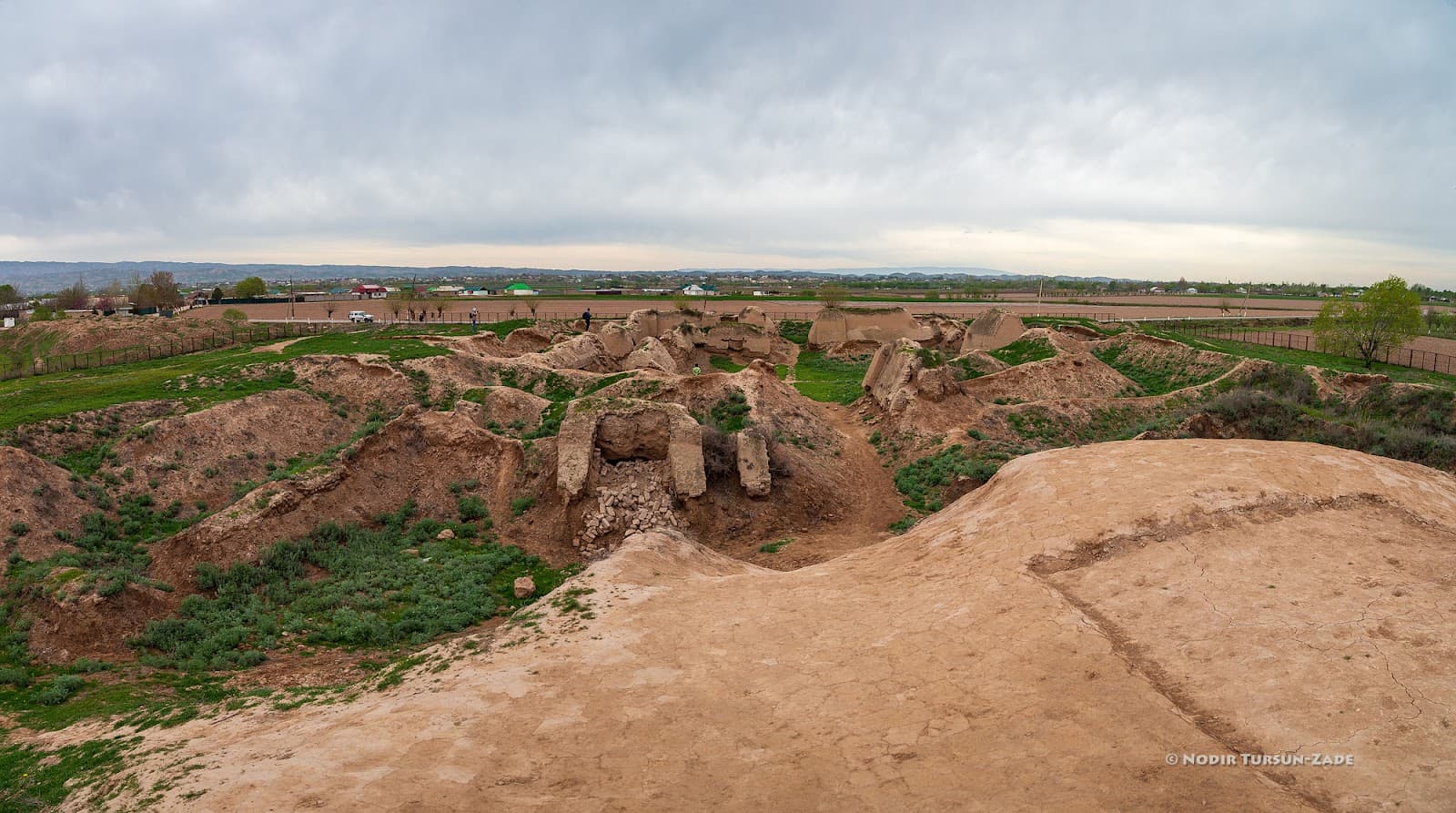
Ajina Tepa Monastery Vakhsh Valley Tajikistan
Nestled in Tajikistan's Vakhsh Valley, Ajina Tepa Monastery, constructed around 650 CE, marks a significant chapter in the eastward expansion of Indian Buddhist art and architectural traditions ([1][2]). During the Tokharistan period, under the patronage of the Western Turkic Khaganate, this monastic complex emerged as a vibrant hub along the Silk Road, facilitating profound cultural and religious exchanges ([1]). This UNESCO Tentative List site offers insights into the interconnectedness of cultures along ancient trade routes ([2][6]). Archaeological excavations have uncovered a layout reminiscent of classic Indian Buddhist monastery designs ([1]). At its heart lies a central stupa (reliquary mound), encircled by monastic cells and assembly halls, echoing the layouts prescribed in ancient texts such as the *Manasara Shilpa Shastra* ([1]). Intricate carvings adorning the walls reveal strong Indian Buddhist iconographic influences, demonstrating a deep understanding of Indian artistic traditions ([1]). The colossal 13-meter reclining Buddha statue, fashioned from clay, symbolizes Parinirvana and mirrors the adoption of Indian iconographic programs from prominent centers like Nalanda and Gandhara ([1]). Fired brick and mud brick construction techniques, combined with local Central Asian aesthetics, birthed a distinctive architectural style ([1][2]). The use of rammed earth, clay, stucco, wood, and metal further exemplifies the diverse materials employed in its construction ([7][8]). Within this monastic setting, monks, traders, and pilgrims fostered the exchange of Buddhist teachings and art between India and Central Asia ([1]). Preserving this site is crucial for understanding the profound impact of Indian civilization on Central Asian religious and artistic traditions ([2][6]). The monastery exemplifies the architectural prowess that facilitated the spread of *dharma* (righteous conduct) across the ancient world.
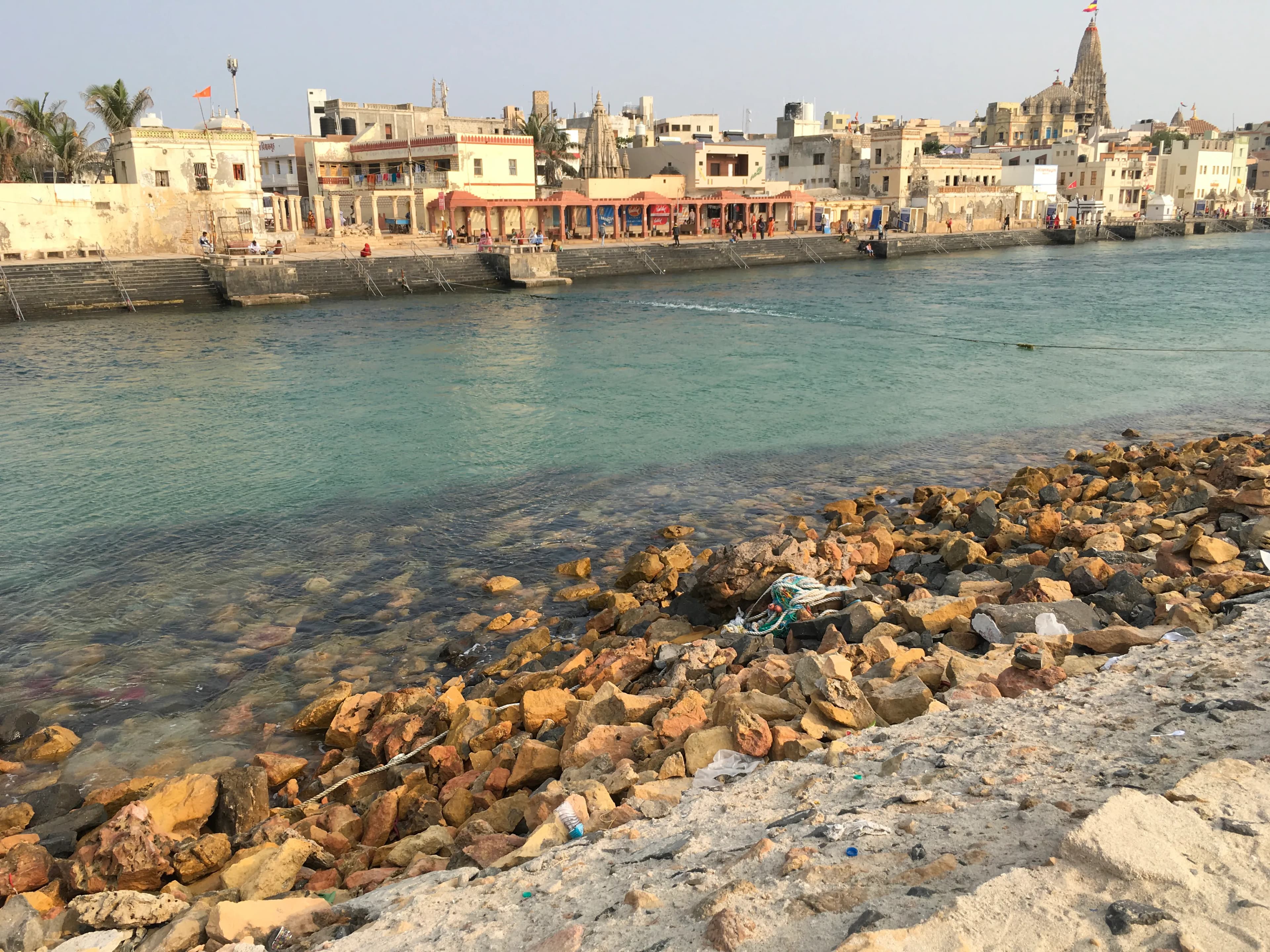
Dwarkadhish Temple Dwarka
The salty air, thick with the scent of incense and the murmur of chanting, welcomed me to the Dwarkadhish Temple. Rising from the western edge of Dwarka, where the Gomti River meets the Arabian Sea, the five-storied edifice, also known as the Jagat Mandir, seemed to breathe history. Its chalk-white facade, sculpted with intricate details, shimmered under the intense Gujarat sun. This wasn't just a temple; it was a narrative etched in stone, a testament to centuries of devotion and architectural prowess. My lens, accustomed to the sandstone hues of Madhya Pradesh's temples, was immediately captivated by the Chalukya style architecture. The temple's main spire, or shikhara, soared 78 meters high, a majestic beacon visible from miles away. Its surface, a tapestry of carved figures depicting deities, celestial beings, and scenes from Hindu mythology, was a visual feast. I spent hours circling the structure, adjusting my camera angles to capture the interplay of light and shadow on these miniature narratives. The intricate latticework jalis, or screens, offered glimpses of the inner sanctum, adding a layer of mystique to the already potent atmosphere. Ascending the steps, worn smooth by countless pilgrims, I entered the Sabha Mandap, the assembly hall. Here, the air was alive with the rhythmic chanting of mantras and the clang of bells. Fifty-six intricately carved pillars supported the hall's ceiling, each a masterpiece of craftsmanship. The sheer density of the carvings, depicting everything from floral motifs to epic battles, was overwhelming. I found myself drawn to the subtle variations in style, hinting at the contributions of different artisans across generations. The Garbhagriha, the inner sanctum where the deity of Lord Krishna, Dwarkadhish, resides, was a space of palpable reverence. Photography wasn't permitted inside, but the experience transcended the visual. The energy of the space, charged with centuries of prayer and devotion, was undeniable. It was a moment of quiet reflection, a pause in the whirlwind of capturing images. Beyond the main temple, the complex sprawled into a network of courtyards, shrines, and smaller temples. Each corner held a new discovery – a hidden carving, a weathered inscription, a glimpse into the temple's layered past. I was particularly fascinated by the ancient well, believed to be connected to the Gomti River, its water considered sacred. The stories woven around this well, passed down through generations, added another dimension to the temple's rich tapestry. The experience wasn't just about documenting the architecture; it was about absorbing the atmosphere. The constant flow of devotees, their faces etched with faith, the echoing chants, the scent of sandalwood – these sensory details became integral to my understanding of the Dwarkadhish Temple. It wasn't a static monument, but a living, breathing entity, constantly evolving with the ebb and flow of devotion. As the sun began to set, casting long shadows across the temple complex, I found myself on the Gomti Ghat, watching the evening aarti. The rhythmic chanting, the flickering lamps, and the vibrant colours of the setting sun created a scene of breathtaking beauty. It was a fitting end to a day spent immersed in the heart of Hindu devotion. My camera, though laden with images, could only capture a fraction of the experience. The true essence of Dwarkadhish Temple, its spiritual weight and historical significance, remained etched in my memory, a testament to the enduring power of faith and human artistry.
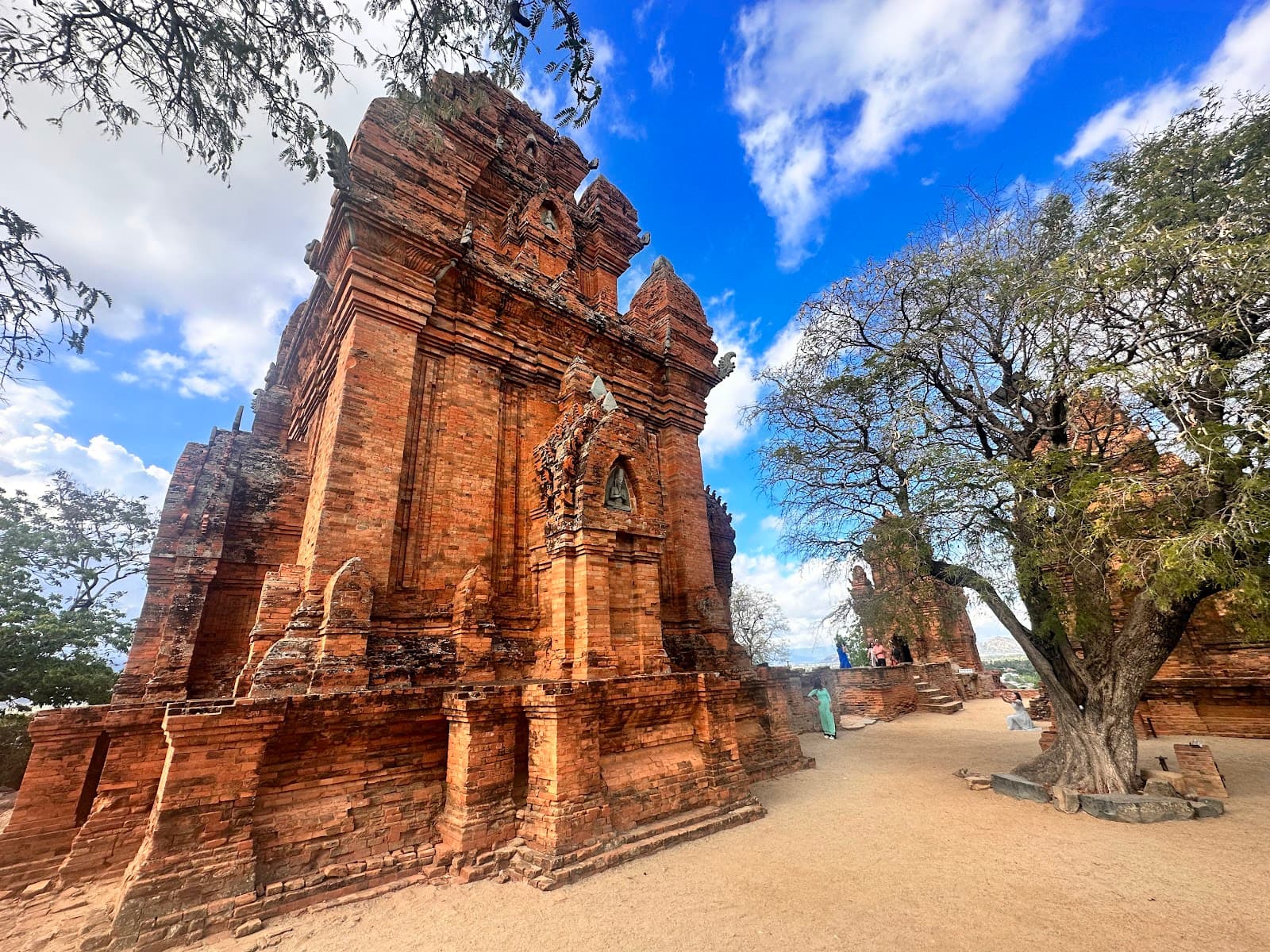
Po Klong Garai Towers Phan Rang Vietnam
Po Klong Garai Towers, dramatically situated on a hilltop overlooking the city of Phan Rang in Ninh Thuan Province, Vietnam, represent one of the most magnificent and well-preserved Cham Hindu temple complexes in Vietnam, constructed in the late 13th century CE to honor King Po Klong Garai, a revered Champa monarch who is remembered for his wisdom and contributions to Cham civilization, creating a stunning testament to the continued transmission of Indian Hindu religious and architectural traditions to Southeast Asia during the late medieval period. The temple complex, comprising three towers including a main tower dedicated to Shiva, a fire tower, and a gate tower, features extraordinary red brick structures adorned with intricate sandstone carvings and bas-reliefs that demonstrate the sophisticated synthesis of Indian Hindu temple architecture, particularly the Dravidian traditions of southern India, with indigenous Cham building techniques, creating a unique architectural expression that reflects Champa's deep and enduring engagement with Indian religious and cultural traditions. The main tower, standing approximately 21 meters tall and dedicated to Shiva, features elaborate decorative programs including bas-reliefs depicting Hindu deities, mythological scenes, and Cham royal iconography that demonstrate the direct transmission of Indian Hindu iconography and artistic traditions, while the discovery of Sanskrit inscriptions and Cham inscriptions provides crucial evidence of the site's role as a center for the transmission of Indian religious texts and practices to Southeast Asia. The temple complex served as a major center of Hindu worship for the Champa Kingdom, attracting devotees from across the region, while the site's location on a prominent hilltop, chosen according to Indian cosmological principles emphasizing the connection between earth and sky, underscores its spiritual significance as a place where the divine and earthly realms intersected, and the site's continued use as an active place of worship by Cham communities demonstrates the enduring vitality of Hindu religious practices in Vietnam. Archaeological evidence reveals that the complex represents one of the finest examples of late Cham architecture, demonstrating the continued refinement of Cham Hindu temple design and its continued engagement with Indian traditions even as Champa faced increasing pressure from neighboring powers, while the sophisticated brick construction techniques, including the unique Cham method of firing bricks in situ, created exceptionally durable structures that have withstood centuries of environmental stress and human activity. The towers feature distinctive Cham architectural elements including tiered pyramidal roofs, elaborate false doors, and extensive decorative programs that demonstrate the adaptation of Indian temple architecture to local materials and aesthetic preferences, while the site's excellent preservation provides crucial insights into the sophisticated engineering and artistic techniques employed in Cham temple construction. Today, Po Klong Garai stands as one of the most important Cham Hindu temples in Vietnam, serving as a powerful testament to the transmission of Indian Hindu culture and architecture to Southeast Asia, while the site's continued function as an active place of worship and its prominent location ensure its ongoing significance as both a cultural monument and a living religious center that bridges ancient Cham traditions with contemporary Vietnamese society. ([1][2])
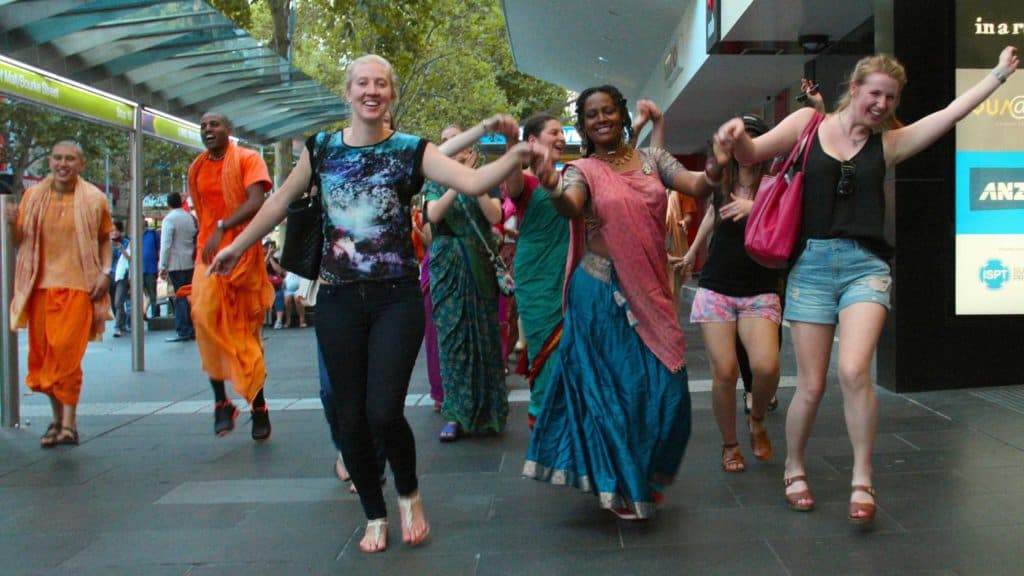
Hare Krishna Temple Melbourne Albert Park
Hare Krishna Temple Melbourne Albert Park, also known as Melbourne Mahaprabhu Mandir, is dedicated to Lord Krishna and anchors Albert Park’s Albertian terrace precinct as Australia’s oldest ISKCON temple ([1][2]). Daily mangala arati begins 4:30 AM, followed by programs running to 9:00 PM, with Sunday Love Feast and Janmastami vigils extending to midnight; volunteers stage queue ropes through the Victorian halls, ushering devotees toward the marble-clad altar while maintaining egress to the Govinda’s restaurant and community rooms ([1][5]). Govinda’s commercial kitchen operates with vegetarian HACCP protocols, induction cooking, and compostable serveware, while the restaurant’s 150-seat dining hall doubles as lecture space with AV systems ([1][3]). Accessibility upgrades include a 1:14 ramp along Danks Street, lifts connecting basement prep areas and upper classrooms, Braille signage, and hearing loop audio in the temple hall ([2][5]). Fire wardens conduct drills quarterly, HVAC systems are managed via building management software, and digital signage posts bilingual English-Hindi/Bengali schedules, queue times, and emergency instructions, ensuring continuous operational readiness for worship, prasadam service, and cultural programming ([1][3]).
Mehandipur Balaji Temple Dausa
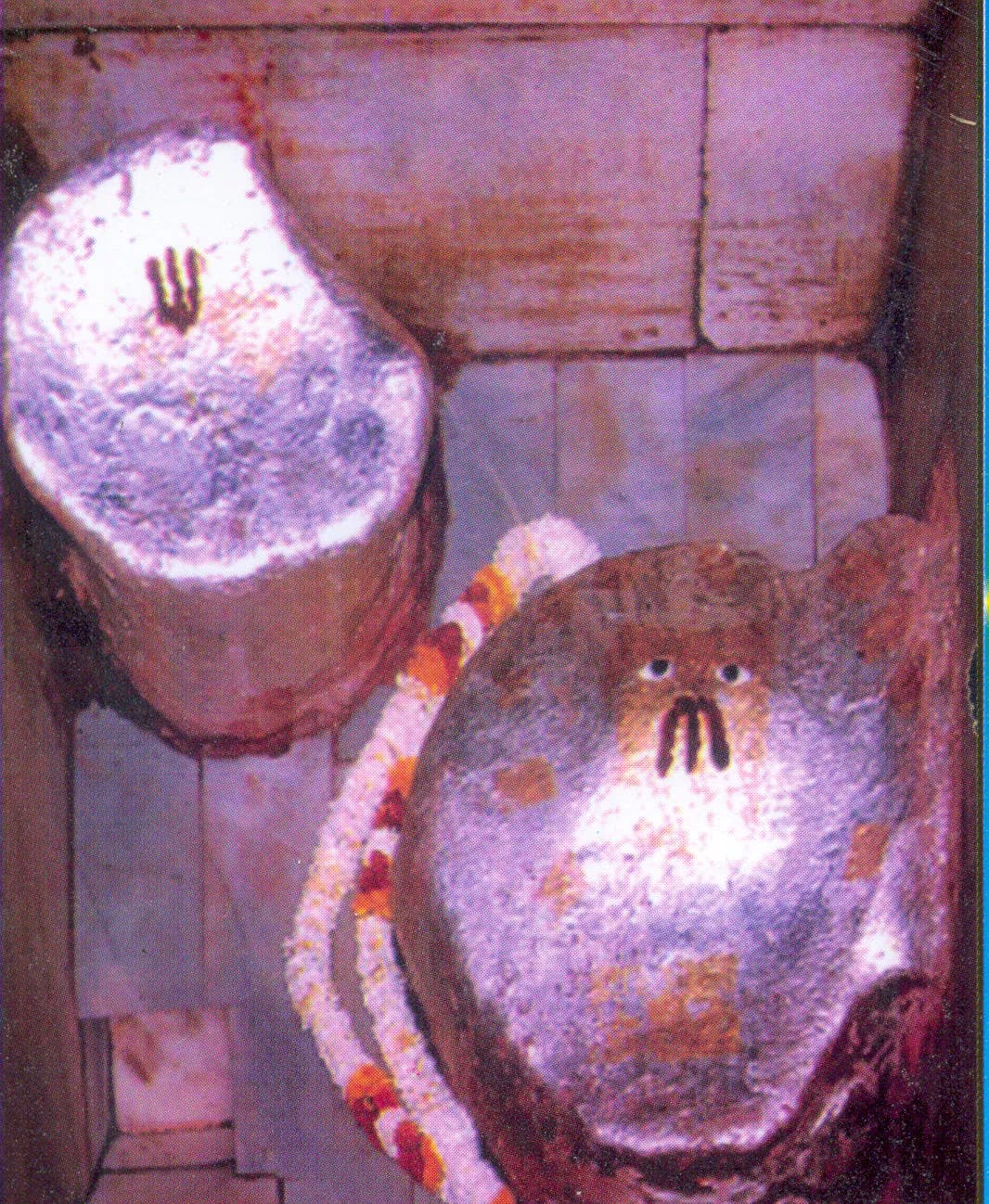
The air crackled, not with electricity, but with a palpable energy, a blend of fear and fervent hope. This was my immediate impression of Mehandipur Balaji Temple, nestled amidst the arid Aravalli hills of Rajasthan. Having explored countless serene temples across Uttar Pradesh, the sheer intensity of this place struck me as profoundly different. It wasn't the tranquility that usually permeates sacred spaces; it was a raw, almost visceral spirituality, bordering on the chaotic. The temple complex itself is relatively modest in size, a network of courtyards and interconnected shrines dedicated to Lord Hanuman, known here as Balaji, Pret Raj (King of Spirits), and Bhairav. The architecture is simple, functional rather than ornate. Unlike the sandstone grandeur of many Rajasthani temples, Mehandipur Balaji is predominantly constructed from plain stone and concrete, perhaps reflecting the focus on immediate spiritual relief rather than aesthetic embellishment. The walls, however, are a fascinating tapestry of vibrant saffron, layered over time by devotees marking their presence and prayers. What truly sets Mehandipur Balaji apart is its reputation as a centre for exorcism and the treatment of mental illnesses. As I moved through the temple, I witnessed scenes unlike anything I'd encountered before. People, their faces etched with desperation and hope, were chained to pillars, their bodies swaying rhythmically as they chanted prayers. Others were being subjected to vigorous "healing" rituals, involving forceful pronouncements and the application of sacred ash. The air was thick with the scent of incense and the murmur of incessant chanting, punctuated by sudden cries and wails. I observed a young woman, her eyes wide with terror, being held down by family members while a priest performed a ritual. It was a disturbing sight, raising complex questions about faith, mental health, and the boundaries of traditional healing practices. While the temple authorities claim remarkable success stories, the methods employed seemed harsh, even brutal, to my outsider's perspective. The line between faith and superstition blurred before my eyes. The main shrine dedicated to Balaji is a small, unassuming chamber. The deity is adorned with a bright orange sindoor paste, and the constant stream of devotees offering prayers creates a palpable sense of devotion. However, even here, the atmosphere is charged with an unusual intensity. The fervent prayers, the desperate pleas for relief, and the occasional outburst from someone seemingly possessed created a sensory overload. Beyond the main shrine, I explored the smaller temples dedicated to Pret Raj and Bhairav. These spaces were even more intense, with a palpable sense of fear hanging in the air. The rituals performed here were more esoteric, involving offerings of food and prayers to appease malevolent spirits. I witnessed individuals being "treated" for alleged possession, their bodies contorting and their voices changing as they purportedly channeled spirits. My visit to Mehandipur Balaji was a deeply unsettling yet fascinating experience. It offered a glimpse into a world where faith and superstition intertwine, where desperation drives people to seek solace in ancient rituals. While the efficacy of these practices remains debatable, the sheer intensity of belief and the palpable energy of the place are undeniable. It is a stark reminder of the complex relationship between faith, healing, and the human condition, a subject that continues to resonate long after leaving the temple's charged atmosphere.
Po Dam Towers Binh Thuan Vietnam
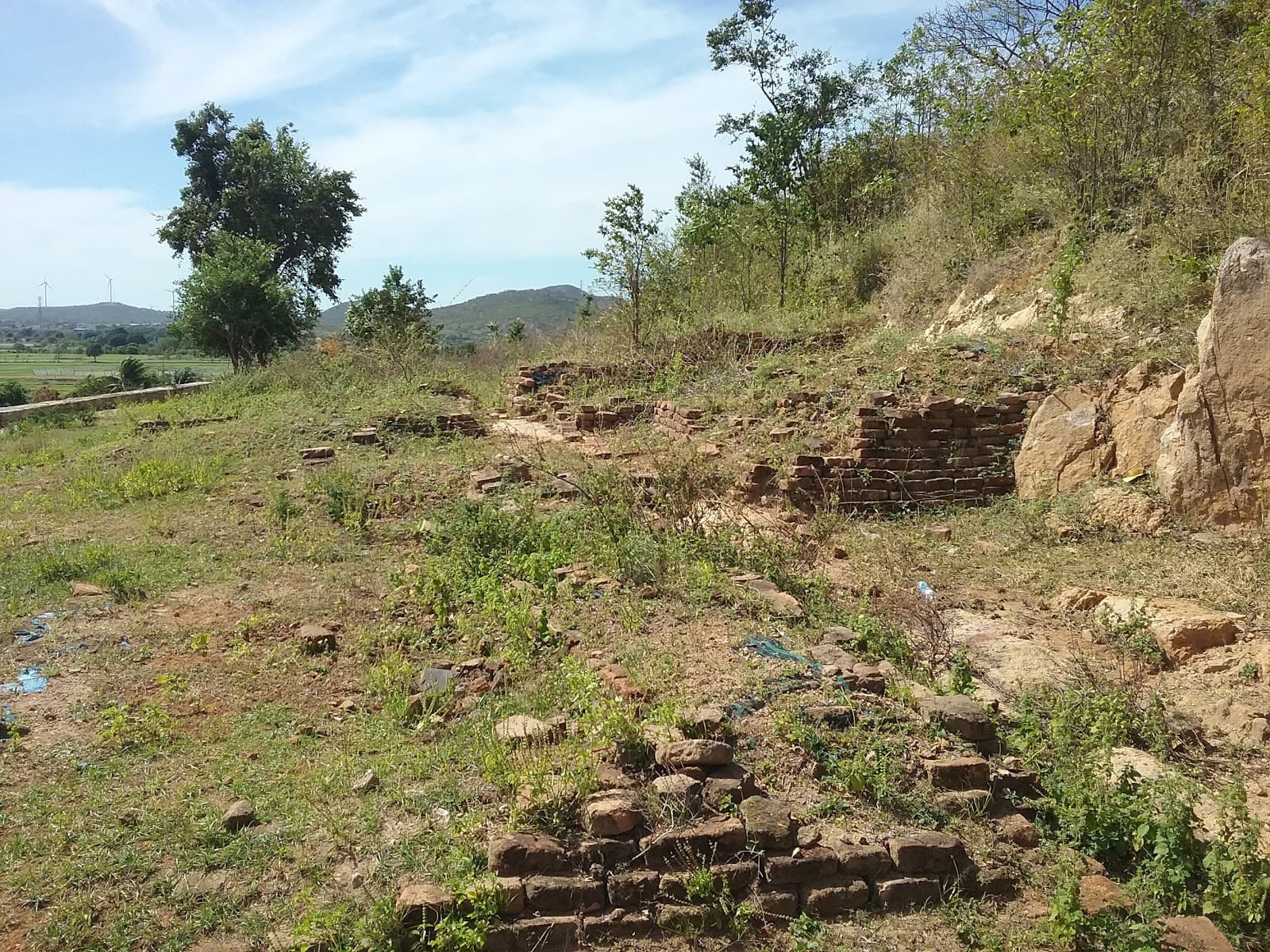
Po Dam Towers, located in Binh Thuan Province, Vietnam, represent one of the earliest and most historically significant Cham Hindu temple complexes in southern Vietnam, constructed in the 8th century CE during the early period of Champa expansion, creating a powerful testament to the transmission of Indian Hindu religious and architectural traditions to Southeast Asia during the medieval period. The temple complex, constructed primarily from red brick with sandstone decorative elements, features distinctive Cham tower architecture that demonstrates the early synthesis of Indian Hindu temple architecture, particularly the Dravidian traditions of southern India, with indigenous Cham building techniques, creating a unique architectural expression that reflects Champa's initial engagement with Indian religious and cultural traditions. The towers feature elaborate decorative programs including bas-reliefs and sculptures that demonstrate the direct transmission of Indian Hindu iconography and artistic traditions, while the discovery of inscriptions provides crucial evidence of the site's role as a center for the transmission of Indian religious texts and practices to Southeast Asia. The site's location, chosen according to Indian cosmological principles, underscores its spiritual significance, while the complex's architectural design demonstrates the sophisticated understanding of Indian temple planning principles possessed by early Cham architects. Archaeological evidence reveals that the complex served as a major center of Hindu worship for the Champa Kingdom, while the site's historical significance as one of the earliest Cham temples provides crucial insights into the initial transmission of Indian Hindu traditions to Southeast Asia. Today, Po Dam Towers stand as an important Cham Hindu temple in Vietnam, serving as a powerful testament to the early transmission of Indian Hindu culture and architecture to Southeast Asia, while the site's historical significance ensures its ongoing importance as a cultural monument that documents the beginnings of Indian-Cham cultural exchange. ([1][2])
Palakkad Fort Palakkad
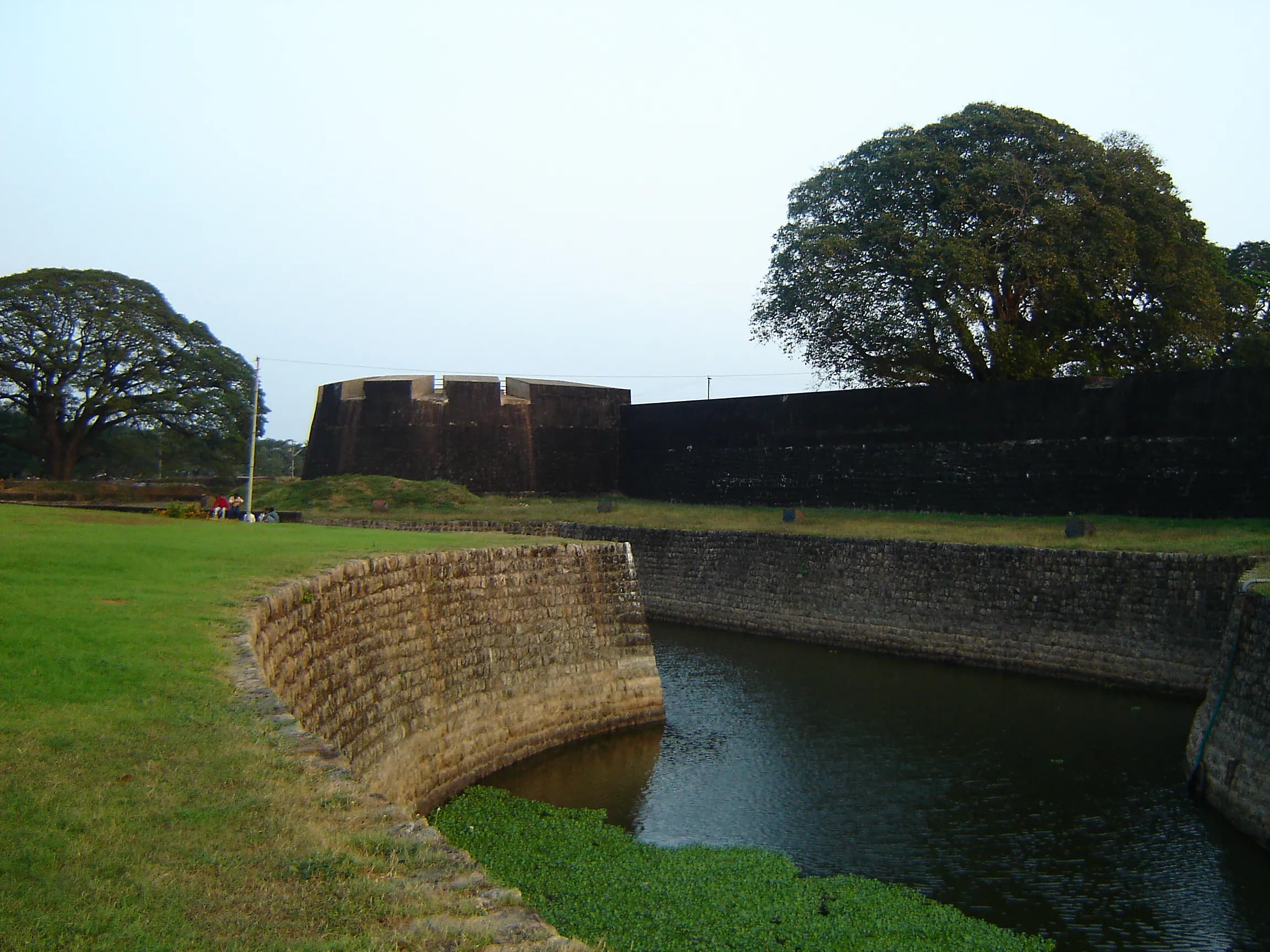
The imposing laterite walls of Palakkad Fort, locally known as Tipu's Fort, rose before me under the Kerala sun, a stark contrast to the vibrant green of the surrounding landscape. Having explored countless architectural wonders across Gujarat, I was eager to see how this Kerala fortress compared to the intricate stone carvings and majestic structures of my home state. The sheer scale of the fort, a sprawling rectangle dominating the heart of Palakkad town, was immediately impressive. Stepping through the enormous teakwood gates, I felt a palpable shift in atmosphere. The bustling town sounds faded, replaced by the quiet whispers of history echoing within the thick ramparts. Unlike the ornate gateways of Gujarati forts, these were functional, emphasizing defense over decoration, a testament to the fort's strategic importance. The laterite stone, so characteristic of Kerala architecture, gave the walls a unique reddish-brown hue, different from the sandstone and marble I was accustomed to. The rough texture of the stone, almost porous, spoke of centuries of weathering and resilience. I walked along the ramparts, tracing the outline of the fort, and the strategic brilliance of its design became clear. The wide moat, now dry, would have been a formidable obstacle, while the strategically placed bastions offered commanding views of the surrounding plains. I could imagine archers stationed here, their arrows raining down on any approaching enemy. The fort's location, guarding the Palakkad Gap, a crucial mountain pass connecting Kerala to Tamil Nadu, underscored its historical significance as a gateway between kingdoms. Descending from the ramparts, I explored the inner courtyard. The stark simplicity of the fort's interior contrasted sharply with the elaborate palaces and courtyards found within Gujarati forts. Here, functionality reigned supreme. The barracks, now empty, hinted at the lives of the soldiers who once garrisoned this fortress. I could almost hear the clang of swords and the rhythmic marching of feet. One of the most striking features within the fort is the Hanuman temple, a splash of vibrant color against the muted tones of the laterite. The intricate carvings on the temple walls, depicting scenes from the Ramayana, showcased a different architectural style, a blend of Kerala and Dravidian influences. This juxtaposition of the austere fort and the ornate temple highlighted the cultural fusion that has shaped this region. The small, unassuming Anjaneya Swami temple, dedicated to Lord Hanuman, tucked away in a corner of the fort, held a certain charm. Local legend claims that the idol magically grew in size, necessitating the raising of the temple roof – a story that added a touch of mystique to the place. This reminded me of the numerous folklore and legends associated with Gujarati forts, demonstrating the power of storytelling in preserving history and culture. Climbing the steps of the watchtower, I was rewarded with panoramic views of Palakkad town and the surrounding countryside. The verdant rice paddies stretching out beyond the fort walls painted a picture of tranquility, a stark contrast to the fort's martial past. From this vantage point, I could appreciate the fort's strategic importance, controlling the vital passage through the mountains. My visit to Palakkad Fort offered a fascinating glimpse into a different architectural tradition. While lacking the ornate embellishments of Gujarati forts, its strength lay in its simplicity and strategic design. The laterite walls, the dry moat, and the commanding bastions spoke volumes about the fort's military history. It was a powerful reminder of the diverse architectural heritage of India, each region with its unique story to tell. The fort stands as a silent sentinel, guarding not just the Palakkad Gap, but also the memories of a bygone era.
Shree Kutch Satsang Swaminarayan Temple Bolton
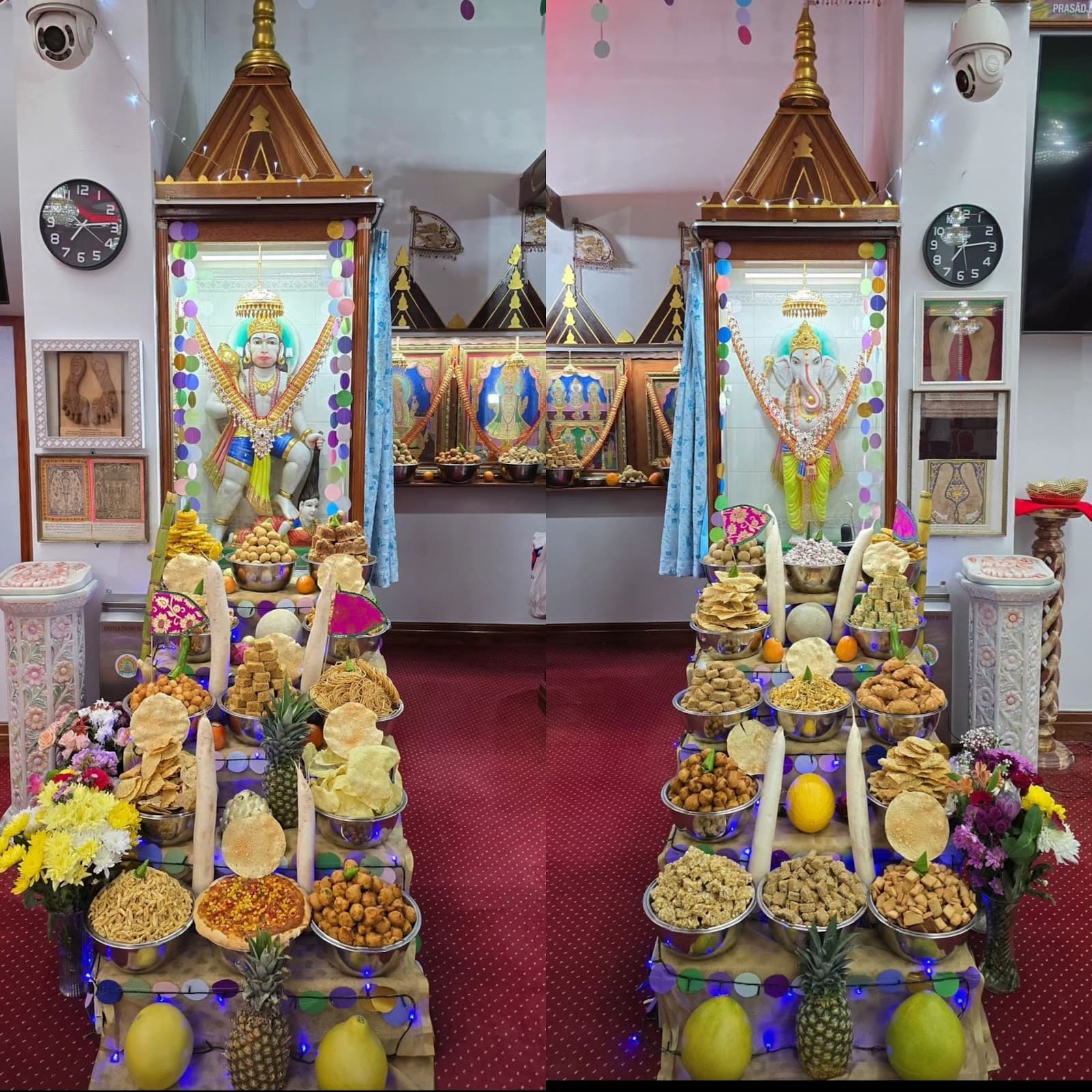
Shree Kutch Satsang Swaminarayan Temple Bolton opened in 1973 within a converted terrace hall, becoming Europe’s first Swaminarayan temple; a purpose-built three-storey complex replaced it in 1993 and remains the spiritual base for thousands of devotees across Lancashire and Greater Manchester ([1][2]). The mandir operates 8:00 AM-1:00 PM and 3:30 PM-9:00 PM daily, with morning arti 8:30 AM and evening arti 7:00 PM, while kirtan, Sanskrit class, sports clubs, and welfare appointments run continuously in the adjacent community wing. The ground-floor sabha hall houses the intricately carved sinhasan featuring Ghanshyam Maharaj, Radha-Krishna, Nar-Narayan, Hanumanji, and Lord Shiva; marble floors, Mysore teak arches, and gold-leaf ceilings frame the sanctum, and pilgrims circulate along a mezzanine gallery during festival processions ([1][3]). Upper floors host Gujarati and English schools, a library and archive, function suites, and the Annapurna kitchen which produces daily prasad and organises Bolton-wide Food for All deliveries. The mandir organises Rath Yatra, Annakut, Charitable Walkathons, and emergency relief for disasters from Gujarat to the Manchester Arena incidents, coordinating thousands of volunteers, stewarding plans, and emergency response liaisons with Bolton Council and Greater Manchester Police ([2][4]).
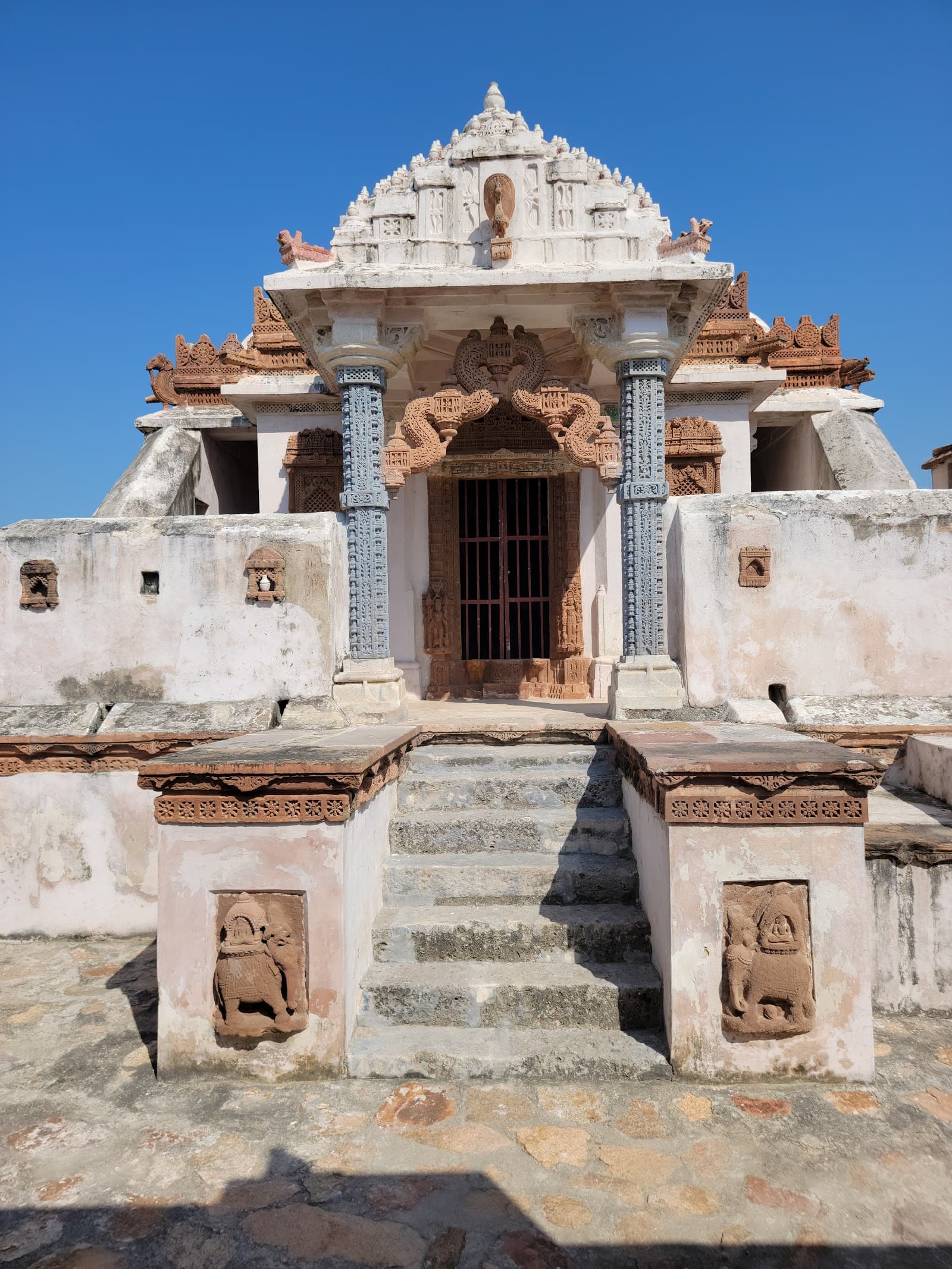
Jain Temple Nagarparkar Tharparkar
Jain Temple Nagarparkar, located in the Thar Desert region of Sindh Province, represents a significant 14th-16th century CE Jain temple complex that demonstrates the rich religious diversity of the region, which was historically part of the greater Hindu rashtra extending across the Indian subcontinent and maintained strong connections to Indic religious traditions including Jainism. The temple complex, now part of the Nagarparkar Cultural Landscape inscribed on UNESCO’s tentative list, features multiple Jain temples constructed primarily from white marble, with the most notable being the Gori Temple dedicated to Lord Parshvanatha, the 23rd Jain Tirthankara. The temples, constructed during a period when the Thar Desert region was part of various Hindu and Jain kingdoms that maintained strong cultural and commercial connections to Rajasthan and other parts of India, feature distinctive architecture that closely resembles the famous Jain temples of Mount Abu in Rajasthan, demonstrating the cultural unity of the greater Hindu rashtra that extended across political boundaries. The Gori Temple, measuring 125 feet by 60 feet and constructed entirely of marble, stands on a high platform accessed by stone steps, with interiors adorned with intricate Jain religious imagery including frescoes that are considered older than those in North Indian Jain temples. The temple complex includes 24 small cells, possibly representing the 24 Tirthankaras of Jainism, and demonstrates sophisticated stone carving techniques, intricate architectural planning, and advanced understanding of marble construction. Archaeological evidence indicates the temples were constructed during a period when Nagarparkar was an important trading center connecting the Thar Desert to maritime trade routes, with Jain merchants playing a significant role in maintaining commercial and cultural connections across the greater Hindu rashtra. Today, Jain Temple Nagarparkar stands as a powerful symbol of the Jain heritage of Pakistan and the region’s historical connection to the greater Hindu rashtra, serving as a reminder of the sophisticated religious and cultural traditions that flourished in regions that were integral parts of ancient Indian civilization. ([1][2])
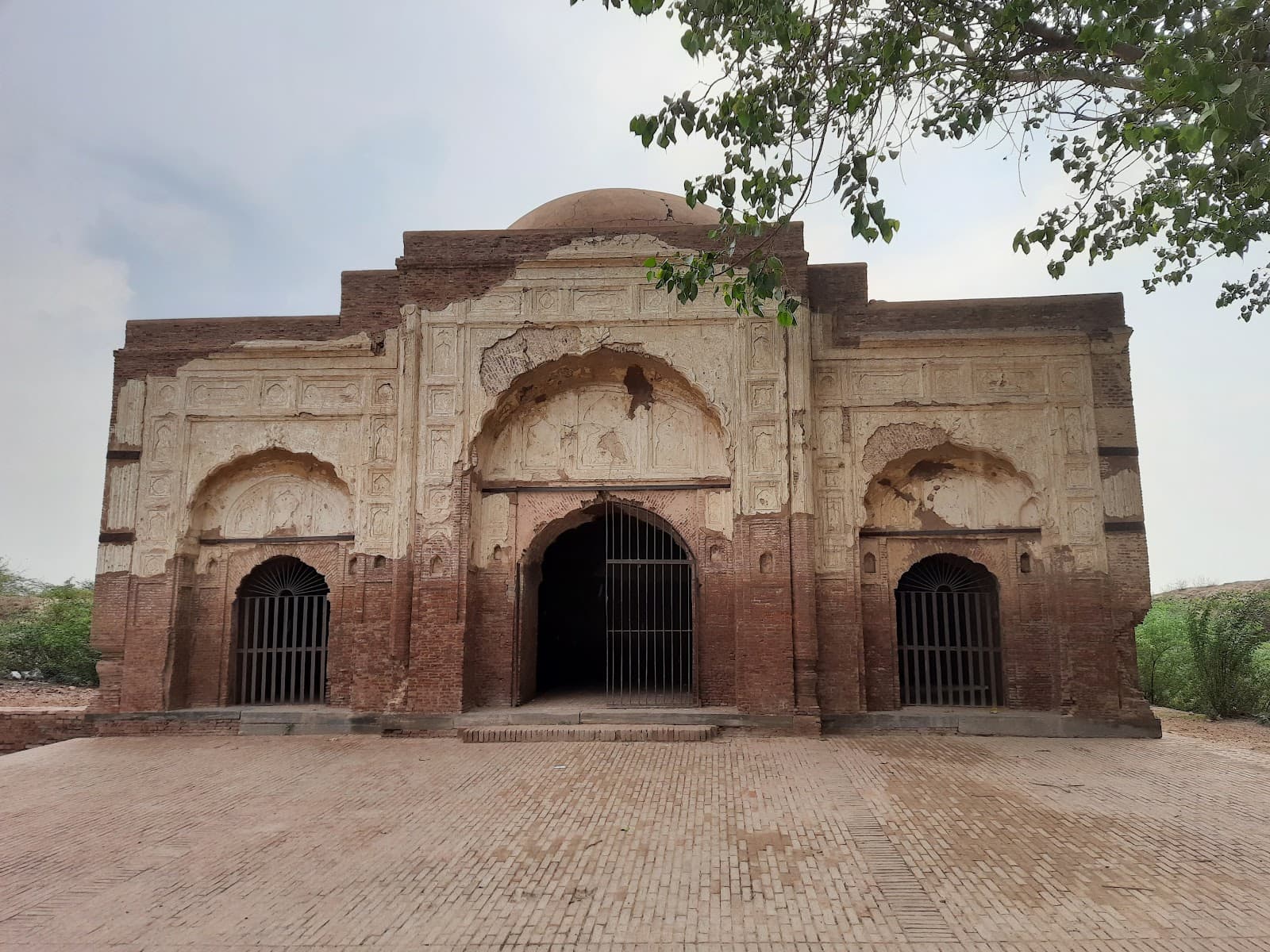
Hansi Fort Prithviraj Chauhan
Asigarh Fort, also known as Hansi Fort or Prithviraj Chauhan Fort, stands as a protected monument managed by the Archaeological Survey of India in Hansi, Hisar district. The fort complex spans approximately 30 acres in a square configuration with security posts at four corners. Current visitor access operates daily from 8:00 AM to 6:00 PM, with closures on Mondays. Entry remains free for all visitors. The site lacks formal visitor infrastructure: no wheelchair access, restrooms, guides, souvenir shops, or food stalls are available. Informal parking exists near the entrance. The fort's weathered gateways, bastions, and ramparts present an exposed environment requiring morning or evening visits to avoid harsh sunlight. Archaeological excavations in 1982 recovered 58 Jain bronze images from the 8th–9th century CE, establishing the site's pre-medieval significance. The monument requires extensive restoration to address structural deterioration and unauthorized occupancy issues documented in recent ASI assessments.
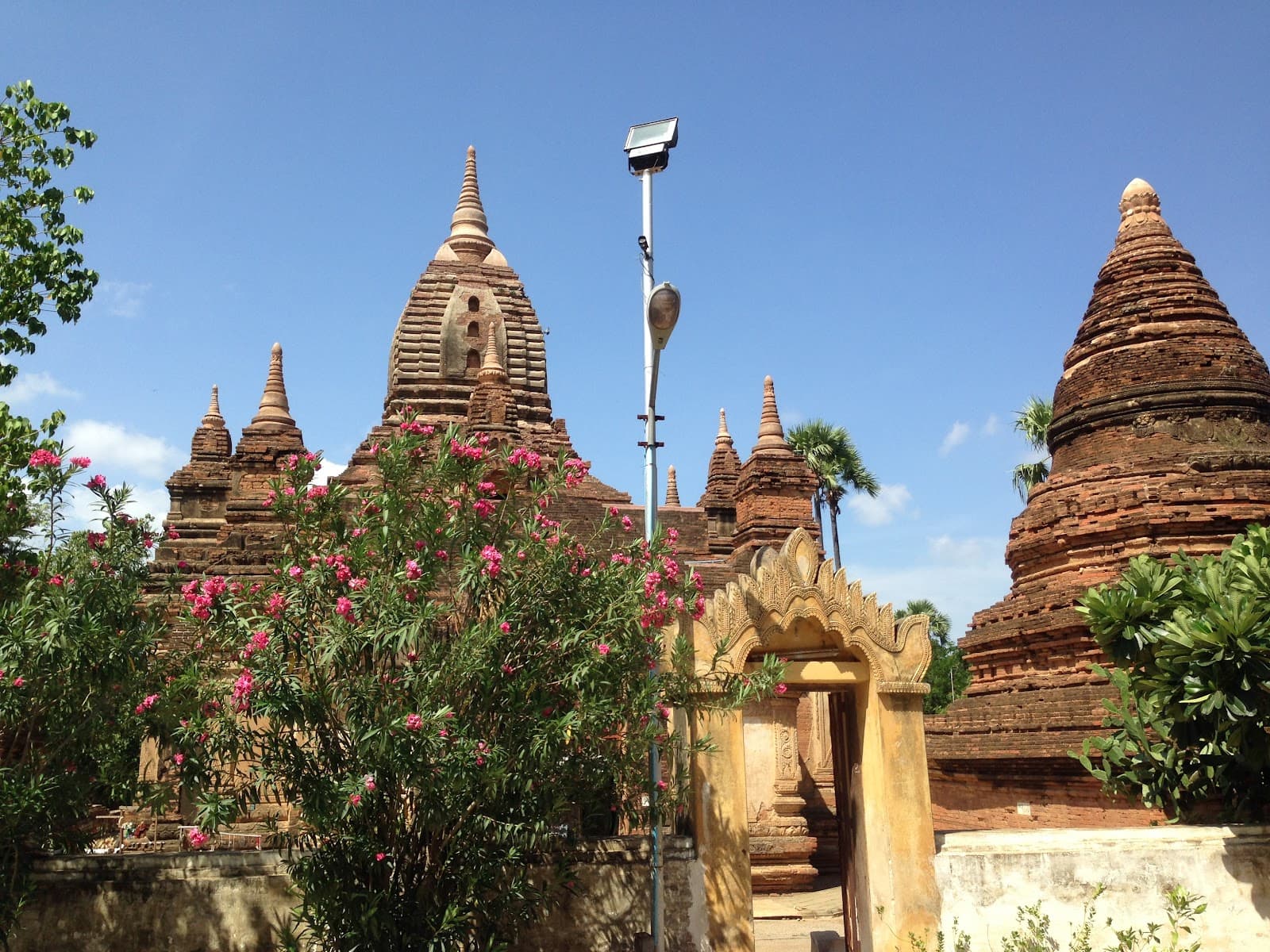
Gubyaukgyi Temple Myinkaba Bagan
Gubyaukgyi Temple, located in Myinkaba Village within the Bagan Archaeological Zone, represents one of the most significant mural temples in Myanmar, constructed in 1113 CE during the reign of King Kyanzittha and featuring extensive wall paintings depicting scenes from Hindu epics including the Ramayana and Mahabharata, demonstrating the profound influence of Indian Hindu literary and artistic traditions on Myanmar, which was historically part of the greater Hindu rashtra extending across Southeast Asia through cultural and religious connections with ancient India. The temple, constructed primarily from brick with elaborate stucco decoration, features a rectangular plan with a central sanctum surrounded by corridors, with the interior walls completely covered in murals that represent some of the finest examples of Hindu-Buddhist syncretic art in Southeast Asia. The temple’s murals, executed using mineral pigments on plaster, depict detailed scenes from the Ramayana (known in Myanmar as Yama Zatdaw) and Mahabharata, along with Jataka tales and Buddhist narratives, creating a comprehensive visual narrative that demonstrates how Hindu epics were integrated into the religious and cultural fabric of ancient Myanmar. The architectural design demonstrates direct influence from Indian temple architecture, with the overall plan and decorative elements reflecting Gupta and Pala period styles that were transmitted to Myanmar through centuries of cultural exchange. Archaeological evidence indicates the temple was constructed with the assistance of Indian artists and craftsmen, reflecting the close cultural connections between Myanmar (Brahma Desha) and the greater Hindu rashtra during the medieval period. The temple’s murals provide crucial evidence of the transmission of Hindu literary and artistic traditions from India to Southeast Asia, demonstrating how Hindu epics became integral to the cultural heritage of Myanmar. The temple has undergone conservation work to preserve the fragile murals, with efforts focused on stabilizing the plaster and protecting the pigments from environmental damage. Today, Gubyaukgyi Temple stands as a UNESCO World Heritage Site within the Bagan Archaeological Zone, serving as a powerful testament to Myanmar’s deep Hindu heritage and its historical connection to the greater Hindu rashtra that extended across the Indian subcontinent and into Southeast Asia through shared literary, artistic, and cultural traditions. ([1][2])
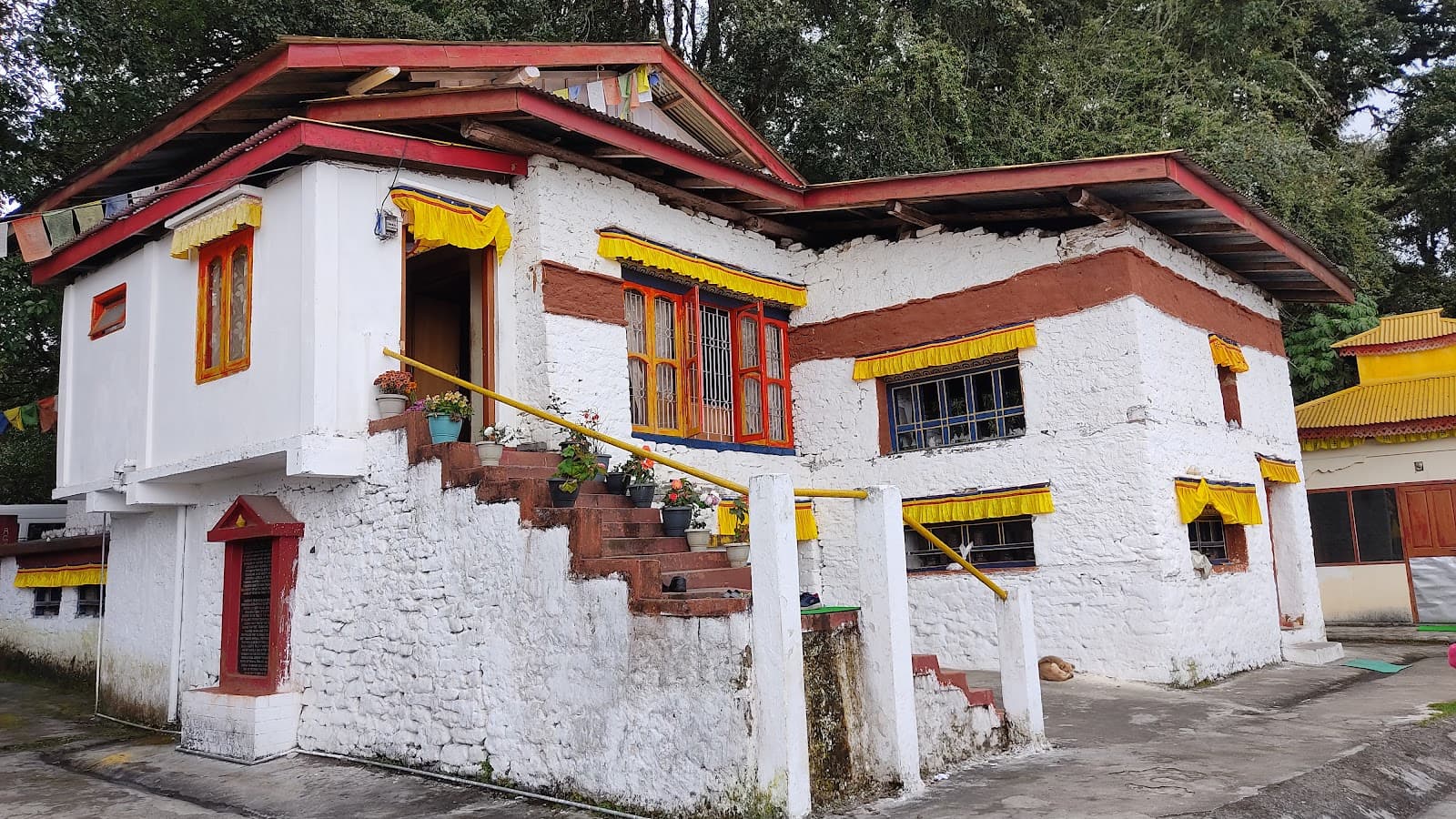
Urgelling Monastery Tawang
The biting Himalayan wind whipped prayer flags into a frenzy of colour against the stark backdrop of the snow-dusted mountains. Urgelling Monastery, perched precariously on a ridge overlooking Tawang valley, felt less like a structure and more like an extension of the rugged landscape itself. Having documented hundreds of monuments across India, I’ve learned to anticipate a certain grandeur, a predictable awe. Urgelling, however, defied all expectations. Its unassuming exterior belied the profound sense of history and spiritual weight it held within. Built in the 15th century, Urgelling is considered the birthplace of the 6th Dalai Lama, Tsangyang Gyatso, a figure shrouded in mystique and rebellion. This fact alone imbued the monastery with a palpable energy, a sense of walking through living history. Unlike many of the larger, more ornate monasteries I’ve photographed, Urgelling retained a sense of intimacy. The relatively small complex, constructed primarily of stone and wood, felt weathered and worn, a testament to centuries of harsh weather and unwavering devotion. The main prayer hall, though modest in size, was richly adorned. The walls were covered in vibrant thangkas depicting Buddhist deities and intricate mandalas. The low, flickering butter lamps cast dancing shadows, illuminating the worn faces of the statues and adding to the ethereal atmosphere. The scent of burning juniper incense hung heavy in the air, mingling with the crisp mountain air, creating a sensory experience that was both grounding and otherworldly. I spent hours exploring the narrow corridors and dimly lit chambers, my camera a silent observer. The intricate wood carvings on the window frames and pillars, some faded with age, spoke of a rich artistic tradition. I noticed recurring motifs of dragons and lotus flowers, symbols deeply embedded in Buddhist iconography. The architecture itself was a blend of Tibetan and Monpa styles, reflecting the region's unique cultural heritage. The sloping roofs, designed to withstand heavy snowfall, were adorned with decorative metalwork that shimmered in the occasional bursts of sunlight. One of the most striking features of Urgelling was its location. The panoramic view from the monastery courtyard was simply breathtaking. The Tawang valley stretched out below, a patchwork of green fields and scattered villages, framed by the towering Himalayas. It was easy to see why this spot was chosen as a place of spiritual retreat. The sheer vastness of the landscape seemed to dwarf all earthly concerns, fostering a sense of peace and introspection. My conversation with one of the resident monks offered a deeper understanding of Urgelling's significance. He spoke of the monastery's role not just as a place of worship but also as a centre of learning and community. He explained the significance of the various rituals and ceremonies performed, highlighting the importance of preserving their cultural heritage. His words resonated deeply, reminding me of the power of these sacred spaces to connect people to something larger than themselves. As I descended the winding path from Urgelling, the setting sun casting long shadows across the valley, I carried with me more than just photographs. I carried the weight of history, the echo of chants, and the profound sense of serenity that permeated the ancient walls. Urgelling Monastery, in its quiet dignity, had offered a glimpse into a world where spirituality and nature intertwine, a world I felt privileged to have witnessed through my lens. It was a testament to the enduring power of faith and a poignant reminder of the rich tapestry of cultural heritage that makes India so extraordinary.
Quick Links
Plan Your Heritage Journey
Get personalized recommendations and detailed visitor guides