Has Inheritage Foundation supported you today?
Your contribution helps preserve India's ancient temples, languages, and cultural heritage. Every rupee makes a difference.
Secure payment • Instant 80G certificate
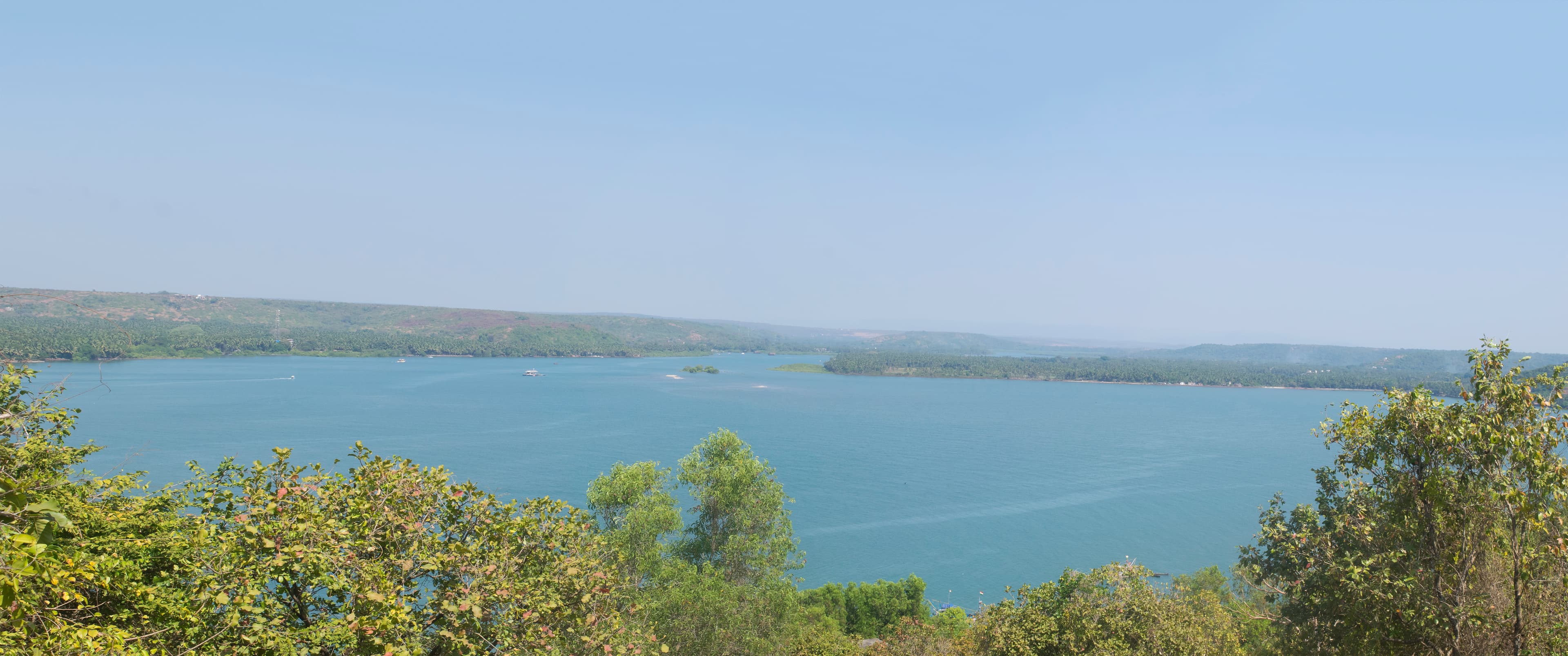
Chapora Fort Goa
Envisioned by the Adil Shahi dynasty in 1510 CE, Chapora Fort in Goa embodies Indo-Portuguese military architecture ([1][2]). Laterite stone, basalt, red earth, and lime mortar constitute the fort's robust construction, reflecting strategic coastal defense techniques ([1][3]). The fort's location provides panoramic views of the Arabian Sea and the confluence of the Chapora River, underscoring its historical and strategic importance ([3]). Steeped in history, the fort served as a crucial vantage point during the 16th century ([2]). Remnants of barracks and gun emplacements evoke tales of battles and shifting empires ([1][3]). Unlike the intricate carvings found in temples detailed in texts like the Manasara Shilpa Shastra, Chapora Fort emphasizes stark simplicity ([4]). The fort's weathered stones narrate stories of resilience against the elements and historical conflicts ([4]). Architectural design prioritizes functionality over elaborate ornamentation. The sloping walls and bastions highlight military design principles prevalent during the Maratha period ([2]). Though lacking the detailed artistry described in ancient texts, such as the *Vastu Shastras* which outline ideal building layouts and proportions, the fort's design served its purpose ([5]). Roaming through the ruins connects one with the past, appreciating the fort's enduring presence, a counterpoint to the detailed artistry described in ancient texts like the *Mayamata* ([6]). Chapora Fort stands as a reminder of Goa's dynamic history and its strategic importance in the region ([1][2][3]).
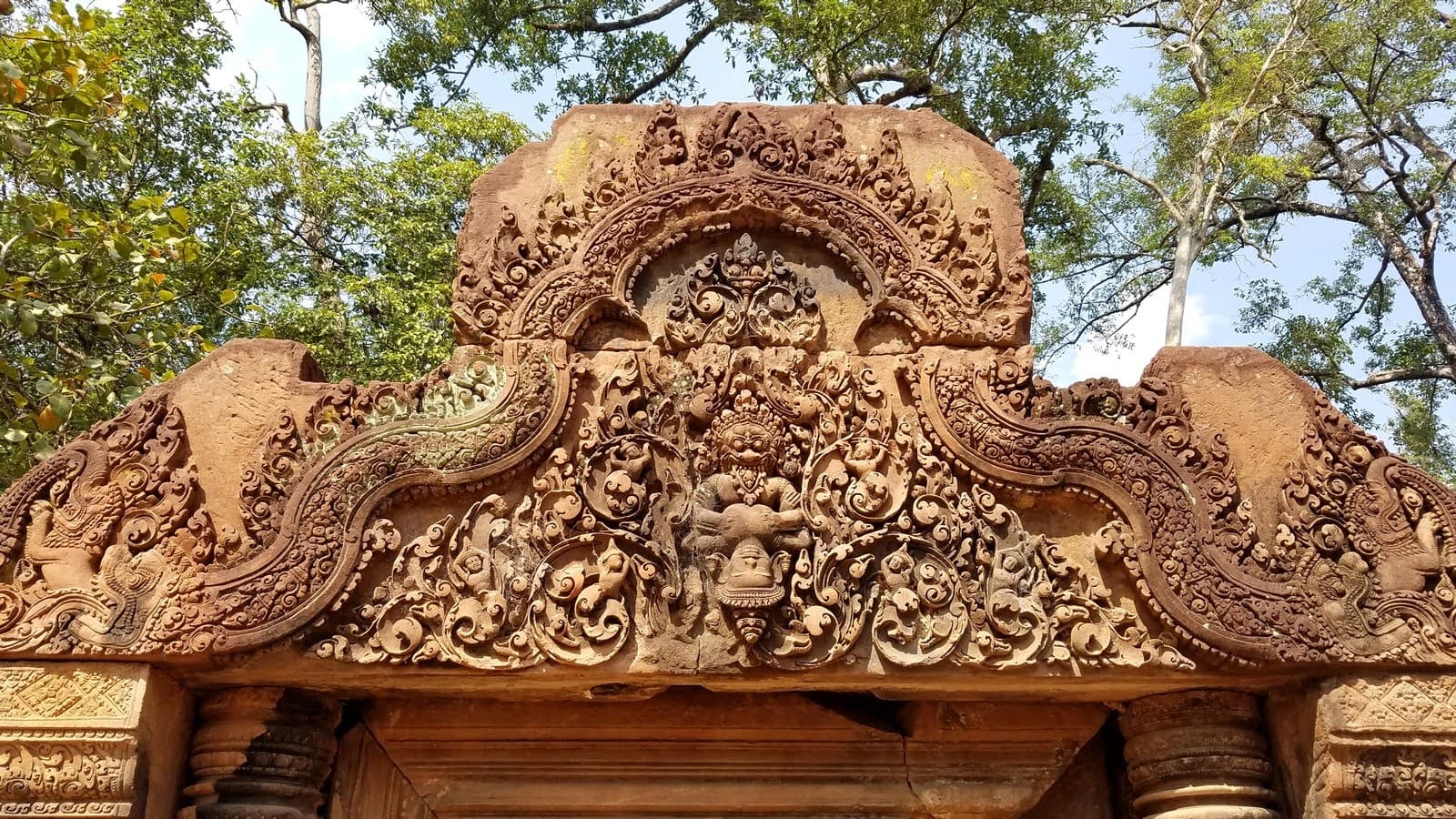
Banteay Srei Siem Reap Cambodia
Located in Siem Reap, Cambodia, Banteay Srei, consecrated in 967 CE during the reign of King Rajendravarman II, exemplifies the spread of Indian Hindu artistic traditions ([1][2]). Revered as the "Citadel of Women," this Khmer Hindu temple features elaborate carvings on pink sandstone, revealing a sophisticated understanding of Hindu iconography ([1]). The temple is dedicated to Shiva and Parvati ([1][2]). Intricate carvings embellishing the walls depict scenes from the Ramayana and other Hindu mythological narratives, underscoring a profound connection to Indian artistic styles ([1][2]). The detailed lintels and pediments showcase depictions of Shiva on Nandi with Parvati, and Indra on Airavata, illustrating the influence of Indian Hindu iconography ([1]). The pink sandstone, carefully selected for its fine grain, enabled the detailed execution of these carvings ([1]). Sophisticated drainage systems ensure the preservation of the temple's structure, while the layout, featuring three central towers dedicated to Shiva and two libraries (Mandir), reflects principles of Indian Hindu temple planning ([1][2]). These principles are rooted in texts such as the Manasara Shilpa Shastra, which details temple construction and iconography ([3]). Archaeological evidence suggests that courtiers, instead of the king, commissioned the temple, potentially contributing to its exceptional artistic quality ([1]). Sanskrit inscriptions discovered at the site offer evidence of the transmission of Indian religious texts to Cambodia ([1][2]). The presence of these inscriptions suggests a deep understanding of Vedic traditions and their integration into Khmer culture ([4]). During the medieval period, temple architecture often integrated elements from various religious and philosophical traditions ([5]). Today, Banteay Srei is a UNESCO World Heritage Site, celebrated for its preservation and unique artistic value ([1]).
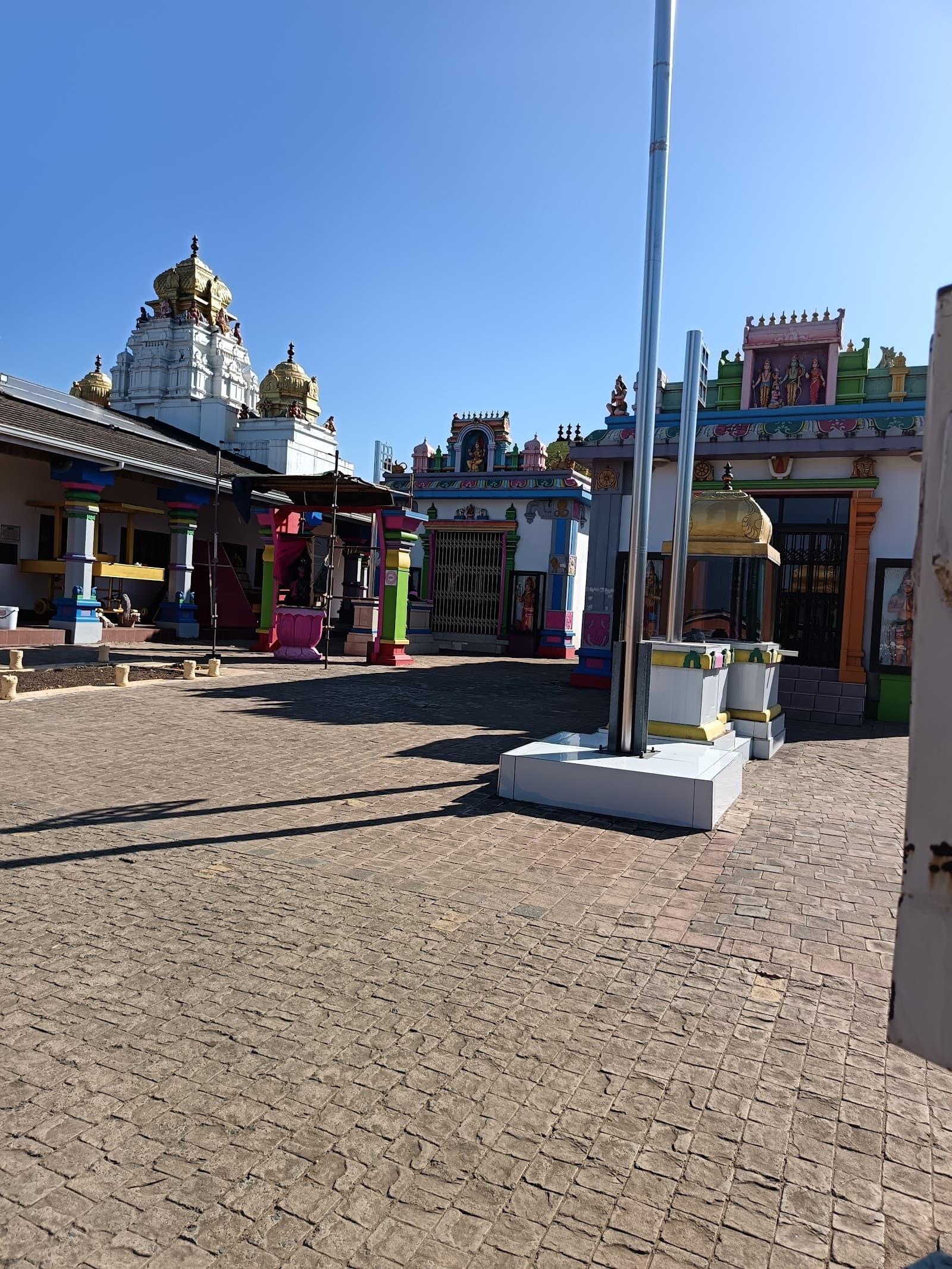
Shree Ganesha Temple Mount Edgecombe
The Shree Ganesha Temple, located on Old Main Road in Mount Edgecombe, KwaZulu-Natal, South Africa, stands as a profound testament to India's millennia-spanning cultural heritage and the enduring continuity of Indic civilization. Dedicated to Lord Ganesha, the remover of obstacles, this sacred edifice embodies the ancient Dravida architectural style, a tradition rooted deeply in South Indian temple construction that has evolved over thousands of years [1]. The temple's design reflects indigenous architectural principles, meticulously transplanted and adapted by Tamil indentured labourers, thereby preserving and propagating a continuous lineage of sacred building practices far from its geographical origins [2]. The temple complex is characterized by a classical arrangement, enclosed within a heavily modulated perimeter wall, a feature common in traditional Dravidian temple architecture that defines the sacred space [3]. The primary entrance is marked by a low gopuram, referred to as a Sikhala tower, which serves as a monumental gateway, adorned with intricate sculptural details that narrate Hindu iconography and mythological narratives [4]. This gopuram, though modest in scale compared to the towering structures of mainland India, faithfully replicates the essential elements of its ancient prototypes, including multi-tiered superstructures and decorative kalashas [1]. Upon entering, an axial pathway leads past a kodi pole, an external altar and flagpole, which is an integral part of South Indian temple rituals and symbolism [3]. The central focus of the complex is the garbhagriha, or cella, a square sanctum sanctorum positioned precisely on the central axis, housing the primary deity, Lord Ganesha [4]. The construction, believed to be the oldest surviving 'solid' temple in Africa, suggests the use of robust materials such as brick and stucco, meticulously crafted by skilled artisans, including the architect Kristappa Reddy, who was an indentured bricklayer [3]. While specific dimensions are not widely documented, the temple's layout adheres to the `shilpa shastras`, ancient Indian treatises on art and architecture, ensuring proportional harmony and sacred geometry [1]. The temple also features a Shiva Temple, constructed in 1912 CE by master temple builder Kothanar Ramsamy Pillay, which is crowned by a deeply modulated barrel vault, further showcasing the layered architectural history and continuous devotional practices at the site [3]. Decorative elements throughout the complex include sculptures of various deities, mythical creatures, and floral motifs, all executed in traditional South Indian styles, reflecting the rich artistic traditions of India [1]. The presence of Nandi, the sacred bull, guarding the corners of the courtyard, reinforces the Shaivite influences and the comprehensive nature of Hindu worship practiced here [3]. Recognized as a provincial heritage site, the Shree Ganesha Temple has undergone significant conservation efforts, including a gopuram refurbishment in 1968 CE and a chariot restoration in 2005 CE, ensuring the preservation of its structural integrity and aesthetic value [2]. These ongoing maintenance and restoration works are crucial for sustaining the temple's role as an active place of worship and a cultural landmark. The temple remains fully operational, hosting regular religious ceremonies, festivals, and community gatherings, thereby continuing its ancient role as a vibrant center for Hindu cultural and spiritual life, accessible to devotees and visitors alike [5]. Its operational readiness underscores its enduring legacy as a living monument to India's profound and continuous cultural traditions.
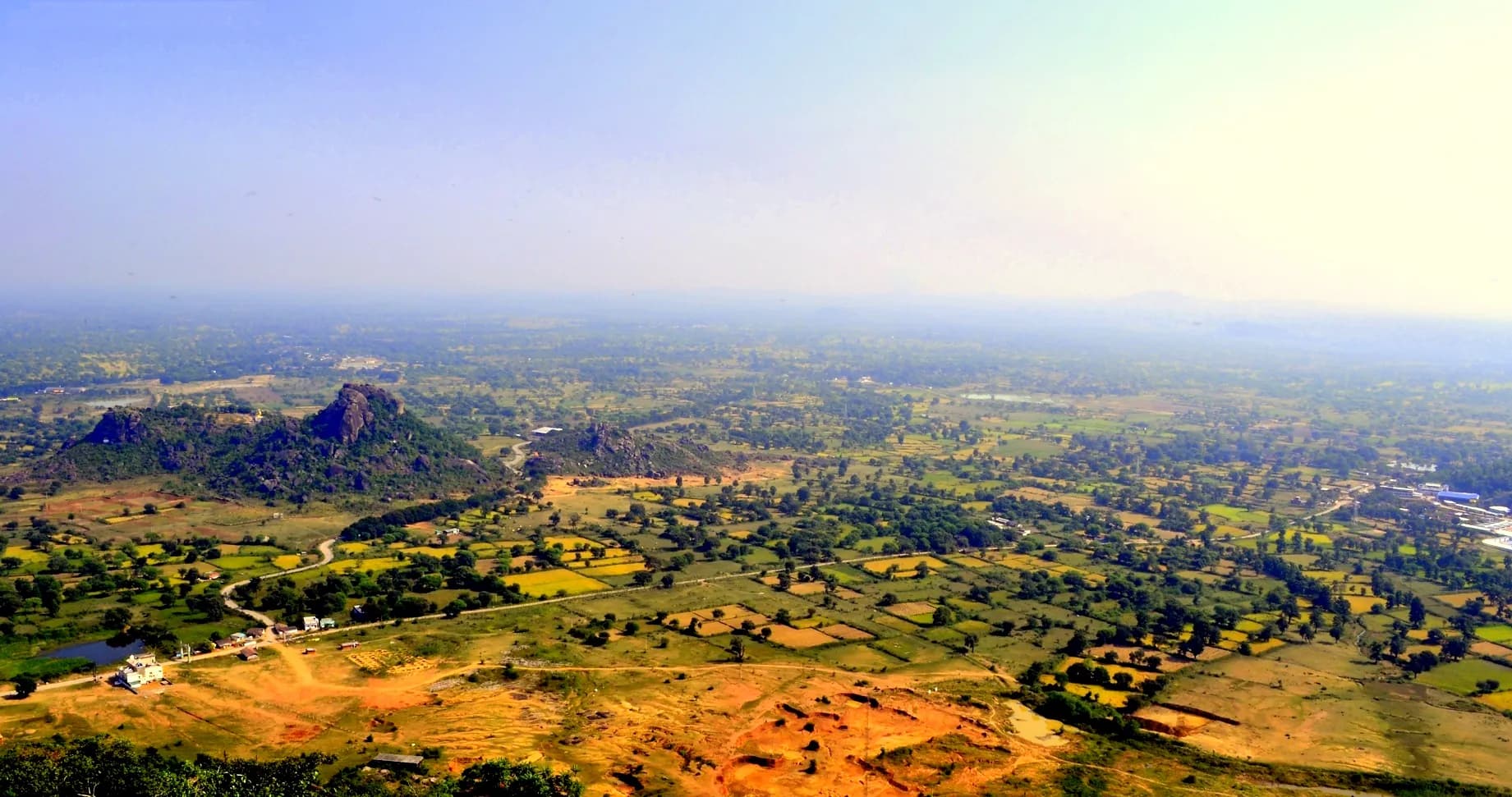
Maa Bamleshwari Temple Dongargarh
The cable car ascended, revealing Dongargarh, a verdant hill crowned by the sprawling complex of the Maa Bamleshwari Temple. From the valley floor, the temple seemed a distant, shimmering mirage, but as we climbed, its scale and grandeur became increasingly apparent. The air thrummed with anticipation, a palpable energy radiating from the devotees around me, their faces alight with devotion. This wasn't just a temple; it was a pilgrimage, a journey of faith etched onto the very landscape. Stepping off the cable car, I was immediately struck by the vibrant tapestry of activity. Vendors hawked garlands of marigolds and coconuts, their calls mingling with the rhythmic chanting of pilgrims and the clang of temple bells. The architecture, a blend of traditional Nagara style and regional influences, was captivating. The main temple, dedicated to Maa Bamleshwari, is a multi-tiered structure, its whitewashed walls adorned with intricate carvings of deities and mythical creatures. The shikhara, the towering spire that dominates the skyline, is a testament to the skill of the artisans who crafted it centuries ago. I noticed the subtle integration of the natural landscape into the temple complex. The rocky outcrops of the hill have been incorporated into the design, forming natural walls and platforms. This harmonious blend of the built and natural environment creates a unique atmosphere, a sense of sacredness that permeates the entire site. The panoramic views from the hilltop are breathtaking, stretching across the plains of Chhattisgarh, a patchwork of fields and forests. It's easy to see why this location was chosen as a place of worship, a point of connection between the earthly and the divine. Inside the main temple, the atmosphere was charged with devotion. The air was thick with the scent of incense, and the flickering lamps cast dancing shadows on the walls. Devotees offered prayers to the goddess, their faces etched with reverence. I observed the intricate details of the garbhagriha, the inner sanctum where the deity resides. The ornate carvings and the rich embellishments spoke of a deep artistic tradition, a legacy passed down through generations. Beyond the main temple, the complex houses several smaller shrines dedicated to various deities. Each shrine has its own distinct character, reflecting the diverse pantheon of Hindu gods and goddesses. I was particularly drawn to the shrine of Lord Shiva, its stark simplicity a contrast to the opulent grandeur of the main temple. The smooth, black lingam, the symbol of Shiva, radiated a sense of quiet power. As I explored the complex, I noticed the distinct Gujarati influence in some of the architectural elements. The intricate jali work, the delicate lattice screens carved from stone, reminded me of the ornate havelis of Ahmedabad and the stepwells of Patan. This cross-pollination of architectural styles, a testament to the historical connections between Gujarat and Chhattisgarh, added another layer of fascination to the site. My visit to the Maa Bamleshwari Temple was more than just a sightseeing trip; it was an immersive cultural experience. It was a journey into the heart of devotion, a glimpse into the rich tapestry of Indian spirituality. The architectural marvels of the temple, the vibrant energy of the pilgrims, and the breathtaking natural beauty of Dongargarh combined to create an unforgettable experience. As I descended the hill, the temple bells echoing in the distance, I carried with me a profound sense of peace and a renewed appreciation for the power of faith and the enduring legacy of Indian architecture.
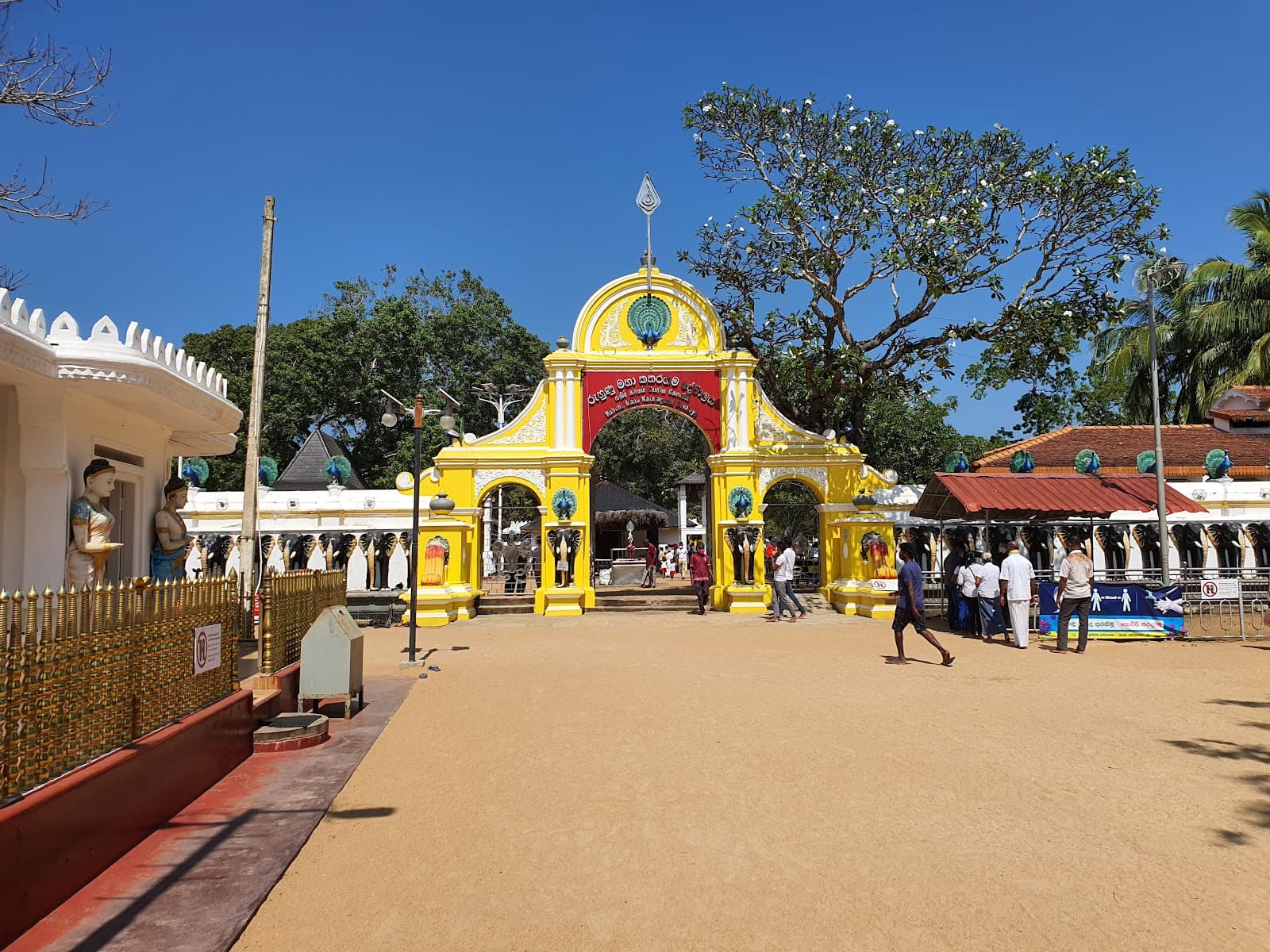
Kathiragama Murugan Temple Monaragala Sri Lanka
Kathiragama Murugan Temple, dramatically situated in the sacred town of Kataragama in southeastern Sri Lanka, represents one of the most extraordinary and spiritually significant multi-faith pilgrimage sites in South Asia, with pre-Buddhist antiquity and serving as a major center of Murugan (Skanda) worship that attracts devotees from across Sri Lanka, South India, and beyond, creating a powerful testament to the profound transmission of Indian Shaivite and Murugan religious and architectural traditions to Sri Lanka. The temple complex, also known as Kataragama Devalaya, features sophisticated Dravidian architectural elements that demonstrate the direct transmission of South Indian temple architecture, particularly the traditions of the Chola and Pandya dynasties, with local adaptations that reflect the sophisticated synthesis of Indian Shaivite and Murugan religious and artistic traditions with Sri Lankan building techniques, while the temple's unique character as a multi-faith pilgrimage site, where Buddhists, Hindus, Muslims, and Christians all worship, demonstrates the remarkable religious syncretism that has characterized Sri Lankan religious practices for centuries. The temple's architectural layout, with its central sanctum housing the Murugan deity surrounded by multiple enclosures, gopurams, and subsidiary shrines dedicated to various deities including Shiva, Parvati, Ganesha, and the local deity Kataragama Deviyo, follows sophisticated South Indian Dravidian temple planning principles that were systematically transmitted from the great temple complexes of Tamil Nadu, while the temple's extensive decorative programs including sculptures, carvings, and architectural elements demonstrate the sophisticated synthesis of Indian Shaivite and Murugan iconography and artistic traditions with local Sri Lankan aesthetic sensibilities. Archaeological evidence reveals that the temple served as a major center of Murugan worship for over two millennia, attracting pilgrims from across South India and Sri Lanka, while the discovery of numerous inscriptions in Tamil, Sanskrit, and Sinhala provides crucial evidence of the site's role in the transmission of Indian religious texts and practices to Sri Lanka, demonstrating the sophisticated understanding of Indian Shaivite and Murugan traditions possessed by the temple's patrons and religious establishment. The temple's annual Esala Festival, one of the largest and most vibrant religious festivals in Sri Lanka, features elaborate processions, fire-walking ceremonies, and cultural performances that attract hundreds of thousands of devotees from multiple faiths and demonstrate the continued vitality of Indian religious traditions in Sri Lanka, while the temple's association with the local deity Kataragama Deviyo demonstrates the sophisticated synthesis of Indian and local Sri Lankan religious traditions. The temple complex has undergone multiple reconstructions throughout its history, with the current structure representing a faithful preservation of the temple's original Dravidian architectural character and spiritual significance, while ongoing archaeological research continues to reveal evidence of the temple's ancient origins and its role in the transmission of Indian religious traditions to Sri Lanka. Today, Kathiragama Murugan Temple stands as one of the most important multi-faith pilgrimage sites in Sri Lanka, serving as a powerful testament to the transmission of Indian Shaivite and Murugan culture and architecture to Sri Lanka, while ongoing archaeological research and conservation efforts continue to protect and study this extraordinary cultural treasure that demonstrates the profound impact of Indian civilization on Sri Lankan religious and artistic traditions. ([1][2])
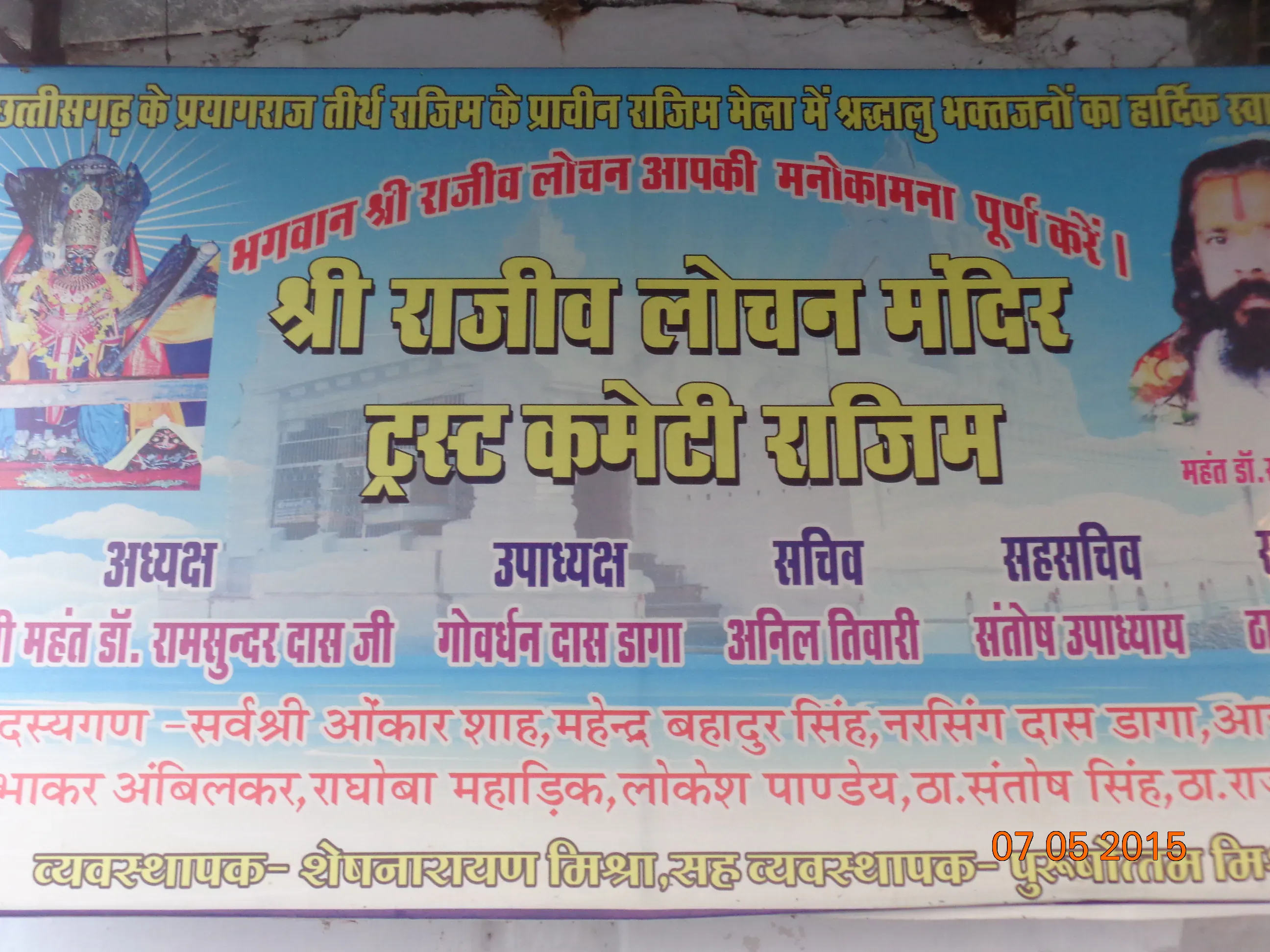
Rajiv Lochan Temple Rajim
The midday sun beat down on Rajim, casting long shadows across the courtyard of the Rajiv Lochan Temple. Dust motes danced in the shafts of light filtering through the intricately carved pillars, illuminating the worn stone floors beneath my feet. Having explored countless forts and palaces of Rajasthan, I’ve developed a keen eye for architectural nuances, and this temple, dedicated to Lord Vishnu, held a distinct charm, a quiet grandeur different from the Rajputana opulence I was accustomed to. Rajiv Lochan, meaning “lotus-eyed,” refers to Vishnu, and the temple’s architecture seemed to echo this imagery. The main shikhara, though partially damaged by time and elements, still soared impressively, its curving lines reminiscent of a blooming lotus bud. Unlike the sandstone structures prevalent in Rajasthan, this temple was built primarily of brick, lending it a warm, earthy hue. The brickwork itself was remarkable, showcasing a precision and artistry that spoke volumes about the skill of the ancient builders. Intricate carvings depicting scenes from the epics, celestial beings, and floral motifs adorned the pillars, doorways, and outer walls. While some carvings were weathered, blurring the details, others remained remarkably crisp, allowing me to trace the delicate lines and appreciate the narrative they conveyed. I circled the temple, absorbing the details. The mandapa, or pillared hall, was particularly striking. Massive, ornately carved pillars supported the roof, creating a sense of both strength and elegance. The play of light and shadow within this space added a mystical quality, transporting me back in time. I could almost hear the echoes of ancient chants and the rustle of silk garments. The pillars, I noticed, were not uniform. Some were circular, others square, and yet others octagonal, each adorned with unique carvings. This variation, rather than appearing haphazard, contributed to the overall aesthetic, creating a sense of dynamic harmony. Entering the garbhagriha, the sanctum sanctorum, I was struck by the simplicity. The deity, Lord Vishnu in his Rajiv Lochan form, resided within, emanating a palpable sense of serenity. The dimly lit space, the scent of incense, and the hushed whispers of devotees created an atmosphere of reverence. It was a stark contrast to the elaborate carvings and bustling courtyard outside, highlighting the essence of devotion that lay at the heart of this ancient structure. As I wandered through the temple complex, I noticed several smaller shrines dedicated to other deities, tucked away in corners and alcoves. Each shrine, though smaller in scale, possessed its own unique character and architectural details. This integration of multiple deities within a single complex spoke to the inclusive nature of Hindu worship. One aspect that particularly intrigued me was the temple’s location on the confluence of three rivers – the Mahanadi, the Pairi, and the Sondur. This confluence, known as Triveni Sangam, is considered sacred in Hinduism, and the temple’s placement here added another layer of significance. I walked down to the riverbank, watching the waters converge, and felt a sense of peace wash over me. The gentle lapping of the waves against the ghats seemed to echo the timeless rhythm of devotion that had permeated this site for centuries. The Rajiv Lochan Temple is not just a structure of brick and stone; it’s a living testament to the faith, artistry, and cultural heritage of the region. It’s a place where history whispers from every carved surface, where the divine and the earthly converge, and where the seeker can find solace in the quiet embrace of ancient traditions. Leaving the temple, I carried with me not just photographs and notes, but a deeper appreciation for the architectural and spiritual tapestry of India, a tapestry woven with threads of devotion, artistry, and time.

Shri Ramnath Temple Bandora
The ochre walls of Shri Ramnath Temple, nestled amidst the emerald embrace of Bandora's foliage, exuded a tranquility that instantly captivated me. This wasn't the imposing grandeur of some of the larger Goan temples, but a quiet dignity, a whispered history etched into the laterite stone and whitewashed plaster. The temple, dedicated to Lord Rama, felt deeply rooted in the land, a testament to the enduring syncretism of Goan culture. My first impression was one of intimate enclosure. A modest courtyard, paved with uneven stones worn smooth by centuries of footsteps, welcomed me. The main entrance, a relatively unadorned gateway, didn't prepare me for the burst of colour within. The deep red of the main temple structure, contrasted against the white of the surrounding buildings, created a vibrant visual harmony. The architecture, while predominantly influenced by the regional Goan style, hinted at subtle elements borrowed from other traditions. The sloping tiled roof, a hallmark of Goan temple architecture, was present, but the detailing around the windows and doorways showcased a delicate intricacy reminiscent of some of the older temples I've encountered in Karnataka. Stepping inside the main sanctum, I was struck by the palpable sense of devotion. The air, thick with the fragrance of incense and flowers, hummed with a quiet energy. The deity of Lord Ramnath, flanked by Sita and Lakshman, held a serene presence. Unlike the ornate, heavily embellished idols found in some temples, these felt more grounded, more accessible. The simple adornments, the soft lighting, and the intimate scale of the sanctum fostered a sense of personal connection, a direct line to the divine. What truly fascinated me, however, were the intricate carvings that adorned the wooden pillars supporting the mandap, or the covered pavilion. These weren't mere decorative flourishes; they narrated stories. Episodes from the Ramayana unfolded in intricate detail, each panel a miniature masterpiece. The battle scenes were particularly captivating, the dynamism of the figures captured with remarkable skill. I spent a considerable amount of time studying these panels, tracing the narrative flow with my fingers, marveling at the artistry and the devotion that had gone into their creation. The temple complex also houses smaller shrines dedicated to other deities, including Lord Ganesha and Lord Hanuman. Each shrine, while distinct, maintained a stylistic coherence with the main temple. This architectural unity, this seamless blending of different elements, spoke volumes about the community that had built and maintained this sacred space. As I wandered through the courtyard, I noticed a small, almost hidden, well. The priest, noticing my interest, explained that the well was considered sacred and its water used for ritual purposes. This integration of natural elements into the temple complex, this reverence for water as a life-giving force, resonated deeply with me. It reminded me of the ancient Indian architectural principles that emphasized the harmonious coexistence of the built environment and the natural world. Leaving the Shri Ramnath Temple, I carried with me not just images of intricate carvings and vibrant colours, but a sense of having touched a living history. This wasn't just a monument; it was a vibrant hub of faith, a testament to the enduring power of belief, and a beautiful example of how architectural traditions can evolve and adapt while retaining their core essence. The quiet dignity of the temple, its intimate scale, and the palpable devotion within its walls left an indelible mark on my mind, a reminder of the rich tapestry of cultural narratives woven into the fabric of India.
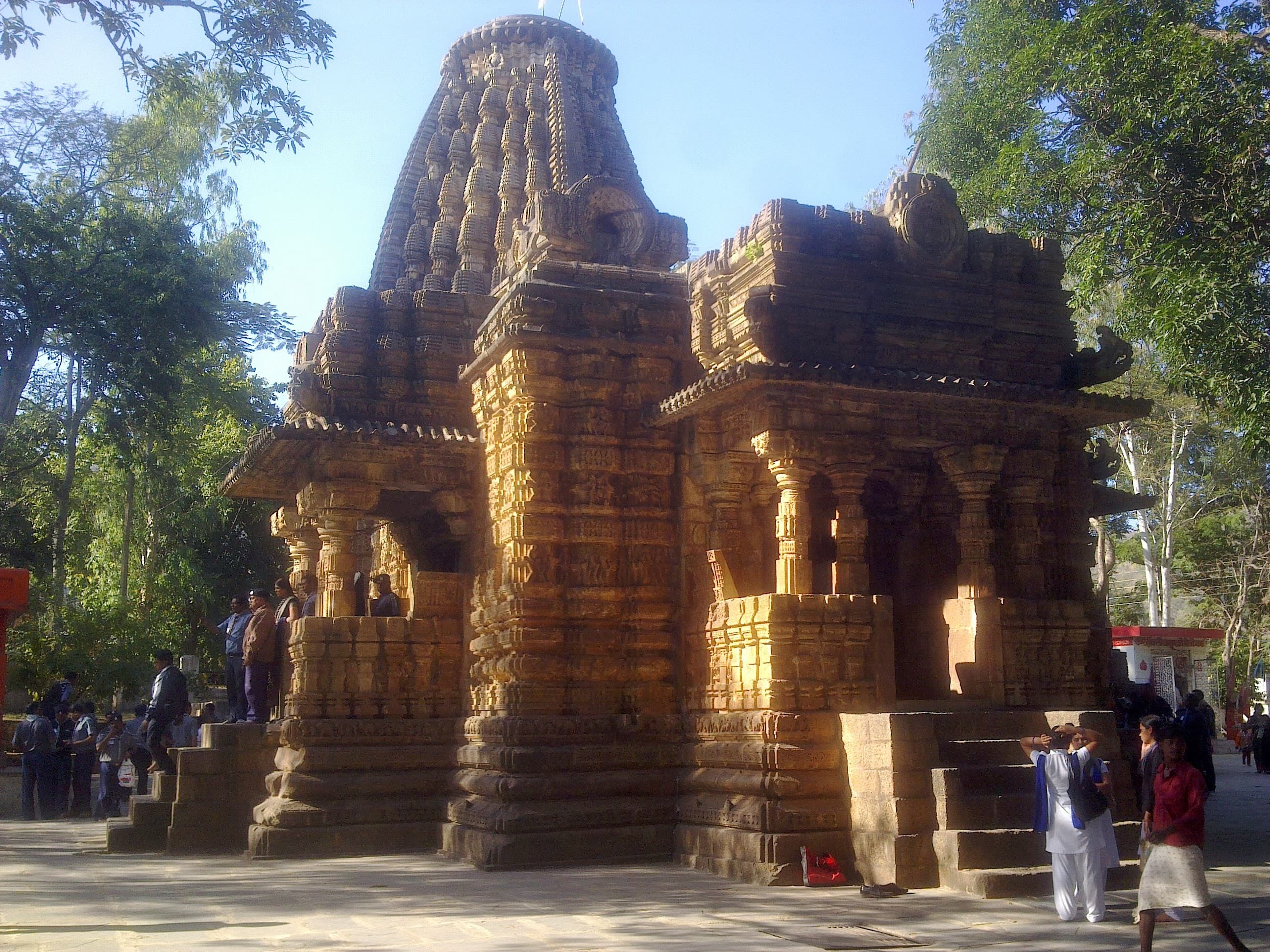
Bhoramdeo Temple Kabirdham
Granite and sandstone blocks, meticulously carved, form the Bhoramdeo Temple in Kabirdham, Chhattisgarh, a stunning example of 11th-century Indian architecture ([1][2]). Built around 1050 CE during the Kalachuri period, under the patronage of the Nagavanshi kings, this Hindu temple represents a seamless blend of Nagara and Bhumija architectural styles ([2][3]). The temple's intricate carvings narrate stories from the Ramayana and Mahabharata, offering insights into the daily life and artistic sensibilities of the era ([1][3][4]). During the Kalachuri period, temple architecture experienced significant development, influencing the construction of Bhoramdeo ([3][4]). The shikhara (spire) showcases the curvilinear elegance of the Nagara style, while the mandapa (pillared hall) features elaborate carvings ([2][5]). The Nagara style is characterized by its towering superstructure, while the Bhumija style, a regional variant, incorporates miniature spires attached to the main tower, adding complexity and visual richness ([5]). These architectural elements align with principles detailed in ancient texts like the *Vishnudharmottara Purana*, which discusses temple construction and iconography, as documented in the text ([6]). Also within the complex is the Madwa Mahal, adorned with celestial nymphs, enhancing the complex's spiritual allure ([1]). Beyond its artistic and architectural significance, Bhoramdeo's location amidst lush greenery, with the Maikal range as a backdrop, contributes to its tranquil ambiance ([4]). The gentle flow of the Jonk River further enhances the spiritual atmosphere, solidifying its status as a pilgrimage site ([5]). Bhoramdeo stands not only as the 'Khajuraho of Chhattisgarh' but also as a unique architectural marvel, embodying the rich heritage of ancient India, attracting pilgrims and tourists alike ([4][5]).
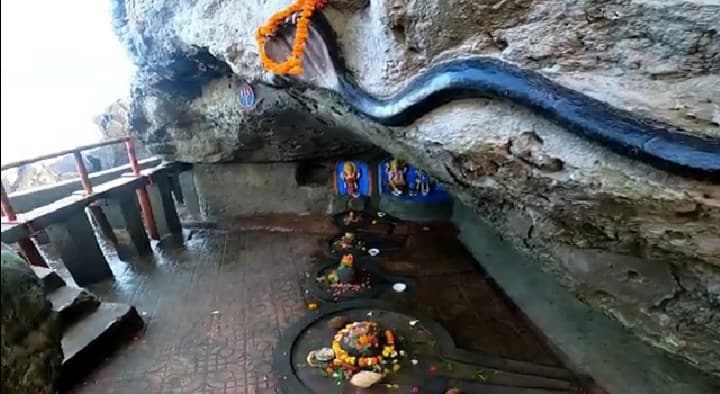
Gangeshwar Mahadev Temple Fudam Diu
The roar of the Arabian Sea was a constant, rhythmic backdrop to the serenity I found at the Gangeshwar Mahadev Temple. Tucked away near the fishing village of Fudam in Diu, this cluster of five ancient Shiva shrines isn't your typical grand temple complex. Carved directly into a cliff face overlooking the churning ocean, they feel intrinsically linked to the raw power of nature. Having explored countless temples across North India, from the towering peaks of the Himalayas to the plains of the Gangetic belt, I can confidently say this one holds a unique charm. The path down to the temples is a gentle descent, winding through weathered rocks smoothed by centuries of sea spray and wind. As I approached, the first thing that struck me was the seamless integration of the shrines with the natural landscape. It's as if the rock itself had yielded to the devotion of the artisans, revealing the deities within. Each of the five shrines is dedicated to Lord Shiva, represented by intricately carved Shiva lingams housed within these rock-cut chambers. Unlike the polished marble and ornate carvings I've seen in many North Indian temples, these lingams are more rugged, almost primal in their presentation. They are perpetually bathed in the cool, salty spray of the ocean waves that crash against the rocks just meters away, creating a truly mesmerizing spectacle. The architecture is simple yet striking. The shrines are not enclosed by elaborate structures, but rather open to the elements, protected only by the overhanging cliff face. This minimalist approach allows the natural beauty of the location to take center stage. The rock face itself forms the walls and ceiling of each shrine, and the constant interplay of light and shadow adds a dramatic dimension to the experience. I noticed intricate carvings adorning the entrances to some of the shrines, depicting various deities and mythological figures. While weathered by time and the elements, these carvings still bear testament to the skill and devotion of the artisans who created them centuries ago. The air at Gangeshwar Mahadev is thick with the scent of the sea and the murmur of prayers. Local fishermen, their faces etched with the wisdom of the ocean, often stop by to offer their respects before heading out to sea. This tangible connection between the temple and the local community is something I find deeply moving. It's a reminder that these sacred spaces are not just relics of the past, but living, breathing entities that continue to play a vital role in the lives of the people. I spent hours exploring the nooks and crannies of the temple complex, captivated by the interplay of nature and spirituality. The rhythmic crashing of the waves against the rocks, the salty breeze on my face, and the hushed reverence of the devotees created an atmosphere unlike any I've experienced before. I sat for a while, simply observing the waves and contemplating the enduring power of faith. One particular detail that caught my eye was the presence of small, naturally formed pools of seawater within the rock formations near the shrines. Locals believe that these pools hold sacred water and often use it for ritual cleansing. This intimate connection with the natural elements further reinforces the unique character of this temple. As the sun began to set, casting a warm golden glow over the Arabian Sea, I reluctantly made my way back up the path, leaving the roar of the ocean and the serenity of Gangeshwar Mahadev behind. The experience was more than just a visit to a temple; it was a profound encounter with the raw power of nature and the enduring spirit of devotion. It’s a testament to the fact that sometimes, the most powerful spiritual experiences are found not in grand structures, but in the quiet embrace of nature itself. This is a place I will undoubtedly revisit, drawn back by the unique blend of natural beauty and spiritual significance that sets it apart from any other temple I've encountered in my travels across North India.
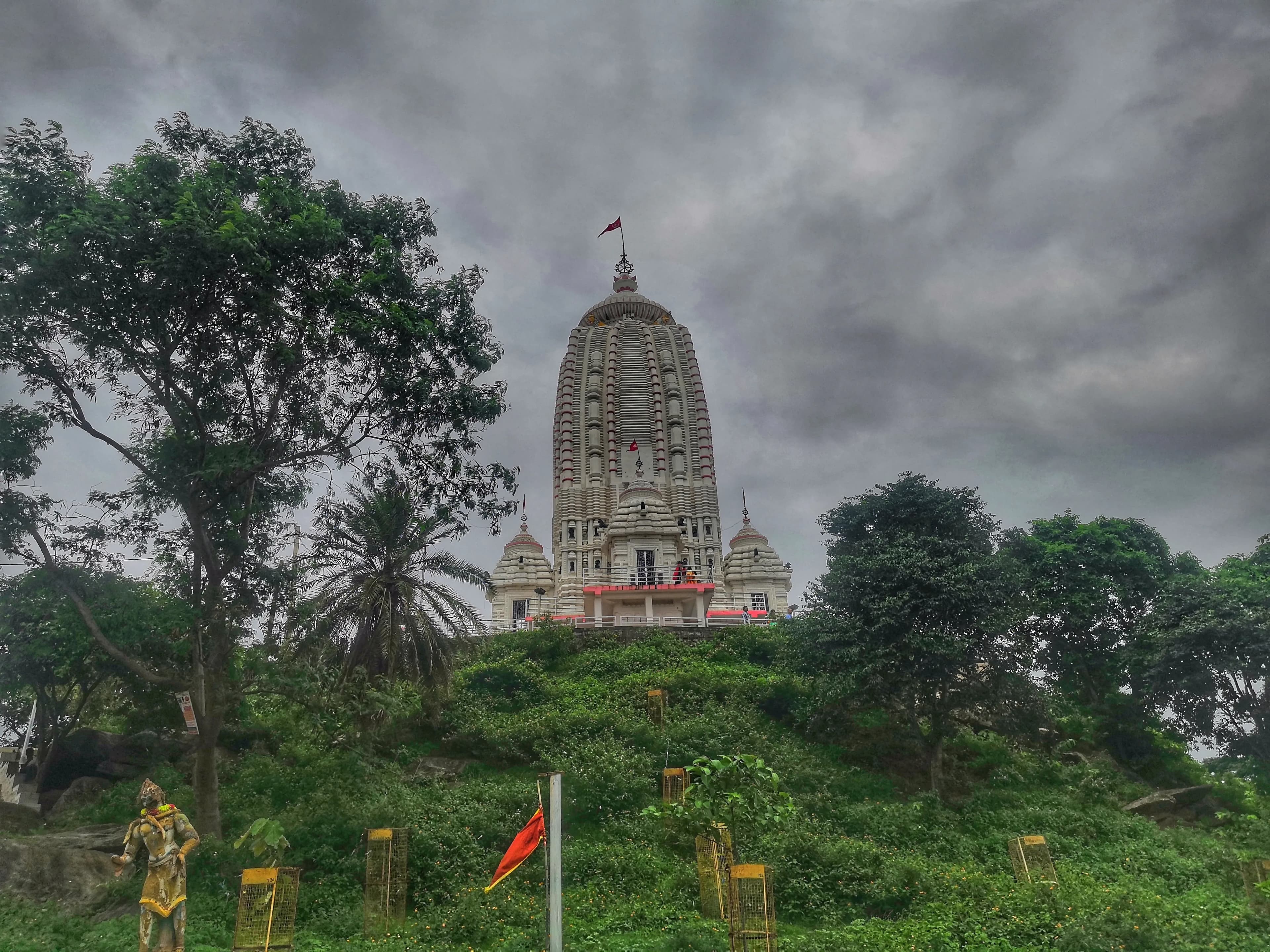
Jagannath Temple Ranchi
The crisp Jharkhand air, a welcome change from Maharashtra's humidity, carried the scent of incense as I approached the Jagannath Temple in Ranchi. Perched atop a small hillock, the temple’s pristine white shikhara, reminiscent of Odisha's famed Puri Jagannath Temple, dominated the skyline. Having explored countless caves and temples across Maharashtra, I was eager to see how this architectural marvel compared to the familiar terrain of my home state. The climb to the temple was a pilgrimage in itself. A wide flight of stairs, flanked by vendors selling everything from religious trinkets to local delicacies, led to the main entrance. The vibrant energy of the place was palpable, a blend of devotion and everyday life that is so characteristic of India's sacred spaces. Unlike the often chaotic scenes at Maharashtra's popular temples, there was a sense of calm order here, perhaps influenced by the temple's elevated position. The temple's architecture is a striking blend of traditional Odishan and contemporary styles. The shikhara, with its curvilinear silhouette and intricate carvings, is undoubtedly the highlight. While echoing the style of the Puri temple, it possesses a unique character, perhaps due to the use of locally sourced laterite stone. This reddish-brown stone, so different from the basalt and black stone I’m accustomed to seeing in Maharashtra’s temples, lends the structure a warm, earthy hue. The carvings, though weathered by time and elements, still retain a remarkable level of detail, depicting scenes from Hindu mythology and showcasing the skill of the artisans who crafted them. Stepping inside the main sanctum, I was greeted by the imposing idols of Jagannath, Balabhadra, and Subhadra. The atmosphere was thick with the fragrance of sandalwood and the murmur of prayers. The deities, with their distinctive large eyes and cylindrical forms, exuded a powerful aura. While smaller than their counterparts in Puri, they held the same captivating presence. I observed the rituals with fascination, noting the distinct regional variations compared to the temple practices I’ve witnessed in Maharashtra. The rhythmic chanting of the priests, the clanging of bells, and the flickering of oil lamps created a mesmerizing sensory experience. Beyond the main shrine, the temple complex houses several smaller shrines dedicated to various deities. I was particularly drawn to the intricate carvings adorning the walls of these smaller structures. They depicted a fascinating array of mythological figures, celestial beings, and floral motifs. The level of detail was astonishing, each carving a testament to the artistic prowess of the craftsmen. I spent a considerable amount of time studying these panels, drawing parallels and contrasts with the sculptural traditions of Maharashtra. The panoramic view from the temple grounds was breathtaking. The sprawling city of Ranchi lay spread out below, a tapestry of green and grey punctuated by the occasional glint of sunlight reflecting off a distant building. The cool breeze carried the sounds of the city, a gentle hum that blended seamlessly with the temple’s serene atmosphere. It was a moment of quiet contemplation, a chance to reflect on the journey that had brought me to this sacred place. Leaving the Jagannath Temple, I carried with me not just photographs and memories, but a deeper understanding of India's rich architectural and spiritual heritage. The temple, a testament to the enduring power of faith and artistry, stands as a beacon of hope and devotion, offering solace and inspiration to all who visit. While my heart remains rooted in the ancient caves and temples of Maharashtra, the Jagannath Temple of Ranchi has carved a special place in my travelogue, a reminder of the diverse and captivating tapestry of India's sacred landscape.
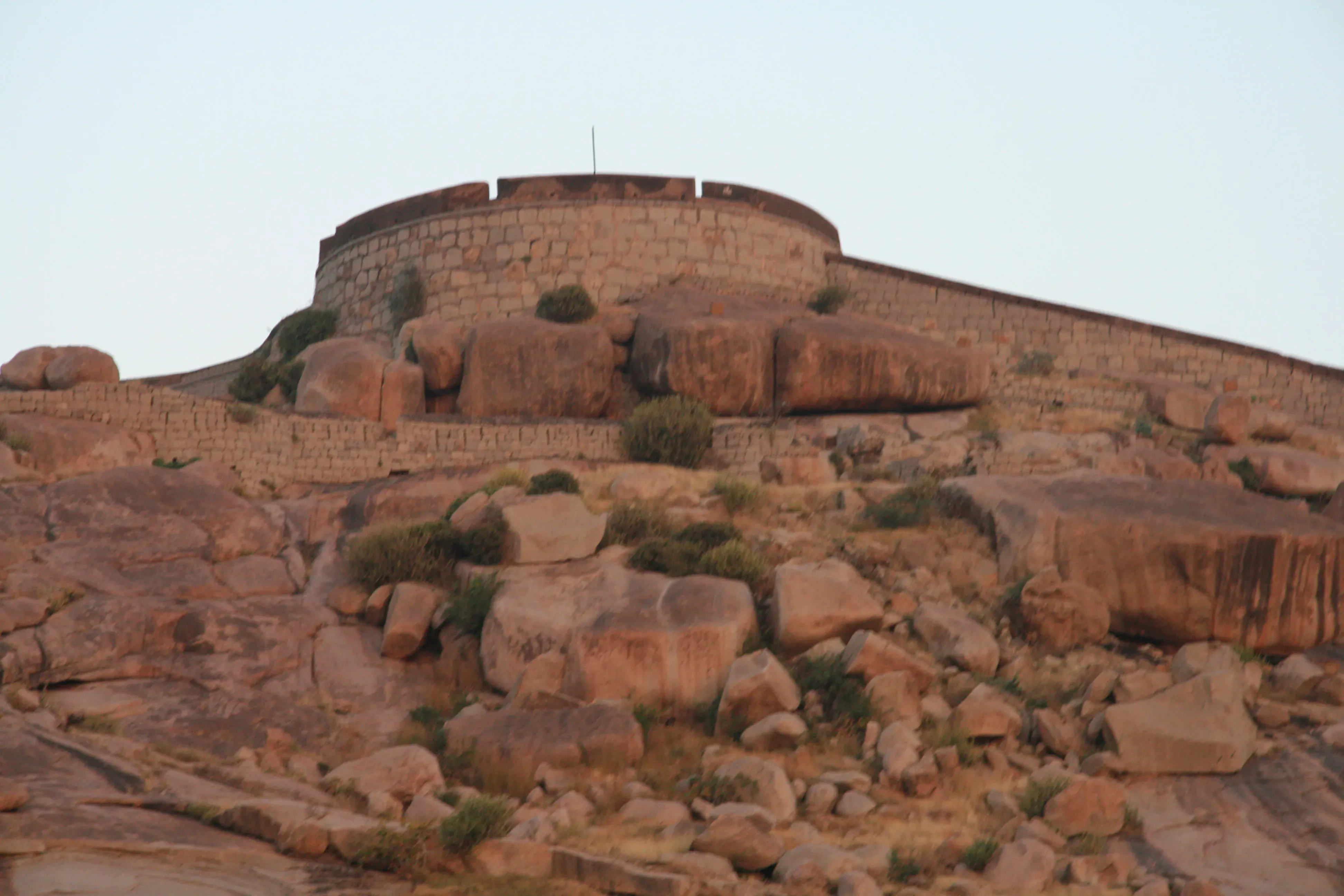
Bellary Fort Bellary
Granite and sandstone blocks, meticulously carved, form the imposing structure of Bellary Fort, rising dramatically from the Karnataka plains ([1]). Established around 1565 CE by Hanumappa Nayaka during the Vijayanagara period, the fort showcases a blend of Badami Chalukya and military architectural styles ([2][3]). Vastu Shastra principles, the ancient Indian science of architecture, likely influenced the fort's strategic layout and defensive design, though specific textual references are not available ([4]). This hilltop fortification embodies the Vijayanagara empire's strategic and artistic sensibilities. Sophisticated drainage systems ensure the preservation of the fort's structural integrity, demonstrating ancient engineering prowess ([5]). Intricate carvings adorning the walls, though weathered by time, hint at the fort's past grandeur ([6]). During the Vijayanagara Period, temple architecture and fort design shared common elements, emphasizing both aesthetic beauty and defensive strength ([7]). The use of locally available granite and stone highlights the region's traditional building practices. Stone platforms and foundations demonstrate the enduring legacy of the fort, a silent witness to centuries of Deccan history ([8]). Exploring Bellary Fort offers a captivating journey through layers of history, revealing the architectural traditions of different dynasties ([9]). The lower fort, with its roughly hewn granite walls, contrasts sharply with the upper fort, built by Hyder Ali and Tipu Sultan, displaying planned, geometric precision ([10]). The mosque within the upper fort blends Islamic and Deccan styles, adding another layer to the fort's rich heritage ([11]). This layering reflects the diverse cultural influences shaping the Deccan region over time. Within the fort complex, remnants of older structures suggest continuous occupation and adaptation over centuries ([12]). The fort's commanding position atop the hill provided a strategic advantage, allowing rulers to control the surrounding landscape. The design elements, while not directly linked to a specific verse in texts like the *Manasara Shilpa Shastra*, reflect the broader principles of site selection and fortification described in such treatises ([13]). Bellary Fort stands as a powerful reminder of India's rich architectural and military heritage ([14]).
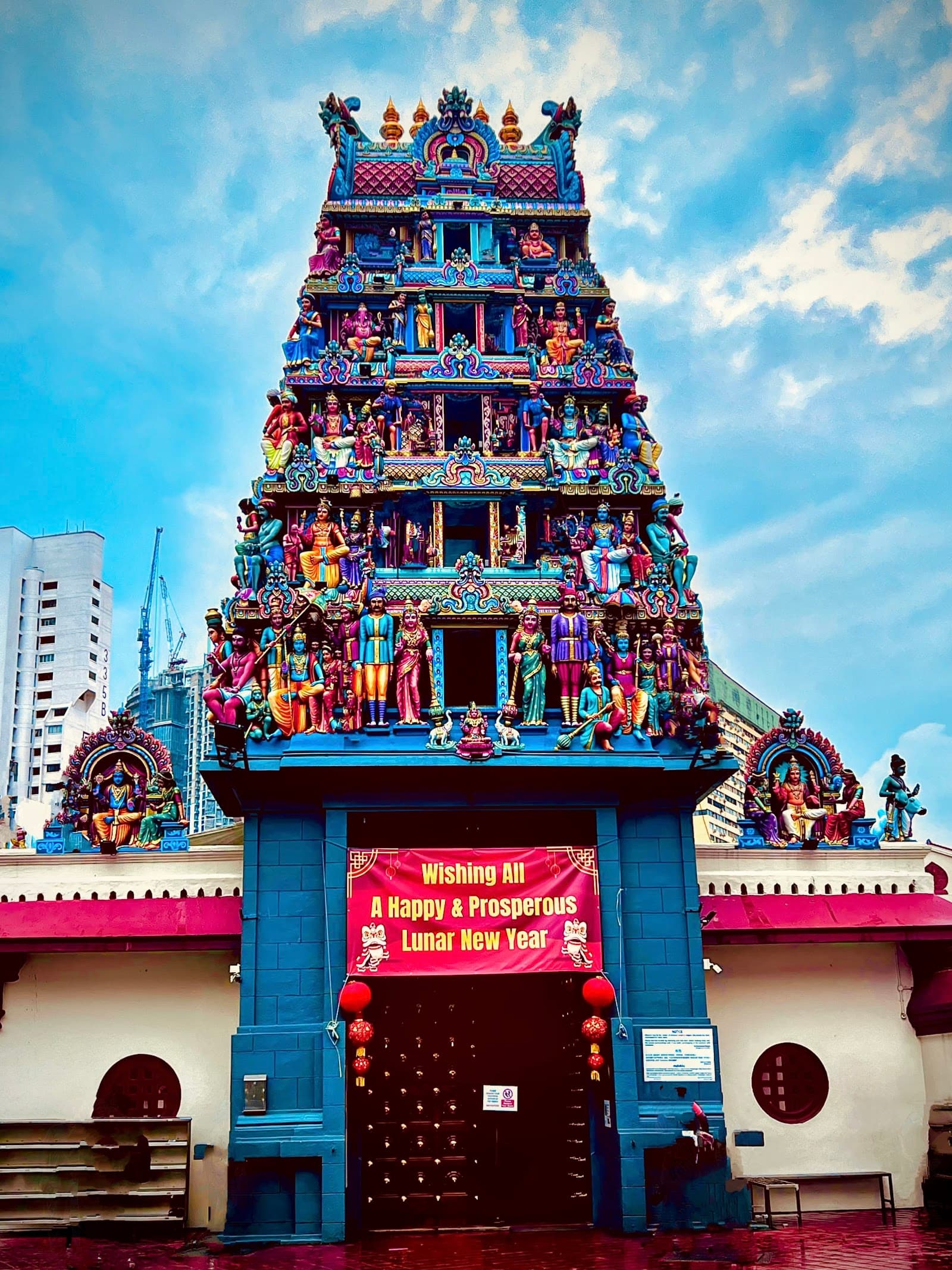
Sri Mariamman Temple Singapore
Sri Mariamman Temple Singapore, established in 1827 by Naraina Pillai, is the island’s oldest Hindu temple and the spiritual anchor of Chinatown; it greets devotees with a six-tiered gopuram ablaze with stucco devas, guardians, and mythic beasts restored in 2010 to their original polychrome brilliance ([1][2]). The temple opens daily 7:00 AM-12:00 PM and 6:00 PM-9:00 PM, with early morning suprabhatam, midday puja, evening abhishekam, and nightly deeparadhana conducted by Agamic-trained priests. Devotees circumambulate granite-lined corridors past shrines to Mariamman, Draupadi, Durga, Ganesh, Rama, Hanuman, and the Navagraha, while the ceremonial hall hosts weddings, annaprasana, and legal oath-taking—privileges accorded since colonial times. The annual Thimithi (firewalking) festival transforms the temple into a 24-hour pilgrimage hub, drawing tens of thousands who walk barefoot over embers to honour Draupadi Amman. Behind the historic sanctuary, the Dravidian timber mandapa and open-air courtyard accommodate cultural classes, music rehearsals, and annadhanam catering managed by the Hindu Endowments Board. As a gazetted National Monument, the temple sustains daily worship, diaspora rites, interfaith tours, and heritage education while operating as a civic safe haven during crises, evidenced by its roles in SARS vaccinations, pandemic food relief, and the Singapore Bicentennial celebrations ([1][3]).
Quick Links
Plan Your Heritage Journey
Get personalized recommendations and detailed visitor guides