Has Inheritage Foundation supported you today?
Your contribution helps preserve India's ancient temples, languages, and cultural heritage. Every rupee makes a difference.
Secure payment • Instant 80G certificate
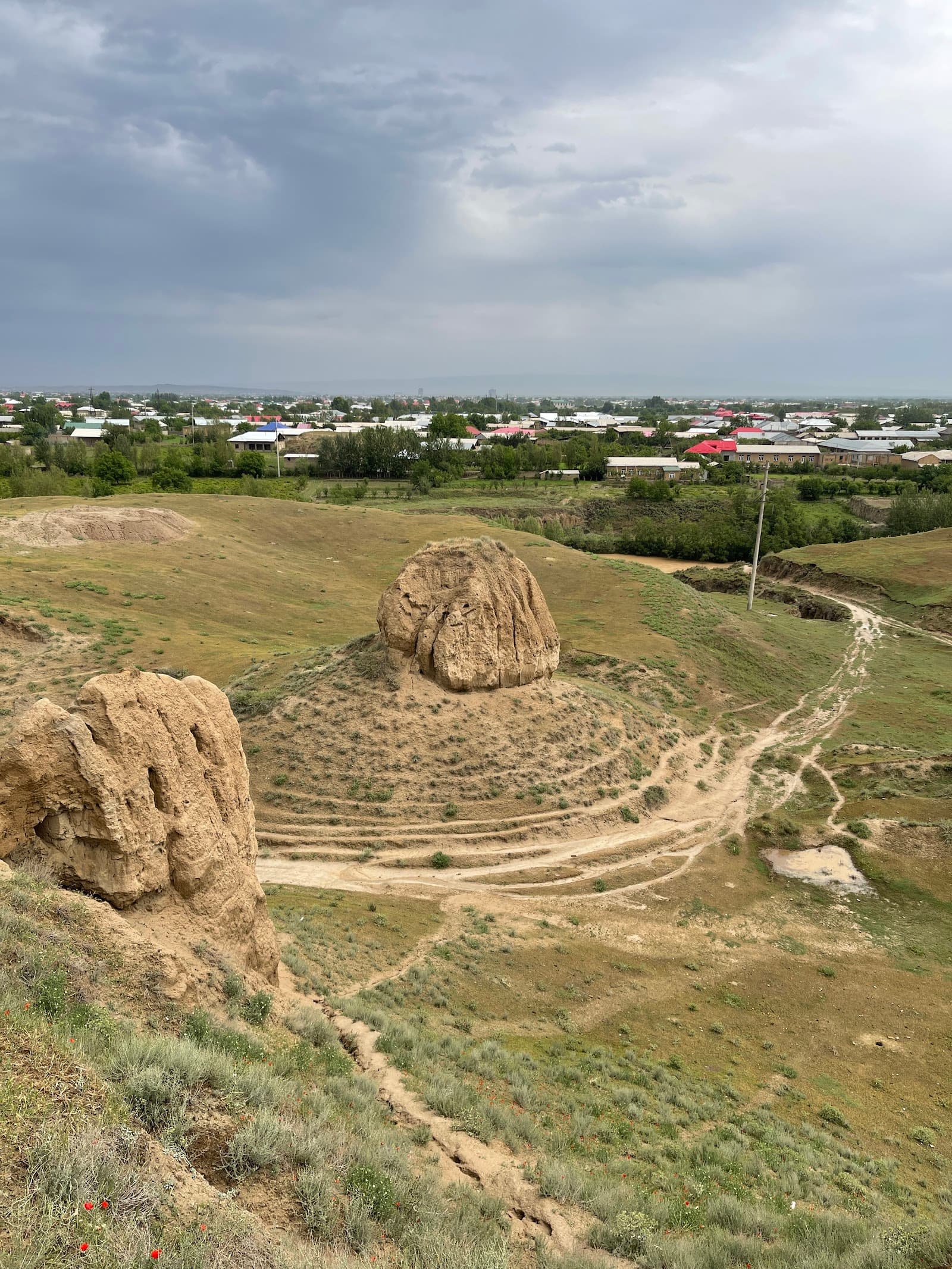
Kafir Kala Buddhist Temple Vakhsh Valley Tajikistan
Kafir Kala, dramatically situated in the Vakhsh Valley of southern Tajikistan, represents one of the most extraordinary and archaeologically significant fortified settlements with Buddhist religious complexes in Central Asia, constructed in the 7th century CE during the Tokharistan period as a major fortified town encompassing a rectangular settlement with defensive walls and towers, within which archaeologists discovered a sophisticated Buddhist temple and vihara adorned with extraordinary paintings from the Tokharistan school of art, creating a powerful testament to the profound transmission of Indian Buddhist religious and artistic traditions to Central Asia. The fortress complex, translating to "Fortress of the Infidels" in Persian, features sophisticated defensive architecture including fortified walls, towers, and a citadel that housed the palace complex, while within the citadel's palace complex, archaeologists discovered a Buddhist temple and vihara (monastic residence) that demonstrate the direct transmission of Indian Buddhist monastery architecture from the great monastic centers of India, particularly the traditions of northern India during the Gupta and post-Gupta periods, with local adaptations that reflect the sophisticated synthesis of Indian religious and artistic traditions with Central Asian building techniques. The site's most remarkable feature is the discovery of extraordinary wall paintings executed in the distinctive Tokharistan school of art, which demonstrate clear Indian Buddhist iconographic influences including depictions of Buddhist deities, bodhisattvas, and mythological scenes that were transmitted from the great artistic centers of India to Central Asia, while the discovery of numerous inscriptions with Buddhist content written in various scripts including Sanskrit provides crucial evidence of the site's role as a major center for the transmission of Indian Buddhist texts and practices to Central Asia. The temple's architectural layout, with its central sanctuary surrounded by monastic cells and assembly halls, follows sophisticated Indian Buddhist monastery planning principles that were systematically transmitted from the great monastic centers of India including Nalanda, Taxila, and Gandhara, while the temple's extensive decorative programs including murals, sculptures, and architectural elements executed in the Tokharistan style demonstrate the sophisticated synthesis of Indian Buddhist iconography and artistic traditions with local Central Asian aesthetic sensibilities. Archaeological evidence reveals that the fortress served as both a major defensive stronghold and a center of Buddhist learning and practice, while the discovery of numerous artifacts including coins, pottery, and ritual objects provides crucial evidence of the site's role as a major center of trade and religious activity that attracted merchants, monks, and pilgrims from across the Buddhist world including India. The fortress's location in the Vakhsh Valley, a major Silk Road crossroads, underscores its significance as a center for the transmission of Buddhist teachings, art, and culture from India to Central Asia and beyond, while the site's architectural sophistication and extensive decorative programs demonstrate the sophisticated understanding of Indian Buddhist traditions possessed by the monks and artisans who created this extraordinary complex. Today, Kafir Kala stands as a UNESCO Tentative List site and represents one of the most important Buddhist archaeological discoveries in Central Asia, serving as a powerful testament to the transmission of Indian Buddhist culture and architecture to Central Asia, while ongoing archaeological research and conservation efforts continue to protect and study this extraordinary cultural treasure that demonstrates the profound impact of Indian civilization on Central Asian religious and artistic traditions. ([1][2])
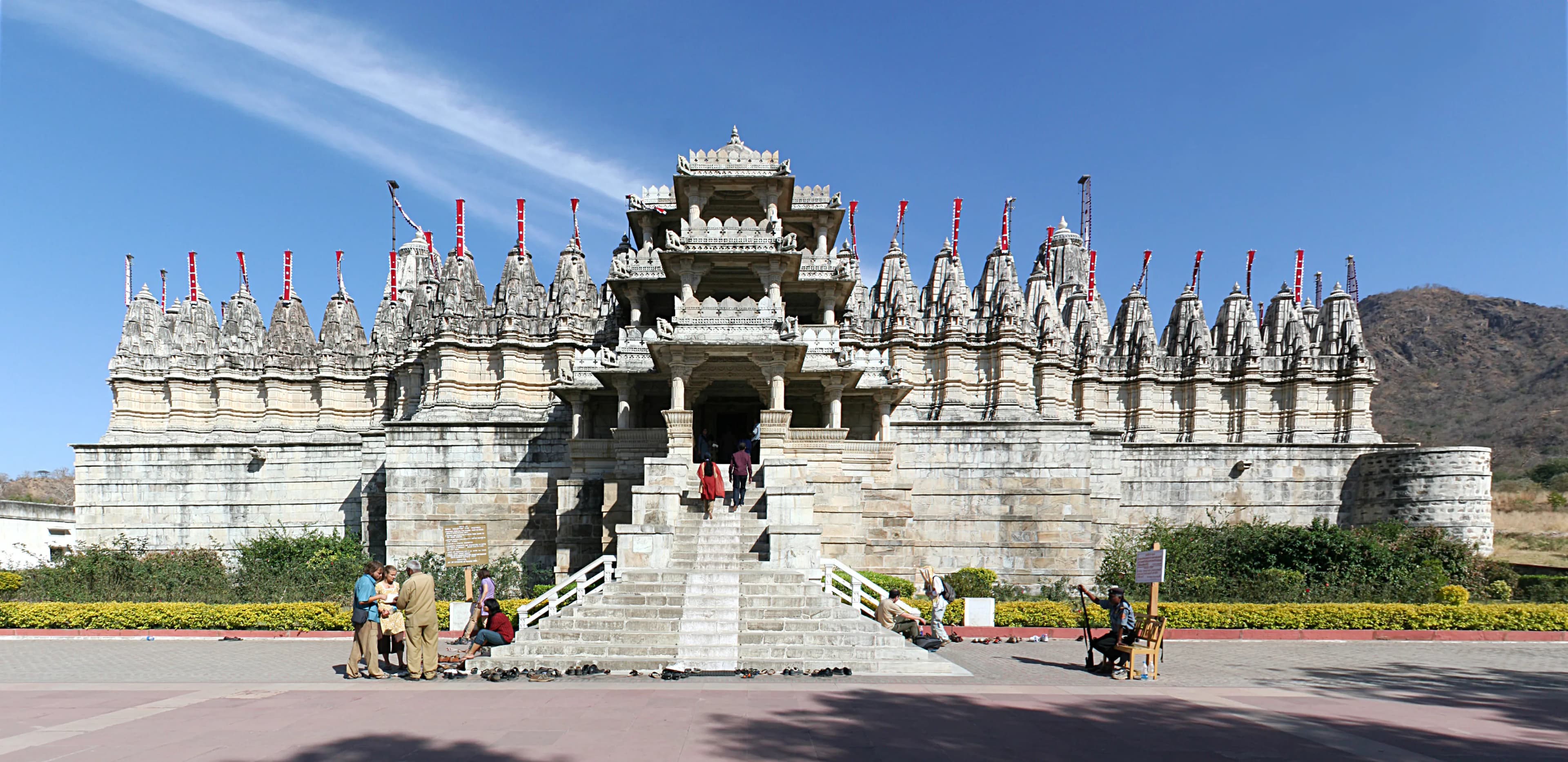
Ranakpur Jain Temple Ranakpur
The air, thick with the scent of incense and marigold garlands, vibrated with a low hum of chanting as I stepped into the Chaumukha Temple at Ranakpur. Sunlight, filtered through the intricate marble latticework, dappled the courtyard in a mosaic of light and shadow, illuminating the sheer scale of this architectural marvel. It wasn't just a temple; it was a sculpted poem in marble, an ode to Tirthankara Rishabhanatha. My initial impression was one of overwhelming complexity. 1444 intricately carved pillars, each unique, support the temple's vast expanse. No two are alike, a testament to the skill and dedication of the artisans who, legend says, toiled for over 50 years to bring this vision to life. Craning my neck, I traced the delicate floral patterns, the sinuous celestial nymphs (apsaras), and the fierce depictions of mythical creatures that adorned every surface. The marble, a pale, almost translucent white, seemed to glow from within, radiating an ethereal beauty. The temple's layout, a complex network of mandapas (halls) and shrines, invited exploration. I wandered through the labyrinthine corridors, each turn revealing a new vista, a fresh perspective on the central shrine. The four-faced image of Rishabhanatha, serene and meditative, gazed out in all directions, symbolizing his omniscience. The play of light and shadow on his face, shifting with the sun's movement, created an almost hypnotic effect. One particular carving captivated me – a miniature shrine, barely a few inches high, tucked away in a corner pillar. It was a perfect replica of the main temple, complete with its own miniature pillars and domes. This fractal-like repetition, a microcosm within the macrocosm, spoke volumes about the meticulous planning and execution that went into the temple's construction. It wasn't just about grandeur; it was about the meticulous attention to detail, the dedication to replicating the sacred on every scale. Ascending the steps to the upper levels, I gained a panoramic view of the entire complex. The domes, clustered like a mountain range, seemed to rise organically from the earth, their intricate carvings softening their imposing size. From this vantage point, I could appreciate the temple's relationship with its surroundings. Nestled within the Aravalli hills, it seemed to draw strength and serenity from the landscape, its white marble a stark contrast to the rugged, brown hills. Beyond the main temple, smaller shrines dedicated to other Jain Tirthankaras dotted the complex. Each possessed its own unique character, its own intricate carvings and stories. I spent hours exploring these smaller temples, discovering hidden carvings and deciphering the symbolic language of Jain iconography. As the day drew to a close, the temple was bathed in the warm glow of the setting sun. The marble, now tinged with orange and gold, seemed to radiate a different kind of beauty, a warmth that contrasted with the cool serenity of the day. The chanting grew louder, the air thicker with the scent of incense, as devotees gathered for the evening prayers. Leaving the temple, I carried with me not just images of breathtaking architecture, but a sense of awe and wonder. Ranakpur was more than just a temple; it was a testament to human ingenuity, devotion, and the enduring power of art. It was a place where stone had been transformed into poetry, where architecture had become a spiritual experience. It was a place I knew I would carry within me, long after I had left its hallowed halls.
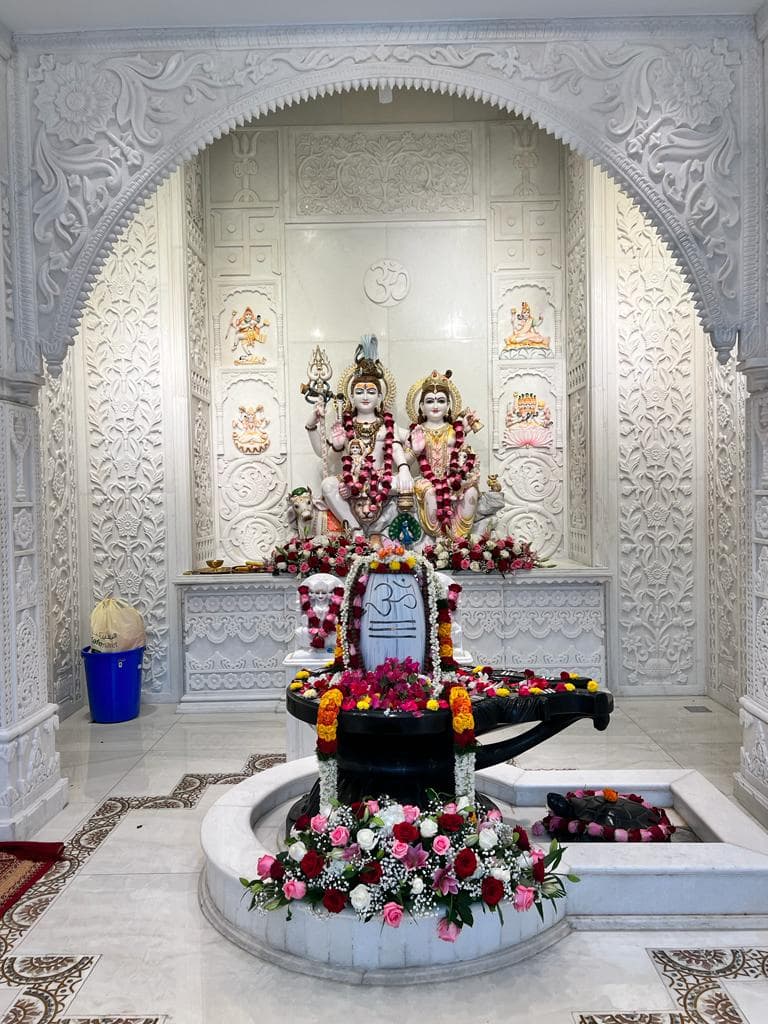
Shiva Temple Bur Dubai / Jebel Ali
Dubai’s Shiva Temple, founded in 1958 beside the Creek in Bur Dubai, served generations of labourers and merchants in a 250-square-metre upstairs hall until 2024, when the lingam and utsava idols were ceremoniously relocated to the new Jebel Ali Hindu Temple to ease crowding and comply with safety requirements ([1][2]). In its historic Al Fahidi setting the shrine shared a courtyard with Krishna Mandir and Gurudwara, with thousands lining the narrow stair for Maha Shivaratri jalabhisheka. The new Jebel Ali sanctum—opened January 2024 ahead of Maha Shivaratri—retains the same lingam and panchloha icons, now set within a larger abhishekam chamber clad in black granite, equipped with dedicated jalabhisheka drains, overhead kalasa water lines, and 360° darshan space for 500 devotees at a time. Rituals run from 5:30 AM Rudra Abhishekam to midnight vigil on Mondays, with daily arti at 7:00 AM/1:00 PM/8:00 PM, periodic Pradosham ceremonies, and Sani Pradosham homa in an adjoining yajna shala. Devotees pre-book milk offerings via QR codes, deposit coconuts at stainless-steel counters, and collect prasad from volunteers. The temple’s management preserves Bur Dubai heritage by maintaining a memorial alcove with photographs, the original teak arti lamp, and oral history kiosks documenting six decades beside the Creek.
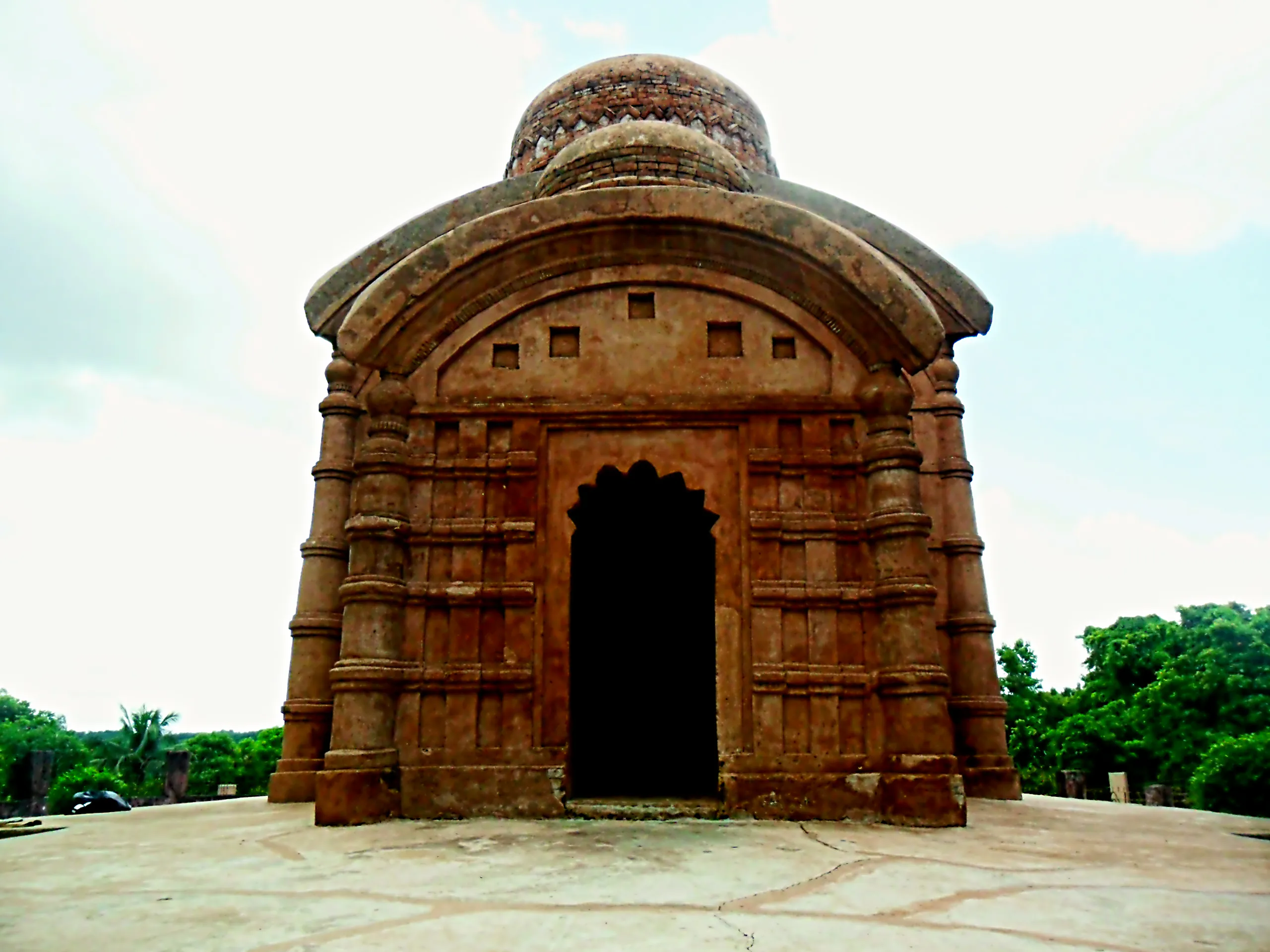
Bhubaneswari Temple Udaipur Tripura
Enshrined in the heart of Tripura, the Bhubaneswari Temple stands as a testament to the region's rich cultural and architectural heritage ([1]). Constructed in 1660 CE by Maharaja Govinda Manikya of the Tripura Royal Family, this sacred space is dedicated to Goddess Bhubaneswari ([2]). The temple's Nagara architectural style, infused with Bengali influences, distinguishes it from traditional North Indian temples ([3][4]). Instead of towering Shikhara (Spire), it features a curvilinear roof, characteristic of the region's unique aesthetic ([4]). Intricate carvings adorning the walls narrate tales from Hindu mythology and local folklore, reflecting the syncretic traditions of Tripura ([1][2]). These terracotta panels, crafted from fired brick and mud brick, showcase the skill of local artisans ([3][5]). While lacking the elaborate stone carvings of other regions, their rustic charm adds to the temple's unique appeal ([1]). The use of terracotta speaks to the readily available materials and the ingenuity of the builders ([3][5]). Within the Garbhagriha (Sanctum), the deity resides in the form of a simple yet revered idol, adorned with vibrant silks and fragrant flowers ([1]). Smaller shrines dot the temple complex, indicating a confluence of Hindu and tribal beliefs, further enriching the site's spiritual significance ([2][3]). During the Ahom period, temple architecture in the region saw a flourishing of unique styles, blending indigenous traditions with wider Indian influences ([2][4]). Vastu Shastra principles, the ancient Indian science of architecture, likely guided the temple's layout and orientation, ensuring harmony and balance ([5]). This sacred space serves as a living embodiment of Tripura's cultural tapestry, a blend of traditions and beliefs that continues to resonate through the ages ([1][2]).
Shri Lakshmi Narayan Mandir Karachi
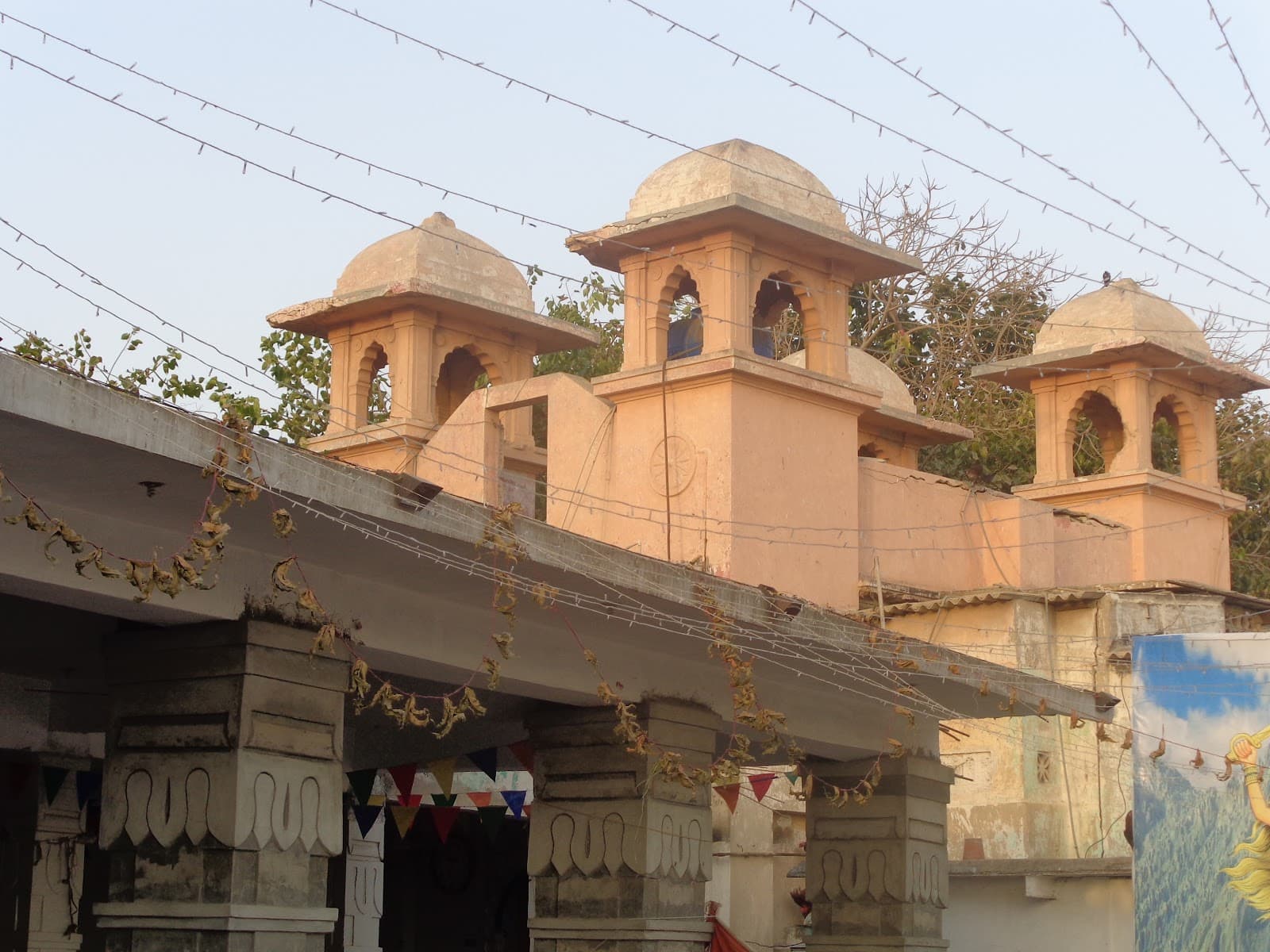
Shri Lakshmi Narayan Mandir, located in Karachi’s Saddar area along the banks of the historic Indus River, represents a significant 19th-century Hindu temple complex dedicated to Lakshmi and Narayan (Vishnu), serving as a testament to the continuity of Vaishnava worship traditions in the Sindh region that was historically part of the greater Hindu rashtra extending across the Indian subcontinent. The temple, constructed during the British colonial period when Hindu communities in Sindh were flourishing and maintaining strong connections to their religious and cultural heritage, features distinctive architecture that blends traditional North Indian temple design with local Sindhi adaptations, reflecting the synthesis of pan-Indian Hindu traditions with regional cultural practices. The temple complex, originally more extensive but now reduced due to urban development, features a main sanctum housing images of Lakshmi and Narayan, surrounded by subsidiary shrines and a courtyard that has served as a center of Hindu worship in Karachi for over a century. The site’s location along the Indus River, one of the cradles of ancient Indian civilization, reflects the deep historical connections between Hindu religious practices and the river systems that sustained ancient Indian kingdoms. The temple serves as an important center for Vaishnava worship, particularly during festivals associated with Lakshmi and Vishnu, demonstrating the continuity of Vedic and Puranic Hindu traditions in Pakistan. Archaeological and historical evidence indicates the temple has undergone multiple renovations, with the current structure dating primarily to the 19th century but incorporating elements that reflect centuries of Hindu architectural evolution in the region. Today, Shri Lakshmi Narayan Mandir stands as a symbol of the Vaishnava Hindu heritage of Sindh and the region’s historical connection to the greater Hindu rashtra, serving as a reminder of the sophisticated religious and cultural traditions that flourished in regions that were integral parts of ancient Indian civilization. ([1][2])
Banteay Samre Siem Reap Cambodia
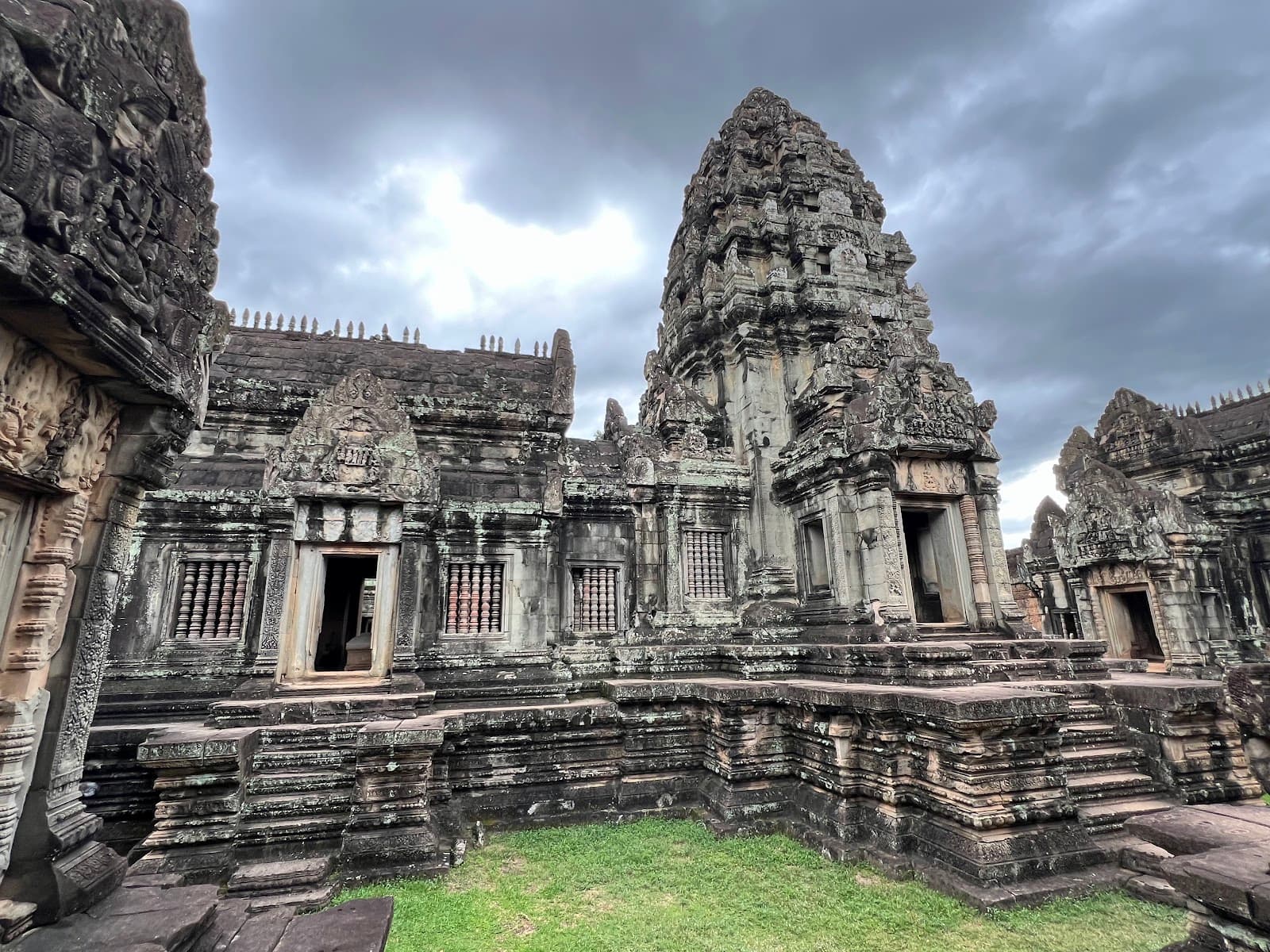
Located 12 kilometers east of Angkor, Banteay Samre exemplifies Khmer Vaishnavite temple architecture dating back to the 12th century CE, during the reign of Suryavarman II ([1][2]). Dedicated to Vishnu, the temple illustrates the transmission of Indian Vaishnavite traditions to Cambodia during the Angkorian period ([1][2]). Its layout, featuring a central sanctuary with enclosures and galleries, reflects Indian Vaishnavite temple planning principles, similar to complexes found in India ([1][2]). Intricate carvings adorning the walls depict scenes from Vaishnavite mythology, including Vishnu's avatars and narratives from the Ramayana and Mahabharata ([1][2]). These carvings demonstrate the sophisticated understanding of Indian iconography by Khmer artists ([1][2]). During the medieval period, temple architecture incorporated the concept of Mount Meru in its central tower, surrounded by galleries, aligning with Indian Vaishnavite planning principles ([1][2]). The central tower, or Shikhara (Spire), rises majestically, embodying the cosmic mountain ([1][2]). Sandstone blocks, meticulously fitted together without mortar, showcase engineering techniques potentially transmitted from India to Cambodia ([1][2]). Lime mortar was used as an adhesive in certain areas, further securing the structure ([3]). Archaeological excavations have uncovered the temple's role as a center for Vishnu worship, with inscriptions providing evidence of the transmission of Indian Vaishnavite texts and practices ([1][2][3]). The Garbhagriha (Sanctum) likely housed an idol of Vishnu, the supreme deity in Vaishnavism ([3]). Now a part of a UNESCO World Heritage Site, Banteay Samre attests to the impact of Indian culture and architecture on Southeast Asia ([4][5]). Ongoing research and conservation efforts aim to protect this cultural treasure, demonstrating Indian civilization's influence on Southeast Asian religious and artistic traditions ([4][5]). The temple's Mandapa (Pillared Hall) would have served as a space for devotees to gather and offer prayers ([5]). The use of laterite in the foundation provided a stable base for the sandstone superstructure ([3]).

Gunabati Temples Udaipur Tripura
The terracotta friezes of the Gunabati Group of Temples shimmered under the Tripura sun, a muted orange against the backdrop of lush green. Located a short distance from Udaipur, the former capital of the Tripura kingdom, this cluster of brick temples, though smaller in scale compared to some of Gujarat's colossal structures, held a unique charm. My journey from the arid landscapes of Kutch to the humid embrace of Tripura had already been a study in contrasts, and Gunabati proved to be yet another fascinating chapter. The complex, dedicated to various deities, is dominated by two main temples. The larger one, dedicated to Lord Shiva, immediately drew my attention. Its square base, typical of the region's architecture, rose in a gently curving pyramidal shikhara, culminating in a rounded finial. The surface was richly adorned with terracotta panels depicting scenes from Hindu mythology – Krishna leela, episodes from the Ramayana, and processions of celestial beings. Unlike the intricately carved stonework I'm accustomed to in Gujarat, these terracotta reliefs possessed a rustic, almost primal quality. The figures, though stylized, were expressive, their narratives unfolding across the temple walls like an ancient storybook. I circled the temple, my fingers tracing the weathered surfaces of the terracotta panels. The dampness in the air, a stark contrast to the dry heat of my homeland, seemed to cling to the brickwork, imbuing the temple with a sense of age and mystery. The smaller temple, dedicated to Chaturmukha Shiva (four-faced Shiva), stood nearby. Its unique feature was the four identical doorways, each facing a cardinal direction, leading to a central chamber housing the deity. The terracotta ornamentation here was sparser, but the architectural symmetry was striking. As I stepped inside the main temple, the air grew heavy with the scent of incense and marigold garlands. The inner sanctum, though dimly lit, revealed a simple Shiva lingam, the object of reverence for generations of devotees. The cool, dark interior offered respite from the midday sun, and I spent a few moments absorbing the quiet spirituality of the space. The echoes of ancient chants seemed to resonate within the thick walls, whispering tales of devotion and faith. What struck me most about Gunabati was its intimate scale. Unlike the sprawling temple complexes of Gujarat, this cluster felt more personal, more connected to the local community. I observed families performing pujas, their whispered prayers mingling with the rustling of leaves in the surrounding trees. Children played in the courtyard, their laughter echoing against the ancient brickwork. This vibrant tapestry of faith and everyday life woven into the fabric of the temple complex was truly captivating. The preservation efforts, however, seemed somewhat lacking. While the structural integrity of the temples appeared sound, the terracotta panels showed signs of weathering and erosion. Some panels were damaged, their intricate details lost to the ravages of time and neglect. It saddened me to see this rich artistic heritage slowly fading away. I compared this to the meticulous preservation efforts undertaken at sites like Rani ki Vav in Gujarat, and felt a pang of concern for the future of Gunabati. Leaving the temple complex, I carried with me a sense of quiet admiration for the artistry and devotion that had shaped this unique site. Gunabati stands as a testament to the rich cultural heritage of Tripura, a hidden gem waiting to be discovered and cherished. It is a reminder that architectural marvels don't always have to be grand in scale to be profound in their impact. And it is a plea, whispered in the rustle of the leaves and the crumbling terracotta, for greater attention to the preservation of these invaluable treasures.
Mata Lal Devi Mandir Amritsar
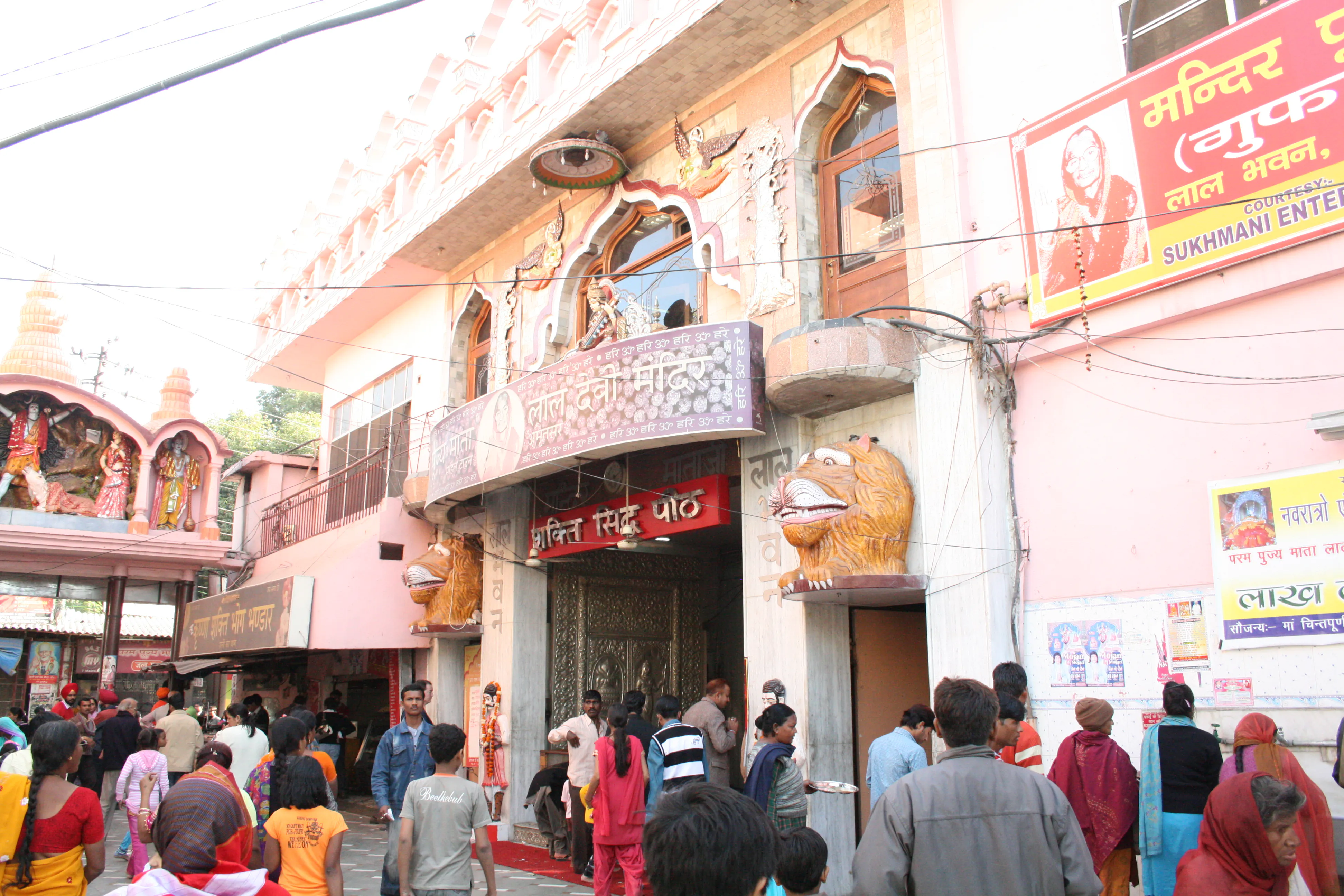
The narrow lanes of Amritsar, vibrant with the scent of spices and the echo of devotional chants, led me to a place quite unlike the Golden Temple’s grandeur, yet equally captivating: the Mata Lal Devi Mandir. This temple, dedicated to the 20th-century female saint Lal Devi, isn't a UNESCO World Heritage Site. It's a labyrinthine marvel, a kaleidoscope of mirrors, narrow passages, and unexpected chambers, often described as a "funhouse" for the devout. Having explored every UNESCO site in India, I can confidently say this temple offers a unique spiritual experience, blending traditional faith with an almost surreal, dreamlike atmosphere. Stepping inside felt like entering another dimension. The low-ceilinged passages, twisting and turning unpredictably, were lined with countless mirrors. These weren't placed for vanity, but to symbolize the illusions and distractions of the material world. Navigating through them, I felt a sense of disorientation, a deliberate unsettling meant to encourage introspection. The mirrored walls also amplified the sounds of chanting and the shuffling of feet, creating an immersive, almost hypnotic effect. The architecture defies easy categorization. It’s a fascinating blend of traditional Hindu motifs with elements seemingly borrowed from fairytales and fantasy. Elaborate murals depicting scenes from Hindu mythology adorned the walls, interspersed with quirky, almost kitsch, depictions of caves, tunnels, and celestial realms. One moment I was gazing at a vibrant depiction of Krishna, the next I was squeezing through a narrow passage meant to simulate a symbolic rebirth. This playful, almost theatrical quality sets Mata Lal Devi Mandir apart from the more austere temples I've visited. The temple’s heart lies in the sanctum dedicated to Mata Lal Devi. Here, devotees offer prayers and seek blessings, the atmosphere thick with faith and devotion. While photography is generally discouraged within the inner sanctum, the visual memory of the ornate shrine, adorned with flowers and flickering lamps, remains vivid. The energy within this space is palpable, a testament to the enduring power of belief. What struck me most about Mata Lal Devi Mandir was its accessibility. Unlike some temples with strict hierarchical structures, this space felt open to everyone. I observed people from all walks of life, young and old, rich and poor, navigating the maze-like passages, their faces reflecting a mix of curiosity, devotion, and amusement. Children, in particular, seemed to revel in the temple's playful design, their laughter echoing through the mirrored corridors. Beyond the main shrine, the temple complex houses several smaller shrines dedicated to various deities. I discovered a small pond, its surface covered with lotus flowers, and a miniature replica of the Vaishno Devi shrine, a popular pilgrimage site in Jammu and Kashmir. These additions further enhance the sense of wonder and discovery that permeates the entire complex. My visit to Mata Lal Devi Mandir was a journey into a world where faith and fantasy intertwine. It’s a place that challenges conventional notions of religious architecture and offers a unique, deeply personal experience. While not a UNESCO site, its cultural significance and the sheer ingenuity of its design make it a must-visit for anyone traveling to Amritsar. It’s a reminder that spirituality can manifest in unexpected ways, and that sometimes, the most profound experiences are found in the most unlikely of places. Leaving the temple, I carried with me not just the scent of incense and the echo of chants, but a renewed appreciation for the diverse and often surprising expressions of faith found across India.
Surkanda Devi Temple Tehri Garhwal
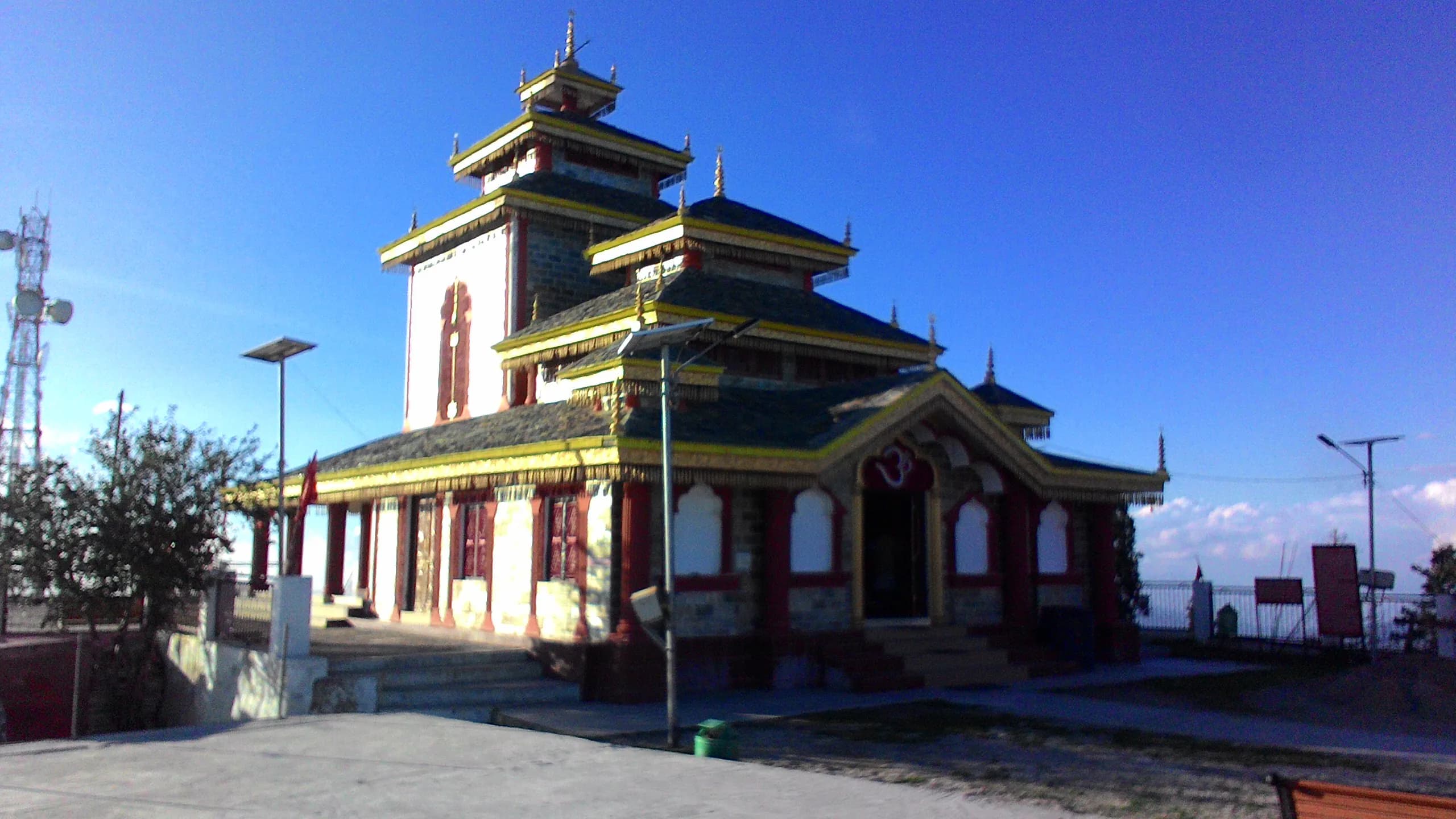
The crisp mountain air, scented with pine and a hint of woodsmoke, whipped around me as I ascended the final steps to Surkanda Devi Temple. Perched at an altitude of almost 10,000 feet in the Tehri Garhwal district of Uttarakhand, the temple commands a breathtaking panorama of the Himalayan peaks. It's a view that instantly justifies the arduous journey, a blend of winding roads and a steep, albeit scenic, climb. My camera, a constant companion, felt almost inadequate to capture the grandeur of the snow-capped giants against the azure sky. Surkanda Devi, dedicated to the goddess Sati, holds a profound significance in Hindu mythology. Local legend recounts this spot as the place where Sati's head fell after she self-immolated. This narrative imbues the location with a palpable sense of reverence, a quiet energy that hums beneath the surface of the bustling activity of pilgrims. The temple itself is relatively small, a stark contrast to the vastness of the landscape it inhabits. Its architecture is a simple yet elegant example of traditional Himalayan temple design. The main shrine, constructed of grey stone, features a sloping slate roof adorned with a golden trident, glinting in the sunlight. Unlike the ornate carvings found in many South Indian temples, the aesthetic here is one of understated beauty, allowing the natural surroundings to take center stage. I spent hours observing the intricate details. The stonework, though weathered by time and the elements, displayed a remarkable craftsmanship. The mortar, seemingly a simple mixture of lime and sand, had held the structure together for centuries, a testament to the ingenuity of the builders. Small brass bells, tied to the eaves, chimed melodiously in the wind, adding another layer to the sensory experience. Inside the sanctum sanctorum, photography is prohibited, a rule I respected. However, the memory of the dimly lit space, filled with the fragrance of incense and the murmur of prayers, remains vivid. The atmosphere was thick with devotion, a collective energy that transcended language and background. It was a privilege to witness this intimate expression of faith. Beyond the main shrine, the temple complex includes several smaller structures and open spaces. I noticed a series of small stone platforms, likely used for rituals. The surrounding walls were adorned with faded murals depicting scenes from Hindu mythology. These weathered paintings, though partially obscured by time, offered a glimpse into the rich artistic traditions of the region. I meticulously documented these fragments of history, hoping to preserve their stories through my lens. One of the most striking aspects of Surkanda Devi is the seamless integration of the built environment with the natural landscape. The temple seems to grow organically from the mountainside, a harmonious blend of human creation and nature's artistry. The panoramic views from the temple courtyard are simply mesmerizing. The rolling hills, blanketed in dense forests, stretch out as far as the eye can see, punctuated by the towering peaks of the Himalayas. As the sun began to dip below the horizon, casting long shadows across the valley, I felt a profound sense of peace. Surkanda Devi is more than just a temple; it's a sanctuary, a place where the spiritual and the natural converge. My experience here transcended the purely visual; it was a journey into the heart of the Himalayas, a testament to the enduring power of faith and the breathtaking beauty of the natural world. Leaving the temple, I carried with me not just photographs, but a deeper appreciation for the rich cultural and spiritual heritage of Uttarakhand.
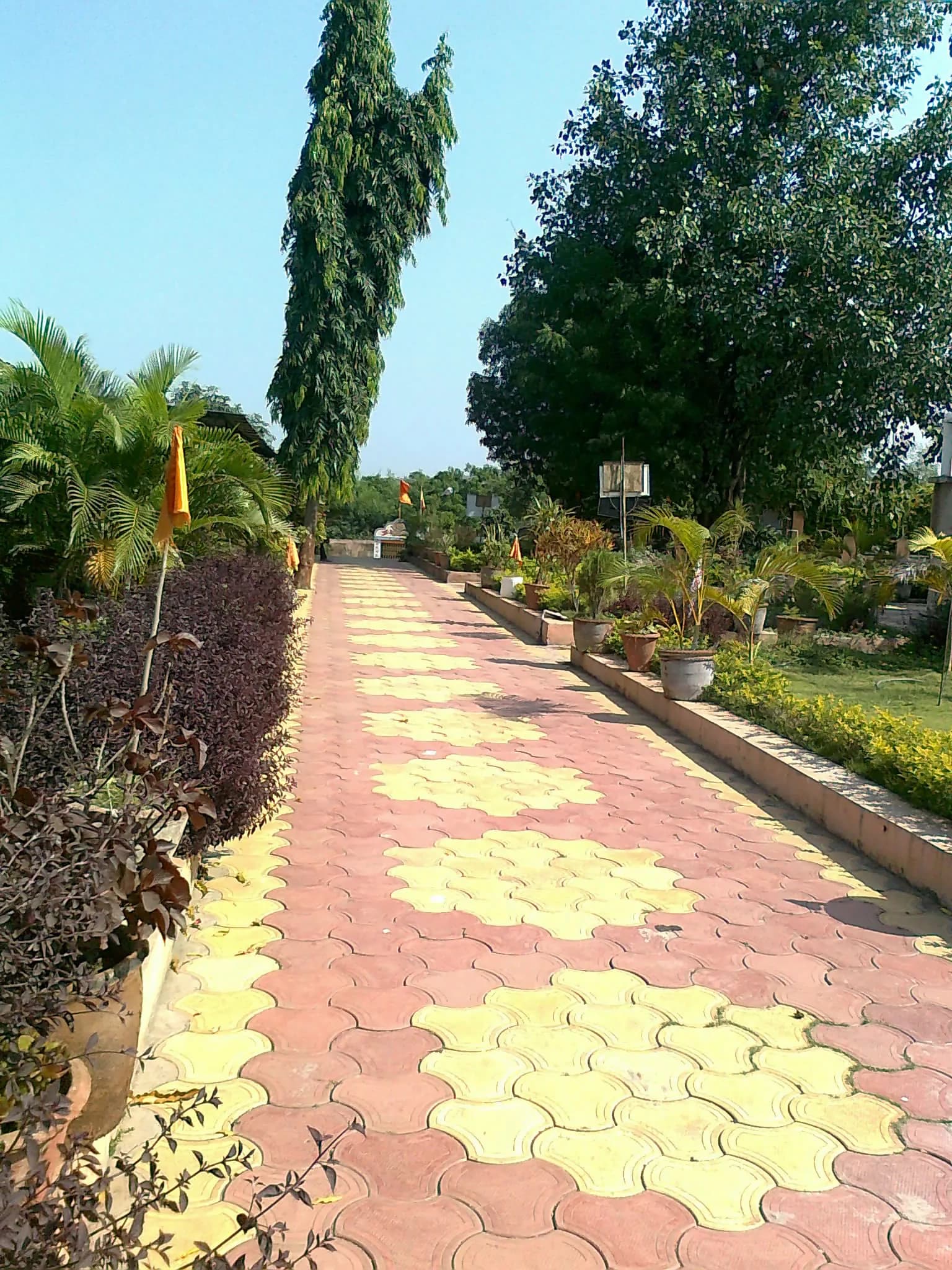
Shri Krishna Mandir Ludhiana
The midday sun cast long shadows across the sprawling courtyard of Shri Krishna Mandir in Ludhiana, the light catching the intricate carvings that adorned its facade. The temple, a relatively recent construction compared to the ancient wonders I typically study, still exuded a palpable sense of devotion and architectural richness. Its gleaming white marble exterior, punctuated by vibrant splashes of colour, stood in stark contrast to the bustling urban landscape that surrounded it. My initial impression was one of harmonious fusion. The temple’s design cleverly blends elements of traditional North Indian Nagara architecture with a touch of contemporary flair. The shikhara, the towering structure above the sanctum sanctorum, while not reaching the dizzying heights of some ancient temples, still commanded attention with its graceful curves and ornate detailing. Small, delicately carved miniature shikharas clustered around the main one, creating a sense of rhythmic ascension. Stepping inside, the cool marble floor offered respite from the Punjab heat. The main prayer hall, a vast and airy space, was filled with the murmur of chanting and the scent of incense. The pillars supporting the high ceiling were far from simple structural elements; each was a canvas for intricate carvings depicting scenes from the Krishna Leela, the divine plays of Lord Krishna. I was particularly struck by the dynamic portrayal of Krishna’s Rasa Leela, the dance with the gopis, which captured the fluidity and energy of the divine dance. The sculptor’s skill was evident in the expressive faces and flowing garments of the figures, bringing the mythological narrative to life. Unlike the dimly lit interiors of many ancient temples, Shri Krishna Mandir was bathed in natural light, which streamed in through large windows adorned with stained glass depicting various deities. This modern touch, while a departure from traditional temple architecture, enhanced the vibrancy of the space and allowed for a clearer appreciation of the artistry within. The temple complex extends beyond the main prayer hall, encompassing smaller shrines dedicated to other deities, including Radha, Shiva, and Hanuman. Each shrine, while smaller in scale, maintained the same level of artistic detail and devotional fervour. I noticed a distinct shift in architectural style in the Hanuman shrine, which incorporated elements reminiscent of Dravidian architecture, particularly in the gopuram-like structure above the entrance. This subtle incorporation of different architectural styles within a single complex spoke to the inclusive nature of the temple and its embrace of diverse traditions. One of the most captivating aspects of Shri Krishna Mandir was its extensive use of coloured marble inlay work. Floral motifs, geometric patterns, and depictions of divine symbols adorned the walls, pillars, and even the ceiling, creating a visual feast. The vibrant hues of red, green, blue, and yellow contrasted beautifully with the pristine white marble, adding a layer of opulence and grandeur to the space. This inlay work, reminiscent of the pietra dura technique, demonstrated a high level of craftsmanship and meticulous attention to detail. As I wandered through the temple complex, I observed the seamless integration of the sacred and the secular. Devotees engaged in prayer and ritual, while families strolled through the gardens, children playing in the designated areas. This harmonious coexistence underscored the temple's role as not just a place of worship, but also a community hub, a space for social interaction and cultural expression. My visit to Shri Krishna Mandir offered a fascinating glimpse into the evolution of temple architecture in India. While rooted in tradition, the temple embraces modern elements and diverse influences, creating a unique architectural vocabulary that reflects the dynamic nature of faith and cultural expression in contemporary India. It served as a potent reminder that architecture, even in its sacred manifestations, is not static but continues to adapt and evolve, reflecting the changing needs and aspirations of the communities it serves.
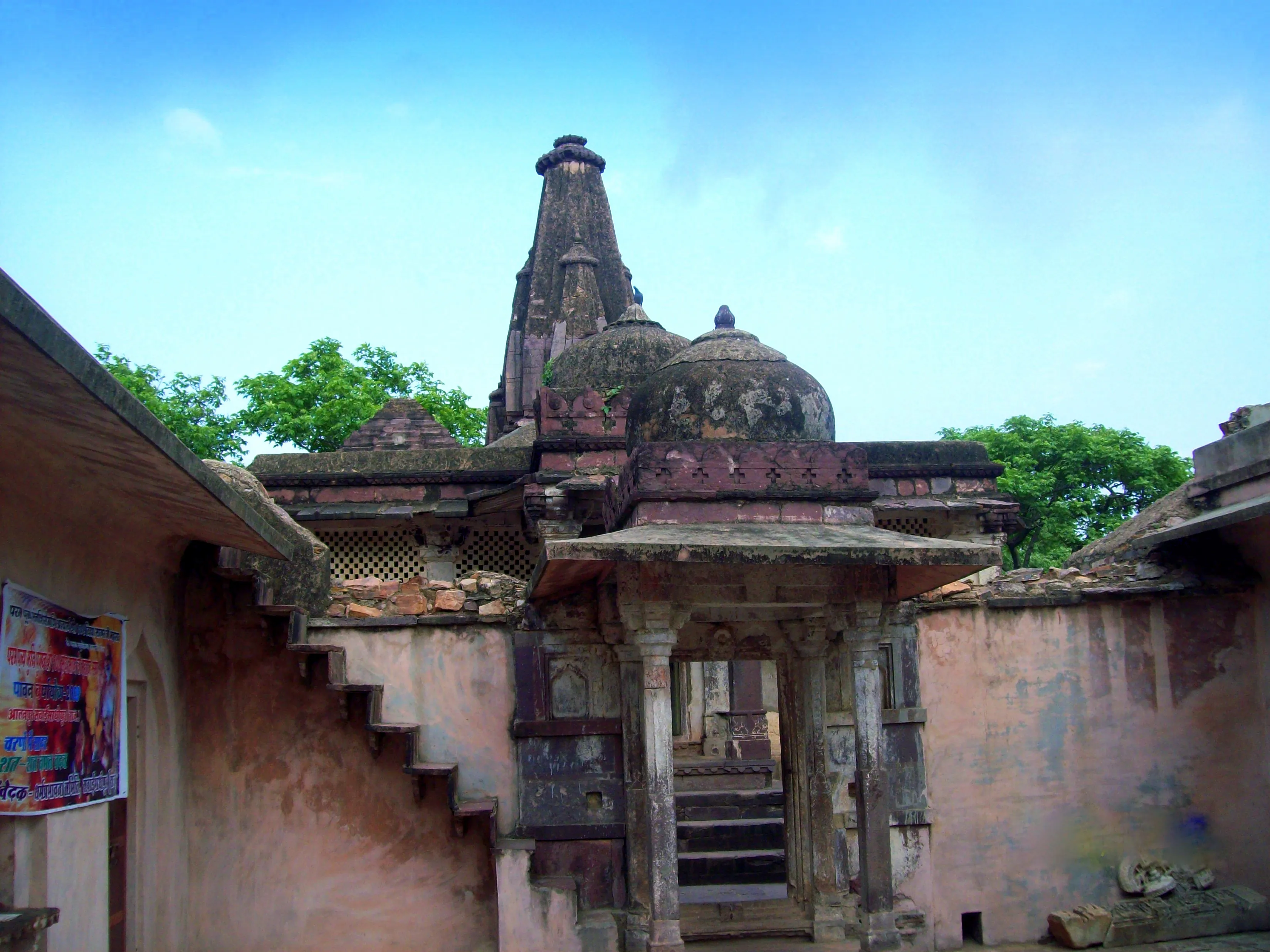
Ranthambore Fort Sawai Madhopur
The sun beat down on my neck, the dry Rajasthan air swirling around me as I climbed the steep, winding path towards Ranthambore Fort. Having explored countless forts across North India, I approached this one with a seasoned eye, yet the sheer scale and rugged beauty of Ranthambore immediately set it apart. Perched atop a massive, 700-foot-high rock formation within the Ranthambore National Park, the fort commands a breathtaking panorama of the surrounding landscape – a tapestry of dry deciduous forest, punctuated by the shimmering waters of Padam Talao. The initial ascent was a test of endurance, the uneven stone steps worn smooth by centuries of footfalls. But with every upward step, the anticipation grew, fueled by glimpses of the formidable ramparts rising against the azure sky. The fort, a UNESCO World Heritage Site, is a testament to Rajput valor and architectural ingenuity, its history etched into every stone. Built in the 10th century, it witnessed the ebb and flow of power, the rise and fall of dynasties, and the constant struggle for control of this strategic location. Passing through the imposing Ganesh Pol, the main entrance gate, I was struck by the stark contrast between the rugged exterior and the surprisingly intricate carvings that adorned the archways. The remnants of frescoes, though faded by time and the elements, hinted at a past grandeur. Within the fort walls, a complex network of palaces, temples, stepwells, and barracks unfolded, each structure whispering tales of a bygone era. The Badal Mahal, or Cloud Palace, with its delicate jalis (lattice screens) and remnants of vibrant murals, offered a glimpse into the opulent lifestyle of the royal inhabitants. The Hammir's Court, an open-air assembly area, evoked images of bustling courtly life, while the Jogi Mahal, situated near the second gate, exuded an air of quiet contemplation. One of the most striking features of Ranthambore Fort is its ingenious water harvesting system. The numerous stepwells, including the Rani-ki-Baori, are architectural marvels, showcasing the sophisticated understanding of water management possessed by the builders. Descending into the cool depths of these stepwells, I could almost feel the presence of those who had relied on these life-giving sources for centuries. The Trinetra Ganesh Temple, located within the fort, is a significant pilgrimage site. The temple, dedicated to Lord Ganesha, houses a unique idol with three eyes, and the air hummed with the quiet devotion of the pilgrims. The temple's vibrant colors and intricate carvings provided a welcome contrast to the muted tones of the fort's stone structures. From the ramparts, the view was simply mesmerizing. The vast expanse of the Ranthambore National Park stretched out before me, a haven for tigers, leopards, and other wildlife. I could see the ancient watchtowers, strategically placed along the fort walls, silent sentinels guarding the kingdom. The wind carried the distant calls of birds and the rustling of leaves, a reminder of the vibrant ecosystem that thrived beneath the fort's watchful gaze. My exploration of Ranthambore Fort was more than just a visit to a historical site; it was a journey through time. It was a humbling experience to stand amidst these ancient stones, to feel the weight of history, and to imagine the lives that had unfolded within these walls. Ranthambore Fort is not just a monument; it is a living testament to human resilience, ingenuity, and the enduring power of the past. It is a place that stays with you long after you’ve descended the winding path, its stories echoing in your mind.
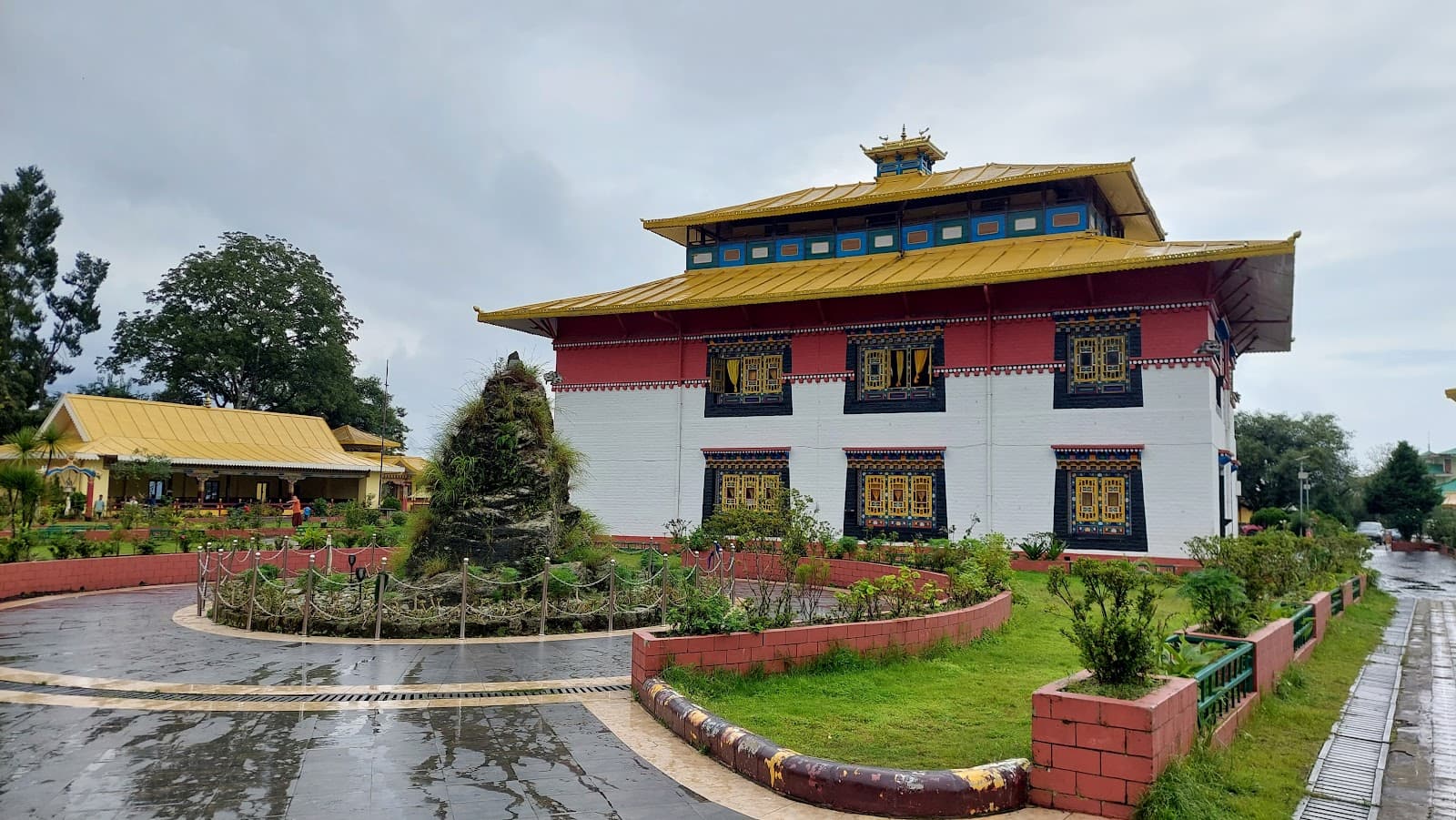
Tsuk La Khang Monastery Gangtok
The crisp mountain air, tinged with the scent of burning juniper, welcomed me as I ascended the steps to Tsuk La Khang Monastery in Gangtok. Having explored countless ancient temples and monasteries across North India, I approached with a seasoned eye, yet Tsuk La Khang held a unique allure. Its unassuming exterior, a stark white structure against the backdrop of the towering Himalayas, belied the vibrant spiritual heart within. This wasn't just another tourist attraction; it was the royal chapel of the erstwhile Chogyal dynasty, a living testament to Sikkim's rich Buddhist heritage. Unlike the elaborate, gilded monasteries I'd encountered in Ladakh or Himachal, Tsuk La Khang exuded a quiet dignity. The architecture was distinctly Sikkimese, with a sloping roof adorned with intricate carvings and vibrant prayer flags fluttering in the wind. The main prayer hall, though not expansive, was a symphony of colour and symbolism. Murals depicting scenes from the Buddha's life adorned the walls, their vibrant hues seemingly untouched by time. The intricate Thangka paintings, meticulously crafted on silk, narrated ancient stories and philosophies, their detail captivating my attention for long stretches. The low hum of chanting permeated the air, a soothing backdrop to the rhythmic tapping of prayer wheels. Devotees, young and old, circumambulated the central prayer hall, their faces etched with devotion. I observed elderly monks, their maroon robes draped around them, engrossed in deep meditation, their presence radiating a palpable sense of tranquility. This wasn't a performance for tourists; it was a genuine expression of faith, a daily ritual woven into the fabric of their lives. One element that particularly struck me was the presence of ancient texts preserved within the monastery. Stacked on shelves lining the walls, these scriptures, some bound in wood and leather, represented centuries of accumulated wisdom. I imagined generations of monks poring over these sacred texts, their knowledge passed down through the ages. It was a humbling reminder of the enduring power of tradition and the importance of preserving cultural heritage. The courtyard of Tsuk La Khang offered a panoramic view of Gangtok, the city sprawling below like a colourful tapestry. The contrast between the serene atmosphere of the monastery and the bustling city life below was stark, highlighting the spiritual sanctuary that Tsuk La Khang provided. I spent some time simply absorbing the view, the crisp mountain air invigorating my senses. My visit coincided with a special religious ceremony. The rhythmic chanting intensified, accompanied by the deep resonance of horns and cymbals. Masked dancers, their movements fluid and graceful, performed intricate rituals, their costumes a riot of colour and symbolism. It was a mesmerizing spectacle, a vibrant expression of Sikkim's unique cultural identity. Witnessing this ceremony wasn't just observing a performance; it was a glimpse into a living tradition, a connection to a spiritual heritage that has thrived for centuries. Leaving Tsuk La Khang, I felt a sense of peace and rejuvenation. It wasn't just the breathtaking views or the architectural beauty that resonated with me; it was the palpable sense of spirituality, the genuine devotion of the people, and the enduring power of tradition that left a lasting impression. In a world increasingly dominated by modernity, Tsuk La Khang stands as a beacon of cultural preservation, a reminder of the importance of cherishing our heritage and the enduring power of faith. It is a place I would recommend to anyone seeking a deeper understanding of Sikkim's rich cultural tapestry, a place where the whispers of ancient wisdom still echo in the mountain air.
Quick Links
Plan Your Heritage Journey
Get personalized recommendations and detailed visitor guides