Has Inheritage Foundation supported you today?
Your contribution helps preserve India's ancient temples, languages, and cultural heritage. Every rupee makes a difference.
Secure payment • Instant 80G certificate
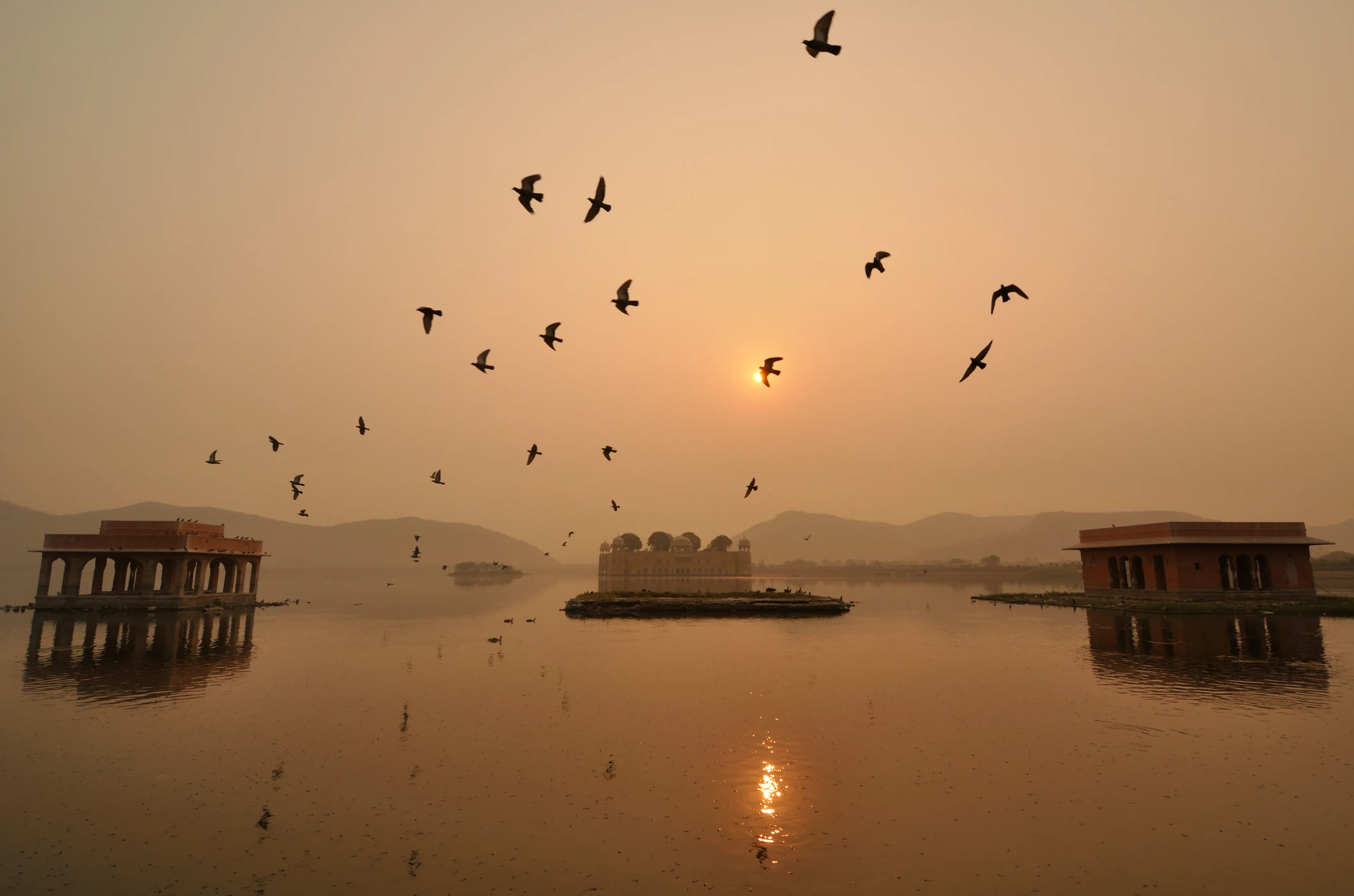
Jal Mahal Jaipur
The Jal Mahal, or Water Palace, shimmers like a mirage in the heart of Man Sagar Lake in Jaipur. Having explored every UNESCO site in India, I can confidently say this one holds a unique charm, a blend of Rajput grandeur and the serene tranquility of its watery embrace. Approaching it from the bustling city, the palace seems to materialize from the lake itself, a sandstone vision rising from the placid blue. It’s a spectacle that immediately captivates, a testament to the architectural ingenuity of its creators. My visit began on a crisp winter afternoon, the sunlight glinting off the lake’s surface, creating a dazzling backdrop for the palace. The approach is restricted, no boats are allowed to reach the palace itself, adding to its mystique. This forced perspective, viewing it from the lakeshore, enhances its ethereal quality. You can’t help but wonder about the lives lived within those walls, now eerily silent, surrounded by water. The Jal Mahal is a five-storied structure, four of which remain submerged when the lake is full. The visible top story, with its exquisitely carved chhatris and delicate jalis, offers a glimpse into the opulence within. The red sandstone, a signature of Rajput architecture, glows warmly in the sunlight, contrasting beautifully with the deep blue of the lake. I spent a considerable amount of time observing the intricate details, the delicate floral patterns carved into the stone, the graceful arches, and the strategically placed balconies that would have once offered breathtaking views of the surrounding Aravalli hills. The palace was originally built as a hunting lodge for the Maharaja Jai Singh II in the 18th century and later renovated and expanded by Madho Singh I. While I couldn’t explore the interiors, I learned that the lower levels, now underwater, were designed with elaborate gardens and courtyards. Imagine the grandeur of those submerged spaces, once filled with life and laughter, now home to aquatic life. It’s a poignant reminder of the transient nature of human endeavors, how even the most magnificent creations can be reclaimed by nature. The surrounding Man Sagar Lake itself is an integral part of the Jal Mahal experience. Flocks of migratory birds, including flamingos and pelicans, often grace the lake, adding another layer of beauty to the scene. During my visit, I was fortunate enough to witness this avian spectacle, their vibrant plumage contrasting with the serene backdrop of the palace and the hills. The lake, once a haven for the royal family’s hunting expeditions, is now a sanctuary for these magnificent creatures, a testament to the changing times. One of the most striking aspects of the Jal Mahal is its reflection in the still waters of the lake. It creates a perfect mirror image, doubling the visual impact. This symmetrical beauty, the palace and its reflection, is a photographer’s dream. I spent a good hour capturing the scene from different angles, trying to capture the essence of this magical place. While the restricted access can be a bit frustrating for those eager to explore the palace’s interiors, it also contributes to its preservation. The distance allows for contemplation, for appreciating the architectural marvel from afar, and for imagining the stories it holds within its submerged walls. The Jal Mahal is more than just a palace; it’s a symbol of a bygone era, a testament to human ingenuity, and a reminder of the delicate balance between nature and human creation. It’s a must-see for anyone visiting Jaipur, a place that will stay etched in your memory long after you’ve left its shimmering shores.

Durga Mandir Serchhip
The emerald hills of Mizoram cradled Serchhip, a town I hadn't known existed until my editor suggested it. My focus, as always, was on architecture, and the Durga Mandir, nestled within this unexpected landscape, proved a fascinating anomaly. It wasn't the towering, ornate structure I'd grown accustomed to in Gujarat. Instead, it possessed a quiet dignity, a subtle blend of traditional Mizo architecture and North Indian temple influences, reflecting the unique cultural confluence of this region. The temple’s location itself was striking. Unlike the grand temple complexes of Gujarat often situated in bustling city centers or on riverbanks, the Durga Mandir occupied a more secluded spot, slightly removed from the town's main thoroughfare. A short climb up a gentle slope, flanked by trees, led to the temple grounds, offering a sense of peaceful detachment from the world below. This approach, I realized, mirrored the spiritual journey itself – a movement away from the mundane towards the sacred. The structure was primarily built of brick, painted a cheerful salmon pink, a stark contrast to the surrounding greenery. The shikhara, the tower above the sanctum sanctorum, was noticeably different from the curvilinear forms I’d seen in Gujarat’s temples. Here, it was a pyramidal structure, tiered and tapering towards the apex, reminiscent of the traditional Mizo houses. This adaptation, I felt, was a testament to the local craftsmen who had likely incorporated their own architectural vocabulary into the temple's design. The entrance to the temple was through a modest arched gateway, leading into a small courtyard. The courtyard, paved with simple stone slabs, was surprisingly intimate. It lacked the elaborate carvings and sculptures that adorn many Gujarati temples, but this simplicity had its own charm. It allowed the focus to remain firmly on the main shrine. The main shrine housed the deity of Durga, a powerful symbol of feminine energy. The idol, though smaller than the monumental representations I’d seen elsewhere, held the same aura of reverence. The interior of the shrine was relatively plain, with minimal ornamentation. The walls were painted a soft yellow, creating a warm, inviting atmosphere. The absence of excessive decoration, I realized, amplified the spiritual energy within the space. What truly captivated me was the intricate woodwork adorning the temple’s eaves and pillars. The Mizo people are renowned for their woodcarving skills, and the Durga Mandir showcased this artistry beautifully. Floral motifs and geometric patterns were intricately carved into the wood, adding a layer of delicate beauty to the otherwise simple structure. These carvings, I learned, were not merely decorative; they held symbolic meanings, narrating stories from Hindu mythology and local folklore. As I sat in the quiet courtyard, observing the interplay of light and shadow on the temple walls, I reflected on the unique character of this sacred space. It wasn't a grand spectacle of architectural prowess like the temples of my homeland. Instead, it was a quiet testament to the harmonious blending of cultures, a symbol of faith adapting and flourishing in a new environment. The Durga Mandir in Serchhip wasn't just a temple; it was a story etched in brick and wood, a narrative of cultural exchange and spiritual adaptation, a story that resonated deeply with me. It served as a powerful reminder that architectural marvels can be found in the most unexpected places, often whispering stories more profound than their grander counterparts. My journey to Mizoram, initially driven by architectural curiosity, had unexpectedly transformed into a cultural exploration, enriching my understanding of India's diverse spiritual landscape.
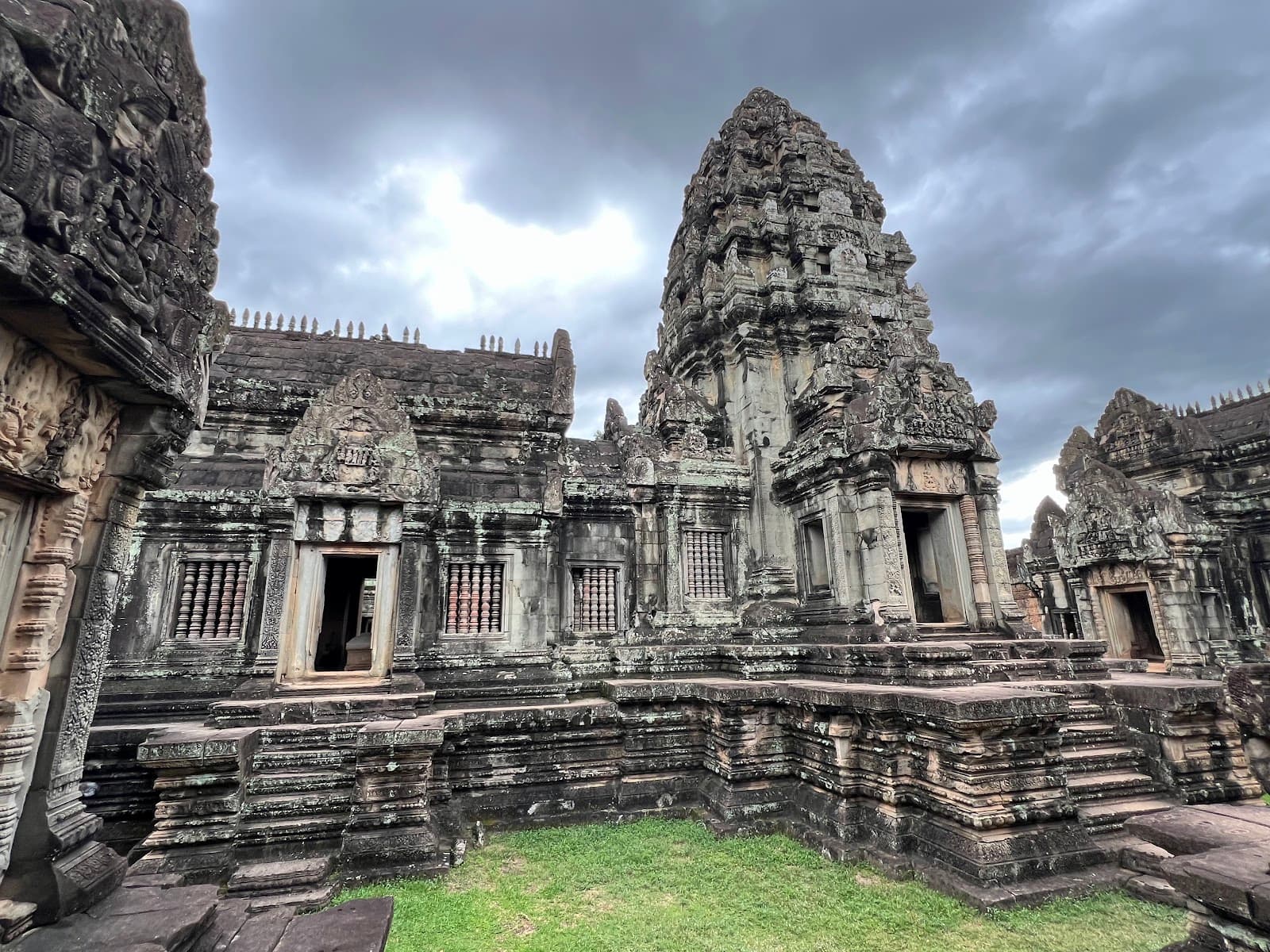
Banteay Samre Siem Reap Cambodia
Located 12 kilometers east of Angkor, Banteay Samre exemplifies Khmer Vaishnavite temple architecture dating back to the 12th century CE, during the reign of Suryavarman II ([1][2]). Dedicated to Vishnu, the temple illustrates the transmission of Indian Vaishnavite traditions to Cambodia during the Angkorian period ([1][2]). Its layout, featuring a central sanctuary with enclosures and galleries, reflects Indian Vaishnavite temple planning principles, similar to complexes found in India ([1][2]). Intricate carvings adorning the walls depict scenes from Vaishnavite mythology, including Vishnu's avatars and narratives from the Ramayana and Mahabharata ([1][2]). These carvings demonstrate the sophisticated understanding of Indian iconography by Khmer artists ([1][2]). During the medieval period, temple architecture incorporated the concept of Mount Meru in its central tower, surrounded by galleries, aligning with Indian Vaishnavite planning principles ([1][2]). The central tower, or Shikhara (Spire), rises majestically, embodying the cosmic mountain ([1][2]). Sandstone blocks, meticulously fitted together without mortar, showcase engineering techniques potentially transmitted from India to Cambodia ([1][2]). Lime mortar was used as an adhesive in certain areas, further securing the structure ([3]). Archaeological excavations have uncovered the temple's role as a center for Vishnu worship, with inscriptions providing evidence of the transmission of Indian Vaishnavite texts and practices ([1][2][3]). The Garbhagriha (Sanctum) likely housed an idol of Vishnu, the supreme deity in Vaishnavism ([3]). Now a part of a UNESCO World Heritage Site, Banteay Samre attests to the impact of Indian culture and architecture on Southeast Asia ([4][5]). Ongoing research and conservation efforts aim to protect this cultural treasure, demonstrating Indian civilization's influence on Southeast Asian religious and artistic traditions ([4][5]). The temple's Mandapa (Pillared Hall) would have served as a space for devotees to gather and offer prayers ([5]). The use of laterite in the foundation provided a stable base for the sandstone superstructure ([3]).
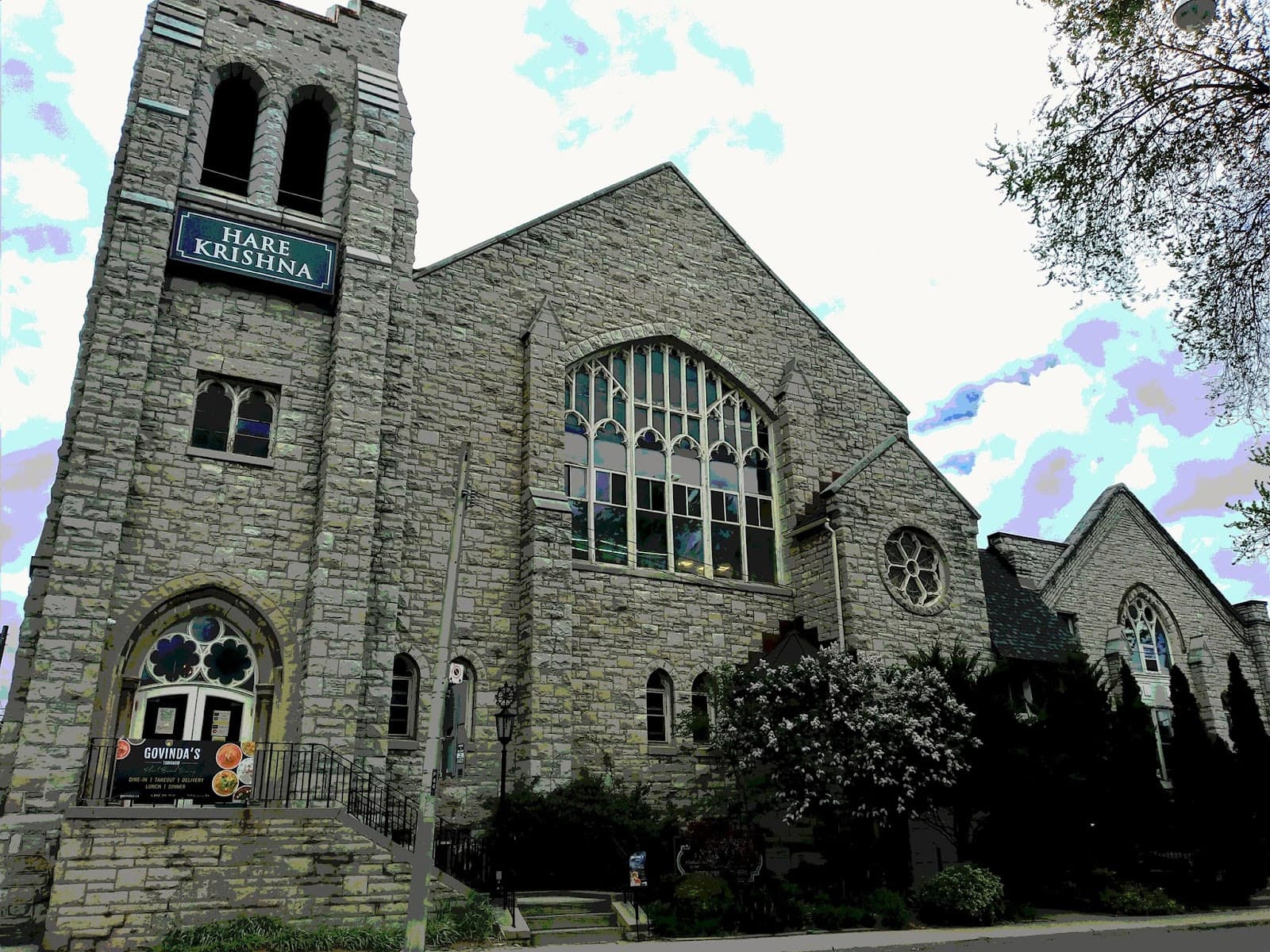
ISKCON Toronto Hare Krishna Temple
ISKCON Toronto Hare Krishna Temple is dedicated to Lord Krishna and anchors Midtown Toronto’s Annex district as a landmark Victorian mansion repurposed for Gaudiya Vaishnava worship since 1976 ([1][2]). The heritage-listed building opens daily 4:30 AM-9:00 PM, with mangala arati, japa, bhoga offerings, and evening kirtan filling the carved salons, while Govinda’s lunch program serves vegetarian prasadam to residents, students, and office workers ([1][3]). Volunteers stage queue ropes in the central hall, manage shoe storage, and coordinate Harinam teams headed downtown, while the operations desk handles guided tours, yoga sign-ups, and Food for Life outreach rosters ([1][5]). The kitchen runs HACCP-compliant vegetarian service using induction equipment and compostable serveware, and a dumbwaiter lifts trays to dining rooms to keep narrow staircases clear ([3]). Accessibility retrofits include a rear lift, 1:12 ramps, tactile markers, captioned signage, and hearing loops in the temple hall, while quiet rooms support sensory-sensitive guests ([2][5]). Building systems integrate geothermal wells, smart thermostats, and HEPA filtration to regulate the mansion through Toronto seasons, and digital screens share daily schedules, queue times, and community announcements. Blood drives, legal aid clinics, language classes, and art salons share the calendar with kirtan residencies and Rath Yatra planning, reflecting operational readiness for both civic service and devotional rhythm ([3][5]).
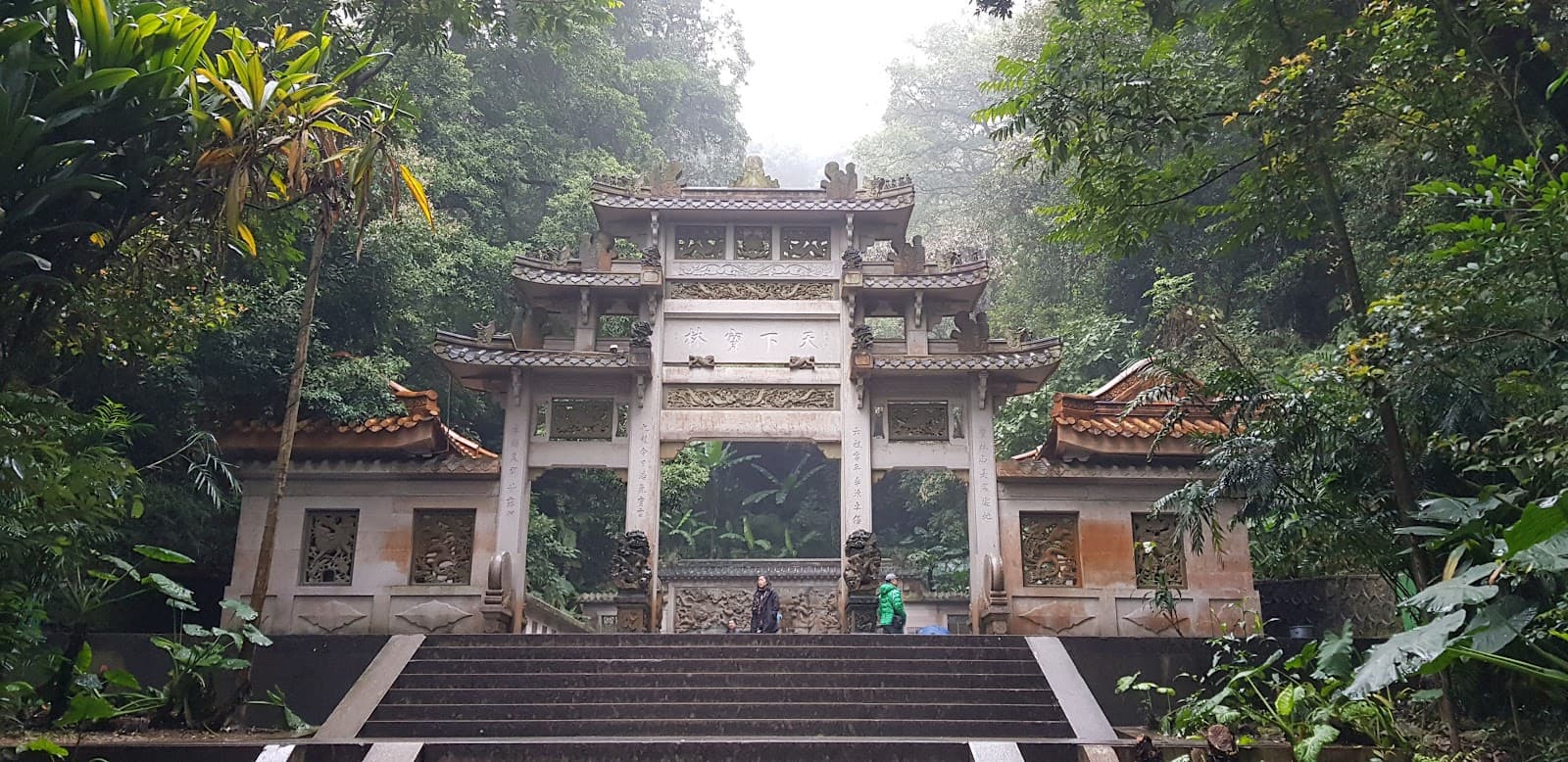
Nanhua Temple Shaoguan Guangdong China
Nanhua Temple, a revered Buddhist monastery in Shaoguan, Guangdong Province, China, stands as a profound testament to India's millennia-spanning cultural heritage and the continuous tradition of Indian civilization. Founded in 550 CE by the Indian monk Zhiyao Sanzang, the temple complex embodies a unique Indo-Chinese Buddhist architectural style, deeply rooted in Indian Buddhist traditions, particularly the stupa form [1] [2]. Spanning an expansive area of 42.5 hectares, the site is strategically positioned against a mountain, facing south, a traditional orientation in both Indian and Chinese sacred architecture [1]. The architectural ensemble, while featuring elements of traditional Chinese design, integrates distinctive Indian Buddhist influences, reflecting the transmission of spiritual and artistic practices from ancient India [2]. The Grand Hall, a central and imposing structure, is recognized as the largest Buddhist architectural edifice in Guangdong Province [3]. Its roof is adorned with vibrant glazed tiles, a characteristic decorative element [3]. Within its sanctum, sublime statues of Sakyamuni Buddha, Medicine Buddha, and Amitabha Buddha are enshrined, accompanied by an assembly of 500 intricately crafted clay sculptures depicting Buddhist arhats, showcasing a rich iconographic program [1]. The Lingxi Tower, also known as the Pagoda of the Sixth Patriarch, represents a significant architectural feature. Originally constructed in timber during the early Tang Dynasty, it underwent a substantial reconstruction in brick during the Ming Dynasty, evolving its material composition while retaining its spiritual function [1]. This tower serves as a reliquary, housing the preserved 'real body' of Huineng, the Sixth Patriarch of Chan Buddhism, a practice reminiscent of Indian stupa architecture where relics of enlightened beings are venerated [4]. The construction primarily utilizes durable materials such as wood, brick, and stone, reflecting indigenous building practices adapted over centuries [2]. The temple complex is meticulously arranged with a series of halls, courtyards, and pagodas, creating a harmonious spatial flow that facilitates meditation and pilgrimage [4]. Decorative elements throughout the temple include intricate carvings and sculptures that narrate Buddhist narratives and depict various deities and enlightened figures, reflecting a synthesis of Indian and local artistic expressions. Ongoing conservation efforts at Nanhua Temple involve historical documentation, archaeological excavations, and structural stabilization to preserve its ancient fabric [2]. These initiatives ensure the integrity of its architectural elements and the longevity of its cultural relics, which include an ancient silken cassock embroidered with a thousand Buddhas, a decree issued by Empress Wu Zetian, wood-carved arhats from the Northern Song Dynasty, a thousand-jin copper clock, a thousand-person pan from the Yuan Dynasty, a thousand-Buddha steel tower from the Qing Dynasty, and the Dazang Sutra inscribed in gold [1]. The site remains operationally ready, welcoming visitors and pilgrims, and continues to be a vibrant center for Buddhist practice and a living testament to India's enduring cultural legacy [5].
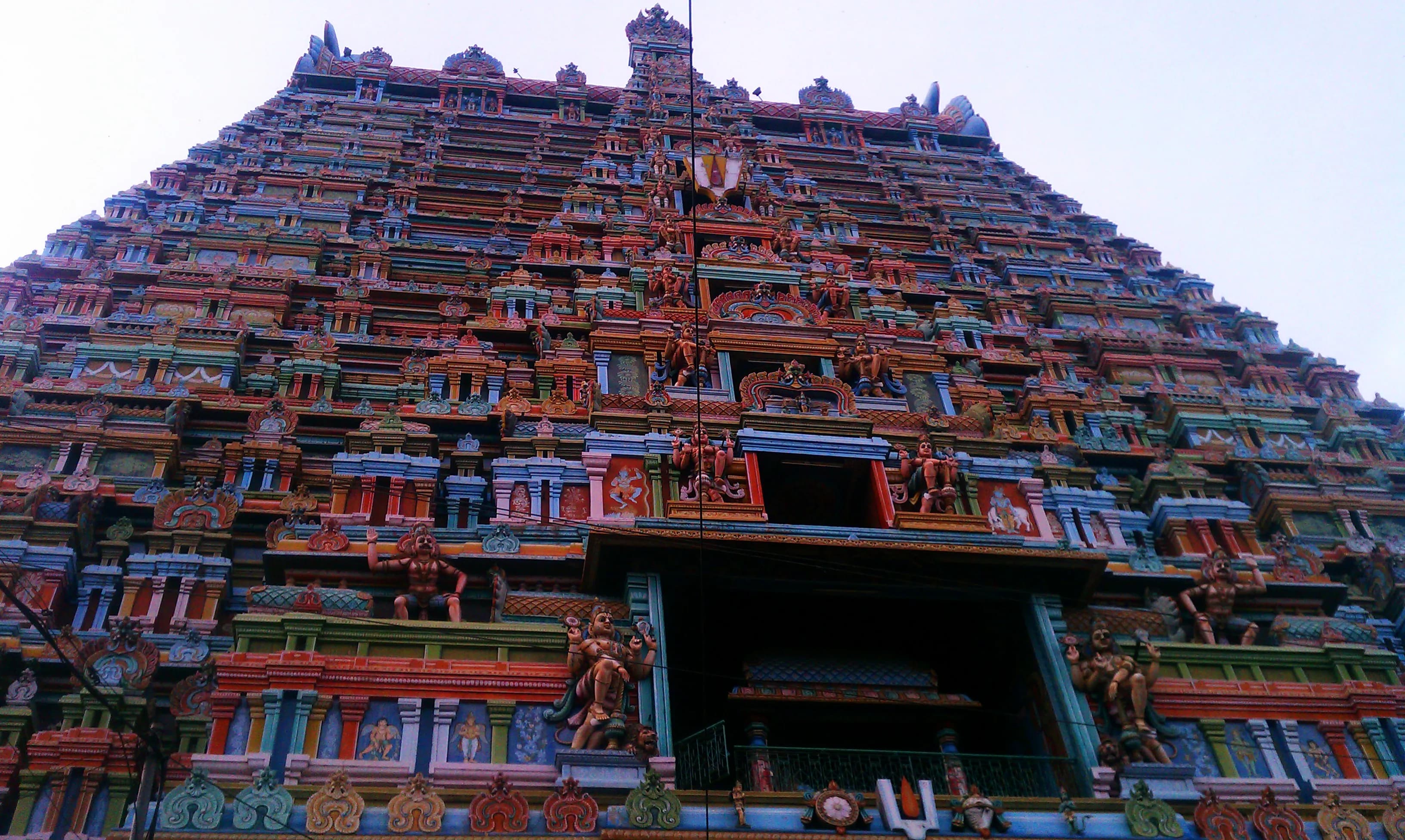
Ranganatha Temple Nellore
The midday sun beat down on Nellore, the heat shimmering off the gopurams of the Ranganatha Swamy Temple. Having explored countless sandstone marvels in Rajasthan, I was eager to experience the distinct Dravidian architecture of this South Indian temple. Stepping through the towering eastern gateway, I was immediately struck by the sheer scale of the complex. The vast courtyard, paved with worn stone, stretched before me, punctuated by smaller shrines and mandapams. Unlike the intricate carvings that adorn Rajasthani temples, the architecture here felt bolder, more geometric. The gopurams, tiered pyramids that mark the temple entrances, were adorned with vibrant stucco figures depicting deities and mythological scenes. The colours, though faded with time, still held a certain vibrancy, a testament to the artistry of the craftsmen who had brought them to life centuries ago. I noticed that the gopurams here seemed less ornate than those I'd seen in Tamil Nadu, perhaps reflecting a regional variation in the Dravidian style. The main shrine, dedicated to Lord Ranganatha, a reclining form of Vishnu, dominated the courtyard. The structure, built from granite, exuded a sense of solidity and permanence. As I approached, I observed the intricate carvings that adorned the pillars and walls. While the overall style was Dravidian, I noticed subtle influences of the Vijayanagara Empire in the ornate detailing, a reminder of the region's rich history. The pillars, in particular, were fascinating. Many featured yalis, mythical lion-like creatures, a common motif in South Indian temple architecture. However, the yalis here seemed more stylized, less ferocious than those I'd seen elsewhere, lending a unique character to the temple. Inside the sanctum sanctorum, the atmosphere was hushed and reverent. Photography was prohibited, which allowed me to fully immerse myself in the spiritual energy of the place. The air was thick with the scent of incense and the murmur of prayers. While I couldn't capture the image of the reclining deity, the mental picture I formed was far more vivid. The serenity of the Lord's expression, the intricate details of his adornments, and the palpable devotion of the worshippers created an unforgettable experience. Exiting the main shrine, I wandered through the sprawling complex, discovering hidden corners and smaller shrines dedicated to various deities. One particularly captivating structure was the Kalyana Mandapam, the marriage hall. Its intricately carved pillars, depicting scenes from Hindu mythology, were a testament to the skill of the artisans. I imagined the vibrant ceremonies that must have taken place within these walls, the air filled with music and celebration. The Pushkarini, the temple tank, located to the north, offered a welcome respite from the midday heat. The steps leading down to the water were worn smooth by centuries of use, a tangible link to the generations who had come before. The stillness of the water reflected the surrounding gopurams, creating a mesmerizing image. I observed locals performing rituals at the water's edge, their faith evident in every gesture. My visit to the Ranganatha Swamy Temple was a journey of discovery, a chance to appreciate the nuances of Dravidian architecture and experience the spiritual heart of Nellore. While the grandeur of Rajasthan's forts and palaces will always hold a special place in my heart, the serene beauty and intricate artistry of this South Indian temple offered a fresh perspective, a reminder of the rich diversity of India's architectural heritage. The temple isn't just a structure of stone and stucco; it's a living testament to faith, artistry, and the enduring power of tradition.
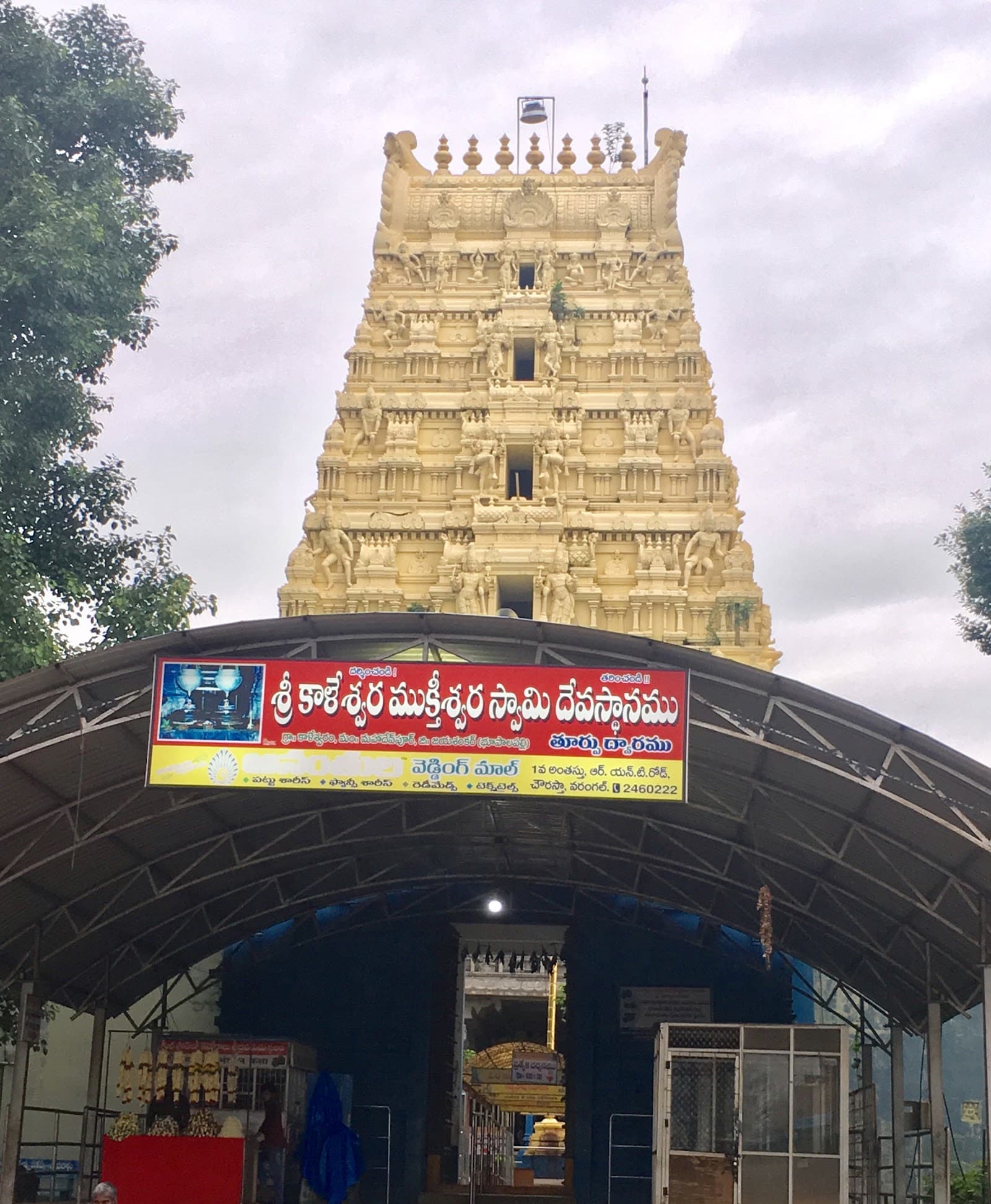
Kaleshwara Mukteswara Temple Kaleshwaram
The confluence of three rivers – the Godavari, Pranahita, and the mythical Saraswati – creates a sacred landscape at Kaleshwaram, where the Kaleshwara Mukteswara Swamy Temple stands as a testament to centuries of devotion and architectural prowess. My recent visit to this Telangana temple left me awestruck by its scale and the intricate details woven into its fabric. The temple complex, recently renovated, sprawls across a vast area, a modern marvel built upon ancient foundations. While the new construction gleams with polished stone, the core sanctums retain the weathered charm of history. The primary deity, Lord Shiva, is worshipped here as Kaleshwara Mukteswara Swamy, a name that resonates with the liberating power of time and divine grace. The temple's layout follows a traditional South Indian pattern, with multiple concentric enclosures or *prakarams* leading to the central shrine. However, the sheer scale of these *prakarams* and the towering *gopurams* (gateways) that punctuate them set Kaleshwaram apart. The use of light-colored stone, predominantly granite, creates a sense of grandeur and purity, amplified by the meticulous carvings that adorn every surface. One of the most striking features of the temple is the intricate sculpture work. Unlike the narrative panels common in many South Indian temples, Kaleshwaram’s carvings focus predominantly on floral motifs, geometric patterns, and divine figures. I noticed a distinct influence of the Chalukyan style in the sculpted *yalis* (mythical beasts) and the elaborate scrollwork that frames doorways and niches. The pillars, too, are marvels of craftsmanship, each one uniquely carved with intricate designs that seem to defy gravity. I spent a considerable amount of time observing the subtle variations in the floral patterns, each petal and leaf rendered with astonishing precision. The main *gopuram*, soaring high above the surrounding landscape, is a breathtaking sight. Its multiple tiers, adorned with vibrant stucco figures of deities and celestial beings, create a powerful visual statement. While the vibrant colours of the stucco work contrast with the muted tones of the stone, they add a layer of dynamism to the overall aesthetic. This interplay of colour and texture, of old and new, is a recurring theme throughout the temple complex. Moving beyond the main shrine, I explored the smaller shrines dedicated to various deities within the complex. The shrine of Goddess Parvati, consort of Lord Shiva, is particularly noteworthy for its elegant simplicity. The smaller *gopuram* leading to this shrine features intricate carvings of female deities and celestial musicians, a testament to the reverence accorded to the feminine principle in Hindu cosmology. My visit to Kaleshwaram wasn't just about observing the architecture; it was an immersion in a living tradition. The temple was bustling with devotees, their chants and prayers creating a palpable sense of devotion. Observing the rituals, the offerings, and the interactions between the priests and the devotees provided a glimpse into the enduring power of faith. The temple, despite its recent renovation, felt deeply connected to the past, a bridge between generations of worshippers. The integration of modern amenities, such as well-maintained pathways, clean restrooms, and clear signage, enhances the visitor experience without detracting from the temple's spiritual aura. This careful balance between preservation and modernization is commendable. Kaleshwaram is more than just a temple; it's a cultural landmark, a testament to the architectural ingenuity and religious fervour of the region. It's a place where history whispers from ancient stones, where faith finds expression in vibrant rituals, and where the confluence of rivers mirrors the confluence of the past, present, and future. My experience at Kaleshwaram was profoundly enriching, leaving me with a deep appreciation for the rich tapestry of South Indian temple architecture and the enduring power of sacred spaces.
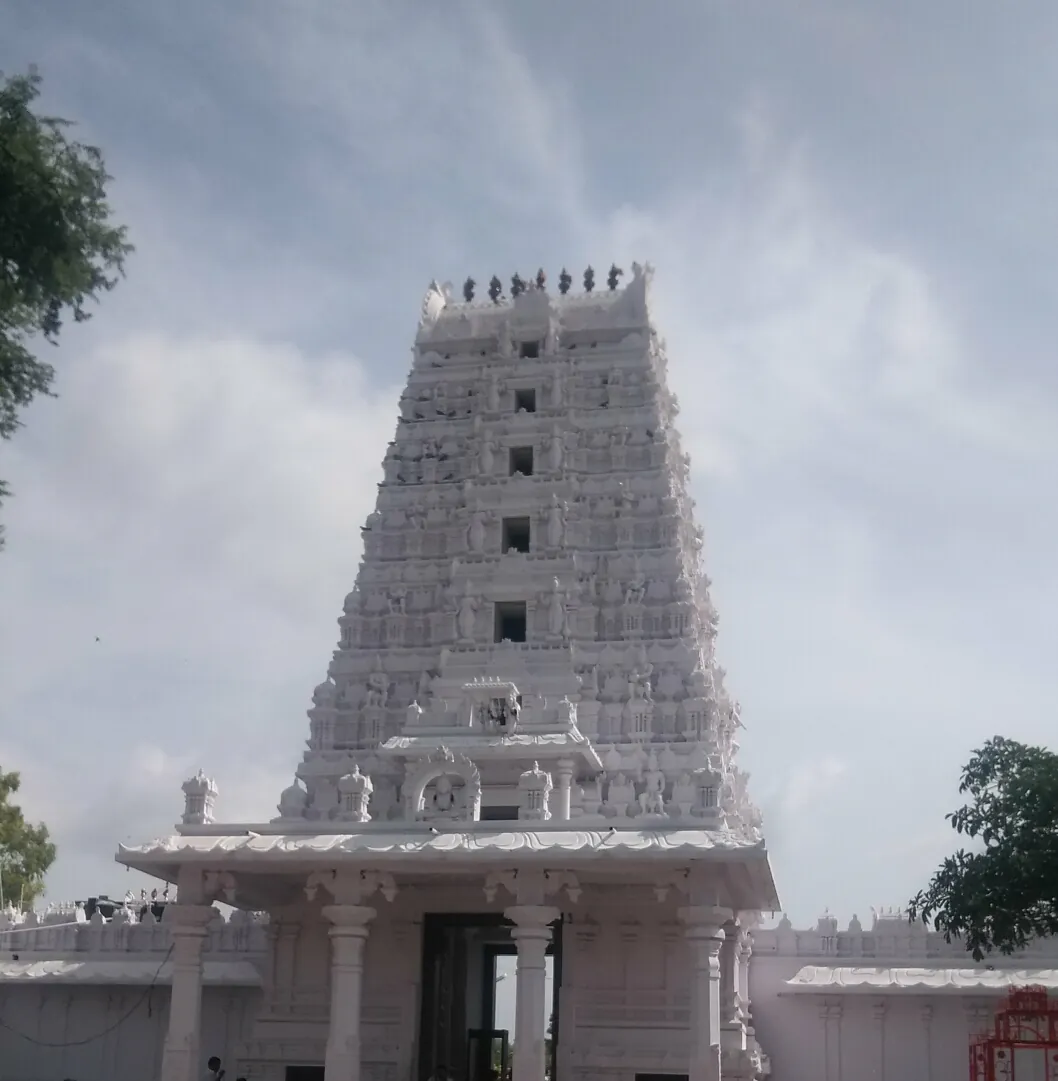
Karmanghat Hanuman Temple Hyderabad
The air, thick with incense and the murmur of devotion, vibrated around me as I stepped into the courtyard of the Karmanghat Hanuman Temple. Located in the bustling heart of Hyderabad, this ancient shrine seemed to exist in a pocket of timeless serenity, a world away from the urban clamor just beyond its walls. The temple, dedicated to Lord Hanuman, is believed to date back to the 12th century during the Kakatiya dynasty, a fact whispered by the very stones that make up its structure. My gaze was immediately drawn upwards to the imposing gopuram, the monumental entrance tower that dominates the temple complex. Unlike the elaborately sculpted gopurams of South Indian temples, this one possessed a more restrained elegance. The brickwork, though weathered by centuries of sun and rain, retained a warm, earthy hue. Subtle carvings of deities and celestial beings peeked out from the brick surface, hinting at the rich narratives embedded within the temple’s architecture. Passing through the gopuram, I found myself in the main courtyard, a vibrant tapestry of activity. Devotees circumambulated the central shrine, their prayers mingling with the rhythmic chanting of priests. The central shrine, housing the imposing idol of Lord Hanuman, is a relatively simple structure, its grandeur stemming from the powerful spiritual energy that permeates the space. The idol itself, a magnificent depiction of the monkey god in a standing posture, is said to be self-manifested, adding to the temple's mystique. I spent some time observing the architectural details, tracing the lines of the pillars and cornices with my fingers. The influence of the Kakatiya style was evident in the stepped pyramidal roof of the shrine and the use of locally available granite and brick. While later additions and renovations, particularly from the Qutb Shahi period, are discernible, the core architectural vocabulary remains distinctly Kakatiyan. This blending of architectural styles across centuries provides a fascinating glimpse into the region's rich and layered history. One of the most striking features of the Karmanghat temple is the presence of a large tank, or *pushkarini*, located to the south of the main shrine. The tranquil waters of the tank, reflecting the temple’s silhouette, created a sense of peace and tranquility. Historically, these tanks played a crucial role in temple rituals and served as a vital source of water for the community. The Karmanghat tank, though now significantly smaller than its original size, continues to be a focal point for devotees. As I walked around the temple complex, I noticed several smaller shrines dedicated to various deities, tucked away in quiet corners. These smaller structures, while less grand than the main shrine, displayed intricate carvings and decorative elements. The presence of these subsidiary shrines speaks to the evolving nature of religious practices and the assimilation of different deities into the temple’s pantheon over time. The Karmanghat Hanuman Temple is more than just a collection of stones and mortar; it is a living testament to centuries of faith, devotion, and architectural ingenuity. It is a place where the past and the present converge, where ancient traditions continue to resonate in the modern world. Leaving the temple, I carried with me not just photographs and notes, but a profound sense of connection to the rich cultural tapestry of India. The whispers of history, etched into the very fabric of the temple, continued to echo in my mind, a reminder of the enduring power of faith and the artistry of our ancestors.
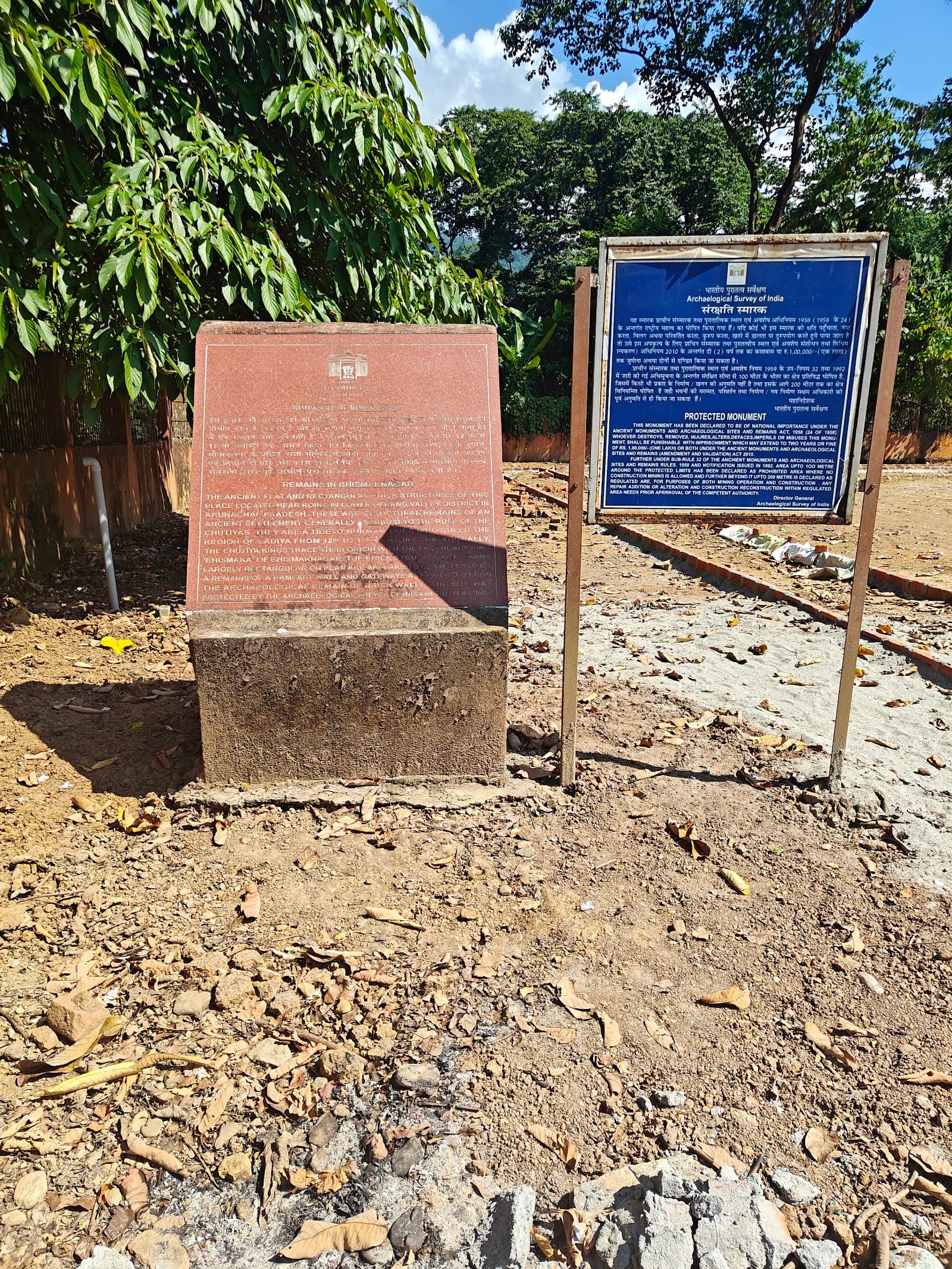
Bhismaknagar Fort Roing
Fired brick and mud brick construction techniques define Bhismaknagar Fort, erected around 1100 CE by the Chutia kingdom in Arunachal Pradesh ([1][2]). As an archaeological site in Khatan, Lower Dibang Valley, Roing, it represents a significant example of Tai Ahom architectural influence ([3]). Archaeological excavations have uncovered a sophisticated, sprawling complex, revealing the architectural prowess of this medieval kingdom ([4]). The fort's rectangular layout features ramparts and gateways, constructed primarily from brick, showcasing the ingenuity of the builders ([5]). Intricate carvings adorning the walls display geometric and floral motifs, reflecting the cultural richness of the Chutia kingdom ([2]). Unlike typical stone fortifications, Bhismaknagar utilized locally abundant clay, crafting large bricks without mortar ([1][5]). Stone platforms and foundations demonstrate a planned construction, hinting at residential and administrative functions ([3][4]). The use of burnt brick, stone, timber, and bamboo highlights the resourcefulness of the builders ([1][2][3]). During the Ahom Period, temple architecture, though not fully evident in Bhismaknagar's ruins, likely influenced the fort's design ([5]). The architectural style incorporates elements of medieval design, with a focus on functionality and defense ([3][4]). Vastu Shastra principles, the ancient Indian science of architecture, may have guided the layout and orientation of the fort, although specific textual references are not available ([5]). Bhismaknagar offers a glimpse into a forgotten era, a testament to the resilience and artistry of its creators ([1]). Bhismaknagar remains a significant archaeological site, linking us to India's diverse heritage ([2][3]). Further research and preservation efforts are crucial to understanding the full scope of its historical and architectural importance ([1][4]). The site stands as a reminder of the Chutia kingdom's legacy and their contribution to the region's cultural landscape ([2][5]).
Mahabali Temple Imphal
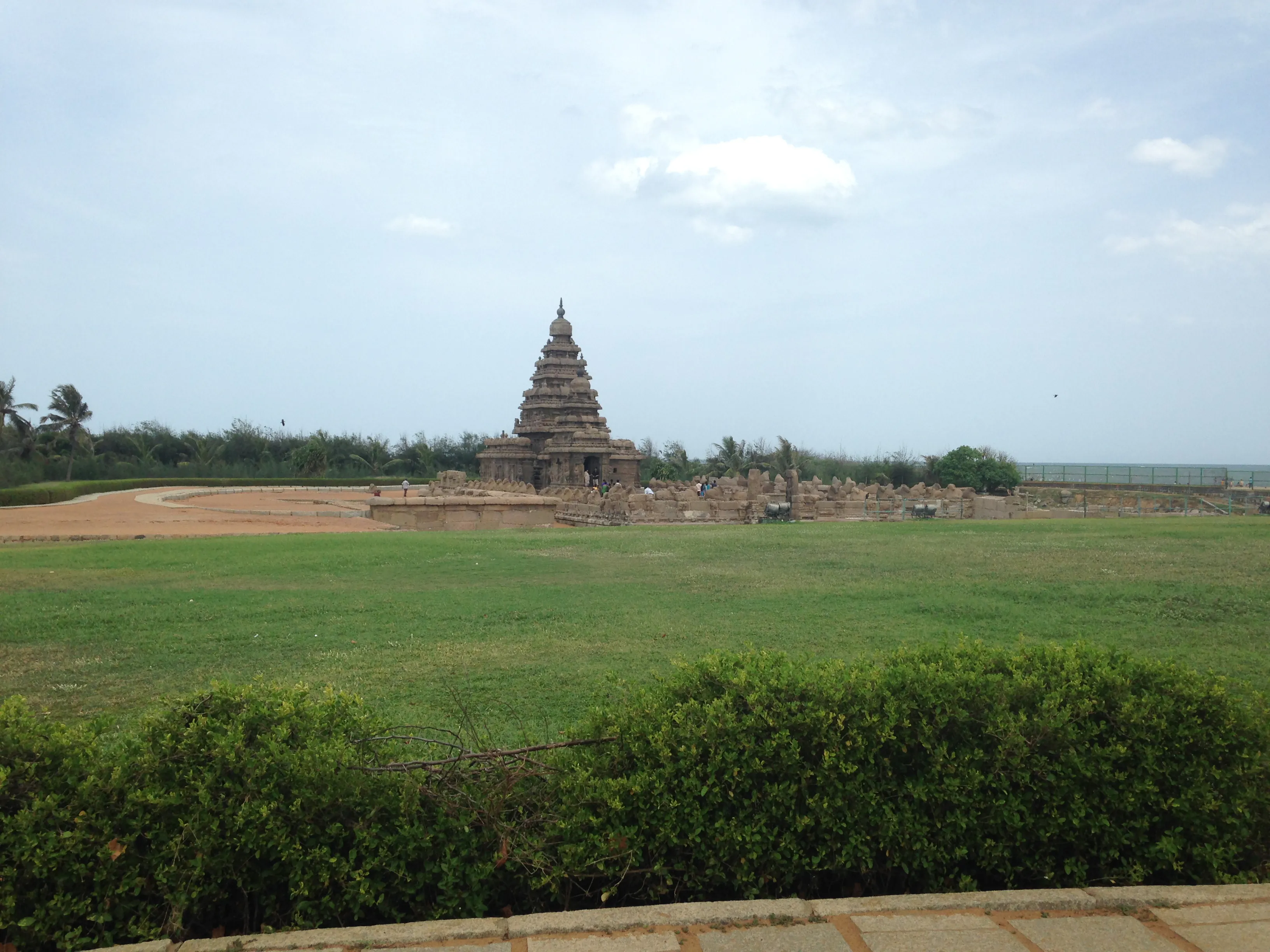
The air hung heavy with the scent of incense and damp earth as I stepped onto the grounds of the Mahabali Temple in Imphal. The temple, dedicated to the ancient pre-Vaishnavite deity Mahabali, exuded an aura of quiet power, a palpable sense of history clinging to its weathered stones. Unlike the ornate, towering structures I’m accustomed to photographing in Madhya Pradesh, this temple possessed a grounded, almost elemental presence. Its pyramidal roof, constructed of corrugated iron sheets now rusted with age, seemed an incongruous addition to the ancient brick foundation. This juxtaposition, however, spoke volumes about the temple's enduring journey through time, adapting and evolving while retaining its core spiritual significance. The temple's brickwork, the primary focus of my lens, was a marvel. The bricks, uneven in size and texture, were laid without mortar, a testament to the ingenuity of the ancient Meitei builders. Centuries of weathering had eroded some, leaving intriguing patterns and textures that caught the light in fascinating ways. I spent a considerable amount of time circling the structure, observing how the sunlight interacted with these imperfections, highlighting the subtle variations in the brick’s hues, from deep terracotta to a faded, almost pinkish orange. The lack of mortar allowed for a certain flexibility, a give-and-take with the elements that perhaps contributed to the temple's longevity. It felt as if the structure was breathing, subtly shifting and settling with the earth beneath it. A small, unassuming entrance led into the inner sanctum. The interior was dimly lit, the air thick with the scent of offerings and the murmur of prayers. Photography wasn't permitted inside, which, in a way, amplified the sacredness of the space. It forced me to engage with the temple on a different level, to absorb the atmosphere, the energy, and the palpable devotion of the worshippers. I sat quietly for a while, observing the flickering oil lamps and listening to the rhythmic chanting, letting the weight of history and tradition settle upon me. Outside, the temple grounds were a hive of activity. Devotees moved with a quiet reverence, offering flowers, fruits, and incense at the base of the structure. I noticed several small shrines scattered around the main temple, each dedicated to a different deity, creating a complex tapestry of spiritual beliefs. This intermingling of faiths, the layering of traditions, is something I find particularly captivating about the Northeast. It speaks to a cultural fluidity, an acceptance of diverse spiritual paths that is both refreshing and inspiring. As I photographed the devotees, I was struck by the vibrant colours of their traditional attire, a stark contrast to the muted tones of the temple itself. The women, draped in intricately woven phanek (sarongs) and innaphi (shawls), moved with grace and dignity, their presence adding another layer of richness to the scene. I made a conscious effort to capture these moments respectfully, aiming to convey the spirit of devotion without intruding on the sanctity of their rituals. The Mahabali Temple is more than just an architectural marvel; it's a living testament to the enduring power of faith and tradition. It’s a place where the past and present intertwine, where ancient rituals are performed alongside modern-day life. My time at the temple was a humbling experience, a reminder of the deep spiritual connections that bind communities together and the importance of preserving these cultural treasures for generations to come. The photographs I captured, I hope, will serve as a visual echo of this experience, conveying not just the physical beauty of the temple, but also the intangible spirit that resides within its ancient walls.
Barabati Fort Cuttack
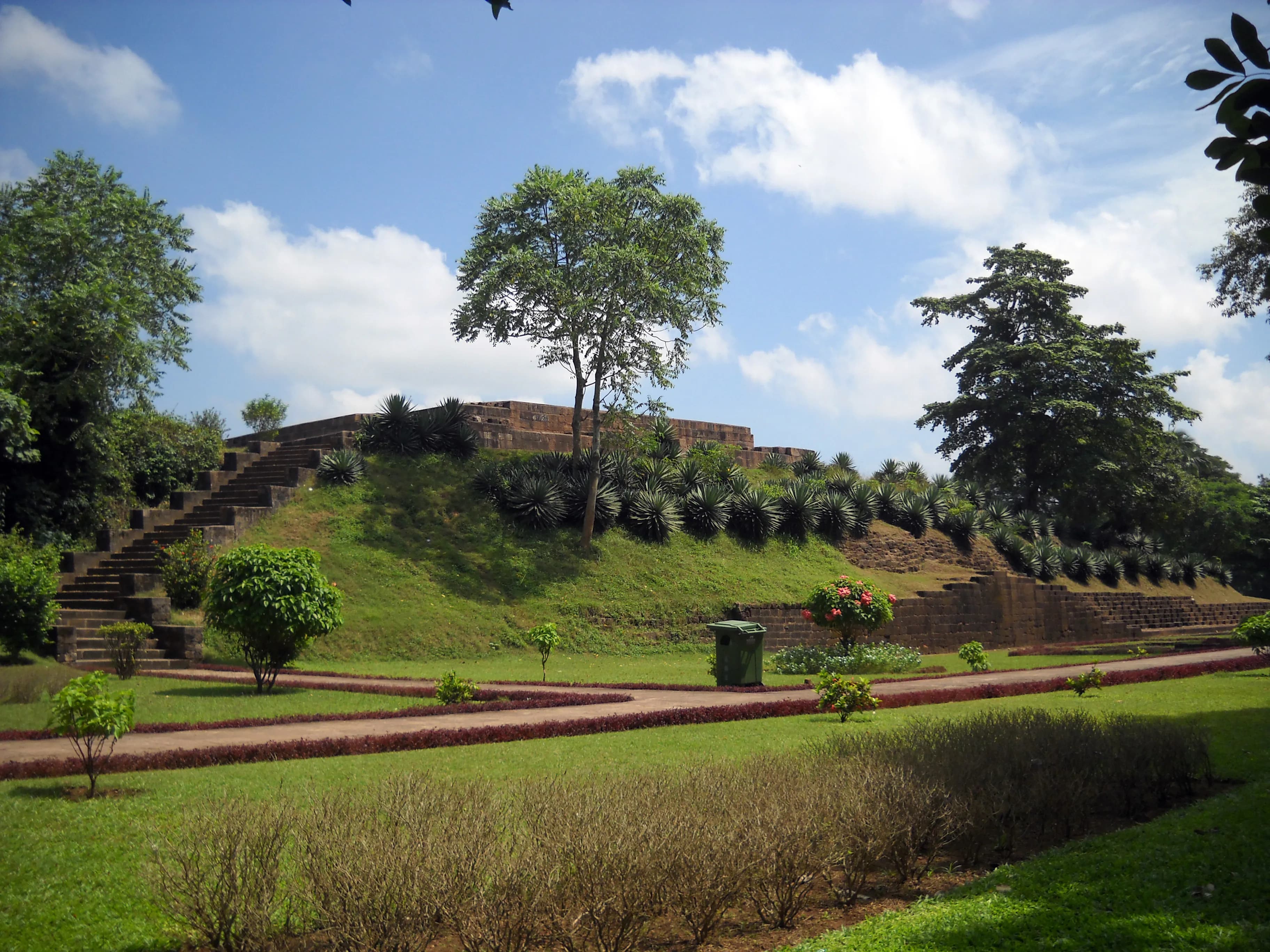
Stone platforms and foundations mark the site of Barabati Fort in Cuttack, Odisha, constructed around 1050 CE during the Eastern Ganga dynasty ([1][2]). Translating to "twelve gates," the fort was built with laterite and khondalite stones, held together by iron clamps, showcasing Kalinga architectural elements ([3][4]). A now-dry moat, imposing ramparts, and bastions highlight the fort’s medieval Indian fortification strategies ([1]). Archaeological excavations have revealed the foundations of a nine-storied palace, suggesting the fort's former splendor and intricate design ([2][3]). The palace ruins point to sophisticated Orissan style architecture, reminiscent of regional temples ([4]). Adjacent to the palace site, a museum displays sculptures and artifacts, offering insights into the artistic legacy shaped by Hindu mythological themes ([5]). During the Ganga period, temple architecture flourished, influencing the fort's layout and design ([3]). The principles of Vastu Shastra (ancient architectural science) likely guided the planning of the fort, aligning it with cosmic energies ([6]). The use of laterite, abundant in the region, imparts a distinct earthy character to the fort, contrasting with sandstone structures found elsewhere ([4]). Moreover, the fort's history includes later influences from the Mughals and Marathas, creating a layered historical narrative ([1][2][5]). Despite these influences, the core Kalinga architectural style remains evident in the remaining structures ([3][4]). Today, Barabati Fort stands as a reminder of Odisha's rich architectural and cultural heritage, blending military and artistic traditions ([1][5]).
Bekal Fort Kasaragod
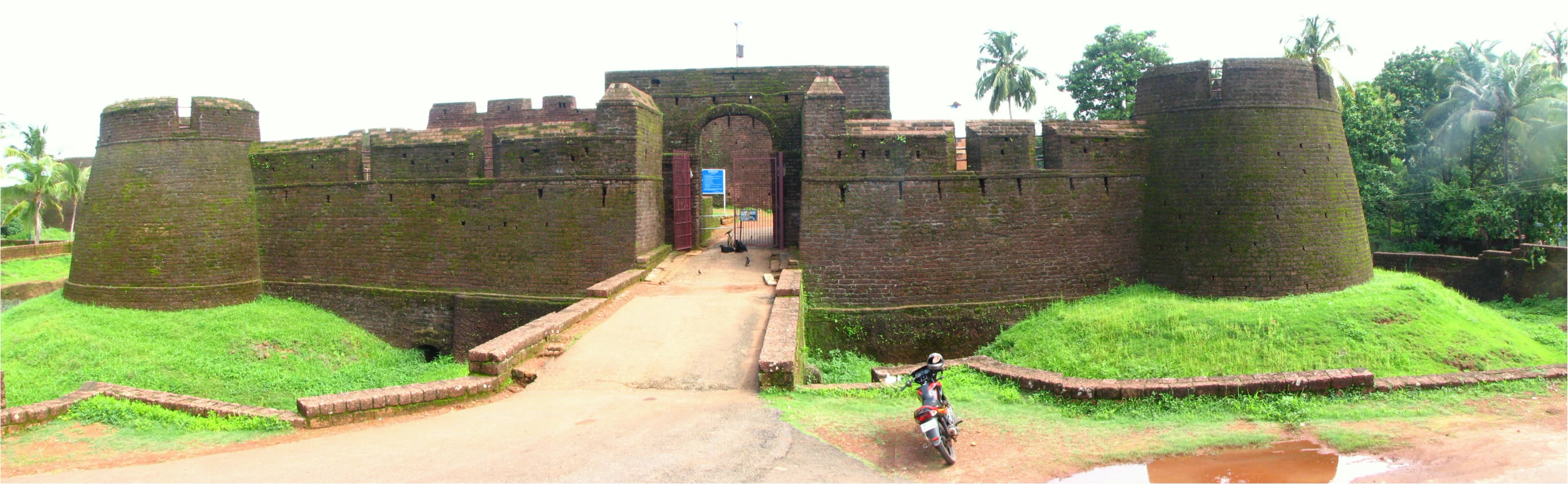
Amidst Kerala's coastal tapestry lies Bekal Fort, a 17th-century sentinel erected by Shivappa Nayaka of Keladi around 1650 CE ([3][4]). Unlike the Mughal's northern citadels, Bekal Fort showcases Kerala's military architecture, strategically positioned along the Malabar Coast ([1][4]). Its laterite walls, stretching over a kilometer, embody raw, earthy strength, a testament to the region's defensive needs ([1][2]). Sophisticated strategic planning defines Bekal Fort, evident in its keyhole-shaped bastion offering panoramic maritime views ([3]). The zigzagging pathways, a deliberate design to disorient invaders, highlight the fort's military function ([4]). The fort's design integrates Kerala's architectural traditions, reflecting the region's unique aesthetic sensibilities ([2]). While lacking the ornate carvings of other Indian forts, Bekal's beauty resides in its stark simplicity, emphasizing the natural strength of laterite ([1][2][5]). Within the fort's expanse, a Hanuman temple provides a vibrant counterpoint to the muted tones of the laterite structure ([3]). This sacred space reflects the enduring Hindu traditions of the region, coexisting harmoniously within the fort's military architecture. Vastu Shastra principles, the ancient Indian science of architecture, likely influenced the fort's layout, optimizing its defensive capabilities and aligning it with natural energies, though specific textual references are not available ([2]). Bekal Fort stands as a powerful reminder of Kerala's rich history and architectural prowess, blending military strategy with regional artistry ([4][5]). Laterite, stone, wood, and clay were used in the construction of this fort ([2]).
Quick Links
Plan Your Heritage Journey
Get personalized recommendations and detailed visitor guides