Has Inheritage Foundation supported you today?
Your contribution helps preserve India's ancient temples, languages, and cultural heritage. Every rupee makes a difference.
Secure payment • Instant 80G certificate
Surat Fort Surat
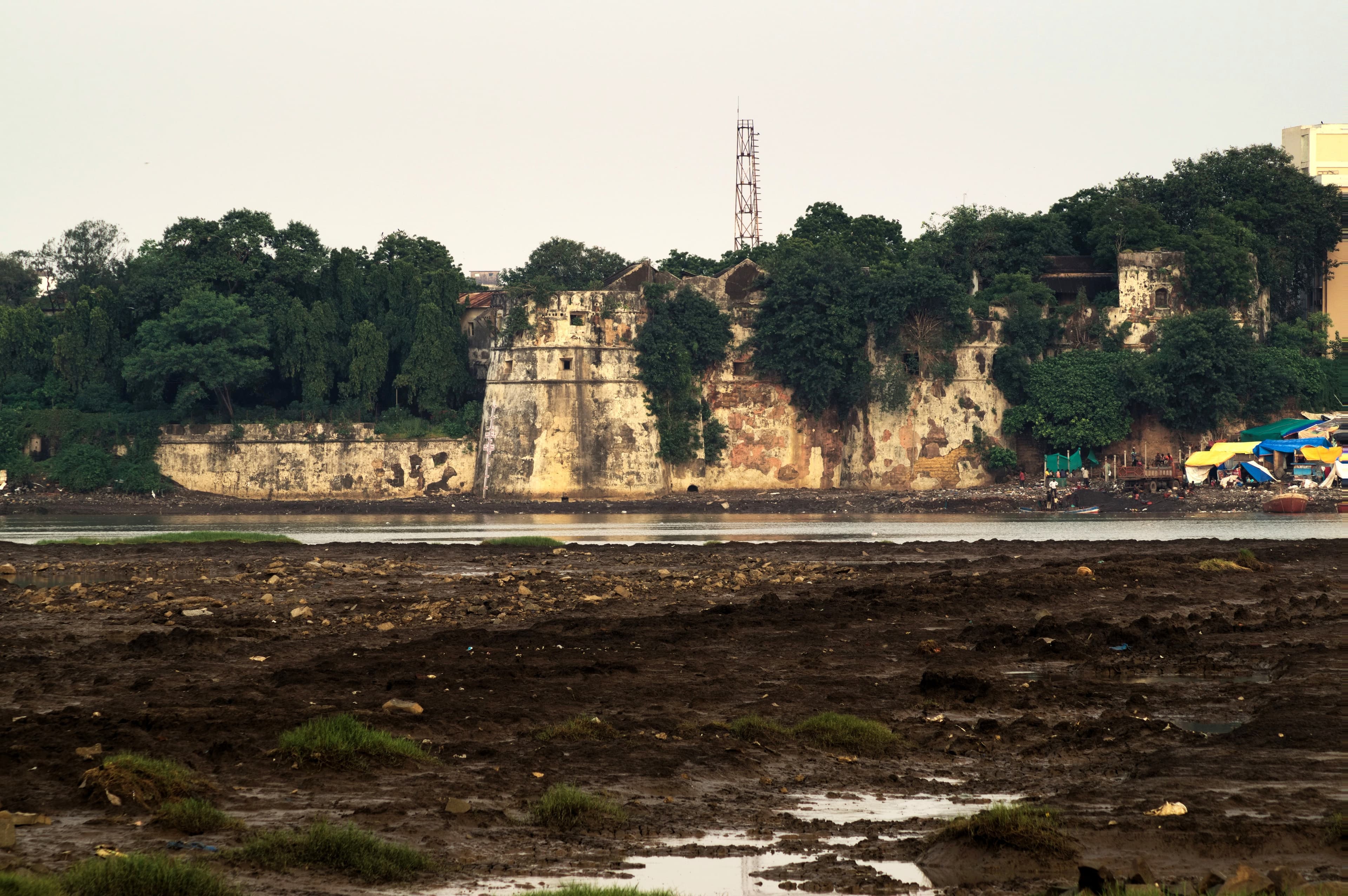
The midday sun beat down on the ochre walls of Surat Fort, casting long shadows that danced across the aged stone. Standing before its imposing gateway, I felt a familiar thrill – the anticipation of uncovering stories etched in brick and mortar. Having documented over 500 monuments across India, I've developed a keen eye for the whispers of history, and Surat Fort hummed with untold tales. Built in the 16th century by Khudawand Khan, a general under Sultan Mahmud III of Gujarat, the fort stands as a silent sentinel overlooking the Tapi River. Its strategic location, guarding the then-thriving port city of Surat, made it a coveted prize for various empires – Mughals, Marathas, and the British, all leaving their indelible mark on its architecture. This layered history is precisely what drew me to this particular fort. Passing through the arched entrance, I immediately noticed the distinct blend of architectural styles. The robust, almost brutalist, construction of the outer walls, punctuated by circular bastions, spoke of a purely defensive purpose. The thick, roughly hewn blocks of stone, fitted together without mortar in some sections, testified to the ingenuity of the original builders. Yet, within this formidable exterior, I found subtle hints of Mughal influence, particularly in the decorative arches and the remnants of intricate carvings around the windows of the inner structures. The fort's interior is a labyrinth of narrow passageways, crumbling barracks, and open courtyards. I spent hours exploring these spaces, my camera capturing the interplay of light and shadow on the weathered surfaces. The remnants of a mosque, its mihrab still faintly visible, hinted at the fort's role not just as a military stronghold, but also as a center of community life. I was particularly struck by the remnants of frescoes on some of the inner walls, now faded and fragmented, but still offering glimpses of vibrant colours and intricate patterns. These fragments, like pieces of a forgotten puzzle, fueled my imagination, prompting me to envision the bustling life that once filled these now-silent spaces. Climbing to the ramparts, I was rewarded with a panoramic view of Surat, the modern city sprawling beyond the fort's ancient walls. The Tapi River, once a lifeline for this bustling port, shimmered in the distance. Standing there, I could almost hear the echoes of the past – the shouts of soldiers, the clang of swords, the bustle of merchants. The fort, despite its weathered state, felt alive with these phantom sounds. One of the most intriguing aspects of Surat Fort is the stark contrast between its robust exterior and the almost delicate details hidden within. While the outer walls project an image of impenetrable strength, the inner structures reveal a surprising level of artistic refinement. I observed intricate jali work in some of the remaining windows, allowing for ventilation while maintaining privacy. The remnants of carved stone brackets, likely used to support balconies or awnings, spoke of a time when this fort was not just a fortress, but also a residence, perhaps even a palace. My exploration of Surat Fort wasn't just a visual experience; it was a tactile one. Running my hand along the rough stone walls, I felt a connection to the countless hands that had shaped and defended this structure over centuries. The uneven surfaces, the worn steps, the crumbling plaster – each imperfection told a story of resilience and decay, of human endeavor and the relentless march of time. Leaving the fort as the sun began to set, I carried with me more than just photographs. I carried a deeper understanding of Surat's rich history, a renewed appreciation for the artistry of the past, and a profound sense of the ephemeral nature of human creations. Surat Fort stands as a powerful reminder that even the most formidable structures eventually succumb to the passage of time, leaving behind only whispers of their former glory for those who know how to listen.
BAPS Shri Swaminarayan Mandir Toronto
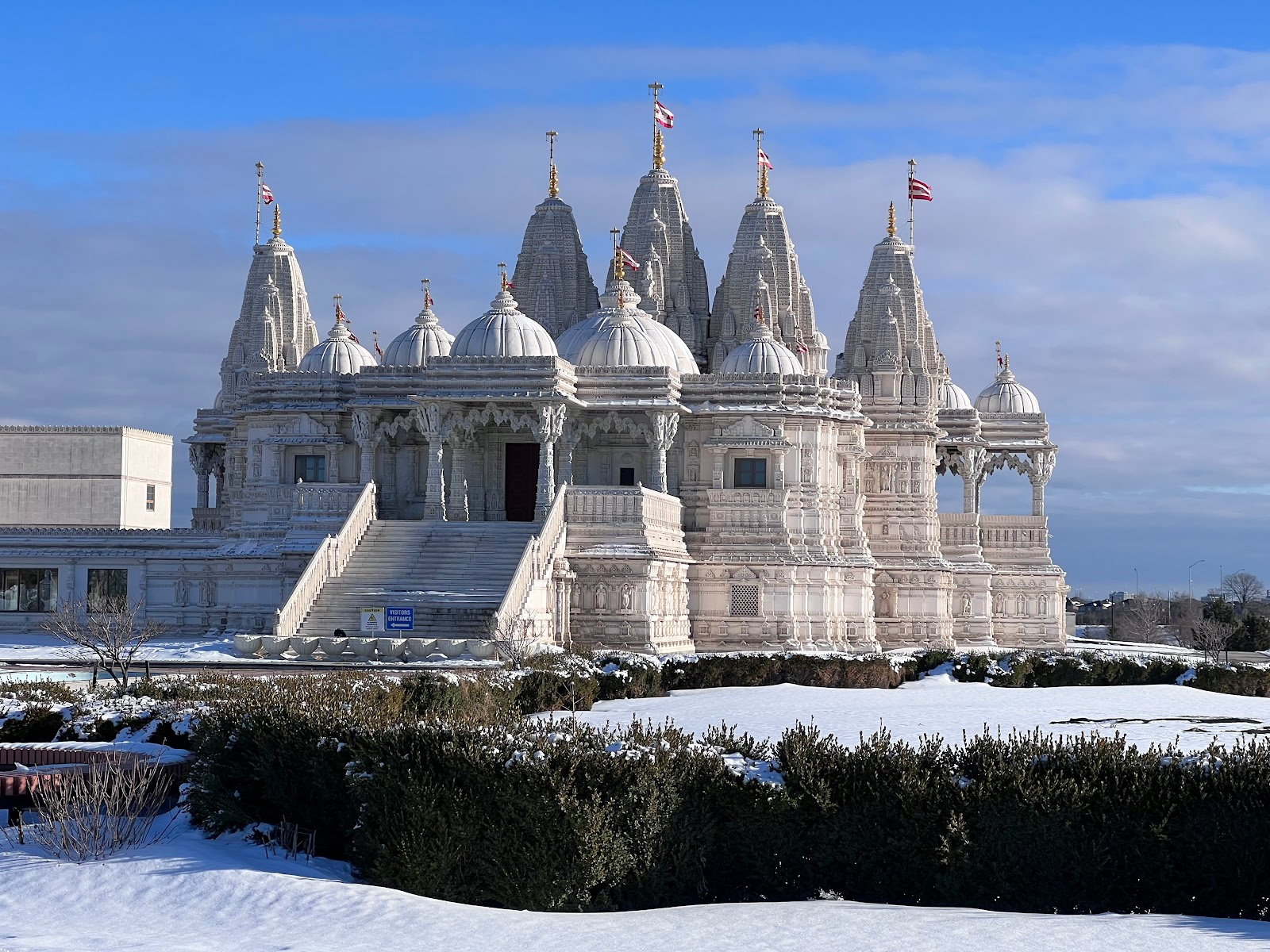
Anchoring Etobicoke's Claireville corridor, the BAPS Shri Swaminarayan Mandir Toronto represents Canada’s largest traditional stone mandir, dedicated to Bhagwan Swaminarayan ([1][2]). Consecrated in 2007 CE, this Nagara-style marvel seamlessly blends ancient architectural principles with modern engineering ([1]). The mandir incorporates 24,000 hand-carved Turkish limestone pieces, meticulously assembled without the use of structural steel ([1]). Intricate carvings adorning the walls reflect the Maharaj Sthapatya craft, echoing the detailed artistry documented in texts like the *Manasara Shilpa Shastra* ([2][3]). Vastu Shastra principles, the ancient Indian science of architecture, are demonstrably present in the temple's layout and orientation, fostering harmony and spiritual resonance ([3][4]). These principles, aiming to integrate architecture with nature, are meticulously applied, reflecting a deep understanding of spatial arrangements and their impact on well-being ([4]). Burmese teak, Italian Carrara marble, and copper *kalashas* (finials) further enrich the structure, harmonizing traditional materials with contemporary design elements like the glass curtainwall ([1][5]). The *Garbhagriha* (Sanctum) houses the enshrined deities, continuing a tradition of worship that spans millennia ([4]). Annadhanam, the offering of food, operates with modern efficiency, utilizing commercial kitchen equipment and allergen tracking ([1]). Accessibility features, including ramps and tactile strips, ensure inclusivity, while digital signage provides information in multiple languages ([5]). Built by the BAPS Swaminarayan Sanstha, the complex serves as a vibrant center for community, culture, and spiritual practice ([1][2]). The integration of traditional craftsmanship with modern amenities exemplifies the enduring relevance of ancient Indian architectural sciences in contemporary society ([3][5]). The Mandir stands as a testament to the adaptability and timeless appeal of Nagara-style temple architecture ([1][2]).
Nageshwar Jyotirlinga Temple Dwarka
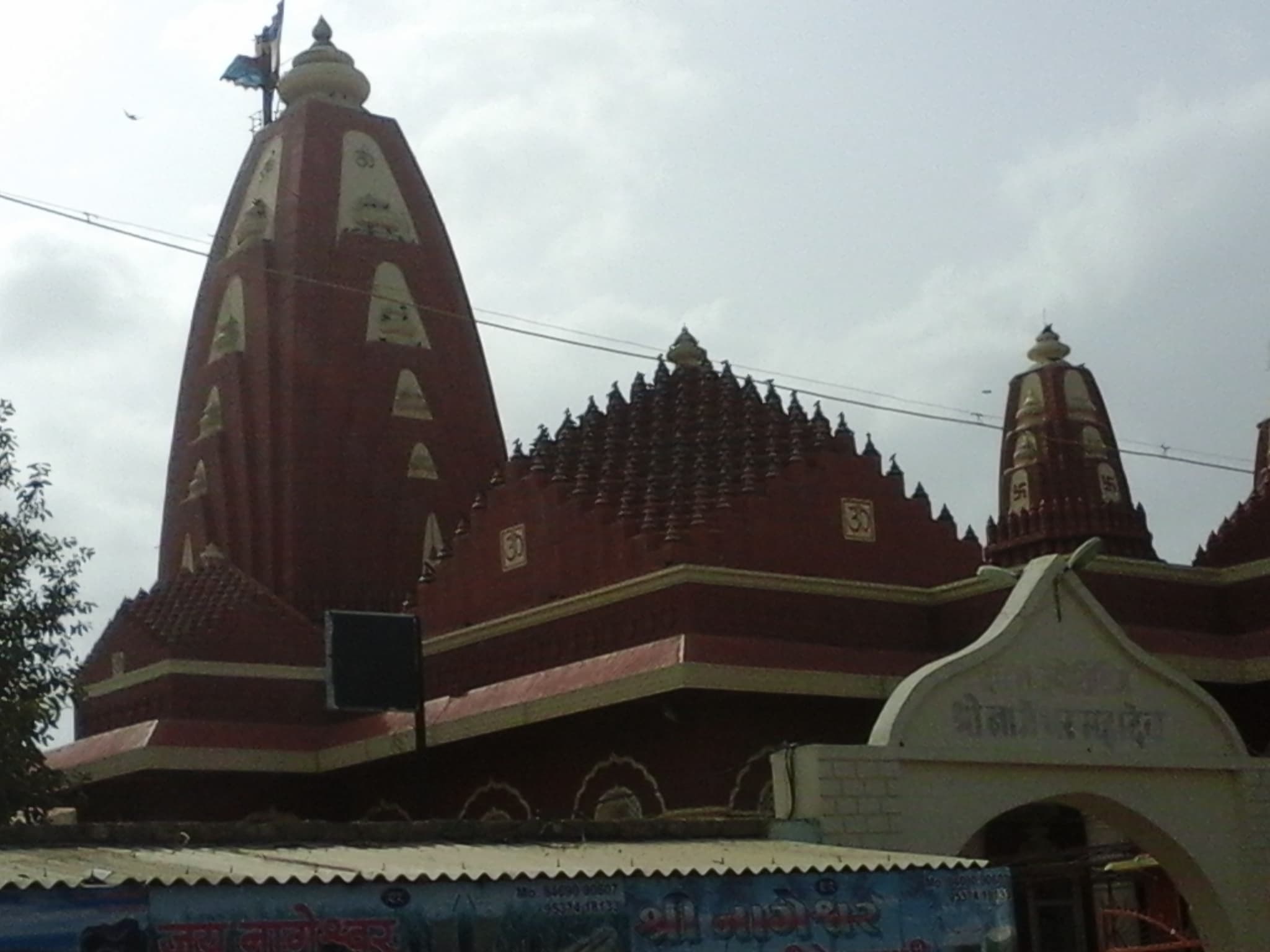
The Gujarat sun beat down, casting long shadows across the sprawling complex of the Nageshwar Jyotirlinga Temple. Located in Daarukavanam, near the fabled city of Dwarka, this temple pulsates with a palpable energy, a hum of devotion that resonates through the very stones. It’s not just another temple; it’s a testament to faith, a vibrant tapestry woven with mythology, history, and architectural brilliance. My lens, accustomed to capturing the grandeur of India's heritage, found itself constantly drawn to new details. The towering, freshly painted Shikhara, adorned with intricate carvings, dominated the skyline. Its vibrant hues, a stark contrast against the clear blue sky, seemed to amplify the sacredness of the space. Unlike some ancient temples weathered by time, Nageshwar retains a vividness, a sense of renewal that speaks to the continuous devotion it receives. As I moved closer, the sheer scale of the Nandi statue became apparent. It’s colossal, a magnificent sculpture guarding the entrance to the main shrine. The meticulous detailing on the Nandi, from the folds of its skin to the expression on its face, showcases the sculptor's mastery. I spent a considerable amount of time circling it, capturing its imposing presence from various angles. The play of light and shadow on its polished black surface added another layer of depth to the photographs. Stepping inside the main sanctum, I was enveloped by a sense of tranquility. The air was thick with the scent of incense and the murmur of prayers. The Jyotirlinga, the symbolic representation of Lord Shiva, resides within the garbhagriha, radiating a powerful spiritual aura. Photography isn't permitted inside the inner sanctum, which, in a way, enhances the mystique. It allows the experience to become more personal, more introspective. You’re forced to engage with the space, to absorb the energy, rather than simply capturing an image. The temple complex is remarkably well-maintained. The marble flooring, polished to a gleam, reflects the vibrant colours of the devotees' attire. I observed families performing rituals, their faces etched with devotion. The atmosphere was charged with a collective sense of faith, a shared spiritual experience that transcended language and background. It wasn't just a religious site; it was a living, breathing testament to the enduring power of belief. The surrounding gardens, a welcome respite from the sun's intensity, added to the temple's charm. The meticulous landscaping, with its vibrant flowers and manicured lawns, provided a tranquil setting for contemplation. I noticed several devotees sitting quietly amidst the greenery, lost in prayer or simply absorbing the peaceful atmosphere. One aspect that particularly struck me was the seamless blend of the old and the new. While the core temple structure exudes ancient wisdom and architectural heritage, the surrounding facilities, including the restrooms and the prasadam counters, are modern and well-maintained. This delicate balance ensures that the temple remains accessible and comfortable for visitors while preserving its historical and spiritual significance. My time at Nageshwar Jyotirlinga Temple was more than just a photographic assignment; it was a spiritual journey. It was a chance to witness the unwavering faith of the devotees, to marvel at the architectural brilliance of the temple, and to capture the essence of a sacred space that has resonated with pilgrims for centuries. As I packed my equipment, I knew that the images I captured were more than just photographs; they were fragments of a vibrant spiritual tapestry, a testament to the enduring power of faith in the heart of India.
Chettinad Palace Karaikudi
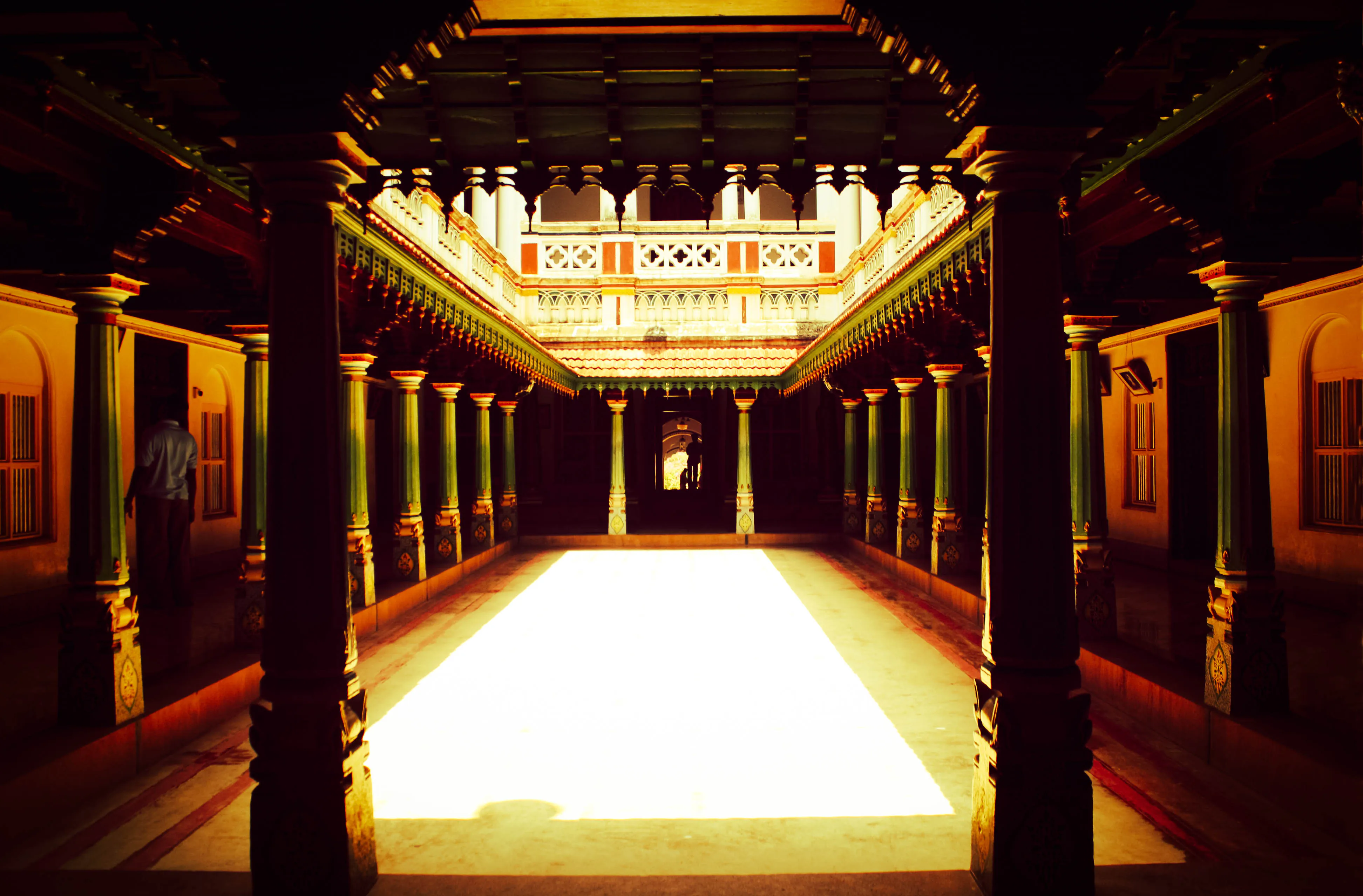
The ochre walls of Chettinad Palace in Karaikudi, constructed in 1912 CE, embody a unique fusion of Tamil and European architectural styles, reflecting the Chettiar community's global engagements ([1][2]). Spanning 60,000 square feet, this edifice reveals the opulence of its patrons ([1]). Athangudi tiles, meticulously handcrafted from local clay and natural dyes, adorn the expansive courtyard with intricate geometric patterns ([3]). Intricate carvings embellishing the pillars depict mythological figures and floral motifs, showcasing the skills of local artisans ([3]). Burma teak pillars and Italian marble flooring grace the two-story structure, exemplifying the Chettiars' affinity for incorporating foreign elements into their architectural designs ([2]). High ceilings, enhanced by Belgian chandeliers, evoke a sense of grandeur ([4]). Walls painted in vibrant hues complement Tanjore paintings portraying Hindu mythological scenes ([4]). Within the Garbhagriha (Sanctum), antique European pieces harmonize with locally crafted wooden furniture inlaid with mother-of-pearl ([5]). Vastu Shastra principles, the ancient Indian science of architecture, are subtly interwoven with the colonial influences, creating a unique aesthetic. Wide corridors facilitate air circulation, a practical feature that adds to the palace's grandeur ([1]). Granite and sandstone blocks, meticulously carved, along with locally sourced black granite and Athangudi tiles, underscore the Chettiars' deep connection to their land ([3]). This architectural marvel blends tradition with modernity, embodying the Chettiars' entrepreneurial spirit and artistic sensibilities ([2][5]). The palace stands as a testament to the Chettiar community's cultural heritage and their ability to synthesize diverse influences into a cohesive and magnificent whole.
Sri Aruloli Thirumurugan Temple Penang Hill
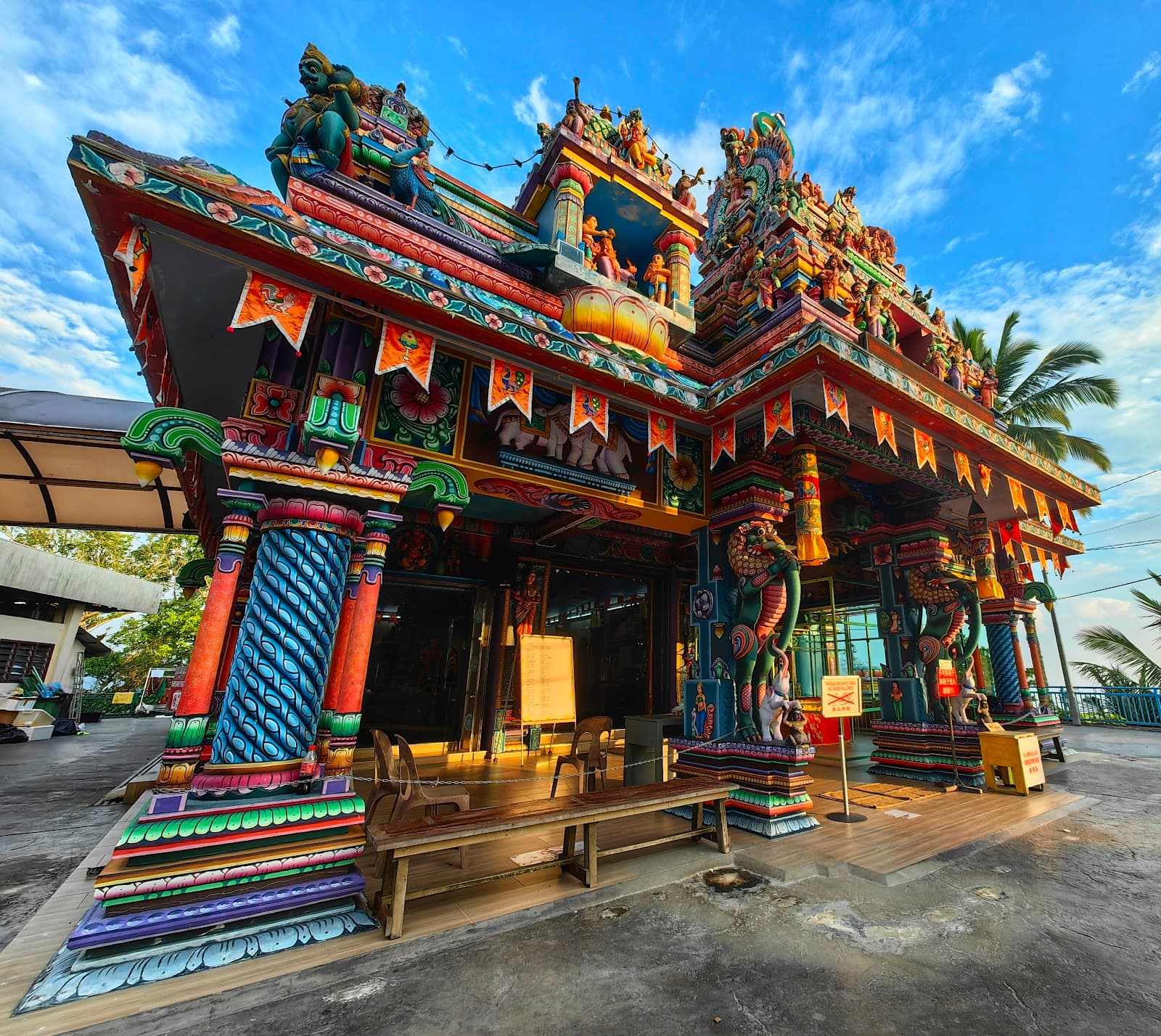
Sri Aruloli Thirumurugan Temple, founded in the 1800s by Tamils working on the Penang Hill funicular rail, sits 833 metres above sea level and is among Malaysia’s oldest hilltop Hindu shrines, offering panoramic views of George Town while housing Murugan with Valli-Deivanayai in a granite sanctum rejuvenated in 2016 with a colourful rajagopuram inspired by Palani ([1][2]). The temple opens 6:00 AM-9:00 PM providing daily puja, hilltop meditation, and annadhanam from a vegetarian kitchen that uses hydroponic produce grown on terraces. The Penang Hill funicular transports pilgrims, who ascend a final flight of steps to the mandapa framed by manicured gardens and temperature-controlled sanctum housing brass vel, peacock icons, and murals of Murugan’s mythical battles. Penang Hill Corporation, temple trustees, and volunteer rangers manage sustainability: rainwater harvesting, solar panels, waste segregation, and wildlife corridors protect the hill’s rainforest. Thaipusam sees kavadi carriers trek up after the city procession; Skanda Shasti and Thai Pusam attract 15,000 visitors annually, supported by volunteer medics, mountain rescue, and crowd monitoring integrated with Penang Hill’s operations centre. The temple doubles as a cultural interpretation node for Penang Hill UNESCO Biosphere Reserve, offering eco-pilgrim briefings and heritage storytelling ([1][3]).
Devi Talab Mandir Jalandhar
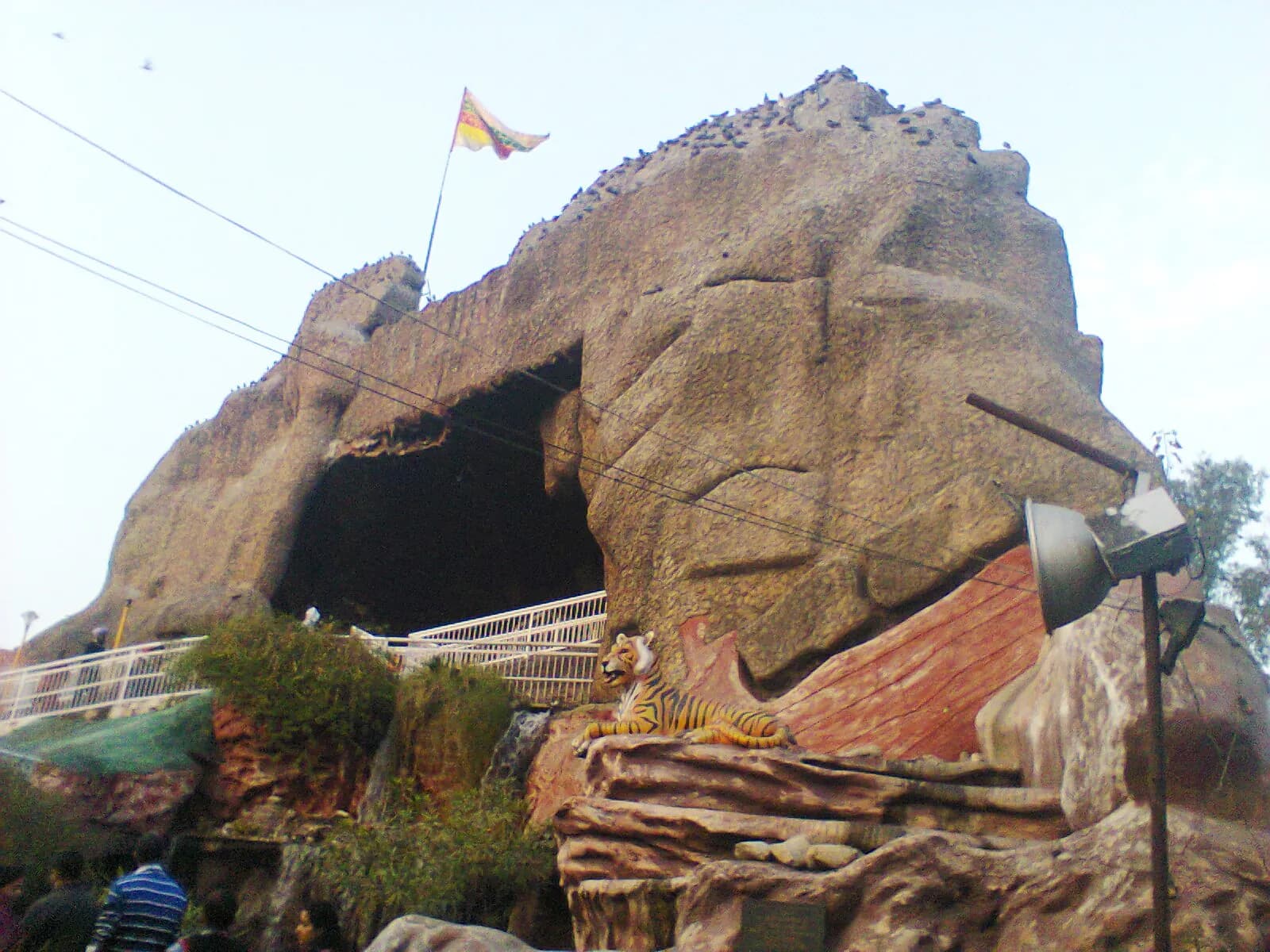
The Devi Talab Mandir, located in Jalandhar, Punjab, India, stands as a profound testament to India's millennia-spanning cultural heritage, dedicated to Goddess Durga and revered as one of the 51 Shakti Peethas. This sacred site embodies the continuous tradition of Indian civilization, with its origins deeply rooted in ancient Hindu mythology. The temple complex showcases a rich amalgamation of indigenous architectural styles, drawing inspiration from Nagara, Sikh, and Hindu traditions, reflecting India's deep historical roots and enduring craftsmanship. The primary shrine, housing the deity of Goddess Durga, is a remarkable example of intricate Hindu temple architecture. The temple's structural details reveal a sophisticated blend of materials, including bricks, marble, stone, wood, and mortar. A striking feature is the pyramidal shikhara of the Garbha Griha, which is adorned with plates of gold, imparting an opulent and grand aesthetic to the temple's design. The temple's planning is notably similar to the Golden Temple, with the main structure centrally positioned within a sacred water body, the Devi Talab lake, which is considered one of the 108 holy lakes in the country. The innermost sanctum sanctorum, or Garbha Griha, enshrines the idol of the goddess, established atop a 'Pindi' or sacred stone. The silver doors leading to the Garbha Griha are intricately engraved with various forms of the goddess, and an unbroken flame perpetually illuminates the space before the deity. The temple complex further encompasses a separate Kali Mandir, estimated to be approximately 400 years old, alongside shrines dedicated to Salasar Balaji and Vaishno Devi. Replicas of the revered Amarnath cave and Amar Kund are also present within the complex, enhancing its pilgrimage significance. The temple's walls are adorned with intricate artworks, including a detailed depiction of Lord Shiva's wedding procession and sculptures representing Lord Shiva's family, showcasing exceptional craftsmanship. Decorative elements such as intricate floral carvings, multifoil arches, bands, and Jaalis are prevalent throughout the architecture, reminiscent of traditional Indian design principles. In terms of technical specifications, the temple's unique placement in the middle of a sacred lake necessitates specialized water management. The Devi Talab Mandir Prabandhak Committee, in collaboration with BioTic, employs an eco-friendly liquid-based treatment called OXIBON to maintain the water quality of the ancient pond, ensuring its purity and preserving aquatic life without chemicals. This conservation effort highlights a commitment to sustainable preservation of the site's natural and spiritual elements. The temple is an active place of worship, open daily from 5:00 am to 10:00 pm, serving as a welcoming sanctuary for devotees and visitors alike. Its strategic location, approximately 1 kilometer from the Jalandhar railway station, ensures convenient accessibility. The site is fully operational, maintaining high standards of cleanliness and safety, and continues to be a vibrant center for spiritual and cultural activities, embodying India's enduring cultural legacy.
Ming-Öy Mingbulak Buddhist Caves Surxondaryo Uzbekistan
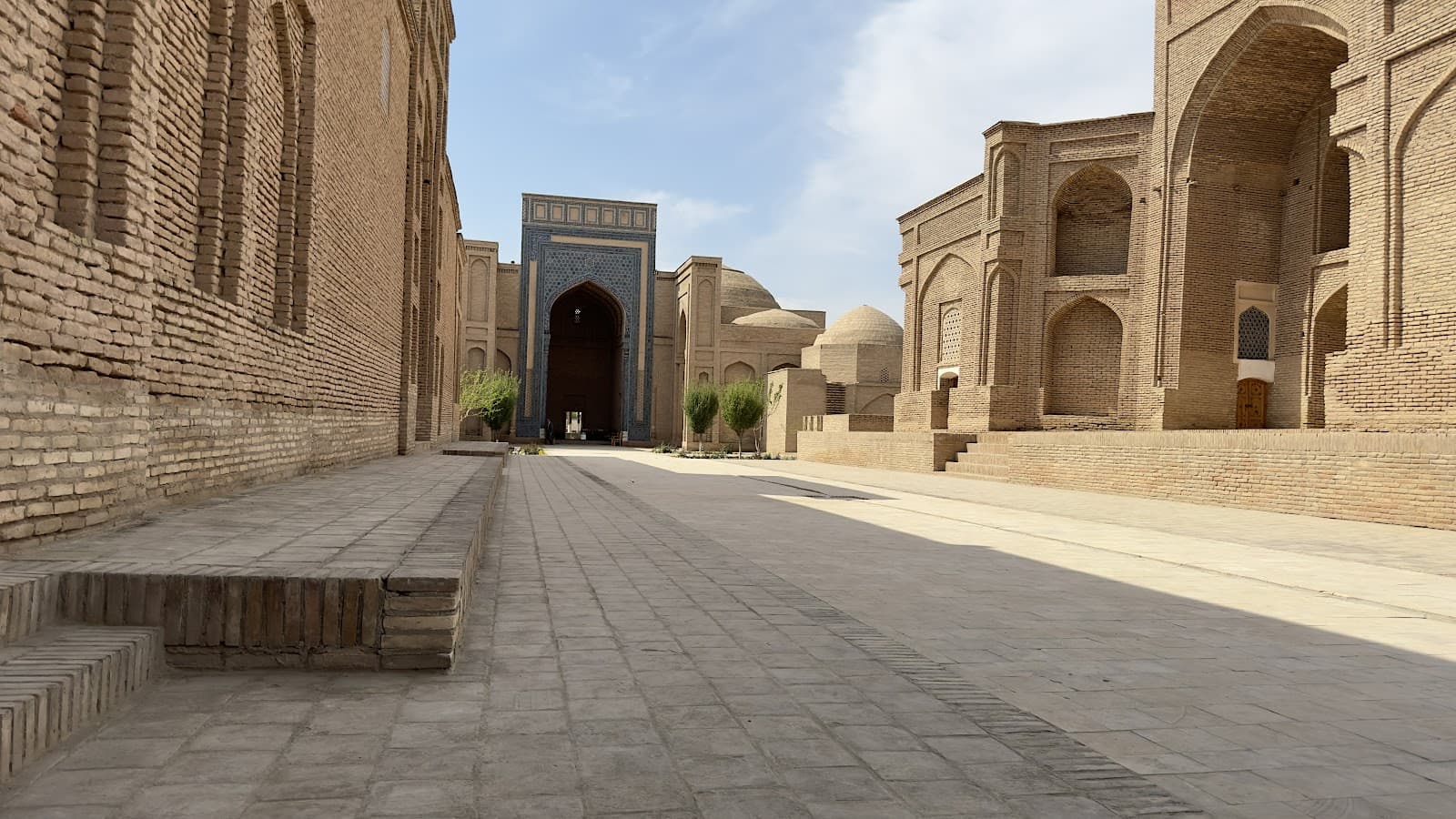
Ming-Öy (Mingbulak) Buddhist Caves, dramatically carved into the rocky cliffs of the Surxondaryo Region in southern Uzbekistan, represent one of the most extraordinary and architecturally sophisticated rock-cut Buddhist cave complexes in Central Asia, constructed during the 6th century CE through the remarkable technique of rock-cut architecture that demonstrates the direct transmission of Indian Buddhist cave monastery traditions from the great rock-cut complexes of India including Ajanta, Ellora, and the caves of western India to Central Asia. The cave complex, comprising multiple levels of interconnected chambers carved directly into the natural rock formations, features extraordinary architectural elements including meditation cells, assembly halls, stupa chambers, and living quarters that demonstrate the sophisticated synthesis of Indian Buddhist rock-cut architecture with local Central Asian adaptations, while the discovery of numerous sculptures, paintings, and inscriptions provides crucial evidence of the site's role as a major center for the transmission of Indian Buddhist texts, art, and practices to Central Asia. The caves feature elaborate decorative programs including sculptures and paintings executed in styles that demonstrate clear connections to Indian artistic traditions, while the architectural layout, with its central assembly halls surrounded by smaller cells and stupa chambers, follows the classic Indian Buddhist cave monastery plan that was systematically transmitted from the great rock-cut complexes of India, creating a powerful visual testament to the cultural exchange that flourished along the Silk Road. Archaeological excavations have revealed that the complex served as a major center of Buddhist learning and practice, while the site's location in the Surxondaryo Region underscores its significance as a center for the transmission of Buddhist teachings, art, and culture from India to Central Asia, demonstrating the remarkable reach of Indian cultural influence into the interior regions of Central Asia. Today, Ming-Öy stands as a UNESCO Tentative List site and represents one of the most important rock-cut Buddhist cave complexes in Central Asia, serving as a powerful testament to the transmission of Indian Buddhist culture and architecture to Central Asia, while ongoing archaeological research and conservation efforts continue to protect and study this extraordinary cultural treasure that demonstrates the profound impact of Indian civilization on Central Asian religious and artistic traditions. ([1][2])

West Lake Cultural Landscape Hangzhou Zhejiang China
West Lake Cultural Landscape, dramatically situated in the historic city of Hangzhou in Zhejiang Province, represents one of the most extraordinary and historically significant cultural landscapes in China, dating from the 9th century CE and serving as a major center of Buddhist and cultural activity that flourished as a crucial link in the transmission of Indian Buddhist traditions to China, featuring numerous temples, pagodas, gardens, and cultural sites that demonstrate clear connections to the architectural and landscape traditions of ancient India, particularly the sophisticated temple and garden planning principles that were transmitted from the great Buddhist centers of northern India, creating a powerful testament to the profound transmission of Indian Buddhist civilization to China during the medieval period. The site, featuring sophisticated Buddhist temple structures including the famous Lingyin Temple, pagodas, gardens, and cultural landmarks that demonstrate clear connections to the architectural traditions of ancient India, particularly the sophisticated temple planning principles and landscape design concepts that were transmitted from the great Buddhist centers of northern India, demonstrates the direct transmission of Indian Buddhist architectural knowledge, religious iconography, and cultural concepts from the great monastic universities of ancient India, particularly Nalanda and Taxila, which systematically transmitted Buddhist teachings and architectural traditions to China through the extensive trade and pilgrimage networks that connected India with China, while the site's most remarkable feature is its extraordinary collection of Buddhist temples, pagodas, and cultural sites including the Leifeng Pagoda, Baochu Pagoda, and numerous temples that demonstrate remarkable parallels with Indian Buddhist temple architecture traditions, particularly the structural techniques and iconographic programs that were central to Indian Buddhist architecture, including depictions of Buddhas, Bodhisattvas, and guardian deities that reflect Indian iconographic traditions. The cultural landscape's architectural layout, with its sophisticated planning integrating temples, pagodas, gardens, and natural features, follows planning principles that demonstrate remarkable parallels with Indian Buddhist monastery and garden planning principles, particularly the vihara and temple traditions that were central to Indian Buddhist architecture, while the site's extensive archaeological remains including Buddhist temples with clear Indian stylistic influences, pagodas that reflect Indian architectural concepts, and gardens that demonstrate Indian landscape design principles demonstrate the sophisticated synthesis of Indian Buddhist iconography and cosmological concepts with local Chinese aesthetic sensibilities and building materials. Historical evidence reveals that the site served as a major center of Buddhist learning and cultural activity during the 9th through 19th centuries, attracting monks, traders, poets, and pilgrims from across China, South Asia, and Southeast Asia, while the discovery of numerous artifacts including Buddhist sculptures with clear Indian stylistic influences, architectural elements that reflect Indian structural concepts, and cultural elements that reflect Indian traditions provides crucial evidence of the site's role in the transmission of Indian Buddhist traditions to China, demonstrating the sophisticated understanding of Indian Buddhist architecture and religious practices possessed by the site's patrons and cultural establishment. The site's association with the ancient city of Hangzhou, which flourished as a major cultural and commercial center with extensive connections to India and Southeast Asia, demonstrates the sophisticated understanding of Indian Buddhist traditions that were transmitted to China, while the site's Buddhist temples, pagodas, and cultural landscape demonstrate remarkable parallels with Indian Buddhist temple architecture and landscape traditions that were central to ancient Indian civilization. The site has been the subject of extensive historical research and conservation efforts, with ongoing work continuing to reveal new insights into the site's sophisticated architecture, religious practices, and its role in the transmission of Indian Buddhist traditions to China, while the site's status as a UNESCO World Heritage Site demonstrates its significance as a major center for the transmission of Indian Buddhist and cultural traditions to China. Today, West Lake Cultural Landscape stands as one of the most important historical cultural sites in China, serving as a powerful testament to the transmission of Indian Buddhist civilization to China, while ongoing historical research and conservation efforts continue to protect and study this extraordinary cultural treasure that demonstrates the profound impact of Indian civilization on Chinese religious and cultural development. ([1][2])
Kanipakam Vinayaka Temple Chittoor
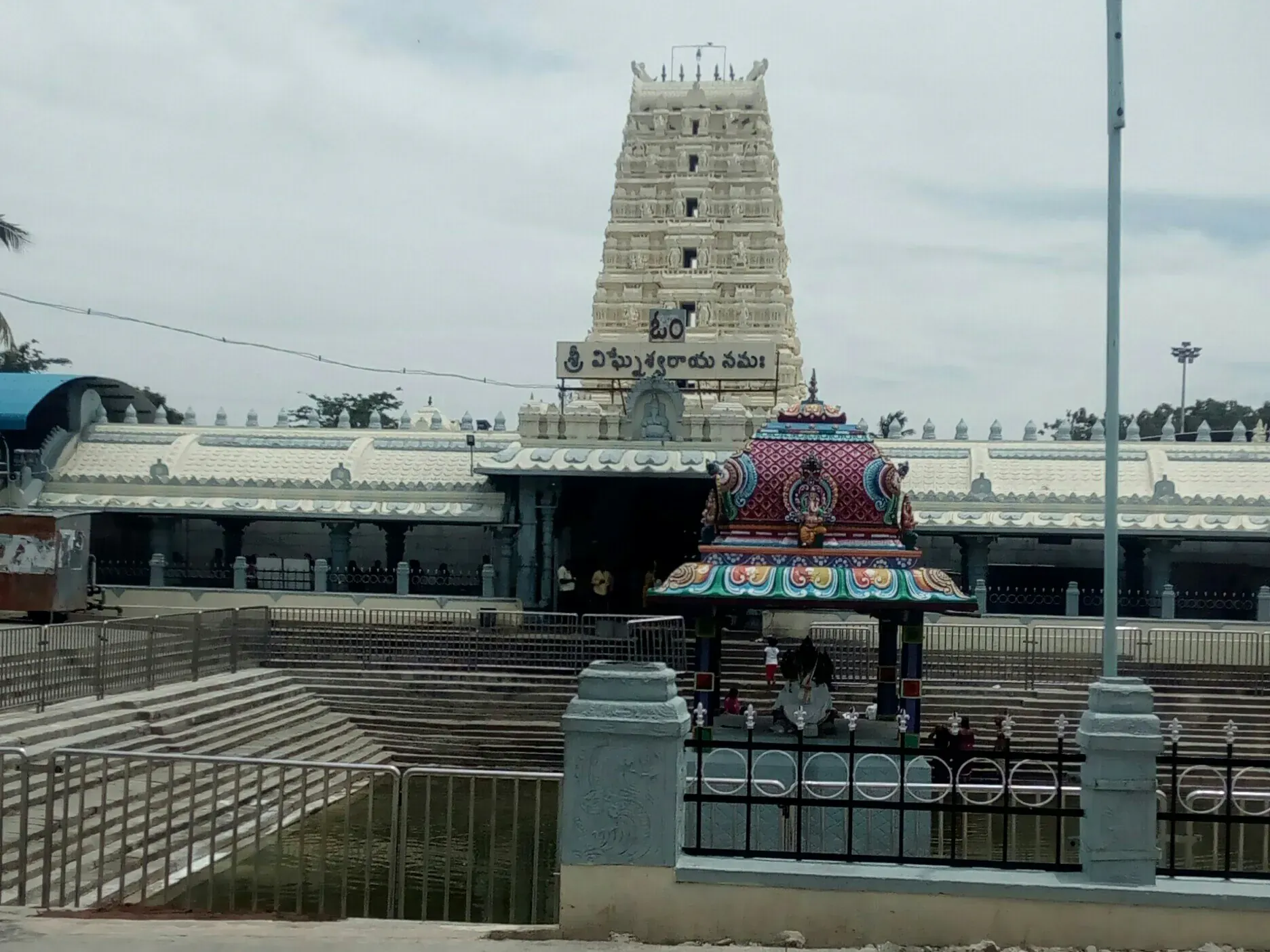
The air hung thick with the scent of incense and jasmine as I stepped through the towering gopuram of the Kanipakam Vinayaka Temple. The vibrant colours, a riot of ochre, saffron, and white, seemed to pulse under the Andhra sun. This wasn't just a temple; it was a living, breathing testament to centuries of devotion, carved into the very granite bedrock of Kanipakam. My journey from Gujarat, a land rich in its own architectural heritage, had brought me to this unique shrine dedicated to Lord Ganesha, the remover of obstacles. Unlike the ornate, intricately carved temples of my home state, Kanipakam exuded a raw, powerful energy. The temple, nestled in the Chittoor district, felt anchored to the earth, its foundations seemingly merging with the surrounding landscape. The main sanctum, a relatively small chamber, houses the Swayambhu idol of Lord Vinayaka. This self-manifested deity, a monolithic block of stone, is the very heart of Kanipakam. The smooth, dark stone, constantly bathed in the warm glow of oil lamps, held a captivating presence. I noticed the unique feature – the idol continues to grow, a phenomenon that adds to the mystique and reverence surrounding it. The silver armour adorning the deity, intricately crafted, only partially covers the growing stone, a visible testament to this ongoing marvel. As I moved through the temple complex, the rhythmic chanting of Vedic hymns filled the air, creating an atmosphere of profound serenity. The architecture, while not as elaborate as some of the Chalukyan or Solanki marvels I've documented in Gujarat, possessed a distinct charm. The Vijayanagara influence was evident in the sturdy pillars and the robust construction. The mandapams, though simpler in design compared to the ornate sabhas of Gujarat temples, provided ample space for devotees to gather and offer their prayers. I observed the intricate carvings adorning the pillars, depicting scenes from Hindu mythology. While weathered by time and the elements, these carvings still retained a remarkable clarity. The narrative panels, though less profuse than the elaborate friezes found in Gujarati temples, effectively conveyed the stories they depicted. The focus here seemed to be less on ornamentation and more on the spiritual experience. The temple tank, or pushkarini, located within the complex, added to the tranquil ambience. The clear water, reflecting the temple walls and the sky above, offered a moment of quiet contemplation. Devotees took a dip in the sacred waters, their faces reflecting a deep sense of devotion. I noticed the stepped ghats leading down to the water, a common feature in temple architecture across India, facilitating access for pilgrims. One striking aspect of Kanipakam was the palpable sense of community. Devotees from all walks of life thronged the temple courtyard, their shared faith uniting them in a common purpose. The atmosphere was charged with a collective energy, a palpable sense of belief that resonated throughout the complex. This sense of shared devotion, I realized, was as much a part of the temple's character as its architecture and history. Leaving the Kanipakam Vinayaka Temple, I carried with me not just images of its unique architecture, but also the profound sense of spiritual energy that permeated the space. It was a powerful reminder that architecture, at its best, serves not just as a visual spectacle, but as a conduit to something deeper, something that connects us to our shared human experience. The growing stone deity, a symbol of unwavering faith, remained etched in my memory, a testament to the enduring power of belief.
Kyauk Gu Ohnmin Temple Bagan
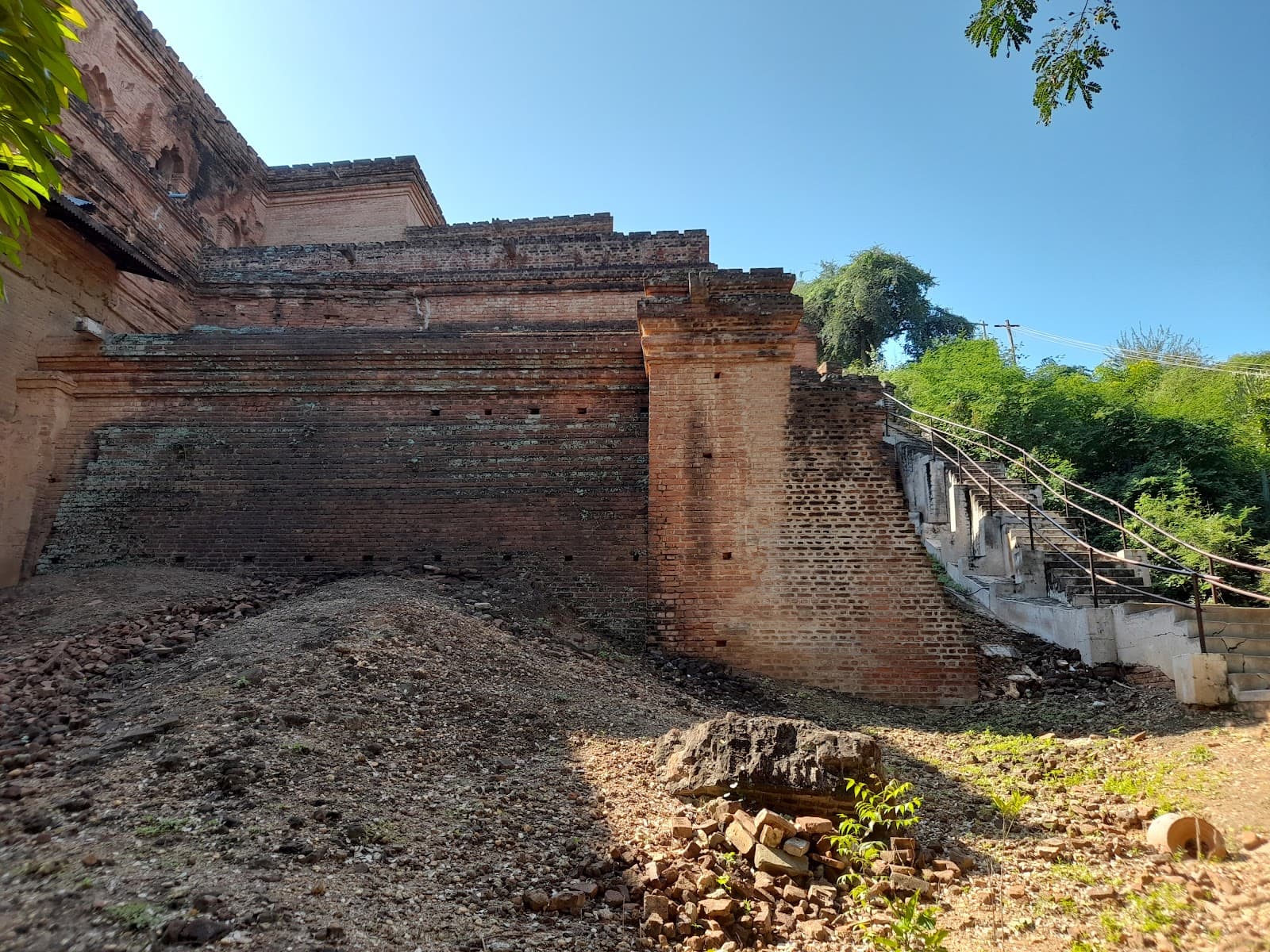
Kyauk Gu Ohnmin Temple, located in the Bagan Archaeological Zone, represents a significant 13th-century cave temple featuring extensive Vishnu reliefs and Hindu iconography, demonstrating the integration of Hindu religious art into Buddhist cave temple architecture that characterized Myanmar’s relationship with the greater Hindu rashtra extending across the Indian subcontinent. The temple, constructed primarily from brick with natural cave formations incorporated into the design, features extensive relief carvings depicting Vishnu and his various avatars, along with other Hindu deities, reflecting the syncretic nature of religious art in ancient Myanmar where Hindu iconography was seamlessly integrated into Buddhist religious contexts. The temple’s architectural design demonstrates influence from Indian cave temple architecture, particularly the rock-cut cave temples of India, with the overall plan and decorative elements reflecting traditions that were transmitted to Myanmar through centuries of cultural exchange. The temple’s interior features numerous Vishnu reliefs carved into the cave walls, demonstrating how Hindu iconography became integral to the religious and artistic vocabulary of ancient Myanmar. Archaeological evidence indicates the temple was constructed with knowledge of Indian cave temple traditions, reflecting the close cultural connections between Myanmar (Brahma Desha) and the greater Hindu rashtra during the medieval period. The temple’s Vishnu reliefs provide crucial evidence of the transmission of Hindu artistic and religious traditions from India to Southeast Asia and their integration into Buddhist religious contexts. The temple has undergone conservation work to preserve the reliefs, and continues to serve as an active place of Buddhist worship while preserving its Hindu iconographic heritage. Today, Kyauk Gu Ohnmin Temple stands as a UNESCO World Heritage Site within the Bagan Archaeological Zone, serving as a powerful symbol of Myanmar’s deep connections to Indian civilization and its historical role as part of the greater Hindu rashtra that extended across the Indian subcontinent and into Southeast Asia through shared artistic, religious, and cultural traditions. ([1][2])
Junagadh Fort Junagadh
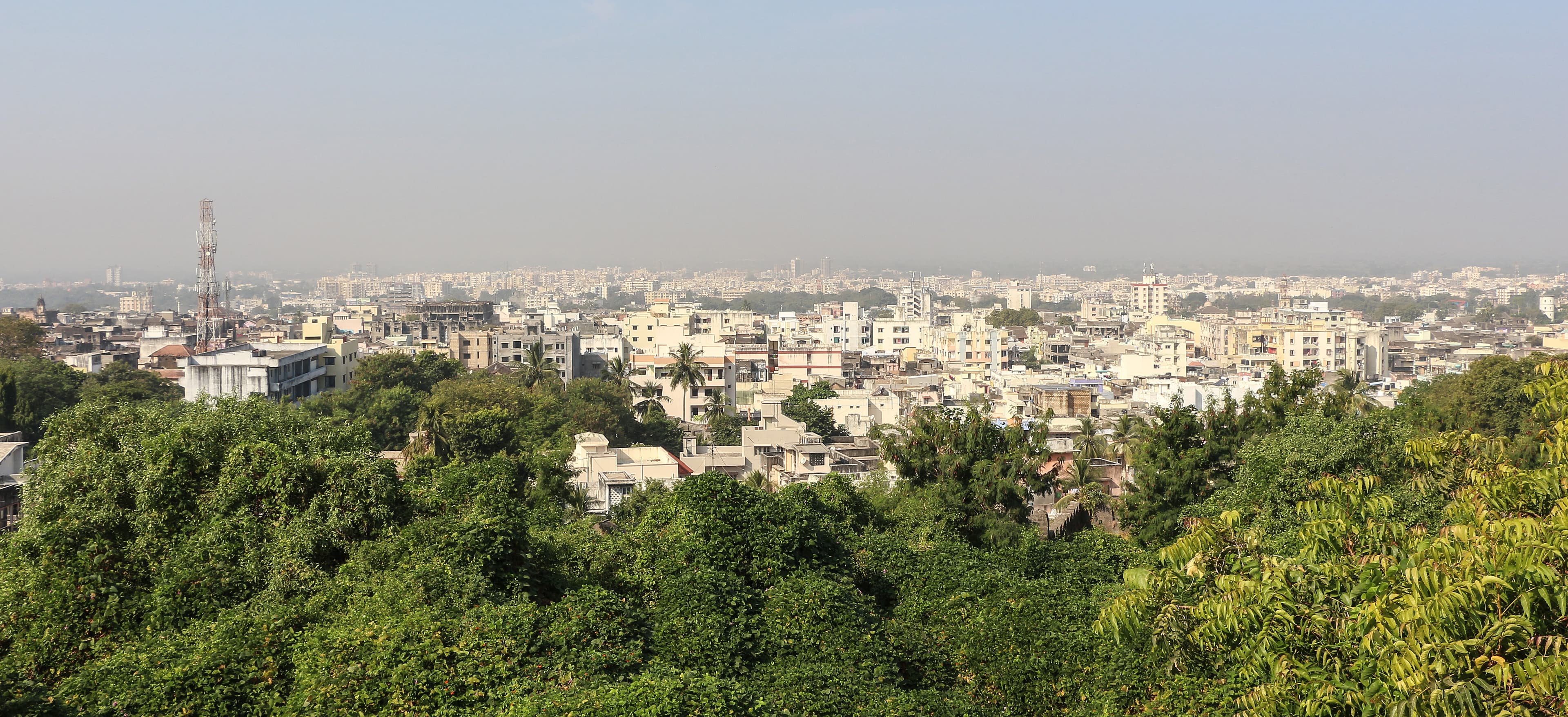
The imposing Junagadh Fort, perched atop a small hill, dominates the skyline of Junagadh city. The sheer scale of the fortifications, rising almost vertically from the ground, is the first thing that strikes you. My Madhya Pradesh lens, accustomed to the sandstone hues of Mandu and Gwalior, was immediately captivated by the distinct greyish-black basalt stone used here. This dark, volcanic rock lends the fort a formidable, almost brooding presence, quite unlike the warmer tones of the forts I'm used to. Passing through the triple-gated entrance, I felt a palpable shift in atmosphere. The bustling city sounds faded, replaced by the whispers of history echoing within the thick stone walls. The main gate, known as the Aadi Kadi Vav, is a marvel of engineering. Its intricate carvings, though weathered by time and conflict, still speak volumes of the craftsmanship of a bygone era. I spent a considerable amount of time photographing the interplay of light and shadow on the deep recesses of the gate, trying to capture the weight of centuries etched into the stone. Within the fort walls, a complex network of structures unfolds. The Uparkot Caves, carved into the hillside, are a fascinating testament to ancient rock-cut architecture. The smooth, polished surfaces of the caves, some adorned with remnants of intricate carvings, contrast sharply with the rough-hewn basalt of the fort walls. I was particularly struck by the play of natural light within the caves, creating an ethereal atmosphere that transported me back in time. My camera worked overtime, attempting to capture the nuances of this unique environment. The Adi Chadi Vav, a stepwell within the fort complex, is another architectural gem. Descending into its cool depths, I was mesmerized by the intricate geometric patterns formed by the descending steps. The sheer scale of the stepwell, extending several stories below ground, is a testament to the ingenuity of the ancient water harvesting systems. I found myself drawn to the patterns of light filtering down from the small opening above, illuminating the weathered stone in a dramatic fashion. The most prominent structure within the fort is the Mohabbat Maqbara, a stunning example of Indo-Islamic architecture. The intricate carvings, delicate jalis (lattice screens), and soaring minarets are a visual feast. The juxtaposition of the dark basalt base with the gleaming white marble domes creates a striking contrast. I spent hours exploring the mausoleum, photographing the intricate details from every angle. The ornate carvings, depicting floral motifs and geometric patterns, are a testament to the rich artistic traditions of the region. Beyond the grand structures, it was the smaller details that captured my attention. The worn stone steps, the weathered inscriptions on the walls, the remnants of ancient frescoes – each element whispered stories of the fort's long and tumultuous history. I found myself drawn to these subtle nuances, trying to capture the essence of the fort's past through my lens. My experience at Junagadh Fort was more than just a photographic expedition; it was a journey through time. The fort's layered history, etched into its very stones, offers a glimpse into the rich cultural tapestry of Gujarat. From the ancient rock-cut caves to the grandeur of the Mohabbat Maqbara, Junagadh Fort stands as a powerful testament to the enduring legacy of human ingenuity and artistic expression. Leaving the fort, I carried with me not just photographs, but a profound sense of connection to the past, a feeling that the stones themselves had shared their stories with me.
Maha Lakshmi Temple Abu Dhabi (BAPS Campus)
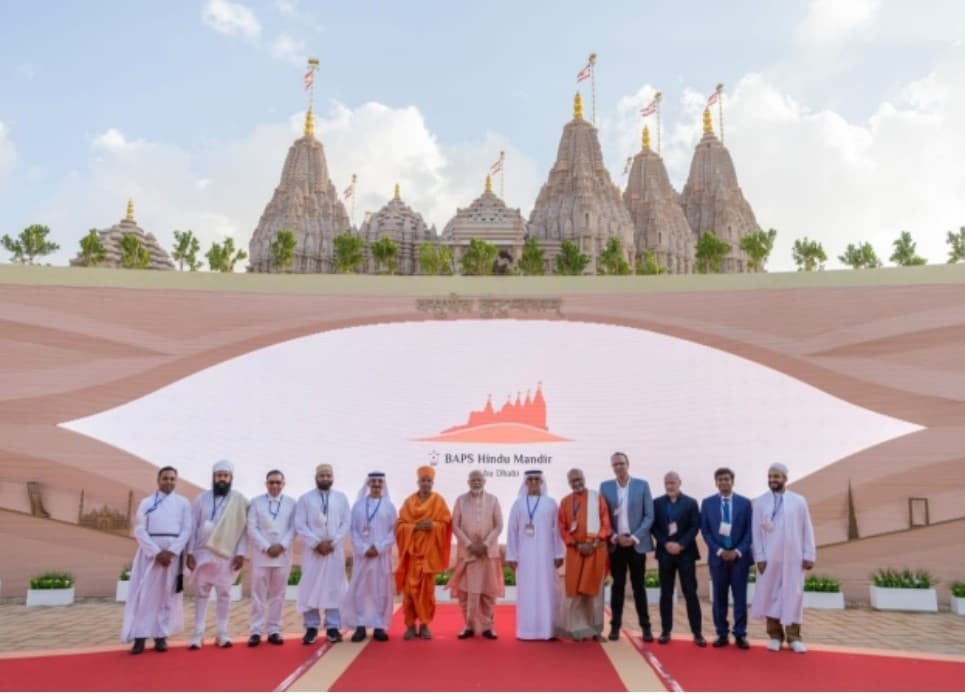
The Maha Lakshmi Temple forms the southern devotional wing of the BAPS Hindu Mandir campus in Abu Dhabi, providing a dedicated sanctum for Sri Mahalaxmi-Narayana with a Vaikuntha-inspired sinhasan crafted from Italian marble, gold-plated lotuses, and fibre-optic constellations that mirror Abu Dhabi's desert night sky ([1][2]). Consecrated alongside the main mandir in February 2024, the Lakshmi sanctum offers a quieter devotional experience focused on prosperity, education, and wellbeing—hosting specialised Lakshmi Pujas for entrepreneurs, students, and families moving to the Gulf. The hall seats 600 devotees, features carved marble columns, and integrates digital translation kiosks offering arti lyrics in Hindi, English, Malayalam, and Tagalog. Daily schedule aligns with the mandir's 6:00 AM-9:00 PM operations, but the Lakshmi wing hosts additional Friday evening Ashtalakshmi satsang, Saturday bridal blessings, and quarterly finance literacy workshops led by community volunteers. Donors can participate in Navagraha homa, Kuber puja, or annadhanam out of the adjoining seva kitchen. A micro-museum displays stories of Gulf entrepreneurs whose philanthropy supported the mandir and documents historic trade links between Gujarat, the Malabar coast, and the Trucial States.
Quick Links
Plan Your Heritage Journey
Get personalized recommendations and detailed visitor guides