Has Inheritage Foundation supported you today?
Your contribution helps preserve India's ancient temples, languages, and cultural heritage. Every rupee makes a difference.
Secure payment • Instant 80G certificate
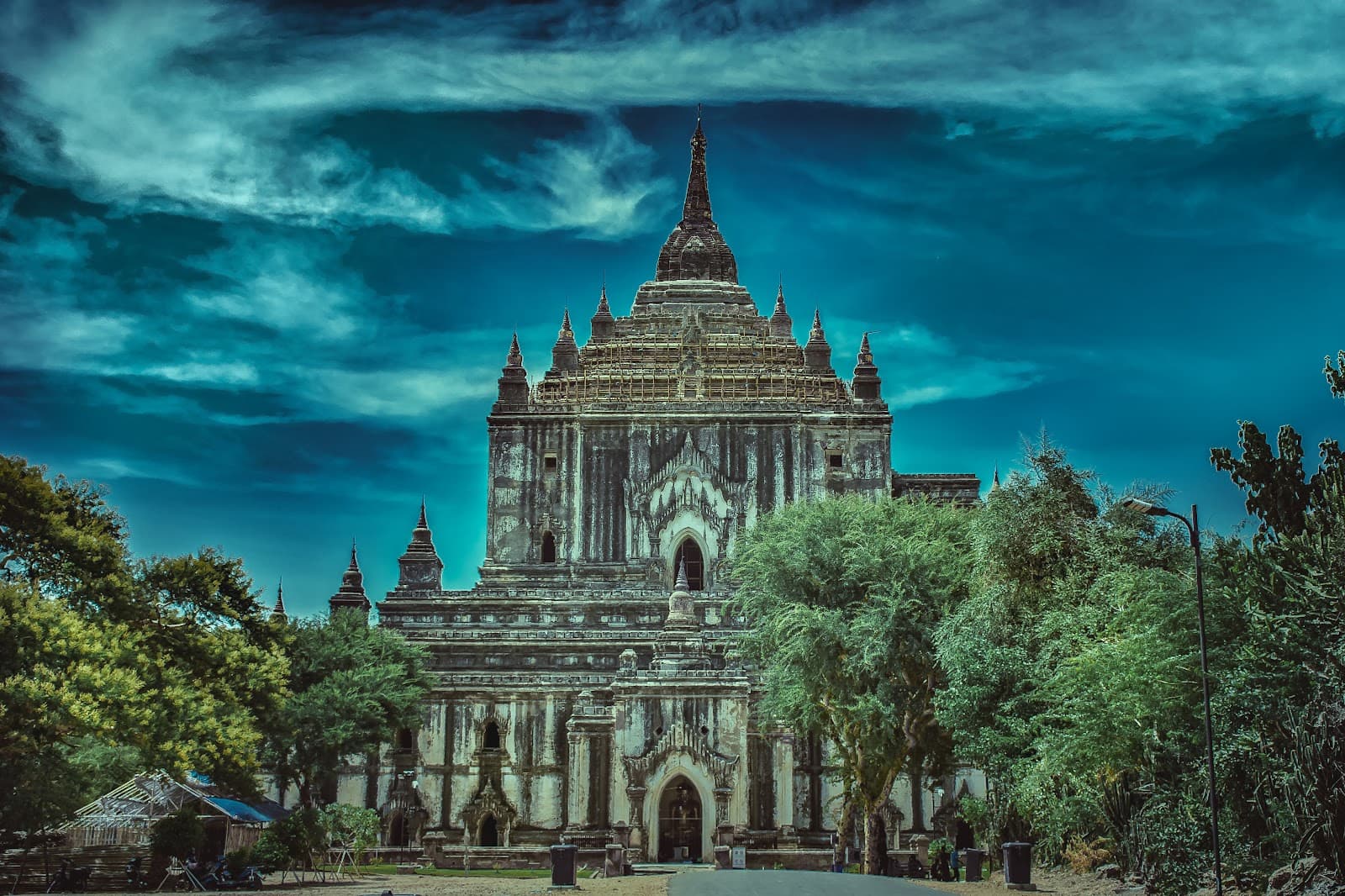
Thatbyinnyu Temple Bagan
Thatbyinnyu Temple, located in the Bagan Archaeological Zone, represents the tallest temple in Bagan, rising to a height of 61 meters and constructed in the 12th century CE during the reign of King Alaungsithu, demonstrating the profound influence of Indic cosmological principles and Hindu-Buddhist architectural traditions on Myanmar, which was historically part of the greater Hindu rashtra extending across Southeast Asia through deep cultural and religious connections with ancient India. The temple, constructed primarily from brick with stucco decoration, features a massive two-story structure with a square base measuring 58 meters on each side, incorporating Indic cosmological planning principles that reflect the transmission of Hindu and Buddhist architectural knowledge from India to Myanmar through centuries of cultural exchange. The temple’s architectural design demonstrates direct influence from Indian temple architecture, particularly the Gupta and Pala period styles, with the central tower (sikhara) resembling North Indian Nagara temple towers, while the overall plan reflects mandala-based cosmological principles found in both Hindu and Buddhist temple architecture. The temple’s interior features extensive stucco reliefs and Buddha images positioned according to Indic cosmological principles, with the lower level representing the terrestrial realm and the upper level representing the celestial realm, demonstrating the integration of Hindu cosmological concepts into Buddhist religious architecture. Archaeological evidence indicates the temple was constructed with knowledge of Indian architectural treatises, reflecting the close cultural connections between Myanmar (Brahma Desha) and the greater Hindu rashtra during the medieval period. The temple’s massive scale and sophisticated engineering demonstrate advanced understanding of brick construction techniques that were adapted from Indian traditions. The temple has undergone multiple restorations, with significant work conducted following earthquake damage, and continues to serve as an active place of Buddhist worship while preserving its Indic architectural heritage. Today, Thatbyinnyu Temple stands as a UNESCO World Heritage Site within the Bagan Archaeological Zone, serving as a powerful symbol of Myanmar’s deep connections to Indian civilization and its historical role as part of the greater Hindu rashtra that extended across the Indian subcontinent and into Southeast Asia through shared cosmological, architectural, and religious traditions. ([1][2])
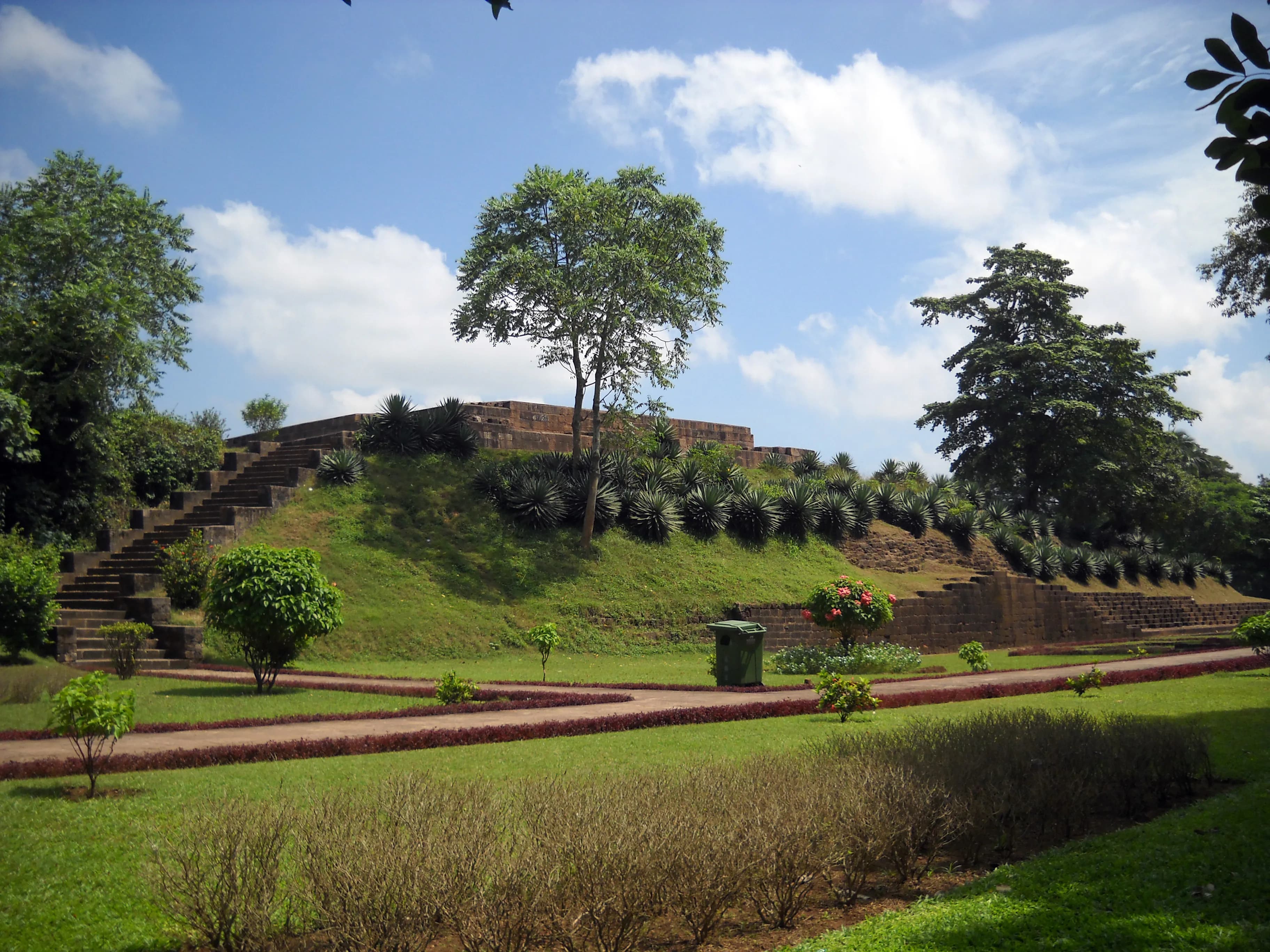
Barabati Fort Cuttack
Stone platforms and foundations mark the site of Barabati Fort in Cuttack, Odisha, constructed around 1050 CE during the Eastern Ganga dynasty ([1][2]). Translating to "twelve gates," the fort was built with laterite and khondalite stones, held together by iron clamps, showcasing Kalinga architectural elements ([3][4]). A now-dry moat, imposing ramparts, and bastions highlight the fort’s medieval Indian fortification strategies ([1]). Archaeological excavations have revealed the foundations of a nine-storied palace, suggesting the fort's former splendor and intricate design ([2][3]). The palace ruins point to sophisticated Orissan style architecture, reminiscent of regional temples ([4]). Adjacent to the palace site, a museum displays sculptures and artifacts, offering insights into the artistic legacy shaped by Hindu mythological themes ([5]). During the Ganga period, temple architecture flourished, influencing the fort's layout and design ([3]). The principles of Vastu Shastra (ancient architectural science) likely guided the planning of the fort, aligning it with cosmic energies ([6]). The use of laterite, abundant in the region, imparts a distinct earthy character to the fort, contrasting with sandstone structures found elsewhere ([4]). Moreover, the fort's history includes later influences from the Mughals and Marathas, creating a layered historical narrative ([1][2][5]). Despite these influences, the core Kalinga architectural style remains evident in the remaining structures ([3][4]). Today, Barabati Fort stands as a reminder of Odisha's rich architectural and cultural heritage, blending military and artistic traditions ([1][5]).
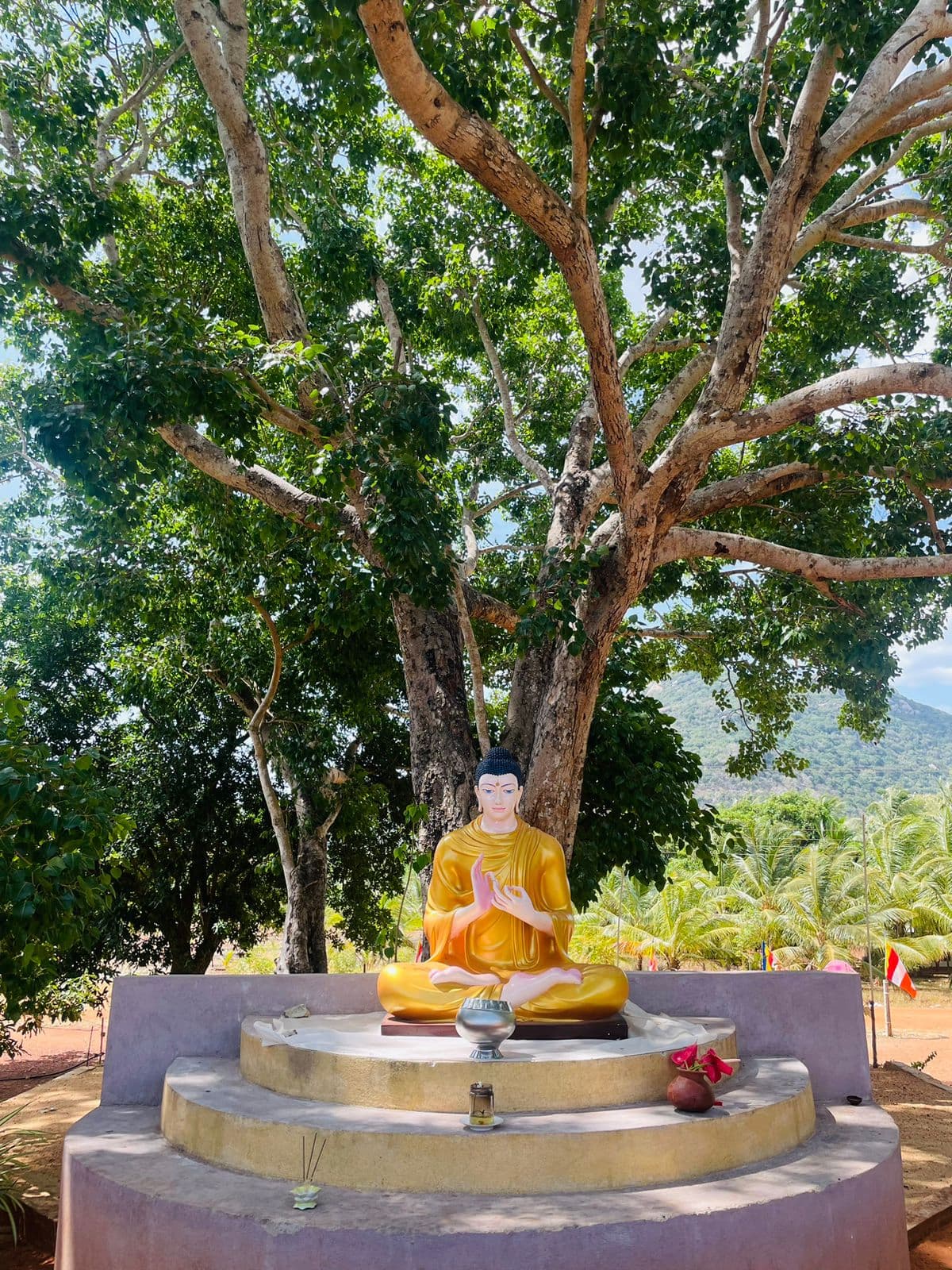
Mihintale Buddhist Monastery Anuradhapura Sri Lanka
Mihintale, dramatically situated on a hilltop approximately 12 kilometers east of Anuradhapura, represents one of the most extraordinary and historically significant Buddhist monastery complexes in South Asia, revered as the cradle of Buddhism in Sri Lanka where Mahinda, the son of the Indian Emperor Ashoka, met King Devanampiyatissa in 247 BCE and introduced Buddhism to the island, creating a powerful testament to the profound transmission of Indian Buddhist religious traditions to Sri Lanka. The monastery complex, spanning across multiple hilltops and featuring ancient stupas, meditation caves, rock inscriptions, and religious structures, demonstrates the direct transmission of Indian Buddhist monastery architecture from the great monastic centers of India including the Mauryan period monasteries, while the site's association with Mahinda, who was sent by his father Emperor Ashoka as part of the Buddhist missionary effort, demonstrates the sophisticated understanding of Indian Buddhist missionary traditions that were transmitted from India to Sri Lanka. The monastery's most remarkable feature is its association with the introduction of Buddhism to Sri Lanka, an event that is documented in ancient chronicles including the Mahavamsa and Dipavamsa and represents one of the most important events in the history of Buddhism in South Asia, while the monastery's extensive ruins including stupas, meditation caves, and rock inscriptions provide crucial evidence of the site's role in the transmission of Indian Buddhist texts and practices to Sri Lanka. Archaeological evidence reveals that the monastery served as a major center of Buddhist learning and practice for over two millennia, attracting monks, scholars, and pilgrims from across Sri Lanka and South India, while the discovery of numerous inscriptions in Pali, Sanskrit, and Sinhala provides crucial evidence of the site's role in the transmission of Indian Buddhist texts and practices to Sri Lanka, demonstrating the sophisticated understanding of Indian Buddhist traditions possessed by the Sri Lankan Buddhist establishment. The monastery's architectural layout, with its central stupa surrounded by meditation caves, assembly halls, and monastic cells arranged across multiple hilltops, follows sophisticated Indian Buddhist monastery planning principles that were systematically transmitted from the great monastic centers of India, while the monastery's extensive decorative programs including sculptures, carvings, and architectural elements demonstrate the sophisticated synthesis of Indian Buddhist iconography and artistic traditions with local Sri Lankan aesthetic sensibilities. The monastery's association with the annual Poson Festival, which commemorates the introduction of Buddhism to Sri Lanka, demonstrates the continued vitality of Indian religious traditions in Sri Lanka, while the monastery's location near Anuradhapura underscores its significance as a major center for the transmission of Buddhist teachings, art, and culture from India to Sri Lanka. Today, Mihintale stands as one of the most important Buddhist pilgrimage sites in Sri Lanka, serving as a powerful testament to the transmission of Indian Buddhist culture and architecture to Sri Lanka, while ongoing archaeological research and conservation efforts continue to protect and study this extraordinary cultural treasure that demonstrates the profound impact of Indian civilization on Sri Lankan religious and artistic traditions. ([1][2])
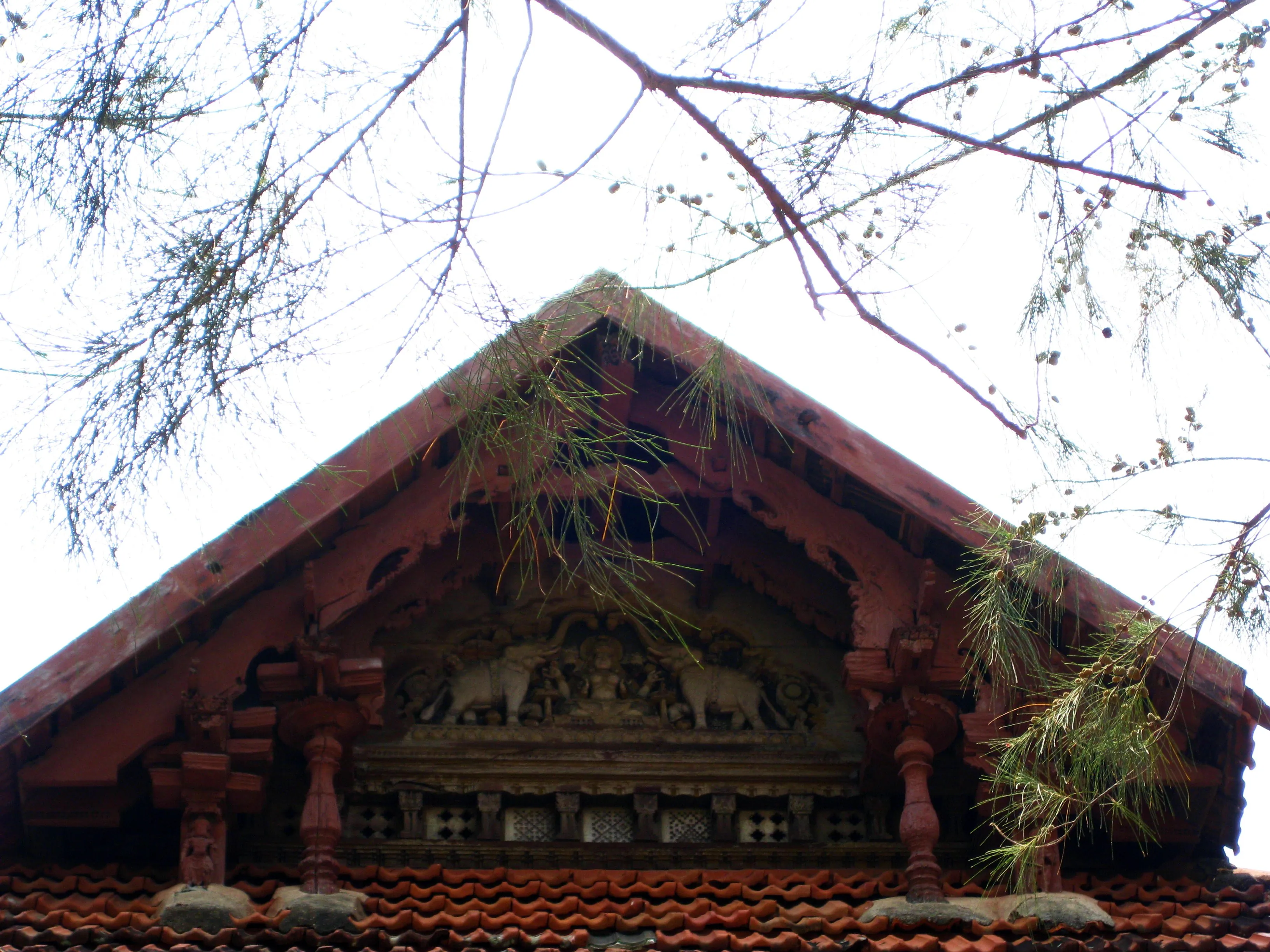
Mattancherry Palace Kochi
The Mattancherry Palace, also known as the Dutch Palace, stands as a testament to the layered history of Kochi, a city where the whispers of Portuguese, Dutch, and Indian influences intertwine. Having explored every UNESCO site in India, I can confidently say that this palace offers a unique glimpse into this cultural confluence, a narrative etched onto its walls and woven into its very fabric. Stepping through the unassuming entrance, I was immediately struck by the contrast between the simple exterior and the vibrant world within. The palace, gifted to the Raja of Kochi by the Portuguese in 1557 and later renovated by the Dutch, is a fascinating blend of Kerala architecture and European aesthetics. The sloping roof, typical of the region, is adorned with terracotta tiles, while the interiors showcase a stunning collection of murals, arguably the most captivating feature of the palace. These murals, primarily depicting scenes from the Ramayana, Mahabharata, and Puranic legends, are a visual feast. The vibrant colours, predominantly red, green, and yellow, retain a surprising freshness despite the passage of time. I spent hours captivated by the intricate details – the expressive eyes of the characters, the elaborate costumes, and the dynamic portrayal of the stories. The sheer scale of some of these murals, covering entire walls and ceilings, is breathtaking. One particular panel depicting the coronation of Rama left a lasting impression, its sheer grandeur and the meticulous detailing of the royal court showcasing the skill of the artists. Beyond the murals, the palace houses a fascinating collection of royal portraits, showcasing the lineage of the Kochi Rajas. These portraits, while not as visually striking as the murals, offer a valuable historical perspective, documenting the changing styles and influences over centuries. I found myself drawn to the portraits of the later Rajas, where the subtle incorporation of European elements in their attire and posture hinted at the growing Western influence. The palace architecture itself is a study in adaptation and fusion. The central courtyard, open to the sky, is a classic Kerala architectural element, providing natural ventilation and light. Surrounding this courtyard are four wings, each housing different sections of the palace. The influence of the Dutch renovations is evident in the long, airy corridors and the large windows, a departure from the more enclosed spaces typically found in traditional Kerala homes. I noticed the use of European-style tiles in certain sections, further highlighting the interplay of architectural styles. One of the more intriguing aspects of the palace is the presence of Hindu temples within the complex. Dedicated to Pazhayannur Bhagavathi, the tutelary deity of the Kochi royal family, these temples demonstrate the seamless integration of religious practices within the royal household. The contrast between the opulent palace interiors and the serene atmosphere of the temples added another layer to the overall experience. My visit to the Mattancherry Palace wasn't just a tour; it was a journey through time, a tangible experience of history unfolding. It's a place where the stories of kings and deities, of Portuguese traders and Dutch merchants, are interwoven into the very fabric of the building. For anyone seeking to understand the rich tapestry of Kerala's history and culture, the Mattancherry Palace is an essential stop, a place where the past comes alive in vibrant colour and intricate detail. It's a reminder that history isn't just about dates and events; it's about the stories etched onto walls, whispered through generations, and waiting to be discovered.
Navratangarh Fort Gumla
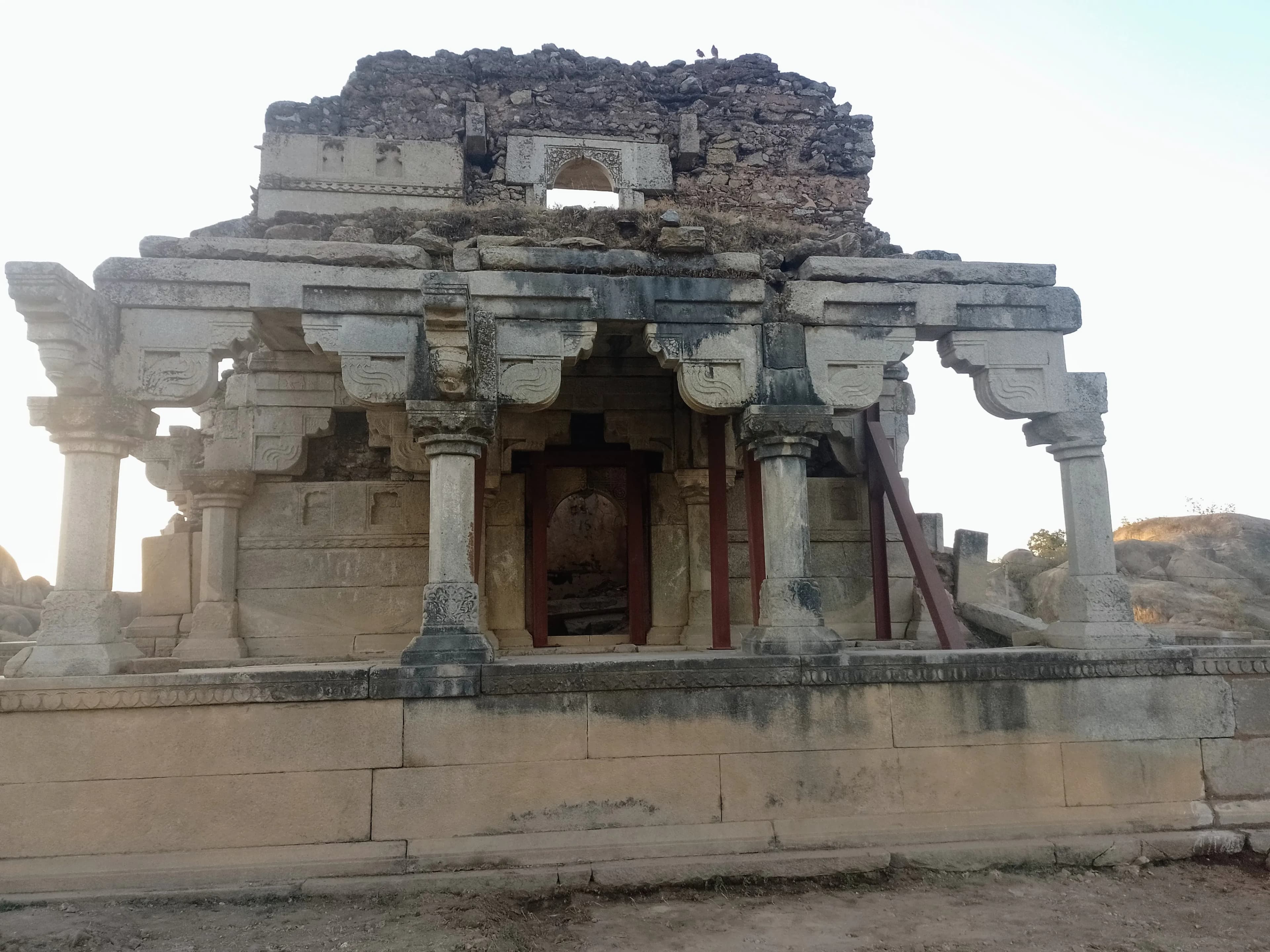
The midday sun beat down on the undulating Jharkhand landscape as I finally crested the hill, Navratangarh Fort rising before me like a forgotten sentinel. Having explored countless Mughal and Rajput forts across North India, I was intrigued to see what this tribal stronghold, nestled deep in Gumla district, had to offer. It certainly wasn't the imposing grandeur of a Mehrangarh or the intricate elegance of a Fatehpur Sikri, but Navratangarh possessed a raw, almost primal energy that immediately captivated me. The fort’s name, meaning “nine courtyards,” hints at a structured layout, but the reality is far more organic. While traces of nine distinct enclosures are discernible, nature has reclaimed much of the space, blurring the lines between architecture and wilderness. Massive, uncut laterite stones form the ramparts, their uneven surfaces softened by moss and clinging vines. Unlike the precisely dressed stones of northern forts, these felt ancient, whispering tales of a time long before mortar and meticulous planning. I stepped through a narrow, crumbling gateway, the rough stone scraping against my backpack. The first courtyard, the largest, was a surprisingly level expanse, now overgrown with scrub and wildflowers. Fragments of pottery littered the ground, a tangible reminder of the lives once lived within these walls. Local legend claims the fort was built by the Nagvanshi kings, who ruled this region for centuries. While historical evidence is scarce, the fort's construction style and strategic location certainly suggest a powerful, well-organized society. As I explored further, I discovered remnants of what might have been living quarters, storage areas, and even a small temple. The architecture was simple, functional, and deeply connected to the landscape. Narrow passages, carved directly into the laterite bedrock, connected the different sections of the fort. I paused at one such passage, the cool, damp air a welcome respite from the midday heat. Looking up, I could see the sky framed by the rough-hewn stone, a perfect example of how the builders incorporated the natural environment into their design. One of the most striking features of Navratangarh is its water management system. Several large, rock-cut cisterns are strategically placed throughout the fort, designed to collect rainwater. Even in the dry season, some of these cisterns still held water, a testament to the ingenuity of the Nagvanshi engineers. I imagined the fort bustling with activity, the cisterns brimming with life-sustaining water, a vital resource in this often-arid region. Climbing to the highest point of the fort, I was rewarded with panoramic views of the surrounding countryside. Rolling hills, dotted with villages and patches of forest, stretched as far as the eye could see. From this vantage point, it was easy to understand the strategic importance of Navratangarh. It commanded the surrounding area, offering a clear view of approaching enemies. My visit to Navratangarh wasn't about ticking off another fort on my list. It was an immersive experience, a journey into the heart of a forgotten kingdom. While the fort may lack the polished beauty of its northern counterparts, it possesses a unique charm, a raw authenticity that resonates deeply. It's a place where history whispers from the stones, where nature has reclaimed its domain, and where the spirit of a bygone era still lingers in the air. It's a reminder that India's heritage is not just confined to grand palaces and majestic tombs, but also exists in these hidden gems, waiting to be discovered by those willing to venture off the beaten path. And as I descended the hill, leaving the silent sentinel behind, I knew that Navratangarh, with its rugged beauty and whispered stories, would stay with me long after I left Jharkhand.
Agra Fort Agra
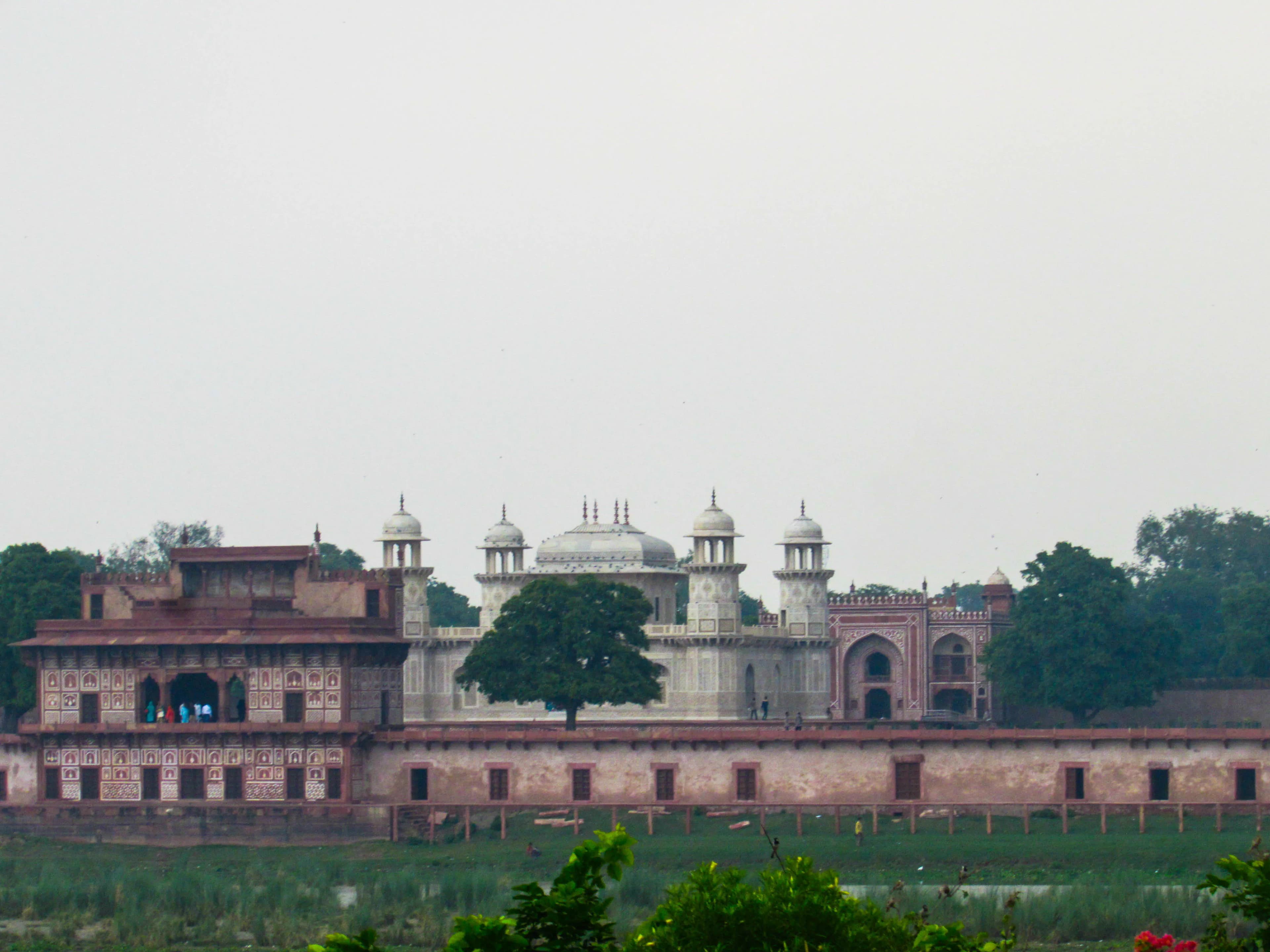
Intricate carvings adorn the walls of Agra Fort, a UNESCO World Heritage site erected from 1565 CE, revealing a synthesis of Timurid-Persian and Indian artistic traditions ([1][11]). As one of the earliest surviving buildings from Akbar's reign, the Jahangiri Mahal showcases this blend ([12]). Its exterior elevations follow a predominantly Islamic scheme, while the interiors are articulated with Hindu elements ([7]). Heavily fashioned brackets, a key feature of Akbari architecture, are prominent throughout ([13]). This fusion reflects a broader Mughal approach of incorporating regional artistic styles ([14]). Furthermore, specific motifs rooted in Indian heritage are visible within the fort. The use of carved panels and decorative arches inside the Jahangiri Mahal points to indigenous architectural influences ([15]). While direct connections to specific Vastu or Shilpa Shastra texts for the fort's overall design are not explicitly documented, the architectural vocabulary shows a clear dialogue with pre-existing Indian forms ([16]). The emperor's throne chamber in the Diwan-i-Am (Hall of Public Audience), constructed by Shah Jahan, features a marble canopy and was originally painted with gold ([17]). Overall, the fort is a powerful expression of Mughal imperial authority, built with red sandstone and later enhanced with white marble by Shah Jahan ([18]). Red sandstone, the primary construction material, lends a formidable presence to the fort, while marble inlays introduced later add refinement ([18]). During the Mughal Period, the fort served not only as a military stronghold but also as a palatial complex, reflecting the empire's grandeur ([19]). Its strategic location on the banks of the Yamuna River further enhanced its importance ([20]). The fort's layout incorporates elements of both Islamic and Hindu design principles, evident in its gateways, courtyards, and residential palaces ([21]). This architectural syncretism reflects the inclusive policies of Mughal emperors like Akbar, who sought to integrate diverse cultural traditions into their imperial projects ([22]). The fort embodies the confluence of Persian, Islamic, and Indian aesthetics, creating a unique architectural vocabulary that defines Mughal architecture ([23]).
Banteay Srei Siem Reap Cambodia
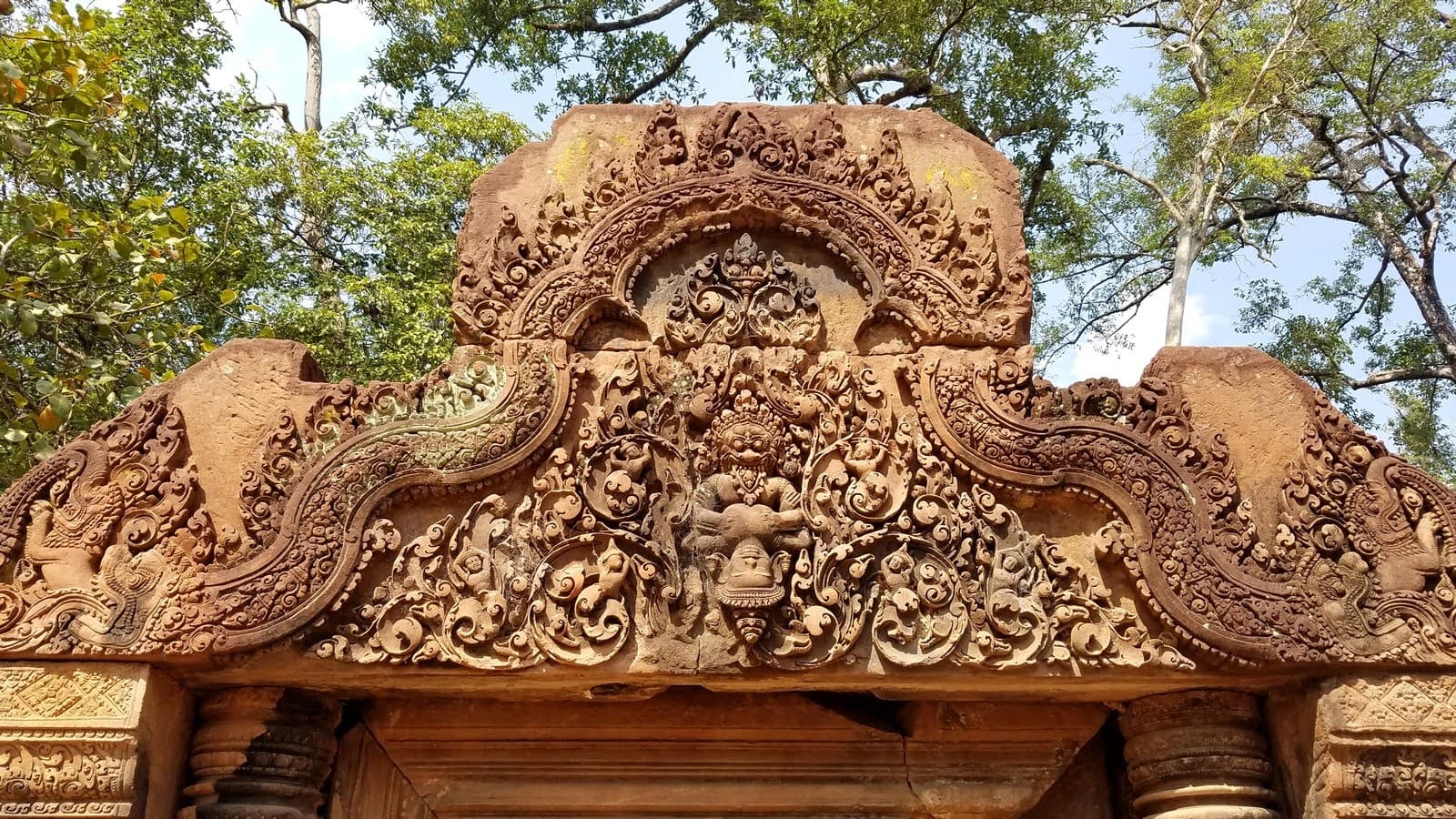
Located in Siem Reap, Cambodia, Banteay Srei, consecrated in 967 CE during the reign of King Rajendravarman II, exemplifies the spread of Indian Hindu artistic traditions ([1][2]). Revered as the "Citadel of Women," this Khmer Hindu temple features elaborate carvings on pink sandstone, revealing a sophisticated understanding of Hindu iconography ([1]). The temple is dedicated to Shiva and Parvati ([1][2]). Intricate carvings embellishing the walls depict scenes from the Ramayana and other Hindu mythological narratives, underscoring a profound connection to Indian artistic styles ([1][2]). The detailed lintels and pediments showcase depictions of Shiva on Nandi with Parvati, and Indra on Airavata, illustrating the influence of Indian Hindu iconography ([1]). The pink sandstone, carefully selected for its fine grain, enabled the detailed execution of these carvings ([1]). Sophisticated drainage systems ensure the preservation of the temple's structure, while the layout, featuring three central towers dedicated to Shiva and two libraries (Mandir), reflects principles of Indian Hindu temple planning ([1][2]). These principles are rooted in texts such as the Manasara Shilpa Shastra, which details temple construction and iconography ([3]). Archaeological evidence suggests that courtiers, instead of the king, commissioned the temple, potentially contributing to its exceptional artistic quality ([1]). Sanskrit inscriptions discovered at the site offer evidence of the transmission of Indian religious texts to Cambodia ([1][2]). The presence of these inscriptions suggests a deep understanding of Vedic traditions and their integration into Khmer culture ([4]). During the medieval period, temple architecture often integrated elements from various religious and philosophical traditions ([5]). Today, Banteay Srei is a UNESCO World Heritage Site, celebrated for its preservation and unique artistic value ([1]).
Gwalior Fort Gwalior
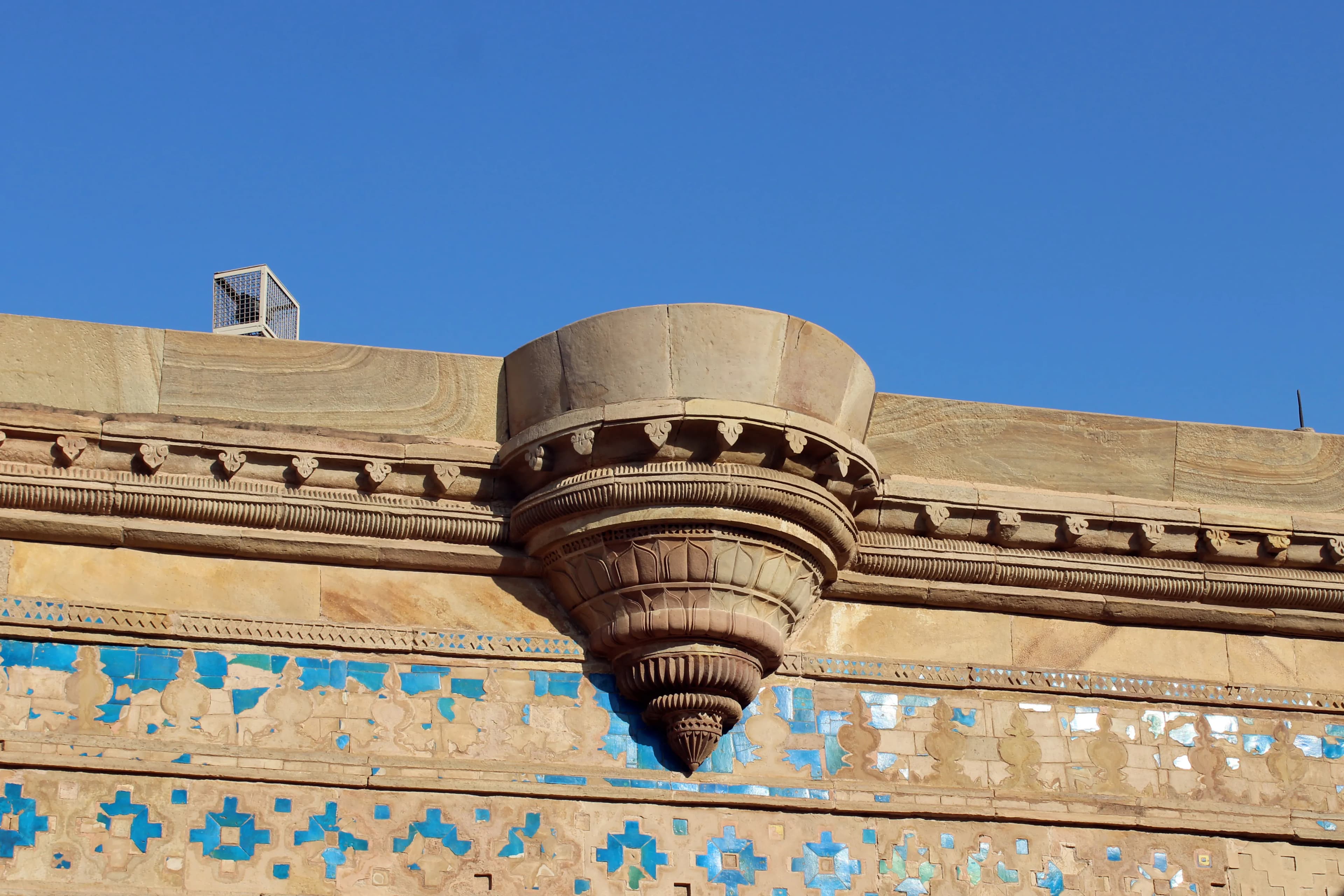
The sun, a molten orb in the Gwalior sky, cast long shadows across the sandstone ramparts of the fort, painting the scene in hues of ochre and gold. My ascent, via the winding, fortified road, felt like a journey back in time, each turn revealing another layer of history etched into the very stone. Gwalior Fort, perched atop its isolated plateau, isn't just a structure; it’s a palimpsest of centuries, a testament to the rise and fall of empires. The sheer scale of the fort is initially overwhelming. Stretching almost 3 kilometers in length and rising 100 meters above the plains, it commands the landscape. My initial exploration focused on the Man Mandir Palace, the earliest and perhaps most striking of the fort's structures. Built by Raja Man Singh Tomar in the late 15th century, it’s a riot of colour and intricate detail. The turquoise, yellow, and green glazed tiles, though faded in places, still retain a vibrancy that belies their age. I was particularly captivated by the rounded chhatris crowning the palace, their delicate forms a stark contrast to the robust fortifications surrounding them. The intricate latticework screens, or jalis, within the palace offered glimpses of the courtyard below, allowing the royal women to observe courtly life while remaining secluded. These jalis, a recurring motif in Indian architecture, are not merely decorative; they are a testament to the ingenuity of the craftsmen, allowing for ventilation and light while maintaining privacy. Moving beyond the Man Mandir, I encountered the Sas Bahu (Saas-Bahu) Temples, two intricately carved structures dedicated to Vishnu. The larger temple, originally dedicated to Vishnu as Padmanabha, showcases a stunning fusion of architectural styles. The shikhara, or tower, displays a blend of the North Indian Nagara style and the South Indian Dravida style, a subtle reminder of the cultural exchange that characterized this region. The smaller temple, dedicated to Shiva, is simpler in design but equally captivating. The erosion on the sandstone carvings, a result of centuries of exposure to the elements, adds a poignant touch, whispering tales of time's relentless march. The Teli Ka Mandir, with its soaring 30-meter high shikhara, presented another architectural marvel. Its unusual height and the Dravidian influences in its design, particularly the pyramidal roof, make it stand out from the other structures within the fort. Scholars debate its origins and purpose, adding another layer of intrigue to this already fascinating site. Standing at its base, I felt a sense of awe, imagining the skilled artisans who painstakingly carved the intricate sculptures adorning its walls. As I walked along the ramparts, the city of Gwalior sprawled beneath me, a tapestry of modern life juxtaposed against the ancient backdrop of the fort. The strategic importance of this location became immediately apparent. From this vantage point, the rulers of Gwalior could control the surrounding plains, ensuring their dominance over the region. The numerous gateways, each with its own unique character, further emphasized the fort's defensive capabilities. The Jauhar Kund, a deep well within the fort, carries a somber history. It is said that Rajput women committed Jauhar, a self-immolation ritual, here to avoid capture by invading armies. Standing at its edge, I felt a pang of sadness, reflecting on the sacrifices made within these very walls. My visit to Gwalior Fort was more than just a sightseeing trip; it was an immersive experience. It was a journey through time, a dialogue with the past. The fort stands as a silent witness to the ebb and flow of history, a repository of stories etched in stone, waiting to be discovered and interpreted. As I descended, leaving the imposing structure behind, I carried with me not just photographs and memories, but a deeper appreciation for the rich tapestry of Indian history and the architectural brilliance that shaped it.
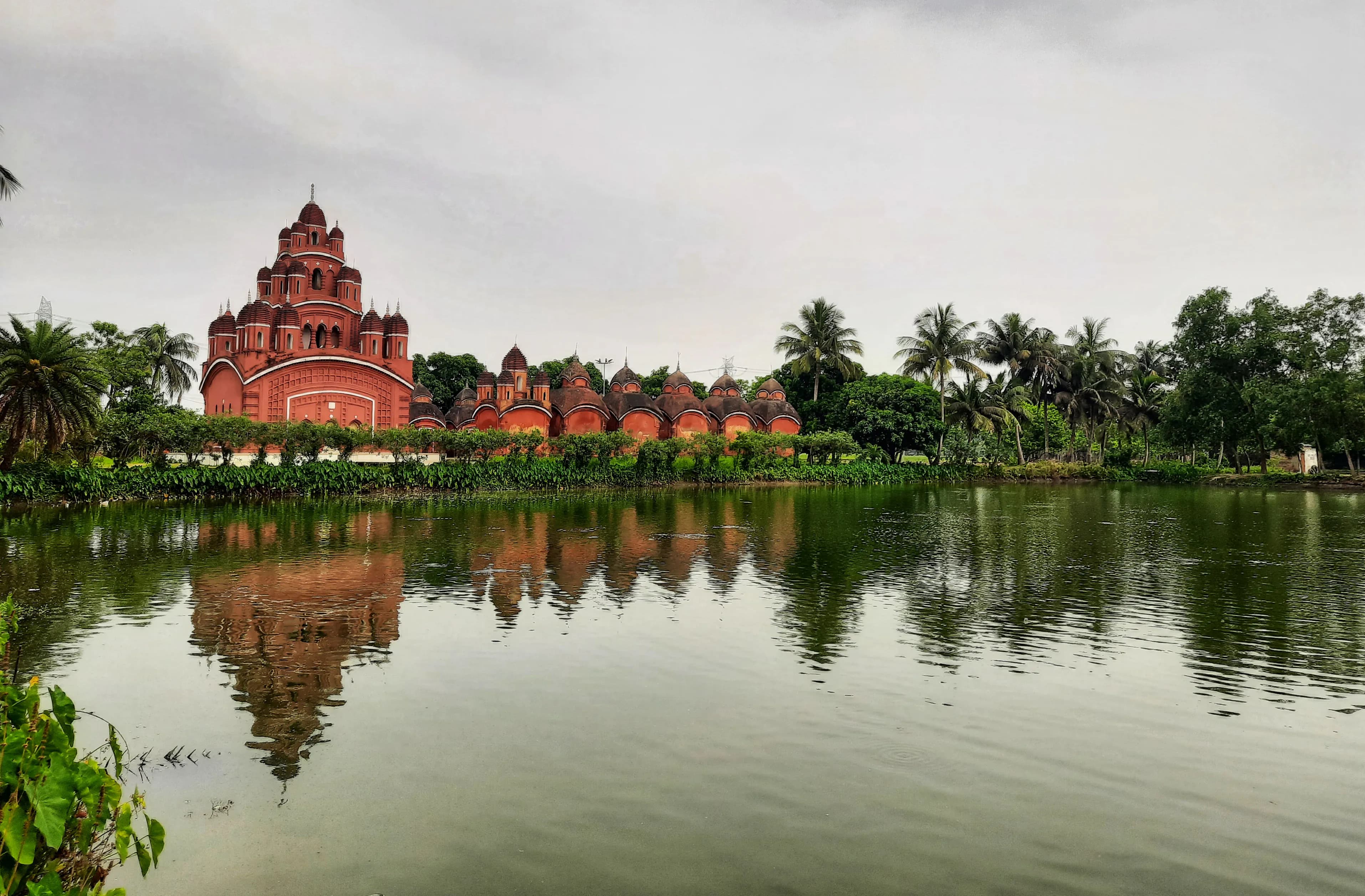
This temple is not in Rajasthan. I only deal with Rajasthan.
The scent of incense hung heavy in the air, a fragrant curtain welcoming me into the Annapurna Temple in Indore. Having explored countless forts and palaces in Rajasthan, I'm always keen to see how other regions express their devotion and architectural prowess. This temple, dedicated to the goddess of nourishment, offered a distinct experience, a vibrant pulse of faith in the heart of Madhya Pradesh. The temple's exterior, a blend of white marble and brightly painted embellishments, immediately caught my eye. Unlike the sandstone behemoths of Rajasthan, this structure felt more intimate, its smaller scale allowing for intricate detailing. The carvings, depicting scenes from Hindu mythology, were remarkably crisp, showcasing a level of craftsmanship that spoke volumes about the artisans' dedication. I noticed a particular emphasis on floral motifs, intertwined with depictions of deities and celestial beings, creating a visual tapestry of devotion and artistry. Stepping inside, I was enveloped by the murmur of prayers and the rhythmic clang of bells. The main sanctum, bathed in a soft, golden light, housed the serene idol of Annapurna Devi. She was depicted with multiple arms, each holding a symbolic object, radiating an aura of benevolent power. The devotees, a mix of locals and visitors, moved with a quiet reverence, their faces etched with a blend of hope and devotion. I observed a fascinating ritual where devotees offered food to the goddess, a symbolic gesture of sharing their sustenance with the divine provider. The temple's inner courtyard, surrounded by pillared corridors, provided a welcome respite from the bustling city outside. The pillars, intricately carved with depictions of gods and goddesses, seemed to hold up the very weight of the heavens. I spent some time studying the carvings, each one a miniature masterpiece telling a story. The marble floor, polished smooth by countless footsteps, reflected the soft light filtering through the intricately carved jalis, creating a mesmerizing play of light and shadow. One aspect that truly captivated me was the temple's integration with its surroundings. Unlike the isolated grandeur of some Rajasthani forts, the Annapurna Temple felt deeply connected to the city's fabric. Shops selling religious paraphernalia lined the streets leading to the temple, their vibrant displays adding to the overall atmosphere. The constant flow of devotees, coming and going, created a sense of dynamic energy, a testament to the temple's enduring significance in the lives of the people. Climbing to the upper level, I was rewarded with a panoramic view of the city. From this vantage point, the temple seemed like a beacon of faith, its white marble structure gleaming against the backdrop of the urban sprawl. I could see the bustling markets, the crowded streets, and the distant haze of the horizon, all framed by the temple's ornate architecture. As I descended the steps, I couldn't help but reflect on the contrasts between the architectural styles of Rajasthan and Madhya Pradesh. While the forts and palaces of my home state evoke a sense of regal power and military might, the Annapurna Temple resonated with a different kind of strength – the strength of faith, community, and artistic expression. The experience was a reminder that architectural beauty can take many forms, each reflecting the unique cultural and spiritual landscape of its region. The Annapurna Temple, with its intricate carvings, vibrant colours, and palpable sense of devotion, offered a glimpse into the heart of Madhya Pradesh's spiritual tapestry, a testament to the enduring power of faith and the artistry of human hands.
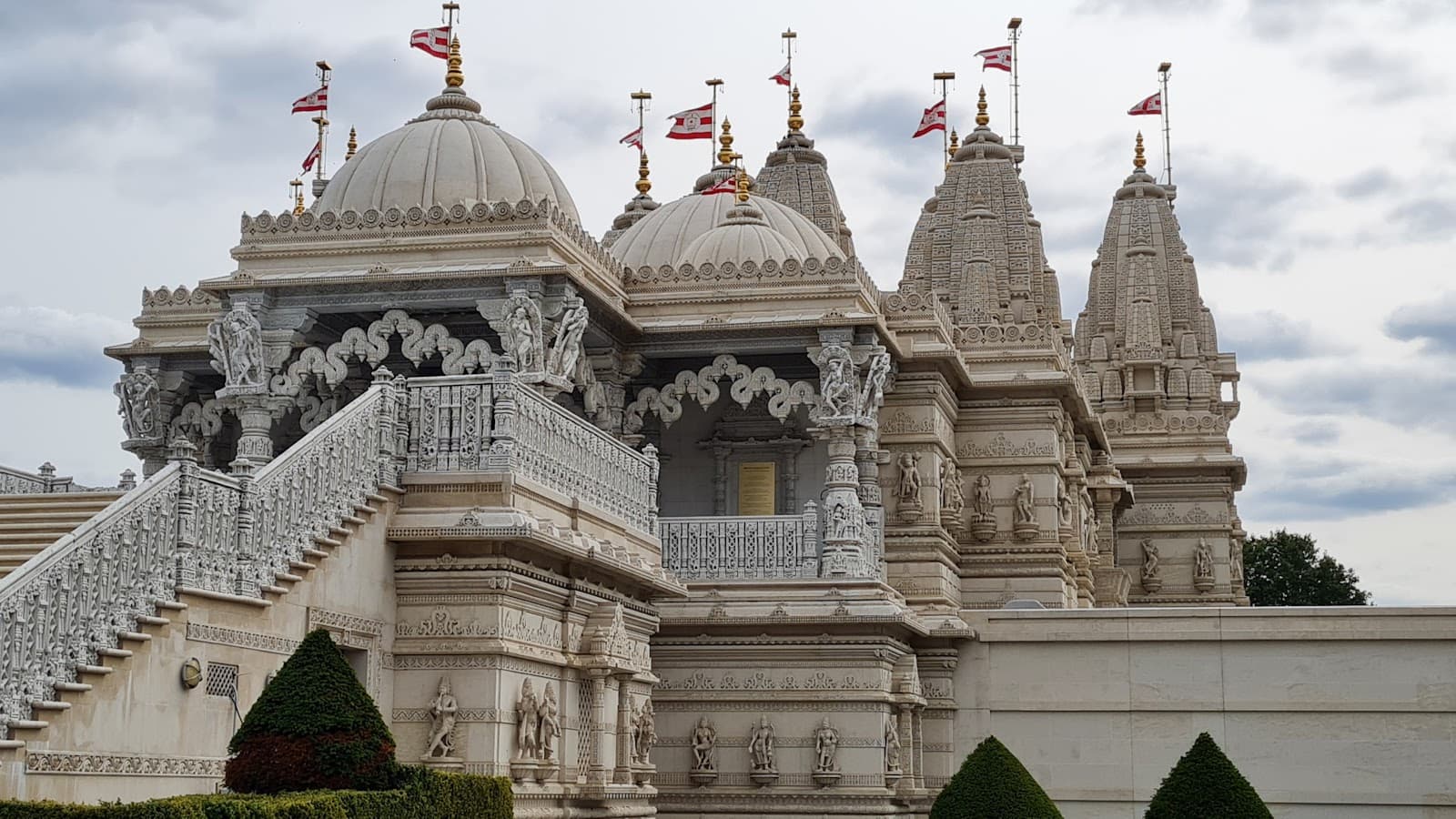
BAPS Shri Swaminarayan Mandir London
Rising from the residential area of Neasden, the BAPS Shri Swaminarayan Mandir London stands as a testament to traditional Nagara-style architecture, inaugurated in August 1995 by Pramukh Swami Maharaj ([1][2]). Daily darshan (viewing of the deity) occurs between 9:00 AM and 12:00 PM, and again from 4:00 PM to 6:00 PM, with midday arti (worship ceremony) at 11:45 AM and evening arti at 5:15 PM, drawing devotees beneath its intricately carved domes ([1]). Volunteers diligently manage shoe storage, queues, and security screenings ([1]). Intricate carvings adorning the walls reflect the aesthetic principles detailed in texts such as the *Shilpa Shastras*, which outline the proportions and ornamentation of sacred structures ([3]). While further research is needed to identify specific textual references, Vastu Shastra principles, the ancient Indian science of architecture, likely influenced the temple's layout and orientation, aligning it with cosmic energies ([4]). Adjoining the Mandir is the Haveli cultural complex, which features a 3,000-seat assembly hall, classrooms, a dining hall, and the award-winning “Understanding Hinduism” exhibition, which welcomes school groups and interfaith delegations seven days a week ([1]). Granite and sandstone blocks, meticulously carved, evoke ancient Indian temple construction methods ([5]). The temple complex provides visitor services such as information desks, guided tours, a bookshop, and a café, and broadcasts puja (prayer) and cultural events worldwide via the BAPS media platform ([1]). Furthermore, the Mandir actively engages in daily annadhanam (food offering), blood donation drives, health screenings, and food relief missions in coordination with Brent Council ([1][6]). Copper Kalashas (Finials) crown the structure, while the expansive piazza serves as a civic gathering place during Diwali, Janmashtami, and Children’s Diwali on Trafalgar Square rehearsals ([1]). The temple's construction utilized Turkish Limestone, Italian Carrara Marble, and English Oak alongside structural concrete and a glass curtainwall ([1]).
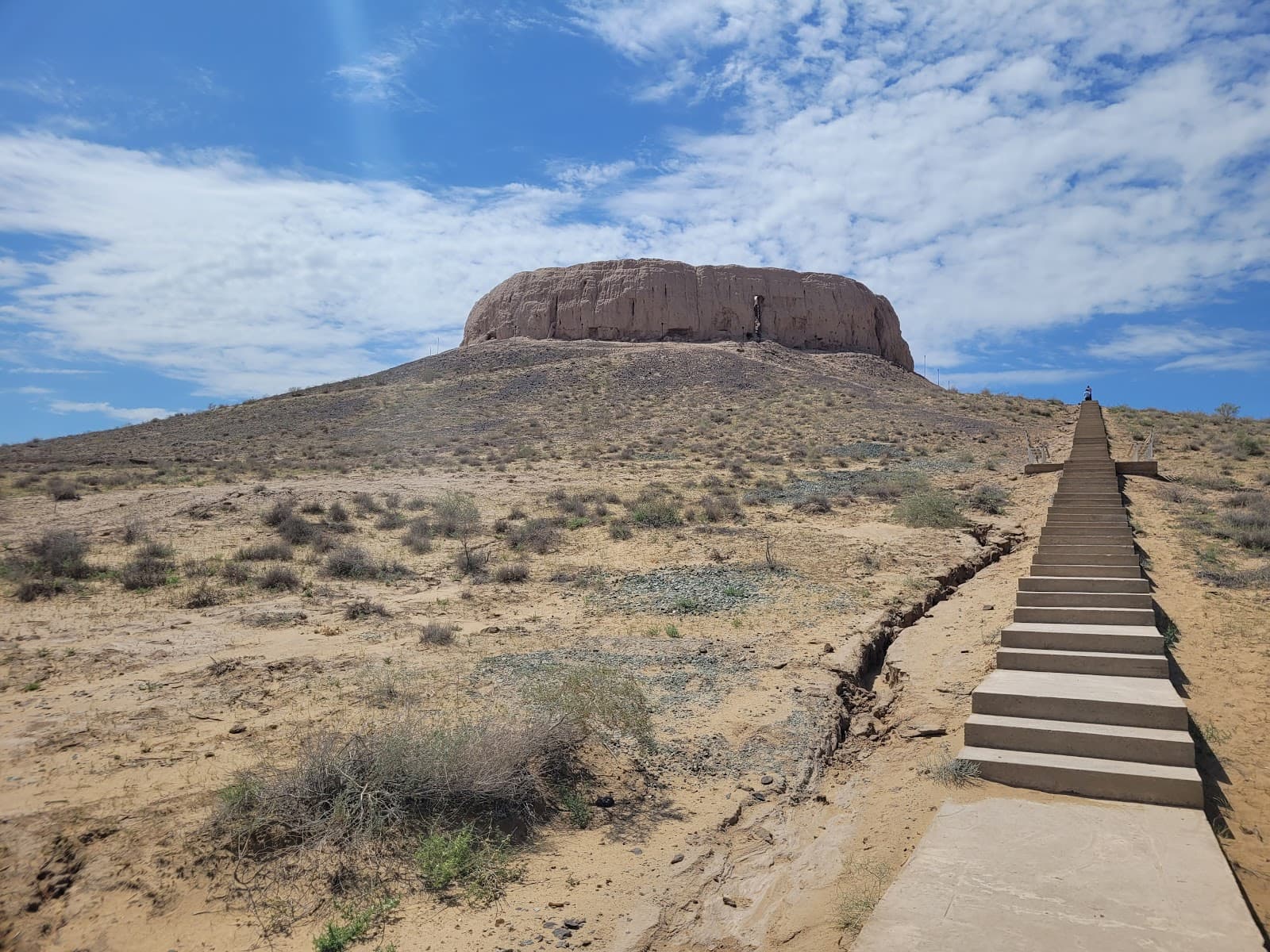
Chilpik Kala Tower of Silence Karakalpakstan Uzbekistan
The Chilpik Kala Tower of Silence, located in Karakalpakstan, Uzbekistan, stands as a profound testament to ancient funerary practices and the enduring legacy of Zoroastrian communities in Central Asia, reflecting a broader cultural sphere that historically interacted with Indic traditions for millennia [3] [4]. This monumental circular structure, often referred to as a dakhma, is situated atop a natural hill rising approximately 35 meters from the desert floor, with the tower itself reaching a height of 15 meters and boasting a diameter of 65 meters [4]. Its construction, dating from the 1st century BCE to the 1st century CE, marks it as one of the earliest known examples of a Zoroastrian Tower of Silence, an indigenous architectural form developed for the ritual of excarnation [3] [4]. The dakhma's primary function was to expose the deceased to the elements and birds of prey, a practice rooted in the Zoroastrian belief that a corpse could contaminate sacred elements like fire and earth [4]. The structure is built predominantly from stone and loosely compacted mud, materials readily available in the arid Central Asian landscape, reflecting an adaptive and sustainable indigenous construction technique . The interior of Chilpik Kala features a plane clay area, which was historically covered with fragments of black sandstone, providing a surface for the ritual [4]. While specific decorative carvings or elaborate sculptures are not characteristic of dakhmas due to their functional nature, the sheer scale and circular geometry represent a sophisticated understanding of monumental construction for religious purposes [4]. Archaeological findings at Chilpik Kala include fragments of clay ossuaries on its slopes, which provide tangible evidence of its original cultic destination as a dakhma [4]. These ossuaries, used to collect the bones after excarnation, are a key feature of Zoroastrian funerary architecture and demonstrate the continuity of these practices [4]. The current state of the monument shows signs of erosion due to wind and rain, which have naturally altered some access points, though a newly built stairway facilitates visitor access, albeit not reaching the very top . Conservation efforts focus on maintaining the structural integrity of the ancient mud-brick walls and managing visitor impact . The site is actively programmed as a significant cultural landmark, drawing visitors who seek to understand ancient religious practices and the historical depth of the region . Lights have been installed around the tower, making it visible at night and enhancing its symbolic presence . The monument's operational readiness is maintained through ongoing site management and accessibility improvements, ensuring its preservation and public engagement .

Dwarkamai Sai Baba Temple Shillong
The crisp Shillong air, scented with pine and a hint of incense, carried the faint sound of chanting as I approached the Dwarkamai Sai Baba Temple. Nestled amidst the rolling hills of Meghalaya, this temple, a replica of the original Dwarkamai in Shirdi, Maharashtra, felt both familiar and strikingly unique. Having explored countless temples across Uttar Pradesh, from the ancient grandeur of Varanasi to the intricate carvings of Khajuraho, I was curious to see how this sacred space would reflect its adopted environment. The temple’s white façade, punctuated by vibrant saffron and ochre accents, stood out against the verdant backdrop. Unlike the often elaborate North Indian temple architecture, Dwarkamai Shillong presented a simpler, almost austere aesthetic. The single-story structure, built on a raised platform, felt grounded, echoing the pragmatic spirituality of Sai Baba. A flight of broad steps led to the main entrance, flanked by two modest towers, their tops adorned with saffron flags fluttering in the breeze. Stepping inside, I was immediately struck by the palpable sense of peace. The main hall, a spacious rectangular chamber, was bathed in soft light filtering through the large windows. At the far end, the life-sized statue of Sai Baba, draped in his characteristic saffron robe, held court. His benevolent gaze seemed to encompass everyone present, fostering a sense of intimate connection. Unlike the often ornate deities of UP temples, Sai Baba’s simple representation resonated with a quiet power. The walls, unlike the richly sculpted surfaces of temples back home, were plain, adorned only with framed pictures depicting scenes from Sai Baba’s life. This simplicity, however, did not diminish the sacred atmosphere. Instead, it amplified the focus on the saint himself, his teachings, and the palpable devotion of the devotees. The air was thick with the fragrance of burning incense and the murmur of prayers, creating an atmosphere of quiet contemplation. I observed the diverse congregation – Khasi locals in their traditional attire mingled with devotees from other parts of India, all united in their reverence for Sai Baba. This intermingling of cultures, a hallmark of Meghalaya, added another layer to the temple’s unique character. It was fascinating to witness how Sai Baba’s message of universal love transcended geographical and cultural boundaries, resonating deeply in this corner of Northeast India. Adjacent to the main hall, a smaller room housed the Dhuni, a sacred fire, a replica of the perpetually burning fire Sai Baba maintained in Shirdi. The Dhuni, a central element of Sai Baba’s practice, symbolized the eternal flame of devotion and served as a focal point for prayer. Watching devotees circumambulate the Dhuni, offering their prayers and seeking blessings, I was reminded of similar rituals practiced in UP temples, highlighting the underlying unity of faith across diverse traditions. Outside, the temple grounds offered panoramic views of the surrounding hills. A small garden, meticulously maintained, provided a serene space for reflection. The gentle rustling of leaves in the wind and the distant chirping of birds created a tranquil atmosphere, a stark contrast to the bustling temple towns I was accustomed to. My visit to the Dwarkamai Sai Baba Temple in Shillong was a unique experience. It offered a glimpse into how faith adapts and flourishes in different cultural contexts. While the architectural style and the surrounding landscape differed significantly from the temples of my home state, the underlying essence of devotion and the sense of community remained the same. It reinforced the idea that spirituality, in its purest form, transcends physical boundaries and cultural differences, uniting people in a shared quest for meaning and connection. The temple, a testament to Sai Baba's enduring legacy, stood as a beacon of hope and faith in the heart of Meghalaya's hills.
Quick Links
Plan Your Heritage Journey
Get personalized recommendations and detailed visitor guides