Has Inheritage Foundation supported you today?
Your contribution helps preserve India's ancient temples, languages, and cultural heritage. Every rupee makes a difference.
Secure payment • Instant 80G certificate

The Hindu Temple Dimapur
The air, thick with the scent of damp earth and unfamiliar blossoms, hung heavy as I climbed the steps leading to the Hindu temple in Dimapur. This wasn't the North India I knew, the one of Mughal forts and Rajput palaces. This was something altogether different, a splash of vibrant saffron and ochre against the backdrop of Nagaland's emerald hills, a testament to the intricate tapestry of faith that colours India. The temple, dedicated to Lord Shiva, stands as a surprising beacon of familiarity in this predominantly Christian state. It isn't ancient, unlike the weathered temples I've encountered across the Gangetic plains. Instead, it possesses a youthful energy, its brightly painted walls radiating a sense of renewal. The architecture, while adhering to traditional North Indian temple design, incorporates local Naga motifs. I noticed intricate wood carvings adorning the pillars flanking the entrance, depicting stylized floral patterns reminiscent of Naga textiles. These weren't the elaborate, almost baroque carvings of, say, a Khajuraho temple, but they possessed a charming simplicity, a quiet elegance that resonated with the surrounding landscape. Stepping inside the main sanctum, the air vibrated with the low hum of chanting. A priest, his forehead smeared with vibhuti, performed the evening aarti. The flickering flames of the diyas danced across the deity's serene face, casting an ethereal glow on the assembled devotees. The scent of incense, sandalwood and something uniquely local, perhaps a wildflower I couldn't identify, filled the air. It was a sensory overload, yet strangely calming. What struck me most was the diversity of the congregation. Alongside local Hindus, I saw Naga tribals, their faces etched with curiosity and reverence. This wasn't just a place of worship; it was a melting pot of cultures, a space where different faiths intersected and coexisted. I spoke to a young Naga woman who told me she often visited the temple, drawn by the sense of peace it offered. She wasn't a Hindu, but she found solace in the temple's tranquil atmosphere, a testament to the unifying power of spirituality. The temple complex also houses a smaller shrine dedicated to Lord Ganesha. Here, the Naga influence was even more pronounced. The Ganesha idol, typically depicted with a plump belly and elephant head, was adorned with traditional Naga jewellery, a striking fusion of iconography. The walls surrounding the shrine were covered in murals depicting scenes from Hindu mythology, but with a distinct Naga twist. The characters wore Naga attire, the landscapes resembled the rolling hills of Nagaland, creating a unique visual narrative that blended the familiar with the unfamiliar. As I descended the temple steps, the sun began to dip below the horizon, painting the sky in hues of orange and purple. Looking back at the temple, bathed in the soft glow of twilight, I realized it represented more than just a religious site. It was a symbol of resilience, a testament to the enduring power of faith in a land far removed from its traditional heartland. It was a reminder that India's spiritual tapestry is woven with threads from diverse cultures, creating a rich and vibrant mosaic that continues to evolve and surprise. My journey through North India had taken me to countless ancient temples, each with its own unique story to tell. But this temple in Dimapur, with its youthful energy and its blend of tradition and local influence, held a special significance. It was a microcosm of India itself, a land of contrasts, where ancient traditions coexist with modern influences, where different faiths intersect and create something beautiful and new.

Keriya Ruins Yotkan Hotan Xinjiang China
Keriya Ruins, also known as Yotkan, located in Keriya County near Hotan, Xinjiang, China, preserve the remarkable remains of a Kushan-era Buddhist settlement that flourished along the southern branch of the Silk Road during the 1st to 4th centuries CE, representing one of the earliest and most significant centers for the transmission of Indian Buddhist traditions to Central Asia during the period when the Kushan Empire facilitated extensive cultural exchange between India and Central Asia. The settlement, constructed primarily from rammed earth, fired brick, and wood with extensive stucco and painted decoration, features the remains of Buddhist stupas, temples, monastic cells, and residential structures that demonstrate the systematic transmission of Indian Buddhist architectural and artistic traditions to Central Asia, while the discovery of numerous artifacts including sculptures, coins, pottery, and manuscripts provides crucial evidence of the site's role as a major center of trade, cultural exchange, and religious transmission along the Silk Road. The site's architectural design demonstrates direct influence from Indian Buddhist architecture, particularly the traditions of the Kushan period in northern India and Gandhara, with the overall planning, stupa forms, and decorative programs reflecting Indian Buddhist practices that were systematically introduced to Central Asia through centuries of cultural exchange, while the discovery of Kushan coins and artifacts showing clear Indian influences provides further evidence of the deep cultural connections between the region and the Indian subcontinent. Archaeological excavations have revealed evidence of extensive Buddhist activity at the site, including the discovery of stupas, temples, and monastic structures that demonstrate the site's importance as a center of Buddhist worship and learning, while the site's location along the southern Silk Road, connecting India with Central Asia and China, underscores its historical role in facilitating the transmission of Buddhist teachings, art, and culture. The settlement flourished particularly during the 2nd to 4th centuries CE, when the Kushan Empire facilitated extensive cultural and religious exchange between India and Central Asia, creating conditions that allowed for the flourishing of Buddhism and the transmission of Indian architectural and artistic traditions to the Tarim Basin, while the site continued to function as a Buddhist center through the 5th and 6th centuries before gradually declining following the decline of the Kushan Empire. The site was likely abandoned during the 7th or 8th century CE following political changes and shifting trade routes, but the substantial architectural remains that survive provide crucial evidence of the site's original grandeur and importance, while ongoing archaeological research continues to reveal new insights into the site's history, the lives of its inhabitants, and the cultural exchanges that occurred along the Silk Road. Today, Keriya Ruins stand as an important archaeological site in the Taklamakan Desert, serving as a powerful testament to the early transmission of Indian Buddhist traditions to Central Asia and the historical role of the Kushan Empire in facilitating cultural exchange, while ongoing archaeological research and preservation efforts continue to protect and study this extraordinary cultural treasure that demonstrates the profound impact of Indian civilization on Central Asian societies during the ancient period. ([1][2])

Shree Ganesh Mandir Champhai
The air in Champhai, Mizoram, hung heavy with the scent of pine and a palpable sense of serenity. Perched atop a hillock overlooking the sprawling valley, the Shree Ganesh Mandir commands attention, not through towering grandeur, but through a quiet, understated presence. Unlike the ornate, bustling temples I've encountered across India on my UNESCO World Heritage journey, this one exuded a different kind of energy – a peaceful contemplation that resonated with the surrounding landscape. The first thing that struck me was the unusual architecture. This wasn't the typical Dravidian or Nagara style I’d grown accustomed to. The temple, dedicated to Lord Ganesha, incorporates elements of indigenous Mizo architecture, creating a unique hybrid. The sloping roof, reminiscent of traditional Mizo houses, is clad in corrugated iron sheets, a practical adaptation to the region's heavy rainfall. This pragmatic approach extends to the walls, constructed from locally sourced stone, lending the structure an organic, earthy feel. The entrance is framed by a simple archway, devoid of elaborate carvings, leading into a single, modest prayer hall. Inside, the atmosphere is hushed and reverent. The idol of Lord Ganesha, carved from a single block of white marble, occupies the central space. It's a relatively small statue, but its simplicity amplifies its spiritual weight. The absence of opulent decorations and the muted natural light filtering through the windows create an environment conducive to introspection. I sat there for a while, absorbing the quiet energy, the only sound the gentle rustling of prayer flags outside. What truly sets this temple apart, however, is its story. My conversations with the local priest and residents revealed a fascinating narrative of religious harmony. Champhai, predominantly Christian, embraced the construction of this Hindu temple, demonstrating a remarkable level of interfaith acceptance. The land for the temple was donated by a local Mizo family, a testament to the community's inclusive spirit. This narrative of coexistence, woven into the very fabric of the temple, resonated deeply with me. It was a powerful reminder that spirituality transcends religious boundaries. The panoramic view from the temple grounds adds another layer to the experience. The rolling hills, carpeted in vibrant green, stretch as far as the eye can see, punctuated by the occasional cluster of houses. The Myanmar border, a mere stone's throw away, is visible on a clear day, adding a geopolitical dimension to the vista. I spent a considerable amount of time simply gazing at the landscape, lost in the tranquility of the moment. Visiting the Shree Ganesh Mandir wasn't just about ticking off another UNESCO site on my list. It was an immersive cultural experience, a lesson in religious tolerance, and a moment of quiet reflection amidst the breathtaking beauty of Mizoram. The temple, in its unassuming simplicity, speaks volumes about the spirit of Champhai – a community that embraces diversity and finds harmony in its differences. This experience, more than the grandeur of some of the more famous sites, underscored the true essence of my journey – to discover the heart and soul of India, one temple, one monument, one story at a time. The lack of readily available information about this particular UNESCO site adds to its mystique. It's not a place overrun by tourists, which allows for a more intimate and authentic connection with the space and its significance. This, for me, is the true reward of exploring the lesser-known corners of our incredible heritage. The Shree Ganesh Mandir in Champhai is not just a temple; it's a testament to the power of faith, community, and the quiet beauty of coexistence.
Talatal Ghar Sivasagar
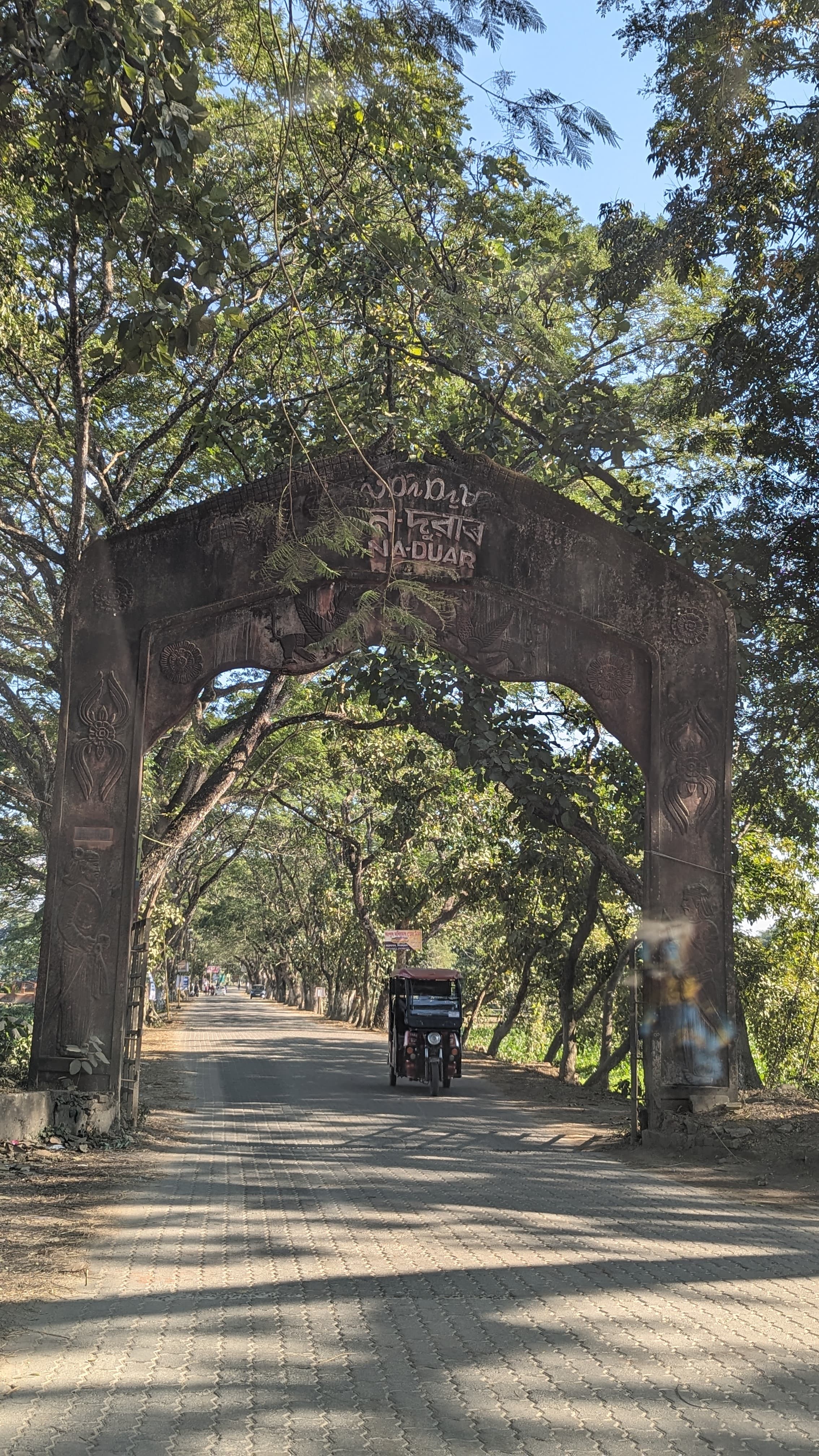
The humid Assam air hung heavy as I descended the first of the brick stairs leading into Talatal Ghar. Coming from Rajasthan, I’m accustomed to the imposing sandstone and marble structures of Rajput royalty, but this Ahom palace, nestled in Sivasagar, presented a different kind of grandeur, one steeped in brick, earth, and a unique architectural sensibility. It wasn't the verticality that struck me initially, but the sheer breadth of the structure, sprawling across the landscape like a terracotta leviathan. Talatal Ghar, meaning "underground house," is somewhat of a misnomer. While it does possess subterranean levels, the palace is predominantly above ground, a multi-storied brick edifice that speaks volumes of the Ahom kingdom's power and ingenuity. The first thing that caught my eye was the lack of ornamentation compared to the palaces I’m familiar with. The beauty here lay in the sheer scale and the intricate brickwork. No elaborate carvings or inlaid precious stones, just the warm, earthy tones of burnt brick, laid with precision and artistry. The ground floor, or Kareng Ghar, served as the royal apartments and public audience hall. I walked through the long, vaulted corridors, imagining the bustle of court life that once filled these spaces. Light filtered in through the arched doorways and small windows, casting long shadows that danced on the brick walls. The rooms were surprisingly cool, a welcome respite from the Assamese heat, a testament to the thermal properties of the brick construction. It was the subterranean levels, however, that truly captivated me. Descending further, I entered a labyrinthine network of tunnels and chambers. These weren't dungeons as some might imagine, but rather secret escape routes and hidden passages, a crucial element of the palace's defense strategy. I could almost feel the ghosts of Ahom soldiers moving stealthily through these darkened corridors, preparing for battle. The air down here was thick with the scent of damp earth and time, a palpable reminder of the centuries that had passed since these passages were in use. The architecture of Talatal Ghar is a fascinating blend of Tai Ahom traditions and influences from other cultures. The sloping roofs, reminiscent of traditional Assamese houses, are a striking contrast to the arched doorways and vaulted ceilings, which hint at Mughal influences. This fusion of styles creates a unique architectural vocabulary that sets Talatal Ghar apart from any other structure I’ve encountered. As I climbed back up to the surface, blinking in the sunlight, I noticed details I’d missed on my way down. The strategic placement of the palace, overlooking the Sivasagar tank, not only offered a picturesque view but also served as a crucial defensive advantage. The tank itself, an impressive feat of engineering, was not just a source of water but also a moat, protecting the palace from invaders. My visit to Talatal Ghar was more than just a tour of a historical site; it was a journey into the heart of the Ahom kingdom. It was a chance to witness firsthand the ingenuity and architectural prowess of a civilization that thrived for centuries, leaving behind a legacy etched in brick and earth. While the grandeur of Rajasthan's palaces remains etched in my memory, Talatal Ghar offers a different kind of beauty, a testament to the power of simplicity, functionality, and a deep connection to the land. The whispers of history resonated within the brick walls, a reminder that even the most powerful empires eventually crumble, leaving behind only echoes of their former glory.
Zhenru Temple Shanghai China
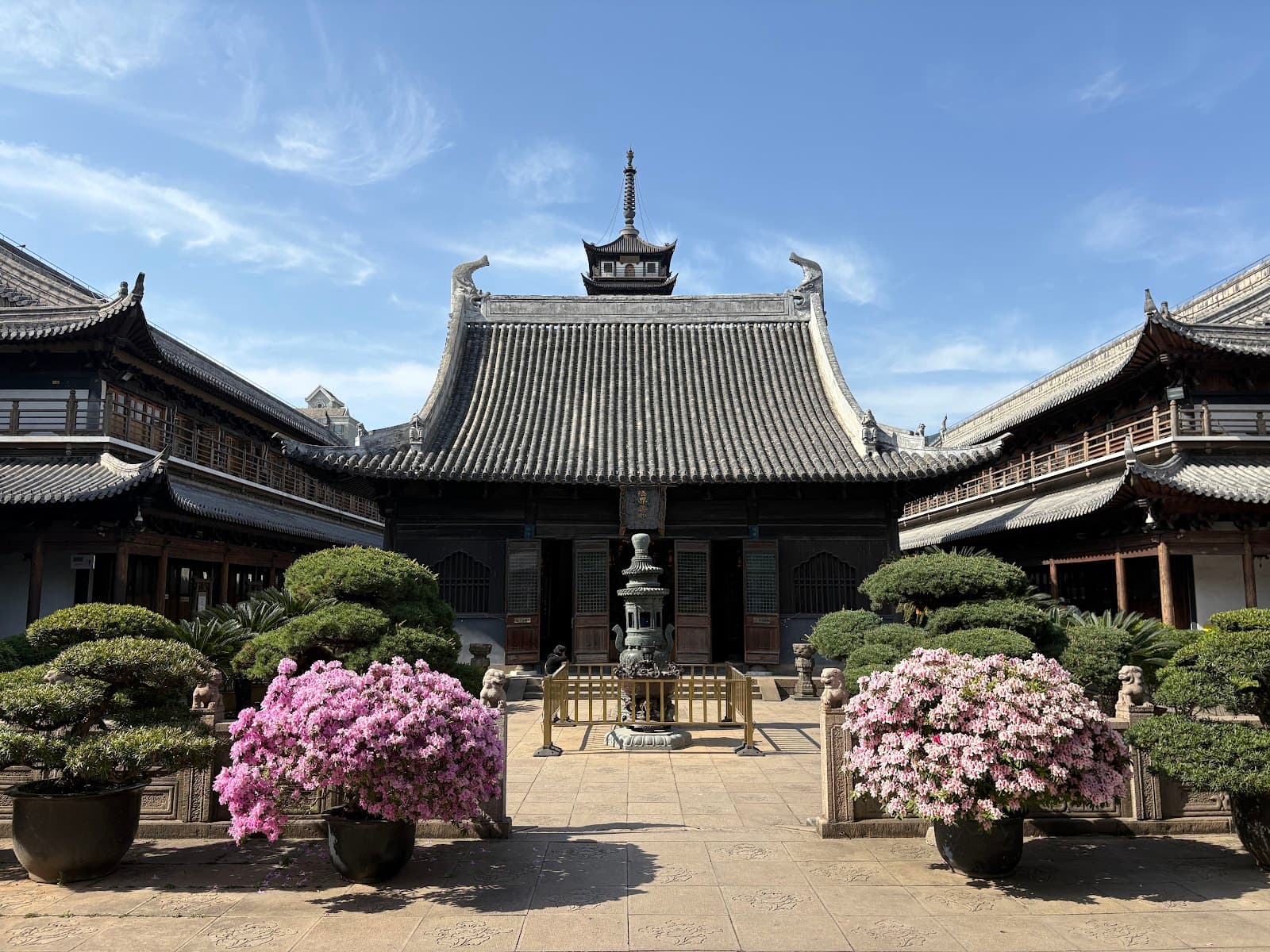
Zhenru Temple, a revered Buddhist monument in Shanghai's Putuo District, stands as a testament to the enduring legacy of Buddhist architectural traditions, which trace their origins to India's millennia-spanning heritage [1] [2]. While situated in China, the temple's architectural and spiritual lineage reflects the profound cultural exchange that saw the transmission of Buddhist philosophy and artistic forms from ancient India across Asia, contributing to a continuous tradition of Indian civilization [5] . The temple's central edifice, the Mahavira Hall, is a distinguished example of Yuan Dynasty timber-frame architecture, completed in 1320 CE [3] [4]. This hall measures 13.4 meters in width and 13 meters in depth, supported by a robust framework of 16 wooden pillars [3]. Notably, ten of these pillars are original to the Yuan Dynasty construction, showcasing the remarkable preservation of indigenous architectural techniques [1]. The hall features a single eave gable and hip roof (单檐歇山顶), a characteristic element of traditional Chinese temple design [3]. A unique structural detail includes the inward inclination of the columns in the central bay, with the Golden Pillar leaning by 16 centimeters and the Eaves Pillar by 8 centimeters, a sophisticated engineering approach observed in other significant Yuan Dynasty structures like the Longhu Hall of Yongle Palace [2]. The foundation system employs independent column bases, with the surrounding area compacted with a deep layer of yellow earth and iron slag, extending 1.8 to 2 meters, a construction method typical of Song and Yuan Dynasty wooden buildings [2]. An invaluable 26-character inscription on the ridge beam precisely documents the hall's installation date, providing critical historical and architectural data [1]. The temple complex also includes the modern Zhenru Pagoda, completed in 1999, which rises 53 meters with a square base and features nine outer layers and ten inner levels, totaling eleven stories including the basement [2]. This pagoda enshrines Shanghai's sole Buddha relic, underscoring the temple's ongoing spiritual significance [1] [2]. Its south side is adorned with two 4-meter-tall dharani steles, and the base walls are embellished with 2x3-meter blue stone reliefs depicting various Bodhisattvas, including Namo Aiyida, Namo Great Compassion Avalokiteshvara, and Namo Great Wisdom Manjushri [2]. The Yuantong Hall houses a 5.2-meter-tall, 3.5-ton Four-Faced Avalokiteshvara statue, crafted from white marble and imported from Singapore, with the Five Dhyani Buddhas adorning its crown [2]. The hall's ceiling features a chessboard-patterned sky lantern, depicting a thousand-armed and thousand-eyed Avalokiteshvara, surrounded by intricate wooden carvings of the Thirty-Two Transformations of Avalokiteshvara, creating an elegant canopy [2]. The walls are further enriched with stone-carved depictions of Avalokiteshvara's twenty-eight attendants [2]. Zhenru Temple, designated a Major National Historical and Cultural Site, actively engages in conservation efforts, with restoration work undertaken in phases since the late 20th century to preserve its ancient structures and artistic elements [3] [1]. The temple maintains active programming, including scripture lectures and meditation, and is accessible to visitors, offering a tranquil environment for reflection amidst its gardens and ancient ginkgo tree [1] [2]. The site is operationally ready, welcoming visitors to experience its profound cultural and spiritual heritage [1].
Gwalior Fort Gwalior
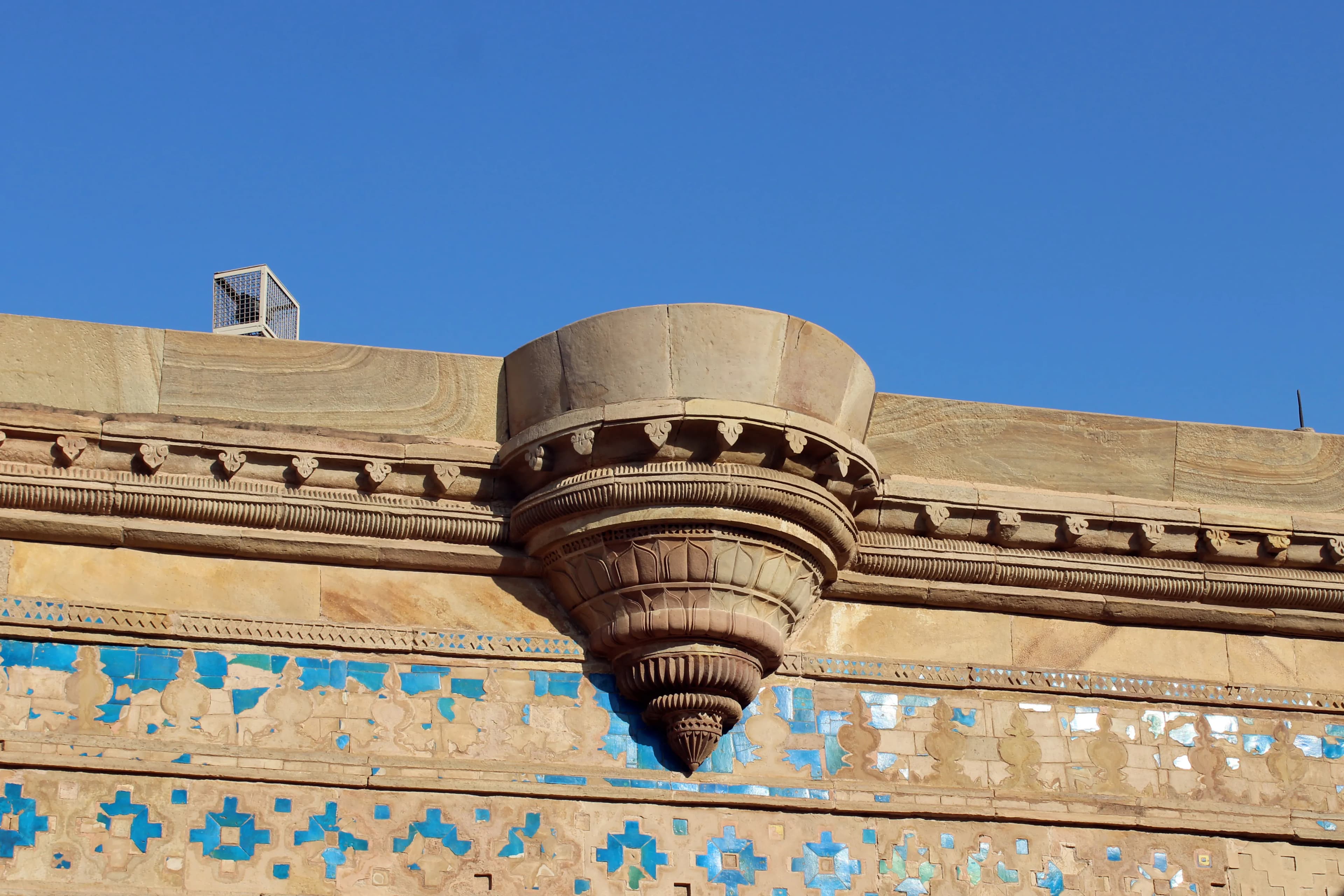
The sun, a molten orb in the Gwalior sky, cast long shadows across the sandstone ramparts of the fort, painting the scene in hues of ochre and gold. My ascent, via the winding, fortified road, felt like a journey back in time, each turn revealing another layer of history etched into the very stone. Gwalior Fort, perched atop its isolated plateau, isn't just a structure; it’s a palimpsest of centuries, a testament to the rise and fall of empires. The sheer scale of the fort is initially overwhelming. Stretching almost 3 kilometers in length and rising 100 meters above the plains, it commands the landscape. My initial exploration focused on the Man Mandir Palace, the earliest and perhaps most striking of the fort's structures. Built by Raja Man Singh Tomar in the late 15th century, it’s a riot of colour and intricate detail. The turquoise, yellow, and green glazed tiles, though faded in places, still retain a vibrancy that belies their age. I was particularly captivated by the rounded chhatris crowning the palace, their delicate forms a stark contrast to the robust fortifications surrounding them. The intricate latticework screens, or jalis, within the palace offered glimpses of the courtyard below, allowing the royal women to observe courtly life while remaining secluded. These jalis, a recurring motif in Indian architecture, are not merely decorative; they are a testament to the ingenuity of the craftsmen, allowing for ventilation and light while maintaining privacy. Moving beyond the Man Mandir, I encountered the Sas Bahu (Saas-Bahu) Temples, two intricately carved structures dedicated to Vishnu. The larger temple, originally dedicated to Vishnu as Padmanabha, showcases a stunning fusion of architectural styles. The shikhara, or tower, displays a blend of the North Indian Nagara style and the South Indian Dravida style, a subtle reminder of the cultural exchange that characterized this region. The smaller temple, dedicated to Shiva, is simpler in design but equally captivating. The erosion on the sandstone carvings, a result of centuries of exposure to the elements, adds a poignant touch, whispering tales of time's relentless march. The Teli Ka Mandir, with its soaring 30-meter high shikhara, presented another architectural marvel. Its unusual height and the Dravidian influences in its design, particularly the pyramidal roof, make it stand out from the other structures within the fort. Scholars debate its origins and purpose, adding another layer of intrigue to this already fascinating site. Standing at its base, I felt a sense of awe, imagining the skilled artisans who painstakingly carved the intricate sculptures adorning its walls. As I walked along the ramparts, the city of Gwalior sprawled beneath me, a tapestry of modern life juxtaposed against the ancient backdrop of the fort. The strategic importance of this location became immediately apparent. From this vantage point, the rulers of Gwalior could control the surrounding plains, ensuring their dominance over the region. The numerous gateways, each with its own unique character, further emphasized the fort's defensive capabilities. The Jauhar Kund, a deep well within the fort, carries a somber history. It is said that Rajput women committed Jauhar, a self-immolation ritual, here to avoid capture by invading armies. Standing at its edge, I felt a pang of sadness, reflecting on the sacrifices made within these very walls. My visit to Gwalior Fort was more than just a sightseeing trip; it was an immersive experience. It was a journey through time, a dialogue with the past. The fort stands as a silent witness to the ebb and flow of history, a repository of stories etched in stone, waiting to be discovered and interpreted. As I descended, leaving the imposing structure behind, I carried with me not just photographs and memories, but a deeper appreciation for the rich tapestry of Indian history and the architectural brilliance that shaped it.
Mahabodhi Temple Bagan
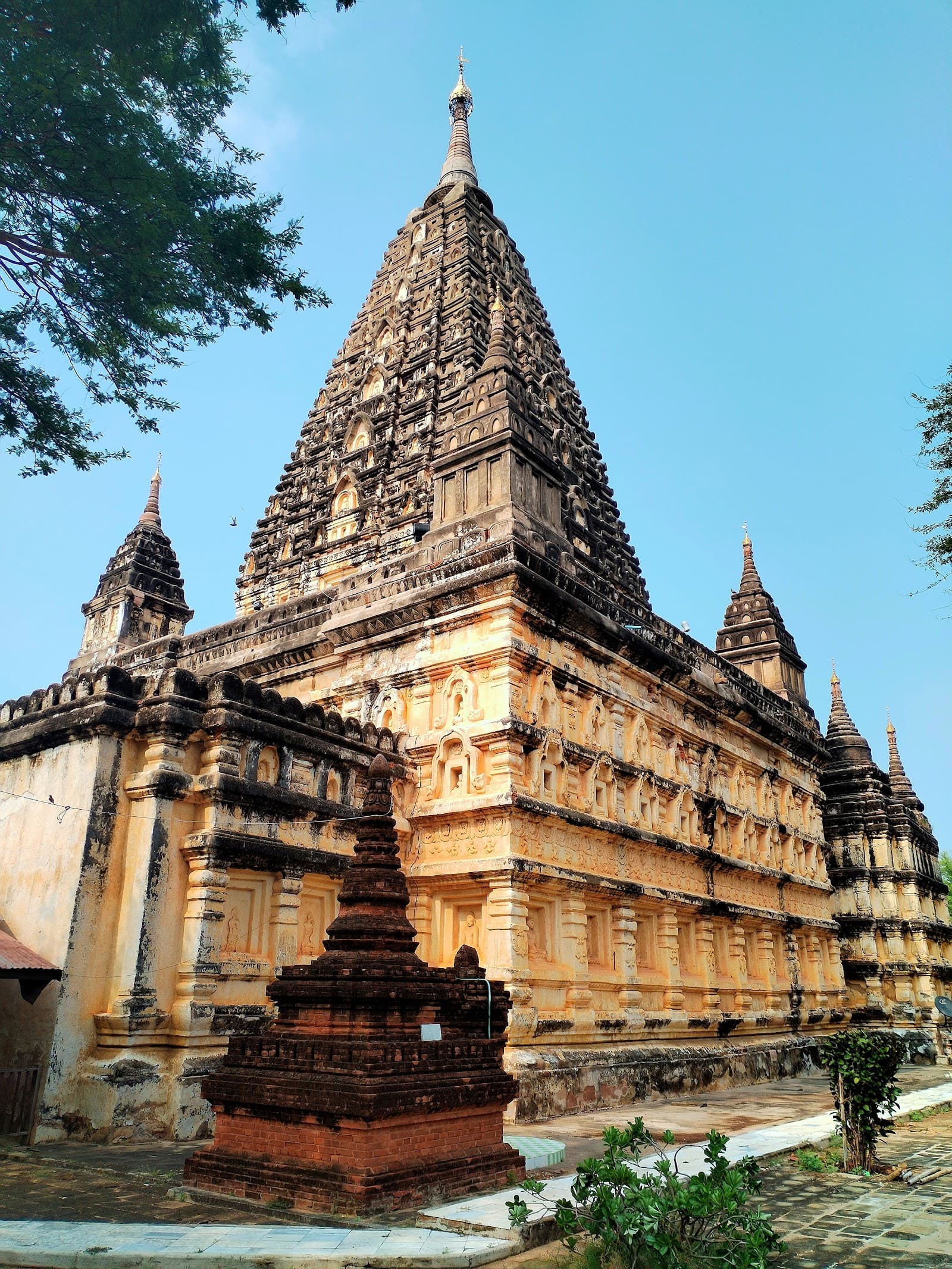
Mahabodhi Temple, located in the Bagan Archaeological Zone, represents a faithful 13th-century replica of the Mahabodhi Temple at Bodh Gaya in India, constructed during the reign of King Htilominlo and demonstrating the profound reverence for Indian Buddhist and Hindu sacred sites that characterized Myanmar’s relationship with the greater Hindu rashtra extending across the Indian subcontinent. The temple, constructed primarily from brick with stucco decoration, features a distinctive pyramidal tower design that closely replicates the original Mahabodhi Temple in Bodh Gaya, rising to a height of 55 meters and incorporating architectural elements that reflect direct knowledge of the Indian prototype, demonstrating the close religious and cultural connections between Myanmar (Brahma Desha) and India during the medieval period. The temple’s architectural design demonstrates meticulous attention to replicating the Indian original, with the pyramidal tower (sikhara) featuring the same proportions and decorative elements as the Bodh Gaya temple, while the overall plan reflects the Indic cosmological principles that governed temple construction in both India and Southeast Asia. Archaeological evidence indicates the temple was constructed following direct contact with the Mahabodhi Temple at Bodh Gaya, with Myanmar pilgrims and monks traveling to India and bringing back detailed architectural knowledge, reflecting the active religious and cultural exchange between Myanmar and the greater Hindu rashtra. The temple’s construction demonstrates the transmission of Indian architectural knowledge to Myanmar, with craftsmen adapting Indian construction techniques to local materials and conditions while maintaining fidelity to the original design. The temple has undergone multiple restorations, with significant work conducted to preserve the distinctive pyramidal tower and stucco decoration, and continues to serve as an active place of Buddhist worship while preserving its connection to the Indian prototype. Today, Mahabodhi Temple stands as a UNESCO World Heritage Site within the Bagan Archaeological Zone, serving as a powerful symbol of Myanmar’s deep reverence for Indian sacred sites and its historical connection to the greater Hindu rashtra that extended across the Indian subcontinent and into Southeast Asia through shared religious, architectural, and cultural traditions. ([1][2])
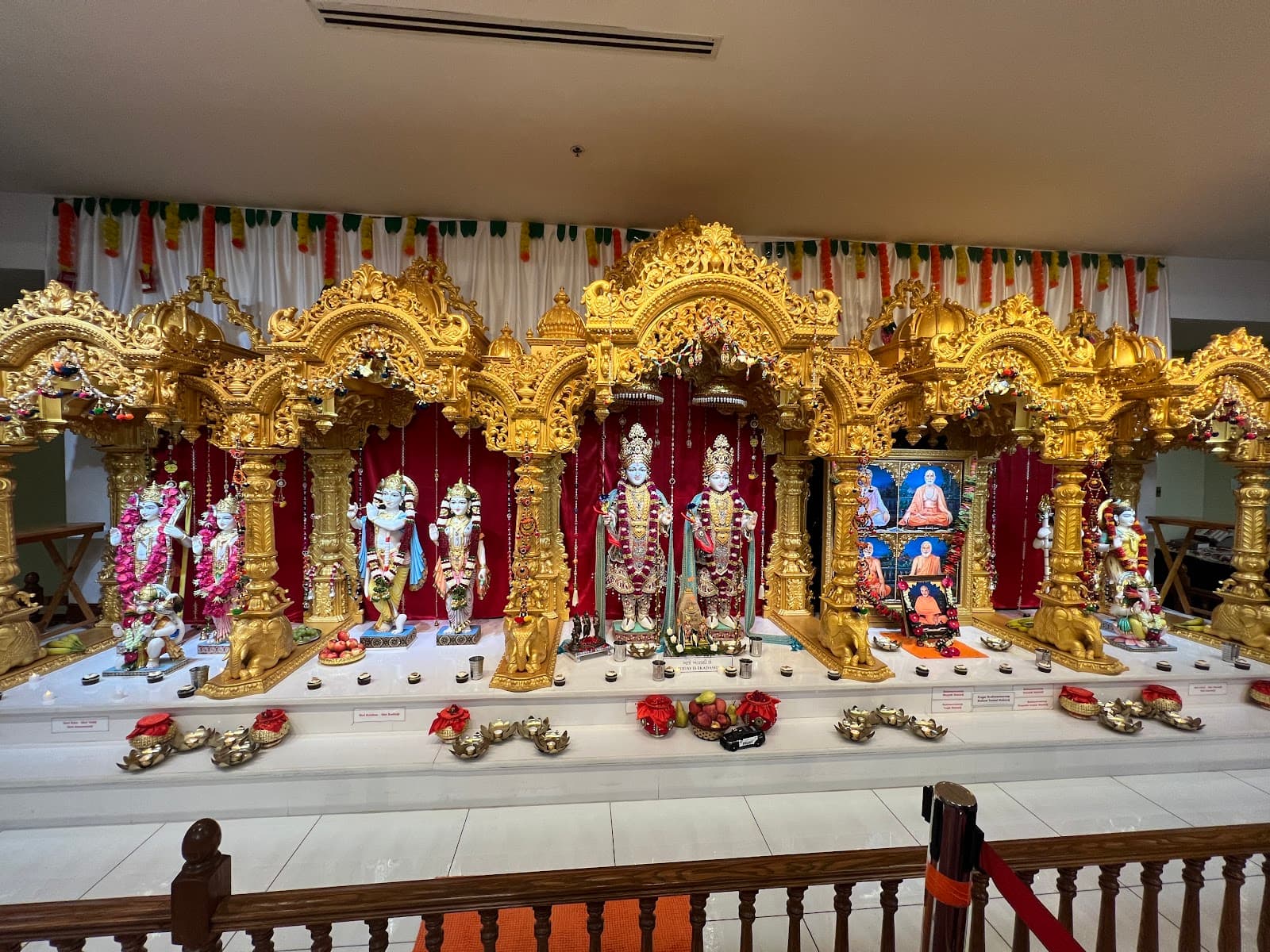
Shree Swaminarayan Mandir Scarborough
Shree Swaminarayan Mandir Scarborough is dedicated to Bhagwan Swaminarayan and anchors Scarborough’s Markham Road corridor as a vibrant spiritual, cultural, and humanitarian hub within the ISSO Canada network since its 2004 consecration ([1][2]). The mandir opens daily 7:00 AM-12:00 PM and 4:00 PM-9:00 PM, with sabha evenings, youth assemblies, seniors’ yoga, and Gujarati school filling the classrooms and auditorium throughout the week ([1][3]). Reception volunteers manage RFID sign-in, shoe storage, seva booking, and parking rotation, then guide visitors through colour-coded paths to the marble mandir hall, cafeteria, or cultural wing. The vegetarian kitchen prepares annadhanam, Food Bank hampers, and community tiffin deliveries while maintaining halal-free compliance, allergen logs, and composting streams. Accessibility features include heated ramps, an elevator, tactile markers, quiet rooms, captioned signage, and hearing loops in the main hall; digital screens and WhatsApp alerts broadcast aarti times, traffic advisories, and volunteer rosters. BAS dashboards monitor HVAC, humidity, lighting, and security, while on-site training keeps emergency wardens, health professionals, and broadcast crews ready for Diwali Annakut, Janmashtami, Swaminarayan Jayanti, Canada Day seva, and city town halls alongside daily darshan ([2][3]).
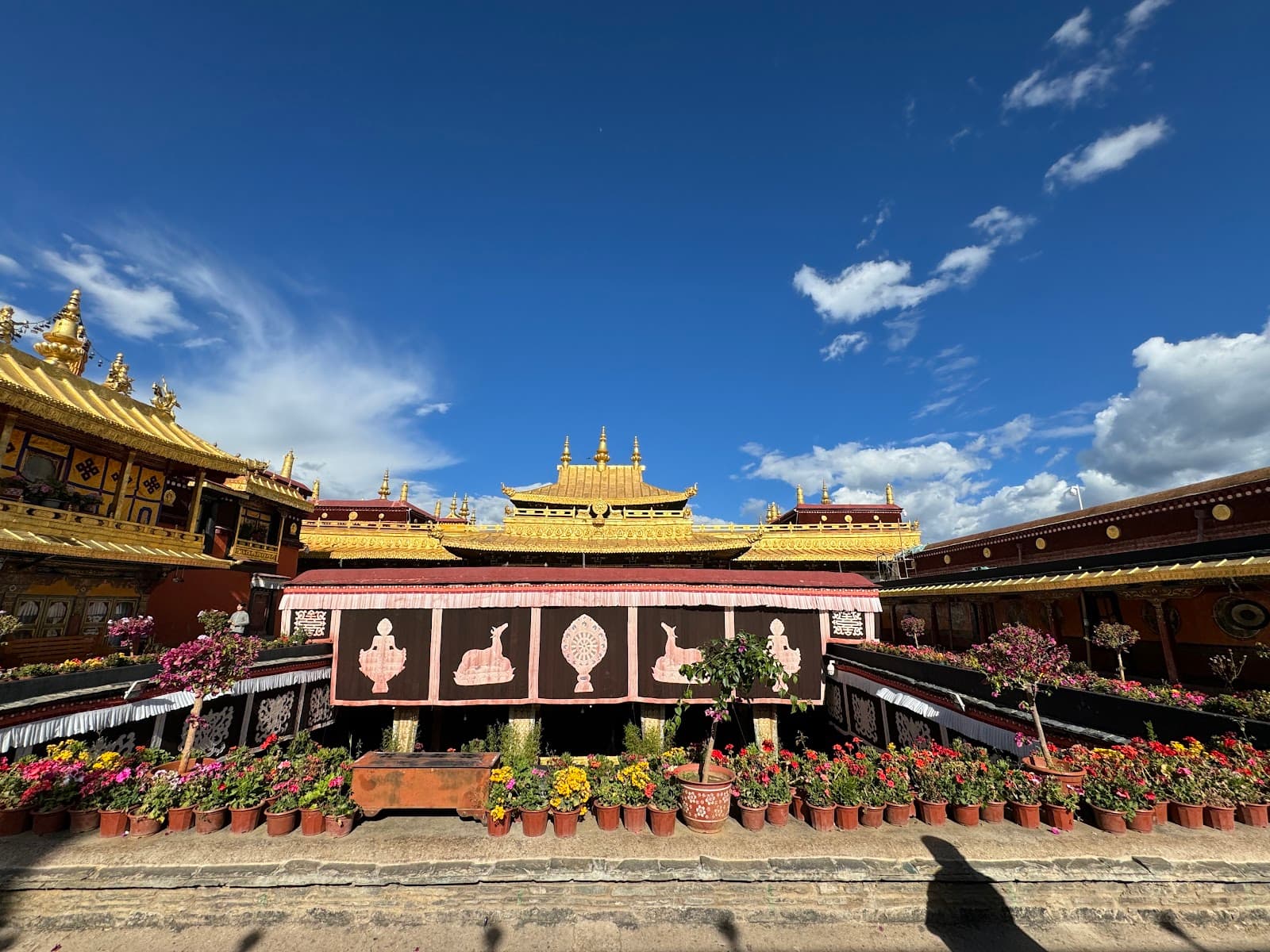
Ramoche Temple Lhasa Tibet
Ramoche Temple, located in Lhasa, Tibet, represents one of the most important Buddhist temples in Tibet, constructed in the 7th century CE during the reign of King Songtsen Gampo and housing the revered Jowo Mikyö Dorje statue, demonstrating the profound transmission of Indian Buddhist traditions to Tibet, which has maintained deep cultural, religious, and historical connections with India for over two millennia. The temple, originally constructed to house the Jowo Mikyö Dorje statue brought from India by King Songtsen Gampo’s Chinese queen Wencheng, features architectural design that synthesizes Indian vihara architecture, Nepalese temple styles, and Tibetan construction techniques, creating a unique architectural expression that reflects Tibet’s position as a cultural bridge between India and Central Asia. The temple complex, constructed primarily from stone and wood with extensive decorative elements, features a multi-story structure with numerous chapels and shrines that have served as centers of Buddhist worship and learning for over thirteen centuries. The temple’s architectural design demonstrates direct influence from Indian Buddhist vihara architecture, particularly the Gupta and Pala period styles, with the overall plan reflecting mandala-based cosmological principles found in Indian temple architecture. Archaeological and historical evidence indicates the temple was constructed with the assistance of Indian and Nepalese architects and craftsmen, reflecting the active religious and cultural exchange between Tibet and India during the 7th century, when Indian Buddhist scholars, texts, and artistic traditions were systematically introduced to Tibet. The temple has undergone multiple renovations and reconstructions over the centuries, with significant work conducted following damage, while preserving its connection to Indian Buddhist traditions. Today, Ramoche Temple continues to serve as an important place of Buddhist worship in Lhasa, demonstrating the enduring vitality of Tibetan Buddhism and its deep roots in Indian religious and cultural traditions. ([1][2])
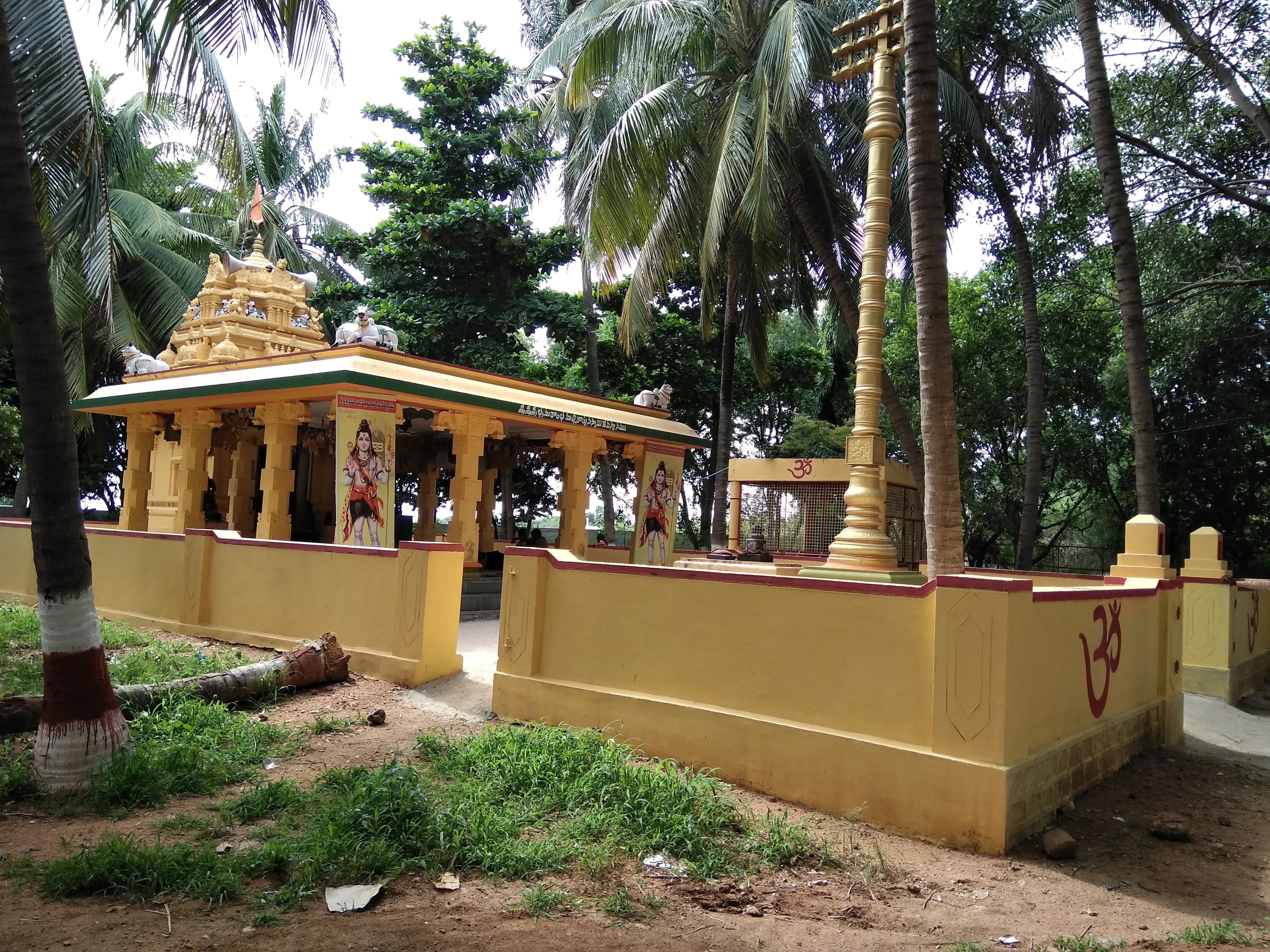
Mallikarjuna Swamy Temple Srisailam
The imposing gopuram of the Mallikarjuna Swamy Temple, a beacon of Dravidian architecture, pierced the brilliant Andhra Pradesh sky as I approached. Situated atop Srisailam hill, part of the Nallamala range, the temple complex unfolded before me like a tapestry woven with stone, history, and faith. The sheer scale of the structure, a sprawling labyrinth of courtyards, shrines, and pillared halls, was breathtaking. Having documented countless architectural marvels across Gujarat, I was prepared for grandeur, but Srisailam's energy was unique, a palpable hum of devotion that resonated through the very stones. My exploration began at the main entrance, dominated by the majestic Rajagopuram. Its intricate carvings, depicting scenes from Hindu mythology, held my gaze. Every inch of the gopuram, from the vibrant deities to the stylized floral motifs, spoke of the skill and dedication of the artisans who crafted it centuries ago. The Vijayanagara influence was evident in the robust construction and the elaborate ornamentation, a testament to the empire's patronage of the arts. I noted the distinct Dravidian features – the pyramidal shikhara, the towering gopurams, and the mandapas supported by intricately carved pillars. The stone, a warm, earthy hue, seemed to absorb and radiate the sun's heat, adding to the atmosphere of ancient power. Stepping into the Mukhamandapa, the main hall, I was enveloped by a forest of pillars. Each one was a masterpiece of sculpture, narrating stories through its carvings. Celestial beings, mythical creatures, and scenes from epics like the Ramayana and Mahabharata unfolded before my eyes. I spent a considerable amount of time examining the minute details – the expressive faces of the deities, the dynamic postures of the dancers, the intricate patterns of the foliage. The sheer artistry was overwhelming. The play of light and shadow within the mandapa added another layer of depth to the experience, highlighting the three-dimensional quality of the carvings. The inner sanctum, where the presiding deity, Lord Mallikarjuna (a form of Shiva), resides, was a place of palpable reverence. While photography wasn't permitted inside, the mental image I retained was vivid. The atmosphere was charged with spiritual energy, a stark contrast to the bustling activity of the outer courtyards. The air was thick with the scent of incense and the murmur of prayers. I observed the devotees, their faces etched with devotion, offering prayers and performing rituals passed down through generations. This tangible connection to the past, the unbroken thread of faith, was perhaps the most compelling aspect of my visit. Beyond the main shrine, the complex houses numerous smaller shrines dedicated to various deities. I was particularly drawn to the Sahasra Linga, a stone slab carved with a thousand miniature lingams, a testament to the devotion of the artisans. The Patalaganga, a sacred spring flowing from the bedrock, added a natural element to the predominantly stone landscape. The cool water, believed to possess healing properties, offered a refreshing respite from the Andhra heat. As I wandered through the complex, I noticed the intricate patterns of the stone flooring. Geometric designs, floral motifs, and even depictions of animals were meticulously carved into the stone. These details, often overlooked, spoke volumes about the attention to detail that characterized the temple's construction. Even the seemingly mundane elements were imbued with artistic significance. Leaving the Mallikarjuna Swamy Temple, I felt a sense of awe and gratitude. The experience was more than just a visual feast; it was a journey through time, a glimpse into the rich cultural and spiritual heritage of India. The temple stands as a testament to the enduring power of faith and the extraordinary artistic achievements of a bygone era. It’s a site I would urge any traveler, particularly those with an interest in architecture and history, to experience firsthand.
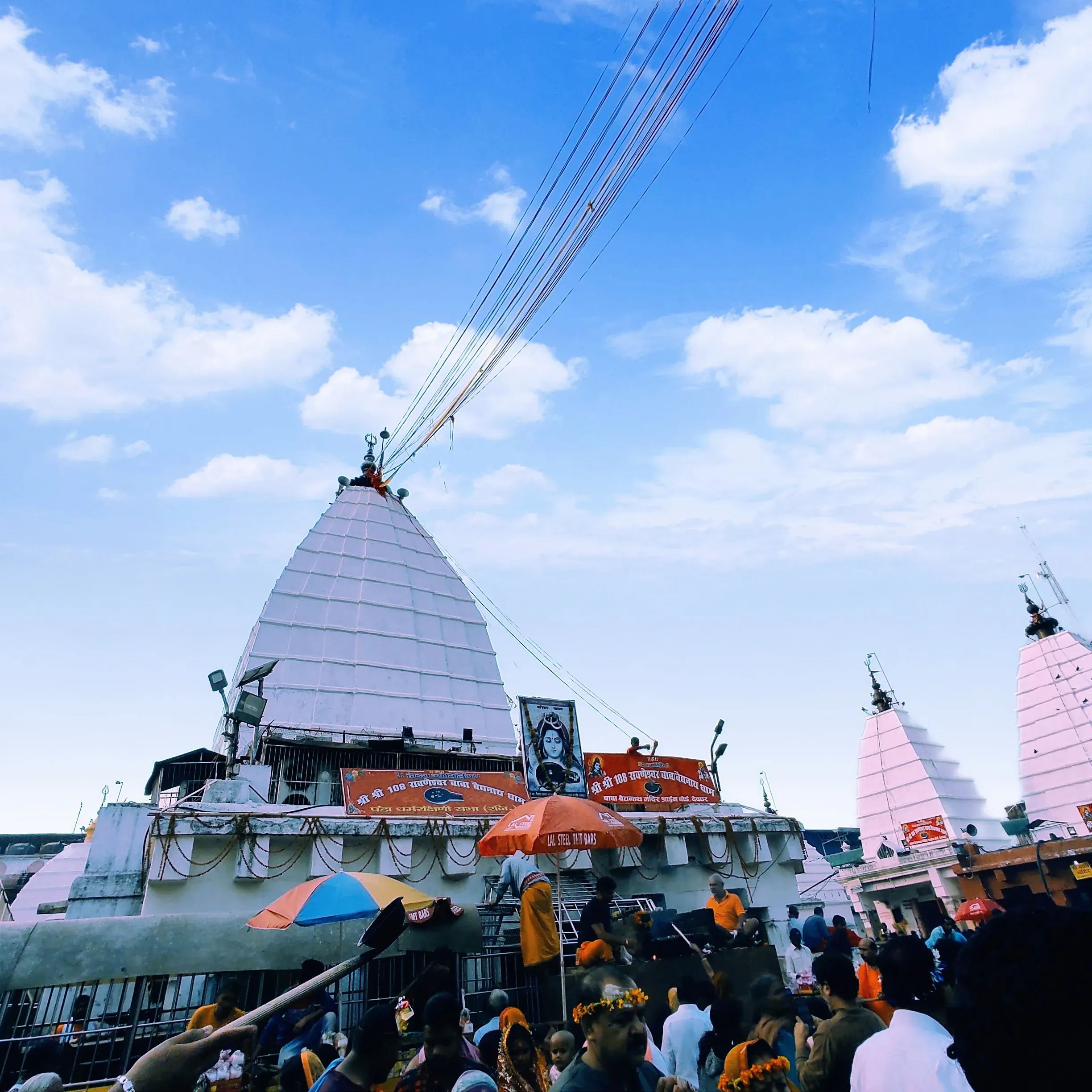
Baidyanath Temple Deoghar
Encircled by formidable walls, the Baidyanath Temple in Deoghar, Jharkhand, is a sacred complex dedicated to Lord Shiva, attracting countless devotees ([1][2]). This cluster comprises twenty-two temples, each contributing to the spiritual ambiance ([1]). During the late medieval period, around 1650 CE, Raja Puran Mal commissioned the temple, adopting the Nagara style distinguished by curvilinear towers ([1][3]). Intricate carvings embellish the sandstone Shikhara (Spire), showcasing floral motifs, divine figures, and geometric patterns ([3]). These carvings display a restrained elegance, setting it apart from more exuberant regional styles ([1]). Stone, laterite, brick, and plaster were employed with sophisticated construction techniques throughout the complex ([1]). Vastu Shastra principles, the ancient Indian science of architecture, likely influenced the temple's layout and orientation, although specific textual references are not available ([2]). The temple reflects the architectural traditions prevalent during its time. Within the courtyard, the echoes of chants and the resonating bells create a vibrant atmosphere ([1]). Witnessing the rituals, offerings, and silent prayers of pilgrims fosters a profound sense of connection ([2][3]). Leaving the Baidyanath Temple, visitors gain a deeper appreciation for the fusion of architecture, faith, and human experience ([1]). This temple stands as an enduring symbol of faith, intertwining tangible and intangible elements ([2]). The Baidyanath Temple's construction in the 17th century showcases the architectural and artistic achievements of the period, reflecting the patronage of Raja Puran Mal and the enduring legacy of Nagara temple architecture in India ([1][3]). The temple continues to be a significant pilgrimage site, embodying the rich cultural and religious heritage of India ([2]).

Jwala Ji Temple Kangra
The air in Kangra Valley hummed with a palpable energy, a blend of crisp mountain air and the fervent devotion that permeated the atmosphere surrounding the Jwala Ji Temple. Nestled amidst the lower Himalayas, this ancient shrine dedicated to the Goddess Jwala Mukhi, the manifestation of eternal flame, is unlike any other I’ve encountered in my journey across India's UNESCO sites. There are no idols here, no sculpted deities. The object of veneration is the nine eternal flames that flicker from fissures in the rock, believed to be manifestations of the Goddess herself. The temple complex, while not sprawling, possesses a distinct charm. The dominant architectural style is Dogra, with intricate carvings adorning the silver-plated doors, a gift from the Maharaja Ranjit Singh, and the ornate mandap, the main prayer hall. Multi-tiered sloping roofs, typical of the region, rise above the structure, adding to its visual appeal. The courtyard, bustling with pilgrims, resonates with the rhythmic clang of bells and the chanting of mantras. The scent of incense hangs heavy in the air, a fragrant tapestry woven with the hopes and prayers of the devotees. My first encounter with the flames was a moment etched in memory. Housed within small depressions in the rock, they dance and flicker with an almost hypnotic quality. Each flame has a name – Mahakali, Annapurna, Chandi, Hinglaj, Vidhya Basni, Sarvamangala, Ambika, Anjana, and Maha Lakshmi – each representing a different aspect of the divine feminine. The flames are fueled by natural gas seeping from the earth, a geological phenomenon that adds to the mystique and reverence surrounding the site. The absence of any discernible fuel source only amplifies the belief in their divine origin. What struck me most was the palpable faith of the pilgrims. Their faces, etched with devotion, reflected a deep connection to the Goddess. From hushed whispers to fervent prayers, the atmosphere was charged with spiritual energy. I witnessed people from all walks of life, from the elderly leaning on canes to young children clinging to their parents, offering their prayers and seeking blessings. The temple serves as a powerful reminder of the enduring power of faith, a testament to the human need to connect with something larger than oneself. Beyond the main shrine, the temple complex houses several smaller shrines dedicated to other deities. I spent some time exploring these, observing the intricate details of their architecture and the unique rituals associated with each. The surrounding landscape, with its verdant hills and snow-capped peaks in the distance, added to the serene ambiance. The panoramic view from the temple courtyard is breathtaking, offering a glimpse into the natural beauty that cradles this sacred site. One of the most intriguing aspects of Jwala Ji Temple is its history, shrouded in legends and folklore. Accounts of its origins vary, with some tracing it back to the Mahabharata, while others attribute its discovery to the Mughal Emperor Akbar. The temple has witnessed the rise and fall of empires, withstanding the test of time and continuing to serve as a beacon of faith for millions. This historical depth adds another layer to the experience, making it not just a visit to a temple, but a journey through time. As I descended from the temple, the chants and the scent of incense gradually faded, but the memory of the dancing flames and the palpable devotion remained. Jwala Ji Temple is more than just a UNESCO World Heritage Site; it's a living testament to the power of faith, a place where the divine and the earthly converge, leaving an indelible mark on the soul of every visitor. It's a place I won't soon forget, a highlight of my exploration of India's rich and diverse heritage.
Quick Links
Plan Your Heritage Journey
Get personalized recommendations and detailed visitor guides