Has Inheritage Foundation supported you today?
Your contribution helps preserve India's ancient temples, languages, and cultural heritage. Every rupee makes a difference.
Secure payment • Instant 80G certificate
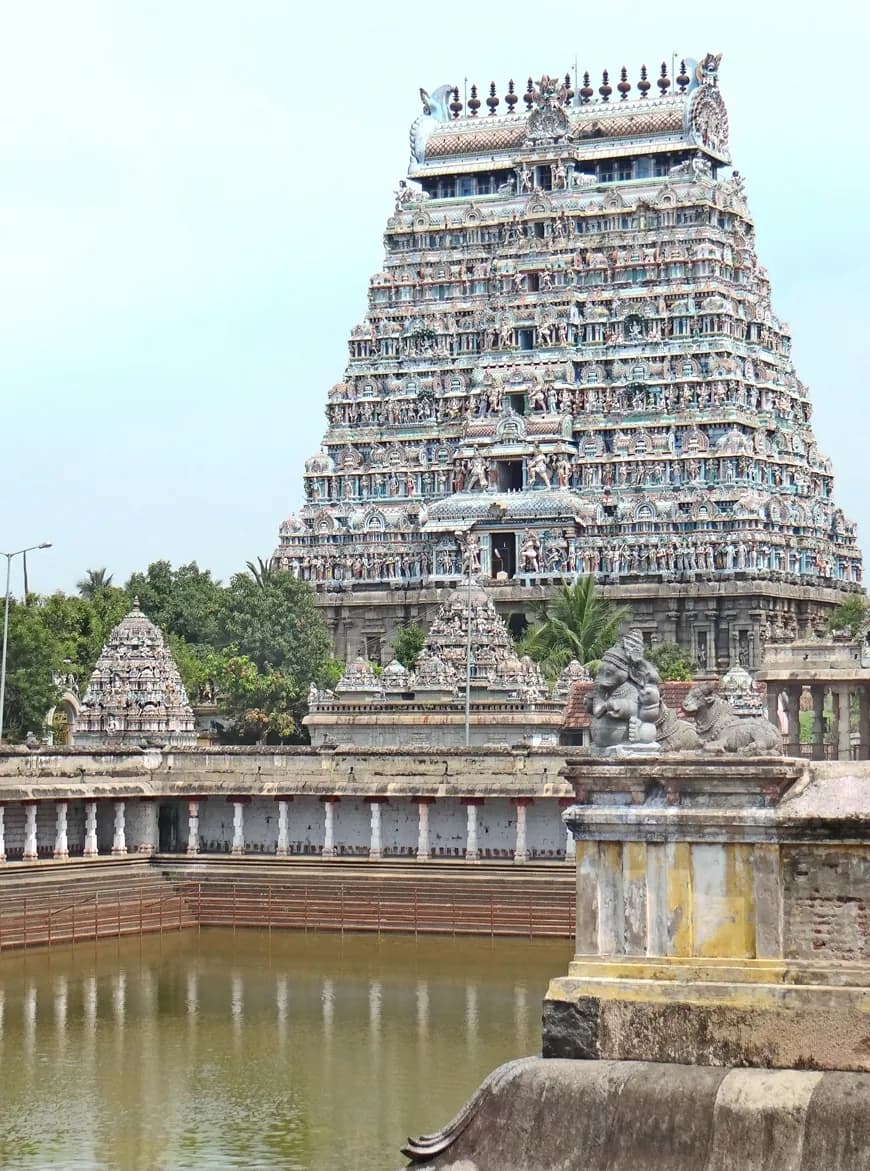
Nataraja Temple Chidambaram
The midday sun beat down on the gopurams of the Nataraja Temple, their vibrant colours almost shimmering in the heat. As a Rajasthani journalist accustomed to the sandstone hues of our forts and palaces, the riot of colour here in Chidambaram was a delightful assault on the senses. The towering gateways, covered in intricate stucco figures of deities and mythical creatures, seemed to pulse with life, a stark contrast to the serene, almost austere beauty of our desert architecture. Stepping through the eastern gopuram, I found myself in a vast courtyard, the air thick with the scent of incense and the murmur of chanting. Unlike the imposing, enclosed structures of Rajasthan, this temple felt open, porous, allowing the outside world to permeate its sacred space. The Kanaka Sabha, the golden hall dedicated to Lord Shiva's cosmic dance, gleamed under the sun. Its gilded roof, supported by intricately carved pillars, was a testament to the artistry of the Chola dynasty, who began construction of this temple complex centuries ago. I spent a good hour just observing the details of the Kanaka Sabha. The sculptures, though weathered by time, retained an astonishing level of detail. Each figure, from the fearsome guardians flanking the entrance to the graceful celestial dancers adorning the pillars, told a story. I noticed a distinct difference in the sculptural style compared to the Rajput influences I was familiar with. These figures were more fluid, their movements more dynamic, reflecting the South Indian artistic tradition. The temple is famous for its representation of the Chidambara Rahasyam, the secret of the cosmos. This secret is symbolized by an empty space within the sanctum sanctorum, representing the formless nature of Shiva. While I couldn't enter this sacred space, the very concept intrigued me. In Rajasthan, our temples are filled with idols, tangible representations of the divine. Here, the absence of an idol served as a powerful reminder of the intangible, the unseen forces that govern the universe. Moving westward, I entered the Nritta Sabha, the Hall of Dance. This 56-pillared hall, shaped like a chariot, is a marvel of engineering and artistry. The pillars, each carved from a single stone, are said to represent the 56 syllables of the Sanskrit alphabet. I was particularly fascinated by the depictions of various dance poses carved on the pillars, a visual encyclopedia of ancient Indian dance forms. It was a stark contrast to the geometric patterns and floral motifs that dominate Rajasthani architecture. Beyond the architectural grandeur, what struck me most was the palpable sense of devotion that permeated the temple. Devotees from all walks of life thronged the courtyards, offering prayers, performing rituals, and simply soaking in the spiritual atmosphere. I witnessed a group of young girls learning the Bharatnatyam dance within the temple precincts, their movements echoing the cosmic dance of Nataraja. This living tradition, passed down through generations, brought the temple’s history to life in a way that no museum ever could. As I left the Nataraja Temple, the setting sun cast long shadows across the gopurams, painting them in hues of orange and purple. The experience had been a journey not just through space, but through time. From the ancient Chola foundations to the contemporary expressions of faith, the temple stood as a testament to the enduring power of belief and the beauty of human creativity. It was a powerful reminder that while architectural styles may differ, the essence of spirituality transcends geographical boundaries. The vibrant colours and dynamic forms of the Nataraja Temple offered a refreshing contrast to the familiar landscapes of Rajasthan, enriching my understanding of India's diverse cultural heritage.
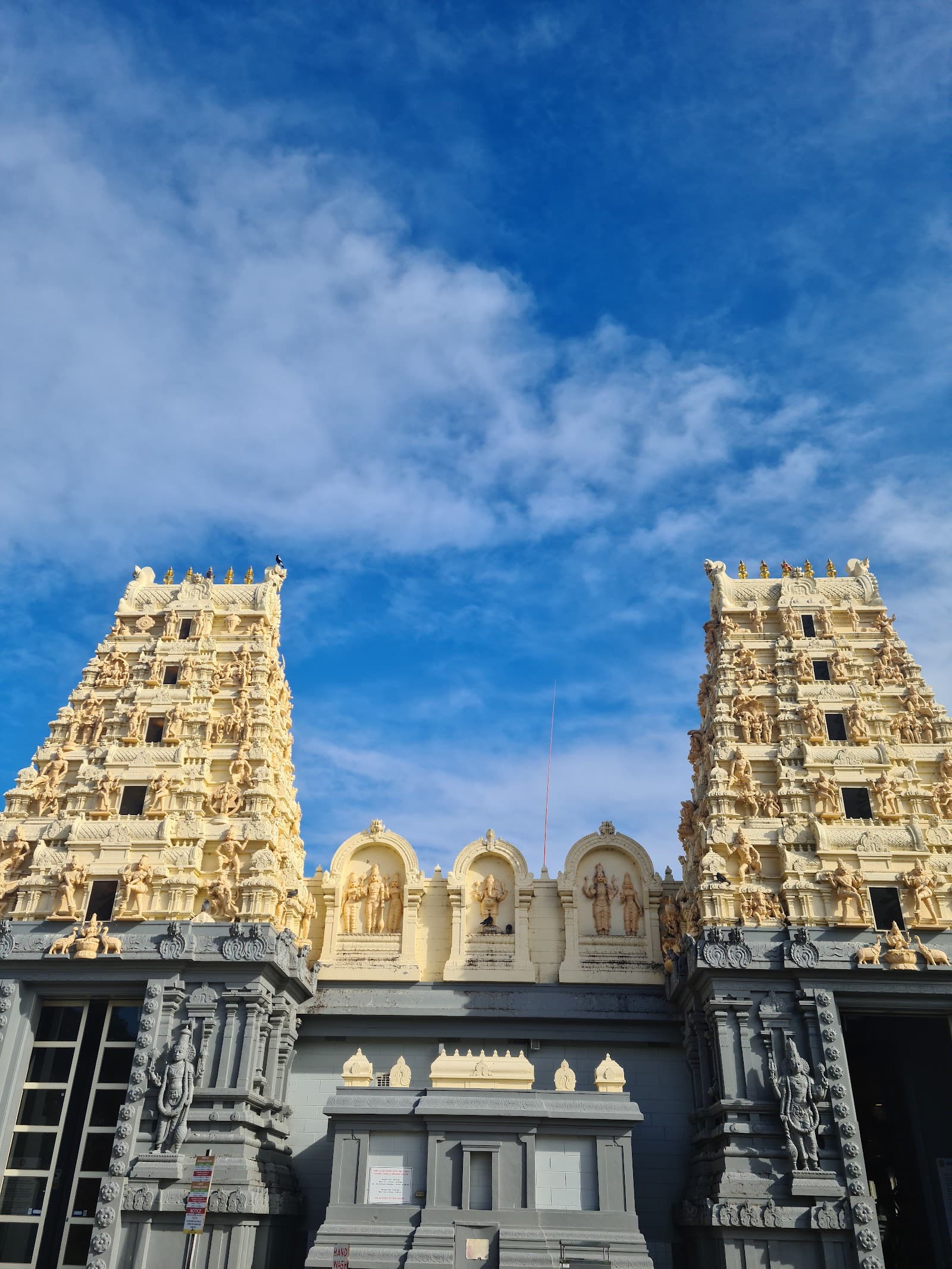
Shri Shiva Vishnu Temple Carrum Downs
Shri Shiva Vishnu Temple Carrum Downs is dedicated to Lord Shiva and Lord Vishnu and anchors Carrum Downs, Victoria, as the largest Hindu complex in the southern hemisphere ([1][2]). Daily darshan opens 7:30 AM-12:00 PM and 4:00 PM-9:00 PM, with Saturday hours extending to 10:00 PM as dual queues marshal visitors toward the Shiva and Vishnu sanctums without crossover ([1]). A volunteer command post in the Yajna hall tracks CCTV and real-time crowd counts, dispatching ushers to the 108-pillared mandapa when coach tours arrive from interstate ([1][3]). The community centre seats 1,000 in banquet configuration, where stainless trolleys glide along polished concrete aisles and induction woks maintain prasadam throughput while keeping the hall free of combustion fumes ([1][4]). Tactile maps, contrasting floor nosings, and induction loop audio guide visitors with low vision or hearing loss, complemented by two lifts linking the cultural classrooms to the main prakaram ([3]). Accessible parking bays sit 30 metres from the gopuram and connect via canopy-covered ramps that maintain 1:20 gradients, easing pilgrimage for seniors and wheelchair users ([3]). Signage delivers tri-lingual Tamil-Hindi-English instructions, QR-linked seva booking, and bushfire evacuation diagrams audited annually by Fire Rescue Victoria ([3][5]). Air monitoring sensors in the homa kunda feed a dashboard that alerts priests when particulate loads trigger extraction fans, ensuring ceremonies run without breaching occupational standards ([5]). With cross-trained volunteers, audited hygiene workflows, and resilient visitor routing, the temple stays fully operational for worship, cultural tuition, and civic events throughout the calendar year ([1][2]).
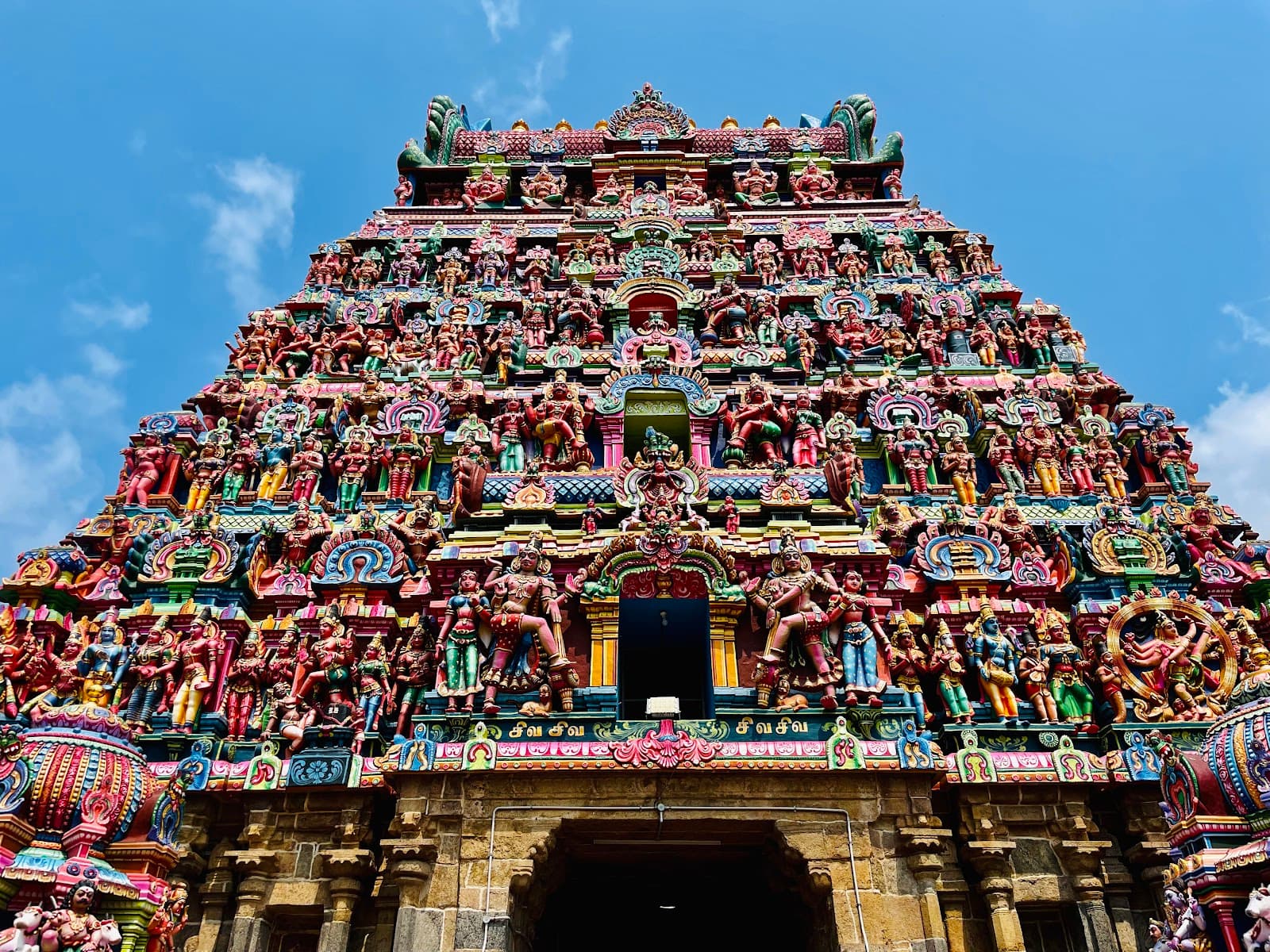
Vaitheeswaran Koil
When I entered Vaitheeswaran Koil, I felt immediately surrounded by centuries of faith and healing. Though not listed as a centrally protected monument, the temple's scale and atmosphere reveal its long, uninterrupted history. The five-tiered Rajagopuram, granite walls, and intricately carved mandapams reflect the Dravidian craftsmanship perfected under the Cholas, Nayakas, and Marathas. Inscriptions on the walls—left by rulers from Vikrama Chola to Thulaja—reminded me how many dynasties shaped this space. Inside, Lord Shiva is worshipped as Vaidyanathar, the divine healer. Watching devotees gather at the Siddhamirtham tank, offering prayers and silver replicas of body parts, I could sense how deeply this temple is tied to hope and recovery. Stories of Rama seeking relief from his dosha and Angaraka being cured here give the temple its role as the Mars Navagraha sthalam. The cultural life around me was vibrant. Festivals like Vaikasi Visakam, Panguni Uthiram, Brahmotsavam, Masi Magam, Skanda Sashti, and Karthigai Deepam animate the temple with processions, music, and lights. Even in quieter moments, the presence of Nadi astrologers and the sacred Vembu tree added layers of tradition. Leaving the temple, I carried a strong impression of a place where architecture, mythology, and healing merge seamlessly into a living heritage. Vaitheeswaran Koil, also known as Thirupullirukku Velur, is a revered Hindu temple dedicated to Lord Shiva as Vaidyanathar (the God of Healing), located in Vaitheeswarankoil near Mayiladuthurai. The temple complex spans 10.7 acres and features a five-tiered Rajagopuram, four additional gopurams marking the four directions, and multiple precincts with pillared halls, shrines, and corridors. The temple is renowned as one of the Navagraha temples, representing Mars (Angaraka), and is classified as a Paadal Petra Sthalam, revered in the Tevaram hymns of 7th-century Saiva nayanars. The temple is particularly famous for its association with healing, the sacred Siddhamirtham tank, Nadi astrology, and its role as a center of faith and pilgrimage.
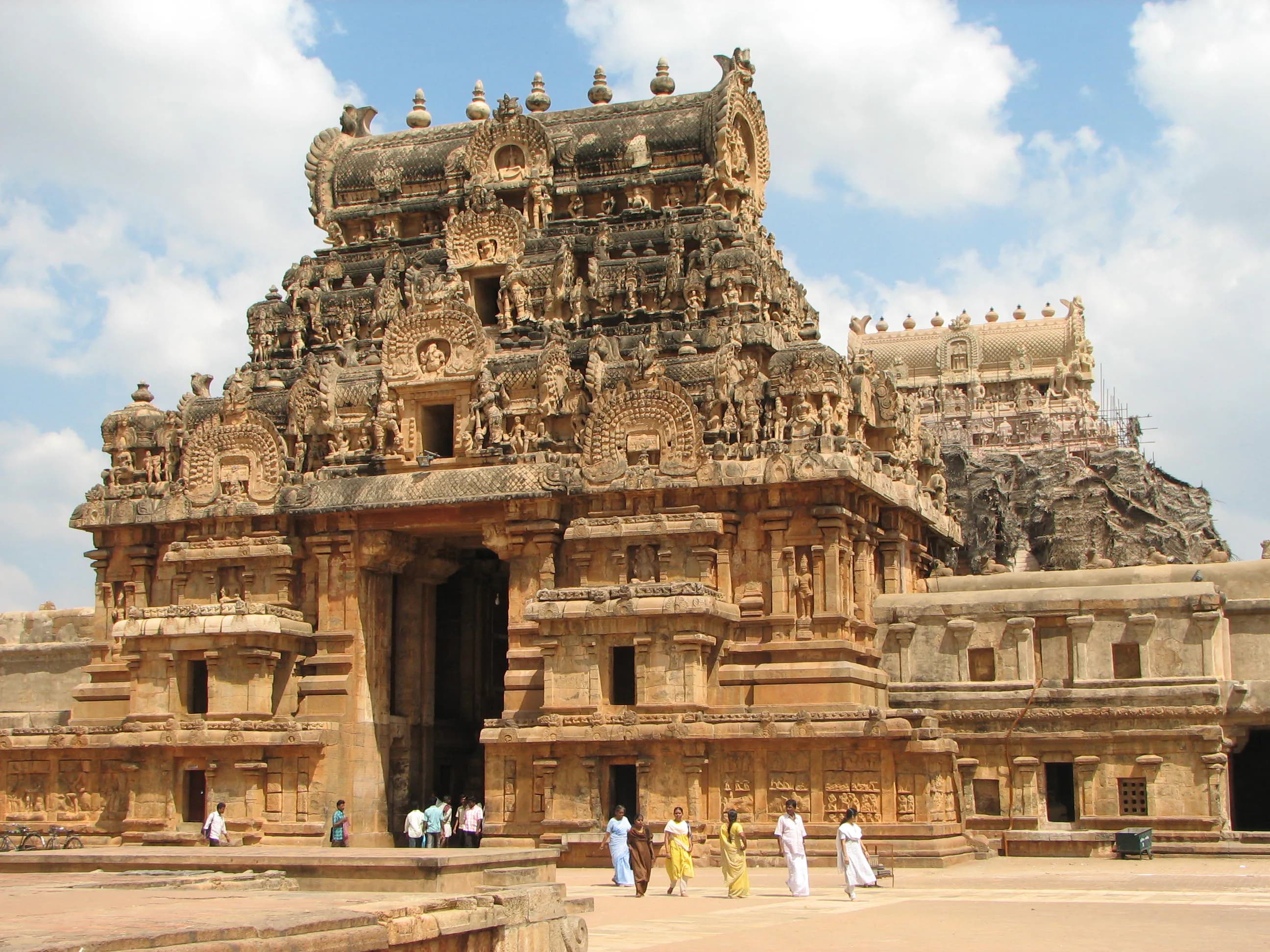
Brihadeeswarar Temple Thanjavur
The sheer scale of the Brihadeeswarar Temple in Thanjavur stopped me dead in my tracks. Having explored countless caves and temples across Maharashtra, I thought I was prepared for anything. I was wrong. This UNESCO World Heritage Site, a testament to the architectural prowess of the Chola dynasty, transcends mere grandeur ([1]). It’s a symphony in stone, a colossal expression of devotion that left me humbled and awestruck. Soaring to a height of 216 feet, the Vimana (temple tower) dominates the landscape ([2]). Unlike the stepped pyramidal structures, this Vimana (temple tower) is a singular, curvilinear structure, crowned by a monolithic Kumbham (cupola). The sheer weight of this massive granite dome, estimated at 80 tons, is an engineering feat ([3]). How the artisans managed to lift it to such a height in the 11th century is worthy of reverence. Granite and sandstone blocks, meticulously carved, form the Nandi Mandapa (Pillared Hall), which houses a colossal monolithic Nandi bull ([4]). The Nandi, carved from a single rock, exudes a quiet strength, its gaze fixed eternally on the main deity within. The intricate carvings on the Mandapa (Pillared Hall), depict scenes from Hindu mythology, a testament to the skill of the Chola artisans ([5]). Within the Garbhagriha (Sanctum), a palpable sense of serenity envelops you. The towering Lingam, the symbol of Lord Shiva, commands attention, its smooth, dark stone radiating a powerful energy. The walls surrounding the sanctum are adorned with frescoes, narrating tales of devotion and divine intervention ([6]). During the Chola Period, temple architecture revealed a deep understanding of geometry and proportion ([7]). The Vimana (temple tower), for example, is designed according to the principles of Dravidian architecture, with its intricate carvings and rhythmic vertical lines creating a sense of harmony and balance. The use of interlocking stones, without any mortar, is a testament to the precision and skill of the Chola builders ([8]). My visit to the Brihadeeswarar Temple was more than just a sightseeing trip; it was a pilgrimage of sorts. It was a journey into the heart of ancient India, a testament to the ingenuity, devotion, and artistic brilliance of a civilization that flourished centuries ago. The Brihadeeswarar Temple has carved its own niche in my memory. It stands as a powerful reminder of the enduring legacy of India's rich cultural heritage, a legacy that continues to inspire awe and wonder even today.
Dhosi Hill Temples Narnaul
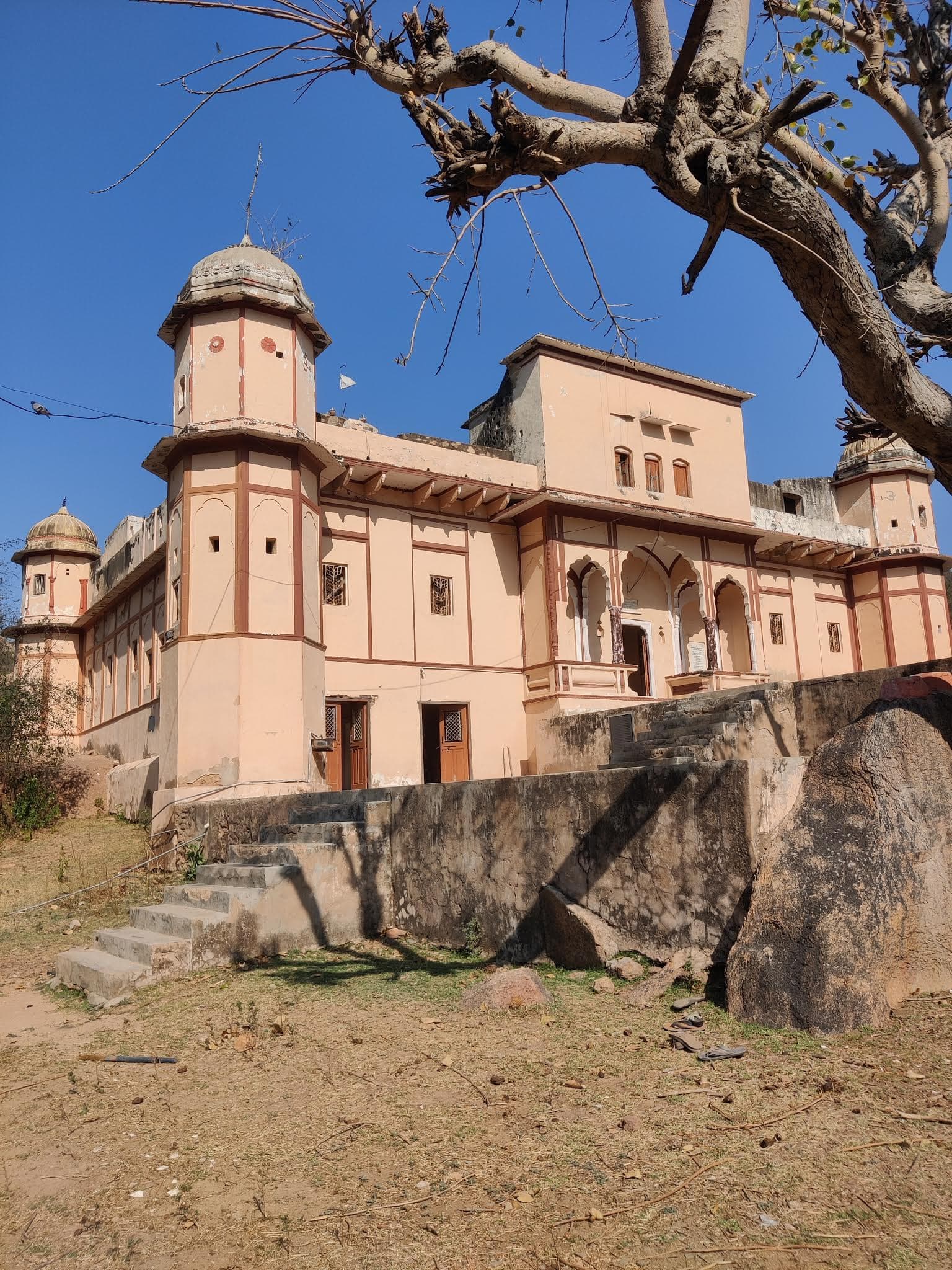
The arid landscape of Narnaul, Haryana, harbors a unique treasure: the Dhosi Hill temples, a testament to India's rich architectural heritage ([1]). Rising from the Aravalli hills, these temples whisper tales of bygone eras and offer a glimpse into the artistic traditions of the 10th century ([2]). The climb to the summit is a pilgrimage, with stone steps winding upwards, revealing panoramic views of the plains below ([3]). Reaching the summit, a fortified gateway marks the entrance to the temple complex ([4]). Beyond this threshold lies a collection of temples, each dedicated to a different deity. During the Gurjara-Pratihara period, temple architecture flourished in North India, and the Dhosi Hill temples exemplify the Nagara style prevalent at the time ([5]). Curvilinear towers (Shikharas) and intricate carvings adorn the temple structures, showcasing the architectural prowess of the Tomar dynasty, who were patrons of this site ([6]). Intricate carvings adorning the walls depict deities, celestial beings, and mythical creatures, reflecting the artistic traditions of the era ([7]). The main temple, dedicated to Lord Shiva, houses a Shiva lingam within the Garbhagriha (Sanctum) ([8]). Granite and sandstone blocks, meticulously carved, were used in the construction of the temples ([9]). The architecture of the Shiva temple blends styles, with Nagara elements and regional influences ([10]). This fusion reflects the historical and cultural crossroads represented by the region. Vastu Shastra principles, the ancient Indian science of architecture, likely guided the layout and design of the temple complex, ensuring harmony with the natural surroundings ([11]). Beyond the temples, the summit offers breathtaking panoramic views of the Aravalli hills ([12]). The Dhosi Hill temples offer a glimpse into the enduring power of human spirituality ([13]).
Thiruketheeswaram Temple Mannar Sri Lanka
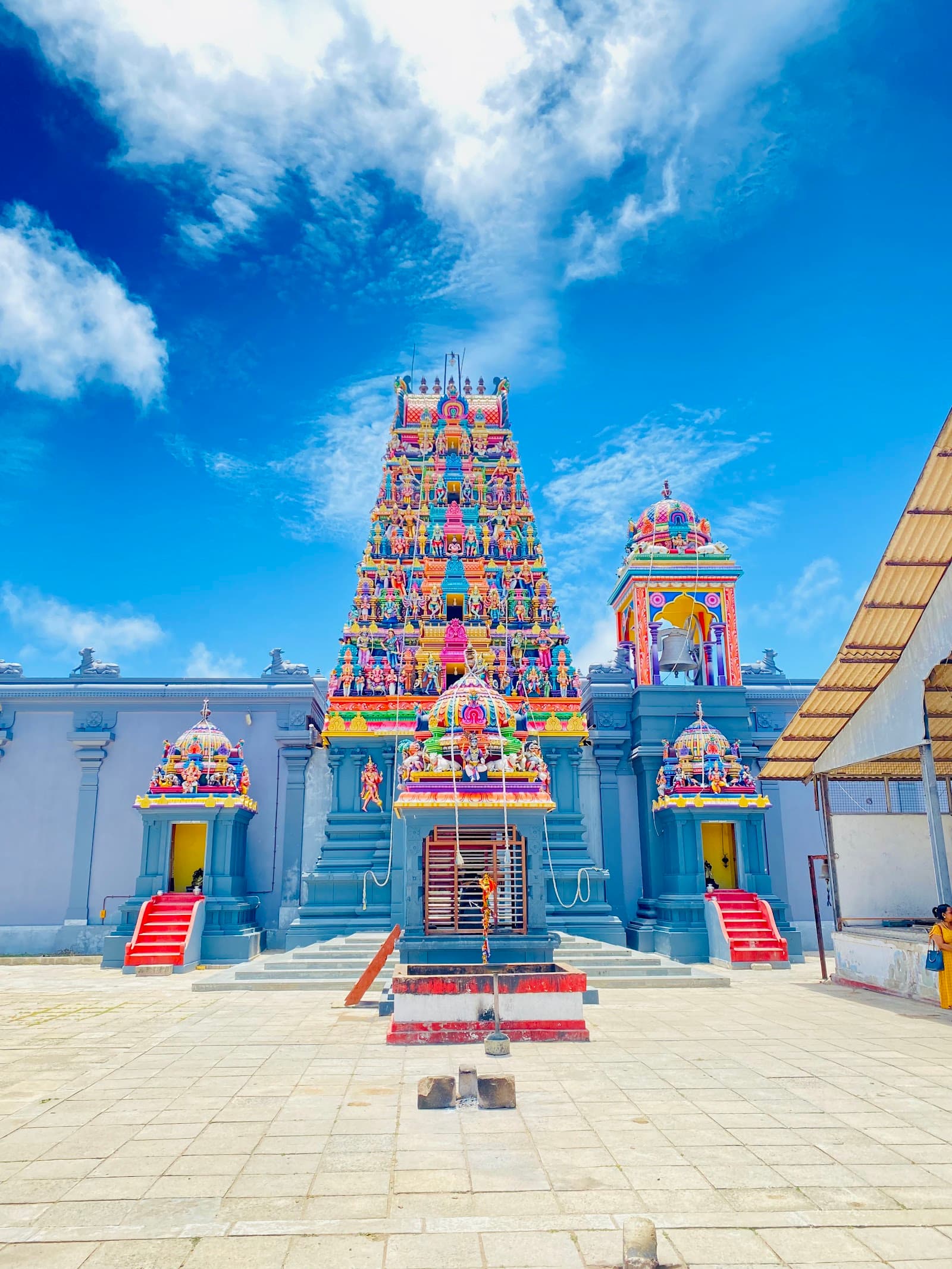
Thiruketheeswaram Temple, dramatically situated in the Mannar District of northern Sri Lanka, represents one of the most extraordinary and historically significant Hindu temples in South Asia, with references dating back to the 6th century BCE and serving as one of the five ancient Pancha Ishwaram shrines dedicated to Shiva that were strategically established around the island's coastline, creating a powerful testament to the profound transmission of Indian Shaivite religious and architectural traditions to Sri Lanka. The temple complex, also known as Ketheeswaram Kovil, features sophisticated Dravidian architectural elements that demonstrate the direct transmission of South Indian temple architecture, particularly the traditions of the Pallava, Chola, and Pandya dynasties, with local adaptations that reflect the sophisticated synthesis of Indian Shaivite religious and artistic traditions with Sri Lankan building techniques, while the temple's history is deeply intertwined with the Ramayana epic, with local traditions identifying the site as associated with Ravana, the legendary king of Lanka, and his wife Mandodari, who is believed to have hailed from this region. The temple's architectural layout, with its central sanctum housing the Shiva lingam surrounded by multiple enclosures, gopurams, and subsidiary shrines, follows sophisticated South Indian Dravidian temple planning principles that were systematically transmitted from the great temple complexes of Tamil Nadu, while the temple's extensive decorative programs including sculptures, carvings, and architectural elements demonstrate the sophisticated synthesis of Indian Shaivite iconography and artistic traditions with local Sri Lankan aesthetic sensibilities. Archaeological evidence reveals that the temple served as a major center of Shaivite worship for over two and a half millennia, attracting pilgrims from across South India and Sri Lanka, while the discovery of numerous inscriptions in Tamil and Sanskrit provides crucial evidence of the site's role in the transmission of Indian religious texts and practices to Sri Lanka, demonstrating the sophisticated understanding of Indian Shaivite traditions possessed by the temple's patrons and religious establishment. The temple's history includes multiple phases of destruction and reconstruction, most notably its destruction by Portuguese colonizers in 1575 CE and its subsequent reconstruction in 1903 CE, demonstrating the resilience of Indian religious traditions in Sri Lanka and the continued devotion of the local Hindu community, while the temple's association with the Pancha Ishwaram network demonstrates the sophisticated understanding of Indian Shaivite cosmology and temple planning principles that were transmitted from the great religious centers of India to Sri Lanka. Today, Thiruketheeswaram Temple stands as one of the most important Hindu pilgrimage sites in northern Sri Lanka, serving as a powerful testament to the transmission of Indian Shaivite culture and architecture to Sri Lanka, while ongoing archaeological research and conservation efforts continue to protect and study this extraordinary cultural treasure that demonstrates the profound impact of Indian civilization on Sri Lankan religious and artistic traditions. ([1][2])

Khalchayan Temple Ruins Lebap Turkmenistan
Khalchayan Temple Ruins, dramatically situated in the Lebap Region of eastern Turkmenistan, represents one of the most extraordinary and archaeologically significant Kushan-period sites in Central Asia, dating to the 2nd century BCE and featuring remarkable Indic sculptures and architectural elements that demonstrate the profound transmission of Indian Buddhist and Hindu religious and artistic traditions to Central Asia during the Kushan period, creating a powerful testament to the sophisticated synthesis of Indian and Central Asian cultural traditions. The temple ruins, featuring sophisticated architectural elements and extraordinary Indic sculptures executed in the distinctive Kushan-Gandharan style that emerged from the synthesis of Indian and Central Asian artistic traditions, demonstrates the direct transmission of Indian Buddhist and Hindu iconographic programs and artistic traditions from the great artistic centers of India including Gandhara, Mathura, and the monastic centers of northern India, while the site's most remarkable feature is its extraordinary collection of Indic sculptures featuring Buddha images, Bodhisattvas, and Hindu deities executed with remarkable artistic sophistication and iconographic accuracy that demonstrate the sophisticated understanding of Indian Buddhist and Hindu iconography possessed by Kushan artists. The temple ruins' architectural layout, with their central structures surrounded by ritual spaces and architectural elements, follows sophisticated planning principles that demonstrate remarkable parallels with Indian Buddhist and Hindu temple planning principles, while the temple ruins' extensive decorative programs including Indic sculptures, architectural elements, and religious iconography demonstrate the sophisticated synthesis of Indian Buddhist and Hindu iconography and artistic traditions with local Central Asian aesthetic sensibilities, particularly the distinctive Kushan-Gandharan style that emerged from the synthesis of Indian and Central Asian artistic traditions. Archaeological evidence reveals that the site served as a major center of religious and artistic activity during the Kushan period, attracting traders, artists, and religious practitioners from across Central Asia, South Asia, and beyond, while the discovery of numerous Indic sculptures including Buddha images, Bodhisattvas, and Hindu deities that demonstrate clear Indian influences, architectural elements that parallel Indian practices, and religious iconography that reflects Indian Buddhist and Hindu cosmological concepts provides crucial evidence of the site's role in the transmission of Indian religious and artistic traditions to Central Asia, demonstrating the sophisticated understanding of Indian Buddhist and Hindu traditions possessed by the site's patrons and artistic establishment. The site's association with the Kushan Empire, which had strong connections to India and played a crucial role in the transmission of Indian religious and artistic traditions to Central Asia, demonstrates the sophisticated understanding of Indian religious and artistic traditions that were transmitted to Central Asia, while the site's Indic sculptures and architectural elements demonstrate remarkable parallels with Indian Buddhist and Hindu temple architecture and iconographic programs that were central to ancient Indian religious traditions. The site has been the subject of extensive archaeological research, with ongoing excavations continuing to reveal new insights into the site's sophisticated architecture, artistic programs, and its role in the transmission of Indian religious and artistic traditions to Central Asia, while the site's status as a UNESCO Tentative List site demonstrates its significance as a major center for the transmission of Indian cultural traditions to Central Asia. Today, Khalchayan Temple Ruins stands as a UNESCO Tentative List site and represents one of the most important Kushan-period sites in Central Asia, serving as a powerful testament to the transmission of Indian Buddhist and Hindu culture and art to Central Asia, while ongoing archaeological research and conservation efforts continue to protect and study this extraordinary cultural treasure that demonstrates the profound impact of Indian civilization on Central Asian religious and artistic traditions. ([1][2])
Kelaniya Raja Maha Vihara Colombo Sri Lanka
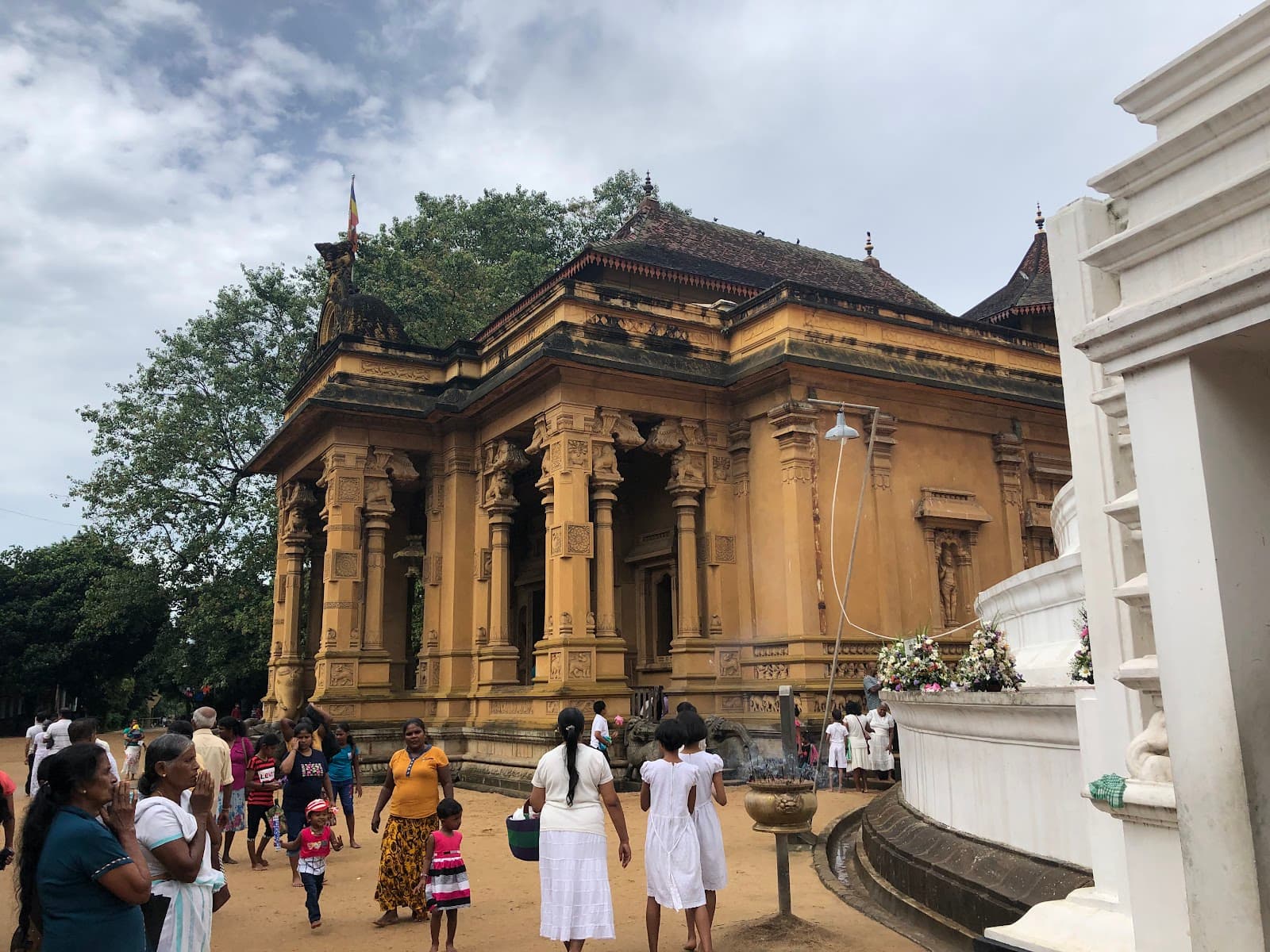
Kelaniya Raja Maha Vihara, dramatically situated on the banks of the Kelani River near Colombo, represents one of the most extraordinary and historically significant Buddhist temples in Sri Lanka, with lore tracing its origins back to the 6th century BCE when the Buddha is believed to have visited the site during his third visit to Sri Lanka, creating a powerful testament to the profound transmission of Indian Buddhist religious traditions to Sri Lanka and serving as a major center of Buddhist worship that integrates a Vishnu shrine, demonstrating the sophisticated religious syncretism that has characterized Sri Lankan religious practices. The temple complex, also known as Kelaniya Temple, features sophisticated architectural elements that demonstrate the direct transmission of Indian Buddhist temple architecture, particularly the traditions of northern India during the time of the Buddha, with local adaptations that reflect the sophisticated synthesis of Indian Buddhist religious and artistic traditions with Sri Lankan building techniques, while the temple's most remarkable feature is its association with the Buddha's visit, which is documented in ancient chronicles including the Mahavamsa and represents one of the most important events in the history of Buddhism in Sri Lanka. The temple's architectural layout, with its central stupa, image house, and assembly halls, follows sophisticated Indian Buddhist monastery planning principles that were systematically transmitted from the great monastic centers of India, while the temple's extensive decorative programs including murals, sculptures, and architectural elements demonstrate the sophisticated synthesis of Indian Buddhist iconography and artistic traditions with local Sri Lankan aesthetic sensibilities. Archaeological evidence reveals that the temple served as a major center of Buddhist worship for over two and a half millennia, attracting pilgrims from across Sri Lanka and South India, while the discovery of numerous inscriptions in Sinhala, Tamil, and Sanskrit provides crucial evidence of the site's role in the transmission of Indian Buddhist texts and practices to Sri Lanka, demonstrating the sophisticated understanding of Indian Buddhist traditions possessed by the temple's patrons and religious establishment. The temple's unique feature of integrating a Vishnu shrine within the Buddhist temple complex demonstrates the sophisticated religious syncretism that has characterized Sri Lankan religious practices, while the temple's association with the Kelani River, which flows into the Indian Ocean, underscores its significance as a center for the transmission of Buddhist teachings, art, and culture from India to Sri Lanka. The temple complex has undergone multiple reconstructions throughout its history, with the current structure representing a modern reconstruction that faithfully preserves the temple's original architectural character and spiritual significance, while ongoing archaeological research continues to reveal evidence of the temple's ancient origins and its role in the transmission of Indian religious traditions to Sri Lanka. Today, Kelaniya Raja Maha Vihara stands as one of the most important Buddhist pilgrimage sites in Sri Lanka, serving as a powerful testament to the transmission of Indian Buddhist culture and architecture to Sri Lanka, while ongoing archaeological research and conservation efforts continue to protect and study this extraordinary cultural treasure that demonstrates the profound impact of Indian civilization on Sri Lankan religious and artistic traditions. ([1][2])
Medak Fort Medak
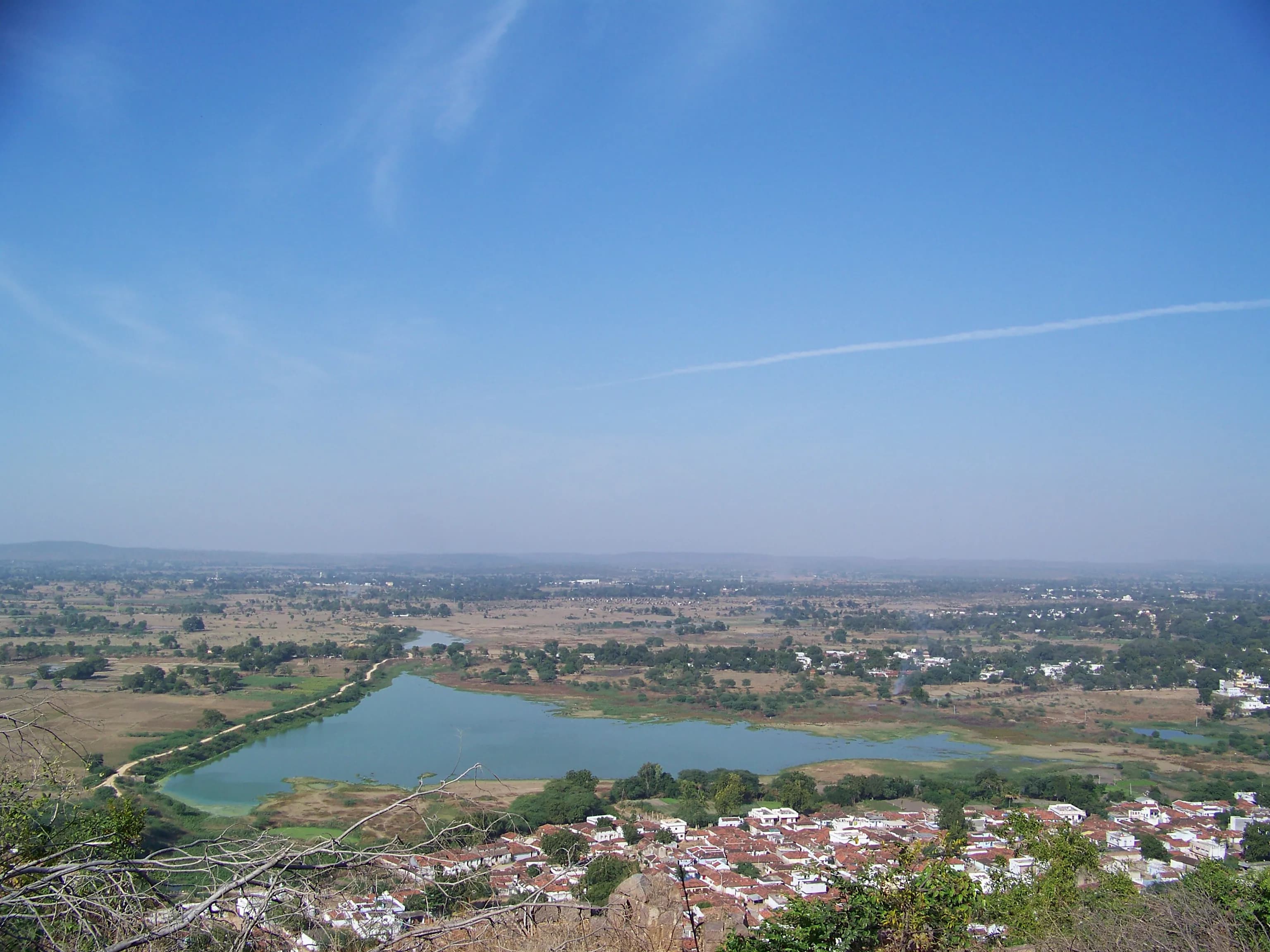
The imposing granite edifice of Medak Fort, perched atop a hillock overlooking the town of Medak in Telangana, exudes a quiet strength. Having explored every UNESCO site in India, I can confidently say that this fort, though not on the World Heritage list, possesses a unique charm that sets it apart. The drive from Bangalore was long but the anticipation made it worthwhile. As I approached, the sheer scale of the fort, its walls stretching across a vast expanse, was truly impressive. The fort's history is palpable in its very stones. Originally built in the 12th century by the Kakatiya dynasty, it later fell under the rule of the Qutb Shahi dynasty and subsequently the Asaf Jahi rulers. This layered history is reflected in the fort's architecture, a fascinating blend of Hindu and Islamic styles. The main entrance, a massive arched gateway, showcases intricate carvings that speak volumes of the craftsmanship of that era. Passing through this portal felt like stepping back in time. One of the most striking features of Medak Fort is its impressive ramparts. Walking along these fortified walls, I could imagine the sentries who once patrolled these very stones, guarding against invaders. The panoramic views from the ramparts are breathtaking, offering a sweeping vista of the surrounding landscape, a patchwork of fields and villages stretching as far as the eye can see. The wind whipping across the open expanse carried whispers of history, adding to the evocative atmosphere. Within the fort's walls lies a treasure trove of architectural marvels. The most prominent structure is the three-storied Baradari, a grand pavilion with intricately carved pillars and arches. The play of light and shadow within this structure created a mesmerizing effect. I spent a considerable amount of time here, sketching the intricate details in my notebook, trying to capture the essence of its architectural brilliance. However, the true jewel in the crown of Medak Fort is the 17th-century mosque, situated within the fort's complex. The mosque's imposing minarets, soaring towards the sky, are visible from miles around. The intricate stucco work adorning the mosque's facade is a testament to the artistic skill of the artisans who crafted it. The serene atmosphere within the mosque offered a welcome respite from the midday sun. The cool air, the hushed silence, and the soft light filtering through the arched windows created an almost spiritual ambiance. Beyond the grand structures, it was the smaller details that truly captivated me. The remnants of a granary, the intricate carvings on the doorways, the weathered stones of the ramparts – each element told a story, adding another layer to the fort's rich tapestry of history. I noticed the distinct Kakatiya style in the use of large granite blocks, a stark contrast to the later Qutb Shahi additions which incorporated more intricate detailing. My visit to Medak Fort was more than just a sightseeing trip; it was an immersive experience. It was a journey through time, a chance to connect with the past and appreciate the legacy of those who came before. While the fort may not be as widely recognized as some of India's UNESCO World Heritage sites, it holds its own in terms of historical significance and architectural splendor. It’s a hidden gem that deserves to be explored and appreciated. As I descended from the hillock, leaving the imposing silhouette of Medak Fort behind, I carried with me not just photographs and memories, but a deeper understanding of the rich and layered history of this region. This is a place I would recommend to anyone seeking an authentic and enriching travel experience, a place where the whispers of history are still audible in the wind.
Seetha Amman Temple Nuwara Eliya Sri Lanka
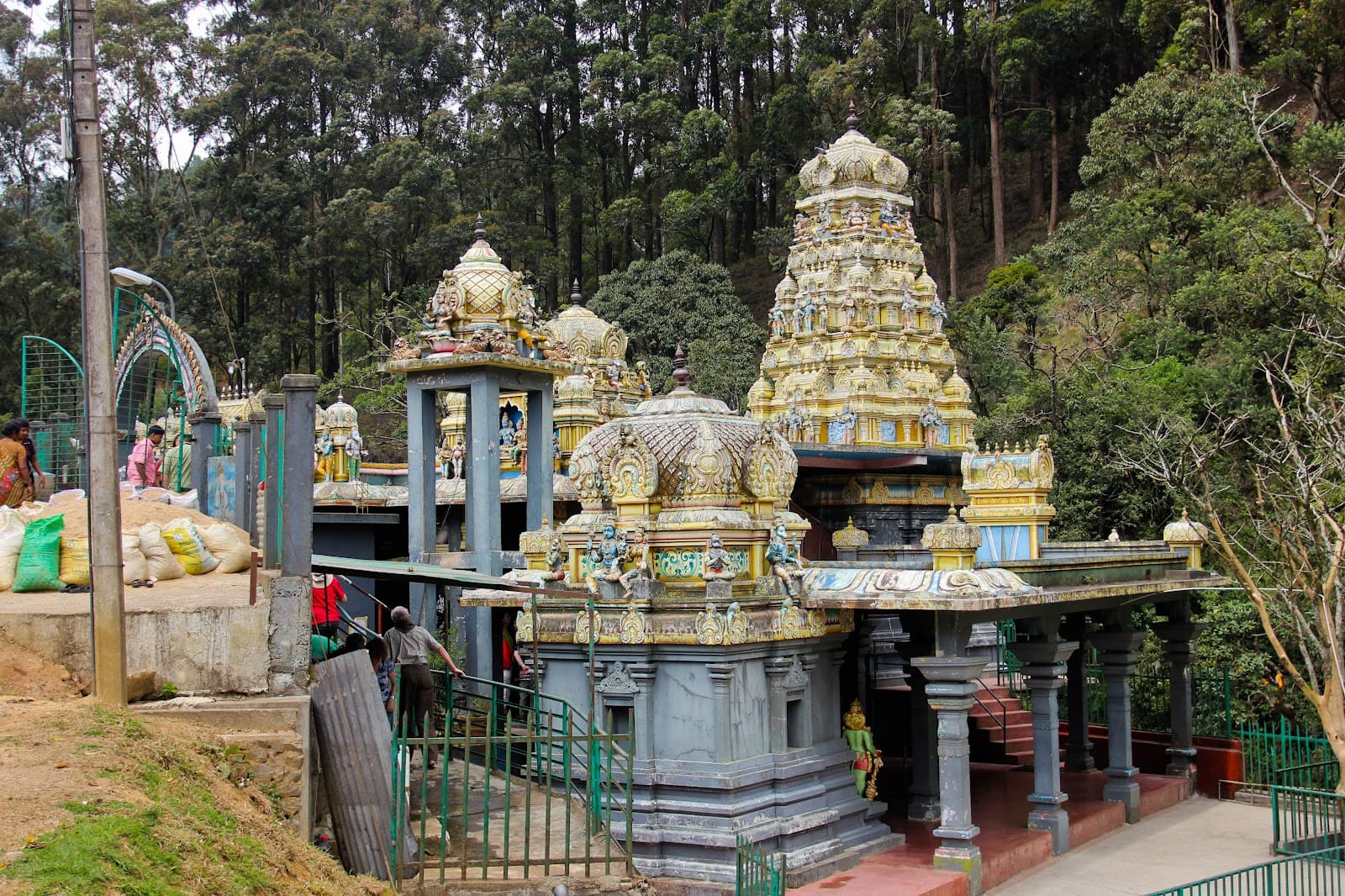
The Seetha Amman Temple, located in Sita Eliya, Nuwara Eliya District, Central Province, Sri Lanka, stands as a profound testament to India's millennia-spanning cultural heritage and its continuous civilizational traditions. Dedicated primarily to Goddess Sita, alongside Lord Rama, Lakshmana, and Hanuman, this sacred site is deeply embedded in the ancient Hindu epic, the Ramayana, reflecting an unbroken spiritual lineage that extends across the Indian subcontinent and beyond [2] [4]. The temple's architecture adheres to the indigenous Dravida and South Indian Temple styles, characterized by its elaborate and vibrant aesthetic, which celebrates the rich sculptural and decorative traditions of Hindu temple building [3] [4]. The temple complex features a grand entrance, or gopuram, adorned with intricate carvings and sculptures depicting various deities and mythological narratives from the Ramayana, serving as a visual gateway to the sacred space [4]. The primary shrine houses the idols of Sita, Rama, Lakshmana, and Hanuman, crafted with meticulous detail, reflecting traditional iconography and artistic principles [4]. The structural elements typically employ a combination of stone and concrete, finished with stucco and polychrome painting, a common practice in modern Dravidian temple construction that maintains traditional forms while utilizing contemporary materials for durability and intricate detailing [3]. The vibrant colors used in the temple's ornamentation are characteristic of South Indian temple architecture, enhancing its visual appeal and spiritual ambiance [3]. Adjacent to the temple flows the Seeta River, a natural feature revered for its mythological association as the place where Goddess Sita is believed to have bathed and offered prayers during her captivity [2] [5]. Near the river, distinct footprints, believed to be those of Lord Hanuman, are visible on a rock face, further cementing the site's legendary connection to the Ramayana [4] [5]. The surrounding soil is notably black in color, a phenomenon attributed by local legend to Lord Hanuman setting Lanka ablaze during his mission to find Sita [2] [5]. While specific dimensions of the 1998 CE structure are not widely documented, the overall design follows the traditional layout of a Hindu temple, incorporating a sanctum sanctorum (garbhagriha), circumambulatory paths (pradakshina-patha), and various mandapams (halls) for devotees [3]. The temple is well-maintained, with active programming including daily poojas and special rituals, drawing pilgrims and visitors from across the globe [2] [5]. Accessibility is facilitated by its proximity to major routes, and the site operates with established timings for worship, ensuring a continuous flow of devotees [2]. The Seetha Amman Temple stands as a vibrant, operational center of Hindu worship, embodying the enduring legacy and continuous cultural practices of Indian civilization [2] [4].
Sinhagad Fort Pune
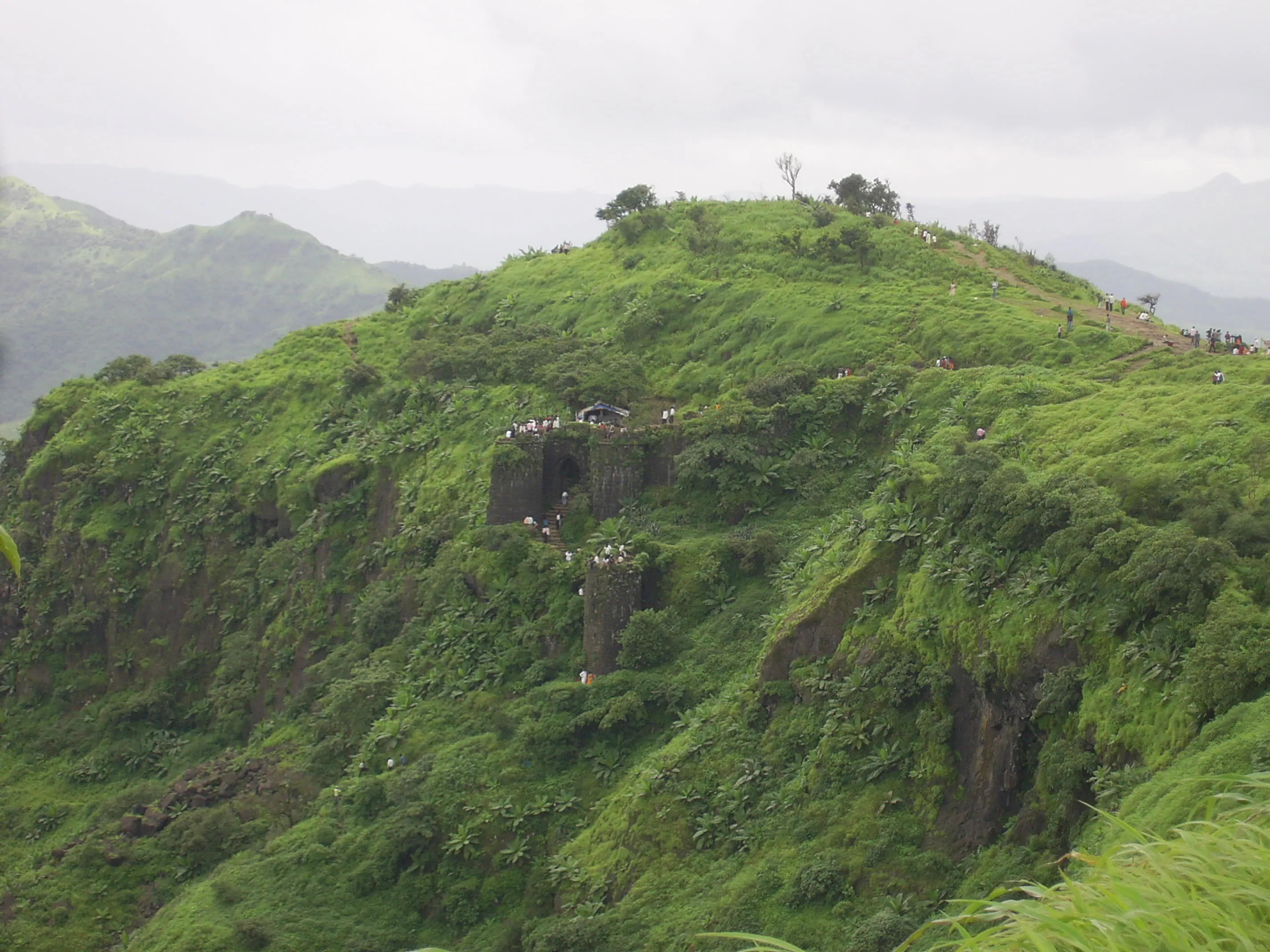
The wind whipped around me, carrying whispers of history as I stood atop Sinhagad Fort, a formidable sentinel overlooking the sprawling landscape below. The ascent itself, a winding road clinging to the Sahyadri hills, had been a prelude to the grandeur that awaited. Having spent years documenting the ancient sites of Madhya Pradesh, I've developed a keen eye for the nuances of historical architecture, and Sinhagad, with its rugged charm and strategic brilliance, immediately captivated me. The fort, originally known as Kondhana, has witnessed centuries of power struggles, its stones absorbing the echoes of Maratha resilience. Standing at the very spot where pivotal battles were fought, I felt a palpable connection to the past. The panoramic view from the ramparts stretched across undulating hills, punctuated by the occasional glint of a distant village. It's easy to see why this location was so fiercely contested – control of Sinhagad meant command over the surrounding valleys and trade routes. The architecture of Sinhagad is a testament to its military purpose. Unlike the ornate palaces I've documented in Mandu, Sinhagad's structures prioritize function over embellishment. The massive walls, built from locally quarried stone, are punctuated by strategically placed bastions and fortified gates. The Kalyan Darwaza and Pune Darwaza, the two main entrances, still bear the scars of past sieges, their thick wooden doors reinforced with iron bands. I spent considerable time photographing these gates, trying to capture the weight of history etched into their weathered surfaces. Within the fort walls, the remnants of various structures paint a picture of life within this military stronghold. The Amruteshwar Temple, a modest stone structure dedicated to Lord Shiva, stands in stark contrast to the surrounding fortifications. Its simple elegance offered a moment of quiet contemplation amidst the echoes of war. I was particularly struck by the intricate carvings on the temple's doorway, a testament to the enduring artistry of the region. The Dev Take, a steep precipice on the eastern side of the fort, offers a breathtaking, if somewhat dizzying, view. Local legend claims that Tanaji Malusare, a celebrated Maratha warrior, scaled this cliff face with the help of a monitor lizard during a daring nighttime raid. Standing at the edge, feeling the wind buffet me, I could almost visualize the scene unfolding centuries ago. One of the most intriguing aspects of Sinhagad is its water management system. Several strategically placed tanks and cisterns, carved into the rock, collected rainwater, ensuring a continuous supply for the fort's inhabitants. This foresight, crucial for withstanding prolonged sieges, speaks volumes about the ingenuity of the fort's builders. I was fascinated by the intricate network of channels and sluices that regulated the flow of water, a testament to the sophisticated engineering of the time. My visit to Sinhagad wasn't just about documenting the physical structures; it was about absorbing the spirit of the place. The fort isn't just a collection of stones and mortar; it's a living testament to human resilience, strategic brilliance, and the enduring power of history. As I descended the winding path, leaving the fort behind, I carried with me not just photographs, but a deeper understanding of the rich tapestry of India's past. The whispers of history, carried on the wind, had found a new echo in my own heart.
Banteay Samre Siem Reap Cambodia
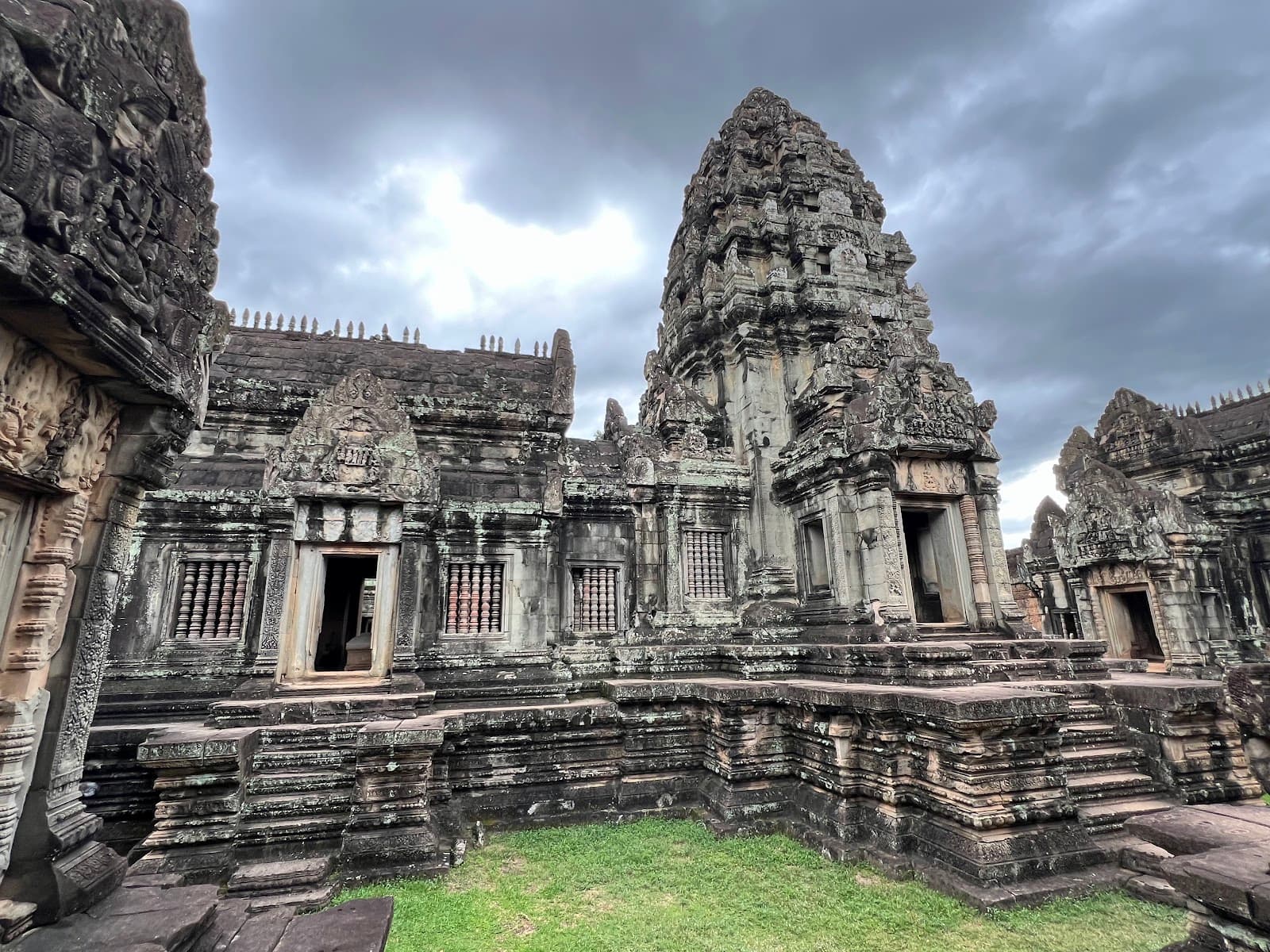
Located 12 kilometers east of Angkor, Banteay Samre exemplifies Khmer Vaishnavite temple architecture dating back to the 12th century CE, during the reign of Suryavarman II ([1][2]). Dedicated to Vishnu, the temple illustrates the transmission of Indian Vaishnavite traditions to Cambodia during the Angkorian period ([1][2]). Its layout, featuring a central sanctuary with enclosures and galleries, reflects Indian Vaishnavite temple planning principles, similar to complexes found in India ([1][2]). Intricate carvings adorning the walls depict scenes from Vaishnavite mythology, including Vishnu's avatars and narratives from the Ramayana and Mahabharata ([1][2]). These carvings demonstrate the sophisticated understanding of Indian iconography by Khmer artists ([1][2]). During the medieval period, temple architecture incorporated the concept of Mount Meru in its central tower, surrounded by galleries, aligning with Indian Vaishnavite planning principles ([1][2]). The central tower, or Shikhara (Spire), rises majestically, embodying the cosmic mountain ([1][2]). Sandstone blocks, meticulously fitted together without mortar, showcase engineering techniques potentially transmitted from India to Cambodia ([1][2]). Lime mortar was used as an adhesive in certain areas, further securing the structure ([3]). Archaeological excavations have uncovered the temple's role as a center for Vishnu worship, with inscriptions providing evidence of the transmission of Indian Vaishnavite texts and practices ([1][2][3]). The Garbhagriha (Sanctum) likely housed an idol of Vishnu, the supreme deity in Vaishnavism ([3]). Now a part of a UNESCO World Heritage Site, Banteay Samre attests to the impact of Indian culture and architecture on Southeast Asia ([4][5]). Ongoing research and conservation efforts aim to protect this cultural treasure, demonstrating Indian civilization's influence on Southeast Asian religious and artistic traditions ([4][5]). The temple's Mandapa (Pillared Hall) would have served as a space for devotees to gather and offer prayers ([5]). The use of laterite in the foundation provided a stable base for the sandstone superstructure ([3]).
Quick Links
Plan Your Heritage Journey
Get personalized recommendations and detailed visitor guides