Has Inheritage Foundation supported you today?
Your contribution helps preserve India's ancient temples, languages, and cultural heritage. Every rupee makes a difference.
Secure payment • Instant 80G certificate
Mahalaxmi Temple Kolhapur
The Mahalaxmi Temple in Kolhapur, a city steeped in Maratha history, stands as a testament to the enduring power of devotion and the exquisite artistry of the Chalukya period. Bathed in the warm glow of the afternoon sun, the temple, constructed primarily of dark grey basalt, exuded a powerful aura that resonated with the chants emanating from within. As someone deeply immersed in South Indian temple architecture, I was immediately struck by the similarities and differences that presented themselves, creating a fascinating cross-cultural architectural dialogue. The temple's *garbhagriha*, the sanctum sanctorum housing the goddess Mahalaxmi, is the heart of the complex. Unlike the towering *vimanas* that characterize many South Indian temples, the Mahalaxmi Temple's main structure is relatively shorter, with a curvilinear *shikhara* that reminded me of the Kadamba style prevalent in coastal Karnataka. This shikhara, adorned with intricate carvings of deities and mythical creatures, rises above the sanctum, drawing the eye upwards. The basalt stone, while lacking the vibrant hues of granite often used in the south, possesses a quiet dignity, its dark surface reflecting the light in subtle ways. Circumambulating the sanctum, I observed the *mandapa*, or pillared hall, surrounding the *garbhagriha*. Here, the Chalukyan influence was unmistakable. The pillars, though simpler than the ornate pillars of Dravidian architecture, displayed a robust elegance. Many featured intricate carvings of floral motifs and miniature depictions of divine figures, showcasing the skill of the artisans. The open mandapa allowed for a seamless flow of air and light, creating a serene atmosphere conducive to prayer and contemplation. One of the most striking features of the Mahalaxmi Temple is the presence of a *deepmala*, a lamp tower, within the temple complex. While deepmalas are a common feature in South Indian temples, particularly in Tamil Nadu, seeing one integrated so seamlessly into the architecture of a Chalukyan temple was a unique experience. The deepmala, with its multiple tiers for oil lamps, stood as a beacon of light, symbolizing the dispelling of darkness and ignorance. The temple's outer walls are adorned with sculptures of various deities, including Ganesh, Vishnu, and Shiva. These sculptures, while weathered by time, retain a remarkable level of detail. The iconography, while sharing some common ground with South Indian traditions, also displayed distinct regional variations, reflecting the unique cultural milieu of Maharashtra. For instance, the depiction of Mahalaxmi herself, adorned with elaborate jewelry and a serene expression, felt distinctly different from the depictions of Lakshmi I had encountered in Tamil Nadu temples. Beyond the main shrine, the temple complex encompasses several smaller shrines dedicated to other deities. This clustering of shrines, reminiscent of the *koshta devatas* found in South Indian temples, creates a sense of a vibrant spiritual ecosystem, where different deities coexist harmoniously. The presence of a sacred tank within the complex further enhances this sense of spiritual completeness, echoing the importance of water in Hindu rituals. My visit to the Mahalaxmi Temple was more than just a sightseeing experience; it was a journey of architectural discovery. It highlighted the rich tapestry of Indian temple architecture, showcasing the regional variations within a broader shared tradition. The temple stands as a powerful reminder of the enduring legacy of the Chalukyas and the deep-rooted devotion that continues to animate this sacred space. The interplay of architectural styles, the intricate carvings, and the palpable sense of spiritual energy made this a truly unforgettable experience, offering valuable insights into the interconnectedness of India's diverse cultural heritage.
Mukteswara Temple Bhubaneswar
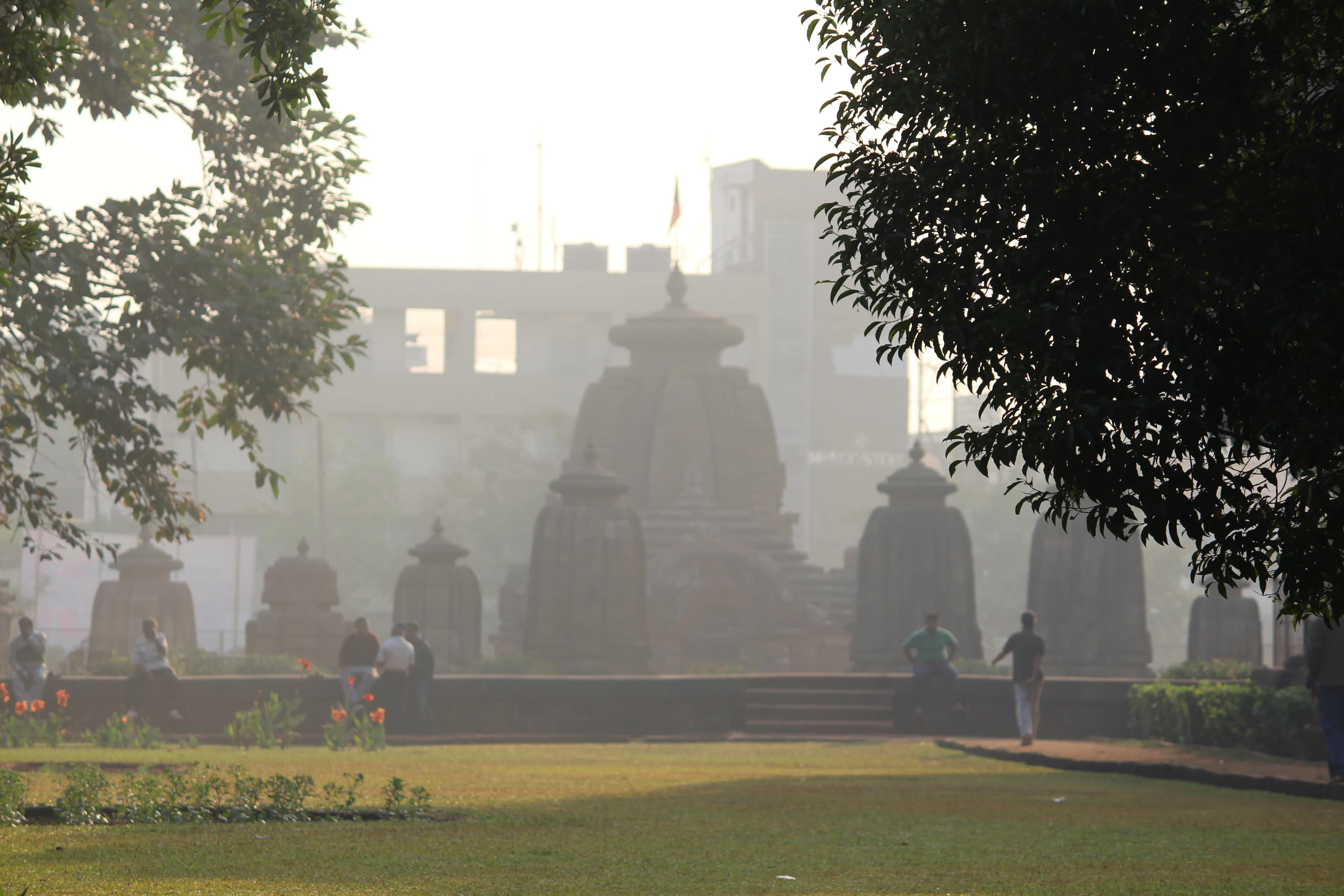
The midday sun cast long shadows across the laterite stones of the Mukteswara Temple, etching the intricate carvings into stark relief. Standing before this 10th-century marvel in Bhubaneswar, I felt a palpable shift, a whisper of the past carried on the gentle breeze. This wasn't just another temple; it felt like a pivotal moment captured in stone, a bridge between the simpler Kalinga architecture of earlier centuries and the ornate grandeur that would define the later temples of Odisha. The Mukteswara, though smaller than its successors like the Rajarani and Lingaraj, possesses a captivating elegance. Its sandstone gateway, the torana, is arguably its most celebrated feature. Covered in a tapestry of carvings – nagas, yakshas, and intricate scrollwork – it stands as a testament to the skill of the ancient artisans. I spent a considerable amount of time studying the torana, tracing the lines of the sculptures with my fingers, marveling at the dynamism captured within the static stone. The depiction of Lakulisa, a Shaivite ascetic, particularly caught my eye. His serene countenance, framed by flowing locks, seemed to radiate a quiet wisdom, a stark contrast to the writhing forms of the mythical creatures surrounding him. Passing through the torana, the compact courtyard opened before me, the main temple, or vimana, dominating the space. The vimana, built in the rekha deul style, rises gracefully towards the sky, its curvilinear form a testament to the architectural prowess of the period. Unlike the later temples, the Mukteswara’s vimana is relatively uncluttered, allowing the eye to appreciate the flowing lines and the subtle interplay of light and shadow. The decorative elements, though present, are restrained, emphasizing the overall harmony of the structure. I noticed the distinct use of chaitya arches, a recurring motif in Odishan architecture, adorning the walls. These miniature shrines, each housing a deity, added a layer of symbolic depth to the structure. The jagamohana, or assembly hall, connected to the vimana, is equally captivating. Its pyramidal roof, adorned with intricate carvings, provided a welcome respite from the midday sun. Inside, the atmosphere was noticeably cooler, the air thick with the scent of incense and the murmur of prayers. I observed the elaborate carvings on the pillars, each depicting scenes from mythology and daily life. The narrative quality of these sculptures was striking, each panel telling a story, transporting the viewer to a different time and place. One aspect that truly sets the Mukteswara apart is its experimental nature. It's often referred to as a "gem of Orissan architecture," and I understood why. The temple showcases the first extensive use of sculptures on the exterior walls, a feature that would become a hallmark of later temples. The intricate latticework on the windows, the delicate floral motifs, and the playful depictions of animals all hinted at a burgeoning artistic confidence, a willingness to push the boundaries of traditional architectural norms. As I circled the temple, absorbing the details, I couldn't help but reflect on the continuity of tradition. The Mukteswara, though centuries old, remains a living testament to the enduring power of faith and artistry. The rituals performed within its walls, the hymns chanted, the offerings made – these are echoes of practices that have been carried out for generations. It's this unbroken thread, this connection to the past, that makes the Mukteswara not just a historical monument but a vibrant part of the cultural fabric of Odisha. Leaving the temple grounds, I carried with me not just images of carved stone and intricate sculptures, but a deeper appreciation for the rich tapestry of Indian architectural history.
Jain Temple Dimapur
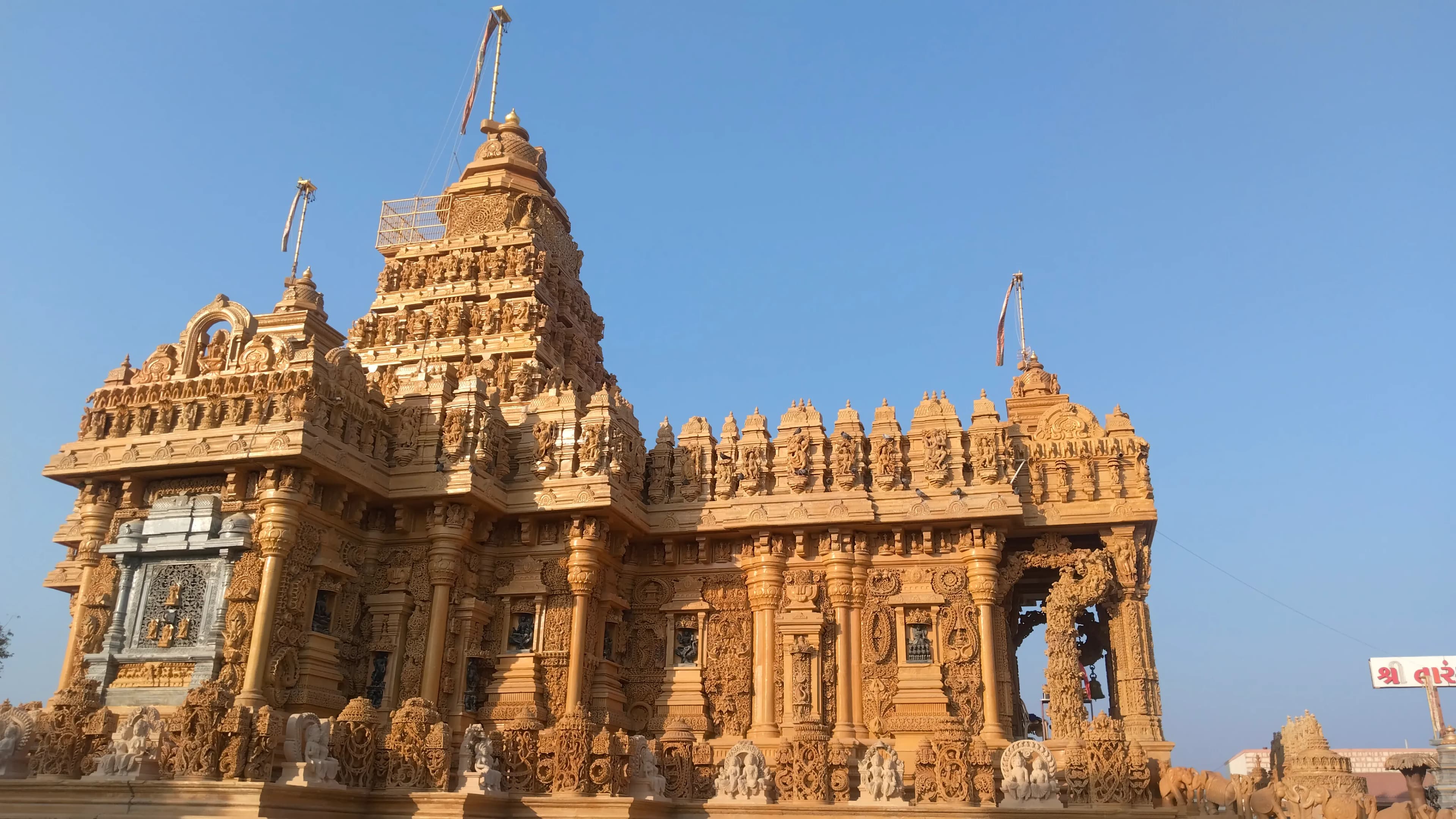
The humidity hung heavy, a stark contrast to the arid landscapes of Rajasthan I'm accustomed to. Here in Dimapur, Nagaland, nestled amidst lush greenery, stands the Jain Temple, a structure that whispers tales of a community far removed from the desert kingdoms I know so well. It isn't a grand edifice like the sprawling fortresses back home, but its simplicity holds a unique charm, a quiet dignity that immediately captivated me. The temple's exterior is a pristine white, a beacon against the vibrant green backdrop. The shikhar, the curvilinear tower, rises gracefully, though it lacks the intricate carvings and embellishments that adorn the Jain temples of Rajasthan. Instead, its surface is smooth, almost minimalist, crowned with a golden kalash, gleaming under the Nagaland sun. This architectural restraint, I realized, speaks volumes. It's a testament to the adaptability of Jain philosophy, its ability to flourish even in a land so different from its traditional heartland. Stepping inside, I was struck by the sense of peace. The main prayer hall is a large, airy space, devoid of the opulent ornamentation I’m used to seeing in Jain temples. Sunlight streamed in through large windows, illuminating the simple, yet elegant altar. At the center sits a serene white marble statue of the twenty-fourth Tirthankara, Mahavir Swami. His meditative posture, the downcast eyes, exuded an aura of tranquility that permeated the entire space. There were no elaborate frescoes, no intricate carvings on the pillars – just the quiet presence of the Tirthankara, a focal point for devotion. I spent some time observing the devotees. A mix of locals and visitors, they moved with a quiet reverence, their prayers whispered rather than chanted. It was a different atmosphere from the bustling Jain temples of Rajasthan, where the air often rings with devotional songs and the scent of incense. Here, the silence amplified the sense of spirituality, allowing for a deeper, more introspective experience. As I explored further, I discovered a small museum attached to the temple. It housed a collection of photographs and artifacts documenting the history of the Jain community in Dimapur. I learned that the temple was relatively recent, built in the latter half of the 20th century by a small but thriving Jain community that had migrated to Nagaland for business. The museum offered a fascinating glimpse into their journey, their challenges, and their contributions to the local community. It was a story of resilience and adaptation, a testament to the enduring spirit of Jainism. One particular exhibit caught my eye – a series of photographs showcasing the annual Mahavir Jayanti celebrations. The images depicted a vibrant procession, with devotees carrying the statue of Mahavir Swami through the streets of Dimapur. It was a striking image – the white-clad Jain devotees amidst the colorful Naga crowds, a beautiful representation of religious harmony and cultural exchange. Leaving the temple, I carried with me a sense of quiet admiration. This unassuming structure, tucked away in a corner of Nagaland, spoke volumes about the adaptability and universality of Jain philosophy. It was a reminder that spirituality transcends geographical boundaries and cultural differences. While the architecture and rituals might differ from the grand traditions I'm familiar with in Rajasthan, the core values of non-violence, compassion, and self-discipline remained the same, resonating powerfully in this tranquil corner of Northeast India. The Jain Temple of Dimapur may not boast the grandeur of its Rajasthani counterparts, but its quiet dignity and the story it tells are equally, if not more, compelling.
Solophok Chardham Namchi
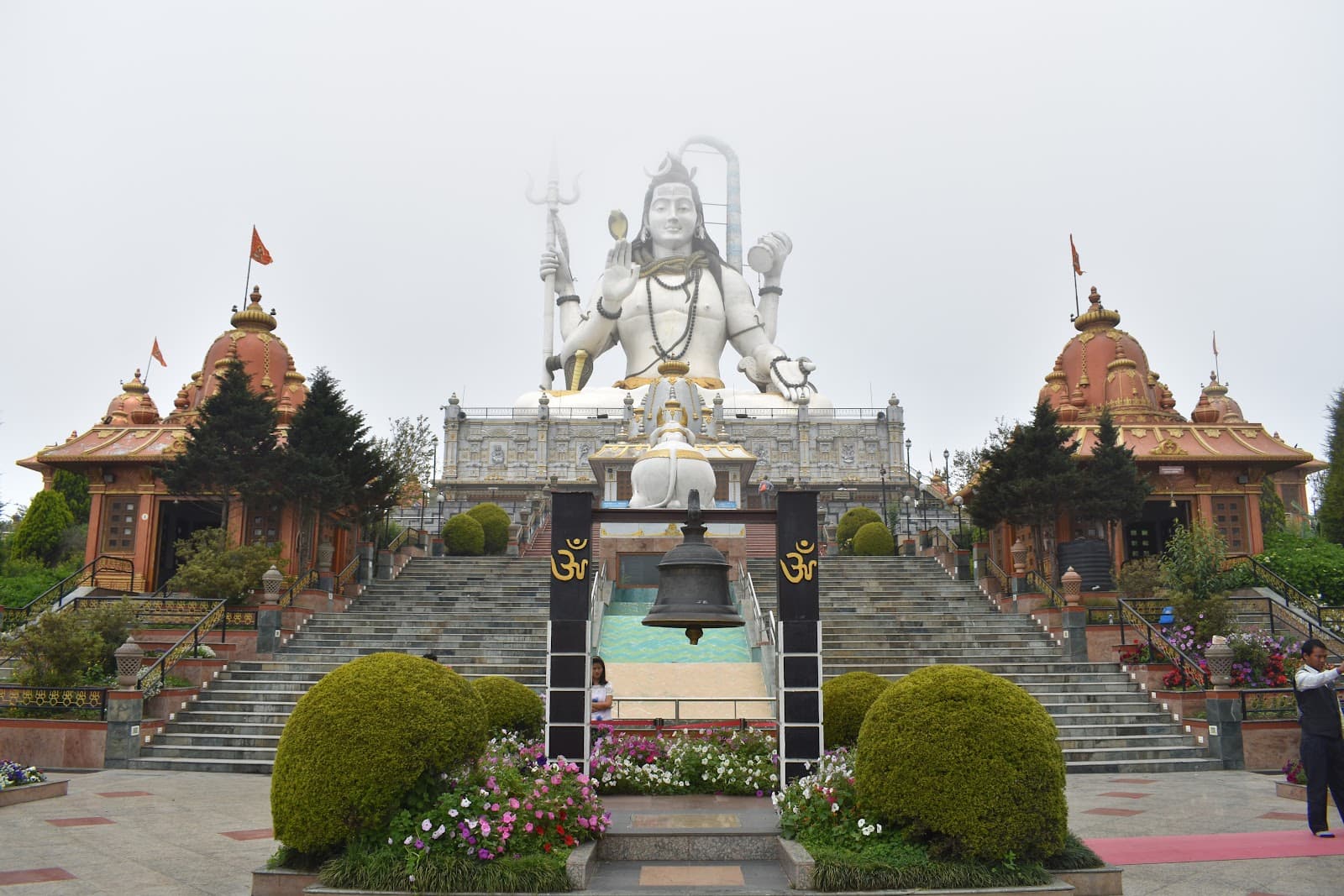
The vibrant prayer flags snapping in the Himalayan breeze were my welcome to Solophok Chardham, a surprisingly recent addition to Sikkim’s spiritual landscape. Perched on the Solophok hilltop overlooking Namchi, this complex, completed in 2011, isn’t ancient in the way of many UNESCO sites, but its ambition is palpable. It aims to replicate the revered Char Dham pilgrimage circuit of India – Badrinath, Dwarka, Puri, and Rameshwaram – within a single location, making it accessible to those unable to undertake the arduous original journey. The centerpiece, and the first structure that caught my eye, is the towering 108-foot statue of Lord Shiva, known here as Siddheshwar. Its sheer scale is breathtaking, gleaming gold against the backdrop of the snow-capped Kanchenjunga range. The statue itself is a marvel of modern engineering, and I learned from a local priest that it was constructed using copper and plated with gold. The detailing on Lord Shiva’s form, from the intricate folds of his garments to the serene expression on his face, is remarkably precise. Circling the statue, I found myself immersed in the representations of the four Dhams. Each shrine is architecturally distinct, reflecting the style of its original counterpart. The Badrinath replica, dedicated to Lord Vishnu, features the characteristic sloping roof and brightly coloured facade I’d seen in Uttarakhand. Dwarka, dedicated to Lord Krishna, echoed the intricate carvings and sandstone hues of Gujarat’s coastal temples. The Jagannath temple of Puri, with its distinctive pyramidal roof and vibrant murals, transported me back to Odisha. Finally, the Rameshwaram replica, dedicated to Lord Shiva in his Ramalingeswara form, captured the Dravidian architectural style of Tamil Nadu with its towering gopuram. While the architectural mimicry is impressive, Solophok Chardham isn’t merely a copy-paste project. The complex incorporates elements of Sikkimese Buddhist architecture, creating a unique blend of styles. The prayer wheels lining the pathways, the colourful murals depicting Buddhist deities, and the presence of monks going about their daily rituals, all contribute to a syncretic atmosphere that feels distinctly Sikkimese. This fusion, I felt, was the most compelling aspect of the site. It speaks to the region’s history of religious harmony and the fluidity of faith in the Himalayas. Beyond the main shrines, the complex offers panoramic views of the surrounding valleys and mountains. I spent a considerable amount of time simply absorbing the scenery, the peace punctuated only by the fluttering prayer flags and the distant chanting from within the temples. There’s a palpable sense of serenity here, a quiet energy that encourages introspection. One aspect that struck me was the meticulous upkeep of the entire complex. Despite the constant flow of visitors, the grounds were impeccably clean, the gardens well-maintained, and the shrines themselves pristine. This speaks volumes about the reverence with which the site is held by both the local community and the managing authorities. My visit to Solophok Chardham was more than just ticking off another UNESCO site on my list. It was an immersion in a unique blend of architectural styles, religious traditions, and breathtaking natural beauty. While the complex is relatively new, it carries a weight of spiritual significance, offering a glimpse into the rich tapestry of faith and devotion that defines the Himalayan region. It’s a testament to the power of human ambition, not just in replicating architectural marvels, but in creating a space that fosters peace, reflection, and a deeper understanding of India’s diverse spiritual heritage. It’s a place I wouldn’t hesitate to recommend to anyone seeking a unique and inspiring travel experience.
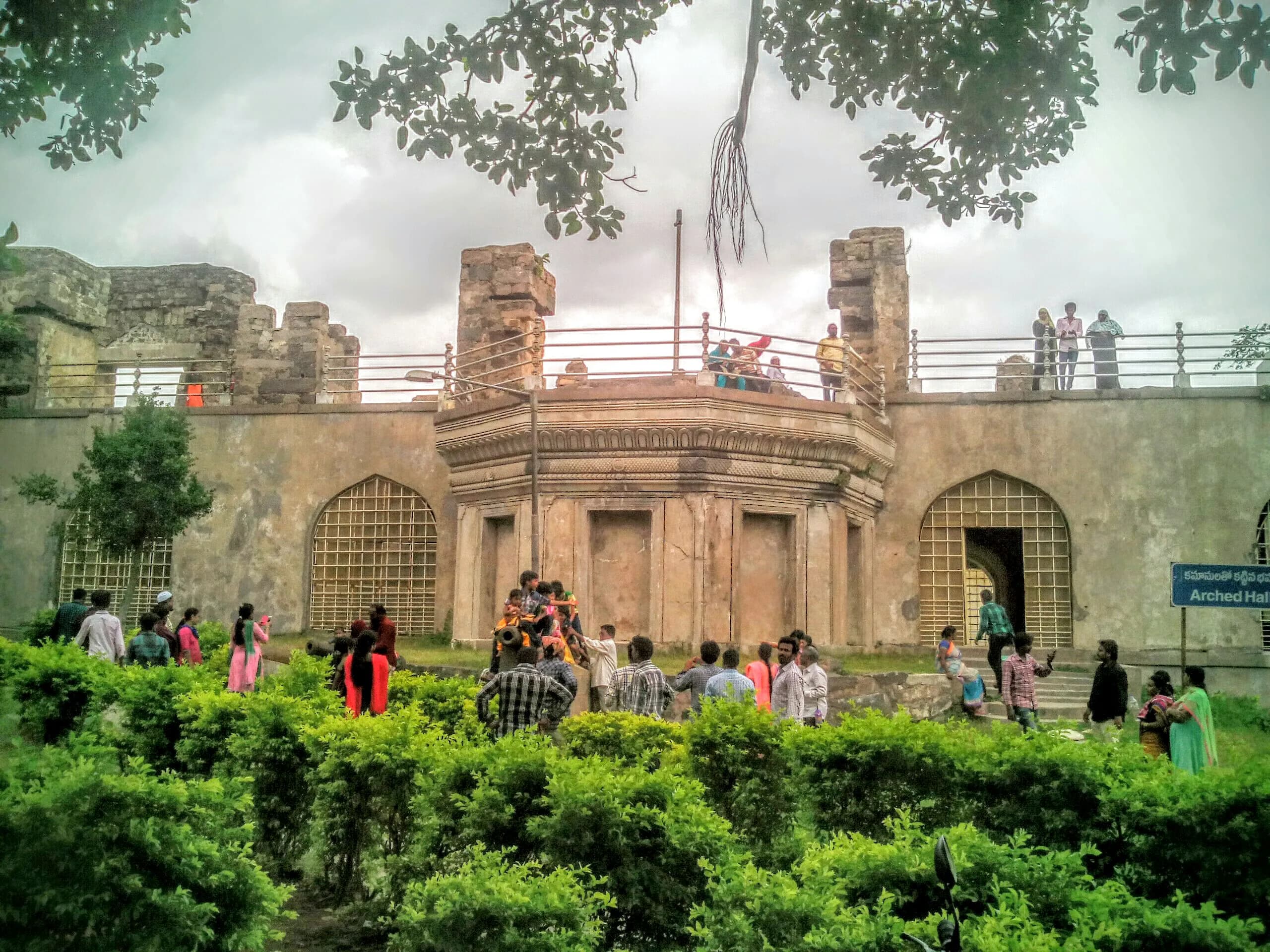
Kondapalli Fort Kondapalli
The wind whipped around me, carrying whispers of history as I stood atop Kondapalli Fort, gazing over the sprawling Krishna district. The panoramic view, a tapestry of green fields and distant villages, was a fitting reward for the climb. Coming from Gujarat, where forts often rise from arid landscapes, the lush setting of Kondapalli was a striking contrast, a testament to the diverse beauty of India's fortifications. My journey through the fort began with the imposing Dargah of Gulab Shah, a Sufi saint revered by both Hindus and Muslims. This syncretic element, so common in India, immediately piqued my interest. The Dargah, with its simple yet elegant architecture, served as a gentle prelude to the grandeur within. Passing through the colossal three-storied entrance, I was struck by the scale of the fort. Kondapalli is not just a single structure but a complex, a miniature city enclosed within its ramparts. The architecture displayed a fascinating blend of styles. While the robust construction and strategic layout bore the hallmarks of a formidable military stronghold, delicate carvings and intricate details hinted at a period of artistic flourishing. The influence of various dynasties – the Reddy Kings, the Vijayanagara Empire, and the Qutb Shahis – was evident in the eclectic mix of architectural elements. I noticed the distinct Vijayanagara style in the sturdy granite walls and the strategically placed bastions, while the later additions, like the Tanisha Mahal, showcased a more refined, almost palatial aesthetic. Exploring the ruins of the Tanisha Mahal was a particularly poignant experience. This "Queen's Palace," once a symbol of royal luxury, now stands in graceful decay. The remnants of ornate balconies, delicate arches, and intricately carved pillars spoke volumes about the fort's opulent past. I could almost picture the royal court in its heyday, the halls filled with music and laughter. The light filtering through the broken arches cast long shadows, adding to the melancholic beauty of the place. One of the most striking features of Kondapalli Fort is its ingenious water management system. Massive cisterns, carved into the rock, collected rainwater, ensuring a continuous supply for the inhabitants. This foresight, crucial in a region prone to dry spells, highlighted the architectural ingenuity of the builders. I was particularly impressed by the intricate network of channels and pipes that distributed the water throughout the fort, a testament to their advanced understanding of hydraulic engineering. As I walked along the ramparts, I noticed the strategically placed cannons, silent sentinels guarding the fort. The sheer size of these cannons, some of them impressively large, underscored the fort's military importance. The views from the ramparts were breathtaking, offering a 360-degree panorama of the surrounding countryside. I could see the winding Krishna River in the distance, its waters glinting in the sunlight. The Kondapalli Fort is more than just stones and mortar; it's a living testament to a rich and layered history. It's a place where architectural grandeur meets strategic brilliance, where whispers of royal splendor mingle with echoes of battles fought. As I descended from the fort, I carried with me not just photographs and notes, but a deeper appreciation for the architectural heritage of Andhra Pradesh. This fort, standing proud against the backdrop of time, is a must-see for anyone seeking to unravel the fascinating tapestry of Indian history. It's a place that stays with you long after you've left, its stories etched in your memory.
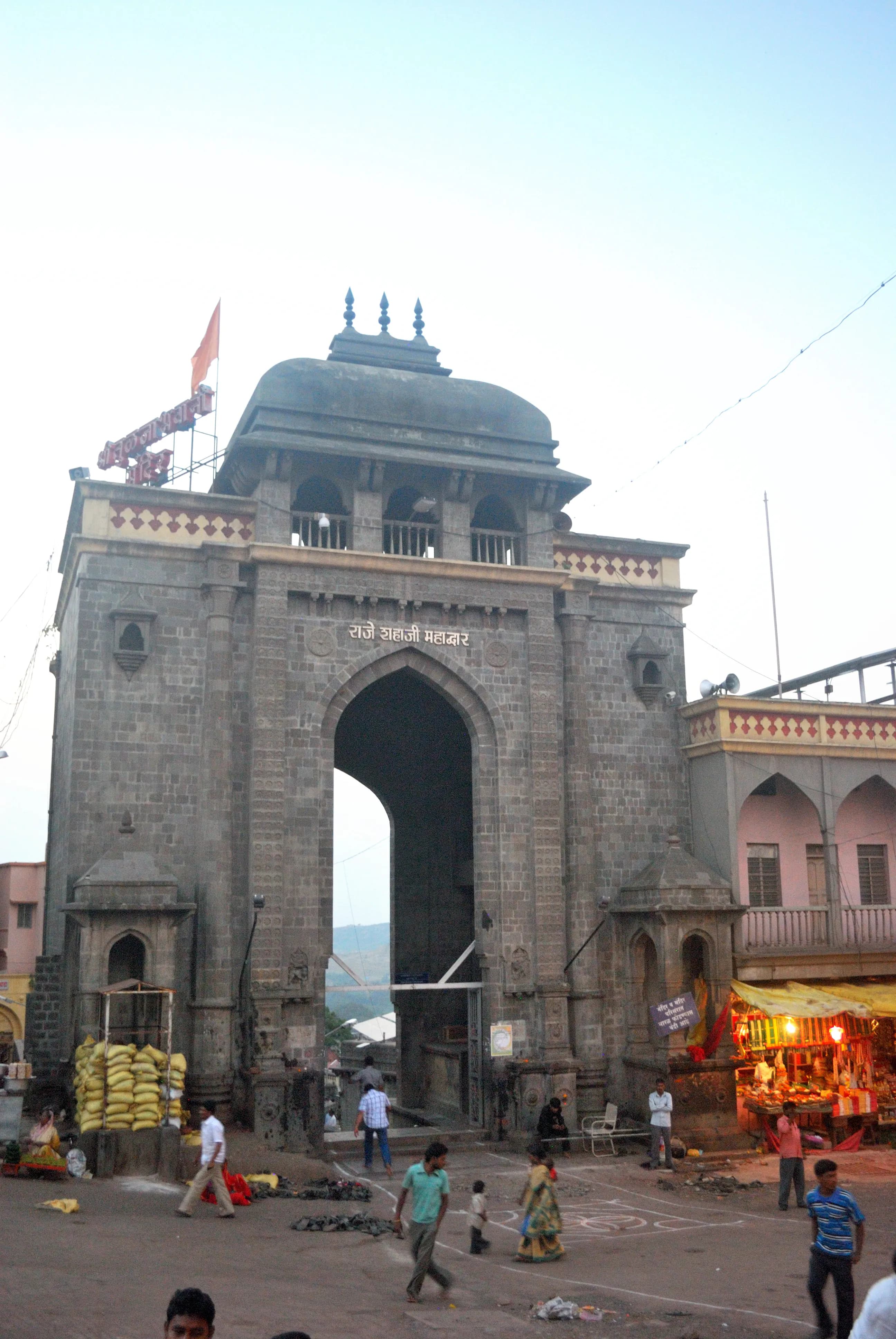
Tulja Bhavani Temple Tuljapur
The air thrummed with a palpable energy as I stepped through the imposing Gopura gateway of the Tulja Bhavani Temple. The saffron flags fluttering atop the structure seemed to pulse with the rhythm of devotional chants emanating from within. Here, in the heart of Maharashtra's Osmanabad district, nestled within the rugged embrace of the Balaghat range, stood a testament to centuries of unwavering faith – the abode of Tulja Bhavani, the revered family deity of the Bhosale dynasty and a powerful manifestation of Shakti. My visit, as a cultural journalist deeply rooted in the traditions of Uttar Pradesh, was not merely an observation but a pilgrimage of sorts. While Uttar Pradesh boasts its own rich tapestry of Devi temples, experiencing the reverence for Bhavani Mata in Maharashtra offered a unique perspective on the diverse expressions of devotion across India. The temple complex, a sprawling labyrinth of courtyards and shrines, unfolded before me. The architecture, predominantly of the Hemadpanthi style, displayed a distinct departure from the North Indian Nagara style I was accustomed to. The use of black basalt stone, intricately carved with geometric patterns and floral motifs, lent the structure a sense of grounded strength. The sloping roofs, devoid of the elaborate curvilinear shikharas common in North Indian temples, created a stark yet elegant silhouette against the clear sky. I joined the throng of devotees making their way to the inner sanctum. The queue, though long, moved with a surprising fluidity, each individual propelled by an inner current of devotion. The anticipation built with every step, the air thick with the fragrance of incense and the murmur of prayers. Finally, I stood before the Goddess. The idol of Tulja Bhavani, crafted from black stone, exuded an aura of both fierce power and maternal benevolence. Unlike the ornate, elaborately adorned idols often seen in North Indian temples, Bhavani Mata's image was strikingly simple yet captivating. Her eight arms, each holding a symbolic weapon, spoke of her ability to vanquish evil and protect her devotees. The serene expression on her face, however, conveyed a sense of profound peace, a reassurance that transcended the clamor of the temple. As I observed the rituals, I noticed the unique Marathi traditions interwoven with the broader Hindu practices. The rhythmic chanting of Marathi hymns, the distinctive style of the priests' attire, and the offerings of specific regional delicacies all contributed to a distinct cultural flavor. It was fascinating to witness how the same deity, worshipped across geographical boundaries, could manifest in such diverse and vibrant forms. Beyond the main shrine, the temple complex housed several smaller shrines dedicated to other deities, each with its own unique story and significance. I spent hours exploring these spaces, absorbing the intricate details of the carvings, deciphering the symbolic representations, and engaging in conversations with the temple priests and local devotees. These interactions provided invaluable insights into the history, mythology, and cultural significance of Tulja Bhavani. One of the most striking aspects of my experience was the palpable sense of community that permeated the temple. People from all walks of life, irrespective of their social standing or economic background, came together in a shared space of devotion. The temple served not just as a place of worship, but also as a social hub, a place for connection and collective expression. Leaving the Tulja Bhavani Temple, I carried with me more than just memories and photographs. I carried a deeper understanding of the multifaceted nature of faith, the power of shared belief, and the enduring legacy of India's rich cultural heritage. The experience reinforced my belief that exploring these sacred spaces is not just an act of journalistic inquiry, but a journey of personal and cultural enrichment. It is a journey that continues to resonate within me, shaping my understanding of the diverse tapestry of India's spiritual landscape.
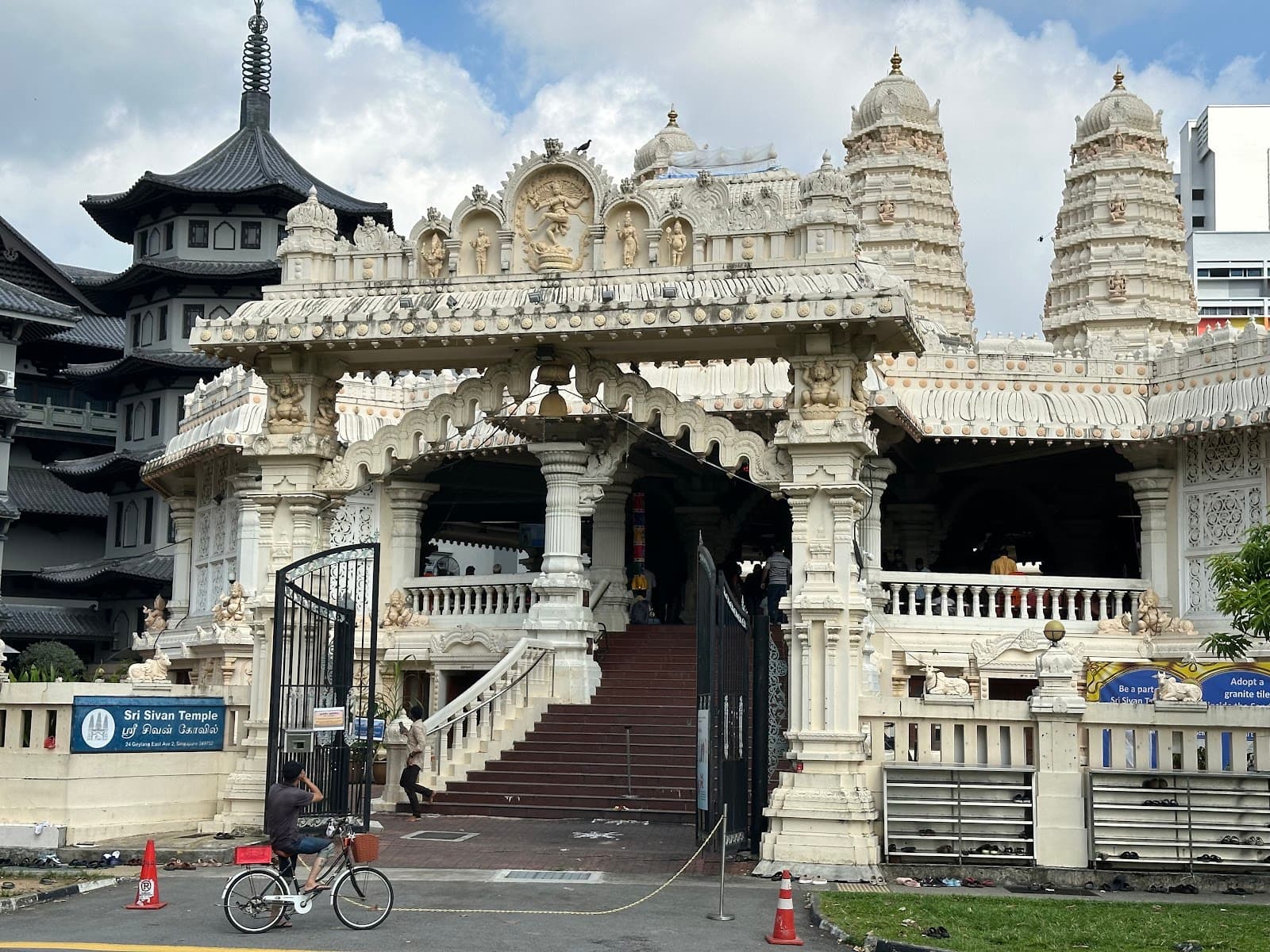
Sri Sivan Temple Singapore
Sri Sivan Temple, whose roots date to an 1850s attap shrine in Orchard Road, stands today in Geylang as the city’s primary Saiva Siddhanta temple featuring a rare octagonal sanctum, modern gopuram, and roof skylights that bathe Sri Kariamman and Sri Sivan in natural light ([1][2]). The current complex, consecrated in 1993 and managed by the Hindu Endowments Board, opens daily 6:30 AM-12:00 PM and 6:00 PM-9:00 PM with six daily puja kalam: Kala Shanthi, Uchikalam, Sayarakshai, Arthajama, and special pradosham rites; the prasadam hall and courtyard serve vegetarian meals, while classrooms host Saiva Siddhanta, Tamil, music, and yoga lessons. The temple is celebrated for its annual Maha Sivarathiri (overnight vigil), Panguni Uthiram, Pradosham, and Navaratri, and for its second-storey columbarium, a unique adaptation supporting contemporary Hindu funerary practices. Community services include annadhanam, counselling, legal aid, health screenings, and seniors’ programmes orchestrated with People’s Association and Health Promotion Board. During COVID-19, the temple provided virtual darshan, vaccination outreach, and relief parcels for vulnerable residents. Integrated AV systems, livestream studios, LED relighting, BMS climate controls, and CCTV sustain safe operations, while heritage tours highlight the temple’s evolution from Orchard Road to Dhoby Ghaut and finally Geylang, mapping Singapore’s urban transformation ([1][3]).
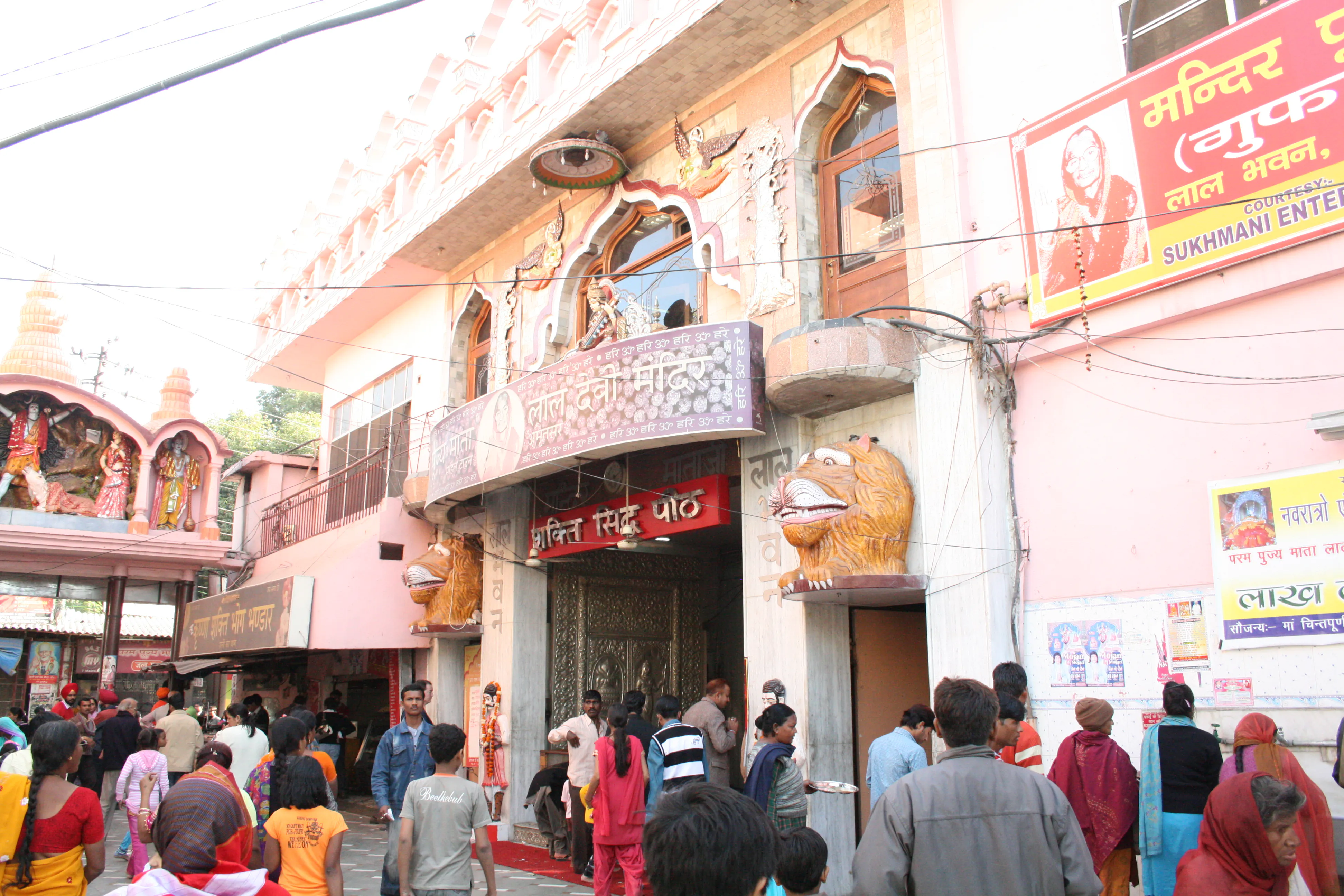
Mata Lal Devi Mandir Amritsar
The narrow lanes of Amritsar, vibrant with the scent of spices and the echo of devotional chants, led me to a place quite unlike the Golden Temple’s grandeur, yet equally captivating: the Mata Lal Devi Mandir. This temple, dedicated to the 20th-century female saint Lal Devi, isn't a UNESCO World Heritage Site. It's a labyrinthine marvel, a kaleidoscope of mirrors, narrow passages, and unexpected chambers, often described as a "funhouse" for the devout. Having explored every UNESCO site in India, I can confidently say this temple offers a unique spiritual experience, blending traditional faith with an almost surreal, dreamlike atmosphere. Stepping inside felt like entering another dimension. The low-ceilinged passages, twisting and turning unpredictably, were lined with countless mirrors. These weren't placed for vanity, but to symbolize the illusions and distractions of the material world. Navigating through them, I felt a sense of disorientation, a deliberate unsettling meant to encourage introspection. The mirrored walls also amplified the sounds of chanting and the shuffling of feet, creating an immersive, almost hypnotic effect. The architecture defies easy categorization. It’s a fascinating blend of traditional Hindu motifs with elements seemingly borrowed from fairytales and fantasy. Elaborate murals depicting scenes from Hindu mythology adorned the walls, interspersed with quirky, almost kitsch, depictions of caves, tunnels, and celestial realms. One moment I was gazing at a vibrant depiction of Krishna, the next I was squeezing through a narrow passage meant to simulate a symbolic rebirth. This playful, almost theatrical quality sets Mata Lal Devi Mandir apart from the more austere temples I've visited. The temple’s heart lies in the sanctum dedicated to Mata Lal Devi. Here, devotees offer prayers and seek blessings, the atmosphere thick with faith and devotion. While photography is generally discouraged within the inner sanctum, the visual memory of the ornate shrine, adorned with flowers and flickering lamps, remains vivid. The energy within this space is palpable, a testament to the enduring power of belief. What struck me most about Mata Lal Devi Mandir was its accessibility. Unlike some temples with strict hierarchical structures, this space felt open to everyone. I observed people from all walks of life, young and old, rich and poor, navigating the maze-like passages, their faces reflecting a mix of curiosity, devotion, and amusement. Children, in particular, seemed to revel in the temple's playful design, their laughter echoing through the mirrored corridors. Beyond the main shrine, the temple complex houses several smaller shrines dedicated to various deities. I discovered a small pond, its surface covered with lotus flowers, and a miniature replica of the Vaishno Devi shrine, a popular pilgrimage site in Jammu and Kashmir. These additions further enhance the sense of wonder and discovery that permeates the entire complex. My visit to Mata Lal Devi Mandir was a journey into a world where faith and fantasy intertwine. It’s a place that challenges conventional notions of religious architecture and offers a unique, deeply personal experience. While not a UNESCO site, its cultural significance and the sheer ingenuity of its design make it a must-visit for anyone traveling to Amritsar. It’s a reminder that spirituality can manifest in unexpected ways, and that sometimes, the most profound experiences are found in the most unlikely of places. Leaving the temple, I carried with me not just the scent of incense and the echo of chants, but a renewed appreciation for the diverse and often surprising expressions of faith found across India.
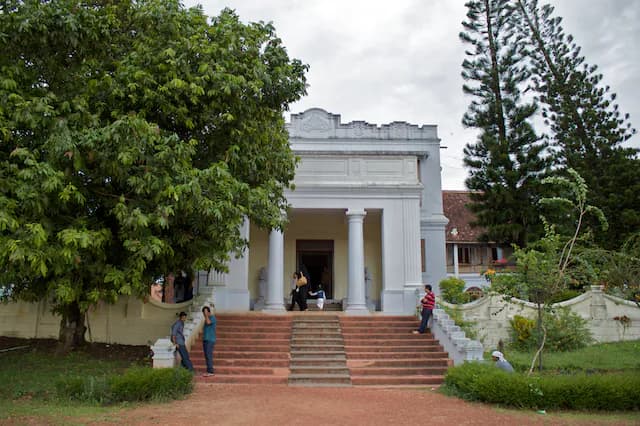
Hill Palace Tripunithura
The ochre walls of the Hill Palace, muted under the Kerala sun, seemed to exhale stories. As I stepped onto the grounds, the humid air, thick with the scent of frangipani, transported me far from the familiar plains of Uttar Pradesh. This wasn't the imposing grandeur of a Mughal fort, but a subtler, more intimate kind of royalty. The Hill Palace, once the administrative seat of the Kingdom of Kochi, whispered of a different era, a different rhythm of life. The complex, a sprawling network of 49 buildings, isn't a single monolithic structure. Instead, it's a collection of traditional Kerala architecture, interconnected courtyards, and sloping tiled roofs, all nestled within a generous expanse of greenery. The buildings, varying in size and purpose, seemed to have grown organically over time, reflecting the evolving needs of the royal family. I noticed the distinct lack of ostentatious ornamentation. The beauty lay in the simplicity, the earthy tones, and the harmony with the surrounding landscape. The sloping roofs, designed to combat the heavy monsoon rains, were a stark contrast to the flatter rooftops I was accustomed to back home. I began my exploration with the main palace building, now a museum. The wooden floors, polished smooth by generations of footsteps, creaked softly under my weight. The air inside was cool, a welcome respite from the midday heat. The museum houses an impressive collection of artifacts belonging to the Kochi royal family – ornate palanquins, gleaming weaponry, and intricate ivory carvings. One piece that particularly caught my eye was a traditional Kerala lamp, its intricate brasswork casting dancing shadows on the wall. It spoke volumes about the craftsmanship prevalent in this region, a testament to the artistic sensibilities of the people. Moving through the various sections, I was struck by the distinct Kerala aesthetic. The influence of traditional architectural styles like "nalukettu" – a structure with four blocks around a central courtyard – was evident. The use of local materials like laterite, wood, and terracotta tiles created a sense of rootedness, a connection to the land. Unlike the grand marble structures of the north, the Hill Palace felt more integrated with its environment, almost as if it had sprung from the earth itself. I spent a considerable amount of time in the section dedicated to archaeological finds. Ancient pottery shards, coins from bygone eras, and remnants of early settlements painted a vivid picture of the region's rich history. It was fascinating to see the confluence of different cultures – the influence of Arab traders, the legacy of the Portuguese and Dutch colonizers – all layered within the local narrative. Beyond the museum, the palace grounds offer a tranquil escape. I wandered through the deer park, observing the gentle creatures grazing peacefully. The medicinal plants garden, with its labelled specimens, provided a glimpse into the traditional healing practices of Kerala. The pre-historic park, with its life-sized models of dinosaurs, felt slightly incongruous but nevertheless added a touch of whimsy to the experience. As I sat on a stone bench, overlooking the lush greenery, I reflected on the contrasts between the north and south of India. The Hill Palace, with its understated elegance and intimate scale, offered a different perspective on royalty. It wasn't about imposing power, but about a harmonious coexistence with nature and a deep respect for tradition. This visit wasn't just a journey through a historical site; it was a journey into a different cultural landscape, a reminder of the incredible diversity that makes India so unique.
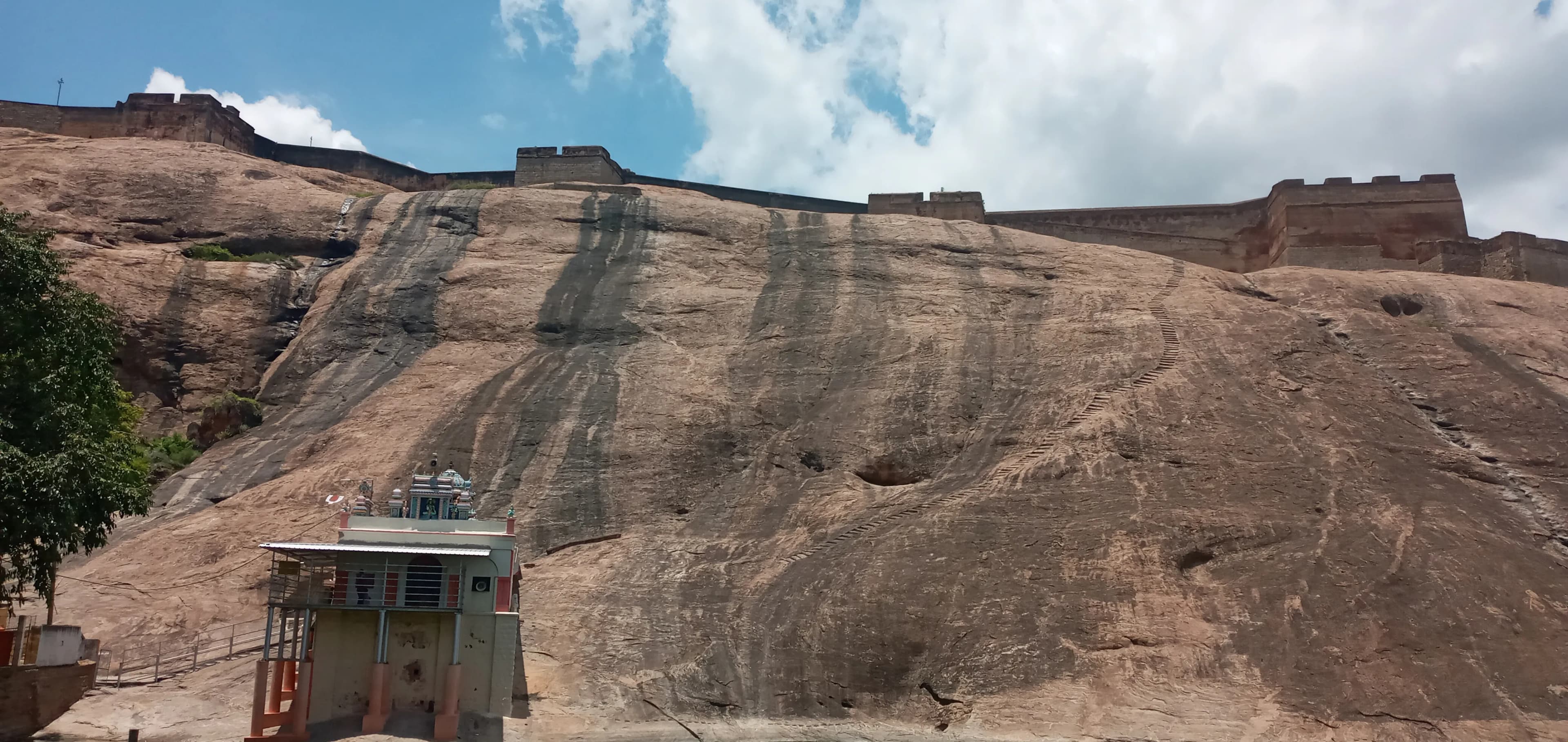
Dindigul Fort Dindigul
The imposing silhouette of Dindigul Fort, perched atop a rocky hill, dominated the landscape long before I even reached the town. Having explored the basalt-carved wonders of Maharashtra, I was eager to see how this South Indian fortress compared. The climb up was steep, the sun beating down relentlessly, but the anticipation fueled my ascent. The sheer scale of the fortifications, built primarily by the Madurai Nayaks in the 16th century, became increasingly impressive with each step. Entering through the imposing gateway, I was immediately struck by the stark contrast to the caves and temples I was accustomed to. Instead of intricate carvings and dimly lit sanctums, I found myself in a vast open space, the remnants of military structures scattered across the plateau. The walls, constructed of rough-hewn stone blocks, rose dramatically against the sky, their uneven surfaces whispering tales of sieges and battles. Unlike the polished precision of many Maratha forts, Dindigul exuded a raw, almost primal strength. My exploration began with the lower fortifications. The double walls, separated by a deep moat, were a testament to the strategic importance of this fort. I noticed several strategically placed bastions, each offering a commanding view of the surrounding plains. These weren't just defensive structures; they were vantage points from which the Nayaks could survey their domain. I could almost imagine the sentries pacing these ramparts, their eyes scanning the horizon for potential threats. The climb to the upper levels of the fort was a journey through layers of history. I passed crumbling storehouses, their arched doorways hinting at the vast quantities of grain and ammunition they once held. The remnants of a palace, now reduced to a few walls and broken pillars, spoke of a time of regal splendor. I paused at a particularly well-preserved section of the ramparts, tracing the lines of the parapet with my fingers, imagining the archers who once stood here, their arrows raining down on invaders. The highlight of my visit was undoubtedly the Upper Fort, crowned by a two-storied palace. This structure, though weathered by time, still retained a sense of grandeur. The intricately carved wooden pillars and doorways, a stark contrast to the rough stone exterior, showcased the artistic sensibilities of the Nayaks. From the upper levels, the panoramic view was breathtaking. The town of Dindigul sprawled below, a tapestry of houses and temples, while the distant hills shimmered in the haze. It was a view fit for a king, and I could understand why this strategic location was so fiercely contested throughout history. One element that particularly fascinated me was the extensive use of water management systems within the fort. I discovered several large cisterns, meticulously carved into the rock, designed to collect rainwater. These reservoirs, along with a network of channels and pipes, ensured a continuous supply of water even during prolonged sieges. This ingenuity, so crucial in this arid region, was a testament to the architectural prowess of the Nayaks. As I descended from the fort, the late afternoon sun casting long shadows across the landscape, I reflected on the differences between the rock-cut architecture of Maharashtra and the imposing masonry of Dindigul. While both traditions displayed incredible skill and artistry, they reflected distinct responses to the environment and the needs of their respective rulers. Dindigul Fort, with its raw power and strategic brilliance, offered a compelling glimpse into a chapter of South Indian history I had only just begun to explore. It left me with a profound appreciation for the ingenuity and resilience of the people who built and defended this magnificent fortress, and a desire to delve deeper into the rich tapestry of Tamil Nadu's past.
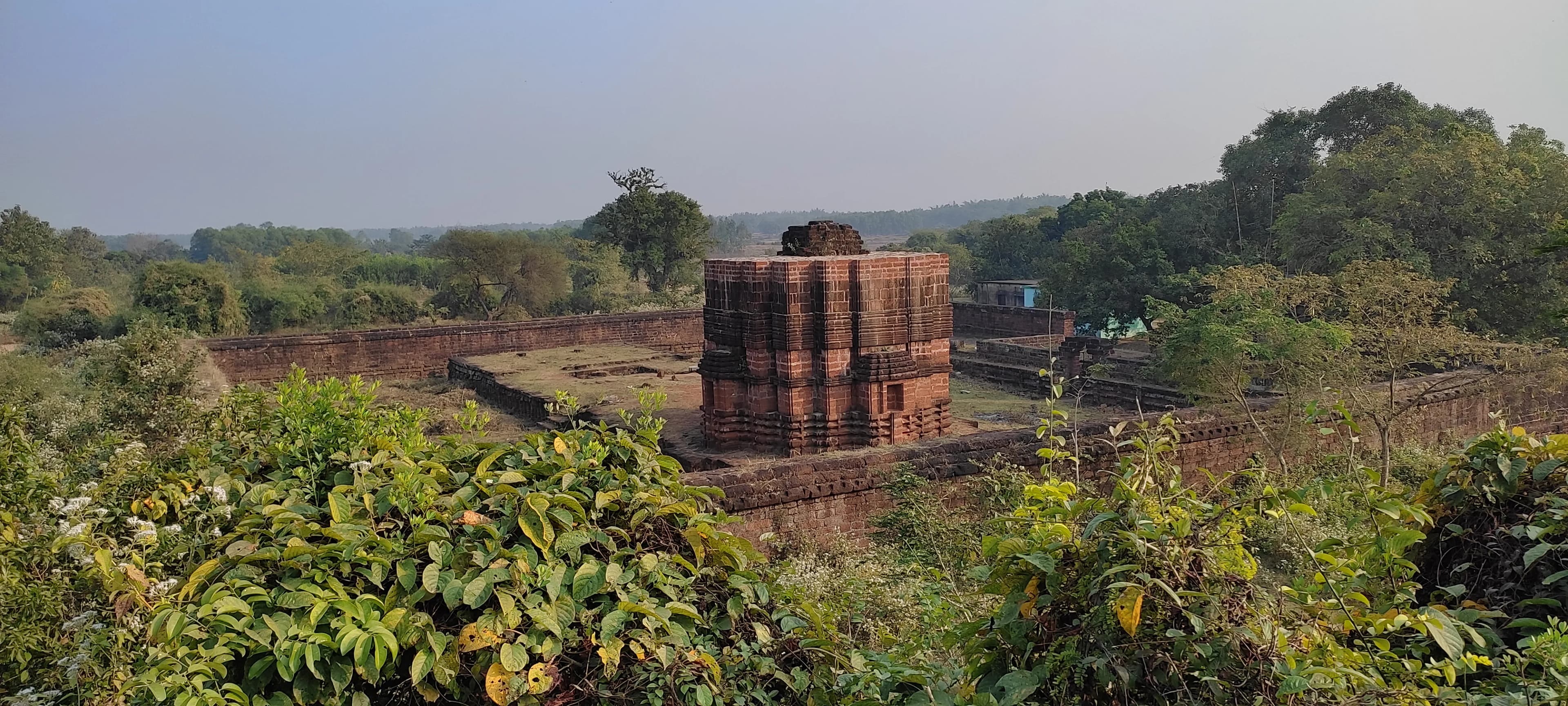
Raibania Fort Balasore
The imposing laterite walls of Raibania Fort, bathed in the warm Odisha sun, rose before me like a terracotta giant. Having explored the intricate stone carvings of Gujarat's architectural wonders for years, I was eager to experience this unique fort, a testament to a different era and a different building tradition. Located near Balasore, far from my usual haunts, Raibania offered a refreshing change of pace and a glimpse into the architectural heritage of eastern India. The sheer scale of the fort is immediately striking. Its massive ramparts, constructed from laterite blocks, stretch over a vast area, enclosing within them a silent history. Unlike the precisely cut sandstone of Gujarat's forts, the laterite here gives the structure a rougher, more organic feel. The reddish-brown hue of the stone, almost earthy in its tone, blends seamlessly with the surrounding landscape, as if the fort itself had sprung from the very soil. Stepping through the arched gateway, I was transported back in time. The fort's interior, though largely in ruins, still whispers tales of its former glory. The remnants of barracks, stables, and administrative buildings are scattered across the grounds, each a silent witness to the fort's bustling past. I noticed the distinct lack of elaborate ornamentation, so common in Gujarati architecture. Here, functionality reigned supreme. The thick walls, strategically placed bastions, and the high vantage points offered by the ramparts spoke volumes about the fort's defensive purpose. I spent hours exploring the labyrinthine passages and crumbling walls, trying to piece together the fort's history. The absence of detailed historical records adds an element of mystery to the site, allowing one's imagination to run wild. I pictured bustling courtyards filled with soldiers, the clatter of horses' hooves, and the commands of officers echoing through the air. The silence of the present day only amplified the echoes of the past. One of the most intriguing features of Raibania Fort is its intricate water management system. Several large tanks and wells, strategically located within the fort's walls, would have provided a reliable water source during sieges. The ingenuity of the builders is evident in the design of these water bodies, which effectively harvested rainwater and ensured the fort's self-sufficiency. This pragmatic approach to architecture, so different from the ornate stepwells of Gujarat, highlighted the specific challenges and priorities of this region. Climbing to the top of the ramparts, I was rewarded with panoramic views of the surrounding countryside. The lush green fields stretched out before me, dotted with villages and temples. From this vantage point, I could appreciate the strategic importance of the fort, guarding the region from invaders. The wind whistled through the crumbling battlements, carrying with it the whispers of history. As I descended from the ramparts, I noticed the intricate brickwork in some of the remaining structures. While laterite formed the bulk of the construction, bricks were used for specific architectural elements, such as arches and doorways. The contrast between the rough texture of the laterite and the smooth surface of the bricks added a subtle visual interest to the fort's architecture. My visit to Raibania Fort was a humbling experience. It reminded me that architectural marvels are not limited to grand palaces and ornate temples. Even a seemingly simple structure like this fort, built for purely functional purposes, can possess a unique beauty and historical significance. The fort's rugged charm, its silent stories, and its connection to the land left an indelible impression on me. It was a stark contrast to the architectural vocabulary I was accustomed to, yet equally captivating. Raibania stands as a testament to the ingenuity and resilience of its builders, a silent sentinel guarding the memories of a bygone era. It is a place where history whispers in the wind, and the stones themselves tell a story.

Khulbuk Buddhist Site of Shaartuz Tajikistan
Khulbuk Buddhist Site of Shaartuz, dramatically situated in the Shaartuz area of southern Tajikistan, represents one of the most archaeologically significant Buddhist monastery remains in Central Asia, constructed in the 7th century CE during the Tokharistan period as a major Buddhist religious complex that demonstrates the profound transmission of Indian Buddhist religious and architectural traditions to Central Asia along the ancient Silk Road. The monastery complex, featuring sophisticated architectural elements that demonstrate the direct transmission of Indian Buddhist monastery architecture, particularly the traditions of northern India during the Gupta and post-Gupta periods, with local adaptations that reflect the sophisticated synthesis of Indian religious and artistic traditions with Central Asian building techniques, while the site's extensive ruins including foundations, walls, and architectural fragments provide crucial evidence of the monastery's original layout and design. Archaeological excavations have revealed extraordinary Buddhist sculptures, reliefs, and architectural elements executed in styles that demonstrate clear Indian Buddhist iconographic influences, while the discovery of numerous artifacts including coins, pottery, and ritual objects provides crucial evidence of the site's role as a major center of Buddhist learning and practice that attracted monks, traders, and pilgrims from across the Buddhist world including India. The monastery's architectural layout, with its central sanctuary surrounded by monastic cells and assembly halls, follows sophisticated Indian Buddhist monastery planning principles that were systematically transmitted from the great monastic centers of India, while the monastery's extensive decorative programs including sculptures and architectural elements demonstrate the sophisticated synthesis of Indian Buddhist iconography and artistic traditions with local Central Asian aesthetic sensibilities. The monastery's location in the Shaartuz area, a major Silk Road crossroads, underscores its significance as a center for the transmission of Buddhist teachings, art, and culture from India to Central Asia and beyond, while the site's architectural sophistication demonstrates the sophisticated understanding of Indian Buddhist traditions possessed by the monks and artisans who created this extraordinary complex. Today, Khulbuk Buddhist Site of Shaartuz stands as a UNESCO Tentative List site and represents one of the most important Buddhist monastery remains in Central Asia, serving as a powerful testament to the transmission of Indian Buddhist culture and architecture to Central Asia, while ongoing archaeological research and conservation efforts continue to protect and study this extraordinary cultural treasure that demonstrates the profound impact of Indian civilization on Central Asian religious and artistic traditions. ([1][2])
Quick Links
Plan Your Heritage Journey
Get personalized recommendations and detailed visitor guides