Has Inheritage Foundation supported you today?
Your contribution helps preserve India's ancient temples, languages, and cultural heritage. Every rupee makes a difference.
Secure payment • Instant 80G certificate
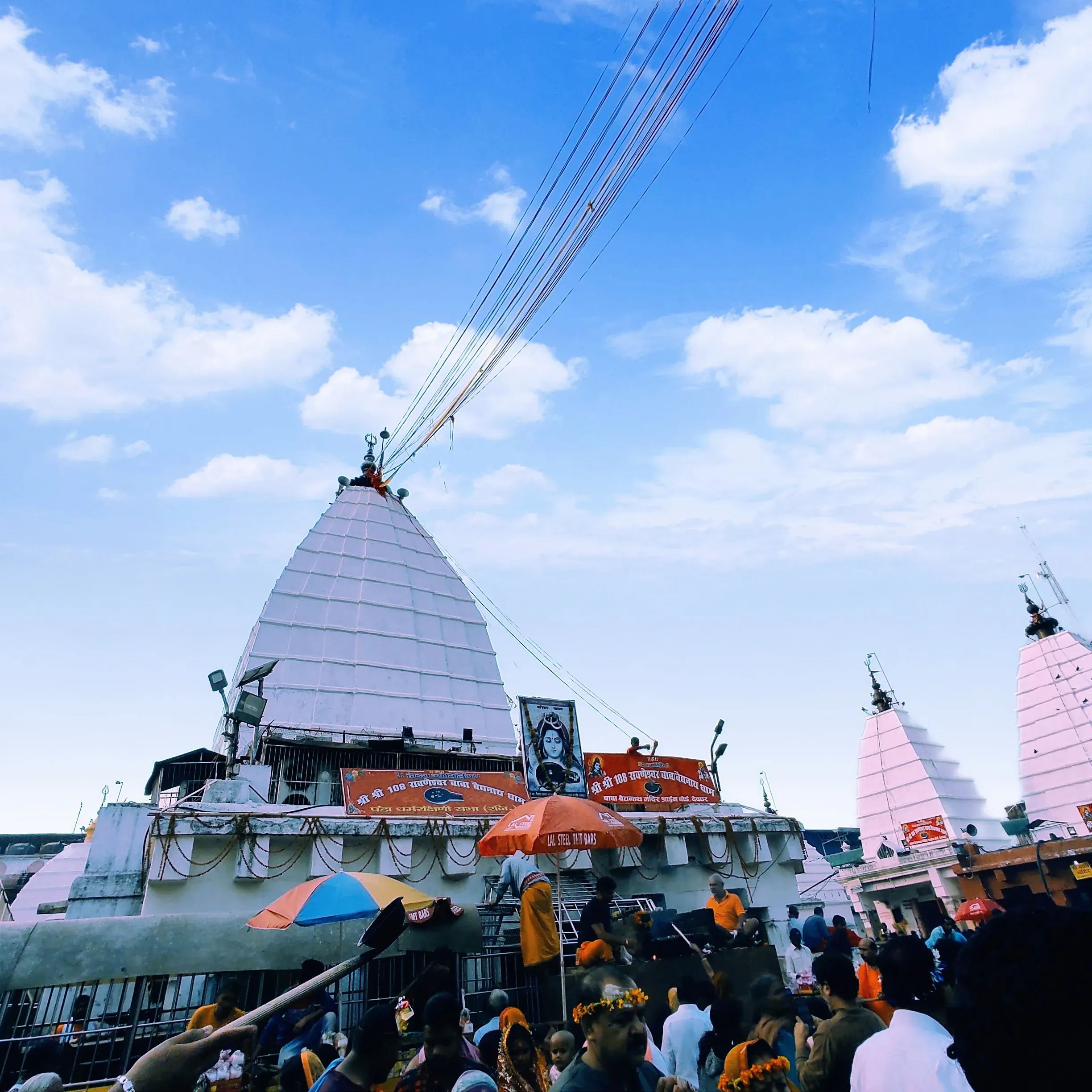
Baidyanath Temple Deoghar
Encircled by formidable walls, the Baidyanath Temple in Deoghar, Jharkhand, is a sacred complex dedicated to Lord Shiva, attracting countless devotees ([1][2]). This cluster comprises twenty-two temples, each contributing to the spiritual ambiance ([1]). During the late medieval period, around 1650 CE, Raja Puran Mal commissioned the temple, adopting the Nagara style distinguished by curvilinear towers ([1][3]). Intricate carvings embellish the sandstone Shikhara (Spire), showcasing floral motifs, divine figures, and geometric patterns ([3]). These carvings display a restrained elegance, setting it apart from more exuberant regional styles ([1]). Stone, laterite, brick, and plaster were employed with sophisticated construction techniques throughout the complex ([1]). Vastu Shastra principles, the ancient Indian science of architecture, likely influenced the temple's layout and orientation, although specific textual references are not available ([2]). The temple reflects the architectural traditions prevalent during its time. Within the courtyard, the echoes of chants and the resonating bells create a vibrant atmosphere ([1]). Witnessing the rituals, offerings, and silent prayers of pilgrims fosters a profound sense of connection ([2][3]). Leaving the Baidyanath Temple, visitors gain a deeper appreciation for the fusion of architecture, faith, and human experience ([1]). This temple stands as an enduring symbol of faith, intertwining tangible and intangible elements ([2]). The Baidyanath Temple's construction in the 17th century showcases the architectural and artistic achievements of the period, reflecting the patronage of Raja Puran Mal and the enduring legacy of Nagara temple architecture in India ([1][3]). The temple continues to be a significant pilgrimage site, embodying the rich cultural and religious heritage of India ([2]).
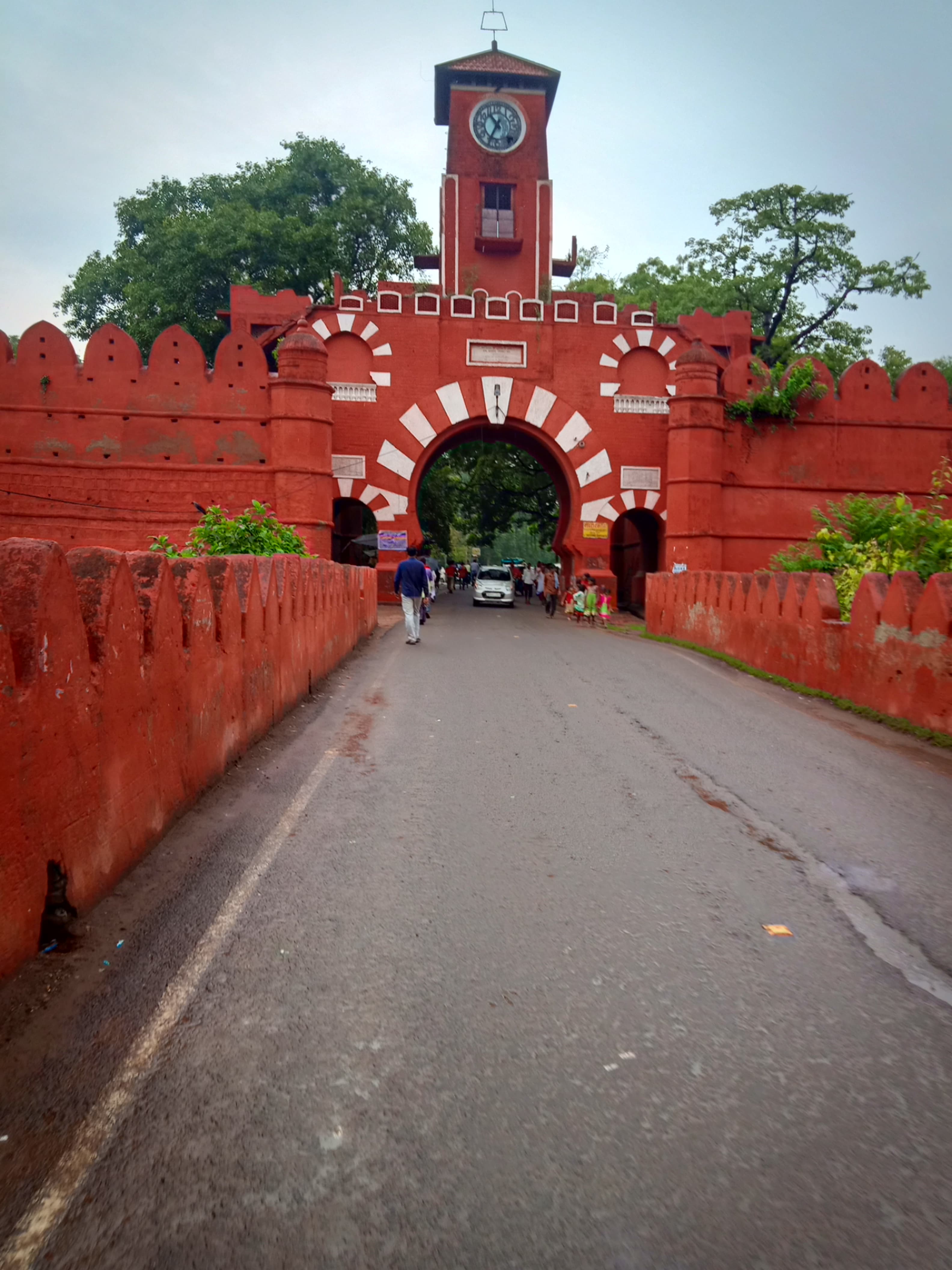
Munger Fort Munger
The Ganges, a ribbon of shimmering silver, embraced the base of Munger Fort, its flow a constant whisper against the aged stones. This wasn't my first fort in Bihar, but Munger held a different energy, a quiet dignity that transcended its crumbling ramparts and overgrown courtyards. Having documented over 500 monuments across India, I've developed a keen eye for the stories etched in stone, and Munger Fort had volumes to tell. The fort's strategic location, perched atop a rocky hill overlooking the river, is immediately apparent. It’s a layered structure, a palimpsest of history with contributions from various dynasties – the Mauryas, the Guptas, the Mughals, and even the British. This confluence of influences is reflected in the architecture, a fascinating blend of styles that speaks to the fort's long and complex history. I noticed remnants of ancient Hindu and Buddhist structures seamlessly integrated into later Islamic additions. A carved stone panel depicting a scene from the Ramayana, for example, was juxtaposed against a Mughal-era archway, a testament to the fort's evolving identity. My lens focused on the intricate details: the weathered sandstone blocks, some bearing faint traces of ancient inscriptions; the ornate carvings adorning the doorways and windows, now softened by time and the elements; the strategically placed bastions and watchtowers, silent sentinels guarding the river passage. The imposing ramparts, though breached in places, still conveyed a sense of impregnability, a testament to the fort's military significance. Walking through the sprawling complex, I felt a palpable sense of history. I could almost hear the echoes of marching armies, the clang of swords, the whispers of courtly intrigue. The silence, broken only by the chirping of birds and the distant hum of the city, was strangely evocative. It allowed me to connect with the past in a way that few places have. One of the most striking features of Munger Fort is its subterranean passage, rumored to lead to Patna, over 100 kilometers away. While the full extent of the tunnel remains shrouded in mystery, I was able to explore a portion of it. The air inside was cool and damp, the darkness punctuated only by the beam of my flashlight. The rough-hewn walls and low ceiling created a claustrophobic atmosphere, adding to the sense of intrigue. It's easy to imagine how this passage might have been used for secret escapes or clandestine meetings. The fort also houses several dilapidated palaces and temples, their grandeur now faded but still hinting at their former glory. The crumbling walls, the overgrown courtyards, the empty chambers – they all spoke of a bygone era, a time of kings and queens, of battles and sieges, of prosperity and decline. As I climbed to the highest point of the fort, the panoramic view of the Ganges and the surrounding countryside unfolded before me. The river, a lifeline for generations, snaked its way through the fertile plains, its banks dotted with temples and villages. It was a breathtaking vista, a reminder of the fort's strategic importance and its enduring connection to the land. Munger Fort is not just a collection of old stones and crumbling walls. It's a living testament to India's rich and layered history. It's a place where the past and the present intertwine, where stories are whispered in the wind, and where the echoes of time resonate through the silence. My time at Munger Fort was more than just a photographic assignment; it was a journey through time, an exploration of a place that has witnessed the ebb and flow of empires, the rise and fall of dynasties, and the enduring power of the human spirit. It’s a place that deserves to be preserved, not just for its architectural and historical significance, but for the stories it continues to tell.
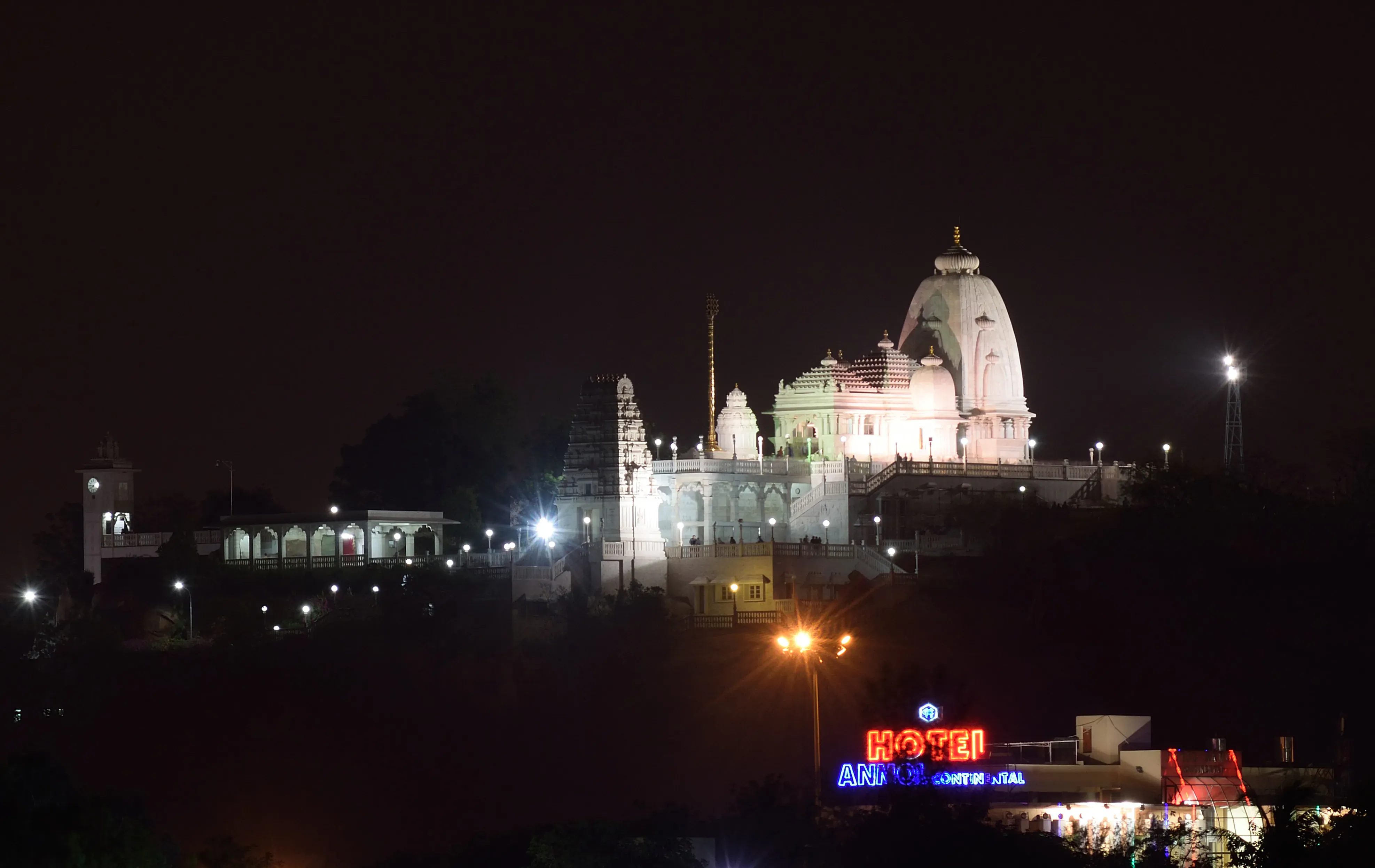
Birla Mandir Kolkata
A serene addition to the Kolkata skyline, the Birla Mandir, completed in 1970 CE, is dedicated to Lord Krishna and Radha ([1]). Commissioned by the Birla family, the temple exemplifies the Nagara style of North Indian temple architecture ([2][3]). Unlike traditional rock-cut temples, this modern marvel is constructed using white marble, sandstone, cement, and steel ([4]). Intricate carvings embellish the temple's exterior, depicting scenes from the Bhagavad Gita and other Hindu scriptures ([1]). Rising majestically, the Shikhara (spire), a defining element of Nagara architecture, draws the eye upwards, echoing the forms of ancient temples ([2]). This architectural style is rooted in principles outlined in texts such as the *Brihat Samhita*, which discusses temple design and iconography ([5]). Vastu Shastra principles, the ancient Indian science of architecture, likely influenced the temple's layout, promoting harmony and balance ([3]). Within the Garbhagriha (sanctum), the idols of Radha and Krishna are resplendent, adorned with vibrant silks and jewels ([4]). Soft light filters through the marble, enhancing the spiritual atmosphere ([1]). The temple complex also houses a museum exhibiting religious artifacts, providing insights into Hindu mythology and traditions ([6]). During the British Colonial Period, temple architecture saw a resurgence, with patrons like the Birla family supporting the construction of new temples that blended traditional styles with modern materials ([7]). The Birla Mandir offers a tranquil space for devotion and reflection, embodying India's enduring cultural heritage ([2][3]). The temple stands as a modern interpretation of ancient architectural principles, reflecting a continuing legacy of artistic and spiritual expression ([5][6]).
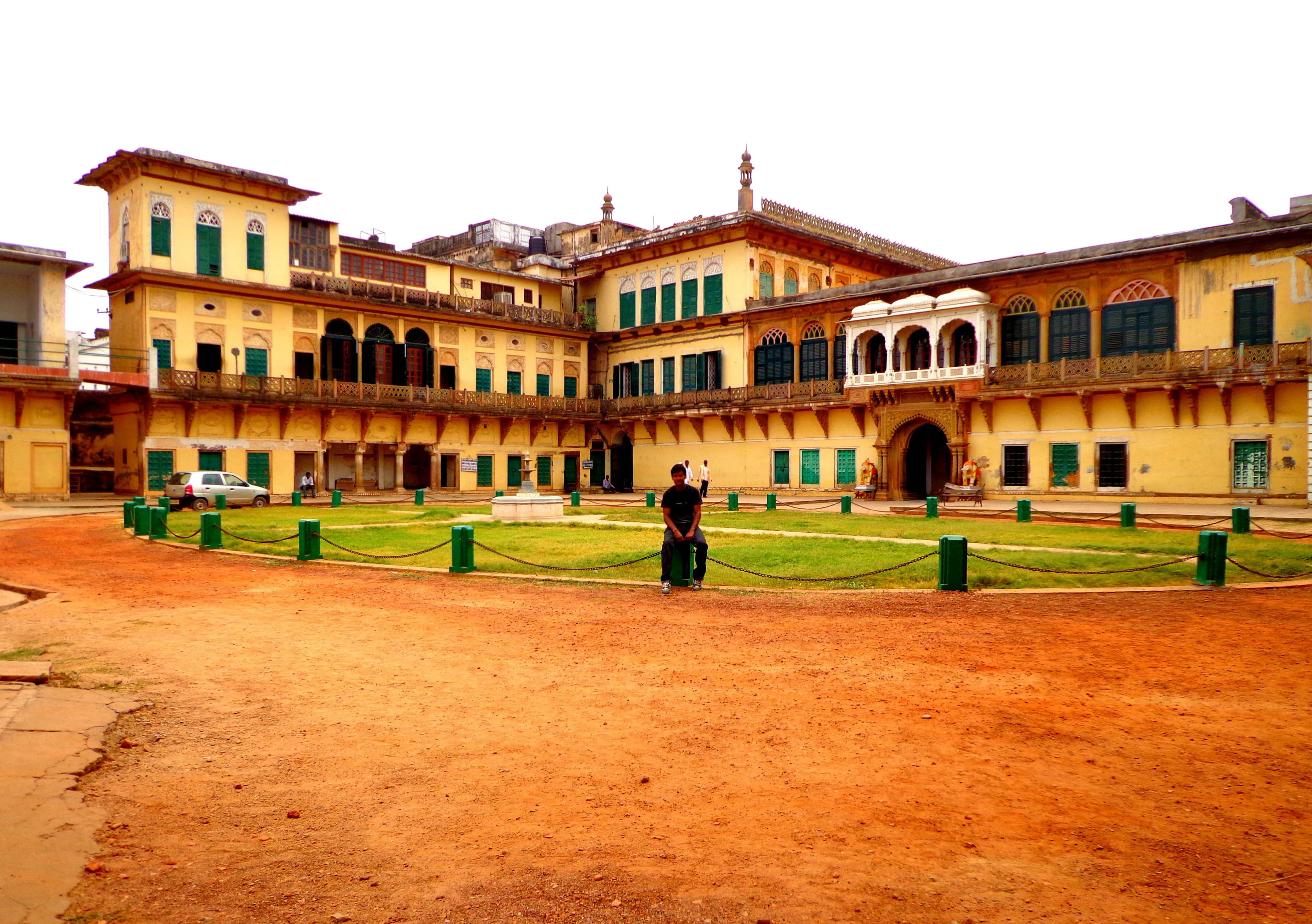
Chunar Fort Mirzapur
Stone platforms and foundations indicate Chunar Fort's ancient origins, tracing back to 56 BC during the Rajput Period ([1][2]). Vikramaditya, the Ujjain king, initiated its construction, strategically situating it along the Ganges River in Uttar Pradesh ([1]). This military installation displays an Indo-Islamic architectural style, harmonizing Hindu and Islamic elements ([3]). The fort's construction involved sandstone, bricks, lime mortar, and wood ([4]). During its extensive history, numerous rulers coveted the fort. Intricate carvings embellishing the walls reflect Mughal influences, evident in the delicate jalis (latticework screens) and arches ([5]). Vedic astronomical principles guided the fort's layout, aligning it with cardinal directions, a common practice in ancient Indian architecture ([6]). This alignment likely drew from principles outlined in texts like the Surya Siddhanta, which details astronomical calculations for architectural planning. Sophisticated drainage systems ensure the fort's structural integrity, a testament to ancient engineering prowess ([7]). Archaeological excavations have unearthed remnants of earlier settlements, revealing the fort's continuous occupation across centuries ([8]). These excavations may reveal insights into construction techniques detailed in the Manasara Shilpa Shastra, an ancient treatise on architecture and construction. The Sonwa Mandap (Pavilion) provides panoramic views, highlighting the fort's strategic and aesthetic importance ([9]). Chunar Fort persists as a significant monument, echoing narratives of power, religion, and artistic synthesis ([10]). The fort's design and construction likely adhered to principles of Vastu Shastra, the traditional Hindu system of architecture, which emphasizes harmony with nature and cosmic energies ([6]). The use of specific materials like sandstone and lime mortar also reflects traditional building practices detailed in ancient texts ([4]).
Jokhang Temple Lhasa
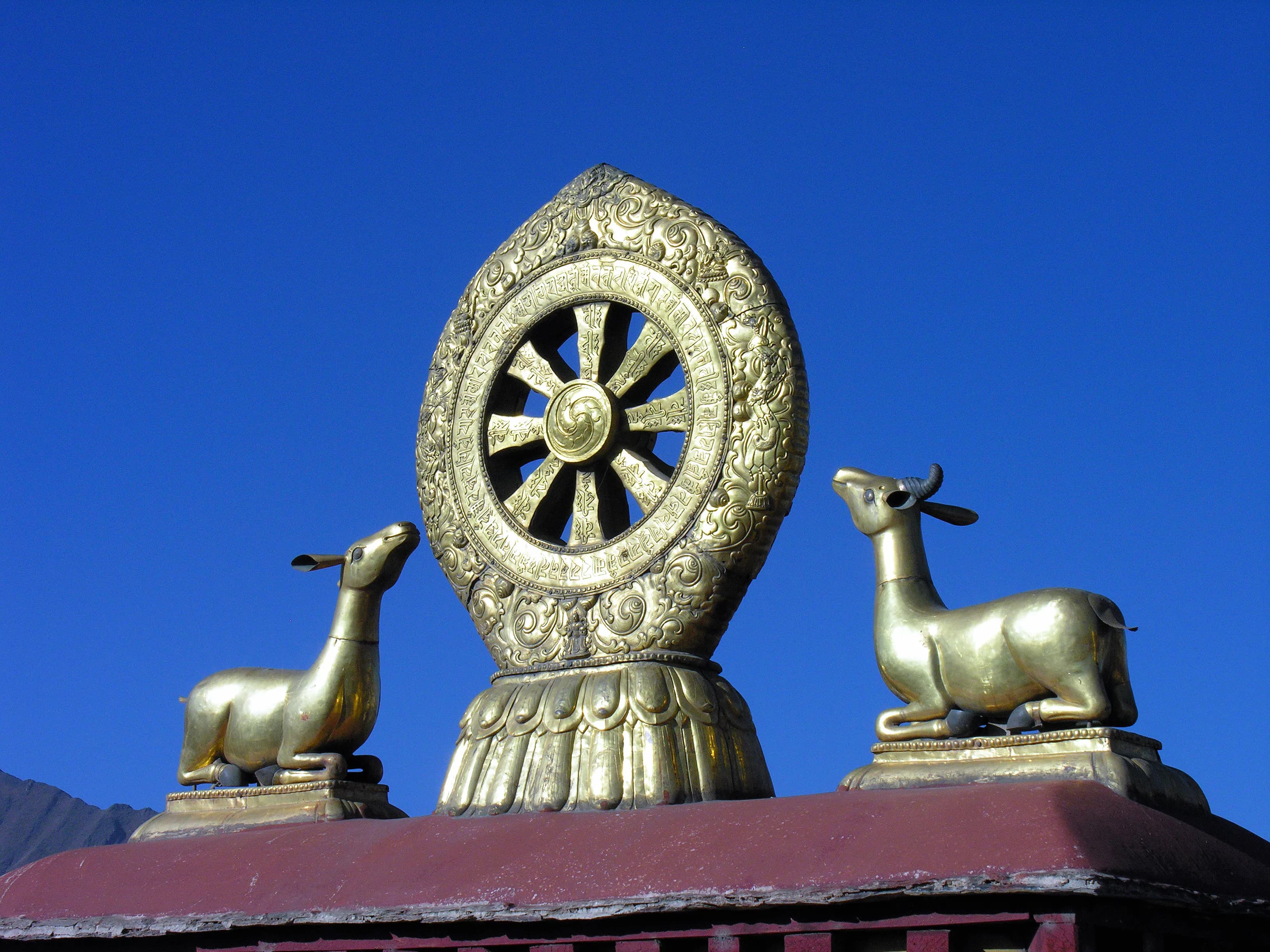
The air crackled with a palpable energy, a blend of incense smoke, chanting monks, and the hushed reverence of pilgrims. Jokhang Temple, nestled in the heart of Lhasa, isn't just a building; it's a living, breathing entity, pulsating with the spiritual heart of Tibetan Buddhism. My lens, accustomed to the intricate carvings of South Indian temples and the Mughal grandeur of Rajasthan, struggled to capture the essence of this place, a place where faith seemed etched into the very stones. The first thing that struck me was the sheer density of the experience. The Barkhor Square, which encircles the temple, was a swirling kaleidoscope of colour and movement. Pilgrims, some having travelled for weeks, prostrated themselves before the entrance, their foreheads touching the worn flagstones, a testament to centuries of devotion. The aroma of yak butter lamps mingled with the earthy scent of burning juniper, creating an olfactory landscape as unique as the visual one. Entering the temple complex felt like stepping back in time. The architecture, a fascinating blend of Tibetan, Chinese, Indian, and Nepalese styles, spoke of a rich history of cultural exchange. The weathered wooden beams, darkened by centuries of incense smoke, supported a multi-tiered roof adorned with golden dharma wheels and mythical creatures. Every corner, every doorway, every statue seemed imbued with a story waiting to be told. I focused my camera on the intricate details: the vibrant thangkas depicting scenes from the Buddha's life, the elaborately carved prayer wheels spun rhythmically by devotees, the flickering butter lamps casting dancing shadows on the faces of ancient deities. The main assembly hall, dimly lit and filled with the murmur of prayers, housed the Jowo Shakyamuni statue, the most sacred object in Tibetan Buddhism. Photography was restricted inside, but the image of the jewel-encrusted Buddha, serene and compassionate, remained etched in my memory. As I climbed to the rooftop, the panoramic view of Lhasa unfolded before me. The Potala Palace, perched majestically on Red Mountain, dominated the skyline, a symbol of both religious and political power. From this vantage point, I could appreciate the strategic location of Jokhang Temple, the spiritual nucleus around which the city had grown. The rooftop also offered a closer look at the temple's unique architectural features. The golden roofs, adorned with intricate carvings and topped with golden deer flanking the dharma wheel, shimmered in the afternoon sun. The colourful prayer flags, strung between the rooftops, fluttered in the wind, carrying prayers and blessings to the heavens. Descending back into the labyrinthine corridors of the temple, I found myself drawn to the faces of the pilgrims. Their weathered skin, etched with the hardships of life on the Tibetan plateau, radiated a profound sense of peace and devotion. Their eyes, focused on the sacred images, held a depth of faith that transcended language and culture. My time at Jokhang Temple was more than just a photographic assignment; it was a spiritual journey. It was a privilege to witness the unwavering faith of the Tibetan people and to document a place where the tangible and intangible heritage of a culture converge. As I left the temple, the chanting of the monks still resonated in my ears, a reminder of the enduring power of faith and the timeless beauty of Jokhang Temple. My photographs, I hoped, would capture not just the architectural splendor of the site, but also the profound spiritual energy that permeates every corner of this sacred space.
Naguleswaram Temple Keerimalai Jaffna Sri Lanka
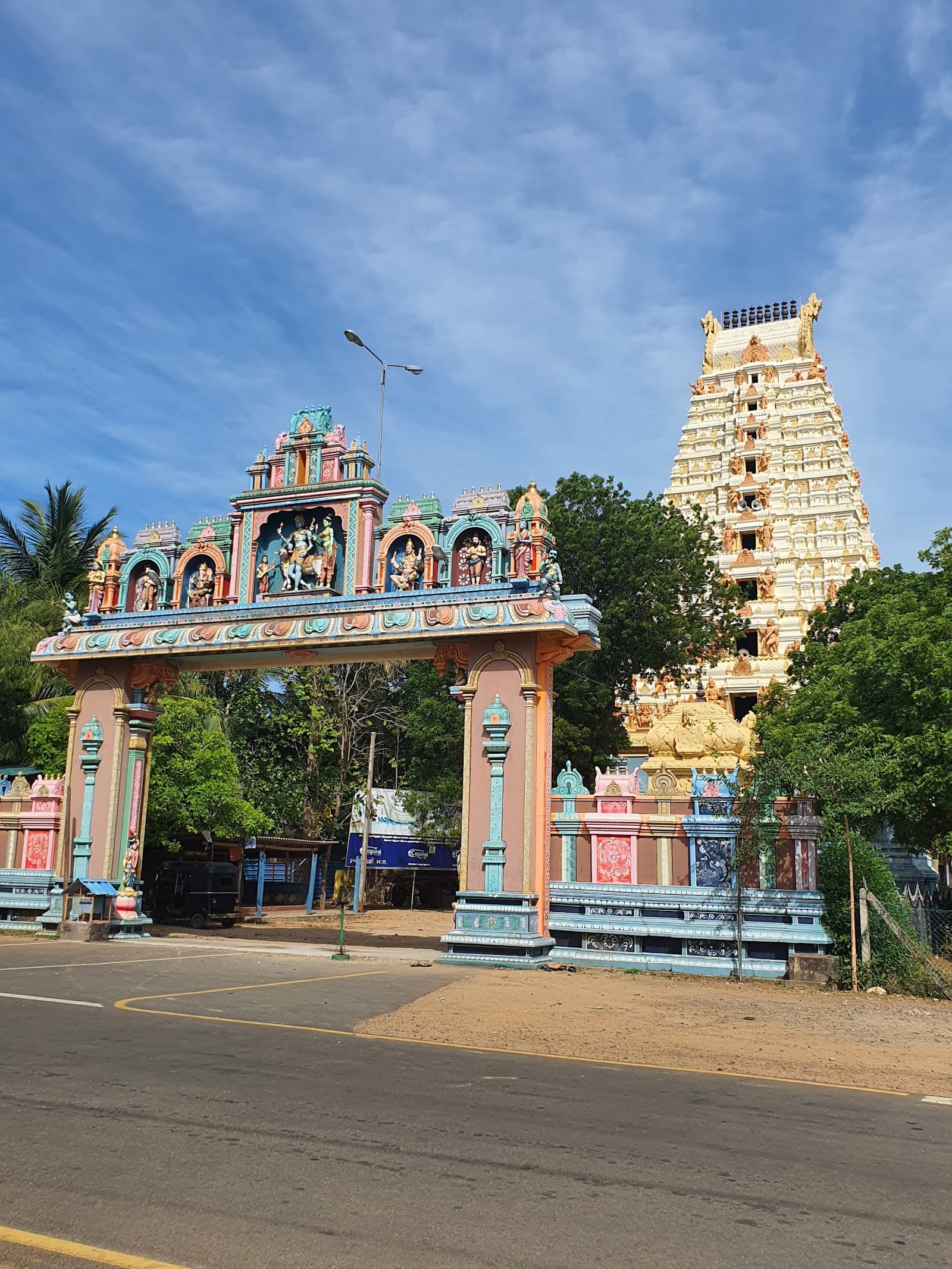
The Naguleswaram Temple, also known historically as Thirutambaleswaram Kovil, is a revered Hindu shrine dedicated to Lord Shiva, situated in Keerimalai, a coastal town north of Jaffna in Sri Lanka's Northern Province. This ancient site stands as a profound testament to India's millennia-spanning cultural heritage and the continuous tradition of Dravidian temple architecture [1] [2]. As the northernmost of the island's *Pancha Ishwarams* (five hallowed Shiva temples), it holds immense spiritual significance for Tamil Hindus globally, reflecting deep historical roots in Shaivite tradition [1] [3]. The temple complex is characterized by its adherence to the Dravidian architectural style, featuring a magnificent nine-tiered *Rajagopuram* (main temple tower) that faces east, a traditional orientation for Hindu temples [1]. This towering entrance is adorned with intricate sculptures and decorative elements, typical of the South Indian temple idiom, showcasing the sophisticated craftsmanship of ancient Tamil kingdoms [1] [4]. Within the sanctum sanctorum, the presiding deity is a massive Shiva Lingam, described as being crafted from a rare material that appears to emanate an inner light, emphasizing its sacred and indigenous origins [1]. The structural elements of the temple, including its pillars and murals, are meticulously carved, reflecting centuries of artistic and religious devotion [1]. Adjacent to the main temple is the sacred Keerimalai Springs, a natural freshwater pond located approximately 50 feet above sea level, separated from the Indian Ocean by a retaining wall [1] [2]. Geological studies confirm the unique therapeutic properties of these mineral-rich waters, which are believed to possess curative powers [1] [5]. This water management system, allowing freshwater to remain distinct from the saline ocean, highlights an ancient understanding of hydrology and engineering [1]. The temple complex, having undergone significant destruction and subsequent rebuilding, including a major reconstruction completed in 2012, now stands as a fully operational religious site [1]. Conservation efforts have focused on restoring its traditional architectural integrity, with ongoing maintenance ensuring its preservation [1] [5]. The site is accessible to visitors, with specific timings for worship and rituals, and actively hosts major festivals such as Aadi Amaavaasai and Maasi Magam, drawing thousands of pilgrims annually [1]. The current state of the temple reflects continuous active programming and compliance with religious practices, serving as a vibrant center for Hindu worship and cultural continuity [1].
Nevaket Krasnaya Rechka Buddhist Temple Chui Valley Kyrgyzstan
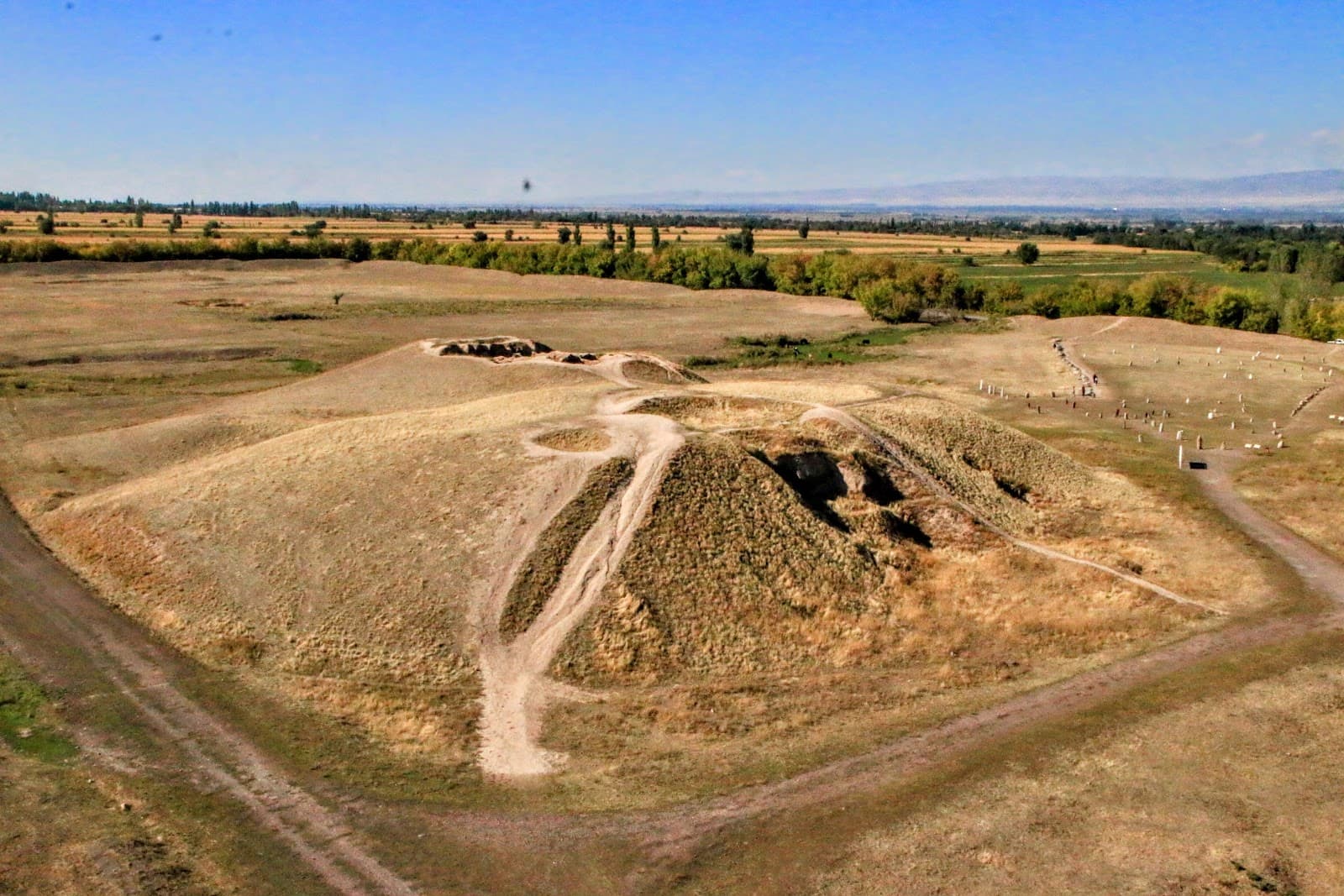
Nevaket, dramatically situated near the modern village of Krasnaya Rechka in the fertile Chui Valley of northern Kyrgyzstan, represents one of the most extraordinary and archaeologically significant Buddhist temple complexes in Central Asia, dating from the 6th through 12th centuries CE and serving as a major cosmopolitan center along the Silk Road where Indian Buddhist traditions, Zoroastrian practices, Eastern Christian communities, and Manichean teachings flourished side by side, creating a powerful testament to the profound transmission of Indian Buddhist civilization to Central Asia during the early medieval period. The site, featuring sophisticated Buddhist temple structures including the remarkable discovery of an 8-meter-long reclining Buddha statue, monastic complexes, and ritual spaces that demonstrate clear connections to the architectural traditions of ancient India, particularly the sophisticated temple planning principles and monumental sculpture traditions that were transmitted from the great Buddhist centers of northern India, demonstrates the direct transmission of Indian Buddhist architectural knowledge, religious iconography, and cultural concepts from the great monastic universities of ancient India, particularly Nalanda and Taxila, which systematically transmitted Buddhist teachings and architectural traditions to Central Asia through the extensive trade and pilgrimage networks that connected India with Central Asia, while the site's most remarkable feature is its extensive Buddhist monastic complex including multiple temple structures, the extraordinary reclining Buddha statue that demonstrates remarkable parallels with Indian Buddhist sculpture traditions, particularly the Mahaparinirvana iconography that was central to Indian Buddhist art, and architectural elements that demonstrate remarkable parallels with Indian Buddhist temple architecture. The temple structures' architectural layout, with their sophisticated planning, central Buddha images surrounded by monastic cells, ritual chambers, and ceremonial spaces, follows planning principles that demonstrate remarkable parallels with Indian Buddhist monastery planning principles, particularly the vihara and chaitya hall traditions that were central to Indian Buddhist architecture, while the site's extensive archaeological remains including Buddhist sculptures with clear Indian stylistic influences, golden burial masks, and architectural elements demonstrate the sophisticated synthesis of Indian Buddhist iconography and cosmological concepts with local Central Asian aesthetic sensibilities and building materials. Archaeological evidence reveals that the site served as a major center of Buddhist learning and religious activity during the 6th through 12th centuries, attracting monks, traders, and pilgrims from across Central Asia, South Asia, and East Asia, while the discovery of numerous artifacts including the extraordinary reclining Buddha statue, Buddhist sculptures with clear Indian stylistic influences, inscriptions in Sanskrit and Prakrit languages, and architectural elements that reflect Indian Buddhist cosmological concepts provides crucial evidence of the site's role in the transmission of Indian Buddhist traditions to Central Asia, demonstrating the sophisticated understanding of Indian Buddhist architecture and religious practices possessed by the site's patrons and monastic establishment. The site's association with the ancient city of Nevaket, which flourished as a major trading center along the Silk Road with diverse religious communities including Buddhists, Zoroastrians, Eastern Christians, and Manicheans, demonstrates the sophisticated understanding of Indian Buddhist traditions that were transmitted to Central Asia, while the site's Buddhist temple structures and monumental sculptures demonstrate remarkable parallels with Indian Buddhist temple architecture and sculpture traditions that were central to ancient Indian civilization. The site has been the subject of extensive archaeological research since the 1950s, with ongoing excavations continuing to reveal new insights into the site's sophisticated architecture, religious practices, and its role in the transmission of Indian Buddhist traditions to Central Asia, while the site's status as part of the broader Silk Road cultural complex demonstrates its significance as a major center for the transmission of Indian Buddhist and cultural traditions to Central Asia. Today, Nevaket stands as one of the most important Buddhist archaeological sites in Central Asia, serving as a powerful testament to the transmission of Indian Buddhist civilization to Central Asia, while ongoing archaeological research and conservation efforts continue to protect and study this extraordinary cultural treasure that demonstrates the profound impact of Indian civilization on Central Asian religious and cultural development. ([1][2])
Srikalahasti Temple Srikalahasti
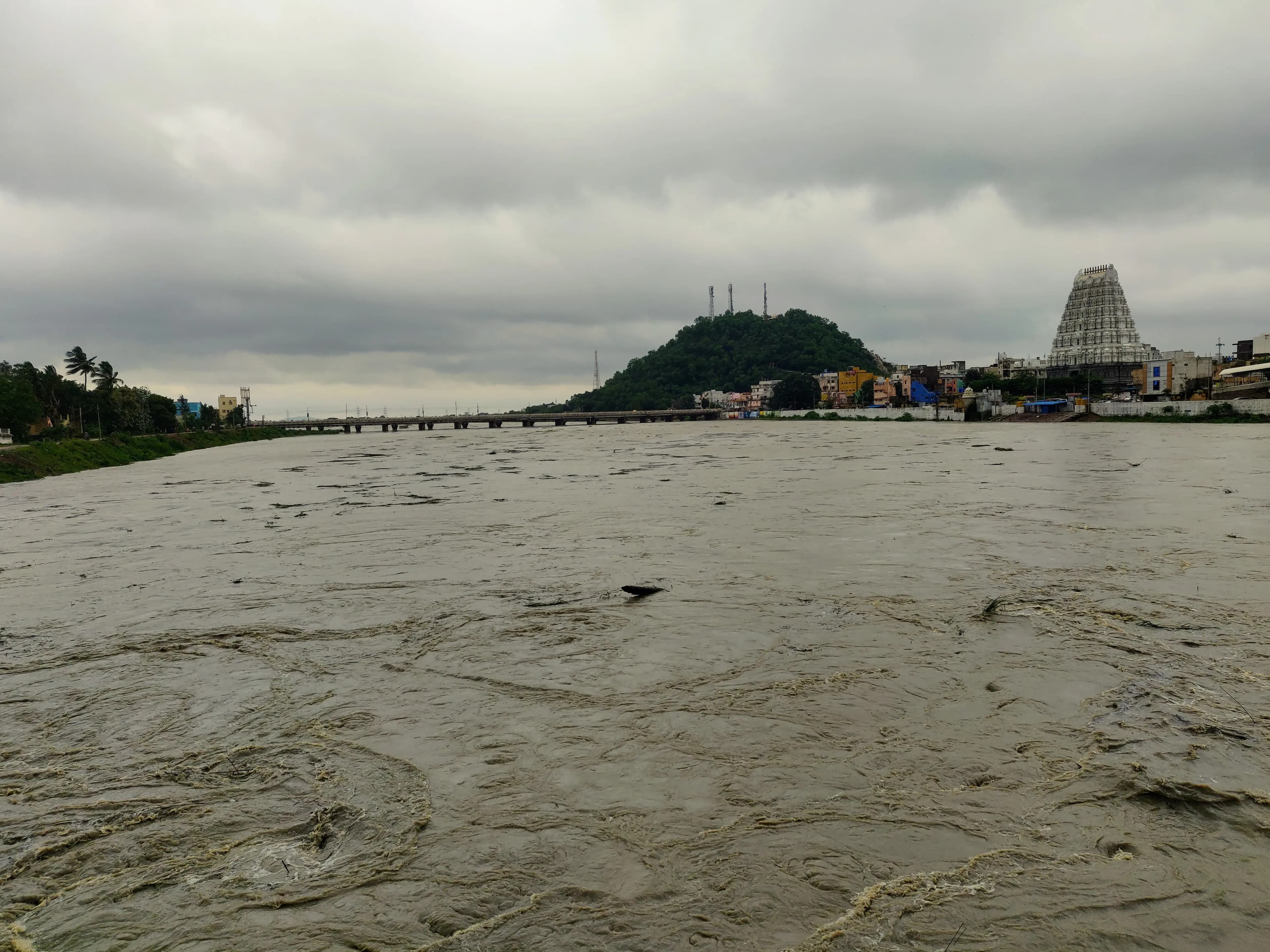
The air hung thick with incense and the murmur of chanting as I stepped through the towering gopuram of the Srikalahasti Temple. Sunlight, fractured by the intricate carvings, dappled the stone floor, creating an ethereal atmosphere. This wasn't just another temple on my UNESCO World Heritage journey across India; Srikalahasti held a different energy, a palpable sense of ancient power. Located in the Chittoor district of Andhra Pradesh, this temple, dedicated to Vayu, the wind god, is a testament to centuries of devotion and architectural brilliance. My eyes were immediately drawn upwards to the main Vimana, the Shikharam, soaring above the inner sanctum. This impressive structure, known as the Vayu Lingam, is not a sculpted idol but a natural rock formation believed to be a manifestation of Vayu. The flickering lamps surrounding it cast dancing shadows, adding to the mystique. The temple's Dravidian architecture is a marvel, with its intricate carvings depicting scenes from Hindu mythology. I spent a considerable amount of time studying the detailed friezes, each panel narrating a story, a testament to the skill of the artisans who crafted them centuries ago. The vibrant colours, though faded with time, still hinted at the temple's former glory. One of the most striking features of Srikalahasti is its massive, 100-pillar mandapam. The sheer scale of this hall is breathtaking. Each pillar is a work of art, adorned with elaborate carvings of deities, mythical creatures, and floral motifs. I could almost hear the echoes of ancient ceremonies and festivals that must have taken place within these hallowed walls. Walking through the mandapam, I felt a sense of connection to the generations of devotees who had walked this same path before me. The temple complex is vast, encompassing several smaller shrines dedicated to various deities. I explored each one, noting the unique architectural nuances and the distinct atmosphere they held. The shrine of Kalahasteeswara, a form of Shiva, is particularly noteworthy. The legend of the spider, the snake, and the elephant, each offering their devotion to Shiva in their own way, is deeply embedded in the temple's lore and adds another layer of spiritual significance to the site. Beyond the architectural grandeur, what truly captivated me at Srikalahasti was the palpable devotion of the pilgrims. From the elderly woman whispering prayers with closed eyes to the young family offering coconuts, the air was thick with faith. Witnessing this fervent devotion firsthand gave me a deeper understanding of the temple's significance, not just as a historical monument but as a living, breathing centre of spirituality. As I left the temple, the chanting still resonated in my ears. Srikalahasti is more than just a collection of stones and carvings; it's a testament to the enduring power of faith and the artistic brilliance of a bygone era. It's a place where history, mythology, and spirituality intertwine, creating an experience that stays with you long after you've left its sacred grounds. Of all the UNESCO sites I've visited in India, Srikalahasti holds a special place, a reminder of the rich tapestry of culture and belief that makes this country so unique. The wind, whispering through the temple towers, seemed to carry the echoes of centuries of prayers, a testament to the enduring spirit of this ancient sanctuary.
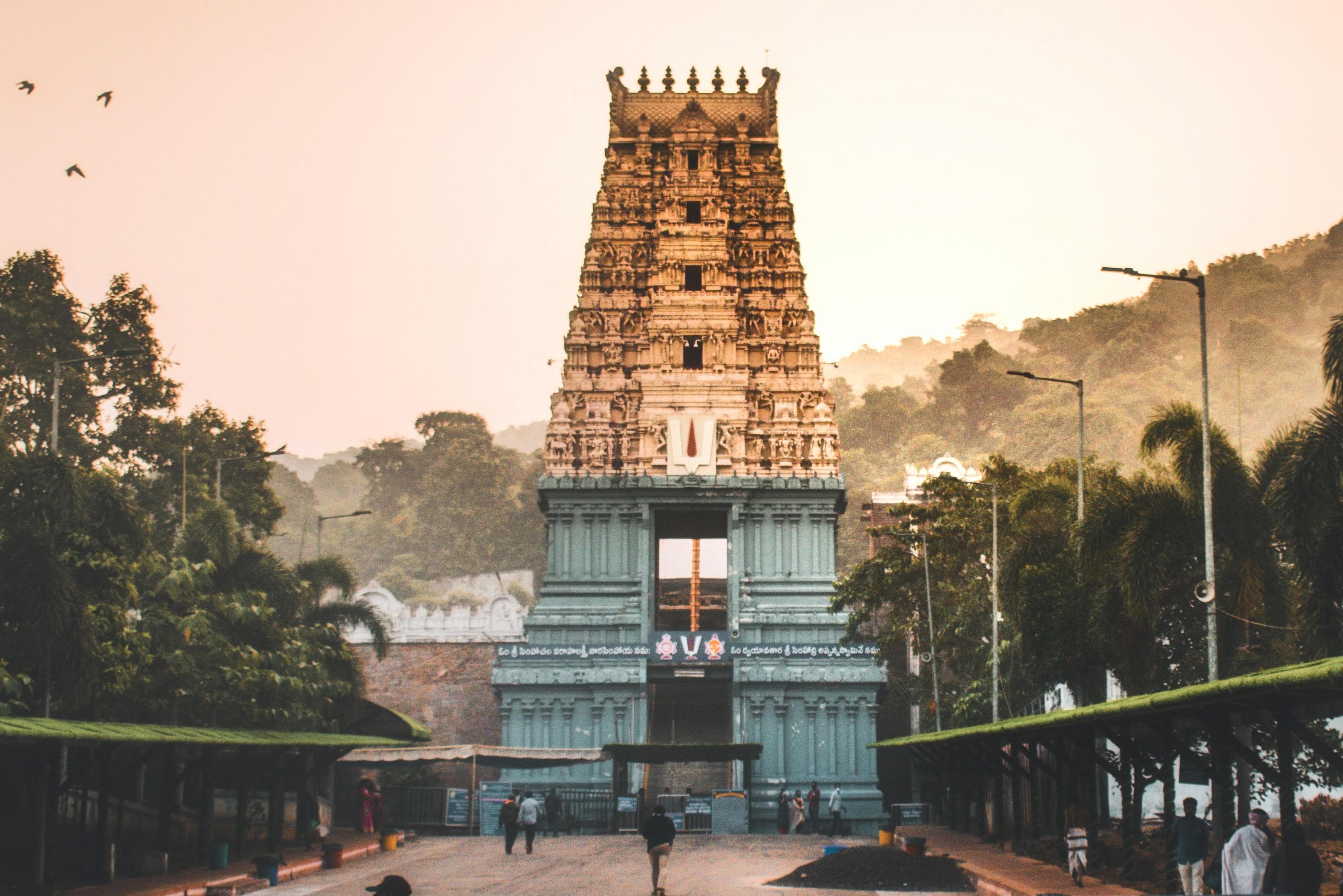
Simhachalam Varaha Lakshmi Narasimha Temple Visakhapatnam
The salty tang of the Bay of Bengal hung in the air as I climbed the steps leading to the Varaha Lakshmi Narasimha Temple at Simhachalam. Having explored the basalt-carved wonders of Maharashtra’s caves and temples, I was eager to experience the distinct architectural flavour of Andhra Pradesh. And Simhachalam, perched atop a hill overlooking Visakhapatnam, promised something unique. The temple complex, enclosed within high walls, exudes an aura of quiet power. Unlike the open courtyards I’m accustomed to in Maharashtra, here, the structures are tightly knit, creating a sense of intimacy and concentrated devotion. The main gopuram, though not as towering as some I’ve seen, possesses a distinct Dravidian elegance, its intricate carvings narrating tales from the Puranas. The use of light-coloured stone, possibly Khondalite, gives the temple a luminous quality, contrasting sharply with the dark, weathered basalt of my home state. As I approached the sanctum sanctorum, the air grew thick with the scent of sandalwood and incense. The presiding deity, Varaha Lakshmi Narasimha, is unique – a manifestation of Vishnu as Narasimha, the man-lion, covered in sandalwood paste throughout the year, except for one day, 'Chandanayatra Utsavam'. This practice, I learned, stems from a legend where the deity’s fiery rage was cooled by the application of sandalwood. The anticipation of seeing this unique form, shrouded in mystery, heightened my excitement. Finally, I stood before the sanctum. The dimly lit space, filled with chanting, allowed only a glimpse of the sandalwood-covered deity. While I couldn’t discern the actual features of the idol, the palpable energy within the sanctum was undeniable. It was a powerful, almost visceral experience, different from the serene contemplation I often feel in Maharashtra’s cave temples. Here, the atmosphere was charged with a raw, vibrant devotion. Stepping out of the sanctum, I took time to appreciate the intricate carvings adorning the temple walls. The depictions of gods, goddesses, and mythical creatures showcased a distinct regional style, different from the Chalukyan and Yadava influences I’m familiar with. The narrative panels, though weathered by time and the coastal climate, still spoke volumes about the rich mythology associated with the deity. I noticed the recurring motif of the Varaha avatar, the boar incarnation of Vishnu, highlighting the temple’s dedication to this particular form. The temple complex also houses several smaller shrines dedicated to other deities, each with its own unique character. I was particularly drawn to the shrine of Andal, a female Alvar saint, whose devotion to Lord Vishnu is legendary. The presence of this shrine within the complex spoke to the inclusive nature of the temple’s spiritual embrace. As I descended the hill, the city of Visakhapatnam sprawled before me, a vibrant tapestry of modern life against the backdrop of the ancient Eastern Ghats. The visit to Simhachalam had been a journey not just to a different state, but to a different spiritual landscape. The temple’s unique rituals, distinct architecture, and the palpable devotion of the pilgrims offered a fresh perspective on the diverse tapestry of Hindu worship. It reinforced the idea that while the essence of faith remains constant, its expressions can be wonderfully varied and regionally specific. The Varaha Lakshmi Narasimha Temple, with its sandalwood-clad deity and vibrant energy, stands as a testament to this rich diversity. It's a must-see for anyone seeking to explore the architectural and spiritual wonders of Andhra Pradesh, and a stark, fascinating contrast to the cave temples of Maharashtra I know so well.
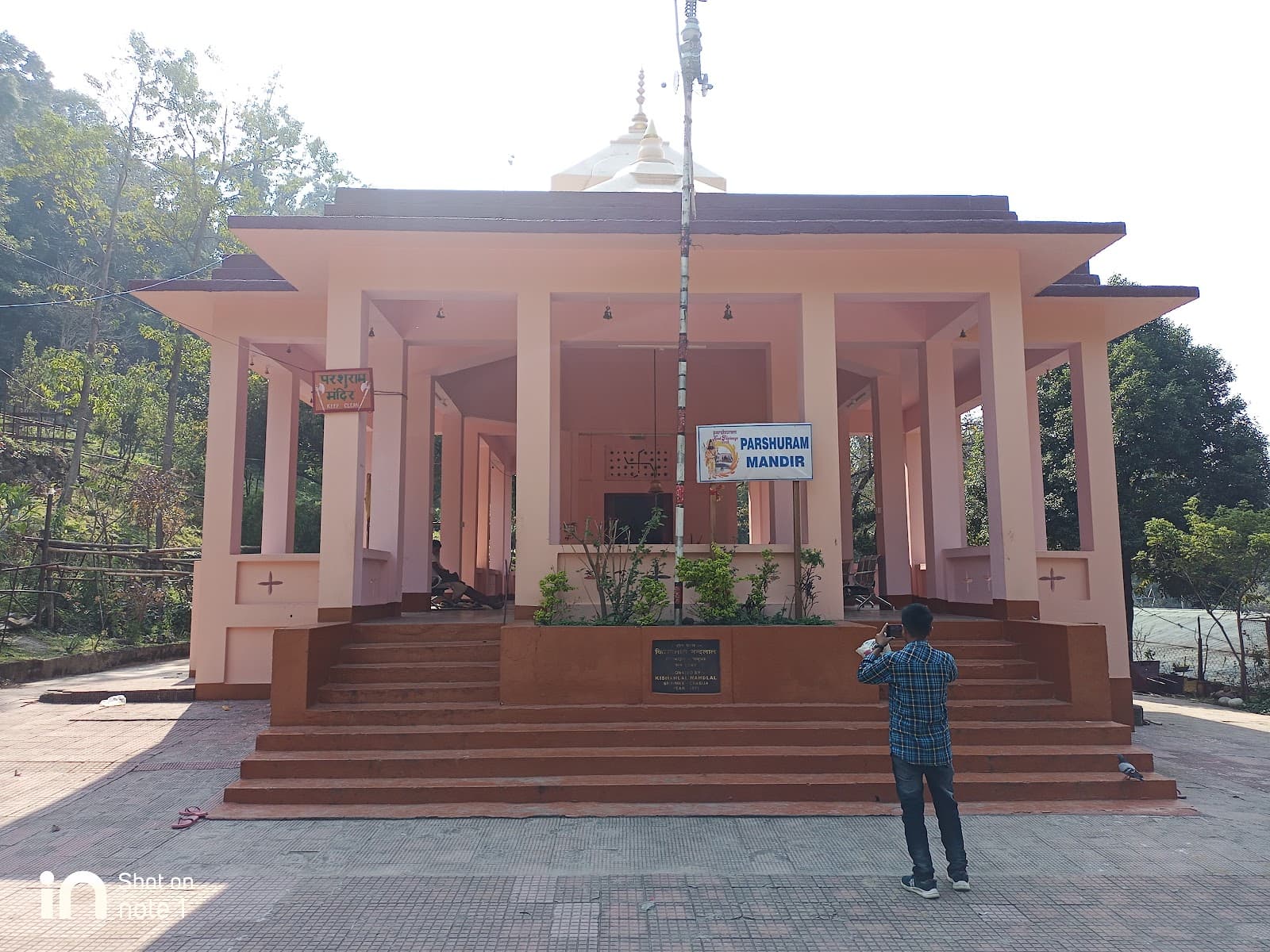
Parshuram Kund Temple Lohit
The biting January air, thin and crisp at 4,000 feet, whipped around me as I descended the steep steps towards Parshuram Kund. The roar of the Lohit River, a milky turquoise torrent surging through the gorge, filled the air, a constant, powerful presence that seemed to vibrate through the very rock on which the temple complex stood. This was no ordinary pilgrimage site; this was a place where the raw power of nature intertwined with deep-seated spiritual belief. Located in the remote Lohit district of Arunachal Pradesh, Parshuram Kund is more than just a temple; it's a confluence of mythology, natural beauty, and human devotion. Legend holds that this is where the warrior sage Parshuram washed away the sin of matricide, his axe, still stained crimson, cleansed by the sacred waters. That narrative resonated powerfully as I stood at the river’s edge, the icy spray misting my face, the sheer force of the current a tangible reminder of the cleansing power attributed to it. The main temple, dedicated to Lord Shiva, is a relatively modern structure, a stark white against the backdrop of the dark, imposing cliffs. While not architecturally ancient, it doesn't detract from the overall atmosphere. It feels less like a standalone monument and more like a focal point for the existing spiritual energy of the place. Smaller shrines dot the surrounding area, tucked into crevices and perched precariously on rocky outcrops, each a testament to the enduring faith of the pilgrims who journey here. What struck me most, however, wasn't the architecture, but the palpable sense of devotion. Having documented hundreds of temples across India, I've become accustomed to a certain level of ritualistic practice. But at Parshuram Kund, there was a rawness, an immediacy to the faith that was both humbling and inspiring. I watched as pilgrims, many having travelled for days, immersed themselves in the frigid waters, their faces etched with a mixture of reverence and determination. The chanting of mantras, the clang of bells, the scent of incense – all blended with the roar of the river to create an immersive sensory experience unlike any I’d encountered before. The architectural details, though simple, spoke volumes. The use of local stone in the construction of the shrines blended seamlessly with the natural surroundings, creating a sense of harmony between the man-made and the natural. The carvings, though weathered by the elements, hinted at a rich artistic tradition, depicting scenes from mythology and nature. I spent hours photographing these details, trying to capture the essence of the place, the interplay of light and shadow on the weathered stone, the textures of the rock face, the vibrant colours of the prayer flags fluttering in the wind. One particular detail that caught my eye was the prevalence of Trishuls, the trident of Shiva, embedded in the rocks surrounding the Kund. These tridents, some ancient and rusted, others newly placed and gleaming, served as a constant reminder of the presiding deity and the sanctity of the site. They were not mere decorations; they were symbols of faith, each one representing a prayer, a hope, a plea. As the sun began to dip below the horizon, casting long shadows across the gorge, I climbed back up the steps, leaving the roar of the river behind. The experience had been profound, a reminder of the power of faith and the enduring connection between humanity and nature. Parshuram Kund is more than just a temple; it’s a living testament to the enduring power of belief, a place where the spiritual and the natural converge in a symphony of sound, sight, and emotion. It’s a place that stays with you long after you’ve left, a memory etched in stone and water, echoing in the whispers of the wind.
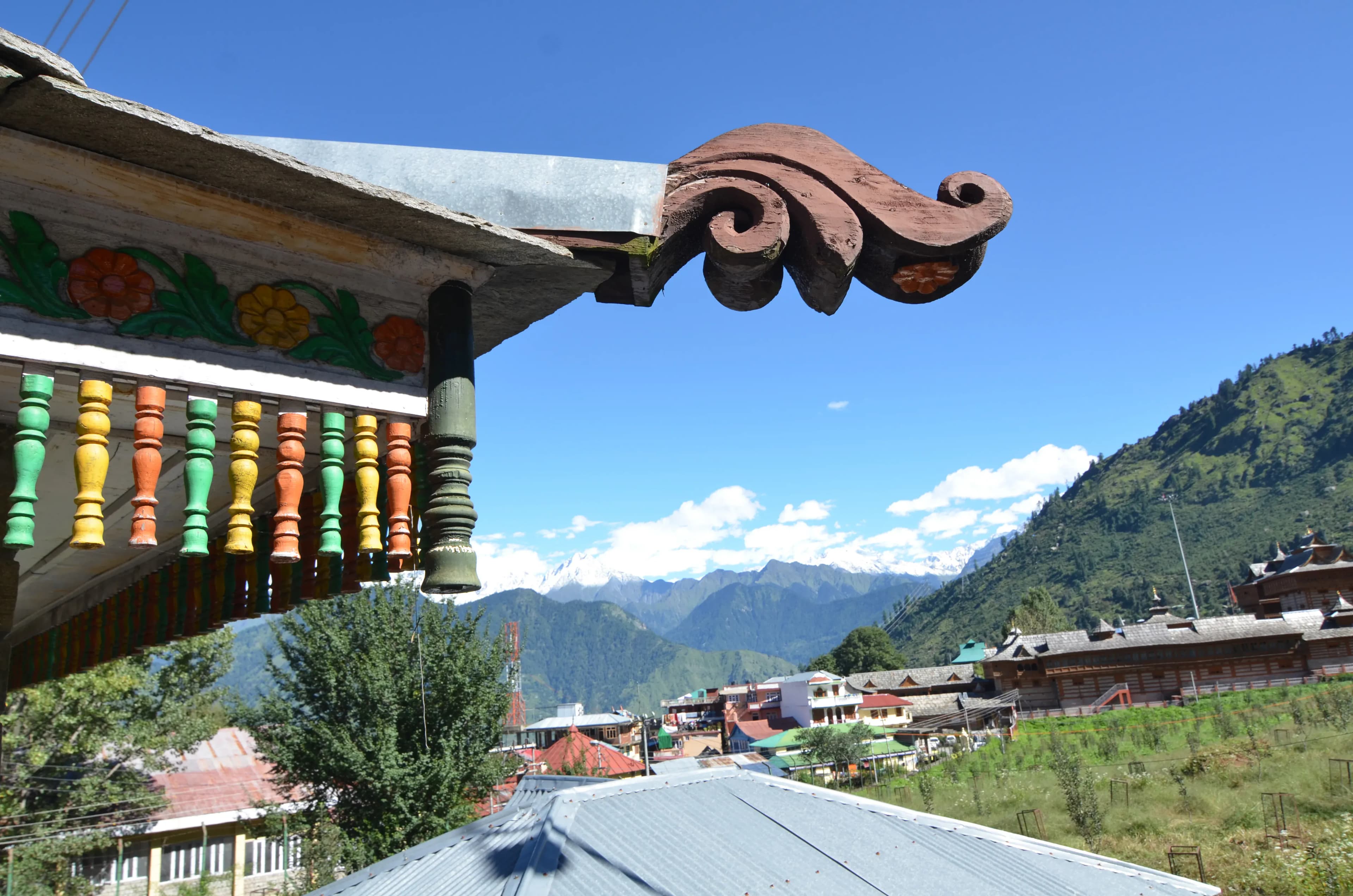
Bhimakali Temple Sarahan
Nestled in the serene hills of Himachal Pradesh, the Bhimakali Temple at Sarahan is an architectural marvel dating back to 800 CE during the Rajput period ([1]). Its unique kath-khuni (wood-stacked) style, a vernacular adaptation to the region's climate, showcases a distinct Himalayan architectural tradition ([2]). The Bushahr rulers, as patrons, significantly influenced the temple's design and construction ([3]). Dominating the Sarahan landscape, the temple complex utilizes a combination of wood, stone, slate, and metal, reflecting the readily available resources and blending seamlessly with the surrounding environment ([4]). The tiered wooden roofs, a characteristic feature, not only provide structural stability but also effectively manage heavy snowfall ([5]). Intricate carvings embellish the wooden facades, depicting deities and mythical creatures, demonstrating the craftsmanship passed down through generations ([6]). Within the Garbhagriha (Sanctum), the temple enshrines Bhimakali, a fierce manifestation of Durga, represented by a revered brass image ([3]). Furthermore, smaller shrines dedicated to Lakshmi Narayan and Lord Shiva are also present within the complex, each displaying meticulous craftsmanship ([4]). The temple's design possibly incorporates principles similar to those outlined in ancient texts like the Manasara Shilpa Shastra, which discusses temple construction and iconography, although specific textual references for this temple remain to be confirmed ([7]). Enchanting panoramic views and the gentle flutter of prayer flags enhance the spiritual ambiance of the temple, creating a profound sense of tranquility ([5]). This architectural gem not only preserves the cultural heritage of the Himalayas but also stands as a testament to the ingenuity and artistic skills of its creators ([1][2]). The Bhimakali Temple continues to inspire awe and reverence, drawing visitors and devotees alike to experience its unique blend of art, architecture, and spirituality ([6]).
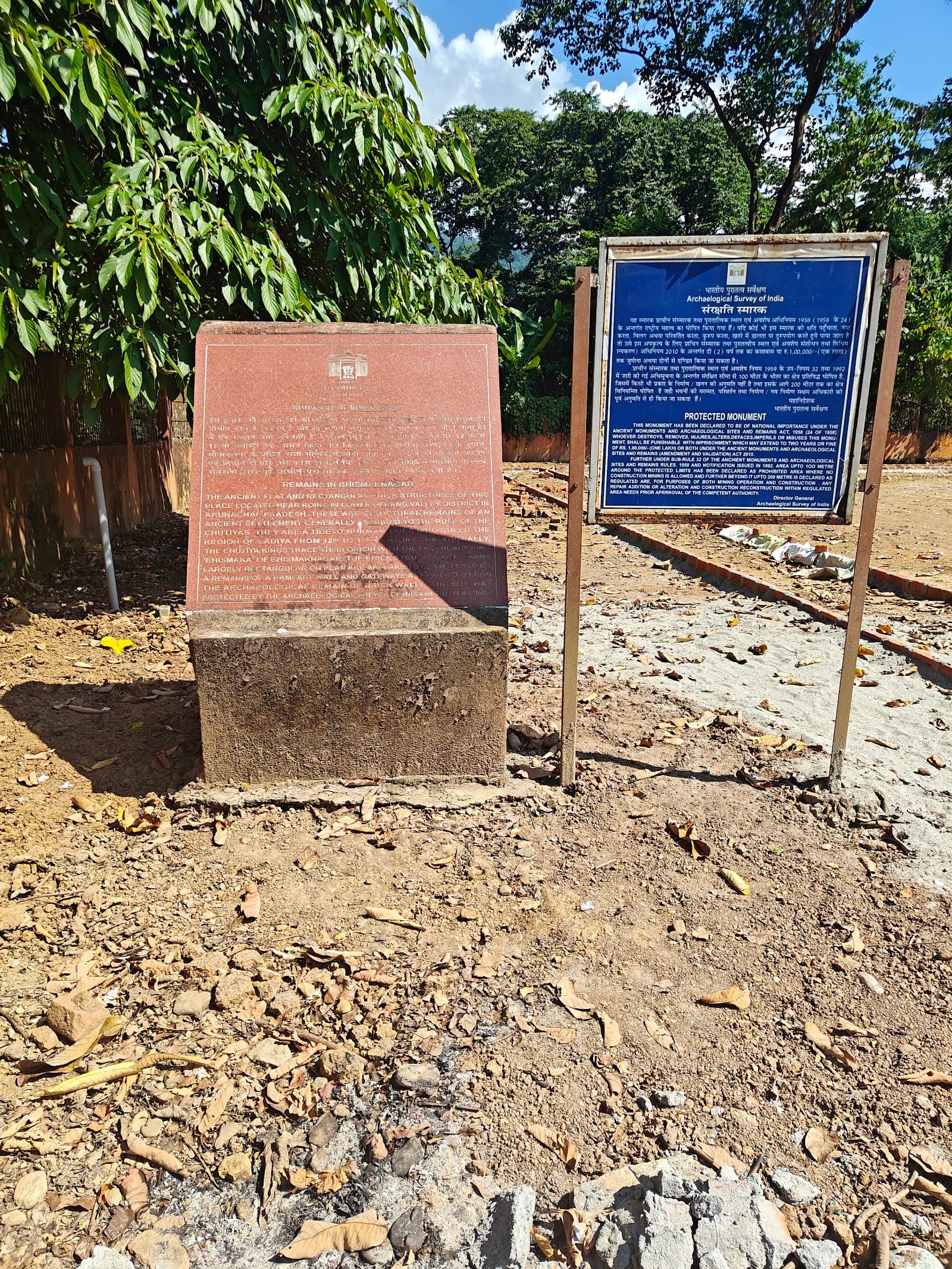
Bhismaknagar Fort Roing
Fired brick and mud brick construction techniques define Bhismaknagar Fort, erected around 1100 CE by the Chutia kingdom in Arunachal Pradesh ([1][2]). As an archaeological site in Khatan, Lower Dibang Valley, Roing, it represents a significant example of Tai Ahom architectural influence ([3]). Archaeological excavations have uncovered a sophisticated, sprawling complex, revealing the architectural prowess of this medieval kingdom ([4]). The fort's rectangular layout features ramparts and gateways, constructed primarily from brick, showcasing the ingenuity of the builders ([5]). Intricate carvings adorning the walls display geometric and floral motifs, reflecting the cultural richness of the Chutia kingdom ([2]). Unlike typical stone fortifications, Bhismaknagar utilized locally abundant clay, crafting large bricks without mortar ([1][5]). Stone platforms and foundations demonstrate a planned construction, hinting at residential and administrative functions ([3][4]). The use of burnt brick, stone, timber, and bamboo highlights the resourcefulness of the builders ([1][2][3]). During the Ahom Period, temple architecture, though not fully evident in Bhismaknagar's ruins, likely influenced the fort's design ([5]). The architectural style incorporates elements of medieval design, with a focus on functionality and defense ([3][4]). Vastu Shastra principles, the ancient Indian science of architecture, may have guided the layout and orientation of the fort, although specific textual references are not available ([5]). Bhismaknagar offers a glimpse into a forgotten era, a testament to the resilience and artistry of its creators ([1]). Bhismaknagar remains a significant archaeological site, linking us to India's diverse heritage ([2][3]). Further research and preservation efforts are crucial to understanding the full scope of its historical and architectural importance ([1][4]). The site stands as a reminder of the Chutia kingdom's legacy and their contribution to the region's cultural landscape ([2][5]).
Quick Links
Plan Your Heritage Journey
Get personalized recommendations and detailed visitor guides