Has Inheritage Foundation supported you today?
Your contribution helps preserve India's ancient temples, languages, and cultural heritage. Every rupee makes a difference.
Secure payment • Instant 80G certificate
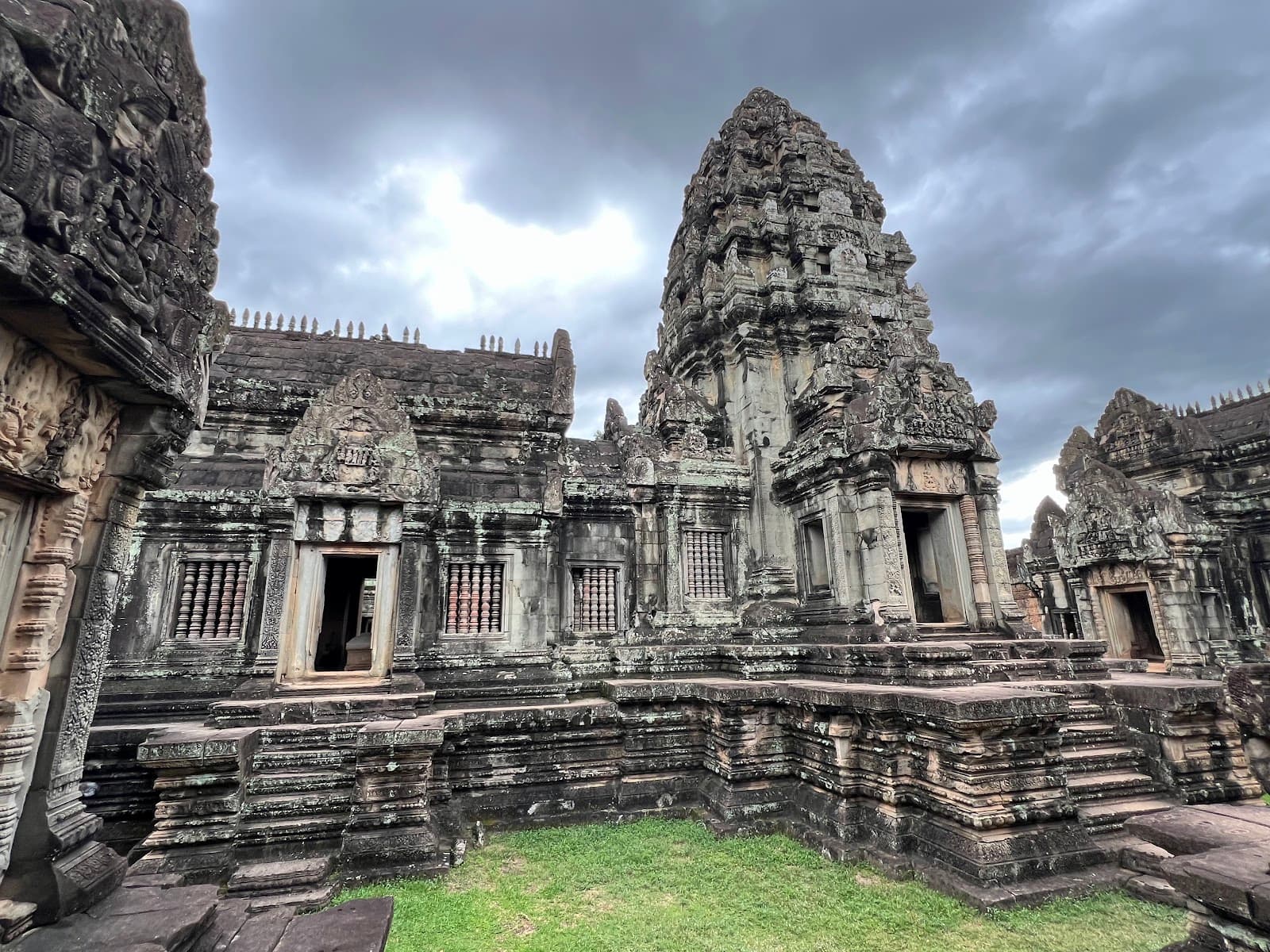
Banteay Samre Siem Reap Cambodia
Located 12 kilometers east of Angkor, Banteay Samre exemplifies Khmer Vaishnavite temple architecture dating back to the 12th century CE, during the reign of Suryavarman II ([1][2]). Dedicated to Vishnu, the temple illustrates the transmission of Indian Vaishnavite traditions to Cambodia during the Angkorian period ([1][2]). Its layout, featuring a central sanctuary with enclosures and galleries, reflects Indian Vaishnavite temple planning principles, similar to complexes found in India ([1][2]). Intricate carvings adorning the walls depict scenes from Vaishnavite mythology, including Vishnu's avatars and narratives from the Ramayana and Mahabharata ([1][2]). These carvings demonstrate the sophisticated understanding of Indian iconography by Khmer artists ([1][2]). During the medieval period, temple architecture incorporated the concept of Mount Meru in its central tower, surrounded by galleries, aligning with Indian Vaishnavite planning principles ([1][2]). The central tower, or Shikhara (Spire), rises majestically, embodying the cosmic mountain ([1][2]). Sandstone blocks, meticulously fitted together without mortar, showcase engineering techniques potentially transmitted from India to Cambodia ([1][2]). Lime mortar was used as an adhesive in certain areas, further securing the structure ([3]). Archaeological excavations have uncovered the temple's role as a center for Vishnu worship, with inscriptions providing evidence of the transmission of Indian Vaishnavite texts and practices ([1][2][3]). The Garbhagriha (Sanctum) likely housed an idol of Vishnu, the supreme deity in Vaishnavism ([3]). Now a part of a UNESCO World Heritage Site, Banteay Samre attests to the impact of Indian culture and architecture on Southeast Asia ([4][5]). Ongoing research and conservation efforts aim to protect this cultural treasure, demonstrating Indian civilization's influence on Southeast Asian religious and artistic traditions ([4][5]). The temple's Mandapa (Pillared Hall) would have served as a space for devotees to gather and offer prayers ([5]). The use of laterite in the foundation provided a stable base for the sandstone superstructure ([3]).
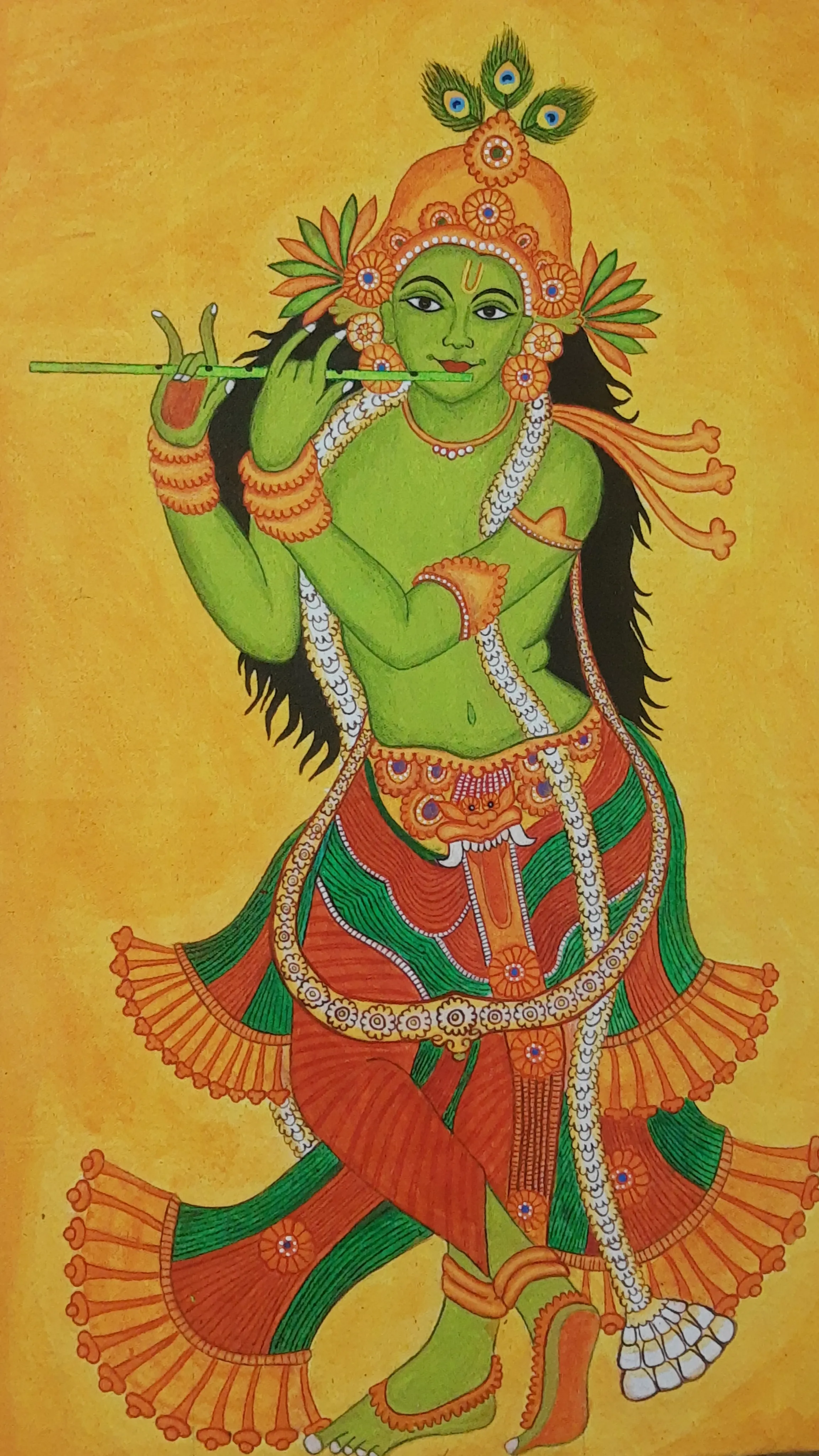
Guruvayur Temple Guruvayur
The air hung thick and sweet with the scent of sandalwood and jasmine, a fragrance that seemed woven into the very fabric of Guruvayur. The eastern sky, still holding the soft hues of pre-dawn, reflected in the shimmering gold of the Guruvayur Sri Krishna Temple’s gopuram. This wasn't just another temple on my list; this was Guruvayur, a place that resonated with a palpable spiritual energy even before I stepped inside. Having documented over 500 monuments across India, I've developed a keen eye for architectural nuances. The Kerala style here is distinct – a sloping tiled roof, vibrant murals adorning the outer walls, and the four-armed deity of Lord Krishna visible through the main doorway, a sight that instantly captivated me. Unlike the towering gopurams of Tamil Nadu, this one felt more intimate, drawing you in rather than overwhelming you with its scale. The temple’s koothambalam, the traditional theatre for Keralan performing arts, immediately caught my attention. Its intricate woodwork, depicting scenes from the epics, was a testament to the craftsmanship of a bygone era. I spent a good hour circling it, capturing the delicate details of the carved figures, each telling a silent story. The pillars, polished smooth by centuries of touch, seemed to hum with the echoes of ancient performances. Entering the chuttambalam, the outer enclosure, the energy shifted. The rhythmic chanting of Vedic hymns filled the air, intertwining with the clanging of bells and the murmur of devotees. Photography is restricted within the inner sanctum, a rule I respect deeply, but the experience transcended the visual. It was about absorbing the atmosphere, the devotion that permeated every corner. I observed the devotees, their faces etched with a mix of reverence and anticipation, as they circumambulated the sanctum. The sheer faith on display was humbling. The temple tank, Rudratheertham, located to the west, offered a moment of tranquility amidst the vibrant activity. Pilgrims took ritual dips in the sacred waters, their faces reflecting the serene surface. The architectural harmony between the tank and the temple itself was striking – a seamless blend of the spiritual and the natural. One of the most captivating aspects of Guruvayur is its unique rituals. I was fortunate to witness the 'Seeveli,' a ceremonial procession where the deity is carried around the temple grounds on an elephant. The sheer grandeur of the moment, the vibrant colours, the rhythmic chanting, and the palpable devotion of the crowd created an unforgettable spectacle. It wasn't just a visual feast; it was a sensory immersion into a centuries-old tradition. Beyond the main temple, the surrounding town added another layer to the experience. The narrow streets, bustling with vendors selling everything from flowers and incense to traditional handicrafts, offered a glimpse into the local life intertwined with the temple. The aroma of freshly prepared prasadam, the temple offering, wafted through the air, adding to the sensory tapestry. Leaving Guruvayur, I carried more than just photographs. I carried the resonance of the chants, the scent of sandalwood, and the palpable devotion that permeated the air. It wasn't just a documentation of a historical site; it was an immersion into a living, breathing spiritual heart of Kerala. It reinforced my belief that heritage photography isn't just about capturing the visual; it's about capturing the intangible essence of a place, the stories it whispers, and the emotions it evokes. And Guruvayur whispered volumes.
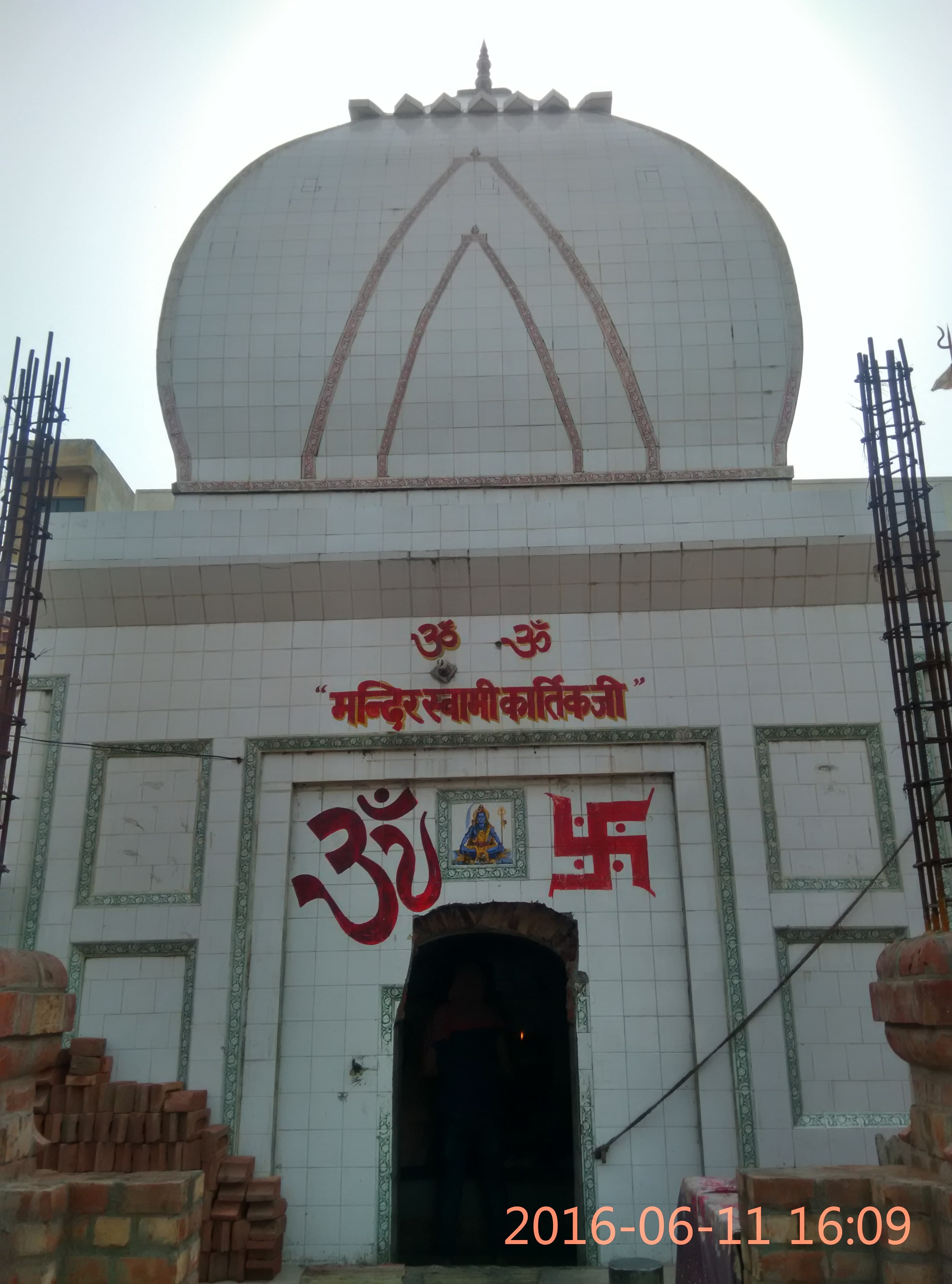
Kartikeya Temple Pehowa
The midday sun beat down on the dusty plains of Haryana as I approached the Kartikeya Temple in Pehowa. Having crisscrossed North India, exploring countless ancient sites, I had a certain expectation of what I might find. Pehowa, however, surprised me. This wasn't just another temple; it was a palpable confluence of history, faith, and the quiet resilience of a town built around devotion. The temple complex, dedicated to Lord Kartikeya, the son of Shiva and Parvati, sits nestled beside the sacred Saraswati Tirtha, a revered tank believed to be the source of the now-lost Saraswati River. The air hummed with a low thrum of chanting, punctuated by the occasional clang of a bell. Pilgrims, their faces etched with devotion, circumambulated the tank, their hands clasped in prayer. The scene was a vibrant tableau of faith, a living testament to the enduring power of belief. The temple itself is an architectural marvel, a blend of Mughal and later Hindu architectural styles. Unlike the towering, ornate structures I've encountered in Rajasthan, the Kartikeya Temple exudes a quiet grandeur. The main entrance, a relatively modest archway, leads into a spacious courtyard. The walls, constructed from sandstone, bear the marks of time – subtle discolorations, weathered carvings, and the faint remnants of what might have been vibrant frescoes. These imperfections, rather than detracting from the beauty, enhance it, whispering tales of centuries past. I was particularly struck by the intricate carvings adorning the temple walls. Depictions of deities, celestial beings, and scenes from Hindu mythology are rendered with remarkable detail. The craftsmanship is exquisite, a testament to the skill of the artisans who painstakingly carved these narratives into stone. I spent a considerable amount of time examining these panels, tracing the lines with my fingers, trying to decipher the stories they told. Inside the sanctum sanctorum, the atmosphere shifts. The air is thick with incense, and the low murmur of prayers intensifies. Photography is prohibited within the inner chamber, which, in a way, enhances the experience. It forces you to be present, to absorb the energy of the space, to connect with the palpable sense of devotion that permeates the air. The deity, Lord Kartikeya, is represented by a Shivalinga, a symbolic representation of divine energy. The sight is simple yet profound, a reminder of the essence of faith. Beyond the main temple, the complex houses several smaller shrines dedicated to various deities. Each shrine has its own unique character, its own story to tell. I wandered through these smaller spaces, observing the rituals, listening to the whispers of prayers, and absorbing the unique atmosphere of each. One of the most striking aspects of the Pehowa experience is the palpable sense of community. The temple isn't just a place of worship; it's the heart of the town. Locals gather in the courtyard, sharing stories, exchanging news, and participating in the daily rituals. This sense of community, of shared faith and tradition, is something I've encountered in many sacred sites across North India, but it felt particularly strong in Pehowa. As I left the Kartikeya Temple, the late afternoon sun casting long shadows across the courtyard, I felt a sense of quiet reverence. This wasn't just a visit to a historical site; it was an immersion in a living tradition. The temple, with its weathered stones and intricate carvings, stands as a testament to the enduring power of faith, a beacon of hope and devotion in the heart of Haryana. It's a place I won't soon forget, a place that reminds me of the rich tapestry of history, culture, and spirituality that makes North India so captivating.
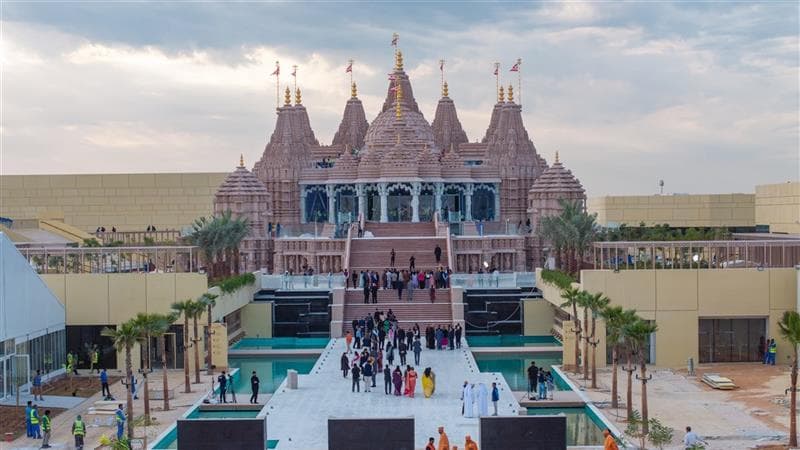
BAPS Shri Swaminarayan Mandir (Sharjah Sabha Mandir)
Adapting a former industrial space, the BAPS Shri Swaminarayan Mandir in Sharjah has functioned as the Gulf's earliest Swaminarayan satsang center since 2012 ([1][2]). This mandir uniquely transforms a two-story warehouse into a vibrant cultural center, representing a contemporary approach to sacred space ([1]). Within its assembly hall, which seats 400, hand-carved teak murtis (sacred images) of Bhagwan Swaminarayan and the Guru Parampara (lineage of gurus) cultivate a spiritually uplifting atmosphere ([1]). A mezzanine level accommodates women's gatherings, while classrooms, a community kitchen, and a resource library support diverse activities ([1]). Furthermore, the sinhasan (sanctum front) was meticulously crafted in Ahmedabad using fiber-reinforced composites and gold-leaf accents, demonstrating the continued importance of traditional craftsmanship ([1]). White acoustic panels and LED lighting enhance the space, creating an immersive environment suitable for live broadcasts to global BAPS networks ([1]). Daily darshan (viewing of the deity) occurs during morning and evening hours, with Friday evening satsang (spiritual discourse), including kirtans (devotional songs) and Gujarati/Sanskrit classes, serving as a focal point ([1][3]). Such gatherings echo the ancient traditions of communal worship and learning found throughout India's spiritual history. Importantly, community engagement remains a key aspect, with youth-led initiatives such as blood donation drives and wellbeing seminars ([1][4]). These seva (selfless service) projects, often conducted in collaboration with UAE authorities, reflect the BAPS Swaminarayan Sanstha's dedication to social responsibility and community harmony ([1][5]). This mandir provides an example of integrating traditional values into a modern context, fostering spiritual growth and community development, reminiscent of the community-focused ethos found in ancient Indian traditions. Integrating modern technology, the mandir connects devotees worldwide, while maintaining cultural traditions.
Rang Ghar Sivasagar
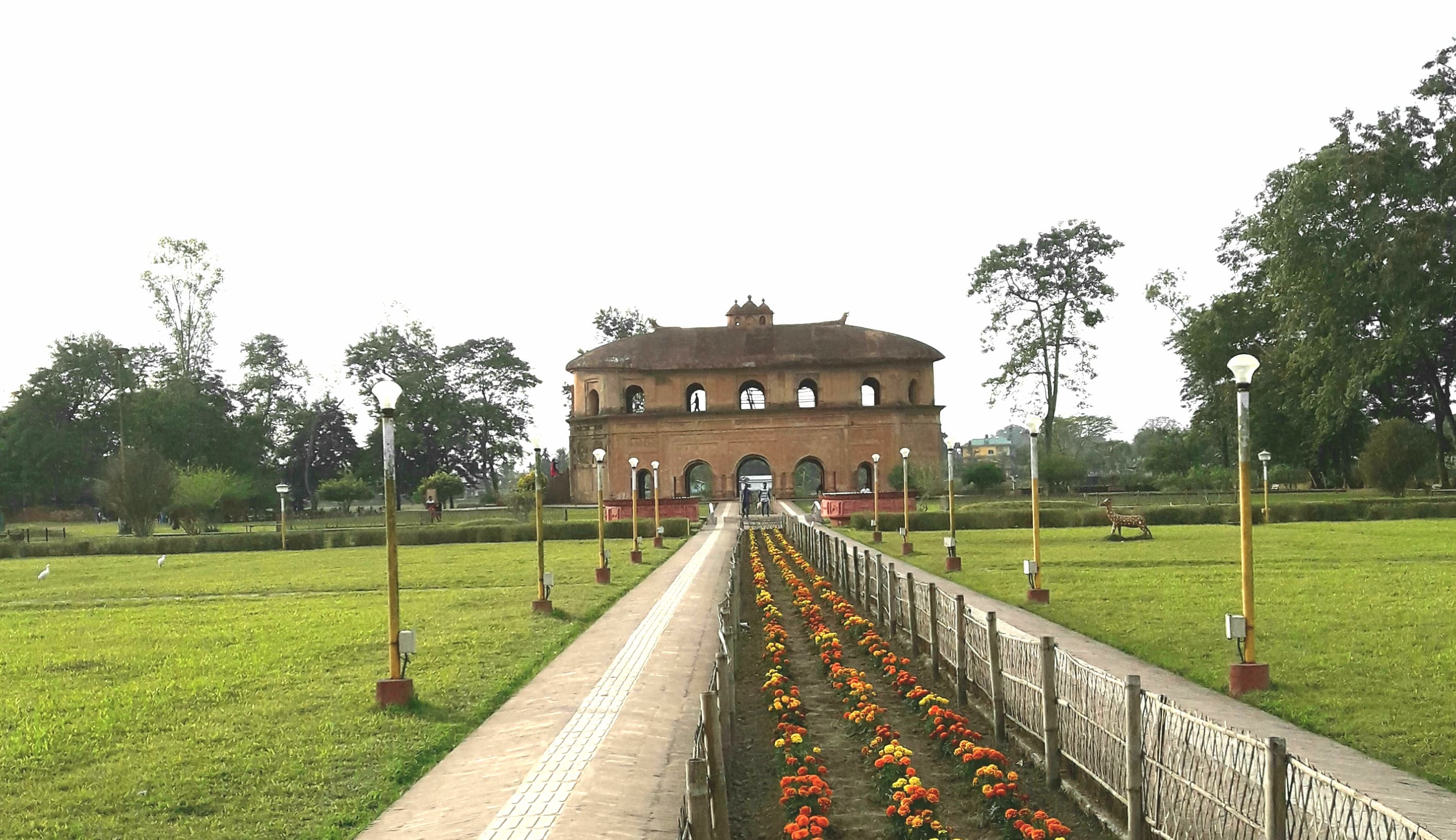
The ochre walls of the Rang Ghar rose before me, a two-storied behemoth against the backdrop of the Assamese sky. Here I stood, in the heart of Sivasagar, face-to-face with a relic of Ahom grandeur. Built in the 18th century by King Pramatta Singha, this royal sports pavilion isn't just a structure; it's a testament to a dynasty's passion for games and spectacle. Unlike the fortified palaces I’m accustomed to seeing in Rajasthan or the intricately carved temples of Southern India, the Rang Ghar possesses a unique, almost playful character. The first thing that struck me was its unusual shape, resembling the back of an elephant, or perhaps a giant, slumbering tortoise. The roof, a graceful, sweeping curve, is crowned with two ornamental pavilions, adding a touch of whimsy to the otherwise imposing structure. As I climbed the steep, narrow staircase to the upper level, I imagined the Ahom royalty ascending these very steps, their vibrant silks rustling, anticipation thick in the air. From this vantage point, the entire arena spread out below, a vast expanse where once elephants wrestled, buffaloes fought, and athletes displayed their prowess. I could almost hear the roar of the crowd, the trumpeting of elephants, the excited chatter of the spectators. The architecture itself is a fascinating blend of Ahom tradition and Mughal influences. While the overall form and the use of baked bricks are distinctly Ahom, the arched entrances and the decorative motifs hint at a Mughal influence, a testament to the cultural exchange that characterized this period. The surface of the Rang Ghar, once plastered and painted, now bears the marks of time and neglect. Patches of exposed brickwork and faded remnants of paint offer a glimpse into its vibrant past, like faded memories clinging to the edges of a photograph. I ran my hand over the rough surface of a brick, feeling the weight of history beneath my fingertips. The intricate carvings, though worn, still spoke of the skill and artistry of the Ahom craftsmen. Floral patterns, stylized animals, and geometric designs intertwine, creating a visual tapestry that reflects the rich cultural heritage of the region. These weren't mere decorations; they were symbols, narratives etched into the very fabric of the building. The interior, though largely bare now, still retains echoes of its former glory. I peered into the small chambers that once served as royal viewing boxes, imagining the king and his entourage watching the games unfold below. The play of light and shadow within these spaces created an almost ethereal atmosphere, a stark contrast to the bright sunshine outside. Walking around the perimeter of the Rang Ghar, I noticed the remnants of what appeared to be a moat. This, along with the elevated position of the pavilion, not only provided a clear view of the arena but also served as a defensive measure, a reminder that even in leisure, security was paramount. The Rang Ghar isn't just an architectural marvel; it's a time capsule, a portal to a bygone era. It offers a unique insight into the Ahom dynasty's cultural values, their love for sport, and their sophisticated understanding of architecture. Standing there, amidst the ruins, I felt a profound connection to the past, a sense of awe and wonder at the ingenuity and artistry of those who built this magnificent structure. As I left the Rang Ghar, the setting sun casting long shadows across the grounds, I carried with me not just photographs and notes, but a deeper appreciation for the rich tapestry of Indian history and the enduring legacy of the Ahom kingdom.
Akashiganga Temple Along West Siang
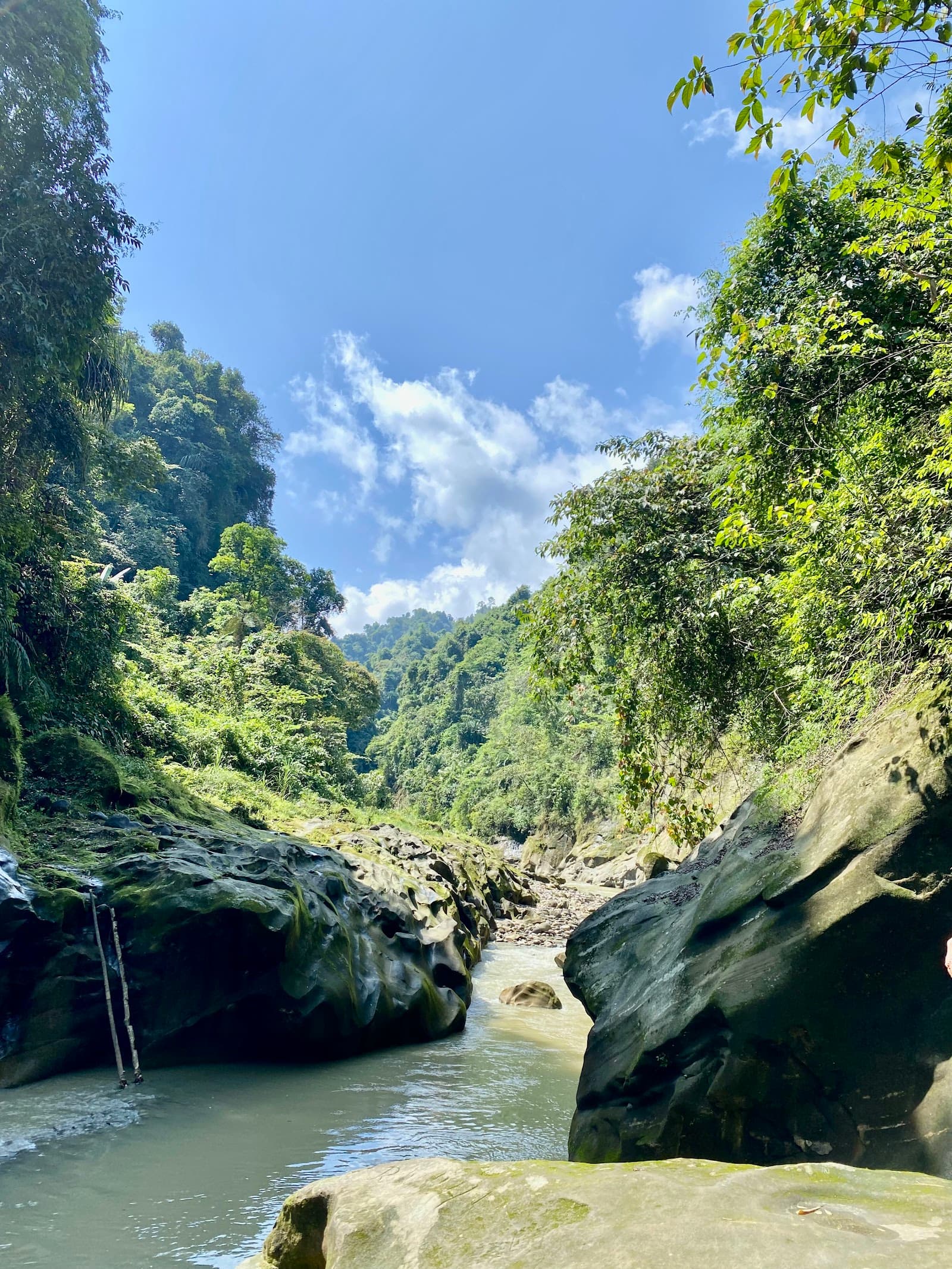
In Arunachal Pradesh's West Siang district, Akashiganga emerges as an ancient temple complex, a candidate for UNESCO World Heritage recognition ([1]). The routes leading to it present picturesque vistas of the Himalayan foothills ([2]). During the Pala period, around 1350 CE, this sacred site was established, distinguished by its Nagara-style architecture and curvilinear tower ([3][4]). Predominantly, stone and timber were employed in its construction, reflecting the area's natural resources ([3]). What makes Akashiganga notable is the convergence of Hinduism and indigenous Adi traditions ([2]). The primary Shiva temple, though unpretentious, possesses profound spiritual importance for the Adi community ([1]). Eschewing the intricate embellishments common in South Indian temples, the temple's aesthetic accentuates the inherent beauty of its surroundings ([2]). Vedic astronomical principles guided the temple's layout, harmonizing it with cosmic energies ([5]). Intricate carvings embellish the temple walls, illustrating deities and narratives from Hindu mythology ([4]). Akashiganga, which translates to "Sky River," is traditionally associated with the Ganges River, enhancing its sacred status ([1][2]). Pilgrims undertake journeys to offer prayers, drawn to the site's palpable spiritual aura ([3]). As an embodiment of the region's cultural legacy and the enduring strength of faith, Akashiganga stands as a testament to Arunachal Pradesh's rich heritage ([1]). The architectural style incorporates a tiered roof, adding to its unique character ([3]). Bamboo and cane are also integrated into the structure, showcasing the use of local materials ([3]). The Pala Dynasty's patronage is evident in the temple's design and construction ([3]).
Chilpik Kala Tower of Silence Karakalpakstan Uzbekistan
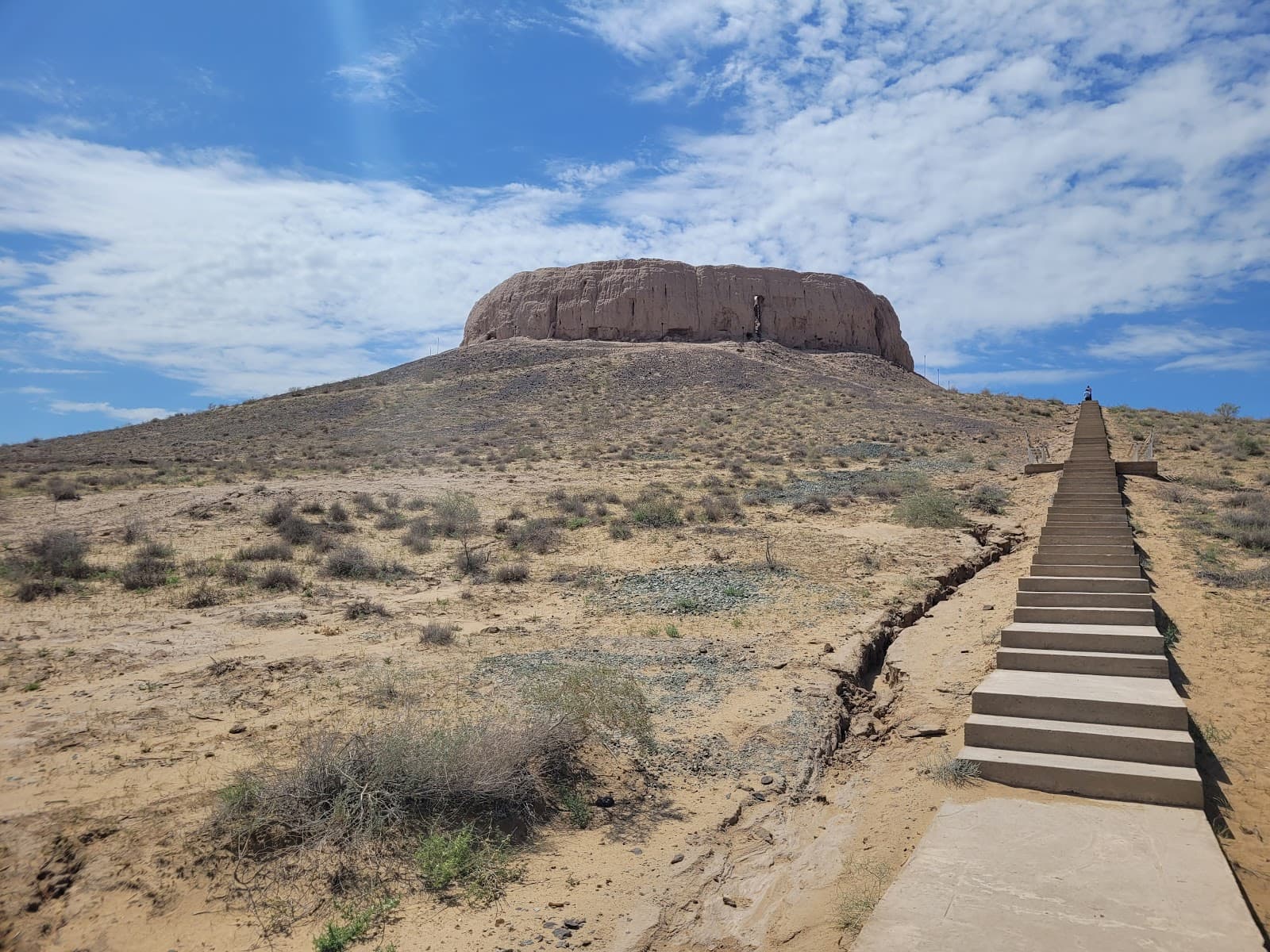
The Chilpik Kala Tower of Silence, located in Karakalpakstan, Uzbekistan, stands as a profound testament to ancient funerary practices and the enduring legacy of Zoroastrian communities in Central Asia, reflecting a broader cultural sphere that historically interacted with Indic traditions for millennia [3] [4]. This monumental circular structure, often referred to as a dakhma, is situated atop a natural hill rising approximately 35 meters from the desert floor, with the tower itself reaching a height of 15 meters and boasting a diameter of 65 meters [4]. Its construction, dating from the 1st century BCE to the 1st century CE, marks it as one of the earliest known examples of a Zoroastrian Tower of Silence, an indigenous architectural form developed for the ritual of excarnation [3] [4]. The dakhma's primary function was to expose the deceased to the elements and birds of prey, a practice rooted in the Zoroastrian belief that a corpse could contaminate sacred elements like fire and earth [4]. The structure is built predominantly from stone and loosely compacted mud, materials readily available in the arid Central Asian landscape, reflecting an adaptive and sustainable indigenous construction technique . The interior of Chilpik Kala features a plane clay area, which was historically covered with fragments of black sandstone, providing a surface for the ritual [4]. While specific decorative carvings or elaborate sculptures are not characteristic of dakhmas due to their functional nature, the sheer scale and circular geometry represent a sophisticated understanding of monumental construction for religious purposes [4]. Archaeological findings at Chilpik Kala include fragments of clay ossuaries on its slopes, which provide tangible evidence of its original cultic destination as a dakhma [4]. These ossuaries, used to collect the bones after excarnation, are a key feature of Zoroastrian funerary architecture and demonstrate the continuity of these practices [4]. The current state of the monument shows signs of erosion due to wind and rain, which have naturally altered some access points, though a newly built stairway facilitates visitor access, albeit not reaching the very top . Conservation efforts focus on maintaining the structural integrity of the ancient mud-brick walls and managing visitor impact . The site is actively programmed as a significant cultural landmark, drawing visitors who seek to understand ancient religious practices and the historical depth of the region . Lights have been installed around the tower, making it visible at night and enhancing its symbolic presence . The monument's operational readiness is maintained through ongoing site management and accessibility improvements, ensuring its preservation and public engagement .
Jaisalmer Fort Jaisalmer
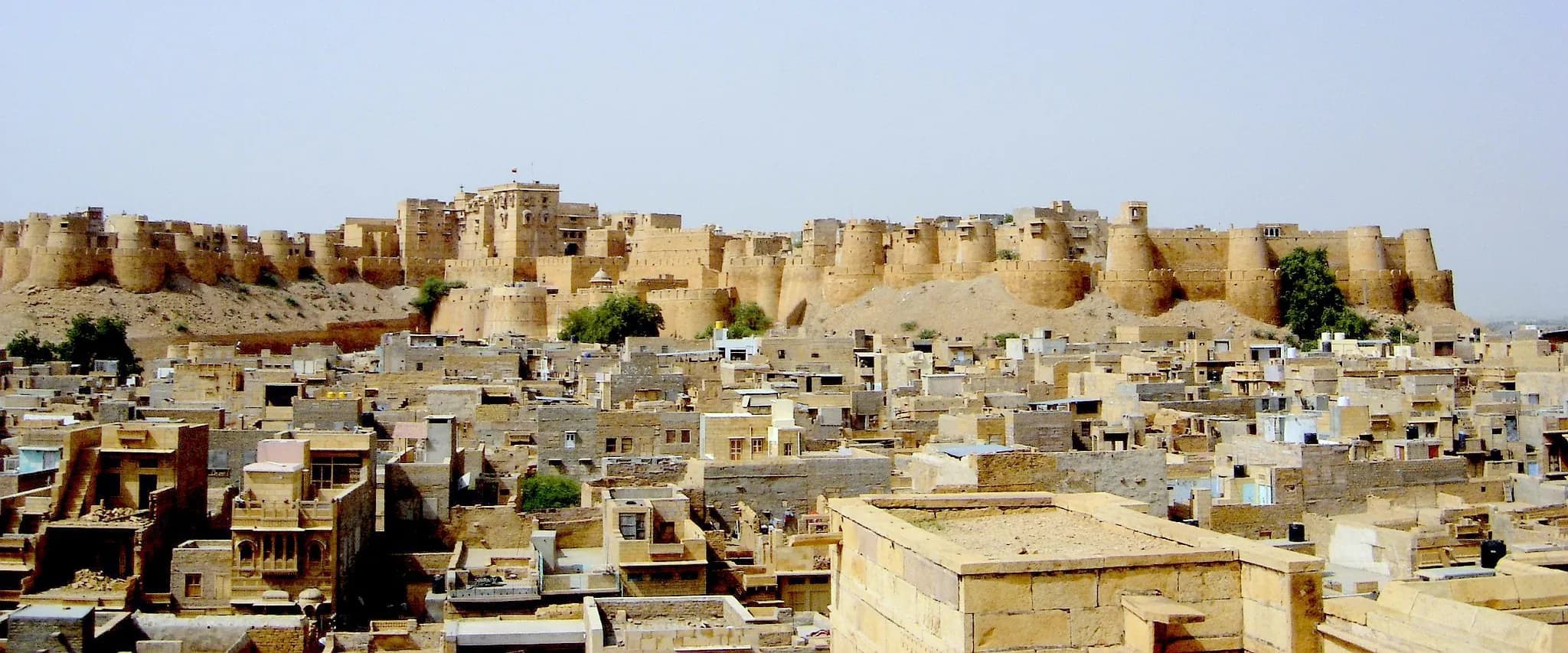
The wind, a constant companion in the Thar Desert, whipped around me as I ascended the winding ramparts of Jaisalmer Fort, a colossal sandstone behemoth rising from the desert itself. It wasn't just a fort; it was a living, breathing city, a testament to Rajputana resilience etched against the vast canvas of the Indian desert. My five-hundredth monument, and it felt like the first, the sheer scale and grandeur eclipsing everything I'd witnessed before. The "Sonar Quila," as it’s locally known, truly lived up to its golden moniker. The late afternoon sun bathed the fort in a warm, honeyed light, highlighting the intricate carvings that adorned every surface. It wasn't the polished, pristine beauty of some restored monuments; this was a beauty born of age and endurance, the sandstone weathered and textured, whispering tales of centuries past. Passing through the Suraj Pol, the main gate, I was immediately struck by the organized chaos within. Narrow, winding lanes, a vibrant tapestry of shops selling textiles, jewelry, and handicrafts, pulsed with life. It was a far cry from the sterile, museum-like atmosphere of some historical sites. Here, history wasn't confined to glass displays; it was lived, breathed, and bargained over. The architecture within the fort was a captivating blend of Rajput and Islamic styles. Jharokhas, the ornate balconies projecting from the haveli facades, offered glimpses into the opulent lives once lived within. I spent hours photographing these intricate details, the delicate latticework, the miniature arches, each a testament to the skill of the artisans who crafted them centuries ago. The Patwon Ki Haveli, a cluster of five interconnected havelis, was particularly striking, its facade a riot of intricate carvings that seemed to defy gravity. Climbing to the topmost ramparts, the city of Jaisalmer unfolded below me, a sea of golden rooftops merging seamlessly with the desert beyond. The panoramic view was breathtaking, the vastness of the landscape emphasizing the fort's strategic importance. I could almost imagine the Rajput warriors, standing on these very ramparts, scanning the horizon for approaching armies. The Jain temples within the fort were another highlight. Their intricate marble carvings, a stark contrast to the rough-hewn sandstone of the fort walls, spoke of a different kind of devotion. The play of light and shadow within the temples created an ethereal atmosphere, transporting me to a realm of quiet contemplation. But it wasn't just the grand architecture or the stunning views that captivated me. It was the people. The shopkeepers, the residents, the children playing in the narrow lanes – they were all part of the fort's living history. I spent time talking to them, listening to their stories, understanding their connection to this ancient place. A chai-wallah recounted tales passed down through generations, while a textile merchant explained the intricate patterns woven into the local fabrics. These interactions, these glimpses into everyday life, added another layer of depth to my understanding of Jaisalmer Fort. As the sun began to set, casting long shadows across the ramparts, I felt a profound sense of connection to this place. Jaisalmer Fort wasn't just a collection of stones and mortar; it was a living organism, a testament to human resilience and artistry. It was a place where history whispered from every corner, where the past and present intertwined seamlessly, creating an experience that transcended the visual and touched the soul. Leaving the fort, I carried with me not just photographs, but memories and stories, woven into the fabric of my own journey as a heritage photographer.
Niya Ruins Minfeng Xinjiang China
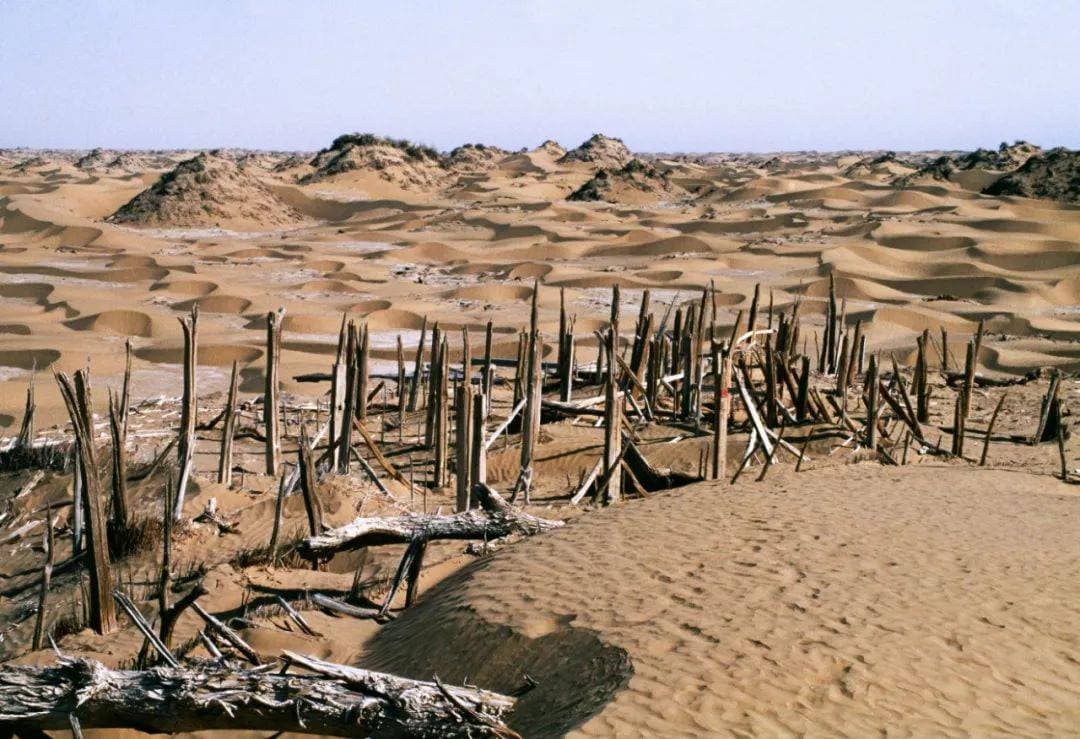
The Niya Ruins, an archaeological site located approximately 115 kilometers north of modern Niya Town in Minfeng County, Hotan Prefecture, Xinjiang, China, stands as a profound testament to India's millennia-spanning cultural heritage and the enduring legacy of Indian civilization along the ancient Silk Roads [2] [1]. This extensive site, covering an area of 220 square kilometers, represents the ancient Kroraina (Jingjue) Kingdom and showcases a unique blend of Gandhara-Kushan, Indian Buddhist, and Central Asian oasis architectural styles [2] [4]. The indigenous architectural traditions are evident in the construction techniques and materials employed, reflecting a continuous cultural continuum rooted in Indian practices [3] [4]. Among the prominent architectural features are the remains of Buddhist stupas, which are central to the site's religious landscape. One such earthen dome-shaped stupa measures approximately 9.8 meters (32 feet) in height, constructed primarily of mud-brick before 300 CE, featuring a cylindrical dome atop a square base [3]. These structures exemplify the eastward transmission of Buddhism from India, demonstrating an evolution in stupa design as local ideas were integrated [1]. Residential structures, such as a home measuring 12 meters (41 feet) long by 8.5 meters (28 feet) wide, were supported by wooden pillars, indicating sophisticated timber construction techniques [2]. Walled settlements, like the one designated L.A. by Aurel Stein, featured thick walls of packed earth and straw, extending over 305 meters (1,001 feet) on each side and reaching a thickness of 6.1 meters (20 feet) at the base [5]. These fortifications highlight the advanced engineering capabilities of the Kroraina Kingdom in adapting to the arid desert environment [5]. Decorative elements found at Niya include Gandharan architectural wood carvings, narrative reliefs, and anthropomorphic Buddha images, which are characteristic of the Gandhara style that flourished under the Kushan Empire [4] [3]. The use of stucco, composed of local crushed rocks such as schist and granite, along with limestone, was prevalent for embellishing monastic and cult buildings [4]. Inscriptions in Indic scripts like Kharosthi and Brahmi, along with depictions of Siddhartha Gautama, further underscore the deep Indian cultural and religious influence that permeated the region [4]. The site also features extensive and sophisticated water management systems, including canals measuring 4.6 meters (15 feet) deep and 17 meters (55 feet) wide, which were crucial for sustaining the oasis settlements and agricultural fields in the extremely arid Tarim Basin [2] [5]. Currently, the Niya Ruins are a UNESCO World Heritage Site, part of the "Silk Roads: the Routes Network of Chang'an-Tianshan Corridor" [1]. Conservation efforts include the implementation of management plans for individual sites within China, with up-to-date monitoring equipment in place [1]. Ongoing archaeological findings continue to enrich the understanding of the site, though further research is needed to fully clarify the functions of urban sites and their relationship to the ancient trade routes and water management systems [1]. The involvement of local communities is encouraged in preservation efforts, ensuring the site's long-term maintenance and accessibility [1]. The site remains an active area of scholarly research, continuously revealing new insights into its layered history and its profound connection to India's enduring cultural legacy. The site is operationally ready for continued research and managed preservation efforts [1].
Brahma Temple Pushkar
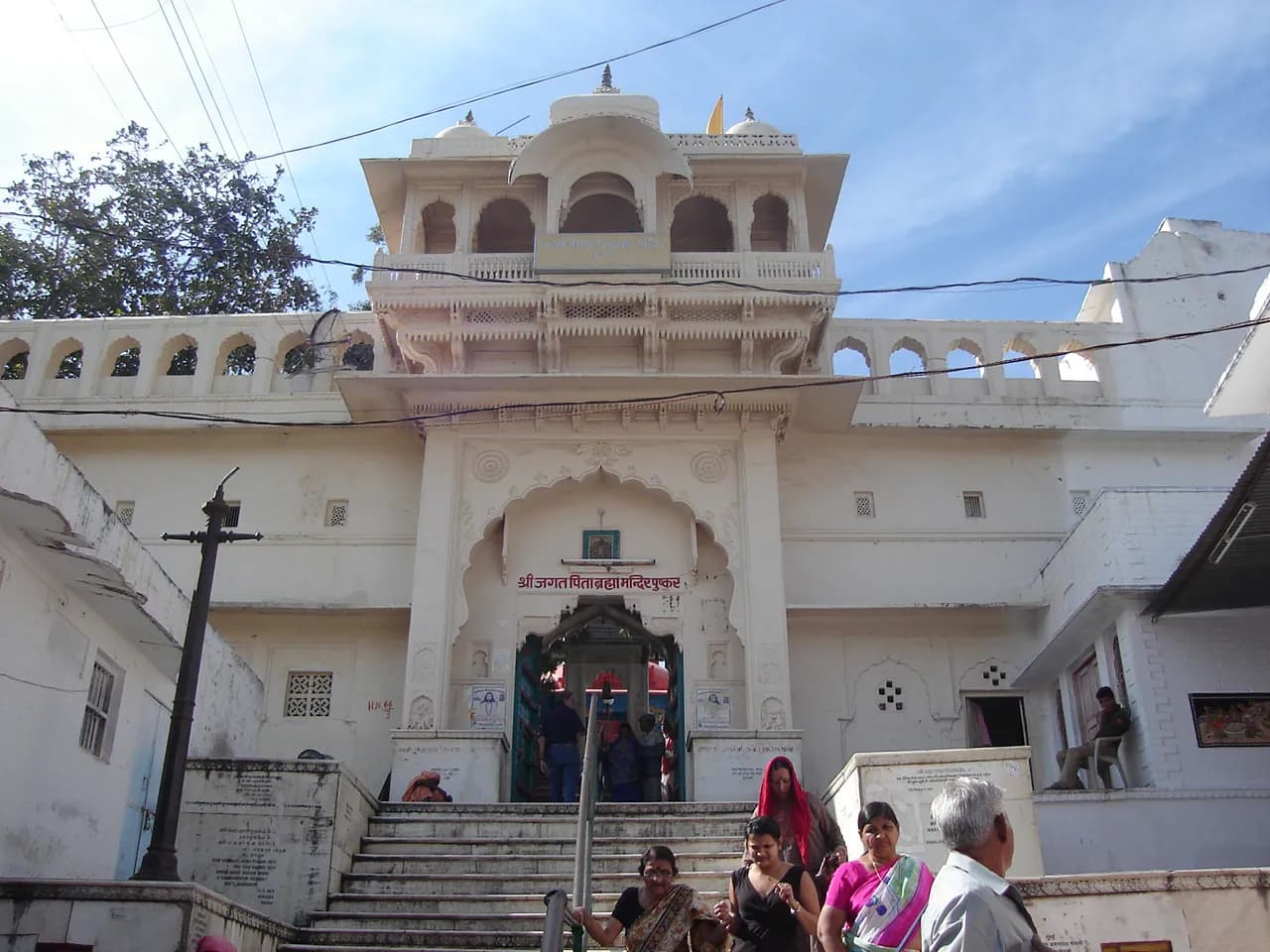
Nestled in the Aravalli Range, the Jagatpita Brahma Mandir in Pushkar, Rajasthan, stands as a testament to North Indian temple architecture ([1][2]). Constructed around 1350 CE during the Rajput period, this sacred site is primarily built of marble and stone ([3]). Rana Lakha of Mewar is credited with providing patronage for the temple's construction ([4]). Intricate carvings embellish the temple walls, depicting scenes from Hindu mythology, reflecting the artistic influences of the Gujarat region ([5]). The Nagara-style Shikhara (spire), crowned with a Kalasha (finial), dominates the temple's skyline ([6]). Within the Garbhagriha (sanctum), the four-faced murti (idol) of Lord Brahma radiates a serene aura ([7]). Silver coins, offered by devotees and embedded in the red marble floor, contribute to the temple's unique sacred ambiance ([8]). Granite and sandstone blocks, meticulously carved, constitute the temple's structure, exemplifying the architectural skills of the Rajput era ([9]). The absence of a separate Antarala (antechamber) fosters a more intimate experience within the sanctum ([10]). During the Rajput Period, temple architecture saw a resurgence, blending regional styles and traditions ([11]). Smaller shrines dedicated to Saraswati and Savitri enhance the main temple complex, creating visual harmony ([12]). Vastu Shastra principles, the ancient Indian science of architecture, likely guided the temple's orientation and design, aligning it with cosmic energies ([13]). The adjacent Pushkar Lake complements the temple's spiritual ambiance, its reflections creating a serene atmosphere, reminiscent of traditional integrated temple and water body designs ([14]). Vedic traditions emphasize the significance of Brahma as the creator, making this temple a vital pilgrimage site ([15]).
Gagron Fort Jhalawar
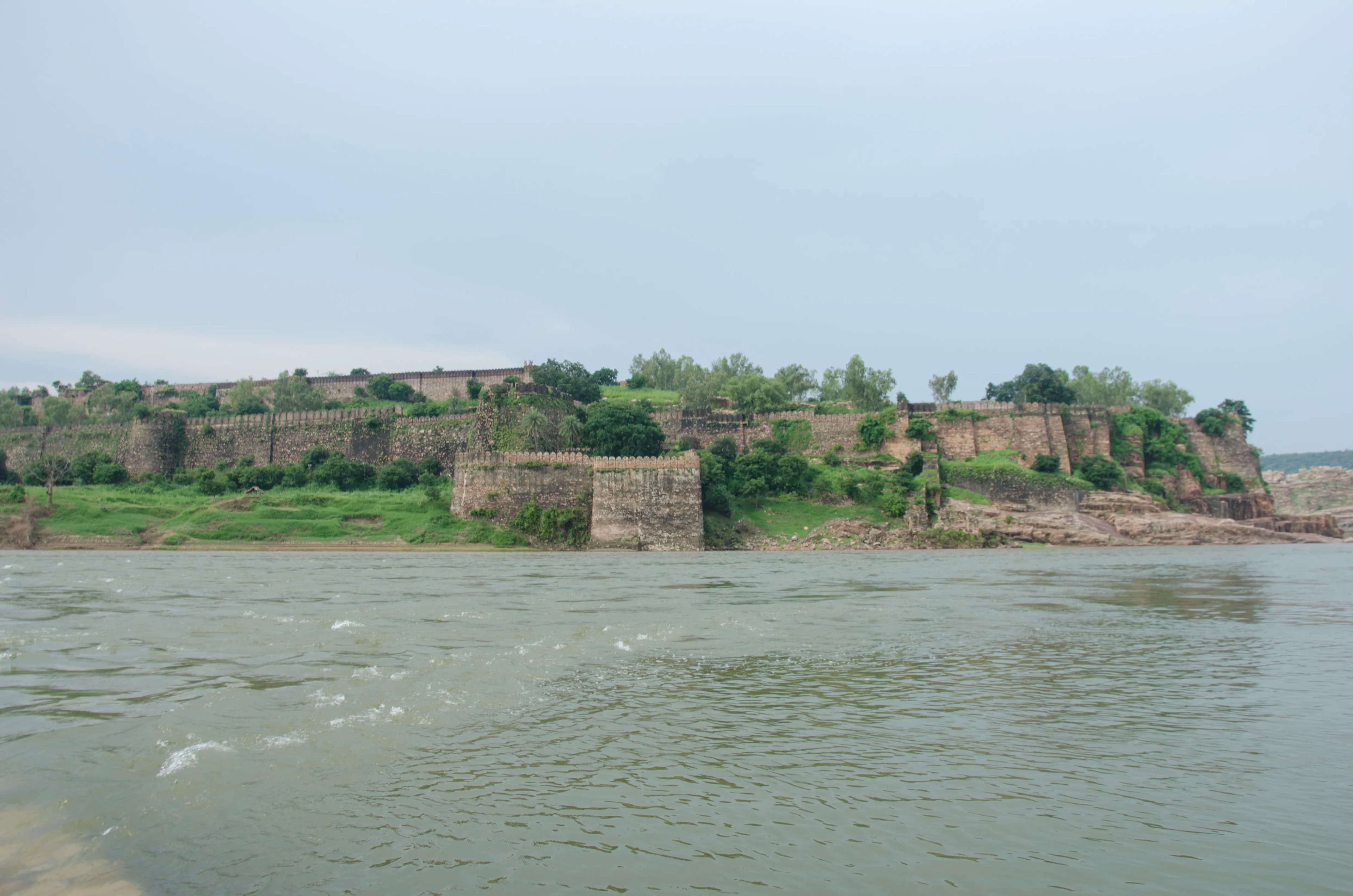
The imposing silhouette of Gagron Fort, rising from the confluence of the Ahu and Kali Sindh rivers, was a sight that resonated with a power far beyond its physical scale. Having spent years immersed in the Dravidian architecture of South India, I arrived at this Rajput fortress with a keen eye for comparison and a thirst to understand a different architectural idiom. The stark contrast between the granite behemoths of my homeland and this sandstone sentinel was immediately apparent, yet the underlying principles of fortification and strategic placement felt strangely familiar. Gagron, a UNESCO World Heritage Site, is one of the few hill and water forts in Rajasthan. The unique 'jal durg' classification, meaning water fort, is immediately justified by its position. Unlike the moat-encircled forts I’m accustomed to seeing in the South, Gagron is virtually embraced by the rivers on three sides, creating a natural, formidable barrier. This inherent strength is further enhanced by massive sandstone walls that rise directly from the water, their warm hues glowing in the afternoon sun. Entering through the imposing Nahar Pol gate, I was struck by the intricate carvings adorning the archway. While less ornate than the Gopurams of South Indian temples, the detailed depictions of deities and floral motifs spoke volumes about the Rajput patronage of the arts. The fort's layout, a labyrinthine network of narrow lanes, palaces, temples, and reservoirs, unfolded before me like a medieval urban plan. The steep inclines and strategically placed gates clearly demonstrated a focus on defense, reminding me of the intricate fortifications of Gingee Fort back home. The architecture within the fort displayed a fascinating blend of Rajput military architecture and subtle Mughal influences. The Kirttistambh, a victory tower, stood tall, its intricate carvings a testament to Rajput craftsmanship. It reminded me of the Vijayanagara period pillars, though the stylistic differences were pronounced. The Rani Mahal palace, overlooking the confluence of the rivers, offered breathtaking views and a glimpse into the lives of the royalty who once inhabited this fortress. The delicate jali work, allowing for ventilation and veiled views, was a feature I found echoed in many South Indian palaces, though the geometric patterns here were distinctly Rajasthani. One of the most striking features of Gagron Fort is its water management system. The numerous baoris, or stepwells, within the fort complex are marvels of engineering. These deep, multi-storied structures, designed to collect and store rainwater, showcase an understanding of water conservation that was crucial in this arid region. The sophistication of these systems resonated deeply with me, having witnessed similar ingenuity in the ancient tank irrigation systems of Tamil Nadu. Exploring the fort, I came across several temples dedicated to various Hindu deities. The architecture of these temples, while smaller in scale, bore the hallmarks of Rajput temple design, with their shikharas and mandapas. The coexistence of these religious structures within the fort highlighted the integral role of faith in the lives of the Rajput rulers. This integration of secular and religious architecture is a feature I've often observed in South Indian temple complexes as well. My visit to Gagron Fort was more than just a sightseeing trip; it was a cross-cultural architectural dialogue. It was a testament to the ingenuity and artistry of two distinct yet interconnected building traditions. While the materials, styles, and ornamentation differed significantly, the underlying principles of fortification, water management, and the integration of faith into architecture resonated deeply with my understanding of South Indian heritage. Gagron Fort stands not just as a monument to Rajput valor, but as a powerful reminder of the shared architectural heritage of India.
Karna Fort Karnal
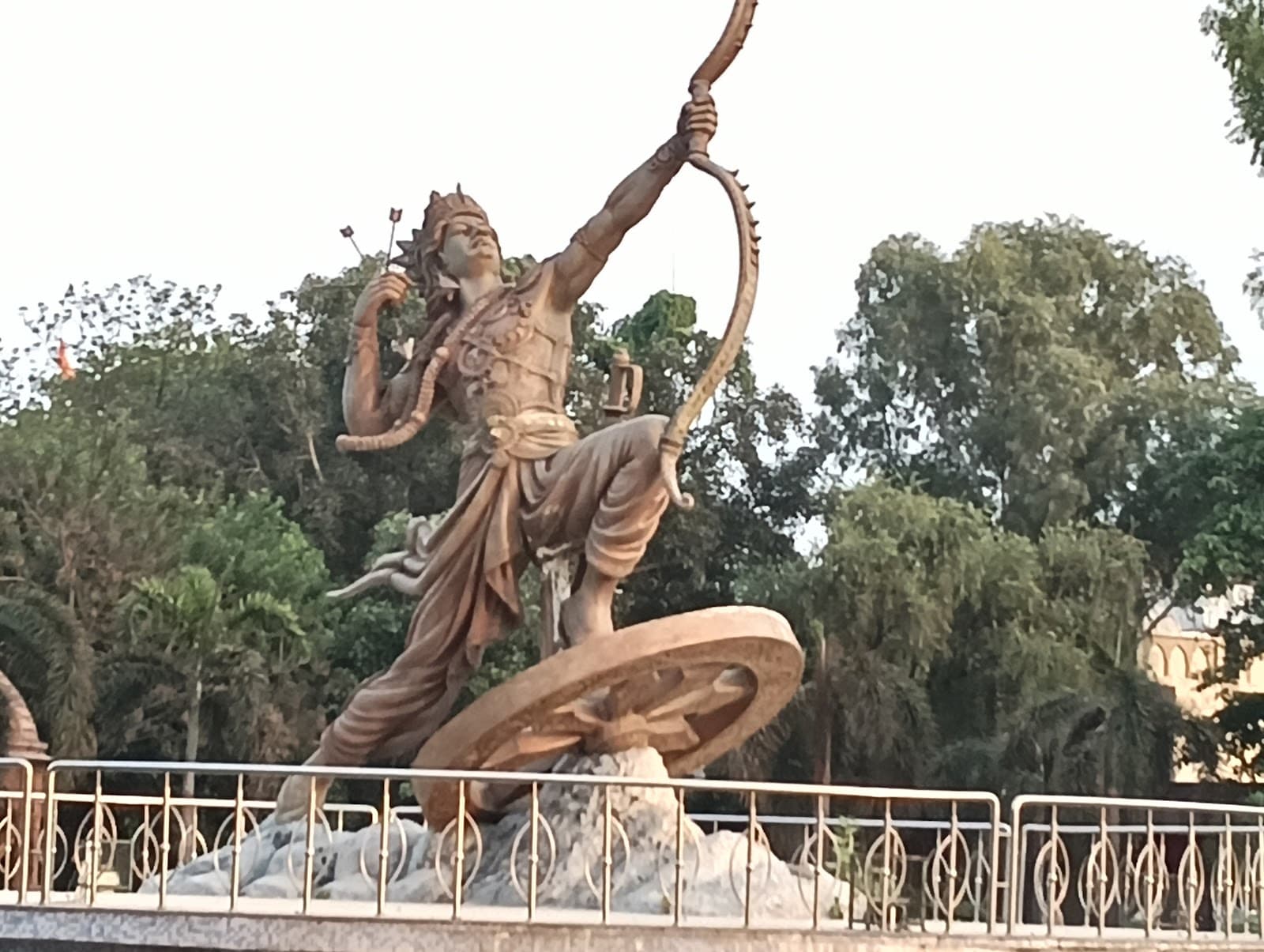
The imposing ramparts of Karna Fort, baked under the Haryana sun, rose before me, a stark silhouette against the cerulean sky. Dust swirled around my ankles as I crossed the threshold, stepping into a realm where whispers of the Mahabharata seemed to linger in the very stones. Located in present-day Karnal, this fort, attributed to the legendary warrior Karna, carries a weight of history that transcends its current dilapidated state. Unlike the meticulously preserved forts of Rajasthan, Karna Fort stands as a raw, almost skeletal testament to time's relentless march. Erosion has gnawed at its brick and mortar, leaving exposed sections that reveal the fort's construction techniques. I noticed the use of lakhori bricks, smaller and thinner than the standard size, a common feature in ancient Indian construction, particularly in the northern regions. These bricks, laid in a running bond pattern, speak of a pragmatic approach to building, prioritizing stability and resource efficiency. The fort's layout, though obscured by the ravages of time, suggests a strategic design. The remnants of what were likely guard towers still command a panoramic view of the surrounding plains, hinting at the fort's defensive importance. I could almost visualize sentries stationed here, their eyes scanning the horizon for approaching armies. The strategic location of Karnal, on the ancient trade routes, would have made this fort a crucial stronghold. Walking through the crumbling archways and along the fragmented walls, I was struck by the fort's stark beauty. The absence of elaborate ornamentation, so common in later Mughal architecture, lends it a certain austere elegance. The focus here was clearly on functionality, on creating a structure that could withstand sieges and safeguard its inhabitants. The few remaining carvings, weathered and worn, offered glimpses into the artistic sensibilities of the era. I noticed a recurring motif of stylized lotus flowers, a symbol deeply embedded in Indian iconography, representing purity and creation. One of the most intriguing aspects of Karna Fort is its connection to the Mahabharata. Local legends abound, linking the fort to Karna, the tragic hero of the epic. While historical evidence remains elusive, the very association imbues the site with a powerful aura of myth and legend. Standing within these crumbling walls, it was easy to imagine Karna, clad in his armor, strategizing within these very halls. The fort's current state of neglect is, however, a poignant reminder of the challenges faced in preserving India's rich architectural heritage. Overgrowth has claimed large sections of the fort, and the lack of proper conservation efforts has accelerated its decay. While some restoration work has been initiated, a more comprehensive approach is crucial to prevent further deterioration. My visit to Karna Fort was a journey through layers of history, a tangible connection to a bygone era. It was a stark reminder of the impermanence of empires and the enduring power of stories. While the fort may be in ruins, its spirit remains unbroken, a silent sentinel guarding the memories of a legendary past. It is a site that deserves greater attention, not just for its architectural significance but also for its cultural and historical value. Preserving Karna Fort is not just about saving bricks and mortar; it's about safeguarding a vital piece of India's collective memory.
Quick Links
Plan Your Heritage Journey
Get personalized recommendations and detailed visitor guides