Has Inheritage Foundation supported you today?
Your contribution helps preserve India's ancient temples, languages, and cultural heritage. Every rupee makes a difference.
Secure payment • Instant 80G certificate
Wokha Shiv Mandir Wokha
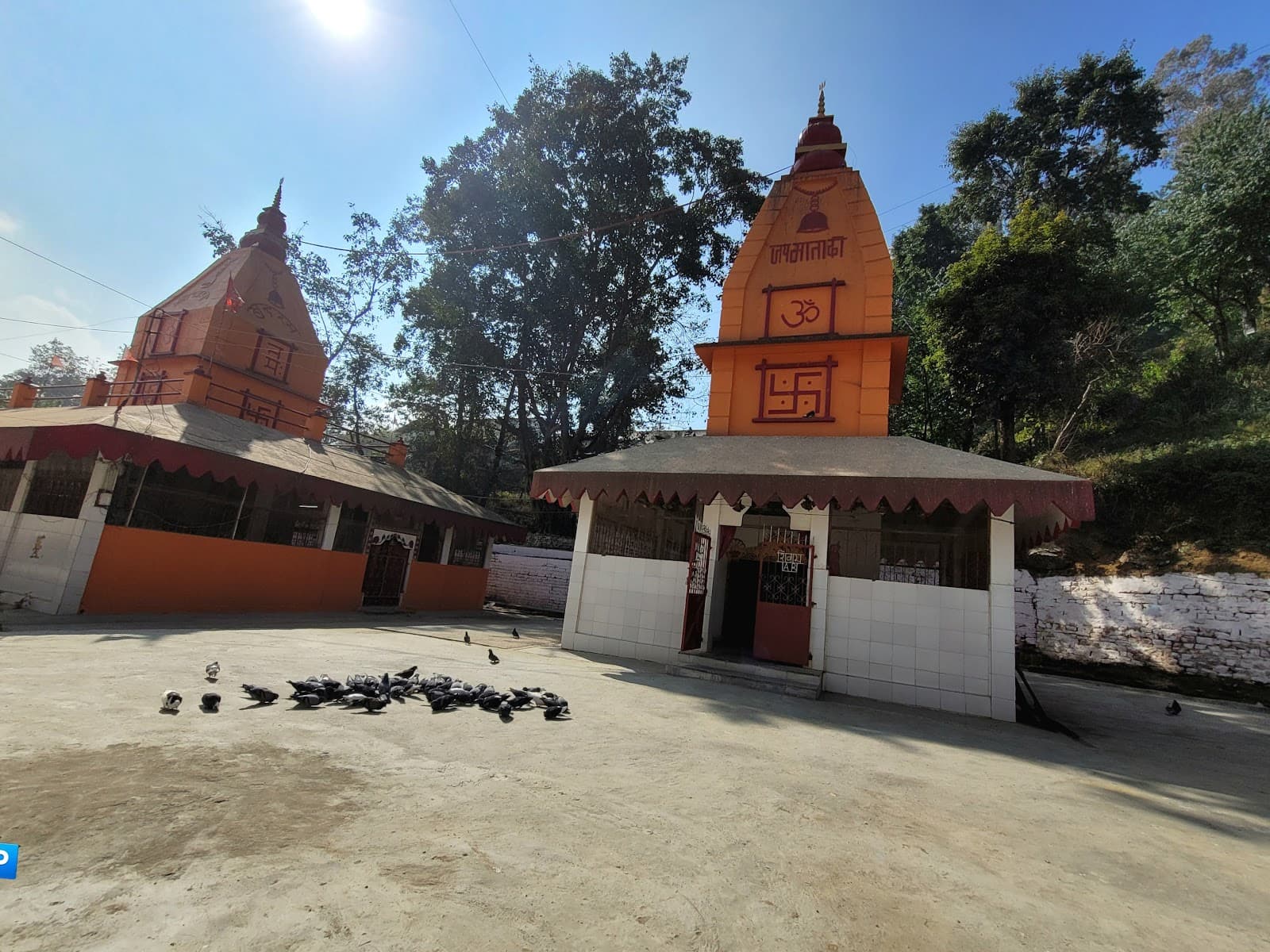
The Wokha Shiv Mandir, dedicated to Lord Shiva, stands prominently on DC Hill in Wokha, Nagaland, representing a continuous tradition of Hindu temple architecture within India's millennia-spanning cultural heritage. This sacred Hindu temple, built in 1975 CE by local Naga tribespeople, integrates elements of the Nagara, Kalinga Nagara, and Chalukya Nagara architectural styles, alongside traditional Naga architectural influences. The temple's most striking feature is its towering shikhara, a pyramidal spire characteristic of North Indian temple architecture, which rises above the garbhagriha, or sanctum sanctorum. Unlike traditional sandstone or granite, this shikhara is crafted from concrete and painted a vibrant saffron, reflecting the temple's modern construction and the resourcefulness of the local community. Nagara temples are typically built on a raised stone platform, often with steps leading up to them, and lack elaborate boundary walls or gateways. The Wokha Shiv Mandir, while adopting these stylistic principles, utilizes modern materials such as concrete, cement, and steel for its primary structure, with brick infill walls. The temple measures approximately 10 meters in height, 7.5 meters in width, and has an area of 450 square meters, with a length of 1795.88 meters, though this length figure might refer to the entire complex or property rather than the main temple structure itself. Intricate carvings adorn the concrete pillars flanking the main entrance, depicting a blend of traditional Naga motifs and Hindu iconography, such as a Naga warrior alongside Ganesha. This fusion of cultural influences is a recurring theme throughout the complex, extending to smaller shrines dedicated to various deities, including the Naga deity Dzükou positioned respectfully alongside Hanuman. The garbhagriha, the innermost sanctum, houses a Shiva lingam, bathed in the warm glow of oil lamps, emphasizing the deity's powerful presence. The construction technique involved significant excavation and leveling for a stable concrete foundation, likely a reinforced concrete raft or footing system, crucial for the hilly terrain of Wokha. Reinforced concrete columns support the superstructure, allowing for larger spans than traditional load-bearing masonry. The exterior finishing, possibly plaster or paint over concrete, provides aesthetic flexibility and weather protection. The temple complex is well-maintained with regular upkeep by the Temple Trust, ensuring its preservation and continued active programming for devotees. Visitors are expected to observe respectful attire and behavior, with photography restrictions potentially applying inside the sanctum. The site is operational and accessible, serving as a vibrant center for spiritual devotion and cultural exchange, a testament to India's enduring cultural legacy.
Sri Thendayuthapani Temple Singapore
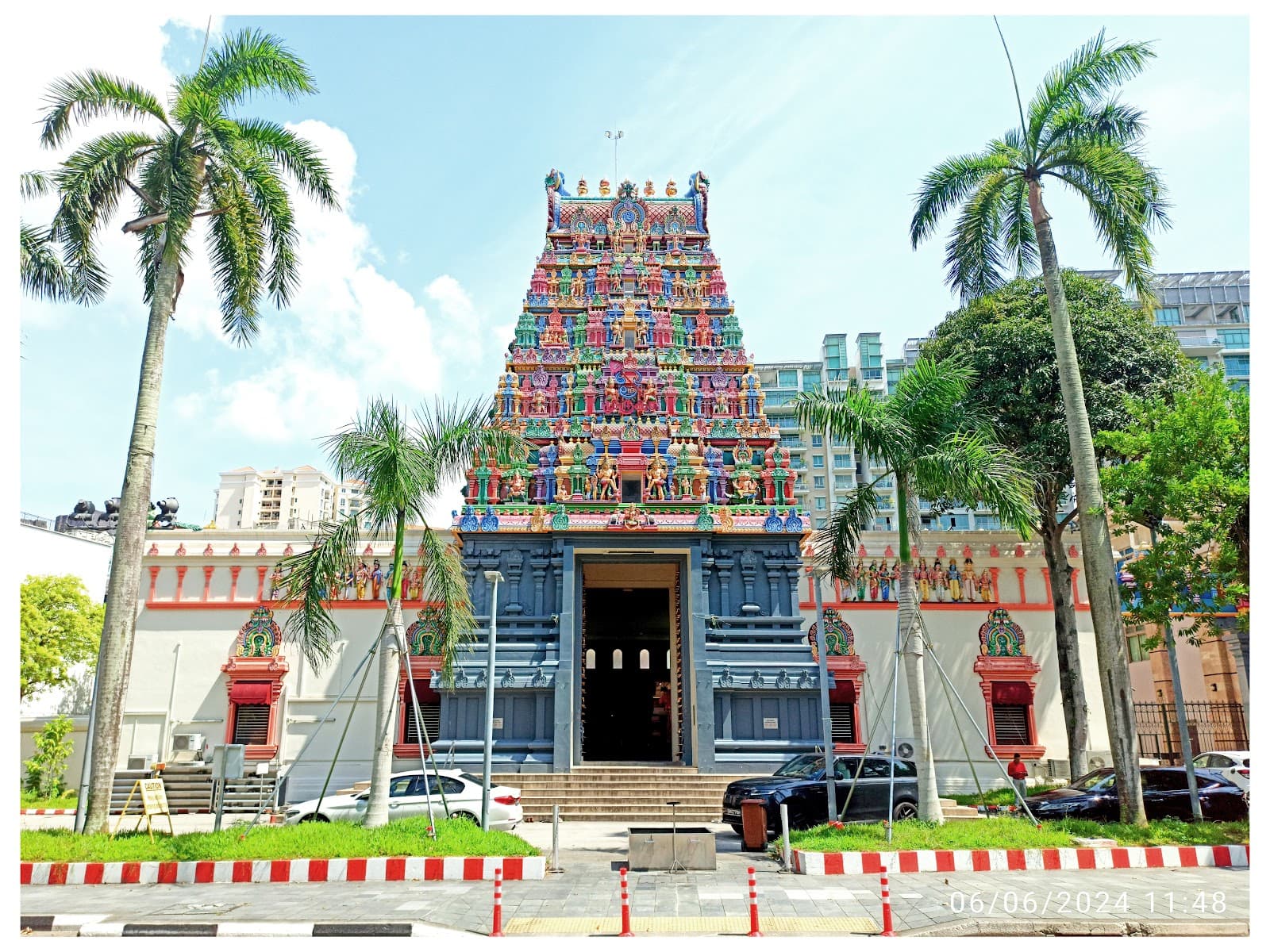
Sri Thendayuthapani Temple, built in 1859 by the Nattukottai Chettiars, anchors Tank Road as Singapore’s principal Murugan shrine and the culmination point for the annual Thaipusam kavadi pilgrimage ([1][2]). The temple’s five-tier rajagopuram features 3,500 polychromatic stucco figures and leads into a granite mandapa where Lord Murugan stands with Valli and Deivayanai beneath a gilded vimana. Daily worship begins 5:30 AM with Suprabhata Seva and closes at 9:00 PM with Arthajama Arati; multiple kala pujas, homa, and abhishekam are performed, especially during Thaipusam, Panguni Uttiram, and Skanda Shasti, when hundreds of kavadi bearers ascend the granite steps chanting “Vel Vel.” The temple precinct includes a newly constructed five-storey Annalakshmi Cultural Centre (2022) with banqueting halls, classrooms, dance studios, wellness suites, library, and the Annalakshmi vegetarian restaurant that funds charity initiatives. The Hindu Endowments Board manages annadhanam, Sikhara Veda classes, Carnatic music, Bharatanatyam, yoga, counselling, and senior outreach. Heritage tours, interfaith programmes, and research archives showcase the Chettiar community’s banking legacy, while disaster-relief fundraising, migrant welfare drives, and pandemic vaccination campaigns highlight the temple’s civic role. Integrated MEP systems, BMS controls, CCTV, and crowd management infrastructure enable the temple to support half a million visitors annually while conserving its historic Dravidian artistry ([1][3]).
Gingee Fort Gingee
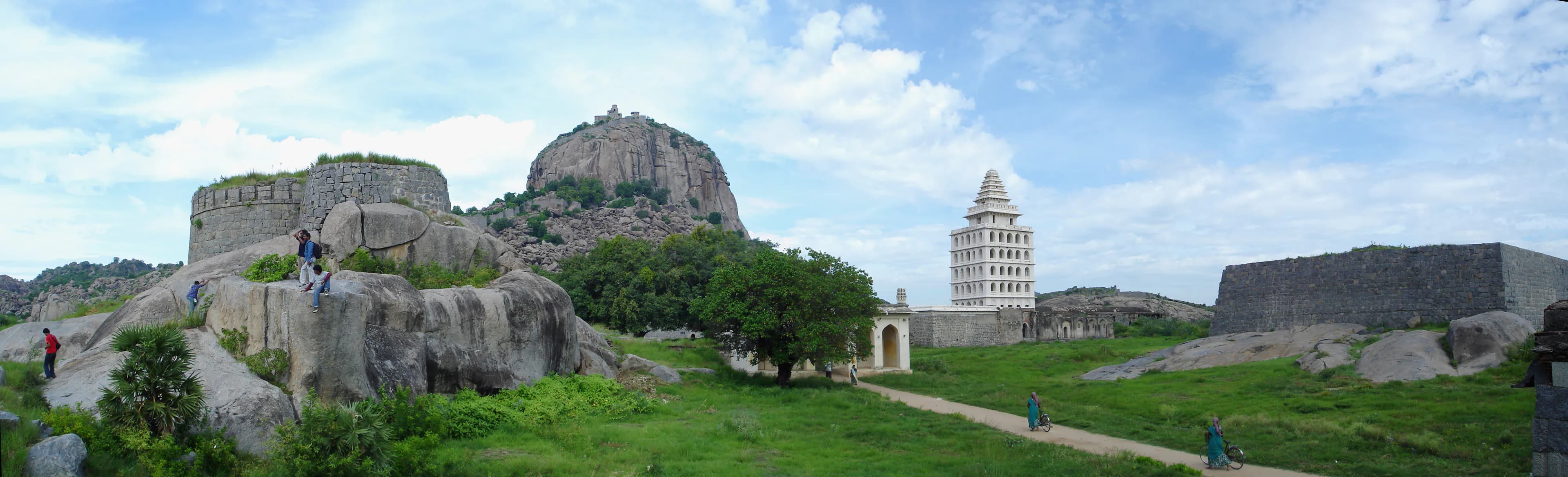
The imposing laterite ramparts of Gingee Fort, rising abruptly from the Tamil Nadu plains, seemed to shimmer in the afternoon sun. My journey from the heart of Madhya Pradesh to this southern stronghold had been long, but the first glimpse of the "Troy of the East," as it's often called, erased any trace of weariness. This wasn't just another fort; it was a complex of three hills – Krishnagiri, Rajagiri, and Chandrayandurg – each crowned with fortifications, interconnected by formidable walls that snaked across the landscape. I began my exploration at the base of Rajagiri, the largest of the three hills. The climb was steep, the path winding through dense vegetation. The air, thick with the scent of earth and foliage, hummed with the calls of unseen birds. As I ascended, the scale of the fort began to truly dawn on me. The sheer size of the granite blocks used in the construction, some seemingly precariously balanced, testified to the ingenuity of the ancient builders. Reaching the summit, I was greeted by a breathtaking panorama. The other two hills, Krishnagiri and Chandrayandurg, stood like sentinels in the distance, their own fortifications clearly visible. Rajagiri itself was a sprawling complex of structures – granaries, barracks, temples, and palaces, all bearing the scars of time and conflict. The Kalyana Mahal, a multi-storied brick structure, particularly caught my eye. Its intricate brickwork, though weathered, still hinted at its former grandeur. The large, open courtyard, now overgrown with grass, must have once witnessed vibrant ceremonies and courtly life. I spent hours exploring the ruins, my camera constantly clicking. The light played beautifully on the weathered stone, revealing intricate carvings and architectural details that I hadn't noticed at first glance. The 'Elephant Tank,' a massive water reservoir carved into the rock, was a marvel of engineering. Imagining it filled to the brim during the fort's heyday, providing water for the entire garrison, gave me a palpable sense of the fort's self-sufficiency. Descending Rajagiri, I made my way to Krishnagiri, the second hill. This hill housed the 'Rani Mahal,' the queen's palace. The climb was even more challenging, involving navigating narrow, almost hidden passages carved into the rock. The Rani Mahal, though smaller than the structures on Rajagiri, possessed a quiet elegance. The views from its windows, overlooking the surrounding plains, were simply stunning. I could almost imagine the queen gazing out at the same vista centuries ago. Chandrayandurg, the smallest of the three hills, was accessible only by a narrow, precarious path. Though less developed than the other two, it offered a unique perspective on the entire complex. Standing on its summit, I could appreciate the strategic brilliance of Gingee's design. The three hills, each supporting the other, created an almost impregnable fortress. The architectural influences at Gingee were fascinating. While the core structures bore the hallmarks of Vijayanagara architecture, I also noticed subtle traces of Maratha and French influences, reflecting the fort's complex history. The use of locally available laterite and granite, combined with ingenious construction techniques, had allowed the fort to withstand centuries of weathering and warfare. As the sun began to set, casting long shadows across the ancient stones, I felt a profound sense of connection to the past. Gingee Fort wasn't just a collection of ruins; it was a living testament to the ingenuity, resilience, and artistry of those who built and inhabited it. My photographs, I hoped, would capture not just the physical beauty of the fort, but also the stories whispered by its weathered walls. The echoes of history resonated deeply within me as I descended, leaving the majestic silhouette of Gingee Fort etched against the twilight sky.
Bhimakali Temple Sarahan
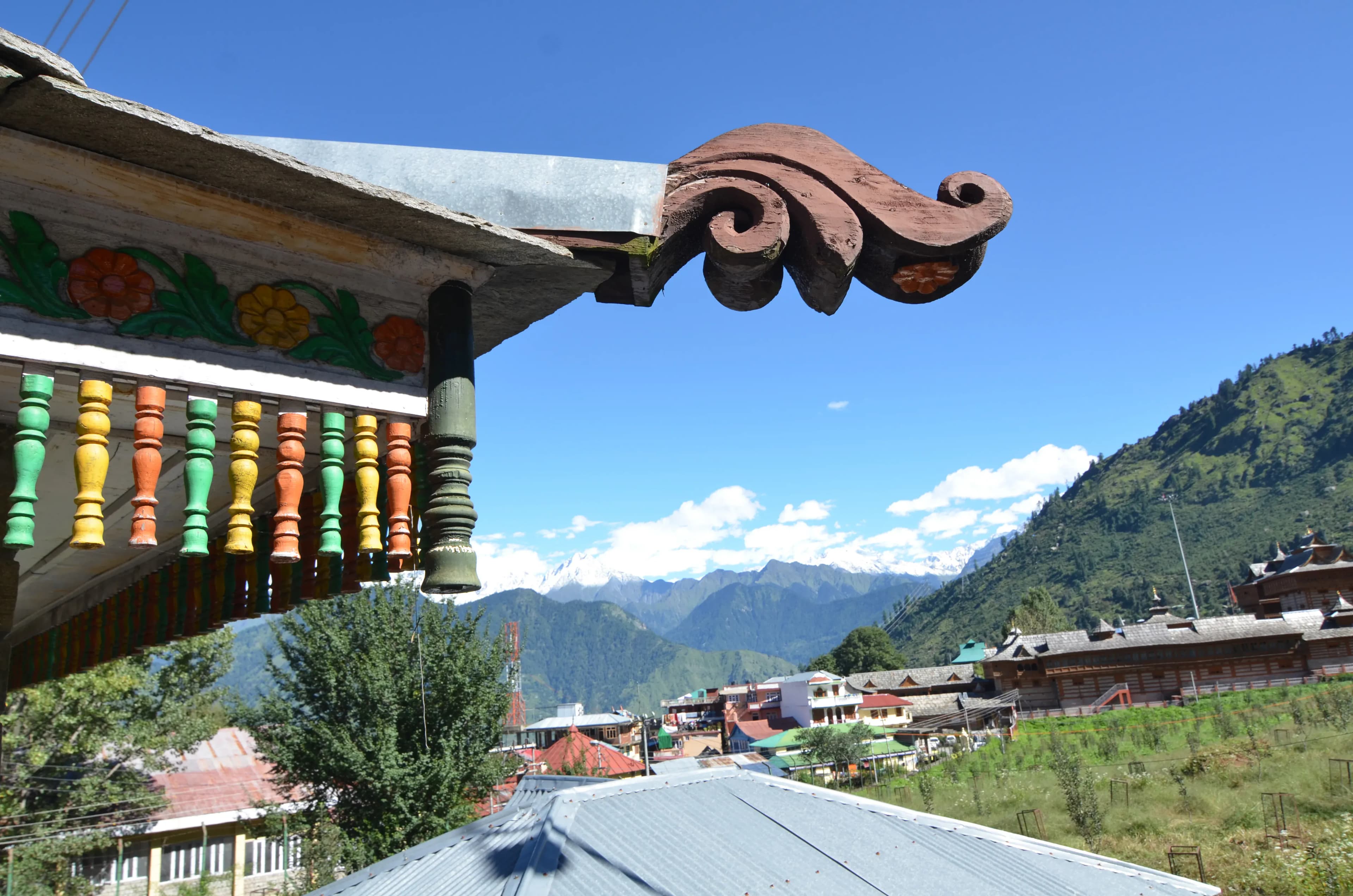
Nestled in the serene hills of Himachal Pradesh, the Bhimakali Temple at Sarahan is an architectural marvel dating back to 800 CE during the Rajput period ([1]). Its unique kath-khuni (wood-stacked) style, a vernacular adaptation to the region's climate, showcases a distinct Himalayan architectural tradition ([2]). The Bushahr rulers, as patrons, significantly influenced the temple's design and construction ([3]). Dominating the Sarahan landscape, the temple complex utilizes a combination of wood, stone, slate, and metal, reflecting the readily available resources and blending seamlessly with the surrounding environment ([4]). The tiered wooden roofs, a characteristic feature, not only provide structural stability but also effectively manage heavy snowfall ([5]). Intricate carvings embellish the wooden facades, depicting deities and mythical creatures, demonstrating the craftsmanship passed down through generations ([6]). Within the Garbhagriha (Sanctum), the temple enshrines Bhimakali, a fierce manifestation of Durga, represented by a revered brass image ([3]). Furthermore, smaller shrines dedicated to Lakshmi Narayan and Lord Shiva are also present within the complex, each displaying meticulous craftsmanship ([4]). The temple's design possibly incorporates principles similar to those outlined in ancient texts like the Manasara Shilpa Shastra, which discusses temple construction and iconography, although specific textual references for this temple remain to be confirmed ([7]). Enchanting panoramic views and the gentle flutter of prayer flags enhance the spiritual ambiance of the temple, creating a profound sense of tranquility ([5]). This architectural gem not only preserves the cultural heritage of the Himalayas but also stands as a testament to the ingenuity and artistic skills of its creators ([1][2]). The Bhimakali Temple continues to inspire awe and reverence, drawing visitors and devotees alike to experience its unique blend of art, architecture, and spirituality ([6]).
Chilkur Balaji Temple Hyderabad
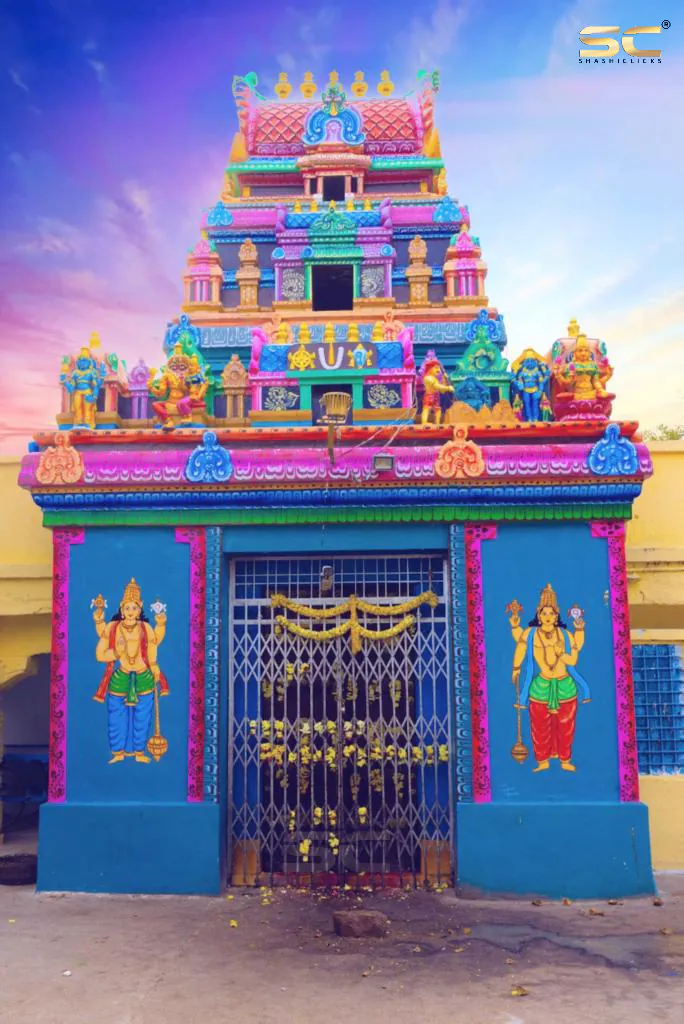
Nestled in the Ranga Reddy district near Hyderabad, the Chilkur Balaji Temple, also known as "Visa Balaji," showcases a distinctive Dravidian architectural style dating back to the 14th century ([1][2]). During the Vijayanagara period, the temple was erected using granite, mortar, concrete, wood, and tiles ([3]). Though specific textual references are currently undocumented, Vastu Shastra principles, the ancient Indian science of architecture, likely influenced its design. In contrast to more elaborate gopurams (temple towers) found elsewhere, the temple's exterior is relatively modest ([4]). Within the Garbhagriha (Sanctum), devotees worship Lord Venkateswara, seeking blessings, particularly for visa aspirations ([5]). Intricate carvings embellish the walls, adding to the sacred ambiance, though they are less elaborate compared to other Dravidian temples. Furthermore, the patronage of Kakatiya Dynasty feudatories enriches its historical significance ([1]). The temple's unique ritual of pradakshinas (circumambulations) underscores its distinct traditions. Stone platforms and foundations exemplify the enduring construction techniques prevalent during the Vijayanagara era. The temple's simplicity and lack of commercialism distinguish it, fostering a more direct spiritual connection. Furthermore, the modest appearance and the fervent prayers of devotees contribute to a powerful spiritual atmosphere, reflecting the region's rich cultural heritage ([3][4]). The pyramidal towers are a testament to the Dravidian style, while the ornate carvings subtly narrate tales from Hindu scriptures ([6]). The use of locally sourced granite highlights the resourcefulness of the Vijayanagara artisans ([7]). The temple stands as a beacon of faith, drawing visitors with its unpretentious charm and deep-rooted traditions ([8]).
Bhubaneswari Temple Udaipur Tripura
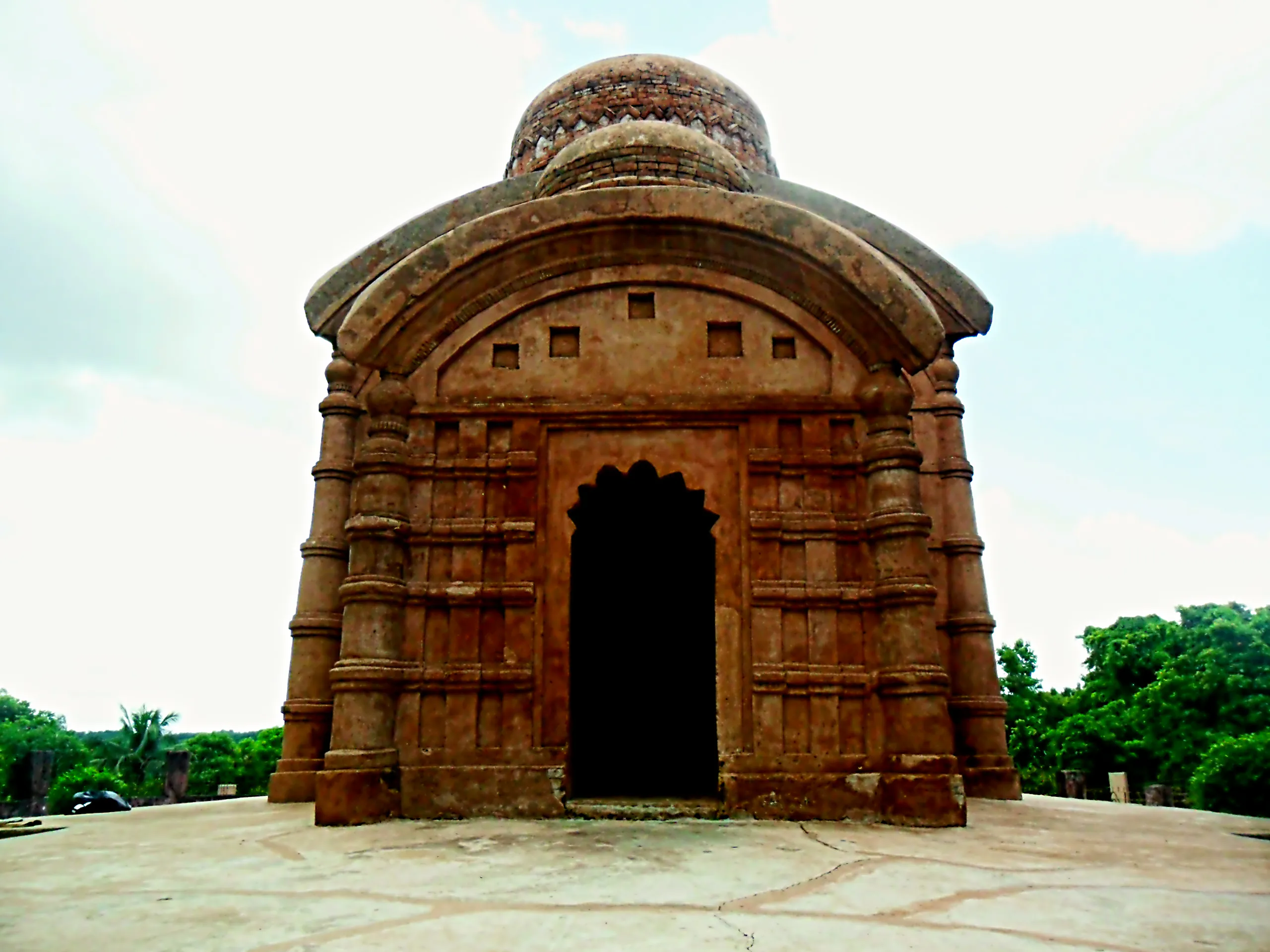
Enshrined in the heart of Tripura, the Bhubaneswari Temple stands as a testament to the region's rich cultural and architectural heritage ([1]). Constructed in 1660 CE by Maharaja Govinda Manikya of the Tripura Royal Family, this sacred space is dedicated to Goddess Bhubaneswari ([2]). The temple's Nagara architectural style, infused with Bengali influences, distinguishes it from traditional North Indian temples ([3][4]). Instead of towering Shikhara (Spire), it features a curvilinear roof, characteristic of the region's unique aesthetic ([4]). Intricate carvings adorning the walls narrate tales from Hindu mythology and local folklore, reflecting the syncretic traditions of Tripura ([1][2]). These terracotta panels, crafted from fired brick and mud brick, showcase the skill of local artisans ([3][5]). While lacking the elaborate stone carvings of other regions, their rustic charm adds to the temple's unique appeal ([1]). The use of terracotta speaks to the readily available materials and the ingenuity of the builders ([3][5]). Within the Garbhagriha (Sanctum), the deity resides in the form of a simple yet revered idol, adorned with vibrant silks and fragrant flowers ([1]). Smaller shrines dot the temple complex, indicating a confluence of Hindu and tribal beliefs, further enriching the site's spiritual significance ([2][3]). During the Ahom period, temple architecture in the region saw a flourishing of unique styles, blending indigenous traditions with wider Indian influences ([2][4]). Vastu Shastra principles, the ancient Indian science of architecture, likely guided the temple's layout and orientation, ensuring harmony and balance ([5]). This sacred space serves as a living embodiment of Tripura's cultural tapestry, a blend of traditions and beliefs that continues to resonate through the ages ([1][2]).
Hawa Mahal Jaipur
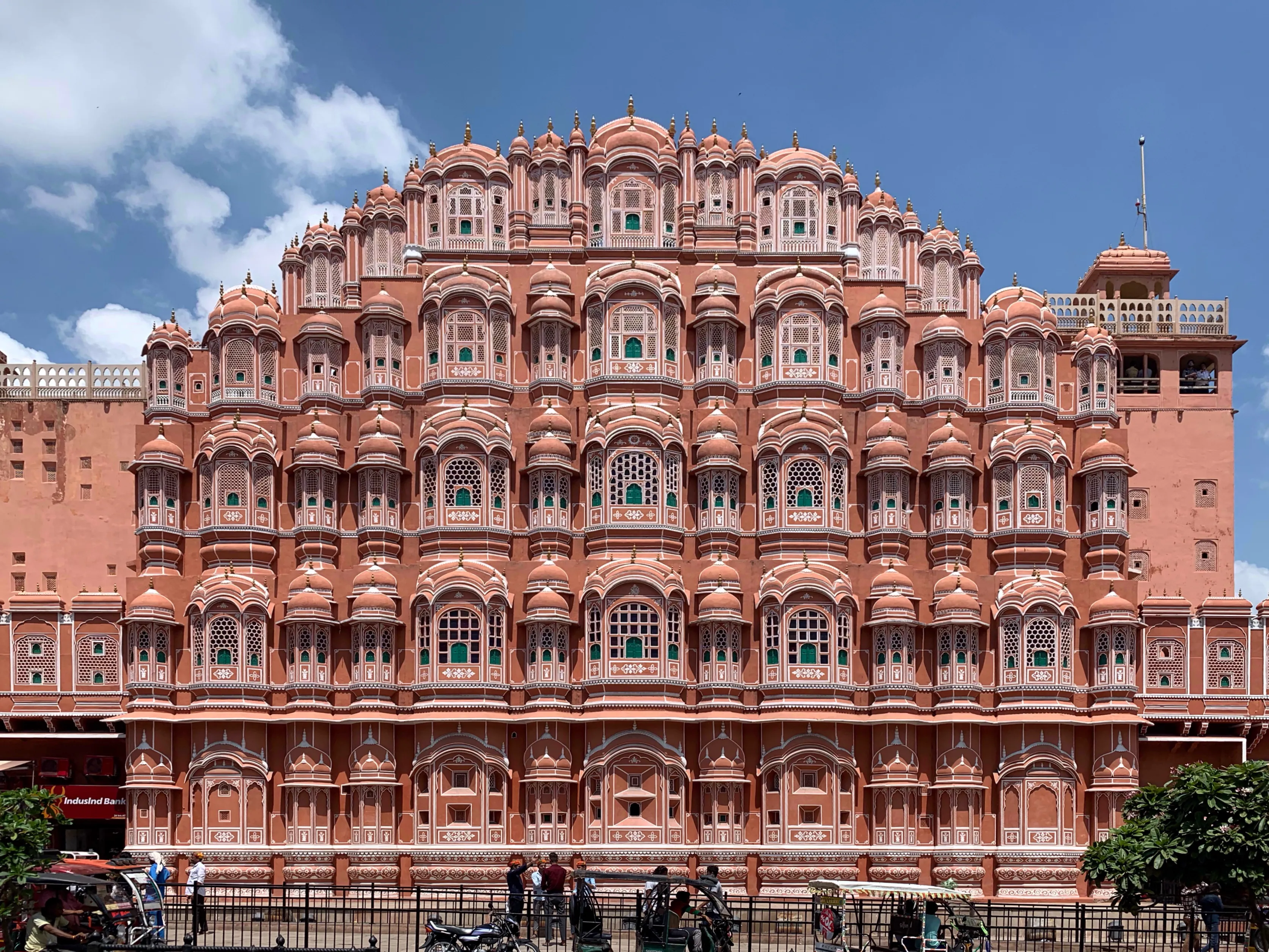
The blush-pink facade of Hawa Mahal, rising like a solidified mirage from the heart of Jaipur's bustling streets, is an arresting sight. As someone deeply immersed in South Indian temple architecture, I was eager to experience this iconic structure and understand its unique place within the broader Indian architectural narrative. The sheer scale of the facade, a five-story honeycomb of 953 intricately carved jharokhas or windows, is initially overwhelming. Unlike the towering gopurams of Dravidian temples, Hawa Mahal's height is subtly distributed across its breadth, creating a rippling, almost textile-like effect. My initial impression was of a delicate screen, a veil between the bustling city and the secluded world within. This impression was reinforced as I entered the structure. The interior, surprisingly, is a series of relatively small, interconnected courtyards and chambers. The famed jharokhas, viewed from within, transform into intimate viewing galleries, framing snippets of the street life below. This perspective shift highlighted the palace's intended function: to allow the royal women to observe the city's activities without being seen. This contrasts sharply with the extroverted nature of South Indian temple architecture, where deities are placed in prominent positions for public darshan. The architectural style of Hawa Mahal, a blend of Rajput and Mughal influences, is evident in the intricate stone carvings. The delicate floral patterns and geometric motifs adorning the jharokhas reminded me of the intricate latticework found in Mughal architecture, while the overall form and the use of red and pink sandstone echoed the Rajput aesthetic. However, unlike the robust stonework of South Indian temples, which often feature elaborate sculptures of deities and mythical creatures, the carvings here are finer, almost lace-like, emphasizing ornamentation over narrative. Moving through the narrow passageways and ascending the gently sloping ramps (the palace has no stairs), I observed the clever use of ventilation. The numerous jharokhas, designed to catch the cool desert breeze, create a natural air conditioning system, a feature that gives the palace its name, "Palace of Winds." This ingenious passive cooling system is a testament to the architectural wisdom of the past, a stark contrast to the energy-intensive cooling systems of modern buildings. The view from the upper levels is breathtaking. The pink cityscape of Jaipur stretches out before you, punctuated by the imposing structures of the City Palace and Jantar Mantar. Looking back at the facade from within, I noticed how the sunlight filtering through the jharokhas created a mesmerizing play of light and shadow, transforming the interior spaces into a kaleidoscope of colors. This dynamic interplay of light and architecture is a feature I've often admired in South Indian temples, where sunlight is strategically used to illuminate the sanctum sanctorum. While the scale and grandeur of Hawa Mahal are undeniably impressive, it was the intricate details that truly captivated me. The delicate filigree work around the windows, the subtle variations in the pink sandstone, and the ingenious use of light and ventilation all speak to a sophisticated understanding of architectural principles. My visit to Hawa Mahal was not just a visual treat but also a valuable learning experience. It offered a fascinating glimpse into a different architectural tradition, highlighting the diversity and ingenuity of Indian architecture across regions and styles. It reinforced the idea that architecture is not merely about creating beautiful structures, but also about responding to the environment, fulfilling specific functions, and reflecting the cultural values of a particular time and place.
Adam's Peak Sri Pada Central Province Sri Lanka
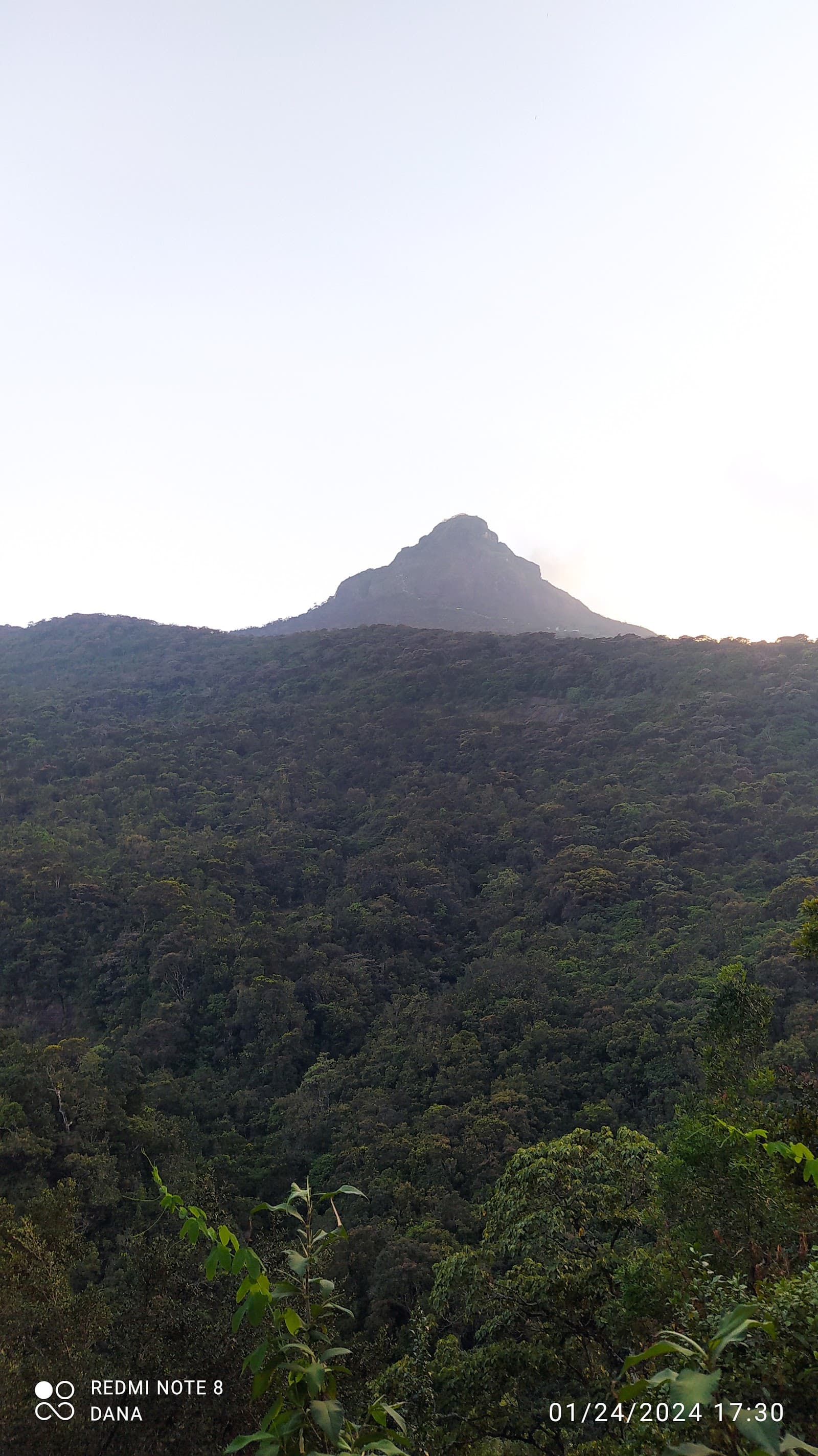
Adam's Peak, known as Sri Pada, is a revered conical sacred mountain situated in the Central Province of Sri Lanka, standing at an elevation of 2,243 meters (7,359 feet) [2]. This site holds profound significance within India's millennia-spanning heritage, embodying a continuous tradition of spiritual veneration and cultural exchange that dates back thousands of years [3]. At its summit lies the Sri Pada, a natural rock formation measuring approximately 1.8 meters (5 feet 11 inches) in length, or specifically 67 inches (170 cm) long and 18 inches (46 cm) wide, which is revered as a sacred footprint [1] [2]. This impression is a focal point of multi-faith pilgrimage, believed by Buddhists to be the footprint of the Buddha, by Hindus as that of Shiva or Hanuman, by Muslims as Adam's, and by some Christians as St. Thomas's [3] [4]. The architectural elements at Adam's Peak primarily facilitate pilgrimage, with thousands of steps constructed from cement or rough stones forming the primary ascent routes from the base to the summit [2]. These pathways are illuminated during the pilgrimage season, ensuring accessibility and safety for devotees [2]. Near the summit, a temple structure encloses and protects the sacred footprint, featuring a handsome roof that shelters the venerated impression [2] [3]. While specific dimensions of the temple structure itself are not widely documented, its function is to provide a sacred enclosure for the footprint, reflecting traditional Indic temple architecture principles of enshrining a central deity or sacred object [3]. The mountain's geological composition is primarily gneiss rock, known for its richness in precious stones such as garnets, rubies, and sapphires, which historically contributed to the island's ancient name, Ratnadvipa ('Island of Gems') [1]. The surrounding Peak Wilderness Sanctuary, established in 1940, is a critical conservation zone, recognized as a UNESCO World Heritage Site in 2010 as part of the Central Highlands of Sri Lanka [1] [5]. This sanctuary is a biodiversity hotspot, home to endemic species and the source of three major Sri Lankan rivers [1] [5]. Current conservation efforts focus on managing the environmental impact of large pilgrim numbers, addressing issues such as waste accumulation and the offering of endangered endemic flowers like *ran dothalu* (Loxococcus rupicola) [4]. Archaeological investigations have clarified that certain recently discovered 'footprints' near the peak are modern carvings and lack historical archaeological value, emphasizing the importance of preserving the authentic ancient site [4]. The site remains actively programmed for pilgrimage, with rest stops and wayside shops providing refreshments during the six-month pilgrimage season, ensuring operational readiness and continuous spiritual engagement [2].
Jayanti Devi Temple Ropar
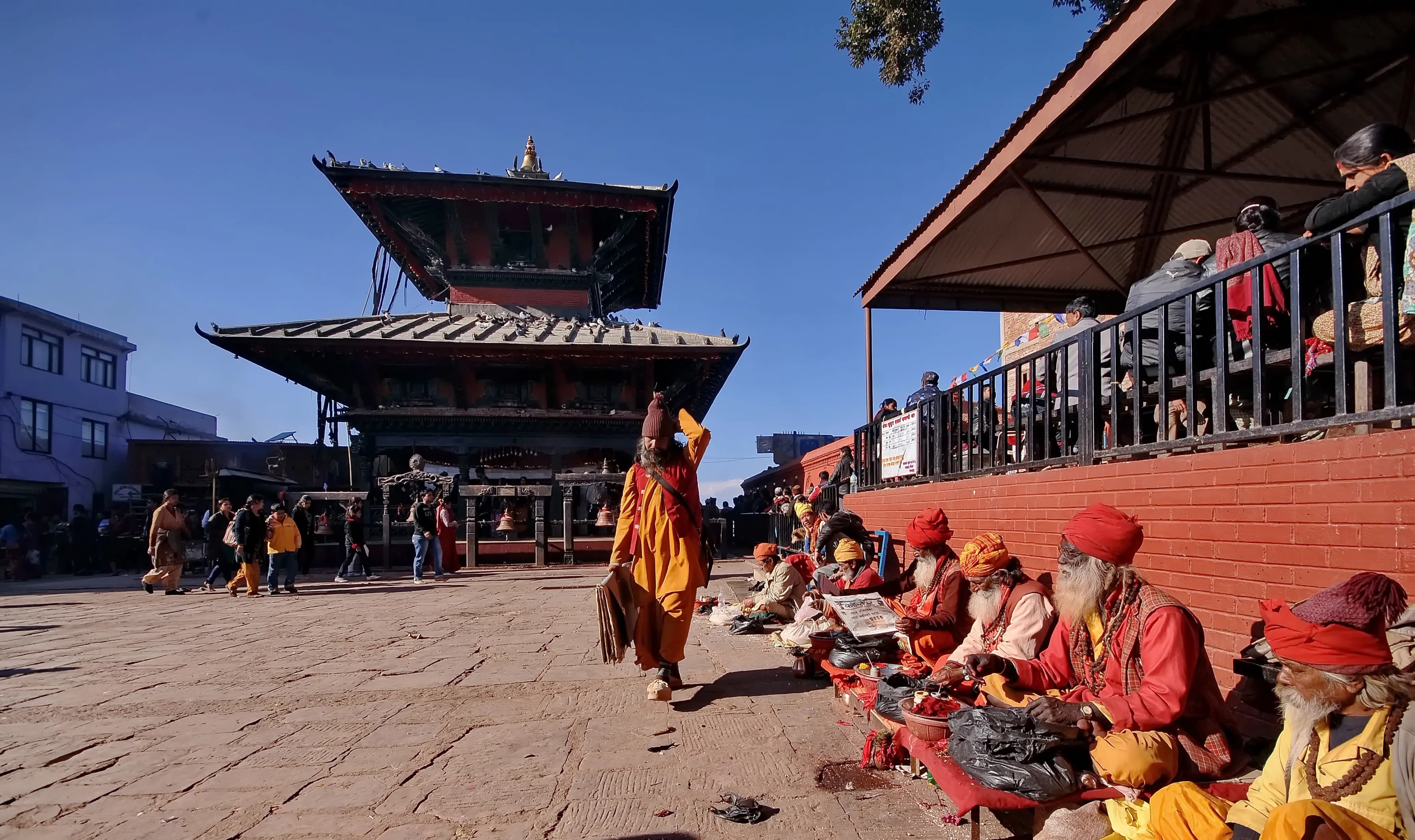
The crisp Punjab air, scented with woodsmoke and the faint sweetness of jaggery, carried the rhythmic clang of temple bells as I approached the Jayanti Devi Temple. Perched atop a hill overlooking the Sutlej River near Ropar, this wasn't the typical cave temple I was accustomed to back home in Maharashtra. Instead, it presented a fascinating blend of ancient and modern architecture, a testament to layers of devotion built over centuries. The climb itself was an experience. A winding road led me through a vibrant tapestry of green fields, offering glimpses of the river below. As I ascended, the temple complex gradually revealed itself, a cluster of structures clinging to the hillside, crowned by the main shrine. The initial impression was one of vibrant colour – saffron, red, and gold dominating the palette, a stark contrast to the muted tones of the Deccan caves I’m so familiar with. The main temple dedicated to Jayanti Devi, the goddess of victory, is a relatively modern structure, its gleaming white marble exterior intricately carved with depictions of various deities. However, the real historical weight lies within the smaller, older shrines nestled around it. These, built from rough-hewn stone and brick, spoke of a history far older than the marble edifice. One particular shrine, tucked away in a corner, captivated me. Its dark, weathered stones bore faded remnants of ancient frescoes, hinting at a rich artistic heritage. I peered inside, the air thick with the scent of incense and years of accumulated prayers. Though the frescoes were damaged, I could discern the outlines of divine figures, their forms imbued with a quiet power. The temple complex is a labyrinth of courtyards, interconnected by narrow passageways and staircases. Each turn revealed a new shrine, a new deity, a new story whispered by the stones. Unlike the structured layouts of many Maharashtrian temples, this felt organic, almost haphazard, as if each shrine had sprung up independently, driven by the fervent devotion of its builders. This unplanned growth added to the temple's charm, creating a sense of discovery and wonder. I noticed a distinct architectural influence from the surrounding region. The sloping roofs, reminiscent of Himalayan architecture, were a departure from the flat or domed roofs common in Maharashtra. The use of local materials like sandstone and brick also contributed to this regional flavour. Intriguingly, I also observed elements that echoed Mughal architecture, particularly in the decorative arches and intricate jali work adorning some of the older structures. This fusion of styles spoke volumes about the region's history, a confluence of cultures and influences. The atmosphere within the temple complex was electric. Devotees thronged the courtyards, their prayers mingling with the rhythmic chanting of priests. The air was thick with the scent of incense, flowers, and the ghee used in the countless lamps flickering before the deities. I watched as families offered prayers, their faces etched with devotion. The palpable faith resonated deeply, transcending language and cultural barriers. From the highest point of the complex, the view was breathtaking. The Sutlej River snaked through the plains below, a silver ribbon against the verdant landscape. The surrounding hills, dotted with villages, stretched out as far as the eye could see. It was a panorama that spoke of peace and tranquility, a fitting backdrop for a place of worship. My visit to the Jayanti Devi Temple was a departure from my usual explorations of Maharashtra’s caves. It was a journey into a different architectural landscape, a different cultural context, and a different expression of faith. Yet, the underlying essence remained the same – the human need to connect with something larger than oneself, to find solace and meaning in the sacred. And that, I realized, is a universal language, spoken as fluently in the vibrant courtyards of a hillside temple in Punjab as it is in the hushed chambers of a cave temple in Maharashtra.

Nallur Kandaswamy Kovil Jaffna Sri Lanka
Nallur Kandaswamy Kovil, dramatically situated in the historic town of Jaffna in northern Sri Lanka, represents one of the most extraordinary and culturally significant Hindu temples in South Asia, with origins dating back to 948 CE and a major reconstruction in 1734 CE that serves as the principal center of Murugan (Skanda) worship in Sri Lanka, creating a powerful testament to the profound transmission of Indian Shaivite and Murugan religious and architectural traditions to Sri Lanka. The temple complex, also known as Nallur Murugan Kovil, features sophisticated Dravidian architectural elements that demonstrate the direct transmission of South Indian temple architecture, particularly the traditions of the Chola and Pandya dynasties, with local adaptations that reflect the sophisticated synthesis of Indian Shaivite and Murugan religious and artistic traditions with Sri Lankan building techniques, while the temple's towering gopurams (gateway towers), elaborately carved and painted in vibrant colors, represent some of the finest examples of Dravidian temple architecture in Sri Lanka. The temple's architectural layout, with its central sanctum housing the Murugan deity surrounded by multiple enclosures, gopurams, and subsidiary shrines dedicated to various deities including Shiva, Parvati, Ganesha, and other Hindu gods, follows sophisticated South Indian Dravidian temple planning principles that were systematically transmitted from the great temple complexes of Tamil Nadu including Palani, Tiruchendur, and Swamimalai, while the temple's extensive decorative programs including sculptures, carvings, and architectural elements demonstrate the sophisticated synthesis of Indian Shaivite and Murugan iconography and artistic traditions with local Sri Lankan aesthetic sensibilities. Archaeological evidence reveals that the temple served as a major center of Murugan worship for over a millennium, attracting pilgrims from across South India and Sri Lanka, while the discovery of numerous inscriptions in Tamil and Sanskrit provides crucial evidence of the site's role in the transmission of Indian religious texts and practices to Sri Lanka, demonstrating the sophisticated understanding of Indian Shaivite and Murugan traditions possessed by the temple's patrons and religious establishment. The temple's annual Vel Festival, one of the largest and most vibrant Hindu festivals in Sri Lanka, features elaborate processions, traditional music, and cultural performances that attract hundreds of thousands of devotees and demonstrate the continued vitality of Indian religious traditions in Sri Lanka, while the temple's association with the Jaffna Kingdom demonstrates its historical significance as a center of Tamil Hindu culture and religious practice. The temple complex underwent major reconstruction in 1734 CE under the patronage of the Jaffna Kingdom, with the current structure representing a faithful preservation of the temple's original Dravidian architectural character and spiritual significance, while ongoing archaeological research continues to reveal evidence of the temple's ancient origins and its role in the transmission of Indian religious traditions to Sri Lanka. Today, Nallur Kandaswamy Kovil stands as one of the most important Hindu pilgrimage sites in northern Sri Lanka, serving as a powerful testament to the transmission of Indian Shaivite and Murugan culture and architecture to Sri Lanka, while ongoing archaeological research and conservation efforts continue to protect and study this extraordinary cultural treasure that demonstrates the profound impact of Indian civilization on Sri Lankan religious and artistic traditions. ([1][2])
Nataraja Temple Chidambaram
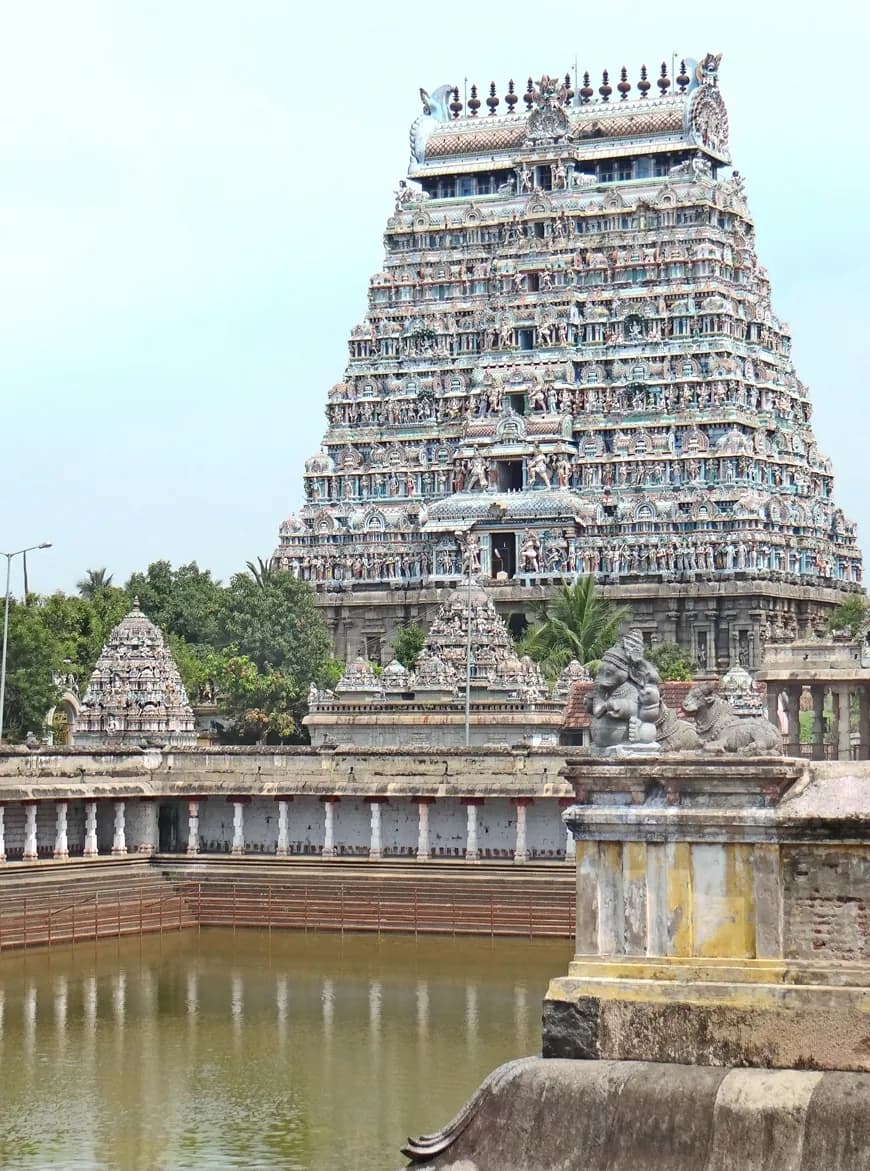
The midday sun beat down on the gopurams of the Nataraja Temple, their vibrant colours almost shimmering in the heat. As a Rajasthani journalist accustomed to the sandstone hues of our forts and palaces, the riot of colour here in Chidambaram was a delightful assault on the senses. The towering gateways, covered in intricate stucco figures of deities and mythical creatures, seemed to pulse with life, a stark contrast to the serene, almost austere beauty of our desert architecture. Stepping through the eastern gopuram, I found myself in a vast courtyard, the air thick with the scent of incense and the murmur of chanting. Unlike the imposing, enclosed structures of Rajasthan, this temple felt open, porous, allowing the outside world to permeate its sacred space. The Kanaka Sabha, the golden hall dedicated to Lord Shiva's cosmic dance, gleamed under the sun. Its gilded roof, supported by intricately carved pillars, was a testament to the artistry of the Chola dynasty, who began construction of this temple complex centuries ago. I spent a good hour just observing the details of the Kanaka Sabha. The sculptures, though weathered by time, retained an astonishing level of detail. Each figure, from the fearsome guardians flanking the entrance to the graceful celestial dancers adorning the pillars, told a story. I noticed a distinct difference in the sculptural style compared to the Rajput influences I was familiar with. These figures were more fluid, their movements more dynamic, reflecting the South Indian artistic tradition. The temple is famous for its representation of the Chidambara Rahasyam, the secret of the cosmos. This secret is symbolized by an empty space within the sanctum sanctorum, representing the formless nature of Shiva. While I couldn't enter this sacred space, the very concept intrigued me. In Rajasthan, our temples are filled with idols, tangible representations of the divine. Here, the absence of an idol served as a powerful reminder of the intangible, the unseen forces that govern the universe. Moving westward, I entered the Nritta Sabha, the Hall of Dance. This 56-pillared hall, shaped like a chariot, is a marvel of engineering and artistry. The pillars, each carved from a single stone, are said to represent the 56 syllables of the Sanskrit alphabet. I was particularly fascinated by the depictions of various dance poses carved on the pillars, a visual encyclopedia of ancient Indian dance forms. It was a stark contrast to the geometric patterns and floral motifs that dominate Rajasthani architecture. Beyond the architectural grandeur, what struck me most was the palpable sense of devotion that permeated the temple. Devotees from all walks of life thronged the courtyards, offering prayers, performing rituals, and simply soaking in the spiritual atmosphere. I witnessed a group of young girls learning the Bharatnatyam dance within the temple precincts, their movements echoing the cosmic dance of Nataraja. This living tradition, passed down through generations, brought the temple’s history to life in a way that no museum ever could. As I left the Nataraja Temple, the setting sun cast long shadows across the gopurams, painting them in hues of orange and purple. The experience had been a journey not just through space, but through time. From the ancient Chola foundations to the contemporary expressions of faith, the temple stood as a testament to the enduring power of belief and the beauty of human creativity. It was a powerful reminder that while architectural styles may differ, the essence of spirituality transcends geographical boundaries. The vibrant colours and dynamic forms of the Nataraja Temple offered a refreshing contrast to the familiar landscapes of Rajasthan, enriching my understanding of India's diverse cultural heritage.
Tulja Bhavani Temple Tuljapur
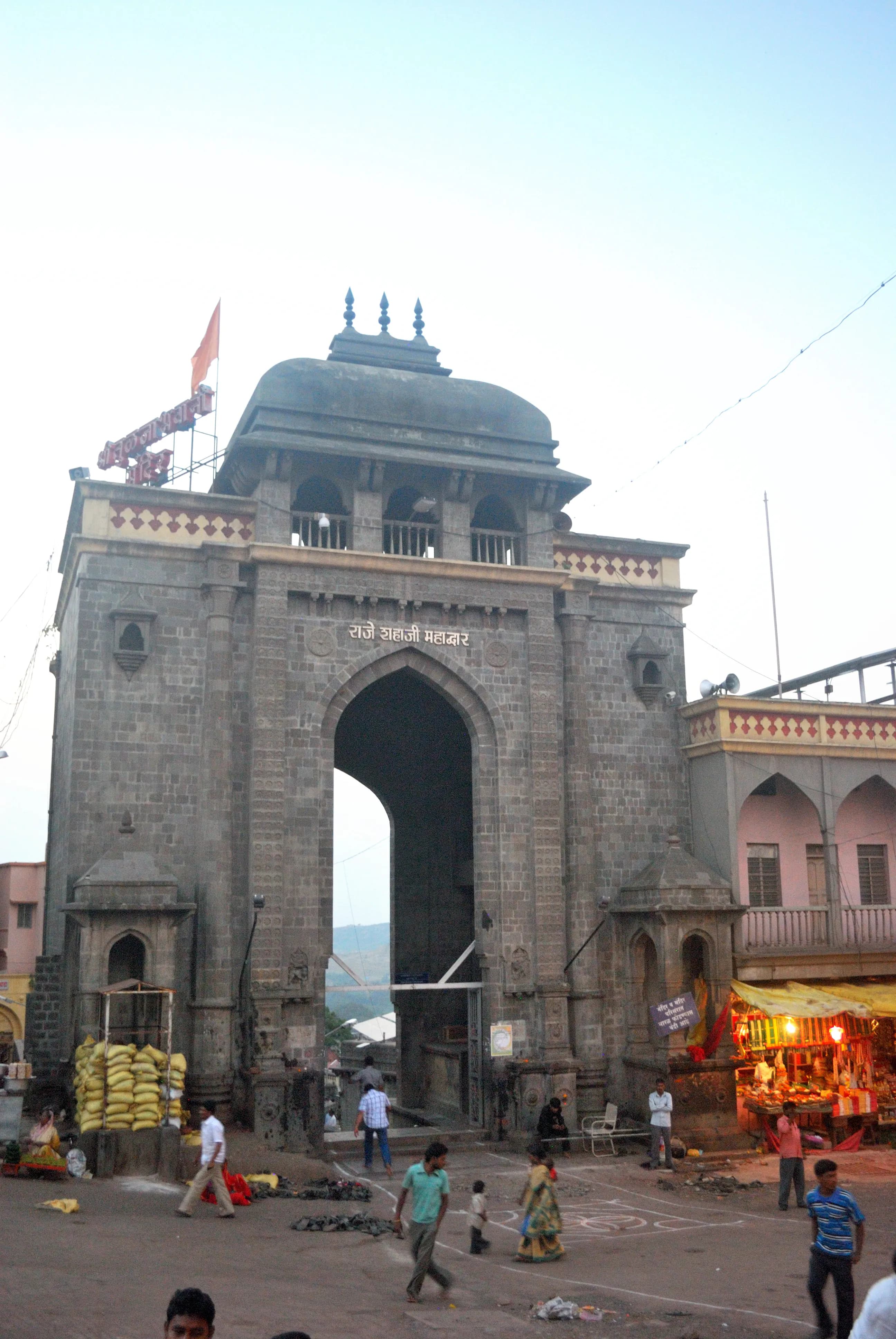
The air thrummed with a palpable energy as I stepped through the imposing Gopura gateway of the Tulja Bhavani Temple. The saffron flags fluttering atop the structure seemed to pulse with the rhythm of devotional chants emanating from within. Here, in the heart of Maharashtra's Osmanabad district, nestled within the rugged embrace of the Balaghat range, stood a testament to centuries of unwavering faith – the abode of Tulja Bhavani, the revered family deity of the Bhosale dynasty and a powerful manifestation of Shakti. My visit, as a cultural journalist deeply rooted in the traditions of Uttar Pradesh, was not merely an observation but a pilgrimage of sorts. While Uttar Pradesh boasts its own rich tapestry of Devi temples, experiencing the reverence for Bhavani Mata in Maharashtra offered a unique perspective on the diverse expressions of devotion across India. The temple complex, a sprawling labyrinth of courtyards and shrines, unfolded before me. The architecture, predominantly of the Hemadpanthi style, displayed a distinct departure from the North Indian Nagara style I was accustomed to. The use of black basalt stone, intricately carved with geometric patterns and floral motifs, lent the structure a sense of grounded strength. The sloping roofs, devoid of the elaborate curvilinear shikharas common in North Indian temples, created a stark yet elegant silhouette against the clear sky. I joined the throng of devotees making their way to the inner sanctum. The queue, though long, moved with a surprising fluidity, each individual propelled by an inner current of devotion. The anticipation built with every step, the air thick with the fragrance of incense and the murmur of prayers. Finally, I stood before the Goddess. The idol of Tulja Bhavani, crafted from black stone, exuded an aura of both fierce power and maternal benevolence. Unlike the ornate, elaborately adorned idols often seen in North Indian temples, Bhavani Mata's image was strikingly simple yet captivating. Her eight arms, each holding a symbolic weapon, spoke of her ability to vanquish evil and protect her devotees. The serene expression on her face, however, conveyed a sense of profound peace, a reassurance that transcended the clamor of the temple. As I observed the rituals, I noticed the unique Marathi traditions interwoven with the broader Hindu practices. The rhythmic chanting of Marathi hymns, the distinctive style of the priests' attire, and the offerings of specific regional delicacies all contributed to a distinct cultural flavor. It was fascinating to witness how the same deity, worshipped across geographical boundaries, could manifest in such diverse and vibrant forms. Beyond the main shrine, the temple complex housed several smaller shrines dedicated to other deities, each with its own unique story and significance. I spent hours exploring these spaces, absorbing the intricate details of the carvings, deciphering the symbolic representations, and engaging in conversations with the temple priests and local devotees. These interactions provided invaluable insights into the history, mythology, and cultural significance of Tulja Bhavani. One of the most striking aspects of my experience was the palpable sense of community that permeated the temple. People from all walks of life, irrespective of their social standing or economic background, came together in a shared space of devotion. The temple served not just as a place of worship, but also as a social hub, a place for connection and collective expression. Leaving the Tulja Bhavani Temple, I carried with me more than just memories and photographs. I carried a deeper understanding of the multifaceted nature of faith, the power of shared belief, and the enduring legacy of India's rich cultural heritage. The experience reinforced my belief that exploring these sacred spaces is not just an act of journalistic inquiry, but a journey of personal and cultural enrichment. It is a journey that continues to resonate within me, shaping my understanding of the diverse tapestry of India's spiritual landscape.
Quick Links
Plan Your Heritage Journey
Get personalized recommendations and detailed visitor guides