Has Inheritage Foundation supported you today?
Your contribution helps preserve India's ancient temples, languages, and cultural heritage. Every rupee makes a difference.
Secure payment • Instant 80G certificate
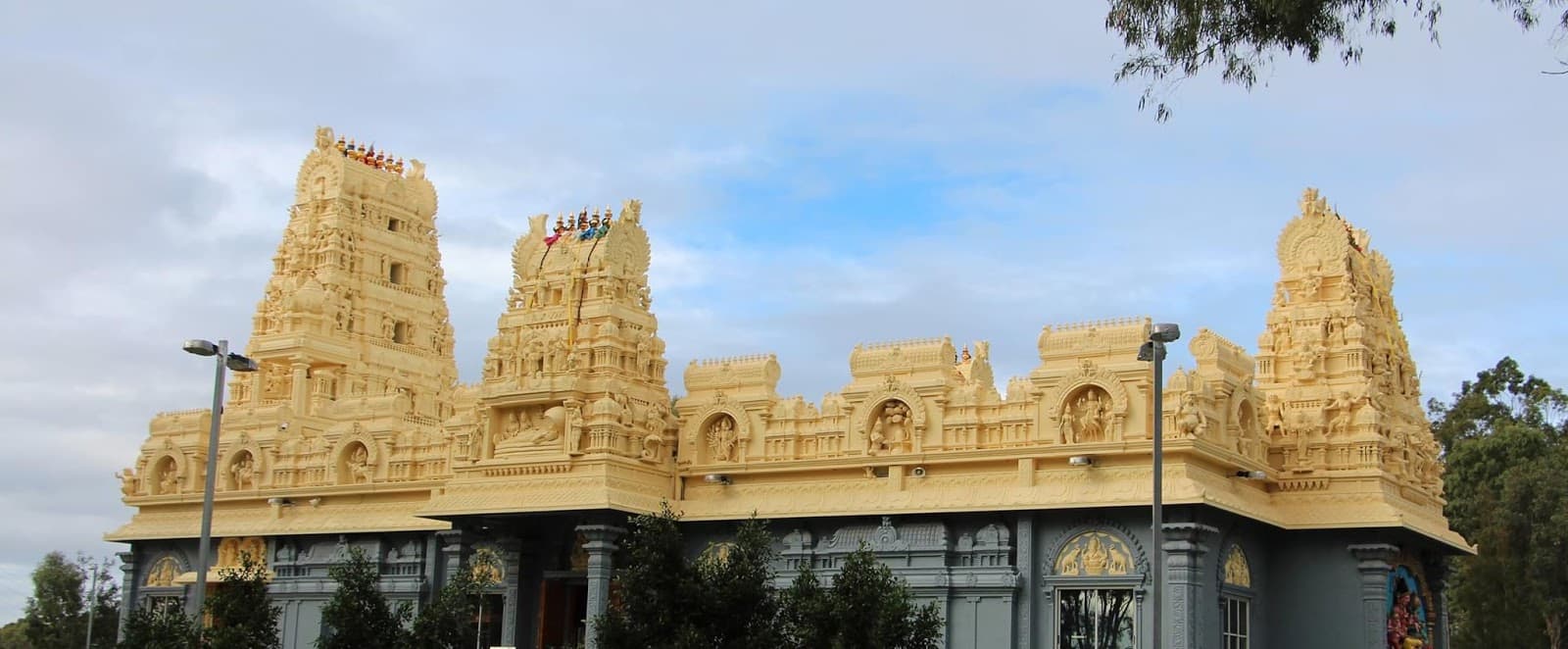
Brisbane Sri Selva Vinayakar Koil South Maclean
Anchoring Logan’s peri-urban corridor, Brisbane Sri Selva Vinayakar Koil South Maclean stands as Queensland’s first traditional Hindu temple dedicated to Lord Ganesha ([1][2]). Established around 1990 CE, this 20th-century temple reflects Dravidian architectural influences adapted to a rural Australian context ([1]). The temple was built by the Hindu Society of Queensland, who also continue to be its patron ([1]). Granite and sandstone blocks, meticulously carved, form the core of the Mandapa (Pillared Hall), while timber posts and corrugated steel roofing provide a functional and aesthetically pleasing structure ([1]). Daily rituals, or darshan, are conducted between 6:30 AM and 12:00 PM, and again from 4:30 PM to 8:30 PM ([1][5]). Special occasions such as Vinayagar Chaturthi, Thai Poosam, and Navaratri extend these hours until 10:00 PM ([1][5]). To manage the flow of devotees, volunteers guide visitors through the granite Mandapa using rope-guided lanes, ensuring a smooth and organized experience ([1][5]). Shuttle buggies are also available to assist elders in navigating the expansive site ([1][5]). Within the annadhanam shed, which can accommodate 300 people, polished concrete floors provide a clean and functional space for communal dining ([1][3]). Modern amenities such as induction woks and commercial chillers support the preparation and storage of prasadam (sacred food), with HACCP checklists ensuring food safety standards are maintained ([1][3]). Portable ramps facilitate the movement of prasadam carts between the kitchen and hall, even during inclement weather ([1][3]). Beyond worship, the temple serves as a cultural hub, hosting dance, music, and language classes in its cultural pavilion ([2]). A meditation pond and vahana sheds are situated along the Logan River flood fringe, with boardwalks and warning signage in place ([2]). Accessibility is a priority, with gravel-stabilized pathways, handrails, tactile signage, and a platform lift near the sanctum ensuring inclusivity ([2][5]). Auslan interpreters are also available during major festivals ([2][5]). Sophisticated drainage systems ensure the temple grounds remain functional, even during heavy rainfall ([3]). Digital signage displays bilingual Tamil-English instructions, weather alerts, and seva schedules, keeping the community informed and engaged ([1][2]). The temple's operations team monitors weather stations, flood gauges, and fire equipment, while the Logan Rural Fire Brigade conducts annual drills on site, ensuring preparedness for any eventuality ([3]). This proactive approach underscores the temple's commitment to community resilience and safety ([1][2]).
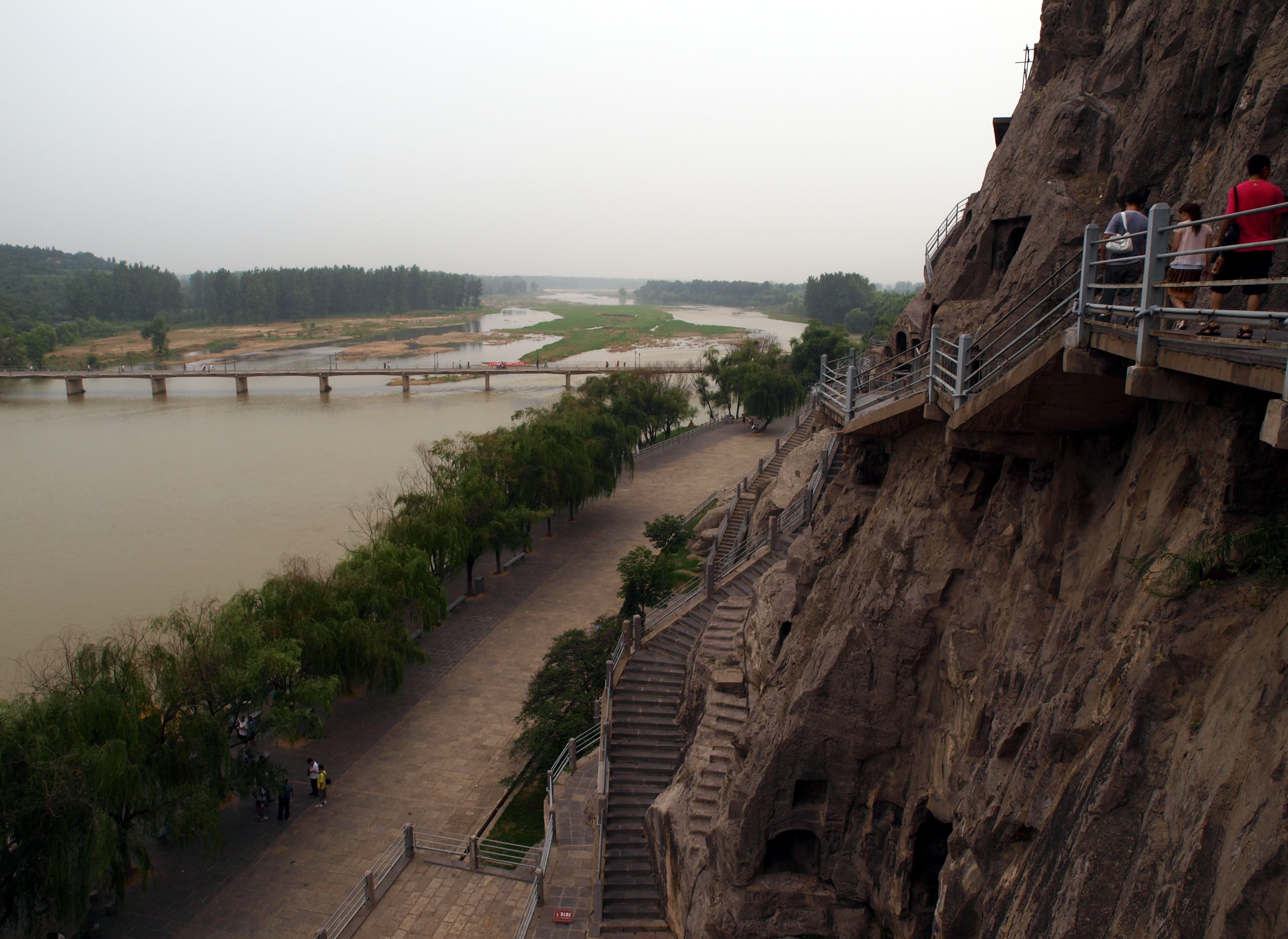
Longmen Grottoes Luoyang Henan China
Longmen Grottoes, dramatically carved into the limestone cliffs along the Yi River near Luoyang in Henan Province, represent one of the most extraordinary and archaeologically significant Buddhist rock-cut temple complexes in China, dating from the 5th through 8th centuries CE and serving as a major center of Buddhist art and devotion that flourished as a crucial link in the transmission of Indian Buddhist traditions to China, featuring tens of thousands of Buddha statues, Bodhisattvas, and guardian figures carved directly into the cliff faces that demonstrate clear connections to the rock-cut architecture and sculpture traditions of ancient India, particularly the sophisticated cave temple and sculpture techniques that were transmitted from the great Buddhist centers of northern India, creating a powerful testament to the profound transmission of Indian Buddhist civilization to China during the early medieval period. The site, featuring over 2,300 caves and niches containing more than 100,000 Buddhist statues ranging from tiny carvings to colossal figures over 17 meters tall, demonstrates clear connections to the architectural and artistic traditions of ancient India, particularly the sophisticated rock-cut temple traditions that were transmitted from the great Buddhist centers of northern India such as Ajanta, Ellora, and the Gandharan region, demonstrates the direct transmission of Indian Buddhist architectural knowledge, religious iconography, and cultural concepts from the great monastic universities of ancient India, particularly Nalanda and Taxila, which systematically transmitted Buddhist teachings and architectural traditions to China through the extensive trade and pilgrimage networks that connected India with China, while the site's most remarkable feature is its extraordinary collection of Buddhist sculptures including the colossal Vairocana Buddha in the Fengxian Temple that stands at 17.14 meters tall, demonstrating remarkable parallels with Indian Buddhist sculpture traditions, particularly the structural techniques and iconographic programs that were central to Indian Buddhist art, including depictions of Buddhas, Bodhisattvas, and guardian deities that reflect Indian iconographic traditions and demonstrate the sophisticated transmission of Indian artistic techniques to China. The grottoes' architectural layout, with their sophisticated planning, central Buddha images surrounded by subsidiary figures, meditation chambers, and ceremonial spaces, follows planning principles that demonstrate remarkable parallels with Indian rock-cut temple planning principles, particularly the chaitya hall and vihara traditions that were central to Indian Buddhist architecture, while the site's extensive archaeological remains including Buddhist sculptures with clear Indian stylistic influences, inscriptions that reflect Indian epigraphic traditions, and architectural elements demonstrate the sophisticated synthesis of Indian Buddhist iconography and cosmological concepts with local Chinese aesthetic sensibilities and building materials. Historical evidence reveals that the site served as a major center of Buddhist learning and religious activity during the 5th through 8th centuries, attracting monks, traders, and pilgrims from across China, South Asia, and Central Asia, while the discovery of numerous artifacts including Buddhist sculptures with clear Indian stylistic influences, inscriptions that reflect Indian epigraphic traditions, and architectural elements that reflect Indian architectural concepts provides crucial evidence of the site's role in the transmission of Indian Buddhist traditions to China, demonstrating the sophisticated understanding of Indian Buddhist architecture and religious practices possessed by the site's patrons and monastic establishment. The site's association with the ancient city of Luoyang, which served as the capital of multiple Chinese dynasties and flourished as a major cultural center with extensive connections to India and Central Asia, demonstrates the sophisticated understanding of Indian Buddhist traditions that were transmitted to China, while the site's Buddhist sculptures and rock-cut architecture demonstrate remarkable parallels with Indian Buddhist temple architecture and sculpture traditions that were central to ancient Indian civilization. The site has been the subject of extensive archaeological research and conservation efforts, with ongoing work continuing to reveal new insights into the site's sophisticated architecture, religious practices, and its role in the transmission of Indian Buddhist traditions to China, while the site's status as a UNESCO World Heritage Site demonstrates its significance as a major center for the transmission of Indian Buddhist and cultural traditions to China. Today, the Longmen Grottoes stand as one of the most important historical Buddhist sites in China, serving as a powerful testament to the transmission of Indian Buddhist civilization to China, while ongoing archaeological research and conservation efforts continue to protect and study this extraordinary cultural treasure that demonstrates the profound impact of Indian civilization on Chinese religious and cultural development. ([1][2])
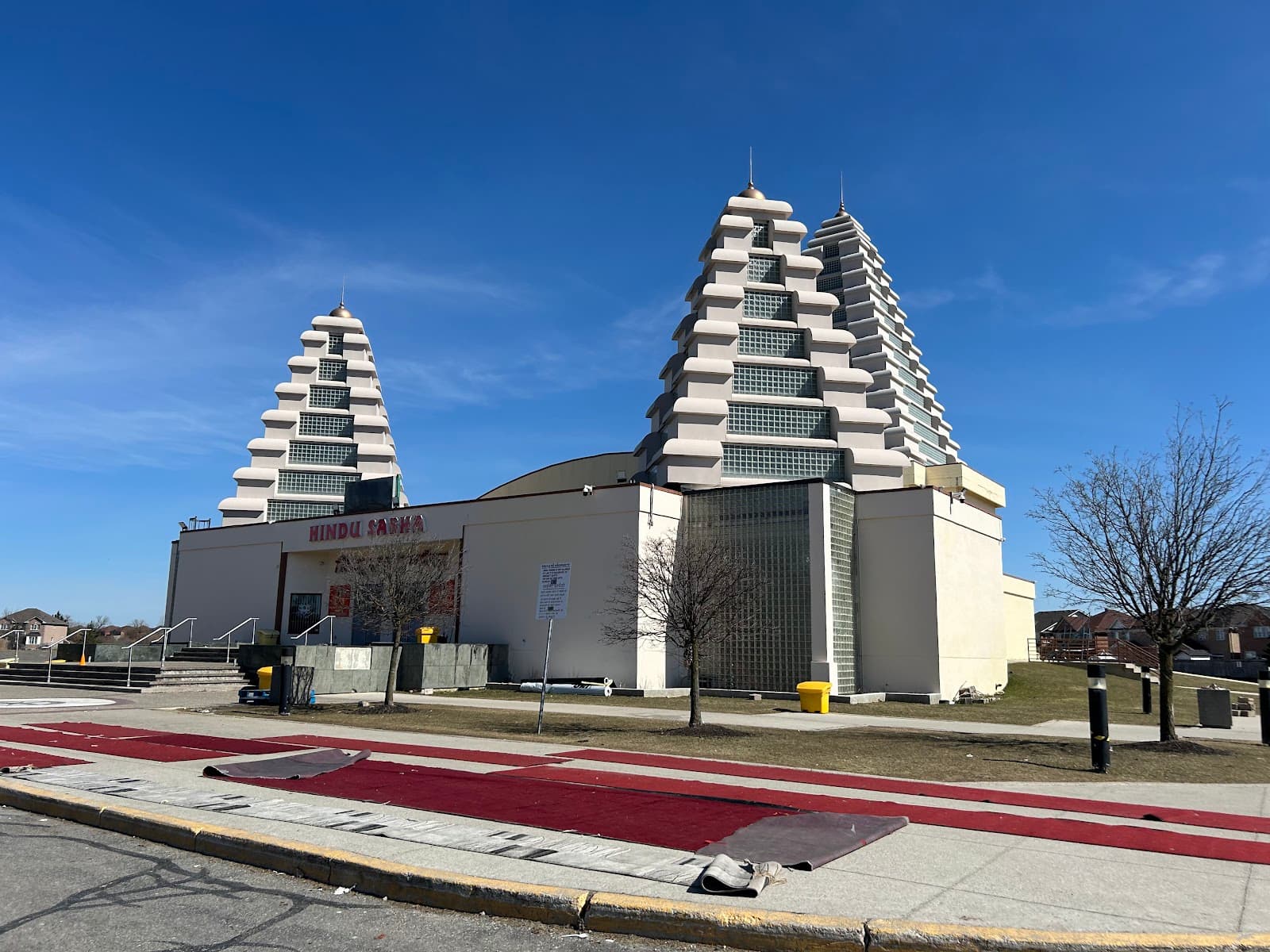
Hindu Sabha Mandir Brampton
The Hindu Sabha Mandir, located at 9225 The Gore Road in Brampton, Ontario, Canada, stands as a profound testament to the enduring legacy of India's millennia-spanning cultural heritage, embodying the continuous tradition of Hindu civilization in the diaspora. Dedicated primarily to Maa Jagdamba, this sacred edifice serves as a vital spiritual and cultural nexus for the Hindu community in the Greater Toronto Area [1] [2]. Its architectural design predominantly adheres to the Dravida style, characterized by its pyramidal multi-tiered towers known as *vimanas* or *shikharas*, intricate carvings, and monumental structures, reflecting an indigenous architectural idiom that originated in Southern India thousands of years ago [5] . While incorporating modern institutional and brick architecture, the temple meticulously preserves the aesthetic principles and iconographic traditions of ancient Indian temple building [5] . The temple complex encompasses an expansive constructed area of approximately 32,000 square feet [3] [4]. The main floor alone spans about 17,000 square feet, featuring a dedicated altar area of 4,000 square feet where the primary deities are enshrined [3]. The lower level houses a substantial community hall and kitchen, covering approximately 15,000 square feet, designed to facilitate large gatherings and community service initiatives [3]. The main prayer hall is engineered to accommodate over 1,000 devotees, reflecting its role as a major congregational space [3]. A prominent architectural feature is the main *shikhara*, which rises to an impressive height of approximately 120 feet, dominating the skyline and serving as a beacon for the community [3]. The construction employs contemporary engineering techniques while integrating traditional Indian craftsmanship for its decorative elements, including sculptures and intricate carvings that adorn the exterior and interior, depicting various deities, mythological narratives, and auspicious symbols [5]. The temple's design ensures optimal spatial arrangements for rituals, meditation, and communal activities, with designated areas for *darshan*, *puja*, and *prasad* distribution [1]. Currently, the Hindu Sabha Mandir is an actively functioning religious and cultural center, offering daily worship services, morning and evening *aartis*, *bhajan-kirtan* sessions, and *satsangs* [1] [2]. Special religious programs are organized to celebrate major Hindu festivals such as Diwali, Holi, and Dussehra, drawing thousands of devotees [1]. The temple also runs comprehensive religious education and *sanskar* programs for children and youth, alongside regular yoga and meditation sessions, fostering spiritual and physical well-being within the community [1]. Conservation efforts focus on routine maintenance and preservation of its architectural integrity, ensuring the longevity of its traditional elements. The temple is managed by a dedicated board and management team, supported by a Women Empowerment Group, which actively participates in various temple activities and community outreach programs, including a food bank [1] [2]. The site is fully operational, accessible to visitors, and adheres to established maintenance protocols, serving as a vibrant hub for cultural exchange and spiritual enrichment [1] [2]. Photography is generally not permitted inside the main sanctum, and traditional or formal attire is recommended for visitors [1]. An ongoing project includes the construction of a 55-foot-tall statue of Lord Hanuman, further enhancing the temple's spiritual landscape .
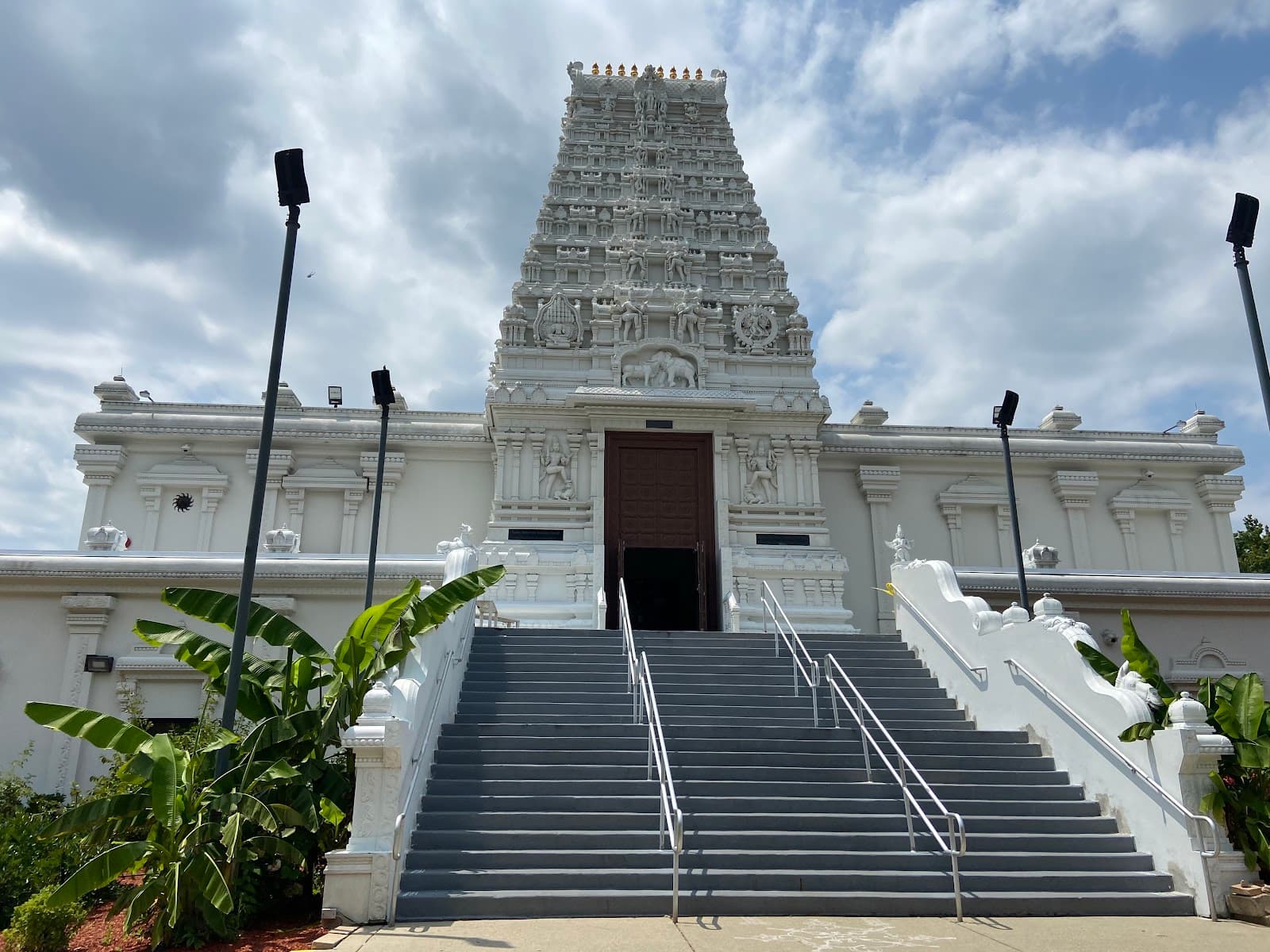
Sri Siva Vishnu Temple Lanham
Sri Siva Vishnu Temple in Lanham, Maryland, dedicated to Siva, Vishnu, and a constellation of regional deities, opens at 6:00 AM and keeps rituals running through 9:00 PM, sequencing morning suprabhatam, daily homams, and evening sahasranama archanas across two granite shrines linked by a shared mandapam ([1][2]). Volunteer desk captains manage parking lots, shoe rooms, and darshan queues via digital displays so weekday devotees and weekend tour groups flow smoothly between the Saiva and Vaishnava sanctums ([1][3]). Security teams coordinate with Prince George’s County police during festival surges, monitor CCTV networks, and audit life-safety systems that include sprinklers, smoke detection, and backup power tested monthly ([3][5]). Elevators, ramps, tactile paving, and loaner wheelchairs maintain circulation between the sanctum, canteen, and cultural hall; ushers offer assistive listening headsets and bilingual signage for Tamil, Telugu, and English programming ([1][4]). Custodians follow two-hour cleaning cycles covering granite floors, brass thresholds, and ablution stations, while mechanical crews schedule filter changes and insulation checks ahead of humid Chesapeake summers ([3][5]). Community kitchens operate under separate HVAC zoning and grease recovery, keeping prasad production compliant with Maryland health codes. Preventive maintenance dashboards log priest schedules, chillers, fire systems, and accessibility inspections; 2025 county reviews recorded zero violations, confirming the temple remains fully operational and compliant for daily worship, cultural classes, and large-format festivals ([3][4][5]).
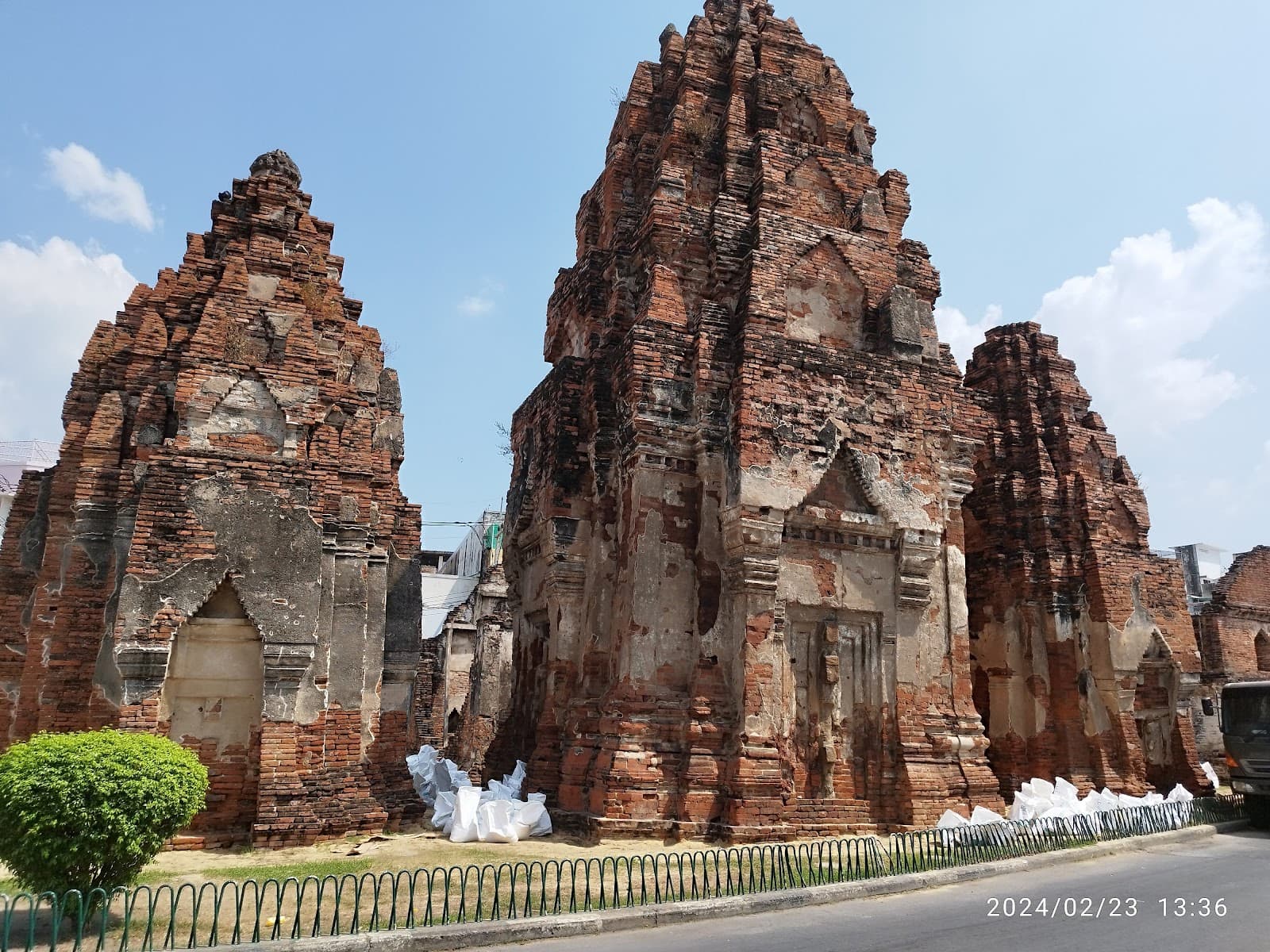
San Phra Kan Prang Khaek Lopburi
San Phra Kan, also known as Prang Khaek, located in Lopburi town, represents the oldest Khmer Hindu shrine in Central Thailand, dating to the 9th-10th centuries CE and constructed during the early Angkorian period, likely during the reign of Suryavarman II. The temple complex features three brick prangs (towers) arranged in a row, dedicated to the Hindu trinity of Brahma, Vishnu, and Shiva, demonstrating the syncretic nature of early Khmer religious practice. The complex spans approximately 0.5 hectares and features a rectangular laterite enclosure wall, though much has been lost to urban development. The three prangs, constructed primarily from brick with sandstone doorframes and decorative elements, rise to heights between 10 and 12 meters, with the central tower being slightly taller. The temple’s architectural style represents early Angkorian period, predating the more elaborate Baphuon and Angkor Wat styles, featuring simpler decorative elements and construction techniques. The complex includes evidence of stucco decoration, though most has been lost to weathering. Archaeological evidence indicates the temple served as an important early Khmer religious center in Central Thailand, establishing the foundation for later Khmer architectural developments in the region. The site has undergone restoration since the 1930s, involving structural stabilization and conservation. Today, San Phra Kan remains an important site for understanding early Khmer architecture in Thailand, attracting visitors interested in its historical significance as the oldest Angkorian temple in Central Thailand and its role in establishing Khmer cultural influence in the region. ([1][2])
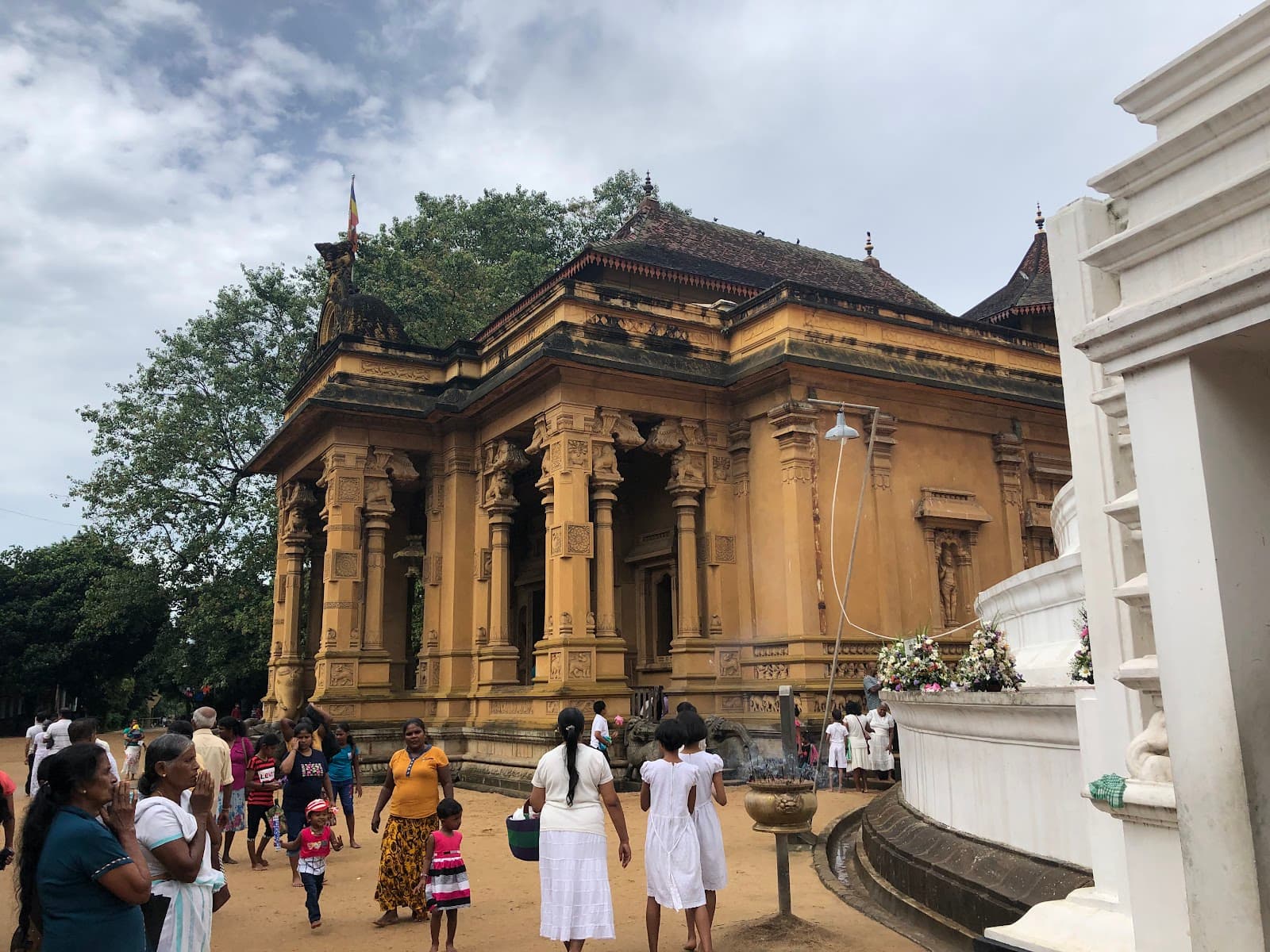
Kelaniya Raja Maha Vihara Colombo Sri Lanka
Kelaniya Raja Maha Vihara, dramatically situated on the banks of the Kelani River near Colombo, represents one of the most extraordinary and historically significant Buddhist temples in Sri Lanka, with lore tracing its origins back to the 6th century BCE when the Buddha is believed to have visited the site during his third visit to Sri Lanka, creating a powerful testament to the profound transmission of Indian Buddhist religious traditions to Sri Lanka and serving as a major center of Buddhist worship that integrates a Vishnu shrine, demonstrating the sophisticated religious syncretism that has characterized Sri Lankan religious practices. The temple complex, also known as Kelaniya Temple, features sophisticated architectural elements that demonstrate the direct transmission of Indian Buddhist temple architecture, particularly the traditions of northern India during the time of the Buddha, with local adaptations that reflect the sophisticated synthesis of Indian Buddhist religious and artistic traditions with Sri Lankan building techniques, while the temple's most remarkable feature is its association with the Buddha's visit, which is documented in ancient chronicles including the Mahavamsa and represents one of the most important events in the history of Buddhism in Sri Lanka. The temple's architectural layout, with its central stupa, image house, and assembly halls, follows sophisticated Indian Buddhist monastery planning principles that were systematically transmitted from the great monastic centers of India, while the temple's extensive decorative programs including murals, sculptures, and architectural elements demonstrate the sophisticated synthesis of Indian Buddhist iconography and artistic traditions with local Sri Lankan aesthetic sensibilities. Archaeological evidence reveals that the temple served as a major center of Buddhist worship for over two and a half millennia, attracting pilgrims from across Sri Lanka and South India, while the discovery of numerous inscriptions in Sinhala, Tamil, and Sanskrit provides crucial evidence of the site's role in the transmission of Indian Buddhist texts and practices to Sri Lanka, demonstrating the sophisticated understanding of Indian Buddhist traditions possessed by the temple's patrons and religious establishment. The temple's unique feature of integrating a Vishnu shrine within the Buddhist temple complex demonstrates the sophisticated religious syncretism that has characterized Sri Lankan religious practices, while the temple's association with the Kelani River, which flows into the Indian Ocean, underscores its significance as a center for the transmission of Buddhist teachings, art, and culture from India to Sri Lanka. The temple complex has undergone multiple reconstructions throughout its history, with the current structure representing a modern reconstruction that faithfully preserves the temple's original architectural character and spiritual significance, while ongoing archaeological research continues to reveal evidence of the temple's ancient origins and its role in the transmission of Indian religious traditions to Sri Lanka. Today, Kelaniya Raja Maha Vihara stands as one of the most important Buddhist pilgrimage sites in Sri Lanka, serving as a powerful testament to the transmission of Indian Buddhist culture and architecture to Sri Lanka, while ongoing archaeological research and conservation efforts continue to protect and study this extraordinary cultural treasure that demonstrates the profound impact of Indian civilization on Sri Lankan religious and artistic traditions. ([1][2])
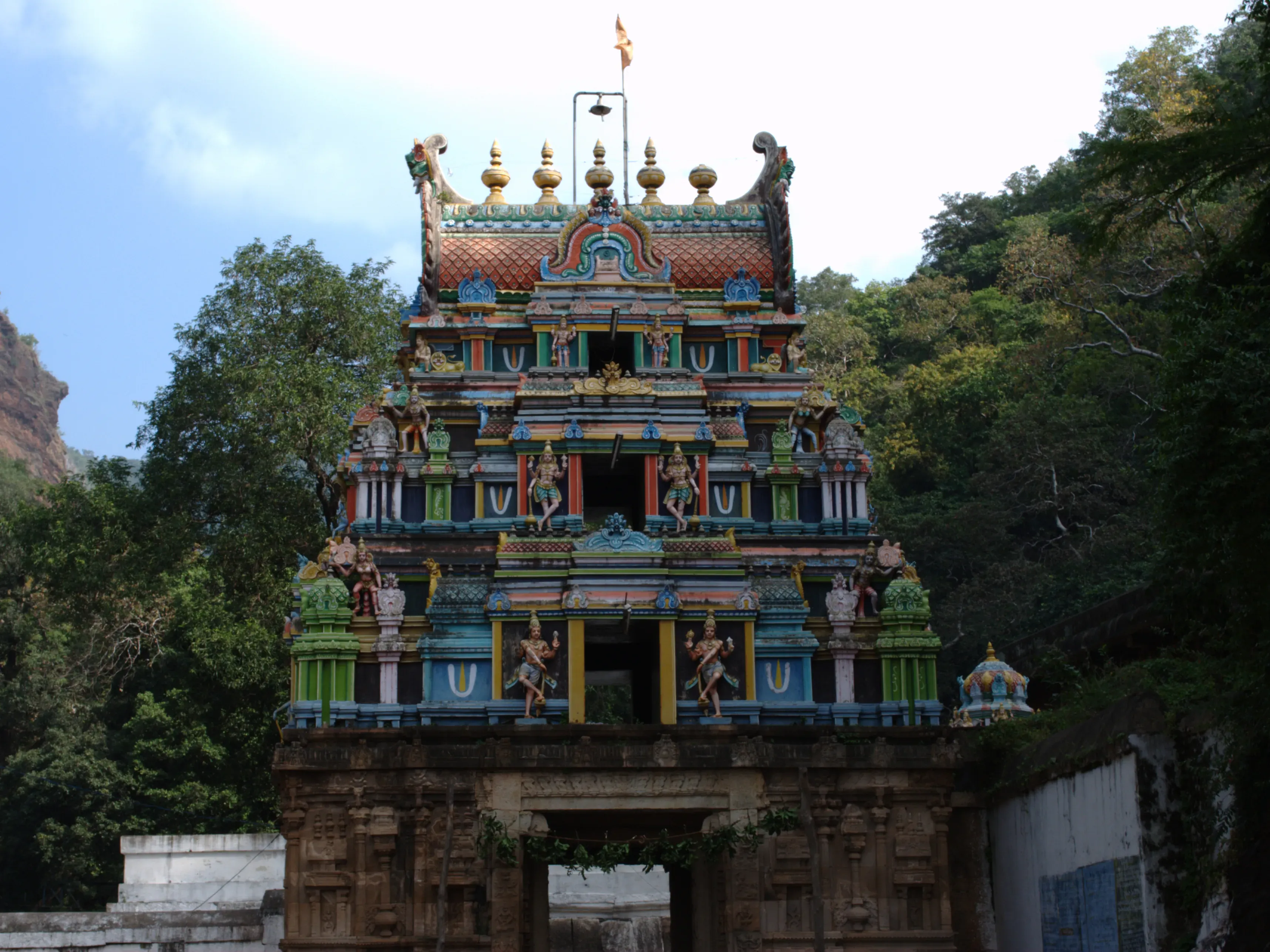
Ahobilam Temple Kurnool
Nestled within Andhra Pradesh's Nallamala Hills, the Ahobilam Temple, dating back to circa 1350 CE, serves as a testament to Vijayanagara architectural traditions ([2][8]). The temple is a sacred site dedicated to Lord Narasimha ([3][8]). During the Vijayanagara period, the rulers adopted the Dravidian style, skillfully carving the temple into the existing rock formations ([3][8]). Stone platforms and foundations exemplify this rock-cut technique, utilizing locally sourced granite to integrate with the natural landscape ([10]). The temple complex is geographically and spiritually divided into Lower and Upper Ahobilam ([3]). During the Vijayanagara period, temple architecture flourished, which is evident in the elaborate carvings that embellish the *mandapam* (pillared hall) and *vimana* (tower) of Lower Ahobilam ([2][9]). These carvings illustrate narratives from Hindu epics and Puranas, visually echoing the *sthala purana* (temple legend) in stone ([11][12]). Vastu Shastra principles, the ancient Indian science of architecture, guided the temple's layout and orientation, ensuring harmony and balance ([10][11]). The absence of towering *gopurams* (gateway towers) at Upper Ahobilam emphasizes the location's raw spirituality ([10]). Granite and sandstone blocks, meticulously carved, are combined with timber, bricks, and lime mortar, highlighting Vijayanagara construction expertise ([2][8]). The temple's design reflects a deep understanding of Dravidian architectural conventions and the region's natural resources ([9][10]). Ahobilam embodies the enduring relationship between humanity and the divine, representing ancient Indian knowledge systems and architectural skill ([10][11]). Ascending to Upper Ahobilam inspires *bhakti* (devotion) and *shakti* (divine energy), reinforcing the temple's profound spiritual importance ([3]). The integration of natural elements and artistic expression makes Ahobilam a significant example of Vijayanagara temple architecture ([2][10]).
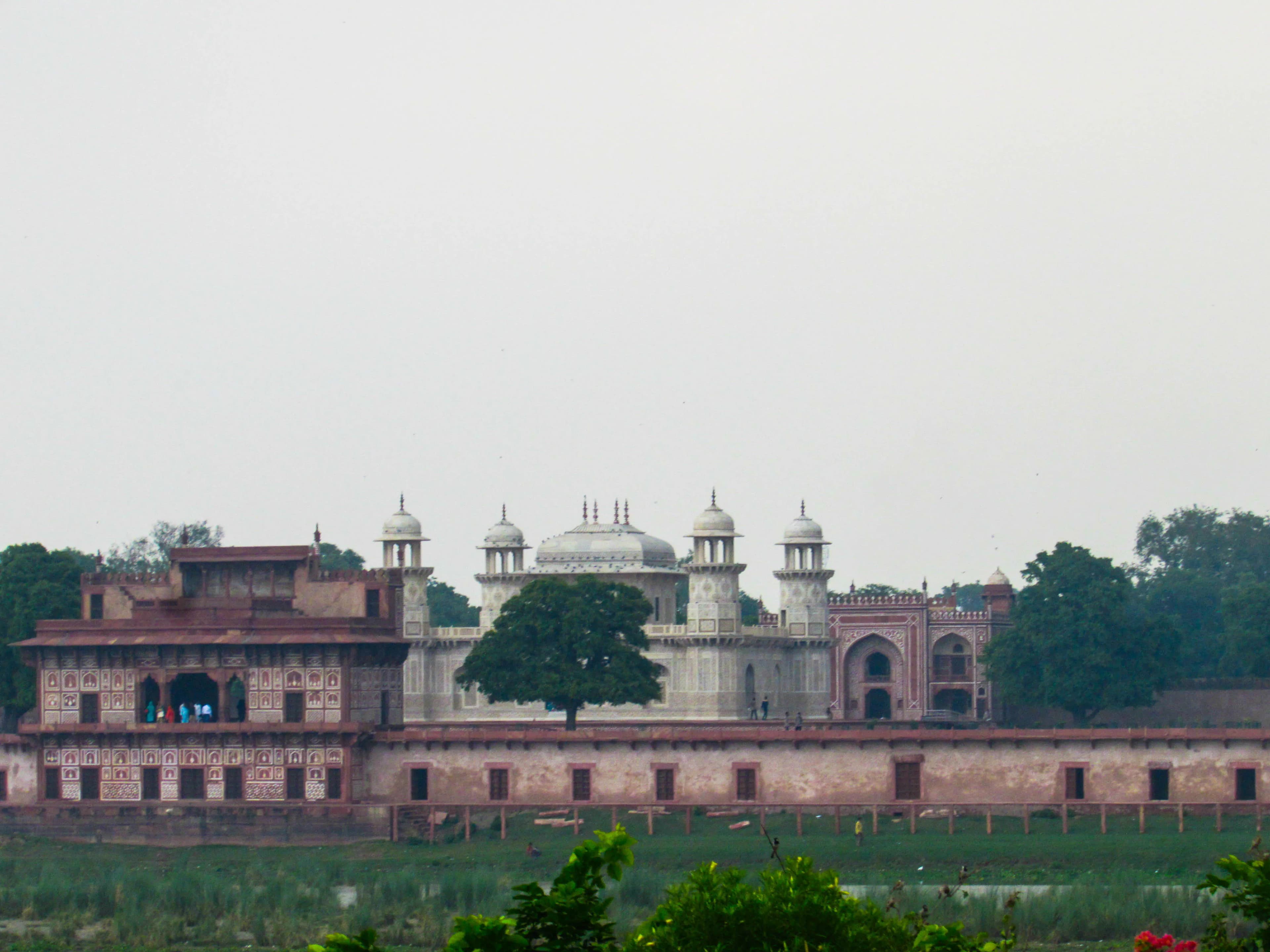
Agra Fort Agra
Intricate carvings adorn the walls of Agra Fort, a UNESCO World Heritage site erected from 1565 CE, revealing a synthesis of Timurid-Persian and Indian artistic traditions ([1][11]). As one of the earliest surviving buildings from Akbar's reign, the Jahangiri Mahal showcases this blend ([12]). Its exterior elevations follow a predominantly Islamic scheme, while the interiors are articulated with Hindu elements ([7]). Heavily fashioned brackets, a key feature of Akbari architecture, are prominent throughout ([13]). This fusion reflects a broader Mughal approach of incorporating regional artistic styles ([14]). Furthermore, specific motifs rooted in Indian heritage are visible within the fort. The use of carved panels and decorative arches inside the Jahangiri Mahal points to indigenous architectural influences ([15]). While direct connections to specific Vastu or Shilpa Shastra texts for the fort's overall design are not explicitly documented, the architectural vocabulary shows a clear dialogue with pre-existing Indian forms ([16]). The emperor's throne chamber in the Diwan-i-Am (Hall of Public Audience), constructed by Shah Jahan, features a marble canopy and was originally painted with gold ([17]). Overall, the fort is a powerful expression of Mughal imperial authority, built with red sandstone and later enhanced with white marble by Shah Jahan ([18]). Red sandstone, the primary construction material, lends a formidable presence to the fort, while marble inlays introduced later add refinement ([18]). During the Mughal Period, the fort served not only as a military stronghold but also as a palatial complex, reflecting the empire's grandeur ([19]). Its strategic location on the banks of the Yamuna River further enhanced its importance ([20]). The fort's layout incorporates elements of both Islamic and Hindu design principles, evident in its gateways, courtyards, and residential palaces ([21]). This architectural syncretism reflects the inclusive policies of Mughal emperors like Akbar, who sought to integrate diverse cultural traditions into their imperial projects ([22]). The fort embodies the confluence of Persian, Islamic, and Indian aesthetics, creating a unique architectural vocabulary that defines Mughal architecture ([23]).
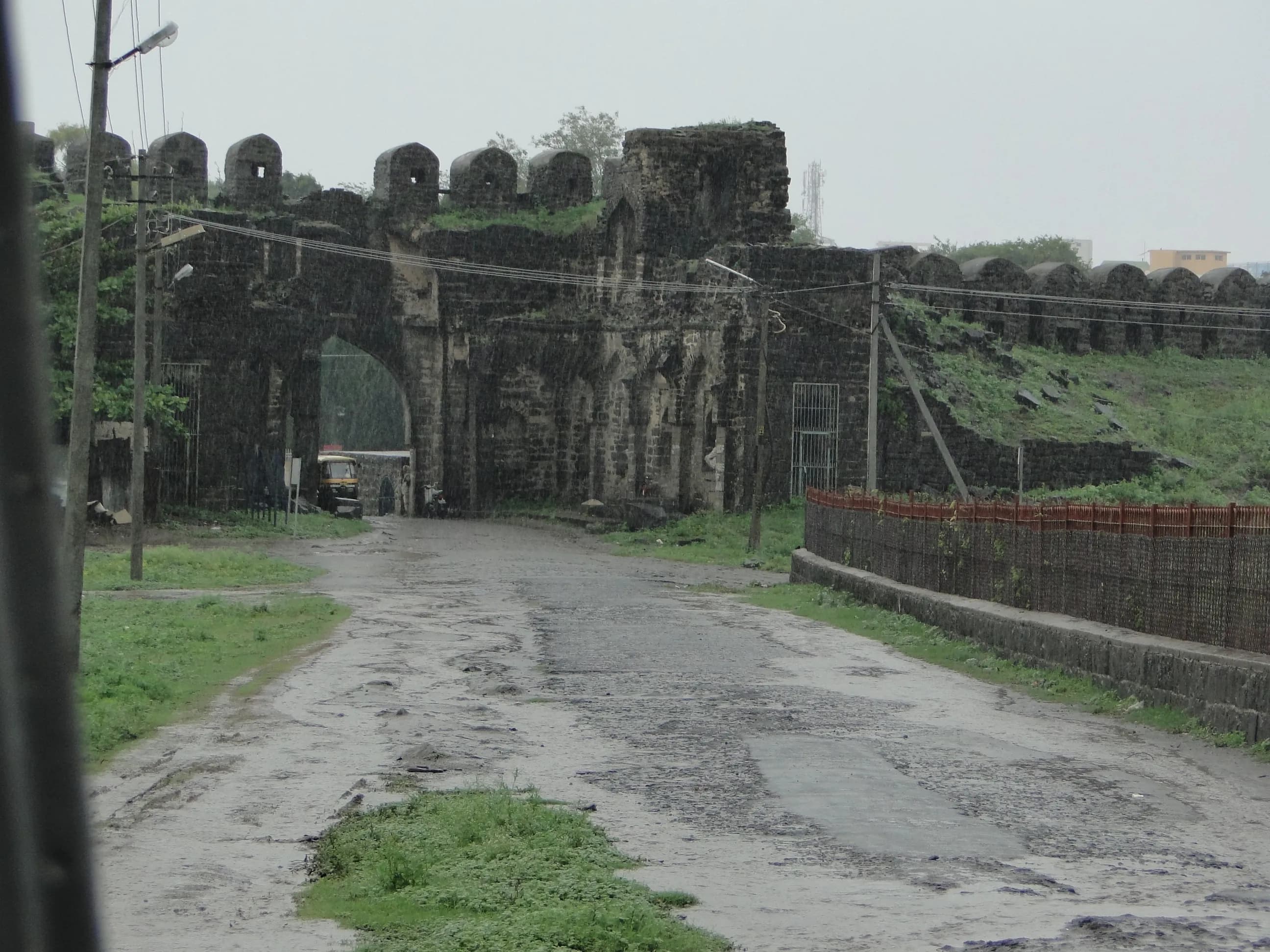
Gulbarga Fort Kalaburagi
The midday sun beat down on the Deccan plateau, casting long shadows across the imposing basalt walls of Gulbarga Fort. As a Delhiite accustomed to the sandstone hues of North Indian architecture, the dark, almost brooding presence of this fort struck me immediately. It felt different, a whisper of a different era, a different empire. Having explored countless forts across North India, from the majestic ramparts of Rajasthan to the crumbling citadels of the Himalayas, I was eager to see what this southern stronghold held within its formidable embrace. Stepping through the Bara Darwaza, the main gate, I was transported back in time. The sheer scale of the fort is breathtaking. Unlike the multi-layered defenses I'm used to seeing in Rajput forts, Gulbarga presents a single, massive, and remarkably intact fortification wall. It's a testament to the Bahmani Sultanate's ambition, a statement of power etched in stone. The walls themselves are a study in military engineering, punctuated by strategically placed bastions and punctuated by narrow slits for archers. I ran my hand over the rough-hewn stone, imagining the skilled hands that placed them centuries ago. Inside, the fort is a curious blend of military might and refined artistry. The Jama Masjid, nestled within the fort's walls, is a marvel. Unlike any mosque I've encountered in the north, it’s a single, vast, covered space, reminiscent of the great hypostyle mosques of Cordoba in Spain. The absence of a traditional open courtyard surprised me, but the soaring arches and the soft light filtering through the numerous domes created an atmosphere of serene grandeur. The whispers of history seemed to echo in the cavernous space, a testament to the fort's role not just as a military stronghold but also as a center of religious and cultural life. Exploring further, I stumbled upon the Bala Hissar, the citadel within the fort. Here, the remnants of palaces and administrative buildings offered glimpses into the lives of the Bahmani rulers. While much of it lies in ruins, the intricate carvings on the remaining stonework hinted at the opulence that once graced these halls. I could almost picture the bustling court, the richly adorned courtiers, and the weighty matters of state being discussed within these very walls. One of the most striking features of Gulbarga Fort is its ingenious water management system. The numerous wells, cisterns, and underground tanks, strategically placed throughout the fort, are a testament to the foresight of its builders. In this arid landscape, water was, and still is, a precious commodity. The elaborate system ensured a continuous supply, enabling the fort to withstand long sieges. I peered into one of the deep wells, marveling at the engineering prowess that allowed them to tap into the water table centuries ago. As I walked along the ramparts, taking in the panoramic view of the surrounding plains, I couldn't help but feel a sense of awe. Gulbarga Fort is more than just a collection of stones and mortar; it's a living testament to a rich and complex history. It's a place where the echoes of empires resonate, where the stories of conquerors and kings are etched into the very fabric of the walls. It's a place that offers a unique perspective on India's past, a perspective that differs significantly from the narratives I’ve encountered in the north. Leaving the fort, I carried with me not just memories of its imposing architecture but also a deeper understanding of the diverse tapestry that makes up India's heritage. The dark basalt walls of Gulbarga Fort, bathed in the setting sun, served as a powerful reminder of the enduring legacy of the Deccan Sultanates, a legacy that deserves to be explored and celebrated.
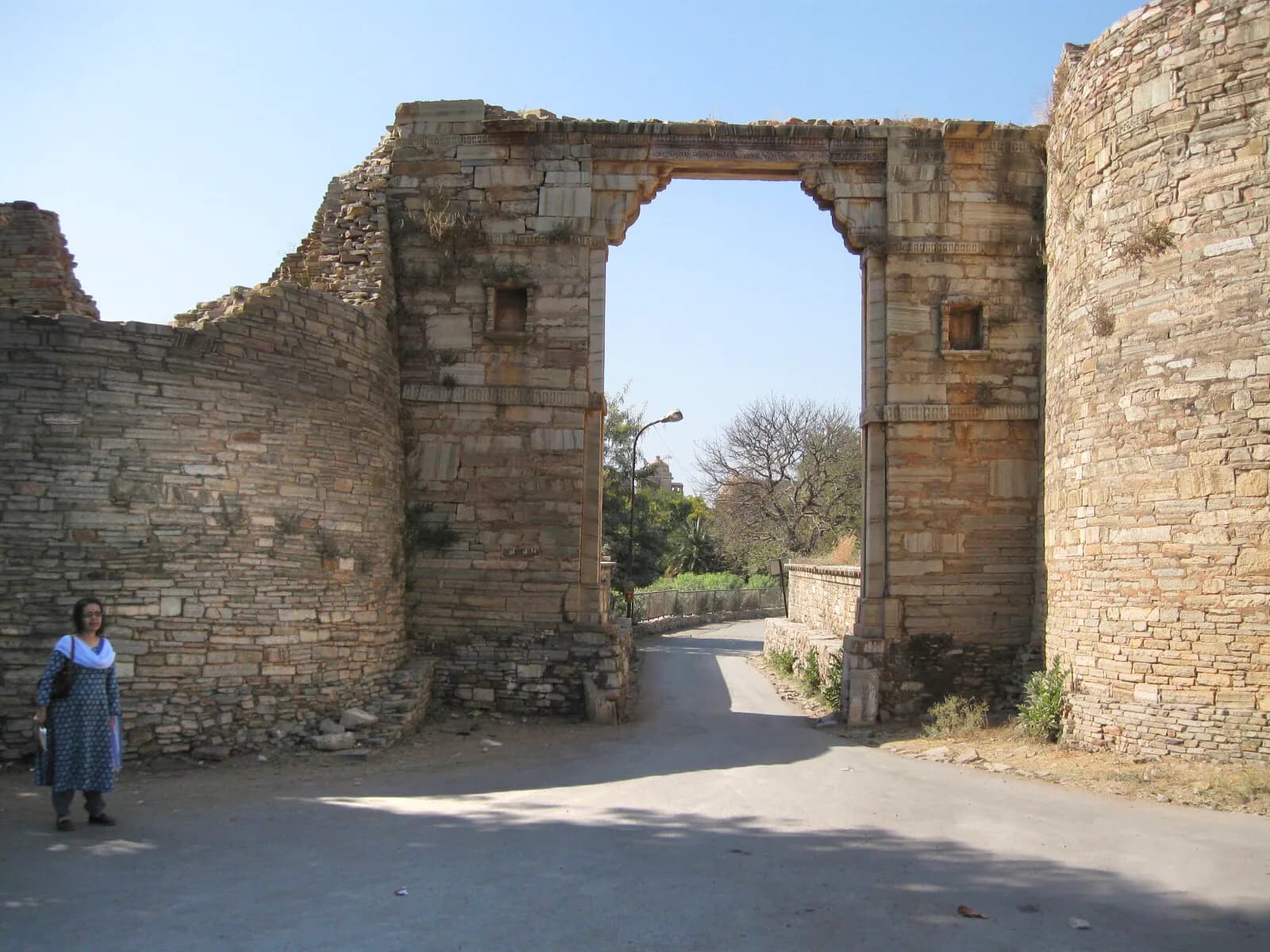
Chittorgarh Fort Chittorgarh
Chittorgarh Fort, the largest fort in India, sprawling across 700 acres, embodies the Rajput spirit and architectural heritage ([1][2]). Built in the 7th century (650 CE) by the Maurya Dynasty under Chitrangada Mori, this Rajput military hill fort presents a captivating blend of strength and artistry ([1][2]). Reaching the main gate, Ram Pol, is like traversing centuries, each gate whispering tales of valor and sacrifice ([2]). Intricate carvings adorning the walls of the Vijay Stambh (Tower of Victory) commemorate Maharana Kumbha's triumph in 1440 ([3]). This nine-story marvel showcases Hindu deities and scenes from mythology ([3]). Nearby, the Kirti Stambh, a 22-meter high tower, stands dedicated to Adinath, a Jain Tirthankara, symbolizing religious harmony ([4]). Granite and sandstone blocks, meticulously carved, form the structural and artistic elements throughout the fort ([1]). Sophisticated water harvesting structures ensured the fort's self-sufficiency, a testament to ancient engineering prowess ([5]). The Rana Kumbha Palace, though partially ruined, evokes the grandeur of Mewar rulers with its delicate jali work and strategic balconies ([5]). The poignant narrative of Rani Padmini's Jauhar (self-immolation) deeply resonates within the fort's walls ([6]). The Padmini Palace overlooks the lotus pool, a silent witness to her sacrifice ([6]). Further enriching the fort's spiritual landscape, the Kalika Mata Temple, originally a Sun Temple, and the Meera Temple offer glimpses into the region's religious diversity ([4]). Chittorgarh Fort remains a profound emblem of Rajputana's history and resilience ([1][2]).
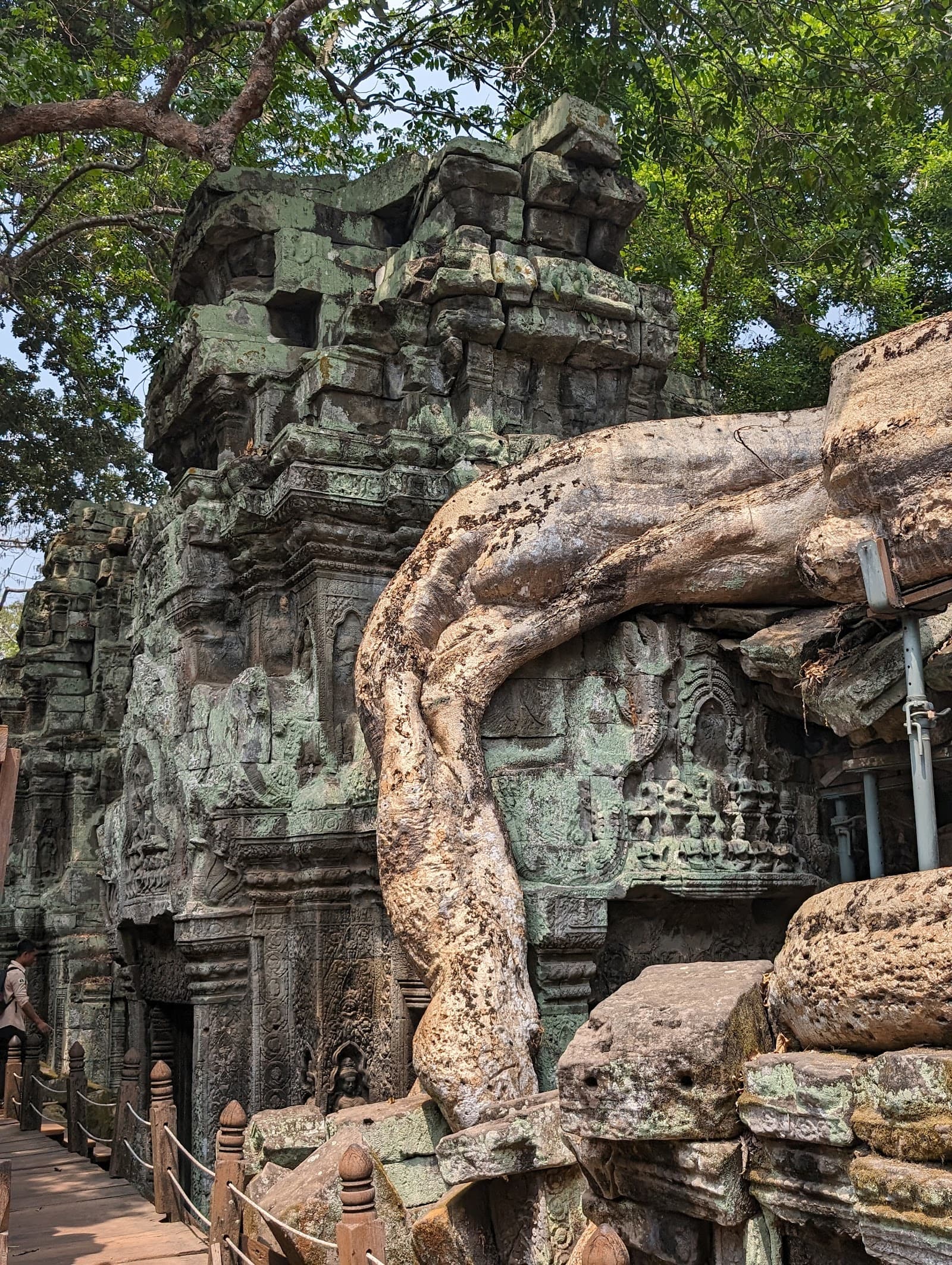
Ta Prohm Siem Reap Cambodia
Ta Prohm, dramatically enveloped by the Cambodian jungle with massive tree roots intertwining with ancient stone structures, represents one of the most atmospheric and visually striking temple complexes in Southeast Asia, constructed in the late 12th and early 13th centuries CE during the reign of King Jayavarman VII as a Mahayana Buddhist monastery and university that retained extensive Shaiva (Shiva-worshipping) iconography, creating a powerful testament to the sophisticated religious syncretism that characterized Khmer religious practices and the continued transmission of Indian Buddhist and Hindu traditions to Southeast Asia. The temple complex, originally covering over 60 hectares and serving as a major center of Buddhist learning that housed over 12,000 people including monks, students, and support staff, features extraordinary architectural elements that demonstrate the synthesis of Indian Buddhist monastery architecture with Khmer building techniques, while the temple's extensive decorative programs including numerous devatas, apsaras, and mythological scenes demonstrate the sophisticated understanding of both Indian Buddhist and Hindu iconography possessed by Khmer artists. The temple's most remarkable feature is its current state, intentionally left largely unrestored by conservation authorities to preserve the dramatic visual effect of massive silk-cotton and strangler fig trees growing through and over the stone structures, creating a powerful symbiosis between nature and architecture that has made it one of the most photographed and iconic temples in Cambodia, while this preservation approach demonstrates the sophisticated understanding of the site's aesthetic and historical significance. Archaeological evidence reveals that the temple served as both a major center of Mahayana Buddhist learning and a repository of Shaiva iconography, demonstrating the remarkable religious syncretism that characterized Khmer religious practices, while the discovery of numerous inscriptions provides crucial evidence of the site's role in the transmission of Indian Buddhist and Hindu texts and practices to Southeast Asia. The temple's architectural layout, with its central sanctuary surrounded by multiple enclosures, libraries, and numerous smaller structures, follows sophisticated Indian Buddhist monastery planning principles that were systematically transmitted from the great monastic centers of India, while the temple's extensive decorative programs including scenes from Hindu mythology demonstrate the ways in which Indian religious traditions were integrated into Khmer Buddhist practice. Today, Ta Prohm stands as part of the UNESCO World Heritage Site and represents one of the most visually striking temples in Southeast Asia, serving as a powerful testament to the transmission of Indian Buddhist and Hindu culture to Southeast Asia, while ongoing archaeological research and conservation efforts continue to protect and study this extraordinary cultural treasure that demonstrates the profound impact of Indian civilization on Southeast Asian religious and artistic traditions. ([1][2])
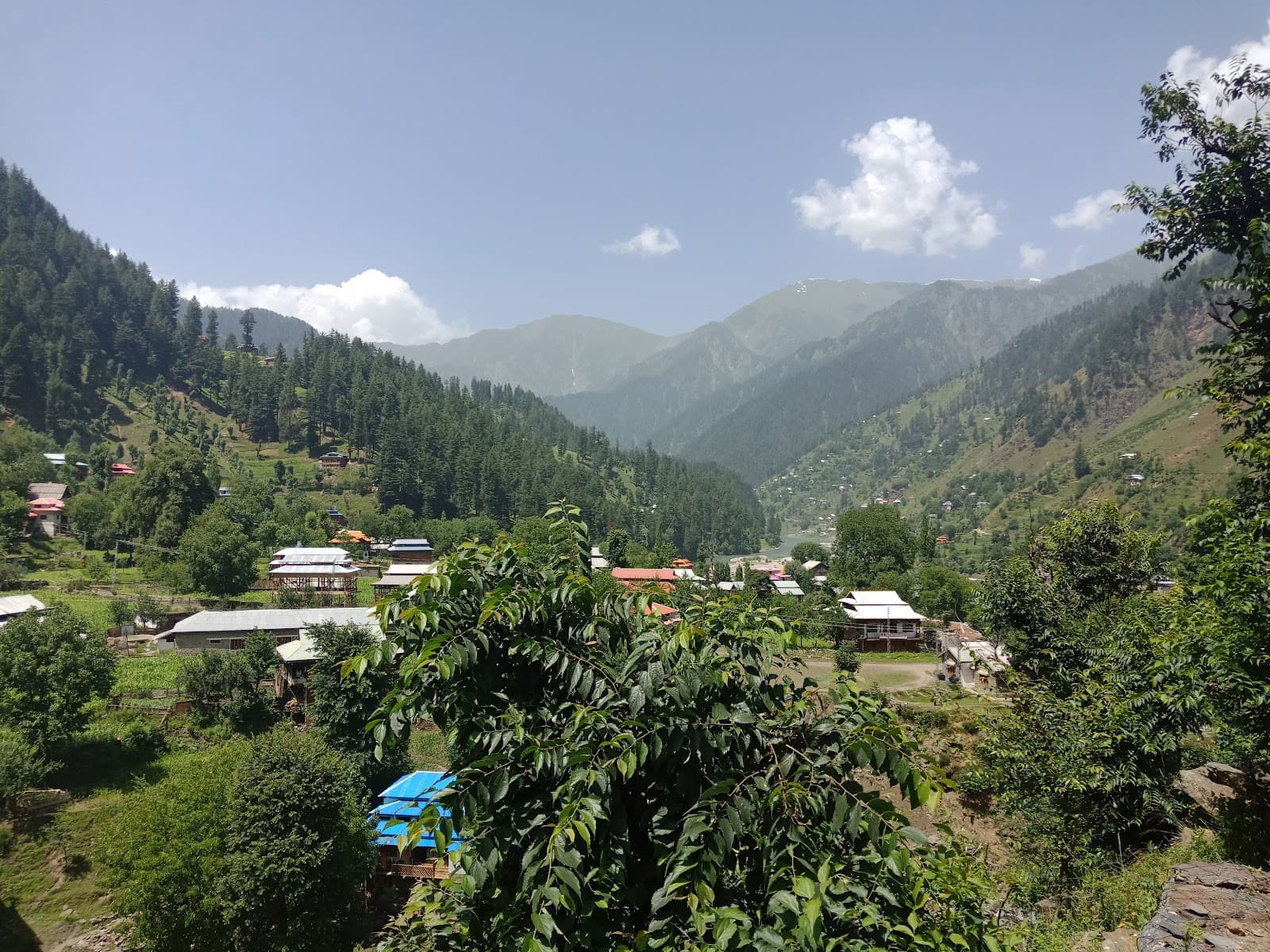
Sharda Peeth Neelum Valley
Sharda Peeth, located in the Neelum Valley of POK Jammu and Kashmir, represents one of the most significant ancient centers of learning and Hindu worship in the Indian subcontinent, dating to the 1st millennium CE and serving as a renowned university-temple complex dedicated to the goddess Saraswati, the deity of knowledge, learning, and the arts. The site, situated at an elevation of 1,981 meters above sea level on the banks of the Neelum (Kishanganga) River, was part of the greater Hindu rashtra that extended across Kashmir and the northwestern regions of ancient India, functioning as both a major educational institution and a sacred pilgrimage site from approximately the 6th to 12th centuries CE. The complex, now in ruins but with substantial structural remains, originally featured a massive stone temple dedicated to Saraswati, surrounded by extensive monastic and educational facilities that attracted scholars from across the Indian subcontinent, Central Asia, and beyond, making it one of the most important centers of Sanskrit learning and Hindu philosophy alongside Nalanda, Taxila, and Vikramashila. Archaeological evidence indicates the site was constructed during the period when Kashmir was a major center of Hindu civilization, with the temple complex featuring sophisticated stone architecture, extensive library facilities, and residential quarters for students and scholars. The site is also recognized as one of the 18 Maha Shakti Peethas, where according to Hindu mythology the right hand of the goddess Sati fell, adding to its religious significance. Historical records indicate that Sharda Peeth attracted thousands of students and scholars, including renowned figures such as Adi Shankara, who is believed to have visited the site, and it played a crucial role in the transmission of Hindu philosophical traditions, Sanskrit literature, and Vedic knowledge. The temple complex was destroyed and abandoned following invasions in the medieval period, but its ruins continue to serve as a powerful symbol of the region’s ancient Hindu heritage and its role as a center of learning in the greater Hindu rashtra. Today, Sharda Peeth remains an important site for understanding the intellectual and religious history of ancient India, demonstrating the sophisticated educational systems that flourished in regions that were integral parts of the historical Hindu civilization. ([1][2])
Quick Links
Plan Your Heritage Journey
Get personalized recommendations and detailed visitor guides