Has Inheritage Foundation supported you today?
Your contribution helps preserve India's ancient temples, languages, and cultural heritage. Every rupee makes a difference.
Secure payment • Instant 80G certificate

Embekka Devalaya Kandy Sri Lanka
Embekka Devalaya, located in Udunuwara, Kandy District, Sri Lanka, stands as a profound testament to India's millennia-spanning cultural heritage, embodying continuous traditions of indigenous architectural and artistic practices. Dedicated primarily to Kataragama Deviyo, also known as Mahasen, and the local deity Devatha Bandara, this monument reflects a deep spiritual and artistic continuum rooted in ancient Indian civilization [1] [2]. The architectural style is a distinctive blend of Kandyan, Dravida, and Indian Wood Carving traditions, showcasing the sophisticated timber construction techniques prevalent in the region for centuries [4] [5]. The complex is renowned for its intricate wooden carvings, particularly within the Hevisi Mandapaya, or Drummer's Hall, which is considered one of the finest examples of medieval carpentry globally [1] [3]. This hall is constructed on a quadrangle stone-faced platform measuring 16.26 meters (52 feet 10 inches) long, 7.92 meters (25 feet 9 inches) wide, and 0.92 meters (3 feet) high [5]. Supporting its high-pitched roof are 32 elaborately carved wooden pillars, each approximately 3.35 meters (11 feet) tall [3] [5]. The medial panels of these pillars feature 128 distinct carvings, complemented by 256 Liyapath Wardana carvings, 64 Pekada Nelum carvings, 30 Balka carvings, and 36 Thalada carvings, totaling 514 individual wood carvings within the Digge alone [5] . These carvings depict a rich array of motifs, including the Hansa Puttuwa (entwined swans), Lanu Gataya (entwined rope), Kisimbi Muna (sneezing face), Liyawala (festoon work), Deva Ruwa (deities), Gijulihiniya (hawk), double-headed eagles, dancing female figures, a mother breast-feeding her child, wrestlers, soldiers on horseback, and mythical creatures such as Serapendiya, Bherunda Pakshiya, Gaja Sinha, and Narilatha [1] [5]. A unique carving depicts an entwined elephant and bull, demonstrating exceptional artistic expertise [1]. The entire structure, including the nails, is crafted entirely from tropical hardwood, a material chosen for its resistance to borer beetles, contributing to the structure's remarkable preservation [1] [4]. A notable engineering innovation is the 'Madol Kurupawa,' a large wooden pin that ingeniously holds 26 rafters together at one end of the Digge roof without the use of any metal fasteners [1] [5] . The Embekka Devalaya complex comprises eight main buildings, including the Vahalkada (main entrance porch), Maha Devalaya (main shrine), Palle Devalaya, Muruthengeya (kitchen), Vee Atuwa (granary), a Buddha shrine, Rittageya (Ambalama), and Sinhasana Geya (throne house) [5]. The Vahalkada, measuring 6.98 meters (22 feet 11 inches) in length and 5.69 meters (18 feet 8 inches) in width, is built on a 0.76-meter (2.5-foot) high quadrangle base and supported by 10 pillars [5]. The Garbha, or sanctum, is an innermost chamber accessible only through the roof level, with entry restricted to the Kapu-mahattaya, the chief priest [5]. The Antharalaya houses historically significant artifacts, including a palanquin and a pair of tusks believed to be offerings from King Vikramabahu III [5]. Conservation efforts have been ongoing, with the Department of Archaeology undertaking significant restoration work since the mid-1940s when the building was in a deteriorated state [5]. The roof of the Maha Devalaya, the entrance porch, and the Palle Devalaya were conserved between 1970 and 1971, followed by the conservation of the Digge in 1978 [5]. More recently, UNESCO-funded workshops in 2013 focused on precise documentation and research methods for wooden structures, emphasizing minimum intervention to preserve the original state of the carvings . The site remains an active place of worship, well-maintained and accessible to visitors, who can observe daily rituals and traditional drumming processions [3] . Embekka Devalaya is a National Heritage Site, continuously maintained and operational, offering a profound connection to India's enduring cultural legacy [5].
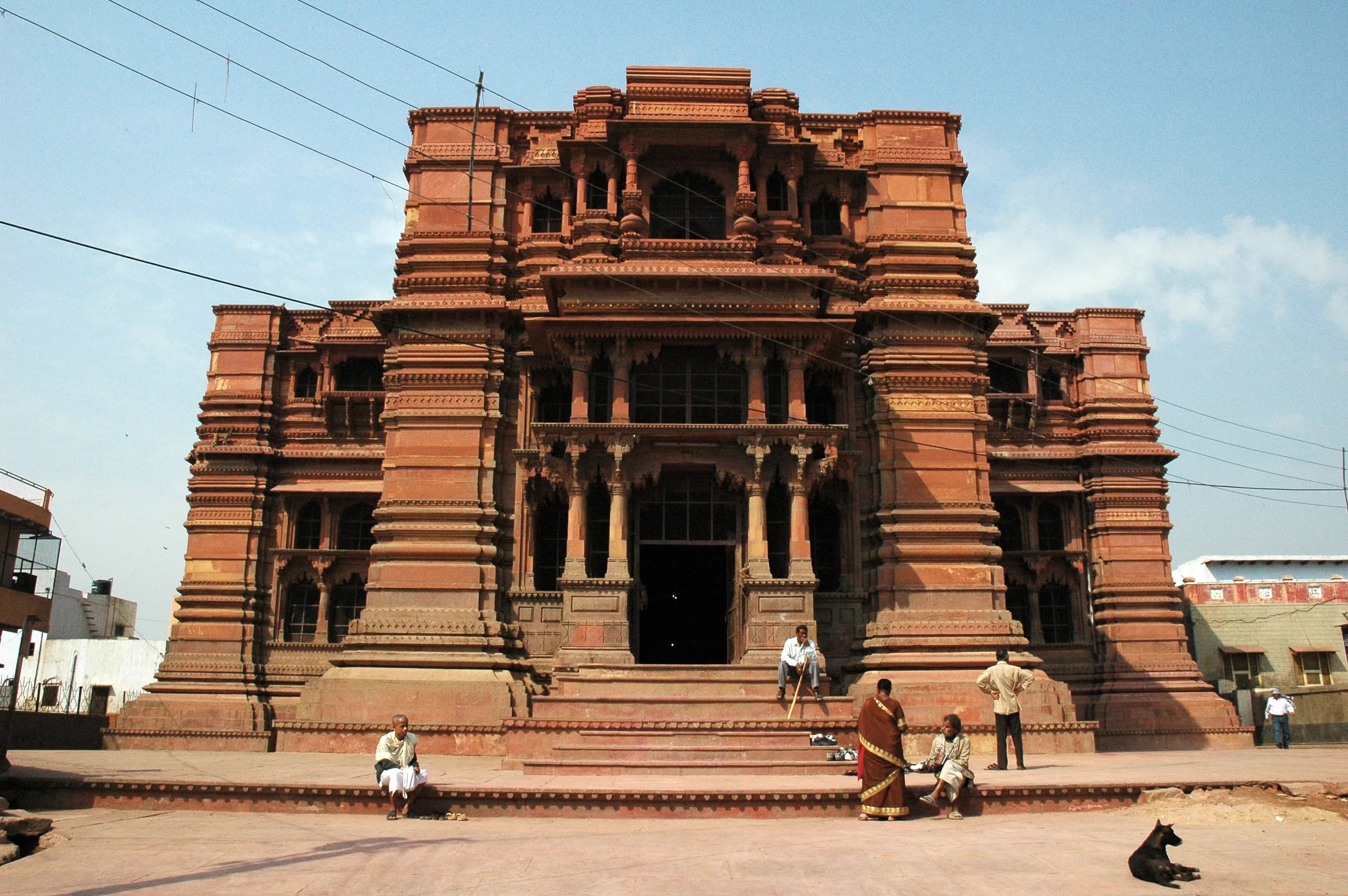
Govind Dev Temple Vrindavan
The red sandstone glowed, almost humming with a palpable energy under the late afternoon sun. Govind Dev Temple in Vrindavan, though no longer in its complete glory, still exudes a majestic aura that transported me back to a Vrindavan of centuries past. Having documented Gujarat's intricate temples for years, I was eager to experience the architectural nuances of this Braj marvel, and I wasn't disappointed. The first thing that struck me was the unique blend of architectural styles. While the temple’s core exhibits a distinctly Rajput influence, reminiscent of some of the grand structures I’ve seen in Rajasthan, the seven-storied structure (now sadly reduced to three) bore a striking resemblance to European architecture, particularly reminiscent of a cathedral. This fusion, I learned, was a result of the Mughal emperor Akbar's relatively tolerant religious policies during the late 16th century, a period that allowed for such cross-cultural architectural experimentation. Stepping inside the pillared hall, which now serves as the main prayer area, I was immediately drawn upwards. The soaring ceilings, even in their truncated state, evoked a sense of grandeur. The intricate carvings on the remaining pillars, depicting scenes from Krishna's life, were a testament to the skill of the artisans. Each carving told a story, each curve and line imbued with devotion. I spent a considerable amount of time tracing these narratives with my fingers, imagining the temple in its original seven-storied splendor. The absence of the upper four stories, destroyed by Aurangzeb in the 17th century, is a poignant reminder of the tumultuous history this temple has witnessed. Yet, the resilience of the structure and the continued devotion of the pilgrims who throng its courtyard speak volumes about its enduring spiritual significance. The air vibrated with chants and the fragrance of incense, creating an atmosphere thick with reverence. The temple complex is built around a rectangular courtyard, and while the main shrine is dedicated to Govind Dev (Krishna), smaller shrines dedicated to Radha and other deities dot the periphery. I observed the local devotees engaging in various rituals, their faces reflecting a deep connection to the divine. The rhythmic clang of bells and the melodic chanting of hymns further intensified the spiritual ambiance. The use of red sandstone, a material I'm intimately familiar with from Gujarat's architectural heritage, lends the temple a warm, earthy hue. However, unlike the intricate, almost lace-like carvings often seen in Gujarati temples, the carvings here are bolder, more pronounced, reflecting a different aesthetic sensibility. The interplay of light and shadow on the sandstone surfaces created a dynamic visual experience, constantly shifting throughout the day. One particular detail that captivated me was the remnants of the original staircase that once led to the upper floors. Though now inaccessible, the sheer scale and craftsmanship of the remaining steps hinted at the lost magnificence of the complete structure. I could almost visualize the devotees ascending those stairs, their hearts filled with anticipation, to reach the inner sanctum. Leaving the temple complex, I carried with me a profound sense of awe and a touch of melancholy. Awe at the architectural brilliance and spiritual energy that permeated the space, and melancholy for the lost grandeur of a structure that once touched the sky. Govind Dev Temple stands as a testament to the enduring power of faith and a poignant reminder of the fragility of our heritage. It is a site that deserves to be experienced, not just seen, and its story, etched in stone and whispered in chants, continues to resonate through the ages.

Reis Magos Fort Panaji
The laterite ramparts of Reis Magos Fort, bathed in the Goan sun, seemed to emanate a quiet strength, a testament to their enduring presence. Perched strategically at the mouth of the Mandovi River, the fort’s reddish-brown walls contrasted sharply with the vibrant green of the surrounding foliage and the dazzling blue of the Arabian Sea beyond. My visit here wasn't just another stop on my architectural journey; it was a palpable connection to a layered history, a whispered conversation with the past. Unlike many of the grander, more ornate forts I’ve explored across India, Reis Magos possesses a distinct character of understated resilience. Built in 1551 by the Portuguese, it served primarily as a protective bastion against invaders, a role mirrored in its robust, functional design. The walls, though not excessively high, are remarkably thick, showcasing the practical approach to defense prevalent in the 16th century. The laterite, a locally sourced material, lends the fort a unique earthy hue, seamlessly blending it with the Goan landscape. This pragmatic use of local resources is a hallmark of many ancient Indian structures, a testament to the ingenuity of the builders. Ascending the narrow, winding staircase within the fort, I was struck by the strategic placement of the gun embrasures. These openings, carefully positioned to offer a commanding view of the river, spoke volumes about the fort's military significance. The views from the ramparts were breathtaking, offering a panoramic vista of the Mandovi River merging with the sea, dotted with fishing boats and modern vessels. It was easy to imagine the Portuguese sentinels scanning the horizon for approaching enemies, the fort serving as their vigilant guardian. The architecture within the fort is relatively simple, devoid of the elaborate carvings and embellishments often found in Mughal or Rajput structures. The focus here was clearly on functionality and defense. The chapel, dedicated to the Three Wise Men (Reis Magos), is a small, unassuming structure, yet it holds a quiet dignity. The stark white walls and the simple altar offer a peaceful respite from the martial atmosphere of the fort. The interplay of light filtering through the small windows created an ethereal ambiance, a stark contrast to the robust exterior. One of the most intriguing aspects of Reis Magos is its layered history. Having served as a prison during the Portuguese era and later under the Indian government, the fort carries within its walls echoes of both confinement and resilience. The restoration work, undertaken meticulously in recent years, has breathed new life into the structure while preserving its historical integrity. The addition of a small museum within the fort further enhances the visitor experience, showcasing artifacts and providing valuable insights into the fort's rich past. As I descended from the ramparts, I couldn't help but reflect on the enduring power of architecture to tell stories. Reis Magos Fort, though smaller and less ostentatious than many of its counterparts, speaks volumes about the strategic importance of Goa, the ingenuity of its builders, and the ebb and flow of history. It's a place where the past and present intertwine, offering a unique and enriching experience for anyone seeking to connect with the rich tapestry of Indian history. The fort stands not just as a relic of a bygone era, but as a living testament to the enduring spirit of Goa. It's a place that stays with you long after you've left, a quiet reminder of the stories whispered within its ancient walls.
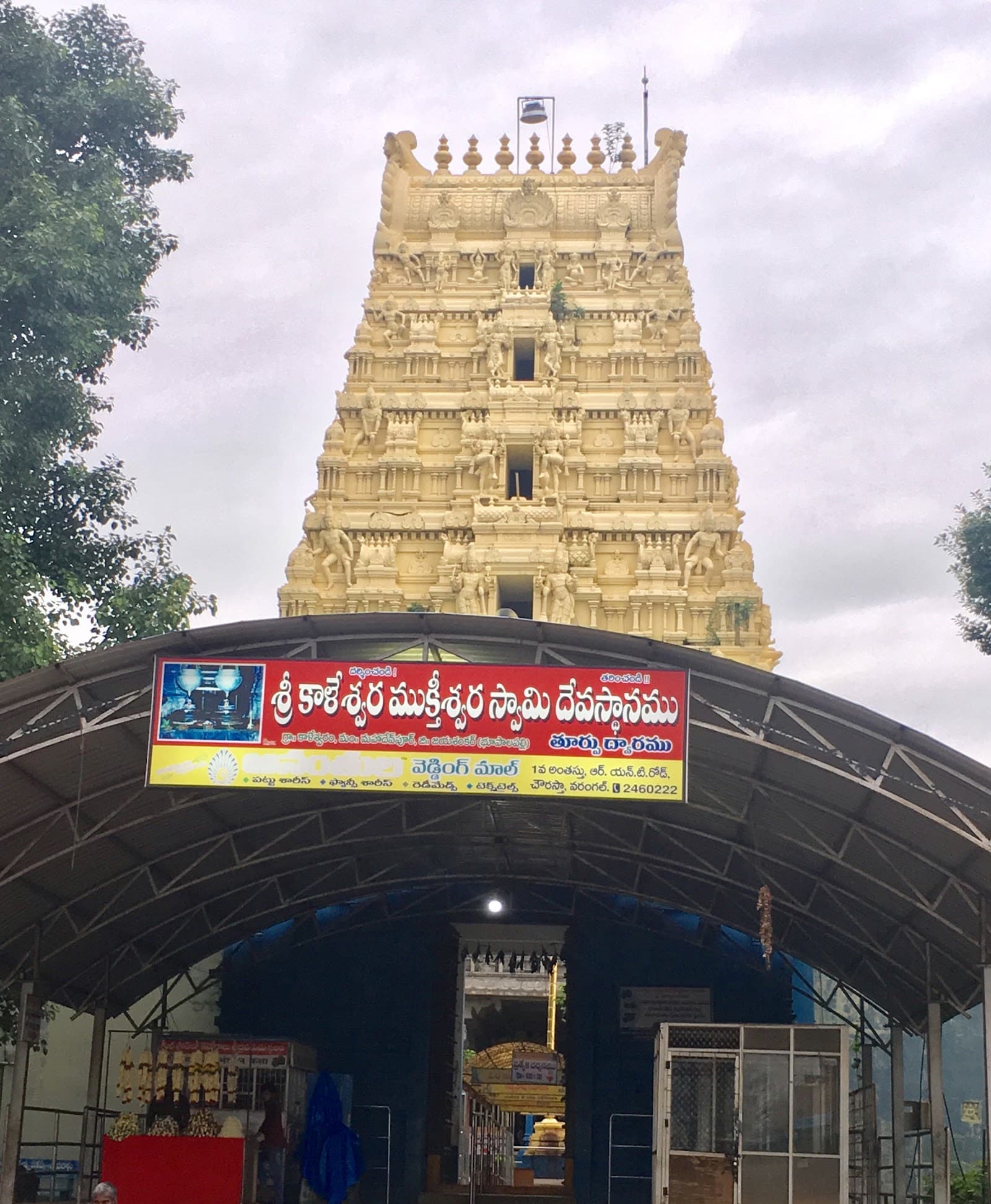
Kaleshwara Mukteswara Temple Kaleshwaram
The confluence of three rivers – the Godavari, Pranahita, and the mythical Saraswati – creates a sacred landscape at Kaleshwaram, where the Kaleshwara Mukteswara Swamy Temple stands as a testament to centuries of devotion and architectural prowess. My recent visit to this Telangana temple left me awestruck by its scale and the intricate details woven into its fabric. The temple complex, recently renovated, sprawls across a vast area, a modern marvel built upon ancient foundations. While the new construction gleams with polished stone, the core sanctums retain the weathered charm of history. The primary deity, Lord Shiva, is worshipped here as Kaleshwara Mukteswara Swamy, a name that resonates with the liberating power of time and divine grace. The temple's layout follows a traditional South Indian pattern, with multiple concentric enclosures or *prakarams* leading to the central shrine. However, the sheer scale of these *prakarams* and the towering *gopurams* (gateways) that punctuate them set Kaleshwaram apart. The use of light-colored stone, predominantly granite, creates a sense of grandeur and purity, amplified by the meticulous carvings that adorn every surface. One of the most striking features of the temple is the intricate sculpture work. Unlike the narrative panels common in many South Indian temples, Kaleshwaram’s carvings focus predominantly on floral motifs, geometric patterns, and divine figures. I noticed a distinct influence of the Chalukyan style in the sculpted *yalis* (mythical beasts) and the elaborate scrollwork that frames doorways and niches. The pillars, too, are marvels of craftsmanship, each one uniquely carved with intricate designs that seem to defy gravity. I spent a considerable amount of time observing the subtle variations in the floral patterns, each petal and leaf rendered with astonishing precision. The main *gopuram*, soaring high above the surrounding landscape, is a breathtaking sight. Its multiple tiers, adorned with vibrant stucco figures of deities and celestial beings, create a powerful visual statement. While the vibrant colours of the stucco work contrast with the muted tones of the stone, they add a layer of dynamism to the overall aesthetic. This interplay of colour and texture, of old and new, is a recurring theme throughout the temple complex. Moving beyond the main shrine, I explored the smaller shrines dedicated to various deities within the complex. The shrine of Goddess Parvati, consort of Lord Shiva, is particularly noteworthy for its elegant simplicity. The smaller *gopuram* leading to this shrine features intricate carvings of female deities and celestial musicians, a testament to the reverence accorded to the feminine principle in Hindu cosmology. My visit to Kaleshwaram wasn't just about observing the architecture; it was an immersion in a living tradition. The temple was bustling with devotees, their chants and prayers creating a palpable sense of devotion. Observing the rituals, the offerings, and the interactions between the priests and the devotees provided a glimpse into the enduring power of faith. The temple, despite its recent renovation, felt deeply connected to the past, a bridge between generations of worshippers. The integration of modern amenities, such as well-maintained pathways, clean restrooms, and clear signage, enhances the visitor experience without detracting from the temple's spiritual aura. This careful balance between preservation and modernization is commendable. Kaleshwaram is more than just a temple; it's a cultural landmark, a testament to the architectural ingenuity and religious fervour of the region. It's a place where history whispers from ancient stones, where faith finds expression in vibrant rituals, and where the confluence of rivers mirrors the confluence of the past, present, and future. My experience at Kaleshwaram was profoundly enriching, leaving me with a deep appreciation for the rich tapestry of South Indian temple architecture and the enduring power of sacred spaces.
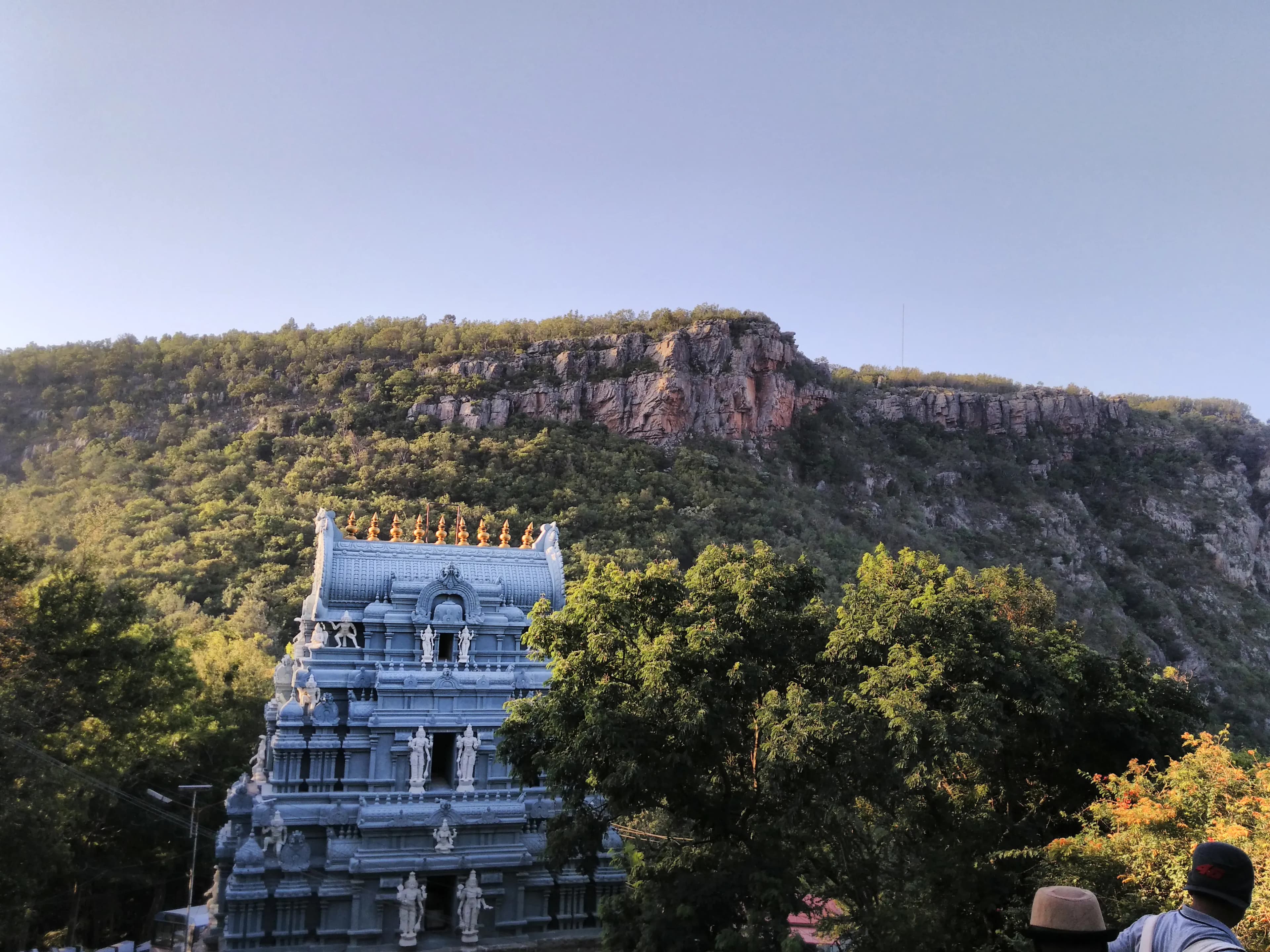
Tirumala Venkateswara Temple Tirupati
The air, thick with incense and anticipation, vibrated with a palpable energy as I ascended the final steps towards the Tirumala Venkateswara Temple. Having explored countless temples across Uttar Pradesh, steeped in the architectural nuances of the Nagara style, I was eager to experience the distinct Dravidian grandeur of this South Indian icon. The sheer scale of the temple complex, nestled amidst the verdant Eastern Ghats, was immediately striking. The towering gopurams, adorned with vibrant depictions of deities and mythical creatures, seemed to pierce the very sky, their kaleidoscopic colours a stark contrast to the muted sandstone hues I was accustomed to back home. The main entrance, guarded by imposing dwarapalakas, led me into a labyrinthine network of courtyards, each buzzing with a unique energy. Devotees from all corners of India, and indeed the world, thronged the pathways, their faces a mixture of devotion, hope, and palpable excitement. The rhythmic chanting of Vedic hymns, punctuated by the clang of bells and the conch's resonant call, created an immersive soundscape that resonated deep within me. I observed the intricate carvings adorning the walls and pillars, a testament to the skill and artistry of the ancient Shilpis. Unlike the flowing lines and curvilinear forms of Nagara architecture, the Dravidian style here emphasized geometric precision and elaborate detailing. The sculptures, depicting scenes from the epics and Puranas, were remarkably lifelike, their expressions conveying a depth of emotion that transcended the stone they were carved from. The queue, though seemingly endless, moved with a surprising efficiency, a testament to the meticulous organization of the temple authorities. As I inched closer to the sanctum sanctorum, the anticipation grew exponentially. The air grew heavy with the scent of sandalwood and camphor, and the chanting intensified, creating an almost hypnotic effect. Finally, after what felt like an eternity, I stood before the deity, Lord Venkateswara, also known as Balaji. The sheer magnificence of the idol, adorned with precious jewels and bathed in the soft glow of oil lamps, was breathtaking. The serene expression on the deity's face, despite the cacophony surrounding him, radiated a sense of profound peace and tranquility. It was a moment of pure, unadulterated devotion, a feeling that transcended religious boundaries. Beyond the spiritual significance, the temple complex itself is a marvel of engineering and logistical management. The sheer volume of pilgrims the temple handles daily is staggering, yet the entire operation runs with remarkable smoothness. From the annadanam, the massive free kitchen that feeds thousands of devotees every day, to the accommodation facilities and security arrangements, every aspect is meticulously planned and executed. I was particularly impressed by the cleanliness and orderliness maintained throughout the complex, despite the constant influx of people. As I descended the steps, leaving the temple behind, I carried with me not just the memory of a sacred space, but also a deep appreciation for the rich cultural heritage of South India. The Tirumala Venkateswara Temple is more than just a place of worship; it is a living testament to the enduring power of faith, a symbol of unity in diversity, and a magnificent example of architectural brilliance. The experience, for me, was a powerful reminder of the interconnectedness of our diverse cultural traditions, a lesson that resonated far beyond the temple walls. The echoes of the chants, the fragrance of the incense, and the serene face of Lord Venkateswara remained etched in my memory, a tangible reminder of the spiritual journey I had undertaken.
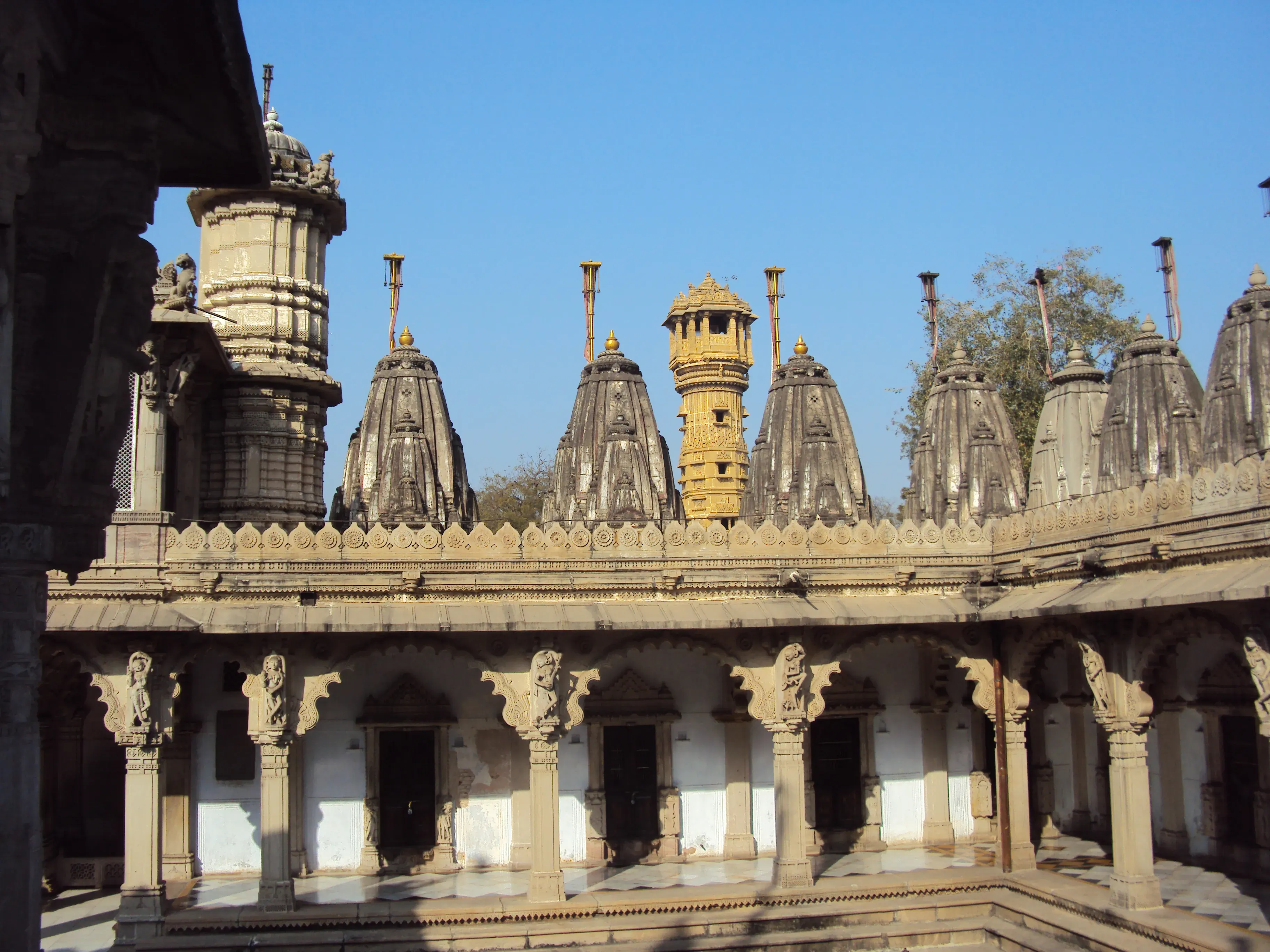
Hutheesing Jain Temple Ahmedabad
The midday sun cast long shadows across the courtyard, dappling the intricately carved marble of the Hutheesing Jain Temple. Stepping through the ornate torana, I felt a palpable shift, a sense of entering a sacred space meticulously crafted for contemplation and reverence. Located in the heart of bustling Ahmedabad, this 19th-century marvel stands as a testament to the enduring artistry of Jain craftsmanship and the devotion of its patrons. My lens, accustomed to the sandstone hues of Madhya Pradesh's ancient monuments, was immediately captivated by the sheer whiteness of the marble. It glowed, almost ethereal, against the azure sky. The main temple, dedicated to Dharmanatha, the fifteenth Jain Tirthankara, is a symphony in stone. Fifty-two intricately carved shrines, each housing a Tirthankara image, surround the central sanctum. The sheer density of the carvings is breathtaking. Floral motifs, celestial beings, and intricate geometric patterns intertwine, creating a visual tapestry that demands close inspection. I spent hours moving from shrine to shrine, my camera attempting to capture the nuances of each individual sculpture, the delicate expressions on the faces of the deities, the flow of the drapery, the minute details that spoke volumes about the skill of the artisans. The temple’s architecture follows the Māru-Gurjara style, a distinctive blend of architectural elements that I found particularly fascinating. The domed ceilings, the ornate pillars, the intricate brackets supporting the balconies – each element contributed to a sense of grandeur and harmony. The play of light and shadow within the temple added another layer of visual interest. As the sun shifted, the carvings seemed to come alive, revealing new details and textures. I found myself constantly repositioning, seeking the perfect angle to capture the interplay of light and form. Beyond the main temple, the courtyard itself is a marvel. The paved floor, polished smooth by centuries of footsteps, reflects the surrounding structures, creating a sense of spaciousness. Smaller shrines and pavilions dot the courtyard, each a miniature masterpiece of carving and design. I was particularly drawn to the Manastambha, a freestanding pillar adorned with intricate carvings, standing tall in the center of the courtyard. It served as a powerful visual reminder of the Jain principles of non-violence and universal compassion. One aspect that struck me was the palpable sense of peace that permeated the temple complex. Despite its location in a busy city, the Hutheesing Jain Temple felt like an oasis of tranquility. The hushed whispers of devotees, the gentle clinking of bells, the rhythmic chanting of prayers – all contributed to an atmosphere of serenity and reverence. It was a stark contrast to the cacophony of the streets outside. As a heritage photographer, I’ve visited countless temples across India, but the Hutheesing Jain Temple holds a special place in my memory. It’s not just the architectural brilliance or the sheer artistry of the carvings, but the palpable sense of devotion and the peaceful atmosphere that truly sets it apart. It’s a place where spirituality and art intertwine, creating an experience that is both visually stunning and deeply moving. My photographs, I hope, will serve as a testament to the enduring beauty and spiritual significance of this remarkable temple, allowing others to glimpse the magic I witnessed within its marble walls.
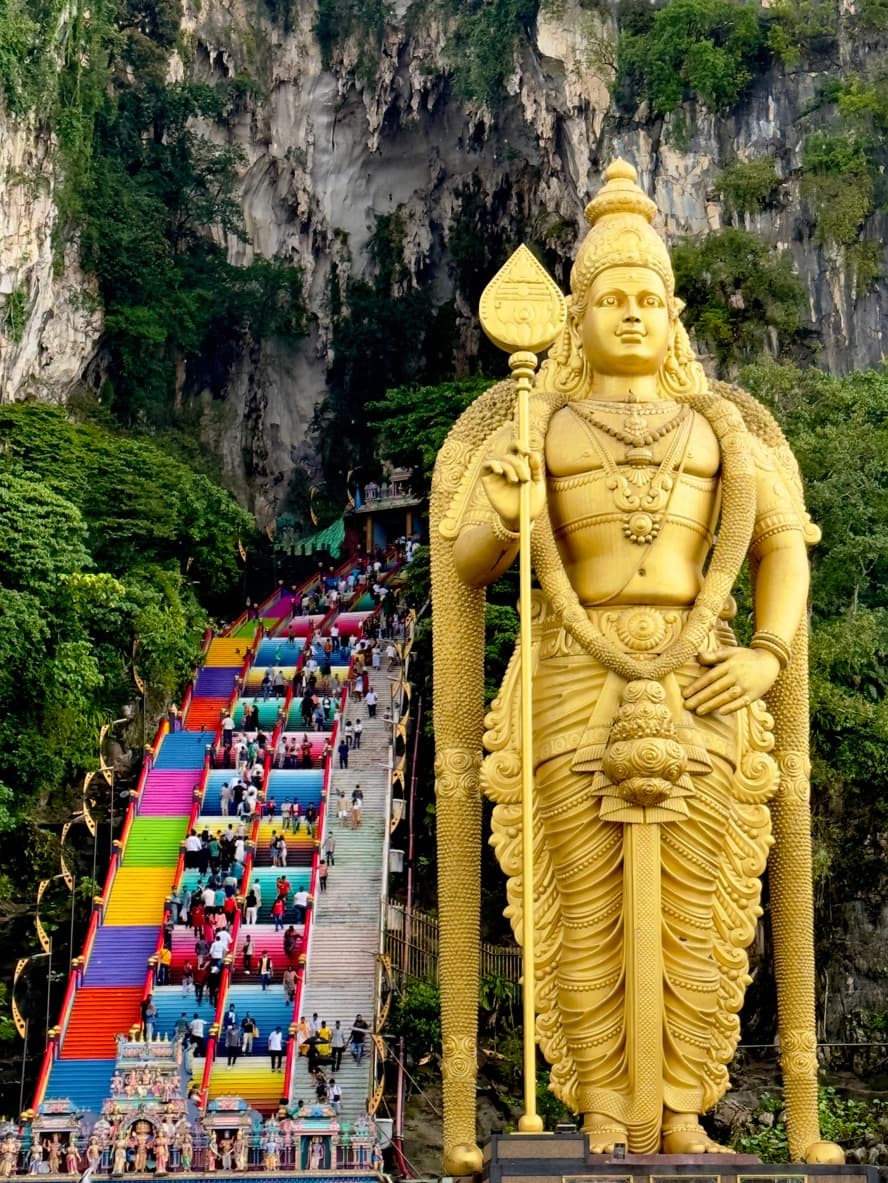
Batu Caves Sri Subramaniar Swamy Temple Selangor
Crowning a limestone karst formation 15 kilometers north of Kuala Lumpur, the Sri Subramaniar Swamy Temple at Batu Caves attracts millions annually to venerate Lord Murugan ([1][2]). Integrating Dravidian temple architecture with natural caves estimated to be 400 million years old, the site presents a unique synthesis of faith and geology ([1]). Ascending 272 vibrantly painted steps, devotees encounter shrines dedicated to Vinayagar, Valli, Deivayanai, and Kasi Viswanathar before reaching the main sanctum in a 90-meter-high cave ([1]). Granite and sandstone blocks, meticulously carved, form the Vimana (temple tower) and Mandapa (pillared hall), housing Murugan's sacred Vel (divine spear) ([3]). The temple adheres to daily rituals, including six Kala Pujas (daily worship rituals) and weekly Abhishekam (sacred bathing) ([1]). During Thaipusam, devotees undertake Kavadi (ceremonial burdens) and Pal Kudam (milk pot) processions, showcasing their devotion ([2]). The vibrant colors and intricate detailing reflect the rich artistic traditions of Dravidian temple architecture ([4]). Furthermore, the foothills accommodate a multipurpose hall, cultural museum, and visitor center, enhancing the visitor experience ([1]). The temple's construction, dating back to 1890 CE during the Colonial Period, demonstrates the enduring influence of Indian architectural styles in Southeast Asia ([5]). The integration of limestone, granite, reinforced concrete, steel, copper Kalashas, and timber illustrates the adaptation of traditional methods to the local environment ([3]). Since 2019, the temple has integrated technology to monitor the cave environment and manage visitor flow, blending spiritual traditions with modern conservation efforts ([3]). This fusion of faith, architecture, and natural wonder establishes Batu Caves as a significant cultural landmark ([2]).
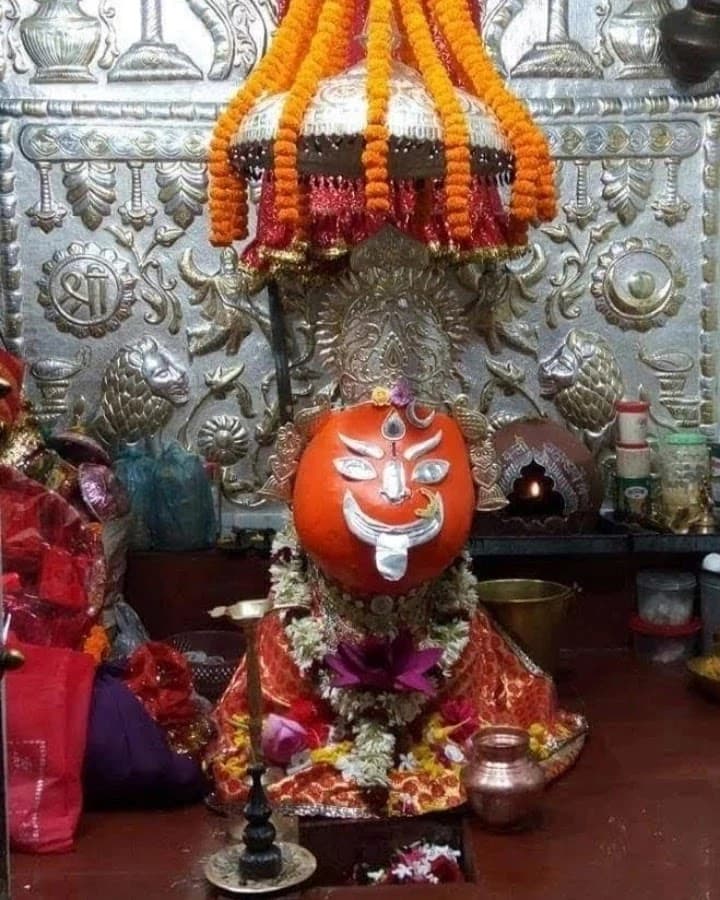
Chandrahasini Devi Temple Janjgir
Nestled atop rugged hills near Janjgir in Chhattisgarh, the Chandrahasini Devi Temple allures devotees with its spiritual significance. During the Kalachuri period, around 1050 CE, the Kalachuri dynasty of Ratnapura constructed this temple dedicated to the goddess Chandrahasini, a form of Devi Durga ([1][2]). Kalinga architecture is prominent in the North Indian style sandstone structure ([3]). Within the Garbhagriha (Sanctum), the image of the goddess radiates a powerful aura ([4]). Intricate carvings embellish the walls, depicting scenes from Hindu mythology and local folklore ([5]). The Shikhara (Spire) connects the earthly and divine realms ([3]). Devotees participate in lively rituals, creating a captivating sensory experience ([4]). Stone platforms and foundations showcase the ancient craftsmanship employed in the temple's construction ([1][5]). Granite and sandstone blocks, meticulously carved, form the temple's elegant structure ([1][5]). The temple's design reflects elements of the Nagara style, common in North Indian temples, characterized by its towering curvilinear spire ([6]). Vedic astronomical principles guided the temple's placement, harmonizing it with the surrounding natural landscape ([7]). The temple's orientation and layout may align with Vastu Shastra principles, the ancient Indian science of architecture, though specific textual references require further investigation ([7]). The Chandrahasini Devi Temple embodies the rich cultural and architectural heritage of Chhattisgarh and stands as a testament to the artistic and spiritual traditions of the Kalachuri dynasty ([2][5]). This temple continues to be a vibrant center for religious practices and a symbol of the region's historical identity ([4]).
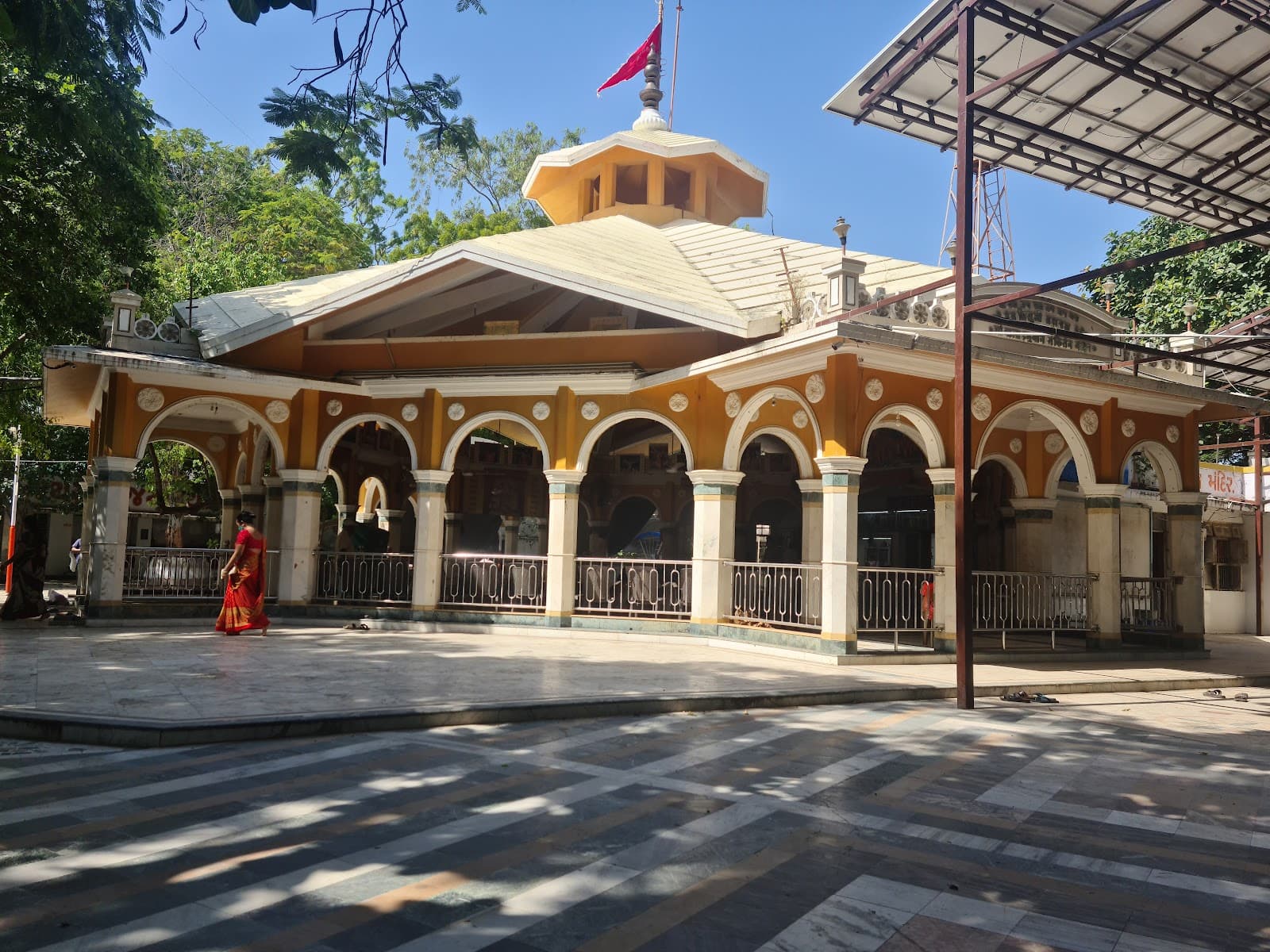
Bala Hanuman Mandir Jamnagar
The Bala Hanuman Mandir in Jamnagar, Gujarat, resonates with the continuous chanting of "Sri Ram, Jai Ram, Jai Jai Ram" since 1964, a feat recognized by the Guinness World Records ([1][2]). This 20th-century temple, built during the British Colonial Period, stands as a testament to unwavering devotion and community spirit ([2][3]). While not adhering to strict UNESCO architectural guidelines, its design incorporates regional materials and vernacular styles, reflecting the local Gujarati traditions ([4]). Dedicated to Lord Hanuman, the temple provides a serene space for devotees. Within the Garbhagriha (sanctum sanctorum), a vibrant idol of Lord Hanuman, adorned in traditional orange robes, captivates the eye ([4]). Intricate carvings adorning the walls depict scenes from the Ramayana, enriching the temple's spiritual ambiance ([5]). The continuous chanting, a form of devotional practice known as 'Ajapa Japa', creates a powerful spiritual atmosphere ([1]). During the British Colonial Period, the Bala Hanuman Mandir served as a focal point for the local community, fostering a sense of unity and shared faith ([3]). Stories abound of devotees finding solace and connection within its walls ([1]). Vastu Shastra principles, the ancient Indian science of architecture, may have subtly influenced the temple's layout, promoting harmony and positive energy, though specific textual references are currently undocumented. Leaving the Bala Hanuman Mandir, visitors carry with them a profound sense of collective devotion, a reminder of the enduring power of faith ([2][5]). The temple's simple yet resonant structure provides a compelling glimpse into the region's religious practices and cultural heritage ([3][4]).

Durga Mandir Serchhip
The emerald hills of Mizoram cradled Serchhip, a town I hadn't known existed until my editor suggested it. My focus, as always, was on architecture, and the Durga Mandir, nestled within this unexpected landscape, proved a fascinating anomaly. It wasn't the towering, ornate structure I'd grown accustomed to in Gujarat. Instead, it possessed a quiet dignity, a subtle blend of traditional Mizo architecture and North Indian temple influences, reflecting the unique cultural confluence of this region. The temple’s location itself was striking. Unlike the grand temple complexes of Gujarat often situated in bustling city centers or on riverbanks, the Durga Mandir occupied a more secluded spot, slightly removed from the town's main thoroughfare. A short climb up a gentle slope, flanked by trees, led to the temple grounds, offering a sense of peaceful detachment from the world below. This approach, I realized, mirrored the spiritual journey itself – a movement away from the mundane towards the sacred. The structure was primarily built of brick, painted a cheerful salmon pink, a stark contrast to the surrounding greenery. The shikhara, the tower above the sanctum sanctorum, was noticeably different from the curvilinear forms I’d seen in Gujarat’s temples. Here, it was a pyramidal structure, tiered and tapering towards the apex, reminiscent of the traditional Mizo houses. This adaptation, I felt, was a testament to the local craftsmen who had likely incorporated their own architectural vocabulary into the temple's design. The entrance to the temple was through a modest arched gateway, leading into a small courtyard. The courtyard, paved with simple stone slabs, was surprisingly intimate. It lacked the elaborate carvings and sculptures that adorn many Gujarati temples, but this simplicity had its own charm. It allowed the focus to remain firmly on the main shrine. The main shrine housed the deity of Durga, a powerful symbol of feminine energy. The idol, though smaller than the monumental representations I’d seen elsewhere, held the same aura of reverence. The interior of the shrine was relatively plain, with minimal ornamentation. The walls were painted a soft yellow, creating a warm, inviting atmosphere. The absence of excessive decoration, I realized, amplified the spiritual energy within the space. What truly captivated me was the intricate woodwork adorning the temple’s eaves and pillars. The Mizo people are renowned for their woodcarving skills, and the Durga Mandir showcased this artistry beautifully. Floral motifs and geometric patterns were intricately carved into the wood, adding a layer of delicate beauty to the otherwise simple structure. These carvings, I learned, were not merely decorative; they held symbolic meanings, narrating stories from Hindu mythology and local folklore. As I sat in the quiet courtyard, observing the interplay of light and shadow on the temple walls, I reflected on the unique character of this sacred space. It wasn't a grand spectacle of architectural prowess like the temples of my homeland. Instead, it was a quiet testament to the harmonious blending of cultures, a symbol of faith adapting and flourishing in a new environment. The Durga Mandir in Serchhip wasn't just a temple; it was a story etched in brick and wood, a narrative of cultural exchange and spiritual adaptation, a story that resonated deeply with me. It served as a powerful reminder that architectural marvels can be found in the most unexpected places, often whispering stories more profound than their grander counterparts. My journey to Mizoram, initially driven by architectural curiosity, had unexpectedly transformed into a cultural exploration, enriching my understanding of India's diverse spiritual landscape.
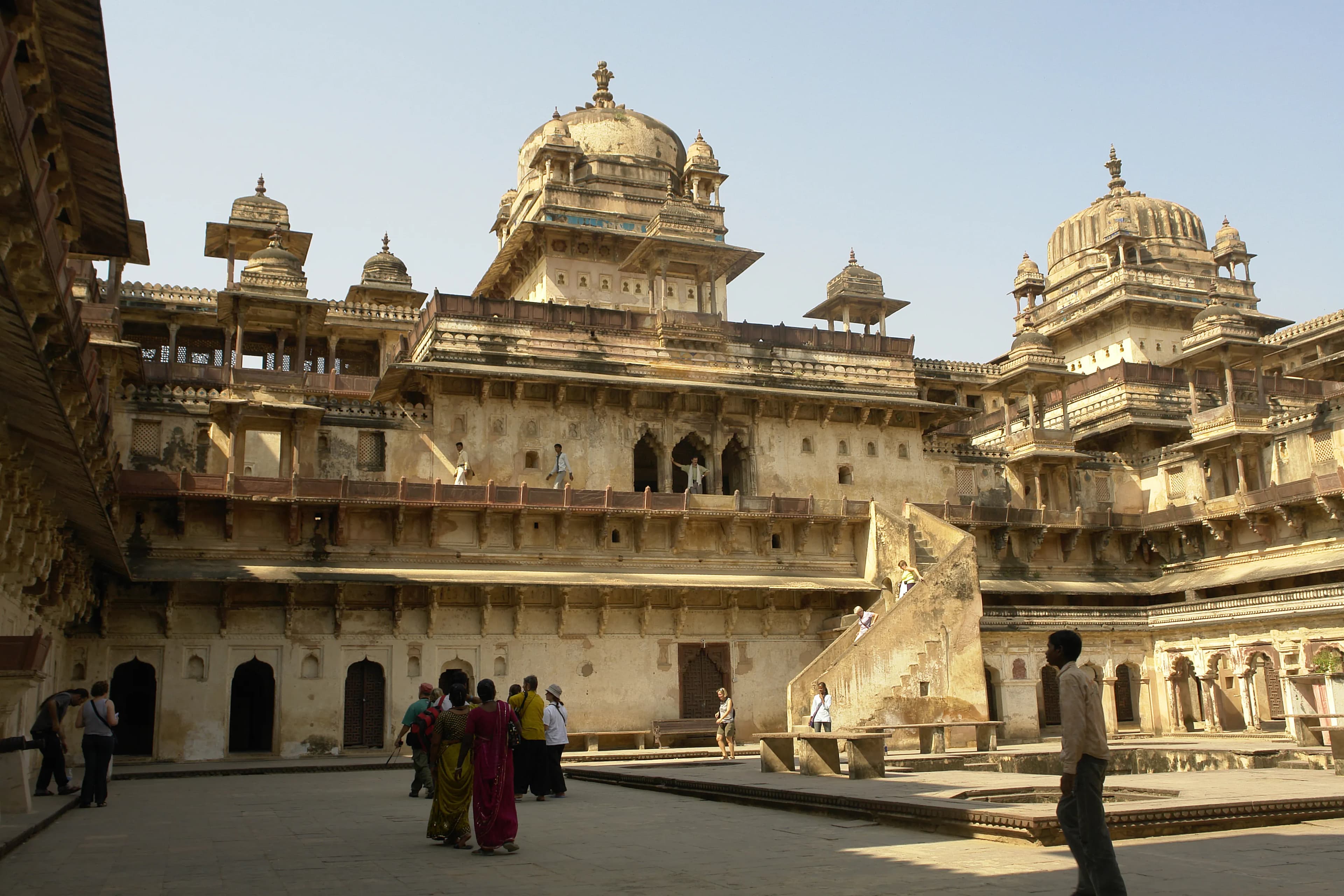
Jahangir Mahal Orchha
The imposing sandstone edifice of Jahangir Mahal rose before me, a testament to Mughal grandeur amidst the quiet town of Orchha, Madhya Pradesh. Having explored every UNESCO site in India, I can confidently say that this palace holds a unique charm, a blend of Rajput and Mughal architectural styles that speaks volumes about the confluence of cultures that shaped this region. The sheer scale of the structure is initially overwhelming. Its massive walls, punctuated by intricately carved chhatris and jharokhas, seem to stretch endlessly towards the cerulean sky. Stepping through the colossal gateway, I was transported back in time. The courtyard, vast and open, whispered stories of royal processions and grand durbars. The silence, broken only by the chirping of birds and the distant hum of the Betwa River, allowed me to truly absorb the atmosphere. I could almost envision the Mughal emperor Jahangir, for whom the palace was built, holding court here, surrounded by his entourage. The architecture of Jahangir Mahal is a fascinating study in contrasts. The robust, almost fortress-like exterior, a characteristic of Rajput architecture, gives way to surprisingly delicate and ornate interiors. The walls are adorned with intricate geometric patterns, floral motifs, and depictions of animals, showcasing the Mughal influence. I was particularly captivated by the exquisite tilework, predominantly in shades of turquoise and blue, that added a vibrant splash of colour to the sandstone backdrop. I ascended the steep, narrow staircases, each step worn smooth by centuries of footfalls. The climb was rewarded with breathtaking panoramic views of Orchha and the surrounding countryside. From this vantage point, the strategic importance of the Mahal became clear. The elevated position offered a commanding view of the Betwa River and the surrounding plains, allowing for early detection of approaching armies. Exploring the various chambers and halls, I noticed the clever use of light and ventilation. Despite the thick walls and the scorching Madhya Pradesh sun, the interiors remained relatively cool. The strategically placed jharokhas, besides their aesthetic appeal, allowed for cross-ventilation, while the intricate jaalis cast beautiful patterns of light and shadow on the floors and walls. One of the most striking features of the Mahal is the series of interconnected courtyards, each with its own distinct character. Some were intimate and secluded, perhaps meant for private gatherings, while others were grand and open, designed for public audiences. I spent a considerable amount of time simply wandering through these courtyards, imagining the lives of the people who once inhabited this magnificent palace. The chhatris, those elegant domed pavilions that crown the roof, are perhaps the most iconic element of Jahangir Mahal. These structures, with their intricate carvings and delicate arches, add a touch of ethereal beauty to the otherwise robust structure. Standing beneath one of these chhatris, gazing out at the sprawling landscape, I felt a profound sense of connection to the past. My visit to Jahangir Mahal was more than just a sightseeing trip; it was a journey through time. It was a chance to witness the grandeur of the Mughal empire and the architectural ingenuity of a bygone era. While I have been fortunate enough to experience the magnificence of all of India's UNESCO World Heritage Sites, Jahangir Mahal, with its unique blend of architectural styles and its palpable sense of history, holds a special place in my memory. It's a must-see for anyone seeking to understand the rich tapestry of Indian history and culture.
Puri Palace Puri
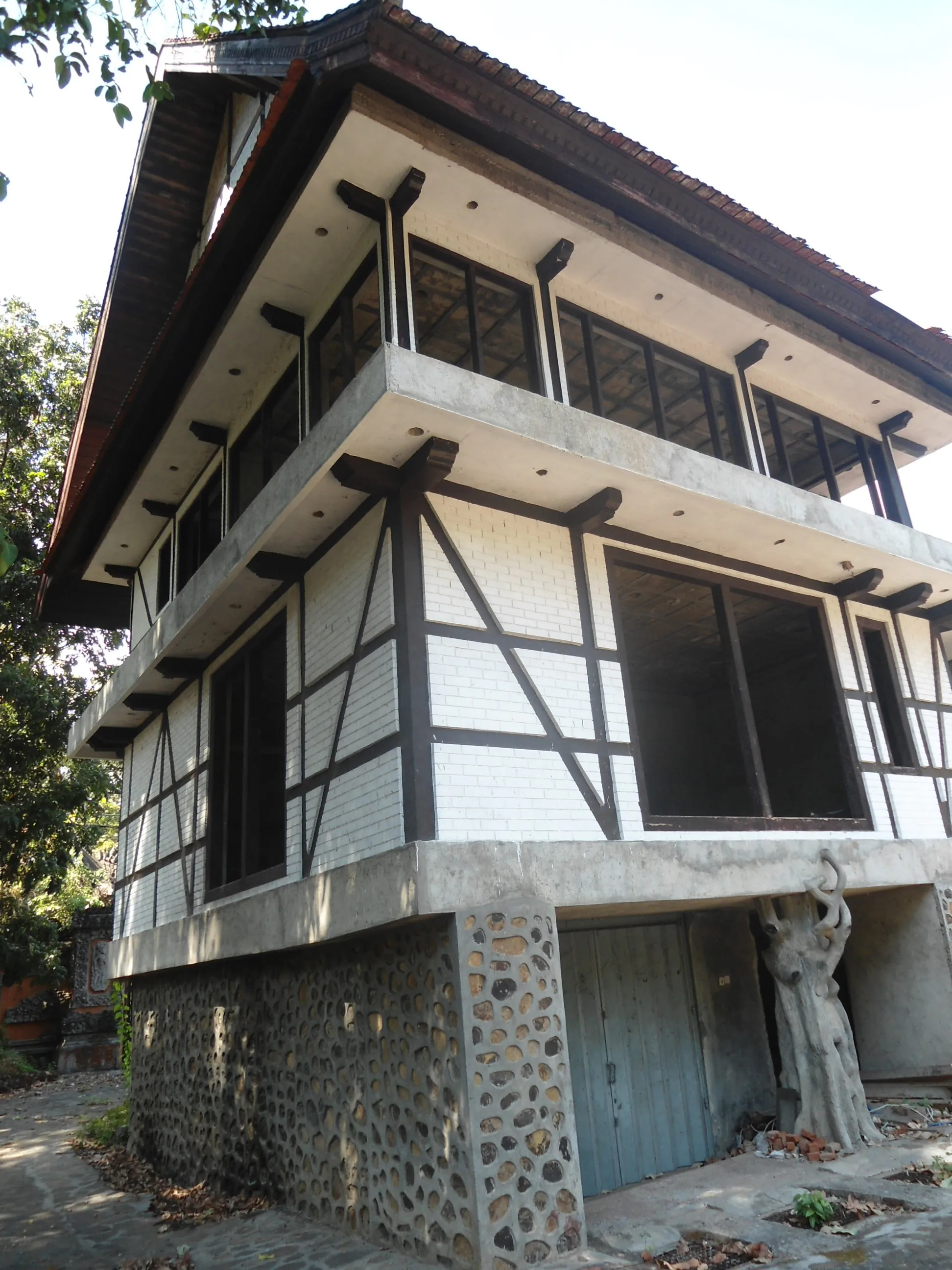
Puri Palace, situated on Chakra Tirtha Road in Puri, Odisha, stands as a significant testament to India's millennia-spanning cultural heritage, embodying a continuous tradition of indigenous architectural and cultural practices [1]. While the current structure largely reflects renovations and expansions from the 19th and early 20th centuries, its foundational significance is deeply rooted in the ancient Eastern Ganga Period, celebrating India's enduring legacy [1]. The palace's architecture presents a compelling blend of traditional Kalinga styles and colonial influences, showcasing a layered history of design evolution [1]. It incorporates elements characteristic of the Nagara architecture style, particularly the Deula architecture prevalent in Indic temple construction, which is evident in its intricate carvings and pyramidal roof forms [1] [4]. The imposing facade, predominantly white, features symmetrical arrangements punctuated by intricately carved balconies and jharokhas, which are traditional projecting windows, reflecting Odisha's rich artistic heritage [1]. Delicate floral patterns and mythical figures are meticulously etched into the sandstone, narrating silent tales of devotion and royal patronage [1]. The palace spans an area of approximately 20,438.66 square meters, with a height of 9.1 meters, a width of 82.81 meters, and a length of 1667.3 meters, indicating a vast complex [1]. Construction primarily utilized laterite stone, a common material in Odishan temples, joined with lime mortar [1]. Sandstone was employed for structural elements such as columns, beams, and decorative facades, while wood was used for roofing structures, doors, and window frames [1]. Iron and copper were strategically incorporated for clamps, dowels, and decorative elements, providing both reinforcement and resistance to the saline coastal environment [1]. The construction techniques involved a raised platform foundation, created by compacting layers of earth mixed with lime and laterite fines, crucial for stability in the coastal climate and against waterlogging [1]. The porous nature of laterite provides natural insulation, and the breathable lime mortar helps regulate humidity, demonstrating sophisticated environmental responsiveness [1]. Inside, the palace features cool marble floors, high ceilings adorned with ornate chandeliers, and antique furniture, preserving the original character despite modernization [1]. The Archaeological Survey of India (ASI) protects this historic palace, with ongoing conservation efforts ensuring its preservation [1]. Restoration work, particularly at the adjacent Jagannath Temple, which is integral to the palace complex, focuses on structural stabilization, repairs to the Jagamohan (assembly hall), stone carving restoration, and conservation of murals, addressing damage from natural weathering and cyclones [1] [3]. Archaeological excavations within the palace complex have unearthed remnants of earlier structures, including a 12th-century temple predating the current Jagannath Temple, along with fortifications and pottery shards, offering glimpses into the daily lives of past inhabitants [1]. The site is well-maintained, with visitor facilities available, though accessibility for wheelchair users is gradually improving and requires prior confirmation due to uneven surfaces and crowds [1]. The palace remains operationally ready, welcoming visitors to experience its profound historical and architectural depth [1].
Quick Links
Plan Your Heritage Journey
Get personalized recommendations and detailed visitor guides