Has Inheritage Foundation supported you today?
Your contribution helps preserve India's ancient temples, languages, and cultural heritage. Every rupee makes a difference.
Secure payment • Instant 80G certificate
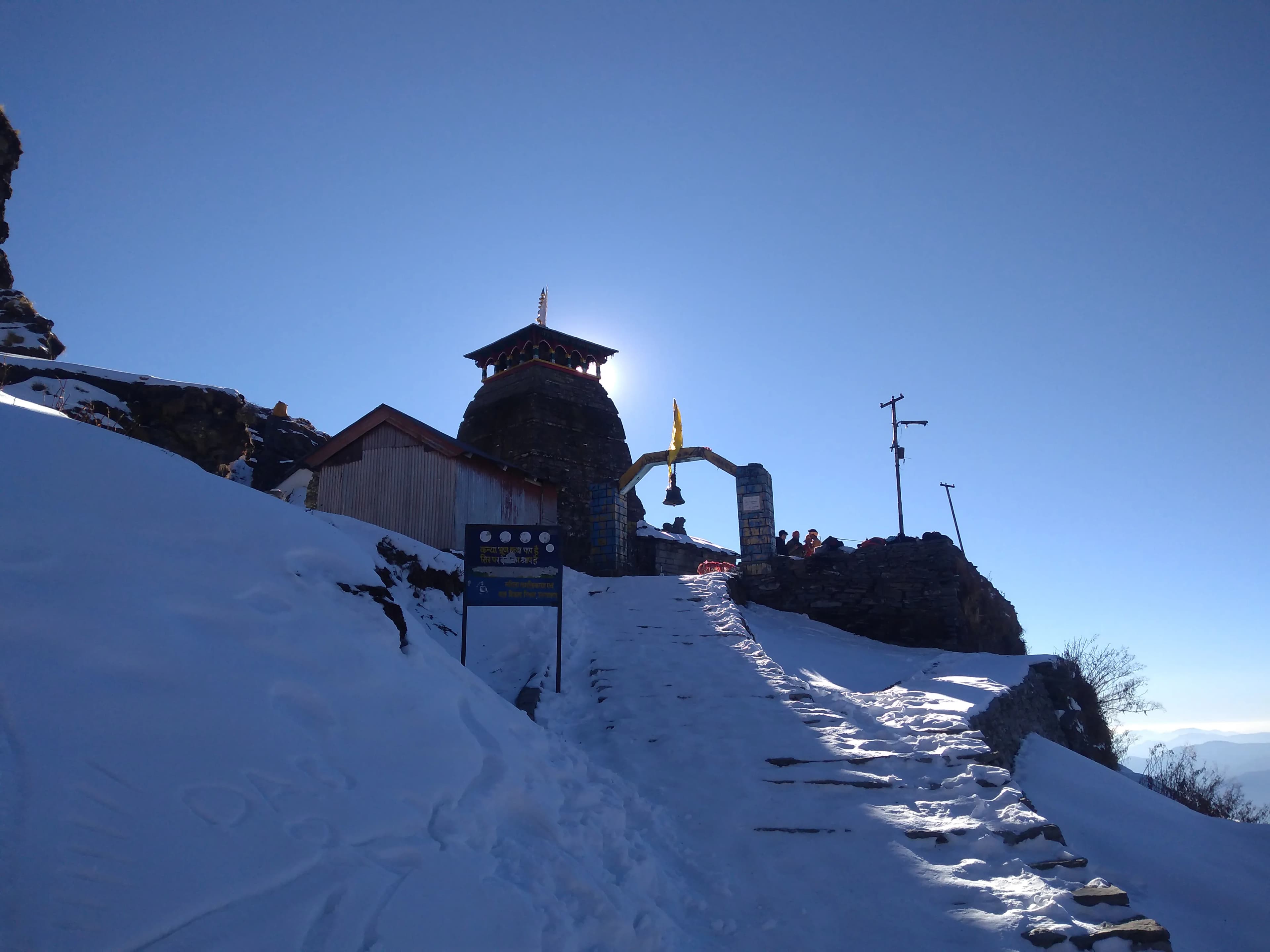
Tungnath Temple Rudraprayag
The biting wind whipped at my shawl as I crested Chandrashila peak, the snow-capped Himalayas stretching out before me like a rumpled white sheet. Below, nestled amongst the undulating brown hills, sat Tungnath, the highest Shiva temple in the world. Having explored countless forts and palaces back in Rajasthan, I was eager to experience this unique high-altitude shrine, a stark contrast to the desert architecture I was accustomed to. The trek down from Chandrashila was steep, the path winding through alpine meadows still dotted with patches of snow despite it being late spring. The air was thin, each breath a conscious effort, but the anticipation of reaching Tungnath spurred me onward. The temple finally came into full view, a small, unassuming stone structure, dwarfed by the majestic peaks surrounding it. Its simplicity was striking, a far cry from the ornate carvings and sprawling complexes of Rajasthan's temples. Built of grey stone, the temple’s architecture reflects the North Indian style, a compact square structure with a sloping roof. Unlike the sandstone and marble I was used to, the stone here felt ancient, weathered smooth by centuries of harsh weather. The small wooden door, studded with iron, seemed almost too modest for a deity of Shiva's stature. Entering, I found myself in a dimly lit sanctum. The air was thick with the scent of incense and the murmur of prayers. The small Shiva lingam, the object of worship, resided at the center, worn smooth by the touch of countless devotees. The walls, though plain, bore witness to the passage of time, with faint traces of what might have once been intricate carvings, now lost to the elements. The priest, bundled in layers of wool, performed the rituals with a practiced ease, his voice resonating in the small space. The handful of other pilgrims present, their faces flushed from the climb, radiated a quiet devotion. There was a palpable sense of peace here, a serenity that transcended the physical hardships of the journey. Stepping back outside, I circumambulated the temple, the wind now a constant companion. The panoramic views from this vantage point were breathtaking. The snow-capped peaks of Nanda Devi, Trishul, and Kedarnath pierced the azure sky, their icy slopes gleaming in the afternoon sun. It was easy to understand why this remote location was chosen as a place of worship. The raw, untamed beauty of the Himalayas felt profoundly spiritual, a fitting backdrop for a temple dedicated to the god of destruction and creation. The architecture of Tungnath, while simple, is remarkably resilient. The interlocking stones, held together without mortar, have withstood centuries of harsh weather, a testament to the ingenuity of the builders. The small size of the temple, perhaps dictated by the challenging terrain, adds to its charm, creating an intimate space for worship. It stands in stark contrast to the grand temples of Rajasthan, a reminder that spirituality isn't confined to elaborate structures but can be found in the most austere of settings. As I began my descent, I couldn't help but feel a sense of awe. Tungnath is more than just a temple; it's an experience. The arduous trek, the breathtaking views, the simple yet powerful architecture, and the palpable sense of devotion combine to create something truly unique. It's a place where the earth meets the sky, where the physical and the spiritual converge, leaving an indelible mark on the soul of every visitor. It reminded me that while the architectural expressions of faith may differ across India, the underlying devotion remains the same, a powerful force that draws people to these sacred spaces, be it a desert fort or a Himalayan peak.
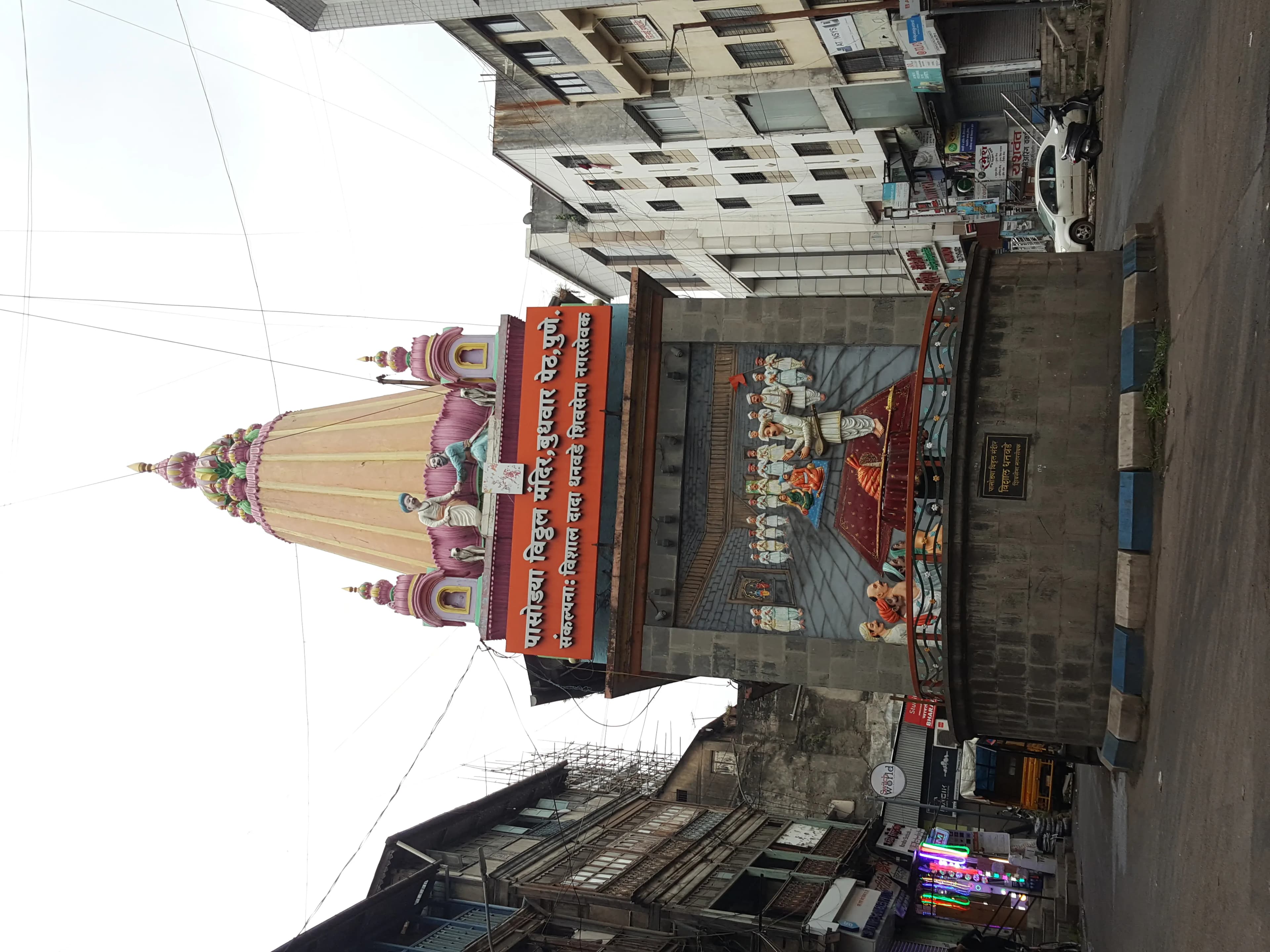
Vitthal Temple Pandharpur
The Pandharpur sun beat down mercilessly, but the heat seemed to evaporate as I stepped into the shadowed courtyard of the Vitthal Temple. A palpable energy, a hum of devotion, vibrated through the air, a stark contrast to the quiet reverence I'm accustomed to in the terracotta temples of Bengal. This was not just a temple; it was a living, breathing entity, pulsating with the fervent prayers of the Warkaris, the pilgrims who flock here to worship their beloved Vithoba. The temple's architecture, while undeniably captivating, doesn't adhere to the strict shastras I'm familiar with. It's an eclectic blend, a testament to centuries of additions and renovations, reflecting the evolving devotion of its patrons. The main entrance, the Mahadwar, is relatively modest, almost understated, a narrow passage leading into the heart of the complex. It's flanked by two deepmala, lamp-holding pillars, their intricate carvings worn smooth by time and touch. Above the doorway, a small image of Garuda, Vishnu's mount, looks down, a silent sentinel. Passing through the Mahadwar, I found myself in a large, open courtyard, paved with flagstones polished smooth by countless feet. The main shrine, housing the iconic black stone image of Vitthal, or Vithoba, stands on a brick plinth, accessible by a flight of stone steps. Unlike the towering shikharas of North Indian temples, the Vitthal temple has a relatively flat roof, crowned by a small, gilded dome. This unique feature, I learned, allows devotees to climb onto the roof and have a closer darshan, a direct visual connection with the deity, a practice rarely seen elsewhere. The simplicity of the exterior, however, belies the richness within. The sabhamandap, the assembly hall, is supported by intricately carved wooden pillars, each a masterpiece of craftsmanship. Floral motifs, mythical creatures, and scenes from the epics intertwine, narrating stories in wood and stone. The pillars, though darkened with age, retain a surprising vibrancy, a testament to the quality of the wood and the skill of the artisans. The garbhagriha, the sanctum sanctorum, is small and dimly lit, creating an atmosphere of profound intimacy. Vithoba, arms akimbo, stands on a brick, his enigmatic smile captivating all who gaze upon him. The air is thick with incense and the murmur of prayers, a sensory overload that amplifies the spiritual charge of the space. What struck me most about the Vitthal Temple was its accessibility. Unlike many temples where access is restricted, here, devotees are encouraged to interact directly with the deity. They can touch the feet of Vithoba, offer him tulsi leaves, and even whisper their prayers directly into his ear. This tangible connection, this sense of immediacy, is what sets Pandharpur apart. As I left the temple, the setting sun casting long shadows across the courtyard, I felt a profound sense of peace. The Vitthal Temple is not just a monument of stone and wood; it's a testament to the enduring power of faith, a place where architecture facilitates a direct, personal connection with the divine. It’s a far cry from the grand, structured temples of my homeland, yet it resonates with a different, equally powerful, spiritual energy. The experience was a reminder that architecture, at its best, is not just about aesthetics, but about creating spaces that nurture the human spirit.

Sivasagar Fort Sivasagar
The imposing ramparts of Sivasagar Fort, or rather, what remains of them, rose before me under the vast Assamese sky. Brick-red against the verdant landscape, they spoke of a grandeur that time and the elements had gnawed at, yet failed to completely erase. This wasn't the imposing, fully intact fortress I'd encountered in other parts of India. Sivasagar presented a different kind of beauty, a poignant echo of the Ahom kingdom's power. My journey through the complex began at the main entrance, a crumbling archway that felt more like a portal to the past than a functional gateway. The once formidable walls, now breached in places, allowed glimpses of the inner sanctum. The sheer scale of the fort, even in its ruined state, was breathtaking. It sprawled across a vast area, hinting at the bustling life it once contained. The ground beneath my feet, uneven and overgrown, was a tapestry of brick fragments and tenacious weeds, a testament to nature's slow reclamation. The central structure, known as the Talatal Ghar, immediately drew my attention. Unlike the exposed brickwork of the outer walls, the Talatal Ghar was earth-covered, its multi-tiered roof rising like a stepped pyramid. This subterranean marvel, I learned, served as a royal residence and a military bunker. The cool, damp air within its chambers contrasted sharply with the sun-drenched exterior. Light filtered through narrow openings, casting long shadows that danced on the aged walls, adding an air of mystery. I could almost hear the whispers of history echoing in the silence. Climbing the narrow, worn staircases within the Talatal Ghar was an adventure in itself. Each step felt laden with stories, each landing a stage for imagined scenes of royal life. The views from the upper levels, though partially obscured by vegetation, offered a panoramic vista of the surrounding landscape. I could envision the Ahom kings surveying their domain from these very vantage points, their power radiating outwards like ripples in a pond. Adjacent to the Talatal Ghar stood the Rang Ghar, a two-storied pavilion used for royal sports and entertainment. Its unique octagonal shape, a departure from the typical rectangular structures I'd encountered in other forts, was a testament to the Ahom kingdom's distinct architectural style. The intricate carvings on the remaining portions of the pavilion hinted at a rich artistic tradition, a glimpse into the cultural tapestry of the era. I spent a considerable amount of time photographing the delicate motifs, trying to capture the essence of this bygone artistry. Further exploration revealed the remnants of other structures – stables, storehouses, and perhaps even temples. The scattered fragments of pottery and terracotta figures I stumbled upon added another layer to the narrative, whispering tales of daily life within the fort's walls. These weren't just ruins; they were pieces of a puzzle, each contributing to a larger picture of a vibrant past. As the sun began its descent, casting long shadows across the grounds, I found myself drawn back to the ramparts. The warm hues of the setting sun bathed the crumbling walls in a golden glow, creating a scene of ethereal beauty. Standing there, amidst the whispers of history, I felt a profound connection to the past. Sivasagar Fort wasn't just a collection of ruins; it was a living testament to the rise and fall of a kingdom, a poignant reminder of the impermanence of power, and a celebration of the enduring spirit of a people. My lens, though it could capture the visual beauty, could only hint at the depth of history and emotion that permeated this ancient site.
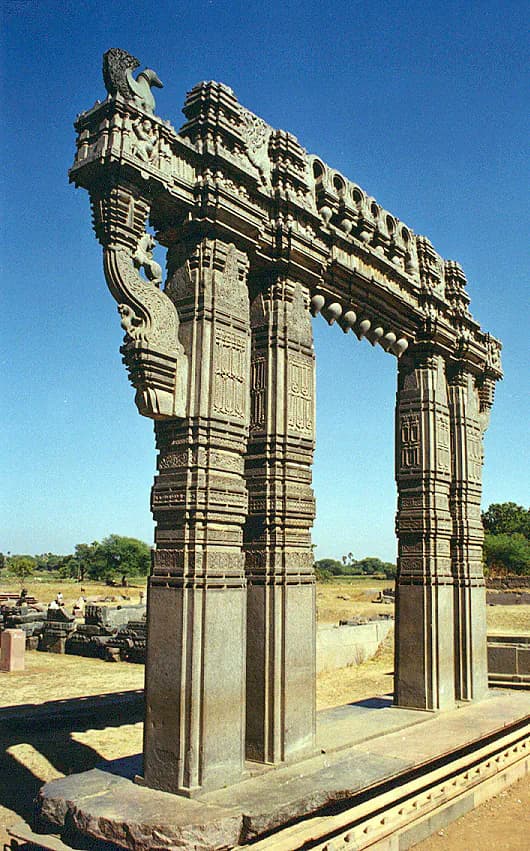
Warangal Fort Warangal
The imposing granite ramparts of Warangal Fort rose before me, shimmering under the Telangana sun. Having explored countless caves and temples across Maharashtra, I've developed a keen eye for architectural nuances, and Warangal Fort, with its blend of Kakatiya and subsequent influences, promised a feast for the senses. The four massive gateways, known as Kakatiya Kala Thoranam, are truly magnificent. Their intricate carvings, depicting mythical creatures and floral patterns, speak volumes about the artistic prowess of the Kakatiya dynasty. I spent a considerable amount of time studying the exquisitely preserved Swayambhu temple gateway, its arches adorned with intricate carvings of goddesses and celestial beings. The sheer scale of these structures, combined with the delicate artistry, is breathtaking. Stepping through the arched entrance, I was immediately transported back in time. The fort, though in ruins, retains an aura of grandeur. The remnants of the once-imposing walls, the scattered pillars, and the crumbling structures all whisper tales of a glorious past. Unlike many forts I've visited in Maharashtra, which often feature basalt construction, Warangal's granite lends it a unique, almost ethereal quality. The stone, weathered by centuries of sun and rain, glows with a warm, reddish hue, particularly striking during the golden hour. My exploration led me to the Khush Mahal, a fascinating structure that showcases a blend of architectural styles. The arched openings and intricate jaali work clearly demonstrate later additions, likely during the Qutb Shahi period. This layering of history, visible in the very stones of the fort, is what makes Warangal so compelling. It's not just a monument; it's a palimpsest of time, each layer revealing a different chapter in the region's story. The central structure, the Sri Venkateswara Swamy Temple, though a later addition, stands as a testament to the enduring spiritual significance of the site. While the original Kakatiya temple was destroyed, the current structure retains a sense of reverence. I observed locals offering prayers, a poignant reminder that these ancient spaces continue to hold meaning for contemporary communities. One of the most striking features of Warangal Fort is its ingenious water management system. The numerous tanks and wells scattered throughout the complex, including the large, rectangular Ek Batti Baoli (stepwell), highlight the Kakatiyas' understanding of hydraulic engineering. I descended the steps of the baoli, marveling at the intricate network of channels and the foresight of the builders who ensured a sustainable water supply within the fort. This attention to practical details, alongside the artistic flourishes, speaks to the holistic approach of the Kakatiya rulers. As I wandered through the ruins, I noticed the distinct lack of interpretative signage. While this allowed for a more immersive experience, relying solely on my observations and prior research, I felt that more information could enhance the visitor's understanding of the site's historical and architectural significance. This is an area where improvements could be made, perhaps by incorporating discreetly placed information panels or offering guided tours. Leaving Warangal Fort, I carried with me a profound sense of awe and a deeper appreciation for the Kakatiya dynasty's contributions to Indian architecture and history. The fort is not merely a collection of ruins; it is a living testament to a powerful kingdom, a testament etched in stone, resonating with the echoes of a bygone era. It stands as a powerful counterpoint to the cave temples and forts of my home state, Maharashtra, showcasing the diversity and richness of India's architectural heritage.
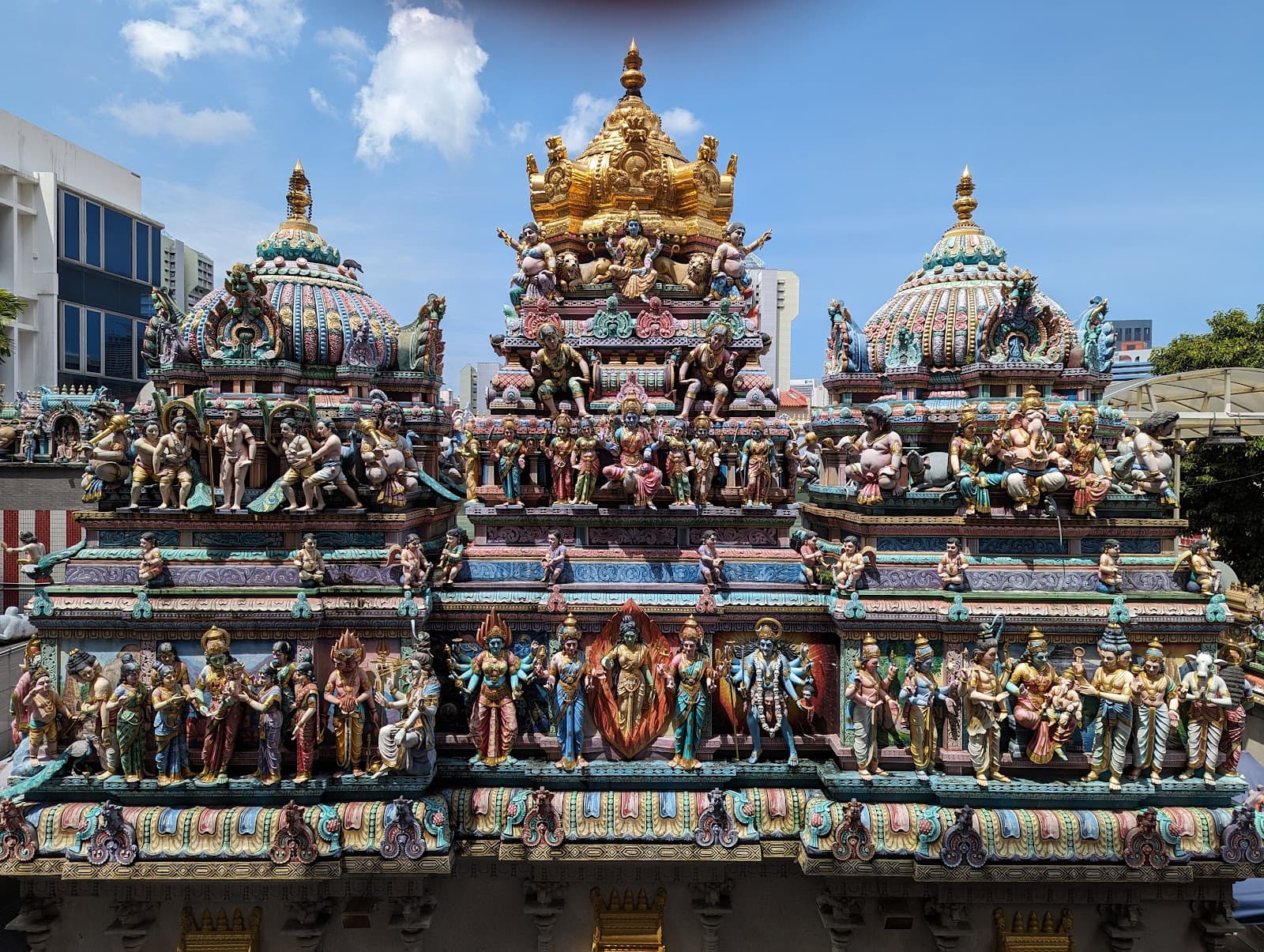
Sri Veeramakaliamman Temple Singapore
Sri Veeramakaliamman Temple was founded in 1881 by Tamil labourers and is Little India’s earliest Kali worship centre, presiding over Serangoon Road with an 18-metre rajagopuram bearing 600 hand-painted stucco deities that narrate the goddess’s legends and Singapore’s migrant heritage ([1][2]). Daily puja commences at 5:30 AM with suprabhatam and concludes with 9:00 PM arthajama arti; devotees flow through granite-lined corridors past sanctums for Kaliamman, Thandayuthapani, Nataraja, Ganesha, Bairavar, Bhairavi, and Navagraha, while the annadhanam hall serves vegetarian meals to workers, seniors, and low-income families. The temple’s marriage hall hosts up to 200 ceremonies annually, and classrooms nurture Tamil literacy, Carnatic music, and Bharatanatyam under the Sri Veeramakaliamman Educational and Cultural Programme. The temple is the staging ground for Aadi Thiruvizha, Navaratri Kolu, Theertham, and the goddess’s chariot procession during Deepavali, events that draw tens of thousands and require extensive volunteer marshals, safe entry systems, and collaboration with the Hindu Endowments Board, Land Transport Authority, and Singapore Police Force. During crises—from World War II air raids to SARS and COVID-19—the temple has offered refuge, meals, and vaccination outreach, sustaining its role as both a devotional abode and a civic safety net for Little India ([1][3]).
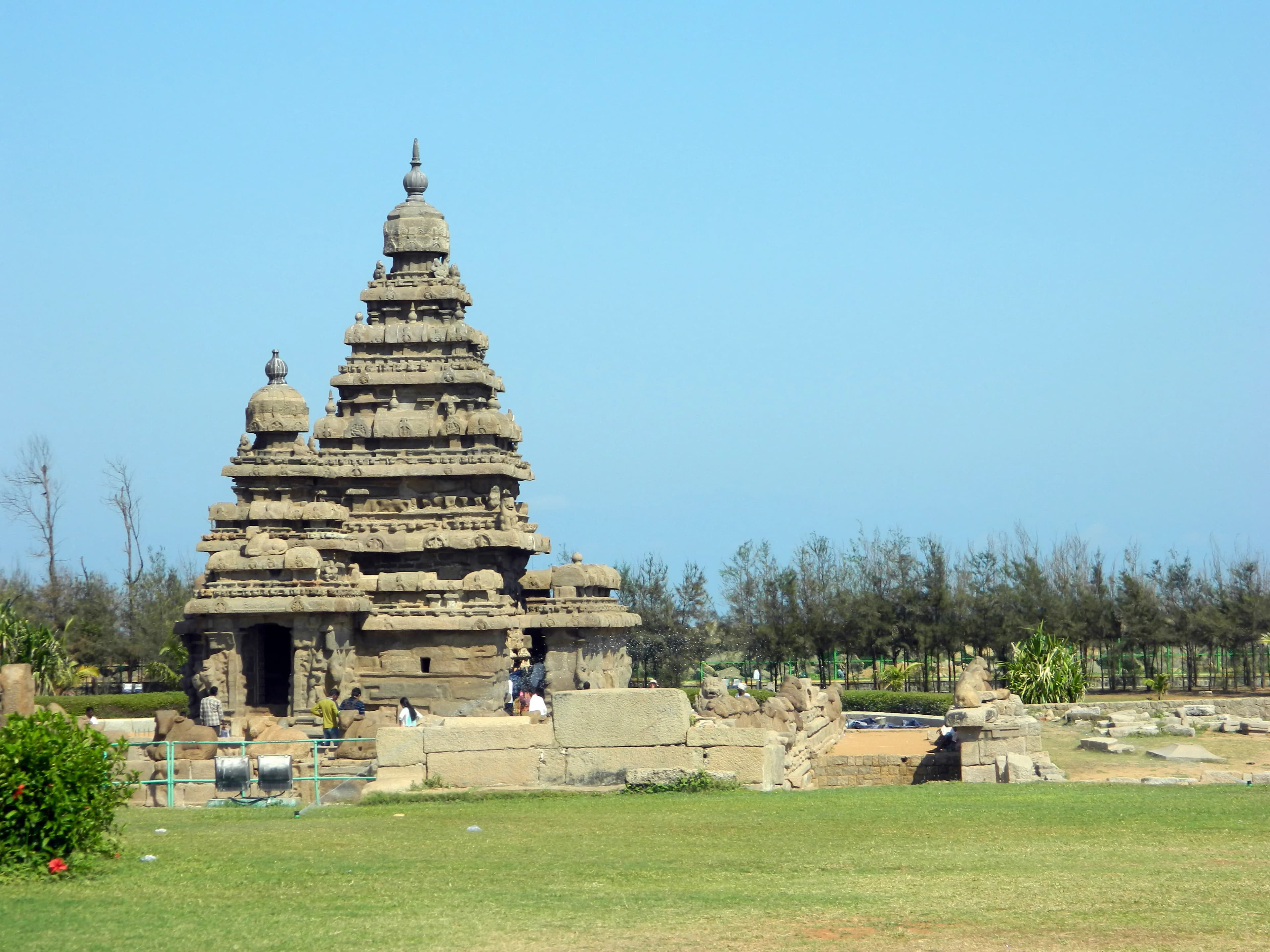
Shore Temple Mahabalipuram
The salt-laced wind whipped my dupatta around me as I stood before the Shore Temple at Mahabalipuram, the granite behemoths rising defiantly against the relentless churn of the Bay of Bengal. Having spent years immersed in the temple architecture of Uttar Pradesh, from the intricate sandstone carvings of Khajuraho to the soaring spires of Varanasi, I was eager to experience the distinct Dravidian artistry of this UNESCO World Heritage Site. And it did not disappoint. The Shore Temple, unlike the inland temples I was accustomed to, felt intrinsically connected to the ocean. The rhythmic crashing of waves against the stone base created a constant, almost meditative soundtrack. Built during the reign of the Pallava dynasty in the 8th century, the temple complex, though weathered by centuries of sea spray and wind, still retains a remarkable sense of grandeur. It’s a testament to the skill of the artisans who carved these intricate structures directly from the rocky outcrop. The complex consists of three shrines, two dedicated to Shiva and one to Vishnu. The pyramidal towers, or *vimanas*, are characteristic of Dravidian architecture, a stark contrast to the curvilinear *shikharas* of North Indian temples. These *vimanas*, tiered and sculpted with miniature shrines, mythical creatures, and divine figures, rise towards the sky, their granite surfaces shimmering under the intense Tamil Nadu sun. I was particularly struck by the smaller shrines that dot the complex, almost like architectural echoes of the main structures. They create a sense of layered history, whispering tales of devotion and artistic ingenuity. Climbing the worn steps of the main Shiva temple, I was greeted by the sight of the *garbhagriha*, the inner sanctum. While photography inside is restricted, the mental image of the dimly lit space, imbued with centuries of prayer and ritual, remains vivid. The air within felt thick with history, a palpable connection to the generations who had worshipped here before me. Wandering through the complex, I noticed the intricate carvings that adorned every surface. Unlike the narrative panels common in North Indian temples, the sculptures here seemed more focused on individual deities and celestial beings. I recognized depictions of Shiva, Vishnu, and Durga, their forms imbued with a powerful serenity. The level of detail was astounding, from the delicate folds of their garments to the intricate ornamentation adorning their crowns. It was clear that these carvings were not merely decorative; they were expressions of deep religious devotion. One of the most striking features of the Shore Temple is its relationship with the sea. The complex is designed in such a way that during certain times of the year, the rising sun appears perfectly aligned with the main Shiva shrine. This deliberate integration of the natural world into the sacred architecture speaks to the Pallava understanding of the cosmos. It's a powerful reminder of the interconnectedness of all things, a concept deeply embedded in Indian philosophy. As I sat on the rocks overlooking the temple, watching the waves crash against the shore, I reflected on the journey that had brought me here. From the Gangetic plains to the Coromandel Coast, the architectural expressions of faith in India are incredibly diverse, yet united by a common thread of devotion and artistic brilliance. The Shore Temple, with its windswept grandeur and intricate carvings, stands as a powerful testament to the enduring legacy of the Pallava dynasty and the rich tapestry of Indian art and culture. It is a place where the divine meets the earthly, where stone and sea converge in a timeless embrace.
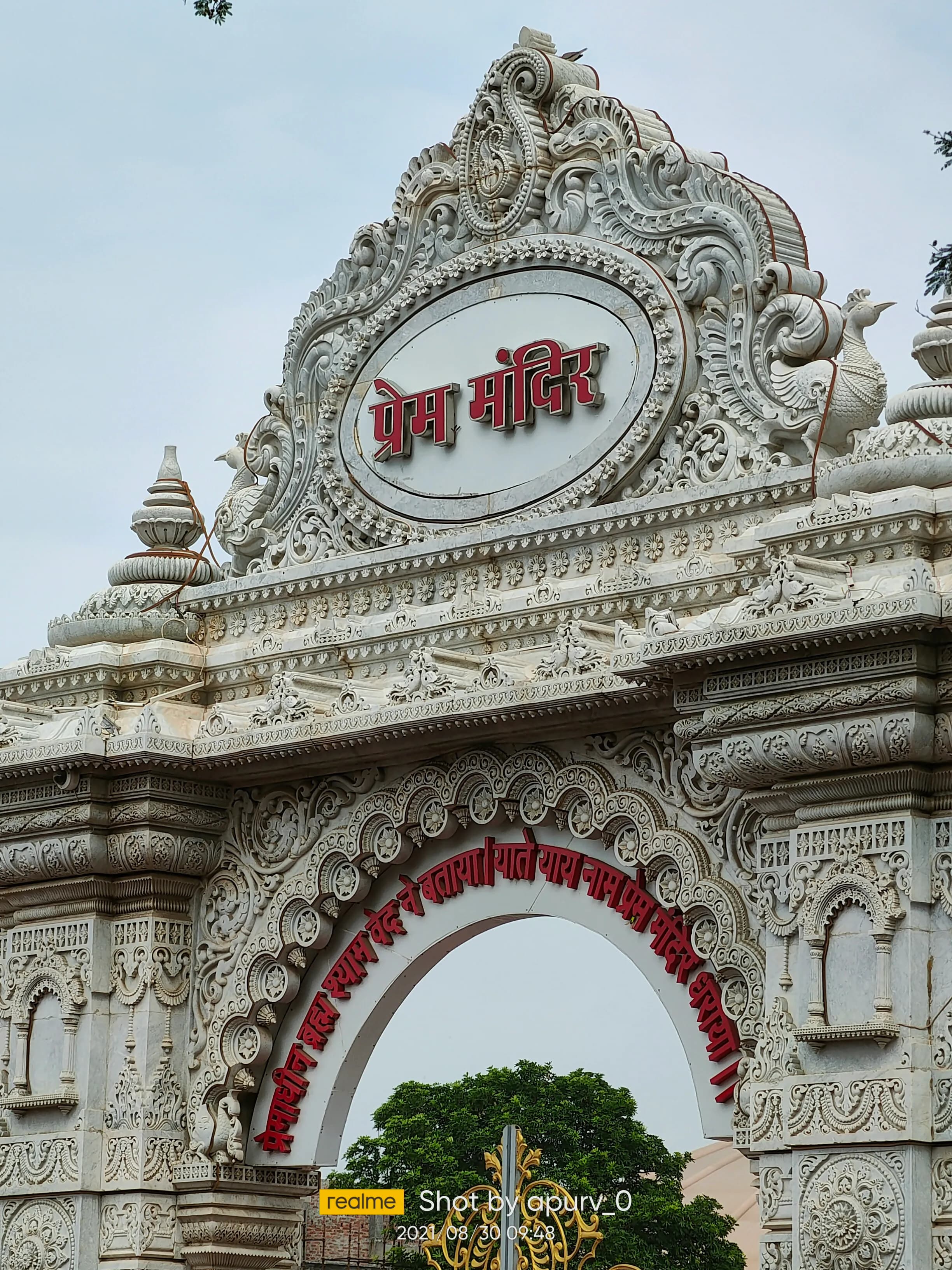
Prem Mandir Vrindavan
The air hummed with a palpable devotion, a tangible energy that enveloped me as I stepped onto the pristine marble expanse of Prem Mandir in Vrindavan. Having explored countless temples across North India, I thought I was immune to the sheer scale and grandeur of religious architecture, but Prem Mandir stopped me in my tracks. Bathed in the warm glow of the late afternoon sun, the temple, a relatively recent addition to Vrindavan's spiritual landscape, shimmered like a celestial palace descended to earth. The sheer scale is breathtaking. Towering white spires, intricately carved with depictions of Krishna's leelas, reach towards the sky, creating a skyline unlike any other in this holy city. Unlike the older, sandstone structures that characterize much of Vrindavan, Prem Mandir’s Italian marble construction gives it a unique, almost ethereal quality. The stone, imported from Italy, is polished to a high sheen, reflecting the sunlight and creating a dazzling spectacle. As I walked through the main gate, I was struck by the meticulous detailing. Every inch of the temple, from the towering shikharas to the delicate floral motifs adorning the walls, speaks of painstaking craftsmanship. The main temple structure is built on a raised platform, accessed by a broad flight of stairs. Circumambulating the main shrine, I noticed the intricate bas-relief panels depicting scenes from Krishna's life. These aren't mere carvings; they are narratives etched in stone, each panel telling a story with remarkable expressiveness. I paused at a depiction of the Rasa Lila, the divine dance of Krishna with the gopis, captivated by the fluidity of the figures and the sense of joyous movement captured in the static medium. One of the most striking features of Prem Mandir is the Govardhan Hill replica situated behind the main temple. This miniature mountain, crafted with impressive realism, is a testament to the devotion that fueled the temple's creation. Waterfalls cascade down its slopes, feeding a small lake at its base, creating a serene oasis within the bustling temple complex. Walking around the hill, I felt transported to the pastoral landscape of Braj, the region where Krishna is said to have spent his youth. As dusk settled, the temple underwent a magical transformation. Thousands of tiny lights embedded in the marble facade flickered to life, illuminating the intricate carvings and casting a warm, inviting glow over the entire complex. The light show, synchronized with devotional music, is a spectacle in itself, drawing gasps of admiration from the assembled devotees. The narrative of Krishna's life, projected onto the temple walls, added another layer to the experience, bringing the stories etched in stone to vibrant life. What truly sets Prem Mandir apart, however, is not just its architectural magnificence or the dazzling light show, but the palpable sense of serenity that pervades the atmosphere. Despite the crowds, a sense of peacefulness permeates the air. I observed families seated on the marble floors, lost in prayer, and groups of pilgrims chanting hymns with quiet devotion. The temple, despite its grandeur, feels remarkably intimate, a space where individuals can connect with their faith in their own way. Leaving Prem Mandir, I carried with me not just the memory of its architectural splendor, but also a renewed appreciation for the power of faith and devotion. It’s a testament to human ingenuity and artistic skill, a place where spirituality and artistry converge to create an experience that is both awe-inspiring and deeply moving. For anyone journeying through North India's spiritual heartland, Prem Mandir is an essential stop, a place to witness the enduring power of belief manifested in marble and light.
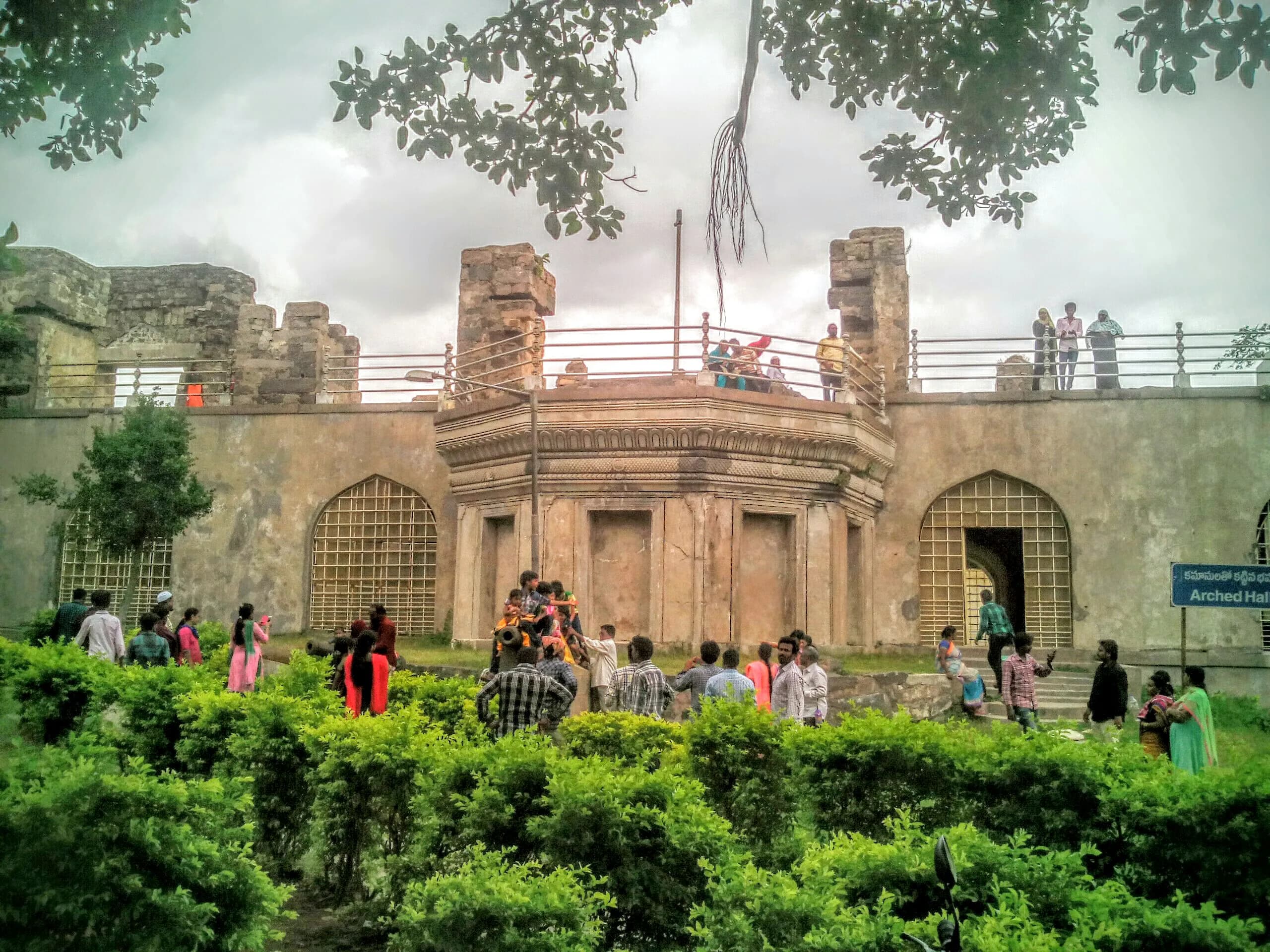
Kondapalli Fort Kondapalli
The wind whipped around me, carrying whispers of history as I stood atop Kondapalli Fort, gazing over the sprawling Krishna district. The panoramic view, a tapestry of green fields and distant villages, was a fitting reward for the climb. Coming from Gujarat, where forts often rise from arid landscapes, the lush setting of Kondapalli was a striking contrast, a testament to the diverse beauty of India's fortifications. My journey through the fort began with the imposing Dargah of Gulab Shah, a Sufi saint revered by both Hindus and Muslims. This syncretic element, so common in India, immediately piqued my interest. The Dargah, with its simple yet elegant architecture, served as a gentle prelude to the grandeur within. Passing through the colossal three-storied entrance, I was struck by the scale of the fort. Kondapalli is not just a single structure but a complex, a miniature city enclosed within its ramparts. The architecture displayed a fascinating blend of styles. While the robust construction and strategic layout bore the hallmarks of a formidable military stronghold, delicate carvings and intricate details hinted at a period of artistic flourishing. The influence of various dynasties – the Reddy Kings, the Vijayanagara Empire, and the Qutb Shahis – was evident in the eclectic mix of architectural elements. I noticed the distinct Vijayanagara style in the sturdy granite walls and the strategically placed bastions, while the later additions, like the Tanisha Mahal, showcased a more refined, almost palatial aesthetic. Exploring the ruins of the Tanisha Mahal was a particularly poignant experience. This "Queen's Palace," once a symbol of royal luxury, now stands in graceful decay. The remnants of ornate balconies, delicate arches, and intricately carved pillars spoke volumes about the fort's opulent past. I could almost picture the royal court in its heyday, the halls filled with music and laughter. The light filtering through the broken arches cast long shadows, adding to the melancholic beauty of the place. One of the most striking features of Kondapalli Fort is its ingenious water management system. Massive cisterns, carved into the rock, collected rainwater, ensuring a continuous supply for the inhabitants. This foresight, crucial in a region prone to dry spells, highlighted the architectural ingenuity of the builders. I was particularly impressed by the intricate network of channels and pipes that distributed the water throughout the fort, a testament to their advanced understanding of hydraulic engineering. As I walked along the ramparts, I noticed the strategically placed cannons, silent sentinels guarding the fort. The sheer size of these cannons, some of them impressively large, underscored the fort's military importance. The views from the ramparts were breathtaking, offering a 360-degree panorama of the surrounding countryside. I could see the winding Krishna River in the distance, its waters glinting in the sunlight. The Kondapalli Fort is more than just stones and mortar; it's a living testament to a rich and layered history. It's a place where architectural grandeur meets strategic brilliance, where whispers of royal splendor mingle with echoes of battles fought. As I descended from the fort, I carried with me not just photographs and notes, but a deeper appreciation for the architectural heritage of Andhra Pradesh. This fort, standing proud against the backdrop of time, is a must-see for anyone seeking to unravel the fascinating tapestry of Indian history. It's a place that stays with you long after you've left, its stories etched in your memory.
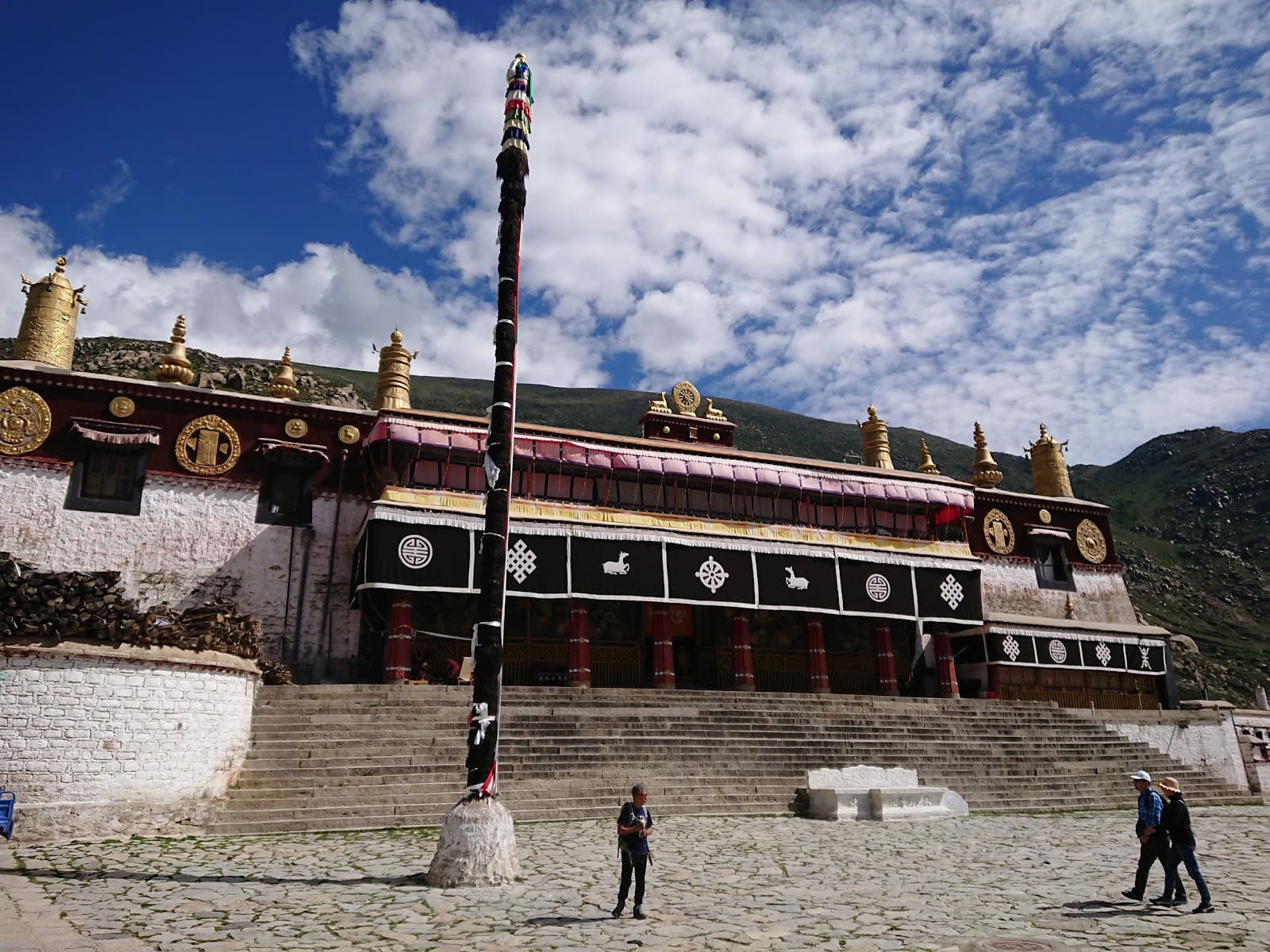
Drepung Monastery Lhasa Tibet
Drepung Monastery, located in Lhasa, Tibet, represents one of the three great Gelugpa monasteries in Tibet and stands as a major center for Tibetan Buddhist learning, constructed in the 15th century CE by Jamyang Chojey, a disciple of Tsongkhapa who established the Gelugpa school with strong connections to Indian Buddhist scholastic traditions, demonstrating the profound transmission of Indian Buddhist philosophy and learning traditions to Tibet, which has maintained deep cultural, religious, and historical connections with India for over two millennia. The monastery complex, constructed primarily from stone, wood, and earth with extensive decorative elements, features a massive structure containing numerous temples, chapels, assembly halls, debate courtyards, and residential quarters arranged according to Indian Buddhist monastery planning principles, with the overall design reflecting mandala-based cosmological principles found in Indian Buddhist architecture. The monastery’s architectural design demonstrates direct influence from Indian Buddhist monastery architecture, particularly the Nalanda model, with the overall plan, debate courtyards, and learning facilities reflecting traditions that were transmitted to Tibet through centuries of cultural exchange, while the emphasis on Indian Buddhist scholastic traditions demonstrates the transmission of Indian Buddhist philosophy to Tibet. Archaeological and historical evidence indicates the monastery was constructed with knowledge of Indian Buddhist scholastic traditions and architectural treatises, reflecting the close cultural connections between Tibet and India during the medieval period, when Indian Buddhist scholars, texts, and philosophical traditions continued to influence Tibetan Buddhism. The monastery has served as a major center for Tibetan Buddhist learning and practice for over five centuries, maintaining strong connections to Indian Buddhist traditions through the study of Indian Buddhist texts, philosophy, and debate traditions. The monastery has undergone multiple expansions and renovations over the centuries, with significant additions conducted to accommodate growing numbers of monks and expanding educational programs. Today, Drepung Monastery continues to serve as an important place of Buddhist worship and learning in Tibet, demonstrating the enduring influence of Indian Buddhist scholastic traditions on Tibetan culture and serving as a powerful symbol of Tibet’s deep connections to Indian civilization through the study and practice of Indian Buddhist philosophy. ([1][2])
Kundankuzhi Mahadevar Temple Nagercoil
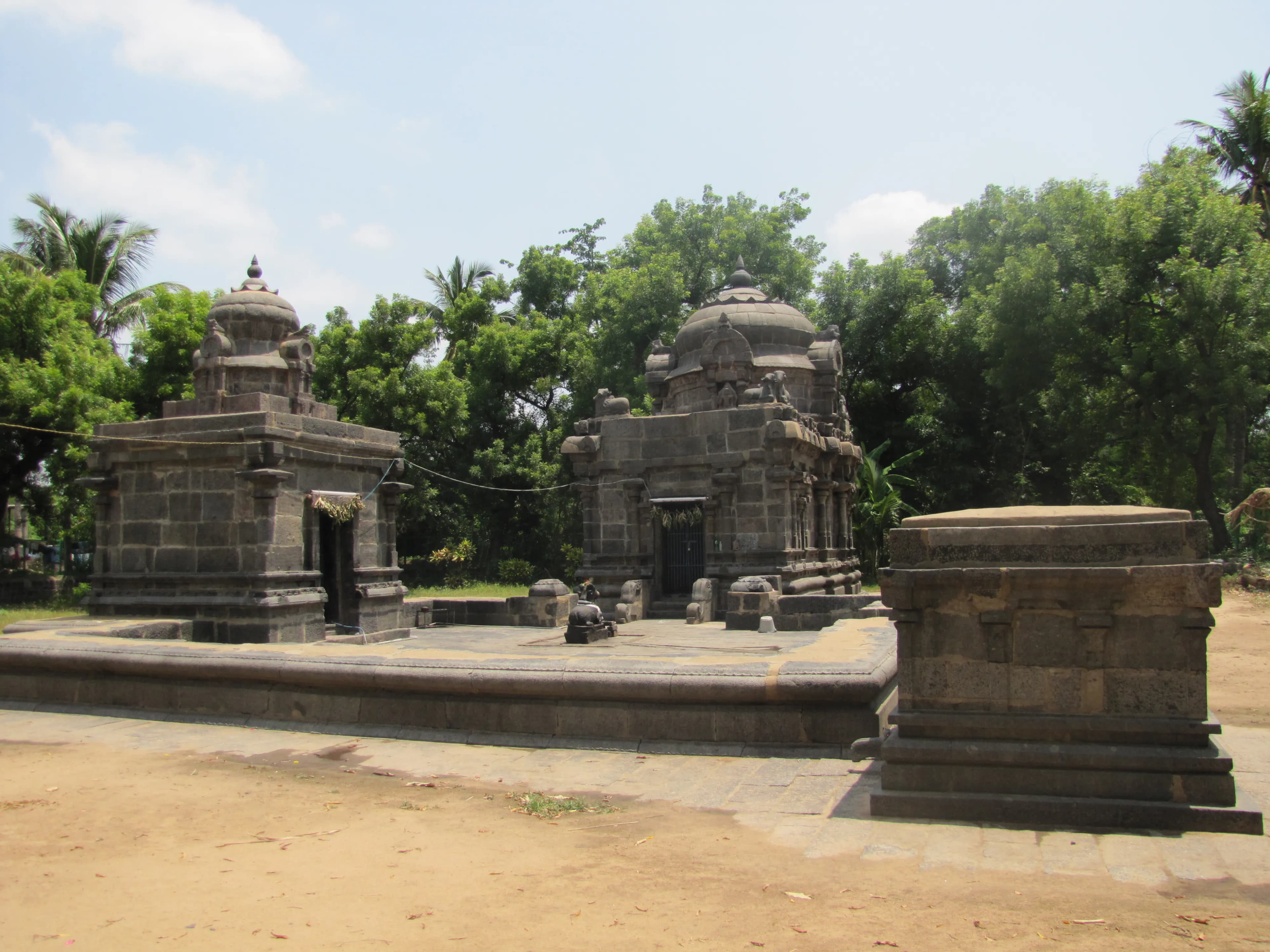
The humid Kanyakumari air hung heavy as I approached the Kundankuzhi Mahadevar Temple, tucked away in a quiet village near Nagercoil. The temple, dedicated to Lord Shiva, doesn't boast the towering gopurams of some of Tamil Nadu's more famous temples, but it possesses a quiet dignity and architectural nuances that captivated me from the first glance. The relatively modest size allows for an intimate exploration, a chance to truly connect with the structure and its history. The first thing that struck me was the distinct Kerala architectural influence, a testament to the region's historical fluidity and cultural exchange. The sloping tiled roofs, reminiscent of Kerala's traditional houses and temples, were a departure from the typical Dravidian style I'm accustomed to seeing in Chennai. The muted ochre walls, devoid of elaborate carvings on the exterior, further emphasized this unique blend. This simplicity, however, wasn't stark; it felt more like a conscious choice, directing the visitor's attention inwards, towards the spiritual heart of the temple. Stepping inside the main mandapam, I was greeted by a series of intricately carved pillars. While the exterior was understated, the interior showcased the artisans' skill. The pillars, though weathered by time, displayed a variety of motifs – stylized lotuses, mythical creatures, and intricate geometric patterns. I noticed a subtle difference in the carving styles on some pillars, suggesting additions or renovations over different periods. This layering of history, visible in the very fabric of the temple, added to its charm. The garbhagriha, the sanctum sanctorum, housed the lingam, the symbolic representation of Lord Shiva. The air within was thick with the scent of incense and the murmur of prayers. The dimly lit space, illuminated by oil lamps, created an atmosphere of reverence and tranquility. I spent some time observing the worn stone floor, polished smooth by centuries of devotees' feet, a tangible connection to the generations who had worshipped here before me. Moving towards the outer prakaram, I discovered a small shrine dedicated to the Goddess Parvati. The carvings here were noticeably different, featuring a more flowing, feminine aesthetic. The presence of both Shiva and Parvati, representing the complementary forces of creation and destruction, underscored the temple's adherence to traditional Shaivite principles. One of the most intriguing aspects of the Kundankuzhi Mahadevar Temple was its integration with the natural surroundings. Ancient trees shaded the temple grounds, their roots intertwining with the stone structures, creating a sense of harmony between the built and natural environments. A small pond, located to the west of the main temple, added to the serene atmosphere. It was easy to imagine how this tranquil setting would have provided a sanctuary for both spiritual contemplation and community gatherings over the centuries. My visit to the Kundankuzhi Mahadevar Temple wasn't just about observing architectural details; it was an immersive experience. The temple's unassuming exterior belied a rich history and a palpable spiritual energy. It offered a glimpse into the cultural exchange between Tamil Nadu and Kerala, showcasing a unique blend of architectural styles. Unlike the grand, often crowded temples of larger cities, Kundankuzhi allowed for a quiet, personal connection, a chance to appreciate the subtleties of craftsmanship and the enduring power of faith. It's a testament to the fact that architectural marvels don't always need to be grand in scale to be profoundly impactful. They can be found in quiet corners, whispering stories of history, faith, and artistic expression.
Lankatilaka Vihara Kandy Sri Lanka
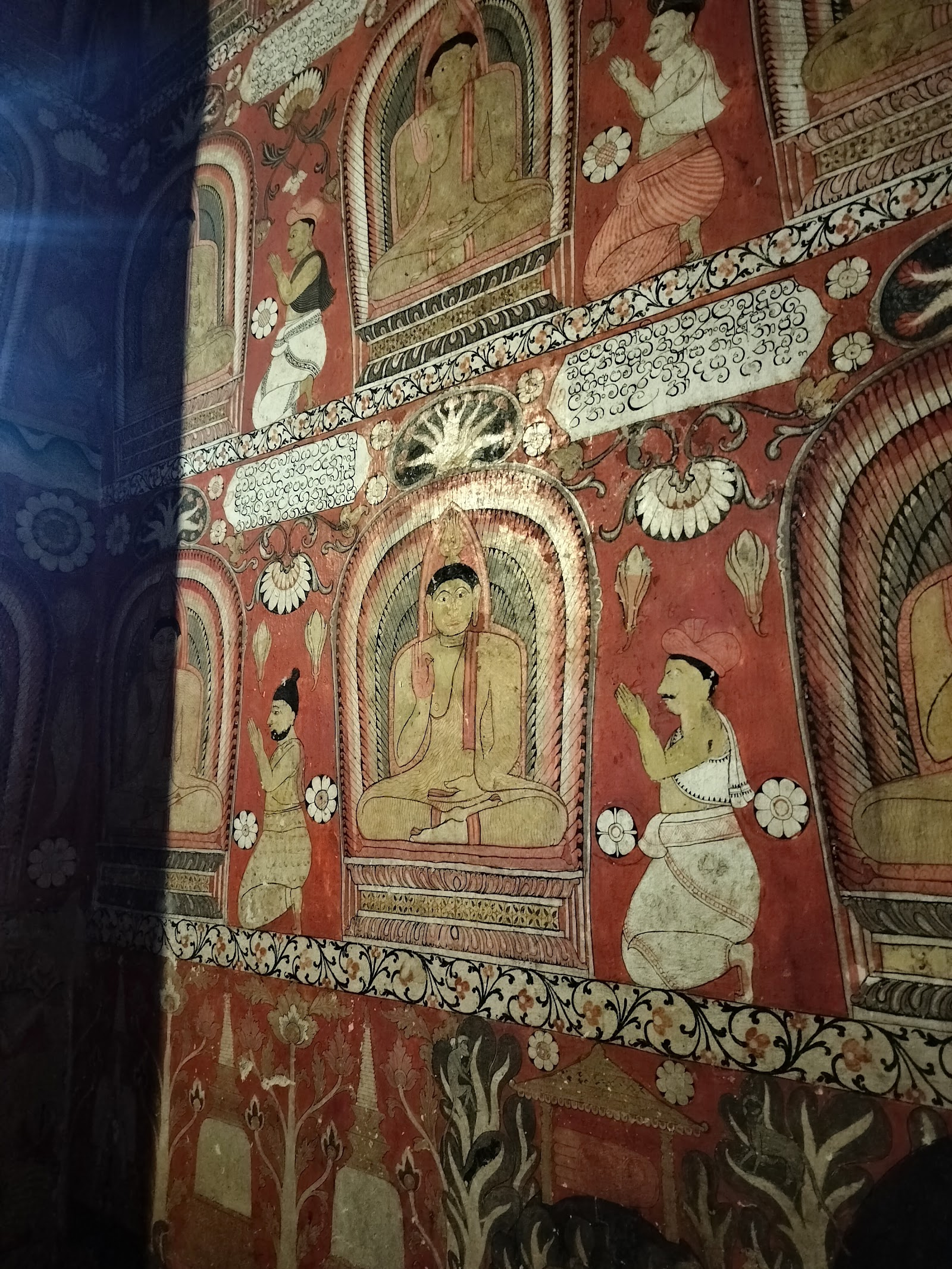
Lankatilaka Vihara, dramatically perched atop the Panhalgala Rock near Kandy, represents one of the most extraordinary and architecturally significant Buddhist temples in Sri Lanka, constructed in the 14th century CE during the reign of King Bhuvanekabahu IV and designed by the South Indian architect Sathapati Rayar, creating a powerful testament to the profound transmission of Indian Buddhist and Hindu architectural traditions to Sri Lanka and demonstrating the sophisticated religious syncretism that has characterized Sri Lankan religious practices. The temple complex, featuring sophisticated architectural elements that seamlessly integrate Hindu deities within its Buddhist sanctum, demonstrates the direct transmission of South Indian Dravidian temple architecture, particularly the traditions of the Chola and Pandya dynasties, with local adaptations that reflect the sophisticated synthesis of Indian Buddhist and Hindu religious and artistic traditions with Sri Lankan building techniques, while the temple's most remarkable feature is its unique architectural design that combines Sinhalese and Dravidian styles, creating a distinctive Kandyan period architectural synthesis that demonstrates the sophisticated understanding of Indian architectural traditions possessed by Sri Lankan architects and patrons. The temple's architectural layout, with its central image house adorned with Kandyan-era paintings and sculptures, surrounded by multiple enclosures and subsidiary shrines dedicated to various Hindu deities including Upulvan, Ganapathi, Saman, Vibhishana, Kataragama deviyo, and Kumara Bandara, follows sophisticated South Indian Dravidian temple planning principles that were systematically transmitted from the great temple complexes of Tamil Nadu, while the temple's extensive decorative programs including murals, sculptures, and architectural elements demonstrate the sophisticated synthesis of Indian Buddhist and Hindu iconography and artistic traditions with local Sri Lankan aesthetic sensibilities. Archaeological evidence reveals that the temple served as a major center of both Buddhist and Hindu worship for over six centuries, attracting pilgrims from across Sri Lanka and South India, while the discovery of numerous inscriptions and historical records provides crucial evidence of the site's role in the transmission of Indian religious texts and practices to Sri Lanka, demonstrating the sophisticated understanding of Indian religious traditions possessed by the temple's patrons and religious establishment. The temple's association with the South Indian architect Sathapati Rayar demonstrates the direct transmission of Indian architectural expertise to Sri Lanka, while the temple's unique synthesis of Buddhist and Hindu elements demonstrates the remarkable religious syncretism that has characterized Sri Lankan religious practices for centuries. Today, Lankatilaka Vihara stands as one of the most important examples of Kandyan period architecture in Sri Lanka, serving as a powerful testament to the transmission of Indian Buddhist and Hindu culture and architecture to Sri Lanka, while ongoing archaeological research and conservation efforts continue to protect and study this extraordinary cultural treasure that demonstrates the profound impact of Indian civilization on Sri Lankan religious and artistic traditions. ([1][2])
Kara Tepe Monastery Termez Uzbekistan
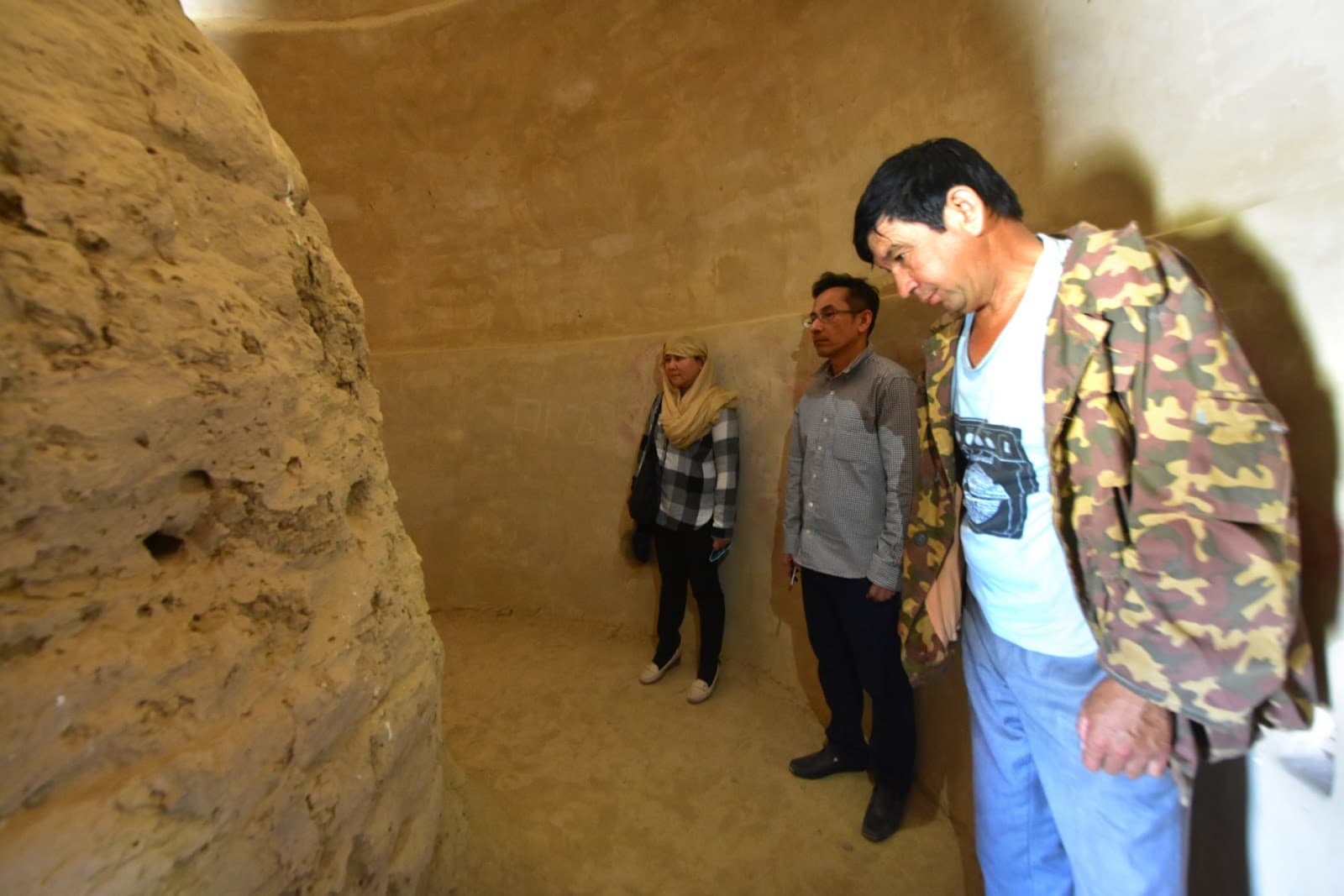
Kara Tepe Monastery, dramatically carved into the rocky hillsides near Termez in southern Uzbekistan, represents one of the most extraordinary and architecturally unique Buddhist monastic complexes in Central Asia, constructed from the 2nd to 5th centuries CE through the remarkable technique of rock-cut architecture that demonstrates the direct transmission of Indian Buddhist cave monastery traditions from the great rock-cut complexes of India including Ajanta, Ellora, and Karle to Central Asia. The monastery complex, comprising multiple levels of interconnected caves and chambers carved directly into the natural rock formations, features extraordinary architectural elements including meditation cells, assembly halls, stupa chambers, and living quarters that demonstrate the sophisticated synthesis of Indian Buddhist rock-cut architecture, particularly the traditions of western and central India, with local Central Asian adaptations that reflect the remarkable skill and dedication of the monks and artisans who created this underground spiritual city. The site's most remarkable feature is its extensive network of rock-cut chambers, some decorated with elaborate stucco reliefs and paintings that demonstrate the direct transmission of Indian Buddhist iconography and artistic traditions, while the architectural layout, with its central assembly halls surrounded by smaller cells and stupa chambers, follows the classic Indian Buddhist cave monastery plan that was systematically transmitted from the great rock-cut complexes of India. Archaeological excavations have revealed extraordinary Buddhist sculptures and reliefs executed in styles that demonstrate clear connections to Indian artistic traditions, while the discovery of numerous artifacts including inscriptions, ritual objects, and evidence of daily monastic life provides crucial evidence of the site's role as a major center of Buddhist learning and practice that attracted monks from across the Buddhist world. The monastery's location near Termez, a major Silk Road crossroads, underscores its significance as a center for the transmission of Buddhist teachings, art, and culture from India to Central Asia, while the site's remarkable rock-cut architecture demonstrates the sophisticated understanding of Indian Buddhist traditions and the remarkable engineering skills possessed by the monks and artisans who created this extraordinary underground complex. Today, Kara Tepe stands as a UNESCO Tentative List site and represents one of the most important rock-cut Buddhist monasteries in Central Asia, serving as a powerful testament to the transmission of Indian Buddhist culture and architecture to Central Asia, while ongoing archaeological research and conservation efforts continue to protect and study this extraordinary cultural treasure that demonstrates the profound impact of Indian civilization on Central Asian religious and artistic traditions. ([1][2])
Quick Links
Plan Your Heritage Journey
Get personalized recommendations and detailed visitor guides