Has Inheritage Foundation supported you today?
Your contribution helps preserve India's ancient temples, languages, and cultural heritage. Every rupee makes a difference.
Secure payment • Instant 80G certificate
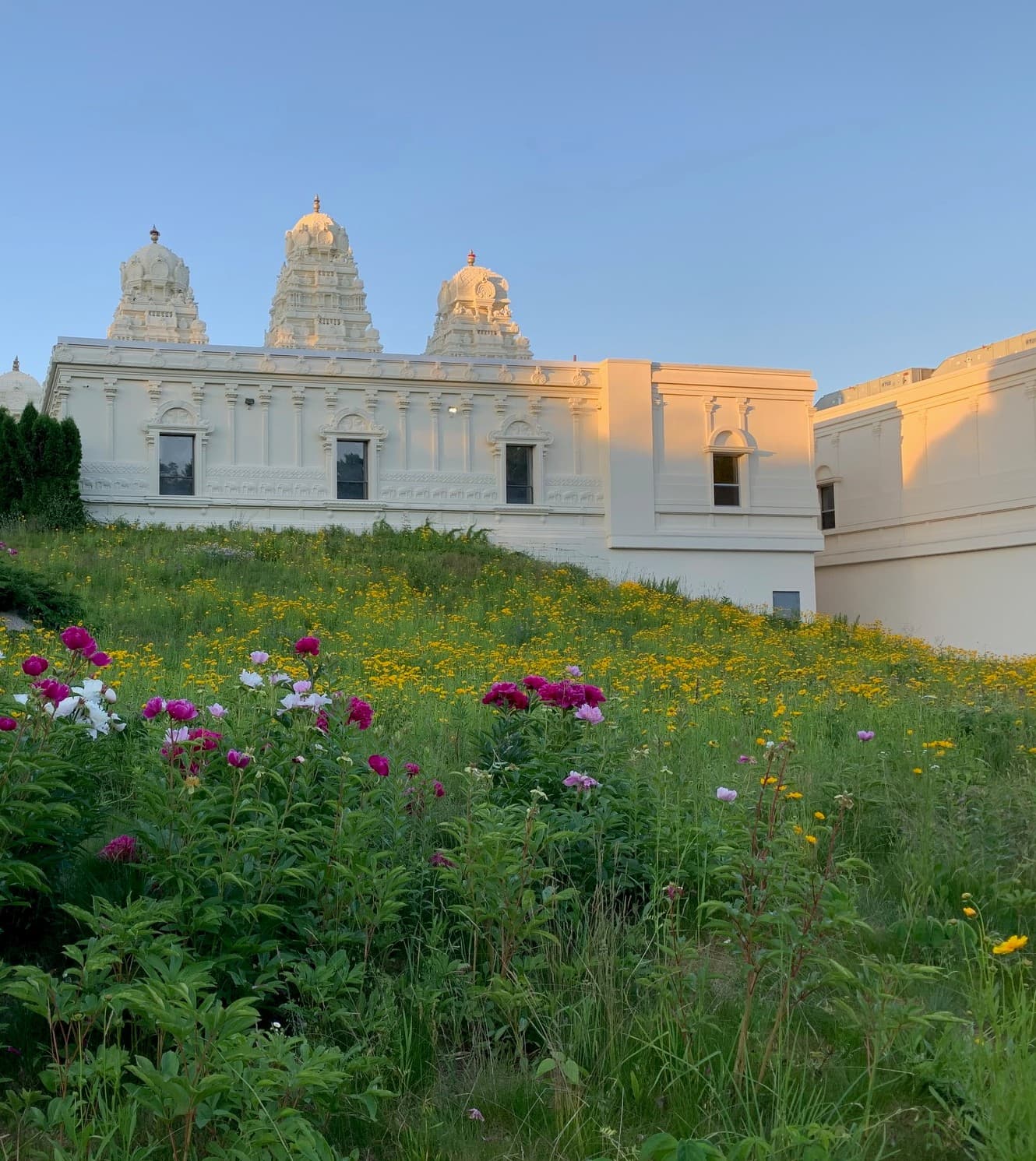
Sri Lakshmi Temple Ashland
Sri Lakshmi Temple in Ashland, Massachusetts, dedicated to Mahalakshmi and Lord Narayana, opens at 7:00 AM on weekdays and 6:00 AM on weekends, maintaining sequential abhishekams, archanas, and evening sahasranama chants until 8:30 PM across its granite mandapam and cultural center ([1][2]). Volunteer coordinators staff the heated entry plaza, shoe rooms, and vestibule during winter months, keeping queues orderly as visitors cycle between the main sanctum, subsidiary shrines, and the basement canteen ([1][3]). Security personnel coordinate with Ashland police during peak festivals, monitor snow-melt systems, and ensure emergency generators are ready for New England nor’easter outages ([3][5]). Elevators connect the mandapam to the cultural center and classrooms, ADA-compliant ramps ring the building, and ushers provide hearing-assist devices and closed-caption displays for Tamil and English liturgy ([1][4]). Custodians follow hourly schedules to wipe condensation, reset mats, and check radiant snow-melt manifolds, while HVAC zoning maintains steady temperatures despite Massachusetts winters ([3][5]). The temple’s computerized maintenance management system tracks priest schedules, life-safety inspections, and accessibility checks; 2025 Town of Ashland inspections recorded no outstanding violations, confirming mechanical, fire, and kitchen systems remain current ([3][4]).
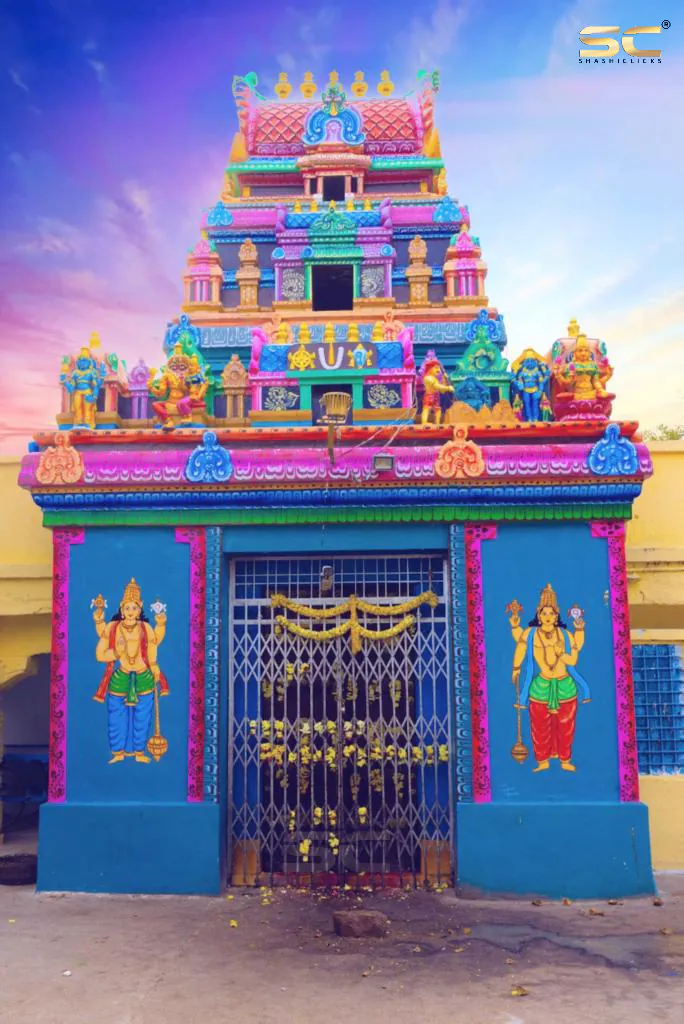
Chilkur Balaji Temple Hyderabad
Nestled in the Ranga Reddy district near Hyderabad, the Chilkur Balaji Temple, also known as "Visa Balaji," showcases a distinctive Dravidian architectural style dating back to the 14th century ([1][2]). During the Vijayanagara period, the temple was erected using granite, mortar, concrete, wood, and tiles ([3]). Though specific textual references are currently undocumented, Vastu Shastra principles, the ancient Indian science of architecture, likely influenced its design. In contrast to more elaborate gopurams (temple towers) found elsewhere, the temple's exterior is relatively modest ([4]). Within the Garbhagriha (Sanctum), devotees worship Lord Venkateswara, seeking blessings, particularly for visa aspirations ([5]). Intricate carvings embellish the walls, adding to the sacred ambiance, though they are less elaborate compared to other Dravidian temples. Furthermore, the patronage of Kakatiya Dynasty feudatories enriches its historical significance ([1]). The temple's unique ritual of pradakshinas (circumambulations) underscores its distinct traditions. Stone platforms and foundations exemplify the enduring construction techniques prevalent during the Vijayanagara era. The temple's simplicity and lack of commercialism distinguish it, fostering a more direct spiritual connection. Furthermore, the modest appearance and the fervent prayers of devotees contribute to a powerful spiritual atmosphere, reflecting the region's rich cultural heritage ([3][4]). The pyramidal towers are a testament to the Dravidian style, while the ornate carvings subtly narrate tales from Hindu scriptures ([6]). The use of locally sourced granite highlights the resourcefulness of the Vijayanagara artisans ([7]). The temple stands as a beacon of faith, drawing visitors with its unpretentious charm and deep-rooted traditions ([8]).
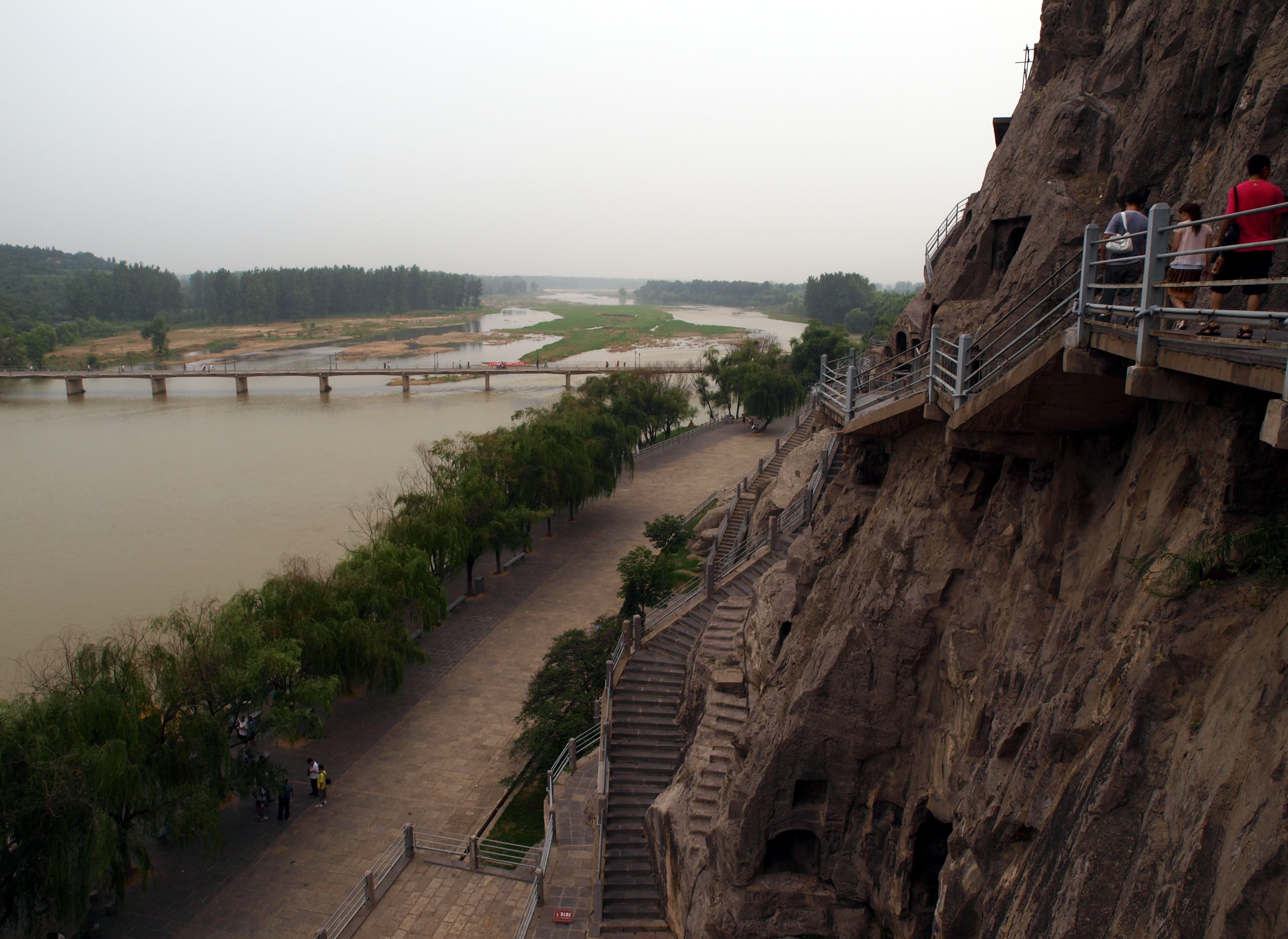
Longmen Grottoes Luoyang Henan China
Longmen Grottoes, dramatically carved into the limestone cliffs along the Yi River near Luoyang in Henan Province, represent one of the most extraordinary and archaeologically significant Buddhist rock-cut temple complexes in China, dating from the 5th through 8th centuries CE and serving as a major center of Buddhist art and devotion that flourished as a crucial link in the transmission of Indian Buddhist traditions to China, featuring tens of thousands of Buddha statues, Bodhisattvas, and guardian figures carved directly into the cliff faces that demonstrate clear connections to the rock-cut architecture and sculpture traditions of ancient India, particularly the sophisticated cave temple and sculpture techniques that were transmitted from the great Buddhist centers of northern India, creating a powerful testament to the profound transmission of Indian Buddhist civilization to China during the early medieval period. The site, featuring over 2,300 caves and niches containing more than 100,000 Buddhist statues ranging from tiny carvings to colossal figures over 17 meters tall, demonstrates clear connections to the architectural and artistic traditions of ancient India, particularly the sophisticated rock-cut temple traditions that were transmitted from the great Buddhist centers of northern India such as Ajanta, Ellora, and the Gandharan region, demonstrates the direct transmission of Indian Buddhist architectural knowledge, religious iconography, and cultural concepts from the great monastic universities of ancient India, particularly Nalanda and Taxila, which systematically transmitted Buddhist teachings and architectural traditions to China through the extensive trade and pilgrimage networks that connected India with China, while the site's most remarkable feature is its extraordinary collection of Buddhist sculptures including the colossal Vairocana Buddha in the Fengxian Temple that stands at 17.14 meters tall, demonstrating remarkable parallels with Indian Buddhist sculpture traditions, particularly the structural techniques and iconographic programs that were central to Indian Buddhist art, including depictions of Buddhas, Bodhisattvas, and guardian deities that reflect Indian iconographic traditions and demonstrate the sophisticated transmission of Indian artistic techniques to China. The grottoes' architectural layout, with their sophisticated planning, central Buddha images surrounded by subsidiary figures, meditation chambers, and ceremonial spaces, follows planning principles that demonstrate remarkable parallels with Indian rock-cut temple planning principles, particularly the chaitya hall and vihara traditions that were central to Indian Buddhist architecture, while the site's extensive archaeological remains including Buddhist sculptures with clear Indian stylistic influences, inscriptions that reflect Indian epigraphic traditions, and architectural elements demonstrate the sophisticated synthesis of Indian Buddhist iconography and cosmological concepts with local Chinese aesthetic sensibilities and building materials. Historical evidence reveals that the site served as a major center of Buddhist learning and religious activity during the 5th through 8th centuries, attracting monks, traders, and pilgrims from across China, South Asia, and Central Asia, while the discovery of numerous artifacts including Buddhist sculptures with clear Indian stylistic influences, inscriptions that reflect Indian epigraphic traditions, and architectural elements that reflect Indian architectural concepts provides crucial evidence of the site's role in the transmission of Indian Buddhist traditions to China, demonstrating the sophisticated understanding of Indian Buddhist architecture and religious practices possessed by the site's patrons and monastic establishment. The site's association with the ancient city of Luoyang, which served as the capital of multiple Chinese dynasties and flourished as a major cultural center with extensive connections to India and Central Asia, demonstrates the sophisticated understanding of Indian Buddhist traditions that were transmitted to China, while the site's Buddhist sculptures and rock-cut architecture demonstrate remarkable parallels with Indian Buddhist temple architecture and sculpture traditions that were central to ancient Indian civilization. The site has been the subject of extensive archaeological research and conservation efforts, with ongoing work continuing to reveal new insights into the site's sophisticated architecture, religious practices, and its role in the transmission of Indian Buddhist traditions to China, while the site's status as a UNESCO World Heritage Site demonstrates its significance as a major center for the transmission of Indian Buddhist and cultural traditions to China. Today, the Longmen Grottoes stand as one of the most important historical Buddhist sites in China, serving as a powerful testament to the transmission of Indian Buddhist civilization to China, while ongoing archaeological research and conservation efforts continue to protect and study this extraordinary cultural treasure that demonstrates the profound impact of Indian civilization on Chinese religious and cultural development. ([1][2])
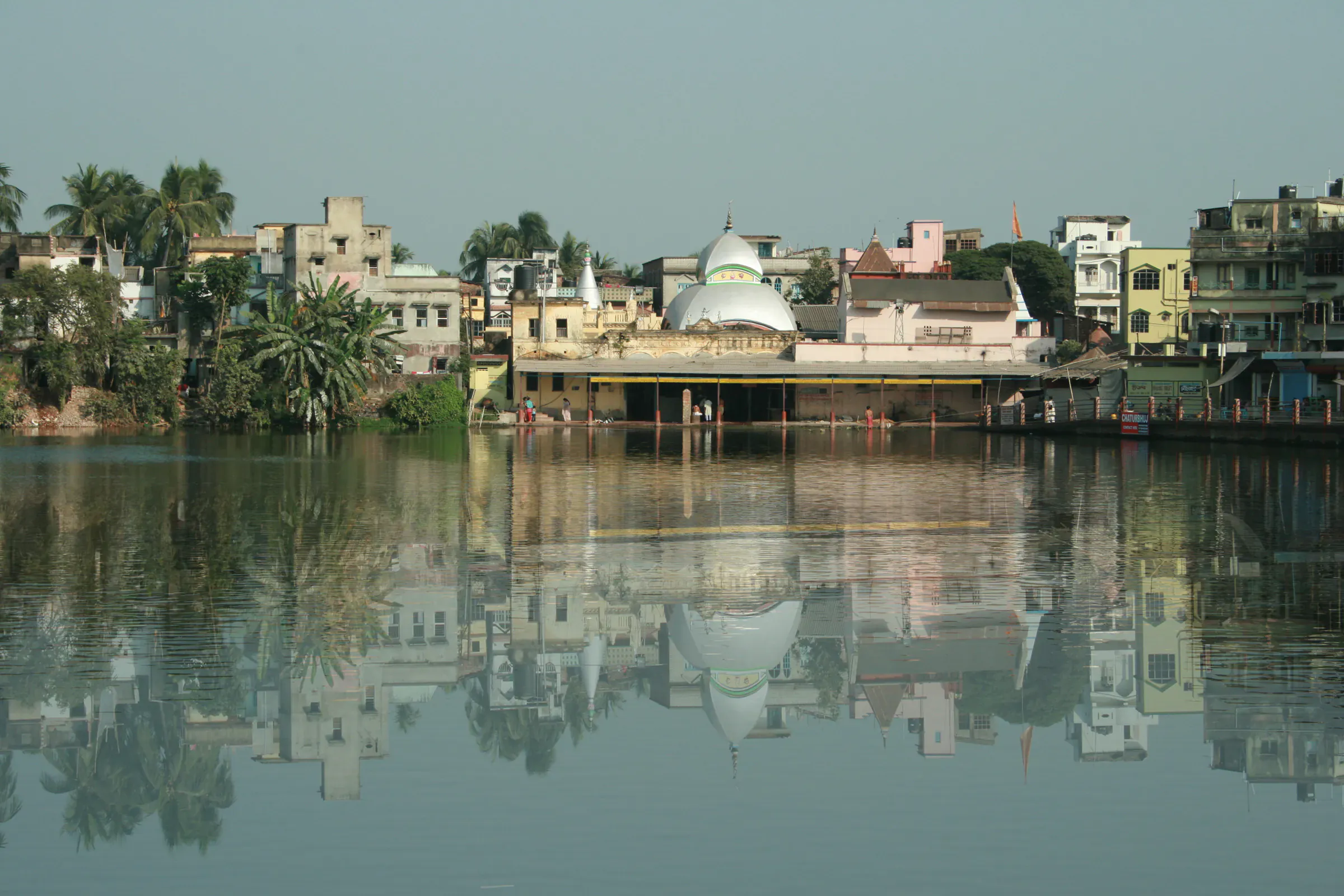
Taraknath Temple Tarakeswar
The terracotta panels of the Taraknath Temple, baked a deep, earthy red by the Bengal sun, seemed to hum with stories. Located in the quiet town of Taraknath, within the Hooghly district, this relatively unassuming temple dedicated to Lord Shiva holds a unique charm, distinct from the grander, more famous UNESCO sites I've visited across India. It’s not the scale that captivates here, but the intricate details and the palpable sense of devotion that permeates the air. My journey to Taraknath began with a train ride from Kolkata, followed by a short local bus journey. The temple, dating back to 1729, isn't imposing from a distance. It’s the characteristic 'atchala' Bengal temple architecture – a curved roof resembling a thatched hut – that first catches the eye. As I approached, the intricate terracotta work began to reveal itself. Panels depicting scenes from the epics – the Ramayana and the Mahabharata – unfolded across the temple walls like a visual narrative. Krishna’s playful antics with the gopis, the fierce battle of Kurukshetra, and the serene visage of Shiva meditating – each panel a testament to the skill of the artisans who breathed life into clay centuries ago. The temple's main entrance, a relatively small arched doorway, felt like a portal to another time. Stepping inside, I found myself in a courtyard, the central shrine dominating the space. The shivalinga, the symbolic representation of Lord Shiva, resided within the sanctum sanctorum, a dimly lit chamber that exuded an aura of reverence. The air was thick with the scent of incense and the murmur of prayers, a constant reminder of the temple's living, breathing spirituality. Unlike some of the more heavily touristed UNESCO sites, Taraknath retained a sense of intimacy. I spent hours wandering around the courtyard, tracing the weathered terracotta panels with my fingers, trying to decipher the stories they told. The level of detail was astonishing. Individual expressions on the faces of the figures, the delicate folds of their garments, the intricate patterns of the borders – each element meticulously crafted. I noticed that some panels had suffered the ravages of time, with portions chipped or eroded, yet this only added to their character, whispering tales of resilience and endurance. One aspect that struck me was the secular nature of the depicted scenes. Alongside the mythological narratives, there were depictions of everyday life in 18th-century Bengal – farmers tilling their fields, women engaged in household chores, musicians playing instruments. This blend of the divine and the mundane offered a fascinating glimpse into the social fabric of the time. Beyond the main shrine, I explored the smaller surrounding temples dedicated to other deities. Each had its own unique charm, though the terracotta work on the main temple remained the highlight. I observed several local families performing pujas, their faces etched with devotion. It was a privilege to witness these rituals, a reminder of the deep-rooted cultural significance of the temple. As the sun began to set, casting long shadows across the courtyard, I sat on a stone bench, absorbing the tranquility of the place. Taraknath Temple isn't just a historical monument; it's a living testament to the artistic and spiritual heritage of Bengal. It's a place where mythology and history intertwine, where terracotta whispers stories of bygone eras, and where the devotion of generations resonates within its ancient walls. My visit to Taraknath was a reminder that sometimes, the most profound experiences are found not in the grandest of structures, but in the quiet corners where history and faith converge.
Nageshwar Jyotirlinga Temple Dwarka
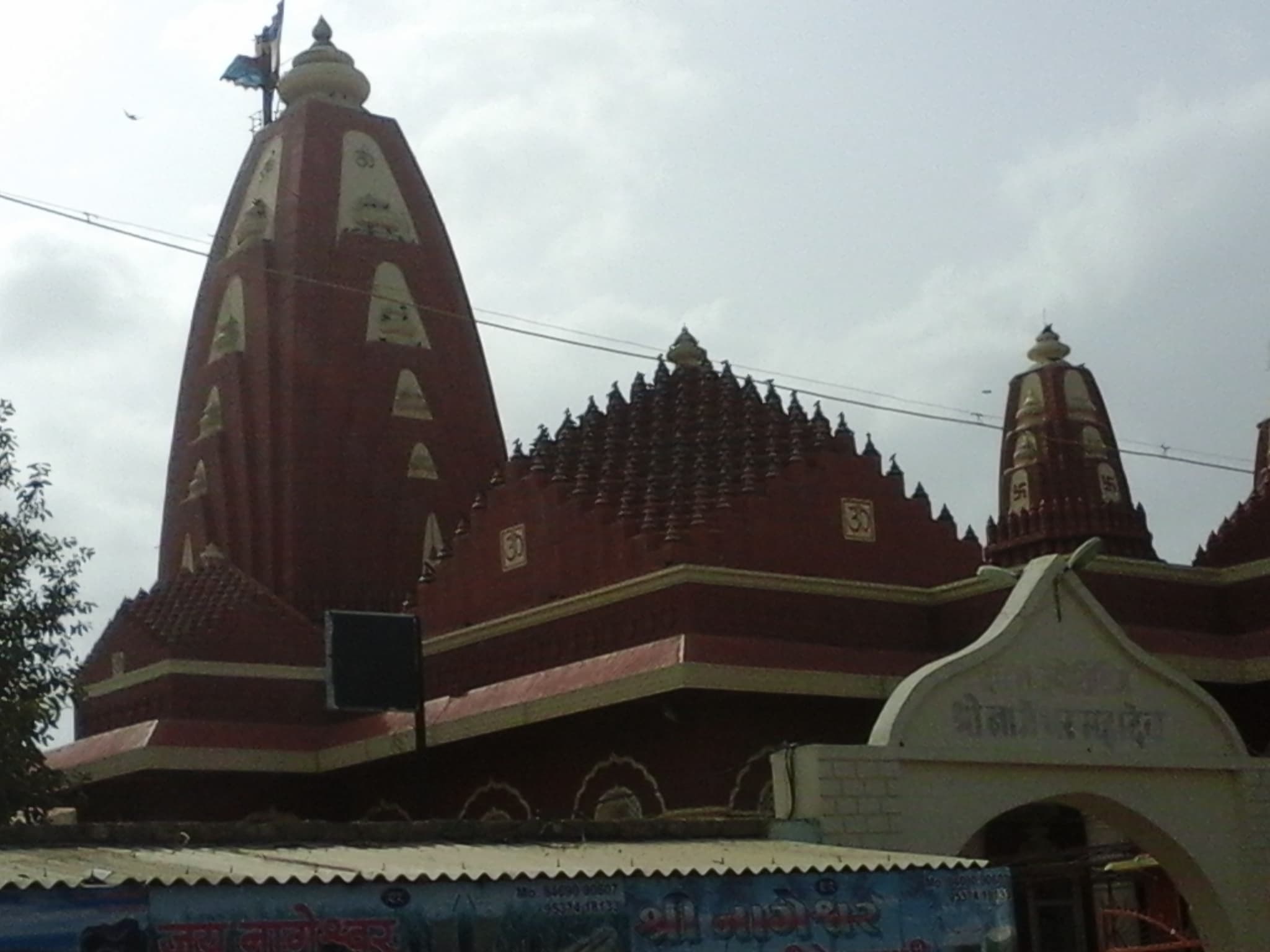
The Gujarat sun beat down, casting long shadows across the sprawling complex of the Nageshwar Jyotirlinga Temple. Located in Daarukavanam, near the fabled city of Dwarka, this temple pulsates with a palpable energy, a hum of devotion that resonates through the very stones. It’s not just another temple; it’s a testament to faith, a vibrant tapestry woven with mythology, history, and architectural brilliance. My lens, accustomed to capturing the grandeur of India's heritage, found itself constantly drawn to new details. The towering, freshly painted Shikhara, adorned with intricate carvings, dominated the skyline. Its vibrant hues, a stark contrast against the clear blue sky, seemed to amplify the sacredness of the space. Unlike some ancient temples weathered by time, Nageshwar retains a vividness, a sense of renewal that speaks to the continuous devotion it receives. As I moved closer, the sheer scale of the Nandi statue became apparent. It’s colossal, a magnificent sculpture guarding the entrance to the main shrine. The meticulous detailing on the Nandi, from the folds of its skin to the expression on its face, showcases the sculptor's mastery. I spent a considerable amount of time circling it, capturing its imposing presence from various angles. The play of light and shadow on its polished black surface added another layer of depth to the photographs. Stepping inside the main sanctum, I was enveloped by a sense of tranquility. The air was thick with the scent of incense and the murmur of prayers. The Jyotirlinga, the symbolic representation of Lord Shiva, resides within the garbhagriha, radiating a powerful spiritual aura. Photography isn't permitted inside the inner sanctum, which, in a way, enhances the mystique. It allows the experience to become more personal, more introspective. You’re forced to engage with the space, to absorb the energy, rather than simply capturing an image. The temple complex is remarkably well-maintained. The marble flooring, polished to a gleam, reflects the vibrant colours of the devotees' attire. I observed families performing rituals, their faces etched with devotion. The atmosphere was charged with a collective sense of faith, a shared spiritual experience that transcended language and background. It wasn't just a religious site; it was a living, breathing testament to the enduring power of belief. The surrounding gardens, a welcome respite from the sun's intensity, added to the temple's charm. The meticulous landscaping, with its vibrant flowers and manicured lawns, provided a tranquil setting for contemplation. I noticed several devotees sitting quietly amidst the greenery, lost in prayer or simply absorbing the peaceful atmosphere. One aspect that particularly struck me was the seamless blend of the old and the new. While the core temple structure exudes ancient wisdom and architectural heritage, the surrounding facilities, including the restrooms and the prasadam counters, are modern and well-maintained. This delicate balance ensures that the temple remains accessible and comfortable for visitors while preserving its historical and spiritual significance. My time at Nageshwar Jyotirlinga Temple was more than just a photographic assignment; it was a spiritual journey. It was a chance to witness the unwavering faith of the devotees, to marvel at the architectural brilliance of the temple, and to capture the essence of a sacred space that has resonated with pilgrims for centuries. As I packed my equipment, I knew that the images I captured were more than just photographs; they were fragments of a vibrant spiritual tapestry, a testament to the enduring power of faith in the heart of India.
Golden Pagoda Namsai
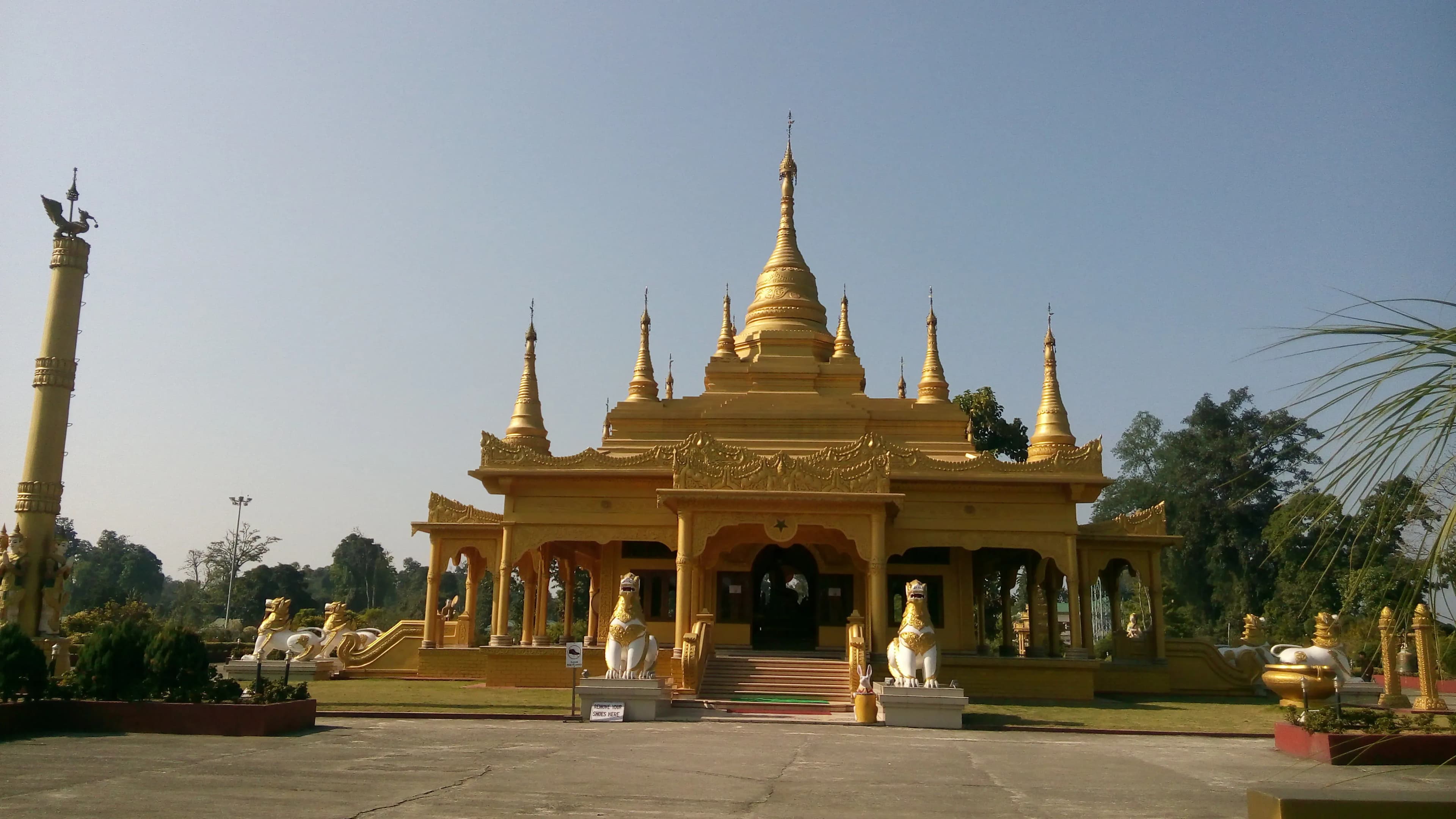
The rising sun cast a warm, buttery glow on the Golden Pagoda, or Kongmu Kham as it’s known locally, illuminating its intricate carvings and reflecting brilliantly off the gold-plated roof. Standing at the base of this architectural marvel in Namsai, Arunachal Pradesh, I felt a sense of awe wash over me. Having explored countless caves and temples across Maharashtra, I thought I had become somewhat jaded to such grandeur, but the Kongmu Kham proved me wrong. This wasn't just a temple; it was a beacon of Tai Khamti culture and a testament to their devotion. The first thing that struck me was the sheer scale of the pagoda. It dominates the landscape, rising majestically against the backdrop of lush green hills. The architecture is a captivating blend of Burmese and Tai Khamti styles, a visual reminder of the region's historical connections. As I ascended the steps leading to the main platform, I noticed the intricate detailing on the railings, depicting mythical creatures and floral motifs. The craftsmanship was exquisite, each element meticulously carved and painted in vibrant hues. The main prayer hall is a symphony of gold and red. The walls are adorned with murals depicting scenes from the Buddha's life, each panel a vibrant narrative in itself. The air was thick with the scent of incense, and the low hum of chanting created a serene and meditative atmosphere. Unlike the hushed reverence I’ve encountered in many Maharashtrian temples, here there was a palpable sense of community. Families sat together, offering prayers and sharing stories, creating a vibrant tapestry of faith and fellowship. I spent hours exploring the complex, discovering hidden courtyards and smaller shrines tucked away amidst the sprawling grounds. One particularly captivating feature was the museum located within the complex. It housed a fascinating collection of artifacts, including ancient scriptures, traditional clothing, and musical instruments, offering a glimpse into the rich history and cultural heritage of the Tai Khamti people. I was particularly drawn to a display of intricately woven textiles, showcasing the community's artistic prowess. The vibrant colours and intricate patterns were a testament to their skill and dedication to preserving their traditions. The Kongmu Kham is more than just a religious site; it serves as a cultural hub for the Tai Khamti community. I observed locals engaged in various activities, from practicing traditional dances to teaching children about their heritage. This vibrant interaction underscored the temple's role as a living, breathing testament to the community's identity. It reminded me of the vital role temples play in Maharashtra, not just as places of worship but as centers of social and cultural exchange. As the sun began to set, casting long shadows across the golden facade, I found a quiet spot overlooking the surrounding valley. The panoramic view, coupled with the tranquil atmosphere, created a sense of profound peace. The Kongmu Kham had touched me in a way I hadn't anticipated. It wasn't just the architectural splendor or the rich history; it was the palpable sense of community, the vibrant expression of faith, and the dedication to preserving cultural heritage that truly resonated with me. Leaving the Golden Pagoda, I carried with me not just photographs and memories, but a deeper appreciation for the diverse tapestry of cultures that make India so unique. My journey through the caves and temples of Maharashtra had prepared me for the visual grandeur, but the Kongmu Kham offered something more – a glimpse into the heart and soul of a community.
Pemayangtse Monastery Pelling
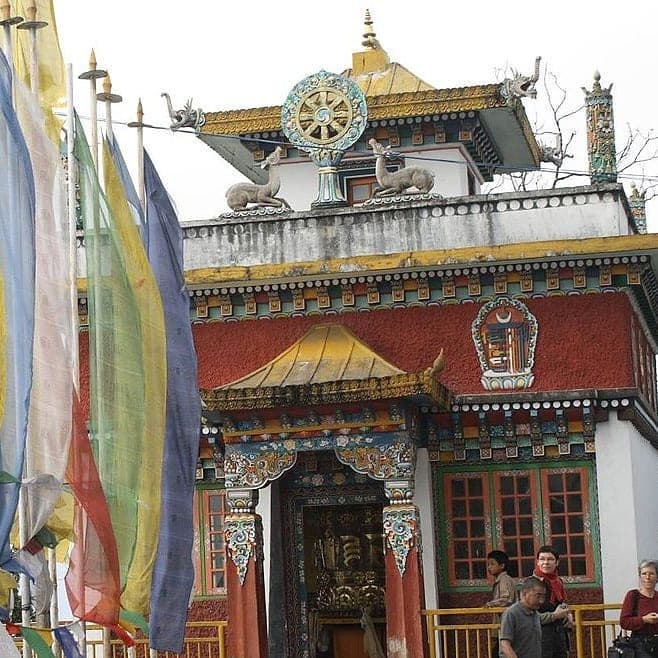
The biting Himalayan wind whipped prayer flags into a frenzy of colour against the backdrop of Kanchenjunga’s snow-capped majesty. Here, perched on a hilltop overlooking Pelling, stood the Pemayangtse Monastery, a structure that seemed to breathe history. As a cultural journalist from Uttar Pradesh, steeped in the grandeur of our own ancient temples and mosques, I was eager to experience the unique spiritual and architectural tapestry of this Sikkimese Buddhist sanctuary. The climb to the monastery itself was a pilgrimage of sorts, the winding path lined with vibrant rhododendrons. The monastery, built in 1705, is one of the oldest and most important in Sikkim, belonging to the Nyingma order, the oldest of the four major schools of Tibetan Buddhism. Its very name, Pemayangtse, translates to "Perfect Sublime Lotus," a moniker that felt entirely appropriate as I stepped through the intricately carved wooden doorway. The architecture struck me immediately. Unlike the stone structures I was accustomed to back home, Pemayangtse is primarily constructed of wood, lending it a sense of organic warmth. The multi-tiered roofs, adorned with ornate carvings and vibrant paint, curved upwards towards the heavens, echoing the surrounding peaks. The intricate woodwork, a testament to the skill of Sikkimese artisans, depicted mythical creatures, deities, and intricate floral patterns. It was a visual feast, every inch narrating a story from Buddhist scriptures. Inside, the atmosphere was hushed and reverent. The main prayer hall, or 'Lhakhang', was dimly lit, the air thick with the scent of burning incense. Giant thangkas, religious scrolls depicting Buddhist iconography, hung from the walls, their vibrant colours seeming to glow in the soft light filtering through the small windows. The centrepiece, however, was the seven-tiered wooden model of 'Sangthok Palri', the heavenly abode of Guru Rinpoche, also known as Padmasambhava, the founder of Tibetan Buddhism. This intricate structure, a marvel of craftsmanship, is said to be rebuilt every three years, a ritual that underscores the cyclical nature of Buddhist philosophy. I spent hours exploring the monastery, each room revealing new treasures. Ancient scriptures bound in leather, ceremonial masks used in religious dances, and antique musical instruments – each artefact whispered tales of centuries-old traditions and unwavering faith. I was particularly captivated by the wall paintings, which, unlike the frescoes I’d seen in Uttar Pradesh, possessed a distinct Tibetan style, characterized by bold lines, vibrant colours, and a focus on symbolic representation. One of the monks, a young man with a gentle smile, explained the significance of various symbols and rituals. He spoke of the importance of compassion, mindfulness, and the pursuit of enlightenment, principles that resonated deeply, transcending geographical and cultural boundaries. His words, coupled with the serene atmosphere of the monastery, fostered a sense of inner peace, a feeling I hadn’t anticipated amidst the grandeur of the Himalayas. As I descended the hill, the setting sun casting long shadows across the valley, I carried with me more than just photographs and notes. Pemayangtse Monastery was not merely a historical site; it was a living testament to the power of faith, the beauty of artistic expression, and the enduring legacy of a rich cultural heritage. It served as a powerful reminder that despite the diversity of our traditions, the human quest for spiritual understanding remains a universal thread that binds us together. The experience, for me, was a poignant reminder of the interconnectedness of cultures and the profound impact such places can have on shaping our understanding of the world.
Durga Mandir Varanasi
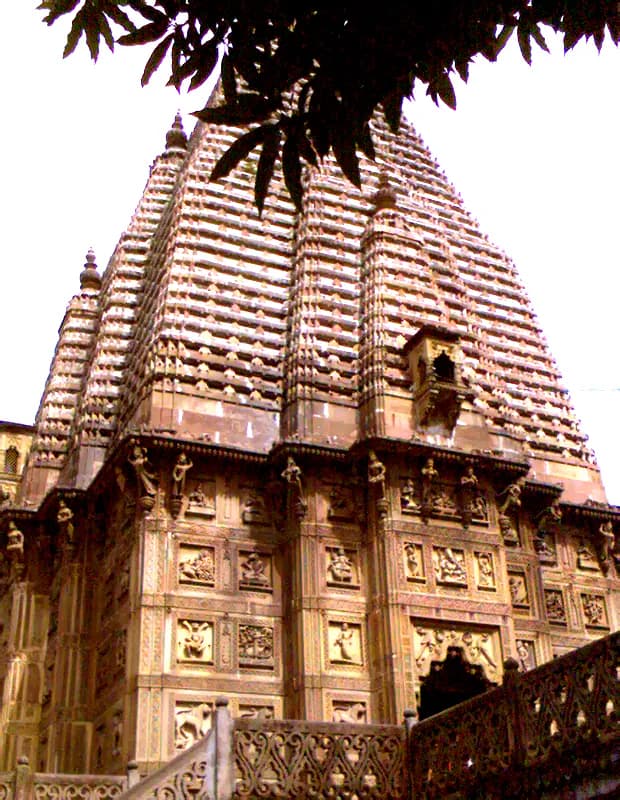
The air vibrates with a palpable energy. Not the frenetic energy of Varanasi’s bustling ghats, but something older, something rooted deeper. Here, nestled amidst the labyrinthine lanes a short boat ride from the main ghats, stands Durga Mandir, a 17th-century temple dedicated to the warrior goddess Durga. Its walls, a vibrant shade of ochre, rise against the sky, a beacon of power and devotion. My journey to Durga Mandir, another tick on my quest to experience every UNESCO site in India, began with a dawn boat ride. The Ganges, still shrouded in the morning mist, held a serene beauty, a stark contrast to the vibrant chaos that would soon erupt on its banks. As we approached Ramnagar, the temple's distinctive profile emerged, its multiple shikharas reaching towards the heavens. Stepping off the boat and onto the dusty lane leading to the temple, I was immediately struck by the sense of anticipation. The air buzzed with the low hum of chanting and the clang of bells. The temple, built on a high plinth, commanded attention. Its Nagara style architecture, typical of North Indian temples, is a feast for the eyes. The multi-tiered shikharas, adorned with intricate carvings, rise in a rhythmic crescendo, culminating in ornate finials. The ochre walls, though weathered by time and the elements, retain their vibrancy, a testament to the enduring faith of the devotees. A large rectangular pond, known as Durga Kund, flanks the temple. Local lore claims it was dug by the goddess herself and is connected to the nearby Ganges. The water, a murky green, reflects the temple’s imposing structure, creating a mesmerizing mirror image. Devotees circumambulate the kund, their prayers mingling with the chirping of birds and the distant sounds of the city. Entering the main sanctum, I was enveloped in a heady mix of incense, flowers, and the fervent energy of prayer. The dimly lit space, illuminated by flickering oil lamps, held an air of mystery. The idol of Goddess Durga, resplendent in red and gold, sits majestically on a lion, her multiple arms holding various weapons. The sheer power emanating from the deity is palpable, leaving an indelible impression on the visitor. While the main shrine is dedicated to Durga, the temple complex also houses smaller shrines dedicated to other deities, including Lord Hanuman and Lord Shiva. Each shrine, though smaller in scale, boasts the same intricate carvings and vibrant colours, showcasing the rich artistic traditions of the region. What struck me most about Durga Mandir wasn't just its architectural grandeur or the palpable devotion of its visitors. It was the seamless blend of history, mythology, and everyday life. Outside the temple walls, life continued at its usual pace. Vendors hawked their wares, children played in the dusty lanes, and cows ambled along, seemingly oblivious to the sacred space they shared. This juxtaposition of the sacred and the mundane, the ancient and the contemporary, is what makes Varanasi, and indeed India, so uniquely captivating. As I left Durga Mandir, the setting sun casting long shadows across the Ganges, I carried with me not just photographs and memories, but a deeper understanding of the enduring power of faith and the rich tapestry of Indian culture. This temple, a vibrant testament to devotion and artistry, is a must-see for anyone seeking to experience the true essence of Varanasi.

Kiriteswari Temple Murshidabad
The terracotta-red spire of the Kiriteswari Temple, rising against the muted green of rural Bengal, felt strangely familiar. Having explored countless caves and temples across Maharashtra, I’ve become accustomed to a certain architectural vocabulary – the solid basalt structures of the Deccan, the intricate carvings of Ellora and Ajanta. Yet, here in Murshidabad, a whisper of that familiarity echoed, a testament to the cultural exchange that has shaped India's heritage. Kiriteswari, dedicated to the fearsome form of Goddess Durga, stands as a powerful symbol of Shakti. Unlike the stone edifices I'm used to, this temple, rebuilt in the late 19th century, embraces the region's affinity for brick and terracotta. The towering spire, or *shikhara*, follows the classic Bengali *ek-ratna* style, a single pinnacle crowned with a decorative finial. Its surface, however, is a riot of terracotta plaques, depicting scenes from mythology, everyday life, and even glimpses of colonial influence. I noticed depictions of British soldiers alongside traditional motifs of gods and goddesses, a fascinating visual representation of the era in which the temple was reconstructed. Stepping inside the temple courtyard, I was immediately struck by the palpable energy. Devotees thronged the space, their chants and prayers creating a vibrant soundscape. The air was thick with the scent of incense and flowers, a sensory overload that transported me far from the quiet serenity of Maharashtra's cave temples. The main sanctum, relatively small and dimly lit, houses the deity – a small, unassuming black stone representing Goddess Kiriteswari. The simplicity of the idol contrasted sharply with the elaborate ornamentation of the temple exterior, highlighting the essence of devotion that lies beyond outward appearances. I spent hours wandering through the temple complex, examining the intricate details of the terracotta panels. The craftsmanship was remarkable. Each panel, though weathered by time and the elements, told a story. I saw depictions of Krishna playing the flute, scenes from the Ramayana, and even portrayals of British officers in their colonial attire. These panels offered a unique glimpse into the socio-cultural landscape of 19th-century Bengal, a period of transition and cultural confluence. One particular panel caught my attention – a depiction of a European ship sailing on the Ganges. This seemingly insignificant detail spoke volumes about the impact of colonial trade on the region. Murshidabad, once the capital of Bengal, was a major trading hub, and the presence of European ships on the river would have been a common sight. The inclusion of this detail in the temple's ornamentation highlighted the way in which local artists incorporated elements of their changing world into their artistic expression. As the sun began to set, casting long shadows across the temple courtyard, I found a quiet corner to reflect on my experience. Kiriteswari Temple, though geographically distant from the temples and caves I've explored in Maharashtra, resonated with a similar spirit of devotion and artistic expression. The difference in architectural style, the use of terracotta instead of stone, the vibrant energy of the devotees – these were not differences that separated, but rather nuances that enriched the tapestry of Indian heritage. It reinforced my belief that the true beauty of exploring India lies not in seeking uniformity, but in embracing the rich diversity of its cultural expressions. The whispers of familiarity I felt upon arrival had transformed into a resounding affirmation of the interconnectedness of India's spiritual and artistic traditions.
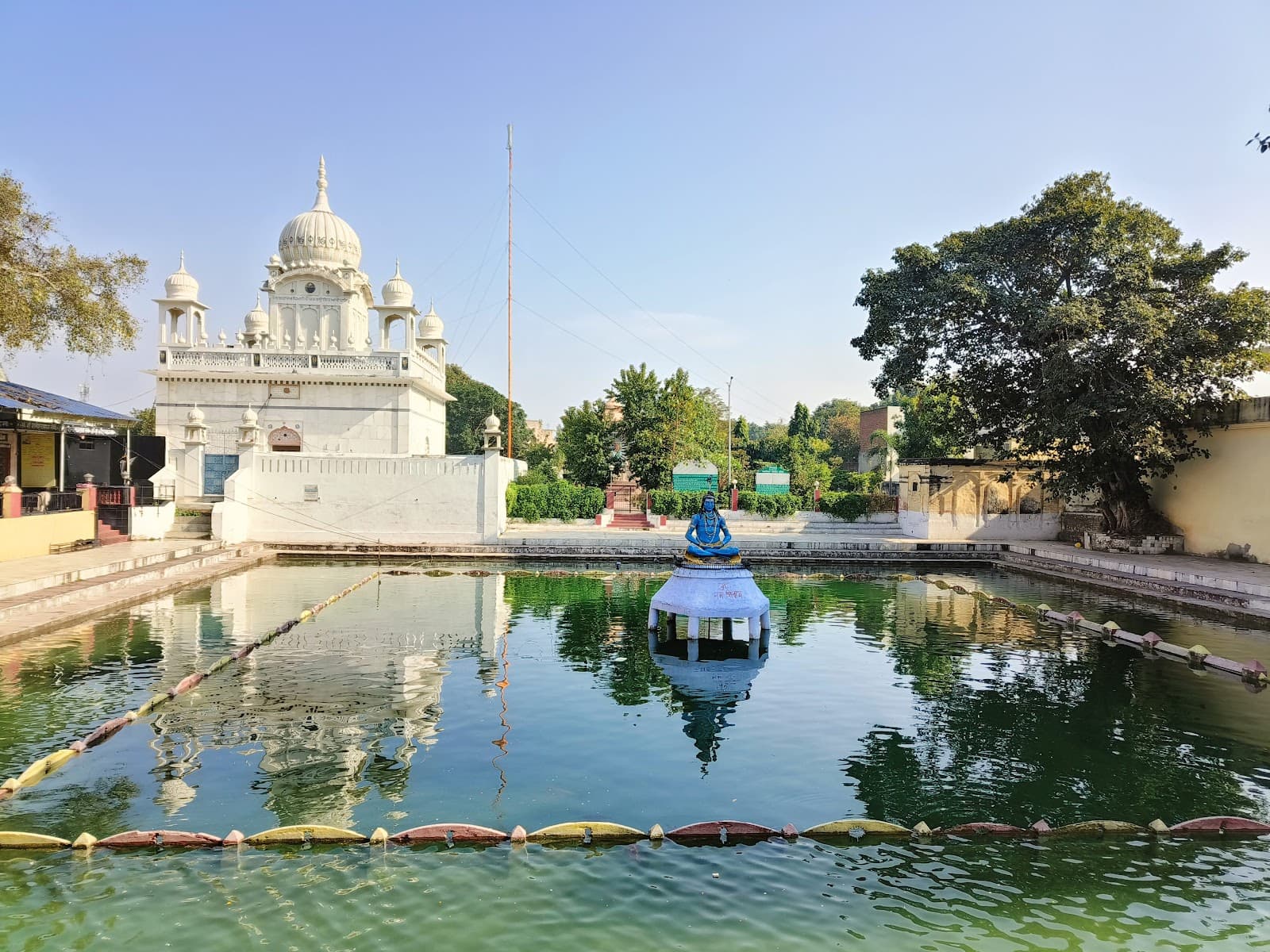
Sthaneshwar Mahadev Temple Thanesar
The late afternoon sun cast long shadows across the courtyard of the Sthaneshwar Mahadev Temple, painting the weathered stone a warm ochre. Dust motes danced in the shafts of light filtering through the gaps in the surrounding buildings, lending an ethereal quality to the scene. Here, in the heart of Thanesar, nestled within the historically significant land of Kurukshetra, stood a testament to centuries of devotion and architectural evolution. My visit wasn't just a reporting assignment; it was a pilgrimage of sorts, a chance to connect with the tangible remnants of India's rich past. The temple's current structure, while undeniably impressive, whispers of multiple reconstructions. The core, I learned from the temple priest, dates back to the ancient period, possibly even pre-Gupta times. However, much of what stands today bears the unmistakable mark of the Maratha reconstruction in the 18th century. This layering of history, this palimpsest of architectural styles, is precisely what makes Sthaneshwar Mahadev so fascinating. The shikhara, the towering superstructure above the sanctum sanctorum, rises with a gentle curve, its surface adorned with intricate carvings. While the Maratha influence is evident in the overall form, closer inspection reveals subtle nods to earlier architectural traditions. The amalaka, the crowning disc-like element, retains a classical simplicity, hinting at the temple’s older origins. I spent a considerable amount of time circling the structure, my gaze tracing the lines of the carvings, trying to decipher the stories they told. Many were weathered beyond recognition, yet their presence spoke volumes about the devotion and artistry of the craftsmen who had painstakingly etched them into the stone. Stepping inside the sanctum, I was struck by the palpable sense of reverence. The air was thick with the scent of incense and the murmur of prayers. The main deity, Lord Shiva, is represented by a lingam, a smooth, cylindrical stone that is the focal point of worship. The simplicity of this aniconic representation contrasted sharply with the ornate carvings that adorned the surrounding walls. It was a powerful reminder of the core principles of Hindu philosophy – the formless divine residing within the tangible world. The temple complex is not limited to the main shrine. Smaller shrines dedicated to various deities dot the courtyard, each with its own unique character. I was particularly drawn to a small, almost hidden shrine dedicated to Lord Hanuman. The vibrant vermilion paint that covered the statue of the Hanuman contrasted beautifully with the muted tones of the surrounding stonework. One of the most striking features of the Sthaneshwar Mahadev Temple is its connection to the sacred tank, known as the Brahma Sarovar. Located just a short walk from the temple, the tank is believed to have been created by Lord Brahma himself. Pilgrims come from far and wide to bathe in its holy waters, particularly during the solar eclipse. Standing by the edge of the tank, I could feel the weight of history and mythology pressing down on me. This was not just a body of water; it was a living testament to the enduring power of faith. My visit to Sthaneshwar Mahadev was more than just an architectural study; it was an immersion into the living tapestry of Indian culture and spirituality. The temple, with its layers of history, its intricate carvings, and its palpable sense of sanctity, offered a glimpse into the enduring power of faith and the artistry of those who sought to express it through architecture. As I left the temple grounds, the setting sun casting long shadows behind me, I carried with me not just photographs and notes, but a deeper understanding of the continuity of India's cultural heritage.
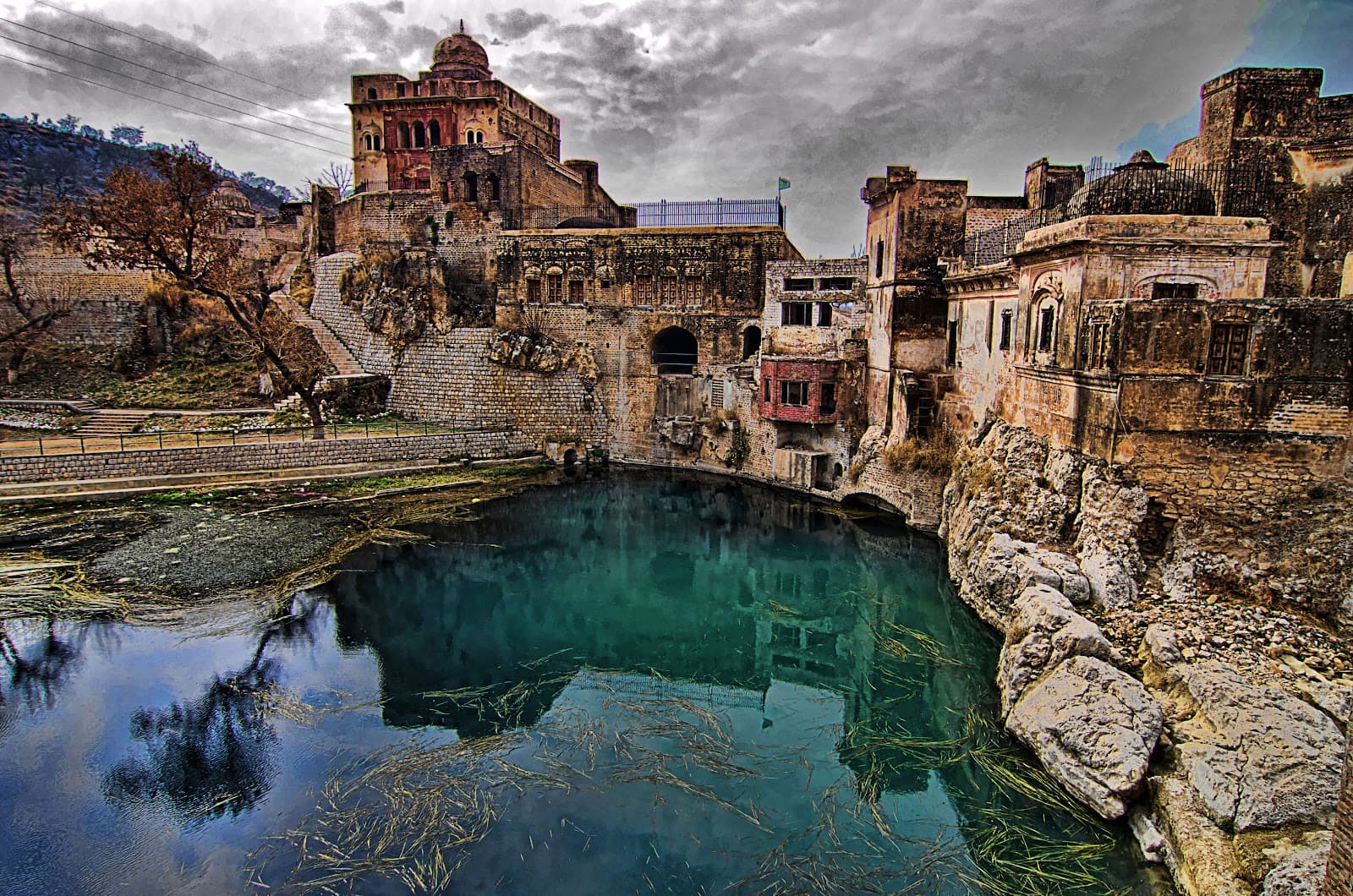
Katas Raj Temples Chakwal Punjab
Katas Raj Temples, located in Chakwal District of Punjab Province, represent one of the most significant and architecturally sophisticated Hindu temple complexes in Pakistan, dating from the 6th to 10th centuries CE and constructed during the Hindu Shahi dynasty period when this region formed part of the greater Hindu rashtra extending across the Indian subcontinent. The temple complex, centered around a sacred pond believed to have been formed from the tears of Lord Shiva mourning the death of his consort Sati, spans approximately 4 hectares and features seven major temples arranged in a mandala pattern around the pond, with the main Shiva temple rising 15 meters and constructed from locally quarried red sandstone and limestone. The complex demonstrates the evolution of Hindu temple architecture in the northwestern regions of ancient India, incorporating elements from Gandhara, Gupta, and early medieval North Indian styles, with distinctive features including corbelled vaulting, intricately carved lintels depicting scenes from the Ramayana and Mahabharata, and sophisticated drainage systems channeling water from surrounding hills into the sacred pond. Archaeological evidence indicates the site was continuously occupied from the 6th century CE through the 11th century, serving as both a religious center and waypoint on ancient trade routes connecting the Indus Valley to Central Asia. The temples are associated with the Mahabharata epic, with local tradition holding that the Pandava brothers spent part of their exile here, and the site contains evidence of both Shaiva and Vaishnava worship, reflecting the syncretic nature of Hindu practice in the region. The complex underwent extensive restoration from 2006 to 2017 under the supervision of the Evacuee Trust Property Board and Archaeological Survey of Pakistan, involving structural stabilization, conservation of decorative elements, and restoration of the sacred pond. Today, Katas Raj Temples remain an active site of Hindu worship, particularly during Maha Shivaratri, and serve as a powerful symbol of the ancient Hindu heritage of Pakistan, demonstrating the continuity of Hindu civilization in regions that were integral parts of the historical Hindu rashtra before the partition of the Indian subcontinent. ([1][2])

Khao Phra Viharn Sisaket
The Temple of Preah Vihear, known in Thailand as Khao Phra Viharn Sisaket, is an ancient Hindu temple dedicated to Lord Shiva, situated atop a 525-meter cliff in the Dângrêk Mountains [5]. This architectural complex, located in the Kantharalak District of Sisaket Province, Thailand, and bordering Cambodia, represents an outstanding masterpiece of Khmer architecture, deeply rooted in the continuous tradition of Indian civilization [1] . Its design is considered exceptionally 'pure' in both its overall plan and the intricate details of its decoration, reflecting the sophisticated indigenous architectural styles that flourished under the Khmer Empire, drawing heavily from Indian prototypes [1] [2]. The temple's construction primarily utilized red siliceous sandstone and laterite, employing traditional construction techniques that demonstrate advanced engineering for its period [4]. The site is characterized by a unique architectural layout, comprising a series of sanctuaries linked by a long processional axis, which is unusual among Khmer temples due to its orientation along a north-south axis rather than the typical east-west alignment [3] [4]. This distinctive arrangement is dictated by the dramatic topography of the mountain, with successive gopuras (entrance pavilions) and courtyards leading upwards to the main sanctuary, creating a powerful visual and spiritual ascent [1]. The decorative elements include elaborate carvings of devatas, apsaras, lintels, and pediments, which are integral to the Khmer aesthetic and reflect Hindu mythological narratives, a testament to the enduring cultural legacy transmitted from India [2]. The temple's structural integrity, despite its age and challenging location, highlights the advanced understanding of materials and construction techniques prevalent in Khmer culture [4]. Conservation efforts are ongoing to preserve its distinctive architectural features and ensure its long-term stability [4]. The site is maintained for visitor access, offering a tangible connection to India's millennia-spanning heritage and the continuous evolution of its cultural traditions across Southeast Asia. The operational readiness of the site supports its role as a significant cultural and historical landmark [1].
Quick Links
Plan Your Heritage Journey
Get personalized recommendations and detailed visitor guides