Has Inheritage Foundation supported you today?
Your contribution helps preserve India's ancient temples, languages, and cultural heritage. Every rupee makes a difference.
Secure payment • Instant 80G certificate
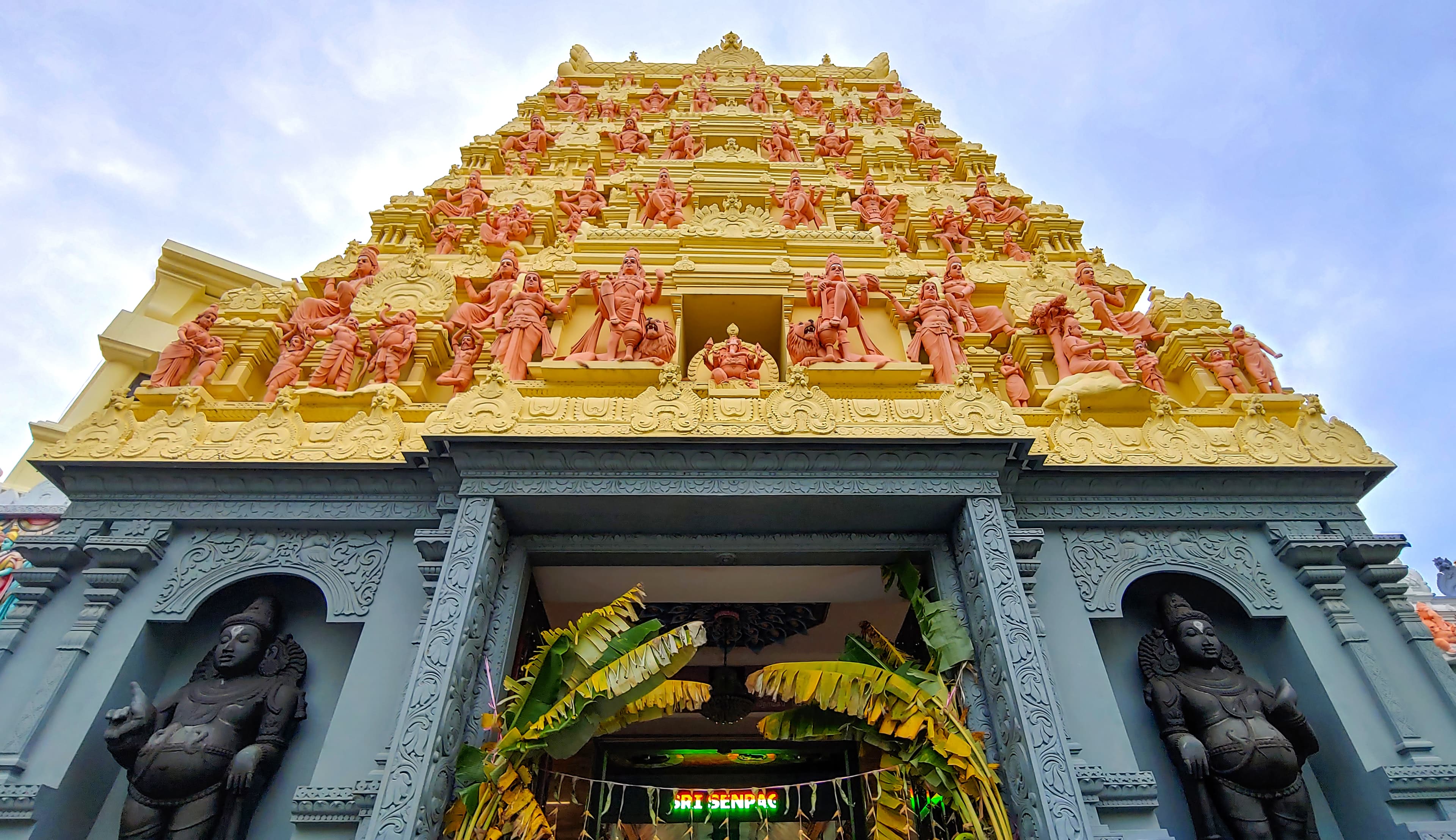
Sri Senpaga Vinayagar Temple Singapore
Sri Senpaga Vinayagar Temple traces its origins to the 1850s when Ceylonese Tamil pioneer Ethirnayagam Pillay discovered a Ganesha murti beside a blooming chenbagam (Michelia champaca) tree along Ceylon Road; today the temple stands as Singapore’s principal Ceylonese Saivite shrine, crowned by a 21-metre golden rajagopuram erected in 2003 and housing an octagonal mandapa where Vinayagar is flanked by deities Murugan, Durga, Lakshmi, and the Navagraha ([1][2]). The temple opens 6:00 AM-12:00 PM and 5:30 PM-9:30 PM daily, hosting six kala puja cycles, annadhanam, Sanskrit and Tamil lessons, Carnatic music, veena, and bharatanatyam academies under its Cultural Arts Council. Facilities include a two-storey multipurpose hall, library, heritage gallery documenting the Singapore Ceylon Tamils’ Association (SCTA), yoga studios, and counselling rooms run in partnership with community agencies. Annual highlights—Varushabishegam, Vinayagar Chaturthi, Navaratri, Maha Sivarathiri, and Thiru Vilakku Pooja—draw thousands, while the temple’s annal Chetti Padi and charity concerts raise funds for migrant workers, seniors, and education grants. The 2017 rejuvenation, led by sthapathis from Tamil Nadu, reinstalled more than 1,500 stucco icons, modernised mechanical systems, and renewed the chenbagam garden, reaffirming the temple’s status as a cultural beacon and welfare hub for Singapore’s Sri Lankan Tamil diaspora ([1][3]).
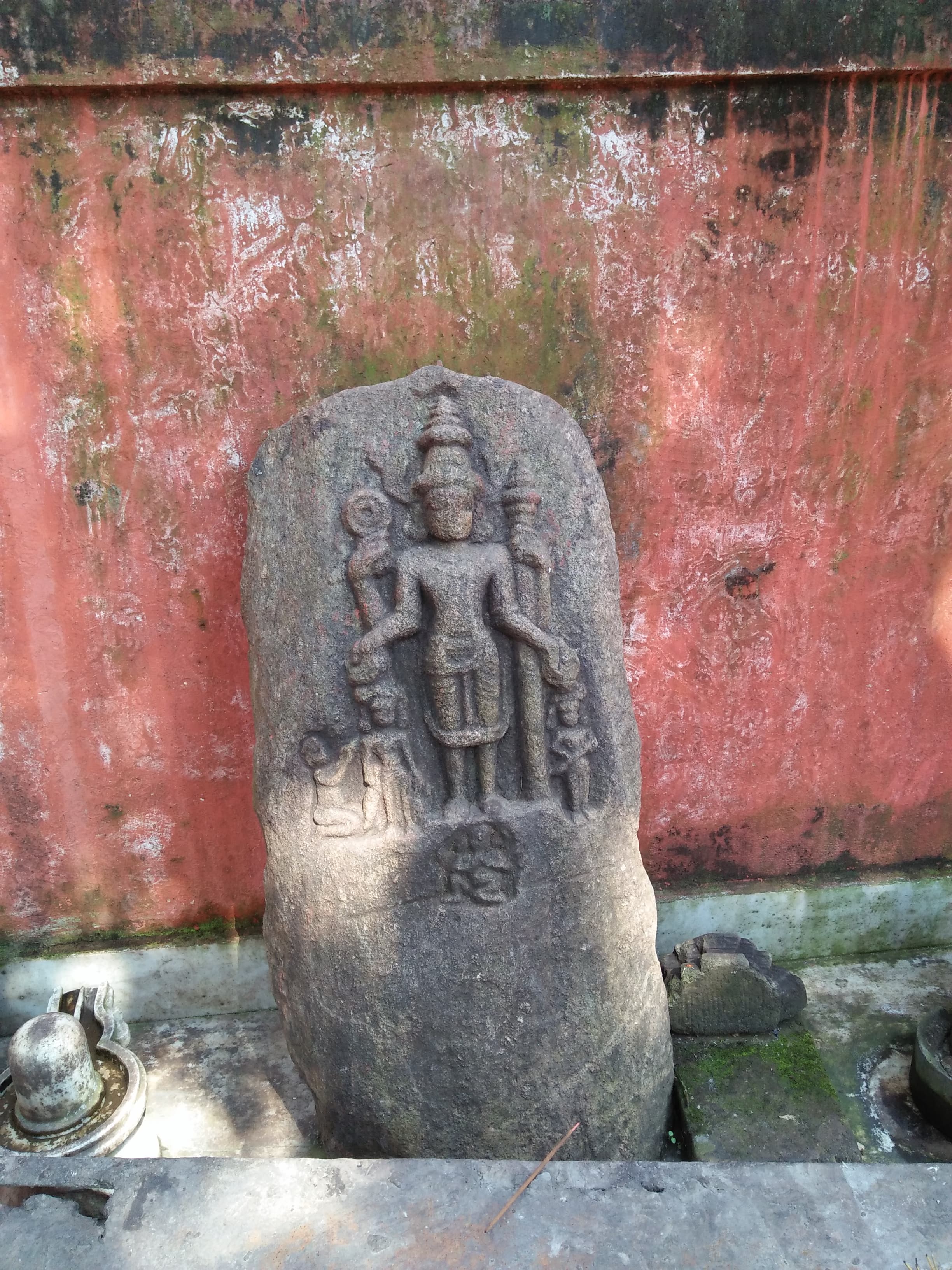
Basistha Temple Guwahati
Nestled near Guwahati, Assam, the Basistha Temple provides a tranquil retreat, its history dating back to 1751 CE during the Ahom period ([1][2]). Ahom King Rajeswar Singha commissioned this sacred space dedicated to Sage Basistha ([2]). The architectural style showcases an eclectic fusion of Ahom, Hindu, and even Mughal influences ([3]). Stone construction dominates the primary structure, harmoniously integrating with the natural surroundings ([1]). Intricate carvings embellish the walls, depicting deities and traditional floral motifs, reflecting the artistic heritage of Assam ([4]). The Sandhya River gracefully flows through the ashram, revered by devotees who partake in ritual bathing and ceremonies, emphasizing the temple's profound spiritual connection to nature ([1][2]). Smaller shrines and serene meditation caves are dotted around the complex, encouraging personal contemplation ([1]). During the Ahom reign, temple architecture witnessed unique regional adaptations ([3]). The *shikhara* (spire), while present, exhibits a less pronounced form compared to other Indian temple styles ([4]). Within the *Garbhagriha* (sanctum), a *lingam* symbolizes the divine energy of Shiva ([1]). This sacred emblem represents the focal point of worship and reverence. This temple stands as a testament to the community's enduring faith and Assam's rich cultural heritage ([2]). Its serene atmosphere and unique architectural ingenuity contribute to the Basistha Temple's enduring charm ([1][3]). The temple embodies the syncretic architectural traditions of the Ahom era, blending indigenous styles with influences from neighboring regions ([3]). It serves as a reminder of the region's vibrant past and its continued spiritual significance ([1][2]).
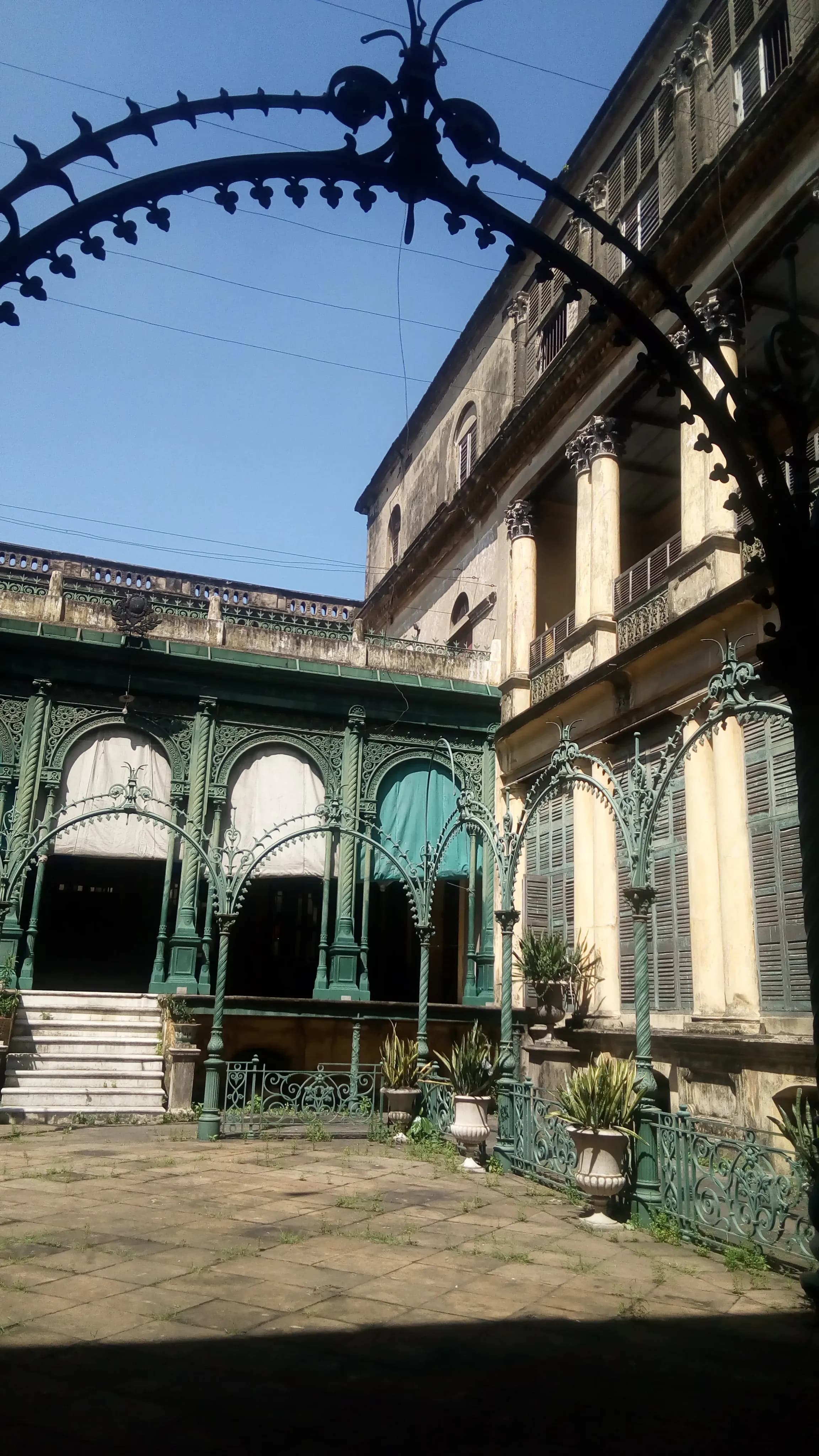
Mullick House Kolkata
The humid Kolkata air hung heavy, a stark contrast to the dry heat I’m accustomed to in Uttar Pradesh. I stood before the imposing façade of Mullick House, a crumbling testament to a bygone era of mercantile opulence. Located on Pathuriaghata Street, this haveli, once the residence of the wealthy Mullick family, whispered stories of indigo, jute, and the ebb and flow of fortune in colonial India. The first thing that struck me was the sheer scale of the structure. Despite its dilapidated state, the grandeur was undeniable. The ornate Corinthian columns, though weathered and stained, still held their heads high, supporting balconies that must have once overflowed with life. The intricate stucco work, depicting floral motifs and mythological figures, bore the scars of time and neglect, yet retained a ghostly elegance. It was a poignant reminder of the ephemeral nature of wealth and power. Stepping through the arched gateway felt like entering a time capsule. The vast courtyard, now overgrown with weeds and littered with debris, once pulsated with the activity of a large joint family. I could almost envision the bustling scenes – children playing, women gossiping in hushed tones, and the patriarch holding court. The remnants of a fountain, choked with dust and leaves, hinted at a past desire for aesthetic refinement. The interior of the haveli was a labyrinth of interconnected rooms, each bearing the marks of its former occupants. Faded frescoes adorned the walls, depicting scenes from the epics, perhaps a reflection of the family's cultural roots. The high ceilings, once adorned with elaborate chandeliers, now revealed peeling paint and exposed beams. The intricate tile work on the floors, though cracked and broken in places, spoke of a time when no expense was spared in the pursuit of beauty. I climbed the grand staircase, its wooden banisters worn smooth by countless hands. The upper floors offered a panoramic view of the surrounding neighbourhood, a chaotic jumble of narrow lanes and crumbling buildings. It was a stark reminder of the changing face of Kolkata, a city grappling with its colonial legacy. As I wandered through the decaying rooms, I couldn't help but draw parallels with the havelis of my own Uttar Pradesh. While the architectural styles differed, the underlying ethos was the same – a celebration of family, tradition, and prosperity. Yet, unlike the meticulously preserved havelis of Lucknow and Varanasi, Mullick House seemed to have been abandoned to the vagaries of time. The neglect was heartbreaking. This wasn't just a building; it was a repository of memories, a tangible link to a significant period in Indian history. The stories embedded within its walls – of trade, migration, and cultural exchange – were in danger of being lost forever. My visit to Mullick House was a bittersweet experience. It was a privilege to witness the remnants of such architectural splendour, but also a sobering reminder of the importance of preservation. As I stepped back onto the bustling streets of Kolkata, I carried with me not just images of crumbling grandeur, but also a renewed appreciation for the fragility of our heritage. The whispers of Mullick House, though fading, deserve to be heard, its stories deserve to be told, and its legacy deserves to be protected. It stands as a potent symbol of a shared past, a past that shapes our present and will continue to influence our future.
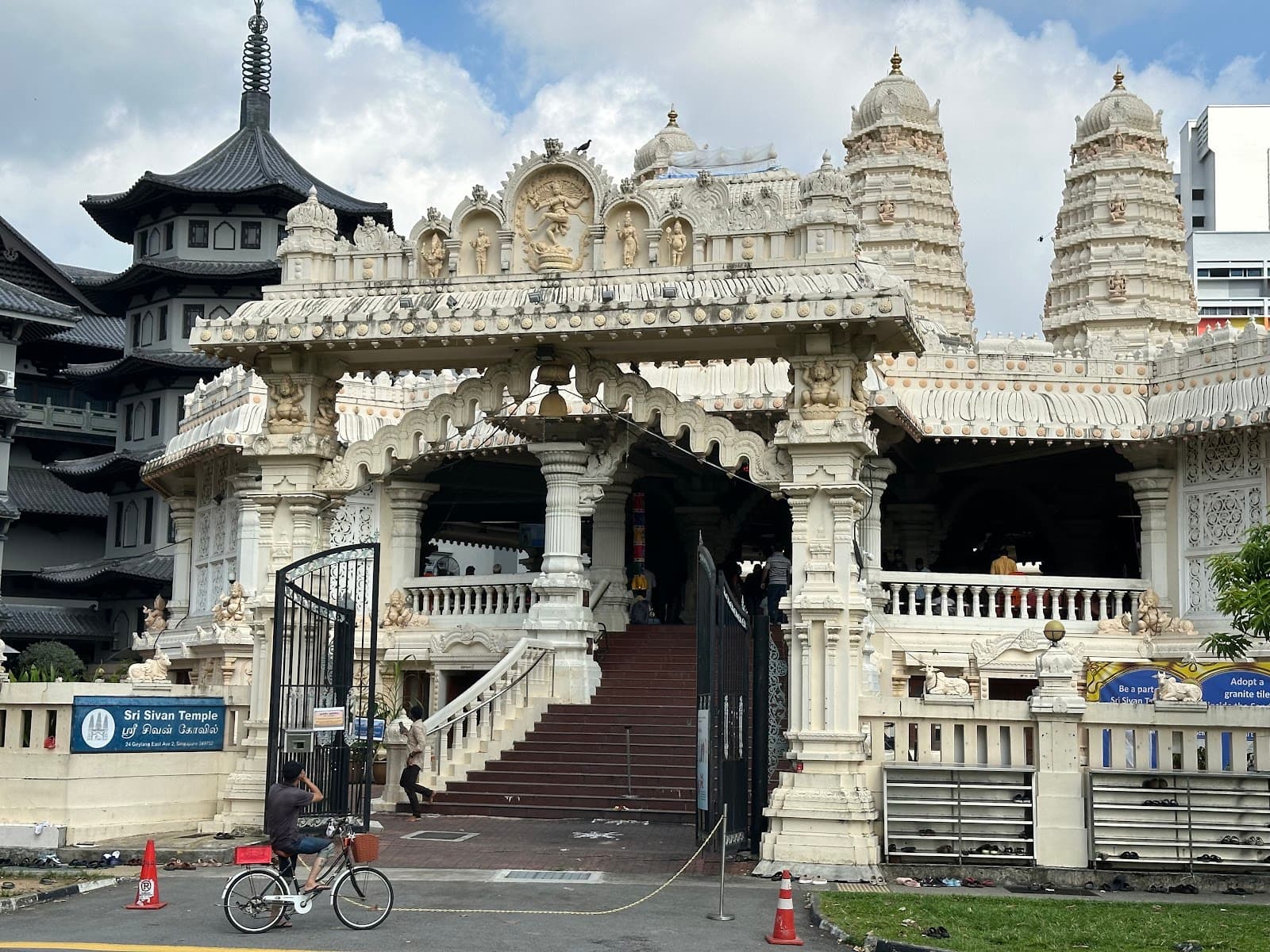
Sri Sivan Temple Singapore
Sri Sivan Temple, whose roots date to an 1850s attap shrine in Orchard Road, stands today in Geylang as the city’s primary Saiva Siddhanta temple featuring a rare octagonal sanctum, modern gopuram, and roof skylights that bathe Sri Kariamman and Sri Sivan in natural light ([1][2]). The current complex, consecrated in 1993 and managed by the Hindu Endowments Board, opens daily 6:30 AM-12:00 PM and 6:00 PM-9:00 PM with six daily puja kalam: Kala Shanthi, Uchikalam, Sayarakshai, Arthajama, and special pradosham rites; the prasadam hall and courtyard serve vegetarian meals, while classrooms host Saiva Siddhanta, Tamil, music, and yoga lessons. The temple is celebrated for its annual Maha Sivarathiri (overnight vigil), Panguni Uthiram, Pradosham, and Navaratri, and for its second-storey columbarium, a unique adaptation supporting contemporary Hindu funerary practices. Community services include annadhanam, counselling, legal aid, health screenings, and seniors’ programmes orchestrated with People’s Association and Health Promotion Board. During COVID-19, the temple provided virtual darshan, vaccination outreach, and relief parcels for vulnerable residents. Integrated AV systems, livestream studios, LED relighting, BMS climate controls, and CCTV sustain safe operations, while heritage tours highlight the temple’s evolution from Orchard Road to Dhoby Ghaut and finally Geylang, mapping Singapore’s urban transformation ([1][3]).
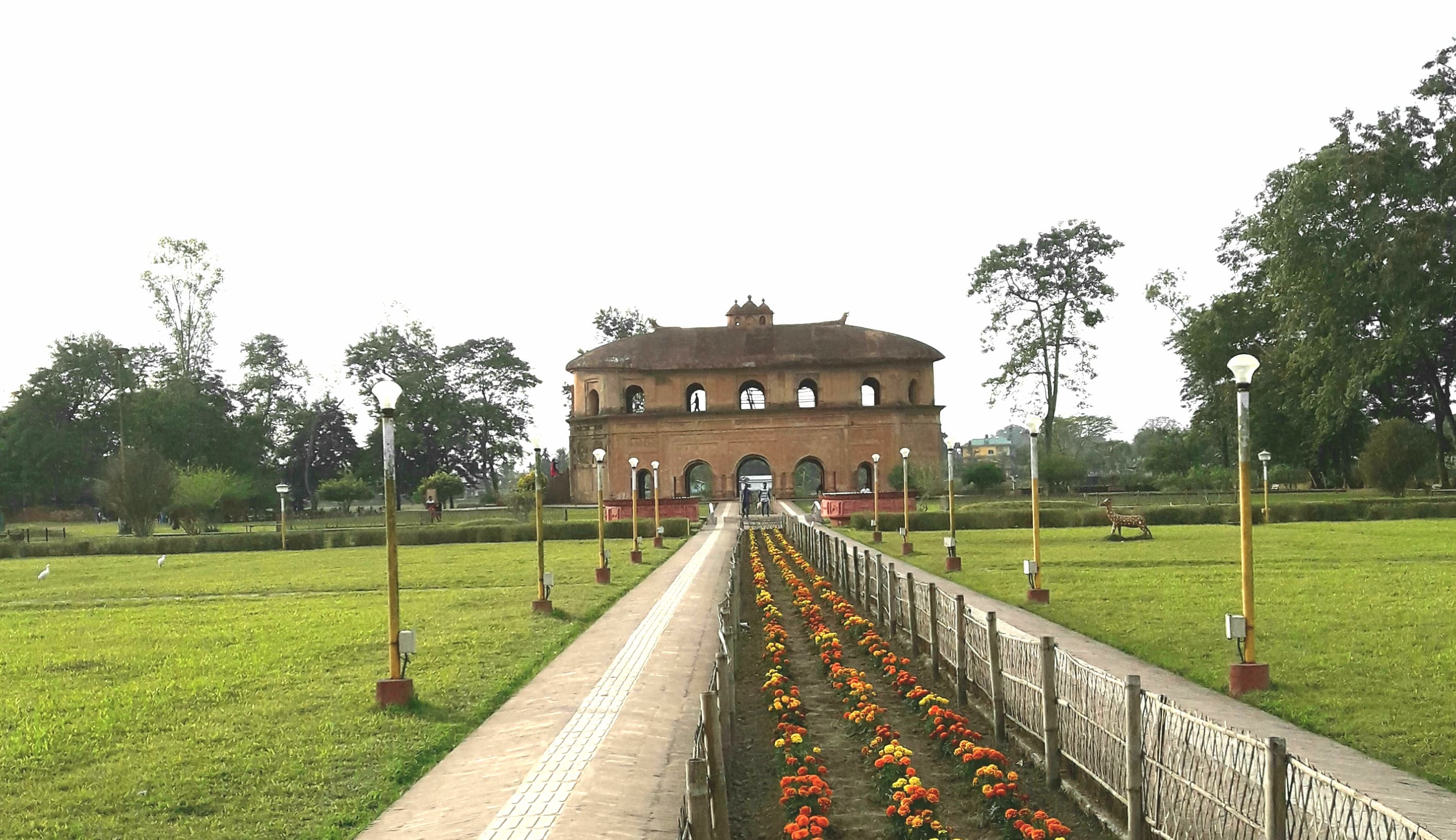
Rang Ghar Sivasagar
The ochre walls of the Rang Ghar rose before me, a two-storied behemoth against the backdrop of the Assamese sky. Here I stood, in the heart of Sivasagar, face-to-face with a relic of Ahom grandeur. Built in the 18th century by King Pramatta Singha, this royal sports pavilion isn't just a structure; it's a testament to a dynasty's passion for games and spectacle. Unlike the fortified palaces I’m accustomed to seeing in Rajasthan or the intricately carved temples of Southern India, the Rang Ghar possesses a unique, almost playful character. The first thing that struck me was its unusual shape, resembling the back of an elephant, or perhaps a giant, slumbering tortoise. The roof, a graceful, sweeping curve, is crowned with two ornamental pavilions, adding a touch of whimsy to the otherwise imposing structure. As I climbed the steep, narrow staircase to the upper level, I imagined the Ahom royalty ascending these very steps, their vibrant silks rustling, anticipation thick in the air. From this vantage point, the entire arena spread out below, a vast expanse where once elephants wrestled, buffaloes fought, and athletes displayed their prowess. I could almost hear the roar of the crowd, the trumpeting of elephants, the excited chatter of the spectators. The architecture itself is a fascinating blend of Ahom tradition and Mughal influences. While the overall form and the use of baked bricks are distinctly Ahom, the arched entrances and the decorative motifs hint at a Mughal influence, a testament to the cultural exchange that characterized this period. The surface of the Rang Ghar, once plastered and painted, now bears the marks of time and neglect. Patches of exposed brickwork and faded remnants of paint offer a glimpse into its vibrant past, like faded memories clinging to the edges of a photograph. I ran my hand over the rough surface of a brick, feeling the weight of history beneath my fingertips. The intricate carvings, though worn, still spoke of the skill and artistry of the Ahom craftsmen. Floral patterns, stylized animals, and geometric designs intertwine, creating a visual tapestry that reflects the rich cultural heritage of the region. These weren't mere decorations; they were symbols, narratives etched into the very fabric of the building. The interior, though largely bare now, still retains echoes of its former glory. I peered into the small chambers that once served as royal viewing boxes, imagining the king and his entourage watching the games unfold below. The play of light and shadow within these spaces created an almost ethereal atmosphere, a stark contrast to the bright sunshine outside. Walking around the perimeter of the Rang Ghar, I noticed the remnants of what appeared to be a moat. This, along with the elevated position of the pavilion, not only provided a clear view of the arena but also served as a defensive measure, a reminder that even in leisure, security was paramount. The Rang Ghar isn't just an architectural marvel; it's a time capsule, a portal to a bygone era. It offers a unique insight into the Ahom dynasty's cultural values, their love for sport, and their sophisticated understanding of architecture. Standing there, amidst the ruins, I felt a profound connection to the past, a sense of awe and wonder at the ingenuity and artistry of those who built this magnificent structure. As I left the Rang Ghar, the setting sun casting long shadows across the grounds, I carried with me not just photographs and notes, but a deeper appreciation for the rich tapestry of Indian history and the enduring legacy of the Ahom kingdom.

Kiriteswari Temple Murshidabad
The terracotta-red spire of the Kiriteswari Temple, rising against the muted green of rural Bengal, felt strangely familiar. Having explored countless caves and temples across Maharashtra, I’ve become accustomed to a certain architectural vocabulary – the solid basalt structures of the Deccan, the intricate carvings of Ellora and Ajanta. Yet, here in Murshidabad, a whisper of that familiarity echoed, a testament to the cultural exchange that has shaped India's heritage. Kiriteswari, dedicated to the fearsome form of Goddess Durga, stands as a powerful symbol of Shakti. Unlike the stone edifices I'm used to, this temple, rebuilt in the late 19th century, embraces the region's affinity for brick and terracotta. The towering spire, or *shikhara*, follows the classic Bengali *ek-ratna* style, a single pinnacle crowned with a decorative finial. Its surface, however, is a riot of terracotta plaques, depicting scenes from mythology, everyday life, and even glimpses of colonial influence. I noticed depictions of British soldiers alongside traditional motifs of gods and goddesses, a fascinating visual representation of the era in which the temple was reconstructed. Stepping inside the temple courtyard, I was immediately struck by the palpable energy. Devotees thronged the space, their chants and prayers creating a vibrant soundscape. The air was thick with the scent of incense and flowers, a sensory overload that transported me far from the quiet serenity of Maharashtra's cave temples. The main sanctum, relatively small and dimly lit, houses the deity – a small, unassuming black stone representing Goddess Kiriteswari. The simplicity of the idol contrasted sharply with the elaborate ornamentation of the temple exterior, highlighting the essence of devotion that lies beyond outward appearances. I spent hours wandering through the temple complex, examining the intricate details of the terracotta panels. The craftsmanship was remarkable. Each panel, though weathered by time and the elements, told a story. I saw depictions of Krishna playing the flute, scenes from the Ramayana, and even portrayals of British officers in their colonial attire. These panels offered a unique glimpse into the socio-cultural landscape of 19th-century Bengal, a period of transition and cultural confluence. One particular panel caught my attention – a depiction of a European ship sailing on the Ganges. This seemingly insignificant detail spoke volumes about the impact of colonial trade on the region. Murshidabad, once the capital of Bengal, was a major trading hub, and the presence of European ships on the river would have been a common sight. The inclusion of this detail in the temple's ornamentation highlighted the way in which local artists incorporated elements of their changing world into their artistic expression. As the sun began to set, casting long shadows across the temple courtyard, I found a quiet corner to reflect on my experience. Kiriteswari Temple, though geographically distant from the temples and caves I've explored in Maharashtra, resonated with a similar spirit of devotion and artistic expression. The difference in architectural style, the use of terracotta instead of stone, the vibrant energy of the devotees – these were not differences that separated, but rather nuances that enriched the tapestry of Indian heritage. It reinforced my belief that the true beauty of exploring India lies not in seeking uniformity, but in embracing the rich diversity of its cultural expressions. The whispers of familiarity I felt upon arrival had transformed into a resounding affirmation of the interconnectedness of India's spiritual and artistic traditions.
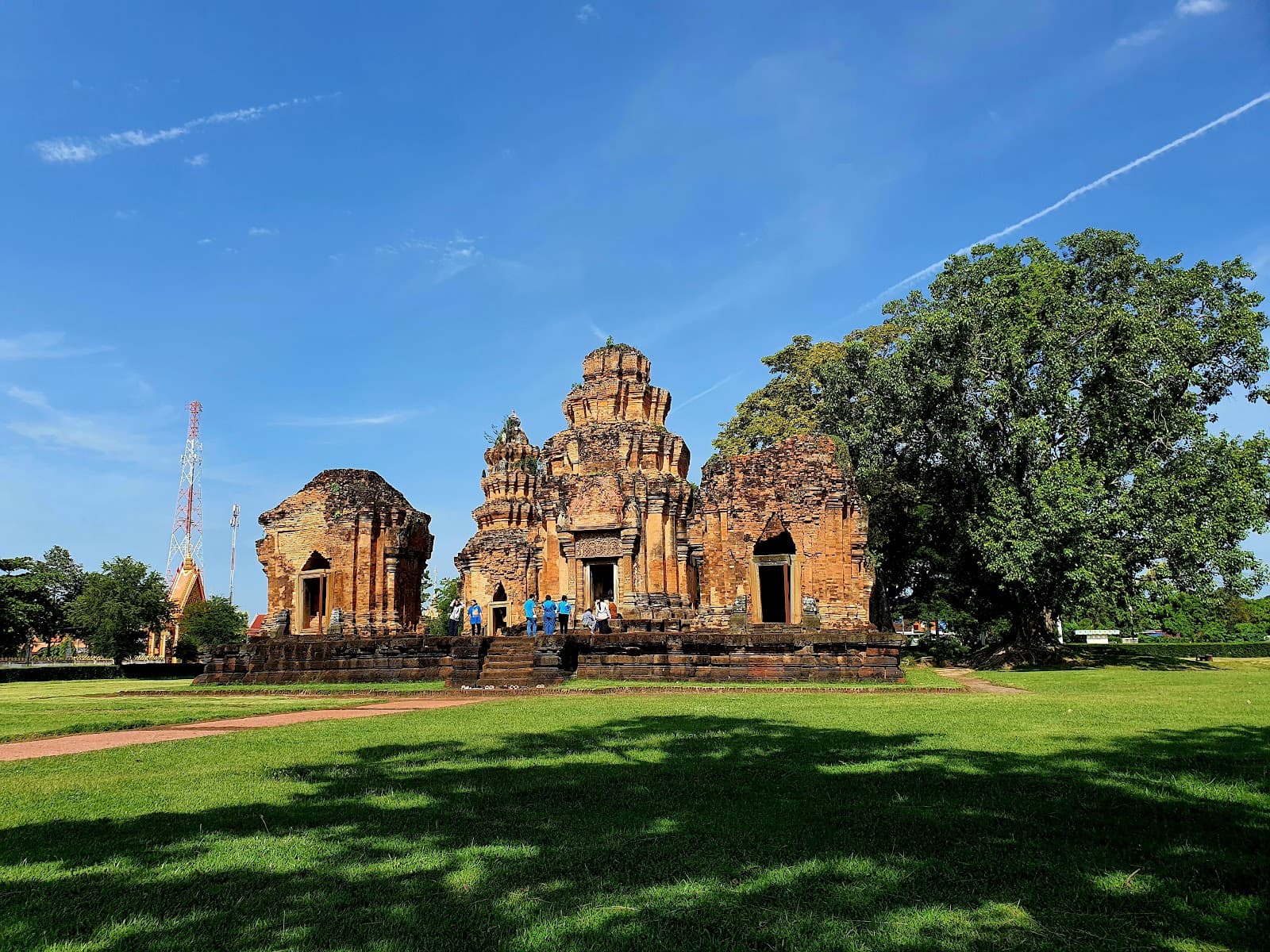
Prasat Sikhoraphum Surin
Prasat Sikhoraphum, located in Sikhoraphum District of Surin Province, represents a significant 12th-century Khmer Hindu sanctuary distinguished by its five brick prasats arranged in a quincunx pattern and exceptional preservation of original stucco decorations. The temple complex, constructed during the reign of Suryavarman II (1113-1150 CE) in the Angkor Wat period, is dedicated to Shiva, with the central tower housing a massive lingam pedestal and the four corner towers containing smaller shrines. The complex spans approximately 2 hectares and features a rectangular laterite enclosure wall measuring 42 by 57 meters, accessed through a single eastern gopura that leads to the inner courtyard. The five prasats, constructed primarily from brick with sandstone doorframes and lintels, rise to heights between 12 and 15 meters, with the central tower being the tallest. The temple’s most remarkable feature is its extensive stucco decoration, which covers the brick surfaces with intricate bas-relief work depicting Hindu deities, celestial dancers, and mythological scenes—a rarity in Khmer architecture where most stucco has been lost to weathering. The stucco work includes depictions of Shiva, Vishnu, Brahma, and various devatas, executed with exceptional skill and preserving details of clothing, jewelry, and facial expressions. The temple’s lintels, carved from sandstone, depict scenes from the Ramayana and Mahabharata, with particular emphasis on Krishna’s exploits. The complex includes two libraries positioned east of the central prasat, numerous subsidiary shrines, and evidence of a sophisticated drainage system. Archaeological evidence indicates the temple served as a regional religious center for the Khmer Empire’s control over the Mun River valley. The site underwent restoration from 1987 to 1995, involving structural stabilization, stucco conservation, and reconstruction of collapsed elements. Today, Prasat Sikhoraphum remains an important site for understanding Khmer stucco art and brick construction techniques, attracting visitors interested in its exceptional decorative preservation and architectural significance. ([1][2])
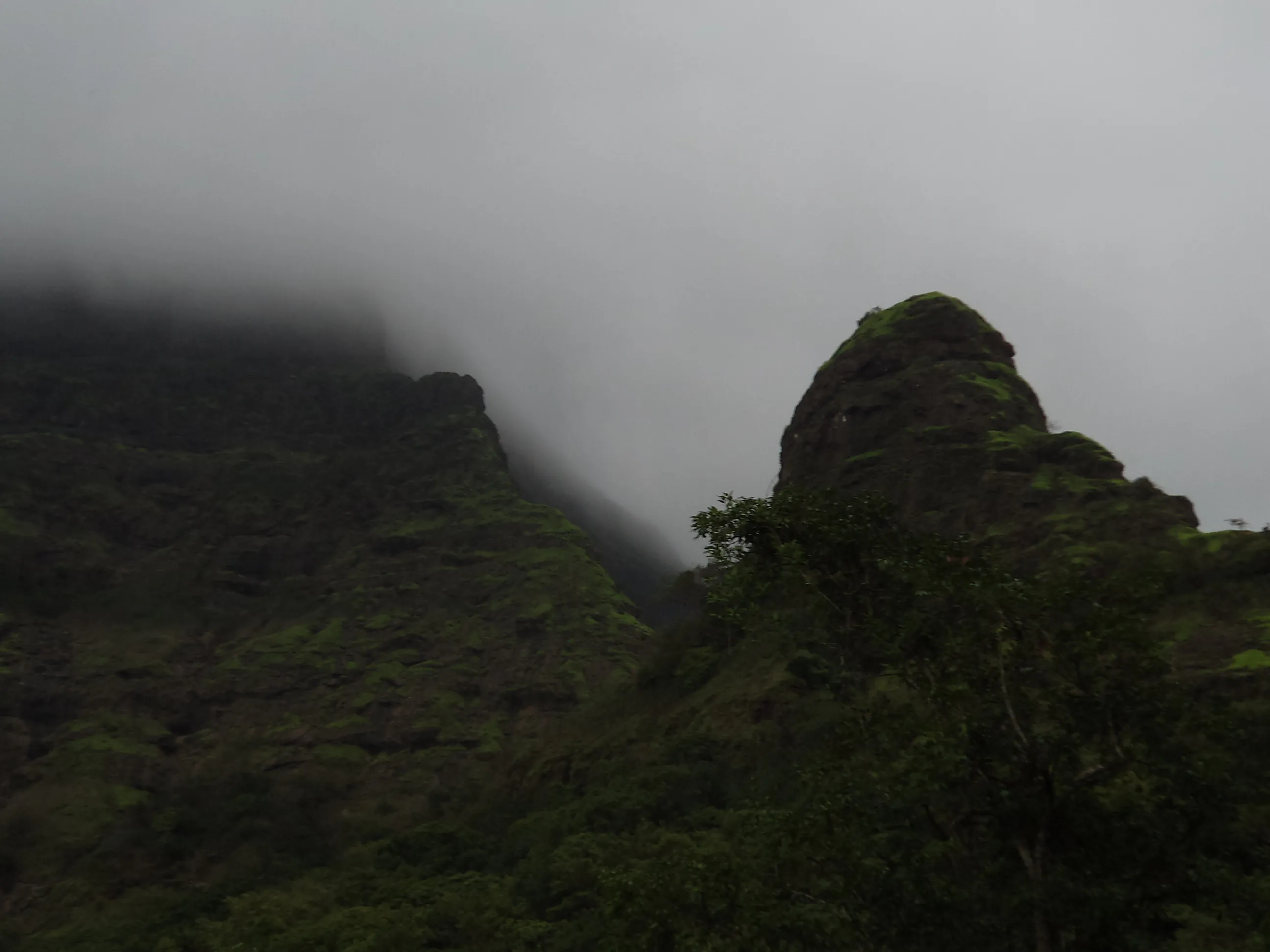
Bhimashankar Temple Pune
Enclosed by the Sahyadri mountains near Khed, the Bhimashankar Temple beckons with its spiritual aura and natural setting. Revered as one of the twelve Jyotirlingas, it embodies a manifestation of Lord Shiva ([1]). During the Maratha Period, temple construction underwent a resurgence, influencing Bhimashankar's structural design ([2]). Commissioned around 1250 CE by the Yadava Dynasty, the temple harmoniously blends Nagara and Dravidian architectural styles ([3][4]). Granite and sandstone blocks, meticulously carved, construct the temple's form, adorned with depictions from Hindu mythology reflecting the artisans' expertise ([3][5]). Black stone, basalt rock, granite, and wood form the primary materials, imbuing the temple with a sense of antiquity ([3]). Within the Garbhagriha (Sanctum), the Jyotirlinga resides, creating a serene atmosphere for devotees ([1]). Also of note, the Kamalaja Devi temple showcases a fusion of Nagara and Hemadpanti styles ([4]). Vastu Shastra principles, the ancient Indian science of architecture, may have subtly influenced the temple's layout, though specific textual references are currently unavailable. Patronage by Nana Phadnavis further solidified the temple's importance ([2]). The nearby source of the Bhima River enhances the site's spiritual significance ([1]). Sophisticated architectural elements are visible throughout the complex. The Shikhara (Spire) exhibits the Nagara influence, while the overall layout incorporates Dravidian elements, showcasing a confluence of architectural traditions ([3][4]). Bhimashankar offers a profound experience, inviting visitors to connect with Maharashtra's rich heritage ([5]).
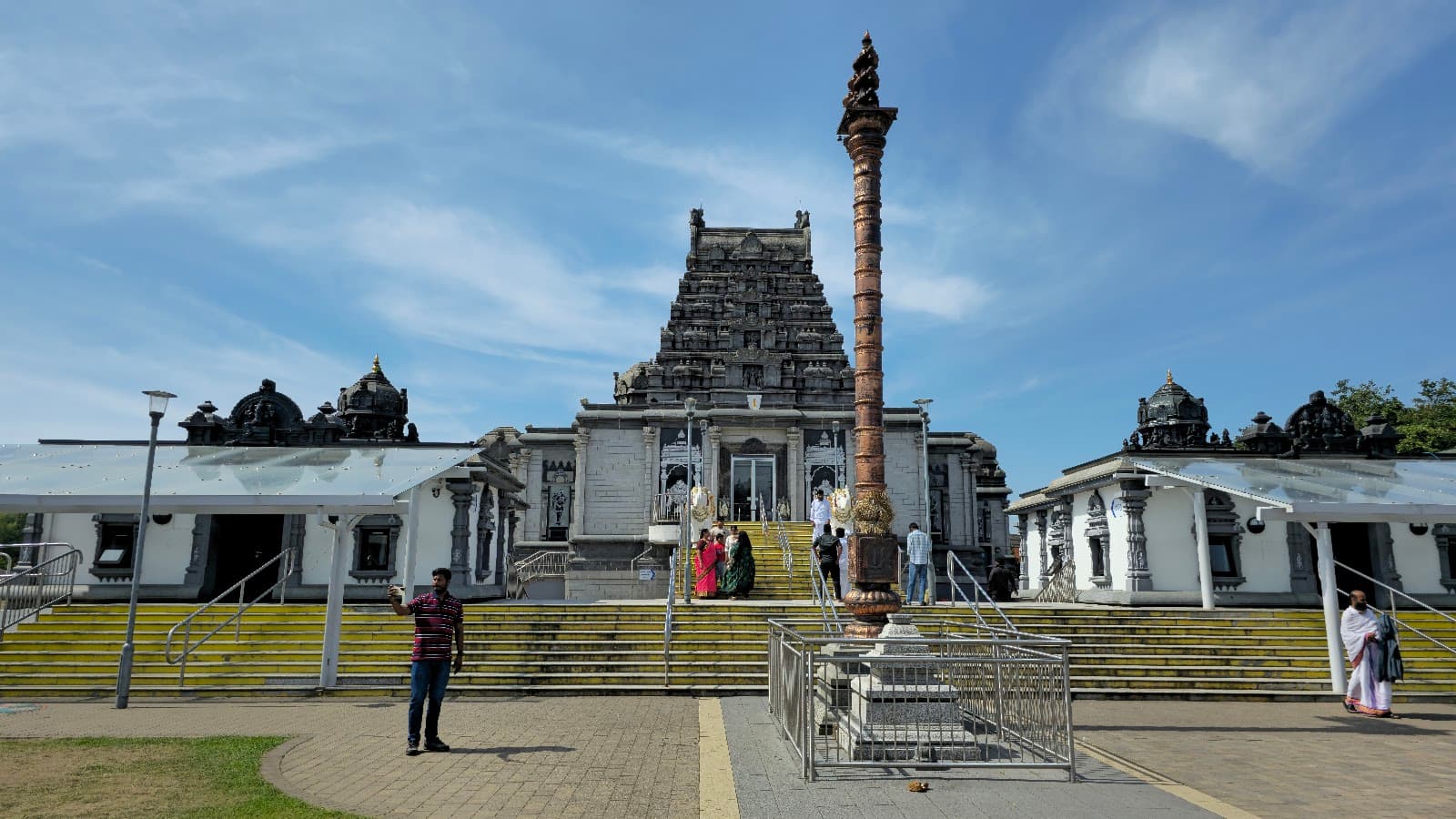
Sri Venkateswara (Balaji) Temple Tividale
Sri Venkateswara (Balaji) Temple Tividale brings Tirumala’s atmosphere to the Midlands with a granite sanctum, 30-acre pilgrimage campus, and gopurams rising above landscaped ponds and peacock-lined pathways ([1][2]). Consecrated in 2006 with dhvaja-stambham and main Vimana directly aligned to the Dhruva star, the temple now operates 9:00 AM-8:30 PM (arti 10:00 AM & 7:00 PM) while volunteers steward coach arrivals, shoe care, and darshan flows through the granite mandapa towards Lord Venkateswara, Padmavati, and Andal shrines. The campus includes a yagashala, meditation hall, wedding kalyana mandapam, cultural classrooms, dining hall serving Annaprasadam, and riverside path encircling the Pushkarini tank where devotees perform pradakshina ([1]). The charity supports daily annadhanam, Midlands Food Bank drives, Tamil and Telugu weekend schools, Carnatic music lessons, and community health clinics. Agricultural plots and greenhouse domes grow tulasi, curry leaves, and produce for prasadam and goshala fodder, while the cremation memorial garden and Vedic astrology centre provide pastoral care. Event control offices coordinate the annual Brahmotsavam, Teppotsavam, and New Year Vaikunta Ekadasi, deploying over 1,000 volunteers, festival ticketing, shuttle buses, and emergency medical teams in partnership with Sandwell Council and West Midlands Police, demonstrating an operation that balances South Indian ritual rigour with British civic resilience ([1][3]).
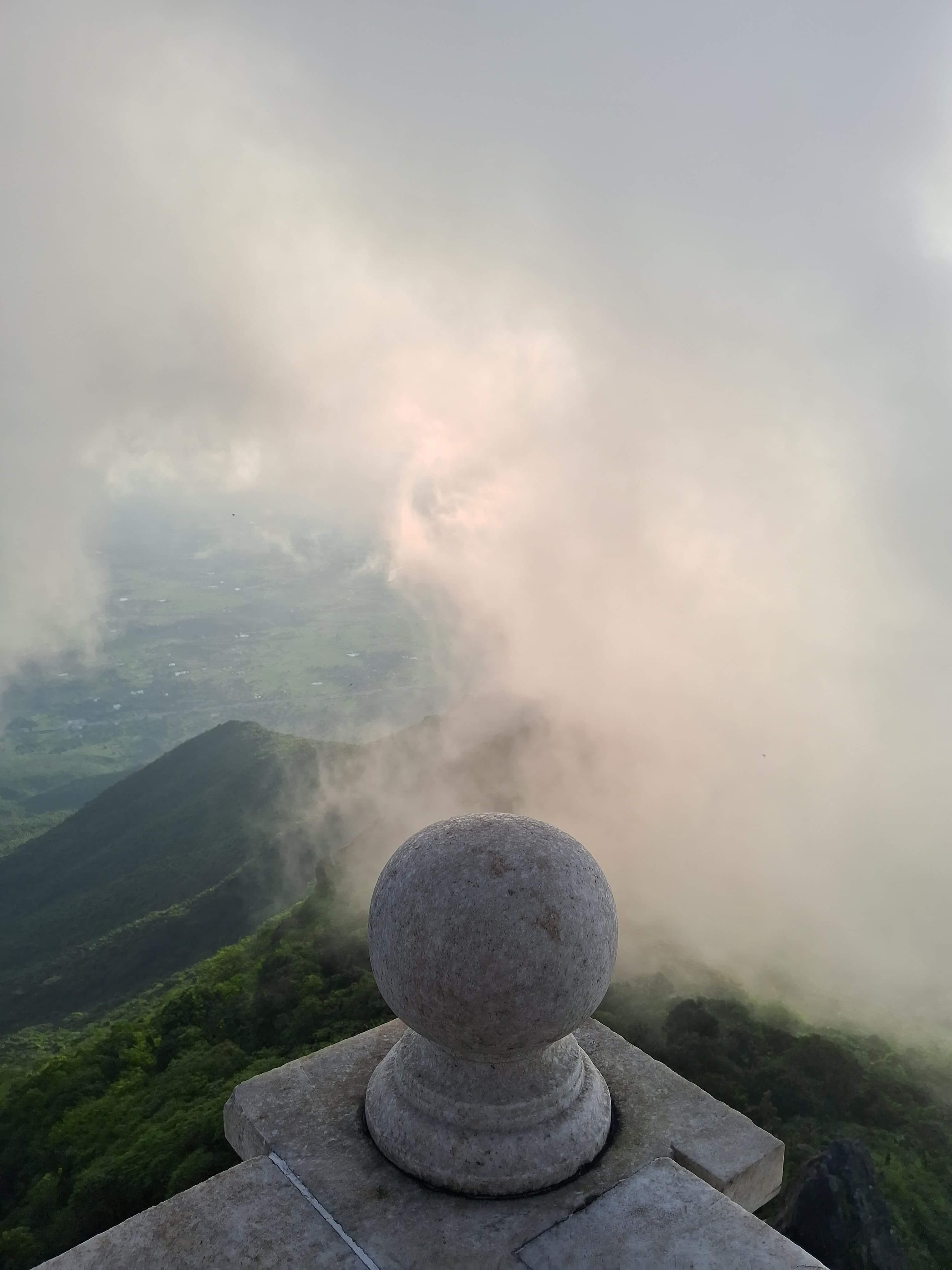
Parasnath Jain Temple Shikharji
The crisp January air, thin at this altitude, whipped prayer flags into a frenzy around me as I ascended the stone steps leading to the Parasnath Jain Temple, perched atop the sacred Shikharji hill in Jharkhand. This wasn't just a temple; it was a pilgrimage, a living testament to centuries of Jain devotion. Shikharji, the highest peak of the Parasnath Hills, isn't merely a geographical landmark; it's the very heart of Jain spirituality, revered as the place where twenty of the twenty-four Jain Tirthankaras attained moksha, or liberation. The climb itself is an act of devotion. The paved pathway, though well-maintained, stretches for nearly 27 kilometers, winding through dense forests and offering breathtaking panoramic views of the surrounding landscape. I saw families, elderly pilgrims, and even young children undertaking the arduous journey, their faces etched with a quiet determination that spoke volumes about the spiritual significance of this place. The air hummed with chants and the rhythmic clinking of bells, creating an atmosphere of profound reverence. The temple complex itself is a tapestry of architectural styles reflecting different eras of construction and renovation. While simplicity and functionality are the overarching themes, intricate carvings and delicate ornamentation can be found adorning certain structures. The main temples, dedicated to the various Tirthankaras, are predominantly constructed from marble and sandstone, their pristine white surfaces gleaming against the backdrop of the blue sky. I noticed the distinct absence of elaborate idols within the sanctums. Instead, the focus is on the footprints or 'charan paduka' of the Tirthankaras, etched into stone slabs, symbolizing their final earthly presence before attaining liberation. One particular architectural element that captivated me was the use of toranas, or ornate gateways. These intricately carved structures, often depicting scenes from Jain mythology, serve as symbolic thresholds between the mundane and the sacred. The play of light and shadow on the deep carvings created a mesmerizing effect, adding another layer of depth to the spiritual experience. As I walked through the complex, I observed the palpable sense of peace that permeated the atmosphere. Pilgrims engaged in silent meditation, circumambulating the temples, or offering simple prayers. The absence of loudspeakers, so common in many Indian religious sites, amplified the tranquility. It was a refreshing change, allowing for genuine introspection and connection with the spiritual energy of the place. The 'Jal Mandir,' or water temple, nestled amidst lush greenery, was another highlight. The serene reflection of the temple in the surrounding pond created a picture of perfect harmony. I watched as devotees performed ritual ablutions, their movements slow and deliberate, reflecting the emphasis on purity and self-discipline within Jainism. Beyond the architectural marvels and the palpable spirituality, it was the human element that truly resonated with me. I witnessed acts of selfless service, with volunteers providing food and water to pilgrims, and local communities actively participating in the upkeep of the sacred site. This sense of collective responsibility and shared devotion underscored the enduring power of faith. Descending from Shikharji, I carried with me more than just memories and photographs. I carried a deeper understanding of Jain philosophy, a renewed appreciation for the power of simplicity, and a profound respect for the unwavering faith of the pilgrims who journey to this sacred mountain in search of liberation. The experience transcended mere tourism; it was a pilgrimage of the soul.
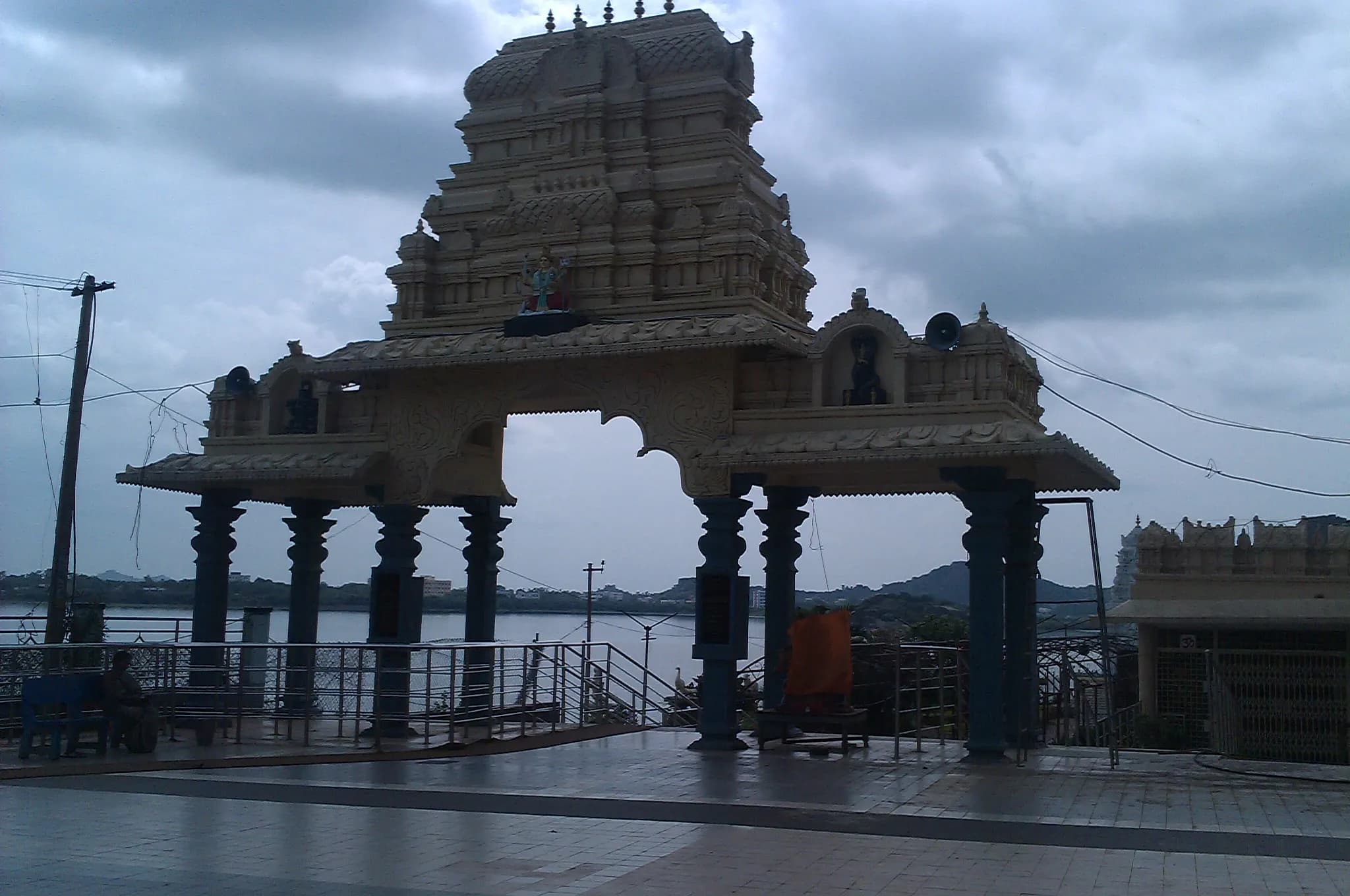
Bhadrakali Temple Warangal
Near Warangal's Bhadrakali Lake, the Bhadrakali Temple's imposing granite gateway offers a glimpse into the Kakatiya dynasty's reign ([1]). Dedicated to Bhadrakali, a fierce form of Durga, the temple emanates a powerful spiritual aura ([2]). Unlike the towering gopurams (gateway towers) typical of South Indian temples, the entrance here maintains a more understated presence, directing attention inward towards the deity ([3]). Kakatiya Dravida architectural style is evident throughout the temple, dating back to 625 CE, during the 7th century ([4]). Granite and sandstone blocks, meticulously carved, exemplify the Kakatiya craftsmanship ([5]). Intricate carvings adorning the walls depict various deities and scenes drawn from Hindu mythology ([6]). These narrative panels resonate with a palpable energy, mirroring the goddess's dynamic power ([7]). Within the Garbhagriha (Sanctum), the black stone idol of Bhadrakali embodies her formidable nature, brandishing weapons and echoing Warangal's rich history ([8]). During the Kakatiya period, temple construction adhered to Dravidian principles, featuring a square Garbhagriha (sanctum sanctorum), an antarala (vestibule), and a pillared Mandapa (Pillared Hall) ([9]). Remnants of a larger temple complex suggest its former grandeur ([10]). Stone platforms and foundations demonstrate the enduring construction techniques employed by the Kakatiyas ([11]). Historical accounts indicate that the temple suffered damage during the Tughlaq invasions ([12]). The integration of Bhadrakali Lake with the temple rituals enhances the overall spiritual ambiance ([13]). This sacred site stands as a symbol of resilience and unwavering faith ([14]). The sculptural articulation of the walls further exemplifies the Kakatiya's distinctive architectural style ([15]).
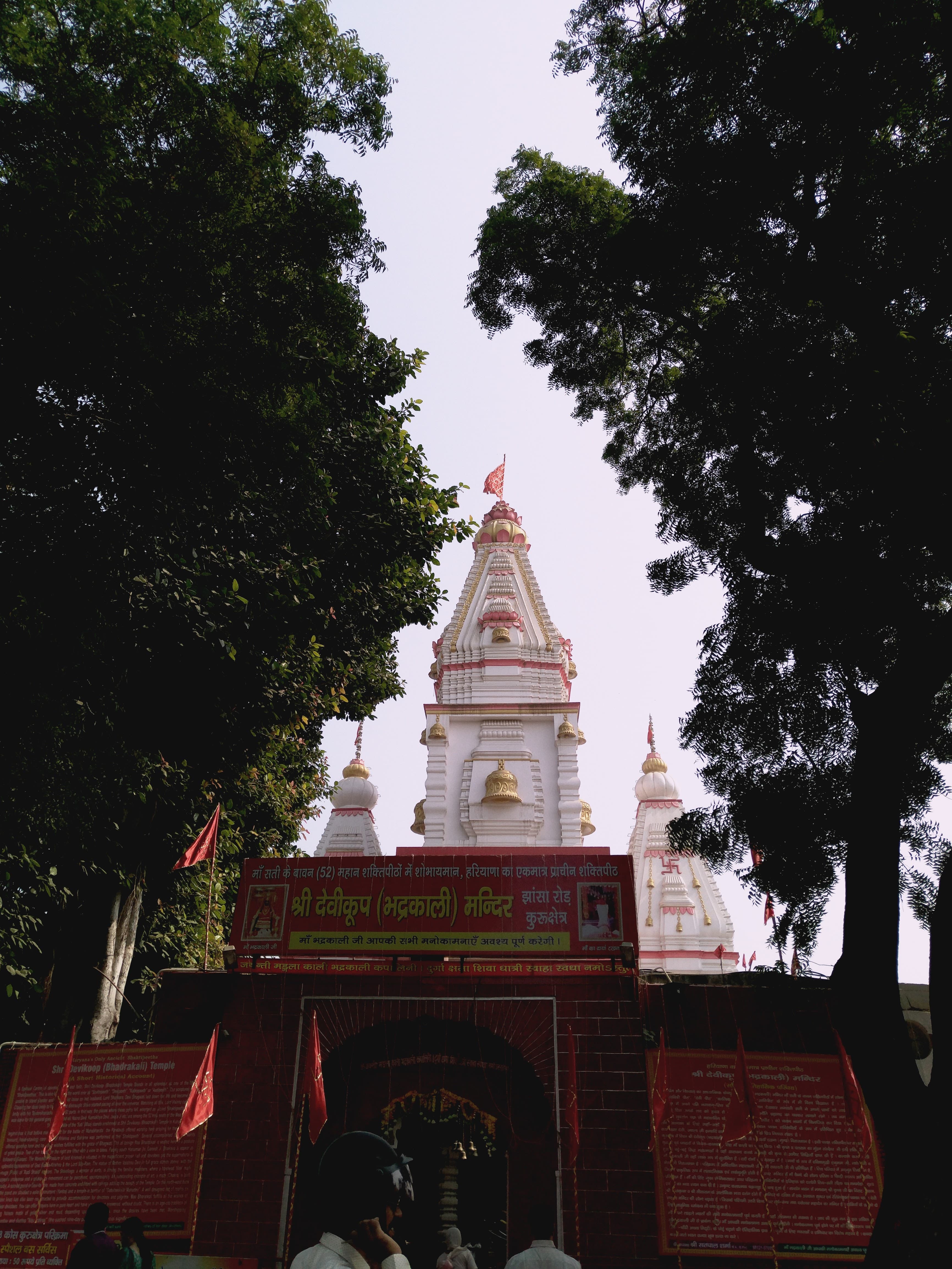
Bhadrakali Temple Kurukshetra
Amidst the sacred land of Kurukshetra, Haryana, the Bhadrakali Temple emerges as a significant example of North Indian temple architecture ([1]). Commissioned in 1739 CE by the Maratha ruler Baji Rao I, this sacred site reflects the patronage of the Maratha Empire in North India ([2]). Its Nagara-style Shikhara (spire) distinguishes it, a testament to the architectural traditions of the Gurjara-Pratihara period ([3][4]). Stone and brick form the primary building materials, reflecting construction practices common to the era ([5]). Intricate carvings embellish the temple walls, depicting scenes from Hindu epics such as the Mahabharata and portraying various deities, echoing the artistic expressions of the time ([1][2]). These carvings offer insights into the region's rich cultural heritage and religious beliefs ([3]). The temple's design aligns with principles outlined in ancient texts like the *Manasara Shilpa Shastra*, which discusses temple construction and iconography, although specific chapter references are currently unavailable ([4]). Within the Garbhagriha (sanctum), Goddess Bhadrakali's idol inspires reverence, embodying divine feminine power or *Shakti* ([5]). A sacred Kunda (pond) complements the temple, its waters considered purifying and integral to Hindu rituals ([1]). Observing the temple rituals reveals a blend of regional traditions, with unique chants and offerings that highlight India's diverse spiritual landscape ([2][3]). The temple's architecture, while distinct in its Nagara style, creates a sacred space, fostering a connection between devotees and the divine, thereby continuing the enduring legacy of Indian architectural and spiritual heritage ([4][5]).
Quick Links
Plan Your Heritage Journey
Get personalized recommendations and detailed visitor guides