Has Inheritage Foundation supported you today?
Your contribution helps preserve India's ancient temples, languages, and cultural heritage. Every rupee makes a difference.
Secure payment • Instant 80G certificate
Dagdusheth Ganpati Temple Pune
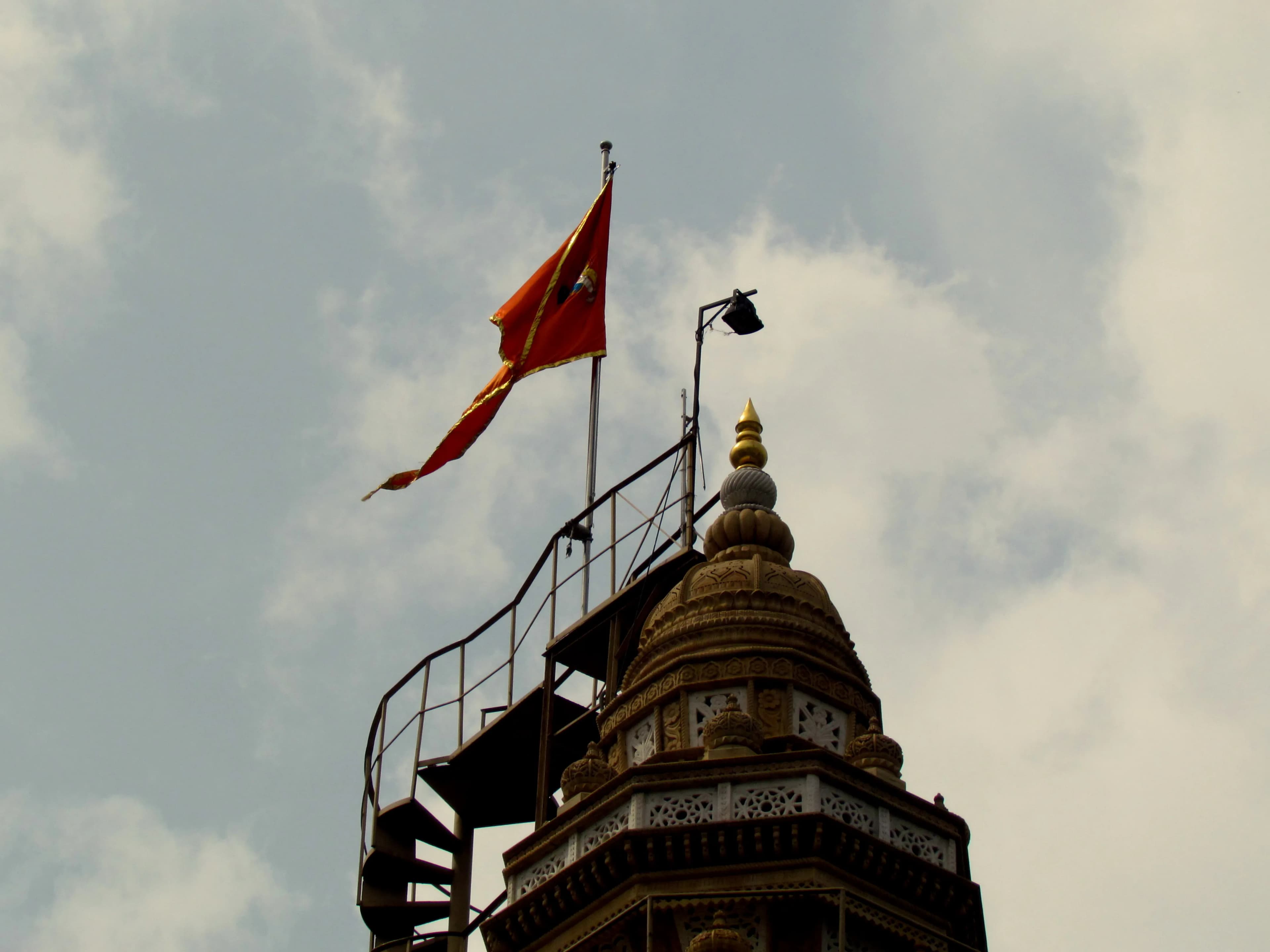
The air crackles with devotion as one approaches the Dagdusheth Halwai Ganpati Temple in Pune, a vibrant landmark born in 1893 CE ([1]). This temple, dedicated to Lord Ganesha, stands as a testament to faith and community spirit ([2]). Its architecture presents an eclectic blend, reflecting Mughal influences intertwined with Maratha temple traditions ([3]). The structure's domes, arches, and pillars create a unique visual harmony ([4]). Dominating the interior is the magnificent Ganesh idol, a 7.5-foot-tall, gold-adorned representation of the deity ([5]). Unlike traditional meditative depictions, this idol exudes a regal aura, befitting Pune's reigning deity ([6]). The use of gold aligns with the ancient Indian tradition of adorning deities with precious materials, as detailed in various Agama Shastras (religious texts) that prescribe the materials and methods for idol making ([7]). Elaborate marble work defines much of the temple's aesthetic. The flooring, polished to a reflective sheen, complements the vibrant colors of devotees' attire ([8]). Pillars clad in marble provide a smooth contrast to the intricate gold work ([9]). Red sandstone, another prominent material, adds to the temple's overall grandeur ([10]). This fusion of materials creates a sacred space, resonating with the devotional energy of its visitors. The multi-tiered Shikhara (spire) is a modern marvel, its colors a departure from ancient stone structures ([11]). Built by Dagdusheth Halwai and Shrimati Laxmibai Dagdusheth after the loss of their son, the temple embodies resilience and devotion ([12]). Patronage by Lokmanya Tilak further solidified its importance ([13]). The temple's connection to the community is profound, actively engaging in social work and fostering a sense of shared experience ([14]). This integration of spiritual space and community service echoes the ethos of ancient Indian temples, which often served as hubs for social welfare and education ([15]).
Unakoti Rock Carvings Kailashahar
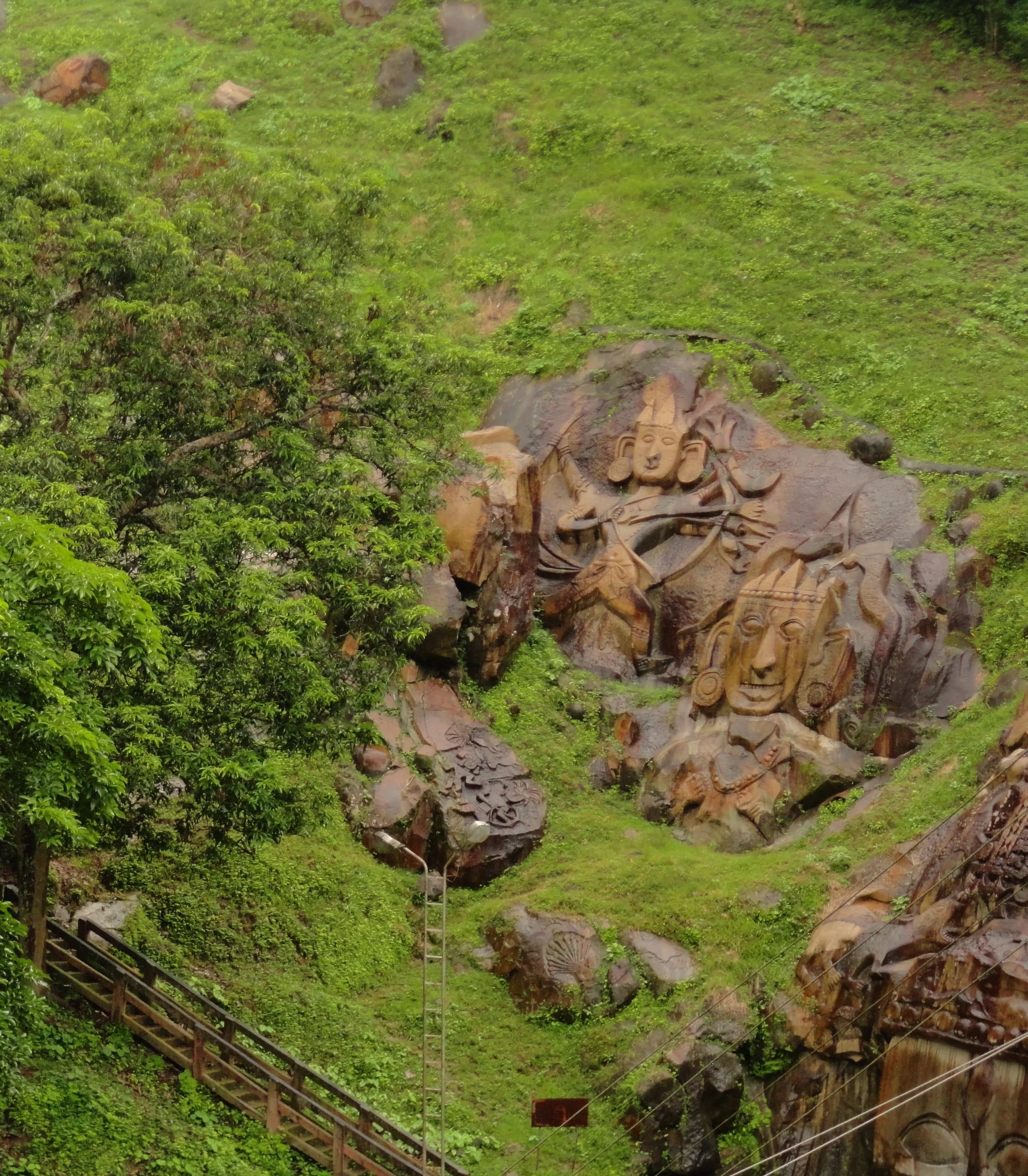
The humidity hung heavy, a palpable presence as I climbed the steps leading into Unakoti. "One less than a crore," the name echoed in my mind, a promise of the sheer scale of sculptures I was about to encounter. Coming from Uttar Pradesh, a land steeped in its own rich iconography, I was eager to see how this remote site in Tripura’s forested hills would compare. The first glimpse was breathtaking. Carved directly into the sheer cliff face, a colossal Shiva head, the Unakotiswara Kal Bhairava, dominated the scene. Its weathered features, softened by centuries of monsoon rains, gazed out serenely, a silent sentinel guarding the valley. The sheer scale was unlike anything I'd encountered in the north. While we have grand temples and intricate carvings, the raw power of these rock-cut reliefs, merging seamlessly with the natural landscape, was unique. As I moved closer, the sheer density of carvings became apparent. Gods, goddesses, mythical creatures, and scenes from Hindu mythology unfolded across the cliff face, a visual tapestry woven into the rock. Ganesha, his potbelly protruding, sat perched on a lotus, his trunk playfully curled. Durga, astride her lion, radiated strength and grace. The details, despite the erosion, were remarkable. I noticed the intricate folds of drapery, the carefully delineated ornaments, and the expressive eyes that seemed to follow me as I walked. The carvings at Unakoti differ significantly from the temple architecture I'm accustomed to in Uttar Pradesh. Our temples are often constructed, built brick by brick, with elaborate ornamentation added later. Here, the art is subtractive, the figures emerging from the rock itself, a testament to the skill and vision of the ancient artisans. The reddish sandstone, stained in places with green moss and lichen, added to the ethereal atmosphere. It felt as though the deities were not merely depicted, but were an integral part of the landscape, imbued with the spirit of the forest itself. One particular panel captivated me. It depicted the descent of the Ganges, the river cascading down the rock face in a swirling torrent. The dynamism of the carving was astonishing, capturing the fluidity of water with remarkable precision. I recalled the ghats of Varanasi, the reverence with which the Ganges is held in our culture, and felt a surprising connection to this distant site. Though separated by thousands of kilometers, the spiritual resonance was undeniable. Climbing higher, I reached a cave-like shrine dedicated to Ganesha. The air inside was cool and damp, scented with incense. Devotees had left offerings of flowers and coconuts, a testament to the living faith that still animates this ancient site. I observed a local priest performing a puja, his chants echoing in the confined space, creating an atmosphere of profound serenity. The narrative surrounding Unakoti, shrouded in local legends, adds another layer of intrigue. The story of Kallu Kumhar, the sculptor who aspired to carve a crore of deities in a single night, only to fall short by one, is deeply embedded in the local folklore. Whether fact or fiction, it speaks to the human ambition to create something extraordinary, to leave a lasting mark on the world. Leaving Unakoti, I felt a sense of awe and wonder. It was not just a collection of sculptures; it was a testament to the enduring power of human creativity and spiritual devotion. The site resonated with a unique energy, a palpable connection to the past. It offered a fresh perspective on Indian art and spirituality, a reminder that the cultural tapestry of our nation is far richer and more diverse than I had ever imagined. The echoes of chants, the scent of incense, and the imposing figures carved into the rock face will stay with me long after I leave Tripura, a powerful reminder of the artistic and spiritual legacy of Unakoti.
Fatehpur Sikri Fort Agra
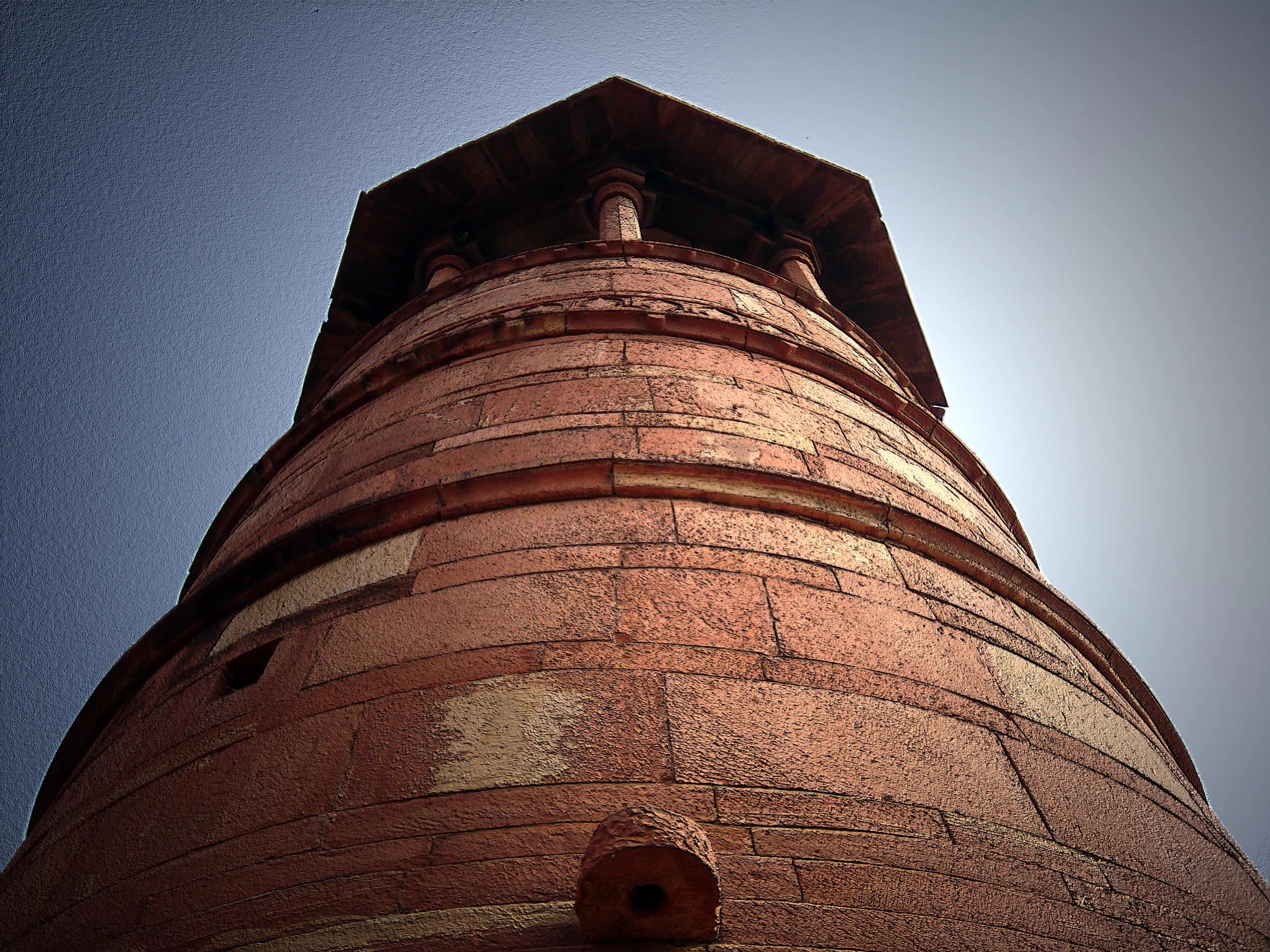
The sandstone shimmered under the late afternoon sun, a warm, almost ethereal glow bathing the deserted courtyards of Fatehpur Sikri. Having crisscrossed North India for years, exploring crumbling forts and bustling cities, I thought I was immune to the charms of another Mughal monument. I was wrong. Fatehpur Sikri, Akbar’s abandoned capital, whispered stories of a glorious past, a brief but brilliant chapter in Indian history. Stepping through the Buland Darwaza, the imposing victory gate, felt like stepping back in time. Its sheer scale is breathtaking, a 54-meter high testament to Akbar’s military prowess. The intricate carvings, a blend of Persian and Indian motifs, hinted at the cultural confluence that defined his reign. This wasn't just a fort; it was a city, meticulously planned and executed, a testament to a vision that, though short-lived, left an indelible mark. The Diwan-i-Aam, the hall of public audience, sprawled before me, its vastness punctuated by the raised platform where Akbar, the emperor, would address his subjects. I could almost picture the vibrant scene – the courtiers, the petitioners, the bustling activity of a thriving capital. The Diwan-i-Khas, the hall of private audience, was even more captivating. The central pillar, intricately carved and radiating outwards like the branches of a tree, is an architectural marvel. It was here that Akbar held discussions with scholars and representatives of different faiths, fostering the spirit of religious tolerance that characterized his rule. I wandered through the Panch Mahal, a five-storied pavilion, each level smaller than the one below, creating a pyramidal structure that offered stunning views of the surrounding plains. The intricate jalis, or perforated stone screens, allowed the breeze to flow through, a clever architectural solution to the scorching summer heat. These screens also served another purpose – they allowed the royal women to observe the court proceedings without being seen, a glimpse into the secluded world of the Mughal zenana. The Jodhabai’s Palace, with its Hindu architectural influences, stood in stark contrast to the predominantly Persian style of the other buildings. The carved brackets, reminiscent of Rajput architecture, and the absence of the characteristic Mughal arches, spoke volumes about Akbar’s respect for his Hindu wife and his efforts to integrate different cultural elements into his empire. One of the most poignant structures within the complex is Salim Chishti’s tomb. The white marble mausoleum, a masterpiece of intricate carving, is a place of reverence even today. I watched as devotees tied threads to the marble screens, whispering prayers, their faith echoing through the centuries. It was here, according to legend, that Akbar came to pray for an heir, and the birth of his son, Jahangir, cemented the saint’s reputation and led to the construction of this magnificent tomb. As the sun began to set, casting long shadows across the deserted courtyards, I felt a sense of melancholy wash over me. Fatehpur Sikri, once a bustling metropolis, now stands silent, a ghost of its former glory. The reasons for its abandonment remain shrouded in mystery, with theories ranging from water scarcity to Akbar’s shifting political priorities. Whatever the reason, the silence that now pervades this magnificent city only amplifies the whispers of its past, making the experience all the more profound. Leaving Fatehpur Sikri, I carried with me not just photographs and memories, but a deeper understanding of a pivotal period in Indian history, a time of cultural fusion, religious tolerance, and architectural brilliance.
Bhoramdeo Temple Kabirdham
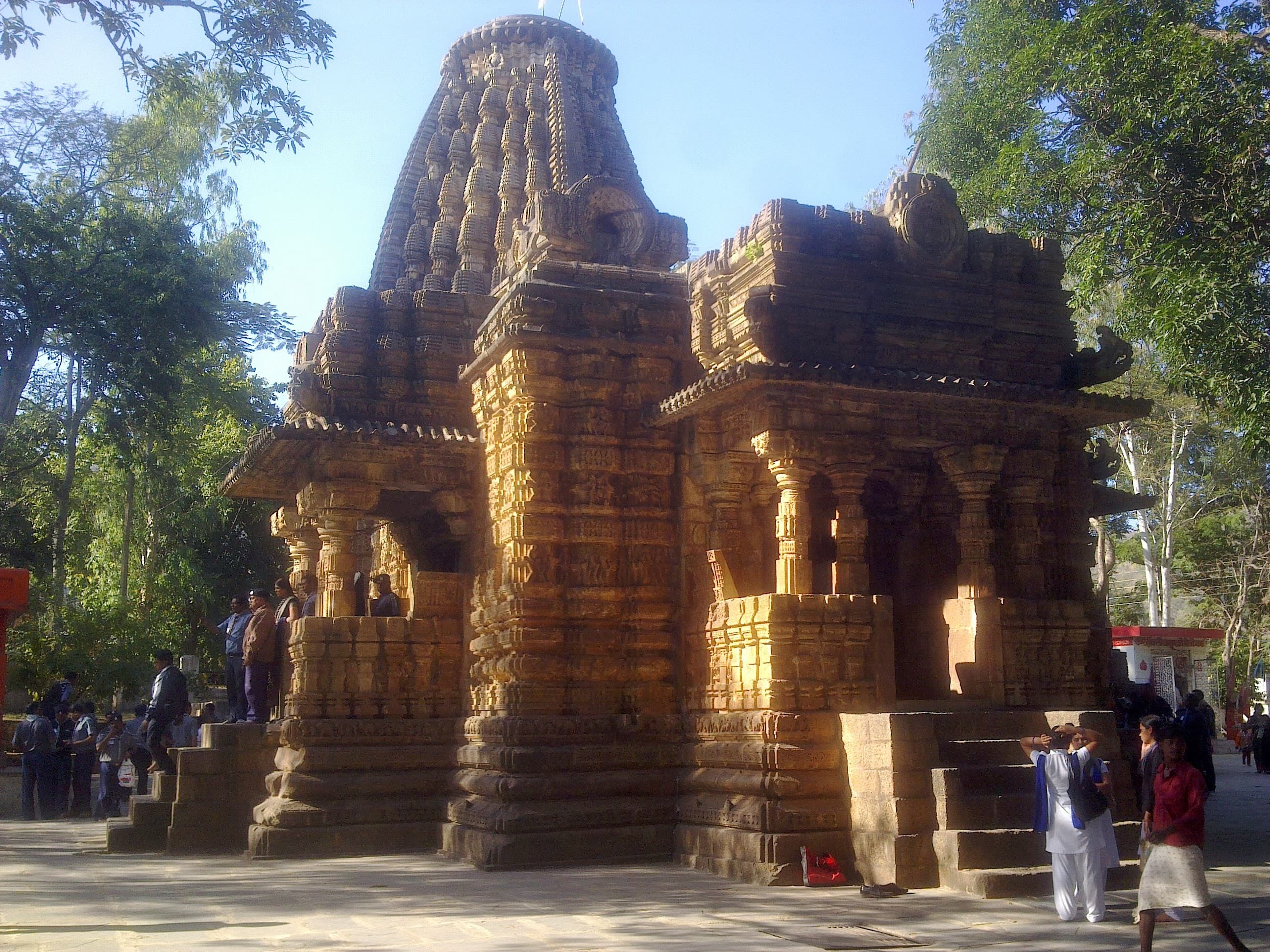
Granite and sandstone blocks, meticulously carved, form the Bhoramdeo Temple in Kabirdham, Chhattisgarh, a stunning example of 11th-century Indian architecture ([1][2]). Built around 1050 CE during the Kalachuri period, under the patronage of the Nagavanshi kings, this Hindu temple represents a seamless blend of Nagara and Bhumija architectural styles ([2][3]). The temple's intricate carvings narrate stories from the Ramayana and Mahabharata, offering insights into the daily life and artistic sensibilities of the era ([1][3][4]). During the Kalachuri period, temple architecture experienced significant development, influencing the construction of Bhoramdeo ([3][4]). The shikhara (spire) showcases the curvilinear elegance of the Nagara style, while the mandapa (pillared hall) features elaborate carvings ([2][5]). The Nagara style is characterized by its towering superstructure, while the Bhumija style, a regional variant, incorporates miniature spires attached to the main tower, adding complexity and visual richness ([5]). These architectural elements align with principles detailed in ancient texts like the *Vishnudharmottara Purana*, which discusses temple construction and iconography, as documented in the text ([6]). Also within the complex is the Madwa Mahal, adorned with celestial nymphs, enhancing the complex's spiritual allure ([1]). Beyond its artistic and architectural significance, Bhoramdeo's location amidst lush greenery, with the Maikal range as a backdrop, contributes to its tranquil ambiance ([4]). The gentle flow of the Jonk River further enhances the spiritual atmosphere, solidifying its status as a pilgrimage site ([5]). Bhoramdeo stands not only as the 'Khajuraho of Chhattisgarh' but also as a unique architectural marvel, embodying the rich heritage of ancient India, attracting pilgrims and tourists alike ([4][5]).

Lakshmi Narayan Mandir Kolasib
The vibrant green hills of Mizoram cradle many surprises, and for a temple architecture enthusiast like myself, steeped in the Dravidian idiom of South India, the Lakshmi Narayan Mandir in Kolasib was a fascinating anomaly. Perched atop a hill overlooking the town, this temple, dedicated to Vishnu and Lakshmi, presents a unique blend of architectural styles, a testament to the cultural confluence in this northeastern state. The first thing that struck me was the temple's shikhara. While reminiscent of the Nagara style prevalent in North India, with its curvilinear tower rising towards the heavens, it lacked the intricate carvings and elaborate ornamentation I’m accustomed to seeing in temples like the Kandariya Mahadeva in Khajuraho. Instead, the shikhara here was relatively plain, its smooth sandstone surface punctuated by simple horizontal bands and a modest amalaka crowning the top. This simplicity, however, lent it a certain elegance, allowing the natural beauty of the sandstone to shine through. The mandapa, or pillared hall, leading to the sanctum sanctorum, displayed a different influence altogether. The pillars, while square in section, were devoid of the intricate sculptures and narrative friezes that adorn South Indian temple pillars. Instead, they were adorned with simple geometric patterns, painted in vibrant hues of red, blue, and yellow, reminiscent of Mizo traditional designs. This unexpected burst of colour against the muted sandstone created a visually arresting contrast. Inside the garbhagriha, the deities of Lakshmi and Narayan resided, their serene presence radiating a sense of peace. The iconography was familiar, yet subtly different. Lakshmi, usually depicted seated on a lotus, here stood beside Vishnu, a posture more commonly seen in North Indian depictions. This subtle shift in iconography further highlighted the temple's unique blend of regional influences. The temple's location itself added to its charm. The panoramic view of Kolasib town and the surrounding hills, visible from the temple courtyard, was breathtaking. The lush greenery and the crisp mountain air created a serene atmosphere, conducive to contemplation and reflection. Unlike the bustling temple complexes of South India, the Lakshmi Narayan Mandir offered a sense of quietude, a space for personal communion with the divine. What intrigued me most was the narrative behind this architectural hybrid. Built in the late 20th century, the temple reflects the migration of people and ideas across India. While the core architectural style is North Indian, the local Mizo artisans have clearly left their mark, incorporating their own artistic traditions into the temple's decorative elements. This fusion of styles is not merely an aesthetic choice; it’s a reflection of the cultural exchange and assimilation that has shaped the region's identity. The Lakshmi Narayan Mandir is not just a place of worship; it's a living testament to India's diverse cultural tapestry. It challenges preconceived notions of architectural purity and demonstrates how different styles can harmoniously coexist, creating something unique and beautiful. For me, this temple was a powerful reminder that heritage is not static; it's a dynamic process of evolution and adaptation, constantly being shaped by the people and the environment that surround it. My visit to the Lakshmi Narayan Mandir was more than just a sightseeing trip; it was a lesson in architectural syncretism, a testament to the enduring power of cultural exchange. The temple stands as a symbol of unity in diversity, showcasing how different traditions can intertwine to create something truly special.
Bangalore Palace Bangalore
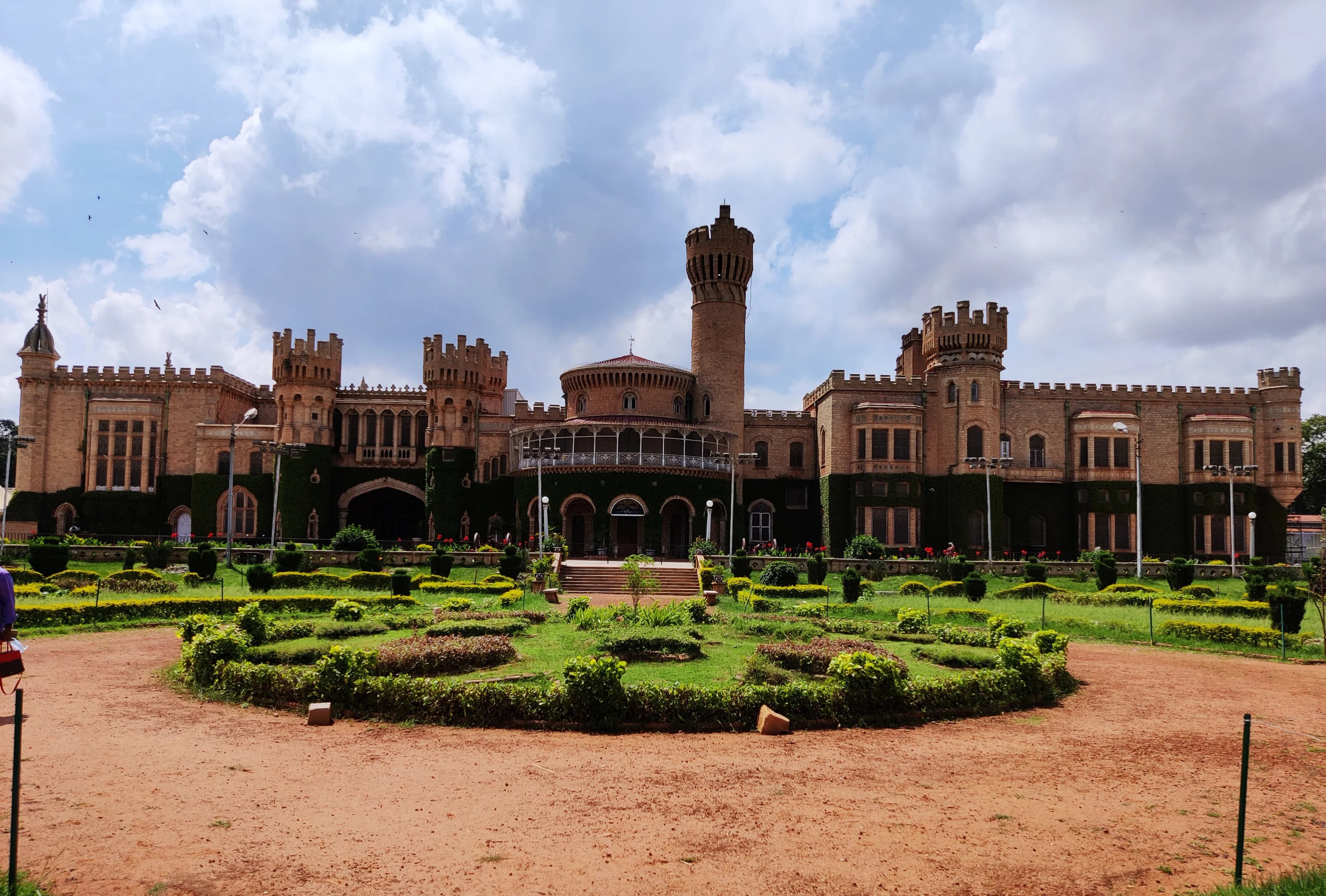
Envisioned by Chamarajendra Wadiyar X of the Mysore Royal Family, the Bangalore Palace, completed in 1873 CE, presents a Tudor Revival architectural style in the heart of Bengaluru ([1][2]). The palace echoes Windsor Castle's design, manifesting British Colonial influences on Indian princely architecture ([1][3]). Granite, wood, mortar, and steel constitute the primary materials employed in its construction, reflecting the era's engineering ([2]). Intricate carvings embellish the Durbar Hall, complemented by stained-glass windows illustrating scenes from Indian mythology and ornate chandeliers ([3][4]). These decorative elements, while European in style, served to enhance the grandeur of royal ceremonies and cultural events patronized by the Wodeyar dynasty ([1][2]). Sepia-toned photographs lining the palace walls offer glimpses into the lives and legacy of the Wodeyar rulers, preserving a visual record of their reign ([4]). Stone platforms and foundations exhibit a fusion of Victorian and Edwardian styles, evident in the arched corridors and wooden columns ([5]). Floral motifs and depictions of mythical creatures reflect the artisans' skill in blending Western architectural forms with traditional Indian aesthetics ([5]). Though the palace's design leans heavily on Western palatial architecture, its role as a center for royal patronage and cultural events firmly roots it in Indian heritage ([1][2]). The Mysore Royal Family used this palace for important functions, adapting it to local customs ([1][3]). While not directly linked to ancient Indian architectural treatises like the *Manasara Shilpa Shastra* or *Mayamata*, the Bangalore Palace represents a unique adaptation of Western architectural styles to suit the needs and tastes of an Indian royal family ([3]). It stands as a testament to the dynamic interaction between Indian and European cultures during the British Colonial period, preserving a vital piece of India's princely history ([1][2]).
Phimai Historical Park Nakhon Ratchasima
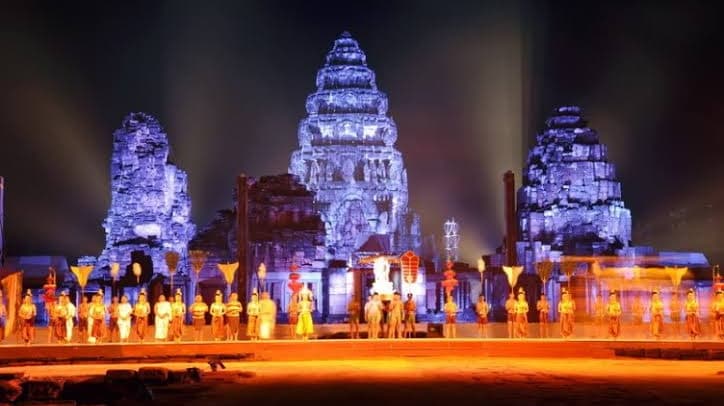
Phimai Historical Park, located in the heart of Phimai town in Nakhon Ratchasima Province, represents one of the most important and best-preserved Khmer temple complexes in Thailand, serving as a crucial link in the ancient highway connecting Angkor to regional centers. The temple complex, constructed primarily in the 11th and 12th centuries CE during the reigns of Suryavarman I and Jayavarman VII, demonstrates a unique architectural synthesis of Mahayana Buddhist and Shaiva Hindu traditions, with the main prasat originally dedicated to Vajrapani before being converted to Shiva worship. The complex spans approximately 28 hectares and features a rectangular laterite wall enclosure measuring 565 by 1,030 meters, accessed through four monumental gopuras aligned to the cardinal directions, with the eastern entrance serving as the primary approach. The central prasat, constructed from white sandstone and laterite, rises 28 meters and features a cruciform plan with four porches extending in cardinal directions, housing a massive lingam pedestal and evidence of both Buddhist and Hindu iconography. The temple’s architectural style represents the transition from Baphuon to Angkor Wat periods, with distinctive features including false windows, devata carvings, and elaborate lintels depicting scenes from the Ramayana and Mahabharata. The complex includes two libraries, two ponds, numerous subsidiary shrines, and a unique naga bridge connecting the outer enclosure to the inner sanctuary. Archaeological evidence indicates the temple served as both a religious center and administrative hub for the Khmer Empire’s control over the Mun River valley. The site underwent extensive restoration from 1964 to 1989, involving anastylosis techniques that carefully reconstructed collapsed structures using original materials. Today, Phimai remains an active site of worship and hosts the annual Phimai Festival, celebrating the temple’s cultural heritage. ([1][2])

Jwala Ji Temple Kangra
The air in Kangra Valley hummed with a palpable energy, a blend of crisp mountain air and the fervent devotion that permeated the atmosphere surrounding the Jwala Ji Temple. Nestled amidst the lower Himalayas, this ancient shrine dedicated to the Goddess Jwala Mukhi, the manifestation of eternal flame, is unlike any other I’ve encountered in my journey across India's UNESCO sites. There are no idols here, no sculpted deities. The object of veneration is the nine eternal flames that flicker from fissures in the rock, believed to be manifestations of the Goddess herself. The temple complex, while not sprawling, possesses a distinct charm. The dominant architectural style is Dogra, with intricate carvings adorning the silver-plated doors, a gift from the Maharaja Ranjit Singh, and the ornate mandap, the main prayer hall. Multi-tiered sloping roofs, typical of the region, rise above the structure, adding to its visual appeal. The courtyard, bustling with pilgrims, resonates with the rhythmic clang of bells and the chanting of mantras. The scent of incense hangs heavy in the air, a fragrant tapestry woven with the hopes and prayers of the devotees. My first encounter with the flames was a moment etched in memory. Housed within small depressions in the rock, they dance and flicker with an almost hypnotic quality. Each flame has a name – Mahakali, Annapurna, Chandi, Hinglaj, Vidhya Basni, Sarvamangala, Ambika, Anjana, and Maha Lakshmi – each representing a different aspect of the divine feminine. The flames are fueled by natural gas seeping from the earth, a geological phenomenon that adds to the mystique and reverence surrounding the site. The absence of any discernible fuel source only amplifies the belief in their divine origin. What struck me most was the palpable faith of the pilgrims. Their faces, etched with devotion, reflected a deep connection to the Goddess. From hushed whispers to fervent prayers, the atmosphere was charged with spiritual energy. I witnessed people from all walks of life, from the elderly leaning on canes to young children clinging to their parents, offering their prayers and seeking blessings. The temple serves as a powerful reminder of the enduring power of faith, a testament to the human need to connect with something larger than oneself. Beyond the main shrine, the temple complex houses several smaller shrines dedicated to other deities. I spent some time exploring these, observing the intricate details of their architecture and the unique rituals associated with each. The surrounding landscape, with its verdant hills and snow-capped peaks in the distance, added to the serene ambiance. The panoramic view from the temple courtyard is breathtaking, offering a glimpse into the natural beauty that cradles this sacred site. One of the most intriguing aspects of Jwala Ji Temple is its history, shrouded in legends and folklore. Accounts of its origins vary, with some tracing it back to the Mahabharata, while others attribute its discovery to the Mughal Emperor Akbar. The temple has witnessed the rise and fall of empires, withstanding the test of time and continuing to serve as a beacon of faith for millions. This historical depth adds another layer to the experience, making it not just a visit to a temple, but a journey through time. As I descended from the temple, the chants and the scent of incense gradually faded, but the memory of the dancing flames and the palpable devotion remained. Jwala Ji Temple is more than just a UNESCO World Heritage Site; it's a living testament to the power of faith, a place where the divine and the earthly converge, leaving an indelible mark on the soul of every visitor. It's a place I won't soon forget, a highlight of my exploration of India's rich and diverse heritage.
Hindu Sabha Mandir Brampton
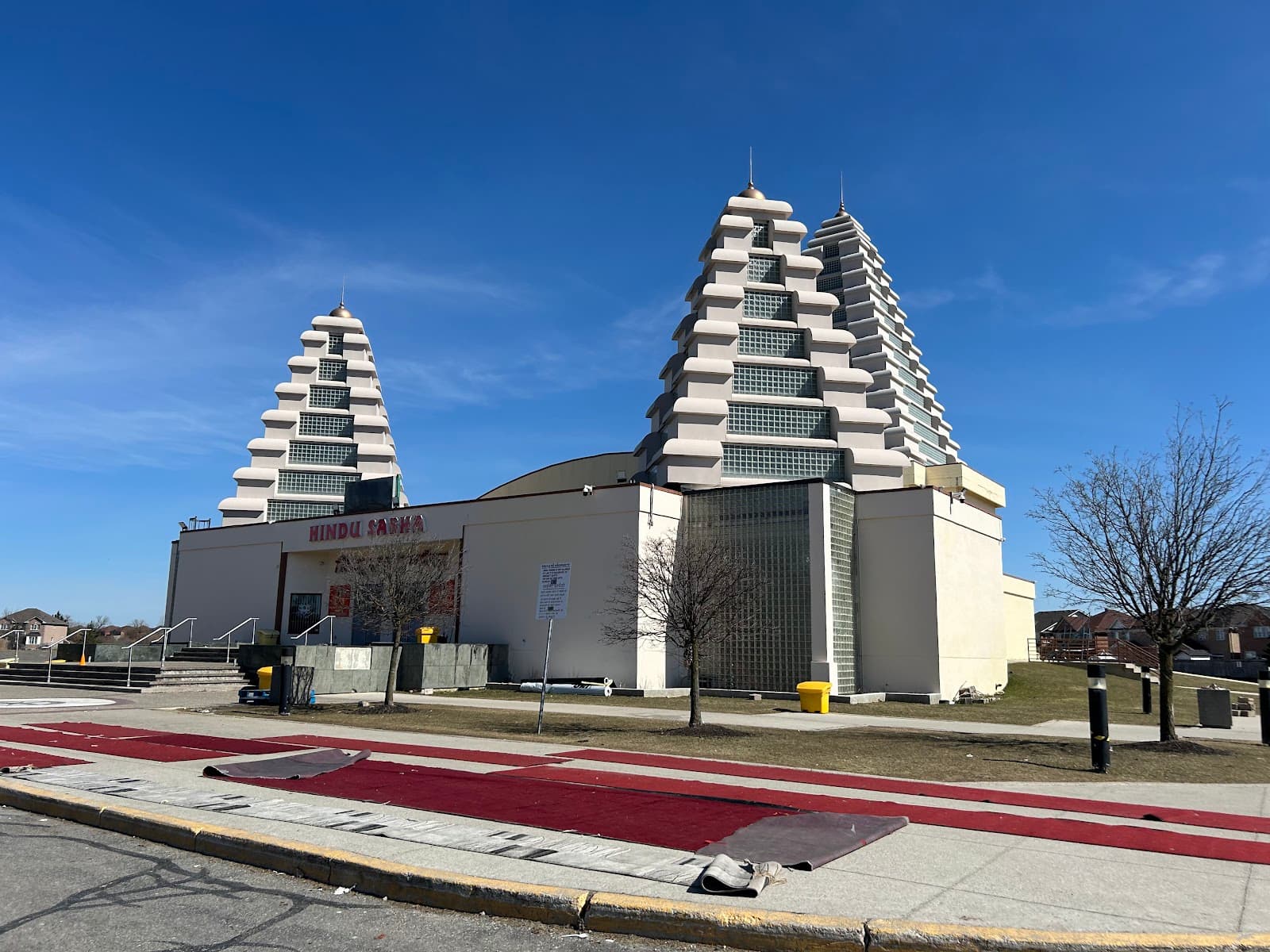
The Hindu Sabha Mandir, located at 9225 The Gore Road in Brampton, Ontario, Canada, stands as a profound testament to the enduring legacy of India's millennia-spanning cultural heritage, embodying the continuous tradition of Hindu civilization in the diaspora. Dedicated primarily to Maa Jagdamba, this sacred edifice serves as a vital spiritual and cultural nexus for the Hindu community in the Greater Toronto Area [1] [2]. Its architectural design predominantly adheres to the Dravida style, characterized by its pyramidal multi-tiered towers known as *vimanas* or *shikharas*, intricate carvings, and monumental structures, reflecting an indigenous architectural idiom that originated in Southern India thousands of years ago [5] . While incorporating modern institutional and brick architecture, the temple meticulously preserves the aesthetic principles and iconographic traditions of ancient Indian temple building [5] . The temple complex encompasses an expansive constructed area of approximately 32,000 square feet [3] [4]. The main floor alone spans about 17,000 square feet, featuring a dedicated altar area of 4,000 square feet where the primary deities are enshrined [3]. The lower level houses a substantial community hall and kitchen, covering approximately 15,000 square feet, designed to facilitate large gatherings and community service initiatives [3]. The main prayer hall is engineered to accommodate over 1,000 devotees, reflecting its role as a major congregational space [3]. A prominent architectural feature is the main *shikhara*, which rises to an impressive height of approximately 120 feet, dominating the skyline and serving as a beacon for the community [3]. The construction employs contemporary engineering techniques while integrating traditional Indian craftsmanship for its decorative elements, including sculptures and intricate carvings that adorn the exterior and interior, depicting various deities, mythological narratives, and auspicious symbols [5]. The temple's design ensures optimal spatial arrangements for rituals, meditation, and communal activities, with designated areas for *darshan*, *puja*, and *prasad* distribution [1]. Currently, the Hindu Sabha Mandir is an actively functioning religious and cultural center, offering daily worship services, morning and evening *aartis*, *bhajan-kirtan* sessions, and *satsangs* [1] [2]. Special religious programs are organized to celebrate major Hindu festivals such as Diwali, Holi, and Dussehra, drawing thousands of devotees [1]. The temple also runs comprehensive religious education and *sanskar* programs for children and youth, alongside regular yoga and meditation sessions, fostering spiritual and physical well-being within the community [1]. Conservation efforts focus on routine maintenance and preservation of its architectural integrity, ensuring the longevity of its traditional elements. The temple is managed by a dedicated board and management team, supported by a Women Empowerment Group, which actively participates in various temple activities and community outreach programs, including a food bank [1] [2]. The site is fully operational, accessible to visitors, and adheres to established maintenance protocols, serving as a vibrant hub for cultural exchange and spiritual enrichment [1] [2]. Photography is generally not permitted inside the main sanctum, and traditional or formal attire is recommended for visitors [1]. An ongoing project includes the construction of a 55-foot-tall statue of Lord Hanuman, further enhancing the temple's spiritual landscape .
Jagannath Temple Puri
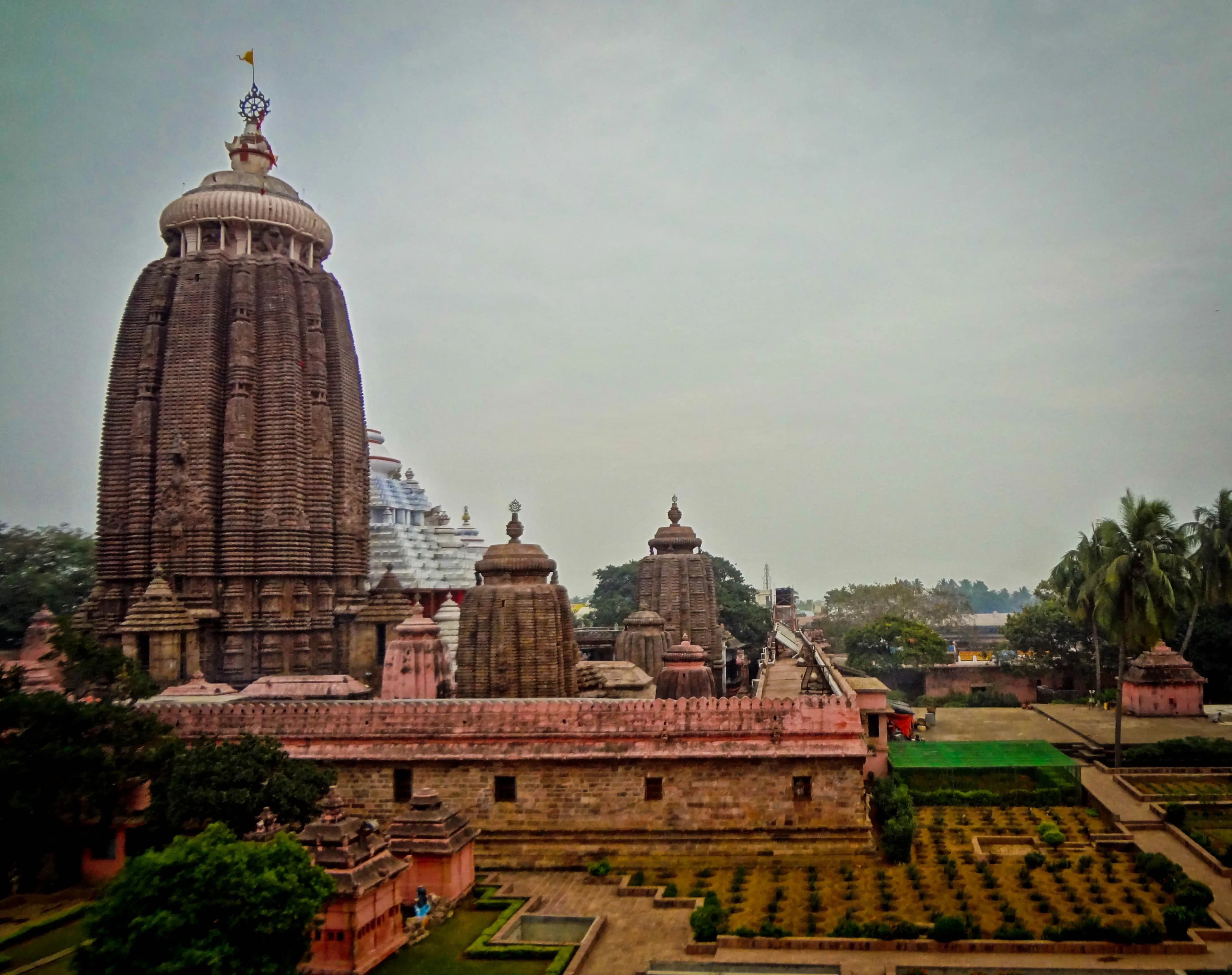
The Jagannath Temple in Puri, Odisha, stands as a profound testament to India's millennia-spanning cultural heritage, dedicated to Lord Jagannath, a form of Vishnu, alongside his siblings Balabhadra and Subhadra [2]. This monumental complex, located on Grand Road, Puri, is a vibrant center of continuous Indian civilization, embodying indigenous architectural styles and spiritual practices that reflect the nation's deep historical roots [1]. The temple is a prime example of Kalinga architecture, characterized by its curvilinear tower (rekha deul) and intricate sculptural ornamentation, which distinguishes it from other pan-Indian temple styles like Nagara and Dravida [3]. The temple complex is enclosed within a massive laterite wall known as Meghanada Pacheri, measuring approximately 202.70 meters by 196.29 meters and standing 6.1 meters high [3] . An inner wall, the Kurma Bedha, further encircles the main temple . The central shrine, or Vimana (Deula), rises to an impressive height of 57.28 meters from the inner parikrama floor to the apex of the Nila Chakra [3]. The temple's main structure comprises four distinct components arranged in an east-west alignment: the Vimana (sanctum sanctorum), the Jagamohana (porch or assembly hall), the Natamandapa (hall for cultural performances), and the Bhogamandapa (hall for offerings) [2] [3]. The Vimana is designed on a Pancha Ratha (five chariot) floor plan, where the vertical structure is divided into five projected column-like features, lending a unique vertical rhythm [2]. The Jagamohana, in contrast, is built in the Pidha deula style, featuring a pyramidal roof composed of horizontal layers [2]. Construction primarily utilized massive laterite blocks, quarried locally, fitted without mortar, showcasing the precision of Kalinga architecture [1]. Iron beams were incorporated to hold sections together, indicating advanced metallurgical knowledge for the period [1]. The temple's vertical structure is divided into five principal parts: Pitha (foundation), Bada (vertical wall), Gandi (main tower), and Mastaka (crowning elements), which includes the sacred Nila Chakra [2]. The Nila Chakra, an eight-spoked wheel made of Ashtadhatu (an alloy of eight metals), is 3.5 meters high with a circumference of about 11 meters, and is considered sacrosanct . Intricate carvings adorn the temple walls, depicting scenes from Hindu mythology, celestial beings, and floral motifs, often exhibiting a level of detail resembling wood or ivory [2] [3]. Friezes on the lower walls portray elephants, horses, and warriors in procession [2]. Niches on the Raha paga (central projection) house Parsva-devatas (side deities) such as Varaha, Trivikrama, and Nrusimha, sculpted from chlorite stone [2]. The temple features four elaborately carved gates: Singhadwara (Eastern Gate) flanked by crouching lions, Ashwadwara (Southern Gate) depicting horses, Vyaghrdwara (Western Gate) representing tigers, and Hastidwara (Northern Gate) featuring elephants [2]. The Singhadwara, the main entrance, is fronted by the monolithic Aruna Stambha, a sixteen-sided pillar topped with an idol of Aruna, the charioteer of Surya . The temple's kitchen is renowned as one of the largest in the world, preparing vegetarian Mahaprasad for thousands of devotees daily using traditional methods with earthen pots and firewood, a practice preserved for centuries [1] . The Archaeological Survey of India (ASI) plays a crucial role in the conservation of this Monument of National Importance, undertaking structural repairs using traditional methods and materials like laterite and lime plaster, and meticulously cleaning and conserving carvings [1] . Ongoing structural monitoring and repairs are in place, with efforts to incorporate both advanced conservation techniques and traditional knowledge systems to ensure durability and authenticity [1] . The temple remains an active place of worship, ensuring consistent ritual maintenance and upkeep of its architectural integrity [1]. The site is fully operational, welcoming pilgrims and visitors, with ongoing efforts to enhance accessibility, including a new ramp near the North Gate for the elderly and persons with disabilities .
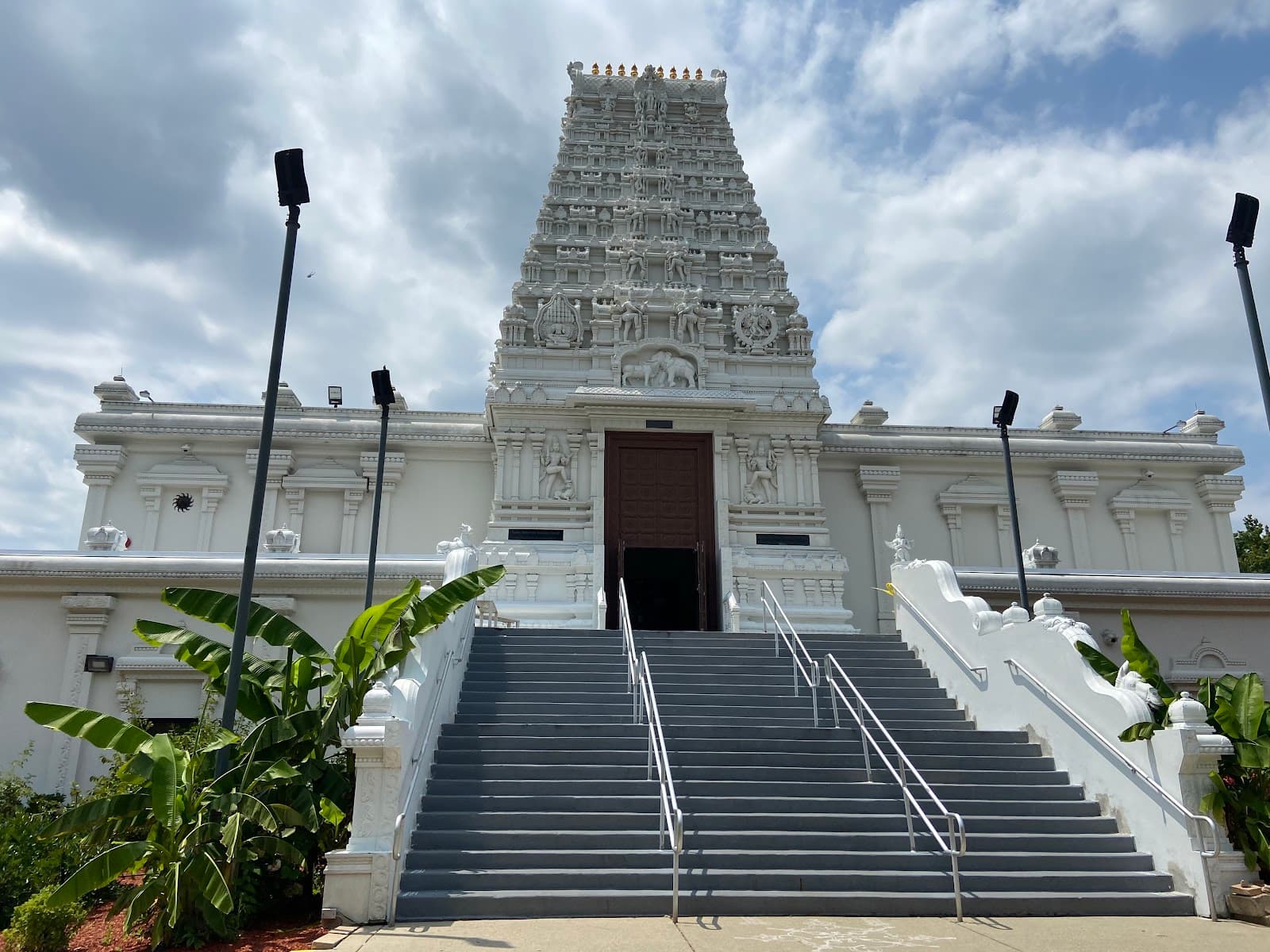
Sri Siva Vishnu Temple Lanham
Sri Siva Vishnu Temple in Lanham, Maryland, dedicated to Siva, Vishnu, and a constellation of regional deities, opens at 6:00 AM and keeps rituals running through 9:00 PM, sequencing morning suprabhatam, daily homams, and evening sahasranama archanas across two granite shrines linked by a shared mandapam ([1][2]). Volunteer desk captains manage parking lots, shoe rooms, and darshan queues via digital displays so weekday devotees and weekend tour groups flow smoothly between the Saiva and Vaishnava sanctums ([1][3]). Security teams coordinate with Prince George’s County police during festival surges, monitor CCTV networks, and audit life-safety systems that include sprinklers, smoke detection, and backup power tested monthly ([3][5]). Elevators, ramps, tactile paving, and loaner wheelchairs maintain circulation between the sanctum, canteen, and cultural hall; ushers offer assistive listening headsets and bilingual signage for Tamil, Telugu, and English programming ([1][4]). Custodians follow two-hour cleaning cycles covering granite floors, brass thresholds, and ablution stations, while mechanical crews schedule filter changes and insulation checks ahead of humid Chesapeake summers ([3][5]). Community kitchens operate under separate HVAC zoning and grease recovery, keeping prasad production compliant with Maryland health codes. Preventive maintenance dashboards log priest schedules, chillers, fire systems, and accessibility inspections; 2025 county reviews recorded zero violations, confirming the temple remains fully operational and compliant for daily worship, cultural classes, and large-format festivals ([3][4][5]).
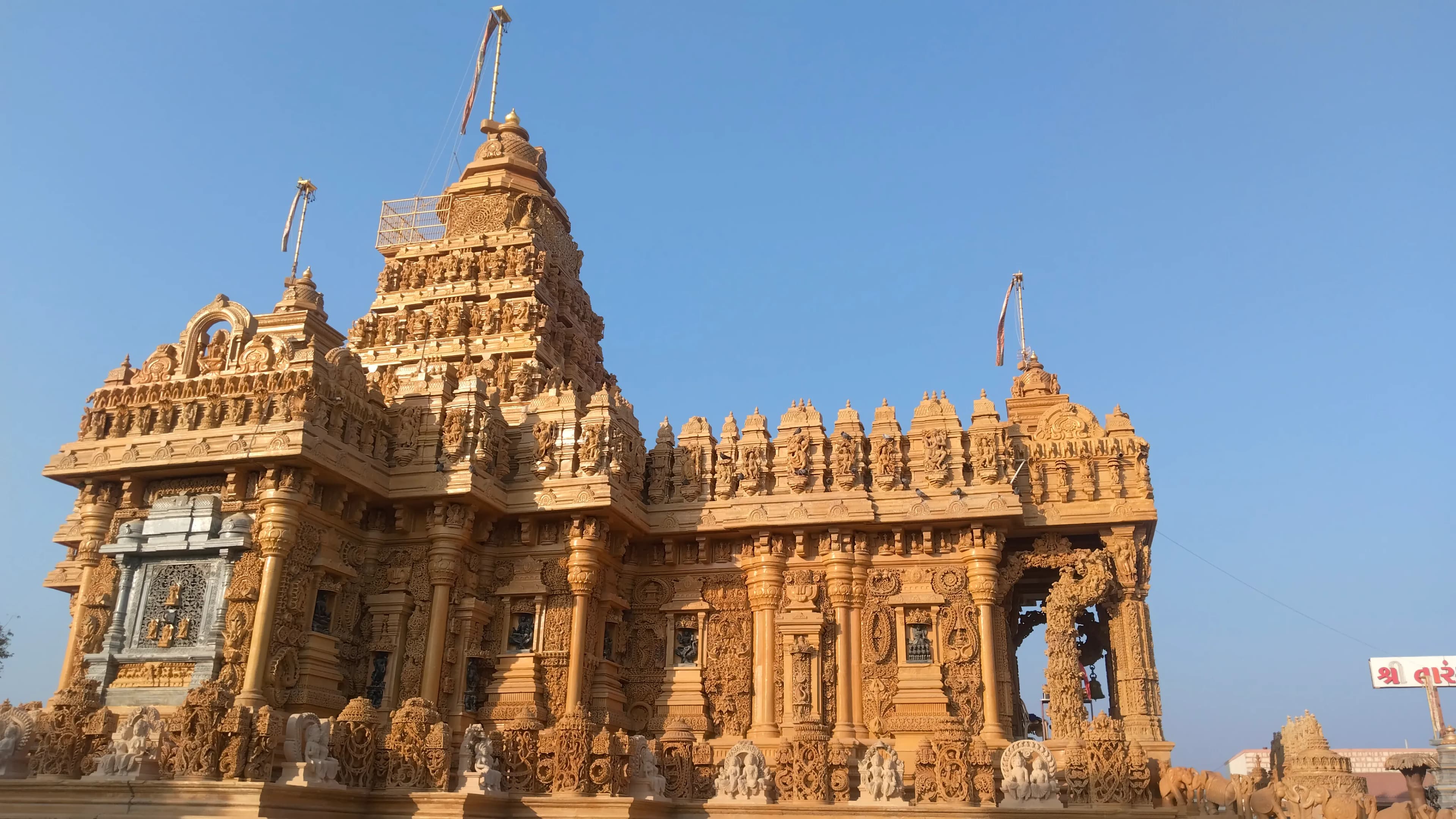
Jain Temple Dimapur
The humidity hung heavy, a stark contrast to the arid landscapes of Rajasthan I'm accustomed to. Here in Dimapur, Nagaland, nestled amidst lush greenery, stands the Jain Temple, a structure that whispers tales of a community far removed from the desert kingdoms I know so well. It isn't a grand edifice like the sprawling fortresses back home, but its simplicity holds a unique charm, a quiet dignity that immediately captivated me. The temple's exterior is a pristine white, a beacon against the vibrant green backdrop. The shikhar, the curvilinear tower, rises gracefully, though it lacks the intricate carvings and embellishments that adorn the Jain temples of Rajasthan. Instead, its surface is smooth, almost minimalist, crowned with a golden kalash, gleaming under the Nagaland sun. This architectural restraint, I realized, speaks volumes. It's a testament to the adaptability of Jain philosophy, its ability to flourish even in a land so different from its traditional heartland. Stepping inside, I was struck by the sense of peace. The main prayer hall is a large, airy space, devoid of the opulent ornamentation I’m used to seeing in Jain temples. Sunlight streamed in through large windows, illuminating the simple, yet elegant altar. At the center sits a serene white marble statue of the twenty-fourth Tirthankara, Mahavir Swami. His meditative posture, the downcast eyes, exuded an aura of tranquility that permeated the entire space. There were no elaborate frescoes, no intricate carvings on the pillars – just the quiet presence of the Tirthankara, a focal point for devotion. I spent some time observing the devotees. A mix of locals and visitors, they moved with a quiet reverence, their prayers whispered rather than chanted. It was a different atmosphere from the bustling Jain temples of Rajasthan, where the air often rings with devotional songs and the scent of incense. Here, the silence amplified the sense of spirituality, allowing for a deeper, more introspective experience. As I explored further, I discovered a small museum attached to the temple. It housed a collection of photographs and artifacts documenting the history of the Jain community in Dimapur. I learned that the temple was relatively recent, built in the latter half of the 20th century by a small but thriving Jain community that had migrated to Nagaland for business. The museum offered a fascinating glimpse into their journey, their challenges, and their contributions to the local community. It was a story of resilience and adaptation, a testament to the enduring spirit of Jainism. One particular exhibit caught my eye – a series of photographs showcasing the annual Mahavir Jayanti celebrations. The images depicted a vibrant procession, with devotees carrying the statue of Mahavir Swami through the streets of Dimapur. It was a striking image – the white-clad Jain devotees amidst the colorful Naga crowds, a beautiful representation of religious harmony and cultural exchange. Leaving the temple, I carried with me a sense of quiet admiration. This unassuming structure, tucked away in a corner of Nagaland, spoke volumes about the adaptability and universality of Jain philosophy. It was a reminder that spirituality transcends geographical boundaries and cultural differences. While the architecture and rituals might differ from the grand traditions I'm familiar with in Rajasthan, the core values of non-violence, compassion, and self-discipline remained the same, resonating powerfully in this tranquil corner of Northeast India. The Jain Temple of Dimapur may not boast the grandeur of its Rajasthani counterparts, but its quiet dignity and the story it tells are equally, if not more, compelling.
Quick Links
Plan Your Heritage Journey
Get personalized recommendations and detailed visitor guides