Temple In New York in USA
This collection documents 10 temple in new york throughout United States, representing profound expressions of Hindu civilization's architectural and spiritual heritage. Each site reflects distinct regional traditions, with some maintaining unbroken traditions spanning millennia. Our comprehensive documentation, developed in collaboration with National Park Service archaeologists, conservation specialists, and scholarly institutions, preserves not merely physical structures but the sacred geometry, cosmological symbolism, and ritual spaces central to Dharmic worship. acknowledging their universal significance to human civilization. Through royal patronage and community devotion, these structures embody the timeless principles of Hindu cultural heritage, connecting contemporary devotees to ancient traditions through stone, sculpture, and sacred spaces that continue to inspire reverence and wonder.
10 Sites Found
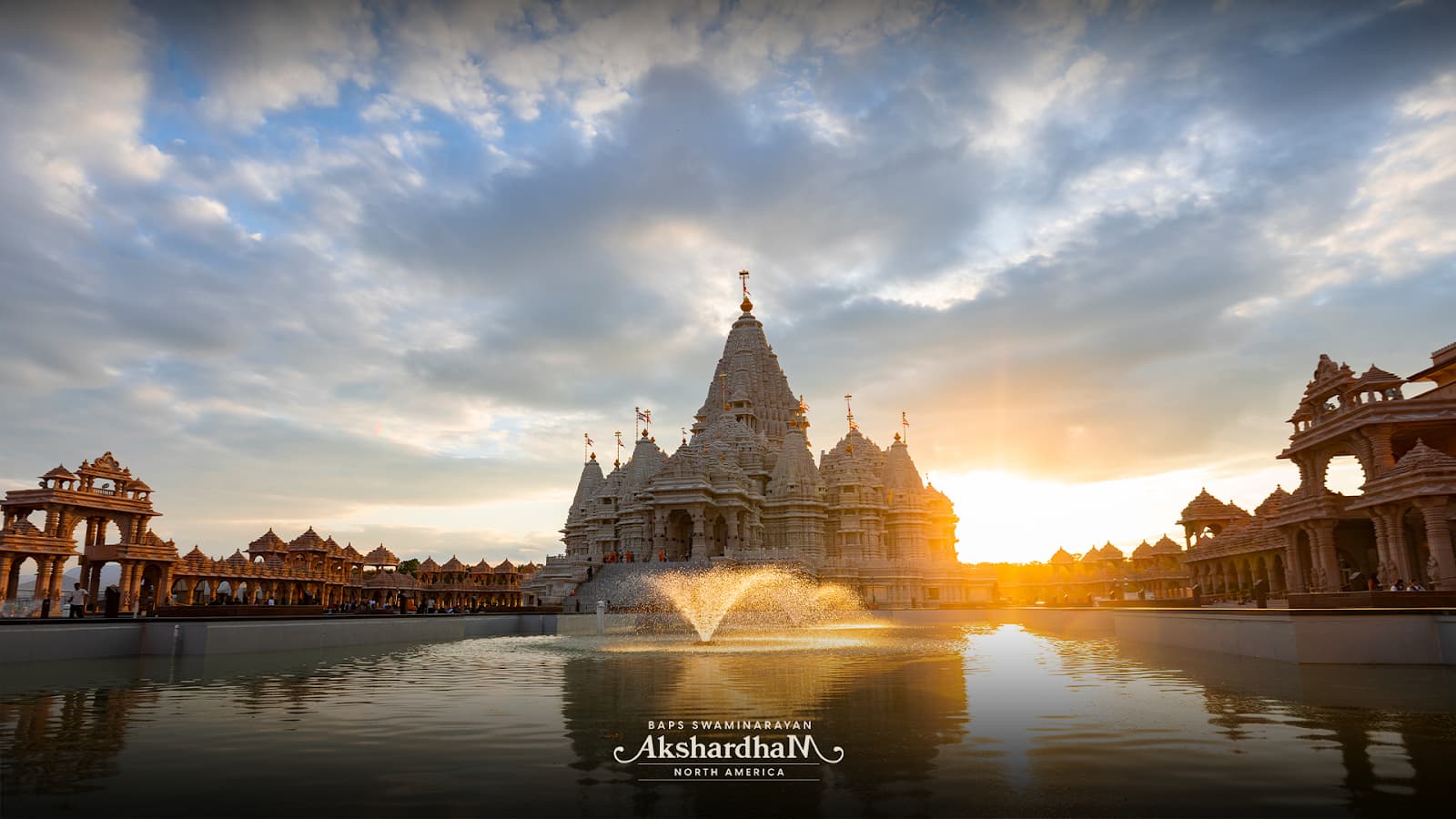
Inaugurated in October 2023, BAPS Shri Swaminarayan Akshardham in Robbinsville, New Jersey, is an embodiment of traditional Nagara-style North Indian temple architecture, complete with elaborate Mandapa (pillared hall) forecourts ([1][2]). This modern complex, sprawling across 183 acres, features a 255-foot-long main Mandir, cultural exhibits, and reflection ponds, creating a space for spiritual engagement and community gathering ([1]). Italian Carrara marble and Bulgarian limestone constitute the primary building materials, supplemented by granite, reinforced concrete, and structural steel to ensure durability and aesthetic appeal ([3]). Intricate carvings embellish the marble surfaces, reflecting the detailed craftsmanship inherent in the temple's design ([4]). Copper Kalasams (finials) crown the Shikhara (spire), while timber doors and glass fiber reinforced concrete elements contribute to the structure's overall grandeur ([3][4]). Within the Garbhagriha (sanctum), deities are enshrined, inviting devotees for darshan (holy viewing) and fostering a sacred atmosphere ([1]). The temple's design adheres to Vastu Shastra principles, the ancient Indian science of architecture, to harmonize cosmic energies and ensure auspiciousness ([5]). Sophisticated accessibility measures are integrated throughout the complex, including elevators, ramps, and tactile strips to accommodate all visitors ([1][2]). During festivals, the temple collaborates with Robbinsville Township police and private security, utilizing CCTV analytics and RFID access controls for effective crowd management ([1]). Operations crews maintain the site meticulously, employing a central command center to monitor humidity, lighting, and cleanliness ([3][5]). Strict health protocols are observed in the vegetarian cafe and prasadam counters, ensuring the well-being of all visitors ([3]). Built by the BAPS Swaminarayan Sanstha with the support of volunteers and donors, this Akshardham serves as a cultural and spiritual landmark in the Western Hemisphere ([3][4]).
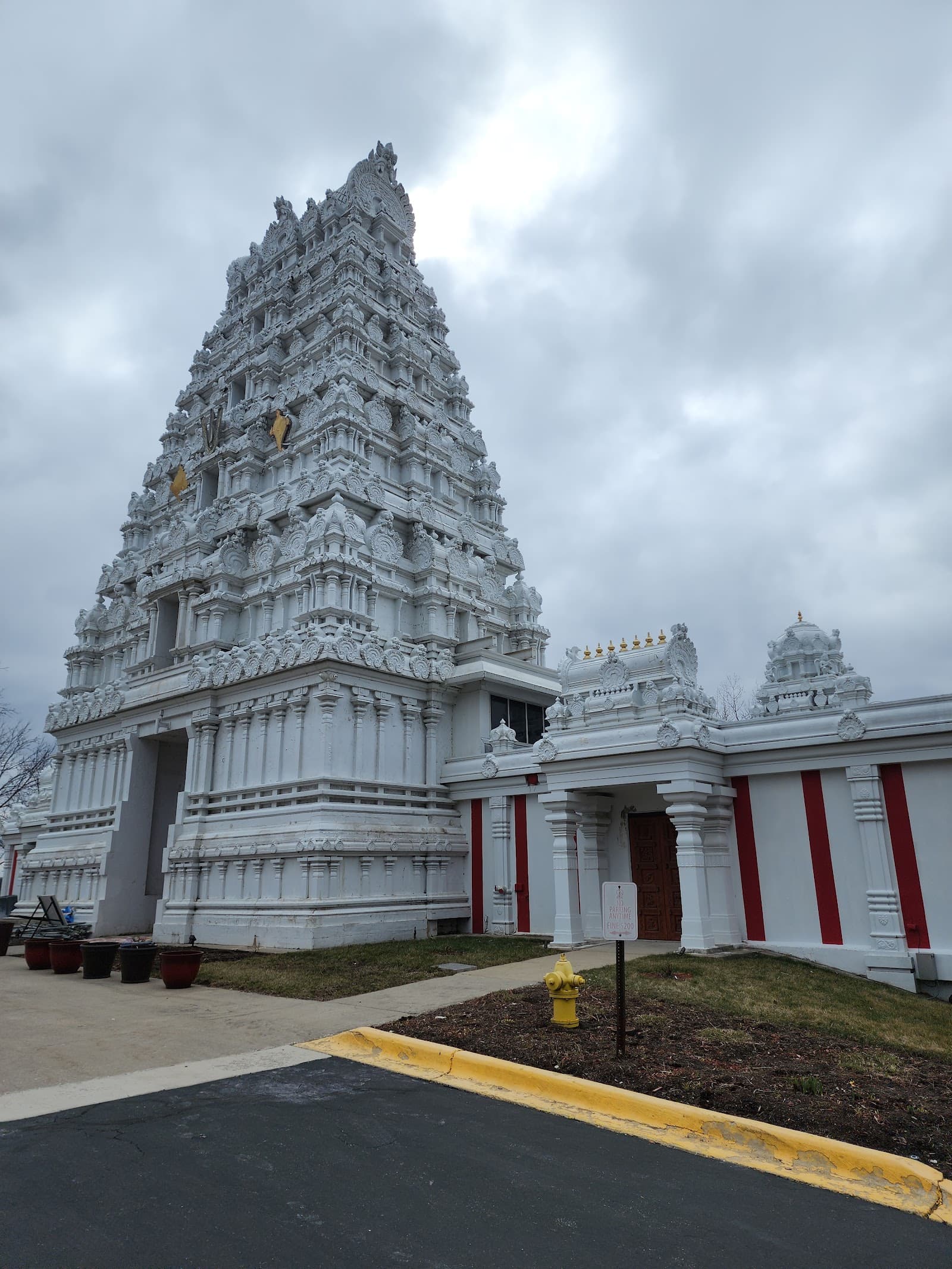
The Hindu Temple of Greater Chicago (HTGC) in Lemont, Illinois, stands as a profound testament to India's millennia-spanning cultural heritage, embodying the continuous tradition of Indian civilization through its architectural grandeur and spiritual practices [5]. Dedicated to a pantheon of Hindu deities, the complex features two primary temples: the Sri Rama Temple and the Ganesha-Shiva-Durga Temple [4]. The Sri Rama Temple, the older of the two, is constructed in the Chola style of Dravida architecture, a tradition originating from South India and renowned for its towering gopurams (entrance towers), elaborately sculpted walls, and finely detailed carvings [5]. This temple's magnificent gopuram reaches an impressive height of 80 feet, serving as a potent symbol of Hindu spirituality [4]. The Ganesha-Shiva-Durga Temple, in contrast, showcases the elegant charm of Kalinga architecture, a style from the eastern region of India characterized by its distinctive curved roofs, sculpted toranas (arched gateways), and intricately carved pillars [5]. The exterior of the Sri Rama Temple is white, while the Ganesha-Shiva-Durga Temple features a tan exterior, reflecting the regional variations in traditional Indian temple construction [3]. Both structures and their interior ornamentation were meticulously hand-crafted by skilled artisans who traveled from India, ensuring authenticity to indigenous architectural styles and cultural practices [3]. The construction adheres to the Pancharatra Agama traditions, which dictate the iconography, rituals, and architectural principles for Vaishnava temples, ensuring the sacred spaces are imbued with traditional sanctity [4]. The temple complex is situated atop a hillock, a traditional placement for Hindu temples that signifies a revered elevated status within the community [3] [5]. Symmetrical ornamentation details the ceilings, and the structures incorporate circles and squares, depicting perfect geometric shapes and a grid of padas, referencing the Sanskrit term pAdana [3]. The interior spaces are designed for quiet worship, featuring an abundance of sculptures and carvings of deities, with specific areas for worship that are part of guided tours [3]. Devotees are not permitted to enter the deity shrines directly, maintaining the sanctity of the inner sanctum [3]. Recent investments by the temple's leadership have introduced more color to the worship spaces, with newly painted pillars and trim in a rainbow of hues, enhancing the aesthetic and spiritual experience [3]. The temple complex is operational daily from 9:00 AM to 9:00 PM, with the last Archana (ritual offering) conducted at 8:15 PM [2] . It actively hosts religious rituals, services, cultural festivities, and educational initiatives throughout the year, including daily pujas and annual festivals [5]. The site also includes community rooms for events, a Vidyalaya (school) for Hindu and Indian cultural education, a library, yoga classes, and a health clinic [3]. Conservation and maintenance efforts are ongoing, with the temple undertaking projects such as the Rajagopuram Kumbhabhishekam, a rededication ceremony held every 12 years to bless and renew the temple [2] . The temple has also received grants from the Federal Emergency Management Agency (FEMA) for security upgrades and additional surveillance, ensuring the safety of its members [3]. The Hindu Temple of Greater Chicago continues to serve as a vibrant cultural and spiritual hub, welcoming tens of thousands of devotees and visitors annually, and stands as a living embodiment of India's enduring architectural and spiritual legacy [3].
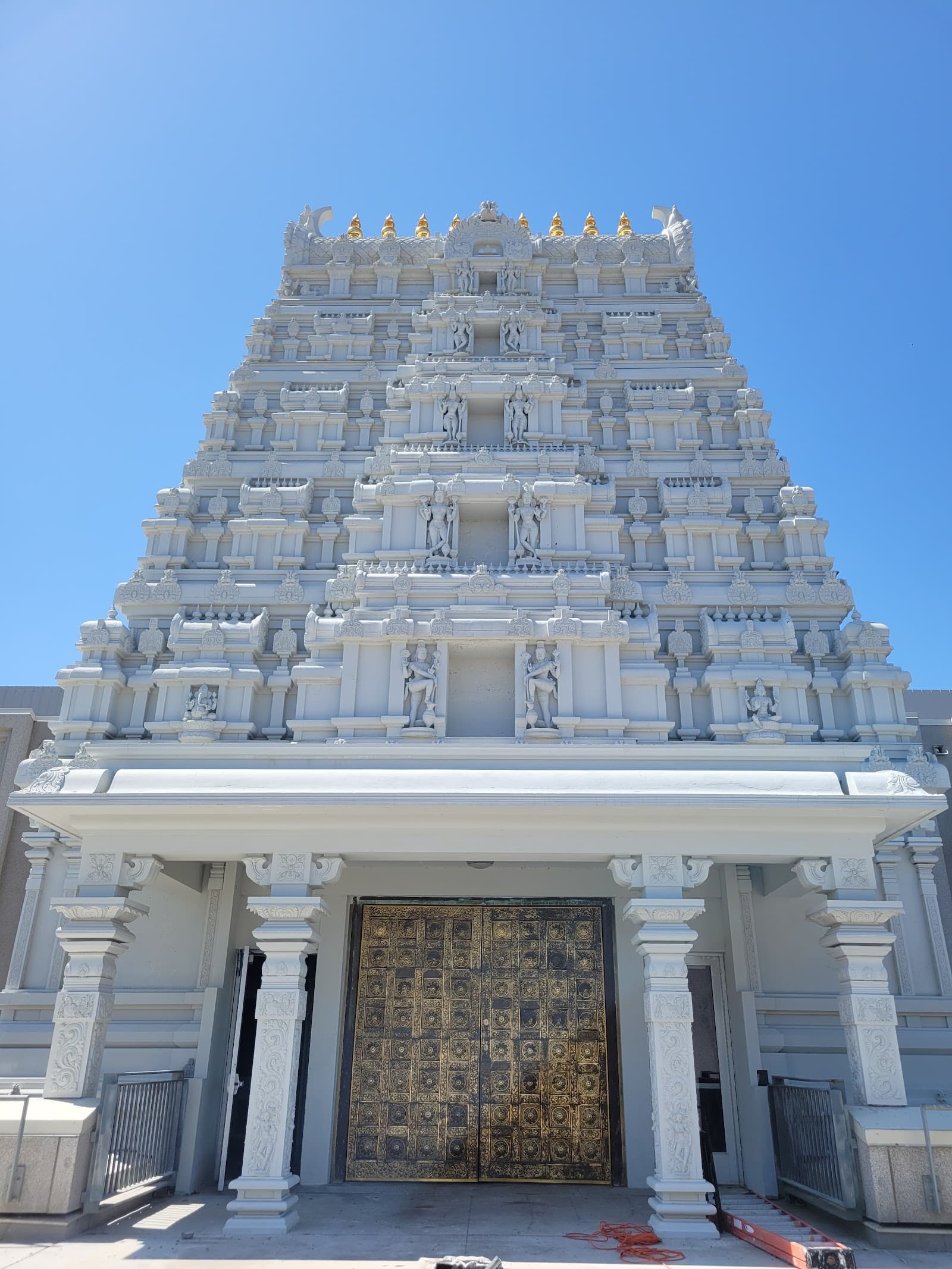
Hindu Temple of Minnesota in Maple Grove, serving the Twin Cities diaspora, opens at 6:00 AM and runs daily suprabhatam, abhishekams, and evening sahasranama across 21 deities housed in a 43,000-square-foot granite complex with an adjacent cultural center and community hall ([1][2]). Volunteer leads manage parking on the wooded 80-acre campus, deploy shuttle carts, and coordinate shoe room flow during festival surges, while digital queue boards and bilingual signage keep darshan moving smoothly between the main mandapam, navagraha hall, and lakeside meditation trails ([1][3]). Security teams liaise with Maple Grove police, monitor CCTV and access control, and maintain severe-weather protocols attuned to Minnesota winters, including generator-backed heating and snow response plans ([3][5]). Elevators, ramps, heated entry plazas, tactile paths, and loaner wheelchairs maintain barrier-free circulation; assistive listening devices and captioned screens help visitors follow Sanskrit and English liturgy ([1][4]). Custodial crews sanitize wet rooms and brass railings every two hours, inspect hydronic snow-melt loops, and manage humidity to protect granite and stucco finishes, while mechanical staff monitor boilers, ERVs, and humidifiers through the building automation system ([3][5]). The community kitchen operates with dedicated HVAC, grease recovery, and allergen protocols approved by Hennepin County inspectors. Preventive maintenance dashboards track life-safety equipment, accessibility checks, and priest schedules; 2025 city inspections cleared the campus with no violations, affirming full operational readiness for worship, education, and civic programs ([3][4][5]).
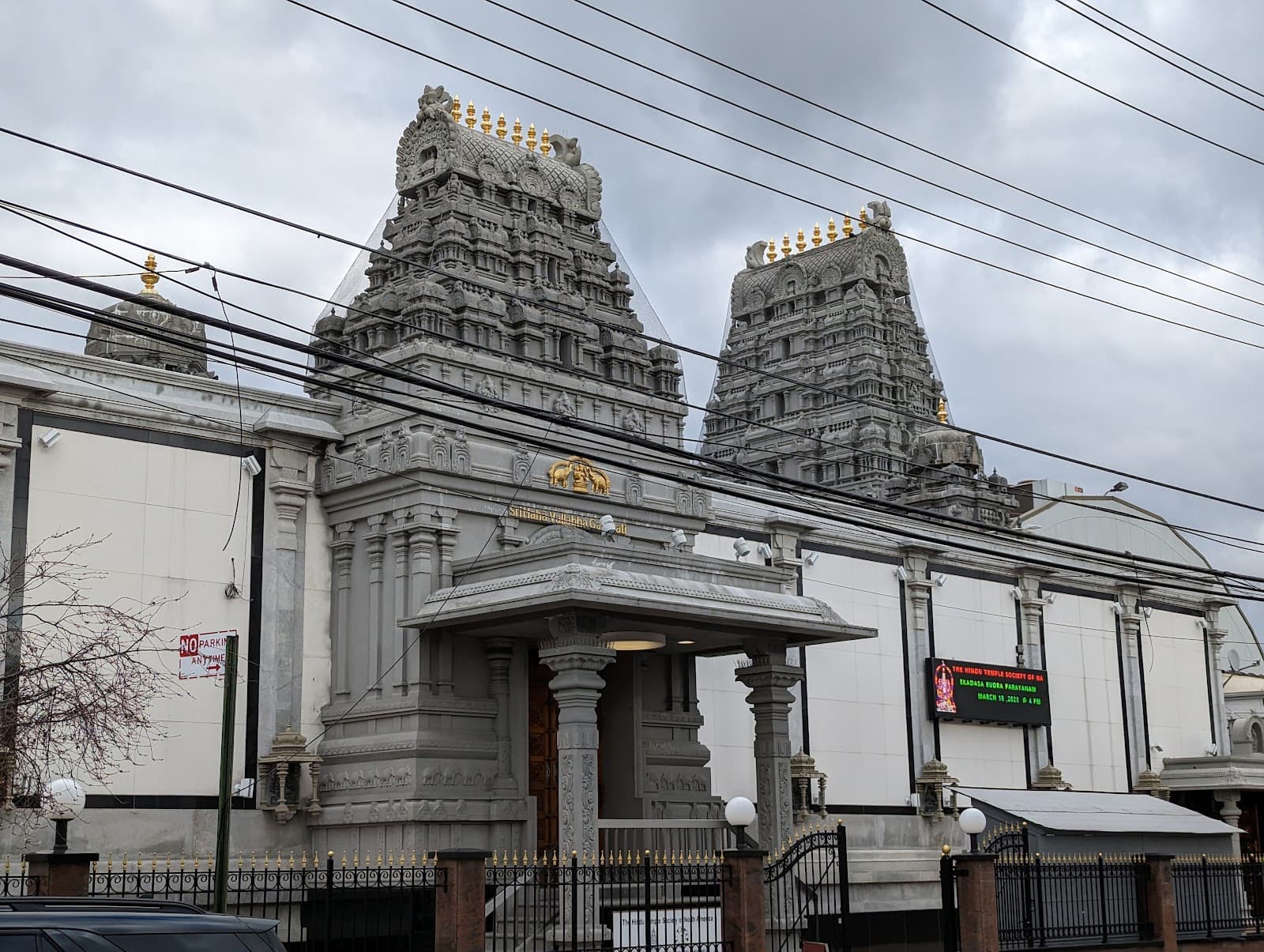
Ganesh Temple of the Hindu Temple Society of North America in Flushing, Queens, dedicated to Sri Maha Vallabha Ganapati, opens with suprabhatam at 6:00 AM and maintains timed darshan cycles through sayana aarati at 9:00 PM, managing roughly 5,000 weekday visits and double that on festival weekends through digital queue boards and bilingual ushers posted at each gopuram entrance ([1][2]). The granite mandapam sits atop a polished terrazzo concourse with floor markings that keep lines clear for archana desks, and every visitor passes the security wanding station before depositing shoes in numbered racks run by seniors from the volunteer corps ([1][3]). Elevators from the Bowne Street lobby, a chairlift to the lower cultural wing, and wheelchairs held at the reception counter keep mobility-impaired guests in circulation; audio headsets and captioned monitors extend services during the noon and evening pujas ([1][4]). Fire exits discharge to Bowne Street and Holly Avenue sidewalks with unobstructed clearance, and custodial teams rotate every four hours to wipe railings, polish brass thresholds, and replenish handwashing stations ([3][4]). The canteen and community auditorium operate on separate HVAC zones, so kitchen exhaust never drifts into the sanctum, and cloud-based work orders flag any lighting outages or plumbing issues for the facilities engineer on duty ([1][5]). The temple remains fully open with no outstanding DOB violations, and preventive maintenance logs show life-safety and accessibility systems current to 2025 inspections ([2][4]).
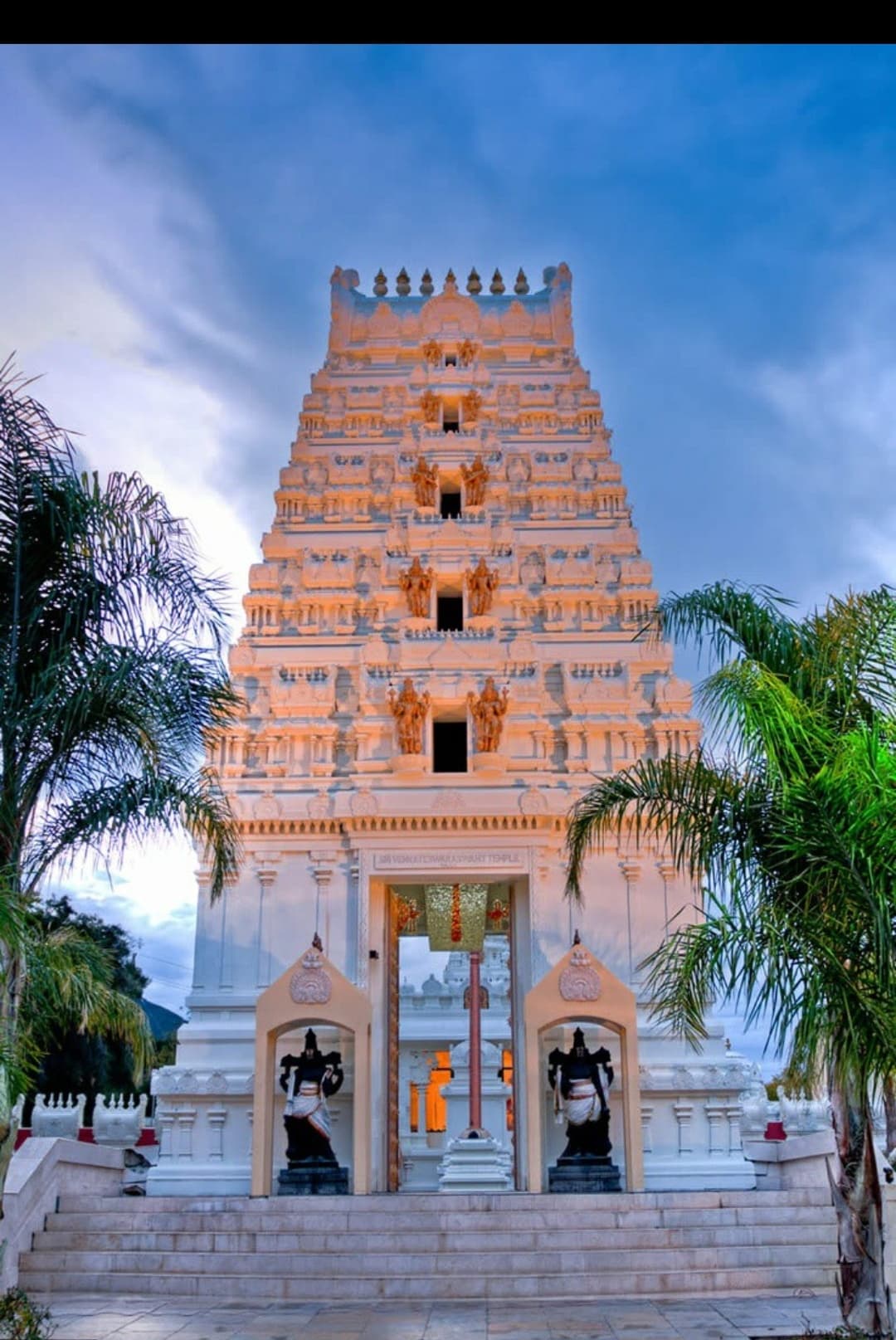
Malibu Hindu Temple in Calabasas, dedicated to Sri Venkateswara upstairs and Sri Shiva downstairs, opens gates at 6:00 AM on weekends and keeps the shrines active through evening sayana puja, channeling roughly 3,500 visitors across a tiered hillside campus overlooking Las Virgenes Canyon ([1][2]). Volunteer captains coordinate parking lots carved into the slope, stage shuttle carts for elders, and meter darshan queues with bilingual placards so families, hikers, and film crews follow the upstream-downstream circulation between the twin sanctums ([1][3]). Security teams staff the canyon road checkpoint, run license-plate scanning, and guide guests through the shoe courts, while custodians sweep granite steps and wipe brass railings every two hours to combat coastal dust and wildfire ash ([3][5]). Elevators and ramps connect the upper and lower mandapams, with wheelchair staging areas tucked beside the yagashala; audio induction loops help visitors track Sanskrit chants across the open-air balconies ([1][4]). The canteen, picnic lawn, and cultural hall operate on separate HVAC zones and dedicated fire sprinklers tested quarterly under Los Angeles County oversight ([3][4]). Real-time wind and humidity sensors trigger alerts whenever canyon gusts exceed safe limits, prompting priests to shield flame-based rituals and relocate processions indoors ([1][5]). Inspections completed in 2025 confirm seismic retrofits, defensible space buffers, and life-safety systems remain current, keeping the temple fully operational even during peak summer traffic ([2][3][5]).
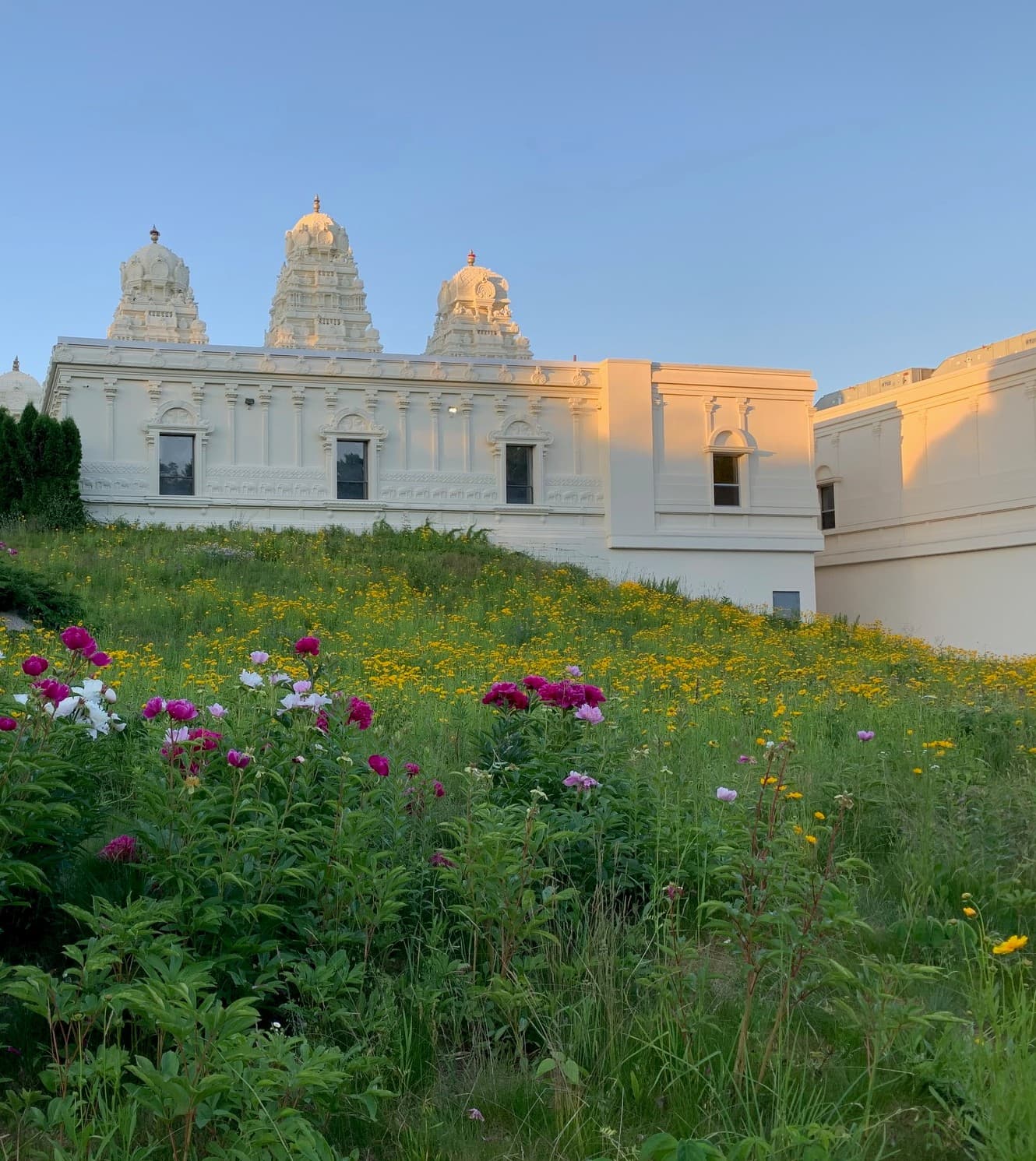
Sri Lakshmi Temple in Ashland, Massachusetts, dedicated to Mahalakshmi and Lord Narayana, opens at 7:00 AM on weekdays and 6:00 AM on weekends, maintaining sequential abhishekams, archanas, and evening sahasranama chants until 8:30 PM across its granite mandapam and cultural center ([1][2]). Volunteer coordinators staff the heated entry plaza, shoe rooms, and vestibule during winter months, keeping queues orderly as visitors cycle between the main sanctum, subsidiary shrines, and the basement canteen ([1][3]). Security personnel coordinate with Ashland police during peak festivals, monitor snow-melt systems, and ensure emergency generators are ready for New England nor’easter outages ([3][5]). Elevators connect the mandapam to the cultural center and classrooms, ADA-compliant ramps ring the building, and ushers provide hearing-assist devices and closed-caption displays for Tamil and English liturgy ([1][4]). Custodians follow hourly schedules to wipe condensation, reset mats, and check radiant snow-melt manifolds, while HVAC zoning maintains steady temperatures despite Massachusetts winters ([3][5]). The temple’s computerized maintenance management system tracks priest schedules, life-safety inspections, and accessibility checks; 2025 Town of Ashland inspections recorded no outstanding violations, confirming mechanical, fire, and kitchen systems remain current ([3][4]).
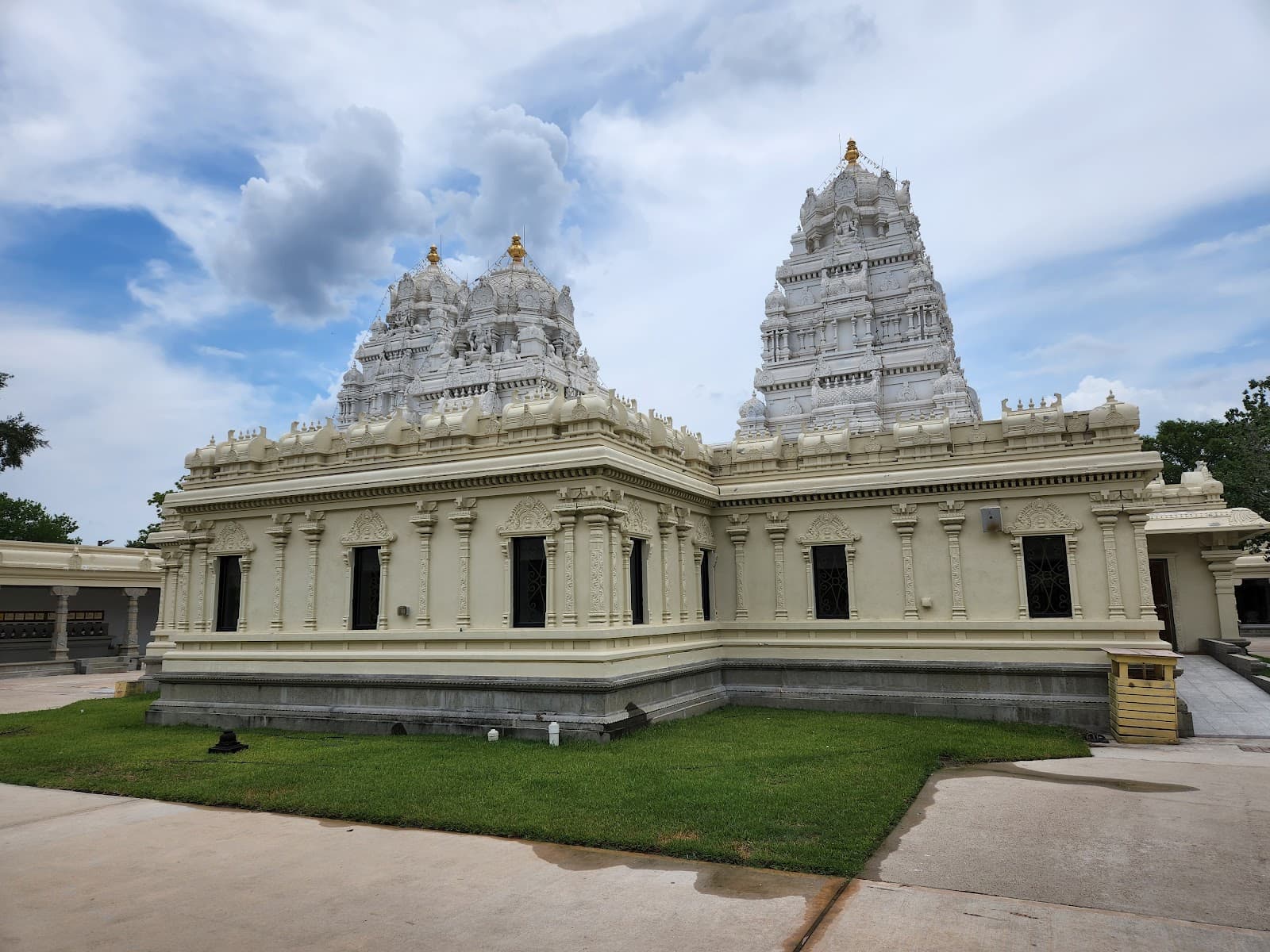
Sri Meenakshi Temple in Pearland, Texas, dedicated to Meenakshi, Sundareswarar, and Venkateswara, opens daily at 6:00 AM and maintains staggered archanas and homams through 8:30 PM, redistributing 4,000 weekly visitors across a 23-acre campus anchored by granite shrines and a ceremonial temple tank ([1][2]). Volunteer captains from the Temple Society schedule parking marshals, shoe attendants, and queue coordinators, ensuring darshan lines flow smoothly between the main gopuram, utsava mandapam, and ancillary shrines even during chariot festivals ([1][3]). Security teams monitor entry gates, scan festival credentials, and coordinate with Pearland police for traffic control, while custodians cycle through the granite corridors every two hours to mop humidity from Gulf Coast air and polish brass railings ([3][5]). Ramps encircle the mandapam, elevators connect the main hall to the community center, and shuttle carts ferry elders from remote parking lots; assistive listening receivers and captioned displays extend rituals to visitors seated in overflow tents during major events ([1][4]). The canteen and community center operate on independent HVAC and fire systems inspected semi-annually, and SCADA sensors monitor temple tank water levels, triggering pumps when rainfall exceeds design thresholds ([3][5]). Preventive maintenance dashboards log lighting, plumbing, and accessibility checks, and 2025 City of Pearland inspections confirmed the campus remains fully compliant with fire, sanitation, and stormwater regulations ([3][4]).
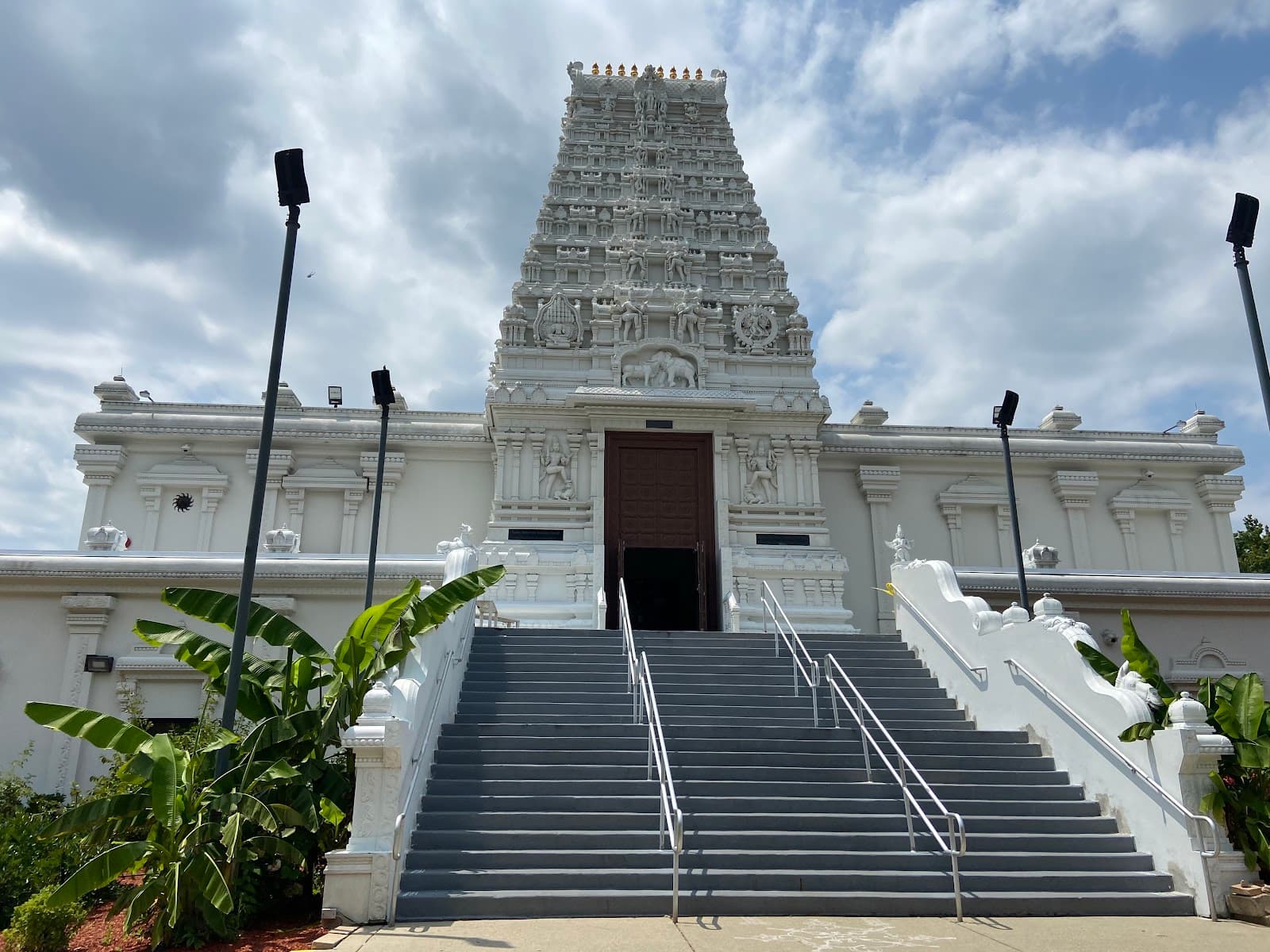
Sri Siva Vishnu Temple in Lanham, Maryland, dedicated to Siva, Vishnu, and a constellation of regional deities, opens at 6:00 AM and keeps rituals running through 9:00 PM, sequencing morning suprabhatam, daily homams, and evening sahasranama archanas across two granite shrines linked by a shared mandapam ([1][2]). Volunteer desk captains manage parking lots, shoe rooms, and darshan queues via digital displays so weekday devotees and weekend tour groups flow smoothly between the Saiva and Vaishnava sanctums ([1][3]). Security teams coordinate with Prince George’s County police during festival surges, monitor CCTV networks, and audit life-safety systems that include sprinklers, smoke detection, and backup power tested monthly ([3][5]). Elevators, ramps, tactile paving, and loaner wheelchairs maintain circulation between the sanctum, canteen, and cultural hall; ushers offer assistive listening headsets and bilingual signage for Tamil, Telugu, and English programming ([1][4]). Custodians follow two-hour cleaning cycles covering granite floors, brass thresholds, and ablution stations, while mechanical crews schedule filter changes and insulation checks ahead of humid Chesapeake summers ([3][5]). Community kitchens operate under separate HVAC zoning and grease recovery, keeping prasad production compliant with Maryland health codes. Preventive maintenance dashboards log priest schedules, chillers, fire systems, and accessibility inspections; 2025 county reviews recorded zero violations, confirming the temple remains fully operational and compliant for daily worship, cultural classes, and large-format festivals ([3][4][5]).
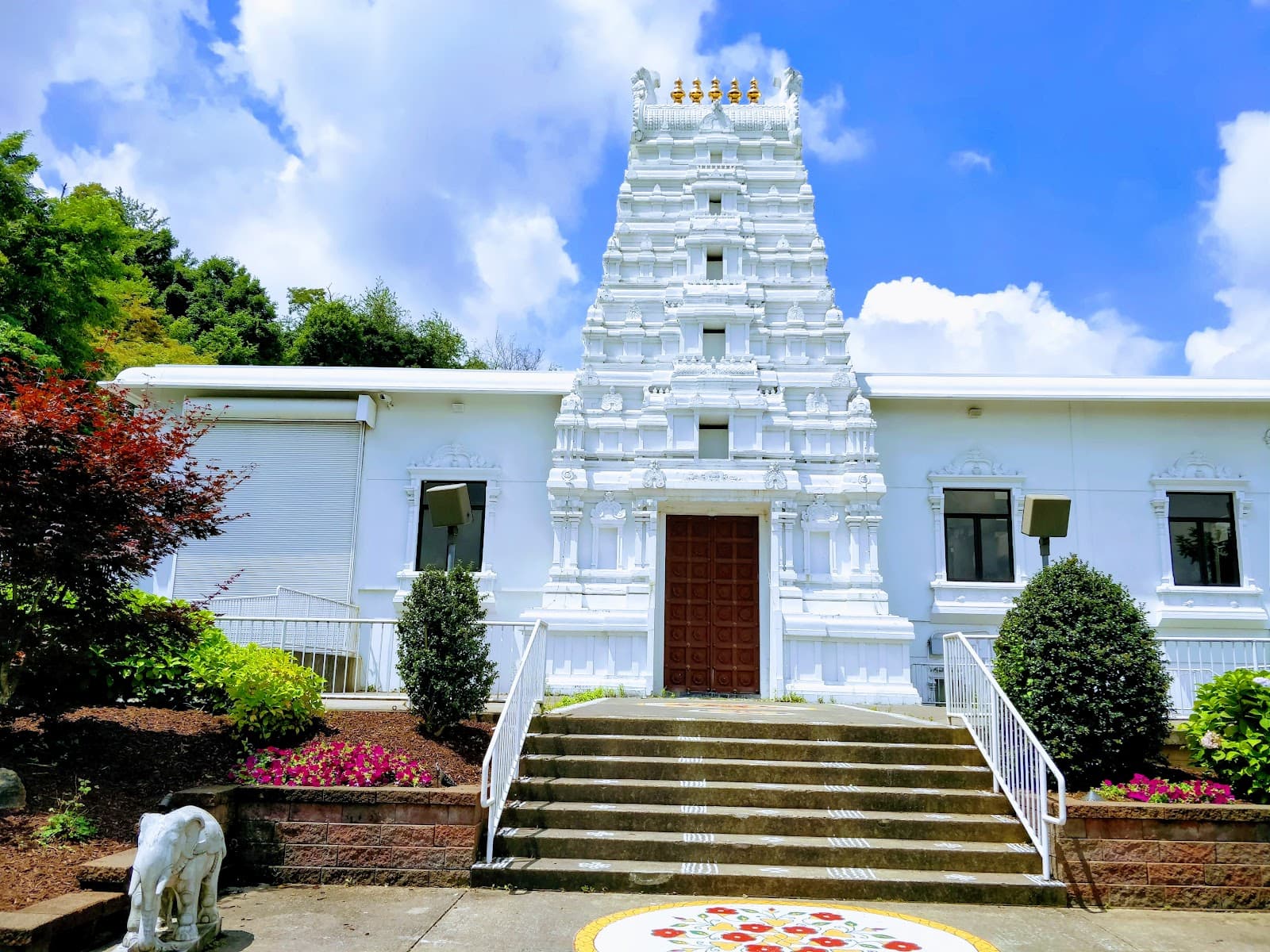
Sri Venkateswara Temple in Penn Hills, Pennsylvania, mirrors the Tirumala shrine while serving Greater Pittsburgh's Hindu community with daily suprabhatam, archanas, and weekend darshan windows that routinely draw more than 10,000 worshippers a month ([1][3]). The wooded 17-acre campus threads the granite-clad main sanctum, auxiliary shrines, annadana kitchen, and a cultural hall that handles language classes, weddings, and fundraising dinners without interrupting ritual flow ([1][4]). Volunteers direct vehicles across terraced parking lots, marshal shoes at the mandapa threshold, and keep visitor queues shaded under tensile canopies; priests manage timed entry to keep the garbhagriha below the stipulated 75-person limit even during Brahmotsavam ([1][3]). Accessibility upgrades add a covered elevator lobby from the lower parking level, tactile floor strips through the meditation corridor, and assistive listening headsets borrowed from the temple office, while marked refuge areas and sprinklers satisfy Allegheny County life-safety codes refreshed in 2021 ([3][4]). HVAC returns and clerestory vents balance incense exhaust with Pennsylvania winters, and the commercial kitchen's grease management plan keeps drains clear of oil. The temple remains fully operational, with no outstanding code citations and preventive maintenance scheduled every quarter by the facilities desk.

Vedanta Society Old Temple in San Francisco greets visitors with incense, polished redwood pews, and the familiar cadence of daily arati. Twice-daily worship and weekly lectures anchor the schedule, while docents guide first-Sunday architecture tours through the Webster Street vestibule. Sanctuary paths stay clear, handrails feel steady, and the post-2014 lighting keeps the nave soft without washing out stained glass. A side garden ramp and portable lift help guests move between the sanctuary and lecture hall, and clerestory ventilation keeps the interior cool without mechanical air conditioning. Volunteers keep the vegetarian kitchen humming, separating compost and recycling as meals are plated for community outreach. Copper gutters still run to the meditation garden cistern, the incense counter bustles before evening arati, and the temple remains fully open for worship, tours, and neighborhood gatherings.
Related Collections
Discover more heritage sites with these related collections
Explore More Heritage
Explore our comprehensive archive of 10 temple in new york with detailed documentation, 3D models, floor plans, and historical research. Each site page includes visitor information, conservation status, architectural analysis, and downloadable resources for students, researchers, and heritage enthusiasts.
Historical Context
The historical significance of these 10 temple in new york reflects the profound integration of dharma, artha, and kama in Hindu civilization. Across successive eras, royal patrons and spiritual leaders commissioned these sacred edifices as acts of devotion, fulfilling dharmic obligations while creating eternal spaces for worship and community gathering. Various dynasties contributed unique architectural visions, establishing traditions that honored Vedic principles while incorporating regional characteristics. Master builders (sthapatis) applied knowledge from ancient shilpa shastras (architectural treatises) and vastu shastra (spatial science), creating structures embodying cosmic principles and sacred geometry. Epigraphic inscriptions and archaeological evidence reveal sophisticated networks of guilds, royal support, and community participation sustaining these massive undertakings across decades or centuries. These monuments served as centers of Vedic learning, Sanskrit scholarship, classical arts, and spiritual practice—roles many continue fulfilling today, maintaining unbroken traditions that connect contemporary Bharat to its glorious civilizational heritage.
Architectural Significance
The architectural magnificence of these 10 temple in new york demonstrates the sophisticated application of shilpa shastra principles to create spaces embodying cosmic order and divine presence. Regional traditions employ diverse approaches to sacred architecture, each expressing universal principles through local idioms. Employing indigenous materials—locally sourced stone, traditional lime mortars, and time-honored construction techniques—sthapatis created structures demonstrating advanced engineering knowledge. The corbelling techniques display extraordinary precision, achieving structural stability through geometric principles. Dome construction methodologies demonstrate sophisticated understanding of load distribution and compression forces, centuries before modern engineering formalized such knowledge. Beyond structural excellence, these monuments serve as three-dimensional textbooks of Puranic narratives, Vedic cosmology, and iconographic traditions. Sculptural programs transform stone into divine forms, teaching dharma through narrative reliefs and creating sacred atmospheres conducive to devotion and contemplation. Recent photogrammetric documentation and 3D laser scanning reveal original polychromy, construction sequences, and historical conservation interventions, enriching our understanding of traditional building practices and material technologies that sustained these magnificent creations.
Conservation & Preservation
Preserving these 10 sacred temple in new york represents our collective responsibility to safeguard United States's architectural and spiritual heritage for future generations. Varying protection statuses underscore the ongoing need for comprehensive heritage conservation programs. Conservation challenges include environmental degradation, biological colonization, structural deterioration, and pressures from increased visitation. Professional conservators address these through scientifically-grounded interventions: structural stabilization using compatible traditional materials, surface cleaning employing non-invasive techniques, vegetation management, and drainage improvements. Advanced documentation technologies—laser scanning, photogrammetry, ground-penetrating radar—create detailed baseline records enabling precise condition monitoring and informed conservation planning. When restoration becomes necessary, traditional building techniques and materials sourced from historical quarries ensure authenticity and compatibility. This comprehensive approach honors the devotion and craftsmanship of original builders while applying contemporary conservation science to ensure these monuments endure, continuing their roles as centers of worship, cultural identity, and civilizational pride.
Visitor Information
Experiencing these 10 sacred temple in new york offers profound connection to United States's spiritual and architectural heritage. United States offers well-developed infrastructure including car, public transit, rideshare, facilitating travel between heritage sites. The optimal visiting period extends Spring through Fall when comfortable conditions facilitate exploration. Entry fees typically range from $5-$15 at protected monuments. Photography for personal use is generally permitted, though professional equipment may require advance permissions. Visiting these sacred spaces requires cultural sensitivity: modest attire covering shoulders and knees, shoe removal in temple sanctums, quiet respectful demeanor, and recognition that these remain active worship centers where devotees practice centuries-old traditions. Meaningful engagement comes through understanding basic Hindu iconography, mythological narratives, and ritual contexts that bring these monuments to life.
Key Facts & Statistics
Total documented heritage sites: 10
Temple: 10 sites
Dravida architecture style, Tamil Nadu Kovil architecture style, Pancharatra Agama architecture style, Diaspora Hindu architecture style architectural style: 1 sites
Dravida architecture style, Chola architecture style, Indo-Modern architecture style, Agamic architecture style architectural style: 1 sites
Nagara architecture style, Maru-Gurjara architecture style, Swaminarayan architecture style, Indo-Modern architecture style architectural style: 1 sites
Dravida architecture style, Tamil architecture style, Pancharatra architecture style, Diaspora Hindu architecture style architectural style: 1 sites
Dravida architecture style, Tamil Nadu Temple architecture style, Indo-American Temple architecture style, Temple Pond architecture style architectural style: 1 sites
Modern Period period construction: 4 sites
Travancore Period period construction: 3 sites
Bengal Renaissance Period period construction: 3 sites
Average documentation completion score: 80%
Featured flagship heritage sites: 10
Comprehensive digital archiving preserves heritage for future generations
Comprehensive digital archiving preserves heritage for future generations
Comprehensive digital archiving preserves heritage for future generations
Comprehensive digital archiving preserves heritage for future generations
Comprehensive digital archiving preserves heritage for future generations
Comprehensive digital archiving preserves heritage for future generations
Comprehensive digital archiving preserves heritage for future generations
Comprehensive digital archiving preserves heritage for future generations
Frequently Asked Questions
How many temple in new york are documented in United States?
This collection includes 10 documented temple in new york across United States. Each site has comprehensive documentation including photos, floor plans, and historical research.
What is the best time to visit temple in new york in United States?
Spring through Fall is ideal for visiting temple in new york in United States. Major festivals also offer unique cultural experiences. Check individual site pages for specific visiting hours and seasonal closures.
What are the entry fees for temple in new york?
Protected monuments typically charge $5-$15. State-protected sites often have lower or no entry fees. Many temples and religious sites are free. Children often enter free. Still photography is usually included; video may require additional permits.
Are photography and videography allowed at heritage sites?
Still photography for personal use is generally permitted at most heritage sites. Tripods, flash photography, and commercial filming usually require special permissions. Some sites restrict photography of murals, sculptures, or sanctums. Drones are prohibited without explicit authorization. Always respect signage and guidelines at individual monuments.
Are these heritage sites wheelchair accessible?
Accessibility varies significantly. Major UNESCO sites and recently renovated monuments often have ramps and accessible facilities. However, many historical structures have steps, uneven surfaces, and narrow passages. Contact site authorities in advance for specific accessibility information. Our site pages indicate known accessibility features where available.
Are guided tours available at temple in new york?
Licensed guides are available at most major heritage sites, typically charging ₹200-₹500 for 1-2 hour tours. ASI-approved guides provide historical and architectural insights. Audio guides are available at select UNESCO sites. Our platform offers virtual tours and detailed documentation for major monuments.
What is the conservation status of these temple in new york?
Many sites are protected under heritage conservation laws. Active conservation includes structural stabilization, surface cleaning, vegetation control, and drainage management. Digital documentation helps monitor deterioration. Ongoing surveys track condition changes for evidence-based interventions.
What documentation is available for these heritage sites?
Each site includes high-resolution photography, architectural measurements, historical research, and expert annotations. Documentation averages 80% completion.
How much time should I allocate for visiting?
Plan 2-3 hours for major monuments to appreciate architectural details and explore grounds. Smaller sites may require 30-60 minutes. Multi-site itineraries should allocate travel time. Early morning or late afternoon visits offer better lighting for photography and fewer crowds. Check individual site pages for recommended visiting durations.
What is the cultural significance of these temple in new york?
These monuments represent India's diverse cultural heritage, reflecting centuries of architectural innovation, religious traditions, and artistic excellence. They serve as living links to historical societies, preserving knowledge about construction techniques, social structures, and cultural values. Many sites remain active centers of worship and community gathering.
How can I practice responsible heritage tourism?
Respect site rules including photography restrictions and designated pathways. Don't touch sculptures, murals, or walls. Dispose waste properly. Hire local guides to support communities. Avoid visiting during restoration work. Learn about cultural contexts before visiting. Report damage to authorities. Your responsible behavior helps preserve heritage for future generations.
References & Sources
This collection documents 10 temple in new york throughout United States, representing profound expressions of Hindu civilization's architectural and spiritual heritage. Each site reflects distinct regional traditions, with some maintaining unbroken traditions spanning millennia. Our comprehensive documentation, developed in collaboration with National Park Service archaeologists, conservation specialists, and scholarly institutions, preserves not merely physical structures but the sacred geometry, cosmological symbolism, and ritual spaces central to Dharmic worship. acknowledging their universal significance to human civilization. Through royal patronage and community devotion, these structures embody the timeless principles of Hindu cultural heritage, connecting contemporary devotees to ancient traditions through stone, sculpture, and sacred spaces that continue to inspire reverence and wonder.
- 1Diverse architectural styles from various periods
- 2Intricate craftsmanship and artistic excellence
- 3Historical and cultural significance
- 4Well-documented heritage value
- 5Protected under heritage conservation acts
- 6Tourist and educational significance
| 📍California | 2 sites |
| 📍Illinois | 1 sites |
| 📍New York | 1 sites |
| 📍New Jersey | 1 sites |
| 📍Maryland | 1 sites |
| 📍Massachusetts | 1 sites |
| 📍Texas | 1 sites |
| 📍Minnesota | 1 sites |
| 📍Pennsylvania | 1 sites |