Temple in Maharashtra
This curated collection presents 9 architecturally significant temple across maharashtra, each offering authentic experiences of Hindu cultural and spiritual heritage. Representing diverse regional traditions, these sites spanning multiple historical periods continue serving as active centers of worship and cultural transmission. 1 holds UNESCO World Heritage designation, recognizing exceptional universal value. Our comprehensive documentation provides detailed visitor information, architectural insights, and cultural context, enabling meaningful engagement with India's living heritage traditions while respecting the sacred nature of these spaces.
9 Sites Found
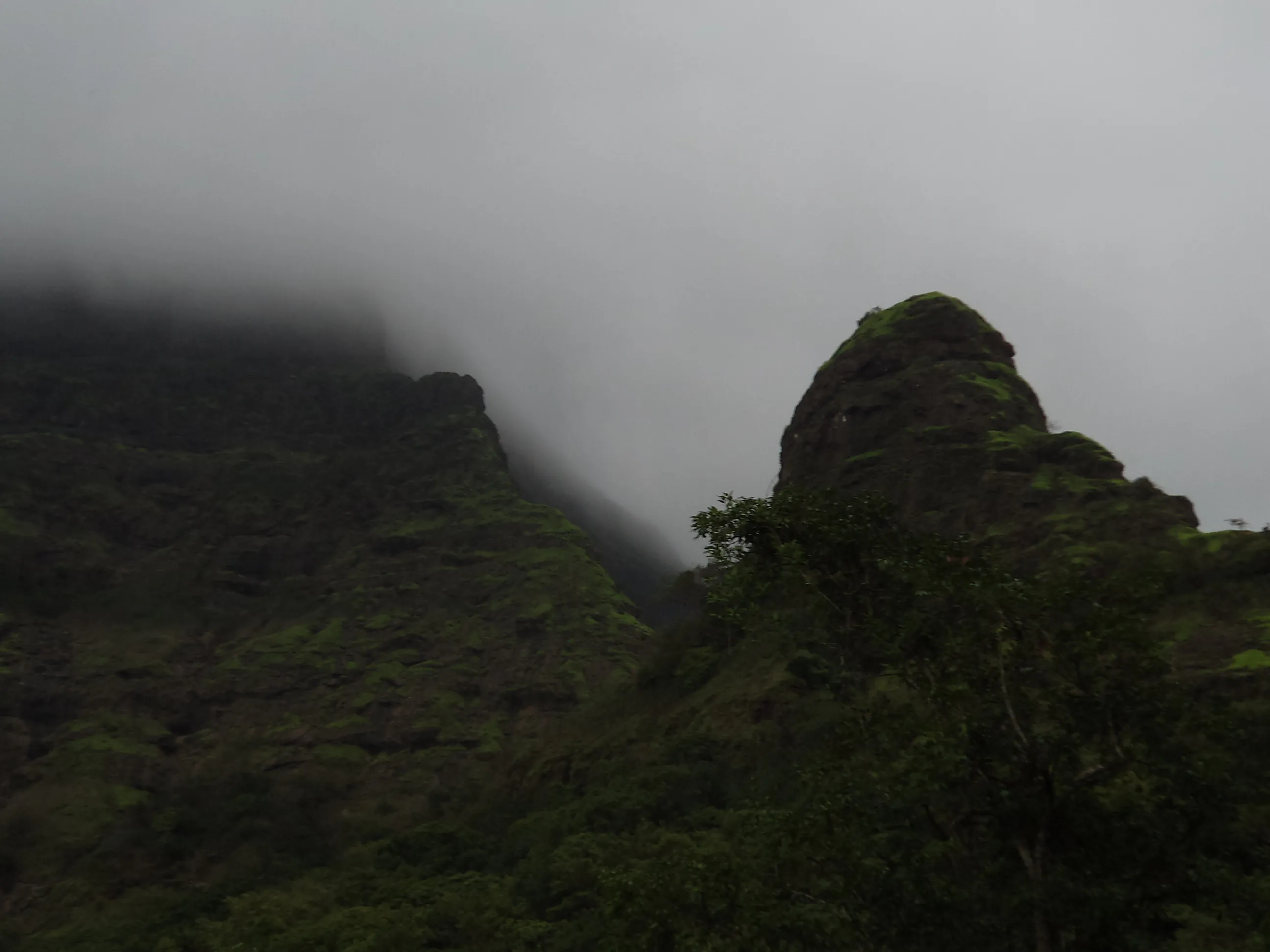
Enclosed by the Sahyadri mountains near Khed, the Bhimashankar Temple beckons with its spiritual aura and natural setting. Revered as one of the twelve Jyotirlingas, it embodies a manifestation of Lord Shiva ([1]). During the Maratha Period, temple construction underwent a resurgence, influencing Bhimashankar's structural design ([2]). Commissioned around 1250 CE by the Yadava Dynasty, the temple harmoniously blends Nagara and Dravidian architectural styles ([3][4]). Granite and sandstone blocks, meticulously carved, construct the temple's form, adorned with depictions from Hindu mythology reflecting the artisans' expertise ([3][5]). Black stone, basalt rock, granite, and wood form the primary materials, imbuing the temple with a sense of antiquity ([3]). Within the Garbhagriha (Sanctum), the Jyotirlinga resides, creating a serene atmosphere for devotees ([1]). Also of note, the Kamalaja Devi temple showcases a fusion of Nagara and Hemadpanti styles ([4]). Vastu Shastra principles, the ancient Indian science of architecture, may have subtly influenced the temple's layout, though specific textual references are currently unavailable. Patronage by Nana Phadnavis further solidified the temple's importance ([2]). The nearby source of the Bhima River enhances the site's spiritual significance ([1]). Sophisticated architectural elements are visible throughout the complex. The Shikhara (Spire) exhibits the Nagara influence, while the overall layout incorporates Dravidian elements, showcasing a confluence of architectural traditions ([3][4]). Bhimashankar offers a profound experience, inviting visitors to connect with Maharashtra's rich heritage ([5]).
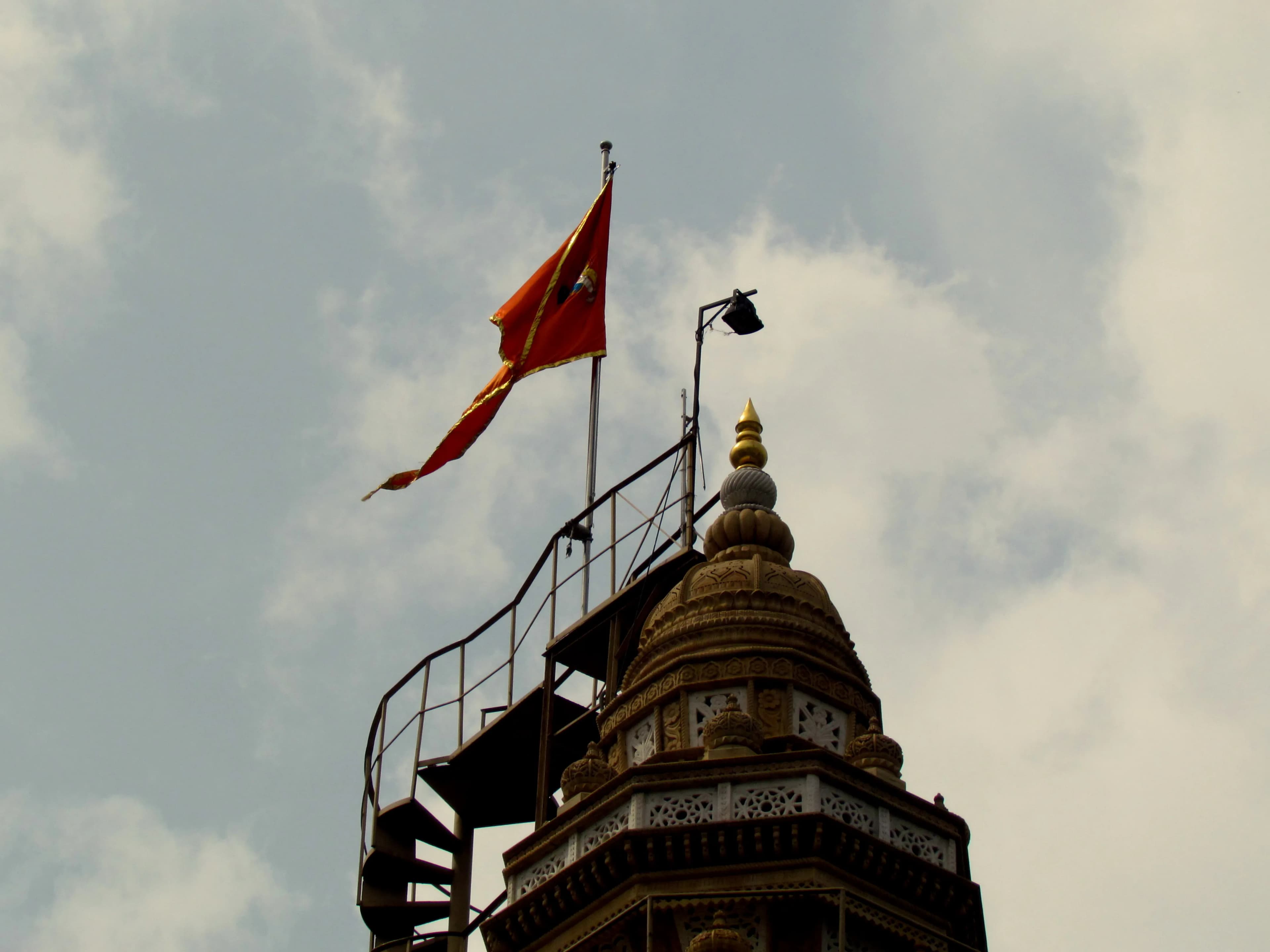
The air crackles with devotion as one approaches the Dagdusheth Halwai Ganpati Temple in Pune, a vibrant landmark born in 1893 CE ([1]). This temple, dedicated to Lord Ganesha, stands as a testament to faith and community spirit ([2]). Its architecture presents an eclectic blend, reflecting Mughal influences intertwined with Maratha temple traditions ([3]). The structure's domes, arches, and pillars create a unique visual harmony ([4]). Dominating the interior is the magnificent Ganesh idol, a 7.5-foot-tall, gold-adorned representation of the deity ([5]). Unlike traditional meditative depictions, this idol exudes a regal aura, befitting Pune's reigning deity ([6]). The use of gold aligns with the ancient Indian tradition of adorning deities with precious materials, as detailed in various Agama Shastras (religious texts) that prescribe the materials and methods for idol making ([7]). Elaborate marble work defines much of the temple's aesthetic. The flooring, polished to a reflective sheen, complements the vibrant colors of devotees' attire ([8]). Pillars clad in marble provide a smooth contrast to the intricate gold work ([9]). Red sandstone, another prominent material, adds to the temple's overall grandeur ([10]). This fusion of materials creates a sacred space, resonating with the devotional energy of its visitors. The multi-tiered Shikhara (spire) is a modern marvel, its colors a departure from ancient stone structures ([11]). Built by Dagdusheth Halwai and Shrimati Laxmibai Dagdusheth after the loss of their son, the temple embodies resilience and devotion ([12]). Patronage by Lokmanya Tilak further solidified its importance ([13]). The temple's connection to the community is profound, actively engaging in social work and fostering a sense of shared experience ([14]). This integration of spiritual space and community service echoes the ethos of ancient Indian temples, which often served as hubs for social welfare and education ([15]).
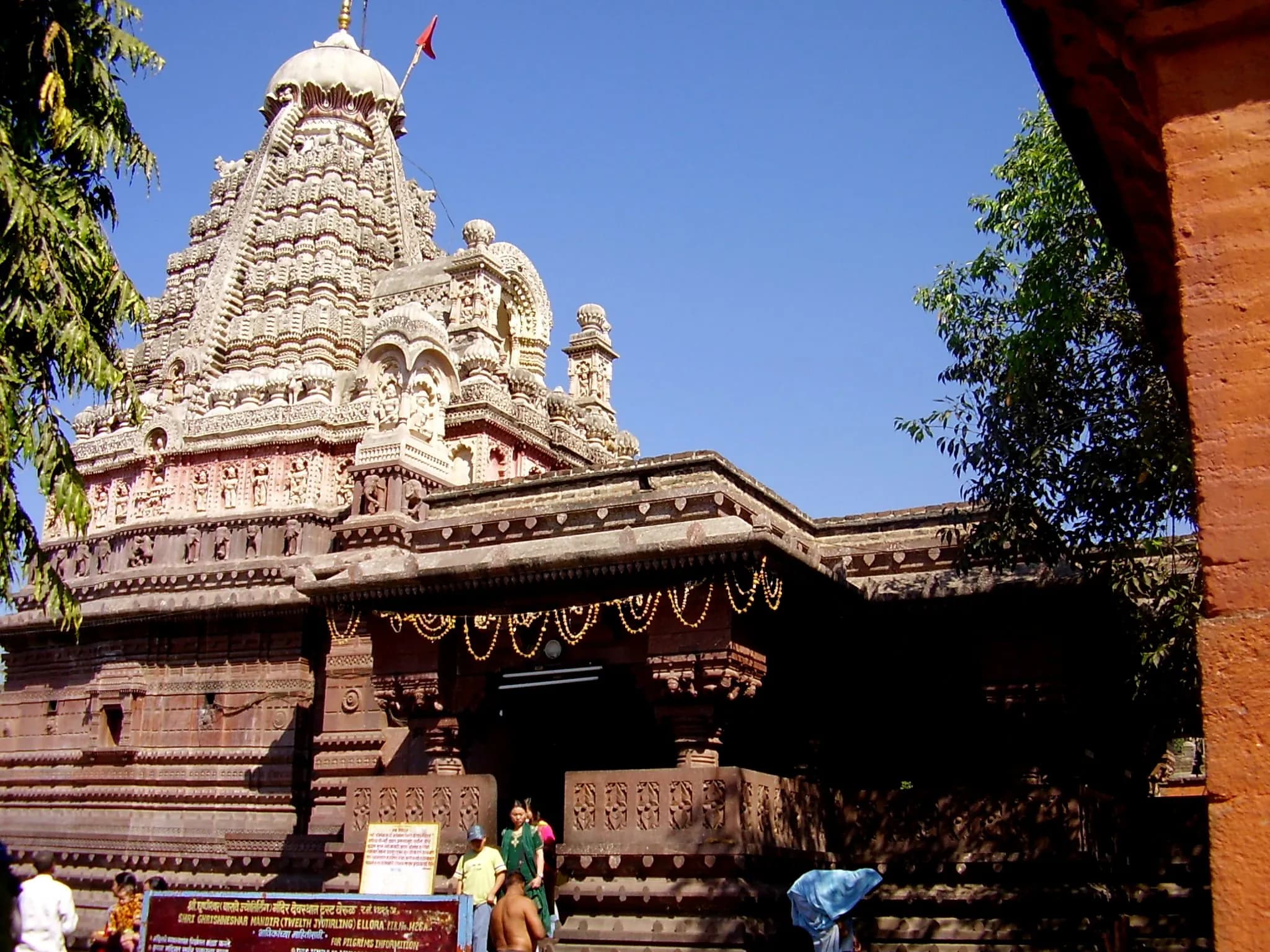
The late afternoon sun cast long shadows across the basalt courtyard of the Grishneshwar Temple, illuminating the intricate carvings that covered every inch of its surface. Standing before this resurrected marvel, the twelfth Jyotirlinga, I felt a palpable connection to the centuries of devotion that have imbued this site with a quiet power. Unlike some of the grander, more imposing temples I’ve encountered, Grishneshwar possesses a subtle elegance, a whispered grandeur that speaks volumes about the enduring spirit of its builders. Reconstructed in the 18th century by Ahilyabai Holkar, the temple stands as a testament to her dedication to preserving India's sacred heritage. While the current structure is relatively recent, the site itself is ancient, with its roots tracing back to the Yadava period. This layering of history, the palimpsest of architectural styles, is what makes Grishneshwar so fascinating. One can discern the influence of the earlier Hemadpanti style in the simple, yet robust, forms of the mandapa and the shikhara, while the later Maratha additions bring a flourish of ornamentation, a riot of sculpted figures and decorative motifs. The red stone shikhara, rising towards the cerulean sky, is a masterpiece of proportion and detail. Each tier, adorned with miniature shrines and celestial beings, tells a story, a fragment of the rich tapestry of Hindu mythology. I spent a considerable amount of time simply circling the temple, my gaze tracing the lines of the carvings, trying to decipher the narratives etched in stone. From depictions of Shiva’s various forms to scenes from the epics, the shikhara is a visual encyclopedia of Hindu iconography. Stepping inside the dimly lit garbhagriha, the sanctum sanctorum, the atmosphere shifted dramatically. The air was thick with the scent of incense and the murmur of prayers. The lingam, the symbolic representation of Shiva, rested in a simple depression, its smooth, dark stone absorbing the reverence of the devotees. Despite the constant flow of worshippers, a sense of tranquility pervaded the space, a stillness that allowed for a moment of introspection, a connection with the divine. The mandapa, the pillared hall leading to the sanctum, is equally captivating. The massive pillars, each carved with intricate designs, support a richly decorated ceiling. I was particularly struck by the depictions of the Ashtadikpalakas, the eight guardian deities, each occupying a cardinal direction, their presence adding a sense of cosmic order to the space. The play of light and shadow within the mandapa created a mesmerizing effect, highlighting the depth and detail of the carvings. Beyond the architectural marvels, it was the palpable devotion of the pilgrims that truly resonated with me. Their quiet reverence, their whispered prayers, their offerings of flowers and fruits, all contributed to the sacred ambiance of the site. Witnessing their faith, their connection to this ancient place of worship, reinforced the enduring power of these sacred spaces. Leaving the cool confines of the temple, I paused at the entrance to look back. The setting sun bathed the stone in a warm, golden light, accentuating its timeless beauty. Grishneshwar is more than just a temple; it is a living testament to India’s rich cultural and spiritual heritage, a place where history, art, and faith converge to create an experience that is both humbling and inspiring. It is a place I will long remember, not just for its architectural splendor, but for the profound sense of connection it evoked.
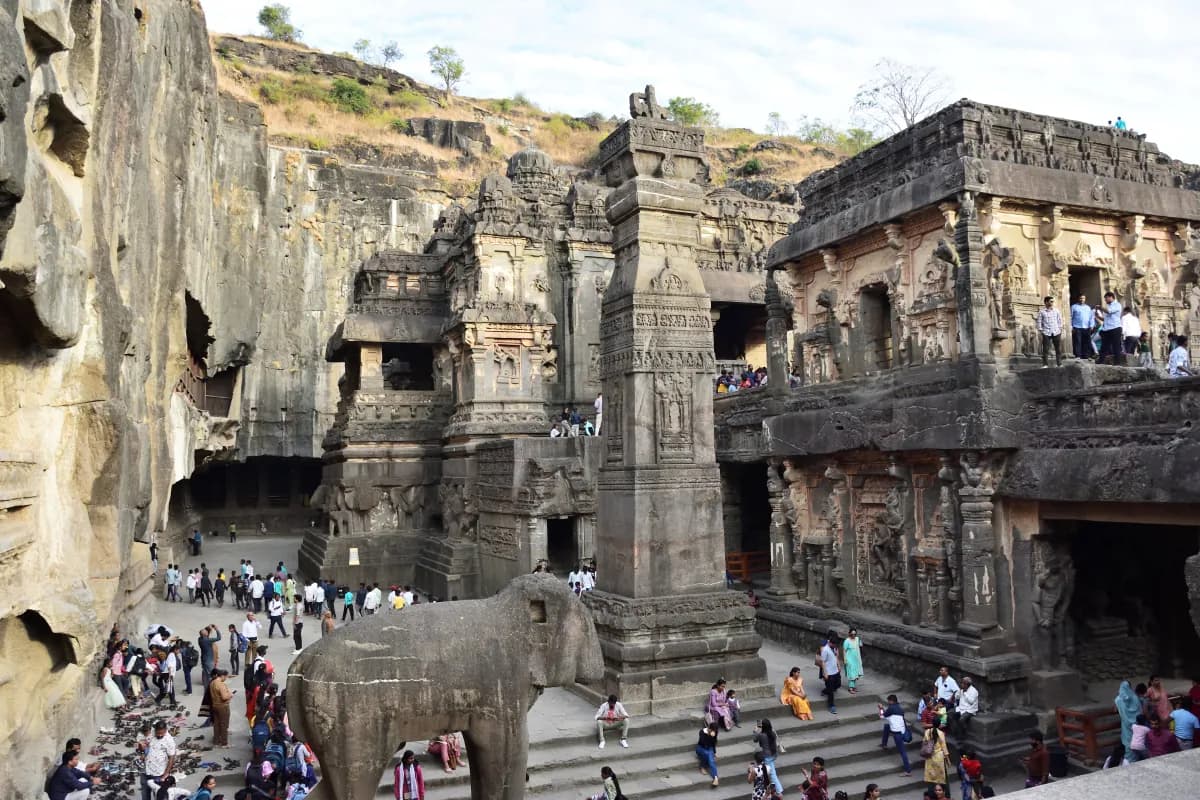
The sheer audacity of Kailasa Temple at Ellora leaves you breathless. Carved from a single basalt cliff, it stands as a testament to the Rashtrakuta dynasty's ambition and the unparalleled skill of their artisans. Unlike the other cave temples at Ellora, which are excavated inwards, Kailasa (Cave 16) was carved outwards, a monumental task that involved removing over 200,000 tonnes of rock. Standing in the courtyard, craning my neck to take in the three-story structure, I felt dwarfed by its immensity. The sheer scale is overwhelming, almost defying logic. My journey through the complex began with the entrance gateway, a gopuram teeming with intricate carvings of deities and mythical creatures. Passing through, I found myself in a large open courtyard, the main temple dominating the space. Two free-standing pillars, or dhvajastambhas, flank the entrance, adding to the grandeur. Elephants, seemingly frozen in mid-stride, stand guard at the base of the temple, their sculpted forms remarkably lifelike even after centuries of exposure to the elements. The temple itself is a marvel of Dravidian architecture. Multi-storied and adorned with elaborate carvings, it’s a visual feast. I spent hours exploring the different levels, each revealing new details. The main shrine, dedicated to Lord Shiva, houses a lingam, the symbol of divine energy. Surrounding the shrine are smaller shrines dedicated to other deities, each a miniature masterpiece in its own right. The carvings on the outer walls narrate stories from Hindu mythology, the Ramayana and Mahabharata vividly depicted in stone. I was particularly captivated by the depiction of Ravana attempting to lift Mount Kailasa, the abode of Shiva. The sheer dynamism of the scene, captured with such precision, is a testament to the sculptor's mastery. The details are astonishing – the expressions on the faces of the figures, the intricate folds of their garments, the delicate ornamentation – all carved with remarkable precision. One of the most striking features of Kailasa Temple is the intricate network of bridges, staircases, and passageways that connect the different levels. Climbing these ancient stairs, worn smooth by centuries of footsteps, I felt a palpable connection to the past. I imagined the priests and devotees who once thronged these spaces, their chants and prayers echoing through the courtyard. Beyond the main temple, the complex includes several smaller shrines and chambers. I explored the Lankeshvara cave, dedicated to Lord Shiva, and the Nandi Mandapa, which houses a colossal sculpture of Nandi, Shiva's sacred bull. The Nandi Mandapa, in particular, impressed me with its sheer size and the intricate carvings that adorned its walls and ceiling. As the sun began to set, casting long shadows across the courtyard, I took a final look at Kailasa Temple. The golden light illuminated the carvings, giving them an ethereal glow. It was a magical moment, a fitting end to my exploration of this extraordinary site. Having visited every UNESCO site in India, I can confidently say that Kailasa Temple stands apart. It's not just a temple; it's a symphony in stone, a testament to human ingenuity and devotion. It’s a site that must be experienced to be truly appreciated. The sheer scale, the intricate carvings, and the palpable sense of history combine to create an experience that is both awe-inspiring and deeply moving. It's a place that stays with you long after you've left, a reminder of the incredible achievements of India's rich cultural heritage.
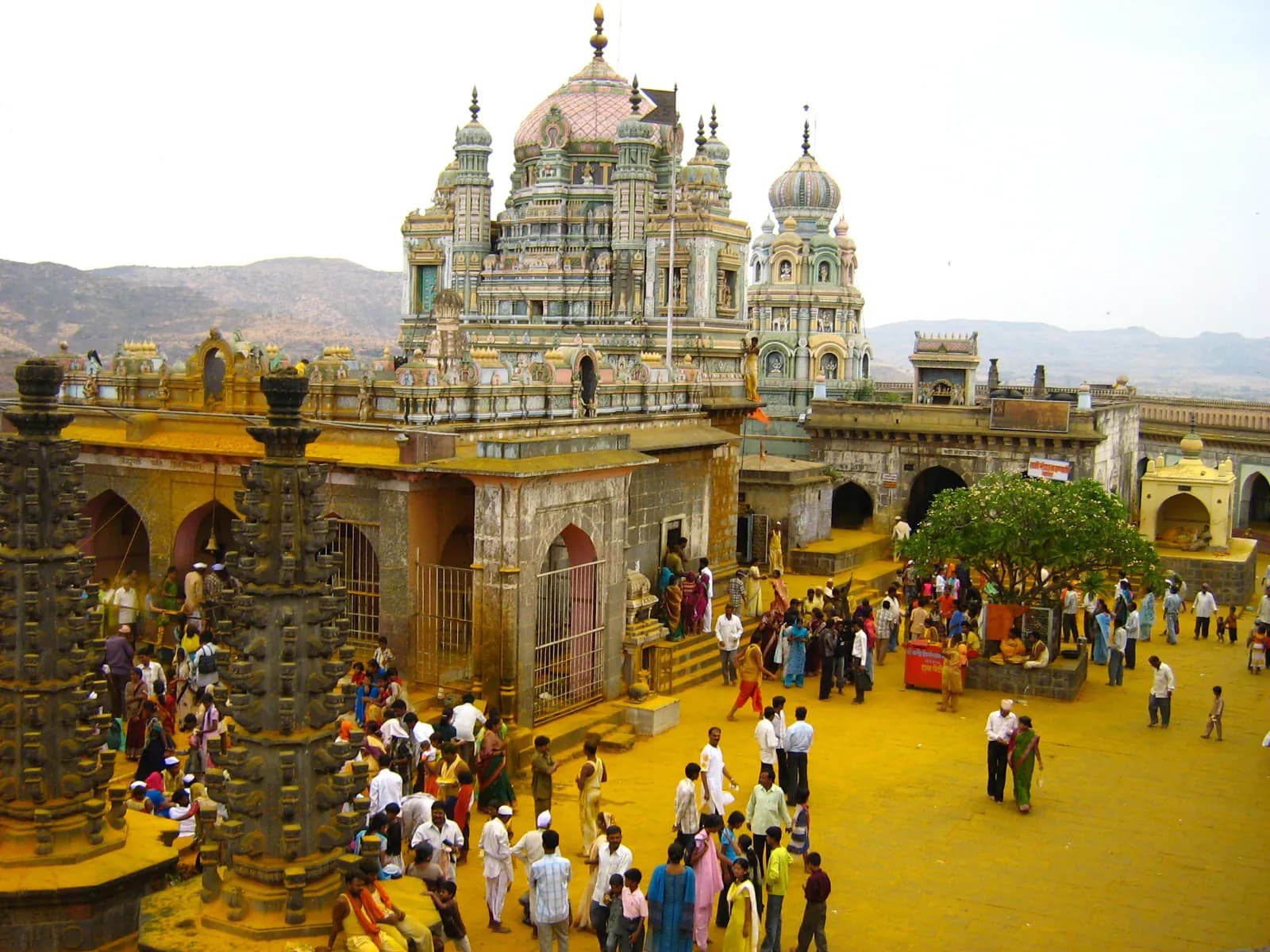
The air crackled with an energy I hadn’t anticipated. Not just the humid Maharashtra air, thick with the promise of monsoon, but a palpable buzz that vibrated through the very stones of the Khandoba Temple in Jejuri. Ascending the steep, worn steps, I felt the weight of centuries pressing down, the echoes of countless pilgrims who had trod this same path before me. This wasn't just a temple; it was a living, breathing testament to unwavering faith. The first thing that struck me, even from a distance, was the sheer dominance of the deep saffron that cloaked the structure. It wasn't a gentle hue, but a vibrant, almost aggressive orange that seemed to pulsate under the midday sun. This bold colour, so characteristic of the region's religious architecture, immediately set the tone for the experience. As I drew closer, the intricate details began to emerge from the saffron canvas: delicate carvings depicting scenes from mythology, sturdy pillars adorned with floral motifs, and the imposing brass-clad main gate, gleaming like a portal to another realm. The temple is a layered structure, built on a hill, creating a sense of ascension, both physically and spiritually. Each level offers a different perspective, a new vantage point from which to admire the surrounding landscape and the architectural marvel itself. The Yadava dynasty’s influence is evident in the robust construction and the use of locally sourced basalt stone, a material that has weathered the centuries with remarkable resilience. Unlike the intricate marble work I’m accustomed to seeing in Gujarati temples, the Khandoba Temple possesses a raw, almost primal beauty. The inner sanctum, where the deity Khandoba resides, is a relatively small chamber, but the energy within is intense. The air is thick with the scent of incense and the murmur of prayers. Devotees throng the space, their faces etched with devotion, offering turmeric, coconuts, and red powder to the deity. The rhythmic clang of bells and the fervent chanting create an atmosphere that is both chaotic and deeply spiritual. It’s a sensory overload, but one that I found strangely comforting. What truly captivated me, however, were the remnants of older structures within the complex. Peeking through the more recent additions, I could discern fragments of earlier temples, hinting at layers of history and architectural evolution. A worn stone lintel here, a weathered pillar base there – these whispers of the past spoke volumes about the enduring significance of this sacred site. It wasn’t merely a static monument, but a dynamic entity, constantly evolving and adapting while retaining its core spiritual essence. As I descended the steps, leaving the vibrant energy of the temple behind, I couldn’t help but reflect on the stark contrast between the architectural styles of Gujarat and Maharashtra. While the Gujarati temples often showcase intricate carvings and delicate filigree work, the Khandoba Temple exudes a powerful, almost austere beauty. It’s a testament to the diverse tapestry of Indian architecture, where each region has developed its own unique expression of faith and artistry. The experience was a powerful reminder that architectural marvels aren’t just about aesthetics; they are about the stories they tell, the history they embody, and the spiritual resonance they evoke. The Khandoba Temple, with its saffron-clad walls and vibrant energy, is a story etched in stone, a story that continues to unfold with each passing generation.
The Mahalaxmi Temple in Kolhapur, a city steeped in Maratha history, stands as a testament to the enduring power of devotion and the exquisite artistry of the Chalukya period. Bathed in the warm glow of the afternoon sun, the temple, constructed primarily of dark grey basalt, exuded a powerful aura that resonated with the chants emanating from within. As someone deeply immersed in South Indian temple architecture, I was immediately struck by the similarities and differences that presented themselves, creating a fascinating cross-cultural architectural dialogue. The temple's *garbhagriha*, the sanctum sanctorum housing the goddess Mahalaxmi, is the heart of the complex. Unlike the towering *vimanas* that characterize many South Indian temples, the Mahalaxmi Temple's main structure is relatively shorter, with a curvilinear *shikhara* that reminded me of the Kadamba style prevalent in coastal Karnataka. This shikhara, adorned with intricate carvings of deities and mythical creatures, rises above the sanctum, drawing the eye upwards. The basalt stone, while lacking the vibrant hues of granite often used in the south, possesses a quiet dignity, its dark surface reflecting the light in subtle ways. Circumambulating the sanctum, I observed the *mandapa*, or pillared hall, surrounding the *garbhagriha*. Here, the Chalukyan influence was unmistakable. The pillars, though simpler than the ornate pillars of Dravidian architecture, displayed a robust elegance. Many featured intricate carvings of floral motifs and miniature depictions of divine figures, showcasing the skill of the artisans. The open mandapa allowed for a seamless flow of air and light, creating a serene atmosphere conducive to prayer and contemplation. One of the most striking features of the Mahalaxmi Temple is the presence of a *deepmala*, a lamp tower, within the temple complex. While deepmalas are a common feature in South Indian temples, particularly in Tamil Nadu, seeing one integrated so seamlessly into the architecture of a Chalukyan temple was a unique experience. The deepmala, with its multiple tiers for oil lamps, stood as a beacon of light, symbolizing the dispelling of darkness and ignorance. The temple's outer walls are adorned with sculptures of various deities, including Ganesh, Vishnu, and Shiva. These sculptures, while weathered by time, retain a remarkable level of detail. The iconography, while sharing some common ground with South Indian traditions, also displayed distinct regional variations, reflecting the unique cultural milieu of Maharashtra. For instance, the depiction of Mahalaxmi herself, adorned with elaborate jewelry and a serene expression, felt distinctly different from the depictions of Lakshmi I had encountered in Tamil Nadu temples. Beyond the main shrine, the temple complex encompasses several smaller shrines dedicated to other deities. This clustering of shrines, reminiscent of the *koshta devatas* found in South Indian temples, creates a sense of a vibrant spiritual ecosystem, where different deities coexist harmoniously. The presence of a sacred tank within the complex further enhances this sense of spiritual completeness, echoing the importance of water in Hindu rituals. My visit to the Mahalaxmi Temple was more than just a sightseeing experience; it was a journey of architectural discovery. It highlighted the rich tapestry of Indian temple architecture, showcasing the regional variations within a broader shared tradition. The temple stands as a powerful reminder of the enduring legacy of the Chalukyas and the deep-rooted devotion that continues to animate this sacred space. The interplay of architectural styles, the intricate carvings, and the palpable sense of spiritual energy made this a truly unforgettable experience, offering valuable insights into the interconnectedness of India's diverse cultural heritage.
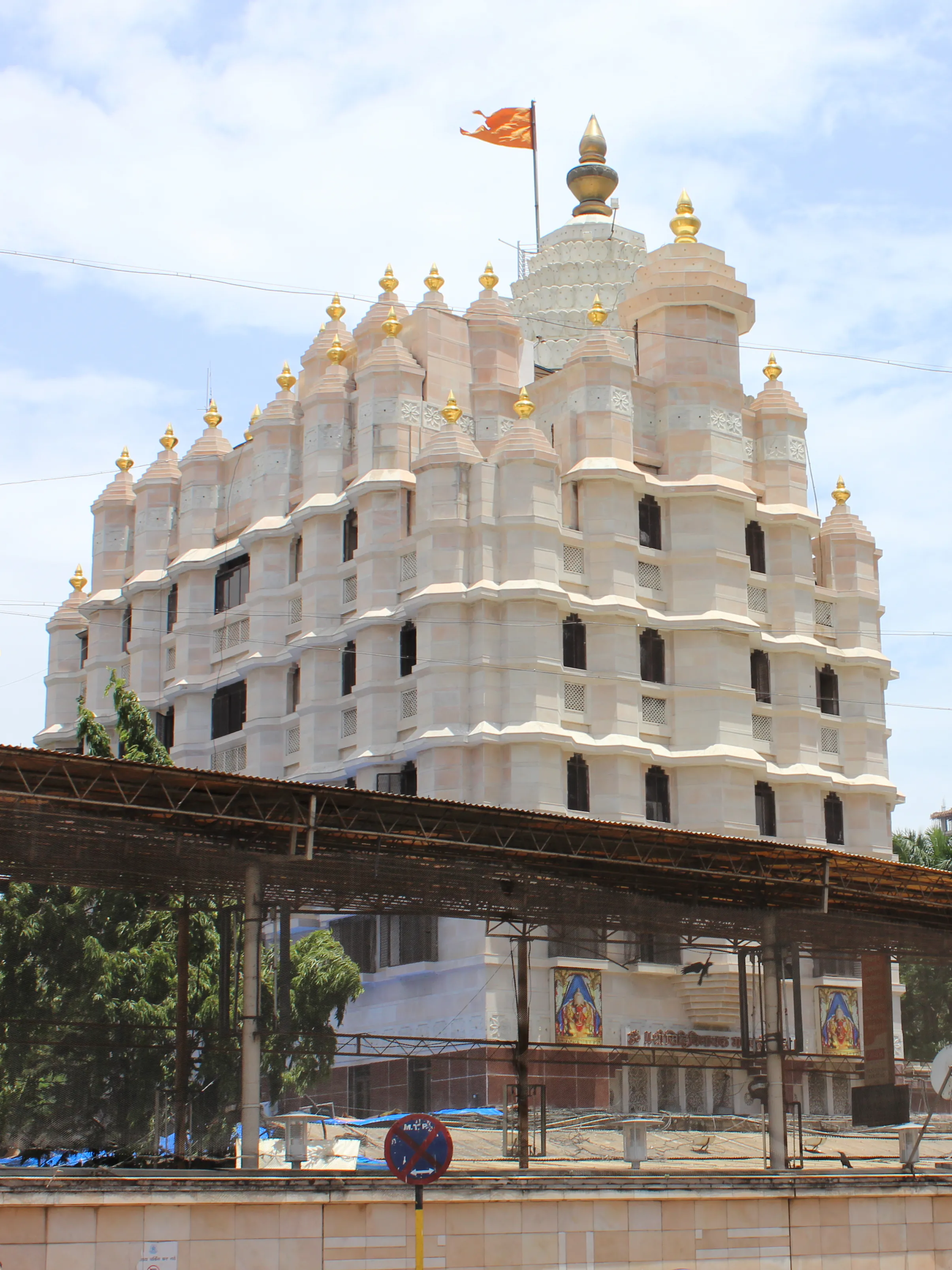
The air crackles with a palpable energy, a blend of devotion and anticipation, as I step through the towering gateway of the Shree Siddhivinayak Ganapati Mandir. This isn't just another temple on my list of 500+ documented sites; it’s a living, breathing entity, pulsating with the heartbeats of thousands of devotees who flock here daily. Located in Prabhadevi, Mumbai, this sacred space dedicated to Lord Ganesha transcends its physical form and becomes a conduit to faith. The first thing that strikes me, even amidst the throngs of people, is the relatively modest scale of the main structure. Unlike some of the sprawling temple complexes I’ve encountered across India, Siddhivinayak retains a sense of intimacy. The main wooden doors, intricately carved with images of Ashtavinayak (eight manifestations of Ganesha), serve as a portal to the inner sanctum. The carvings, though weathered by time and touch, retain a remarkable clarity, a testament to the craftsmanship of a bygone era. Inside, the atmosphere shifts. The cacophony of the city fades, replaced by the rhythmic chanting of mantras and the clang of bells. The sanctum sanctorum, a small chamber bathed in soft light, houses the revered black stone idol of Lord Ganesha. It’s a surprisingly small idol, barely two feet tall, adorned with vibrant silks and garlands. Yet, the power it emanates is undeniable. I’ve photographed countless deities across India, but the aura surrounding this particular idol is unique; it’s a tangible energy that seems to resonate with the collective faith of the devotees. The temple’s architecture is a fascinating blend of traditional Maharashtrian and colonial influences. The main structure is built of black stone, a stark contrast to the vibrant colours of the surrounding decorations. The shikhara, the towering structure above the sanctum, is relatively recent, added in the early 20th century. It’s adorned with intricate carvings and gold plating, a testament to the temple’s growing prosperity over the years. I noticed the subtle integration of wooden elements within the predominantly stone structure, particularly in the mandap (prayer hall), which lends a warmth and earthiness to the space. Beyond the main shrine, the temple complex houses smaller shrines dedicated to other deities, including Hanuman and Annapurna. These spaces, though less crowded, offer a quiet respite from the intensity of the main sanctum. I spent some time observing the intricate tile work on the floors, depicting various mythological scenes. These details, often overlooked in the rush of devotion, speak volumes about the artistic sensibilities of the artisans who contributed to the temple’s construction. What truly sets Siddhivinayak apart, however, is not just its architecture or the revered idol, but the sheer diversity of its devotees. I witnessed a microcosm of Indian society within these walls – people from all walks of life, different castes, creeds, and economic backgrounds, united by their shared faith. I saw a businessman in a crisp suit standing next to a labourer in worn clothes, both offering their prayers with equal fervour. This melting pot of humanity, bound together by a common thread of devotion, is a powerful testament to the unifying power of faith. As I prepared to leave, I paused to capture one last image – the setting sun casting a golden glow on the temple’s façade, silhouetting the devotees against the darkening sky. It was a moment of quiet reflection, a reminder that beyond the tangible beauty of the architecture and the palpable energy of faith, Siddhivinayak represents something far greater – a timeless connection between humanity and the divine. It's a connection I’ve witnessed in countless sacred spaces across India, but one that resonates with particular intensity within the hallowed walls of this Mumbai landmark.
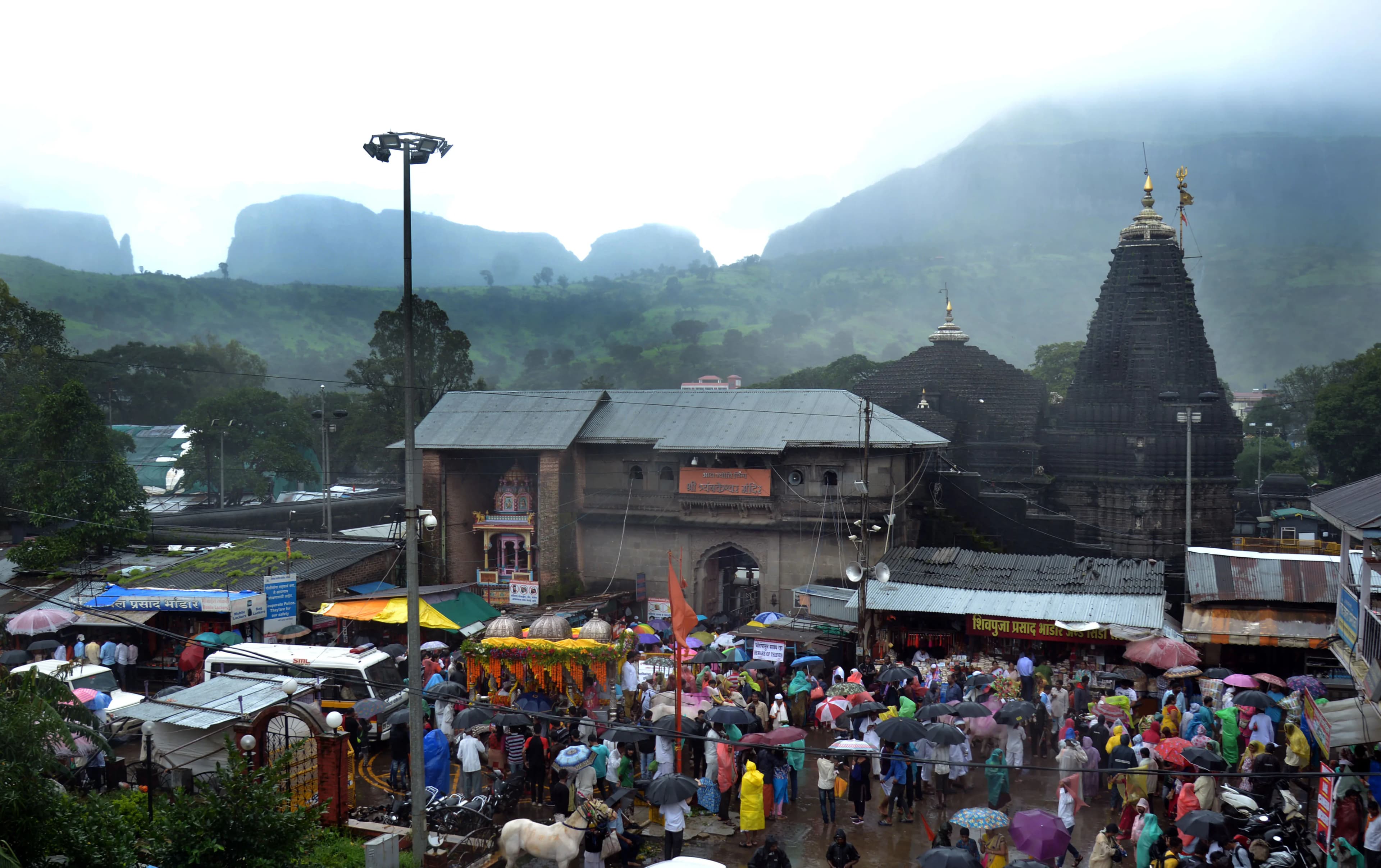
The air, thick with incense and the murmur of Sanskrit chants, hung heavy as I stepped into the courtyard of the Trimbakeshwar Shiva Temple. Having explored countless ancient sites across North India, I’ve developed a keen eye for architectural nuances, and Trimbakeshwar immediately struck me as unique. Unlike the sandstone and marble structures I was accustomed to in the north, this temple, dedicated to one of the twelve Jyotirlingas, was crafted from black basalt stone, lending it a sombre, almost mystical aura. The intricately carved façade, darkened by time and weather, narrated stories of dynasties past. Eroded sculptures of deities, celestial beings, and mythical creatures intertwined, a testament to the skilled artisans who had painstakingly brought this temple to life centuries ago. The main entrance, guarded by imposing dwarapalas (gatekeepers), led into a mandap, its pillars intricately carved with floral motifs and geometric patterns. Sunlight filtered through the jaali screens, casting dancing shadows on the polished stone floor, creating an ethereal atmosphere. The heart of the temple, the garbhagriha, housed the revered Jyotirlinga. Unlike other Jyotirlingas, which are typically cylindrical lingams, the one at Trimbakeshwar is a depression in the ground, a small hollow from which a perpetual stream of water flows. This unique feature, explained by local priests as symbolic of the origin of the Godavari River, added to the sanctity of the place. The constant trickle of water, the chanting of priests, and the hushed reverence of the devotees created a palpable sense of spiritual energy. I spent a considerable amount of time observing the devotees. Their faces, etched with devotion and hope, reflected the deep-rooted faith that had drawn them to this sacred site. From elderly women whispering prayers to young couples seeking blessings, the temple served as a melting pot of human emotions and spiritual aspirations. I witnessed a young boy meticulously offering flowers to the deity, his eyes closed in concentration, a poignant reminder of the enduring power of faith across generations. The architecture of the temple, while predominantly Hemadpanti – characterized by its precision and use of interlocking stones – also displayed influences from other styles. I noticed elements of the Chalukyan style in the ornate carvings and the use of decorative motifs. This fusion of architectural styles, a testament to the region’s rich history and cultural exchanges, added another layer of intrigue to the temple's narrative. Beyond the main shrine, the temple complex housed several smaller shrines dedicated to various deities. I explored these smaller shrines, each with its own unique character and history. The surrounding courtyards, though bustling with activity, retained a sense of serenity. The rhythmic clang of temple bells, the fragrance of incense, and the soft murmur of prayers created a symphony of sounds and scents that enveloped me. As I left the temple, the image of the Jyotirlinga, the source of the sacred Godavari, remained etched in my mind. Trimbakeshwar, with its unique architecture, spiritual significance, and palpable energy, offered a glimpse into the rich tapestry of Indian faith and heritage. It was a journey not just to a geographical location, but also a journey into the heart of a culture deeply rooted in spirituality and tradition. My experience at Trimbakeshwar reinforced my belief that these ancient sites are not merely monuments of the past, but living, breathing entities that continue to inspire and connect us to something larger than ourselves.
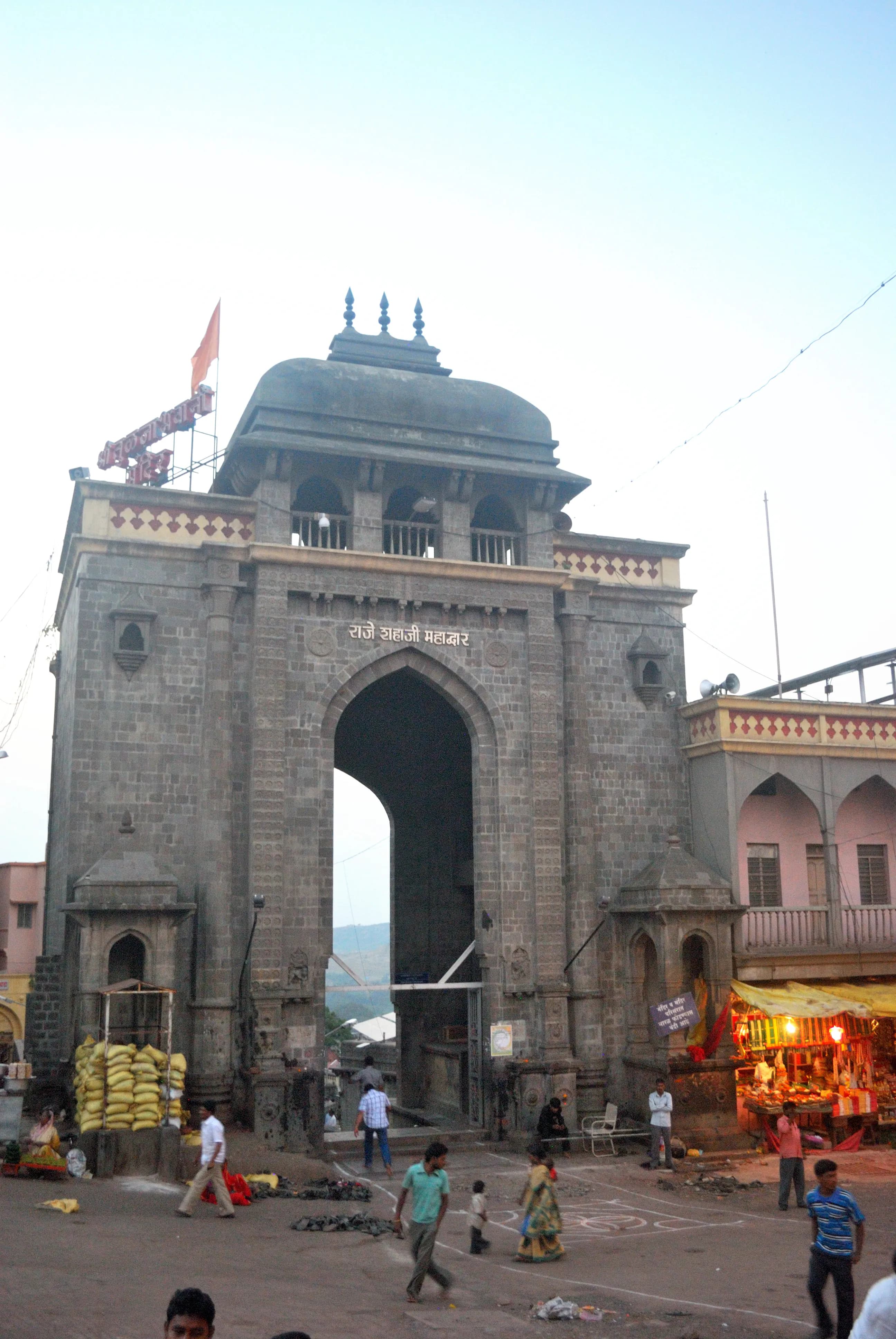
The air thrummed with a palpable energy as I stepped through the imposing Gopura gateway of the Tulja Bhavani Temple. The saffron flags fluttering atop the structure seemed to pulse with the rhythm of devotional chants emanating from within. Here, in the heart of Maharashtra's Osmanabad district, nestled within the rugged embrace of the Balaghat range, stood a testament to centuries of unwavering faith – the abode of Tulja Bhavani, the revered family deity of the Bhosale dynasty and a powerful manifestation of Shakti. My visit, as a cultural journalist deeply rooted in the traditions of Uttar Pradesh, was not merely an observation but a pilgrimage of sorts. While Uttar Pradesh boasts its own rich tapestry of Devi temples, experiencing the reverence for Bhavani Mata in Maharashtra offered a unique perspective on the diverse expressions of devotion across India. The temple complex, a sprawling labyrinth of courtyards and shrines, unfolded before me. The architecture, predominantly of the Hemadpanthi style, displayed a distinct departure from the North Indian Nagara style I was accustomed to. The use of black basalt stone, intricately carved with geometric patterns and floral motifs, lent the structure a sense of grounded strength. The sloping roofs, devoid of the elaborate curvilinear shikharas common in North Indian temples, created a stark yet elegant silhouette against the clear sky. I joined the throng of devotees making their way to the inner sanctum. The queue, though long, moved with a surprising fluidity, each individual propelled by an inner current of devotion. The anticipation built with every step, the air thick with the fragrance of incense and the murmur of prayers. Finally, I stood before the Goddess. The idol of Tulja Bhavani, crafted from black stone, exuded an aura of both fierce power and maternal benevolence. Unlike the ornate, elaborately adorned idols often seen in North Indian temples, Bhavani Mata's image was strikingly simple yet captivating. Her eight arms, each holding a symbolic weapon, spoke of her ability to vanquish evil and protect her devotees. The serene expression on her face, however, conveyed a sense of profound peace, a reassurance that transcended the clamor of the temple. As I observed the rituals, I noticed the unique Marathi traditions interwoven with the broader Hindu practices. The rhythmic chanting of Marathi hymns, the distinctive style of the priests' attire, and the offerings of specific regional delicacies all contributed to a distinct cultural flavor. It was fascinating to witness how the same deity, worshipped across geographical boundaries, could manifest in such diverse and vibrant forms. Beyond the main shrine, the temple complex housed several smaller shrines dedicated to other deities, each with its own unique story and significance. I spent hours exploring these spaces, absorbing the intricate details of the carvings, deciphering the symbolic representations, and engaging in conversations with the temple priests and local devotees. These interactions provided invaluable insights into the history, mythology, and cultural significance of Tulja Bhavani. One of the most striking aspects of my experience was the palpable sense of community that permeated the temple. People from all walks of life, irrespective of their social standing or economic background, came together in a shared space of devotion. The temple served not just as a place of worship, but also as a social hub, a place for connection and collective expression. Leaving the Tulja Bhavani Temple, I carried with me more than just memories and photographs. I carried a deeper understanding of the multifaceted nature of faith, the power of shared belief, and the enduring legacy of India's rich cultural heritage. The experience reinforced my belief that exploring these sacred spaces is not just an act of journalistic inquiry, but a journey of personal and cultural enrichment. It is a journey that continues to resonate within me, shaping my understanding of the diverse tapestry of India's spiritual landscape.
Related Collections
Discover more heritage sites with these related collections
Explore More Heritage
Explore our comprehensive documentation of these 9 temple, featuring architectural analysis, historical context, visitor information, conservation status, and detailed site-specific resources supporting meaningful engagement with India's living heritage traditions.
Historical Context
Understanding the historical context of these 9 temple illuminates centuries of Hindu architectural achievement and spiritual devotion. Across successive dynasties, royal patrons and spiritual communities collaborated to create these magnificent monuments as expressions of dharmic duty and devotional fervor. Multiple dynasties contributed distinctive architectural visions, engaging master architects (sthapatis), skilled sculptors (shilpis), and specialized craft guilds who transmitted knowledge through generations. These collaborations produced monuments reflecting both royal vision and artisan mastery, incorporating ancient Vedic principles with regional innovations. Archaeological and epigraphic research continues revealing fascinating details about construction processes, guild organization, material sourcing, and patronage networks. Foundation inscriptions, donor records, and architectural evidence illuminate the devotion, resources, and expertise invested in creating these sacred spaces that honor the divine while demonstrating human achievement at its finest.
Architectural Significance
The architectural elements visible across these 9 temple demonstrate the sophisticated synthesis of aesthetic beauty, structural engineering, and spiritual symbolism characteristic of Hindu temple architecture. Regional architectural vocabularies reflect local materials, climatic adaptations, and cultural preferences while maintaining adherence to fundamental Vedic architectural principles. Indigenous building materials—locally sourced stone, traditional lime mortars, timber where appropriate—shaped architectural possibilities and aesthetic expressions. Monumental scale creates appropriate awe, preparing visitors psychologically for divine encounter. Intricate sculptural programs covering every surface teach Puranic narratives and iconographic conventions, transforming architecture into pedagogical instruments. Structural innovations—corbelling achieving remarkable cantilevers, domed ceilings distributing forces through hidden interlocking systems—demonstrate engineering knowledge refined through centuries of practical experience. Lighting conditions dramatically affect sculptural perception; morning and evening illumination reveals details obscured during harsh midday sun. Advanced documentation through photogrammetry and laser scanning continues discovering previously unrecorded architectural elements, enriching scholarly understanding of these magnificent achievements.
Conservation & Preservation
The preservation status of these 9 temple reflects ongoing commitment to safeguarding India's irreplaceable heritage. 1 receives Archaeological Survey of India protection, ensuring legal safeguards and systematic conservation programs. Challenges include environmental factors, material degradation, and visitor management. Professional conservation employs traditional techniques alongside modern technology: structural monitoring, condition assessments, and preventive measures addressing deterioration before critical failures occur. Advanced documentation—aerial surveys, laser scanning, material analysis—creates comprehensive records supporting evidence-based interventions. Visitor participation in heritage preservation includes respectful site conduct, reporting observed damage, and supporting conservation initiatives financially. The investment in documentation and monitoring ensures that when intervention becomes necessary, restoration maintains historical authenticity and technical compatibility with original construction methods.
Visitor Information
Planning visits to these 9 temple benefits from understanding access logistics and appropriate conduct. maharashtra offers well-developed infrastructure with accommodation options available near major heritage sites. The optimal visiting season extends October through March. Entry fees at protected sites typically range ₹25-₹40. Photography for personal use is generally permitted, though tripods and professional equipment may require advance authorization. Respectful conduct honors both the monuments and continuing worship traditions: modest attire with covered shoulders and legs, shoe removal in temple sanctums, quiet demeanor, and abstaining from touching sculptural surfaces. Knowledgeable local guides enhance understanding of architectural features, iconographic programs, and ritual contexts, transforming visits into meaningful cultural experiences.
Key Facts & Statistics
Total documented heritage sites: 9
UNESCO World Heritage Sites: 1
Source: UNESCO World Heritage Centre
Archaeological Survey of India protected monuments: 1
Source: Archaeological Survey of India
Temple: 9 sites
Rashtrakuta architecture style, Dravidian architecture style, Rock-Cut architecture style, Cave architecture style architectural style: 1 sites
Hemadpanthi architecture style, Karnata Dravida architecture style, Nagara architecture style, Dravida architecture style architectural style: 1 sites
Maratha Temple architecture style, Nagara architecture style, Hemadpanthi architecture style, Indo-Gujarati architecture style architectural style: 1 sites
Hemadpanti architecture style, Nagara architecture style, Deccan Chalukya architecture style, Maratha architecture style architectural style: 1 sites
Hemadpanti architecture style, Deccan Regional architecture style, Maratha architecture style, Nagara architecture style architectural style: 1 sites
Maratha Period period construction: 5 sites
Rashtrakuta Period period construction: 2 sites
Chalukya Period period construction: 1 sites
Yadava Period period construction: 1 sites
Average documentation completion score: 80%
Featured flagship heritage sites: 9
Comprehensive digital archiving preserves heritage for future generations
Comprehensive digital archiving preserves heritage for future generations
Comprehensive digital archiving preserves heritage for future generations
Comprehensive digital archiving preserves heritage for future generations
Comprehensive digital archiving preserves heritage for future generations
Frequently Asked Questions
How many temple are documented in maharashtra?
This collection includes 9 documented temple in maharashtra. Of these, 1 are UNESCO World Heritage Sites. 1 sites are centrally protected by Archaeological Survey of India. Each site has comprehensive documentation including photos, floor plans, and historical research.
What is the best time to visit temple in maharashtra?
October through March is ideal for visiting temple in maharashtra. Major festivals also offer unique cultural experiences. Check individual site pages for specific visiting hours and seasonal closures.
What are the entry fees for temple?
Protected monuments typically charge ₹25-₹40. State-protected sites often have lower or no entry fees. Many temples and religious sites are free. Children often enter free. Still photography is usually included; video may require additional permits.
Are photography and videography allowed at heritage sites?
Still photography for personal use is generally permitted at most heritage sites. Tripods, flash photography, and commercial filming usually require special permissions. Some sites restrict photography of murals, sculptures, or sanctums. Drones are prohibited without explicit authorization. Always respect signage and guidelines at individual monuments.
How do I reach temple in maharashtra?
maharashtra is well-connected via auto-rickshaw, Indian Railways, state buses. Major cities have airports with domestic and international flights. Public transport connects smaller towns. Most heritage sites are accessible by local transport or rental vehicles. Plan 2-3 hours per major monument.
Are these heritage sites wheelchair accessible?
Accessibility varies significantly. Major UNESCO sites and recently renovated monuments often have ramps and accessible facilities. However, many historical structures have steps, uneven surfaces, and narrow passages. Contact site authorities in advance for specific accessibility information. Our site pages indicate known accessibility features where available.
Are guided tours available at temple?
Licensed guides are available at most major heritage sites, typically charging ₹200-₹500 for 1-2 hour tours. ASI-approved guides provide historical and architectural insights. Audio guides are available at select UNESCO sites. Our platform offers virtual tours and detailed documentation for major monuments.
What is the conservation status of these temple?
1 sites are legally protected by ASI. Active conservation includes structural stabilization, surface cleaning, vegetation control, and drainage management. Digital documentation helps monitor deterioration. Ongoing surveys track condition changes for evidence-based interventions.
What documentation is available for these heritage sites?
Each site includes high-resolution photography, architectural measurements, historical research, and expert annotations. Documentation averages 80% completion.
How much time should I allocate for visiting?
Plan 2-3 hours for major monuments to appreciate architectural details and explore grounds. Smaller sites may require 30-60 minutes. Multi-site itineraries should allocate travel time. Early morning or late afternoon visits offer better lighting for photography and fewer crowds. Check individual site pages for recommended visiting durations.
What is the cultural significance of these temple?
These monuments represent India's diverse cultural heritage, reflecting centuries of architectural innovation, religious traditions, and artistic excellence. They serve as living links to historical societies, preserving knowledge about construction techniques, social structures, and cultural values. Many sites remain active centers of worship and community gathering.
What other attractions are near these heritage sites?
maharashtra offers diverse tourism experiences beyond heritage monuments. Explore local museums, craft villages, nature reserves, and cultural festivals. Many heritage sites are clustered in historic towns with traditional markets and cuisine. Our site pages include nearby attraction recommendations and multi-day itinerary suggestions.
How can I practice responsible heritage tourism?
Respect site rules including photography restrictions and designated pathways. Don't touch sculptures, murals, or walls. Dispose waste properly. Hire local guides to support communities. Avoid visiting during restoration work. Learn about cultural contexts before visiting. Report damage to authorities. Your responsible behavior helps preserve heritage for future generations.
References & Sources
Maharashtra
This curated collection presents 9 architecturally significant temple across maharashtra, each offering authentic experiences of Hindu cultural and spiritual heritage. Representing diverse regional traditions, these sites spanning multiple historical periods continue serving as active centers of worship and cultural transmission. 1 holds UNESCO World Heritage designation, recognizing exceptional universal value. Our comprehensive documentation provides detailed visitor information, architectural insights, and cultural context, enabling meaningful engagement with India's living heritage traditions while respecting the sacred nature of these spaces.
- 1Sacred sanctum housing main deity
- 2Assembly halls for rituals and ceremonies
- 3Intricate stone carvings depicting mythology
- 4Orientation based on Vastu principles
- 5Integration with natural landscape
- 6Community gathering spaces
| 📍Maharashtra | 9 sites |