Neoclassical Architecture in India
This collection documents 12 heritage sites throughout India, representing profound expressions of Hindu civilization's architectural and spiritual heritage. These monuments exemplify the Neoclassical Architecture architectural tradition, with some maintaining unbroken traditions spanning millennia. Our comprehensive documentation, developed in collaboration with Archaeological Survey of India archaeologists, conservation specialists, and scholarly institutions, preserves not merely physical structures but the sacred geometry, cosmological symbolism, and ritual spaces central to Dharmic worship. acknowledging their universal significance to human civilization. Through royal patronage and community devotion, these structures embody the timeless principles of Hindu cultural heritage, connecting contemporary devotees to ancient traditions through stone, sculpture, and sacred spaces that continue to inspire reverence and wonder.
12 Sites Found
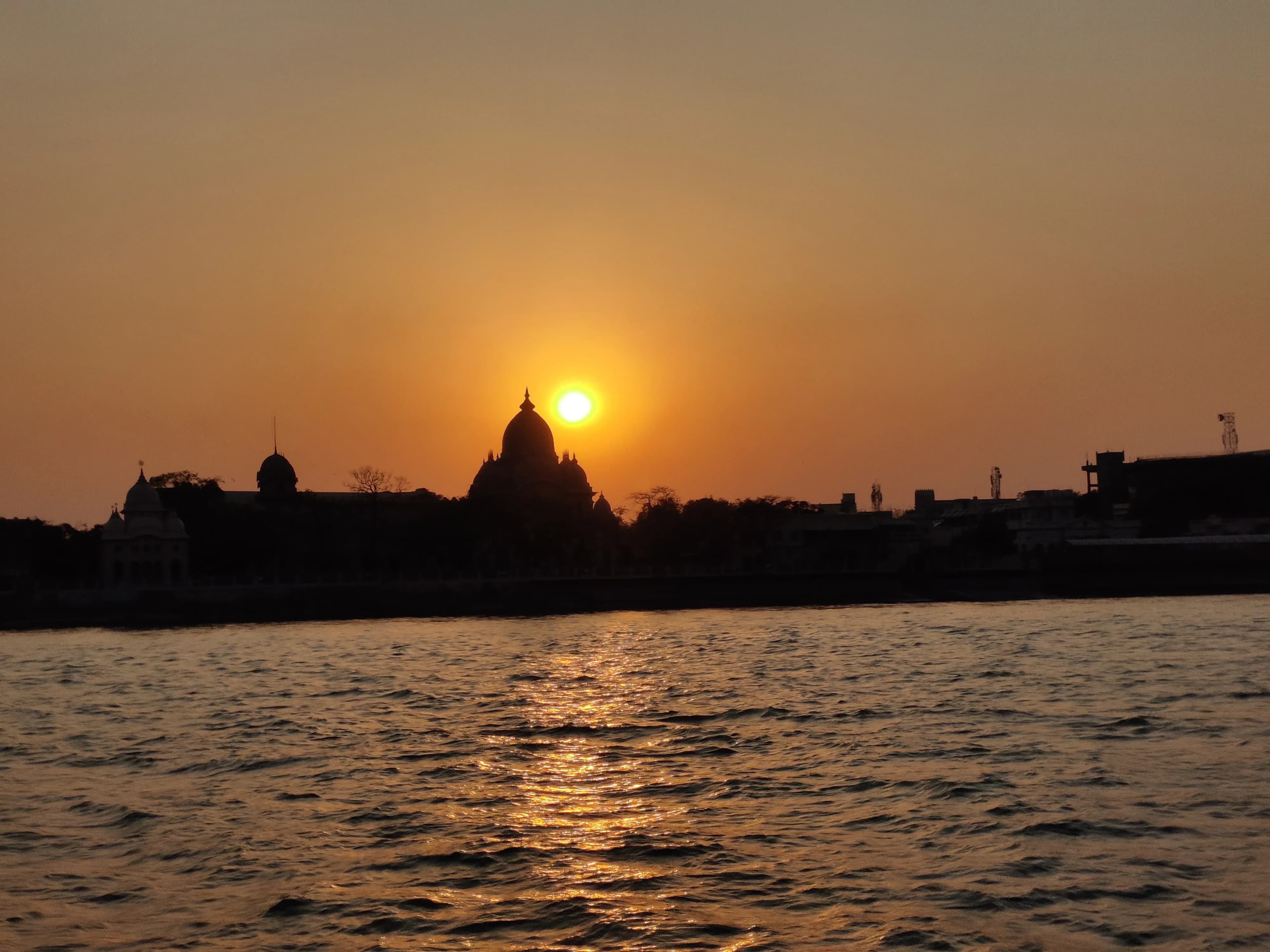
On the banks of the Hooghly River in West Bengal, Belur Math emerges as an architectural marvel, epitomizing syncretism and universal harmony ([1]). Envisioned by Swami Vivekananda in the late 19th century, the Math seamlessly fuses Hindu, Islamic, and Christian architectural elements, reflecting a vision of unity and religious tolerance ([2][3]). During the British Colonial Period, this unique architectural style took shape, marking a departure from traditional Indian temple designs ([4]). The Sri Ramakrishna Temple, the centerpiece of Belur Math, showcases this fusion through its design. The central dome draws inspiration from Mughal architecture, while Gothic arches and pillars echo European cathedral styles ([5]). Red sandstone, reminiscent of Rajput-era structures, is juxtaposed with white marble, creating a visually striking contrast ([1]). Intricate carvings, however, retain a distinct Indian essence, featuring floral motifs and symbols from various faiths, echoing the artistry found in ancient Indian temples ([2]). The layout, conceived in the form of a cross, further symbolizes the concept of religious harmony ([3]). Stained-glass windows add to the spiritual ambiance, casting colorful light across the interiors. Beyond the main temple, the Swami Vivekananda Temple and the Old Math contribute to the campus, preserving the legacy of the Ramakrishna Mission ([4][5]). Belur Math transcends specific architectural styles, embodying a universal spiritual message. It stands as a reminder of India's composite culture and its long-standing tradition of assimilating diverse influences.
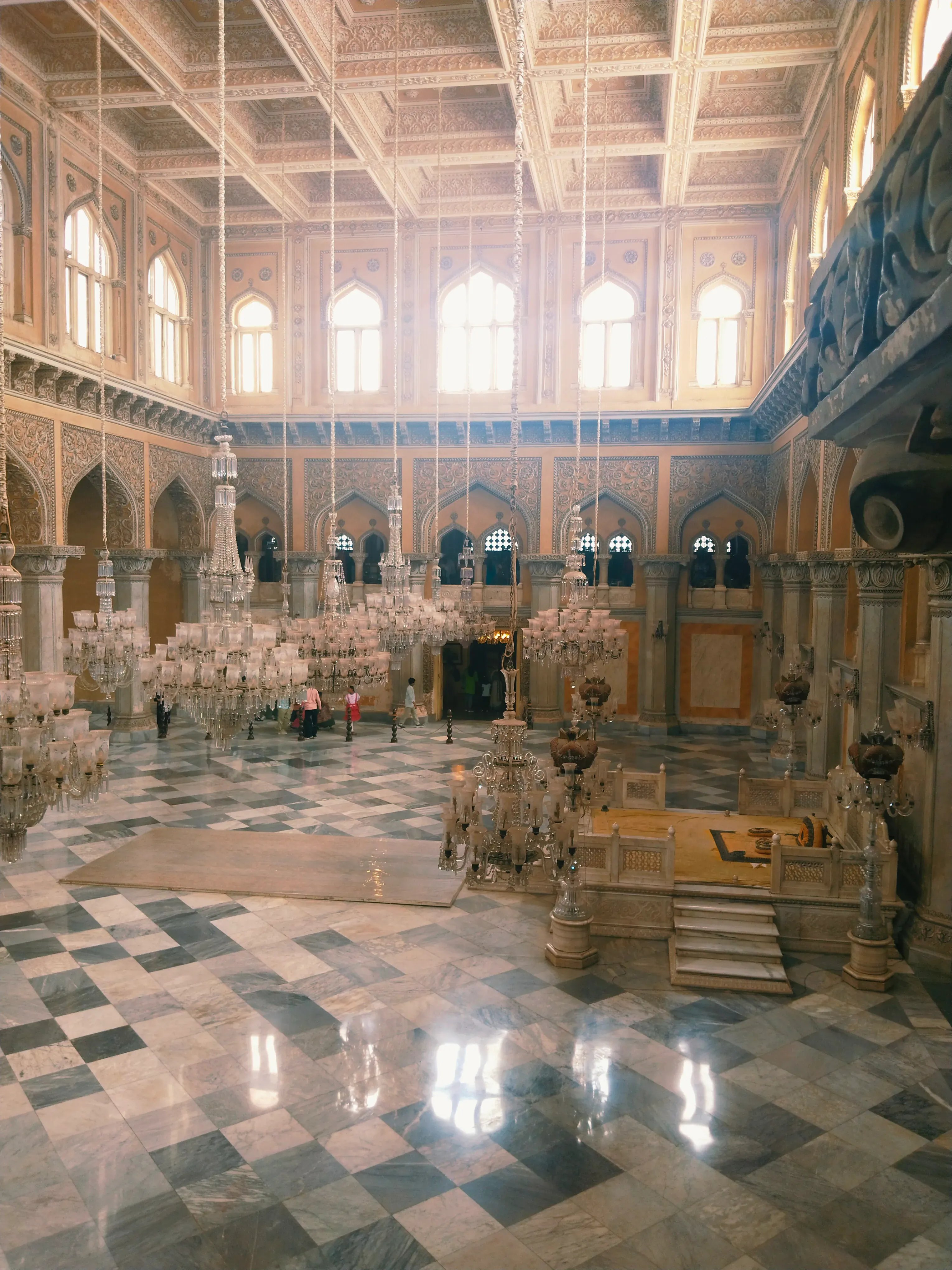
The imposing Khilwat Clock Tower offers a glimpse into Chowmahalla Palace, a network of palaces, courtyards, gardens, and halls, each distinct in character ([1]). A step through the main gate transports one to another era, away from the city's cacophony ([2]). During the British Colonial Period, the Nizams of Hyderabad constructed Chowmahalla Palace in 1768 CE, blending Mughal, Persian, and European styles ([3][4]). As a palatial complex in Khilwat, Hyderabad (500002), Telangana, India, it showcases the Indo-Saracenic Revival architectural style ([5]). Granite and sandstone blocks, meticulously carved, are found throughout the structure ([4]). The grand Southern Courtyard, dominated by the Afzal Mahal, features a neoclassical facade with Corinthian columns and ornate stucco work ([2]). Intricate jali (lattice) work whispers of a Mughal legacy, reflecting intertwined histories ([1]). Sunlight streams through Belgian crystal chandeliers in the Durbar Hall, casting rainbows across the polished marble floor ([3]). Within the Khilwat Mubarak, delicately carved arches and stucco work define the ceremonial seat of the Nizams ([2]). The central fountain creates tranquility amidst splendor ([1]). Lime mortar was used in the construction ([4]). Unlike Rajasthan's rugged fortresses, Chowmahalla exudes refined elegance ([1]). Chowmahalla seamlessly blends European influences with Mughal and local Deccani elements, reflecting Hyderabad's cosmopolitan nature ([3][5]). The palace's design incorporates elements of the Vastu Shastra principles, the ancient Indian science of architecture, particularly in the layout of the courtyards and the orientation of the buildings ([6]). This integration reflects the Nizams' respect for local traditions while embracing global influences, demonstrating the city's rich cultural synthesis ([3][5]). The patronage of the Nizams shaped Chowmahalla into a symbol of their power and refined taste ([3][4]).

The imposing gates of Cooch Behar Palace, a neoclassical marvel completed in 1887 CE during the British Colonial Period ([1][2]), beckon visitors to experience a unique blend of Indian and Western architectural styles. Known also as Victor Jubilee Palace, this palace presents a different flavor of Indian heritage, drawing inspiration from Buckingham Palace while incorporating Indian motifs ([3]). The palace is a testament to the patronage of the Koch Dynasty. Intricate carvings adorning the walls of the Durbar Hall are illuminated by sunlight streaming through arched windows, enhancing the polished marble floors ([4]). The palace museum displays royal portraits, antique furniture, and ancient manuscripts, offering insights into the Koch dynasty's history ([1][3]). The well-maintained palace and its gardens, spanning 40 acres, showcase a commitment to preserving this heritage ([2][4]). Classical Western architectural elements, including Corinthian columns and a triangular pediment, are seamlessly integrated with Indian design sensibilities ([3][5]). These elements reflect the architectural syncretism prevalent during the British Colonial Period. Vastu Shastra principles, the ancient Indian science of architecture, were likely considered in the overall layout, though Western styles dominate the visible structure ([6]). The palace gardens provide a serene atmosphere with manicured lawns, vibrant flowerbeds, and sculpted topiary ([1][2]). Such gardens, while influenced by European landscaping, also echo the Mughal garden traditions, reflecting a broader synthesis of cultural influences in India ([7]). Cooch Behar Palace embodies the rich cultural heritage of India, blending European influences with Indian identity ([4][5]). The use of brick and plaster construction, combined with marble and timber, showcases the materials common to both European and Indian building practices of the time ([8]).
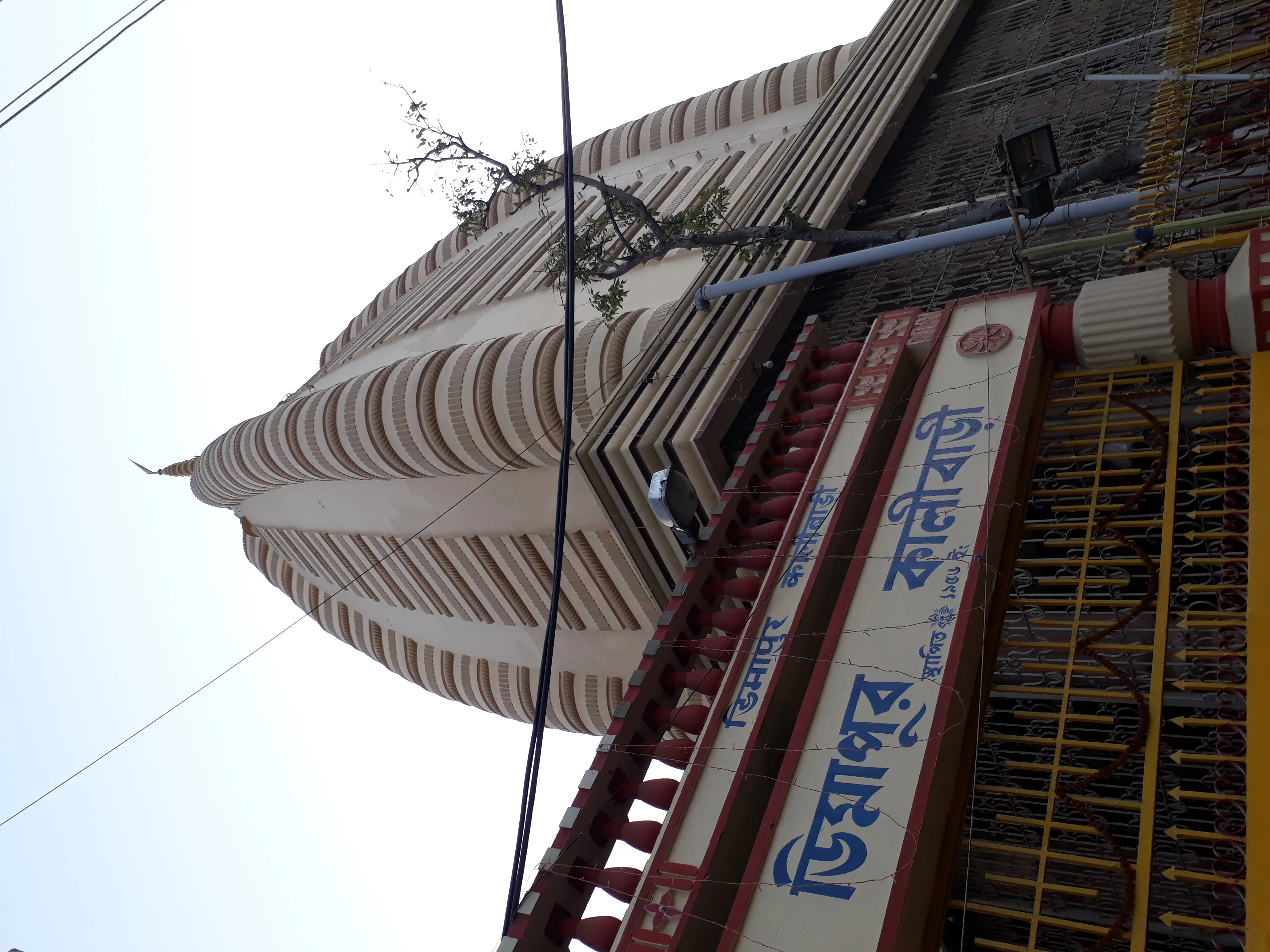
The air, thick with the scent of incense and marigold garlands, hung heavy as I stepped through the imposing gateway of the Dimapur Kalibari. This wasn't the Himalayas I was accustomed to, the familiar terrain of my North Indian explorations. This was Dimapur, Nagaland, and the vibrant colours, the unfamiliar lilt of the language, and the unique architecture of this temple instantly told me I was in a different world. The Kalibari, dedicated to the goddess Kali, stands as a striking testament to the Bengali community's presence in this northeastern state. It isn't tucked away in quiet contemplation; rather, it embraces the city's bustle, situated near the heart of Dimapur. The first thing that struck me was the sheer scale of the complex. The main temple, a two-storied structure, is painted a brilliant shade of orange, a hue that seems to amplify the tropical sun. Intricate white detailing adorns the façade, a delicate counterpoint to the bold colour. It’s a far cry from the muted sandstone and marble of North Indian temples, and yet, the reverence in the air felt instantly familiar. Climbing the steps to the main sanctum, I noticed the distinctive curved roof, reminiscent of traditional Bengali architecture, yet with a subtle Naga influence in the decorative motifs. The roofline is adorned with a series of miniature domes, or chhatris, each intricately carved and painted. These architectural flourishes speak to a cultural exchange, a blending of traditions that defines this unique place of worship. Inside, the atmosphere is charged with devotion. The scent of burning camphor and the rhythmic chanting of prayers filled the air. The idol of Kali, resplendent in her traditional garb, dominates the sanctum. Her fierce expression, usually interpreted as a symbol of destruction of evil, felt strangely comforting here, a powerful presence amidst the unfamiliar surroundings. Unlike the often hushed reverence of North Indian temples, here, the devotion is more expressive. Devotees offered prayers with a fervent energy, their voices rising and falling in unison. Stepping out onto the temple balcony, I was greeted by a panoramic view of Dimapur. The sprawling city, a mix of concrete buildings and lush greenery, stretched out before me. From this vantage point, the Kalibari felt like an anchor, a spiritual haven amidst the urban chaos. The temple complex also houses a smaller shrine dedicated to Lord Shiva. This shrine, while less elaborate than the main temple, possesses a quiet charm. The smooth, grey stone of the Shiva lingam offered a stark contrast to the vibrant colours of the Kali temple, creating a sense of balance within the complex. What truly sets the Dimapur Kalibari apart is its inclusive nature. While primarily a Hindu temple, it attracts visitors from various faiths and backgrounds. I saw local Naga families alongside Bengali devotees, all united in a shared sense of reverence. This intermingling of cultures, this quiet acceptance of different beliefs, is perhaps the most powerful testament to the spirit of this place. As I left the Kalibari, the scent of incense still clinging to my clothes, I felt a profound sense of connection. This wasn't just a temple; it was a microcosm of India's diverse cultural tapestry. It was a reminder that spirituality transcends geographical boundaries and architectural styles. It was a testament to the enduring power of faith, expressed in a myriad of ways, in a corner of India far removed from my familiar North.
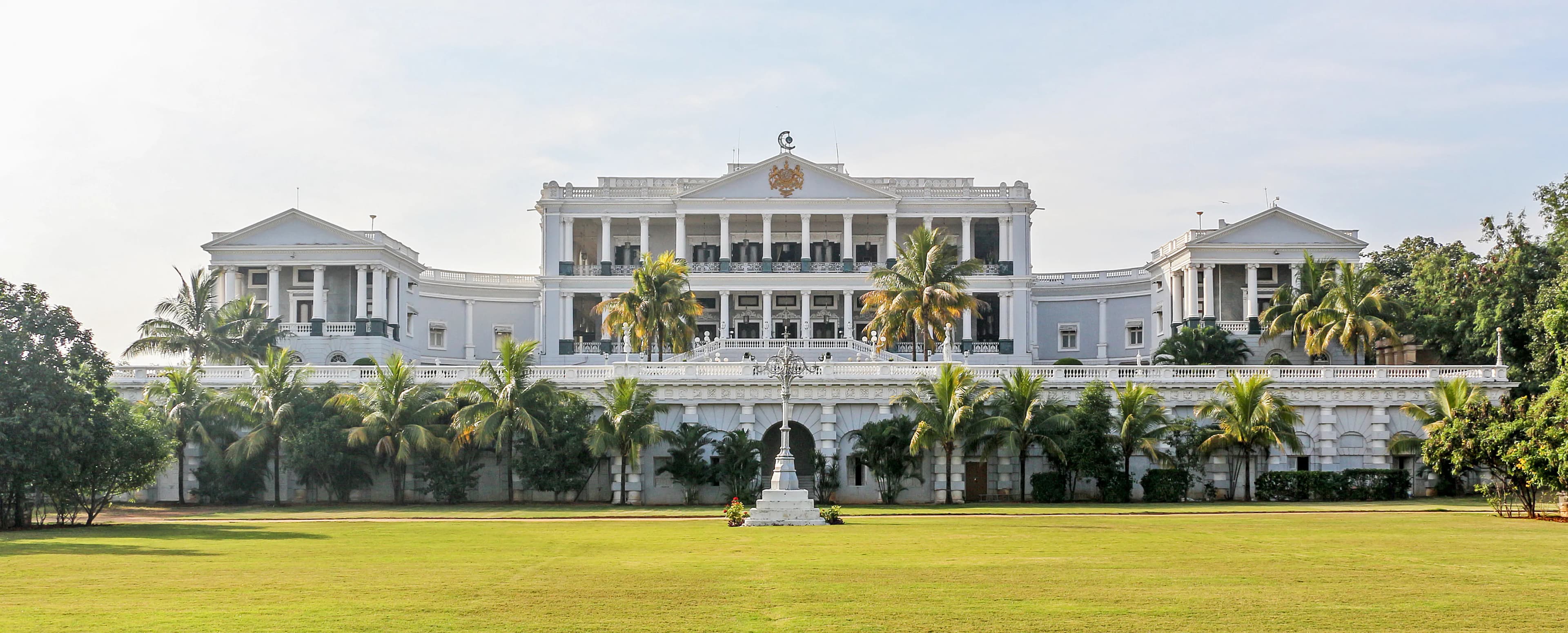
The Nizam’s carriages, gleaming under the Hyderabad sun, offered a fitting prelude to the grandeur that awaited me at Falaknuma Palace. Perched 2,000 feet above the city, this scorpion-shaped architectural marvel, meaning "Mirror of the Sky" in Urdu, truly lives up to its name. As I ascended the hill, the palace gradually revealed itself, a blend of Italian and Tudor influences against the backdrop of the Deccan plateau. The pale Italian marble, so striking against the azure sky, hinted at the opulence within. Stepping through the grand arched entrance felt like stepping back in time. The sheer scale of the entrance hall, with its soaring ceilings and intricate frescoes, was breathtaking. The jade collection, displayed in cabinets lining the walls, immediately caught my eye – a testament to the Nizam’s legendary wealth. Each piece, from delicate snuff bottles to intricately carved figurines, whispered stories of a bygone era. My guide, a seasoned historian, pointed out the intricate details of the palace's architecture. The blend of styles was seamless, a testament to the architects' vision. The stained-glass windows, imported from Venice, cast kaleidoscopic patterns on the marble floors. The intricate woodwork, particularly on the grand staircase, showcased the skill of local artisans. Everywhere I looked, there were stories etched in wood, marble, and glass. The state reception room, where the Nizam once entertained dignitaries, was a spectacle of Victorian grandeur. The furniture, upholstered in rich velvet and adorned with mother-of-pearl inlay, looked as if it had been prepared for a royal reception just yesterday. The massive chandeliers, glittering with hundreds of crystals, dominated the room, casting a warm glow on the priceless artifacts displayed around the room. I could almost imagine the Nizam, dressed in his finery, holding court in this magnificent space. The library, a personal favorite, was a haven for bibliophiles. Its walnut shelves, stacked with rare books and manuscripts, stretched towards the high, coffered ceiling. The scent of old paper and leather hung in the air, a comforting aroma that transported me to a world of scholarly pursuits. I spent a considerable amount of time admiring the collection, marveling at the breadth of knowledge contained within those walls. It was easy to see why the Nizam, a known patron of the arts and sciences, cherished this space. The dining hall, with its impossibly long table capable of seating 100 guests, was another highlight. The Nizam, known for his lavish hospitality, hosted extravagant banquets here. The stories of these legendary feasts, recounted by my guide, brought the space to life. I could almost hear the clinking of glasses, the murmur of conversations, and the strains of music that once filled this grand hall. Beyond the opulent interiors, the palace grounds offered breathtaking views of the city below. The manicured gardens, a blend of Mughal and English landscaping styles, provided a tranquil escape from the bustling city. The fountains, once a symbol of the Nizam's wealth and power, still gurgled softly, adding to the serene atmosphere. As I descended the hill, leaving the grandeur of Falaknuma behind, I couldn't help but feel a sense of awe. This wasn't just a palace; it was a time capsule, preserving a slice of India's rich history. It was a testament to the vision of the Nizams, their patronage of the arts, and their lavish lifestyle. Falaknuma Palace, truly a mirror of the sky, reflected not just the heavens above but also the grandeur of a bygone era. Having visited every UNESCO site in India, I can confidently say that Falaknuma holds a unique place, offering a glimpse into a world of princely splendor that is both captivating and unforgettable.
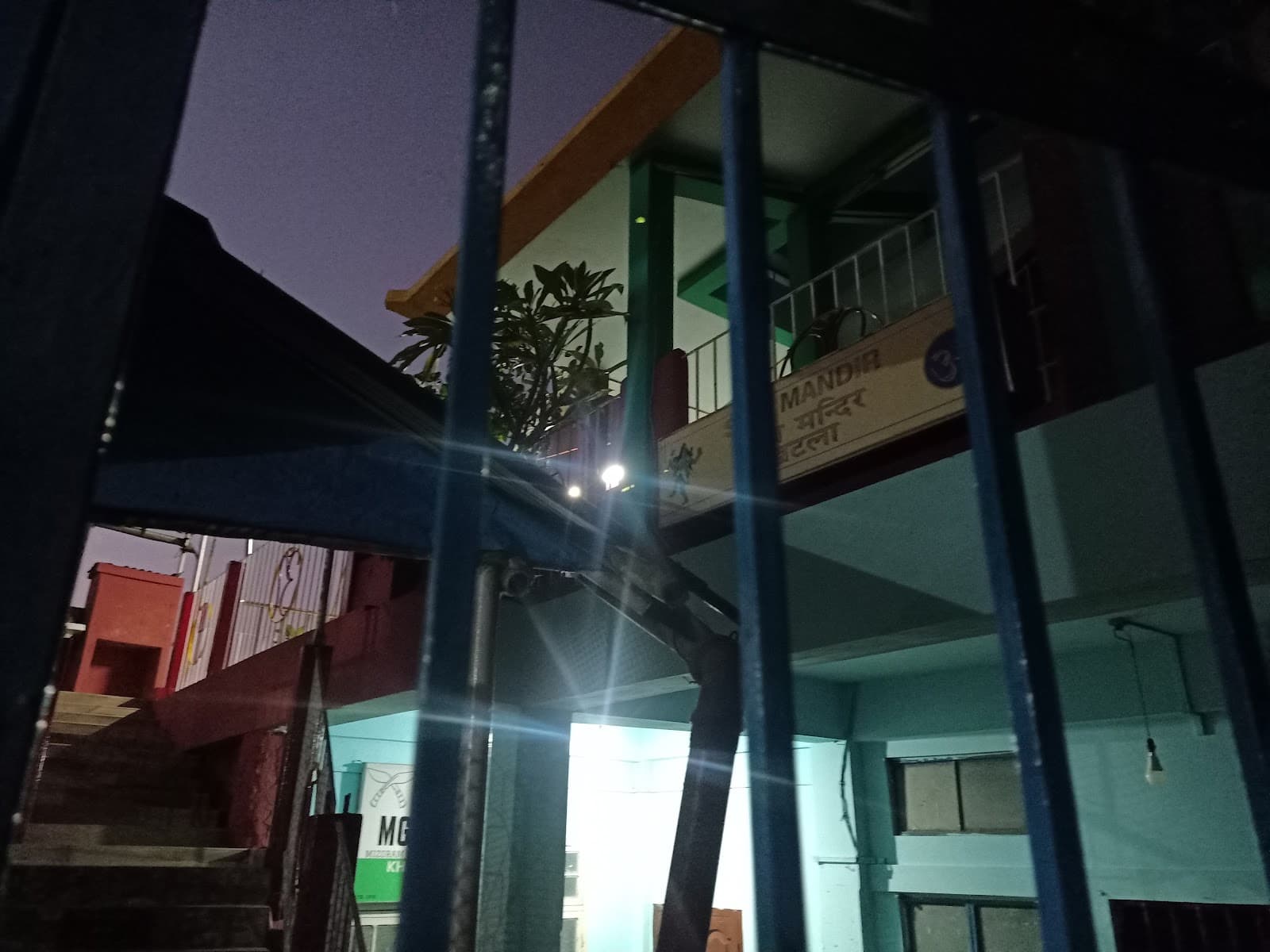
The vibrant ochre and saffron hues of the ISKCON Temple in Aizawl cut a striking figure against Mizoram's verdant hills. Perched atop a hill, the temple commands a panoramic view of the city, a vista that immediately instilled a sense of tranquility. Unlike the bustling, often chaotic atmosphere surrounding many Indian temples, a palpable sense of peace permeates this space. My visit here, as part of my project to document all of India's UNESCO World Heritage sites, offered a unique perspective on the interplay of faith and architecture in the Northeast. The temple’s architecture is a fascinating blend of traditional Nagara style with subtle Mizo influences. The towering shikharas, adorned with intricate carvings, reach towards the sky, a testament to the devotion that fueled their construction. While the core architectural elements are distinctly North Indian, the use of local materials, particularly in the construction of the surrounding walls and the landscaping, creates a sense of harmony with the environment. I noticed the extensive use of locally sourced timber, lending a warm, earthy tone to the complex. The sloping roofs, reminiscent of traditional Mizo houses, further enhance this integration. Stepping inside the main prayer hall, I was struck by the serene atmosphere. The soft chanting of Hare Krishna filled the air, punctuated by the rhythmic clanging of cymbals. The deity of Radha Krishna, resplendent in vibrant attire and adorned with flowers, held court at the center. The devotees, a mix of locals and visitors, engaged in prayer with an air of quiet devotion. I observed that the temple served as a focal point not just for religious practice, but also as a community gathering space. Families sat together, sharing stories and Prasad, creating a warm and inclusive environment. The temple complex extends beyond the main prayer hall, encompassing a guesthouse, a library, and a vegetarian restaurant. The guesthouse, designed with simple elegance, offers comfortable accommodation for visitors. The library, stocked with a vast collection of religious texts and philosophical treatises, provides a space for contemplation and learning. I spent a fascinating hour browsing through ancient scriptures, gaining a deeper understanding of the Vaishnava tradition. The Govinda’s restaurant, serving delicious and affordable vegetarian meals, is a popular spot for both devotees and locals. I savored a simple thali, appreciating the fresh, local ingredients and the peaceful ambiance. One of the most memorable aspects of my visit was witnessing the evening aarti. As the sun dipped below the horizon, casting a golden glow over the city, the temple came alive with the sounds of devotional music and chanting. The rhythmic clapping and the fervent prayers created an electrifying atmosphere. The sight of hundreds of devotees, their faces illuminated by the flickering lamps, was truly moving. It was a powerful reminder of the unifying power of faith. My visit to the ISKCON Temple in Aizawl was more than just a stop on my UNESCO journey; it was an immersive cultural experience. It offered a glimpse into the vibrant religious landscape of Mizoram and the harmonious coexistence of different traditions. The temple's architectural beauty, the serene atmosphere, and the warm hospitality of the devotees left a lasting impression. It underscored the importance of these spiritual sanctuaries not just as places of worship, but as vital community hubs, fostering a sense of belonging and shared identity. This experience further solidified my belief that exploring these sites offers a profound understanding of India's rich cultural tapestry.
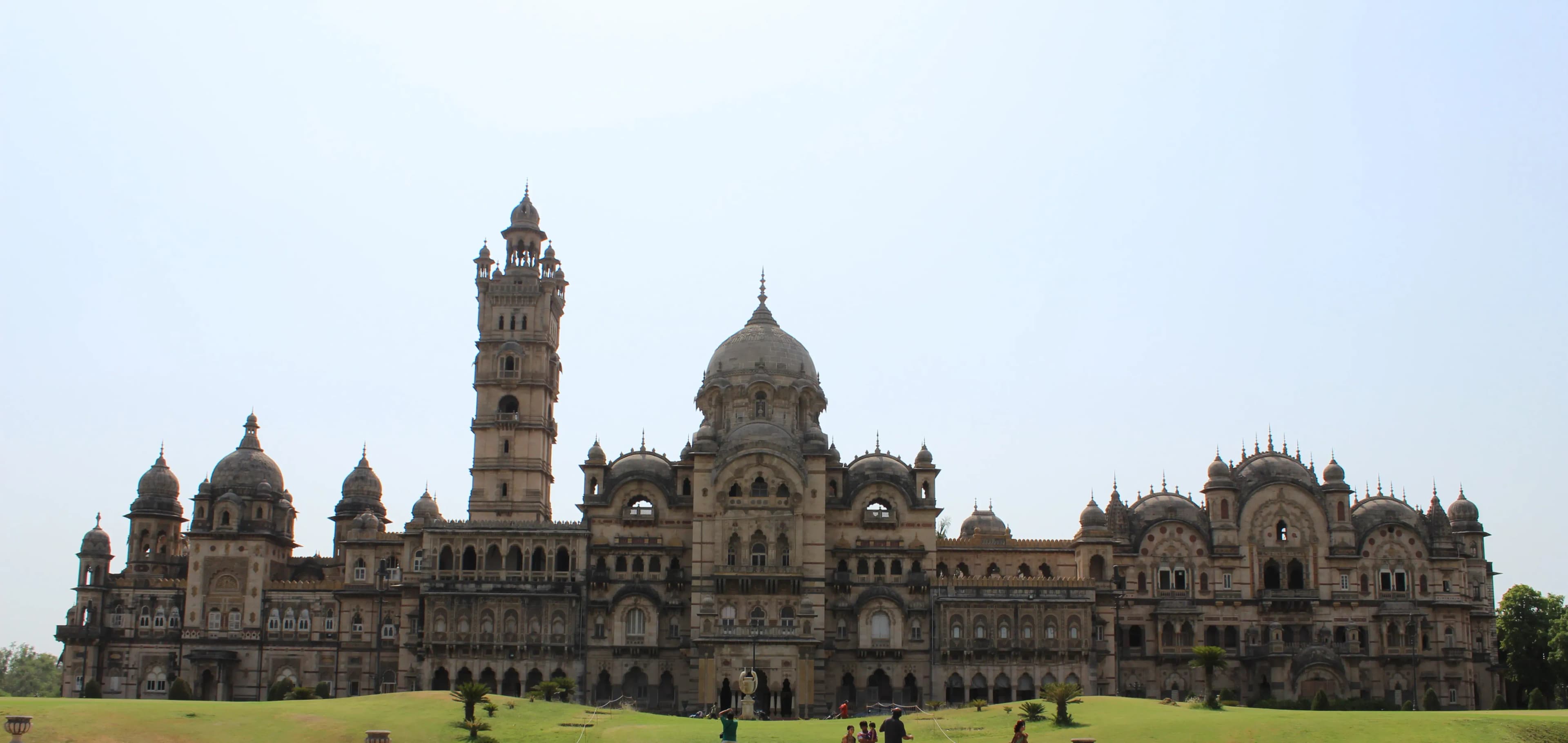
The wrought iron gates of Laxmi Vilas Palace, embellished with the Gaekwad coat of arms, seemed to whisper tales of a bygone era as I stepped onto the sprawling grounds. This wasn't merely a palace; it was a statement – a testament to the grandeur and vision of Maharaja Sayajirao Gaekwad III. The sheer scale of the Indo-Saracenic structure, dwarfing even the impressive structures I’m accustomed to in Kolkata, left me momentarily speechless. Built in 1890, it remains the largest private dwelling in India, four times the size of Buckingham Palace, a fact that continually echoed in my mind as I explored its vast expanse. The first thing that struck me was the seamless blend of architectural styles. While the domes and arches spoke of Mughal influence, the intricate carvings and jalis (perforated stone screens) were distinctly Gujarati. The use of European architectural elements, such as the Italian marble columns and stained-glass windows, added another layer of complexity, showcasing the Maharaja's cosmopolitan outlook. It wasn't just a fusion of styles, but a conversation between them, each element complementing the other in a harmonious symphony of stone and artistry. Inside, the Durbar Hall, with its Venetian mosaic floors and Belgian stained-glass windows depicting scenes from the Mahabharata, was breathtaking. The sheer opulence was almost overwhelming, yet there was a sense of restraint, a refusal to descend into gaudiness. The delicate floral motifs carved into the sandstone walls, the intricate chandeliers hanging from the high ceilings, and the portraits of the Gaekwad dynasty lining the walls all spoke of a refined aesthetic sensibility. I was particularly fascinated by the Navlakhi stepwell, tucked away in a corner of the vast gardens. Descending into its cool depths, I felt transported back in time. The intricate carvings on the stepwell walls, depicting deities and celestial beings, were remarkably well-preserved, a testament to the quality of the craftsmanship. It was a space of quiet contemplation, a stark contrast to the grandeur of the palace itself. The palace museum, housed within a section of the main building, provided a fascinating glimpse into the lives of the Gaekwad rulers. The collection of weaponry, including swords, guns, and armor, was impressive, but it was the personal artifacts – the Maharaja's vintage cars, his collection of clocks, and the portraits of his family – that truly captured my attention. These objects humanized the Maharaja, transforming him from a historical figure into a man with passions and interests. As I wandered through the manicured gardens, past fountains and sculptures, I couldn't help but reflect on the legacy of Maharaja Sayajirao Gaekwad III. He was not just a builder of palaces, but a visionary ruler who invested heavily in education, infrastructure, and social reforms. Laxmi Vilas Palace, therefore, is not just a symbol of his wealth, but a reflection of his progressive ideals. The palace continues to be the residence of the royal family, a living testament to a dynasty that shaped the history of Vadodara. Leaving the palace grounds, I felt a sense of awe and gratitude. Awe at the sheer magnificence of the structure and the artistry of its creators, and gratitude for the opportunity to witness a piece of history firsthand. Laxmi Vilas Palace is not just a building; it is a story etched in stone, a story of ambition, vision, and a deep appreciation for beauty. It is a must-see for anyone interested in Indian architecture and history, a place where the past comes alive in all its splendor.
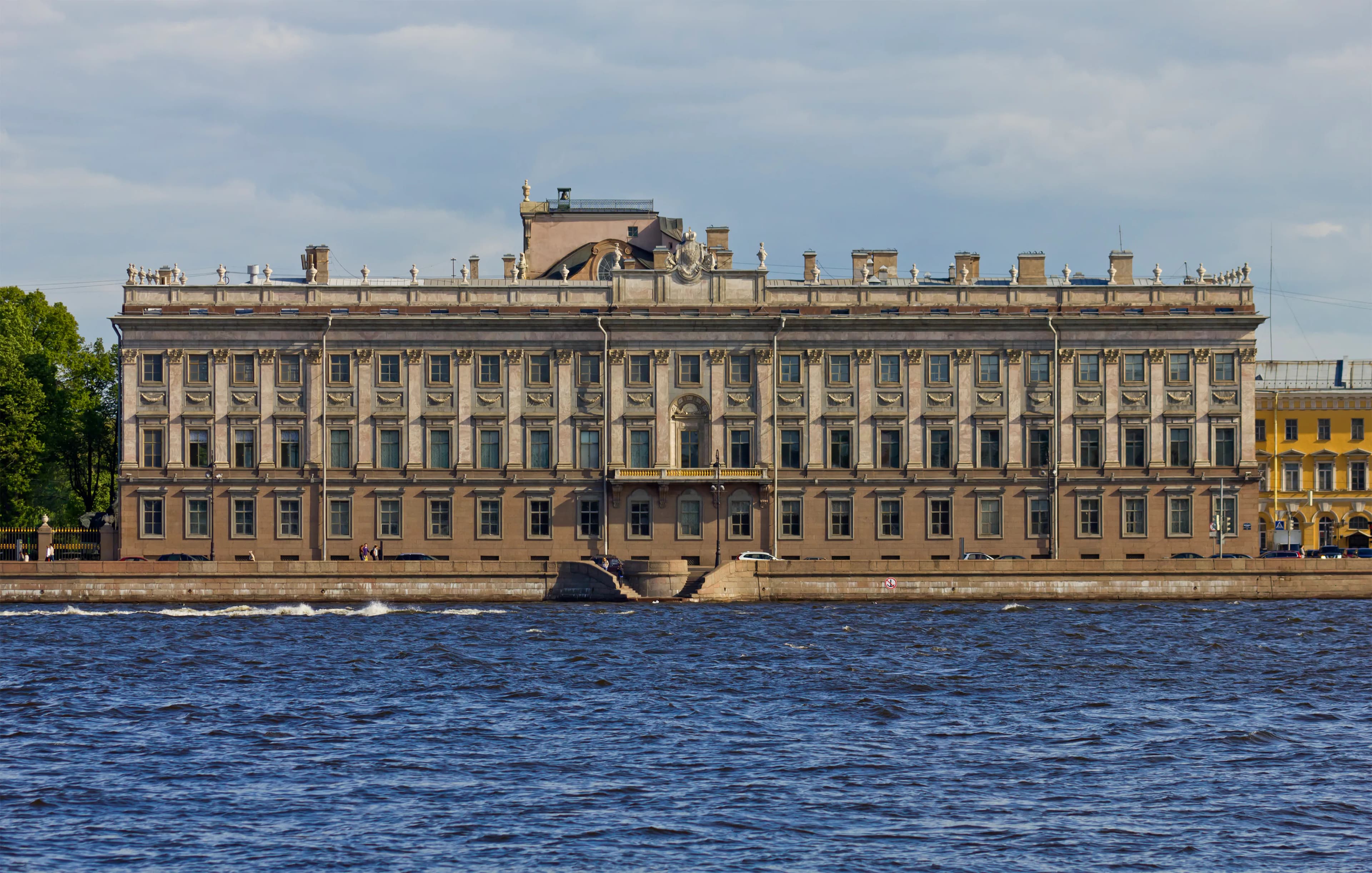
The humid Kolkata air hung heavy, a stark contrast to the crisp winter mornings I’m accustomed to in Uttar Pradesh. But the oppressive heat couldn’t diminish the anticipation I felt as I approached the Marble Palace, a structure whispered about in hushed tones for its exquisite beauty and enigmatic history. Tucked away on Muktaram Babu Street, its neoclassical façade, surprisingly understated, offered a mere glimpse of the treasures within. Stepping through the imposing iron gates felt like crossing a threshold into another era. The courtyard, a surprising oasis of calm amidst the city’s cacophony, was dominated by a magnificent marble statue of Queen Victoria, a stark reminder of the Raj's enduring influence. The palace itself, a blend of neoclassical and traditional Bengali styles, was a testament to the eclectic tastes of its 19th-century founder, Raja Rajendra Mullick, a wealthy Bengali merchant. The sheer abundance of marble, sourced from across the globe, was breathtaking. The floors, the columns, even some of the furniture, gleamed with a cool, polished elegance. I ran my hand over a balustrade, the smooth, cool surface a welcome respite from the muggy air. The intricate carvings, depicting everything from floral motifs to mythological scenes, spoke of the skilled artisans who had poured their hearts into this architectural marvel. As I moved through the labyrinthine interiors, I was struck by the sheer diversity of the collection housed within. It wasn't just the expected European sculptures and Victorian furniture; the palace was a veritable microcosm of global art and culture. I gazed at Belgian stained-glass windows, admired Chinese porcelain vases, and examined Roman busts, all coexisting in a harmonious, if somewhat bewildering, display. It was a testament to Mullick's passion for collecting, a passion that bordered on obsession. One room, the Thakur-Dalan, or the place of worship, particularly resonated with me. Here, amidst the European grandeur, was a dedicated space for traditional Hindu deities. This juxtaposition, this seamless blending of Eastern and Western traditions, felt uniquely Indian. It reminded me of the syncretic nature of our own culture in Uttar Pradesh, where Mughal influences have intertwined with ancient Hindu traditions. The palace, however, was not without its shadows. As I wandered through the dimly lit corridors, I couldn't shake off a sense of melancholy. The sheer opulence felt almost overwhelming, a stark contrast to the poverty that existed just beyond the palace walls. I learned that photography was strictly prohibited inside, a rule I respected, but which also added to the air of mystery and seclusion. It felt as though the palace was guarding its secrets, unwilling to fully reveal itself to the outside world. The extensive collection of paintings, including works by European masters and renowned Indian artists, further fueled this sense of intrigue. I stood before a painting attributed to Rubens, its vibrant colours seemingly untouched by time, and pondered the stories these walls could tell. The palace wasn't just a repository of art; it was a living archive, a silent witness to the changing tides of history. Leaving the Marble Palace, I stepped back into the vibrant chaos of Kolkata, the city's sounds and smells assaulting my senses after the hushed stillness within. The experience, however, lingered. The palace, with its marble grandeur and its enigmatic aura, had left an indelible mark. It was a place of contradictions, a testament to both the opulence and the complexities of a bygone era, a place that continued to whisper its secrets long after I had left its cool embrace. It was a reminder that even amidst the relentless march of progress, pockets of the past remain, waiting to be discovered, explored, and understood.
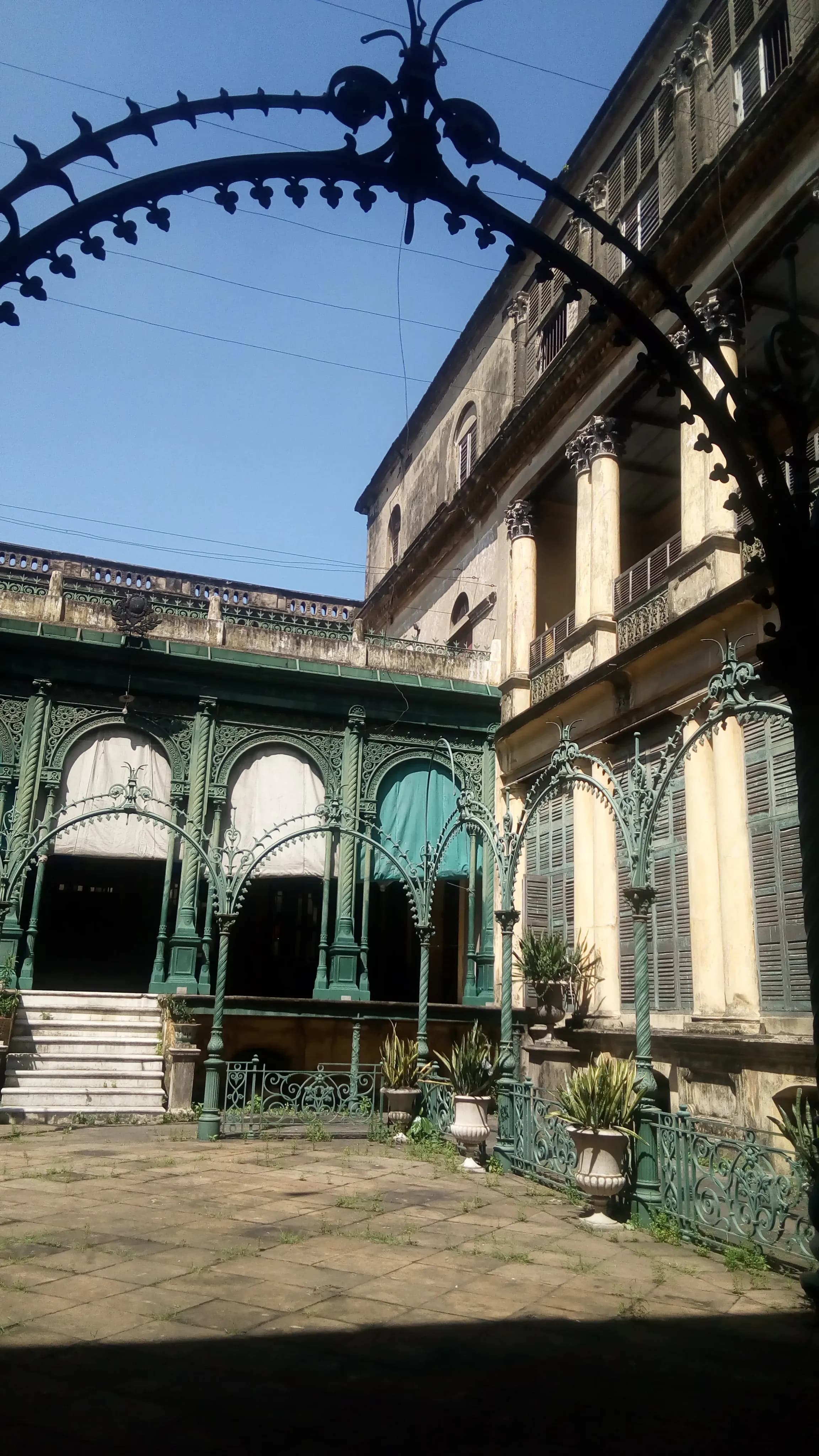
The humid Kolkata air hung heavy, a stark contrast to the dry heat I’m accustomed to in Uttar Pradesh. I stood before the imposing façade of Mullick House, a crumbling testament to a bygone era of mercantile opulence. Located on Pathuriaghata Street, this haveli, once the residence of the wealthy Mullick family, whispered stories of indigo, jute, and the ebb and flow of fortune in colonial India. The first thing that struck me was the sheer scale of the structure. Despite its dilapidated state, the grandeur was undeniable. The ornate Corinthian columns, though weathered and stained, still held their heads high, supporting balconies that must have once overflowed with life. The intricate stucco work, depicting floral motifs and mythological figures, bore the scars of time and neglect, yet retained a ghostly elegance. It was a poignant reminder of the ephemeral nature of wealth and power. Stepping through the arched gateway felt like entering a time capsule. The vast courtyard, now overgrown with weeds and littered with debris, once pulsated with the activity of a large joint family. I could almost envision the bustling scenes – children playing, women gossiping in hushed tones, and the patriarch holding court. The remnants of a fountain, choked with dust and leaves, hinted at a past desire for aesthetic refinement. The interior of the haveli was a labyrinth of interconnected rooms, each bearing the marks of its former occupants. Faded frescoes adorned the walls, depicting scenes from the epics, perhaps a reflection of the family's cultural roots. The high ceilings, once adorned with elaborate chandeliers, now revealed peeling paint and exposed beams. The intricate tile work on the floors, though cracked and broken in places, spoke of a time when no expense was spared in the pursuit of beauty. I climbed the grand staircase, its wooden banisters worn smooth by countless hands. The upper floors offered a panoramic view of the surrounding neighbourhood, a chaotic jumble of narrow lanes and crumbling buildings. It was a stark reminder of the changing face of Kolkata, a city grappling with its colonial legacy. As I wandered through the decaying rooms, I couldn't help but draw parallels with the havelis of my own Uttar Pradesh. While the architectural styles differed, the underlying ethos was the same – a celebration of family, tradition, and prosperity. Yet, unlike the meticulously preserved havelis of Lucknow and Varanasi, Mullick House seemed to have been abandoned to the vagaries of time. The neglect was heartbreaking. This wasn't just a building; it was a repository of memories, a tangible link to a significant period in Indian history. The stories embedded within its walls – of trade, migration, and cultural exchange – were in danger of being lost forever. My visit to Mullick House was a bittersweet experience. It was a privilege to witness the remnants of such architectural splendour, but also a sobering reminder of the importance of preservation. As I stepped back onto the bustling streets of Kolkata, I carried with me not just images of crumbling grandeur, but also a renewed appreciation for the fragility of our heritage. The whispers of Mullick House, though fading, deserve to be heard, its stories deserve to be told, and its legacy deserves to be protected. It stands as a potent symbol of a shared past, a past that shapes our present and will continue to influence our future.

The midday sun beat down on Vadodara, casting long shadows across the manicured lawns leading up to Nazarbaug Palace. Having explored countless Mughal and Rajput architectural marvels across North India, I was curious to see what this Gaekwad dynasty legacy held within its walls. The palace, though not as imposing as some of the Rajasthan forts I’ve traversed, exuded a quiet dignity, a subtle grandeur that hinted at the stories it held. The first thing that struck me was the intriguing blend of architectural styles. While the overall structure retained a distinctly Indian sensibility, European influences were evident in the arched windows, the ornate balconies, and the delicate filigree work adorning the façade. It was a testament to the Gaekwads' embrace of modernity while holding onto their heritage. The palace, I learned, was built in phases, starting in the early 18th century and undergoing several expansions and renovations over the years, resulting in this fascinating architectural amalgamation. Stepping inside, I was transported to a world of opulent interiors. The Darbar Hall, the heart of the palace, was breathtaking. Chandeliers, imported from Europe, cascaded from the high ceilings, casting a warm glow on the intricate mosaic floors. The walls were adorned with portraits of the Gaekwad rulers, their stern gazes seemingly following me as I walked through the hall. I could almost imagine the grand durbars held here, the hall echoing with music and laughter, a hub of political power and social gatherings. One of the most captivating aspects of Nazarbaug Palace is its collection of personal belongings of the Gaekwad family. Unlike many museums that showcase artifacts behind ropes and glass, here, you get a glimpse into the lives of the royals. From intricately carved furniture to delicate porcelain dinner sets, each item whispered stories of a bygone era. I was particularly fascinated by the collection of vintage clocks, each a miniature masterpiece of craftsmanship, frozen in time. It was a poignant reminder of the ephemeral nature of power and grandeur. Moving beyond the Darbar Hall, I explored the residential wings of the palace. The rooms, though now largely empty, retained an echo of their former occupants. I peered into the royal bedrooms, imagining the lives lived within these walls, the joys and sorrows, the triumphs and tribulations of a dynasty. The faded remnants of wallpaper and the worn patches on the wooden floors spoke volumes about the passage of time and the inevitable decay that even palaces are subject to. The palace grounds, though not expansive, offered a welcome respite from the city’s hustle. The manicured gardens, dotted with fountains and statues, provided a tranquil setting. I spent some time wandering through the pathways, admiring the vibrant bougainvillea and the fragrant jasmine, trying to capture the essence of this historical oasis. However, the highlight of my visit was undoubtedly the opportunity to see the Gaekwad’s collection of jewels. Housed in a secure vault within the palace, the collection includes some of the most exquisite pieces I have ever seen. The legendary Star of Baroda, a 78.5-carat diamond necklace, though no longer part of the collection (it was auctioned off years ago), was represented through photographs and historical accounts, leaving me awestruck by its former glory. The remaining jewels, including intricately designed necklaces, bracelets, and earrings, were a testament to the Gaekwads' immense wealth and their refined taste. Leaving Nazarbaug Palace, I felt a sense of melancholy. The palace, with its blend of architectural styles, its opulent interiors, and its poignant stories, offered a captivating glimpse into a vanished world. It was a reminder of the ebb and flow of history, the rise and fall of dynasties, and the enduring power of heritage. As I stepped back into the bustling streets of Vadodara, the quiet grandeur of Nazarbaug Palace lingered in my mind, a testament to the rich tapestry of India's past.

The imposing white façade of Ujjayanta Palace, shimmering under the Tripura sun, held me captive from the moment I arrived. Having explored every UNESCO site in India, I've encountered grandeur in various forms, but this palace, nestled within Agartala's bustling heart, possesses a unique charm. It isn't a relic of ancient times, but a relatively modern marvel, completed in 1901 by Maharaja Radha Kishore Manikya. Its blend of Mughal and European architectural styles, a testament to the era's confluence of influences, sets it apart. Stepping through the arched gateway, I was greeted by sprawling Mughal gardens, meticulously manicured lawns punctuated by vibrant flowerbeds and gurgling fountains. The palace itself, a majestic structure of white, is crowned with a tiled roof and punctuated by ornate balconies and towering domes. The central dome, particularly, commands attention with its intricate detailing and sheer scale. I spent a good while just circling the perimeter, absorbing the sheer size and grandeur of the structure. The Mughal influence is evident in the arched doorways, the intricate jali work adorning the balconies, and the overall symmetry of the design. Yet, the European touch is undeniable in the classical columns, the large windows, and the clock tower that rises proudly above the main structure. Inside, the palace has been transformed into the Tripura State Museum, a treasure trove of the region's rich history and culture. The vast halls, once the domain of royalty, now house an impressive collection of artifacts. I was particularly drawn to the textiles – intricately woven silks and embroidered fabrics that showcase the artistry of Tripura's craftspeople. The archaeological section, with its ancient sculptures and pottery shards, offered a glimpse into the region's long and layered past. Moving through the rooms, I could almost feel the echoes of the past, imagining the Maharaja holding court, the rustle of silk gowns, and the murmur of conversations in these very halls. One of the most striking features of the palace is its durbar hall. The sheer scale of the room is breathtaking, with its high ceilings, ornate chandeliers, and portraits of Tripura's royal lineage adorning the walls. Standing at the far end, I tried to imagine the grandeur of state occasions held here, the hall filled with dignitaries and courtiers. The museum has done a commendable job of preserving the original features of the palace, from the intricate woodwork on the doors and windows to the decorative tiles on the floors. Beyond the artifacts and the architecture, what truly resonated with me was the palpable sense of history that permeates Ujjayanta Palace. It's not just a building; it's a living testament to a bygone era, a tangible link to Tripura's royal heritage. Standing on the balcony, overlooking the city of Agartala, I could appreciate the strategic location of the palace, a symbol of power and authority. While the palace itself is undoubtedly the main attraction, the surrounding gardens offer a welcome respite from the bustling city. I spent a peaceful hour strolling through the manicured lawns, admiring the colourful flowers and the serene lily pond. The gardens, with their symmetrical layout and well-maintained pathways, are a testament to the meticulous planning that went into the creation of this royal oasis. Ujjayanta Palace is more than just a tourist attraction; it's a journey through time. It's a place where history whispers from the walls, where the grandeur of a bygone era comes alive. As I left the palace grounds, I carried with me not just photographs and memories, but a deeper understanding of Tripura's rich cultural tapestry. It's a site that deserves to be recognized not just for its architectural beauty, but for its historical significance and its role in preserving the legacy of a fascinating kingdom.
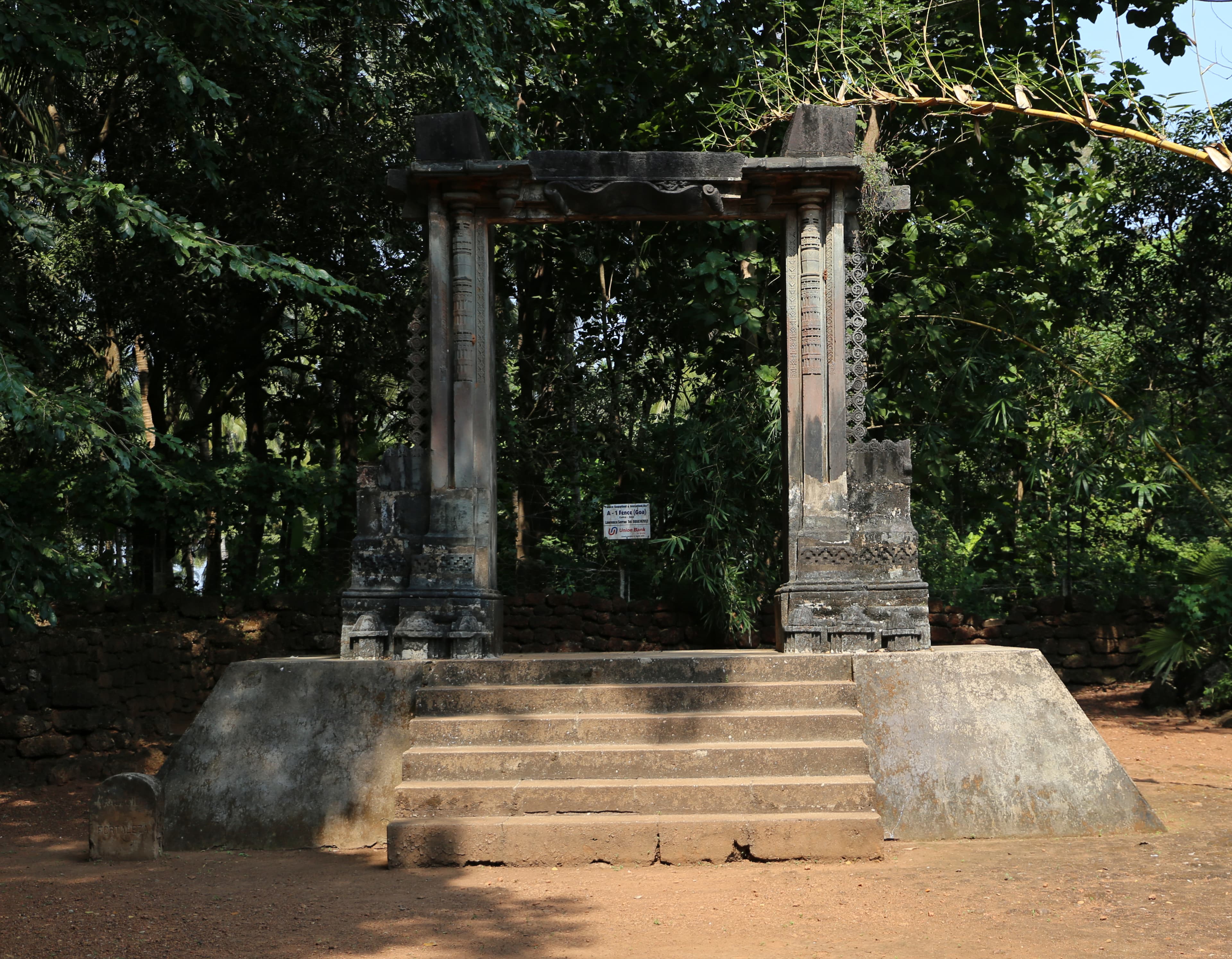
The ochre walls of the Viceroy's Palace, shimmering under the Goan sun, exuded a quiet grandeur, a stark contrast to the vibrant, almost chaotic energy of Panaji just beyond its gates. Having explored the Mughal forts of the north and the Rajput palaces of Rajasthan, I arrived at this former Portuguese seat of power with a keen eye for architectural nuances and a thirst for the stories whispered within its aged stones. The palace, now the official residence of the Governor of Goa, isn't imposing in the way of a Red Fort or an Amber Palace. Its charm lies in its understated elegance, a blend of Portuguese colonial architecture with subtle hints of Indian influences. The first thing that struck me was the distinct lack of symmetry, a departure from the meticulously planned Mughal structures I was accustomed to. The palace has grown organically over centuries, with additions and modifications reflecting the changing tides of power and architectural trends. Stepping through the arched gateway, I found myself in a courtyard paved with laterite stones, the warm, earthy tones contrasting beautifully with the whitewashed walls. A grand staircase, guarded by imposing statues of lions, led to the main entrance. The intricate carvings on the balustrade, a fusion of European motifs and local artistry, hinted at the cultural exchange that shaped this building. Inside, the palace felt like a time capsule. The high ceilings, adorned with ornate chandeliers, whispered tales of lavish banquets and diplomatic gatherings. The walls, lined with portraits of Portuguese viceroys and governors, offered a glimpse into the faces that once shaped Goa's destiny. I was particularly captivated by the Sala dos Conselhos, the Council Chamber. The massive wooden table, polished to a gleam by centuries of use, seemed to hold the weight of countless decisions that impacted the lives of Goans. The intricate inlay work on the walls, depicting scenes of Portuguese maritime exploits, served as a constant reminder of their colonial ambitions. One of the most striking features of the palace is its chapel, dedicated to St. Catherine. The simple, yet elegant altar, bathed in soft light filtering through stained-glass windows, offered a moment of tranquility amidst the grandeur. The contrast between the opulence of the palace and the serenity of the chapel was a poignant reminder of the complex interplay between power and faith that often characterized colonial rule. My exploration led me to the palace gardens, a verdant oasis offering respite from the Goan heat. The manicured lawns, dotted with flowering shrubs and ancient trees, provided a serene backdrop to the imposing structure. As I strolled along the pathways, I couldn't help but imagine the viceroys and governors who once sought solace in these very gardens, contemplating the challenges and triumphs of their rule. However, the Viceroy's Palace isn't merely a relic of the past. It's a living testament to Goa's rich and layered history. The presence of the current Governor, the fluttering of the Indian flag atop the building, and the smartly dressed guards at the gate served as a constant reminder that this historic structure continues to play a vital role in the present. Leaving the palace, I carried with me more than just photographs and memories. I carried a deeper understanding of Goa's journey, a journey etched in the very stones of the Viceroy's Palace. It's a journey that speaks of conquest and colonization, of cultural fusion and resilience, and ultimately, of the enduring spirit of a land that has absorbed and adapted to the influences of various empires, emerging with a unique identity that is both captivating and inspiring.
Related Collections
Discover more heritage sites with these related collections
Explore More Heritage
Explore our comprehensive archive of 12 heritage sites with detailed documentation, 3D models, floor plans, and historical research. Each site page includes visitor information, conservation status, architectural analysis, and downloadable resources for students, researchers, and heritage enthusiasts.
Historical Context
The historical significance of these 12 heritage sites reflects the profound integration of dharma, artha, and kama in Hindu civilization. Across successive eras, royal patrons and spiritual leaders commissioned these sacred edifices as acts of devotion, fulfilling dharmic obligations while creating eternal spaces for worship and community gathering. Various dynasties contributed unique architectural visions, establishing traditions that honored Vedic principles while incorporating regional characteristics. Master builders (sthapatis) applied knowledge from ancient shilpa shastras (architectural treatises) and vastu shastra (spatial science), creating structures embodying cosmic principles and sacred geometry. Epigraphic inscriptions and archaeological evidence reveal sophisticated networks of guilds, royal support, and community participation sustaining these massive undertakings across decades or centuries. These monuments served as centers of Vedic learning, Sanskrit scholarship, classical arts, and spiritual practice—roles many continue fulfilling today, maintaining unbroken traditions that connect contemporary Bharat to its glorious civilizational heritage.
Architectural Significance
The architectural magnificence of these 12 heritage sites demonstrates the sophisticated application of shilpa shastra principles to create spaces embodying cosmic order and divine presence. The Neoclassical Architecture tradition manifests through characteristic elements: distinctive regional architectural elements, spatial planning principles, and decorative vocabularies. Employing indigenous materials—locally sourced stone, traditional lime mortars, and time-honored construction techniques—sthapatis created structures demonstrating advanced engineering knowledge. The corbelling techniques display extraordinary precision, achieving structural stability through geometric principles. Dome construction methodologies demonstrate sophisticated understanding of load distribution and compression forces, centuries before modern engineering formalized such knowledge. Beyond structural excellence, these monuments serve as three-dimensional textbooks of Puranic narratives, Vedic cosmology, and iconographic traditions. Sculptural programs transform stone into divine forms, teaching dharma through narrative reliefs and creating sacred atmospheres conducive to devotion and contemplation. Recent photogrammetric documentation and 3D laser scanning reveal original polychromy, construction sequences, and historical conservation interventions, enriching our understanding of traditional building practices and material technologies that sustained these magnificent creations.
Conservation & Preservation
Preserving these 12 sacred heritage sites represents our collective responsibility to safeguard India's architectural and spiritual heritage for future generations. Varying protection statuses underscore the ongoing need for comprehensive heritage conservation programs. Conservation challenges include environmental degradation, biological colonization, structural deterioration, and pressures from increased visitation. Professional conservators address these through scientifically-grounded interventions: structural stabilization using compatible traditional materials, surface cleaning employing non-invasive techniques, vegetation management, and drainage improvements. Advanced documentation technologies—laser scanning, photogrammetry, ground-penetrating radar—create detailed baseline records enabling precise condition monitoring and informed conservation planning. When restoration becomes necessary, traditional building techniques and materials sourced from historical quarries ensure authenticity and compatibility. This comprehensive approach honors the devotion and craftsmanship of original builders while applying contemporary conservation science to ensure these monuments endure, continuing their roles as centers of worship, cultural identity, and civilizational pride.
Visitor Information
Experiencing these 12 sacred heritage sites offers profound connection to India's spiritual and architectural heritage. India offers well-developed infrastructure including auto-rickshaw, Indian Railways, state buses, facilitating travel between heritage sites. The optimal visiting period extends October through March when comfortable conditions facilitate exploration. Entry fees typically range from ₹25-₹40 at protected monuments. Photography for personal use is generally permitted, though professional equipment may require advance permissions. Visiting these sacred spaces requires cultural sensitivity: modest attire covering shoulders and knees, shoe removal in temple sanctums, quiet respectful demeanor, and recognition that these remain active worship centers where devotees practice centuries-old traditions. Meaningful engagement comes through understanding basic Hindu iconography, mythological narratives, and ritual contexts that bring these monuments to life.
Key Facts & Statistics
Total documented heritage sites: 12
Historic City: 5 sites
Temple: 3 sites
Monument: 1 sites
Museum: 1 sites
Palace: 1 sites
Indo-Portuguese architecture style, Neoclassical architecture style, British Colonial architecture style, Italian Renaissance architecture style architectural style: 1 sites
Nagara-Bengali-Assamese-Orissan Hybrid architecture style, Nagara architecture style, Bengali Temple architecture style, Neoclassical architecture style architectural style: 1 sites
Indo-Western Neoclassical architecture style, Neoclassical architecture style, Indo-Saracenic architecture style, European Renaissance architecture style architectural style: 1 sites
Indo-Eclectic architecture style, Bengali Temple architecture style, Rajput architecture style, Mughal architecture style architectural style: 1 sites
Indo-Saracenic Revival architecture style, Neoclassical architecture style, Mughal architecture style, Renaissance architecture style architectural style: 1 sites
Bengal Renaissance Period period construction: 7 sites
British Colonial Period period construction: 2 sites
Maratha Period period construction: 2 sites
Qutb Shahi Period period construction: 1 sites
Average documentation completion score: 78%
Featured flagship heritage sites: 12
Comprehensive digital archiving preserves heritage for future generations
Comprehensive digital archiving preserves heritage for future generations
Comprehensive digital archiving preserves heritage for future generations
Frequently Asked Questions
How many heritage sites are documented in India?
This collection includes 12 documented heritage sites across India. Each site has comprehensive documentation including photos, floor plans, and historical research.
What is the best time to visit heritage sites in India?
October through March is ideal for visiting heritage sites in India. Major festivals also offer unique cultural experiences. Check individual site pages for specific visiting hours and seasonal closures.
What are the entry fees for heritage sites?
Protected monuments typically charge ₹25-₹40. State-protected sites often have lower or no entry fees. Many temples and religious sites are free. Children often enter free. Still photography is usually included; video may require additional permits.
Are photography and videography allowed at heritage sites?
Still photography for personal use is generally permitted at most heritage sites. Tripods, flash photography, and commercial filming usually require special permissions. Some sites restrict photography of murals, sculptures, or sanctums. Drones are prohibited without explicit authorization. Always respect signage and guidelines at individual monuments.
Are these heritage sites wheelchair accessible?
Accessibility varies significantly. Major UNESCO sites and recently renovated monuments often have ramps and accessible facilities. However, many historical structures have steps, uneven surfaces, and narrow passages. Contact site authorities in advance for specific accessibility information. Our site pages indicate known accessibility features where available.
Are guided tours available at heritage sites?
Licensed guides are available at most major heritage sites, typically charging ₹200-₹500 for 1-2 hour tours. ASI-approved guides provide historical and architectural insights. Audio guides are available at select UNESCO sites. Our platform offers virtual tours and detailed documentation for major monuments.
What is the conservation status of these heritage sites?
Many sites are protected under heritage conservation laws. Active conservation includes structural stabilization, surface cleaning, vegetation control, and drainage management. Digital documentation helps monitor deterioration. Ongoing surveys track condition changes for evidence-based interventions.
What are the key features of Neoclassical Architecture?
Neoclassical Architecture features distinctive regional architectural elements, spatial planning principles, and decorative vocabularies. These elements evolved over centuries, reflecting regional climate, available materials, construction techniques, and cultural preferences. Each monument demonstrates unique variations within the broader architectural tradition.
What documentation is available for these heritage sites?
Each site includes high-resolution photography, architectural measurements, historical research, and expert annotations. Documentation averages 78% completion.
How much time should I allocate for visiting?
Plan 2-3 hours for major monuments to appreciate architectural details and explore grounds. Smaller sites may require 30-60 minutes. Multi-site itineraries should allocate travel time. Early morning or late afternoon visits offer better lighting for photography and fewer crowds. Check individual site pages for recommended visiting durations.
What is the cultural significance of these heritage sites?
These monuments represent India's diverse cultural heritage, reflecting centuries of architectural innovation, religious traditions, and artistic excellence. They serve as living links to historical societies, preserving knowledge about construction techniques, social structures, and cultural values. Many sites remain active centers of worship and community gathering.
How can I practice responsible heritage tourism?
Respect site rules including photography restrictions and designated pathways. Don't touch sculptures, murals, or walls. Dispose waste properly. Hire local guides to support communities. Avoid visiting during restoration work. Learn about cultural contexts before visiting. Report damage to authorities. Your responsible behavior helps preserve heritage for future generations.
References & Sources
Neoclassical
Neoclassical architecture is a distinctive style of Indian temple architecture characterized by its unique design elements and construction techniques. This architectural tradition flourished in India and represents a significant period in Indian cultural heritage. Features include intricate carvings, precise proportions, and integration with religious symbolism.
- 1Diverse architectural styles from various periods
- 2Intricate craftsmanship and artistic excellence
- 3Historical and cultural significance
- 4Well-documented heritage value
- 5Protected under heritage conservation acts
- 6Tourist and educational significance
| 📍West Bengal | 4 sites |
| 📍Andhra Pradesh | 2 sites |
| 📍Gujarat | 2 sites |
| 📍Goa | 1 sites |
| 📍Nagaland | 1 sites |
| 📍Tripura | 1 sites |
| 📍Mizoram | 1 sites |