Central Indian Temple Architecture in Chhattisgarh
This curated collection presents 6 architecturally significant heritage sites across chhattisgarh, each offering authentic experiences of Hindu cultural and spiritual heritage. These monuments exemplify the Central Indian Temple Architecture architectural tradition, these sites spanning multiple historical periods continue serving as active centers of worship and cultural transmission. recognizing exceptional universal value. Our comprehensive documentation provides detailed visitor information, architectural insights, and cultural context, enabling meaningful engagement with India's living heritage traditions while respecting the sacred nature of these spaces.
6 Sites Found
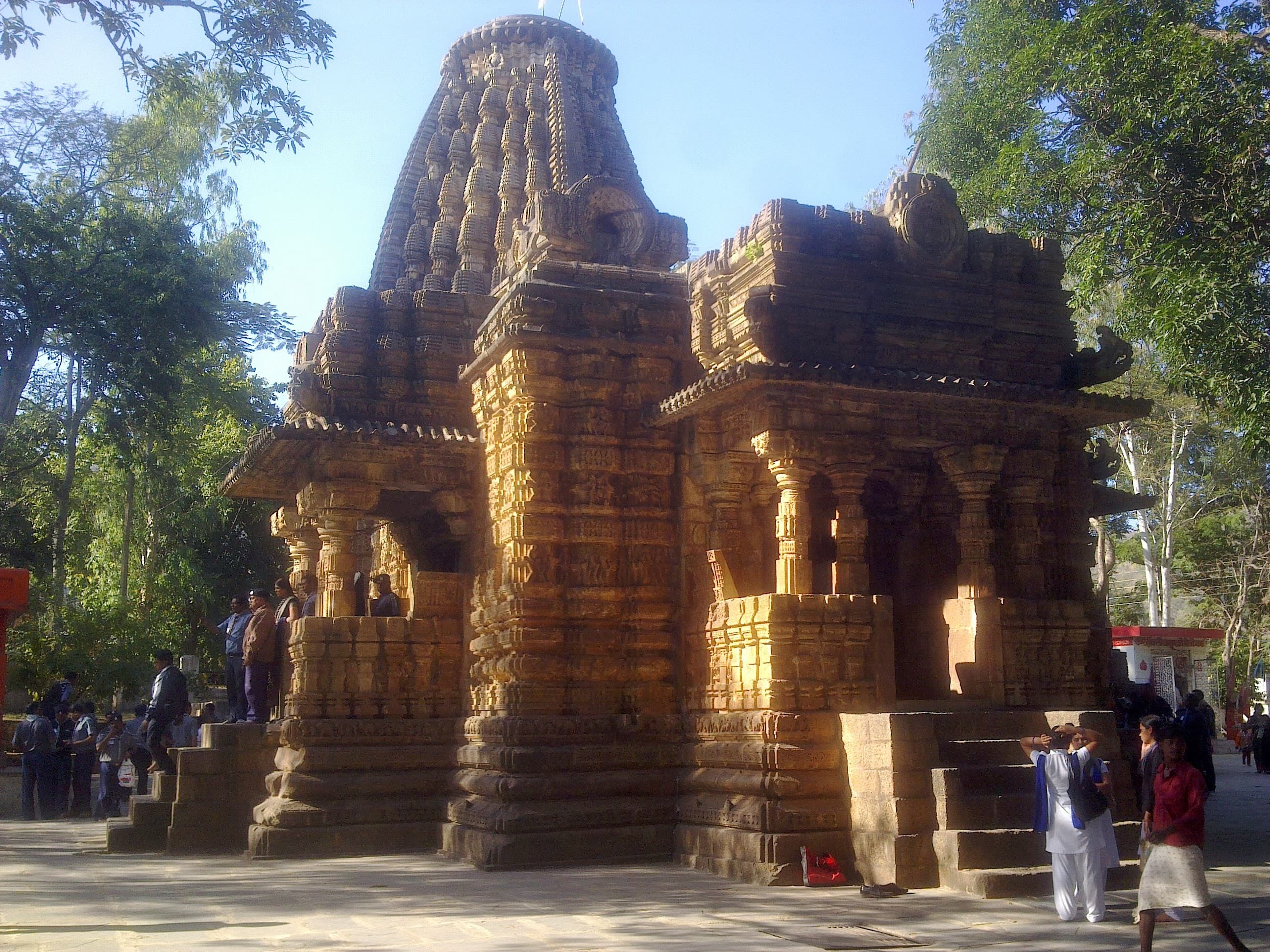
Granite and sandstone blocks, meticulously carved, form the Bhoramdeo Temple in Kabirdham, Chhattisgarh, a stunning example of 11th-century Indian architecture ([1][2]). Built around 1050 CE during the Kalachuri period, under the patronage of the Nagavanshi kings, this Hindu temple represents a seamless blend of Nagara and Bhumija architectural styles ([2][3]). The temple's intricate carvings narrate stories from the Ramayana and Mahabharata, offering insights into the daily life and artistic sensibilities of the era ([1][3][4]). During the Kalachuri period, temple architecture experienced significant development, influencing the construction of Bhoramdeo ([3][4]). The shikhara (spire) showcases the curvilinear elegance of the Nagara style, while the mandapa (pillared hall) features elaborate carvings ([2][5]). The Nagara style is characterized by its towering superstructure, while the Bhumija style, a regional variant, incorporates miniature spires attached to the main tower, adding complexity and visual richness ([5]). These architectural elements align with principles detailed in ancient texts like the *Vishnudharmottara Purana*, which discusses temple construction and iconography, as documented in the text ([6]). Also within the complex is the Madwa Mahal, adorned with celestial nymphs, enhancing the complex's spiritual allure ([1]). Beyond its artistic and architectural significance, Bhoramdeo's location amidst lush greenery, with the Maikal range as a backdrop, contributes to its tranquil ambiance ([4]). The gentle flow of the Jonk River further enhances the spiritual atmosphere, solidifying its status as a pilgrimage site ([5]). Bhoramdeo stands not only as the 'Khajuraho of Chhattisgarh' but also as a unique architectural marvel, embodying the rich heritage of ancient India, attracting pilgrims and tourists alike ([4][5]).
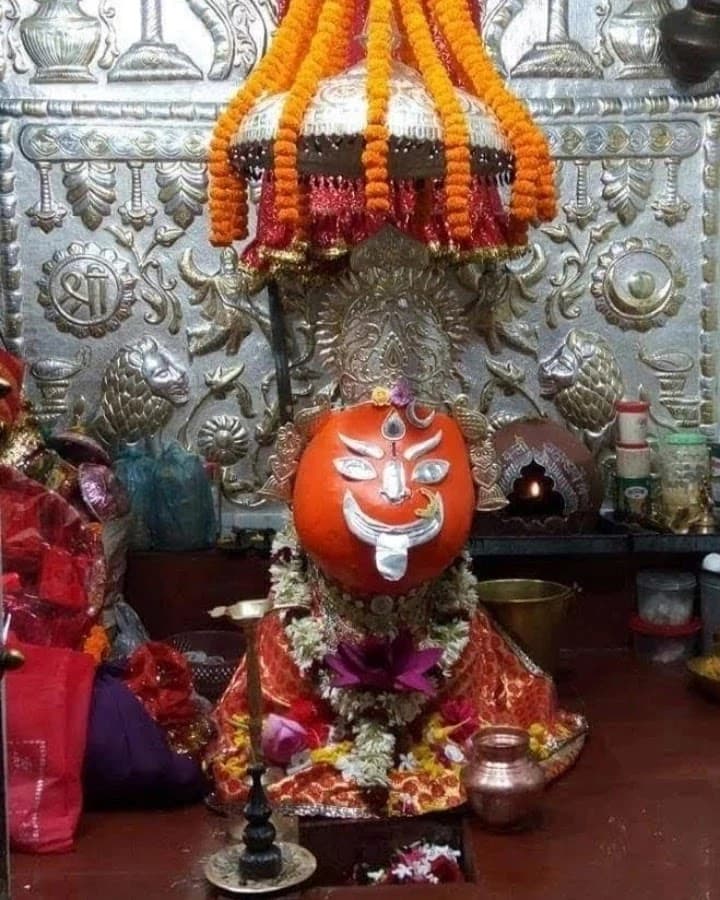
Nestled atop rugged hills near Janjgir in Chhattisgarh, the Chandrahasini Devi Temple allures devotees with its spiritual significance. During the Kalachuri period, around 1050 CE, the Kalachuri dynasty of Ratnapura constructed this temple dedicated to the goddess Chandrahasini, a form of Devi Durga ([1][2]). Kalinga architecture is prominent in the North Indian style sandstone structure ([3]). Within the Garbhagriha (Sanctum), the image of the goddess radiates a powerful aura ([4]). Intricate carvings embellish the walls, depicting scenes from Hindu mythology and local folklore ([5]). The Shikhara (Spire) connects the earthly and divine realms ([3]). Devotees participate in lively rituals, creating a captivating sensory experience ([4]). Stone platforms and foundations showcase the ancient craftsmanship employed in the temple's construction ([1][5]). Granite and sandstone blocks, meticulously carved, form the temple's elegant structure ([1][5]). The temple's design reflects elements of the Nagara style, common in North Indian temples, characterized by its towering curvilinear spire ([6]). Vedic astronomical principles guided the temple's placement, harmonizing it with the surrounding natural landscape ([7]). The temple's orientation and layout may align with Vastu Shastra principles, the ancient Indian science of architecture, though specific textual references require further investigation ([7]). The Chandrahasini Devi Temple embodies the rich cultural and architectural heritage of Chhattisgarh and stands as a testament to the artistic and spiritual traditions of the Kalachuri dynasty ([2][5]). This temple continues to be a vibrant center for religious practices and a symbol of the region's historical identity ([4]).
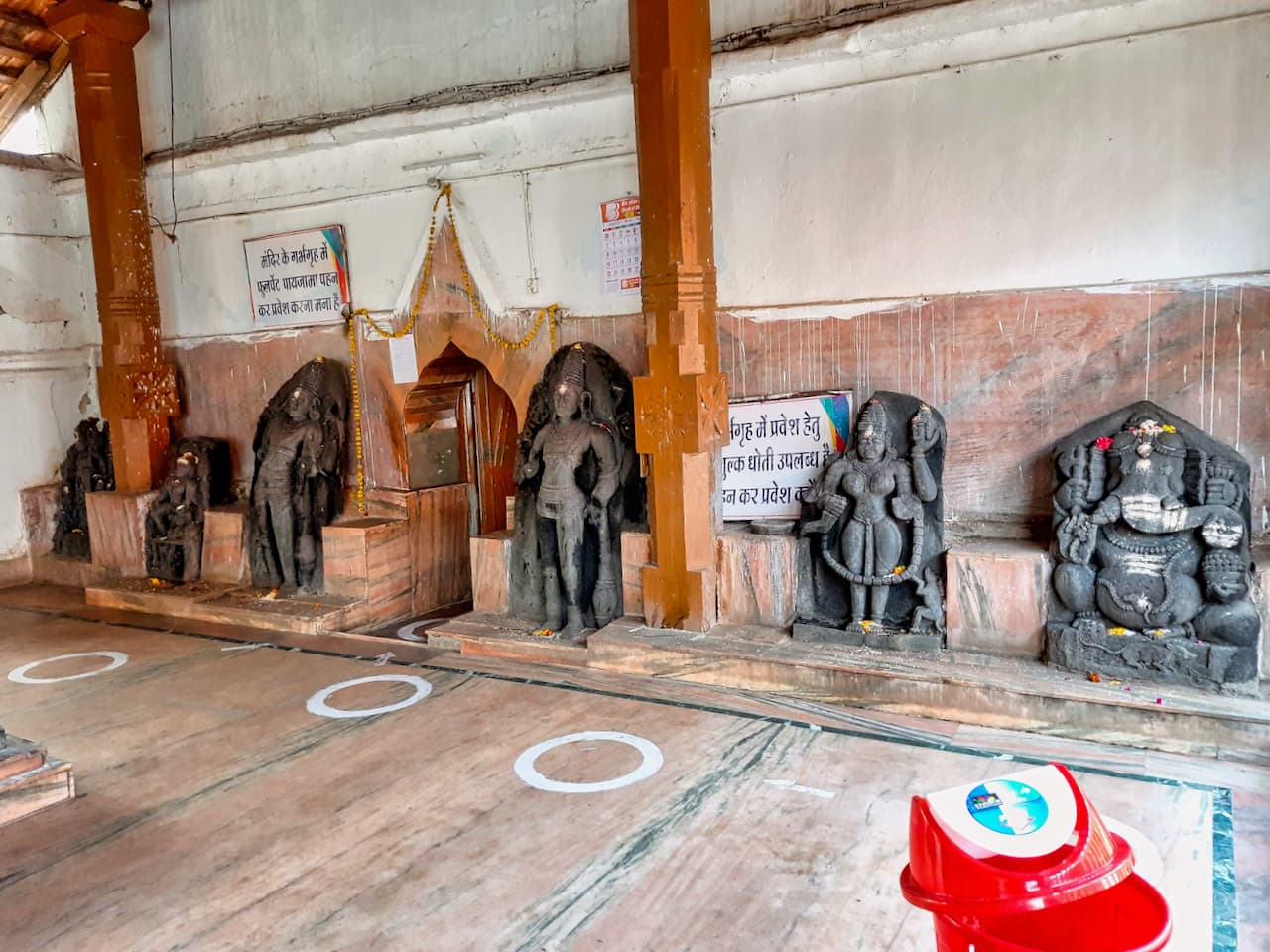
Crimson flags flutter, as the Danteshwari Temple in Dantewada, Chhattisgarh, beckons with the scent of incense and the resonance of ancient chants. Dedicated to Goddess Danteshwari, the presiding deity of the Bastar region, this temple stands as a powerful embodiment of faith and history ([1]). Built around 1050 CE during the Kalachuri period ([2]), the temple showcases a unique blend of Nagara architectural style and local tribal influences ([3]). Chalukya rulers of South Kosala were patrons of the temple ([4]). Stone platforms and foundations demonstrate the temple's enduring strength, constructed using laterite stone, brick, and wood ([5]). Unlike the elaborately carved temples of other regions, Danteshwari Temple exudes a raw, primal beauty, its weathered walls whispering tales of dynasties and devotions ([6]). The main temple features a curvilinear tower and a sanctum, characteristic of Hindu temple architecture ([7]). Intricate carvings adorning the walls of the Mandapa (Pillared Hall) depict scenes from the Mahabharata and local folklore ([8]). These narratives, etched in stone, provide a visual chronicle of the region's rich cultural heritage, seamlessly blending mythology with the traditions of the Bastar tribes ([9]). Devotees, adorned in vibrant attire, fill the inner courtyard, their faces reflecting reverence and anticipation ([10]). The rhythmic clang of bells, the chanting of priests, and the murmur of prayers create an atmosphere charged with spiritual energy. Within the Garbhagriha (Sanctum), the deity resides, radiating palpable energy of devotion ([11]). The temple complex houses several smaller shrines dedicated to various deities, each with its unique character and significance ([12]). Danteshwari Temple isn't merely a static monument; it's a living entity, constantly evolving with the changing tides of time and tradition, symbolizing resilience and the unwavering spirit of the Bastar people ([13]).
The air hung thick and humid, a typical Chhattisgarh afternoon, as I climbed the final steps leading to the Jatmai Ghatarani Temple in Raipur. Having explored countless ancient sites across North India, I was prepared for the usual – perhaps a crumbling edifice, a quiet air of reverence, and the ubiquitous scent of incense. Jatmai Ghatarani, however, defied my expectations from the very first glimpse. Nestled amidst verdant hills, the temple complex unfolded before me, a vibrant tableau of ochre and white, buzzing with an energy that felt both ancient and intensely alive. Unlike the imposing stone structures I'd grown accustomed to in the north, Jatmai Ghatarani is predominantly built of brick, lending it a unique earthy warmth. The main temple, dedicated to Goddess Jatmai, a local deity revered as a protector and granter of wishes, is a relatively modern structure. However, the real architectural intrigue lies in the surrounding shrines and the intricate terracotta work adorning them. Panels depicting scenes from mythology, floral motifs, and geometric patterns are crafted with a precision that speaks volumes about the skill of the artisans. The terracotta, weathered by time and the elements, possesses a rich patina that adds to the temple's timeless appeal. I was immediately struck by the sheer number of devotees. Families, groups of friends, and solitary pilgrims thronged the courtyard, their vibrant attire contrasting beautifully with the temple's earthy tones. The atmosphere was charged with a palpable sense of devotion, yet it wasn't somber. Laughter mingled with chants, the clanging of bells with the rhythmic beat of drums. It was a celebration of faith, a vibrant expression of community and belief. I spent hours wandering through the complex, observing the rituals, listening to the stories whispered by the locals, and absorbing the unique energy of the place. One particular shrine, dedicated to Lord Shiva, caught my attention. It was a smaller structure, tucked away in a corner, but its simplicity was its strength. A smooth, black lingam, bathed in the soft glow of oil lamps, exuded an aura of tranquility. I sat there for a while, lost in the quiet hum of devotion that permeated the air. The temple complex also houses a sacred pond, believed to possess healing properties. I watched as devotees took a dip in the cool water, their faces reflecting a mixture of hope and reverence. The pond, surrounded by lush greenery, provided a welcome respite from the afternoon heat and added to the serene ambiance of the place. What truly set Jatmai Ghatarani apart, however, was the palpable connection between the temple and the community. This wasn't just a place of worship; it was the heart of the local life. I saw families sharing meals, children playing in the courtyard, and elders sharing stories. It was a testament to the enduring power of faith and its ability to bind a community together. As the sun began to dip below the horizon, casting long shadows across the temple complex, I made my way down the steps, carrying with me the echoes of chants, the scent of incense, and the vibrant images of a community united by faith. Jatmai Ghatarani isn't just a temple; it's a living, breathing testament to the enduring power of belief and the rich tapestry of Indian culture. It’s a place where history whispers from the terracotta walls and faith resonates in the heart of every devotee. It’s a place that will stay with me long after I’ve left its sacred grounds.
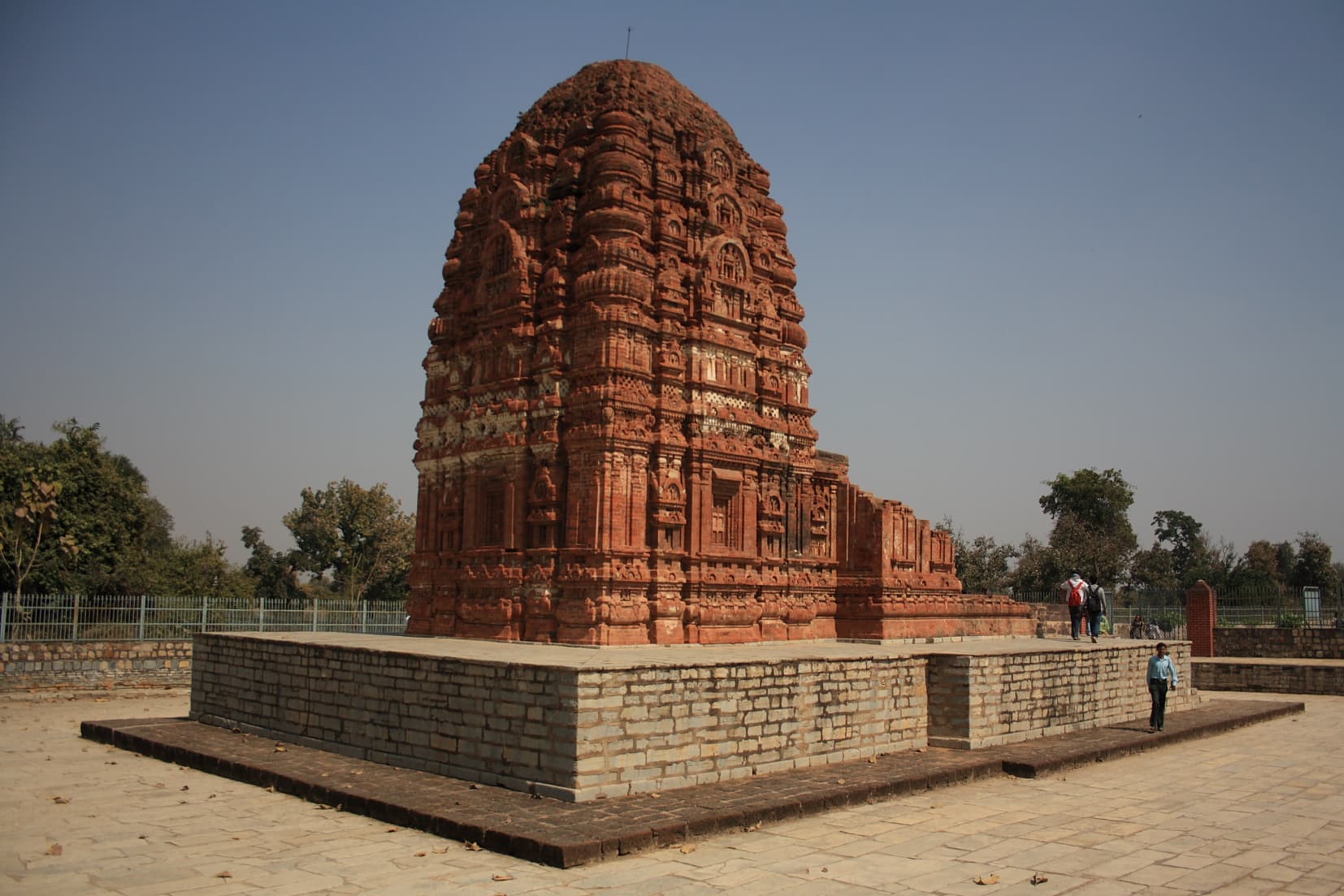
The late afternoon sun cast long shadows across the brick-strewn expanse, illuminating the Laxman Temple in Sirpur, Chhattisgarh, in a warm, ochre glow. Having crisscrossed North India, exploring countless ancient sites, I thought I’d become somewhat immune to the awe these structures inspire. Yet, standing before this 7th-century marvel, I felt a familiar thrill, a sense of connection to a past both glorious and enigmatic. Unlike the ornate sandstone structures common in Rajasthan or the intricate carvings of Khajuraho, the Laxman Temple, dedicated to Lord Vishnu, exudes a quiet strength. Built of brick, it stands as a testament to the architectural prowess of the Dakshin Kosala period. The sheer scale is impressive. The temple rises on a high plinth, its walls adorned with intricate terracotta panels depicting scenes from the Ramayana, the Puranas, and everyday life. These panels, though weathered by time, retain a remarkable clarity, offering glimpses into the artistic sensibilities and societal norms of a bygone era. I climbed the broad flight of steps leading to the main sanctum, noticing the subtle shift in the brickwork. The lower levels showcased larger, more robust bricks, while the upper sections transitioned to smaller, finer ones, almost creating a sense of visual lightness as the temple ascended. The sanctum, now empty, still resonated with a palpable sense of reverence. I could almost imagine the chanting of priests and the fragrance of incense filling the air, transporting me back centuries. Circling the temple, I examined the terracotta panels more closely. The narrative scenes were particularly captivating. One panel depicted a royal procession, complete with elephants, horses, and musicians. Another showcased a scene from the Ramayana, possibly the abduction of Sita. The details were astonishing – the expressions on the faces, the intricate headdresses, even the folds of the garments were rendered with remarkable skill. These weren't mere decorations; they were stories etched in clay, offering a window into the rich cultural tapestry of the time. The architectural style of the Laxman Temple is distinct. The pancharatha plan, with its projections on the walls, creates a dynamic interplay of light and shadow. The shikhara, though partially damaged, still retains its elegant curvilinear form, a hallmark of the Nagara style prevalent in North India. However, what truly sets this temple apart is the extensive use of brick. While brick temples are not uncommon, the Laxman Temple showcases a level of sophistication rarely seen in brick construction. The precision of the brickwork, the intricate carvings, and the sheer scale of the structure are a testament to the mastery of the artisans who built it. As I descended the steps, I noticed a group of local children playing near the temple ruins. Their laughter echoed across the ancient site, a poignant reminder that life continues, even amidst the remnants of a forgotten empire. Sirpur, once a bustling centre of art, culture, and religion, now stands as a quiet testament to the ebb and flow of time. My visit to the Laxman Temple was more than just a sightseeing trip; it was a journey through time. It was a reminder of the rich cultural heritage of India, a heritage that often lies hidden in plain sight, waiting to be discovered and appreciated. As I left Sirpur, the image of the temple bathed in the golden light of the setting sun remained etched in my mind, a symbol of resilience, artistry, and the enduring power of the past.
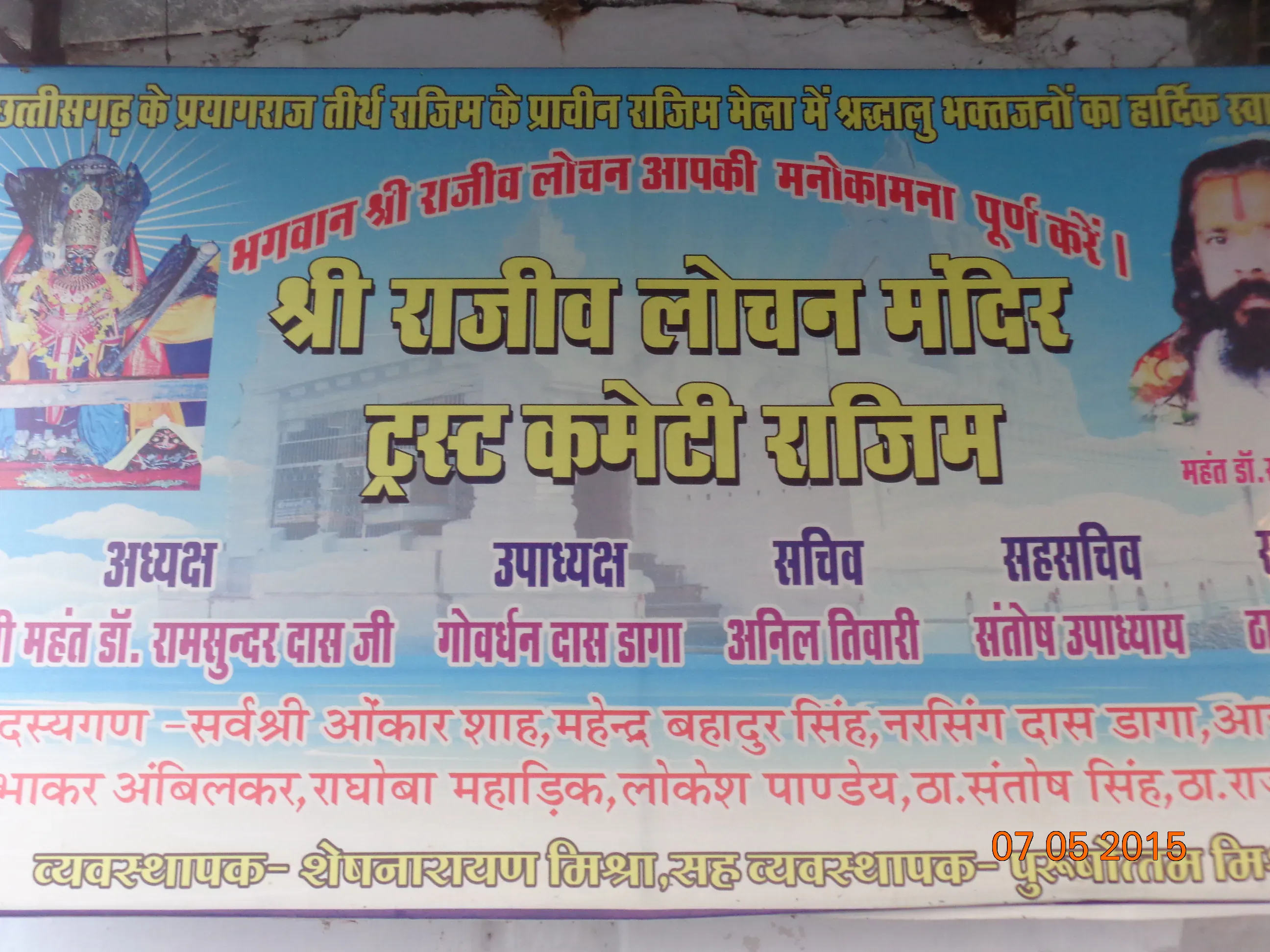
The midday sun beat down on Rajim, casting long shadows across the courtyard of the Rajiv Lochan Temple. Dust motes danced in the shafts of light filtering through the intricately carved pillars, illuminating the worn stone floors beneath my feet. Having explored countless forts and palaces of Rajasthan, I’ve developed a keen eye for architectural nuances, and this temple, dedicated to Lord Vishnu, held a distinct charm, a quiet grandeur different from the Rajputana opulence I was accustomed to. Rajiv Lochan, meaning “lotus-eyed,” refers to Vishnu, and the temple’s architecture seemed to echo this imagery. The main shikhara, though partially damaged by time and elements, still soared impressively, its curving lines reminiscent of a blooming lotus bud. Unlike the sandstone structures prevalent in Rajasthan, this temple was built primarily of brick, lending it a warm, earthy hue. The brickwork itself was remarkable, showcasing a precision and artistry that spoke volumes about the skill of the ancient builders. Intricate carvings depicting scenes from the epics, celestial beings, and floral motifs adorned the pillars, doorways, and outer walls. While some carvings were weathered, blurring the details, others remained remarkably crisp, allowing me to trace the delicate lines and appreciate the narrative they conveyed. I circled the temple, absorbing the details. The mandapa, or pillared hall, was particularly striking. Massive, ornately carved pillars supported the roof, creating a sense of both strength and elegance. The play of light and shadow within this space added a mystical quality, transporting me back in time. I could almost hear the echoes of ancient chants and the rustle of silk garments. The pillars, I noticed, were not uniform. Some were circular, others square, and yet others octagonal, each adorned with unique carvings. This variation, rather than appearing haphazard, contributed to the overall aesthetic, creating a sense of dynamic harmony. Entering the garbhagriha, the sanctum sanctorum, I was struck by the simplicity. The deity, Lord Vishnu in his Rajiv Lochan form, resided within, emanating a palpable sense of serenity. The dimly lit space, the scent of incense, and the hushed whispers of devotees created an atmosphere of reverence. It was a stark contrast to the elaborate carvings and bustling courtyard outside, highlighting the essence of devotion that lay at the heart of this ancient structure. As I wandered through the temple complex, I noticed several smaller shrines dedicated to other deities, tucked away in corners and alcoves. Each shrine, though smaller in scale, possessed its own unique character and architectural details. This integration of multiple deities within a single complex spoke to the inclusive nature of Hindu worship. One aspect that particularly intrigued me was the temple’s location on the confluence of three rivers – the Mahanadi, the Pairi, and the Sondur. This confluence, known as Triveni Sangam, is considered sacred in Hinduism, and the temple’s placement here added another layer of significance. I walked down to the riverbank, watching the waters converge, and felt a sense of peace wash over me. The gentle lapping of the waves against the ghats seemed to echo the timeless rhythm of devotion that had permeated this site for centuries. The Rajiv Lochan Temple is not just a structure of brick and stone; it’s a living testament to the faith, artistry, and cultural heritage of the region. It’s a place where history whispers from every carved surface, where the divine and the earthly converge, and where the seeker can find solace in the quiet embrace of ancient traditions. Leaving the temple, I carried with me not just photographs and notes, but a deeper appreciation for the architectural and spiritual tapestry of India, a tapestry woven with threads of devotion, artistry, and time.
Related Collections
Discover more heritage sites with these related collections
Explore More Heritage
Explore our comprehensive documentation of these 6 heritage sites, featuring architectural analysis, historical context, visitor information, conservation status, and detailed site-specific resources supporting meaningful engagement with India's living heritage traditions.
Historical Context
Understanding the historical context of these 6 heritage sites illuminates centuries of Hindu architectural achievement and spiritual devotion. Across successive dynasties, royal patrons and spiritual communities collaborated to create these magnificent monuments as expressions of dharmic duty and devotional fervor. Multiple dynasties contributed distinctive architectural visions, engaging master architects (sthapatis), skilled sculptors (shilpis), and specialized craft guilds who transmitted knowledge through generations. These collaborations produced monuments reflecting both royal vision and artisan mastery, incorporating ancient Vedic principles with regional innovations. Archaeological and epigraphic research continues revealing fascinating details about construction processes, guild organization, material sourcing, and patronage networks. Foundation inscriptions, donor records, and architectural evidence illuminate the devotion, resources, and expertise invested in creating these sacred spaces that honor the divine while demonstrating human achievement at its finest.
Architectural Significance
The architectural elements visible across these 6 heritage sites demonstrate the sophisticated synthesis of aesthetic beauty, structural engineering, and spiritual symbolism characteristic of Hindu temple architecture. The Central Indian Temple Architecture tradition expresses itself through distinctive features: distinctive regional architectural elements, spatial planning principles, and decorative vocabularies. Indigenous building materials—locally sourced stone, traditional lime mortars, timber where appropriate—shaped architectural possibilities and aesthetic expressions. Monumental scale creates appropriate awe, preparing visitors psychologically for divine encounter. Intricate sculptural programs covering every surface teach Puranic narratives and iconographic conventions, transforming architecture into pedagogical instruments. Structural innovations—corbelling achieving remarkable cantilevers, domed ceilings distributing forces through hidden interlocking systems—demonstrate engineering knowledge refined through centuries of practical experience. Lighting conditions dramatically affect sculptural perception; morning and evening illumination reveals details obscured during harsh midday sun. Advanced documentation through photogrammetry and laser scanning continues discovering previously unrecorded architectural elements, enriching scholarly understanding of these magnificent achievements.
Conservation & Preservation
The preservation status of these 6 heritage sites reflects ongoing commitment to safeguarding India's irreplaceable heritage. While protection mechanisms vary, ensuring legal safeguards and systematic conservation programs. Challenges include environmental factors, material degradation, and visitor management. Professional conservation employs traditional techniques alongside modern technology: structural monitoring, condition assessments, and preventive measures addressing deterioration before critical failures occur. Advanced documentation—aerial surveys, laser scanning, material analysis—creates comprehensive records supporting evidence-based interventions. Visitor participation in heritage preservation includes respectful site conduct, reporting observed damage, and supporting conservation initiatives financially. The investment in documentation and monitoring ensures that when intervention becomes necessary, restoration maintains historical authenticity and technical compatibility with original construction methods.
Visitor Information
Planning visits to these 6 heritage sites benefits from understanding access logistics and appropriate conduct. chhattisgarh offers well-developed infrastructure with accommodation options available near major heritage sites. The optimal visiting season extends October through March. Entry fees at protected sites typically range ₹25-₹40. Photography for personal use is generally permitted, though tripods and professional equipment may require advance authorization. Respectful conduct honors both the monuments and continuing worship traditions: modest attire with covered shoulders and legs, shoe removal in temple sanctums, quiet demeanor, and abstaining from touching sculptural surfaces. Knowledgeable local guides enhance understanding of architectural features, iconographic programs, and ritual contexts, transforming visits into meaningful cultural experiences.
Key Facts & Statistics
Total documented heritage sites: 6
Temple: 5 sites
Fort: 1 sites
Kalinga Nagara architecture style, Nagara architecture style, Central Indian Temple architecture style, Hindu Temple architecture style architectural style: 1 sites
Nagara architecture style, Kalinga architecture style, Panchayatana architecture style, Central Indian Temple architecture style architectural style: 1 sites
Bhumija Nagara architecture style, Nagara architecture style, Latina Nagara architecture style, Hindu Temple architecture style architectural style: 1 sites
Nagara architecture style, Kalinga architecture style, Central Indian architecture style, Hindu Temple architecture style architectural style: 1 sites
Nagara architecture style, Kalinga Nagara architecture style, Brick Nagara architecture style, Central Indian Nagara architecture style architectural style: 1 sites
Kalachuri Period period construction: 6 sites
Average documentation completion score: 78%
Featured flagship heritage sites: 6
Comprehensive digital archiving preserves heritage for future generations
Comprehensive digital archiving preserves heritage for future generations
Comprehensive digital archiving preserves heritage for future generations
Comprehensive digital archiving preserves heritage for future generations
Comprehensive digital archiving preserves heritage for future generations
Comprehensive digital archiving preserves heritage for future generations
Comprehensive digital archiving preserves heritage for future generations
Comprehensive digital archiving preserves heritage for future generations
Comprehensive digital archiving preserves heritage for future generations
Frequently Asked Questions
How many heritage sites are documented in chhattisgarh?
This collection includes 6 documented heritage sites in chhattisgarh. Each site has comprehensive documentation including photos, floor plans, and historical research.
What is the best time to visit heritage sites in chhattisgarh?
October through March is ideal for visiting heritage sites in chhattisgarh. Major festivals also offer unique cultural experiences. Check individual site pages for specific visiting hours and seasonal closures.
What are the entry fees for heritage sites?
Protected monuments typically charge ₹25-₹40. State-protected sites often have lower or no entry fees. Many temples and religious sites are free. Children often enter free. Still photography is usually included; video may require additional permits.
Are photography and videography allowed at heritage sites?
Still photography for personal use is generally permitted at most heritage sites. Tripods, flash photography, and commercial filming usually require special permissions. Some sites restrict photography of murals, sculptures, or sanctums. Drones are prohibited without explicit authorization. Always respect signage and guidelines at individual monuments.
How do I reach heritage sites in chhattisgarh?
chhattisgarh is well-connected via auto-rickshaw, Indian Railways, state buses. Major cities have airports with domestic and international flights. Public transport connects smaller towns. Most heritage sites are accessible by local transport or rental vehicles. Plan 2-3 hours per major monument.
Are these heritage sites wheelchair accessible?
Accessibility varies significantly. Major UNESCO sites and recently renovated monuments often have ramps and accessible facilities. However, many historical structures have steps, uneven surfaces, and narrow passages. Contact site authorities in advance for specific accessibility information. Our site pages indicate known accessibility features where available.
Are guided tours available at heritage sites?
Licensed guides are available at most major heritage sites, typically charging ₹200-₹500 for 1-2 hour tours. ASI-approved guides provide historical and architectural insights. Audio guides are available at select UNESCO sites. Our platform offers virtual tours and detailed documentation for major monuments.
What is the conservation status of these heritage sites?
Many sites are protected under heritage conservation laws. Active conservation includes structural stabilization, surface cleaning, vegetation control, and drainage management. Digital documentation helps monitor deterioration. Ongoing surveys track condition changes for evidence-based interventions.
What are the key features of Central Indian Temple Architecture?
Central Indian Temple Architecture features distinctive regional architectural elements, spatial planning principles, and decorative vocabularies. These elements evolved over centuries, reflecting regional climate, available materials, construction techniques, and cultural preferences. Each monument demonstrates unique variations within the broader architectural tradition.
What documentation is available for these heritage sites?
Each site includes high-resolution photography, architectural measurements, historical research, and expert annotations. Documentation averages 78% completion.
How much time should I allocate for visiting?
Plan 2-3 hours for major monuments to appreciate architectural details and explore grounds. Smaller sites may require 30-60 minutes. Multi-site itineraries should allocate travel time. Early morning or late afternoon visits offer better lighting for photography and fewer crowds. Check individual site pages for recommended visiting durations.
What is the cultural significance of these heritage sites?
These monuments represent India's diverse cultural heritage, reflecting centuries of architectural innovation, religious traditions, and artistic excellence. They serve as living links to historical societies, preserving knowledge about construction techniques, social structures, and cultural values. Many sites remain active centers of worship and community gathering.
What other attractions are near these heritage sites?
chhattisgarh offers diverse tourism experiences beyond heritage monuments. Explore local museums, craft villages, nature reserves, and cultural festivals. Many heritage sites are clustered in historic towns with traditional markets and cuisine. Our site pages include nearby attraction recommendations and multi-day itinerary suggestions.
How can I practice responsible heritage tourism?
Respect site rules including photography restrictions and designated pathways. Don't touch sculptures, murals, or walls. Dispose waste properly. Hire local guides to support communities. Avoid visiting during restoration work. Learn about cultural contexts before visiting. Report damage to authorities. Your responsible behavior helps preserve heritage for future generations.
References & Sources
Chhattisgarh
Central Indian Temple
Central Indian Temple architecture is a distinctive style of Indian temple architecture characterized by its unique design elements and construction techniques. This architectural tradition flourished in chhattisgarh and represents a significant period in Indian cultural heritage. Features include intricate carvings, precise proportions, and integration with religious symbolism.
- 1Diverse architectural styles from various periods
- 2Intricate craftsmanship and artistic excellence
- 3Historical and cultural significance
- 4Well-documented heritage value
- 5Protected under heritage conservation acts
- 6Tourist and educational significance
| 📍Chhattisgarh | 6 sites |